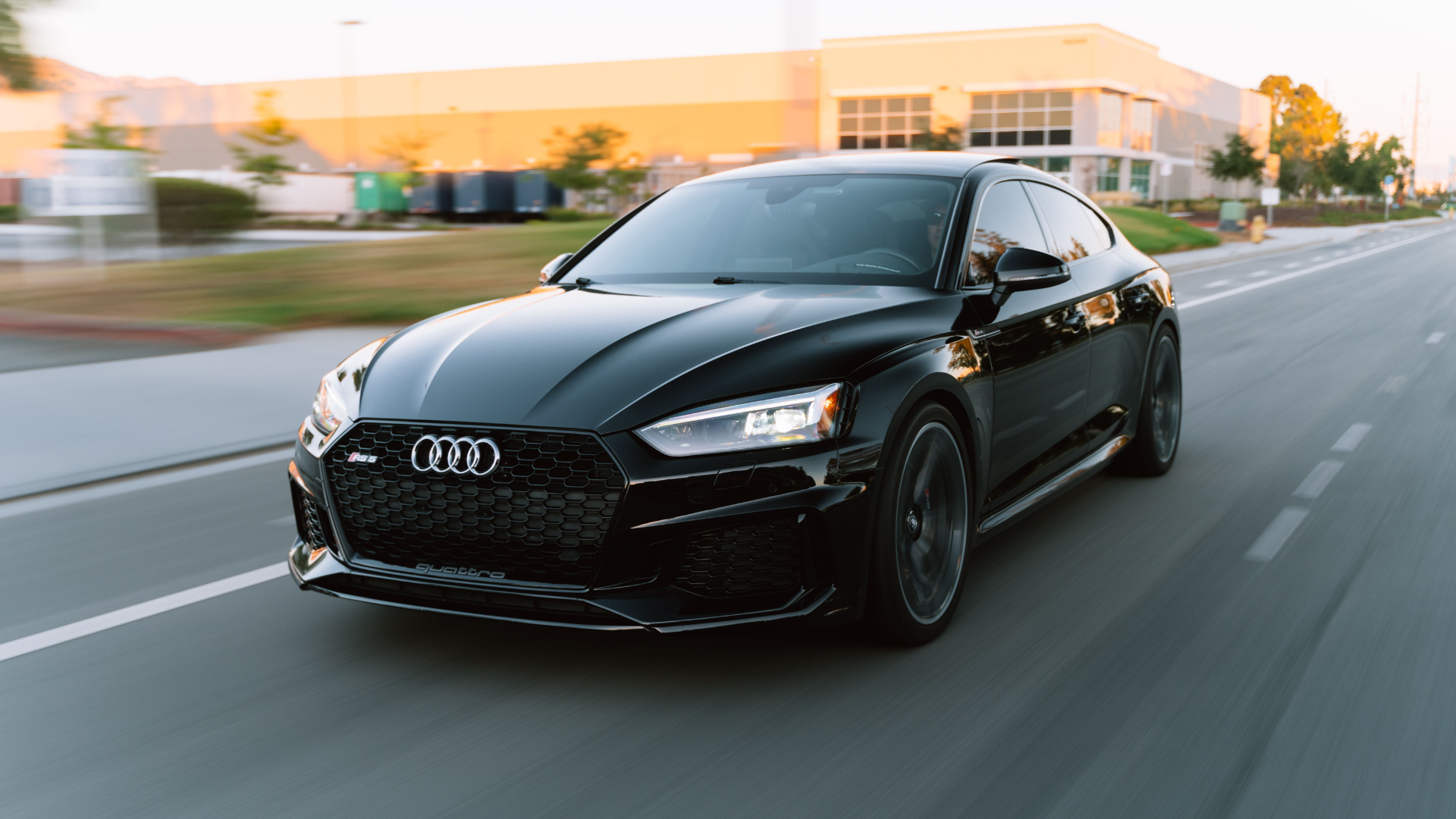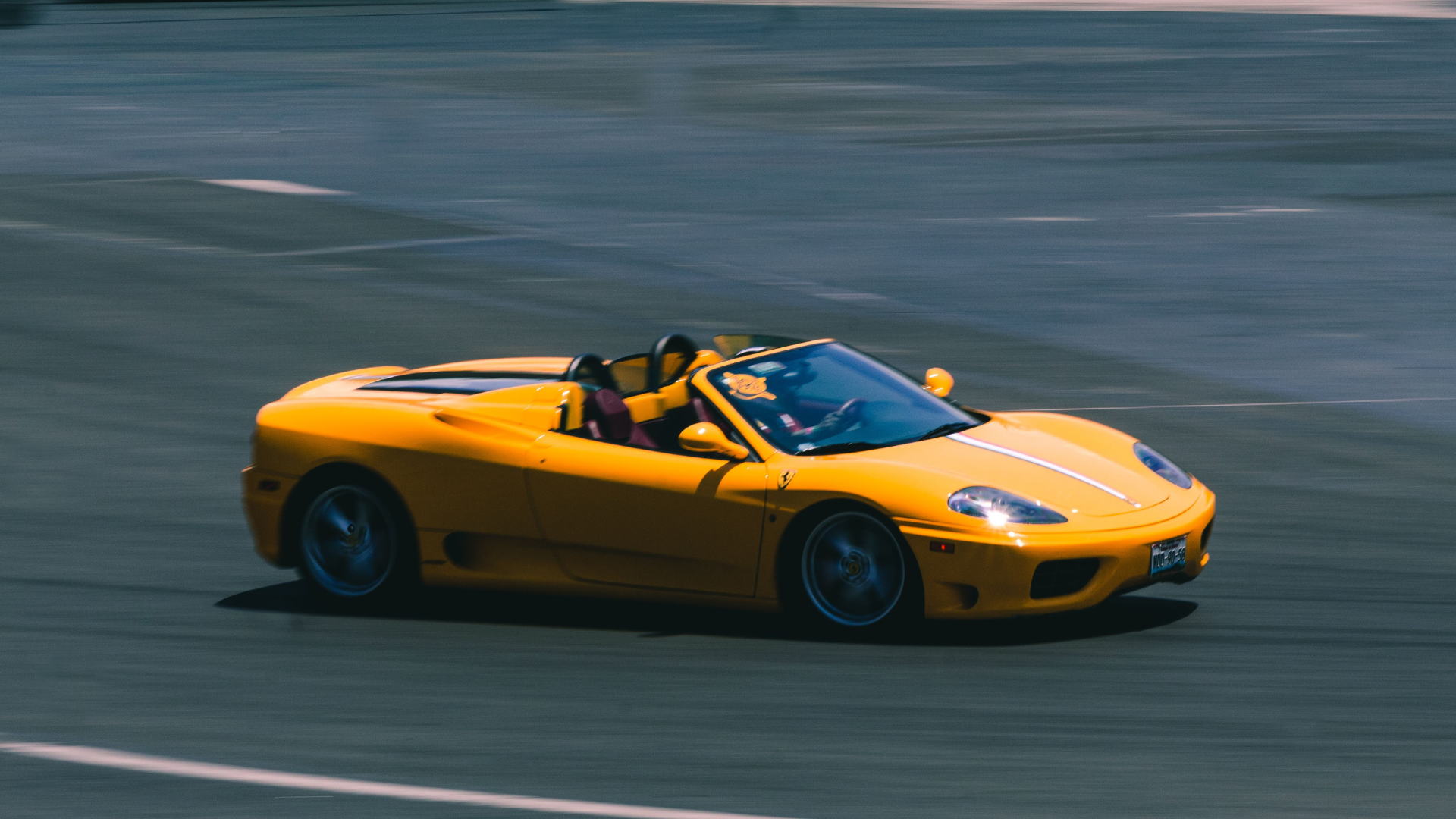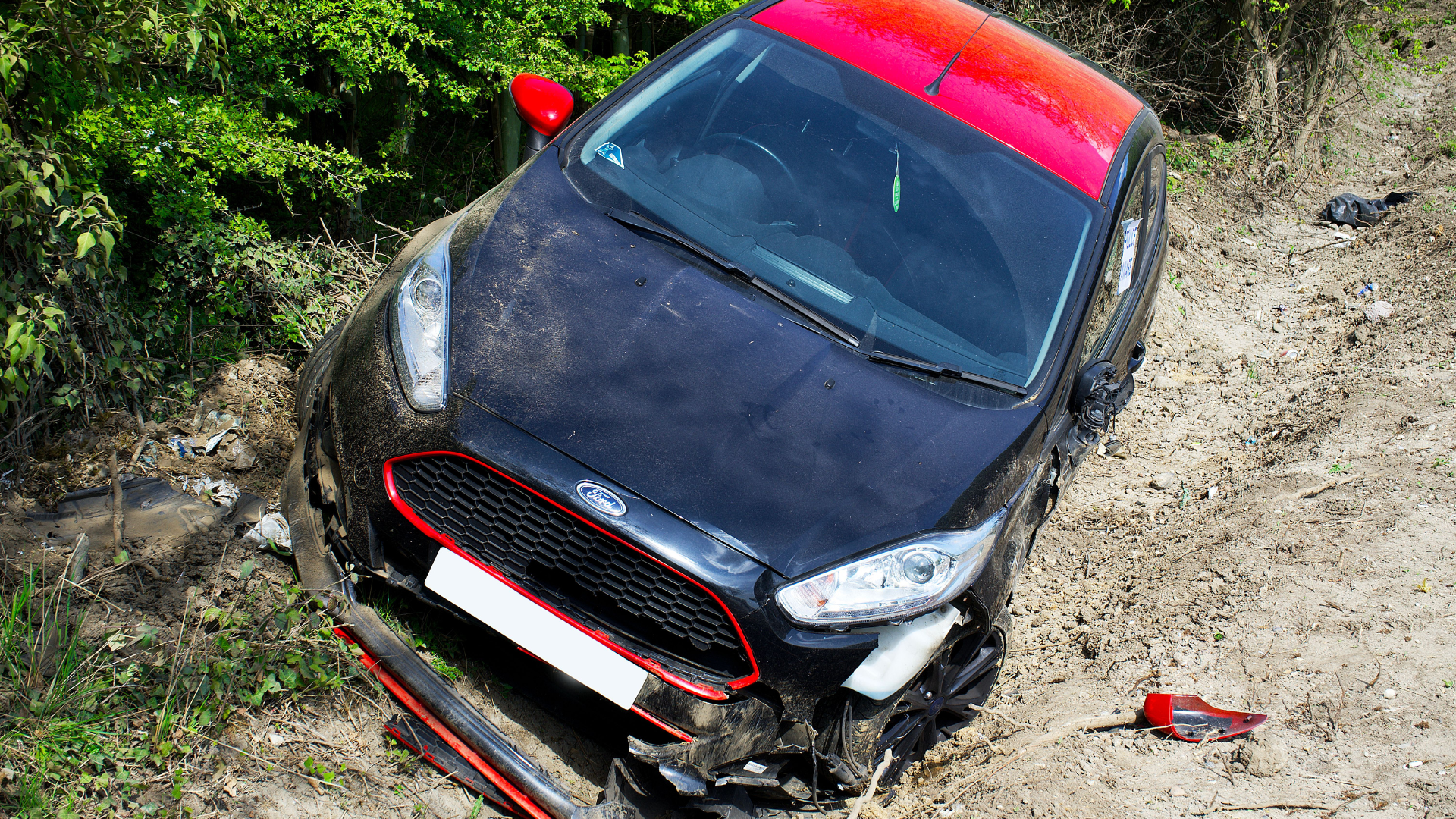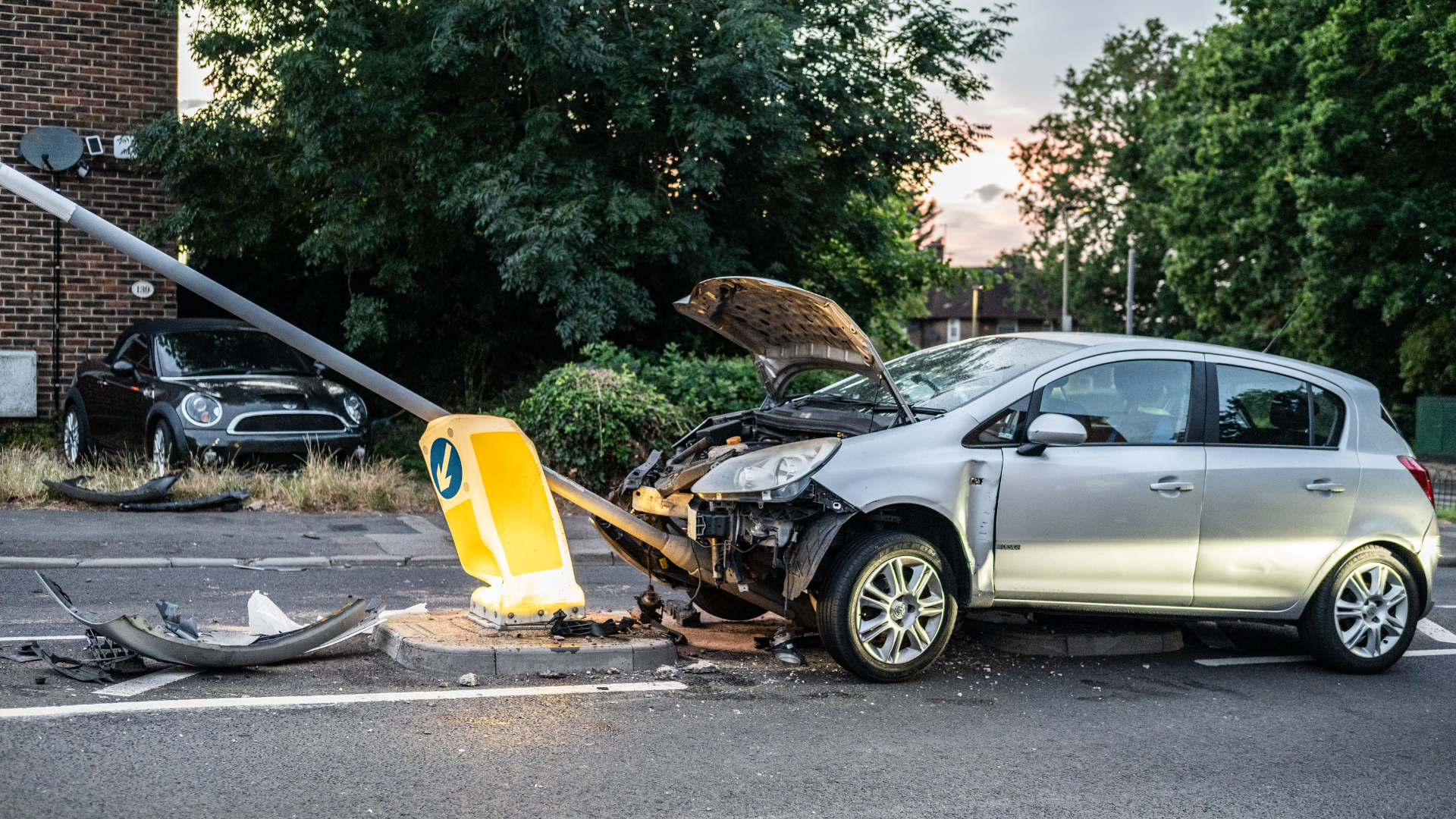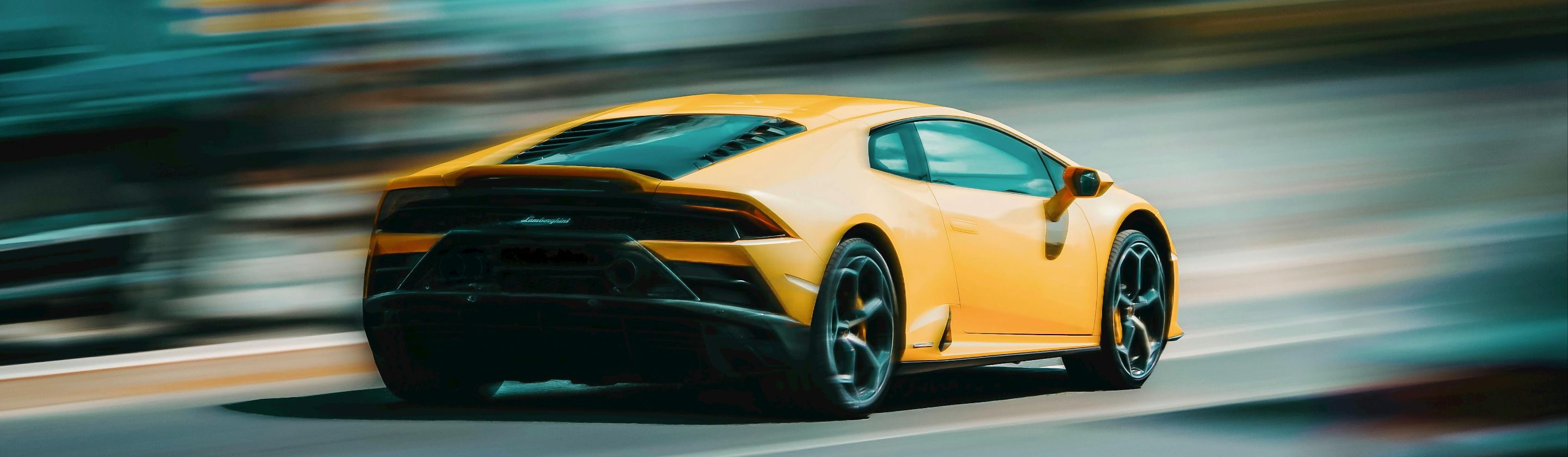
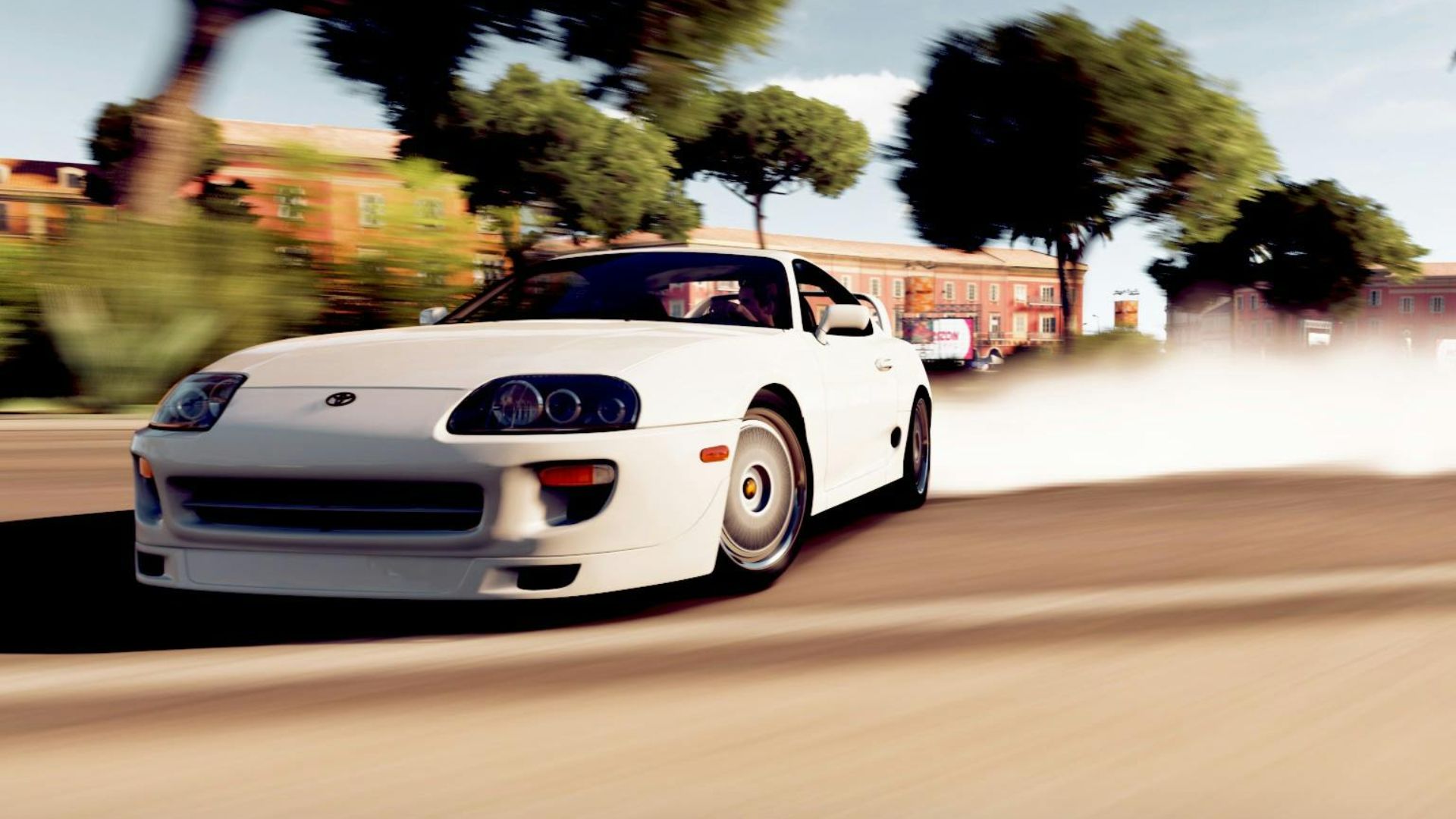
Fast driving can make the world feel sharper in a way that’s hard to replicate anywhere else. Your attention narrows, your senses wake up, and the moment starts demanding your full involvement. Even if nothing “bad” happens, the intensity can feel like a reset button for your brain. That’s why people describe it as thrilling, vivid, and strangely clarifying.
At the same time, that rush can be misleading, because your body’s excitement doesn’t automatically mean the situation is safe. The feeling comes from how your brain responds to speed, risk, and control, not from some guarantee that you’ve got everything handled. If you’ve ever thought, “I’ve never felt more awake,” you’re describing a real biological effect. Understanding what’s behind it can help you make smarter choices about where you chase that feeling.
Speed floods your system with chemicals
When you drive fast, your nervous system tends to switch into high-alert mode. Your body releases stress hormones like adrenaline and norepinephrine that increase arousal and make you feel energized and focused. Your heart rate rises, your breathing gets shallower, and your reaction system primes itself for quick decisions. That chemical cocktail can feel like being fully switched on.
Your brain also starts prioritizing the most immediate information. Visual processing becomes more intense, especially for movement and distance cues, because you’re traveling through space quickly. The result is a heightened sense of presence, like you can’t drift off into random thoughts even if you wanted to. Weirdly, it can feel calming because the mental noise gets pushed out by urgency.
Afterward, people often feel a pleasant “come down” that can feel similar to satisfaction or relief. That’s your system returning toward baseline, sometimes with a bit of dopamine mixed in because you did something stimulating and survived it. The contrast makes ordinary life feel muted for a while, which can tempt you to chase the sensation again. It’s a powerful loop, and it can sneak up on you.
It feels alive because it’s a control-and-risk dance
Part of the thrill is the feeling of mastery. Speed gives you a strong sense of control when everything seems to respond cleanly: steering input, acceleration, braking, and the car tracking where you want it to go. Your brain loves a clear feedback loop, and driving can provide one instantly. When you feel “in sync,” it’s easy to confuse confidence with invulnerability.
At the same time, speed quietly raises the stakes. You don’t have to be consciously thinking about danger for your body to register it, because your brain is good at reading threat potential in the background. That undercurrent of risk adds intensity to every decision, even small ones, which makes the experience feel meaningful. It’s not just motion; it’s motion with consequences.
Social and identity factors can amplify it too. Some people associate fast driving with competence, freedom, daring, or being the kind of person who doesn’t hesitate. If you’re stressed, bored, or craving a sense of agency, speed can feel like an instant shortcut to those emotions. The trouble is that the emotional payoff can make the behavior feel “necessary” when it’s really just reinforcing a habit.
How to keep the thrill without making it dangerous
If you love the sensation, the safest way to get it is in environments designed for it. Track days, closed-course events, professional instruction, and performance driving schools let you explore speed with trained oversight and far fewer unpredictable hazards. You still get the focus, the intensity, and the skill-building, but without putting others in danger.
If you want driving to feel less numb without speeding, make the goal quality of attention rather than velocity. Try things like driving with extra space, scanning farther ahead, staying smooth with inputs, and treating it like a calm skill practice. It sounds boring, but it can create a rewarding sense of control and mastery that doesn’t rely on risk. You’ll notice that “alive” can come from being fully present, not just being fast.
A lot of people use speed as a shortcut to feeling awake, powerful, or unburdened. You can get a similar payoff from activities that demand full attention, like trail running, climbing, martial arts, mountain biking, HIIT, or even competitive sports. The common ingredient is full engagement and immediate feedback, not danger to strangers.
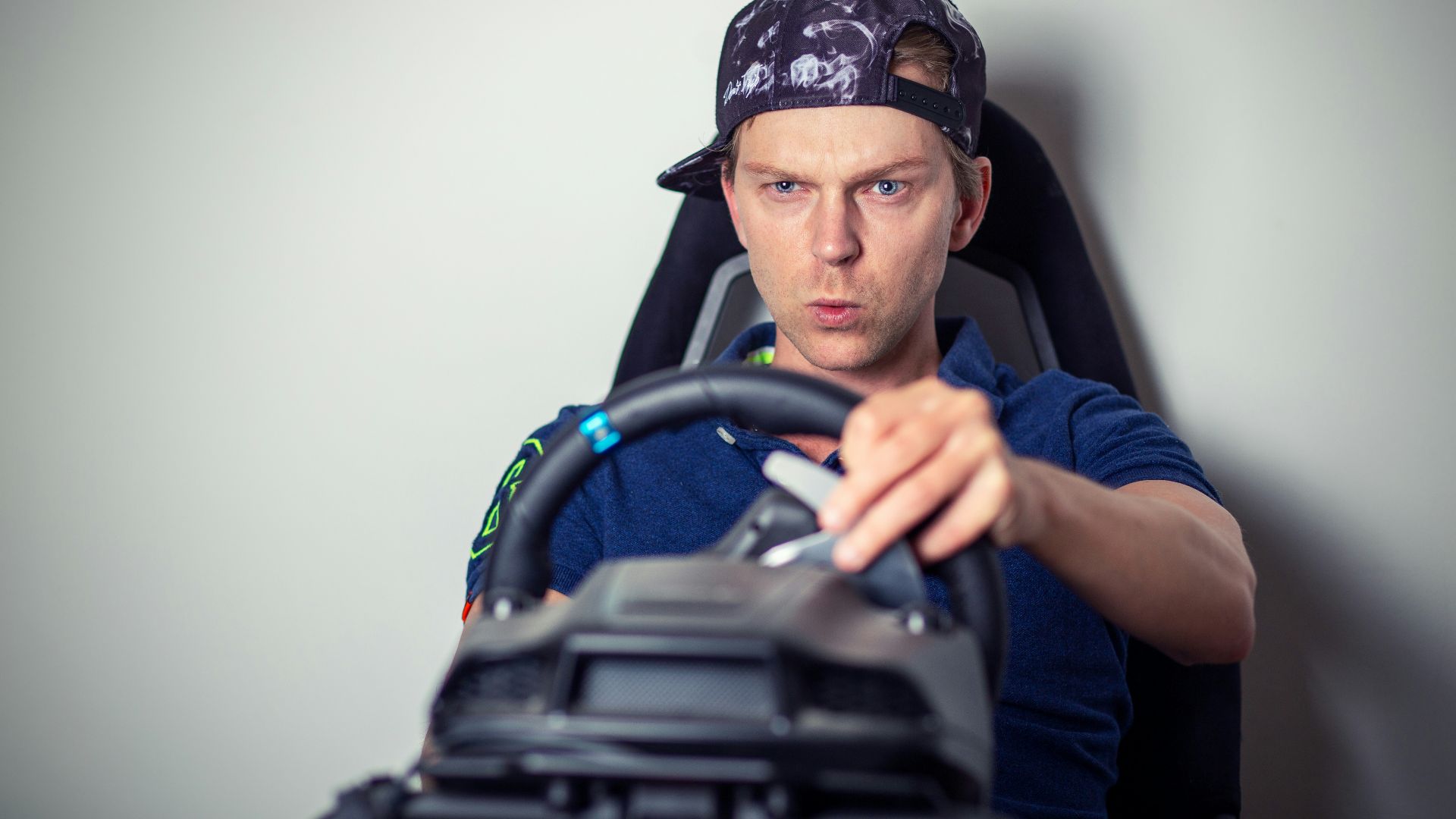
What's more, a good sim setup (even a modest wheel and pedals) can deliver a surprising amount of immersion. You get the intensity, the flow, the measurable improvement, and the “one more run” satisfaction without endangering anyone.
However, if fast driving is the only thing that makes you feel switched on, that’s worth noticing. Sometimes it’s a sign you’re craving stimulation, stress relief, or a sense of power that’s missing elsewhere. Building more sources of excitement into your life makes the urge less urgent and less risky. You don’t need to erase the thrill; you just want to place it where it won’t cost someone their safety.