Small Moves That Keep Repairs Rare
Cars get expensive in two different ways. There are the obvious monthly costs, then there are the quiet money leaks that show up as early wear, surprise breakdowns, and a resale offer that feels like a joke. Most people do not lose thousands because they skipped one oil change and the engine immediately died. It is usually the slow buildup of small habits, like ignoring a warning light for months, driving on underinflated tires, or acting like fluids last forever. That is why the basics matter so much, since the boring maintenance is where the most preventable costs live. Here are twenty easy habits that keep your car in tip top shape.
1. Check Tire Pressure Monthly
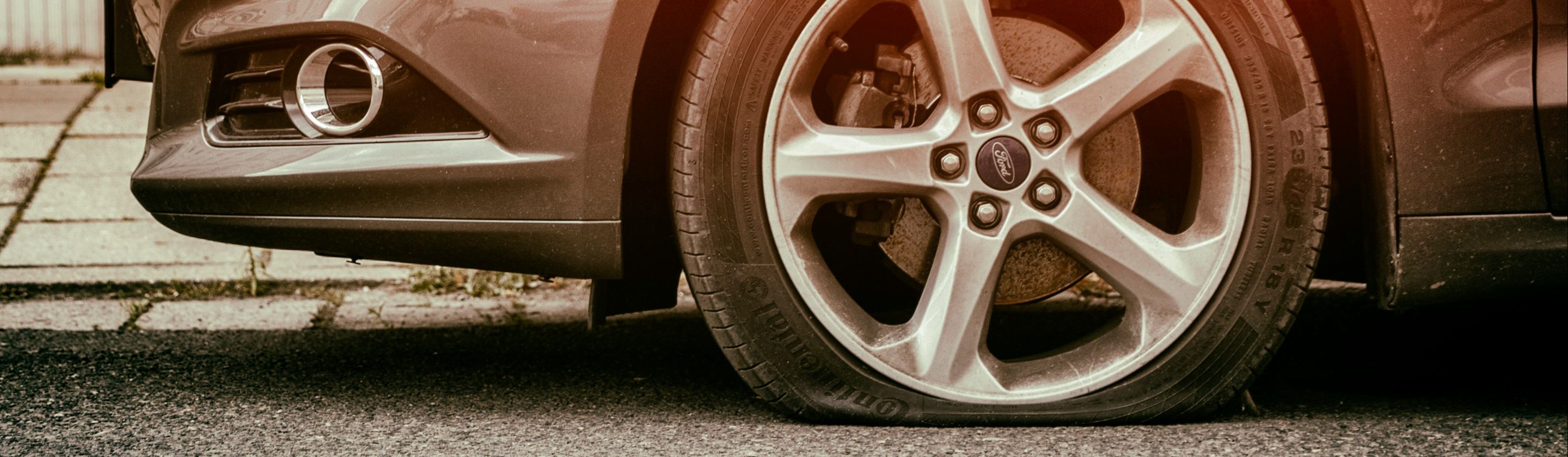
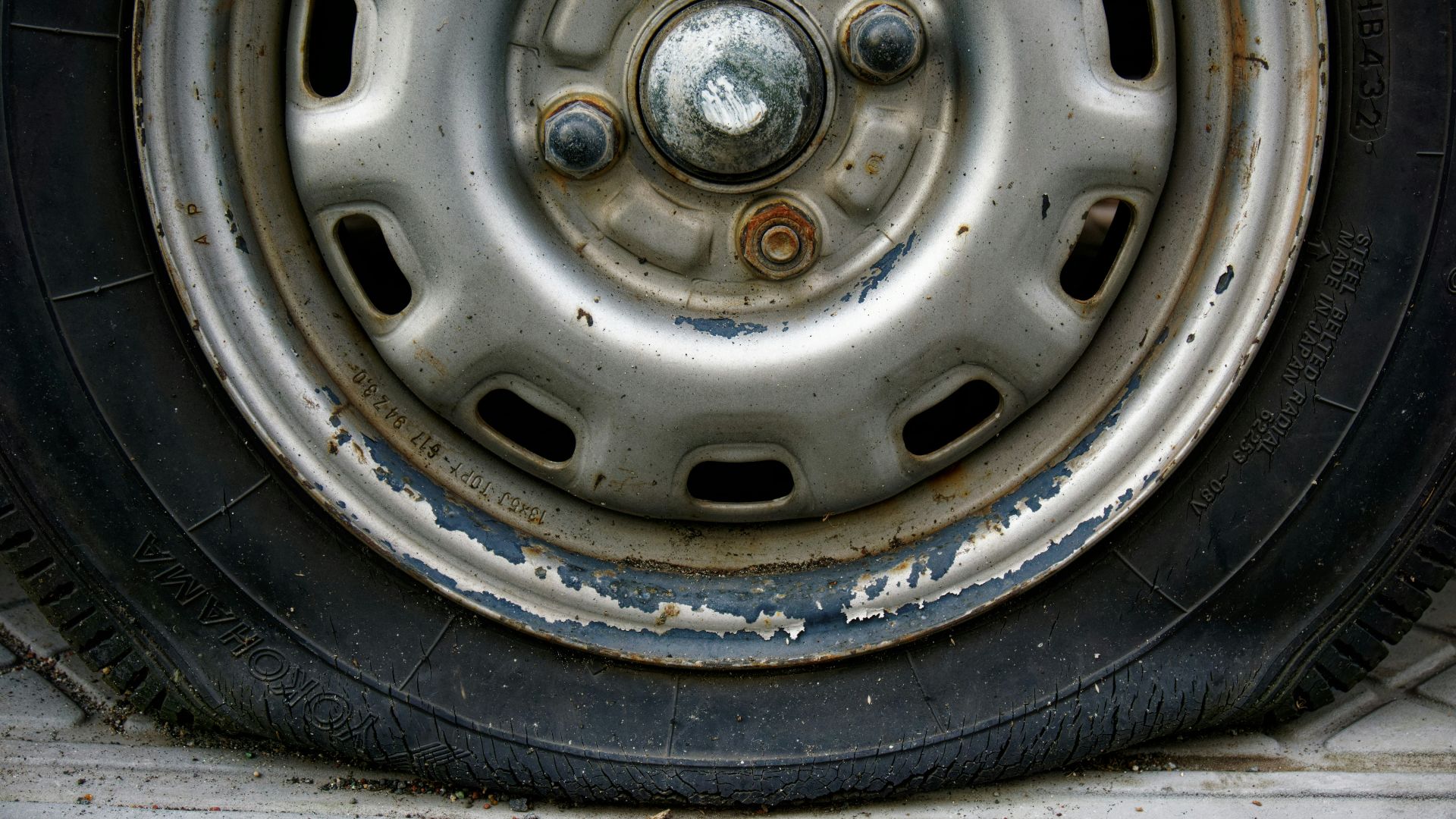
Tires that run low wear faster, handle worse, and can drag down fuel economy in a way that adds up quietly over a year. A cheap gauge in the glove box turns this into a two-minute habit, and it saves you from paying early for tires you should have had longer.
2. Rotate Tires On A Real Schedule
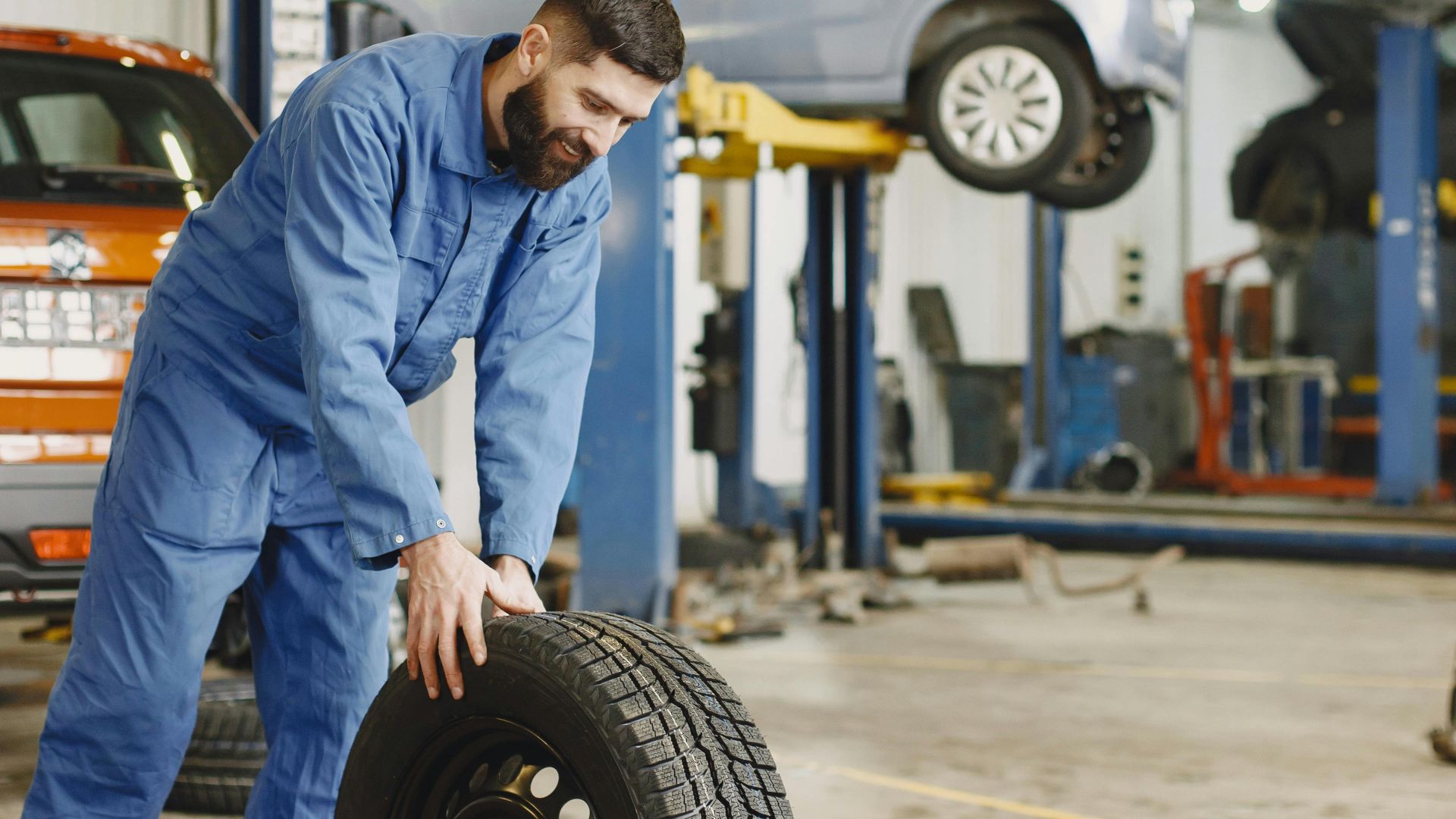
Front tires often take more punishment, especially on front-wheel-drive cars, and uneven wear can shorten a set dramatically. Rotations cost little compared to replacing tires early, and they also help keep the ride smooth and the steering honest.
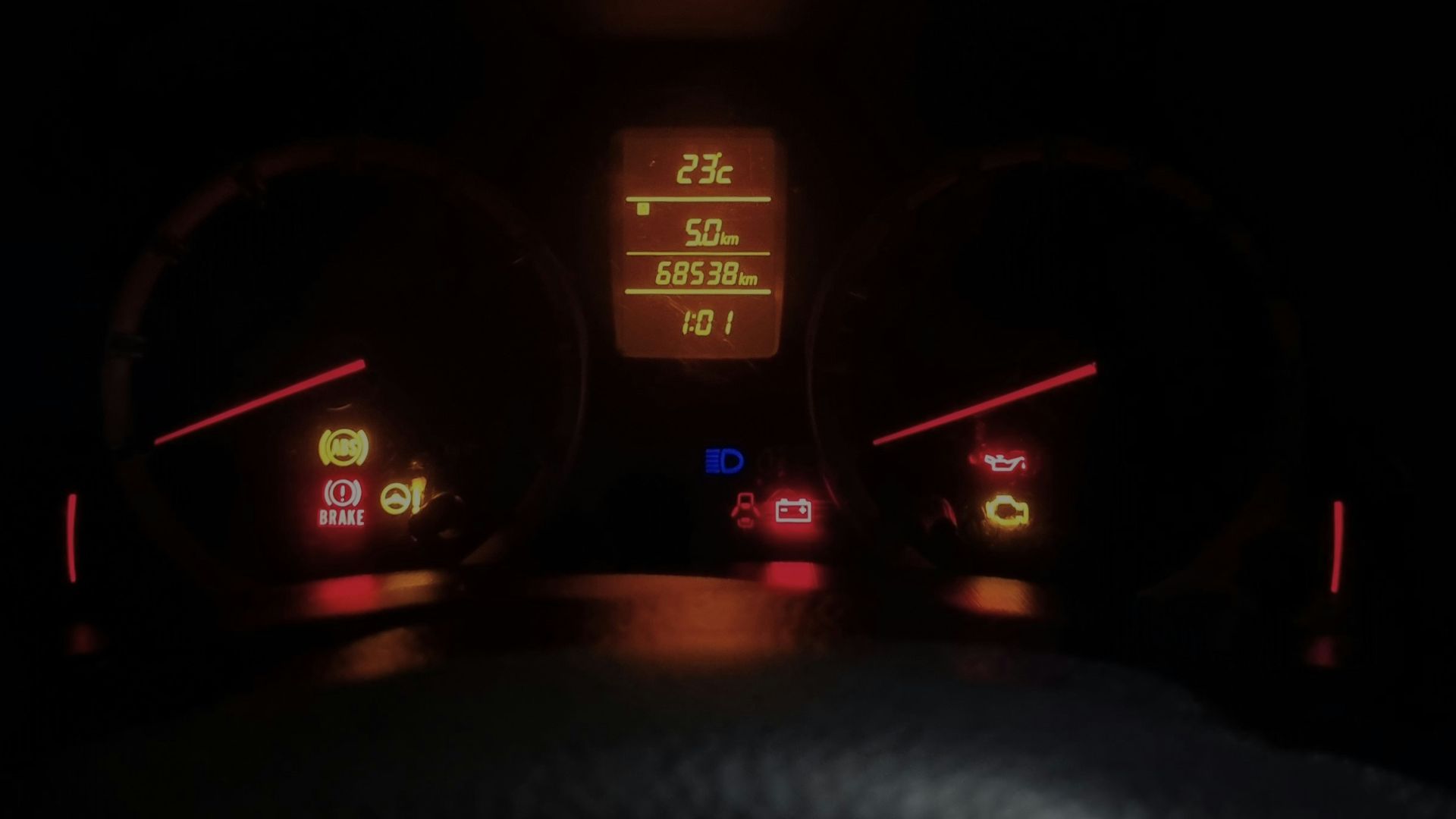
3. Stop Treating The Check Engine Light Like Decor
Sometimes it is minor, sometimes it is not, and the only way to know is to read the code. Many parts stores will scan it for free, and an early fix can prevent a small emissions issue or misfire from turning into a catalytic converter problem that hurts.
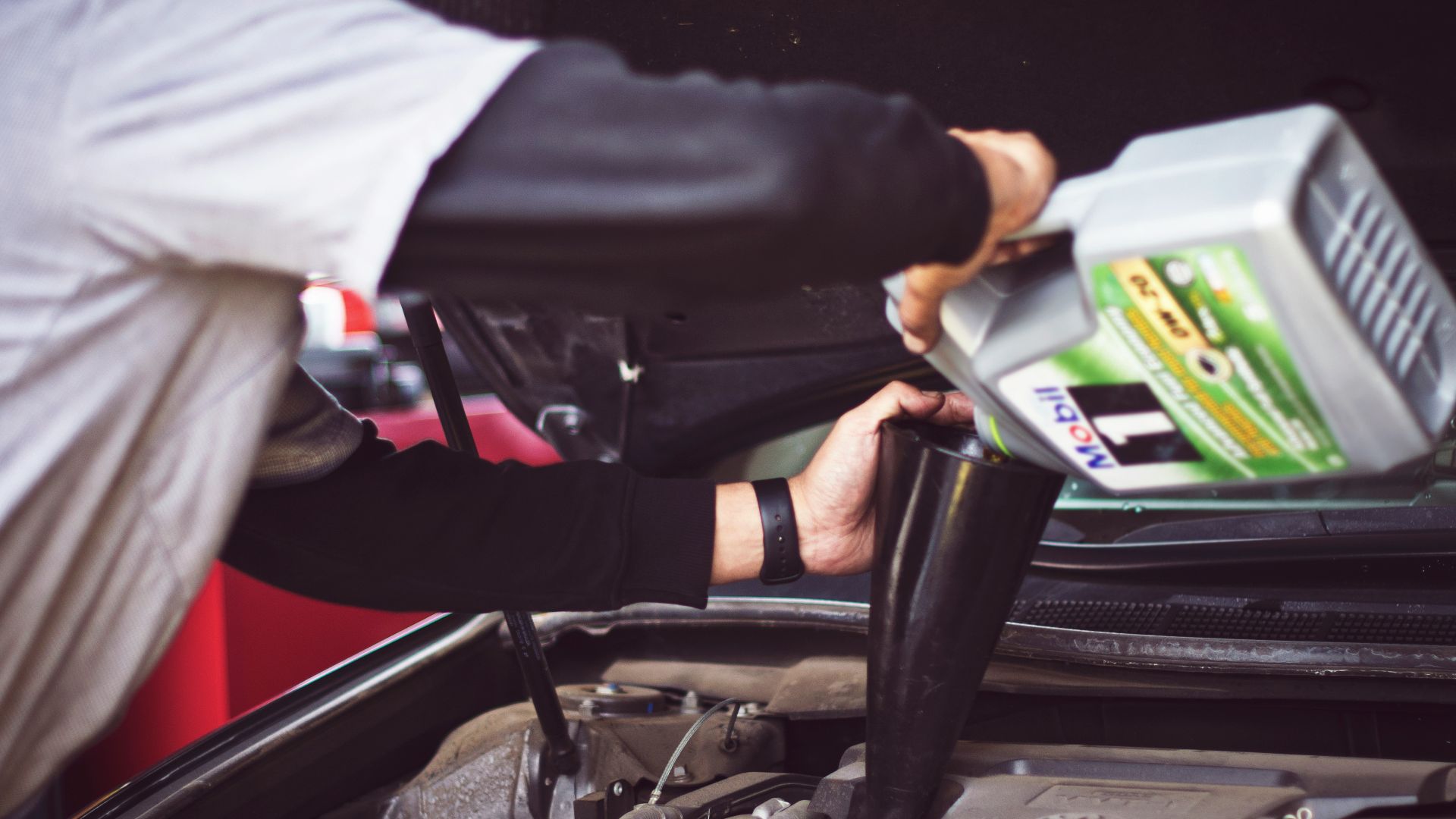
4. Keep Up With Oil Changes
Oil breaks down with time and heat, and modern engines run tight enough that neglect gets expensive quickly. Following the interval in the owner’s manual is one of the simplest ways to avoid sludge, timing issues, and the kind of wear that never shows up until it is too late.
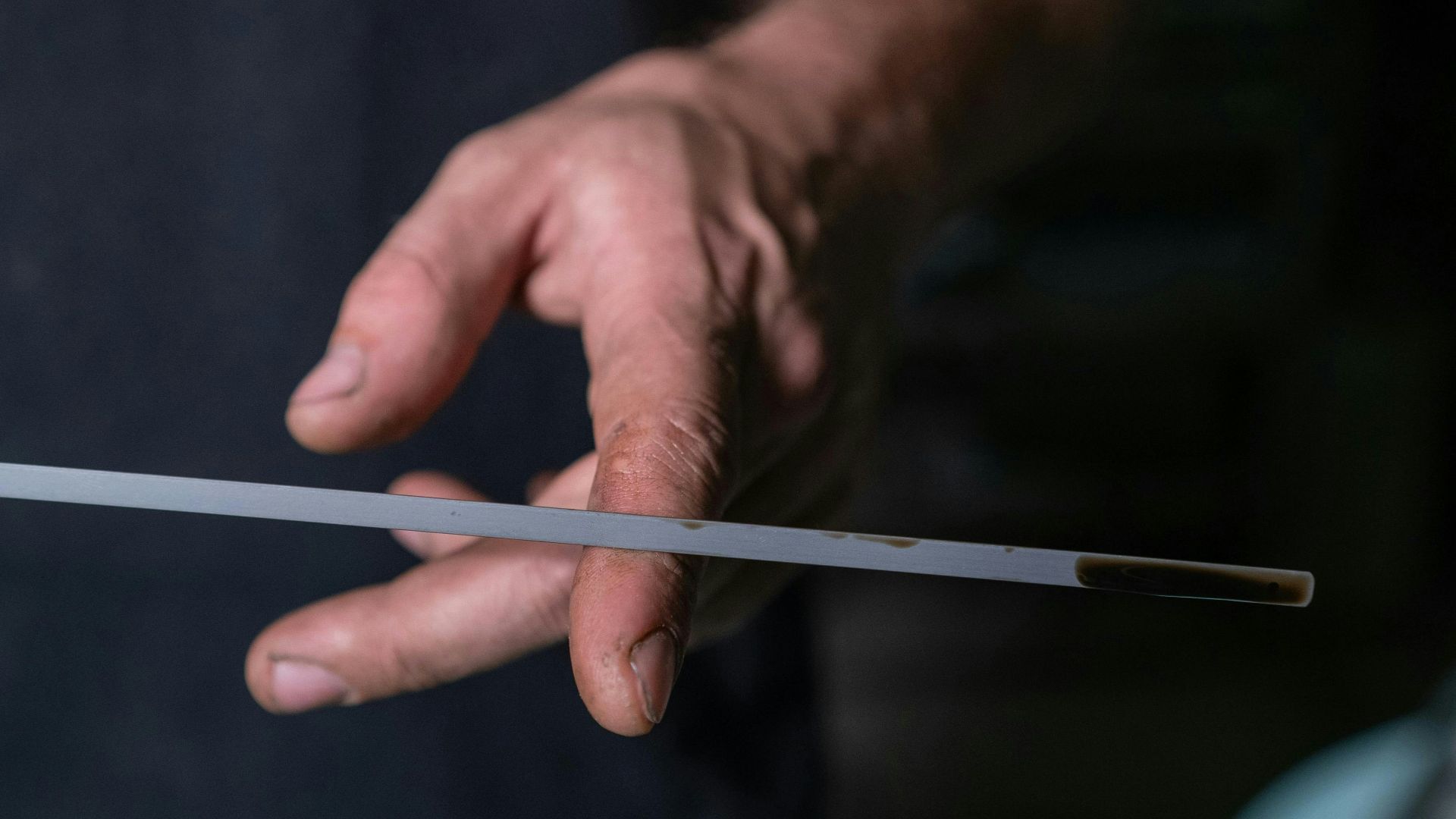
5. Check Oil Level Between Changes
Some engines burn a little oil as they age, and some burn more than anyone wants to admit. Catching a low level early is the difference between topping off and paying for damage caused by running too low. It is a habit that feels old-fashioned until it saves you.
 Tepalai Automobiliams on Unsplash
6. Let The Car Warm Up Briefly Before Flooring It
A cold engine and transmission do not love aggressive throttle, especially in winter. Giving it a short, gentle start helps fluids circulate and reduces stress on components that are still thick and cold. The payoff is less wear over years, not a dramatic change in one day.
7. Ease Up On Hard Stops
Brakes are consumables, yet riding them hard shortens pad life and can warp rotors. Looking farther ahead and slowing earlier is smoother, safer, and cheaper. It also makes passengers like you more, which is not nothing.

8. Avoid Potholes Like They Are Personal
One bad hit can knock alignment out, bend a wheel, damage a tire sidewall, or wear suspension parts faster. Even when the tire survives, the ripple effects can show up later as uneven wear and steering pull. Dodging what you can is basic financial self-defense.
 Marc-Olivier Jodoin on Unsplash
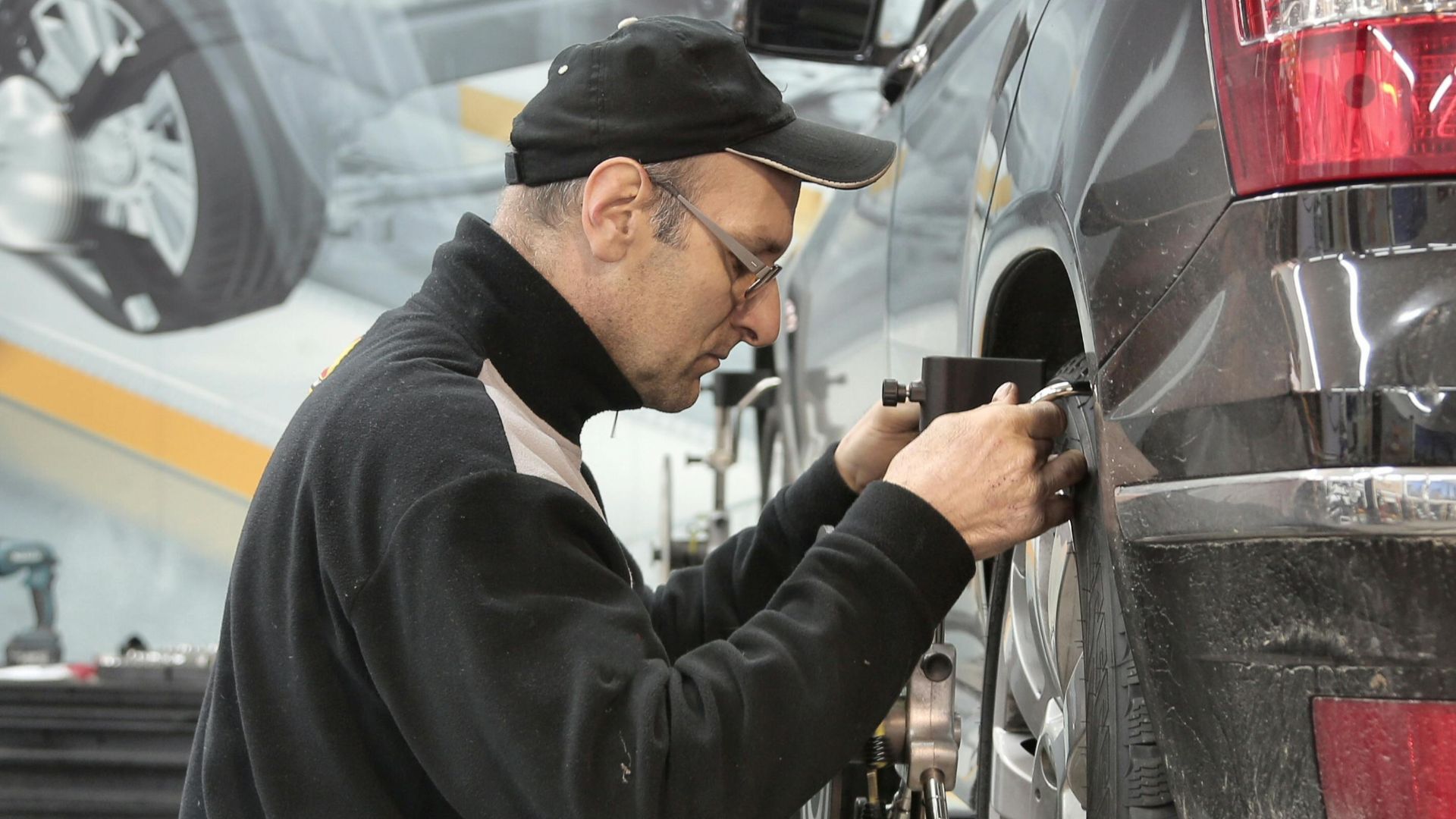
9. Get An Alignment When The Car Tells You It Needs One
If the steering wheel is off-center, the car drifts, or tires are wearing unevenly, the tires are basically getting sanded down every mile. Alignments are cheap compared to tires. Waiting tends to turn a modest adjustment into a bigger suspension bill.
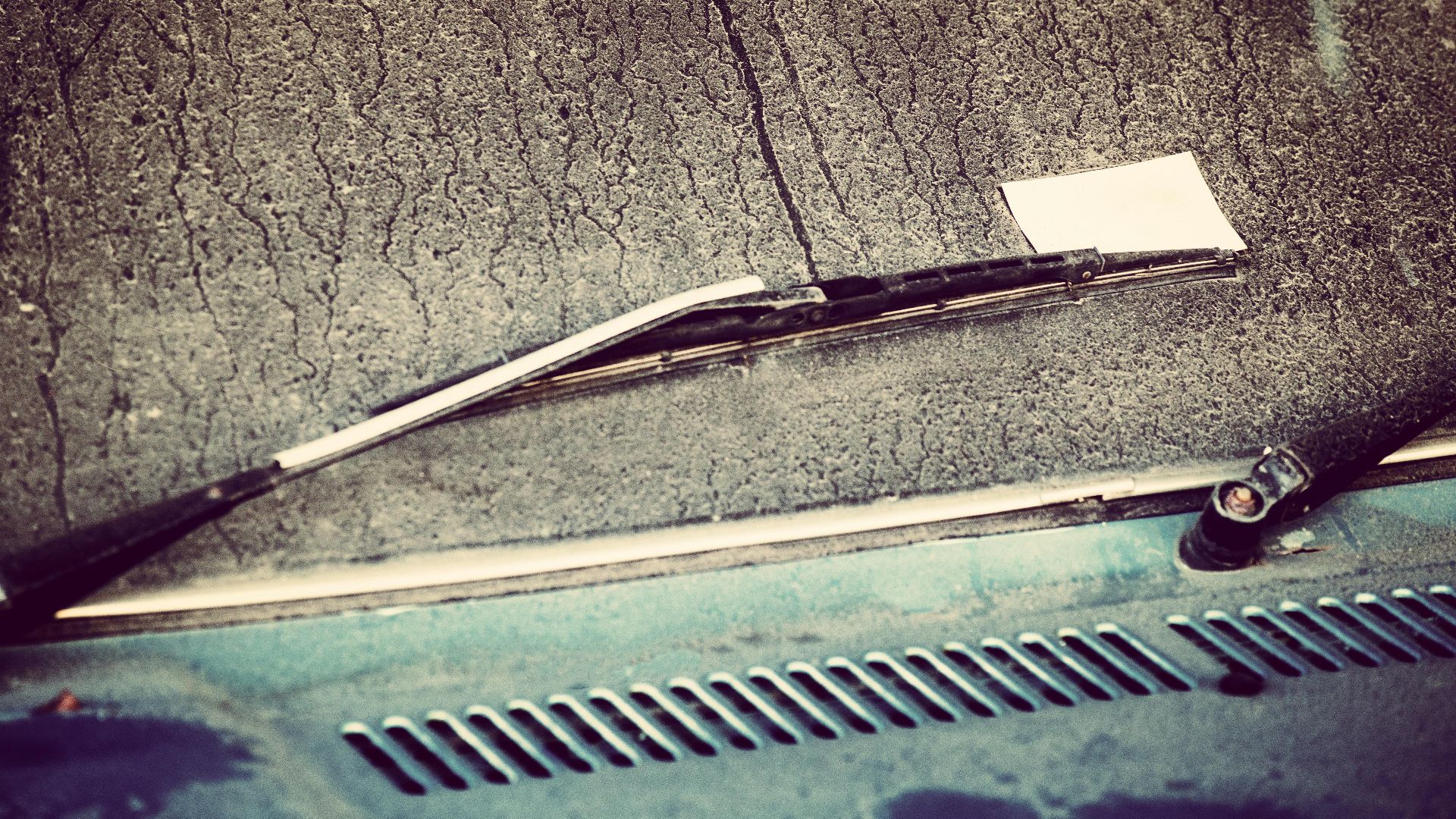
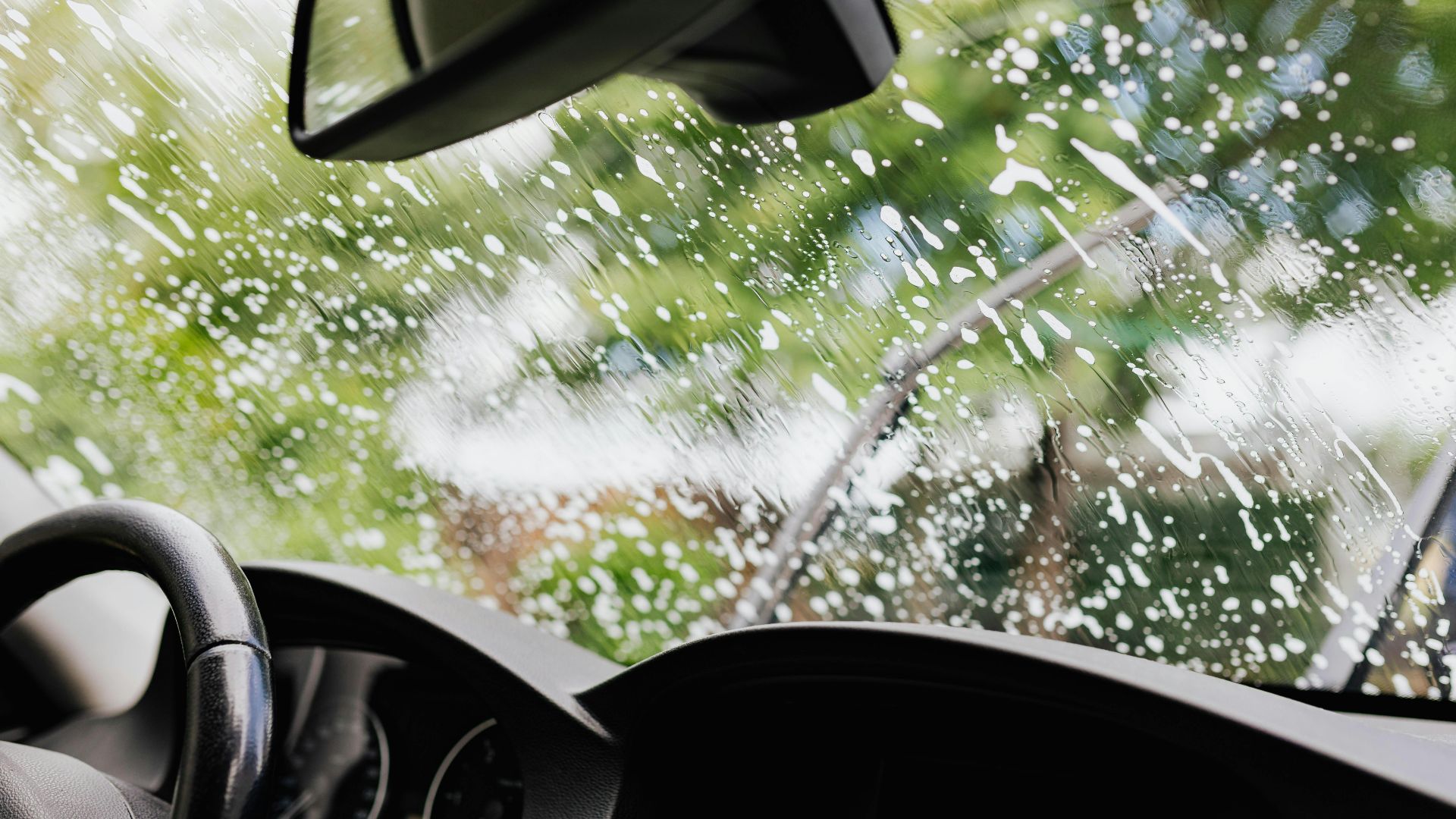
10. Replace Wiper Blades Before They Turn Into Sandpaper
Old blades smear grit across glass, and scratched windshields are not a fun expense. New blades are cheap and make driving in rain less stressful. It is a small habit with a big quality-of-life return.
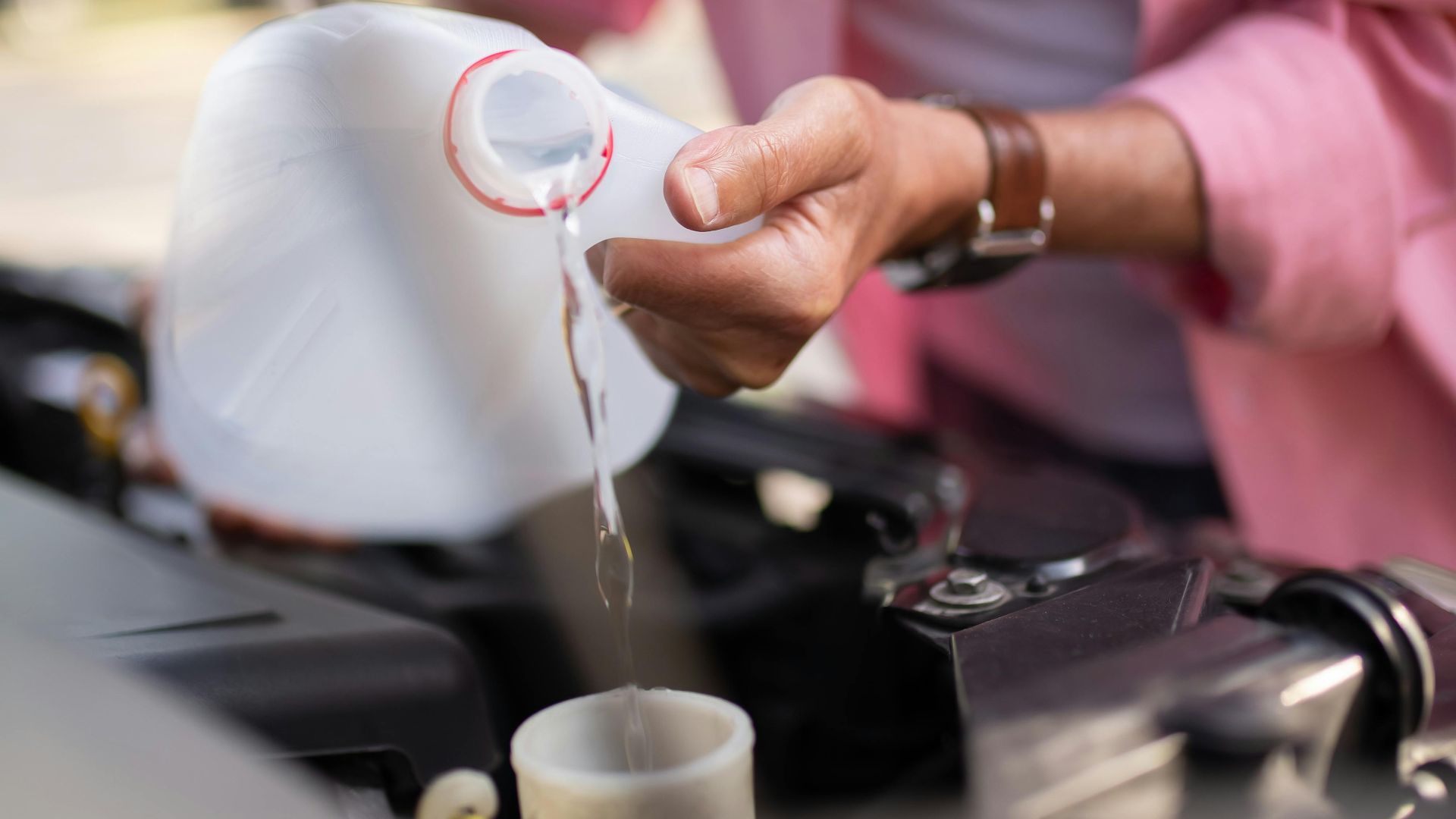
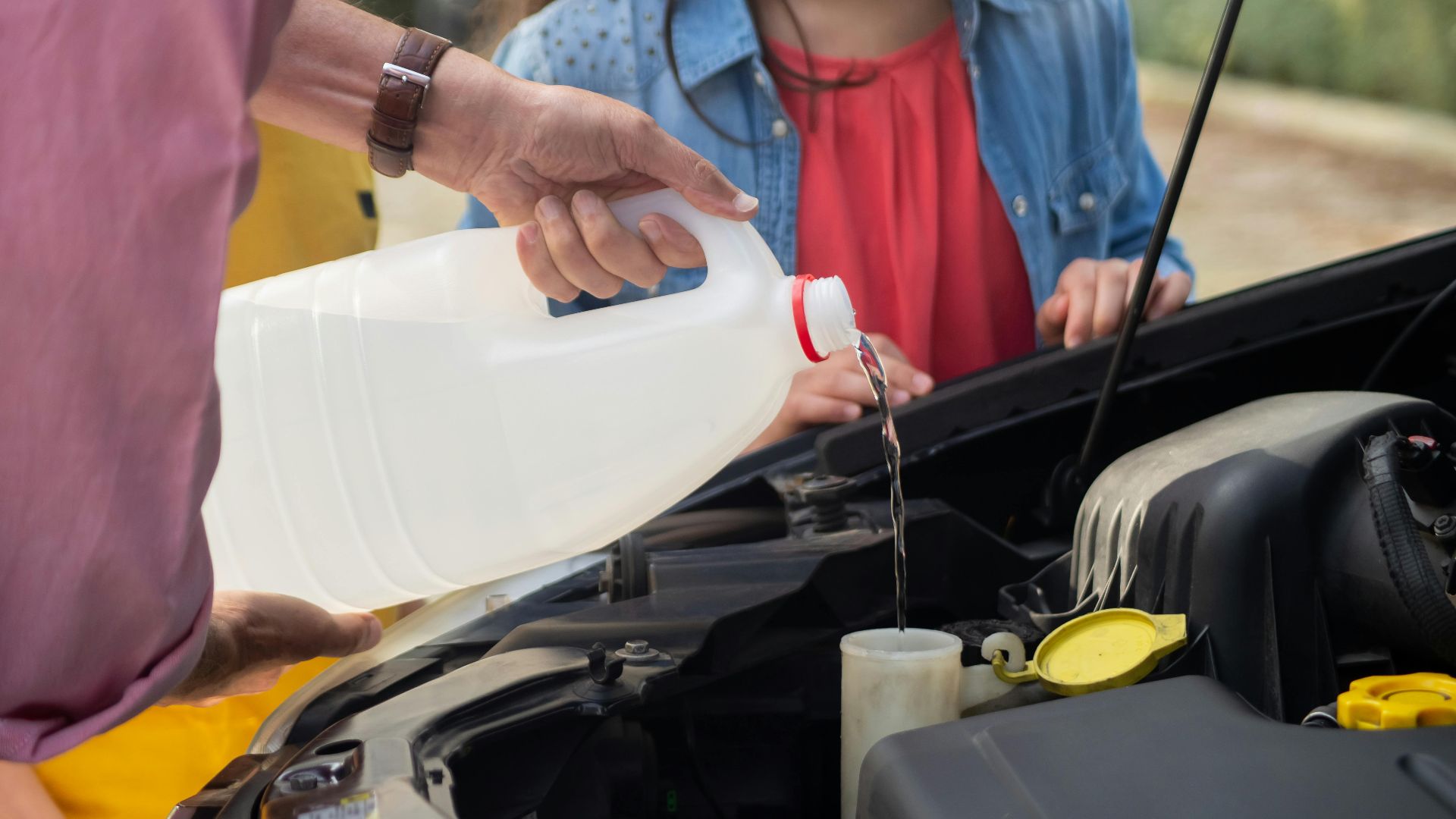
11. Keep The Windshield Washer Fluid Topped Off
A clean windshield is safety, and safety prevents crashes that cost far more than maintenance ever will. Road film builds fast, especially in winter or construction zones, and having fluid on hand keeps you from driving blind while pretending it is fine.
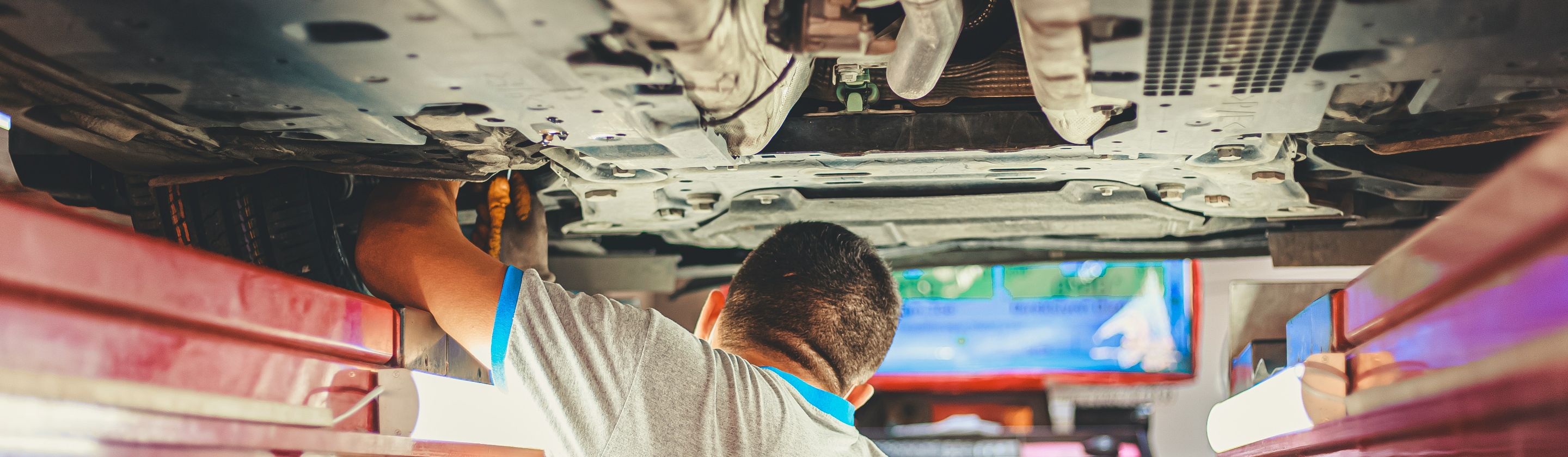
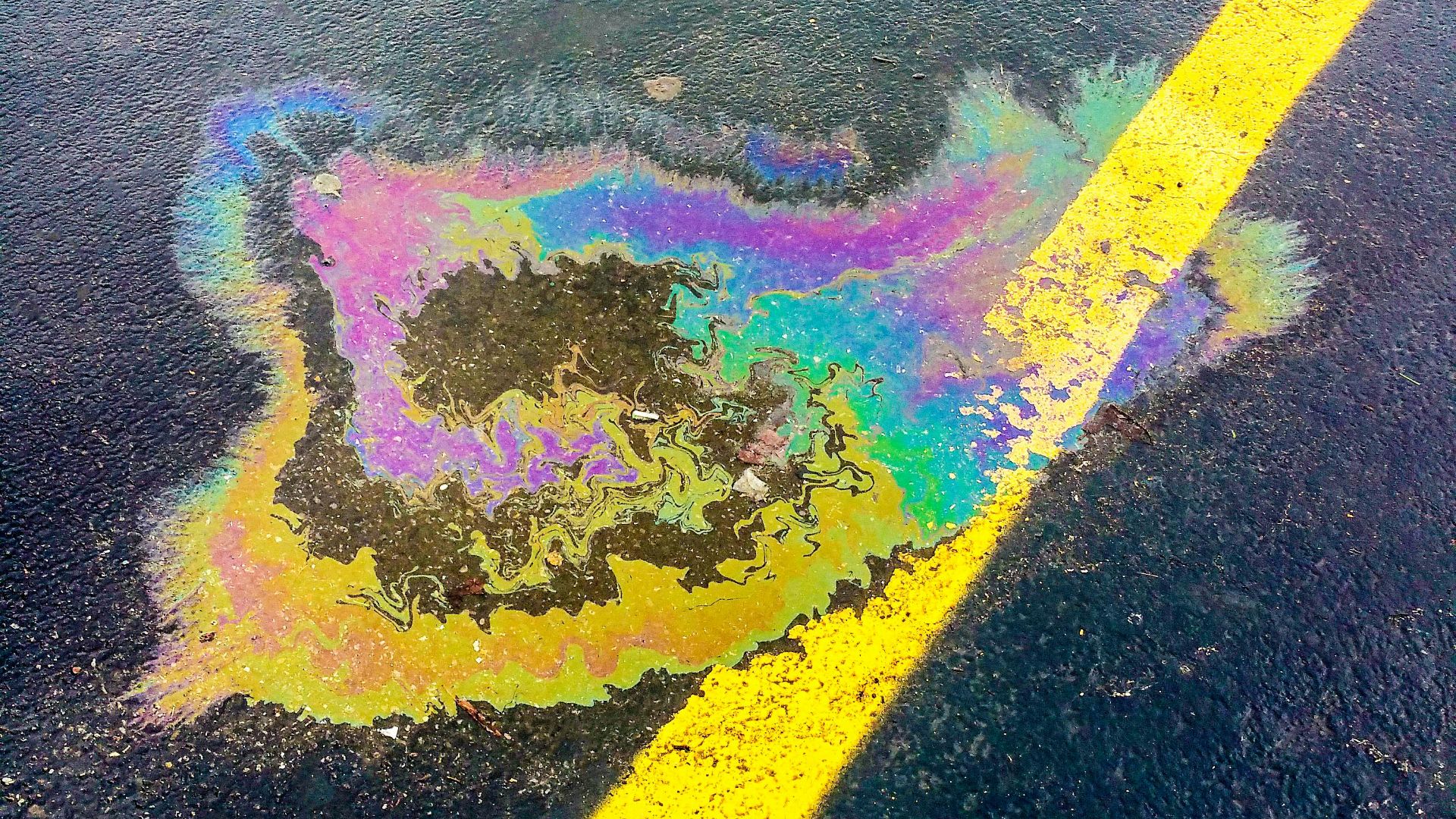
12. Do Not Ignore Small Leaks
A few drops can become a steady drip, and a steady drip can become low fluid, overheating, or brake issues depending on what is leaking. Catching it early often means a gasket, clamp, or hose instead of a cascading failure. A quick look under the car once in a while is more useful than it sounds.
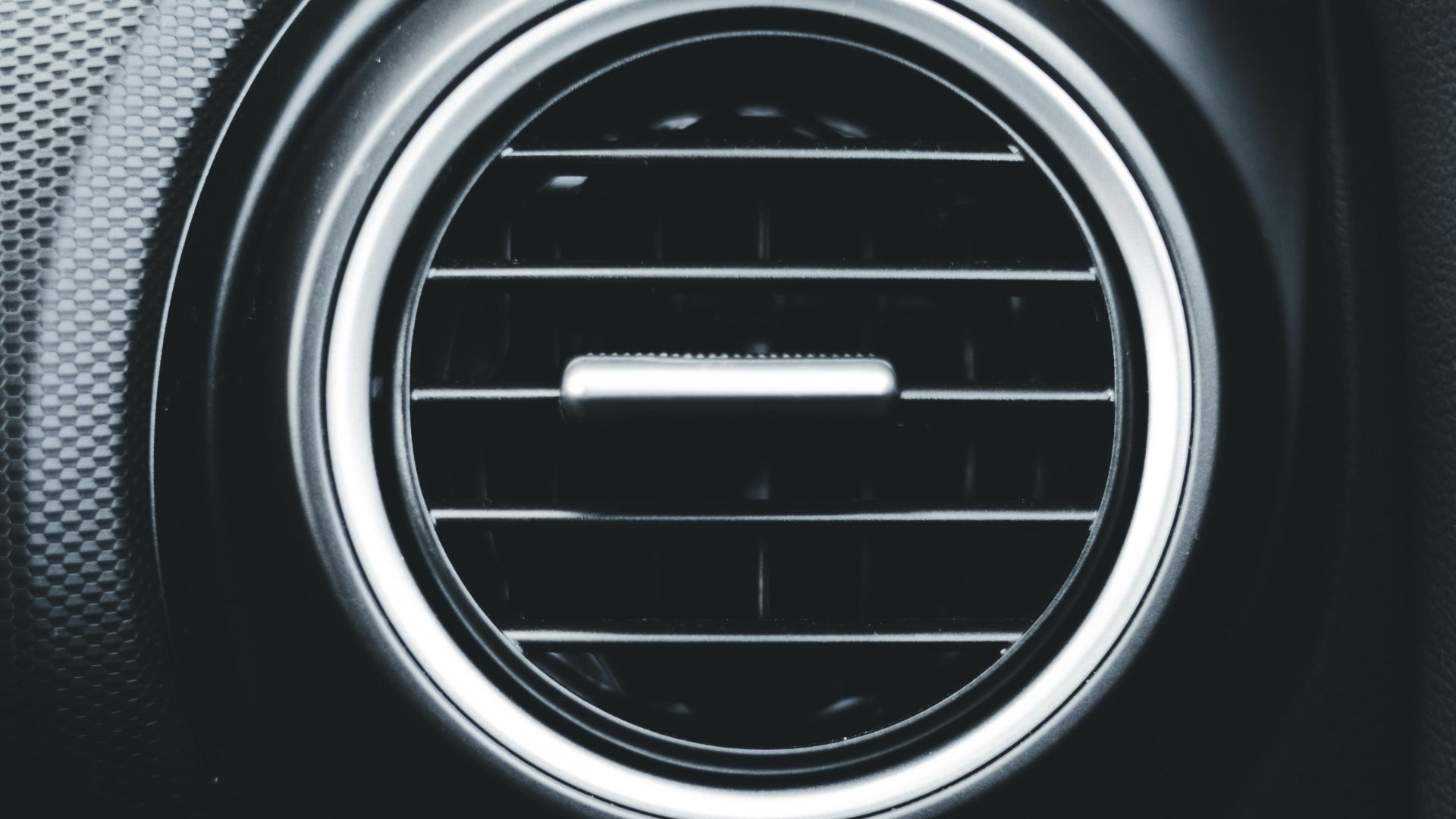
13. Replace The Cabin Air Filter
A clogged cabin filter makes the HVAC work harder and can lead to musty smells that are tough to fully remove. It is cheap, often easy to swap, and it keeps airflow strong. When you sell the car, it is one of those little signs the car was cared for.
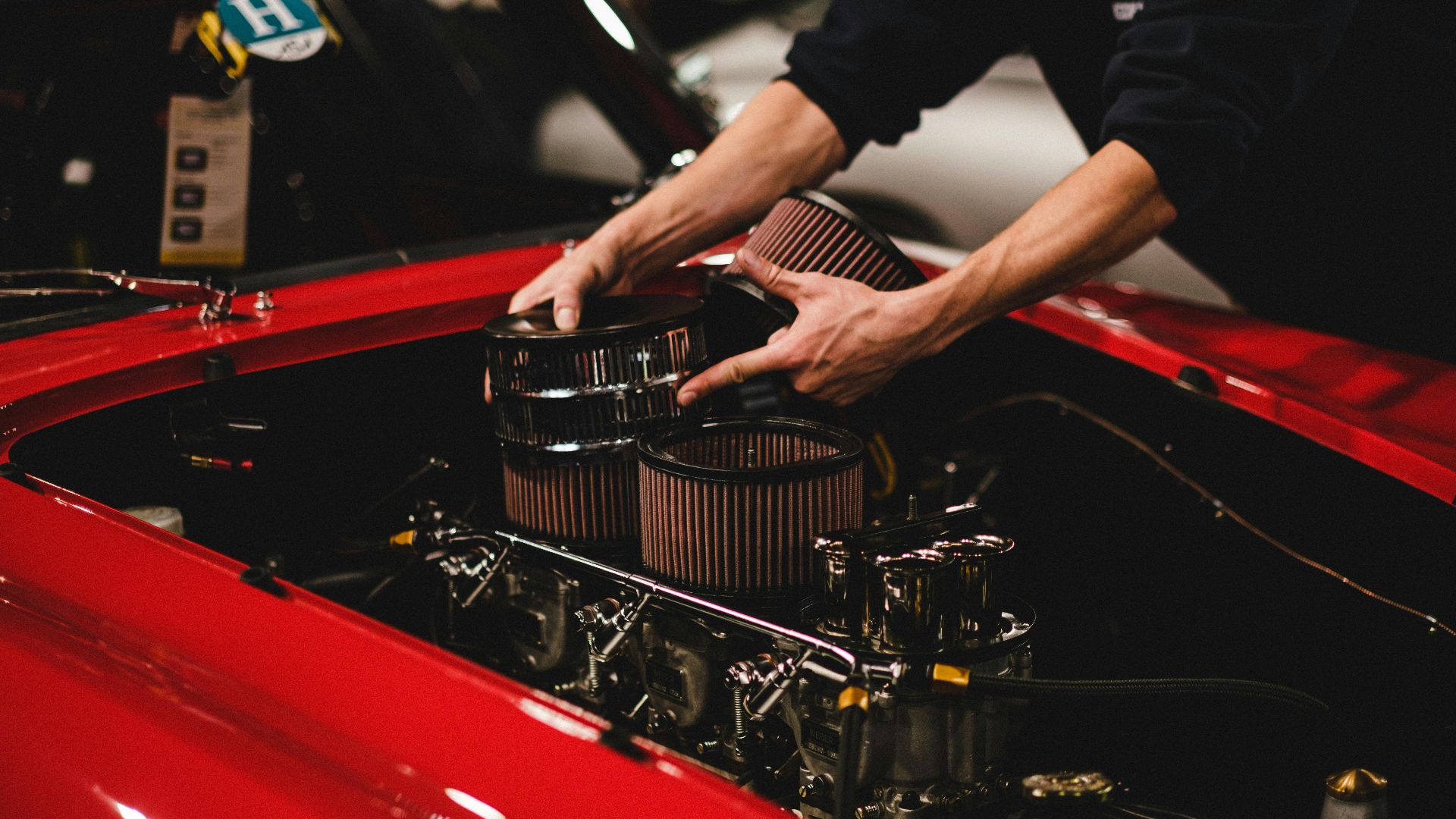
14. Replace The Engine Air Filter
Engines need air, and a dirty filter can reduce efficiency and performance over time. It also keeps dust and debris from getting where they should not be. This is maintenance that feels boring until you remember how much engines cost.
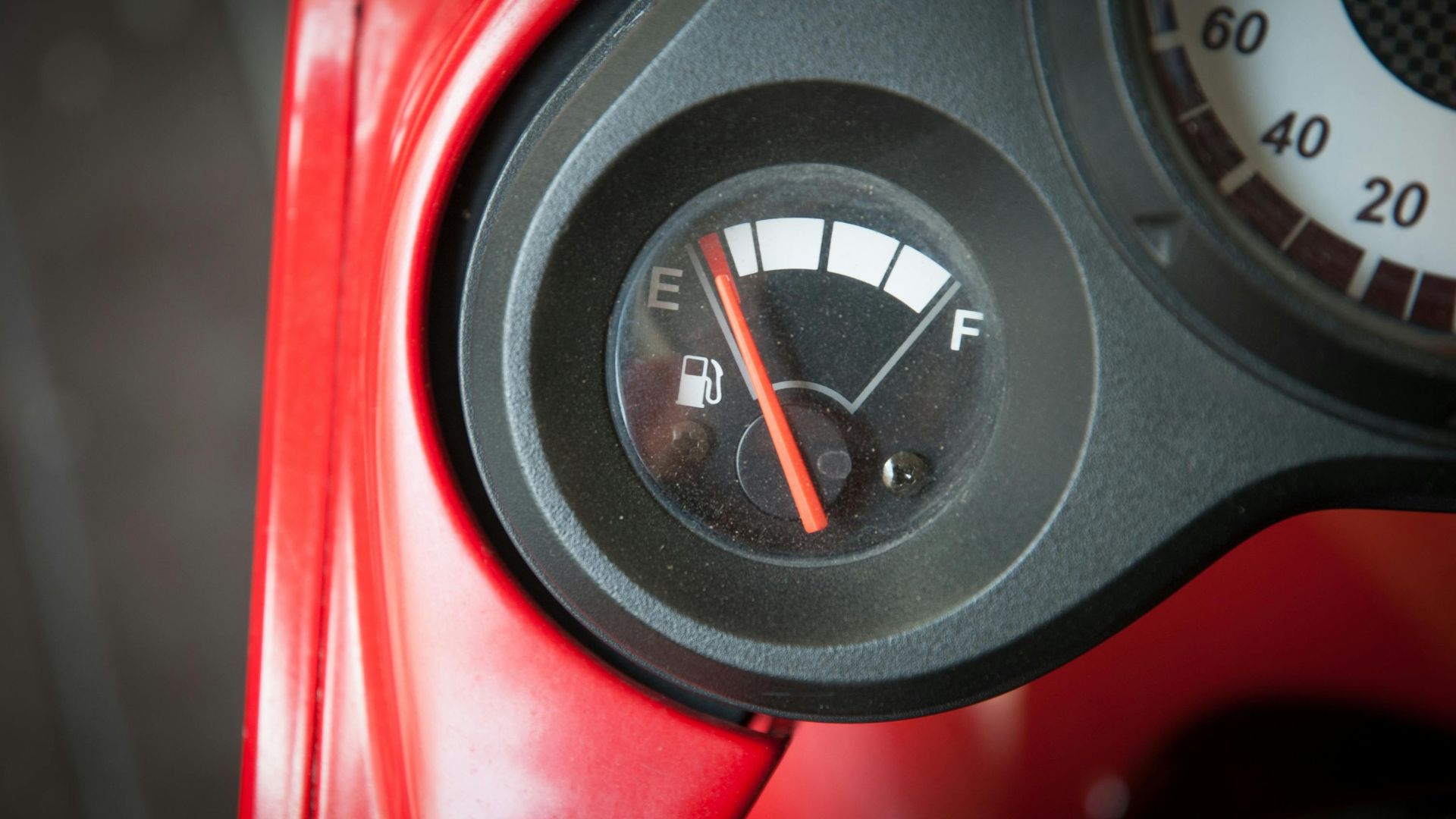
15. Do Not Run The Tank Near Empty All The Time
Fuel cools the fuel pump in many designs, and running low repeatedly can add stress. You also risk pulling sediment from the bottom of the tank, which can clog filters in older systems. Keeping a quarter tank as a habit is practical, not paranoid.
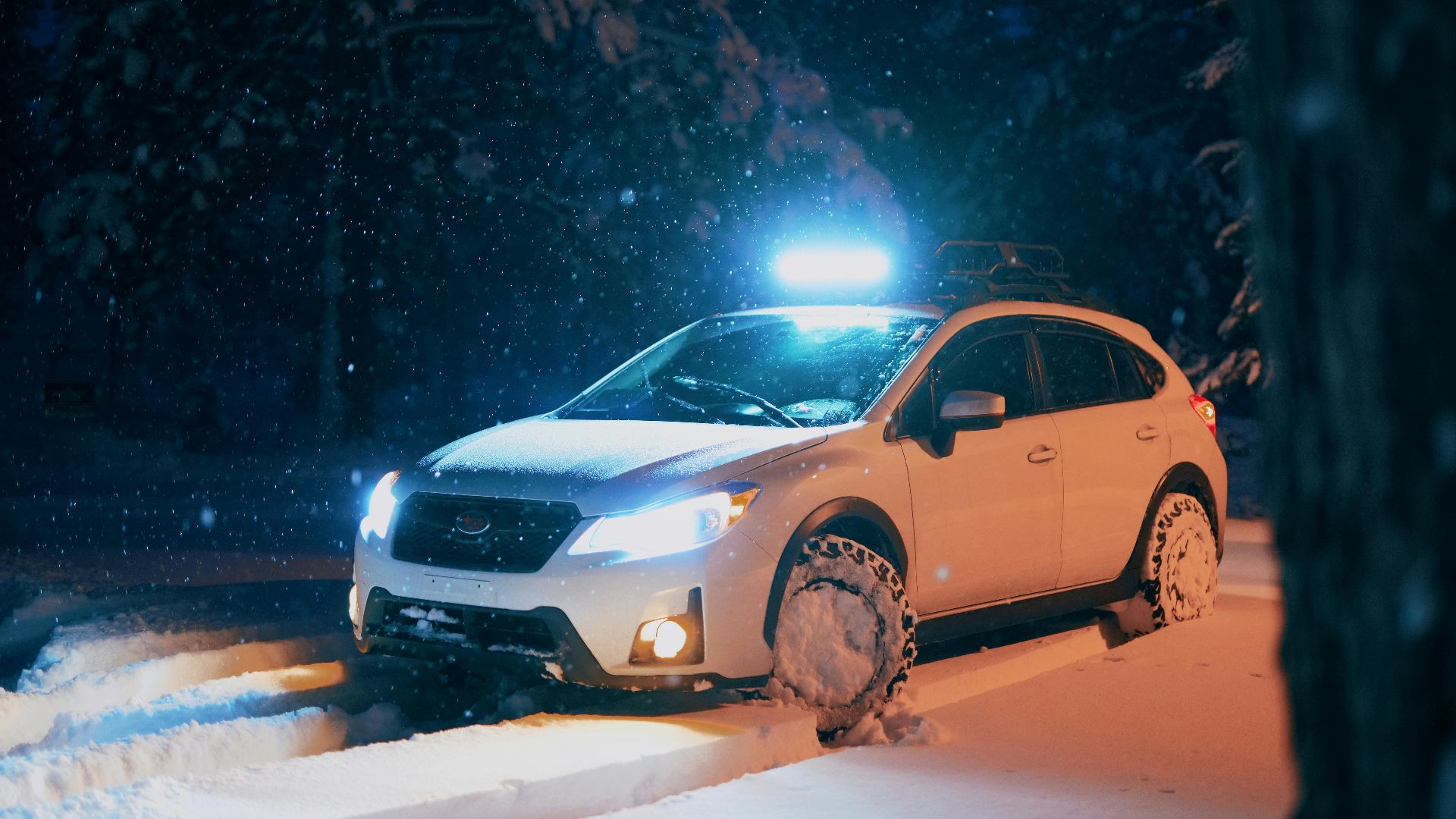
16. Wash Salt Off In Winter
Road salt accelerates rust, especially underneath, around brake lines, and in hidden seams. A basic undercarriage rinse during salty months can meaningfully slow corrosion. Rust is the kind of problem that keeps charging interest.
17. Park In Shade When You Can
Sun bakes paint, cracks dashboards, and ages interior plastics faster than people expect. Shade, a windshield sunshade, or even choosing the less sunny side of the lot helps preserve the interior and exterior. It also makes the car nicer to live in, which encourages caring for it.

18. Fix Chips In The Windshield Quickly
A tiny chip can spider into a full crack with one temperature swing or one pothole. Many chips can be repaired cheaply if you handle them early. Waiting often turns a small repair into a full replacement.
19. Keep Records Of Maintenance
A folder, an app, a spreadsheet, it does not matter, as long as it is consistent. Records help you stay on schedule and they add credibility when you sell the car. Buyers pay more for proof than promises.
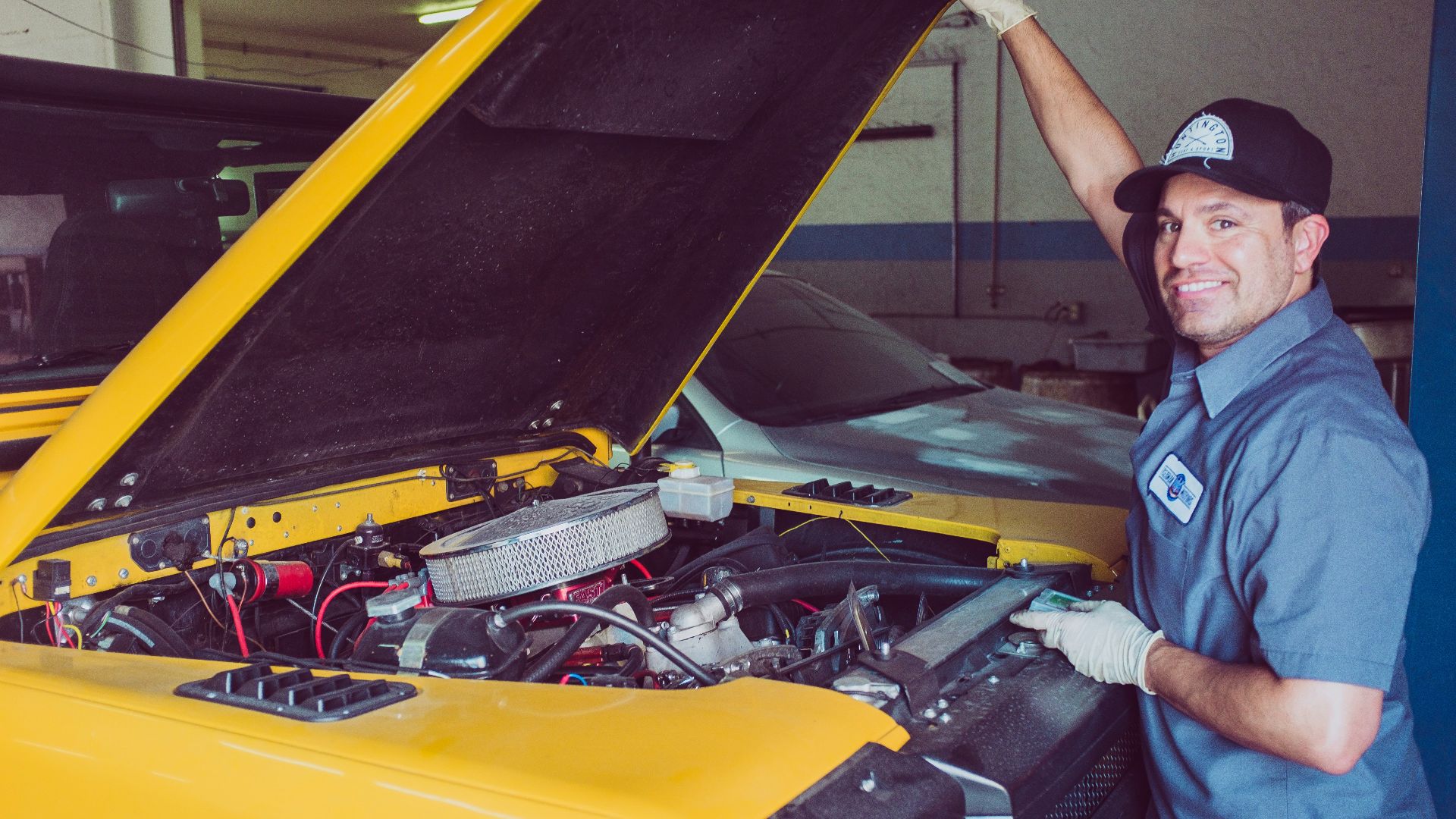
20. Learn The Fluids Your Car Cannot Live Without
Coolant, brake fluid, and transmission fluid are not optional, and neglect can create repairs that feel unreal when the estimate arrives. Checking the basics and following the manual for service intervals keeps you out of the worst-case scenarios. This habit saves money partly because it keeps you from guessing.