
Fewer Moving Parts Or Proven Simplicity?
When people talk about electric vehicles, one of the biggest selling points is lower maintenance. EVs don’t need oil changes, they don’t have spark plugs, and there’s no exhaust system to worry about. That said, some gas-powered cars are so reliable and inexpensive to service that they still compete surprisingly well. If you’re shopping with long-term ownership costs in mind, these 10 EVs are known for relatively low routine maintenance needs, and these 10 gas cars give them serious competition.

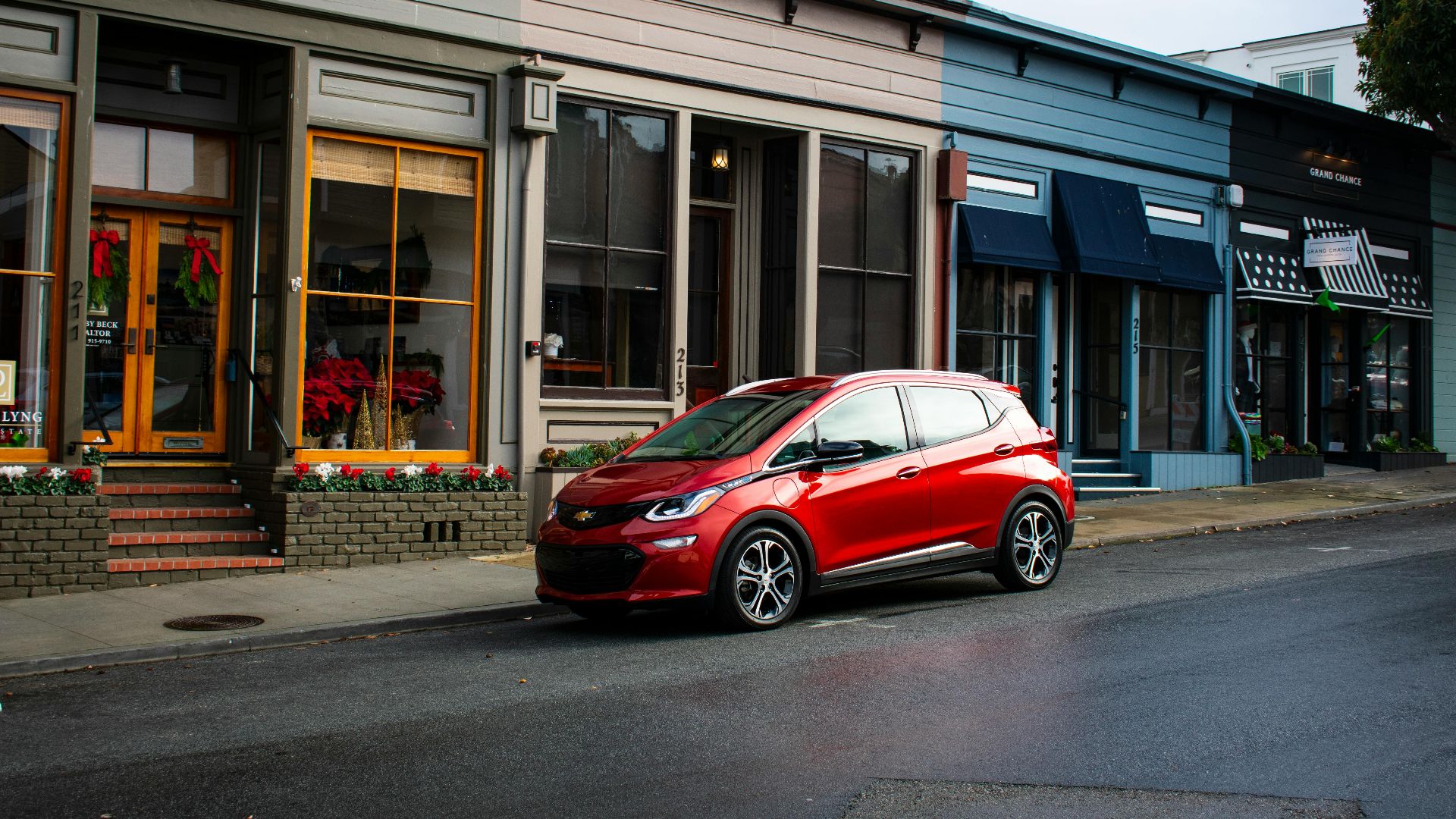
1. Chevrolet Bolt EV
The Chevrolet Bolt EV has consistently been cited for low routine maintenance because it skips oil changes, transmission servicing, and many traditional wear items. Like most EVs, it mainly requires tire rotations, brake fluid checks, and cabin air filter replacements.
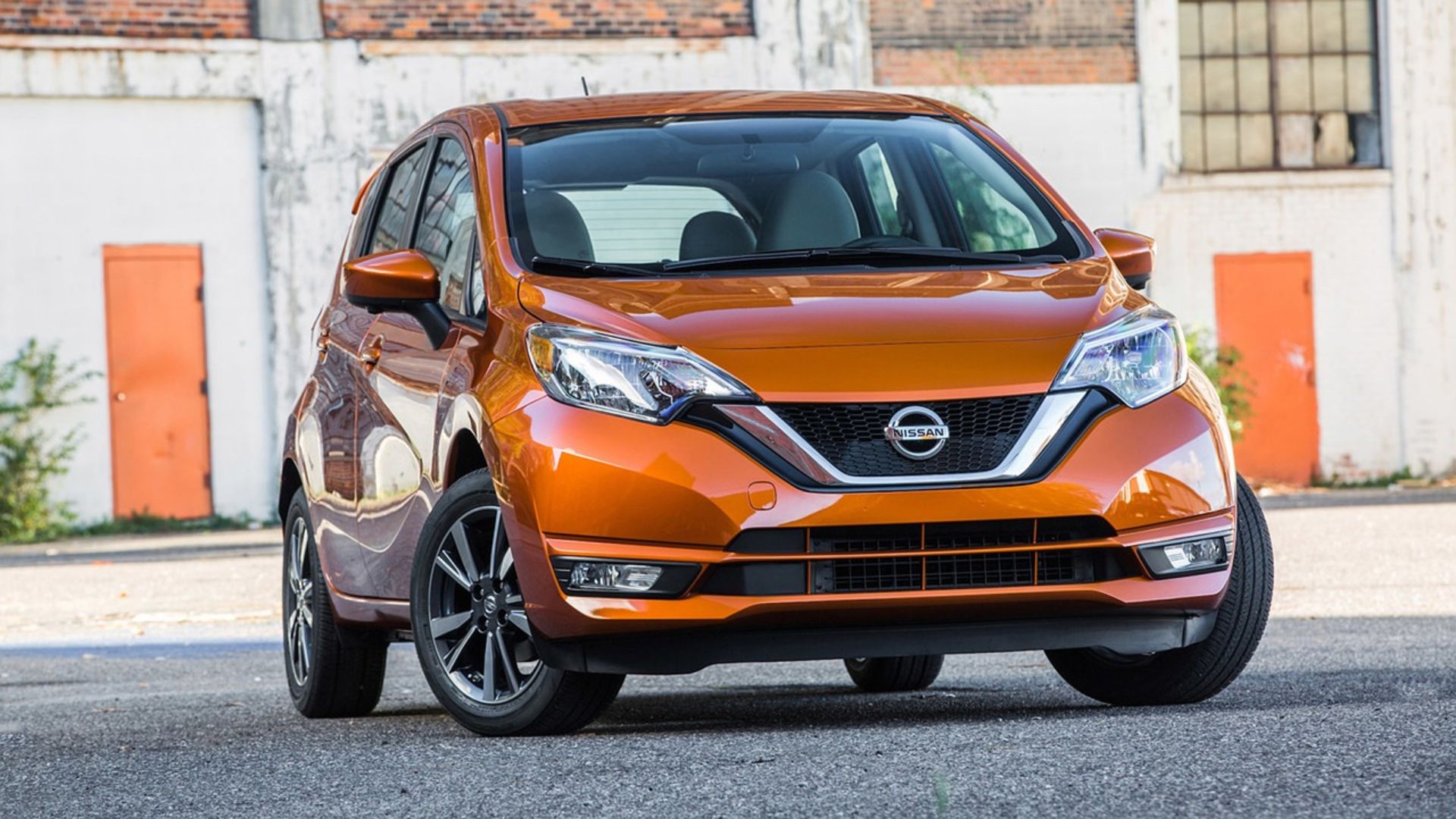
2. Nissan Leaf
The Nissan Leaf has been on the market since 2010, and its long track record shows relatively modest upkeep costs. With a simple single-speed transmission and no internal combustion engine components, there’s less that can go wrong mechanically.
3. Tesla Model 3
The Tesla Model 3 eliminates traditional maintenance items like oil and timing belts. Tesla recommends basic service such as tire rotation, brake fluid testing, and cabin air filter changes at set intervals.
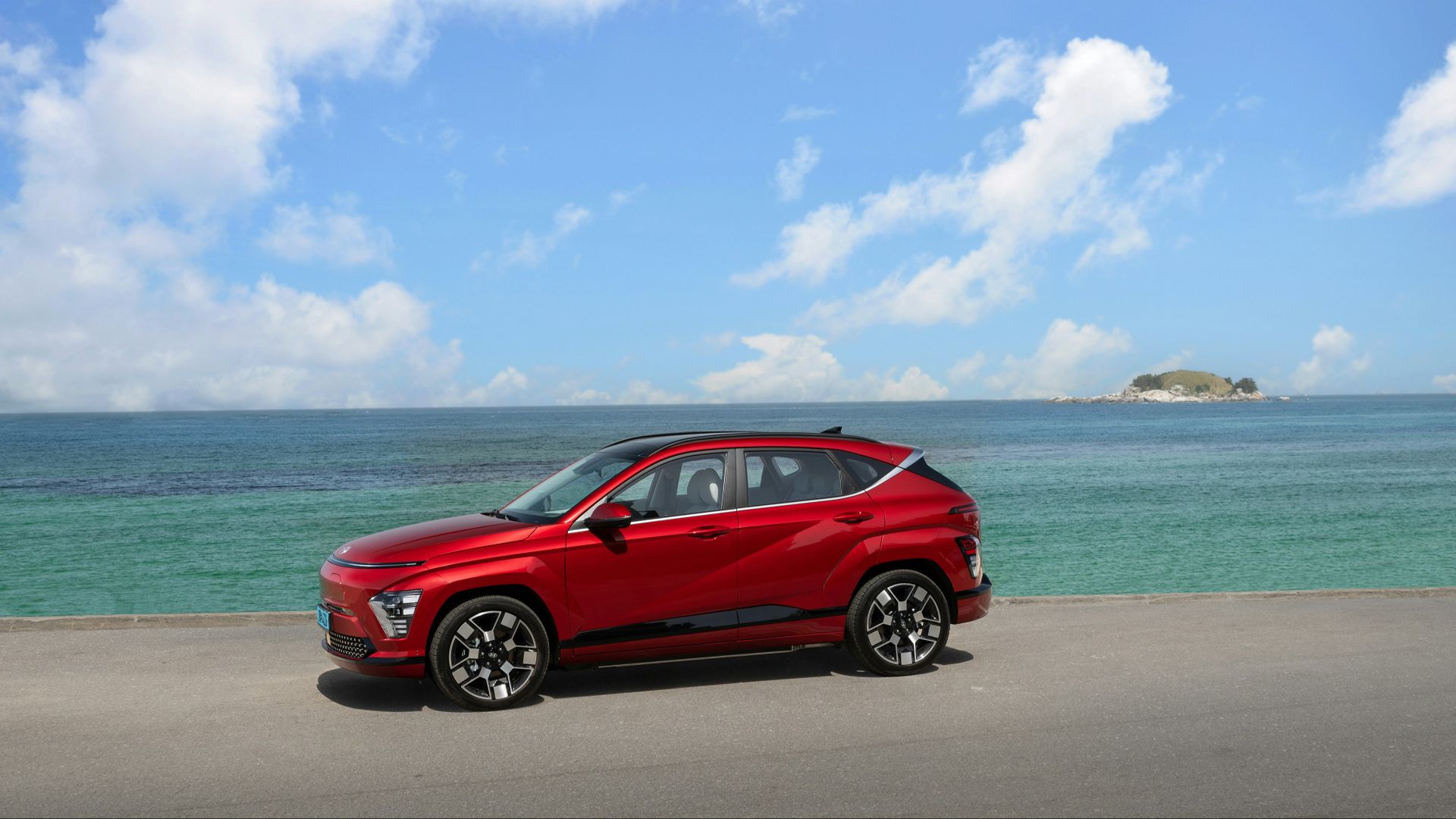
4. Hyundai Kona Electric
The Hyundai Kona Electric benefits from Hyundai’s strong warranty coverage, including a long battery warranty in many markets. Routine service is limited mostly to inspections, coolant checks for the battery system, and standard wear items.
 Hyundai Motor Group on Unsplash
5. Kia Niro EV
The Kia Niro EV shares much of its engineering with other Hyundai Motor Group EVs, which have proven relatively straightforward to maintain. It doesn’t require oil changes or exhaust repairs, and its electric motor has fewer moving parts than a gasoline engine. Scheduled maintenance tends to focus on brakes, tires, and system diagnostics.

6. Volkswagen ID.4
The Volkswagen ID.4 uses a single-speed gearbox and an electric drivetrain that reduces the need for regular mechanical servicing. VW’s recommended maintenance schedule centers on inspections and fluid checks rather than engine-related work. Over time, the absence of spark plugs, fuel filters, and engine belts adds up to fewer shop visits.
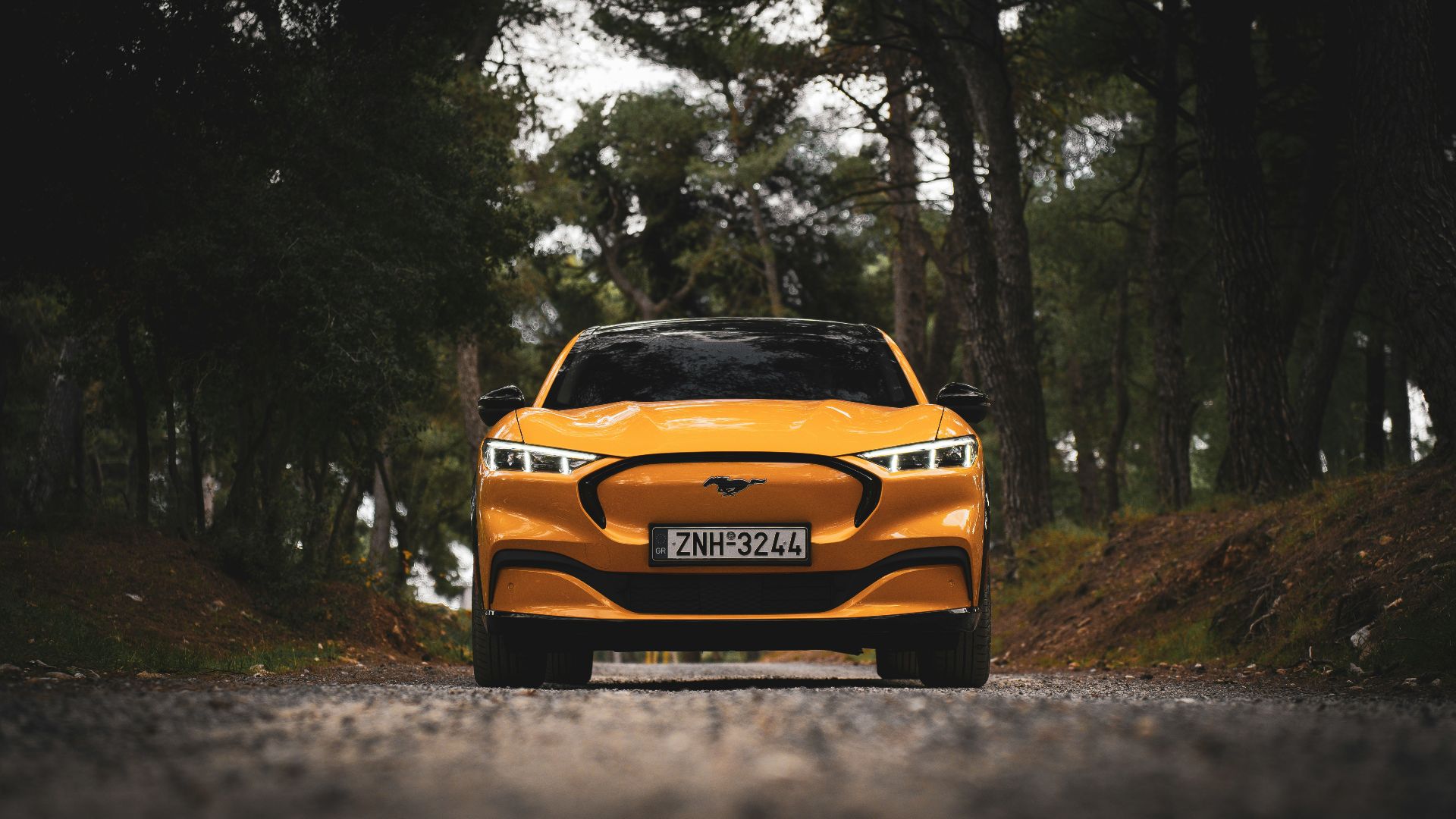
7. Ford Mustang Mach-E
The Ford Mustang Mach-E avoids traditional engine maintenance entirely, which simplifies ownership. Ford’s service intervals largely involve tire care, brake inspections, and battery cooling system checks.

8. Mini Cooper SE
The Mini Cooper SE combines a compact size with a simple electric powertrain. Its maintenance needs are limited to typical EV service items such as brake fluid changes and tire rotations.
 George Sargiannidis on Unsplash
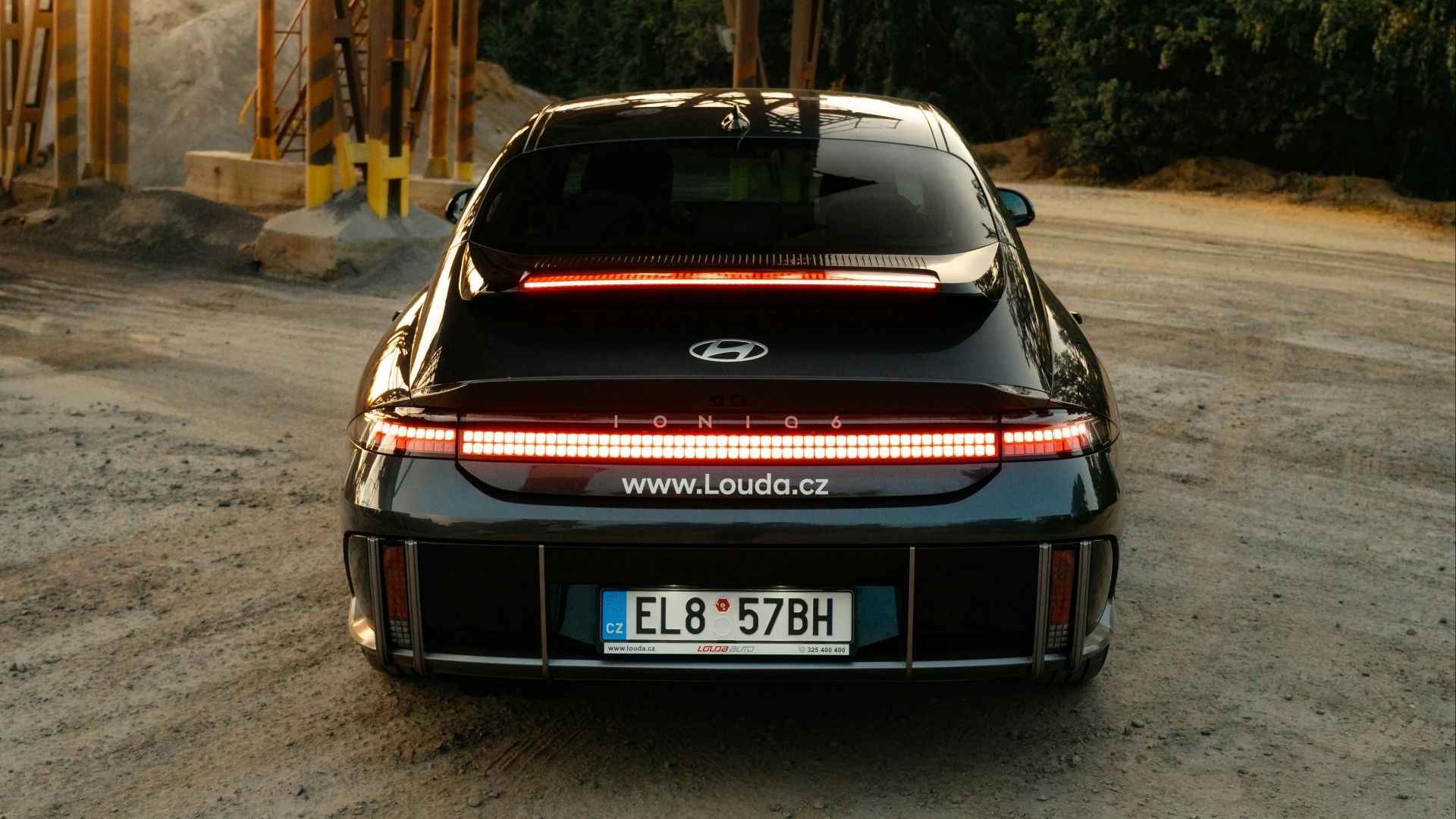
9. Hyundai Ioniq Electric
The Hyundai Ioniq Electric is known for efficiency and straightforward engineering. With no oil, fuel system, or exhaust components, scheduled maintenance is streamlined compared to a hybrid or gas model. Owners mainly deal with inspections, cabin filters, and periodic coolant service for the battery system.
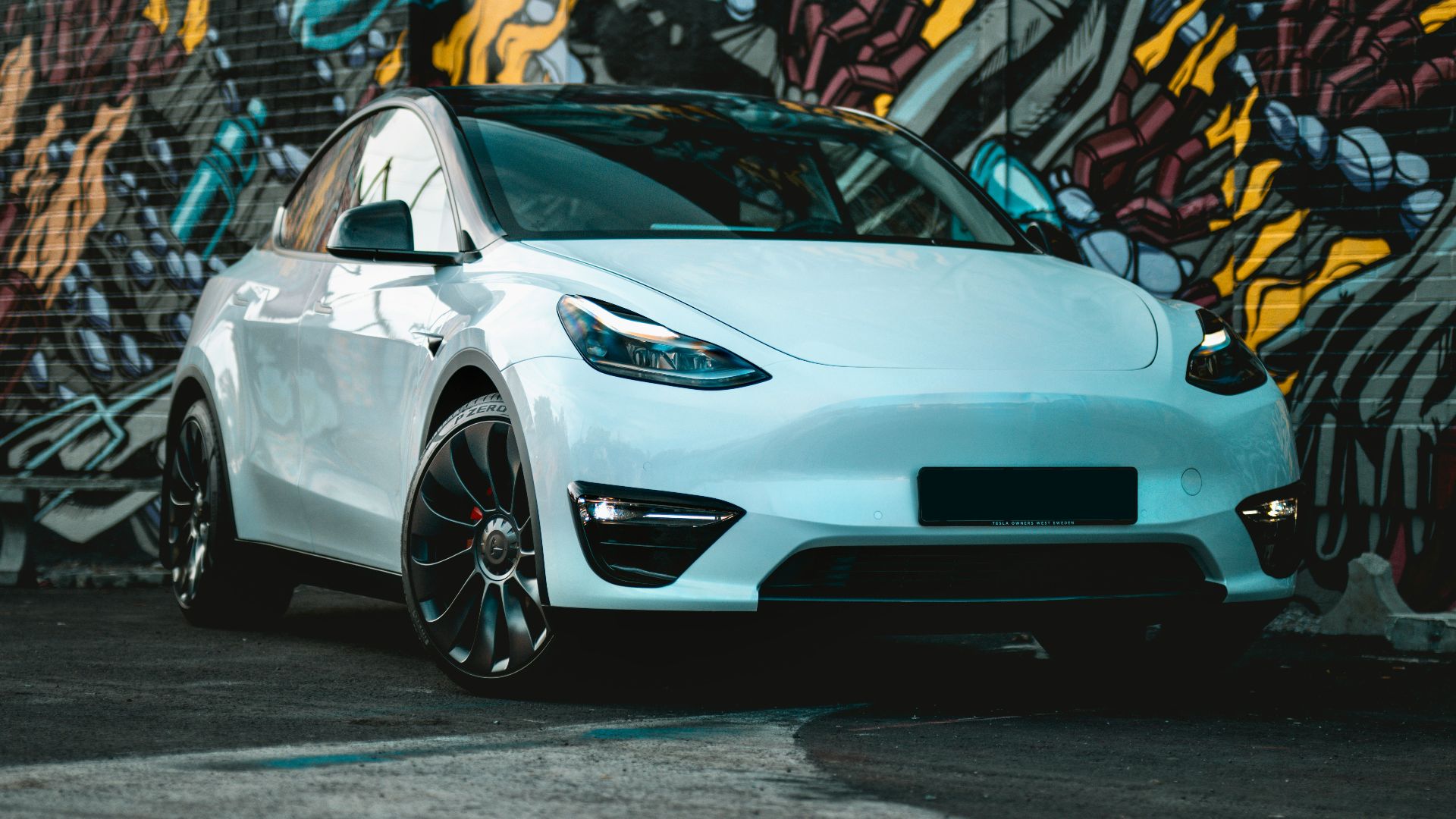
10. Tesla Model Y
The Tesla Model Y shares much of its design with the Model 3, which helps simplify parts and service needs. Like other Teslas, it doesn’t follow a traditional annual maintenance schedule but instead recommends service as needed for specific components. Fewer mechanical systems mean fewer routine replacements over the life of the vehicle.
 Pontus Jerand Wernhammar on Unsplash
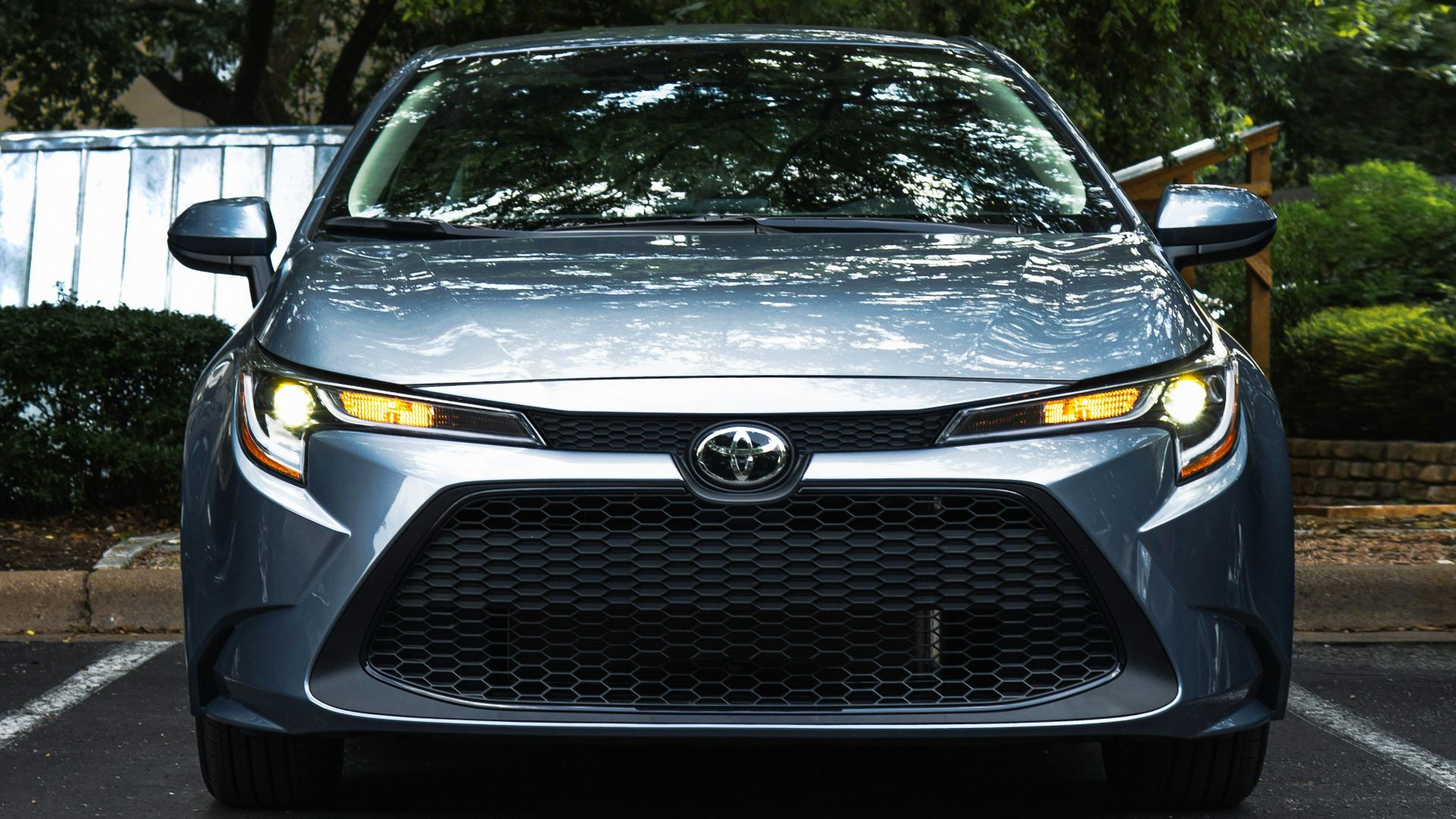
1. Toyota Corolla
The Toyota Corolla has built a reputation for reliability over the decades. Its naturally aspirated four-cylinder engine is simple and well-tested, which helps keep repair frequency low. Routine oil changes and basic servicing are inexpensive, and major mechanical issues are relatively uncommon when properly maintained.
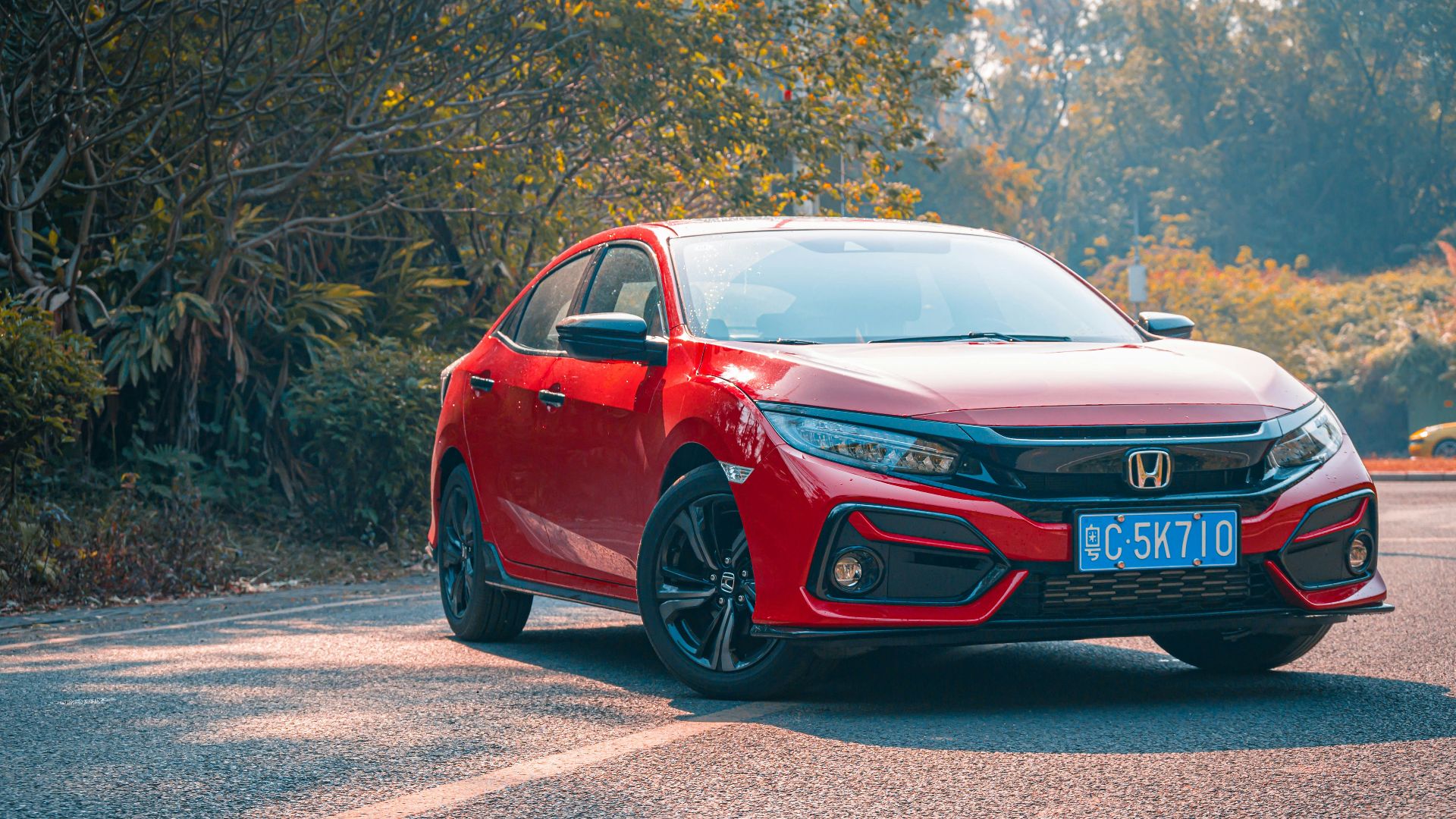
2. Honda Civic
The Honda Civic consistently ranks high for long-term durability. With widely available parts and strong reliability records, it keeps maintenance costs predictable. Even though it requires oil changes and engine servicing, those procedures are straightforward and affordable.
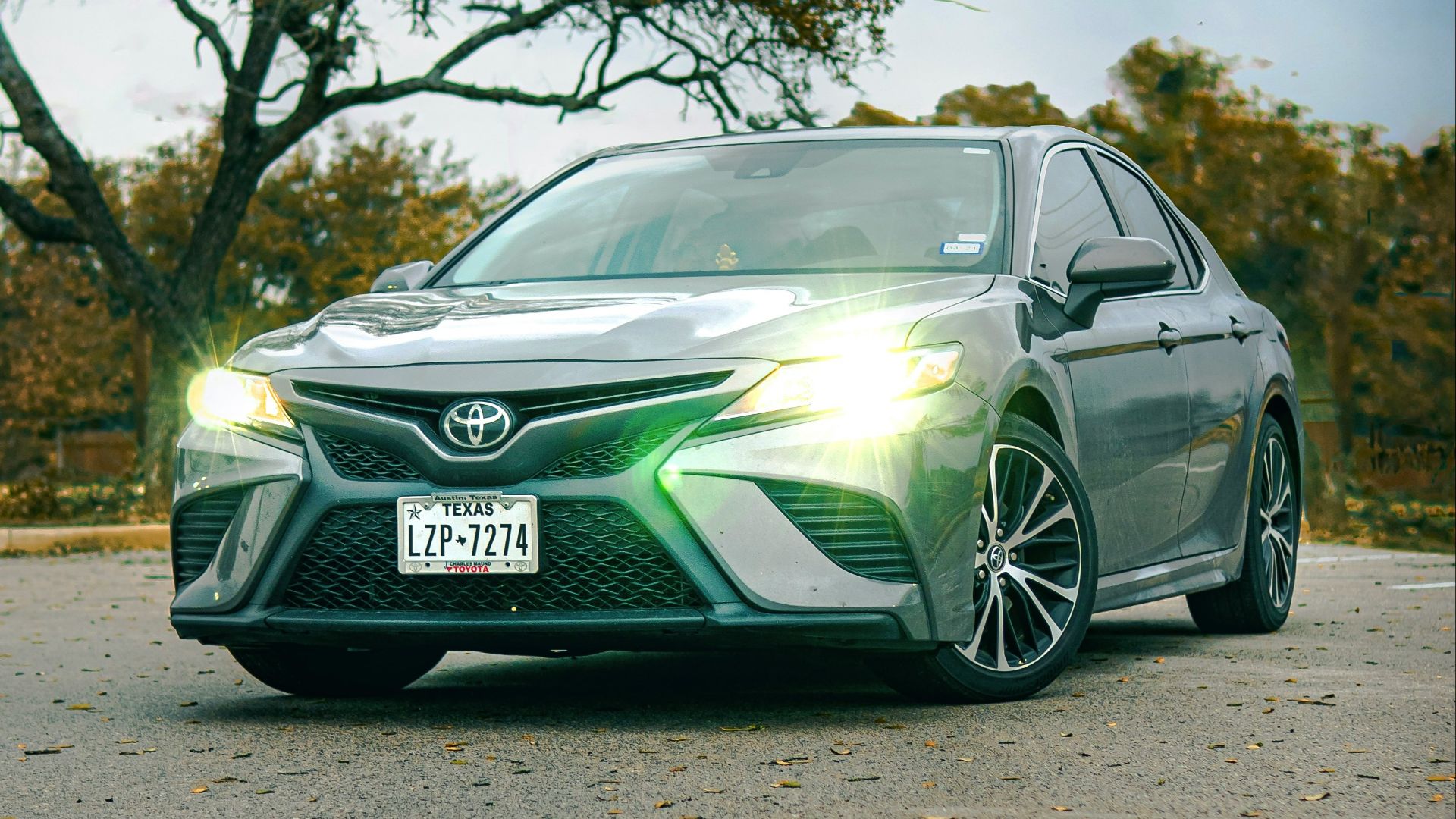
3. Toyota Camry
The Toyota Camry combines proven engines with a reputation for longevity. Many owners report driving well past 200,000 miles with regular maintenance. While it does require traditional service like fluid changes and belt replacements, its track record keeps unexpected repairs relatively rare.
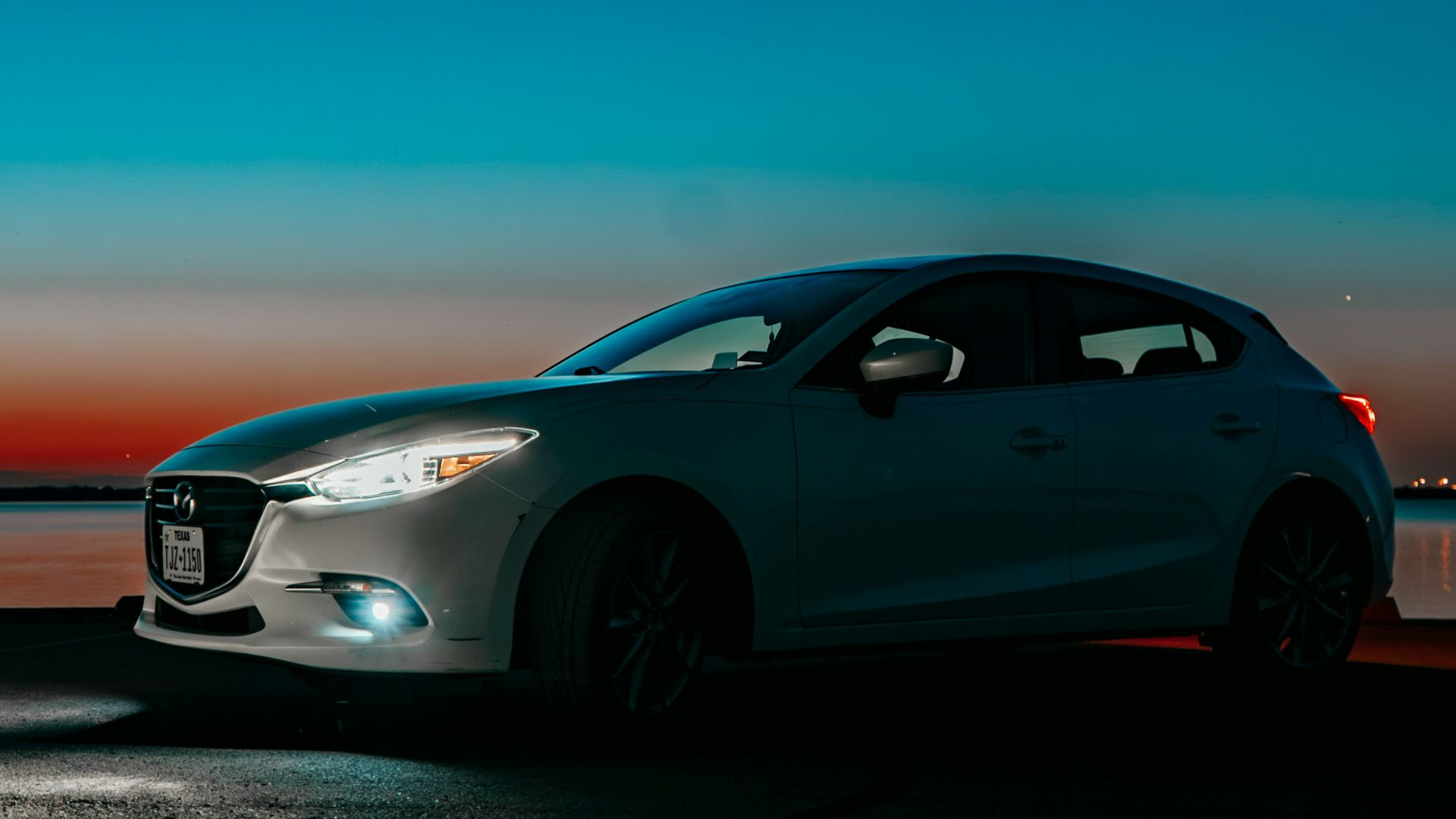
4. Mazda3
The Mazda3 uses simple, naturally aspirated engines in many trims, which reduces mechanical complexity. Mazda’s Skyactiv engines are known for efficiency and durability when maintained properly.
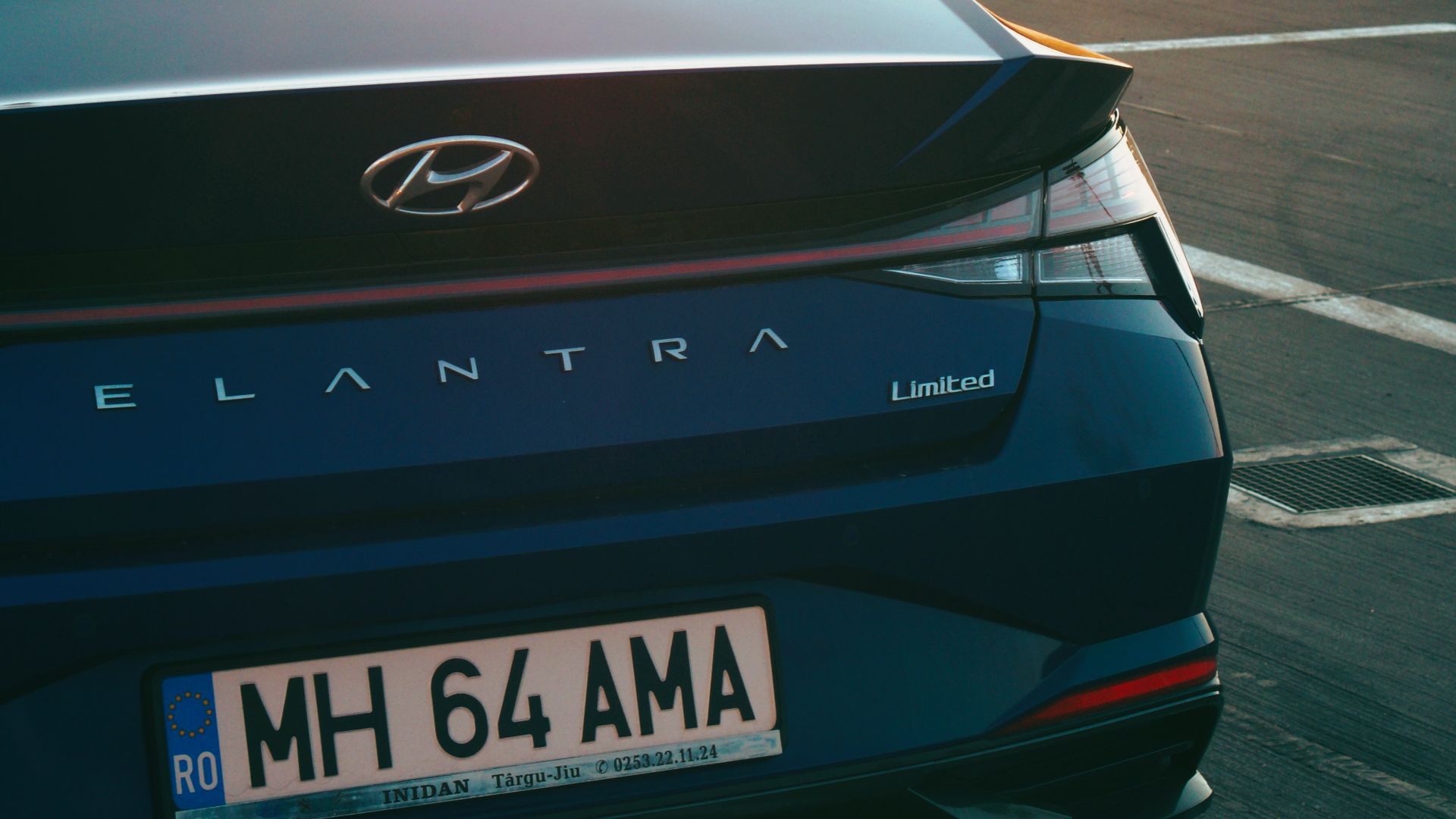
5. Hyundai Elantra
The Hyundai Elantra offers a balance of affordability and solid warranty coverage. Routine maintenance is similar to that of other compact sedans, with oil changes and basic inspections forming the bulk of costs.
6. Toyota Prius
Although it’s a hybrid rather than a pure gas car, the Toyota Prius uses a gasoline engine and competes closely with EVs on maintenance costs. Its regenerative braking system reduces brake wear, similar to an EV.

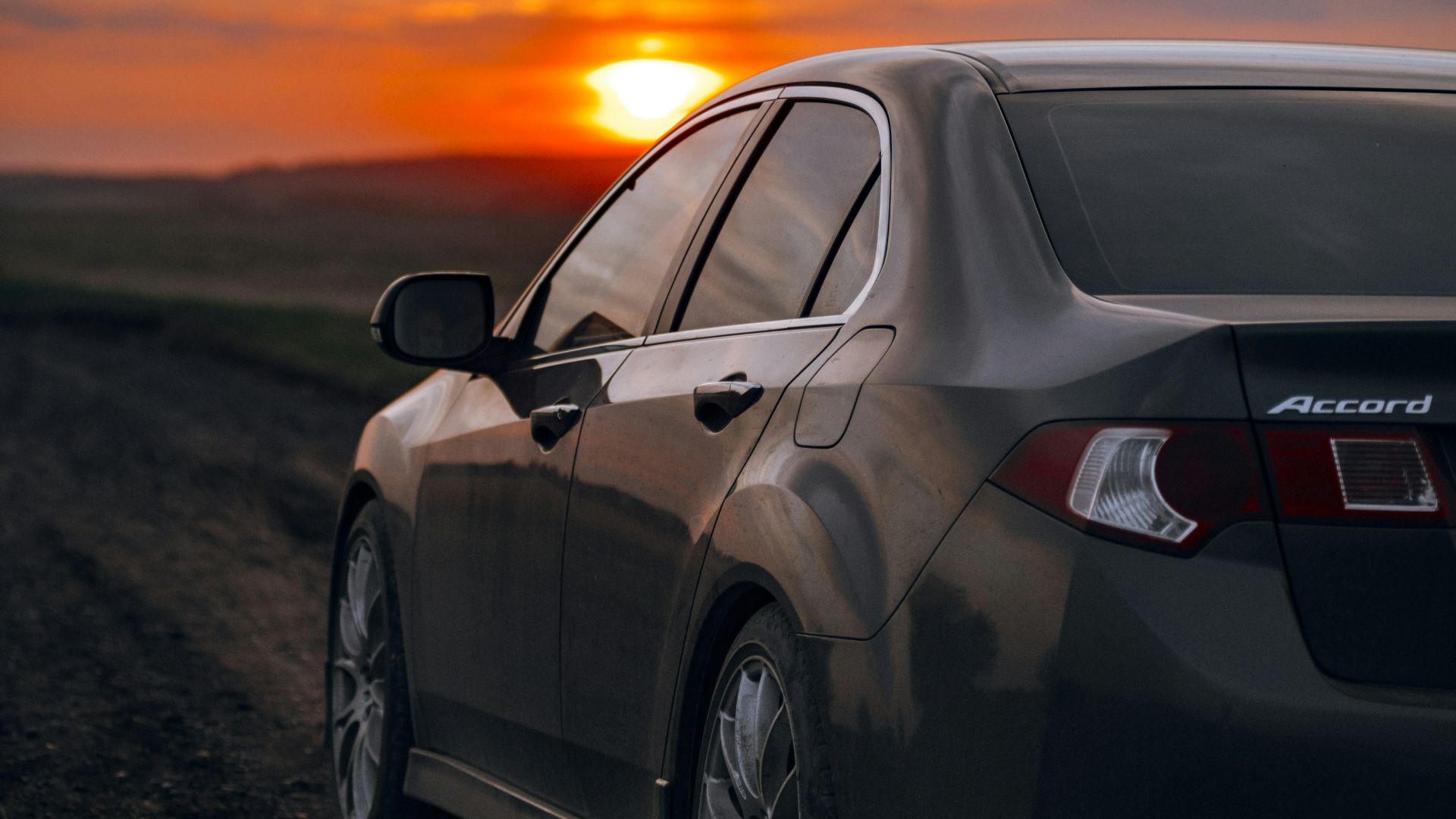
7. Honda Accord
The Honda Accord is known for dependable engines and transmissions when properly serviced. While turbocharged versions may add some complexity, overall maintenance remains manageable. Its widespread popularity also means parts are easy to find and reasonably priced.
8. Subaru Impreza
The Subaru Impreza offers all-wheel drive as standard, which is rare in its class. Despite that added drivetrain component, it has a reputation for steady reliability. Routine maintenance costs are generally moderate, especially when compared to larger SUVs.

9. Kia Forte
The Kia Forte combines a straightforward engine design with strong warranty coverage. Oil changes and scheduled maintenance are inexpensive, and major repairs are not common in the early years of ownership. It remains one of the more budget-friendly compact sedans to keep on the road.
10. Nissan Sentra
The Nissan Sentra provides affordable entry-level transportation with relatively low routine service costs. When maintained on schedule, its engine and transmission can deliver dependable performance for years.