How the DMC-12 Became Legendary, but Still Put DeLorean Out of Business
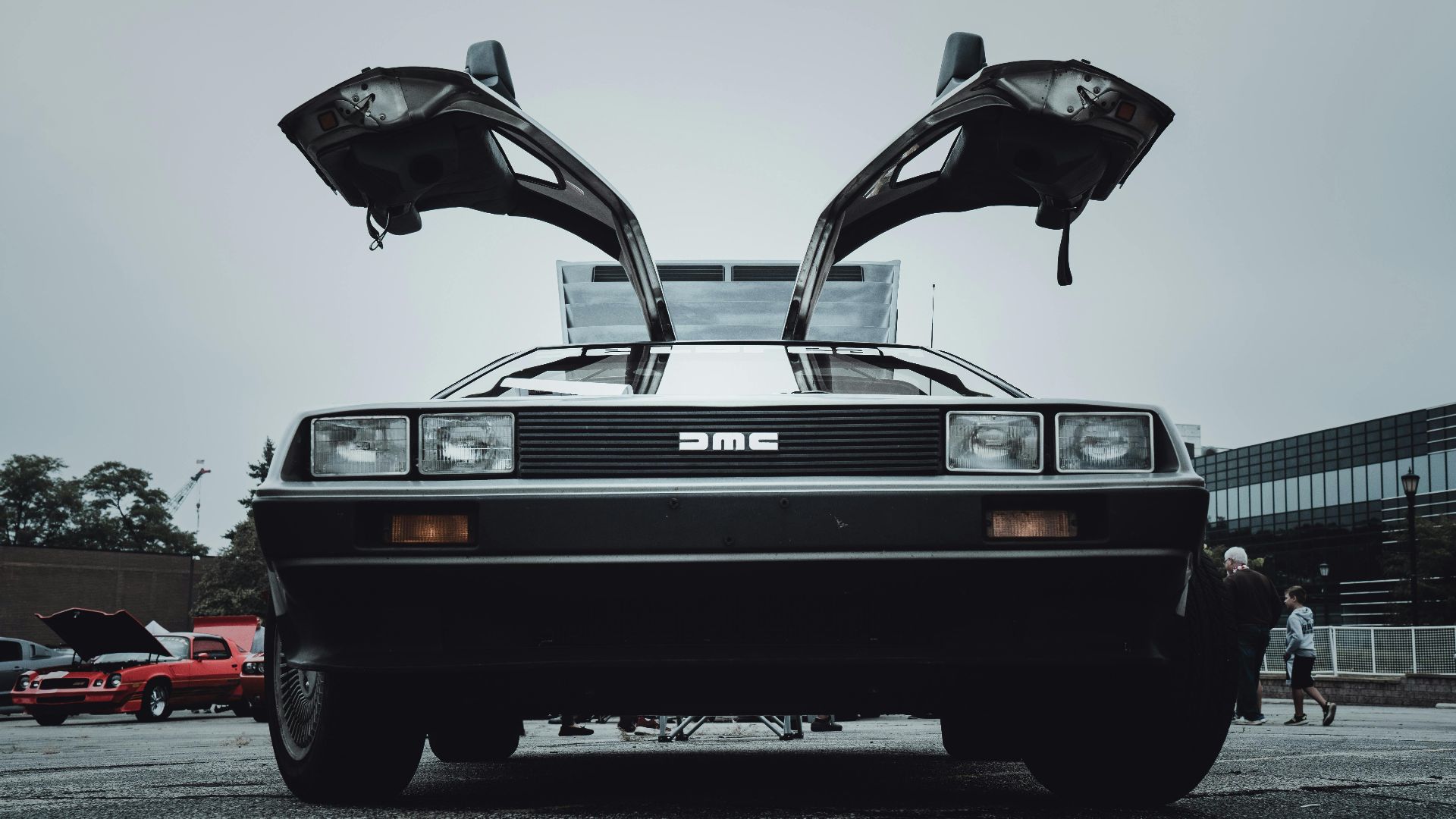
DeLorean’s DMC-12 is one of those cars that feels bigger than the company that built it. Even if you're never seen one on the road (which is likely), you might know it as the legendary time machine in the '80s classic Back to the Future. This Hollywood background is why even people who can’t name five other vehicles from the early 1980s can picture the stainless-steel body, the wedge shape, and those gull-wing doors. The DMC-12 wasn't just a car; it was a pop culture icon.
And yet, the same car that made DeLorean famous didn’t keep DeLorean alive. The DMC-12 arrived with massive expectations, tight finances, and a world that doesn’t care how iconic your design is if production is messy and cash is running out. If you’ve ever wondered how something can become a legend and still be a business disaster, the DMC-12 is basically the perfect case study.
A dream car with a real-world price tag
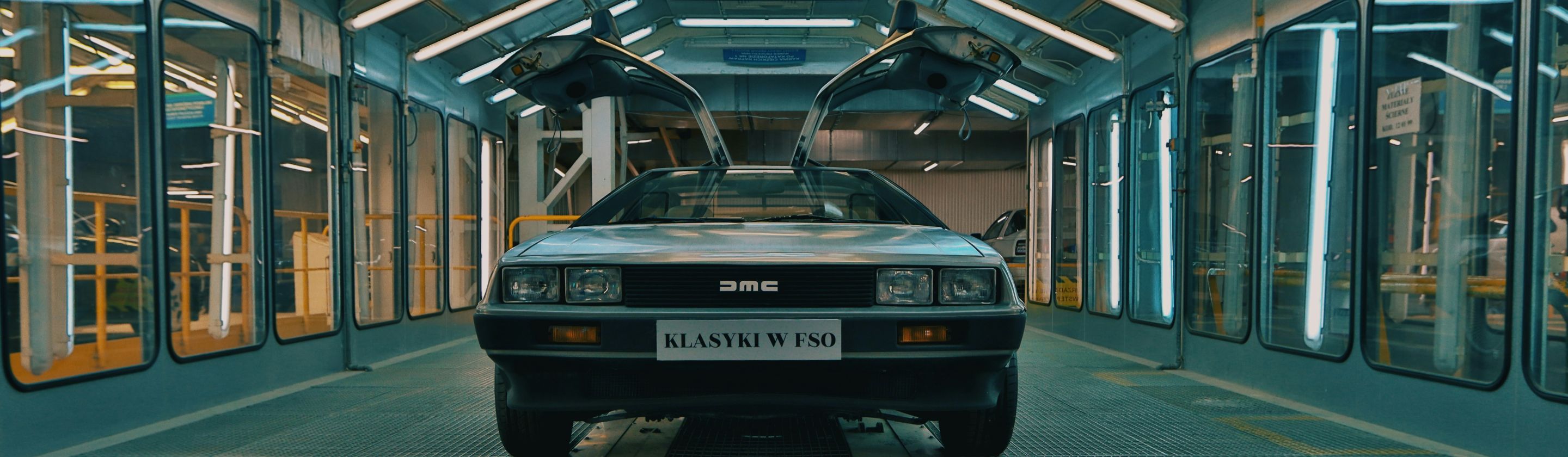
John DeLorean wasn’t trying to build a normal car, and the DMC-12 wasn’t meant to blend in, which is why it made for a perfect movie prop. It had a stainless-steel exterior, distinctive doors, and an overall look that seemed to promise the future would arrive any minute. That boldness created instant attention, which is great for a brand launch and dangerous for a new company’s margin for error.
That kind of attention also locks you into a very specific expectation. When a car looks like a concept vehicle that escaped an auto show, buyers assume it will perform like one, too. The DMC-12 didn’t always deliver that “supercar” vibe once you actually drove it.
The DMC-12 looked like it should be fast, and that was part of the problem. Between the wedge shape, the stainless-steel skin, and the gull-wing doors, it gave off “European exotic” energy, so people expected something that felt sharp and urgent on the road. What they got was a car that was more about style and theater than outright speed, which created a mismatch that reviews and word-of-mouth didn’t let slide.
A big part of that reputation came from the powertrain. The car used a V6 that was perfectly fine for regular driving, but it didn’t deliver the punch buyers assumed they were paying for, especially in a vehicle marketed like a futuristic sports car.
Then there’s the way it drove. The DMC-12 was heavy, which made acceleration and handling feel more relaxed than thrilling. Add in early build inconsistencies and the reality that some owners dealt with reliability and drivability quirks, and the car’s on-paper cool factor had to work overtime to compensate.
What's more, building a “statement car” is expensive. Unique materials, distinctive engineering choices, and low-volume production don’t behave like a mass-market assembly line. DeLorean needed the DMC-12 to be both aspirational and profitable, and that is a tall order when you’re new, under pressure, and burning cash.
The execution problems that quietly sank the company
Starting a car company is like starting a restaurant where every dish is a machine that can kill you if it’s built wrong. Early quality control matters because first impressions become reputation, and reputation becomes sales. If a buyer hears “cool car, but unreliable,” the cool part stops being enough.
Then there’s the issue of timing, because the world doesn’t schedule itself around your product launch. The DMC-12 landed in an era when economic uncertainty and shifting consumer priorities made flashy purchases harder to justify. Even people who loved the look still had to convince themselves it was a smart buy, and “smart buy” was not always the DMC-12’s strongest argument.
The harsh truth is that iconic design can’t compensate for a fragile business foundation. DeLorean’s finances were tight, and the company didn’t have the kind of runway that lets you iron out problems slowly. When costs pile up faster than revenue, every hiccup becomes a crisis, and eventually, the math wins, no matter how beloved the idea is.
How pop culture saved the car, but not the brand
The DMC-12’s legendary status didn’t come only from the showroom; it came from the screen. Once it became the time machine in Back to the Future, the car stopped being just a product and turned into a character. If you saw it once, you remembered it, and that kind of memorability is basically marketing immortality.
Pop-culture fame, however, tends to arrive on its own schedule, and it doesn’t necessarily show up when a company needs it most. By the time the DMC-12 was cemented in the public imagination as an icon, DeLorean as a business was already beyond rescue.
What the movie did do was create a second life for the car itself. Enthusiasts started caring not just about performance, but about the story, the design, and the feeling of owning a piece of cultural history. So while the DMC-12 couldn’t keep the company afloat, it became the kind of vehicle people restore, display, and talk about.
The DMC-12 is legendary because it’s a rare mix of bold design, big ambition, and a story you can’t separate from the product. It’s also a reminder that business success is usually less romantic than the cars it produces.