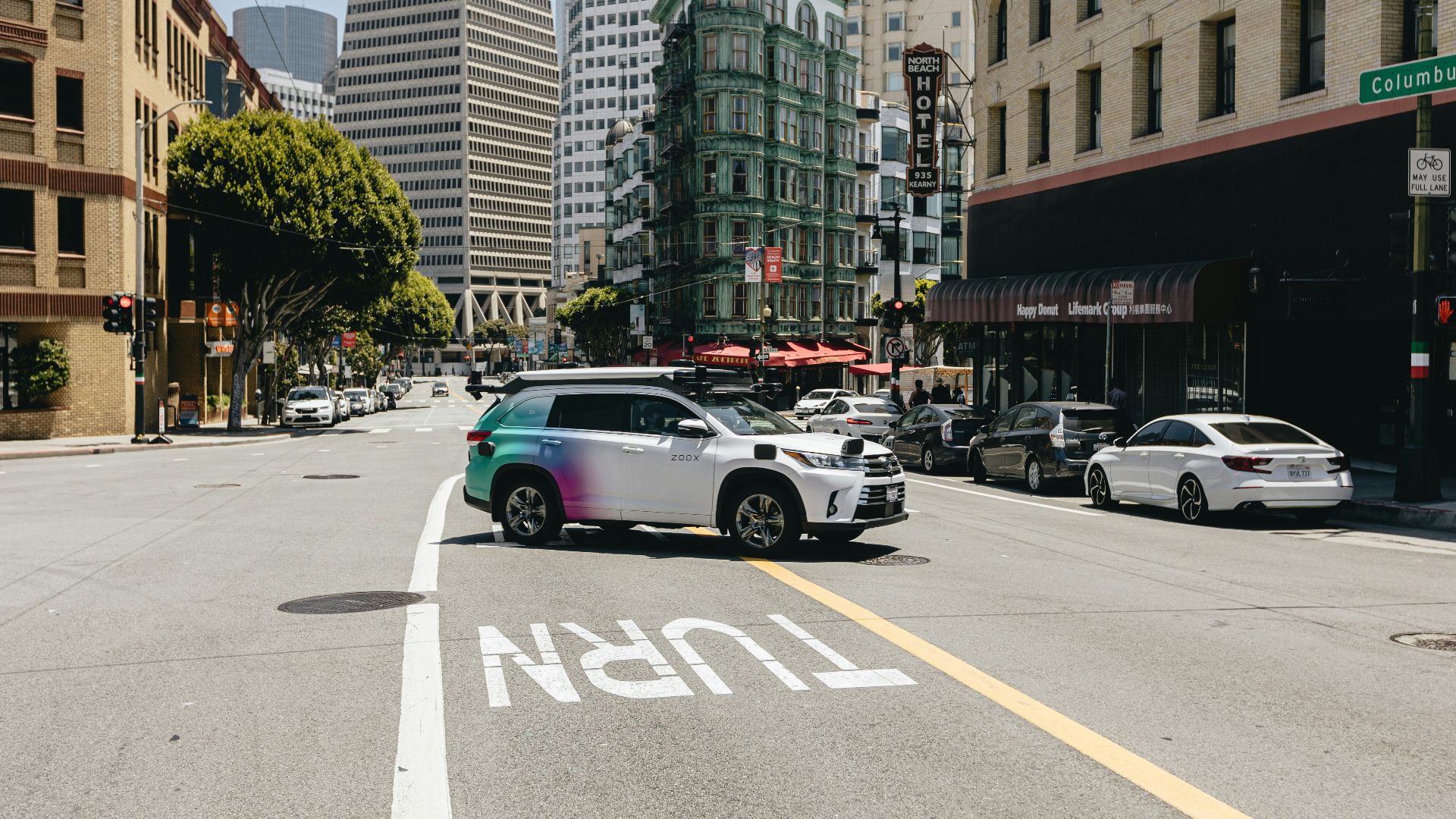
Self-driving cars often seem like something pulled straight from science fiction. The idea that a vehicle can steer, brake, and navigate traffic without human input still feels futuristic to many people. Yet the technology behind autonomous driving has been in development for decades, combining advances in computing, sensors, and artificial intelligence. Understanding how these vehicles function helps separate hype from reality.
At their core, self-driving cars rely on a combination of hardware and software working together in real time. They constantly collect information about their surroundings and use that data to make driving decisions within fractions of a second. While fully autonomous vehicles are still being refined and regulated, many modern cars already include partial automation features. Appreciating how these systems operate makes the rapid evolution of automotive technology easier to grasp.
The Sensors That See The Road
Self-driving cars depend on a network of sensors to perceive the environment around them. These typically include cameras, radar, ultrasonic sensors, and, in many cases, lidar, which stands for light detection and ranging. Cameras capture visual details like lane markings, traffic lights, and road signs. Radar measures the speed and distance of nearby objects, which is especially useful in poor weather conditions.
Lidar systems emit laser pulses to create a detailed three-dimensional map of the car’s surroundings. By measuring how long it takes for those pulses to bounce back, the system calculates precise distances. This helps the vehicle detect pedestrians, cyclists, and other vehicles with high accuracy. Not all autonomous systems use lidar, but it has played a major role in many advanced prototypes.
Ultrasonic sensors are often used for short-range detection, such as parking and low-speed maneuvers. These sensors help identify obstacles close to the vehicle that cameras or radar might not capture as precisely at short distances. Together, all of these components create overlapping layers of awareness. That redundancy is important because safe driving depends on consistent and reliable perception.
The Software That Makes Decisions
Collecting data is only the first step, because the vehicle must interpret it correctly. Self-driving cars use complex software systems powered by artificial intelligence and machine learning algorithms. These systems are trained on enormous datasets that include images, traffic scenarios, and driving behaviors. Over time, the software learns to recognize patterns and respond appropriately.
The vehicle’s computer processes incoming sensor data in real time. It identifies objects, predicts their movement, and determines how the car should respond. For example, if a pedestrian steps into a crosswalk, the system calculates braking distance and applies the brakes automatically. These calculations happen in milliseconds, far faster than most human reaction times.
High-definition maps also play a crucial role in many autonomous systems. Unlike standard GPS maps, these detailed maps include precise information about lane geometry, road curvature, and traffic signals. The car compares live sensor data to these maps to confirm its exact position. This layered approach improves accuracy and helps guide navigation decisions.
Levels Of Autonomy And Human Involvement
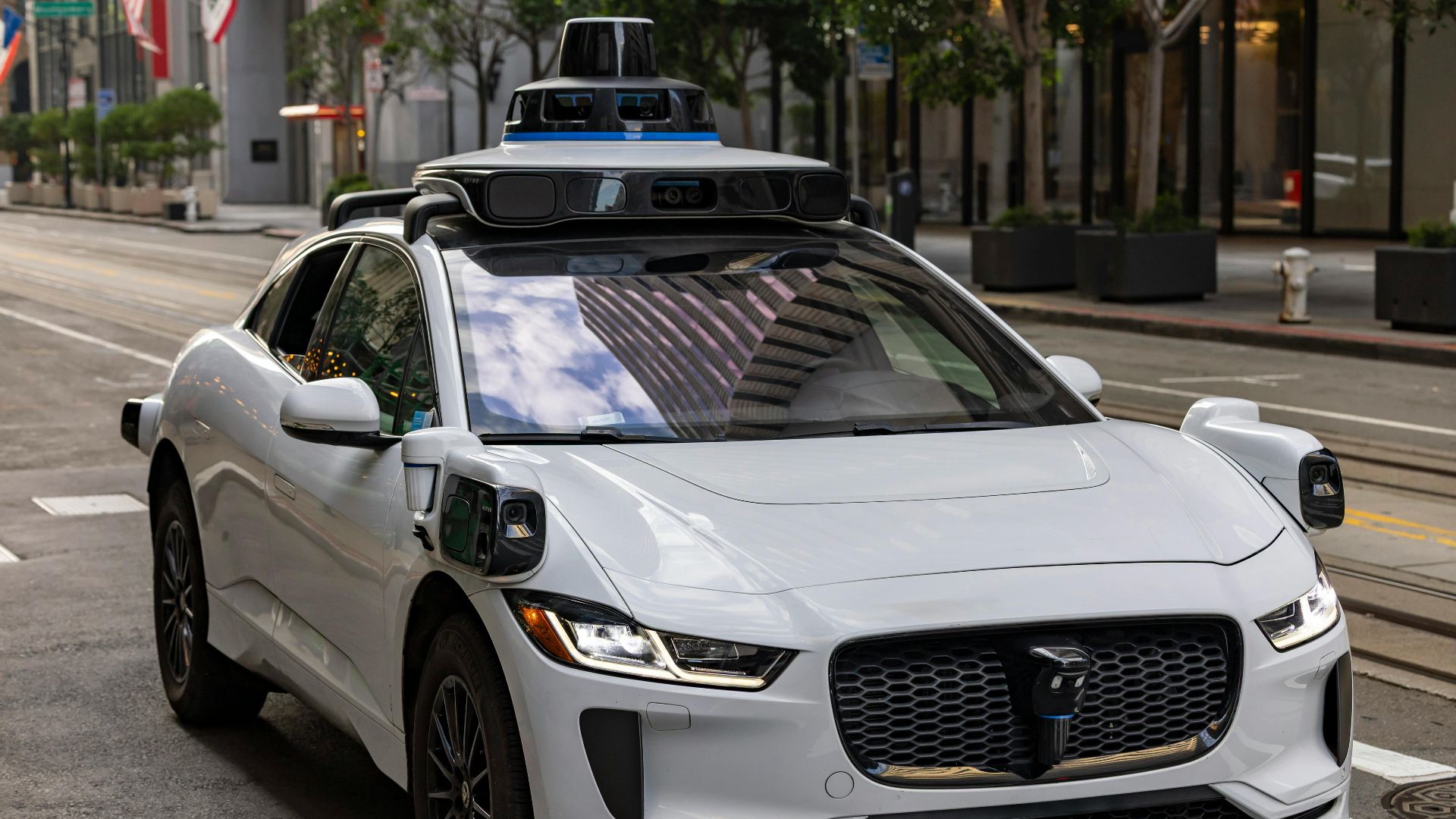
Not all self-driving cars operate at the same level of independence. The Society of Automotive Engineers defines six levels of driving automation, ranging from Level 0, which involves no automation, to Level 5, which represents full autonomy in all conditions. Most vehicles currently on the road fall between Levels 1 and 3, meaning they still require human supervision. Keep in mind that features like adaptive cruise control and lane-keeping assist are examples of partial automation.
At Level 2, the vehicle can control steering and acceleration simultaneously, but the driver must remain attentive. Level 3 systems can manage certain driving tasks under specific conditions, though the human driver must be ready to intervene. Fully autonomous Level 4 and Level 5 systems are still being tested and refined. Regulatory frameworks and safety validation remain ongoing challenges.
Even in advanced systems, human oversight often plays a role. Engineers continuously update software to improve safety and performance based on real-world data. Manufacturers conduct extensive simulations and road testing before deploying new features. This iterative process helps address edge cases and unexpected scenarios that can arise in complex traffic environments.
Self-driving cars work by combining advanced sensors, powerful computing, and intelligent software into a tightly integrated system. They constantly observe the world, interpret what they see, and make split-second decisions designed to mimic or improve upon human driving behavior. While fully autonomous vehicles are not yet universal, the technology continues to progress steadily. As these systems become more refined, they may reshape transportation in ways that extend beyond convenience. Understanding the mechanics behind them reveals that autonomous driving is less magic and more a sophisticated blend of engineering and data-driven innovation.