Don't Let The Cold Catch You Unprepared
Winter driving separates the prepared from the stranded. A three-hour trip to visit family can turn into an eight-hour ordeal when unexpected snowfall closes mountain passes, or when your battery fails in a gas station parking lot two hours from anywhere. The difference between arriving safely and spending the night in your car waiting for a tow truck often comes down to spending thirty minutes checking your vehicle before you leave. These 20 checks cover the mechanical essentials, the safety gear you hope never to use, and the small preparations that experienced winter drivers build into their routine.
1. Battery Health And Charging System
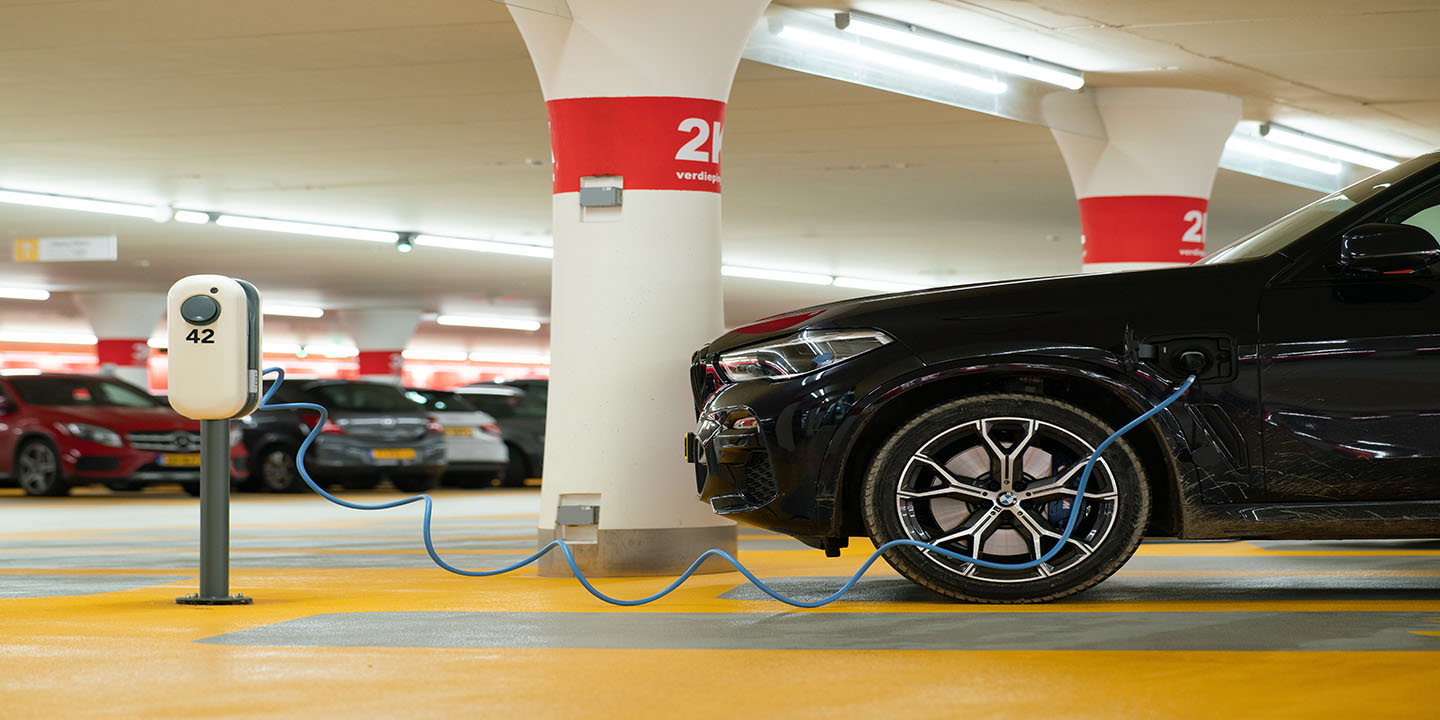
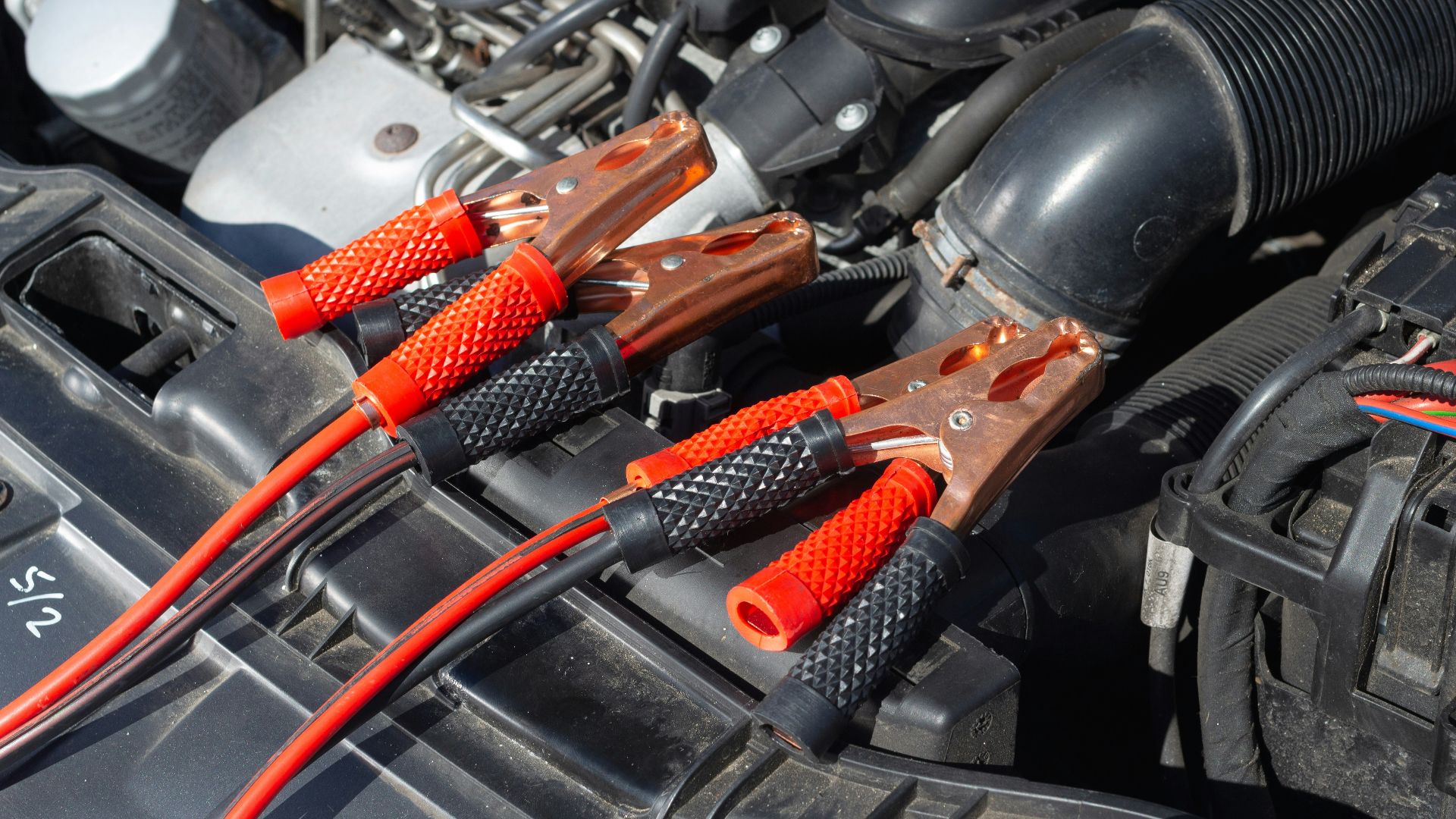
Have a technician test your battery and charging system before winter or any long trip, as cold temperatures reduce battery capacity and make engines harder to start. Many auto clubs recommend replacing batteries over three to five years old, and you should clean corrosion from terminals and ensure connections are tight.
 Daniel @ bestjumpstarterreview.com on Unsplash
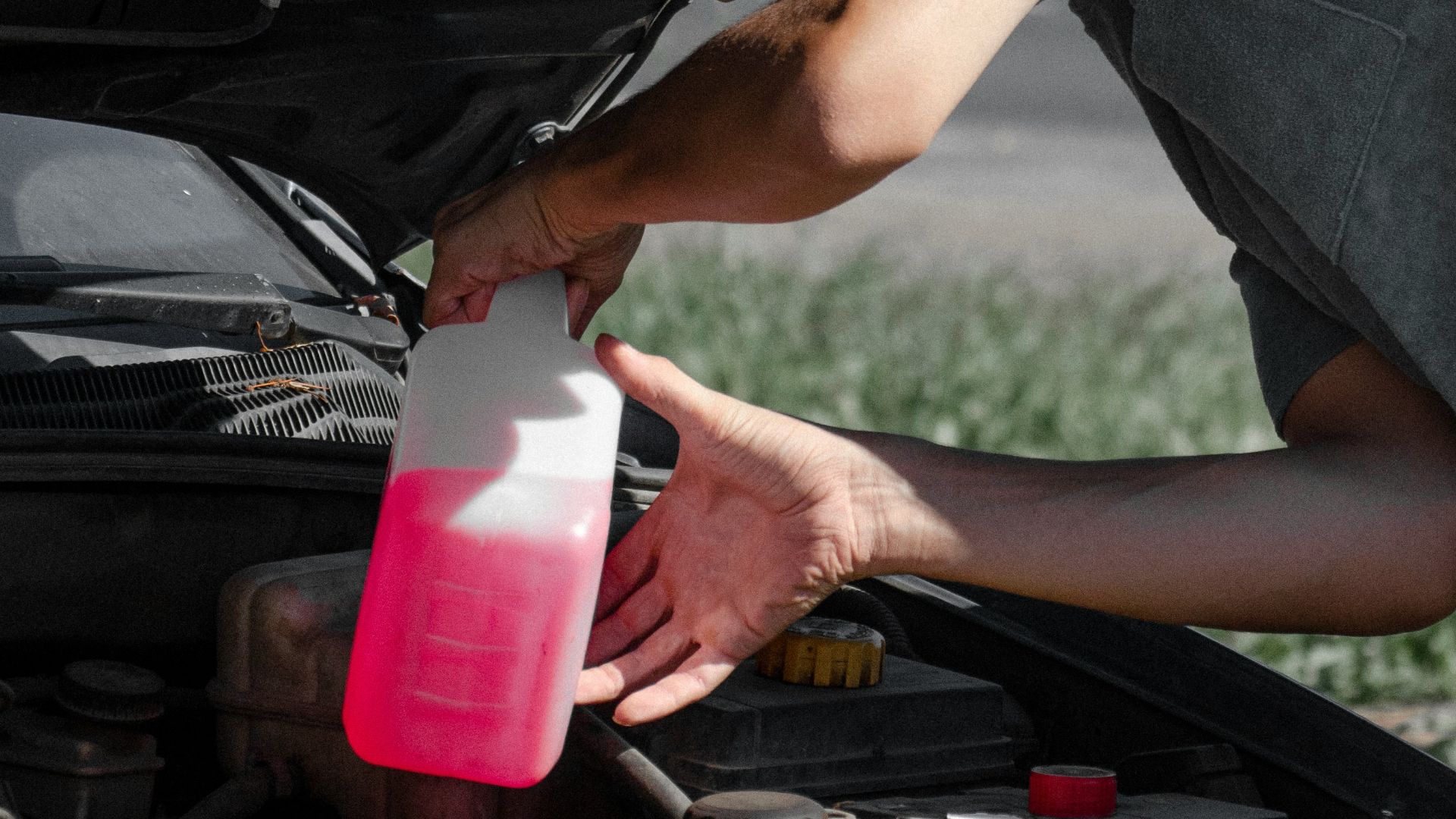
2. Engine Coolant And Antifreeze Protection
Verify that coolant and antifreeze levels are correct and that the mixture protects well below the coldest temperatures you expect along your route. Check all hoses for leaks, cracks, or brittleness, and replace any pieces showing wear. Hose failure can lead to overheating, among many other issues.
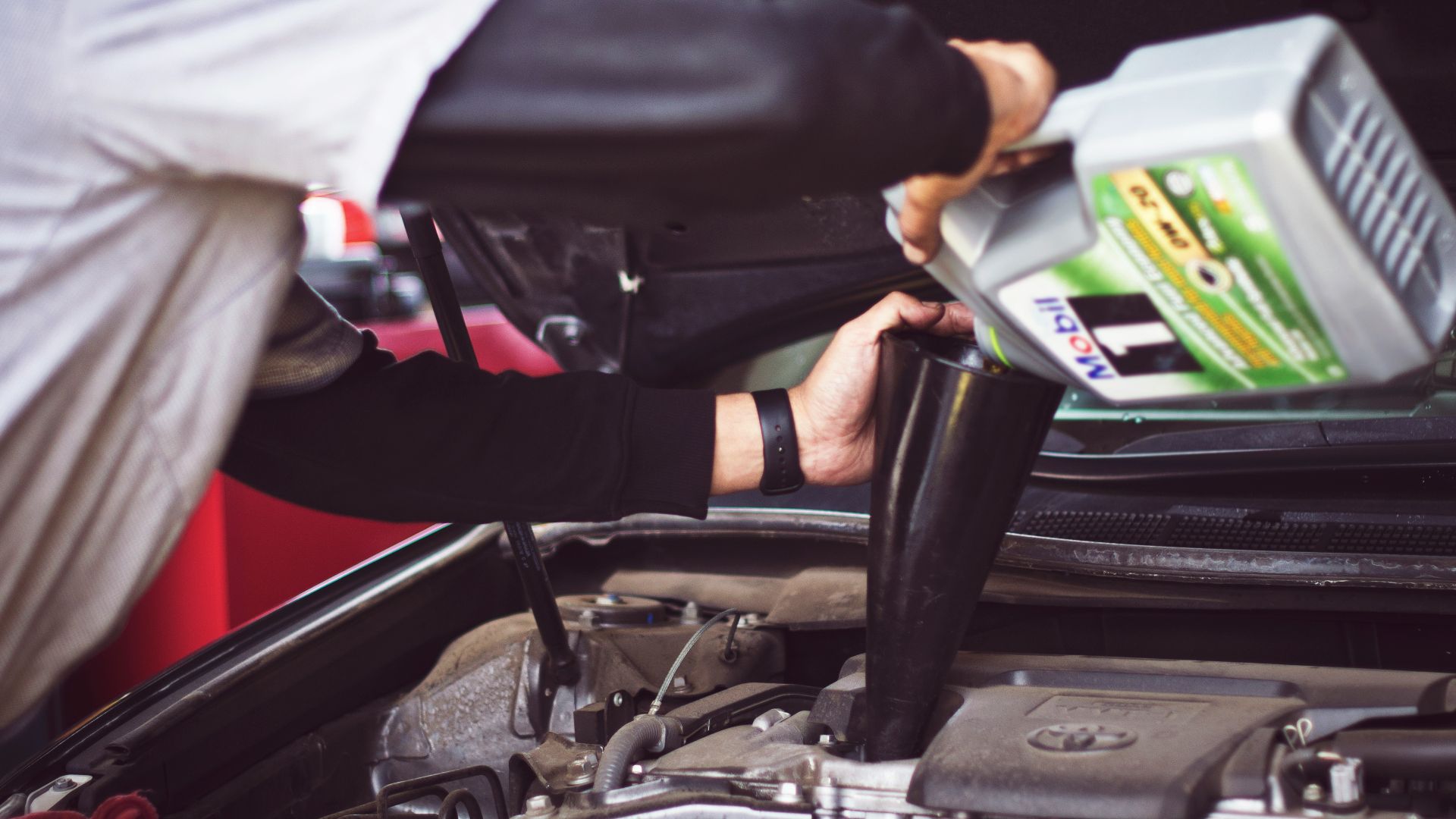
3. Engine Oil And Other Fluids
Confirm that engine oil is at the proper level and of the correct viscosity for winter, as lighter oils flow better in cold temperatures. Check transmission fluid, brake fluid, and power steering fluid for correct levels and signs of leaks, then top up or replace fluids before departure.
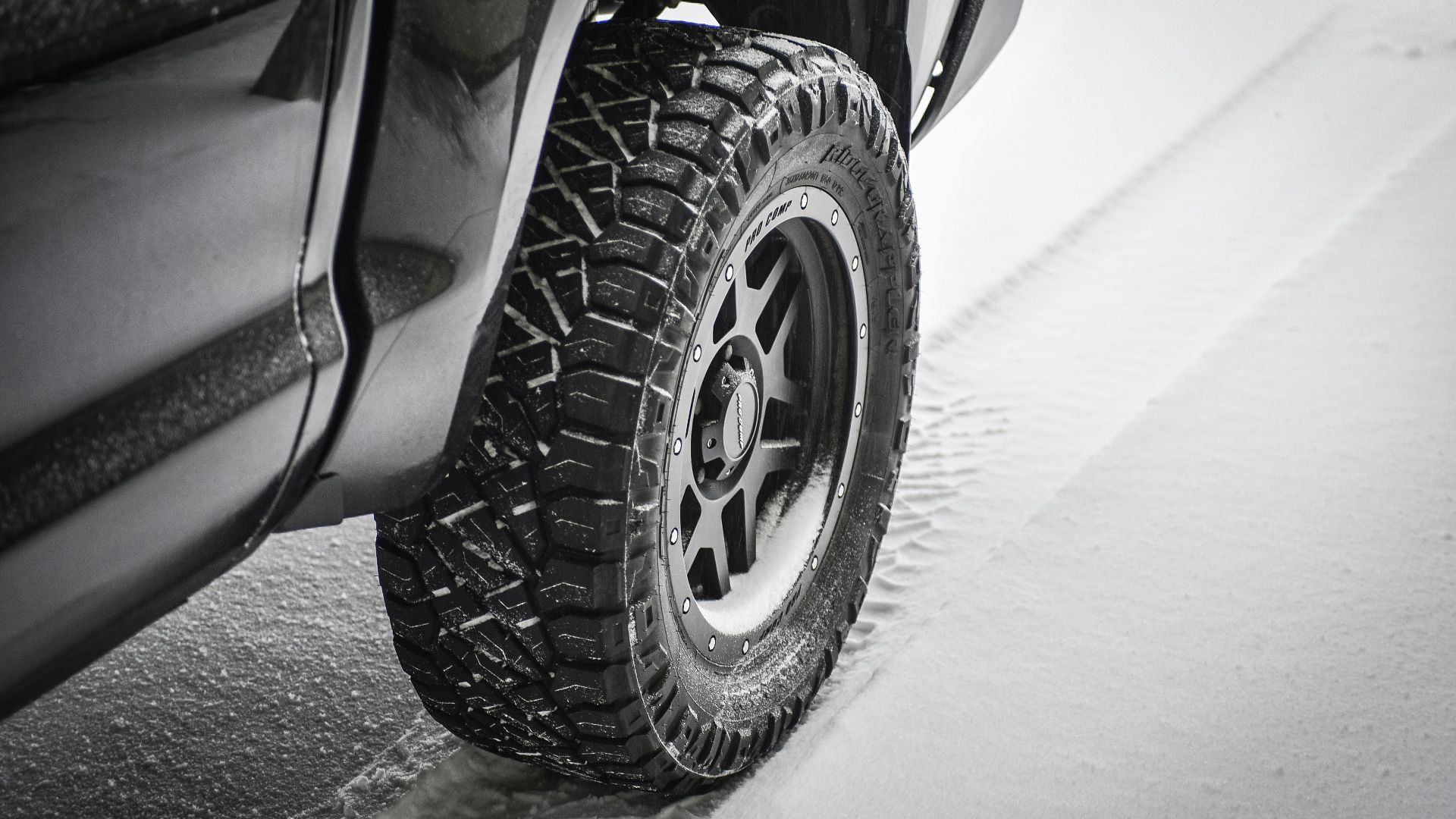
4. Winter Tires And Tread Depth
Use proper winter tires or all-weather tires, as they remain flexible and grip better than all-season tires. Winter tires should have at least 4 millimeters of tread depth, and you should check all four wheels for even wear. We promise, you don’t want to get caught slipping and sliding on some ice.
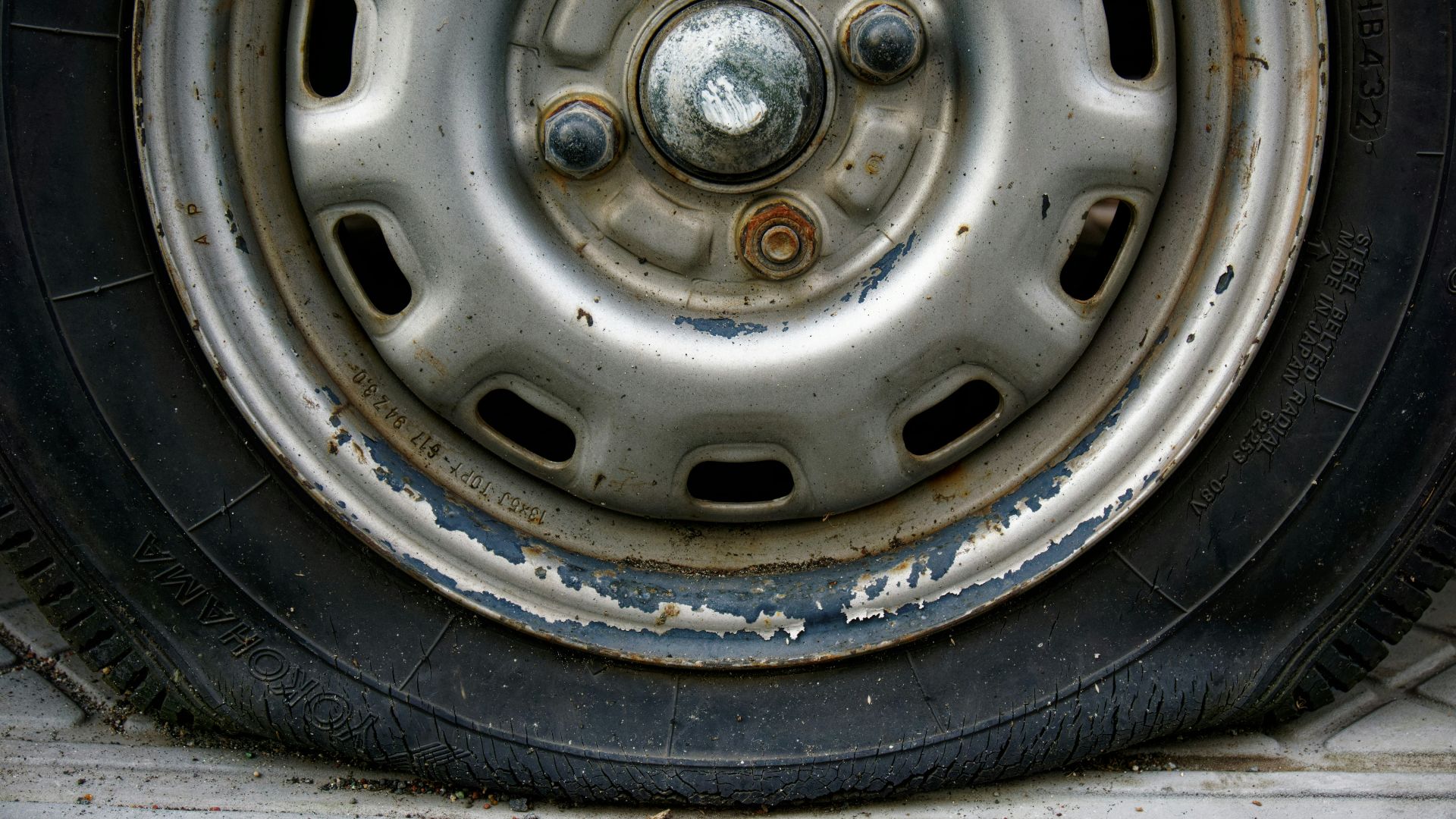
5. Tire Pressure And Spare Tire
Check tire pressure frequently during cold weather. Pressure tends to drop as temperatures fall, affecting grip, braking distance, and fuel economy. Adjust pressures to the manufacturer's recommendation on the door jamb sticker, and inspect your spare tire for adequate tread and pressure - just in case!
6. Brakes And ABS Function
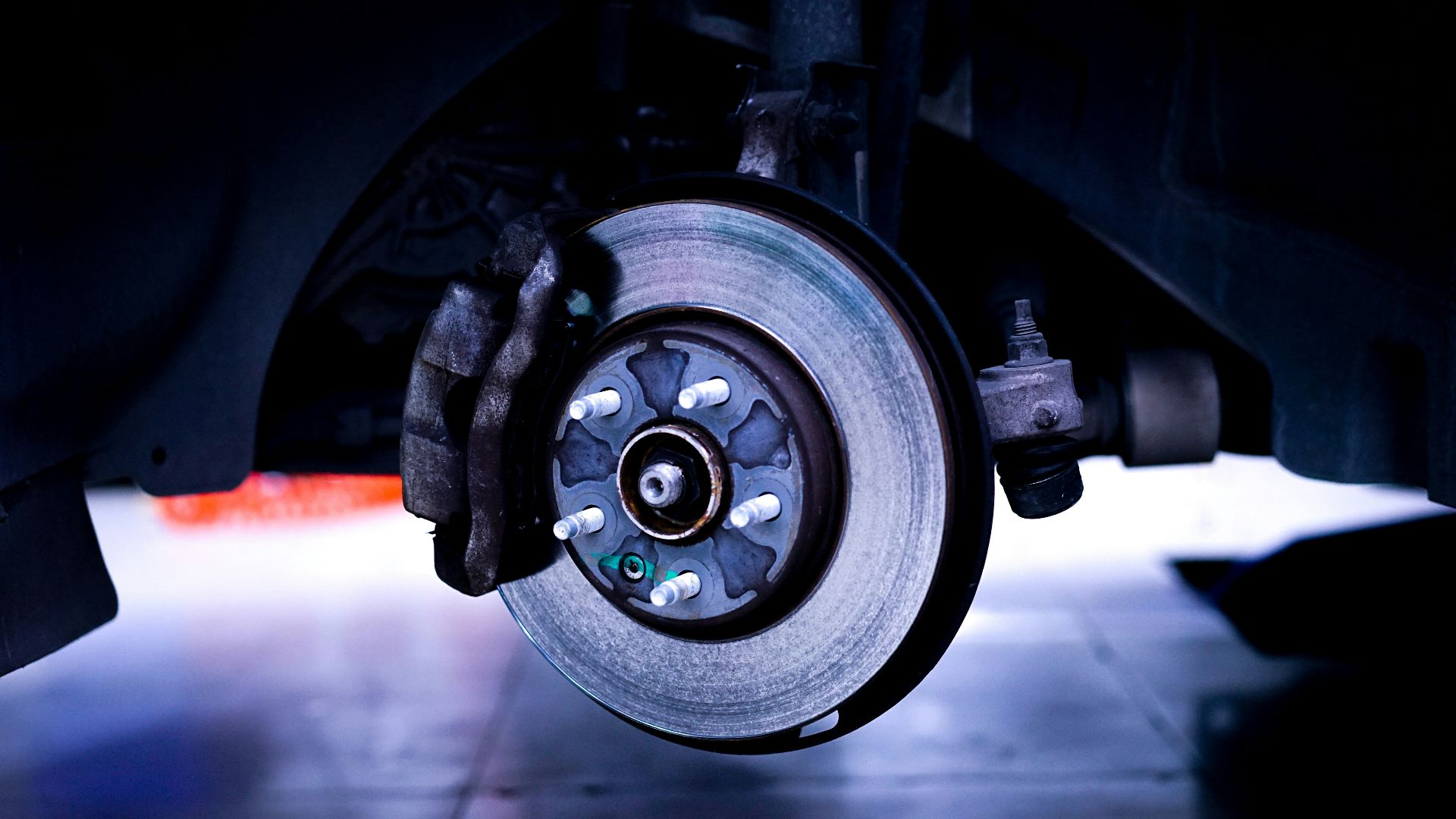
Have your brakes inspected for pad thickness, rotor condition, and overall operation, because winter roads lengthen stopping distances. Verify that the ABS warning light is not illuminated, and address any pulsing, grinding, or pulling under braking before your trip.
7. Windshield Wipers And Washer System
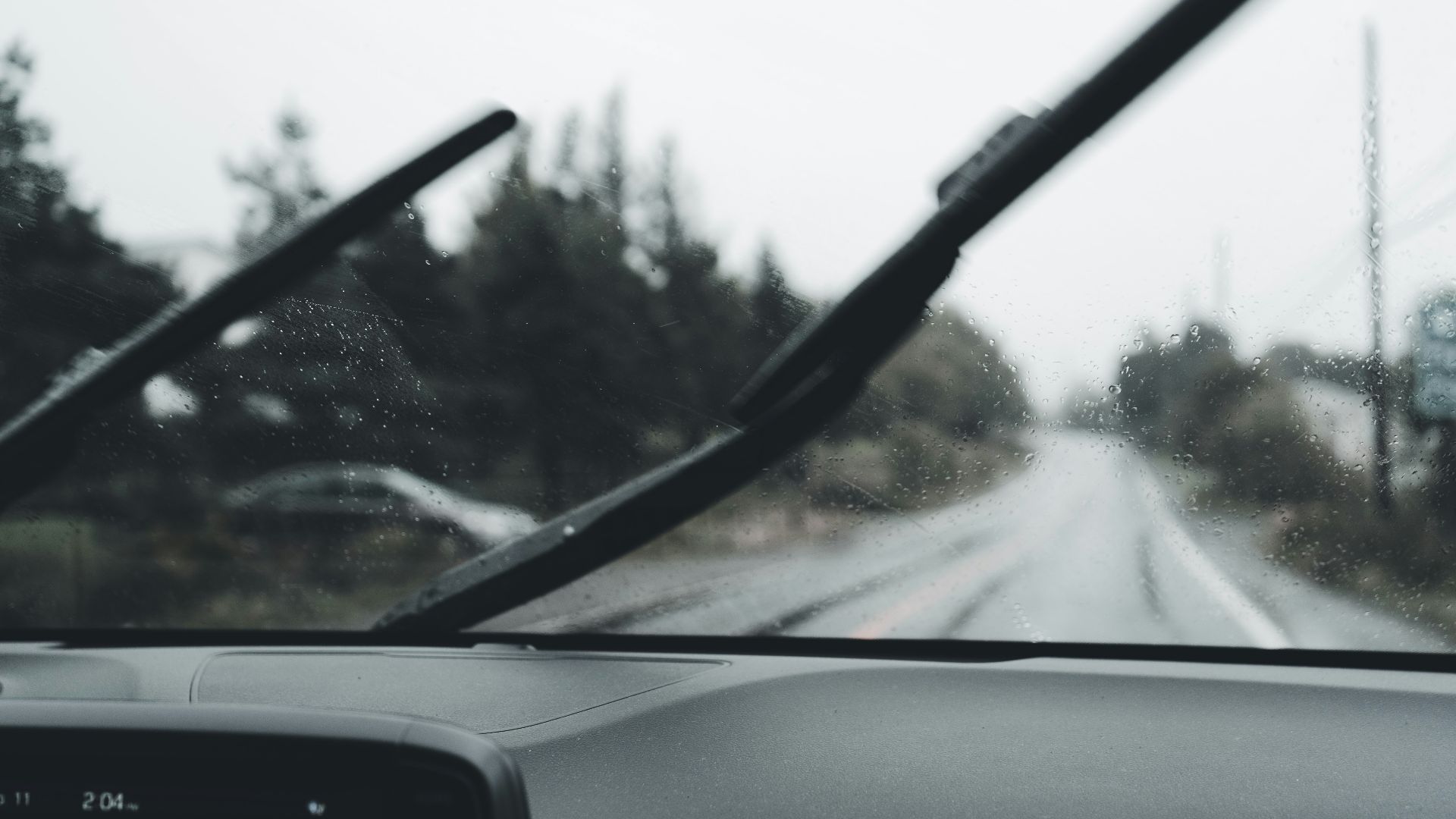
Inspect wiper blades and replace any that streak or skip, as winter-specific blades resist ice buildup and remain flexible in low temperatures. Use winter washer fluid rated for very low temperatures so it does not freeze, and carry an extra jug for highway stretches where slush and salt constantly dirty the glass.
8. Defrosters, Heaters, And Ventilation
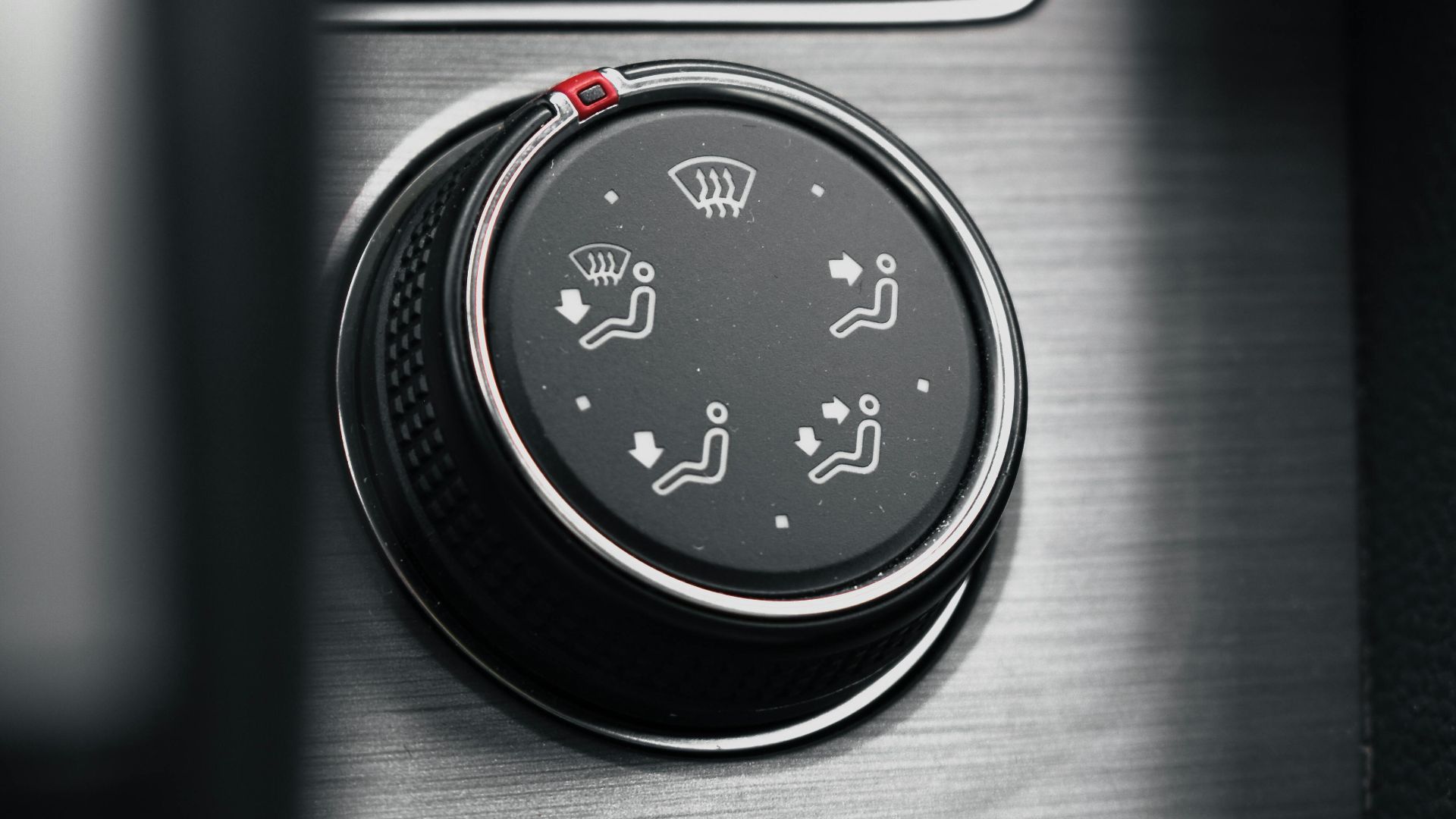
It’s always a good idea to check that front and rear defrosters clear frost and fog effectively, because poor defrosting quickly becomes a safety issue. Test cabin heat output and ensure all vents and fan speeds work properly so you can manage window fogging and keep yourself and other riders comfortable.
9. Exterior Lights And Visibility
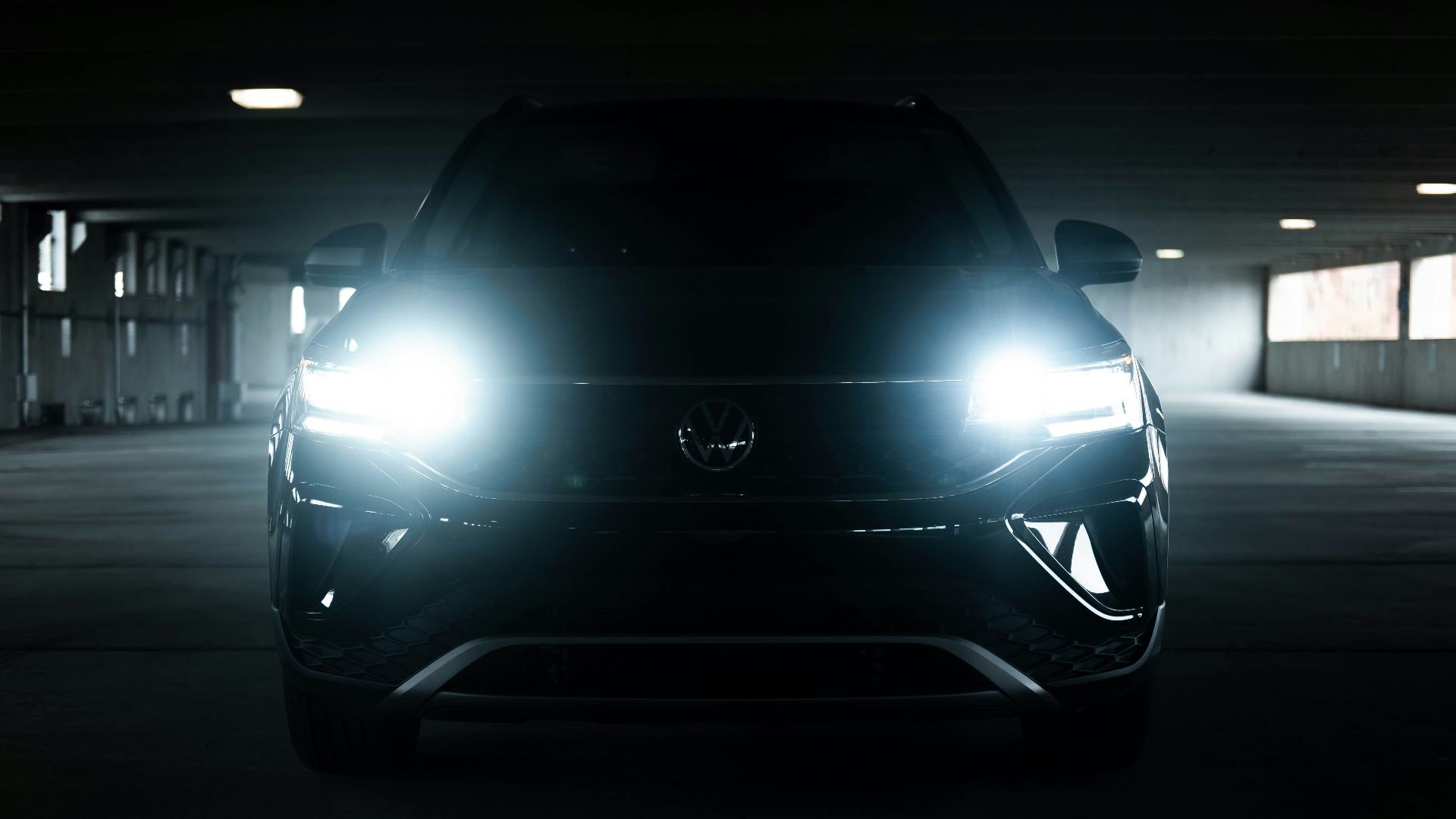
Check that all headlights, taillights, brake lights, turn signals, and hazard flashers work, and replace any burned-out bulbs before you hit the road. Clean lenses and restore clouded headlamps to improve nighttime visibility. Remember, it gets dark quickly during the cold weather seasons!
10. Windshield, Windows, And Mirrors
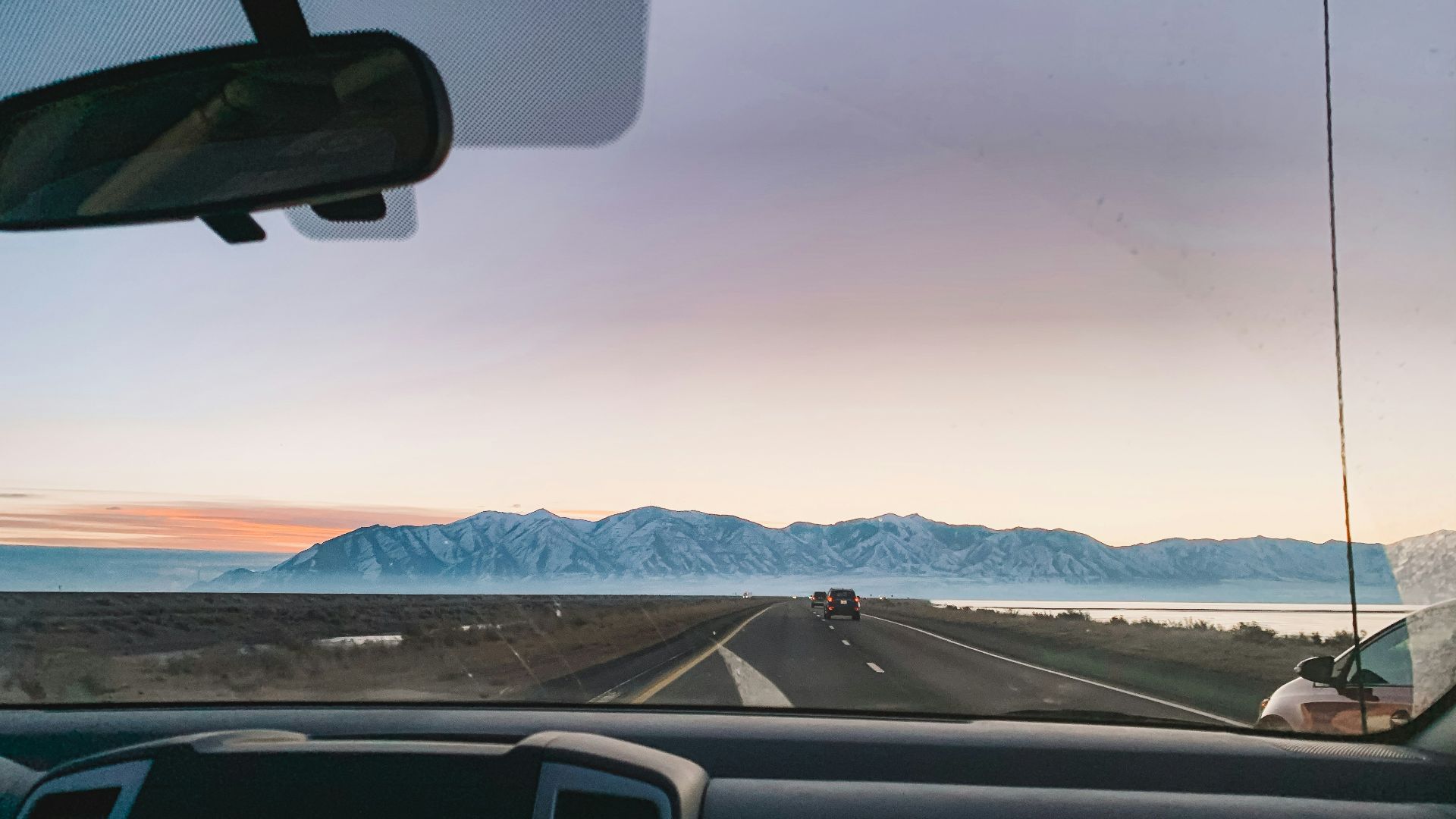
Repair or replace heavily chipped or cracked windshields, since cold weather can make damage spread and worsen glare from oncoming headlights. Clean inside glass thoroughly to reduce fogging and night glare, as oily films on interior windows amplify condensation.
 Frames For Your Heart on Unsplash
11. Fuel Levels
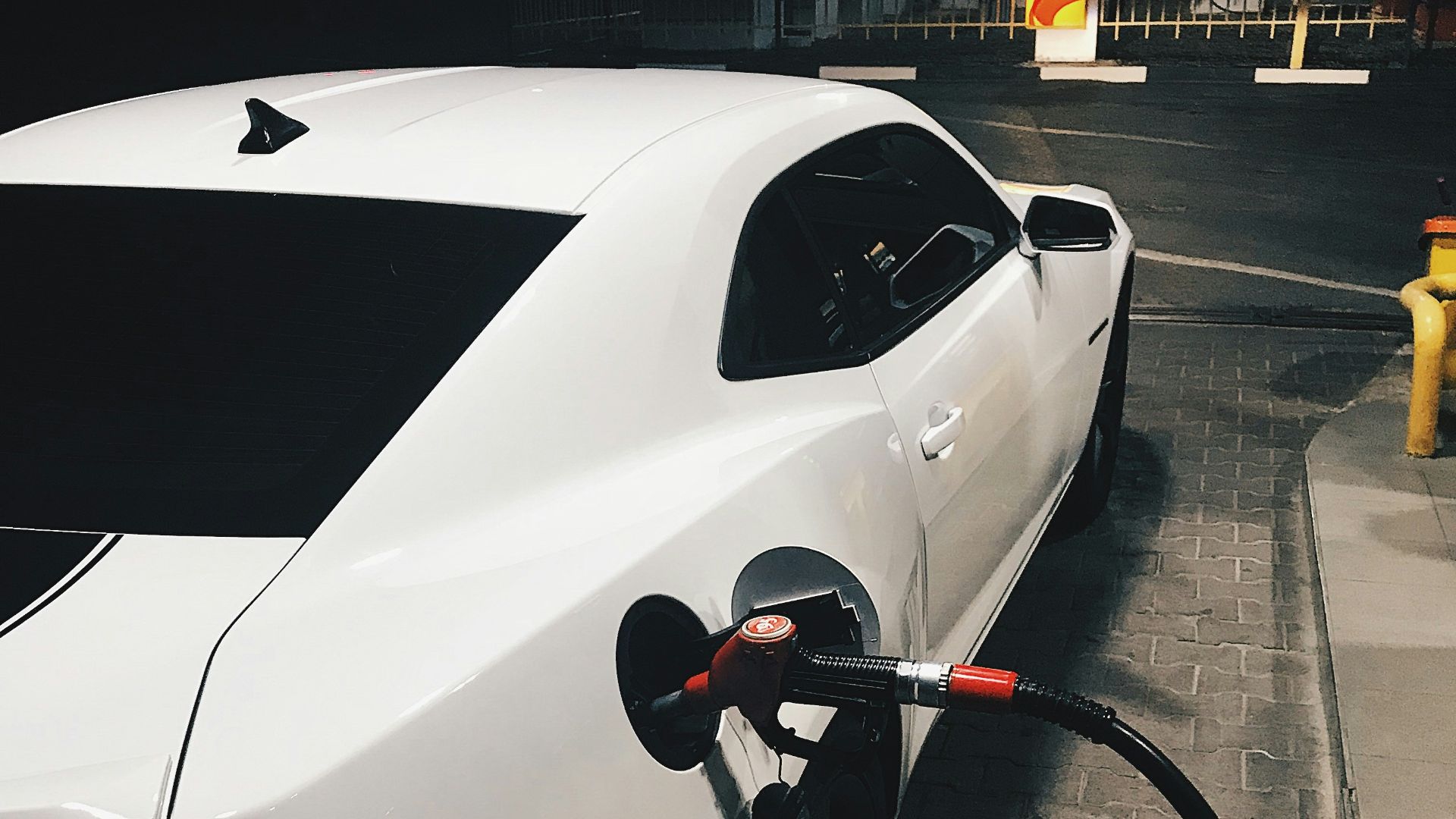
Start long winter drives with a full tank and avoid letting fuel drop too low, reducing the risk of running out if you are delayed by storms or road closures. Many safety organizations suggest keeping at least half a tank in winter to lessen condensation and ensure you can run the engine intermittently if you end up getting stranded somewhere.
12. Emergency Winter Kit
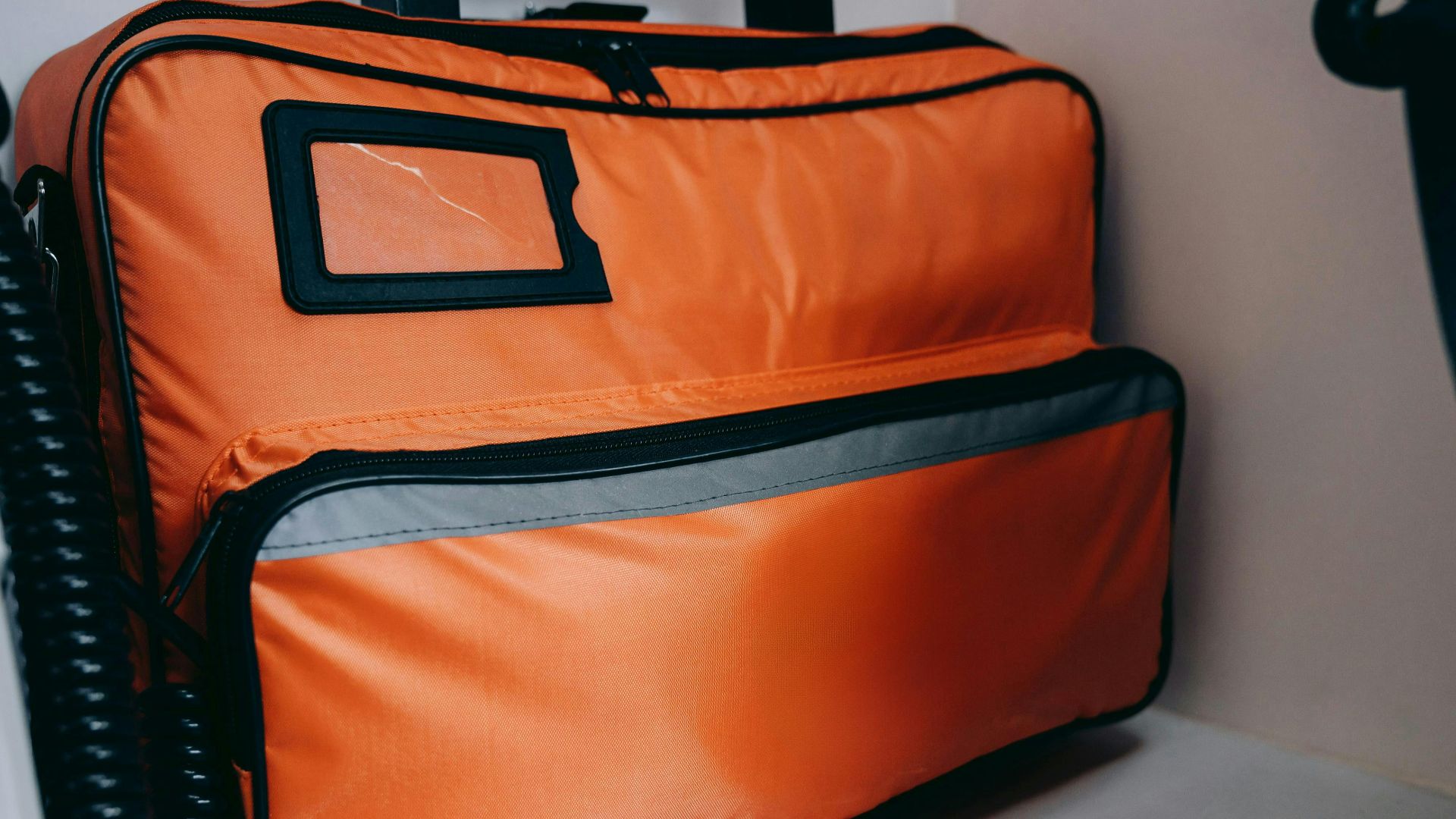
Pack an emergency kit with blankets, extra warm clothing, non-perishable food, water, a flashlight with fresh batteries, and a first-aid kit. Include traction aids like sand or kitty litter, a collapsible shovel, an ice scraper and snow brush, and booster cables or a portable jump-starter.
13. Traction Aids And Chains Where Applicable
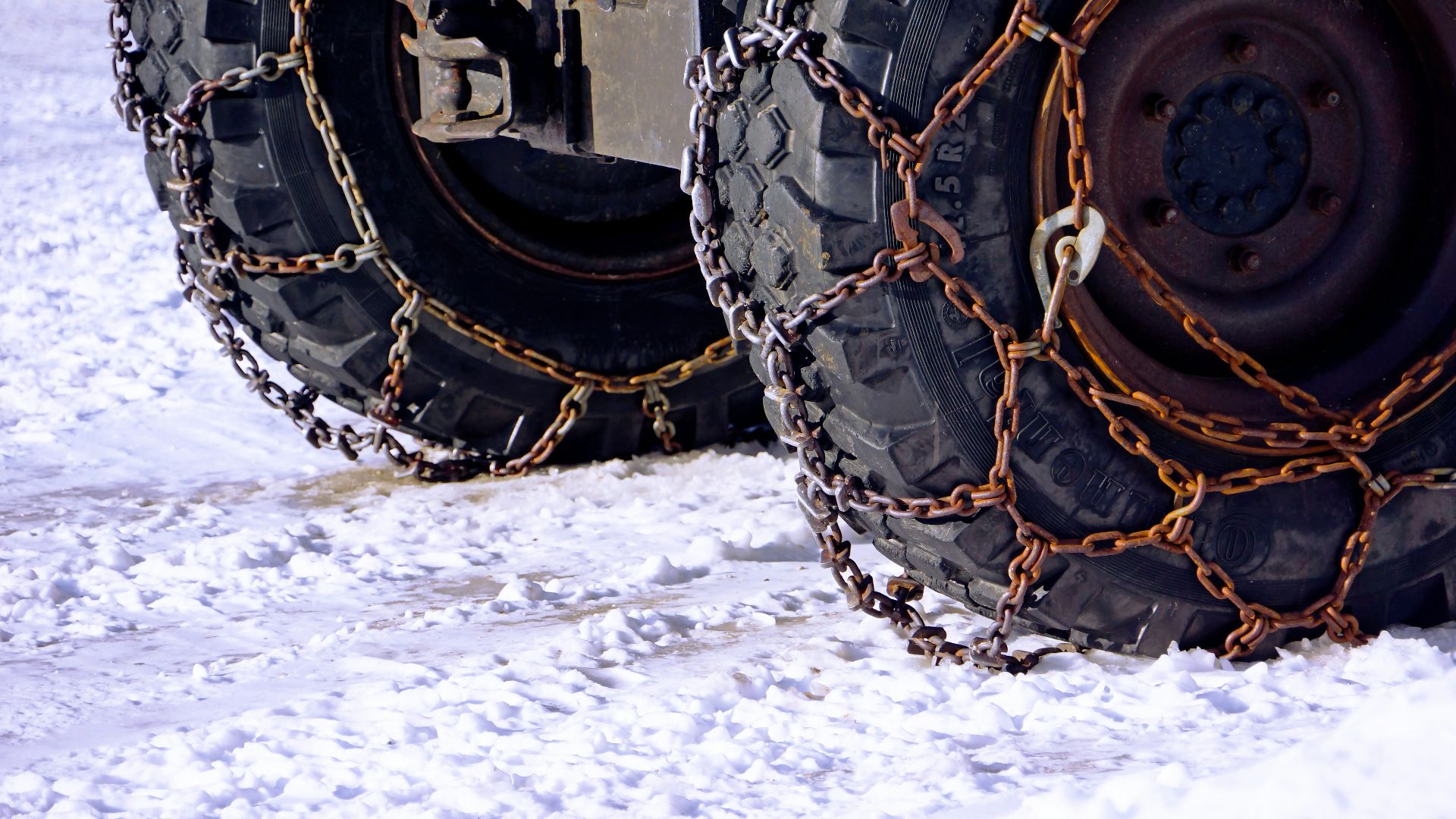
In mountainous or heavy-snow regions, carry snow chains or other traction devices when conditions or local laws require them. Practice fitting chains in dry conditions at home so you are not learning the process at the roadside during a storm, and store them in an easily accessible spot.
14. Vehicle Drive System And Stability Control
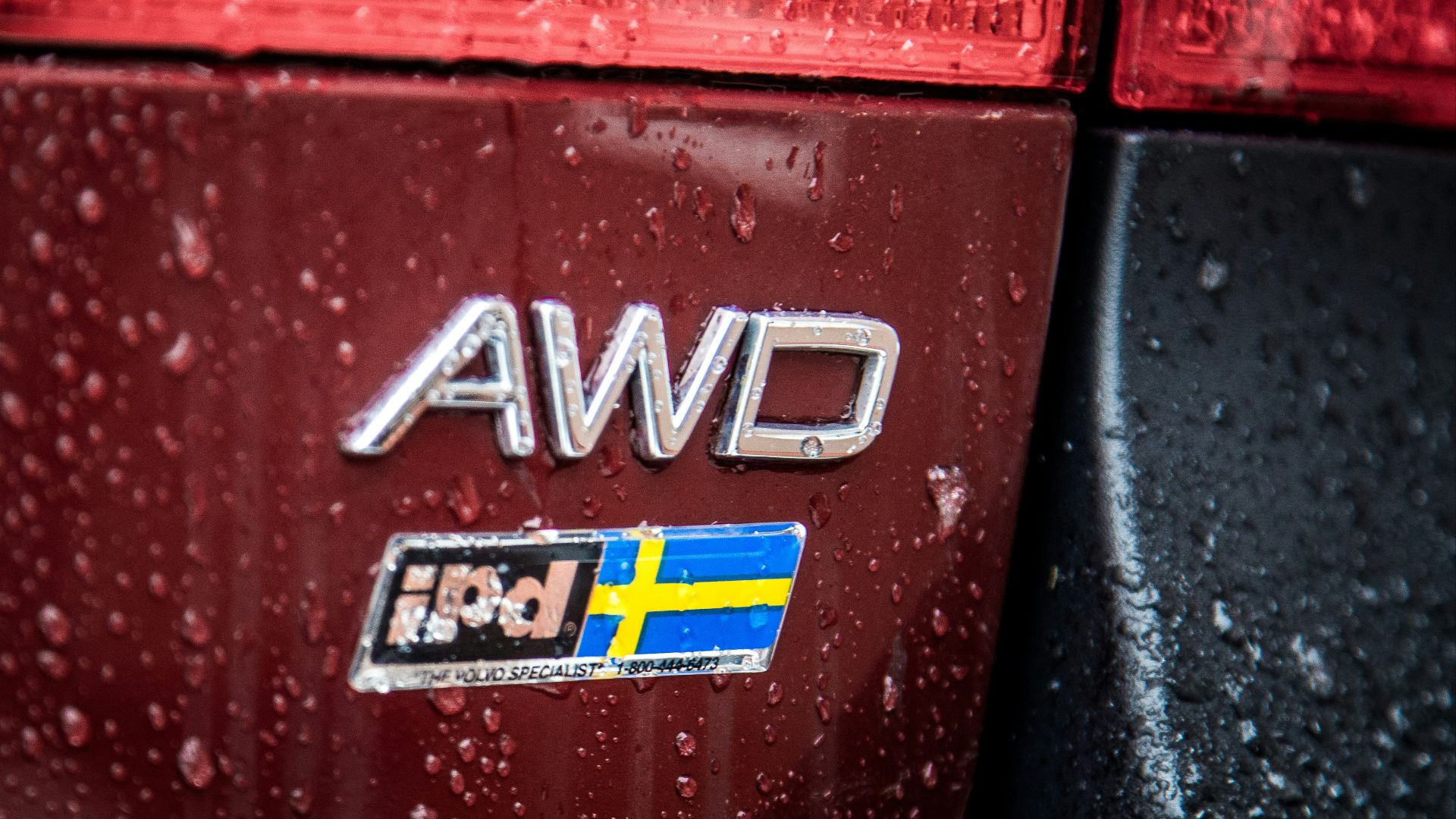
Understand whether your vehicle is front-wheel, rear-wheel, all-wheel, or four-wheel drive, as each configuration behaves differently when accelerating and cornering on snow and ice. Confirm that traction control and stability control systems are functioning with no warning lights.
15. Documentation, Phone, And Navigation
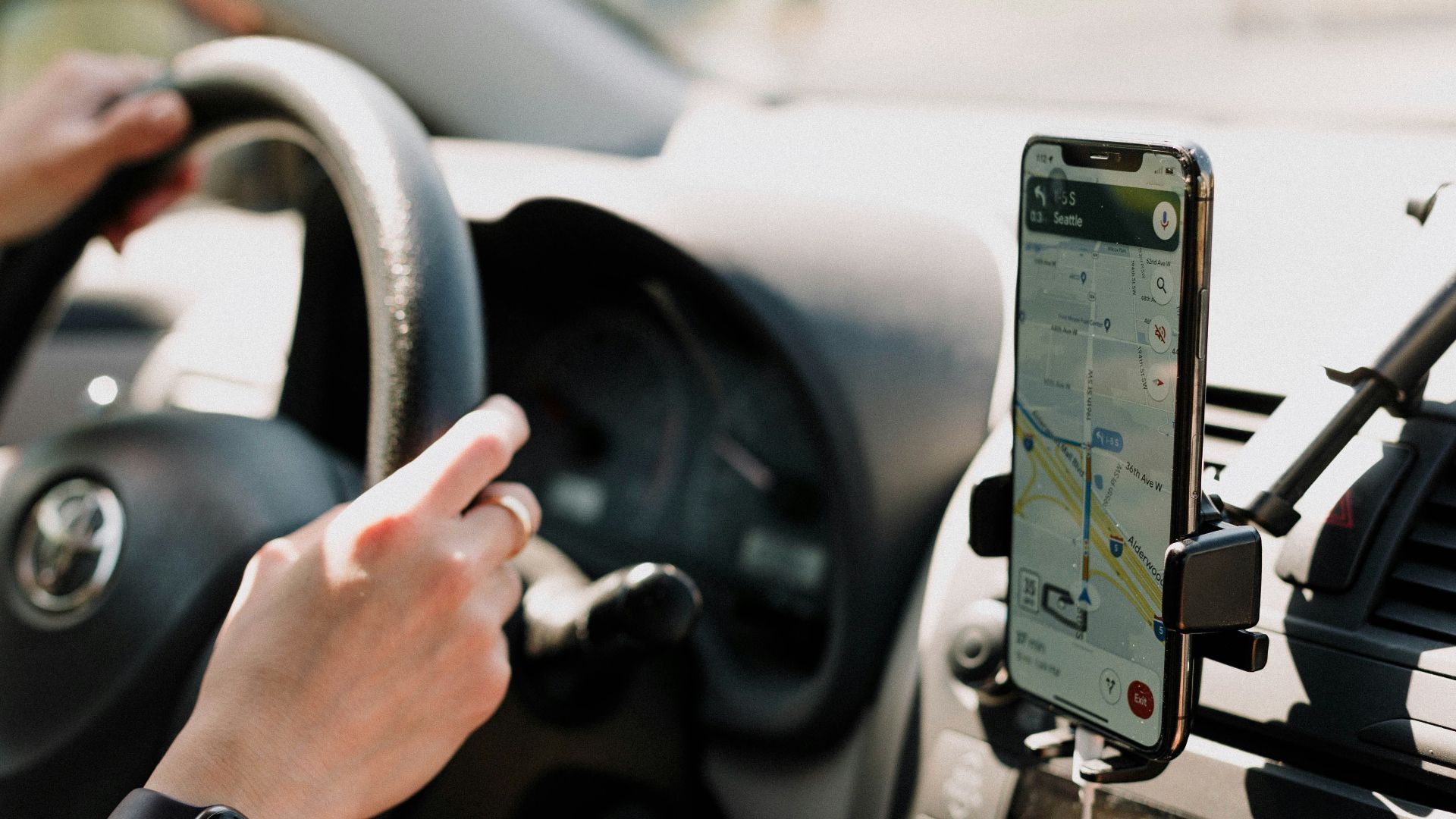
Verify that your insurance card, registration, and roadside-assistance information are current and stored somewhere accessible in the vehicle. Fully charge your phone before departure and bring a car charger or power bank. It’s also a good idea to download offline maps for your route in case mobile data coverage is lost.
 Priscilla Du Preez 🇨🇦 on Unsplash
16. Trip Planning And Weather Checks
Check the full weather forecast and road condition reports along your entire route, not just at your departure point, and consider adjusting timing if a major storm is expected. Build extra time into your schedule for slower speeds and unplanned delays, and share your itinerary with someone, along with agreed check-in times.
17. Clothing And Footwear For The Driver
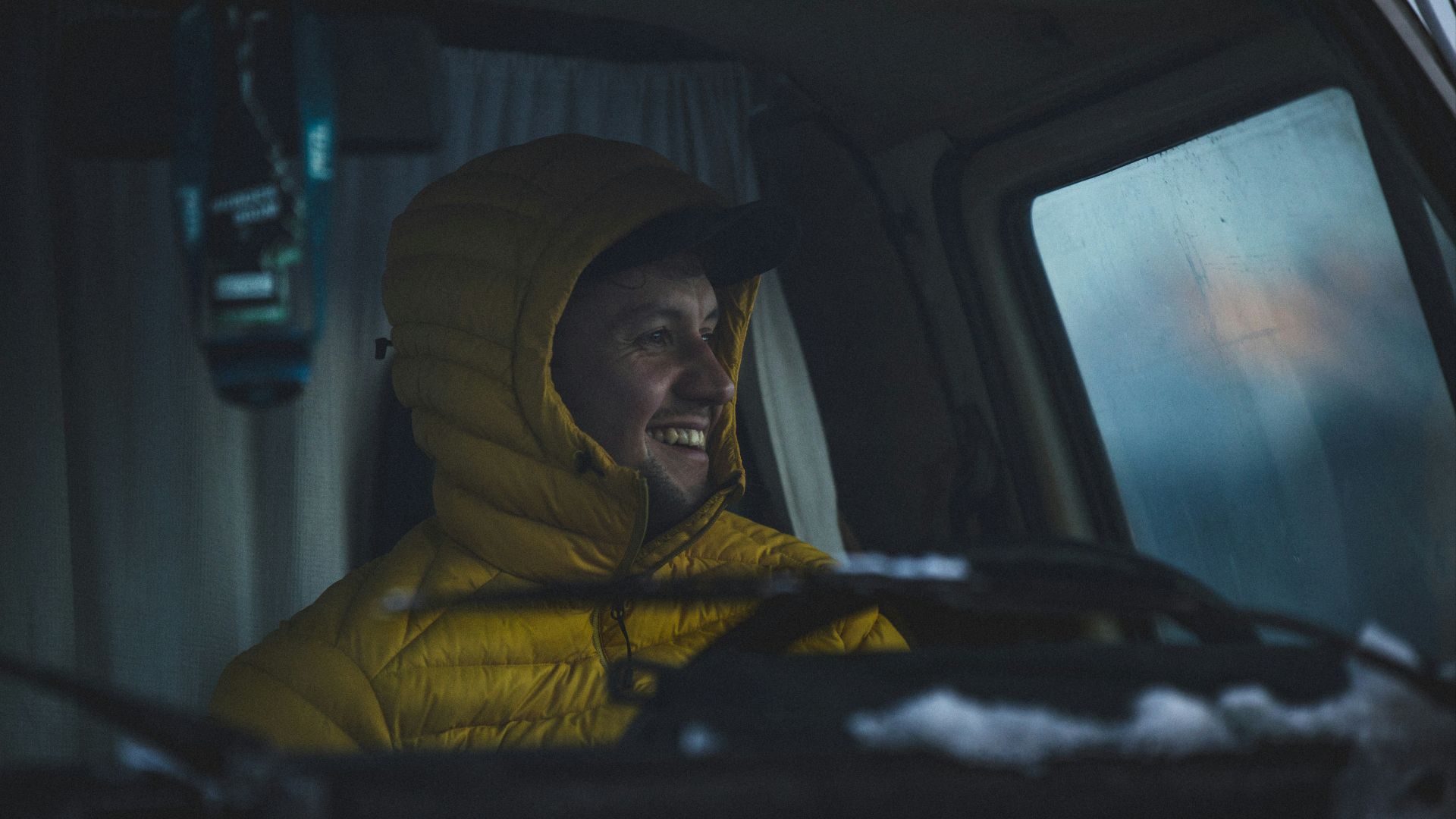
Wear warm layers that allow you to move freely and operate the pedals comfortably, reserving large puffy coats for stops outside. Avoid heavy or rigid boots while driving, as they reduce pedal feel, but keep proper winter boots handy for walking in snow.
18. Interior Clutter And Moisture Control
Remove unnecessary items from the cabin and trunk to keep the weight reasonable and prevent objects from becoming projectiles during a sudden stop. Knock snow off your footwear before getting in to reduce melted water that fogs windows, and use floor mats or trays designed to contain slush.
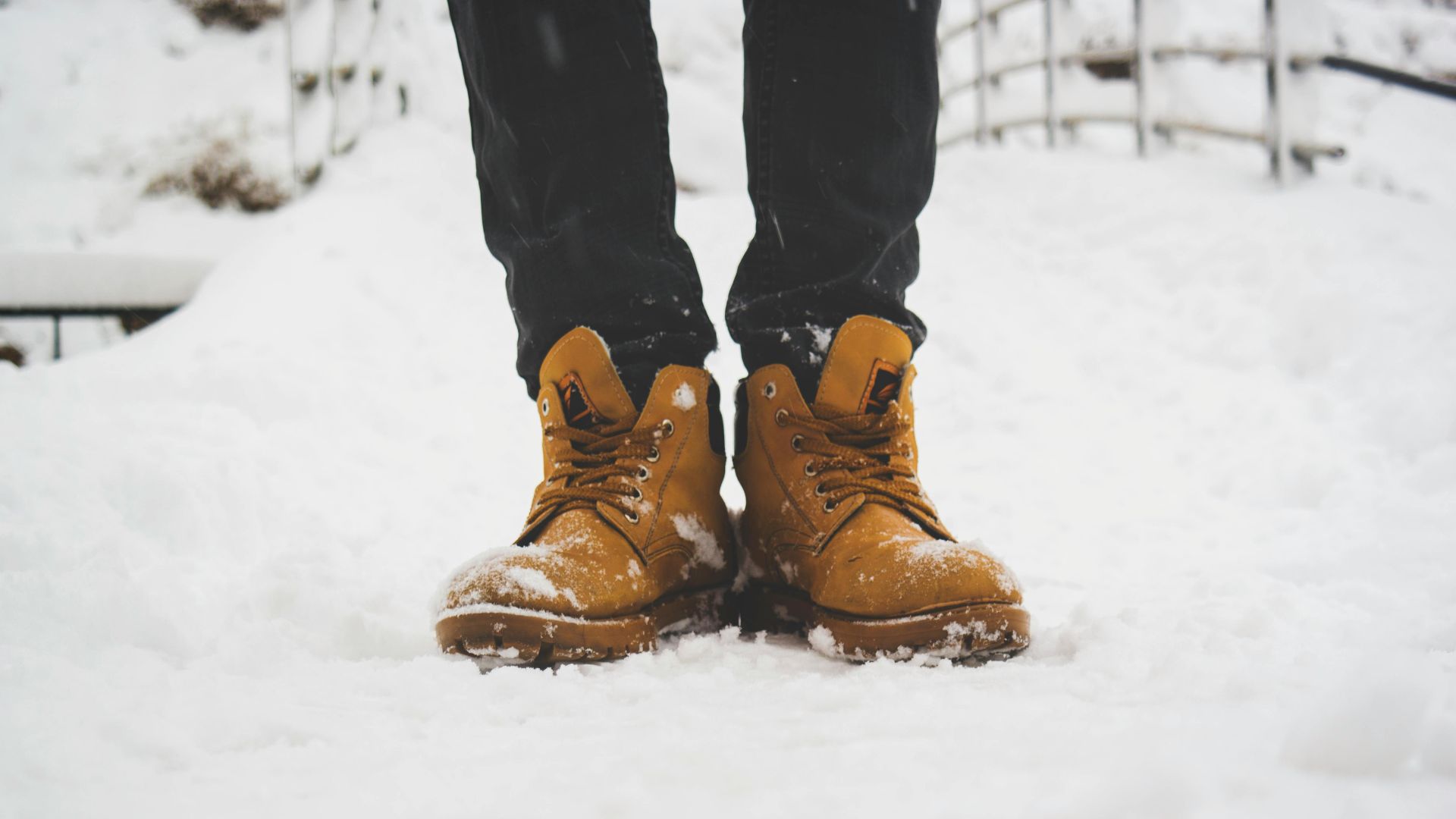 revac film's&photography on Pexels
19. Driving Habits And Mental Preparedness
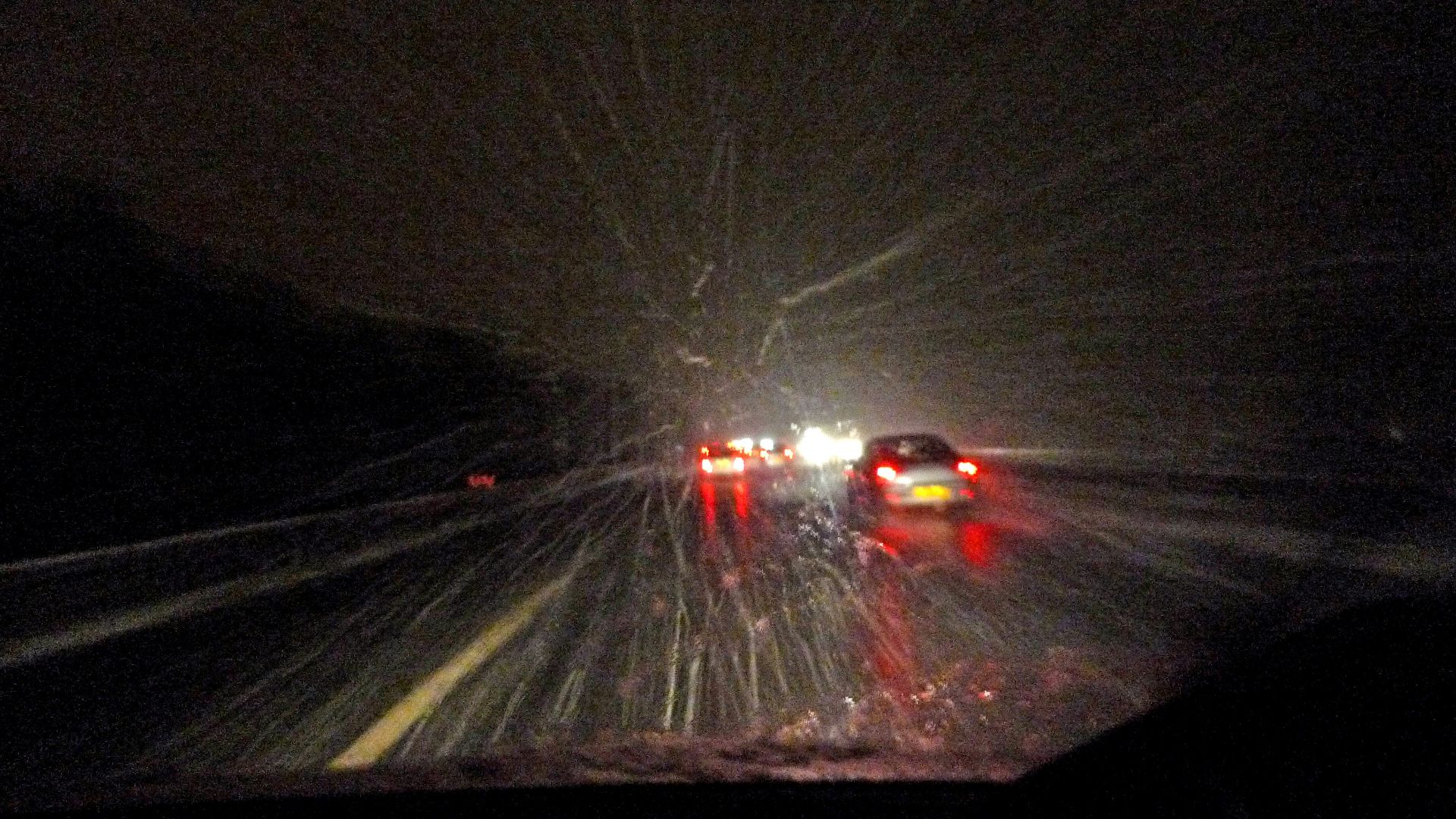
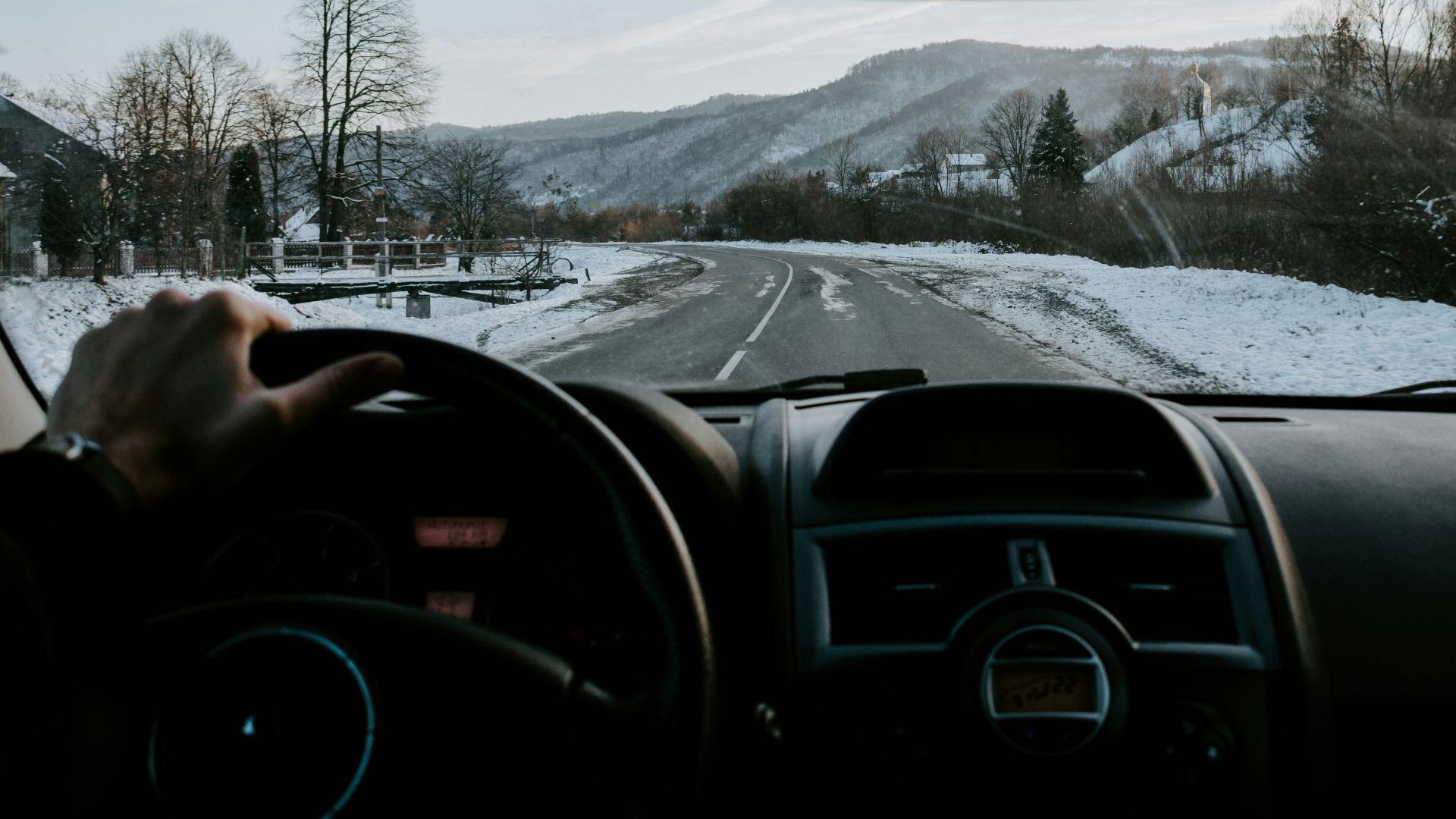
Plan to slow down, increase following distances, and avoid abrupt steering, braking, or acceleration on snow and ice, as stopping distances can increase several times over in winter conditions. Take more frequent rest breaks than you would in summer, and review techniques for handling skids and black ice before your trip.
20. Community Tips And Real-World Lessons
Drivers who regularly share winter road trip experiences emphasize small items that prove critical, such as de-icer, washer fluid, a foldable shovel, and kitty litter for traction when stuck. Many stress carrying extra warm clothing and snacks even for short drives, because winter delays can stretch trips much longer than expected.