

The First Ten Seconds Set The Tone
Walking onto a car lot feels casual, yet it is one of the most observed strolls in modern life. Salespeople are trained to read signals fast because the job is part hospitality, part psychology, and part time management, and nobody wants to spend an hour with someone who only came to kill time. They also see hundreds of shoppers a month, which means patterns jump out before anyone says a word. None of this makes you a mark or them a villain, it just means the interaction has its own rhythm, and both sides are trying to get what they need with minimal friction. Here are 20 things many car salespeople tend to clock about you almost immediately, whether they mention it or not.

1. Whether You Park Like You Plan To Stay
People who pull into a real space, lock up, and head straight in read as ready. People who idle, circle, or park far away can look like they are still deciding if they even want to engage.

2. Whether You Came Alone Or With Backup
A solo shopper often signals quick decision-making or a desire for privacy, while a couple or a family can mean a longer process with more opinions. A friend who looks bored can also read as someone brought along for support or negotiation.
 Antoni Shkraba Studio on Pexels
3. Whether You Head For A Specific Car Or Wander
Walking straight to one model suggests research and intent, which changes how the conversation starts. Wandering slowly often reads as early-stage shopping, where the goal may be learning rather than buying that day.

4. How You Dress For The Task
Nobody needs a suit, yet people who look put-together can read as organized and harder to push around. People who look rushed or disheveled can read as stressed, and stress is something skilled salespeople know how to manage.

5. Your Body Language Around Eye Contact
Some shoppers make direct eye contact and look comfortable, which signals they will ask questions and hold boundaries. Others avoid eye contact or keep scanning, which can signal discomfort, indecision, or a desire to escape quickly.
 LinkedIn Sales Solutions on Unsplash
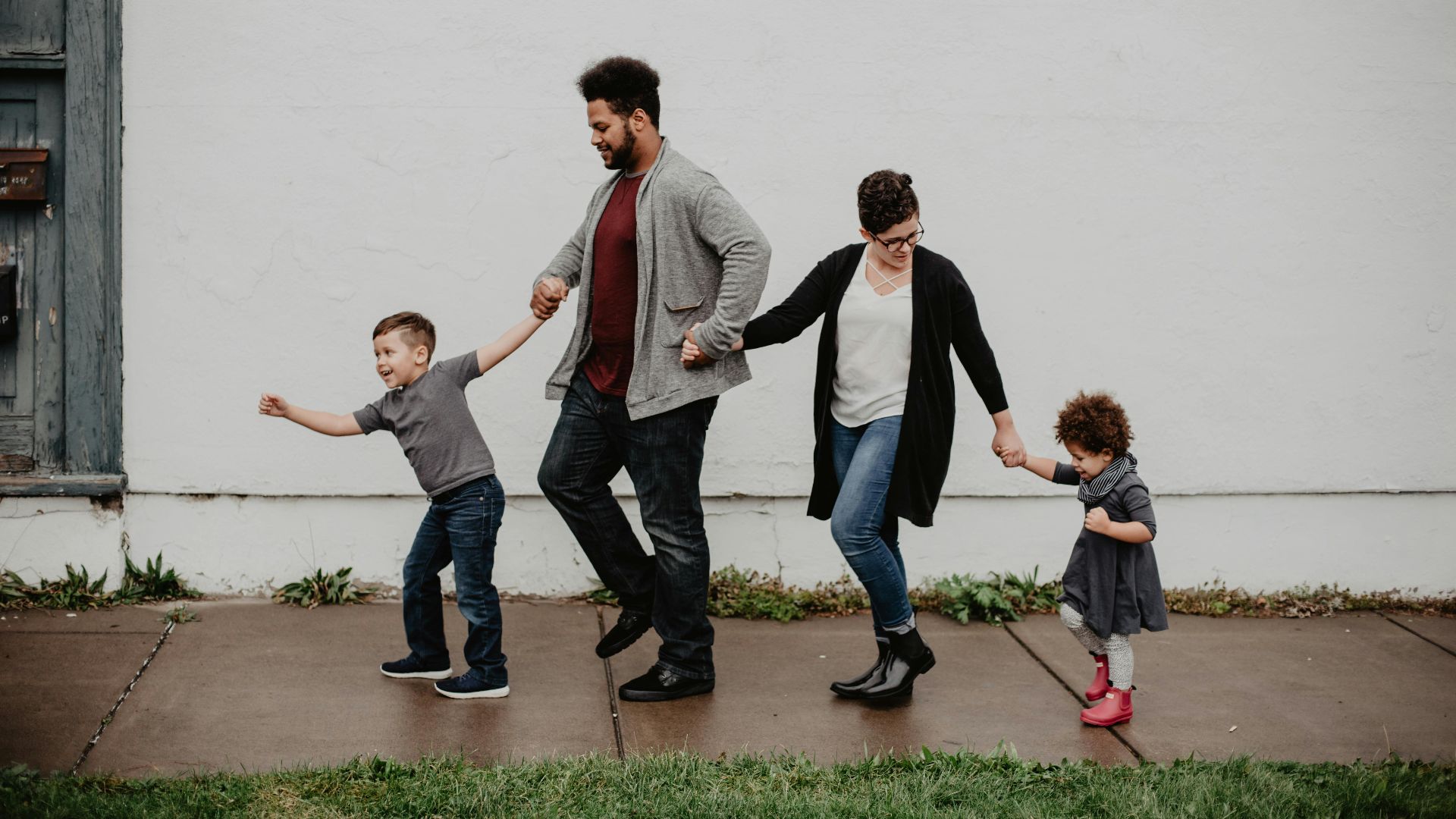
6. Whether You Have Kids With You
Kids change the pace, the patience level, and the kind of car conversation that makes sense. A salesperson may also notice whether the visit looks like a family outing or a stressful errand, because that affects timing and tone.
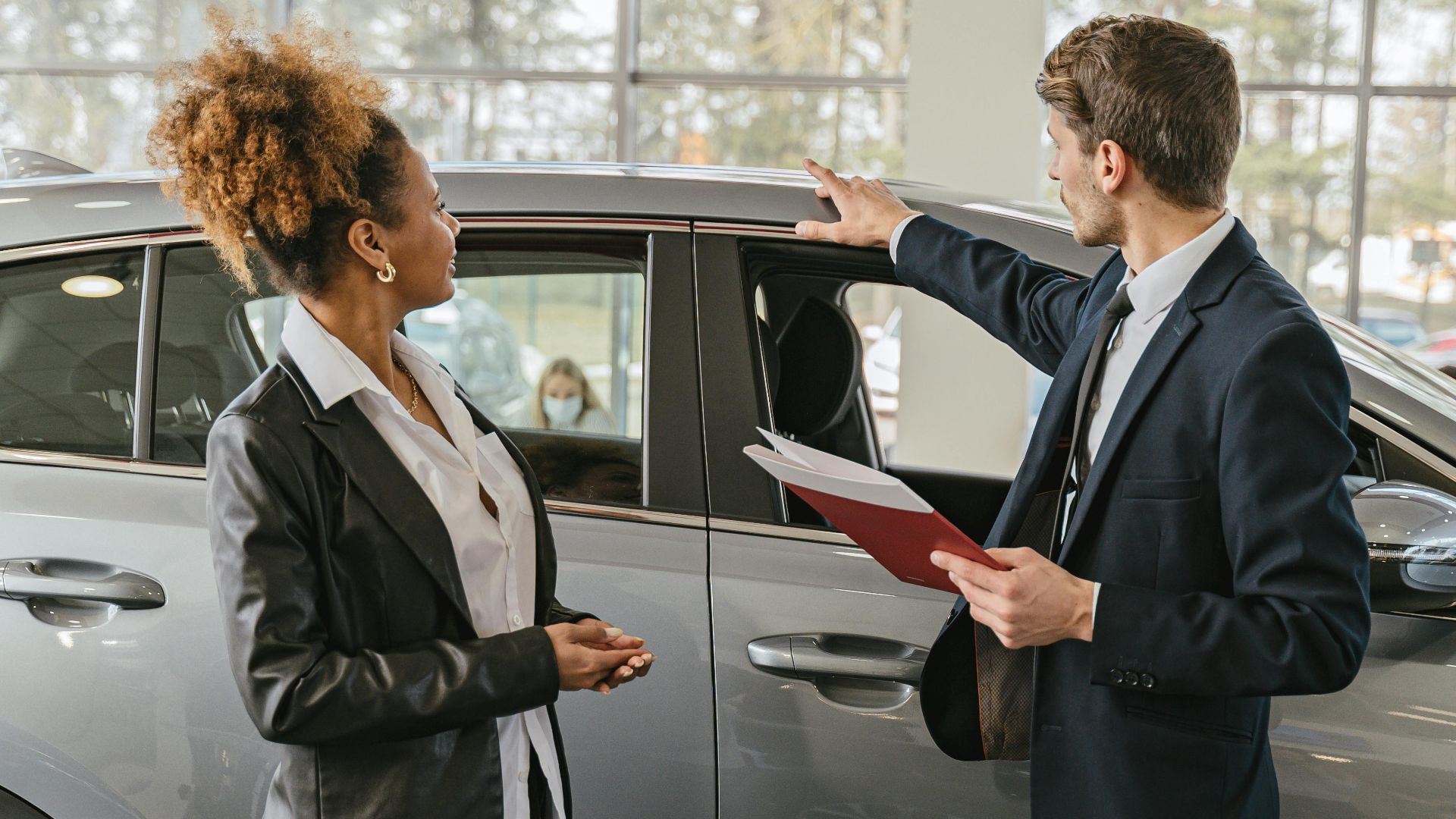
7. Whether You Carry Paperwork Or A Folder
A folder, a printout, or even a notebook can signal preparation and price awareness. It also suggests you may be cross-shopping multiple dealers, which raises the stakes for being straightforward.

8. Whether You Mention A Trade-In Early
Bringing up a trade-in right away often signals the deal structure matters as much as the vehicle. It can also signal you are thinking in monthly payments, which is a different negotiation path than thinking in out-the-door price.
 Antoni Shkraba Studio on Pexels
9. Whether You Talk In Monthly Payment Language
Some shoppers lead with a number per month, and that tells the salesperson how you are framing affordability. Others lead with purchase price or total budget, which can signal a more controlled negotiation style.
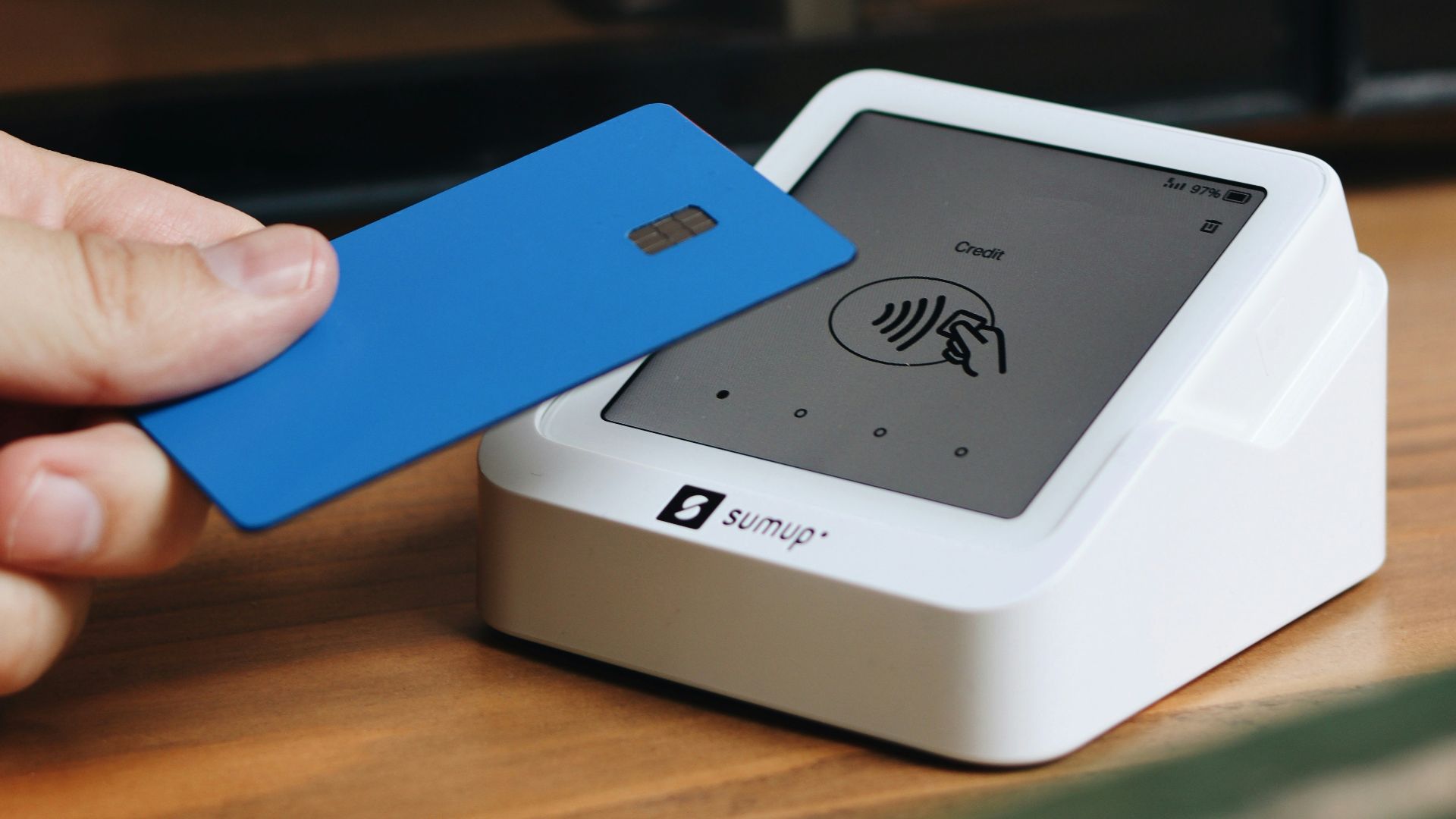
10. Whether You Ask About Incentives Immediately
People who ask about rebates, financing promos, or special pricing early tend to have done homework. It also signals you may be comparing offers, not just cars.

11. Whether You Already Know The Trim Levels
Someone who says the exact trim, engine, or package they want sounds decisive and informed. Someone who is unsure about trims may need a guided tour, and that changes how the salesperson prioritizes features.

12. Whether You Fixate On One Feature
A shopper who keeps returning to cargo space, driver-assist tech, or fuel economy is signaling what will make or break the decision. Salespeople notice that quickly because it tells them which test drive route and which talking points matter.
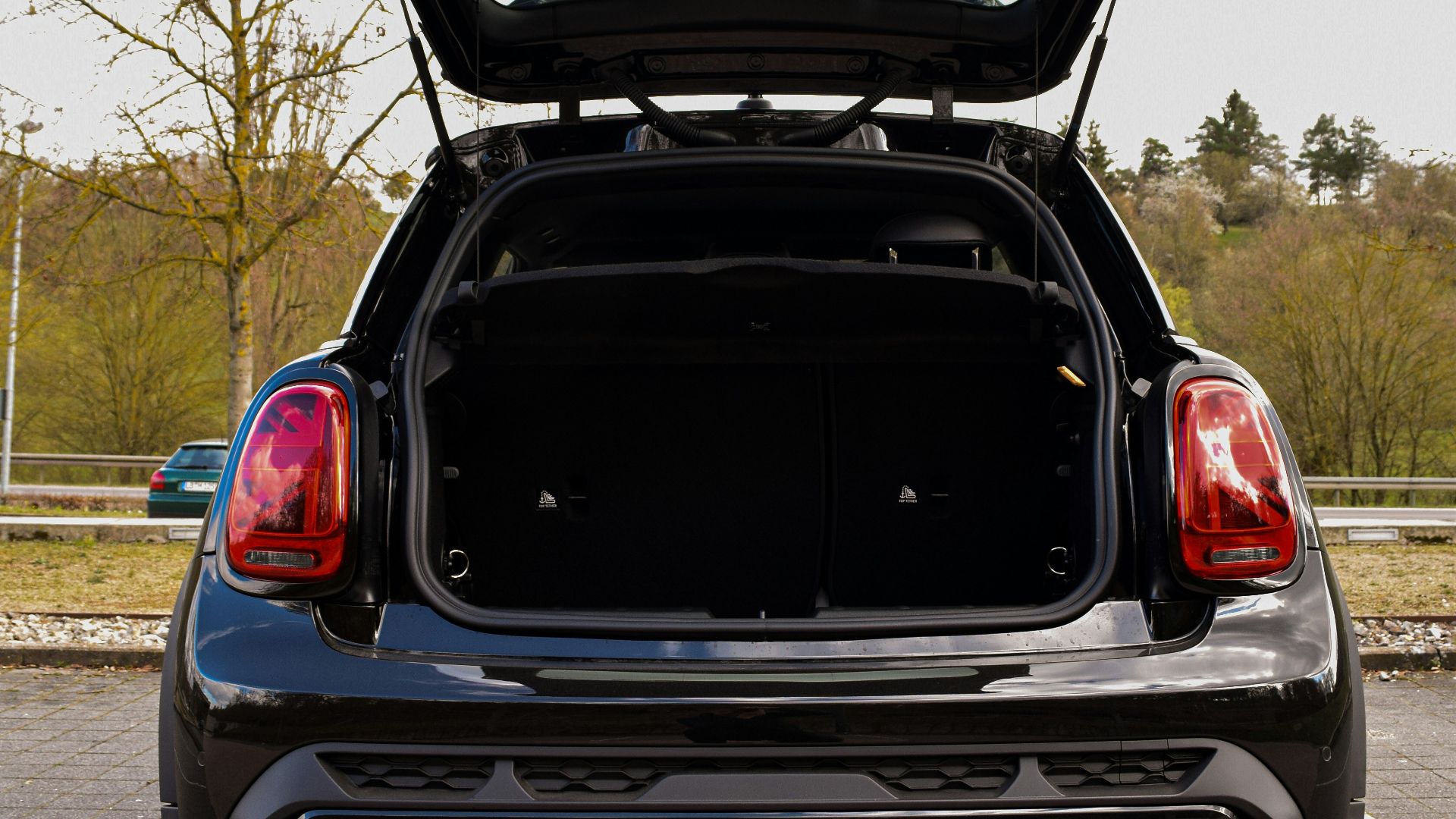
13. Whether You Touch The Car Or Keep Distance
People who open doors, check the trunk, and sit in the driver’s seat tend to be seriously shopping. People who hover and look from a distance may be browsing, or they may be nervous about being approached.

14. How You React To The First Offer Of Help
A quick, polite no can signal you want space and control, while a yes can signal openness to guidance. A tense or defensive reaction can signal past bad experiences, which salespeople often try to smooth over early.

15. Whether You Ask About Financing Or Bring Up Your Bank
Mentioning a credit union or pre-approval signals you have options and you are thinking strategically. Asking the dealership about financing without specifics can signal you are still figuring out what you qualify for.

16. Whether You Seem In A Hurry
Checking your phone constantly, glancing at the door, or saying you only have a few minutes changes the whole approach. Time pressure can signal you are serious, yet it can also signal you are easier to rush, and both are useful information in a sales environment.

17. Whether You Engage In Small Talk
Some people give a name, a handshake, and a quick bit of conversation, which helps the interaction feel smooth. Some people skip it and go straight to numbers, which signals they want efficiency and minimal theater.
 Muhammad Faiz Zulkeflee on Unsplash
18. Whether You Flinch At Add-Ons
When extended warranties, paint protection, or dealer packages come up, your face often says something before your words do. Salespeople notice hesitation, annoyance, or curiosity immediately, because it predicts how the later paperwork conversation will go.

19. Whether You Seem Loyal To A Brand
People who talk like they are replacing the same model they have owned twice before tend to be easier to match with inventory. People who mention several brands casually tend to be comparing, which means the salesperson has to differentiate fast.
20. Whether You Treat People Decently
The tone you use with the receptionist, the lot attendant, and the salesperson tells a lot. Respectful shoppers often get more patience and clearer answers, while rude behavior can make the process colder, slower, and less generous on both sides.