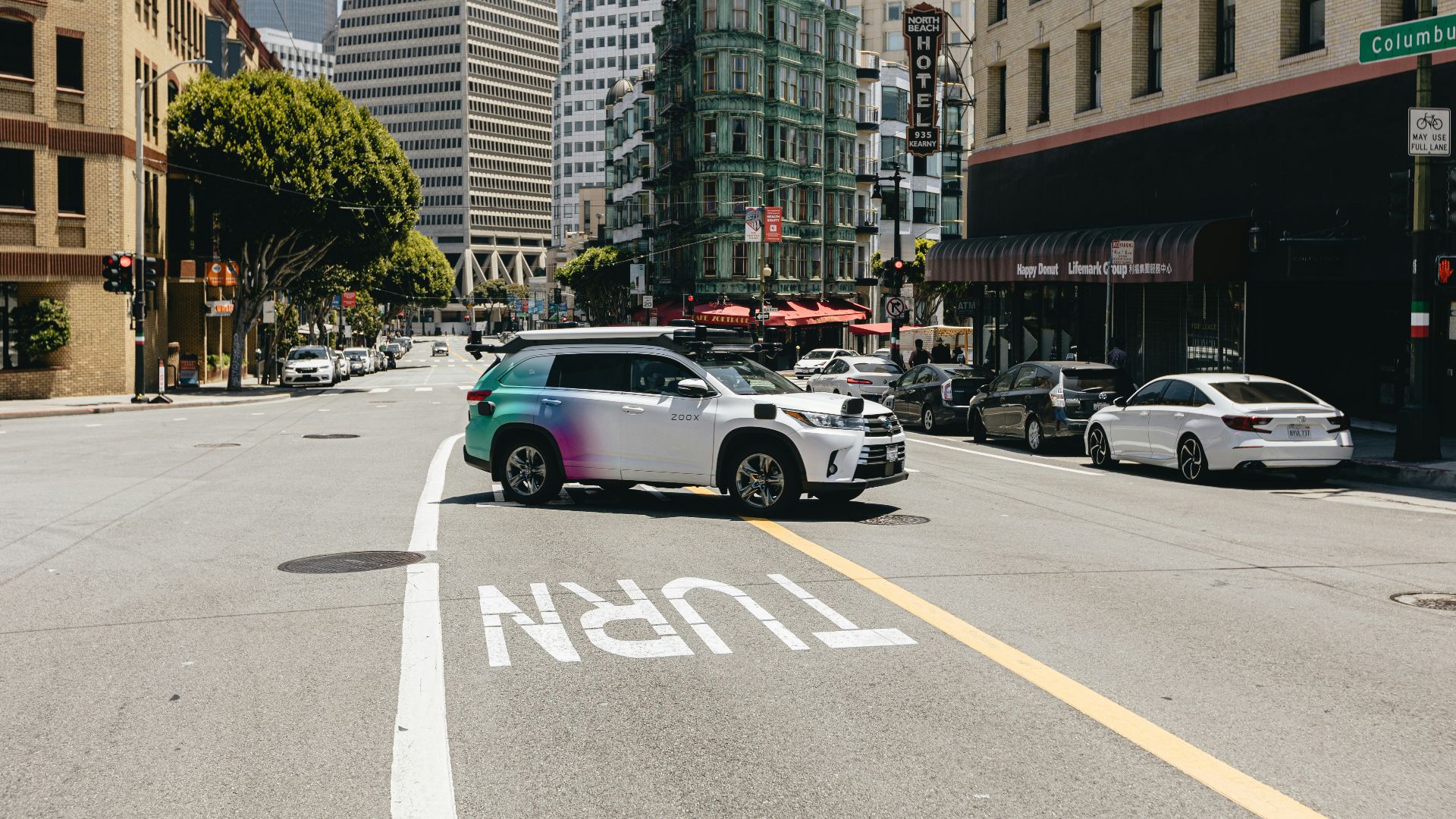
The Promise And The Risk Of Letting Cars Take The Wheel
Autonomous vehicles sit at the intersection of real innovation and justified anxiety, as they promise to reshape daily life while introducing risks we’re still learning to measure. Supporters see safer roads, greater access, and more efficient cities, whereas skeptics worry about edge cases, overreliance, and systems failing in ways humans don’t. Both views can be true at the same time, which is why the conversation matters now rather than later. These are the 10 clearest upsides people are excited about, alongside the 10 most realistic ways things could go sideways.
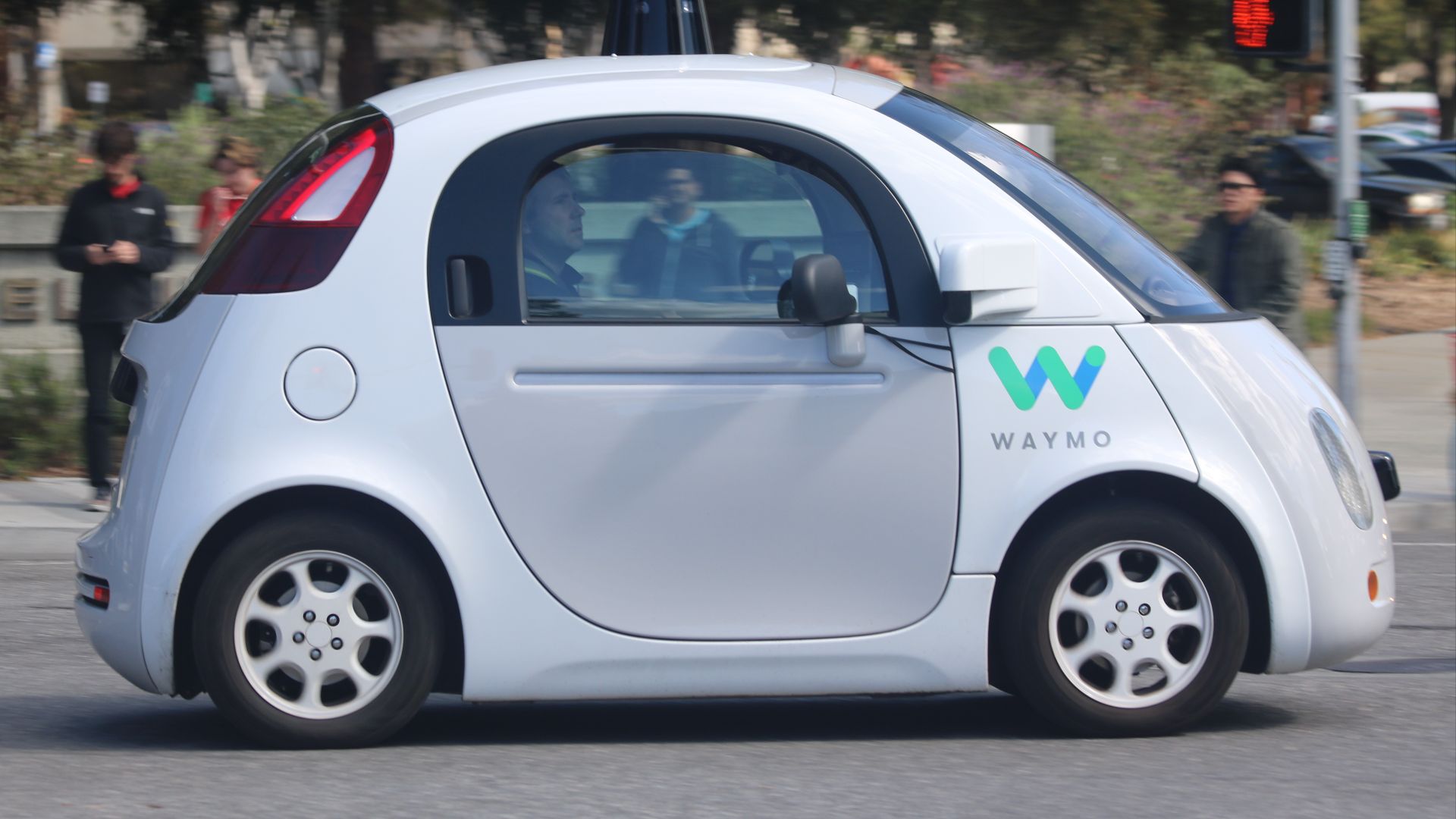
1. Dramatically Reduce Traffic Accidents
Human error causes the vast majority of car accidents, from distraction and fatigue to poor judgment. Autonomous systems don’t get tired, angry, or drunk, and they react faster than humans can. As sensors and software improve, crash rates could drop significantly. Even partial adoption could save thousands of lives each year.
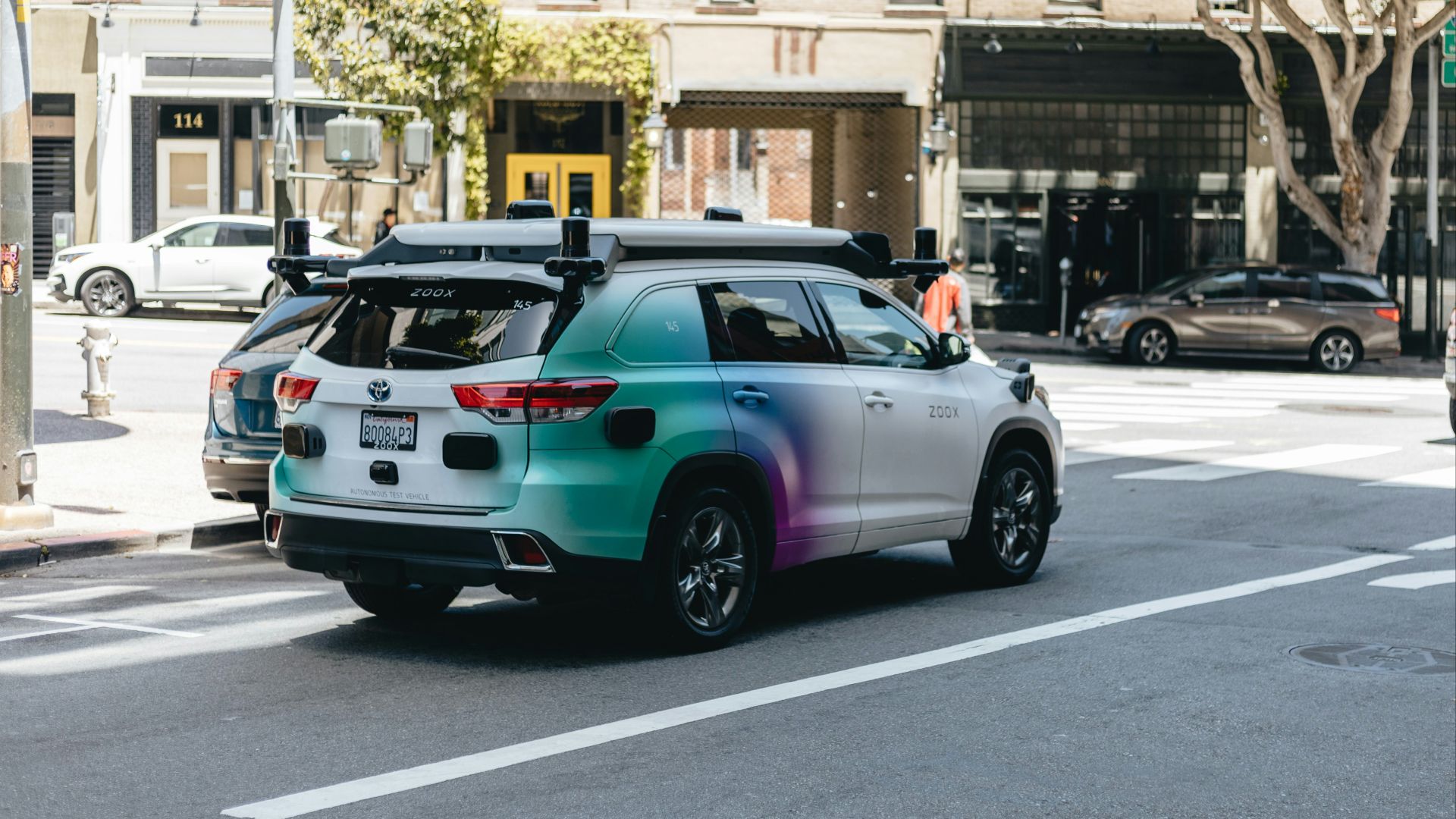
2. Improve Mobility For Elderly And Disabled People
Autonomous vehicles could restore independence for people who can’t safely drive. Seniors, people with visual impairments, and those with mobility challenges would gain reliable transportation without relying on others. This shift could reduce isolation while improving the quality of life. Access, rather than driving ability, would define mobility.
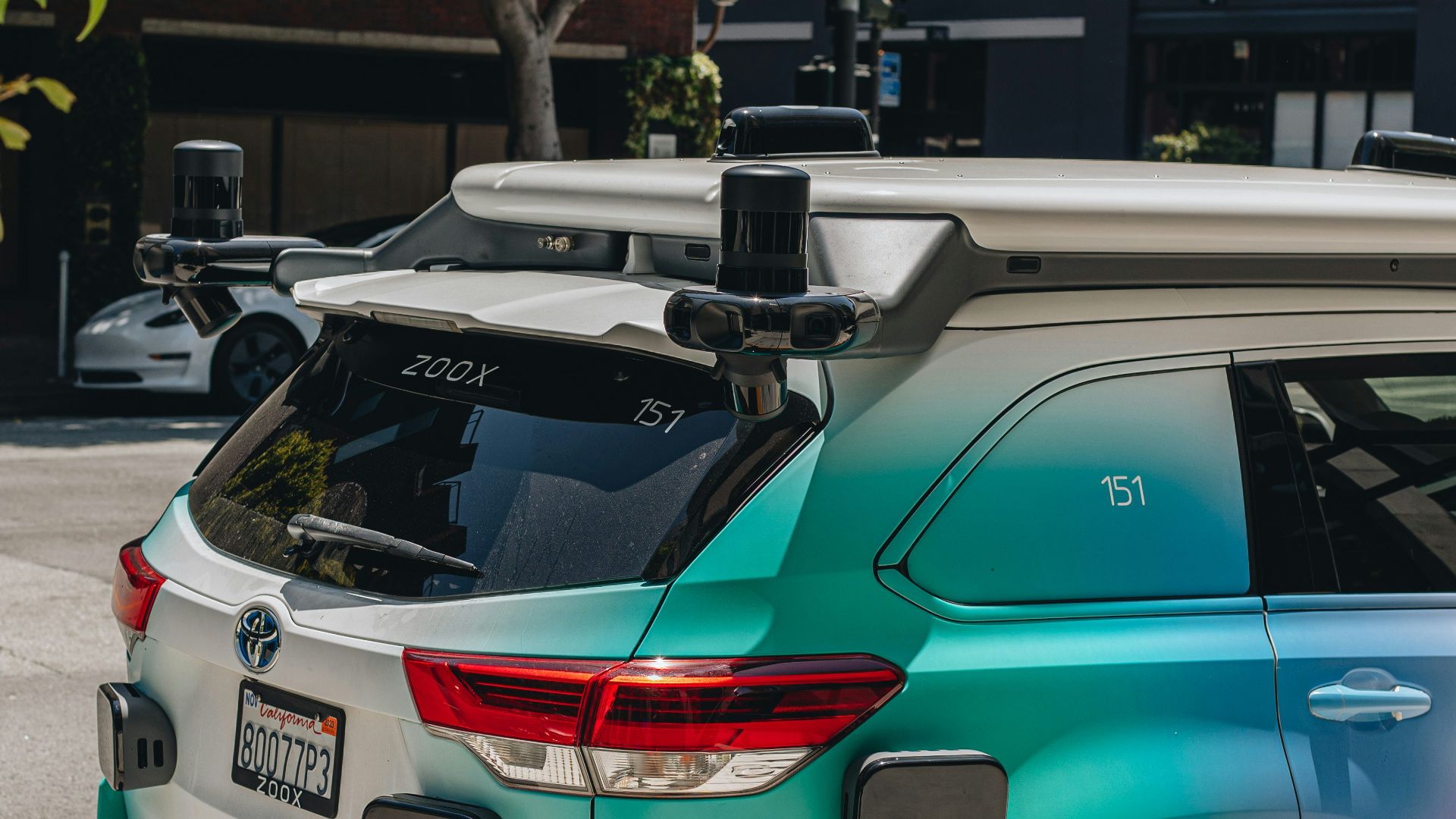
3. Reduce Traffic Congestion
Self-driving cars can communicate with each other to optimize speed and spacing. As coordination improves, traffic flow becomes smoother with fewer stop-and-go patterns. This could shorten commutes and reduce stress. Cities designed around smarter traffic might function more efficiently overall.

4. Lower Carbon Emissions Over Time
Autonomous systems can optimize routes, acceleration, and braking to reduce fuel consumption. When paired with electric vehicles, the environmental benefits increase substantially. Fewer traffic jams also mean fewer emissions from idling cars. The technology could support broader climate goals if deployed thoughtfully.
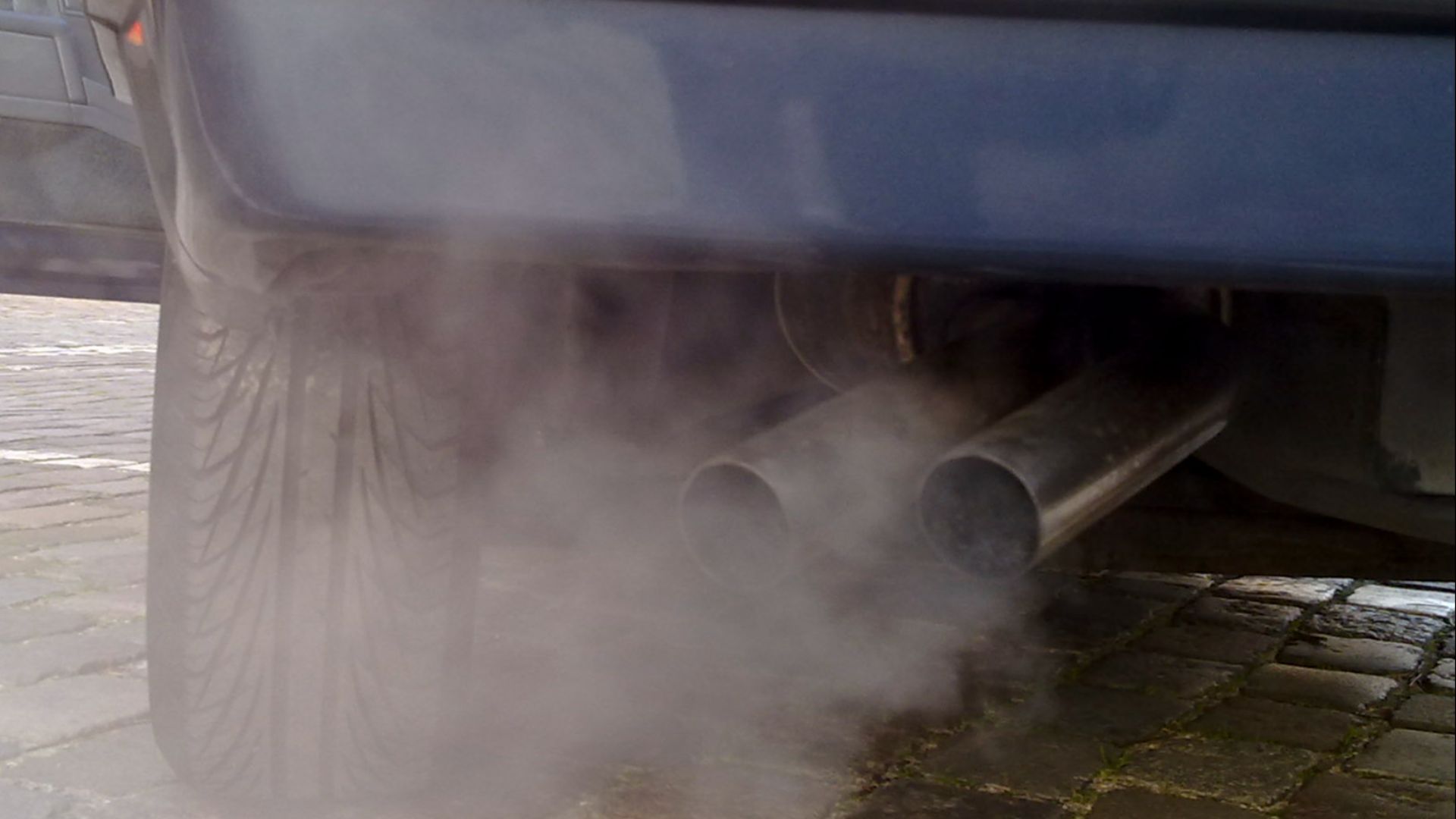
5. Reclaim Time Spent Driving
Commutes consume hours that many people can’t use productively. Autonomous cars could turn that time into space for work, rest, or entertainment. While this sounds small, it adds up over the years. Time reclaimed often feels like a quality-of-life improvement more than convenience.
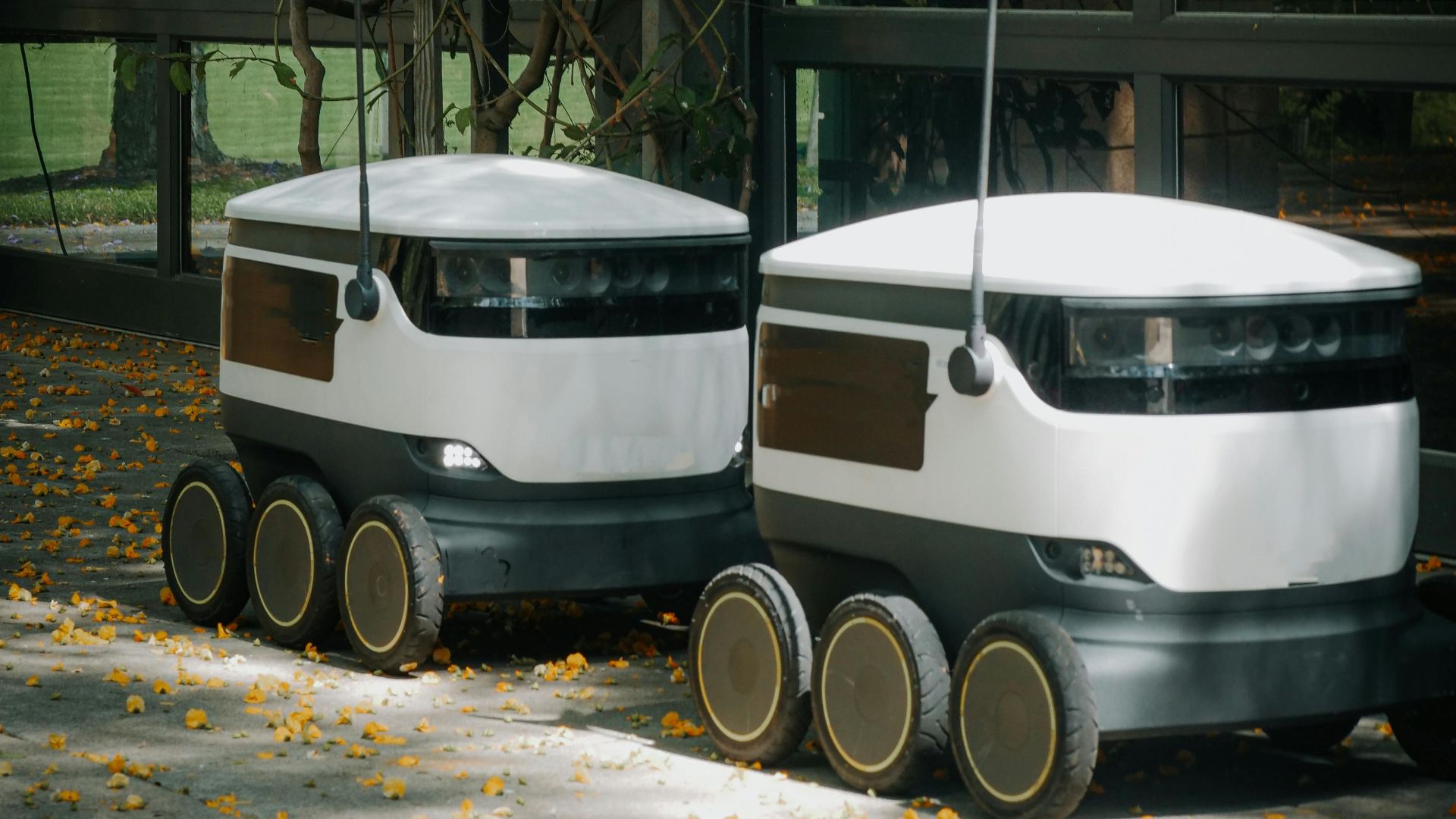
6. Reduce The Need For Parking
Autonomous vehicles don’t need to sit idle near destinations. They could drop passengers off and park remotely or continue serving others. This change could free up enormous amounts of urban space. Cities could repurpose parking lots for housing, parks, or businesses.
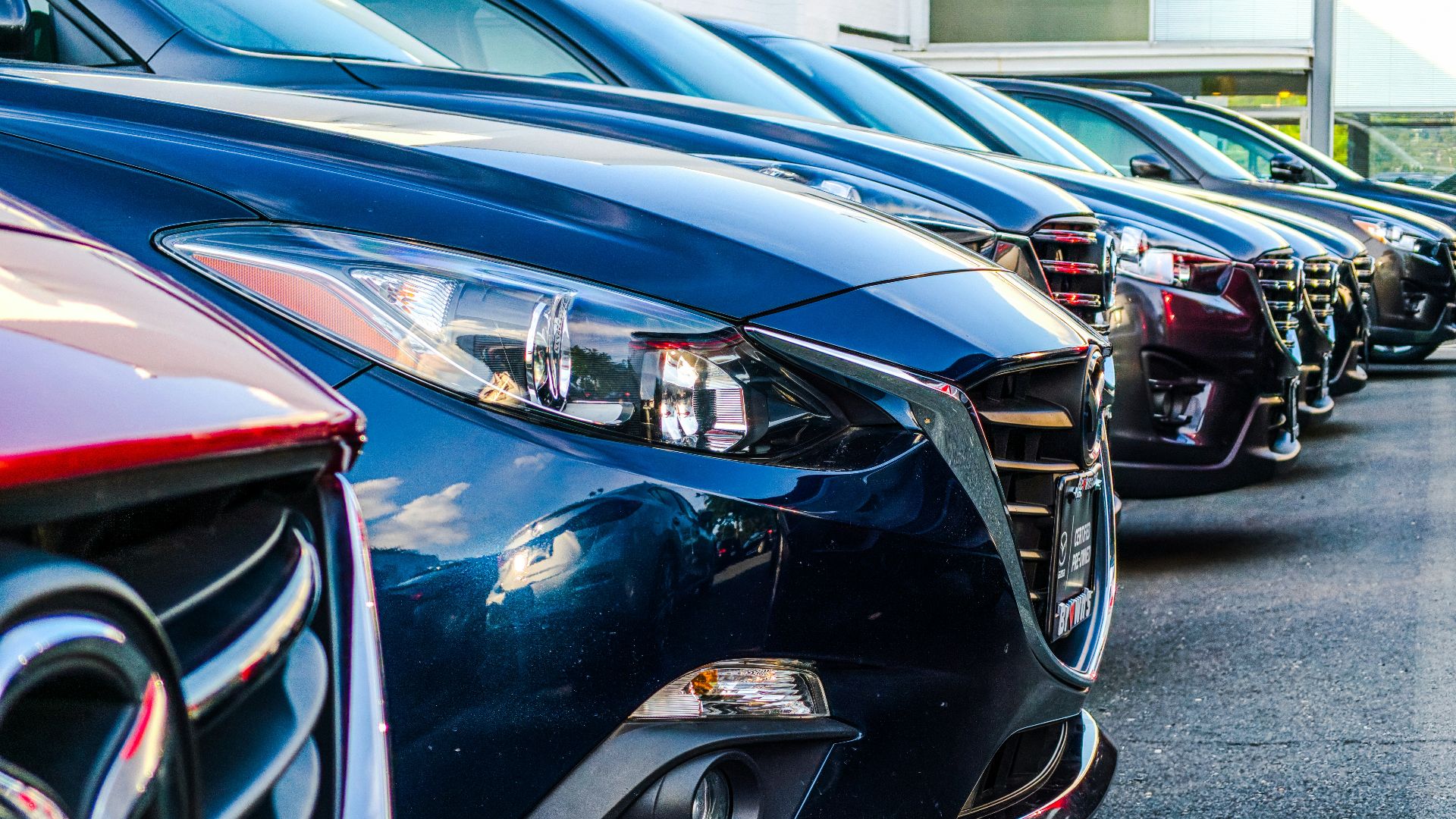
7. Improve Road Safety Through Data
Self-driving cars constantly collect data about road conditions, hazards, and traffic patterns. This information could help cities identify dangerous intersections or infrastructure failures faster. As data accumulates, road design itself could improve. Safety would become proactive rather than reactive.

8. Increase Freight And Delivery Efficiency
Autonomous trucks could operate longer hours without fatigue. This would streamline supply chains and reduce shipping delays. As logistics become more efficient, costs could drop. Consumers might see faster and more reliable deliveries as a result.
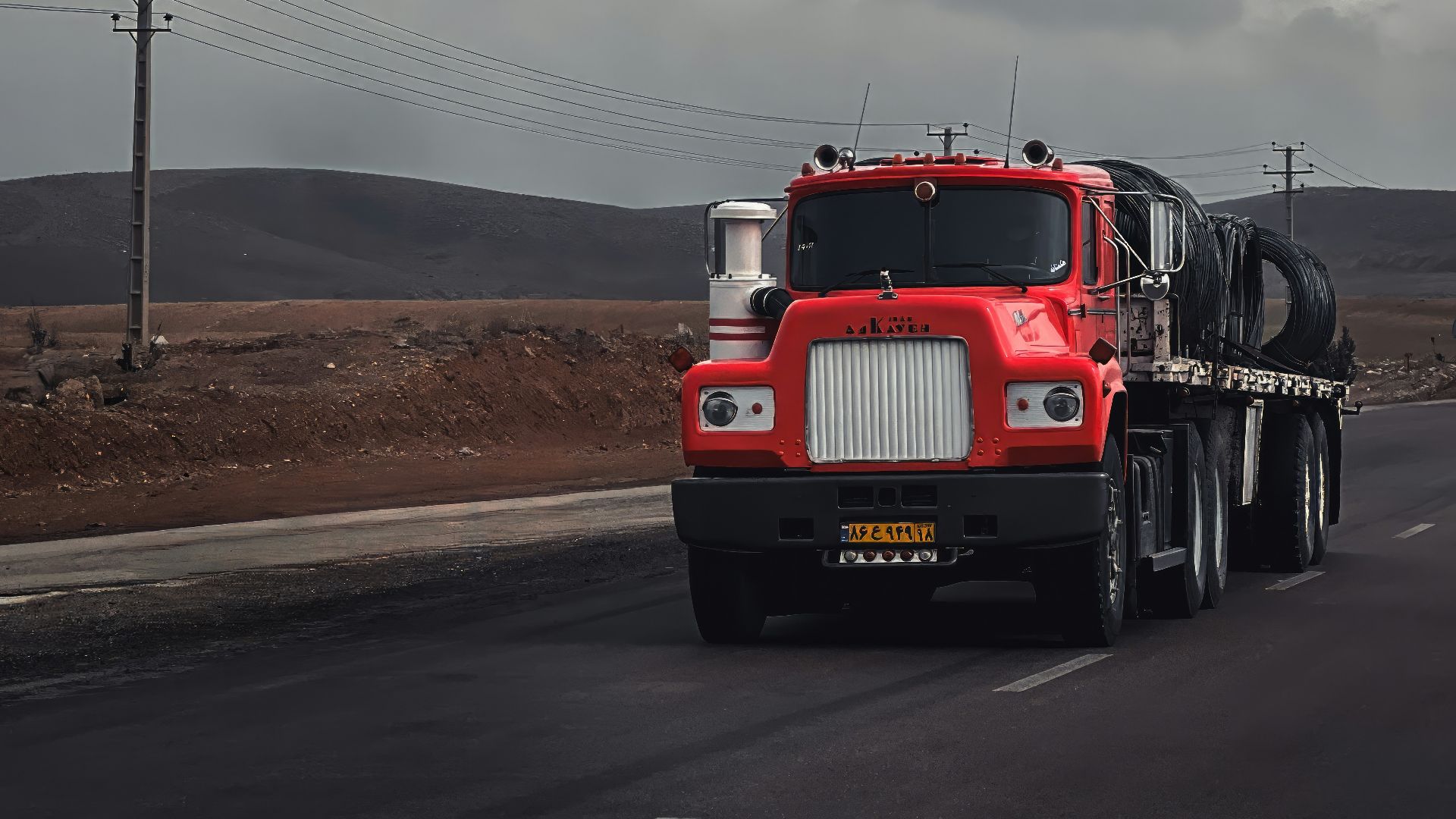 Alexander Popovkin on Unsplash
9. Reduce Stress Related To Driving
Driving is a major source of daily stress for many people. Autonomous cars remove the need to navigate traffic, parking, and aggressive drivers. While trust will take time, reduced mental load could improve overall well-being. Stress-free travel changes how people experience cities.

10. Standardized Safer Driving Behavior
Autonomous systems follow rules consistently rather than emotionally. They don’t speed out of impatience or take risks to save seconds. Over time, standardized behavior could make roads more predictable, which is a form of safety in and of itself.

1. Software Failures In Edge Cases
Autonomous systems perform well in controlled or common scenarios. Rare situations, unusual weather, or unexpected human behavior still pose challenges. A single misinterpretation can lead to serious consequences. Edge cases remain one of the hardest problems to solve.

2. Overreliance On Automation
As drivers grow accustomed to automation, their ability to intervene may decline. When systems fail, humans may not react quickly enough. This handoff problem is already visible in partially autonomous vehicles. Trust without readiness becomes a liability.
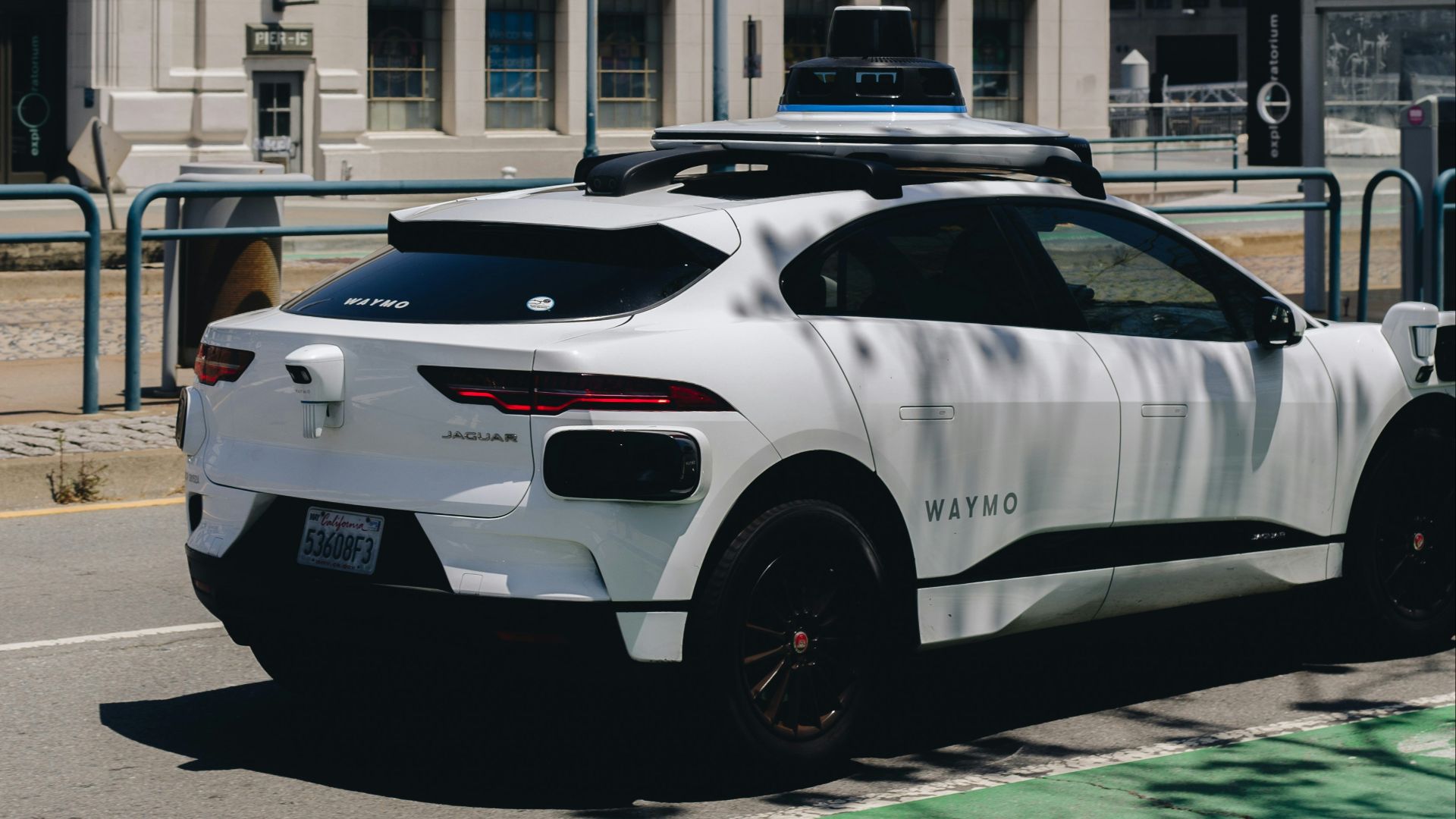
3. Cybersecurity Risks
Autonomous vehicles rely on complex software and connectivity. That opens the door to hacking, data theft, or malicious interference. A compromised vehicle isn’t just a privacy risk, but a physical one. Security must evolve as fast as the technology itself.

4. Ethical Decision-Making Dilemmas
Autonomous cars may face situations where harm is unavoidable. Programming ethical decisions into code raises difficult questions about responsibility and values. Who decides how a car should prioritize outcomes is still unresolved. These choices carry moral weight beyond engineering.
 Antoni Shkraba Studio on Pexels
5. Job Displacement
Widespread adoption could disrupt jobs in trucking, taxi services, and delivery work. While new roles may emerge, transitions are rarely smooth. Economic displacement tends to hit specific communities hardest. Planning for workforce shifts matters as much as the technology itself.
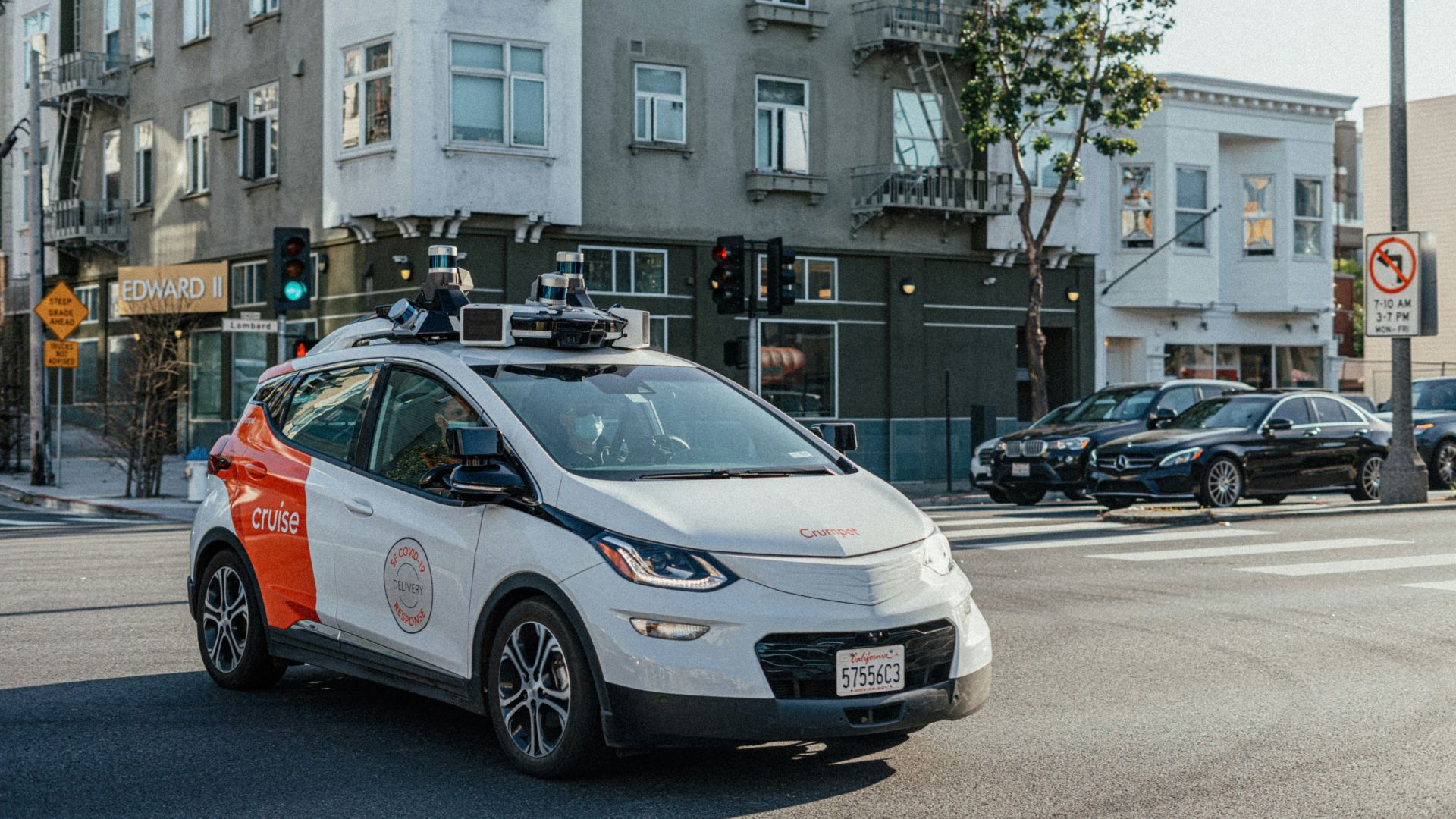
6. Unequal Access
Advanced autonomous vehicles may remain expensive for years. Early benefits could skew toward wealthier users or regions. This risks widening existing mobility gaps. Technology that helps only some people creates new inequities.
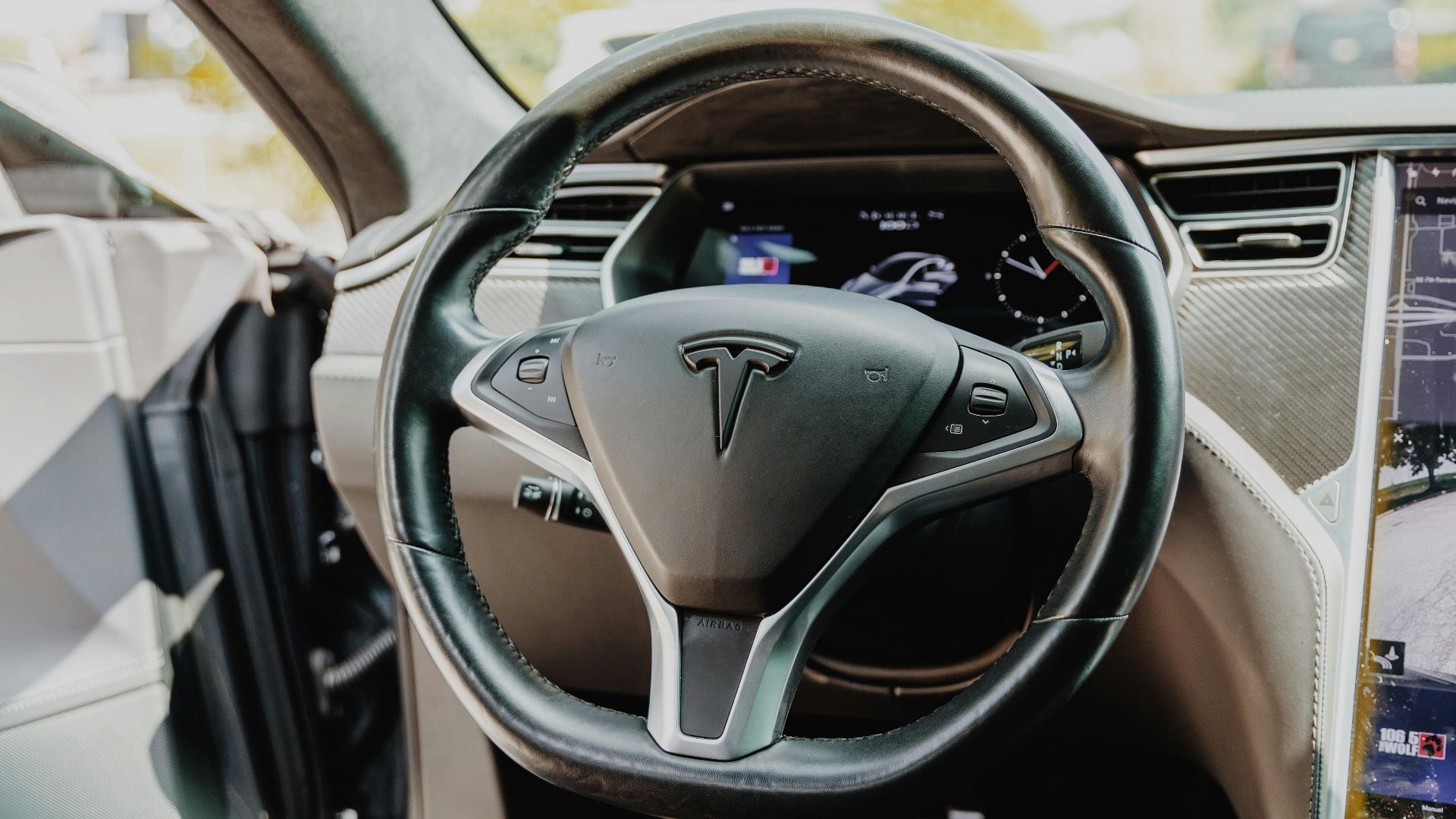
7. Legal And Liability Confusion
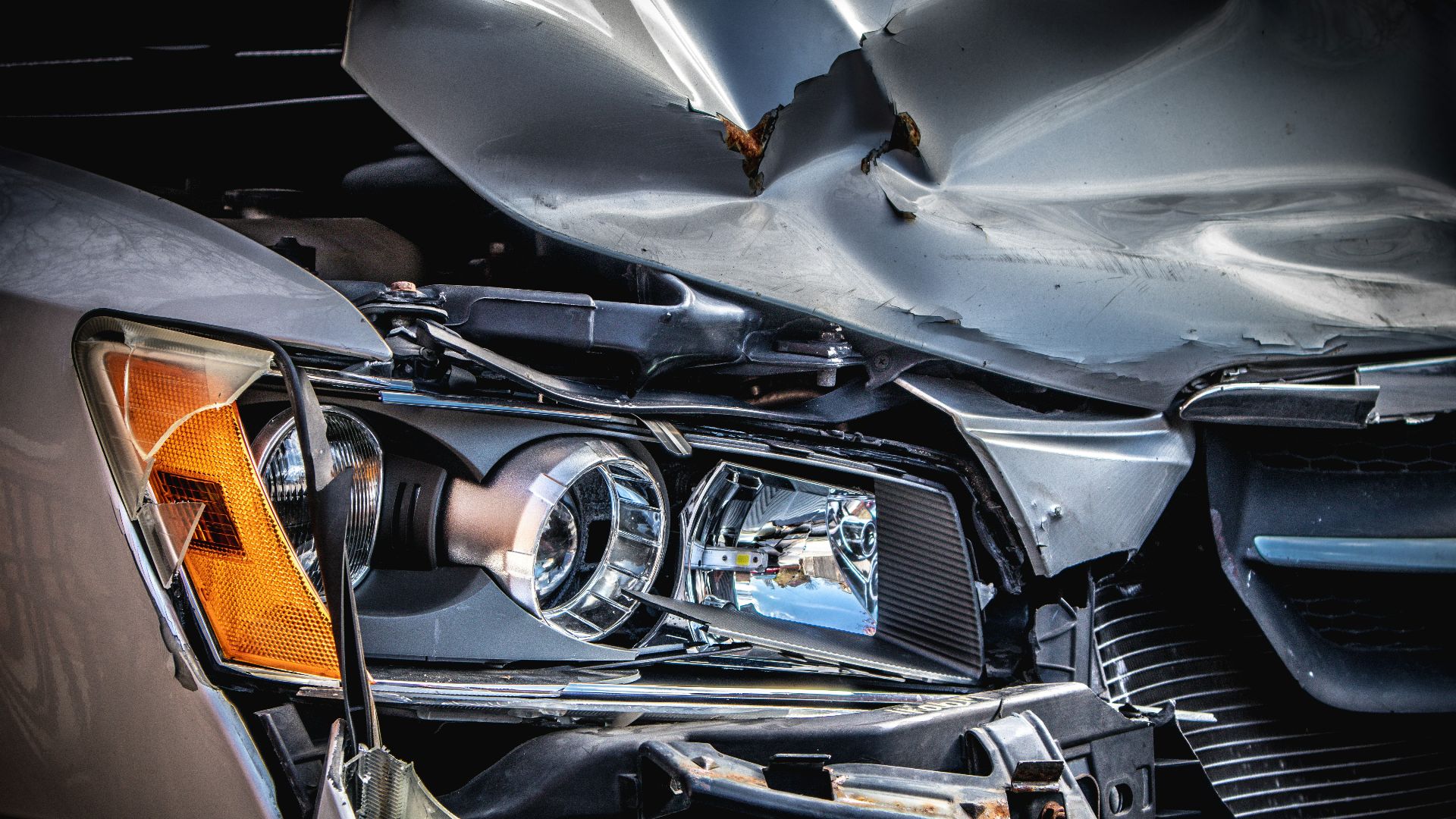
When an autonomous vehicle crashes, responsibility isn’t always clear. Is the driver, manufacturer, or software developer at fault? Legal systems are still adapting to these questions. Uncertainty can slow adoption and erode trust.
 Clark Van Der Beken on Unsplash
8. Infrastructure Compatibility Issues
Not all roads are ready for autonomous navigation. Poor signage, inconsistent markings, and outdated infrastructure create problems. Upgrading systems nationwide takes time and money. Without coordination, performance will vary widely.
9. Increased Total Miles Driven
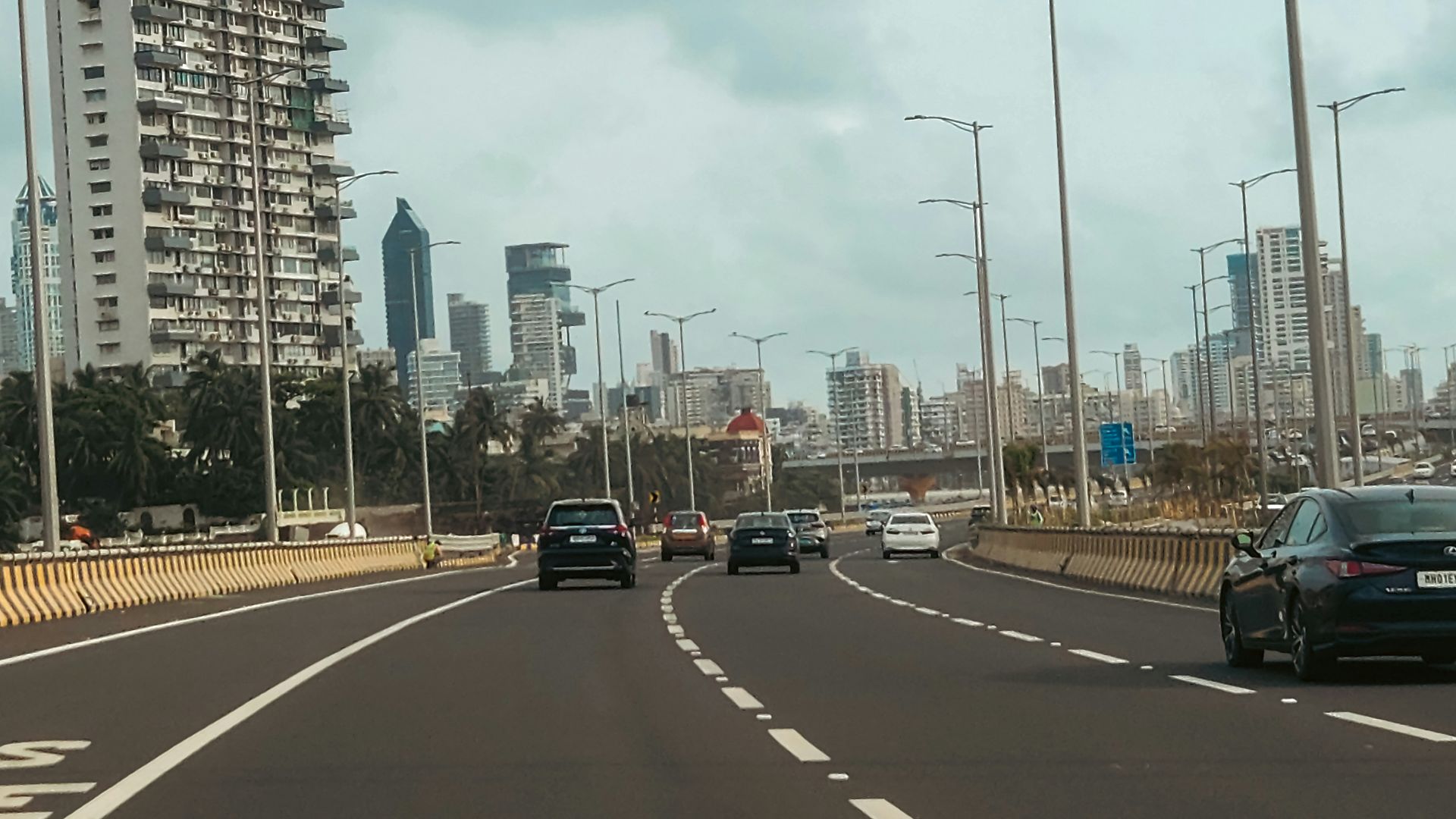
Convenience can lead to more travel overall. If riding becomes easier and cheaper, people may drive more often. This could offset some environmental gains. Efficiency doesn’t always reduce consumption.
10. Loss Of Driving Skills And Agency
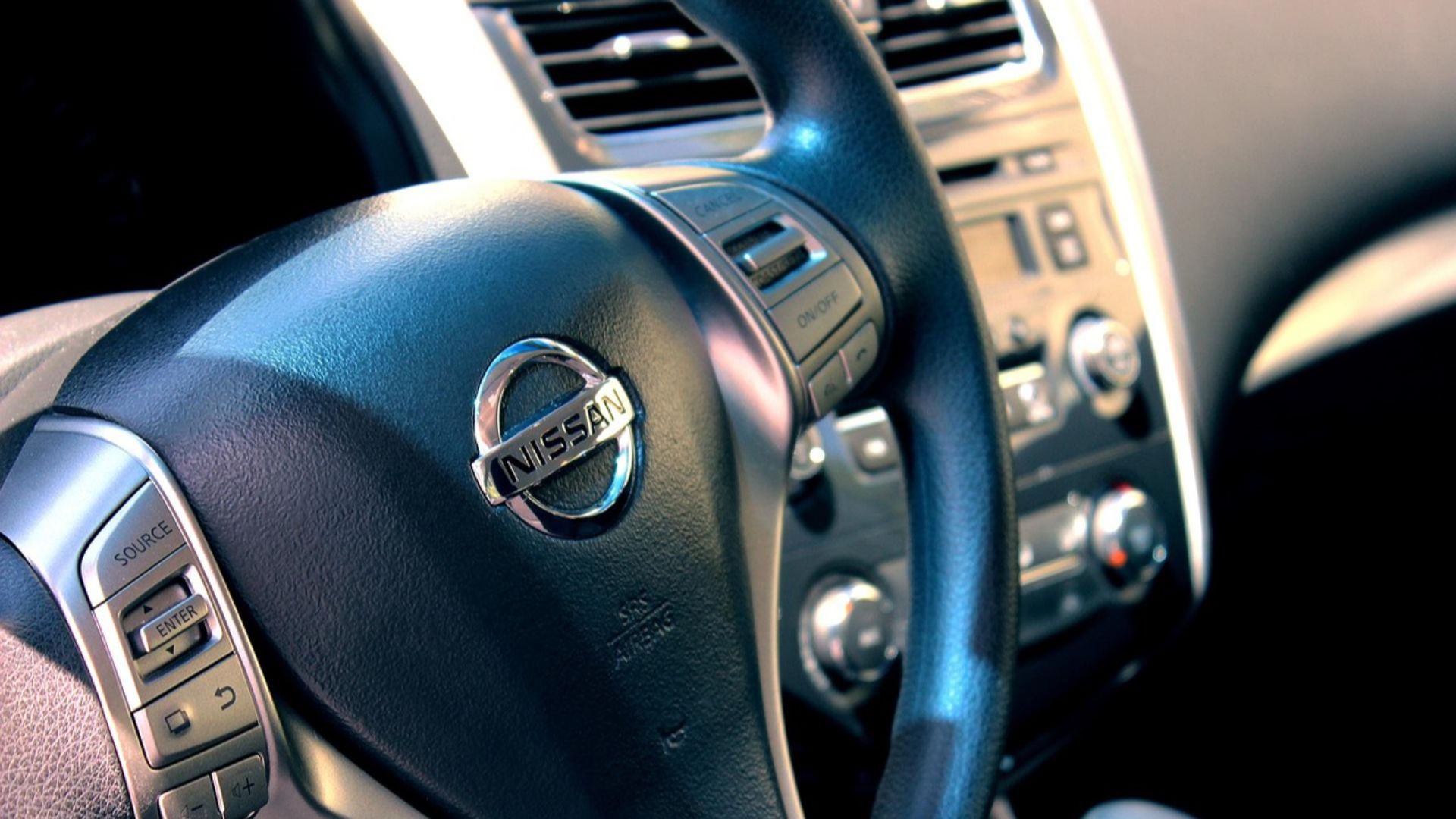
As automation increases, human driving skills may degrade. In emergencies or system failures, this loss matters. Giving up control also represents a cultural shift.