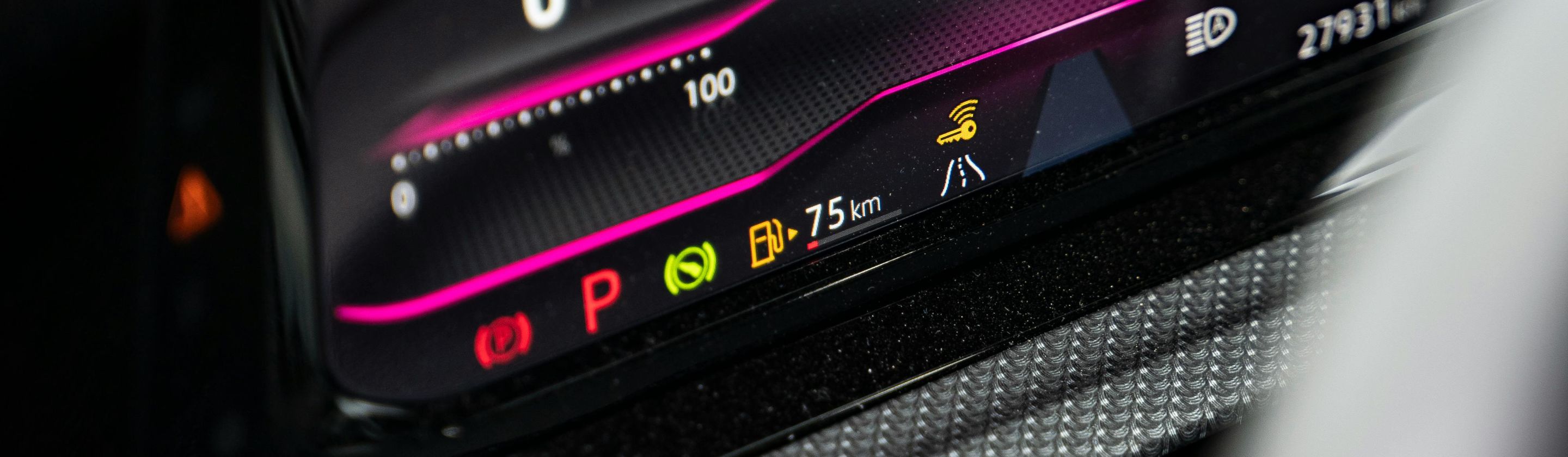

Modern dashboards are designed to communicate with you clearly, but many drivers still treat warning lights as suggestions rather than urgent messages. It’s easy to assume a light will go away on its own or that the issue can wait until the next oil change. Unfortunately, dashboard warnings exist because something has already gone wrong, not because it might go wrong later. Ignoring them can turn small, manageable issues into expensive or dangerous problems. Paying attention early often saves money and stress.
Cars today rely on interconnected systems, which means one warning can affect multiple components if left unaddressed. While some lights indicate minor concerns, others signal conditions that could compromise safety, reliability, or engine health almost immediately. Knowing which warnings deserve immediate attention helps you protect both your vehicle and yourself. These are three dashboard warning signs that should never be brushed off. Understanding their meaning gives you more control as a driver.
The Check Engine Light
The check engine light is one of the most misunderstood warnings on the dashboard. It can illuminate for something as simple as a loose gas cap, but it can also indicate serious issues like engine misfires, faulty sensors, or emissions system failures. Because the light doesn’t specify the problem, drivers often gamble by ignoring it. That gamble can become costly if the underlying issue worsens. Even minor engine issues can snowball if left unchecked.
When the check engine light stays on steadily, it usually means the car can still be driven cautiously, but it should be diagnosed soon. If the light is flashing, that’s a sign of a severe problem, often related to engine misfires that can damage the catalytic converter. Continuing to drive in that condition can dramatically increase repair costs. The flashing light is essentially your car asking you to stop. Treating it as urgent can prevent permanent damage.
Even when the vehicle feels normal, modern engines rely heavily on sensors to maintain efficiency and emissions standards. A small fault can cause poor fuel economy, increased emissions, or long-term engine wear if ignored. Addressing the check engine light early often prevents minor issues from escalating. In most cases, a quick diagnostic scan can provide clarity before damage spreads. Early diagnosis also helps mechanics pinpoint problems faster.
The Oil Pressure Warning Light
The oil pressure warning light is one of the most critical alerts your dashboard can display. Unlike a reminder for routine maintenance, this light indicates that the engine may not be receiving adequate lubrication. Without proper oil pressure, metal components inside the engine can grind against each other. That kind of damage can occur within minutes. Engines depend on oil the same way joints depend on cartilage.
If this light comes on while driving, the safest response is to pull over and shut off the engine as soon as possible. Continuing to drive risks catastrophic engine failure, which often results in complete engine replacement. Even if the oil level appears fine, pressure loss can be caused by a failing oil pump or internal leaks. This is not a warning that improves with time.
Many drivers confuse the oil pressure warning with an oil change reminder, but they serve very different purposes. The reminder is preventative, while the pressure warning signals immediate danger. Treating the two as interchangeable can lead to irreversible damage. When it comes to oil pressure, delay is not an option. Understanding this distinction can save an engine.
The Brake Warning Light
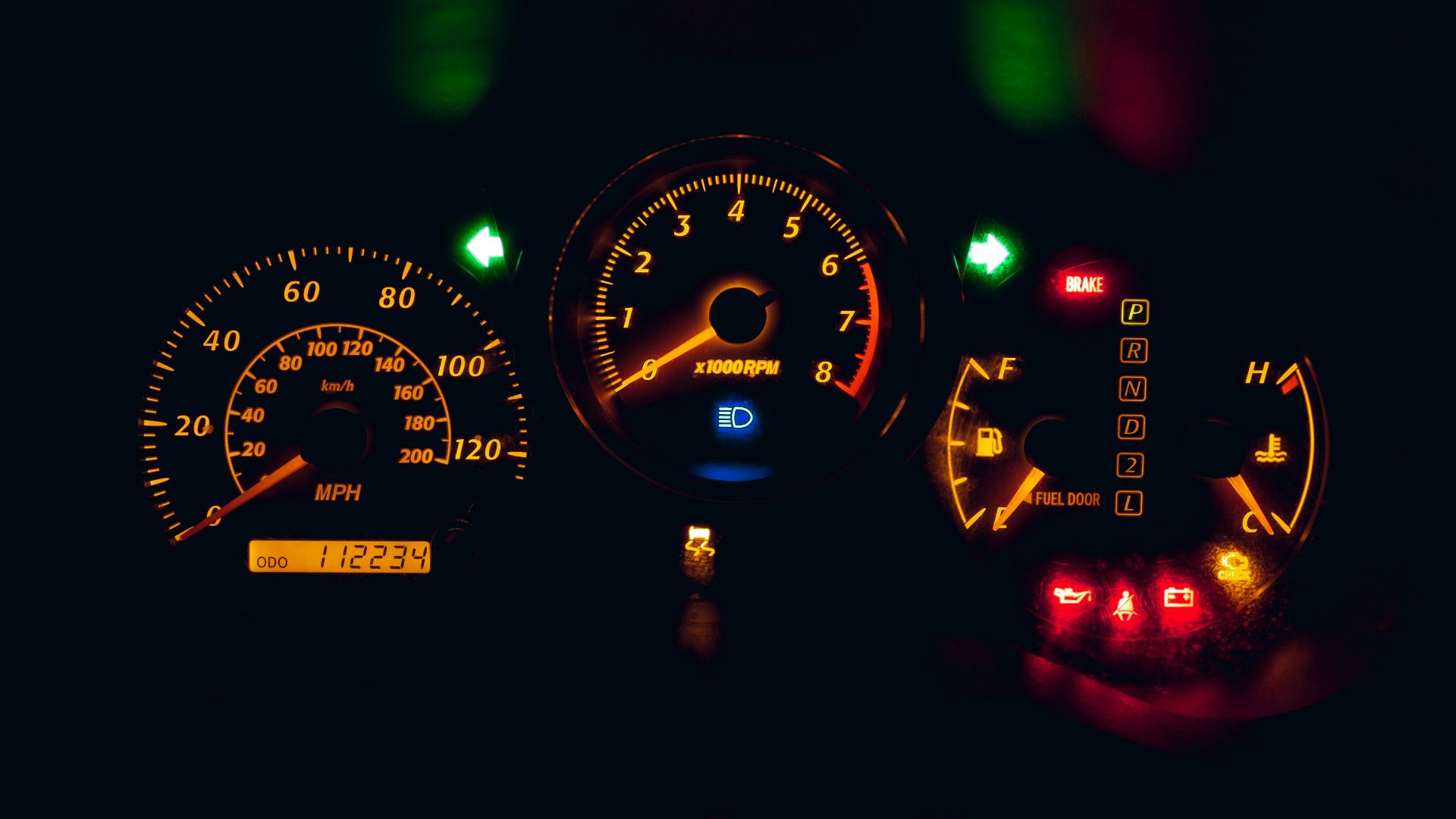
The brake warning light deserves immediate attention because it relates directly to your ability to stop safely. This light can indicate several issues, including low brake fluid, worn brake pads, or problems with the braking system itself. In some vehicles, it may also signal an issue with the parking brake being engaged or malfunctioning. Regardless of the cause, braking performance may already be compromised as brakes rarely fail without warning.
If the brake warning light comes on while driving, stopping distances can increase without warning. Brake systems are hydraulic, meaning even small leaks or fluid loss can significantly reduce effectiveness. Ignoring the light could lead to brake failure in an emergency.
Modern vehicles often separate brake system warnings from ABS warnings, but both are important. While ABS issues may not affect normal braking immediately, a brake warning light suggests a more fundamental problem. Addressing it promptly helps ensure consistent stopping power and overall vehicle safety.
Dashboard warning lights aren’t meant to scare you, but they are meant to get your attention. Each one exists because engineers know what happens when problems go unchecked. Responding early usually means simpler repairs, lower costs, and safer driving conditions. When your dashboard lights up, it’s your car doing its job—and it’s up to you to do yours by listening. Ignoring the signs rarely ends well.