A Rolling Data Generator
Modern cars don’t just move people around. They track, store, and transmit information in invisible ways. Some of this data collection is genuinely useful, like crash notifications and predictive maintenance, and some of it exists because connectivity makes money, and better targeting is hard for companies to resist. Regulations and investigations in recent years have also made it clearer that vehicles can be part of larger data ecosystems, including automakers, suppliers, insurers, and app partners. If you’ve ever paired a phone, tapped “agree” on a screen, or used a connected feature even once, you’ve probably created a data trail. These are 20 common ways that trail gets created and captured.
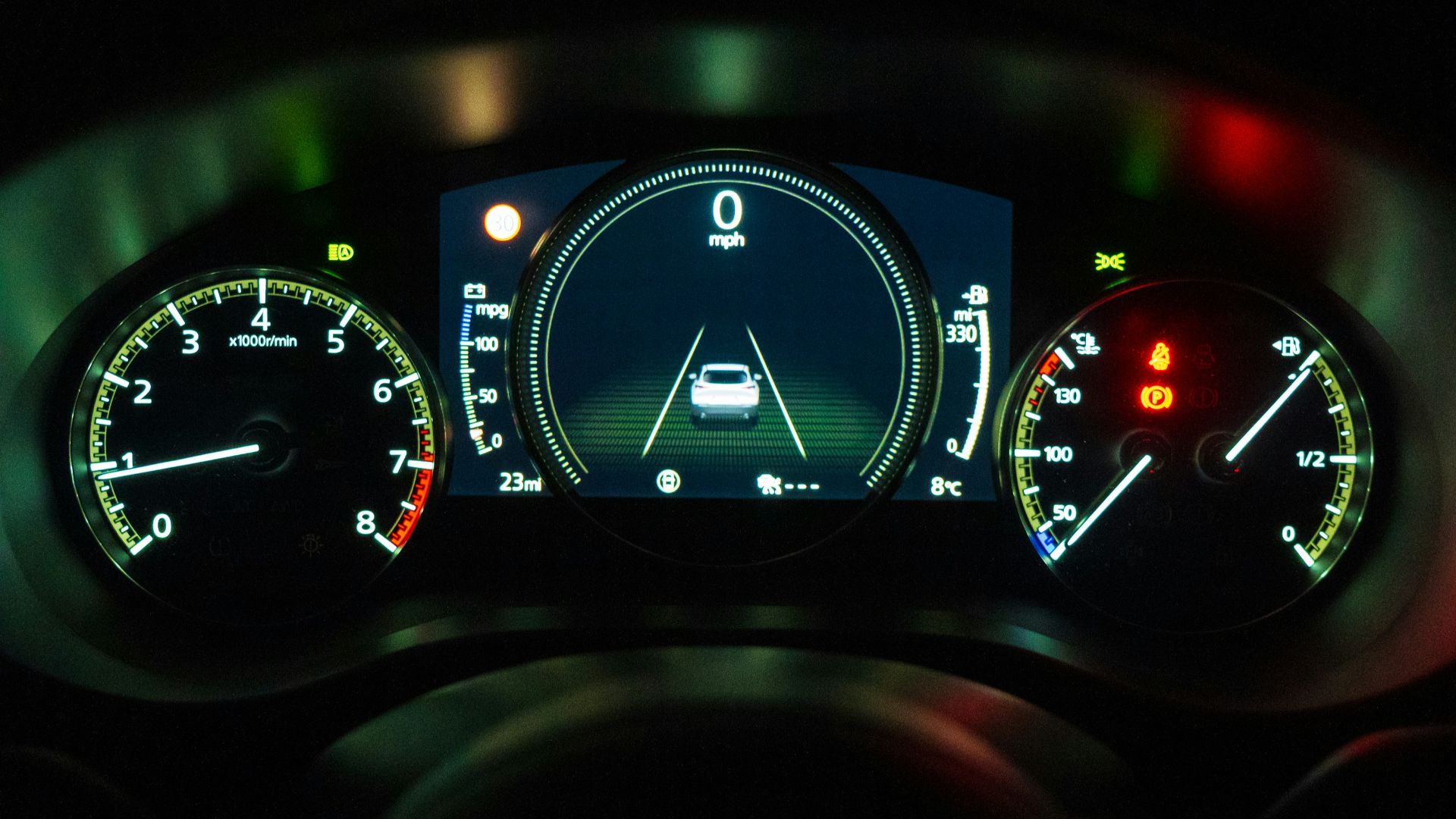
1. Built-In Telematics Modules
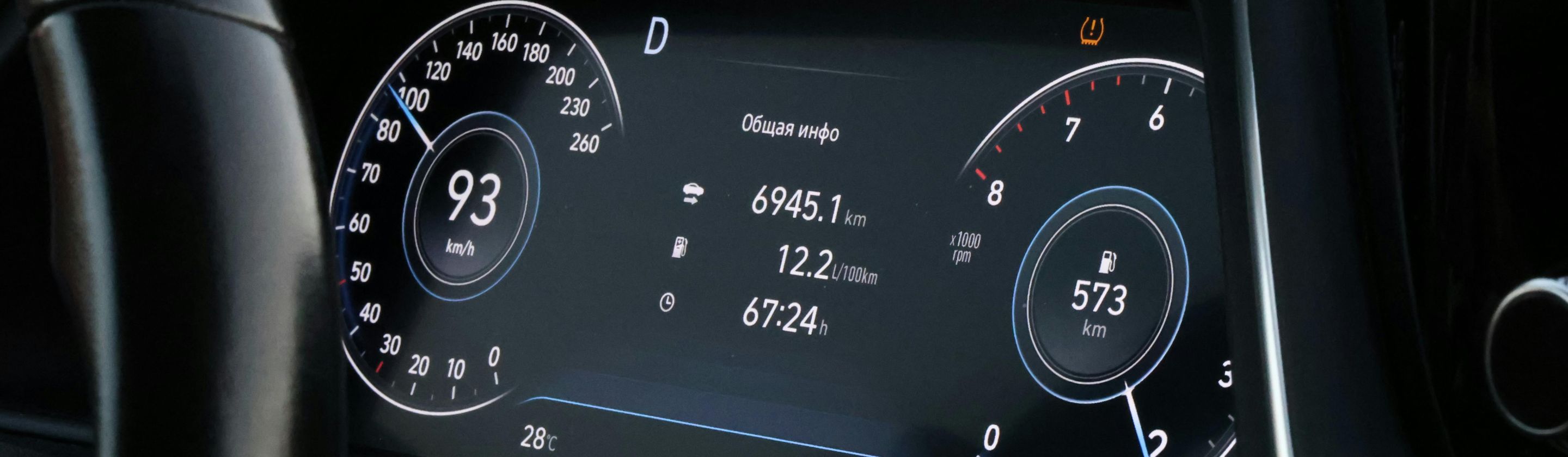
Many vehicles have a telematics control unit that communicates with cellular networks, and it can send diagnostics and vehicle status back to the manufacturer’s systems. Depending on the brand and settings, this can include things like mileage, warning codes, and service needs, which is why some apps can tell you about a low tire before you notice. Even if you never open the app, the hardware may still be present and able to transmit when the service is active.
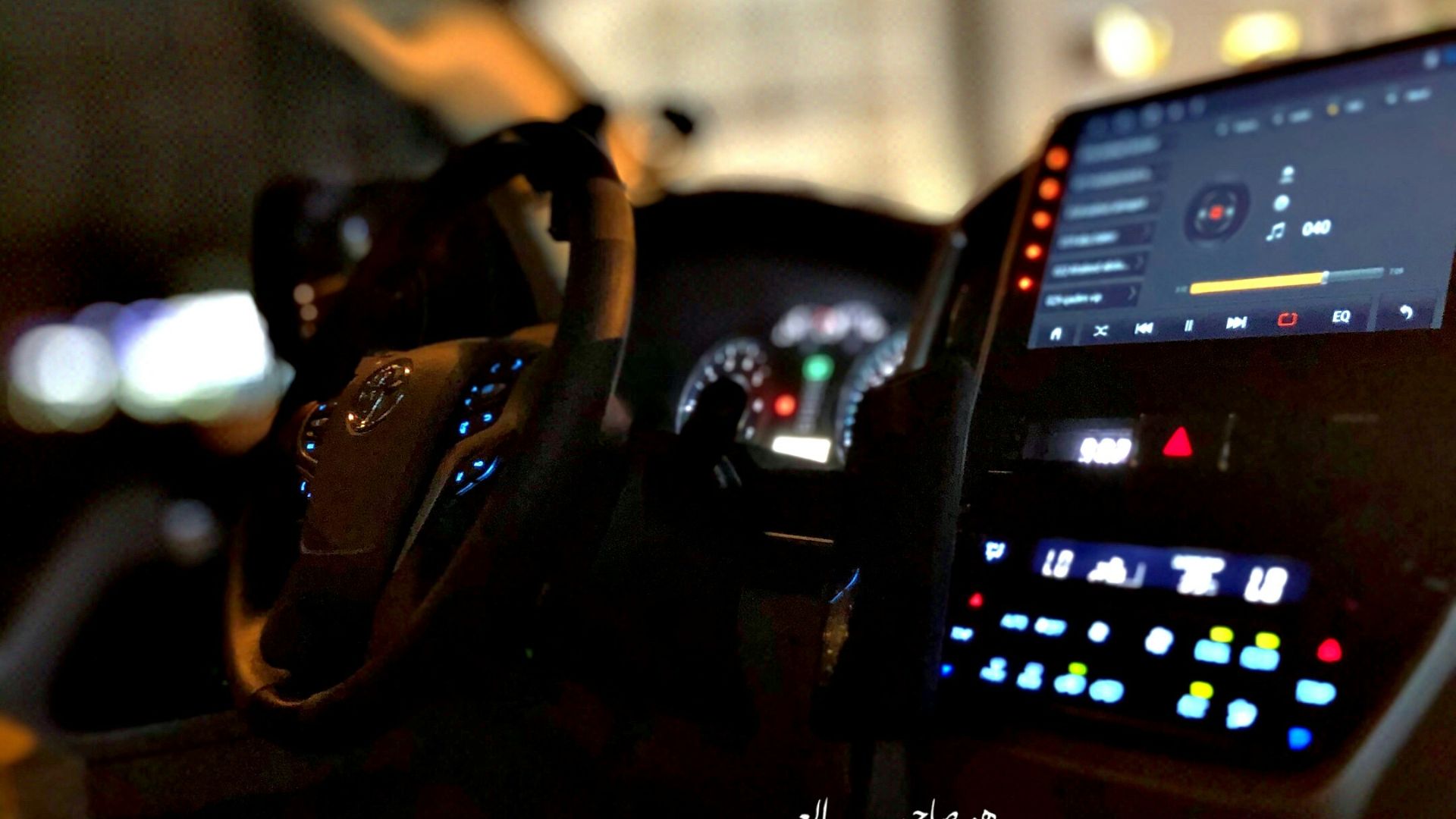
2. Event Data Recorders
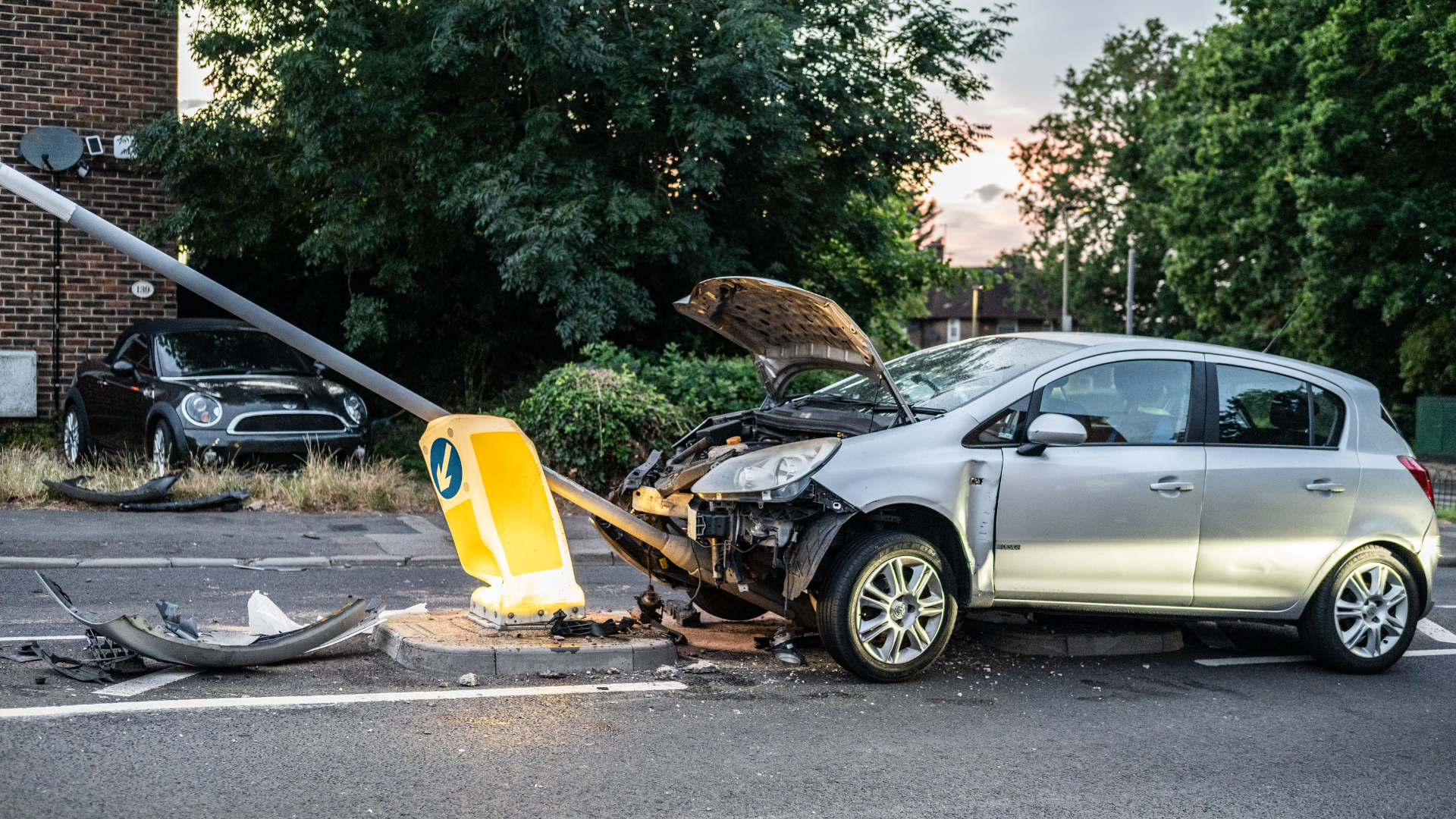
A lot of vehicles include event data recorders that capture a snapshot of certain parameters around a crash or near-crash event. This can include speed, braking, seat belt use, and airbag deployment timing, which investigators and engineers use to understand what happened.
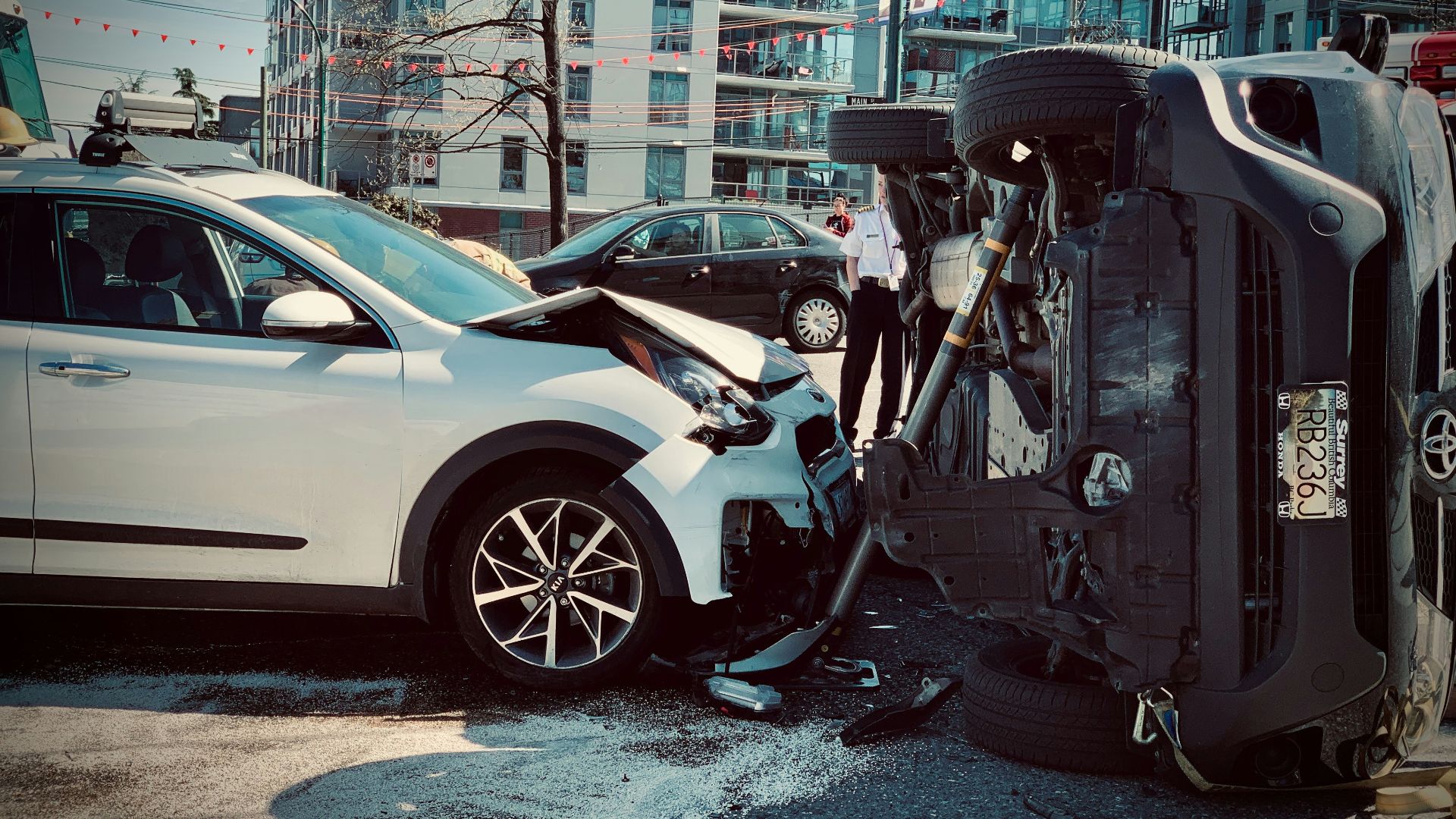
3. Infotainment System Logs
Infotainment systems are basically computers, so it makes sense that they operate as such. When the system crashes, reboots, or throws an error, it can store diagnostic records that help dealerships troubleshoot. Those records can also reflect how the system was used, especially when a technician pulls data during a service visit.
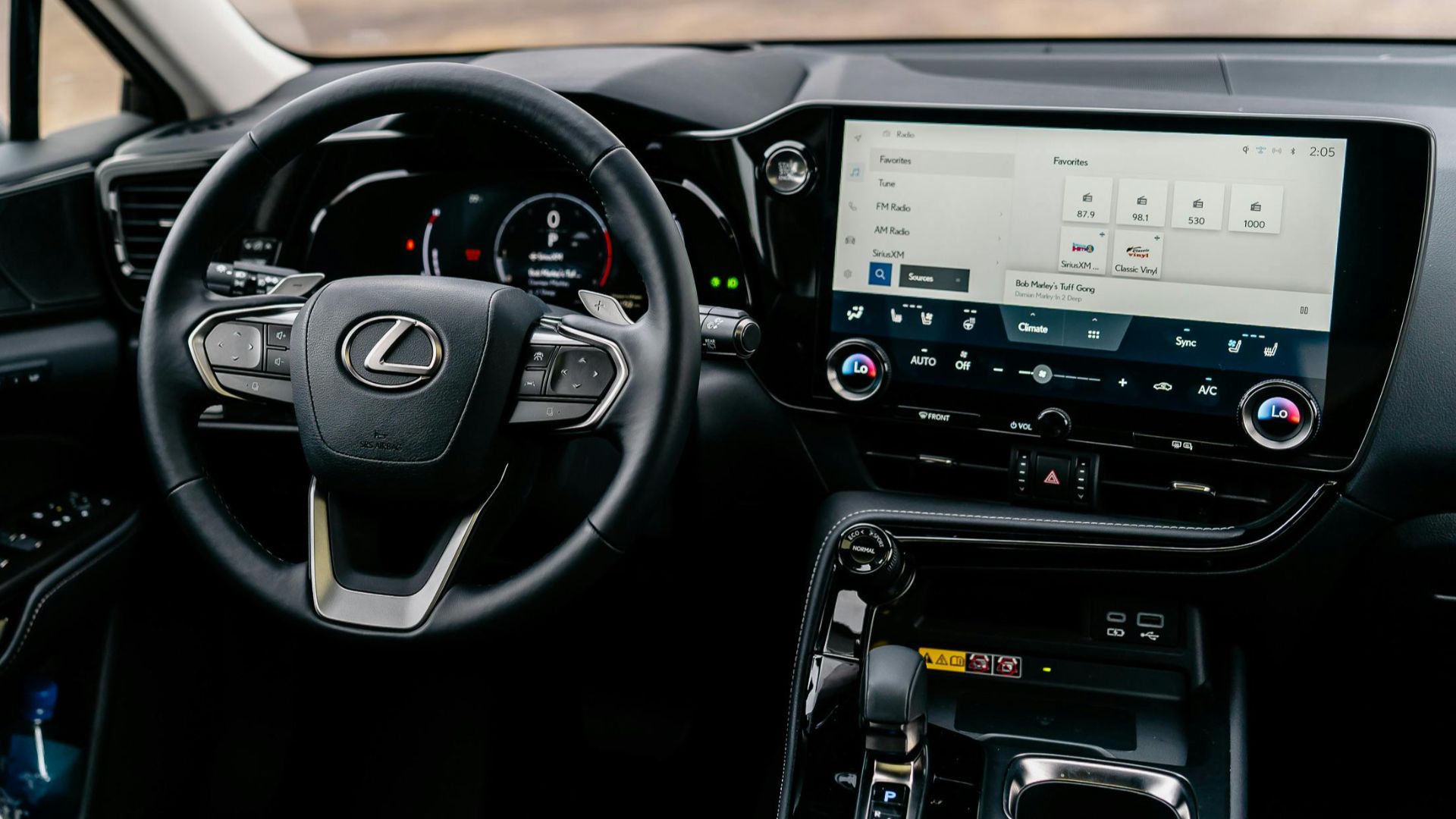
4. GPS Navigation And Location History
Factory navigation often collects location data to deliver routing, traffic, and search results. Some systems keep a history of destinations or recent routes. If you sell a car without clearing that data, the next owner could see where you live, where you work, and which grocery store you frequent.
5. Connected Mobile Apps
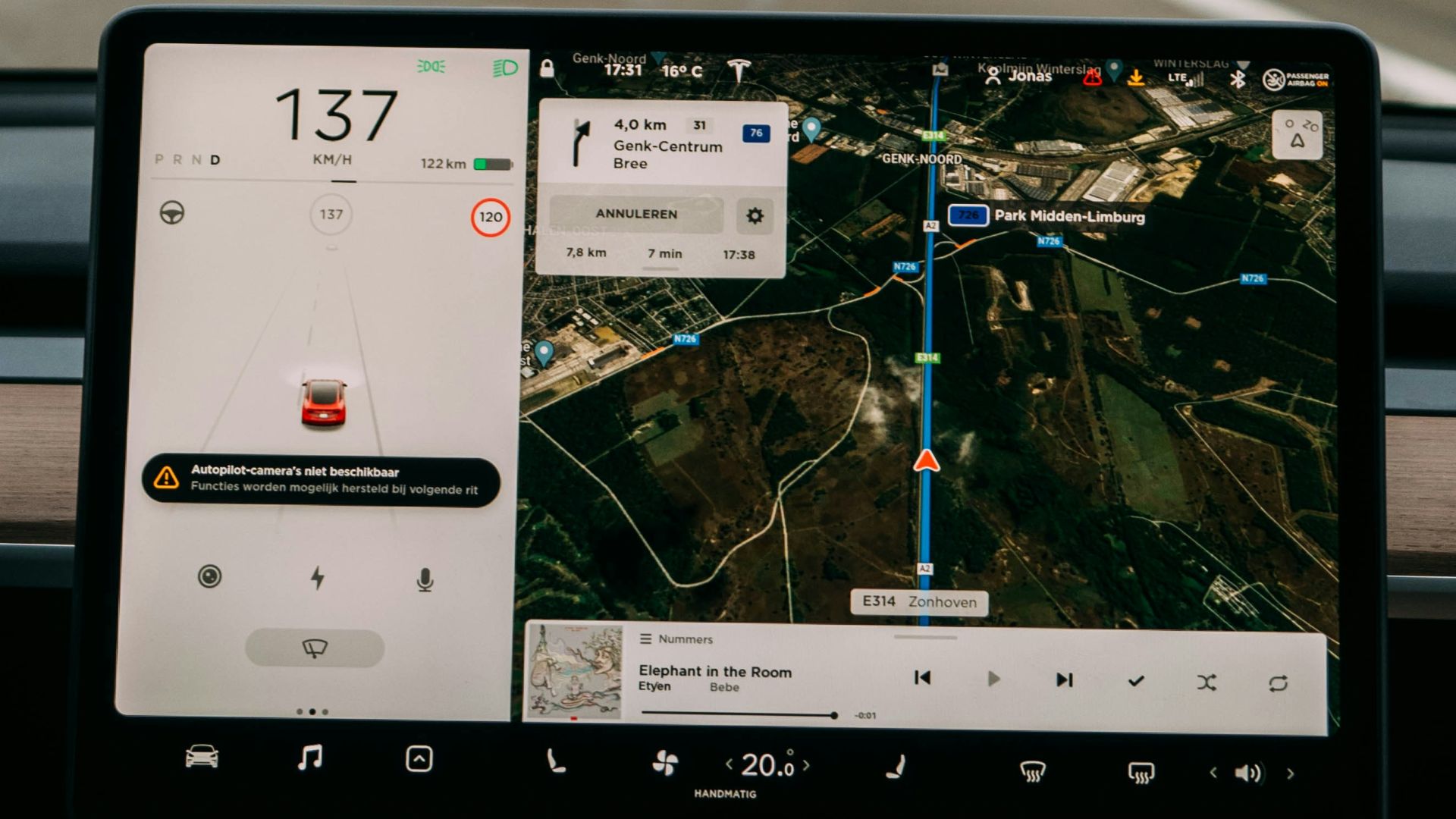
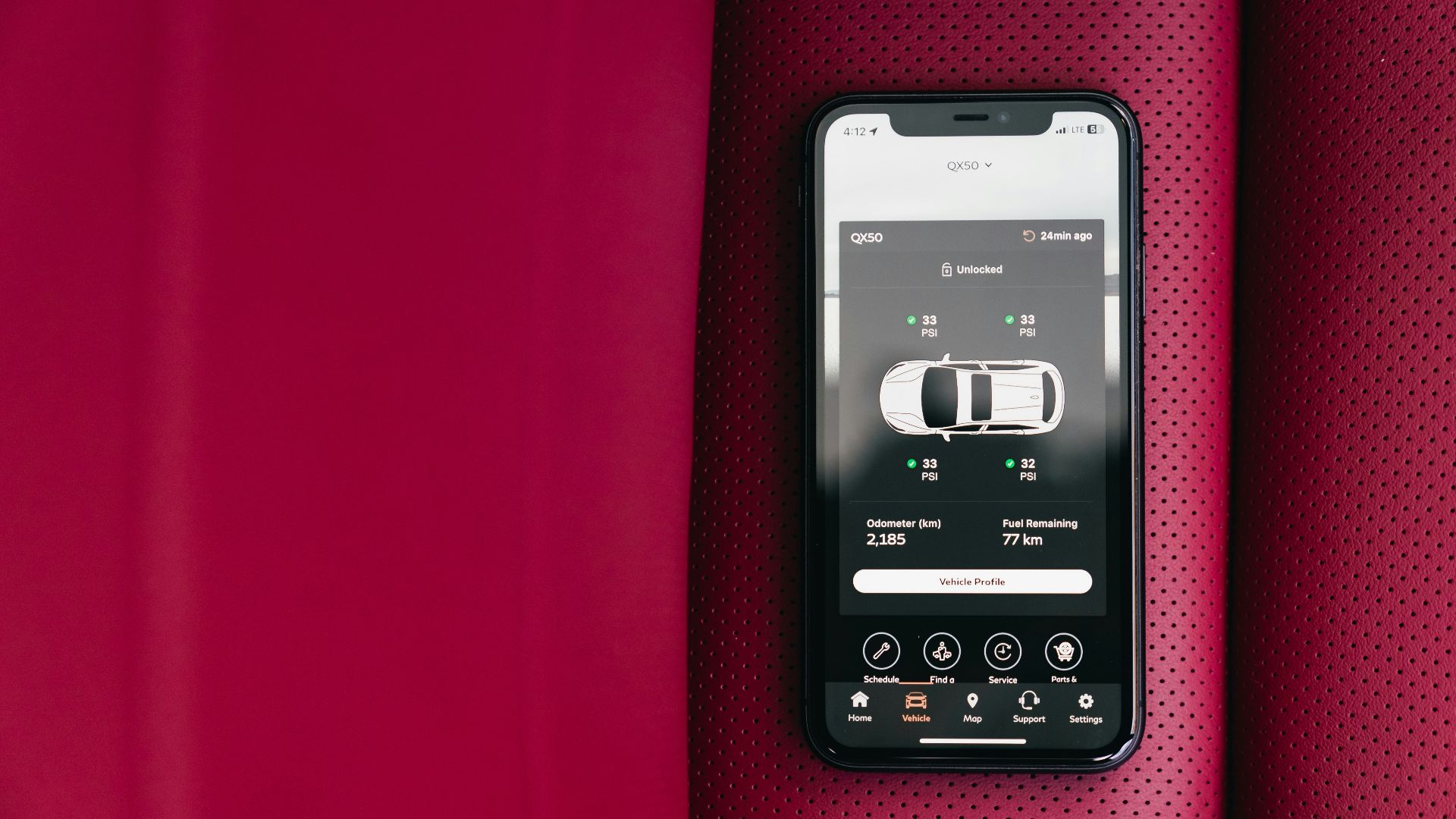
Companion apps collect a lot of information. Remote start, lock controls, and charge status updates require the car to send data and the app to receive it, which creates a record of usage. When apps offer extra features like driver coaching or trip history, that often relies on additional data being captured and stored.
6. Phone Pairing And Contact Sync
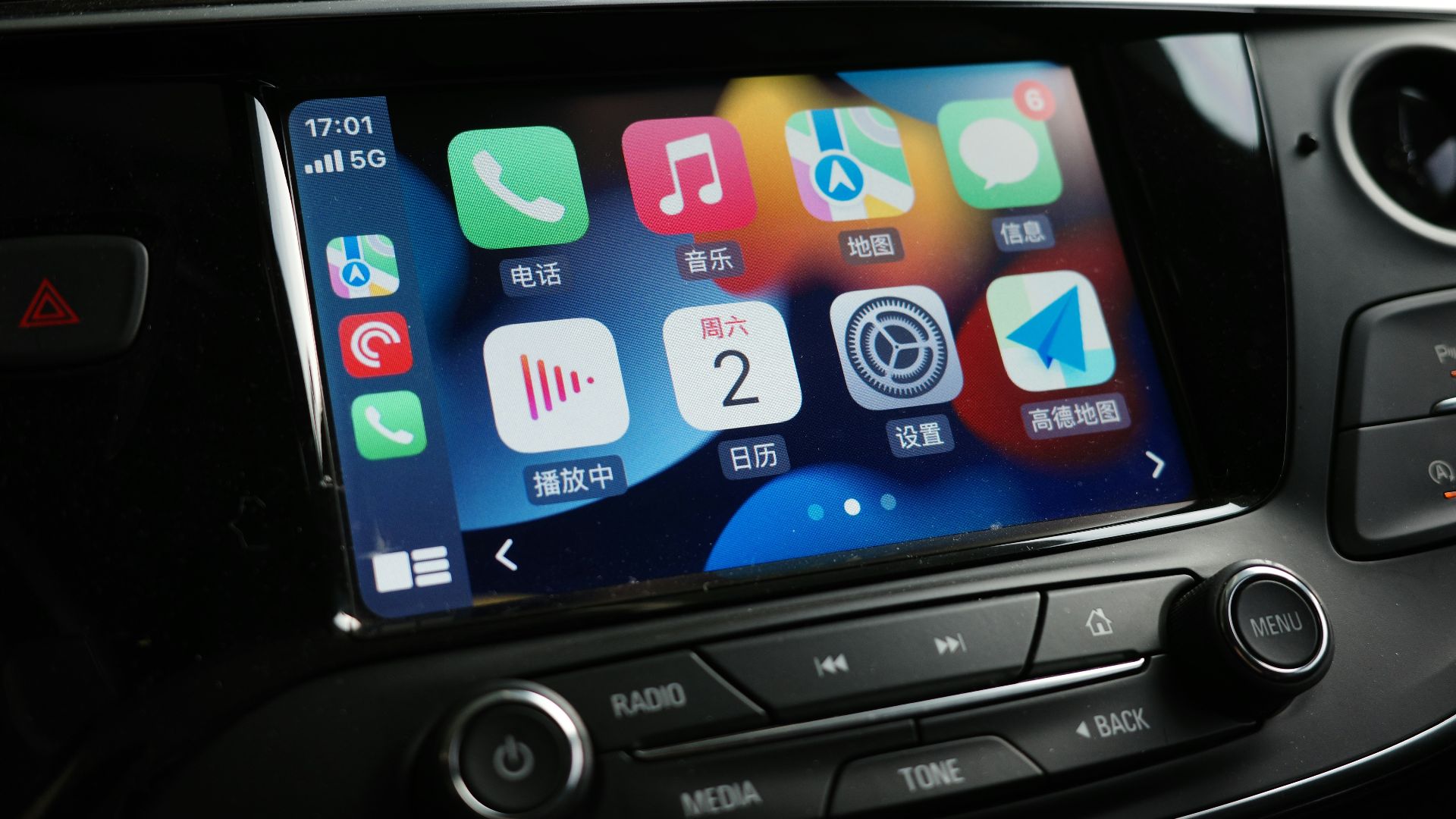
Bluetooth pairing alone can share basic device details, and some systems also request access to contacts, call history, and messages. Plenty of drivers hit “allow” at the moment because they want hands-free calling to work smoothly. That permission can mean your car stores more personal information than you realize until you scroll through the on-screen address book.
7. Voice Assistants In The Cabin
Vehicles with built-in voice assistants process voice commands to handle navigation, calls, and climate controls. Depending on the design, snippets of audio or transcripts may be sent to servers for speech recognition and improvement.
8. In-Car Wi-Fi Hotspots
When you use a built-in hotspot, the vehicle becomes a gateway to the internet, and that creates networking data by design. The system may record device connections, usage amounts, and service status, since it has to manage the cellular plan.
9. Over-The-Air Updates
Over-the-air updates require the vehicle to report its software version and configuration so the right package gets delivered. Update systems also track whether installation succeeded, failed, or was postponed, since reliability matters when safety features are involved. Each update cycle creates a trail that can show how the vehicle’s software evolved.
10. Dealer Service Tools
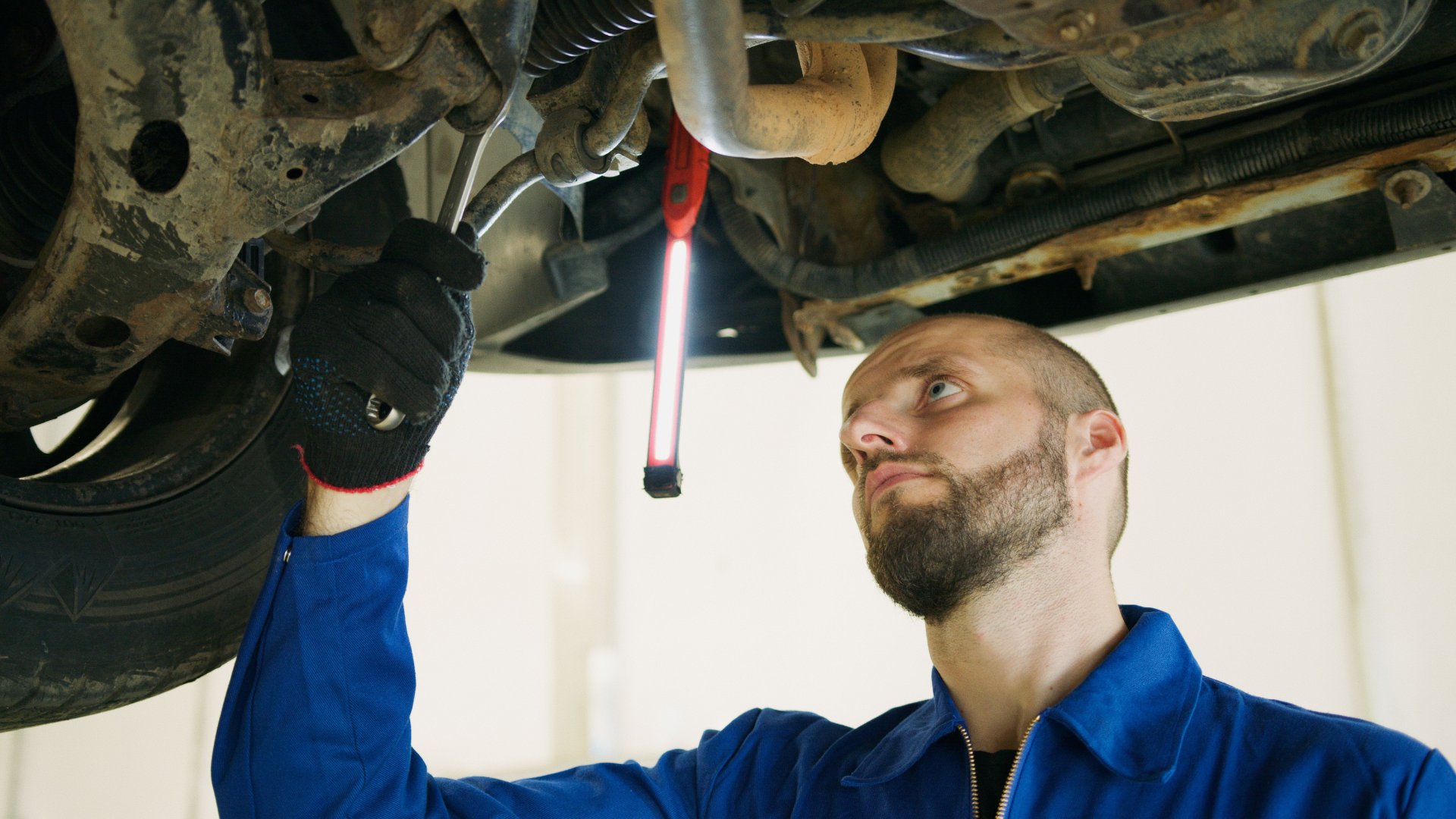
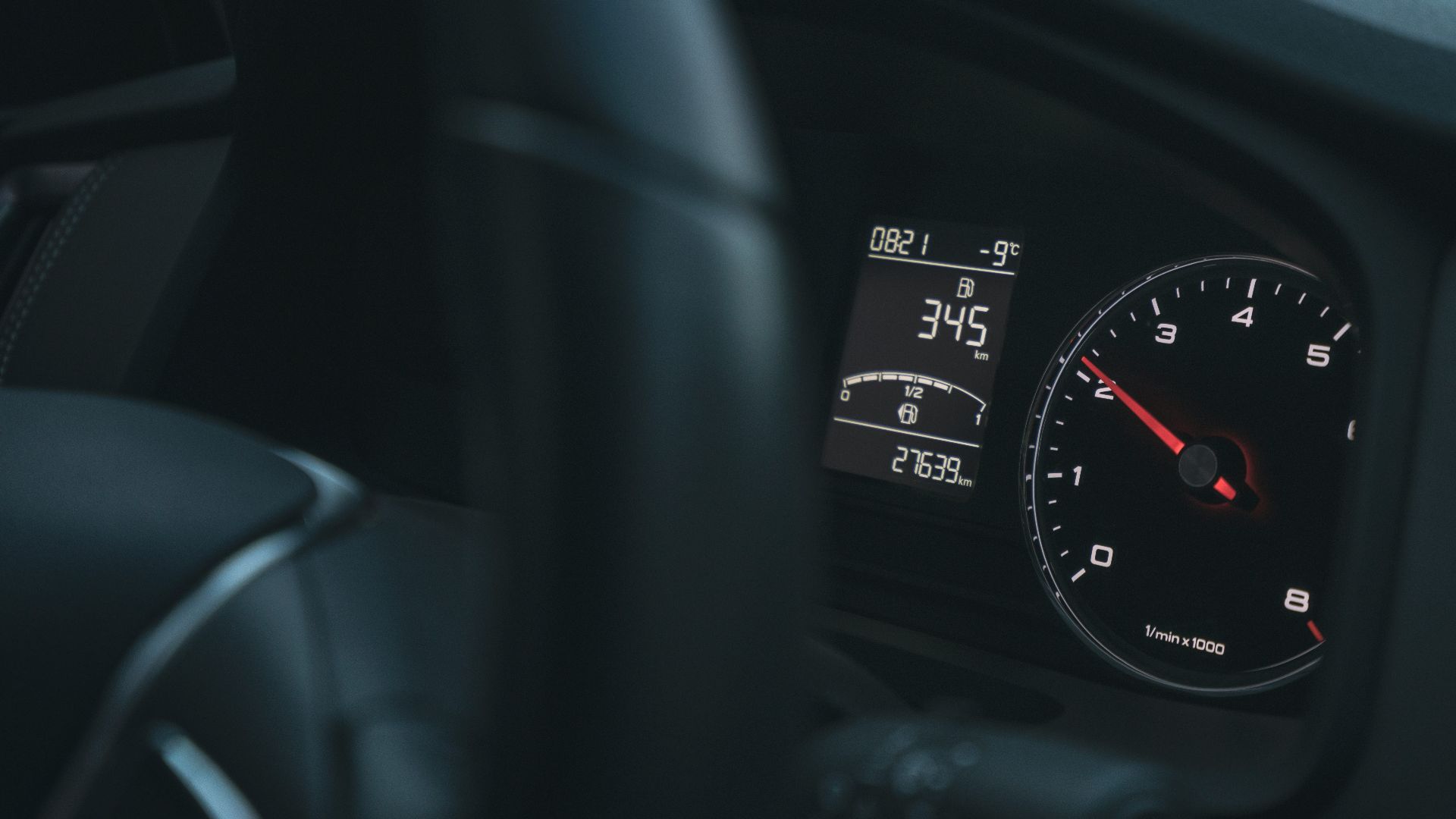
When a car gets plugged into dealership diagnostic equipment, a lot of information can be pulled quickly. That can include fault codes, module status, and sometimes snapshot data that shows conditions when a problem occurred. Service records often get stored in manufacturer systems, which can be helpful for warranty claims and resale, while still reflecting a detailed picture of the car’s health.

11. Diagnostic Trouble Codes
Even without a crash or a major repair, vehicles store diagnostic trouble codes when something looks off. Codes can persist until they’re cleared, which means a car can carry a history of issues long after the dashboard light stops glowing.
12. Driver Assistance Cameras
Cars with lane keeping, automatic emergency braking, or traffic sign recognition rely on cameras that constantly scan the road. Some cars can save short clips tied to incidents, and some systems use captured data to improve performance during development and testing.
13. Radar And Sensor Telemetry
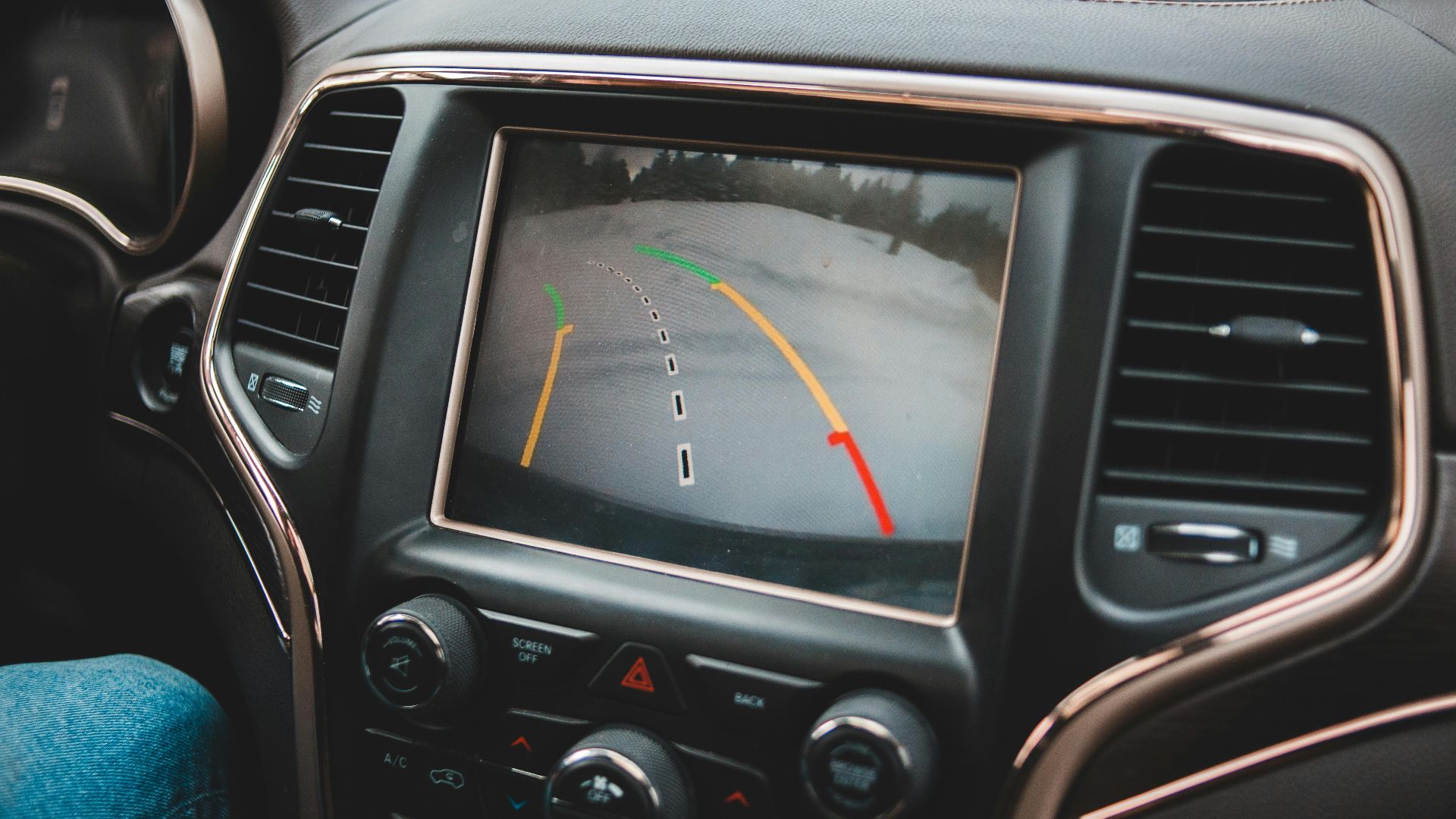
Radar, ultrasonic sensors, and other detection hardware generate streams of data about surroundings and movement. Most of it exists for immediate driving decisions, like detecting a car in your blind spot or managing adaptive cruise control.
14. “Black Box” App Features
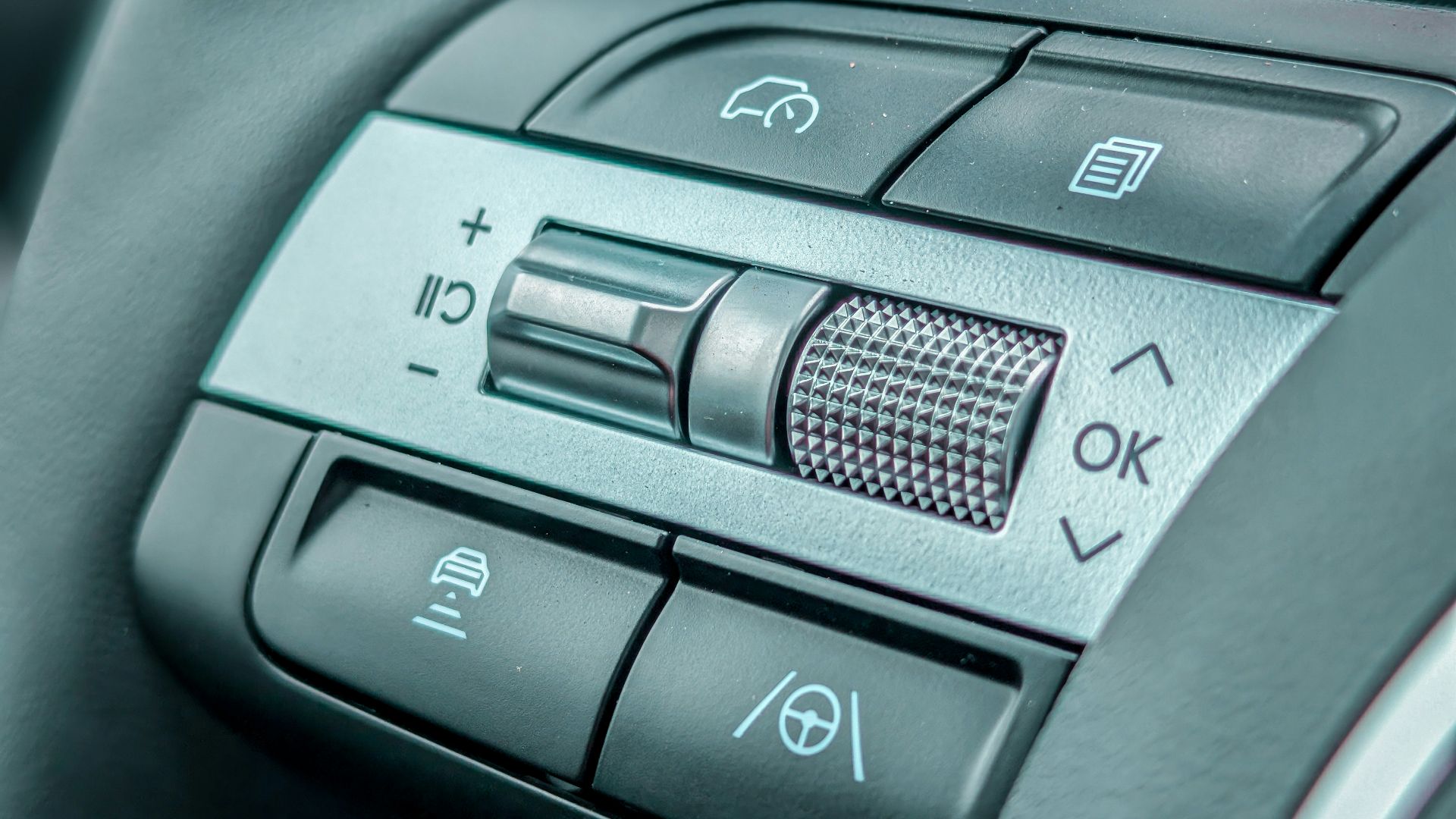
Some brands offer features that score driving behavior for coaching, fleet management, or teen driver monitoring. Those features commonly track harsh braking, rapid acceleration, and time of day driving, since those factors correlate with risk and wear. If the feature is turned on, it can create a surprisingly detailed record of how the vehicle gets driven, not just where it goes.
15. Insurance Telematics Programs
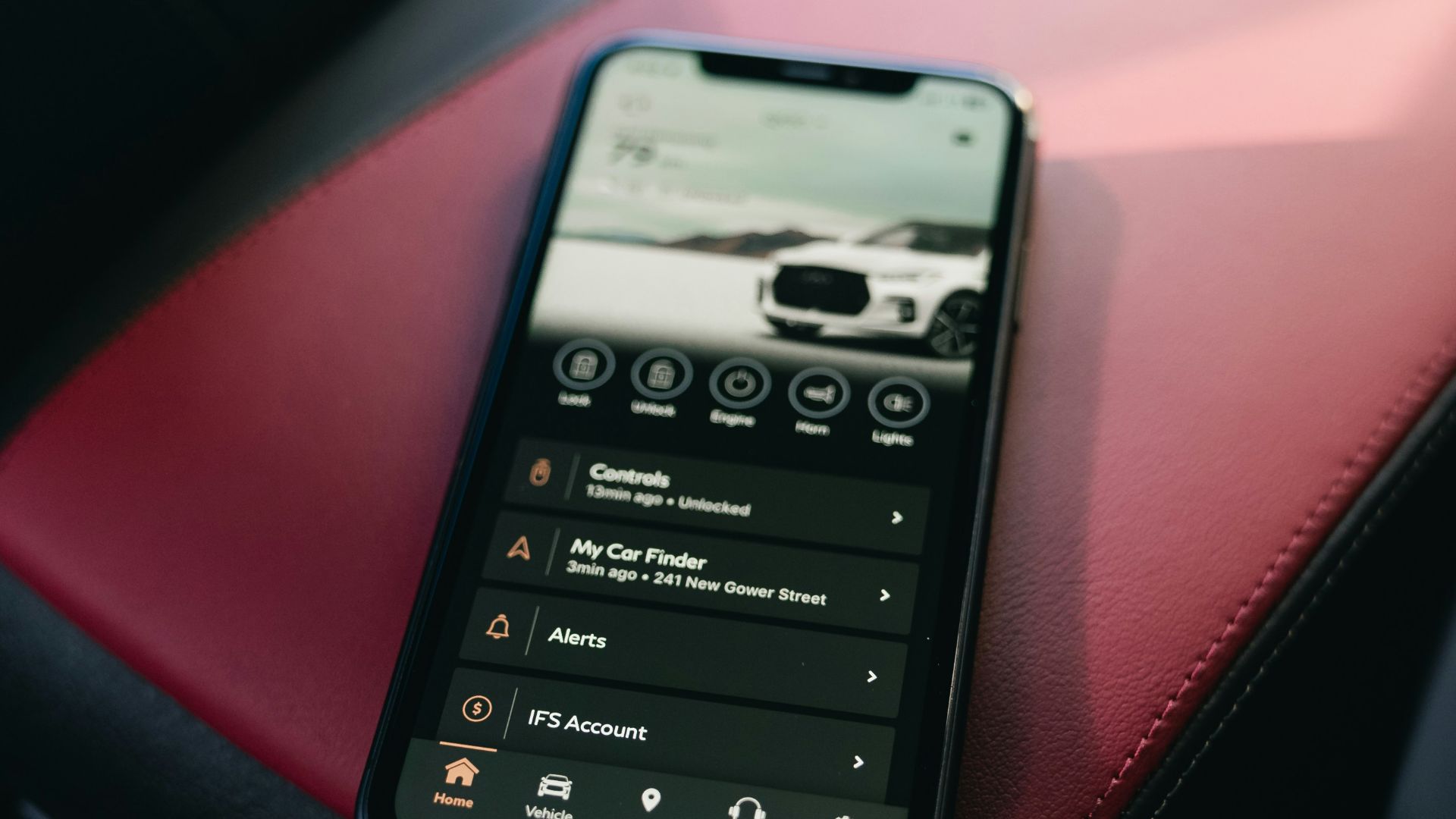
Usage-based insurance programs often collect driving data through a plug-in device, a phone app, or a built-in vehicle connection. They may track mileage, time of day, and certain driving events, since those inputs help calculate premiums for some programs.
16. Emergency Call Systems
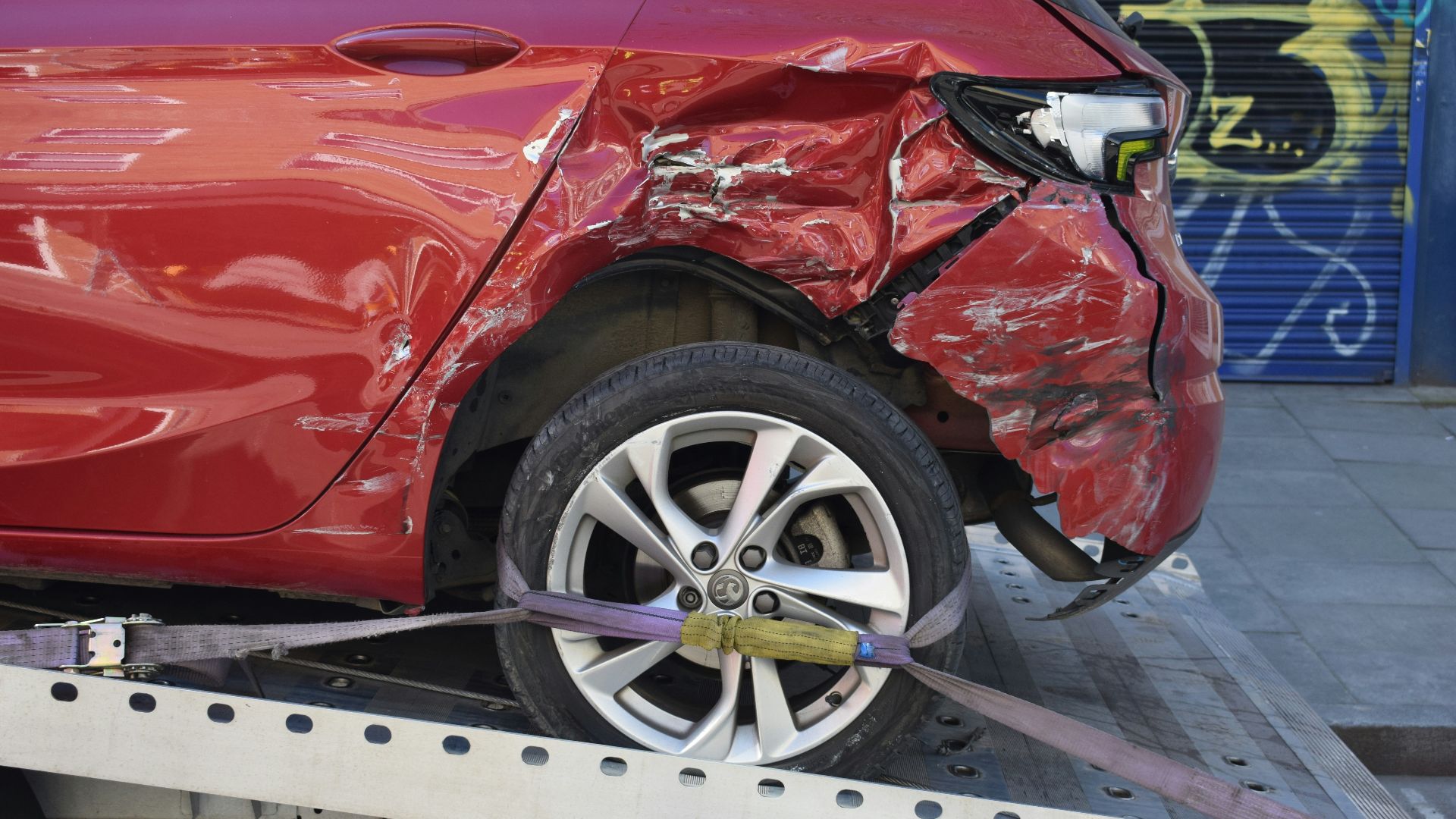
Emergency calling systems can automatically contact responders after certain crashes, and they may share location and crash severity indicators. This kind of system has been promoted widely because minutes matter in severe collisions. The communication process can also create records about the event and how the system performed, which manufacturers use for safety improvement and compliance.
17. Remote Diagnostics From Fleets
Company cars, delivery vehicles, and rental fleets often use telematics to monitor maintenance and usage. Fleet managers care about service intervals, engine hours, and alerts because downtime is expensive and schedules are tight. If you drive a work vehicle, the data collection can be more comprehensive than a private owner would typically enable.
18. Smart Key And Entry Systems
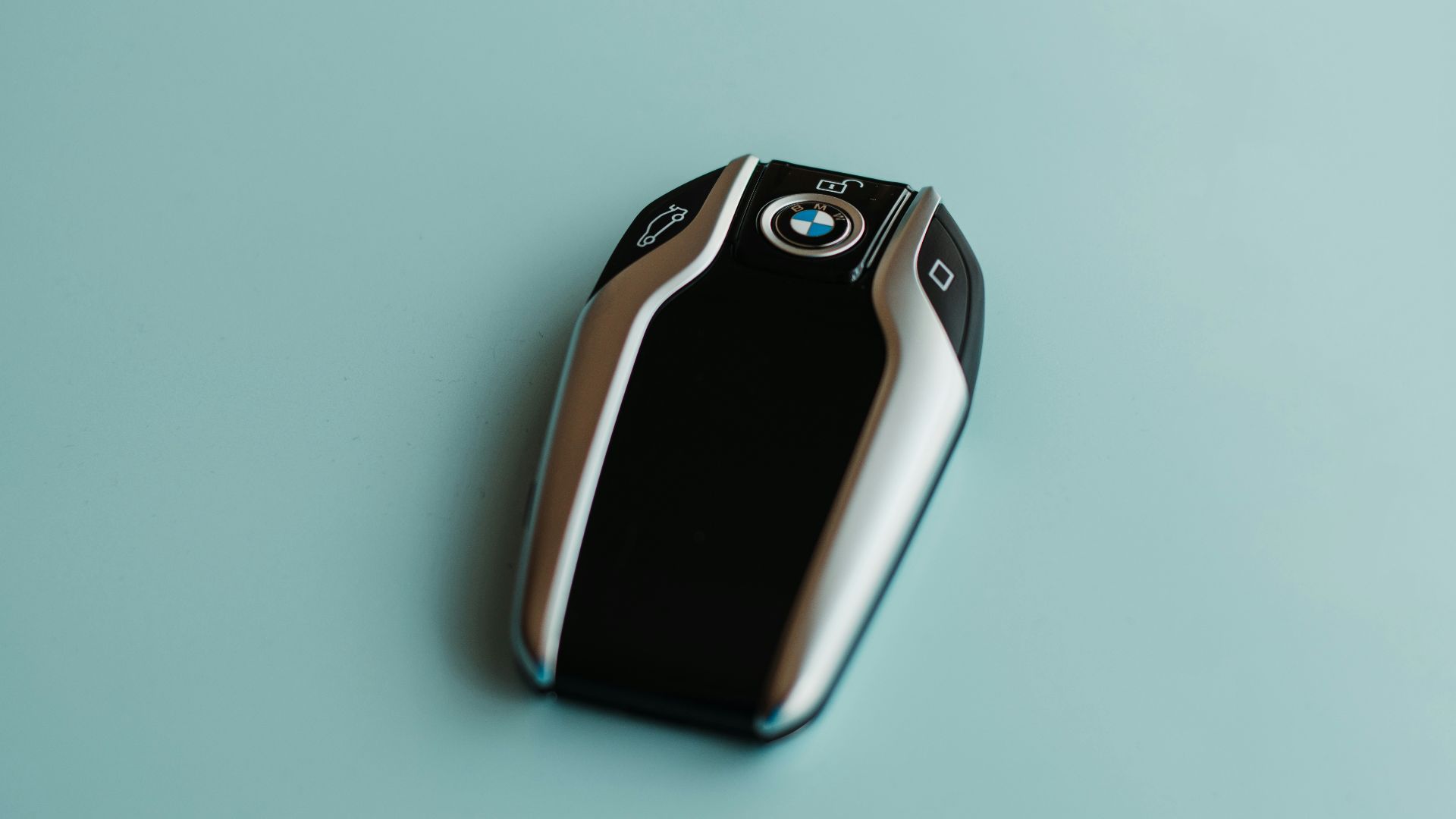
Keyless entry systems log authentication events because security systems track when doors are unlocked and when the car is started. This can help with troubleshooting and theft investigations, and it can also support features like driver profiles that adjust seating and mirror positions.
19. Toll, Parking, And Payment Integrations
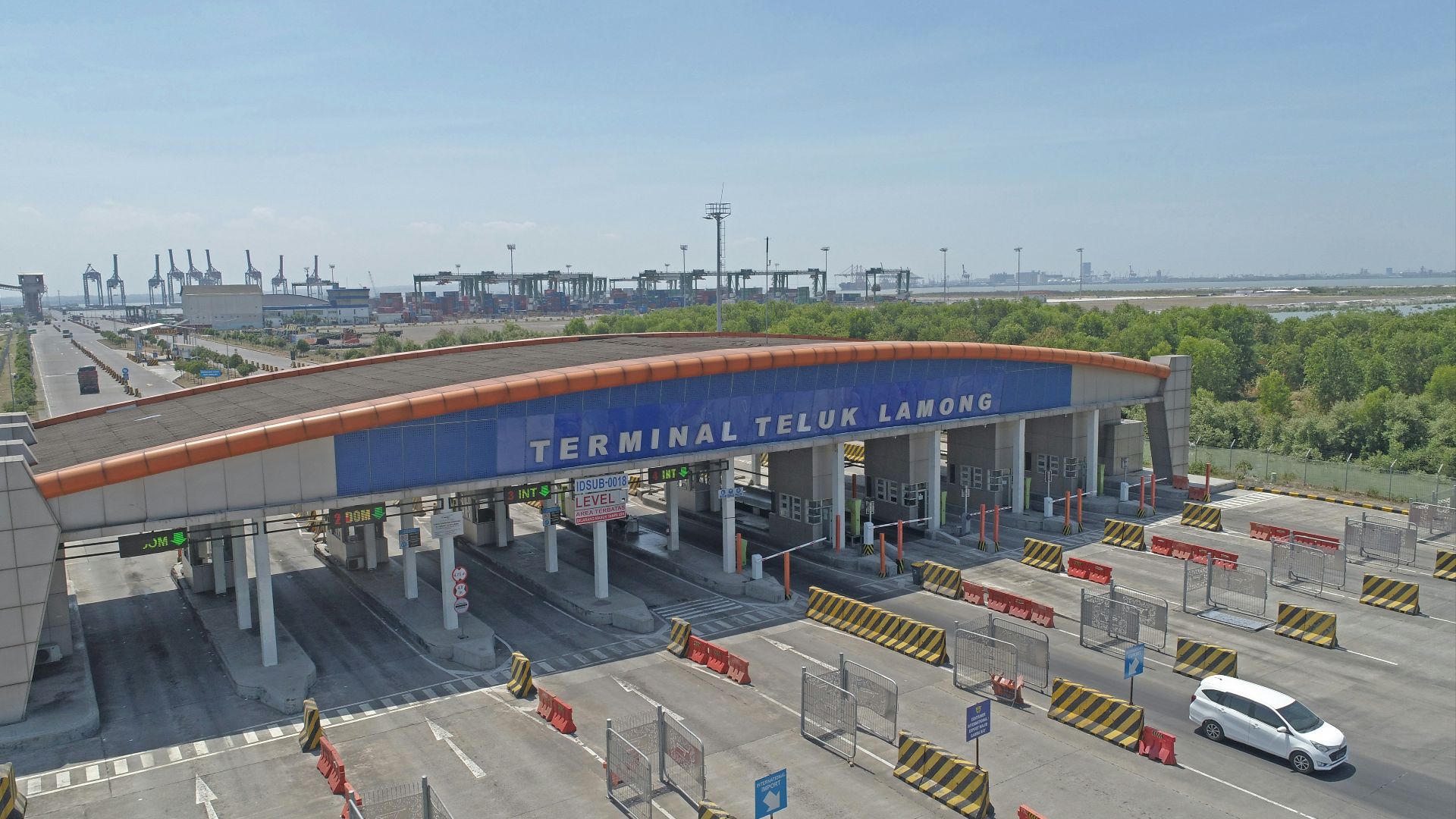
Some vehicles integrate with toll services or in-car payment features for fuel, parking, or charging. Those systems require account information and transaction data to function, which creates a paper trail tied to the vehicle or the driver's account.
20. Third-Party Plug-Ins And Dongles
Aftermarket devices plugged into the OBD-II port can collect a lot more than people expect, including engine data and trip behavior. Some are used for diagnostics and performance tuning, while others are marketed for tracking and theft recovery. Once a device is connected and paired to an account, data often flows to whoever operates the service, not just to the person driving the car.