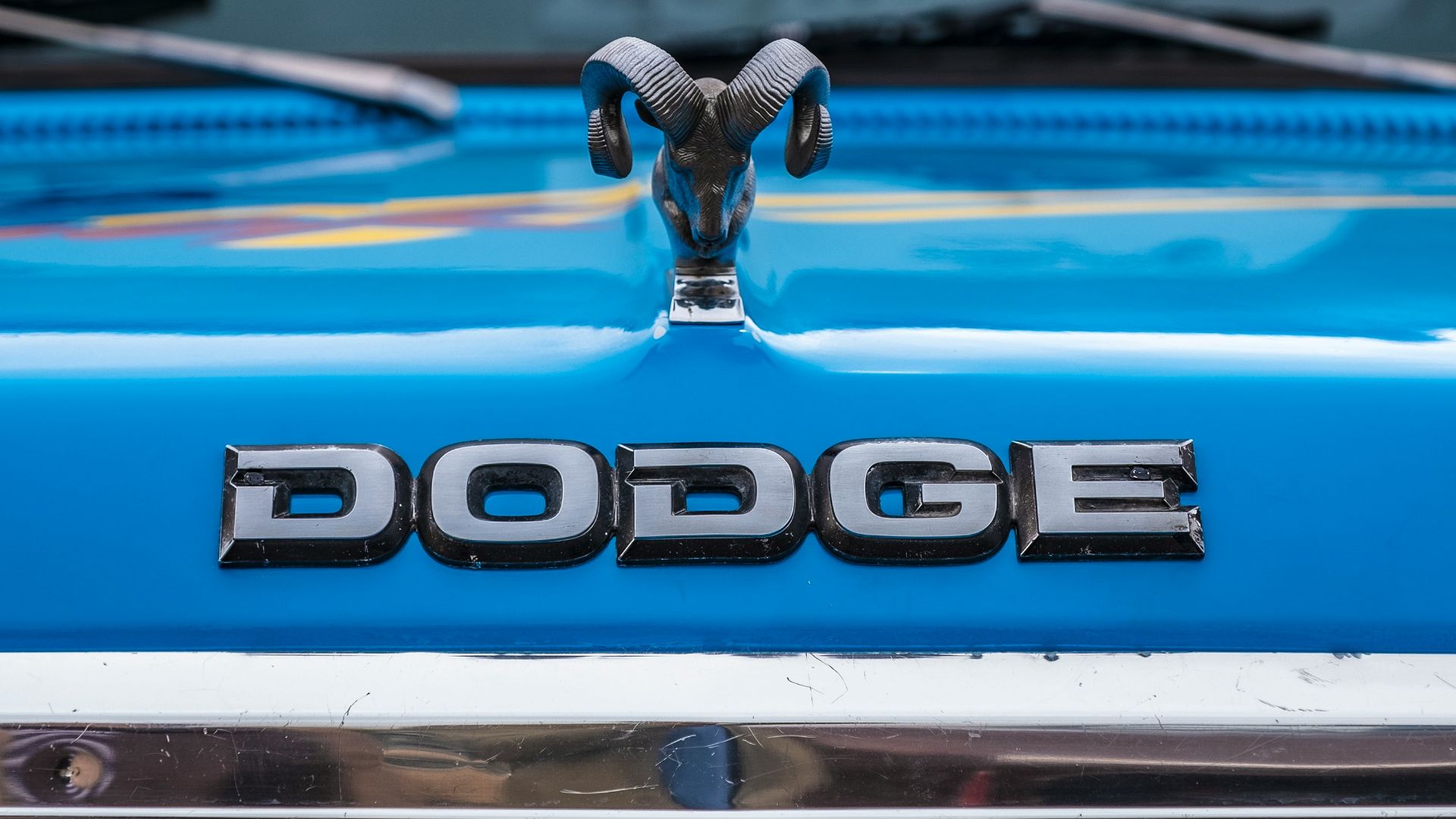
Some Restorations Pay Off While Others Don’t
Restoring a classic car is rarely just about passion, because time, money, and parts availability tend to matter as much as emotional attachment. Some vehicles reward the effort with strong resale value, abundant aftermarket support, and lasting cultural appeal, while others quietly drain budgets and motivation without ever delivering a meaningful payoff. Here are 10 classic cars worth restoring and 10 that aren't worth the effort.
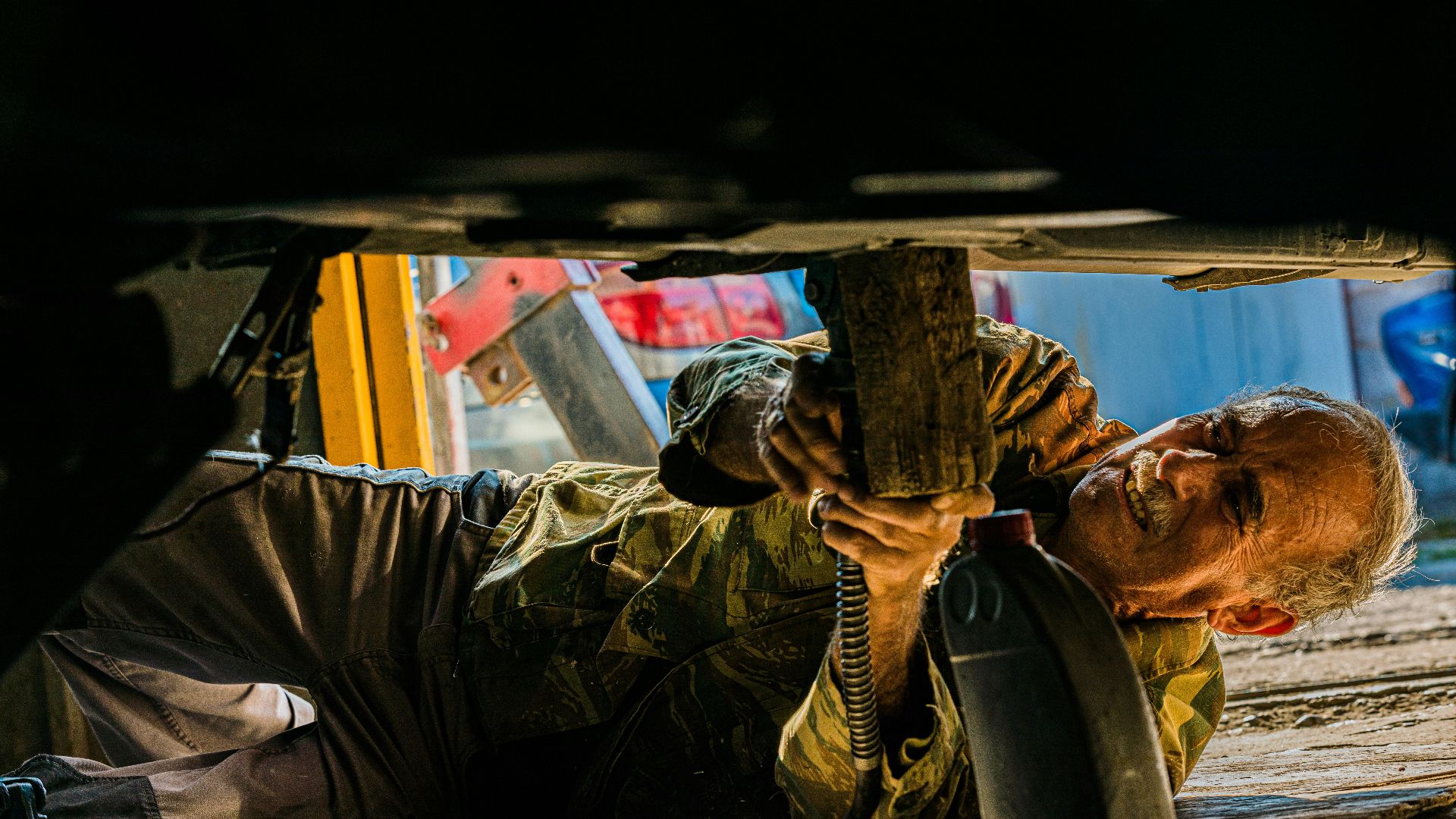
1. Ford Mustang (1965–1970)
Early Mustangs are worth restoring because parts availability is unmatched, which means nearly every mechanical and cosmetic component can be sourced without custom fabrication or long delays. Demand remains strong across multiple generations of buyers, so restoration costs are far more likely to translate into retained or increased value.
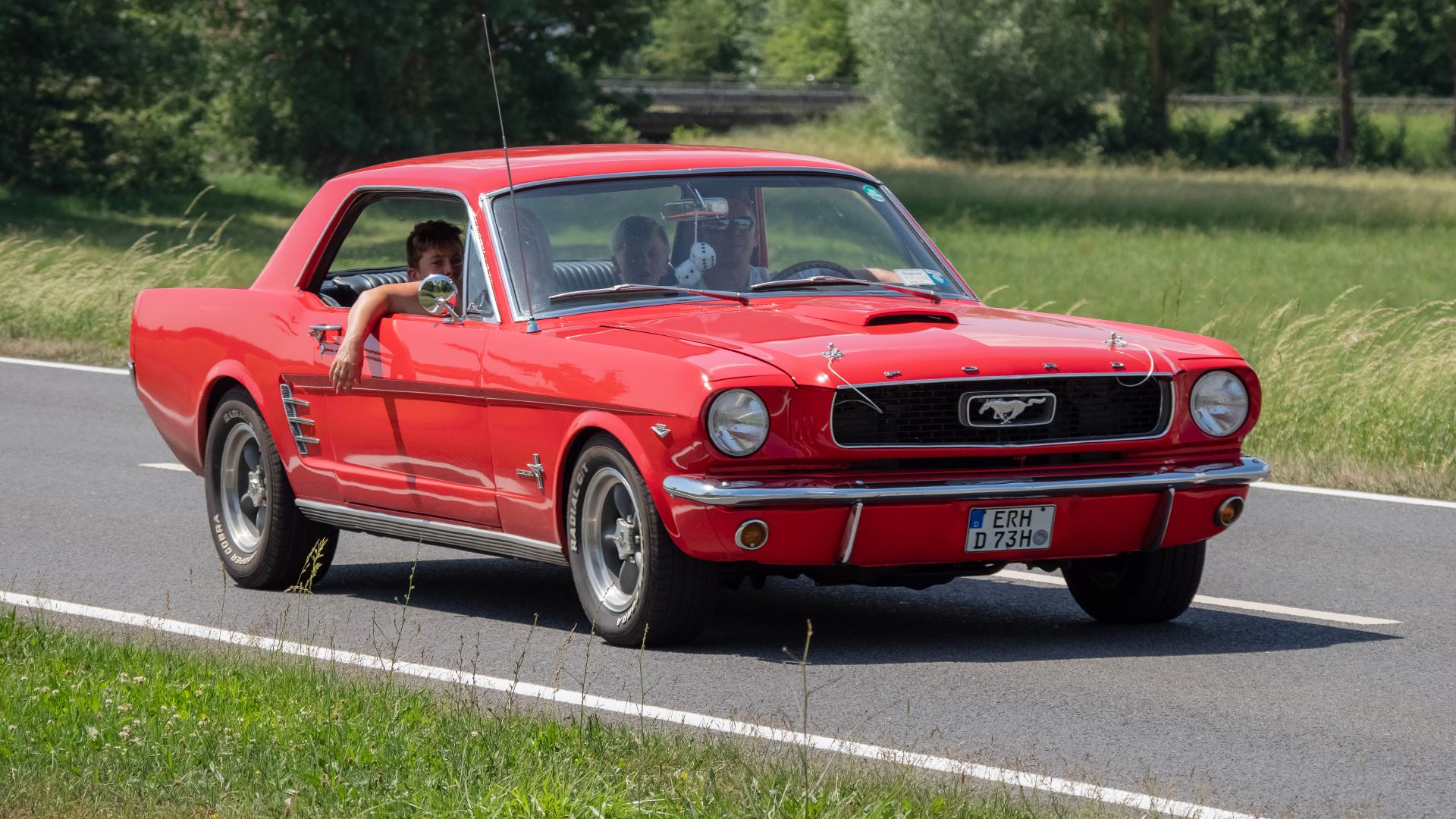
2. Chevrolet Camaro (1967–1969)
First-generation Camaros justify restoration because they combine iconic design with genuine performance heritage, while aftermarket support keeps long-term ownership manageable. Values have remained resilient for decades, which makes the investment feel calculated rather than purely sentimental.
3. Porsche 911 (Air-Cooled Models)
Air-cooled 911s are worth restoring because scarcity continues to increase while demand shows no signs of slowing, especially among collectors who value originality and mechanical purity. Restoration costs are high, but resale values often rise faster, which offsets much of the initial financial risk.

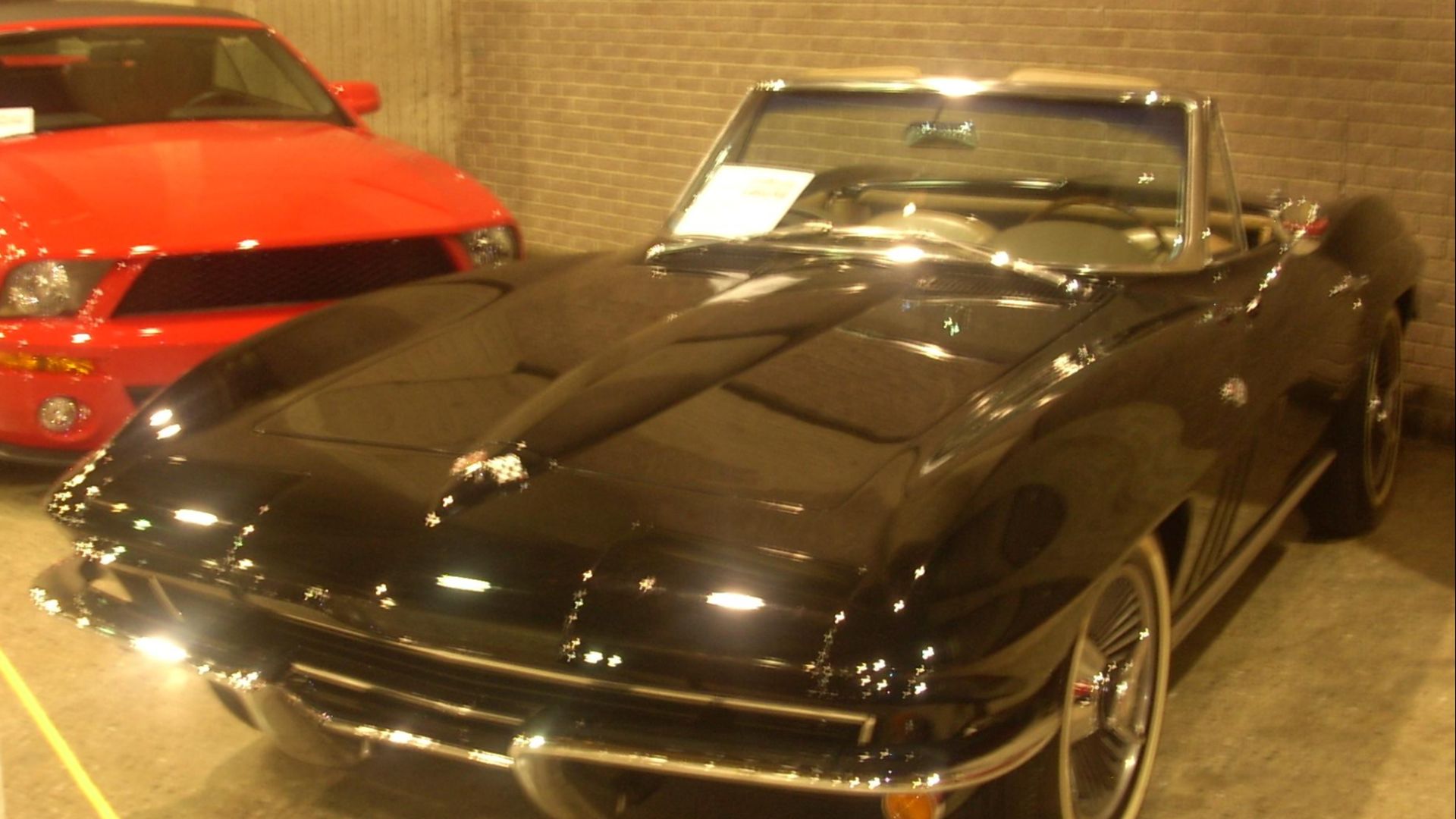
4. Chevrolet Corvette C2 (1963–1967)
The C2 Corvette earns its place because its styling, racing history, and cultural relevance remain unmatched, which sustains strong buyer interest across age groups. Parts reproduction is excellent, so restorations rarely stall due to sourcing issues or excessive fabrication.
5. Jaguar E-Type
The E-Type is worth restoring because its design is widely considered automotive art, and that reputation consistently drives global collector demand. While maintenance can be complex and costly, finished examples command respect and strong pricing that justify the effort.

6. BMW E30 M3
The E30 M3 makes sense to restore because its history and limited production numbers keep values climbing steadily over time. Even expensive restorations often pay out because collectors prize originality, documentation, and correct specification.
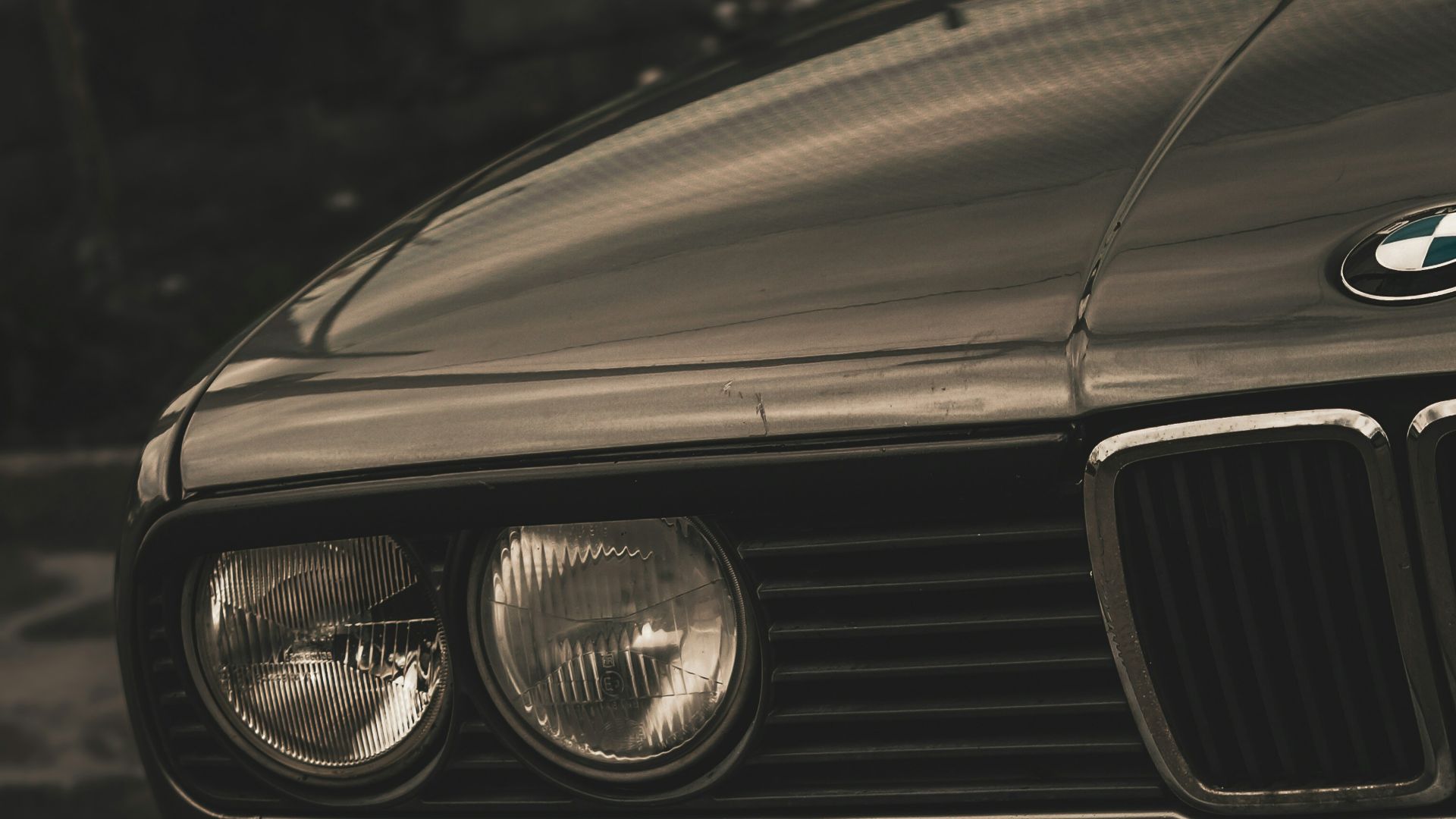
7. Mercedes-Benz W113 Pagoda
Pagoda SL models reward restoration efforts because build quality was high from the factory, which means fewer structural surprises during teardown. Market appreciation has been gradual but consistent, favoring owners willing to think long-term.
8. Toyota Land Cruiser FJ40
FJ40 Land Cruisers are worth restoring because durability and global recognition keep demand strong, while utility-focused design makes both stock and lightly modified builds desirable. Values remain solid across multiple markets, especially for clean, well-documented examples.
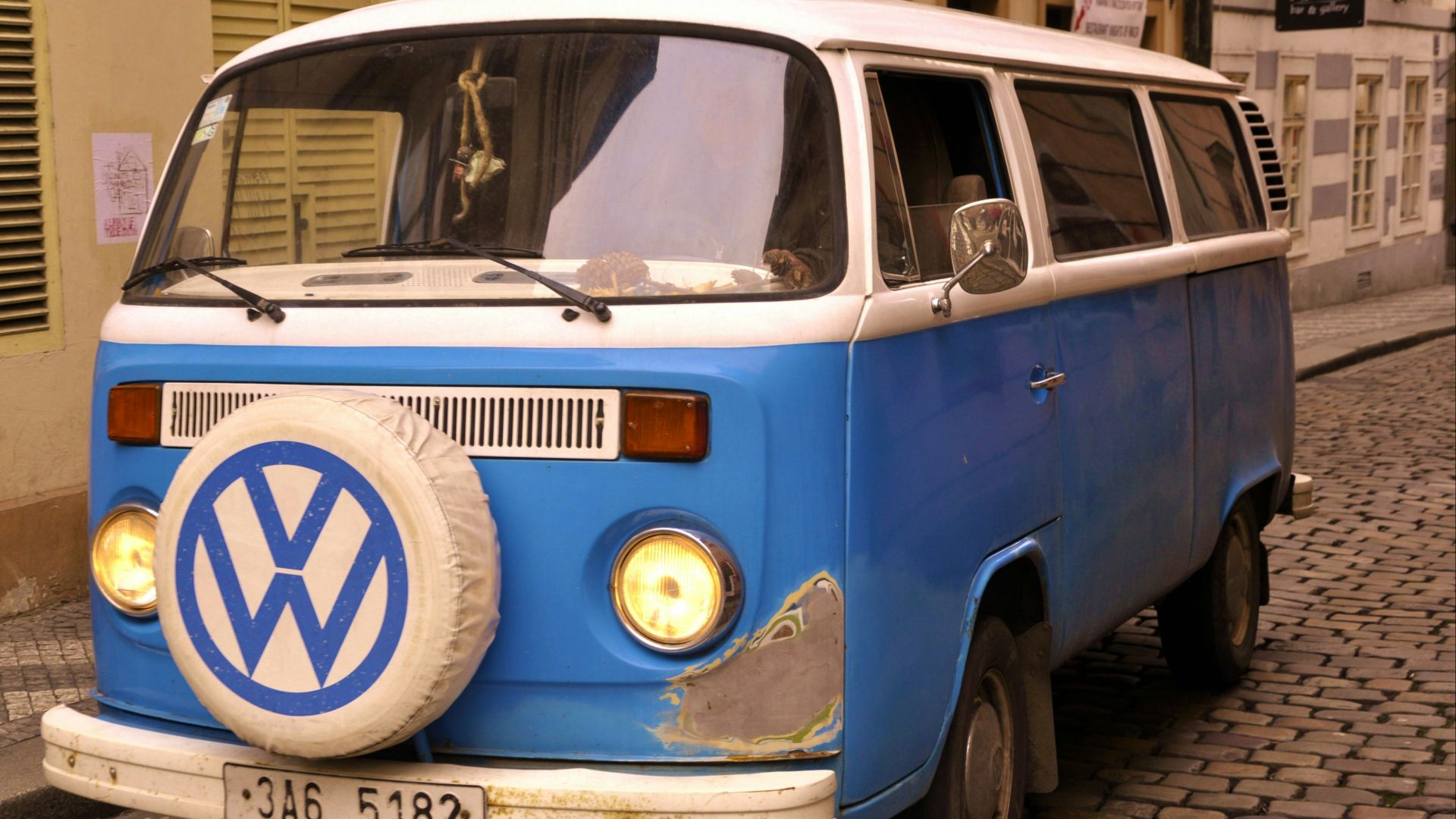
9. Volkswagen Type 2 Bus
Classic VW buses justify restoration because nostalgia and lifestyle appeal continue to attract buyers across generations, while mechanical simplicity keeps the process approachable. Well-executed restorations are rewarded with strong resale and broad market interest.
 Sebastian Ciepiela (Sabe.79) on Unsplash
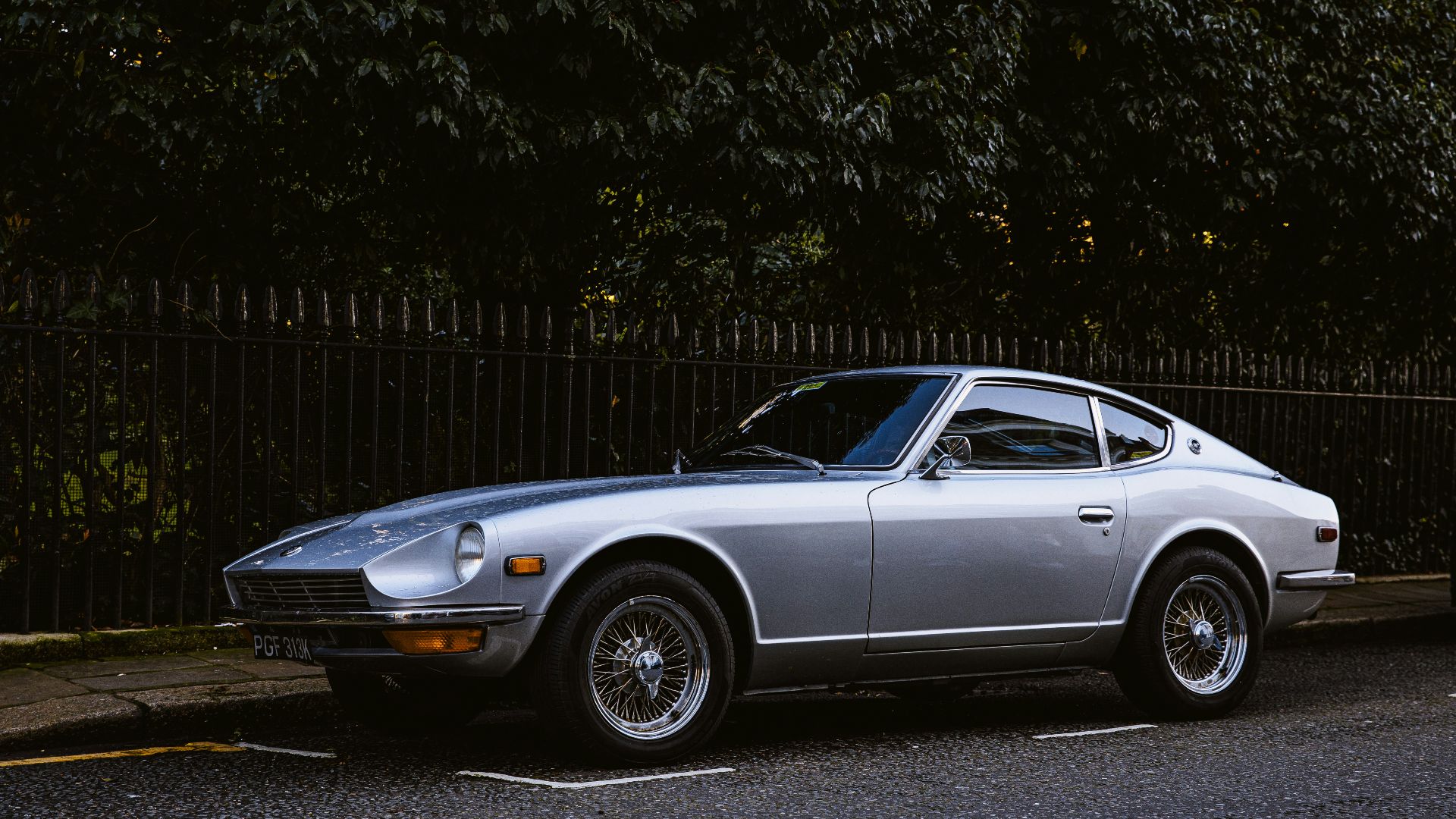
10. Datsun 240Z
The 240Z earns restoration attention because it offers classic sports car proportions combined with rising collector interest, while parts support has improved dramatically in recent years. Values are climbing steadily enough to make thoughtful, well-documented restorations worthwhile.
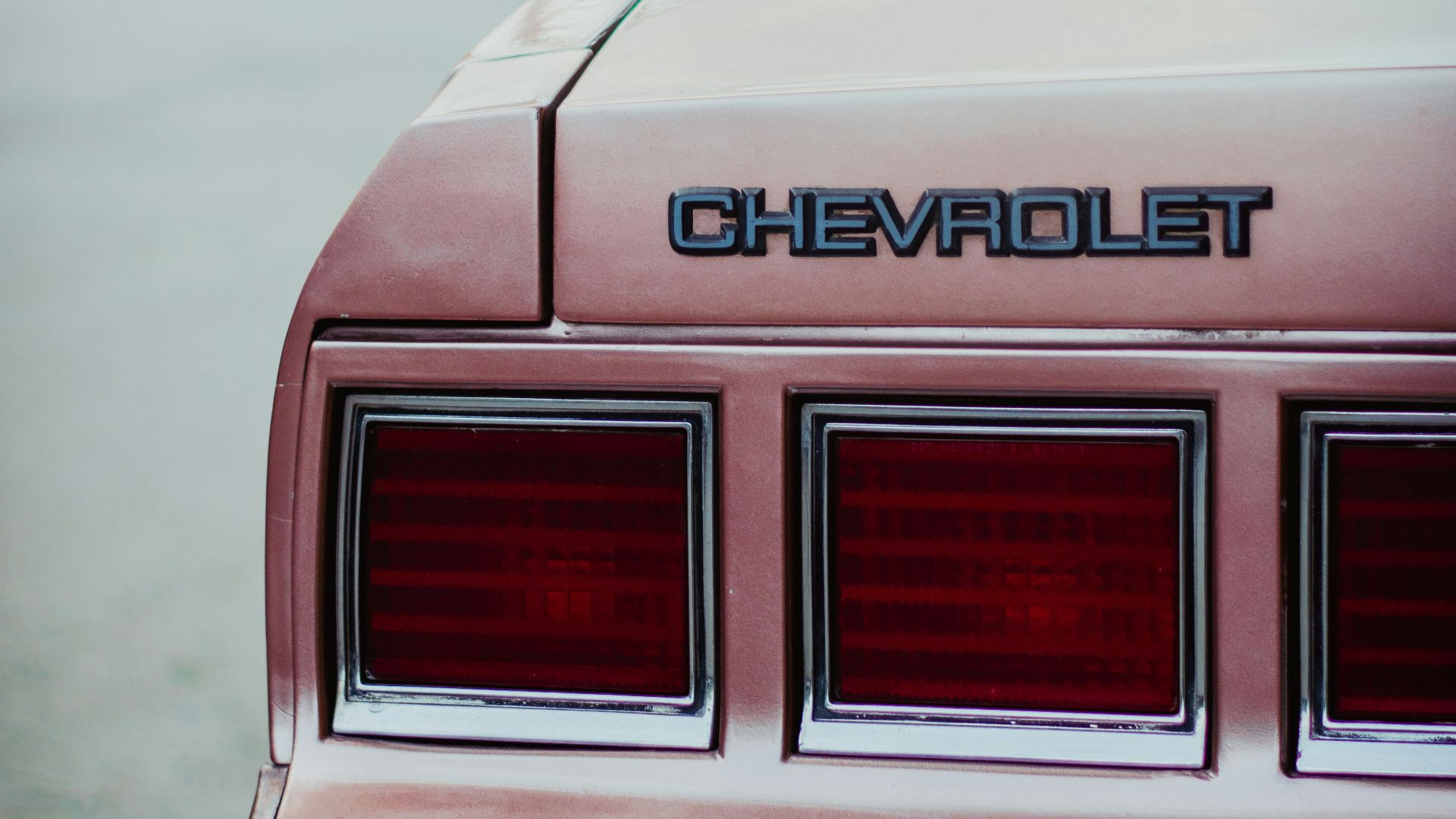
1. Chevrolet Vega
The Vega is rarely worth restoring because factory build quality issues and severe rust problems often exceed the car’s final market value. Even well-finished examples struggle to attract serious buyers, which limits financial upside and long-term satisfaction. The restoration process frequently reveals deeper structural problems that make costs spiral quickly.
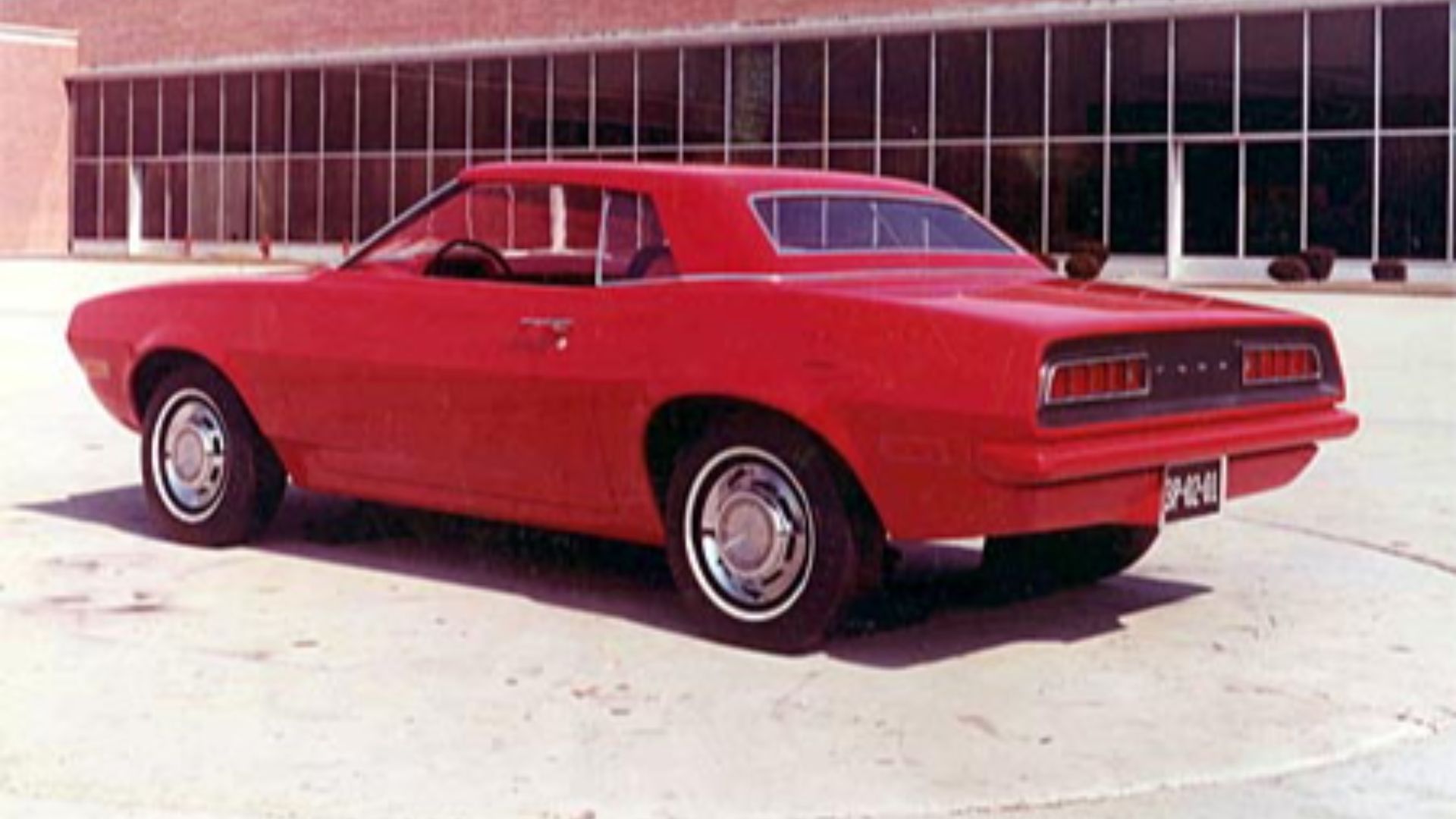
2. Ford Pinto
Pintos are difficult to justify because their historical reputation overshadows nearly any restoration effort, while genuine collector demand remains extremely limited. Restoration costs often surpass resale value with little emotional payoff at the end. Even pristine examples tend to be viewed as curiosities rather than classics.
 JOHN LLOYD from Concrete, Washington, United States on Wikimedia
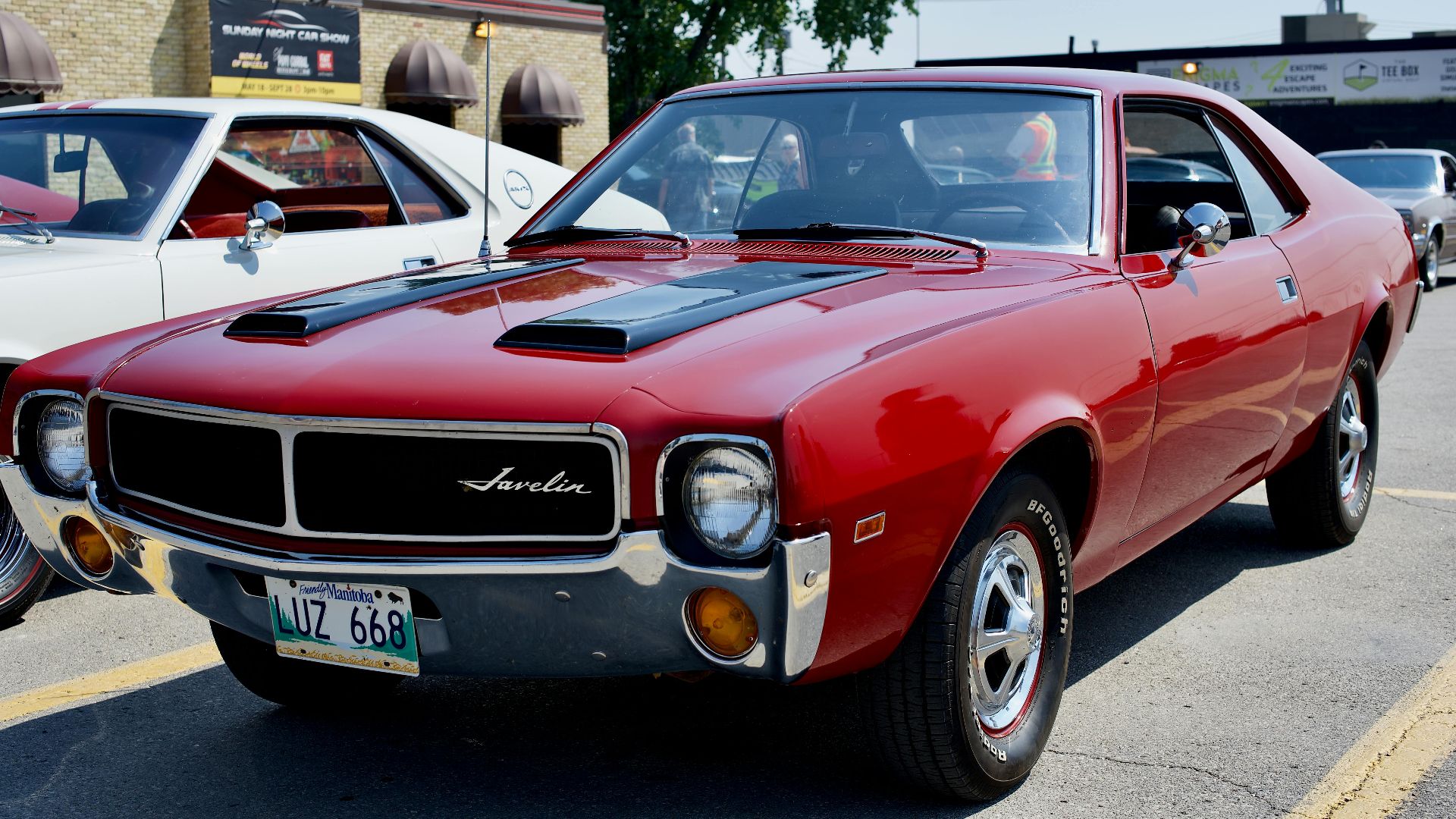
3. AMC Pacer
The Pacer’s novelty wears thin quickly because parts availability is limited and long-term collector interest remains niche at best. Restoration is often driven by irony rather than sustained market demand. Once the novelty fades, resale opportunities become very narrow.
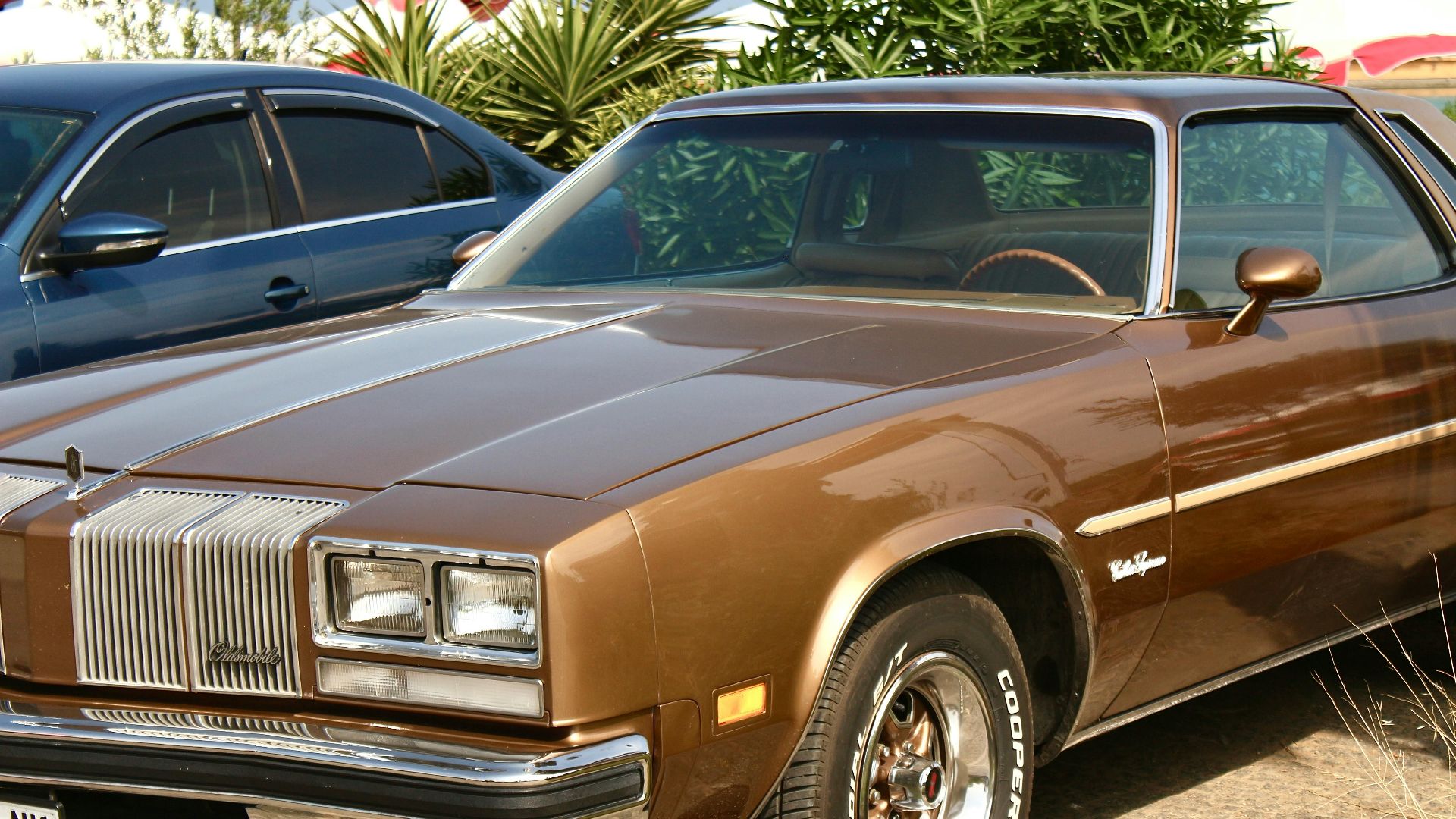
4. Oldsmobile Cutlass Ciera
This model lacks strong collector appeal because it represents an era defined by cost-cutting rather than innovation or performance. Even exceptionally preserved examples rarely command meaningful prices. Restoration effort is rarely reflected in its market value.
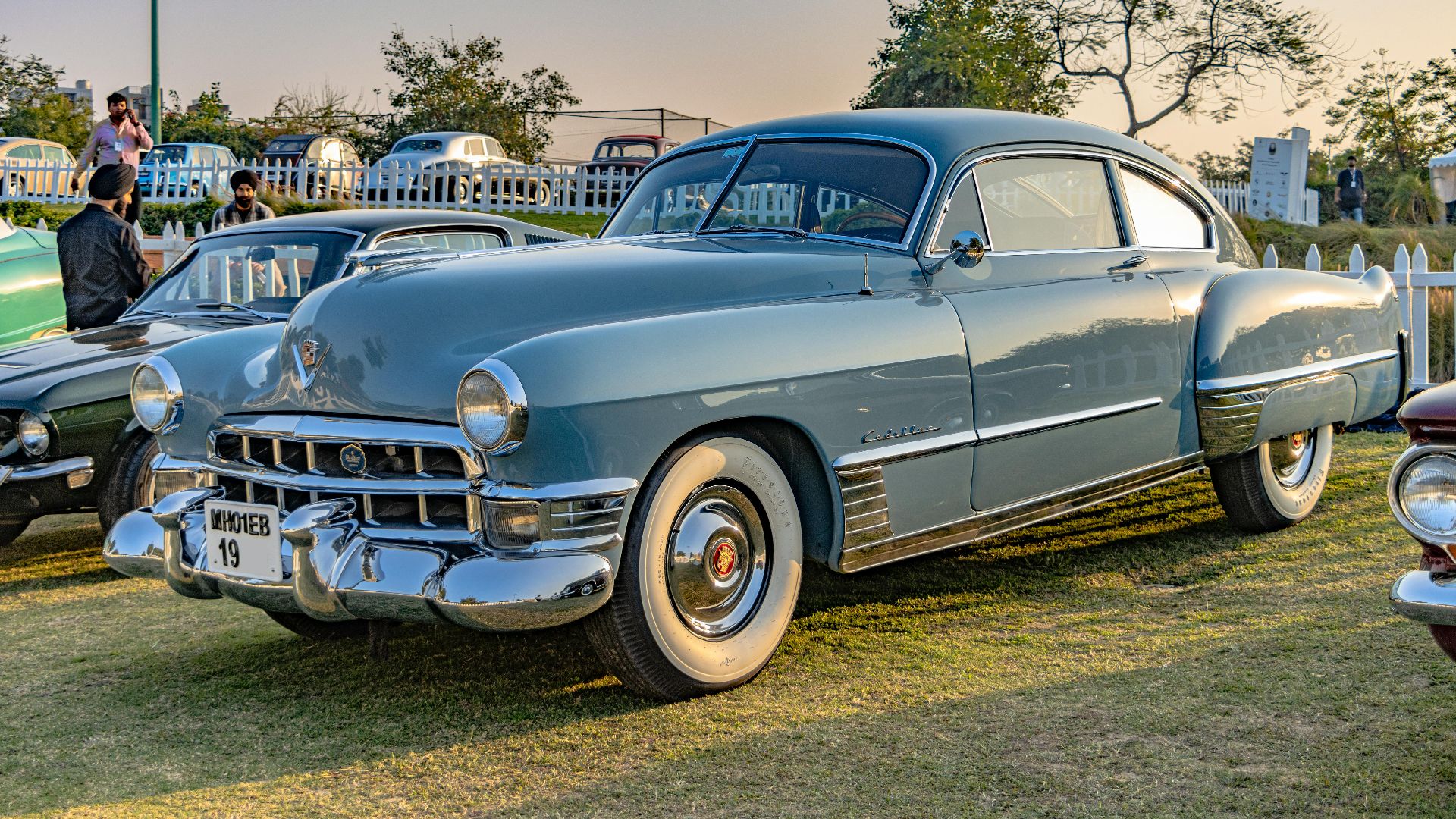
5. Cadillac Cimarron
The Cimarron struggles as a restoration candidate because it lacks both performance credibility and true luxury distinction. Market perception remains unfavorable despite time and money invested. Its reputation is difficult to overcome even with a flawless build.
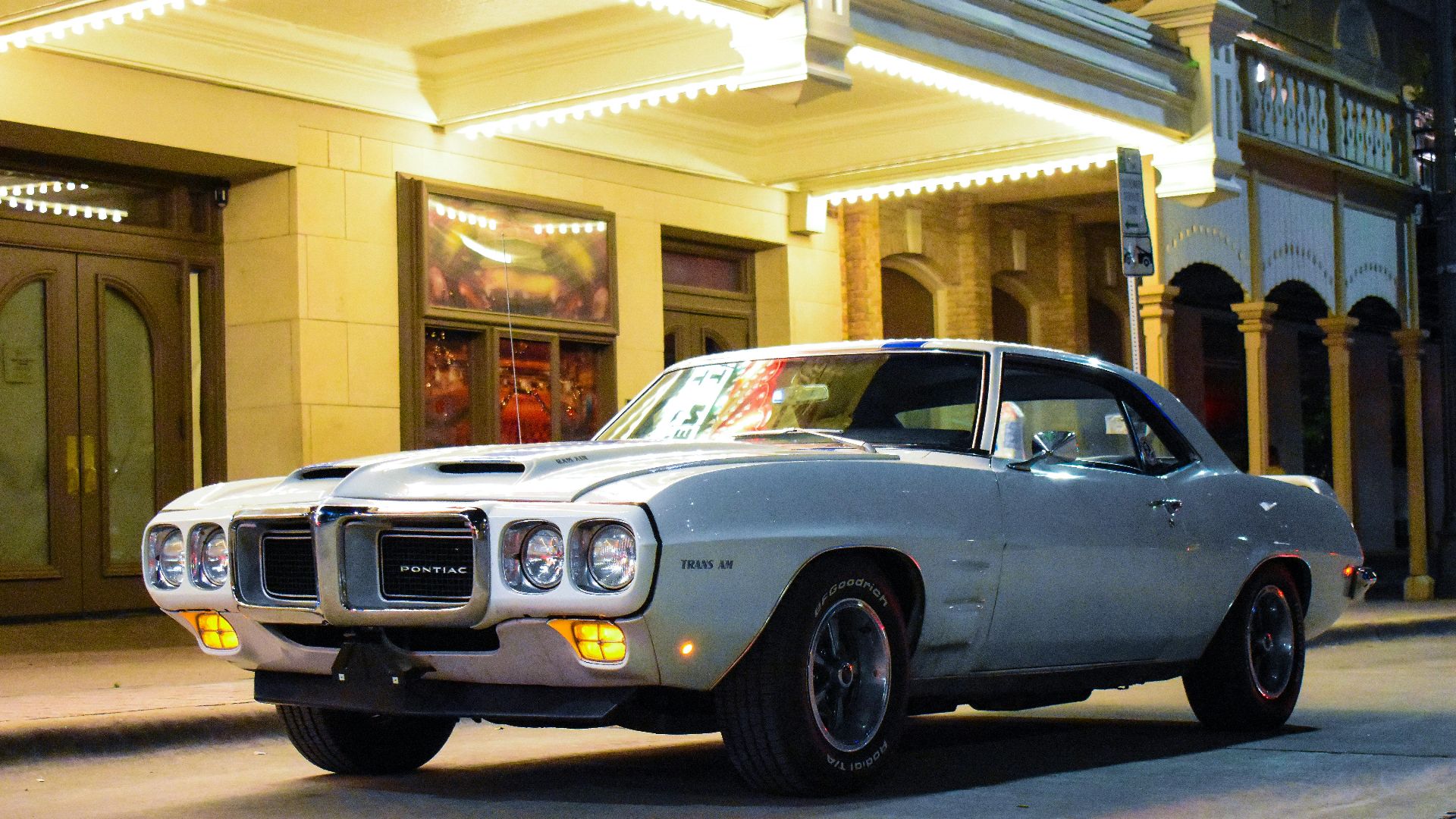
6. Pontiac Fiero
Fieros often disappoint restorers because underlying reliability and cooling issues persist even after extensive refurbishment. While the styling is distinctive, values rarely justify full restorations. Ownership tends to involve ongoing troubleshooting rather than enjoyment.
7. Chrysler LeBaron (1980s)
LeBarons suffer from weak collector interest because they lack both performance significance and distinctive design identity. Restoration becomes an exercise in nostalgia rather than value creation. Market enthusiasm has never meaningfully materialized for these cars.
8. Chevrolet Chevette
The Chevette fails as a restoration project because it was designed as basic transportation rather than a lasting classic. Scarcity has not translated into desirability, which limits upside even for clean examples. Most restorations struggle to find buyers willing to pay for the effort involved.
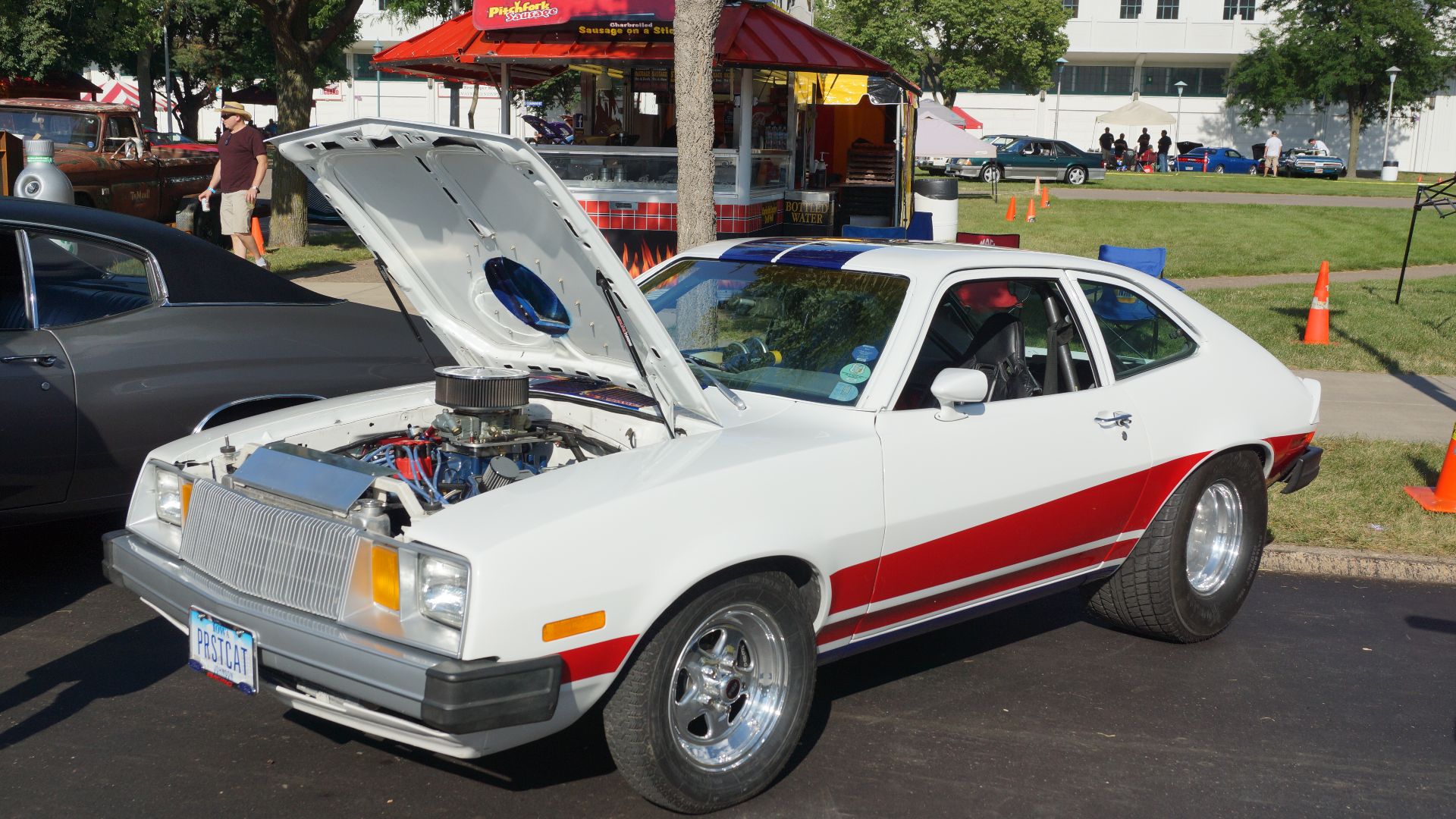
9. Mercury Bobcat
As a rebadged economy car, the Bobcat lacks a clear identity and meaningful collector following. Restoration effort rarely improves perception or market value in a significant way. Finished cars tend to sit longer on the market than comparable projects.
 Greg Gjerdingen from Willmar, USA on Wikimedia
10. Dodge Omni
The Omni’s historical significance does not translate into sustained collector demand, while build quality challenges complicate restoration work from the outset. Finished examples struggle to justify the time and expense involved.