These Myths Just Won’t Die
Cars have been part of everyday life for generations, yet misinformation about them refuses to disappear. Some myths linger because they were once true, while others spread through word of mouth and never get questioned. You might even follow a few of these without realizing it. Clearing them up can save you money, frustration, and unnecessary worry. Here are 20 car myths people still believe.

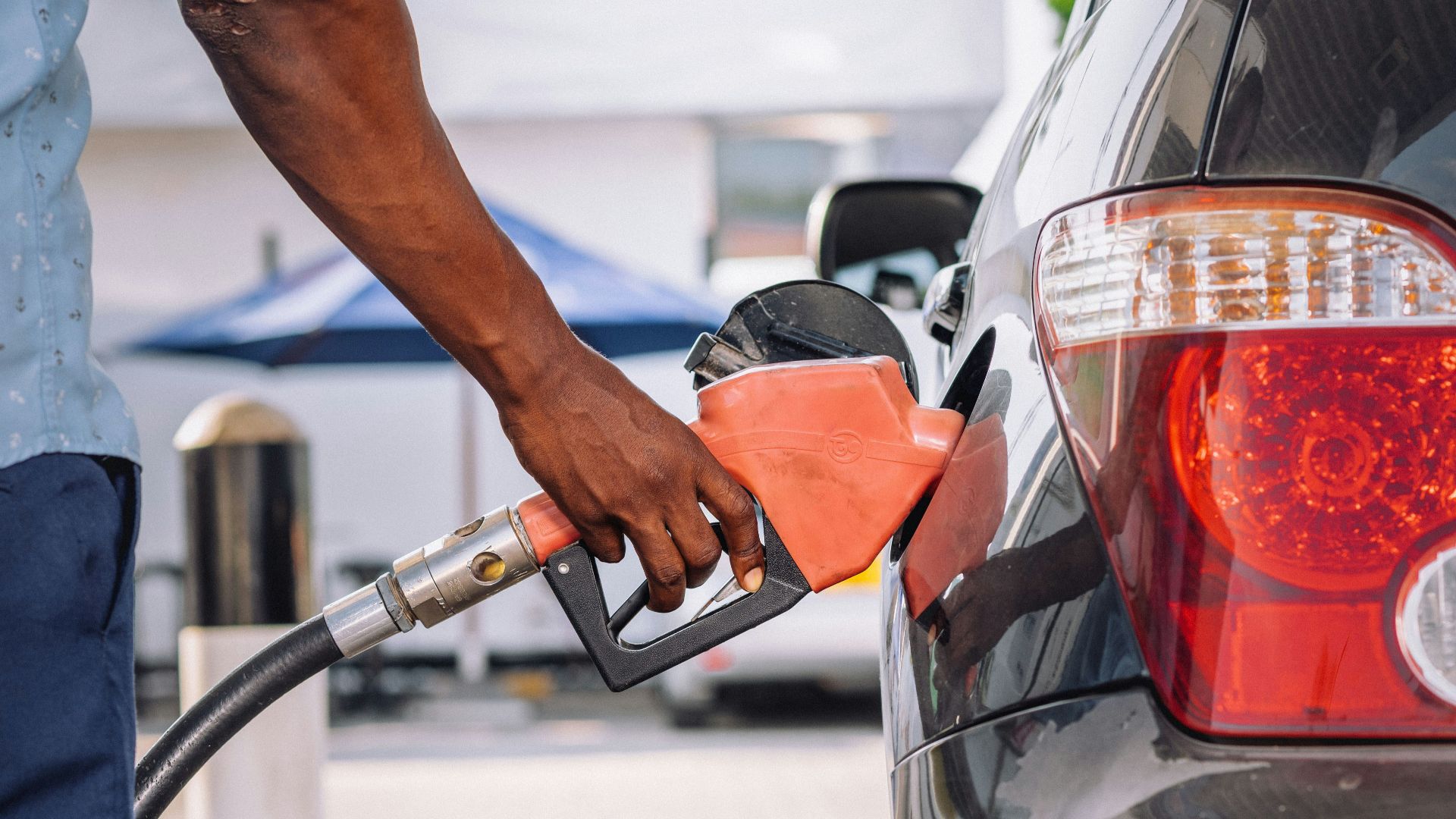
1. Premium Gas Makes Every Car Run Better
Unless your owner’s manual specifically calls for premium fuel, using it won’t boost power or fuel economy. Modern engines are tuned to run efficiently on regular gas when that’s what they’re designed for. Paying extra at the pump won’t magically make the engine cleaner or smoother. In most cases, you’re just donating money to the gas station.
2. You Should Warm Up Your Car for Several Minutes
Modern engines don’t need long warm-up times as older carbureted vehicles did. Driving gently right after starting actually helps the engine reach operating temperature faster.

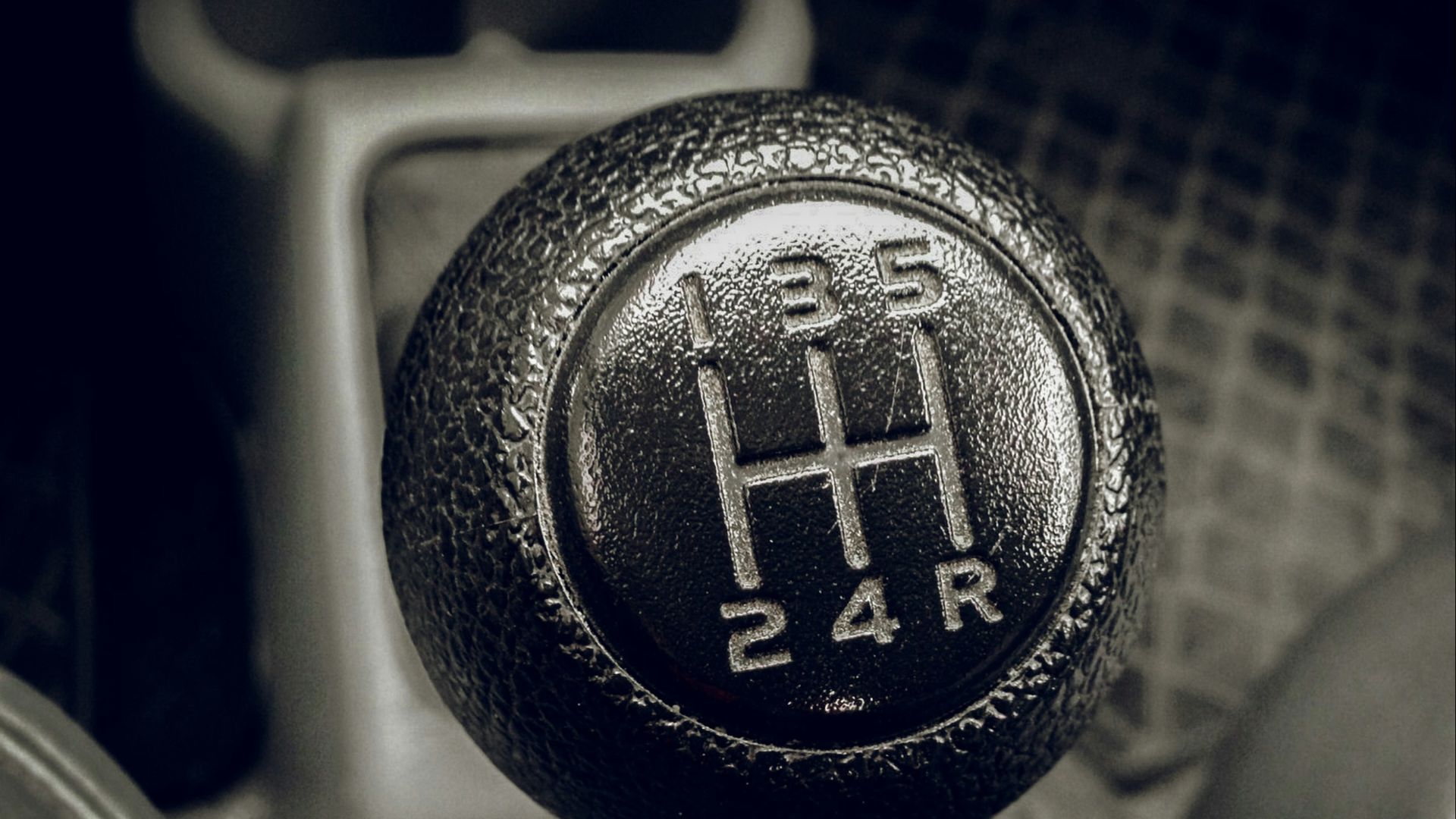
3. Manual Transmissions Always Get Better Gas Mileage
This myth stuck around long after it stopped being true. Modern automatics use advanced gear ratios and computer controls that optimize efficiency. In many cases, they outperform manuals in real-world driving.
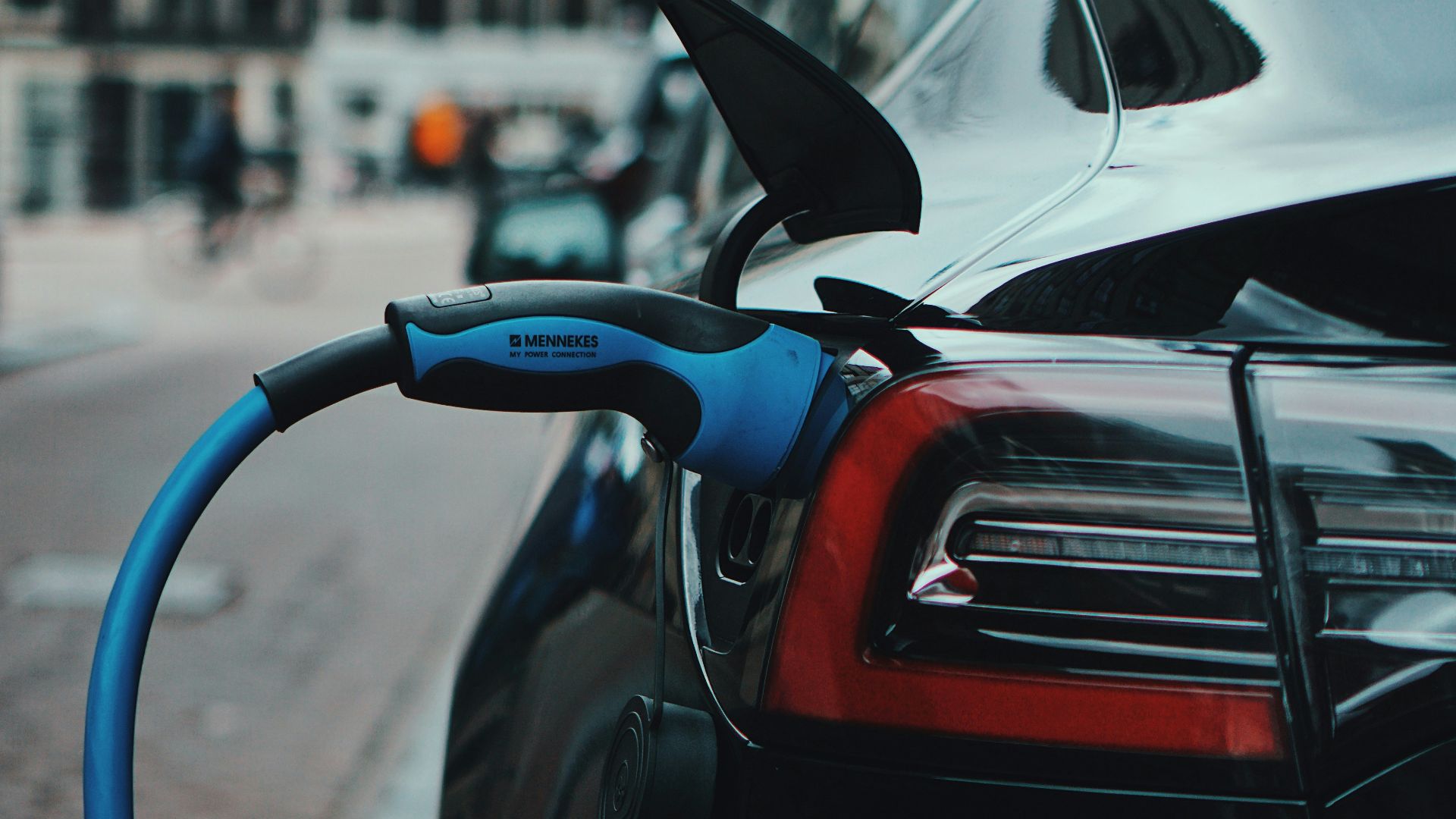
4. Electric Cars Are Worse for the Environment
While building electric vehicles does create emissions, their overall environmental impact is typically lower over time. They don’t produce tailpipe emissions, which makes a big difference in daily use.
 Precious Madubuike on Unsplash
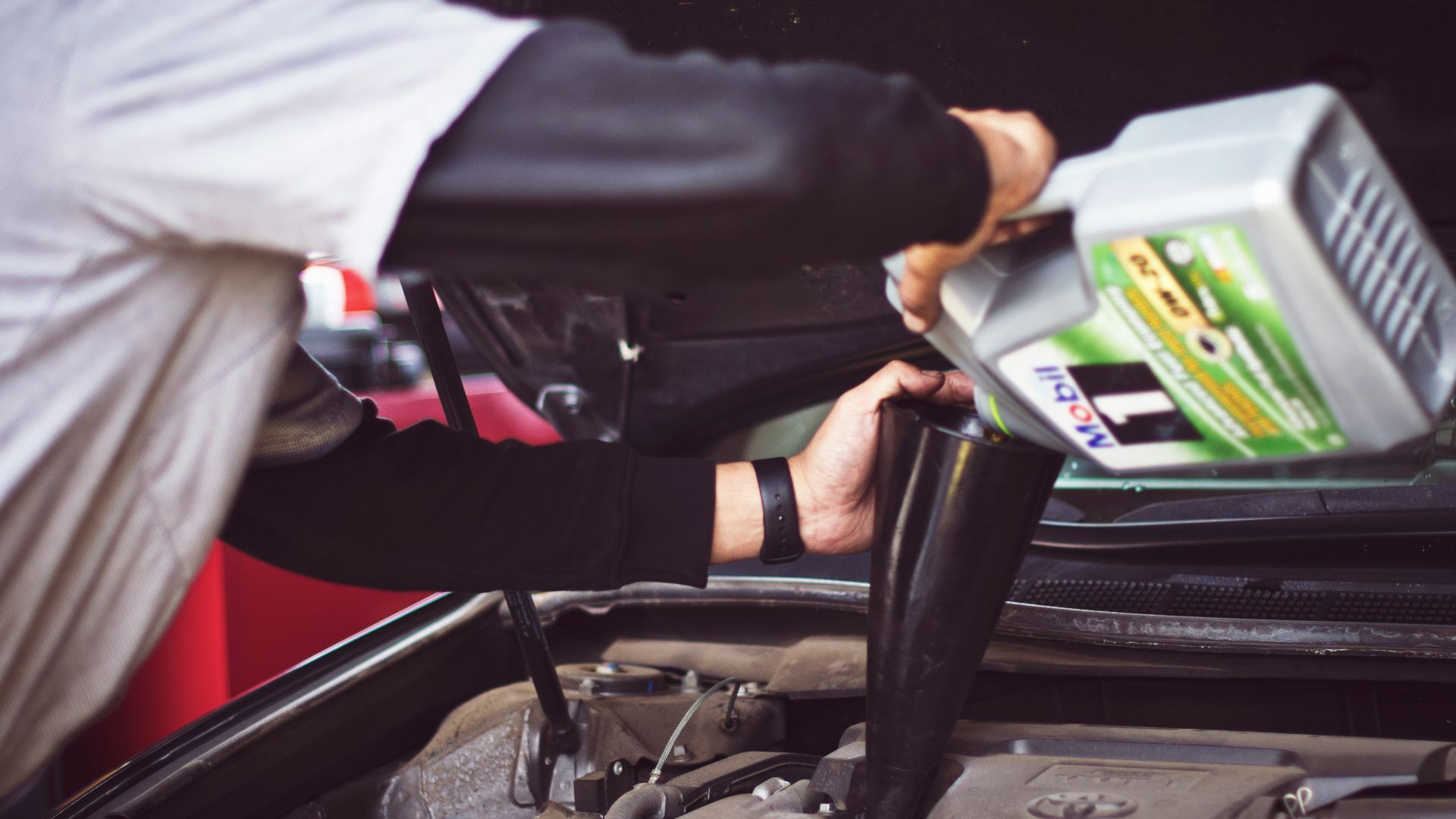
5. You Must Change the Oil Every 3,000 Miles
This guideline dates back to a different era of engine design and oil quality. Many modern vehicles can safely go far longer between oil changes. Synthetic oils have pushed those intervals even further. Checking your manual is far more reliable than following an old rule.
6. Bigger Cars Are Always Safer
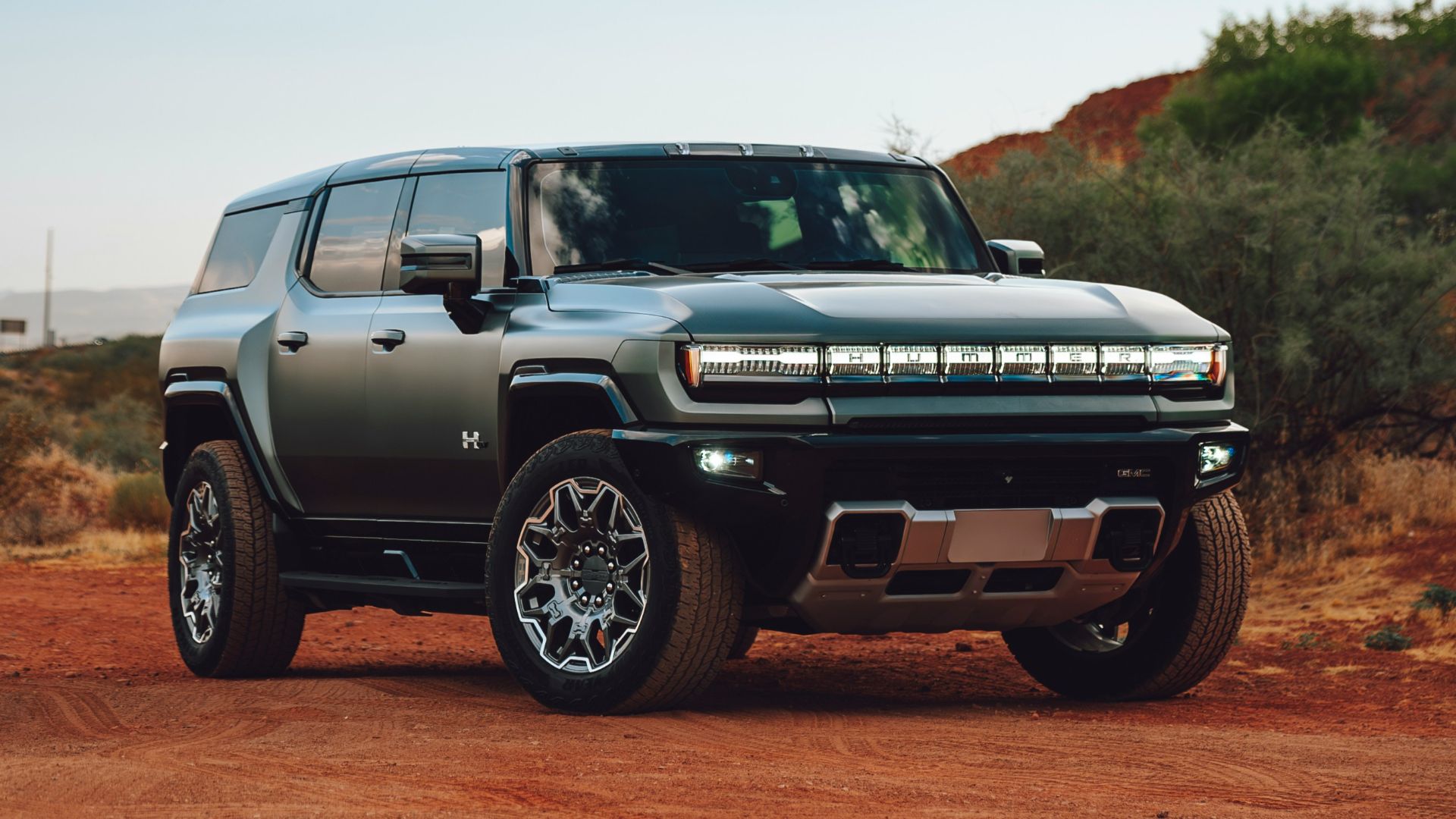
Safety depends on engineering, not just size. Smaller cars can perform extremely well in crash tests thanks to modern safety technology. Features like crumple zones and advanced airbags matter more than sheer bulk. Bigger vehicles can even increase risk in certain scenarios.
7. Rolling Down Windows Saves More Fuel Than AC
At low speeds, open windows don’t make much difference. At highway speeds, though, they create drag that hurts fuel economy. Air conditioning is often the more efficient option once you’re cruising. The idea that AC is always worse doesn’t hold up.

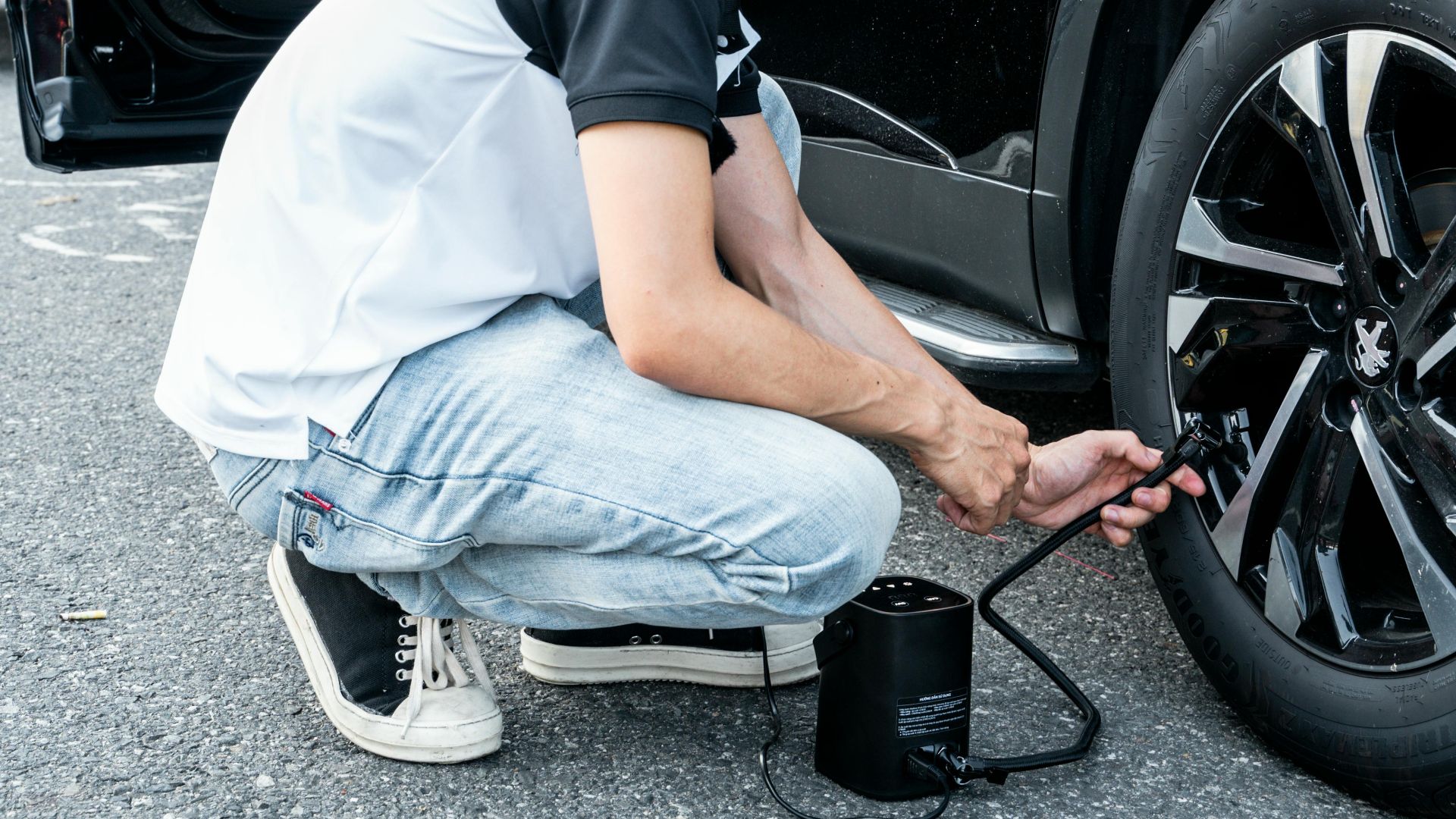
8. You Should Pump Tires to the Maximum PSI Listed
That maximum number is the tire’s upper limit, not what your car actually needs. Proper pressure is set by the vehicle manufacturer for balance and handling. Overinflation can make the ride harsh and reduce traction. More air isn’t always better.
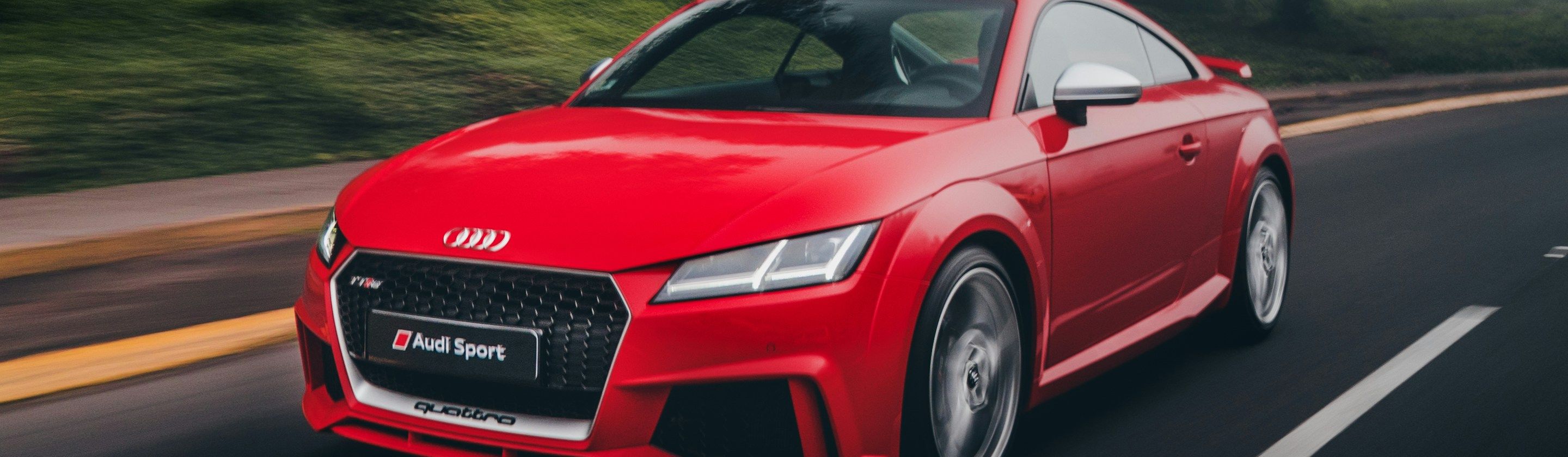
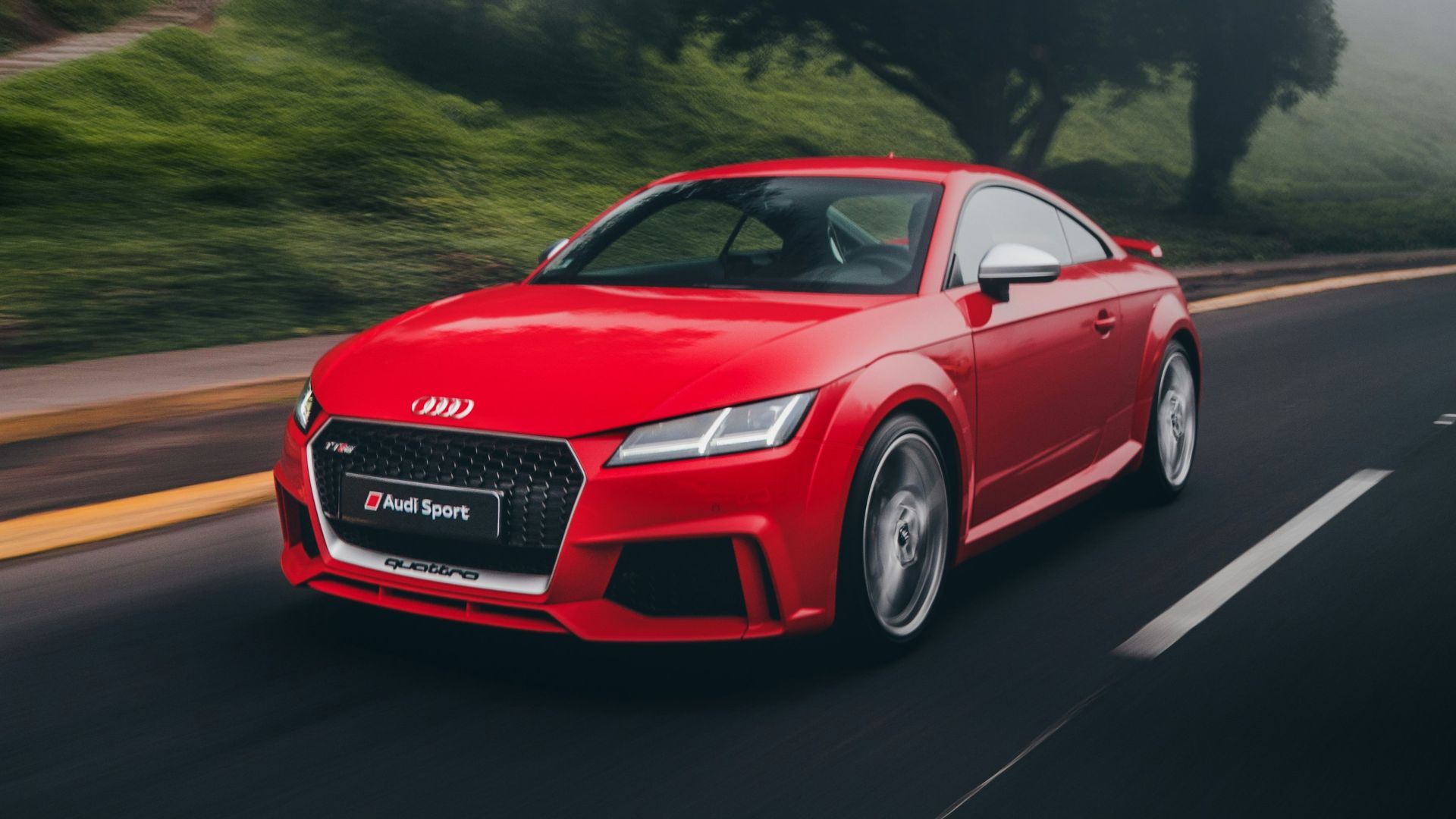
9. Red Cars Cost More to Insure
Insurance companies don’t care what color your car is. Rates are based on risk factors like driving history and location. Red cars just get blamed because they’re more noticeable. It’s a visual bias, not a pricing one.
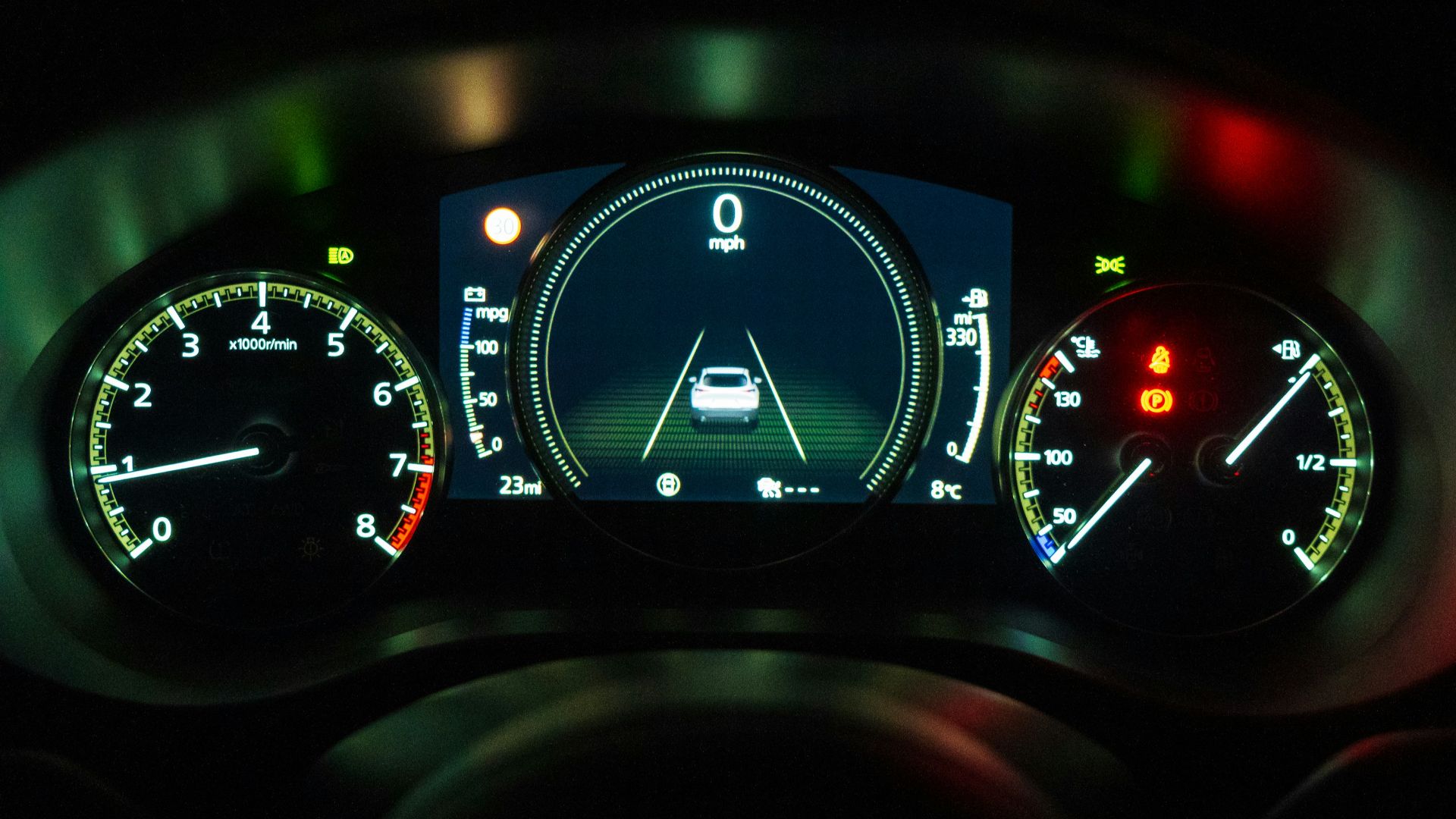
10. You Don’t Need to Worry About Warning Lights Right Away
Dashboard lights exist for a reason, even if the car seems fine. Some issues start small and quietly get worse over time. Waiting too long can turn a minor fix into a costly repair. Ignoring the light doesn’t make the problem disappear.
11. All-Wheel Drive Means You’re Invincible in Snow
All-wheel drive helps you get moving, but it doesn’t help you stop faster. Tires and braking matter far more in winter conditions. Overconfidence can actually make driving more dangerous.

12. Leaving the Car Running Saves Fuel on Short Stops
Modern engines are designed to restart efficiently without strain. Idling wastes fuel surprisingly fast, especially during longer waits. Turning the engine off is usually the smarter choice. The old fear of wearing out the starter no longer applies.
13. You Can’t Negotiate New Car Prices Anymore
Online pricing hasn’t eliminated negotiation. Dealers often still have flexibility with incentives, fees, or financing terms. Shopping around gives you leverage, and asking questions can still lead to real savings.
14. Automatic Car Washes Always Damage Paint
Older car washes earned this reputation, but technology has improved. Many modern washes use softer materials designed to be paint-safe. Minor swirl marks usually come from poor maintenance, not a single wash.
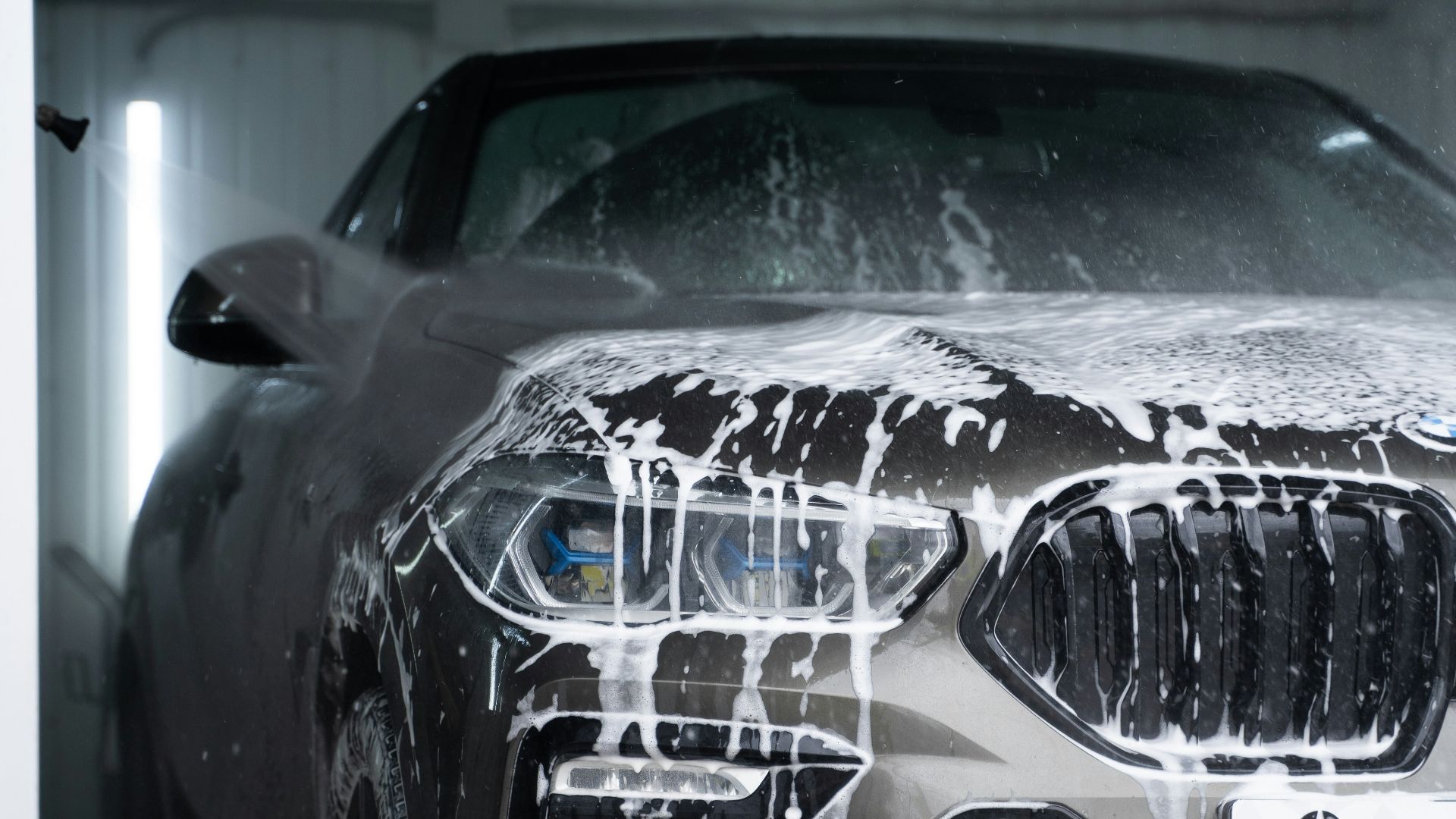
15. A Dead Battery Means You Need a New One
A drained battery isn’t always a failing one. Leaving lights on or taking frequent short trips can weaken it temporarily. A simple jump-start might solve the issue. Testing the battery is the only reliable way to know.
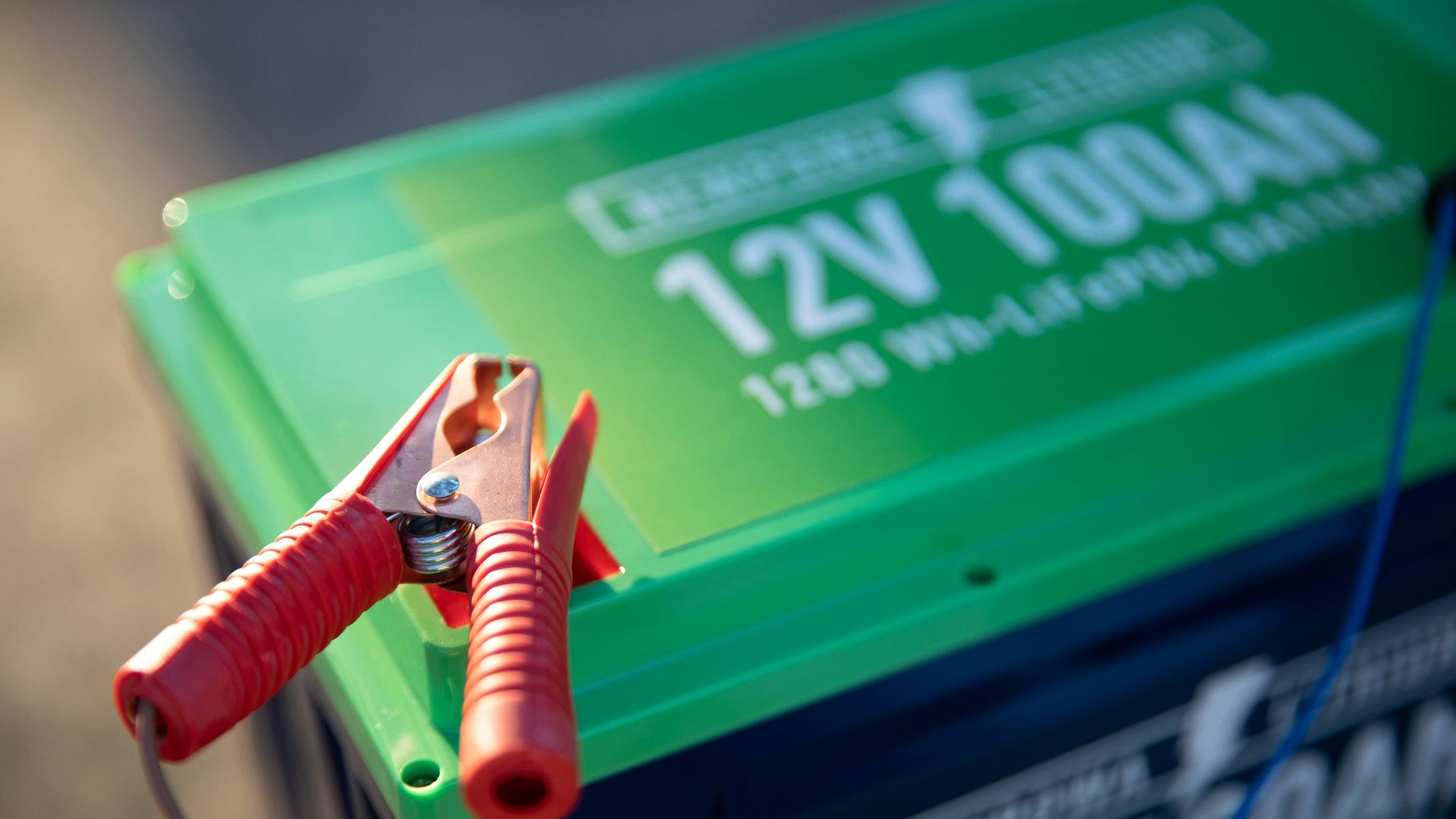
16. Fuel Additives Are Necessary for Engine Health
Gasoline already contains detergents required for modern engines. Extra additives rarely provide noticeable benefits. Regular oil changes and proper maintenance do far more for engine longevity.
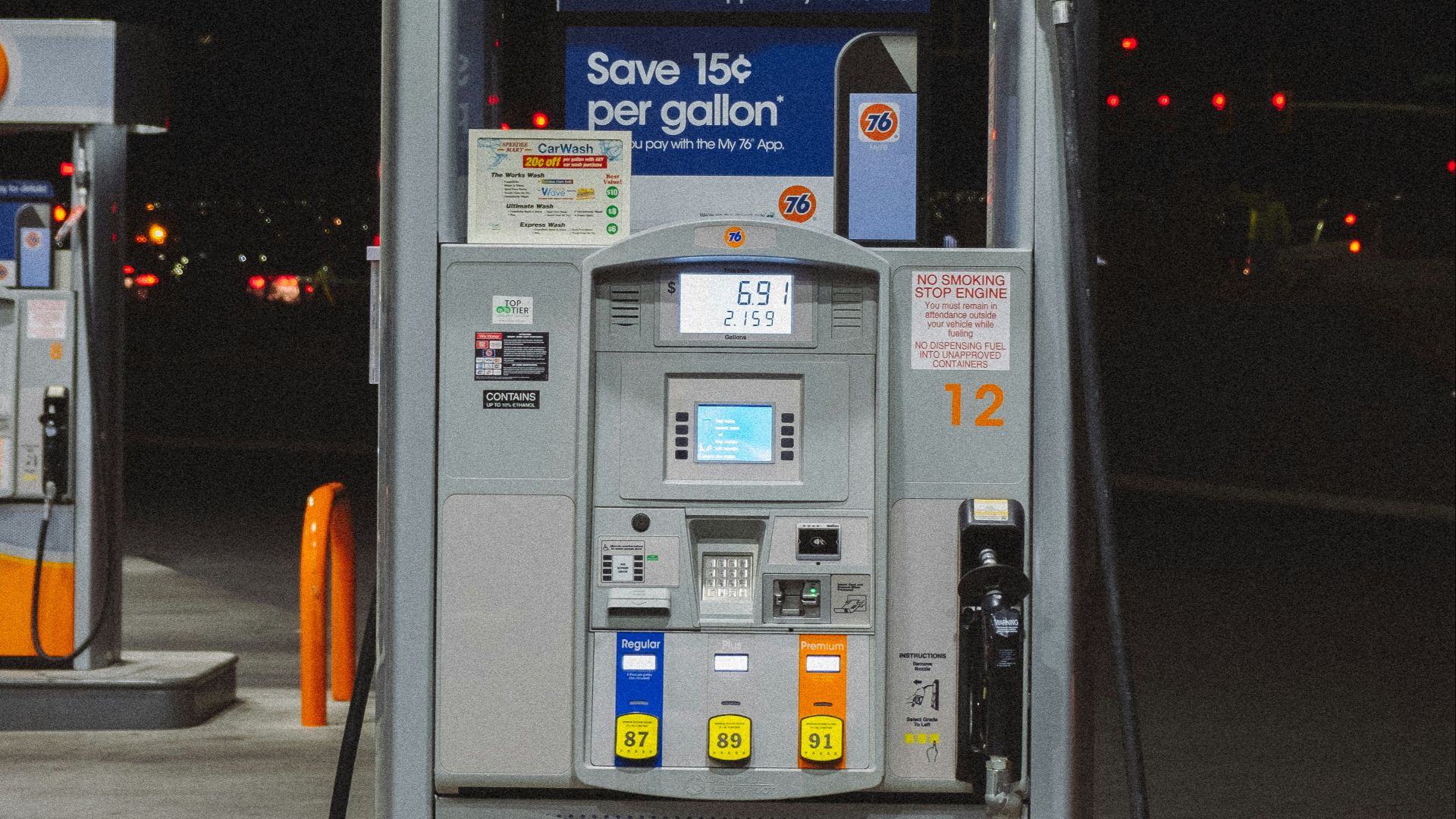
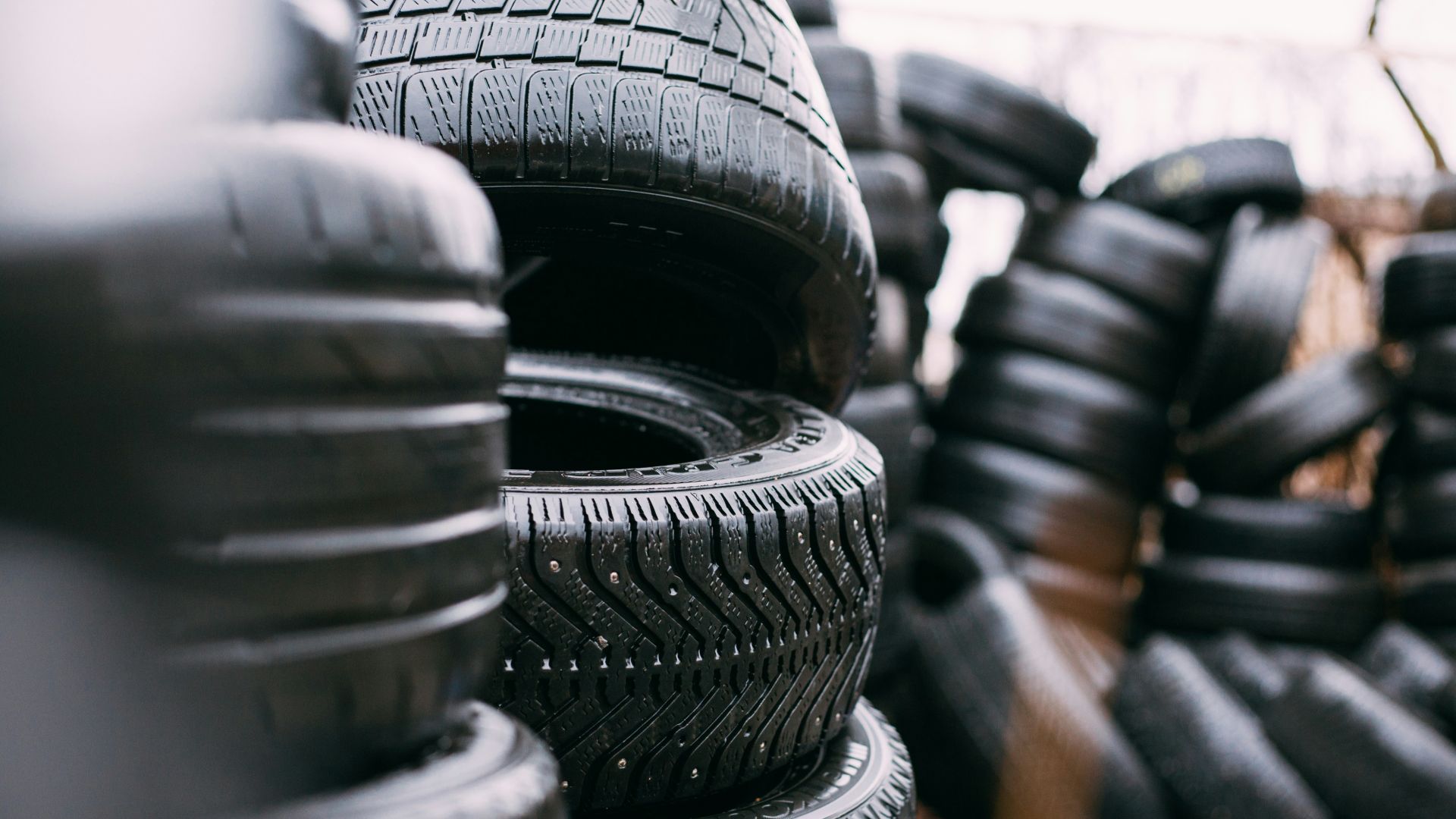
17. You Should Replace Tires When They Look Bald
Tires can lose safe tread depth before they look worn out, and traction drops sharply once the tread reaches a certain point. Visual judgment alone isn’t enough. Measuring tread depth gives a much clearer answer.
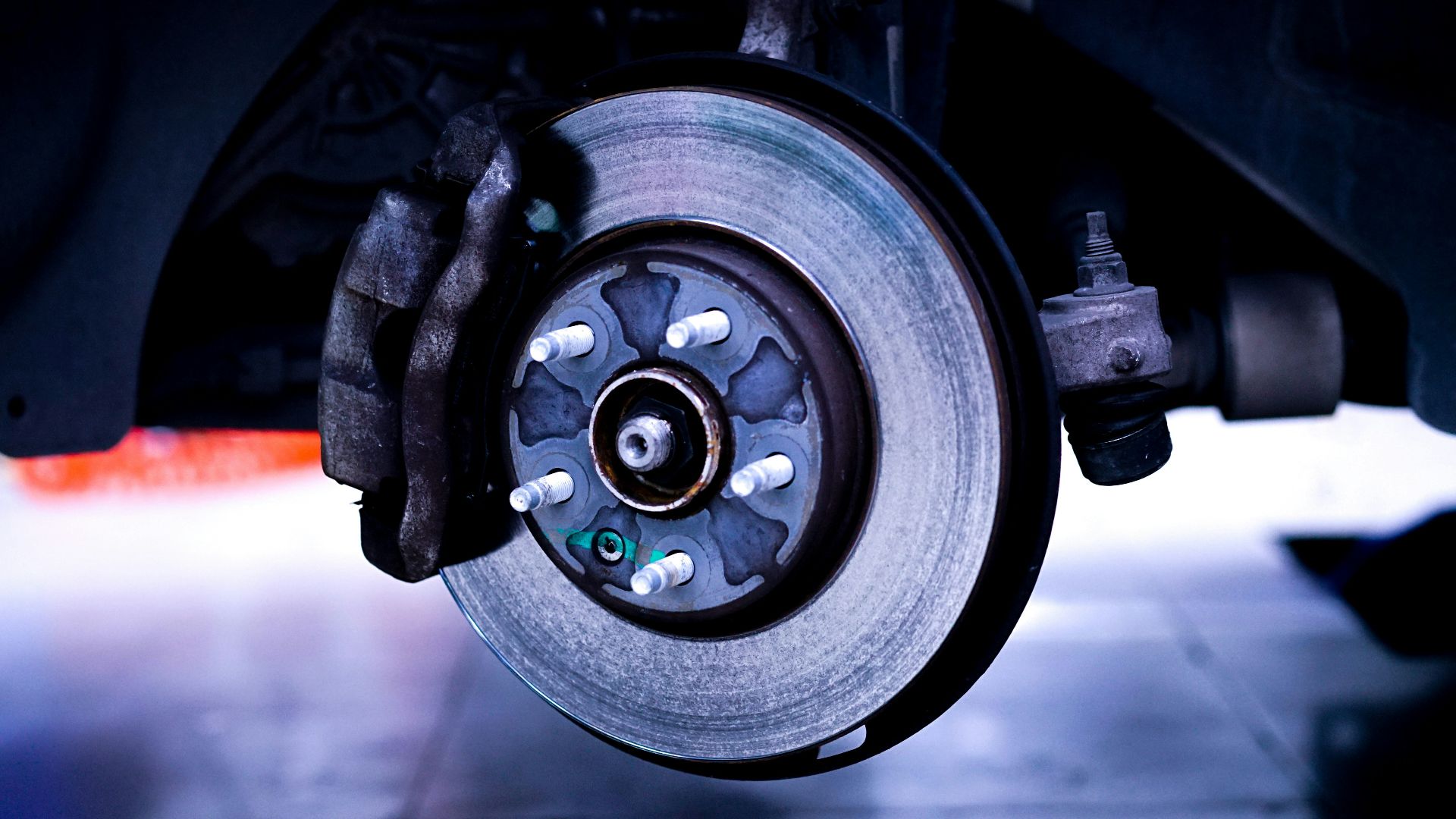
18. Brakes Always Squeak When They’re Worn Out
Brake noise can happen for many harmless reasons. Temperature, moisture, or dust can all cause squealing. Worn brakes don’t always make a sound at all. Relying on noise alone can be misleading.
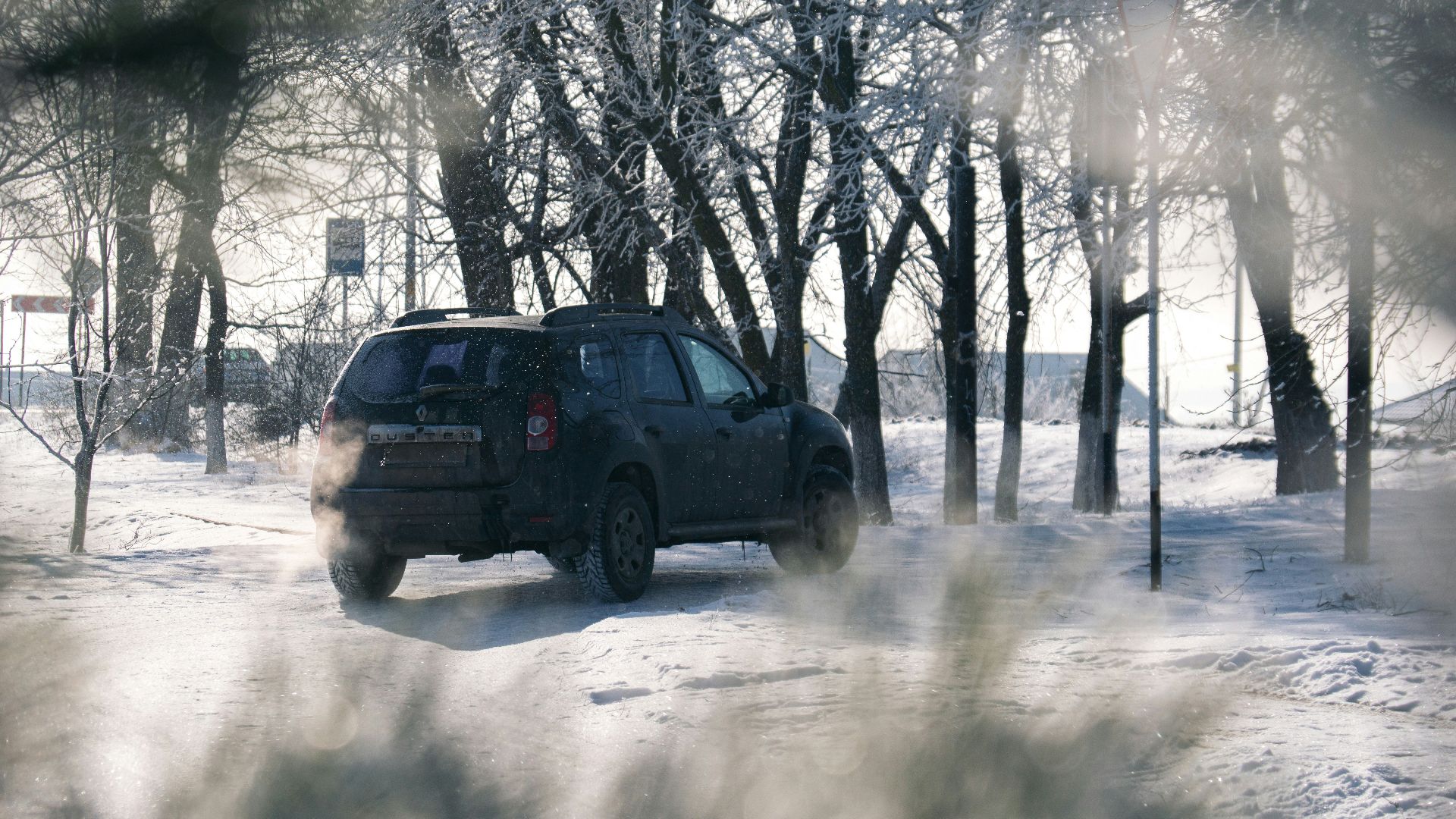
19. SUVs Don’t Need Winter Tires
SUVs benefit from winter tires just like any other vehicle. All-wheel drive doesn’t improve braking on ice or snow. Cold-weather rubber compounds make a huge difference, meaning even large vehicles need proper traction.
20. New Cars Don’t Need Maintenance for Years
New vehicles still require routine care to stay reliable. Skipping early maintenance can shorten the life of critical components. Oil changes and inspections matter from the start. A new car isn’t a maintenance-free one.