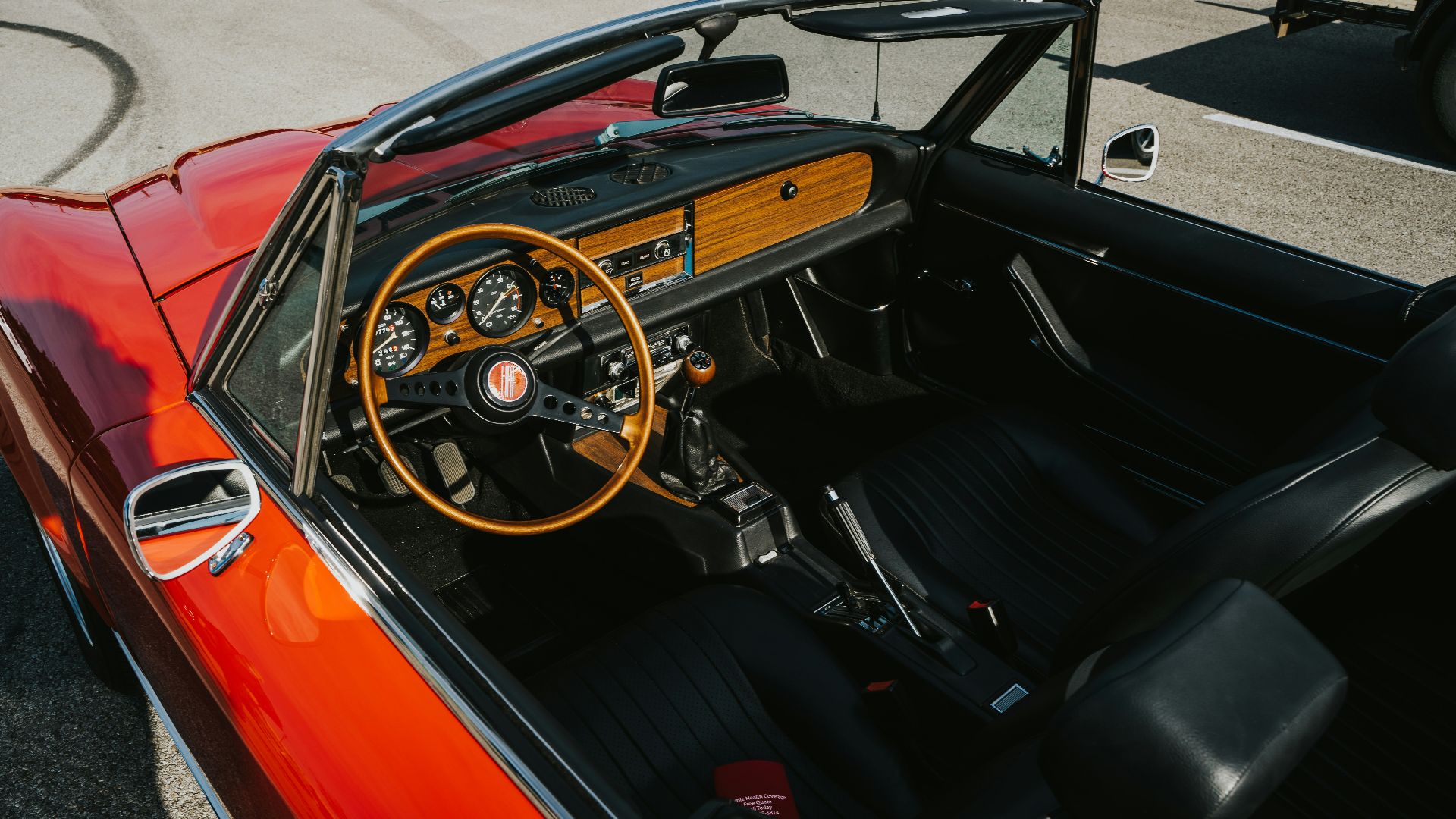
Manual driving has gone from a normal adult skill to a fun fact you can mention at parties, and in a surprisingly short span of time. If you’ve ever watched someone panic at the sight of a clutch pedal, you’ve already seen the cultural shift up close. These days, the real challenge isn’t learning stick. It’s finding a new car that even offers it.
At the same time, manuals haven’t vanished because they’re useless or outdated. They’ve simply been outcompeted by technology that’s gotten smoother, faster, and easier for almost everyone to live with. The question isn’t whether manuals are better, because that depends on what you value. The real question is whether the market still has room for them in a world built around convenience.
From Everyday Default to Enthusiast Specialty
The U.S. Environmental Protection Agency’s Automotive Trends Report is basically the scrapbook of modern car history. It tracks technology and fleet changes for new light-duty vehicles from model year 1975 through model year 2024. Back in model year 1980, 65% of light-duty vehicles produced had automatic transmissions, which means manuals still made up a decent portion of the market. Fast-forward to 2022, and more than 99% of light-duty vehicles produced came with automatics.
A big reason the shift stuck is that automatics didn’t just win on convenience; they started improving on efficiency, too. The Department of Energy notes that late-1970s lockup torque converters helped reduce frictional losses, which addressed one of the classic downsides of older automatics. Once automatics stopped feeling like a fuel economy compromise, it made sense that the general public would start to prefer them over the slightly more difficult manual vehicles.
Manuals were no longer the obvious, efficient choice people assumed they were. The DOE highlights the rise of continuously variable transmissions, including their growth to about one quarter of light-duty vehicles produced in 2022. FuelEconomy.gov ITAL also points out that dual-clutch transmissions aim to blend manual-like efficiency with automatic-like ease by using two clutches and computer-controlled shifting. Add those options to the mix, and the manual’s practical advantage gets harder to defend outside of pure preference.
The Real Upside of a Stick Shift
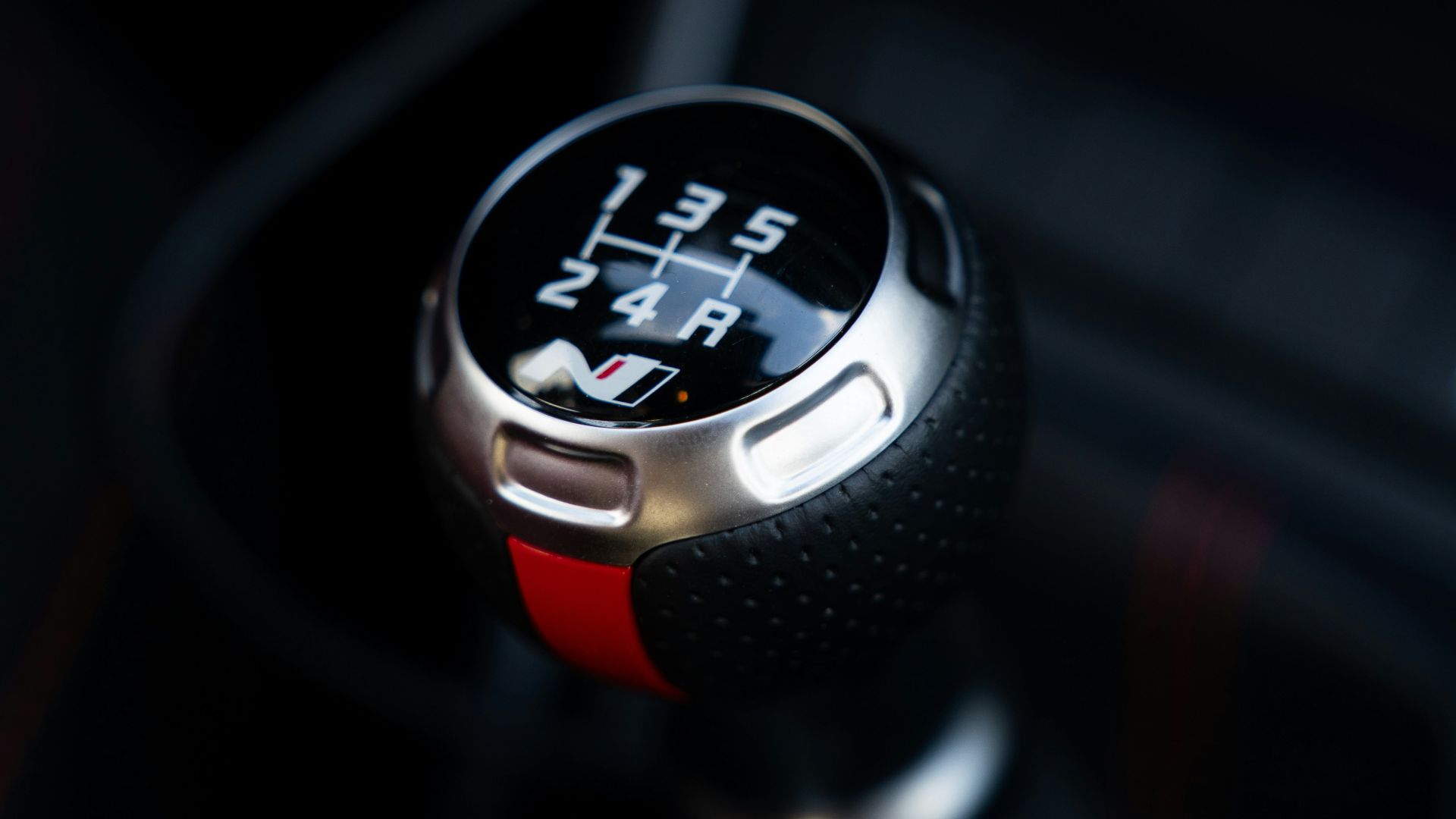
The biggest pro of manual driving is also the simplest: you’re actively involved. A manual car uses a third pedal and a gear selector, so you decide when the engine and transmission connect and when they don’t. That physical process is part of why people describe manuals as engaging, because you’re not just steering, you’re managing momentum.
There’s also a control element that’s genuinely useful in specific situations. With a manual, you can hold a gear through a corner, downshift for engine braking, or keep the engine in a range that feels responsive on hills. HowStuffWorks describes the point of changing gear ratios as keeping the engine below redline and nearer to its best performance band as speed changes. In other words, you’re not imagining that “connected” feeling; you’re literally adjusting how the car delivers its power.
Manuals can also feel mechanically straightforward, which is part of their long-running appeal. HowStuffWorks explains that the standard manual transmission connects to the engine through the clutch, allowing the input shaft to turn at the same rpm as the engine. Even if you’re not trying to become the neighborhood drivetrain philosopher, that directness helps explain why manuals can feel crisp and predictable when you’re in rhythm. It’s not magic, it’s just less translation between you and the hardware.
And here’s the twist: while manuals are rare overall, the people who want them often really want them. Motor1’s 2024 take-rate roundup shows strong manual interest on certain enthusiast models, including around 50% on Cadillac’s Blackwing cars, roughly 70% on the Mazda Miata, and extremely high rates on cars like the Toyota GR Corolla. So yes, manuals are shrinking in mainstream terms, but they’re still thriving in smaller, more intense corners of the market.
Why Manuals Keep Losing Ground
For day-to-day life, the manual’s biggest downside is also painfully ordinary: traffic. Stop-and-go commuting turns a clutch pedal into a daily leg workout, and it asks for steady attention when you might rather focus on the road, navigation, and the general chaos of modern driving. If you’re teaching someone to drive, the learning curve can be rewarding, but it’s also one more barrier in a world that loves frictionless choices.
Fuel economy and smoothness used to be areas where manual fans felt comfortably smug, but that advantage has softened. FuelEconomy.gov ITAL notes that continuously variable transmissions can deliver seamless acceleration and can improve fuel efficiency, especially in stop-and-go conditions. The same source explains that dual-clutch transmissions are designed to combine the efficiency of manuals with the convenience of automatics, operating like a manual but shifting automatically with two clutches. When automatic cars started offering both convenience and competitive efficiency, the manual’s reputation no longer stood the way it used to.
Availability is another practical problem, and it becomes a self-fulfilling loop. Kelley Blue Book, citing EPA data, says about 1% of new cars, trucks, and SUVs are equipped with manual transmissions, down from a peak of 35% in 1980. The same guide also points out that the transition of some models to fully electric is further eroding the presence of manuals, because the market is shifting toward powertrains where traditional shifting simply isn’t the default design goal.
Finally, even if you’re determined to buy new, the menu is shorter than most people assume. CARFAX reports that there are fewer than 30 models in the U.S. still available with a stick shift, and it notes the mix has moved away from “cheap base car” options toward performance and enthusiast vehicles. That’s why manual driving can feel like it’s “going out of style” even when enthusiasts are still passionate. It’s not disappearing because people forgot how to have fun; it’s shrinking because the mainstream market has moved on.