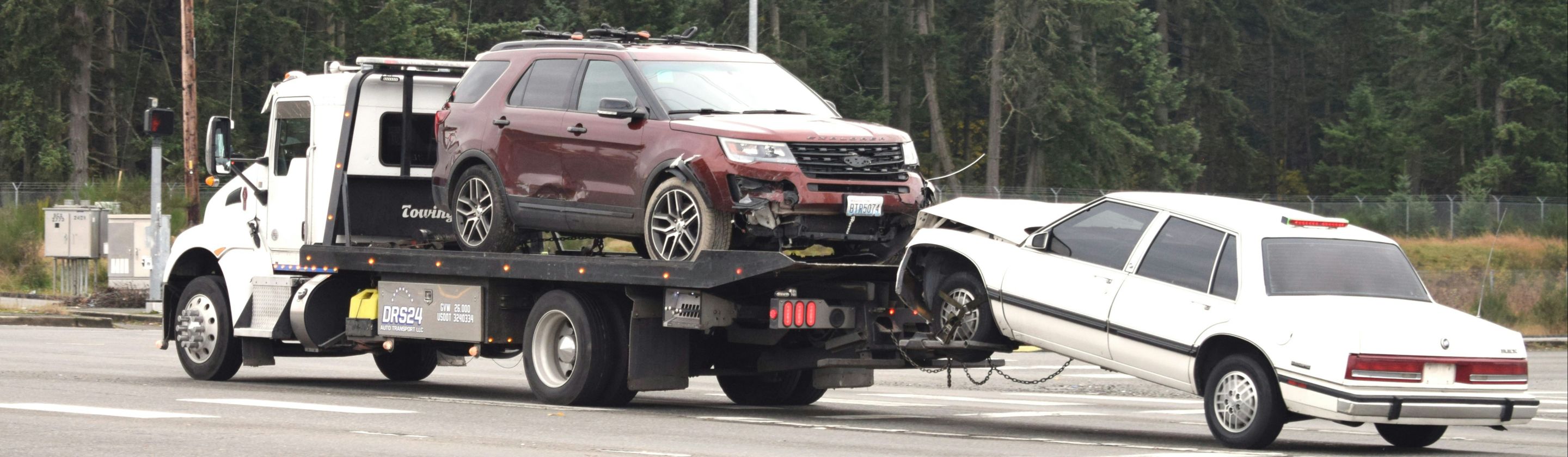
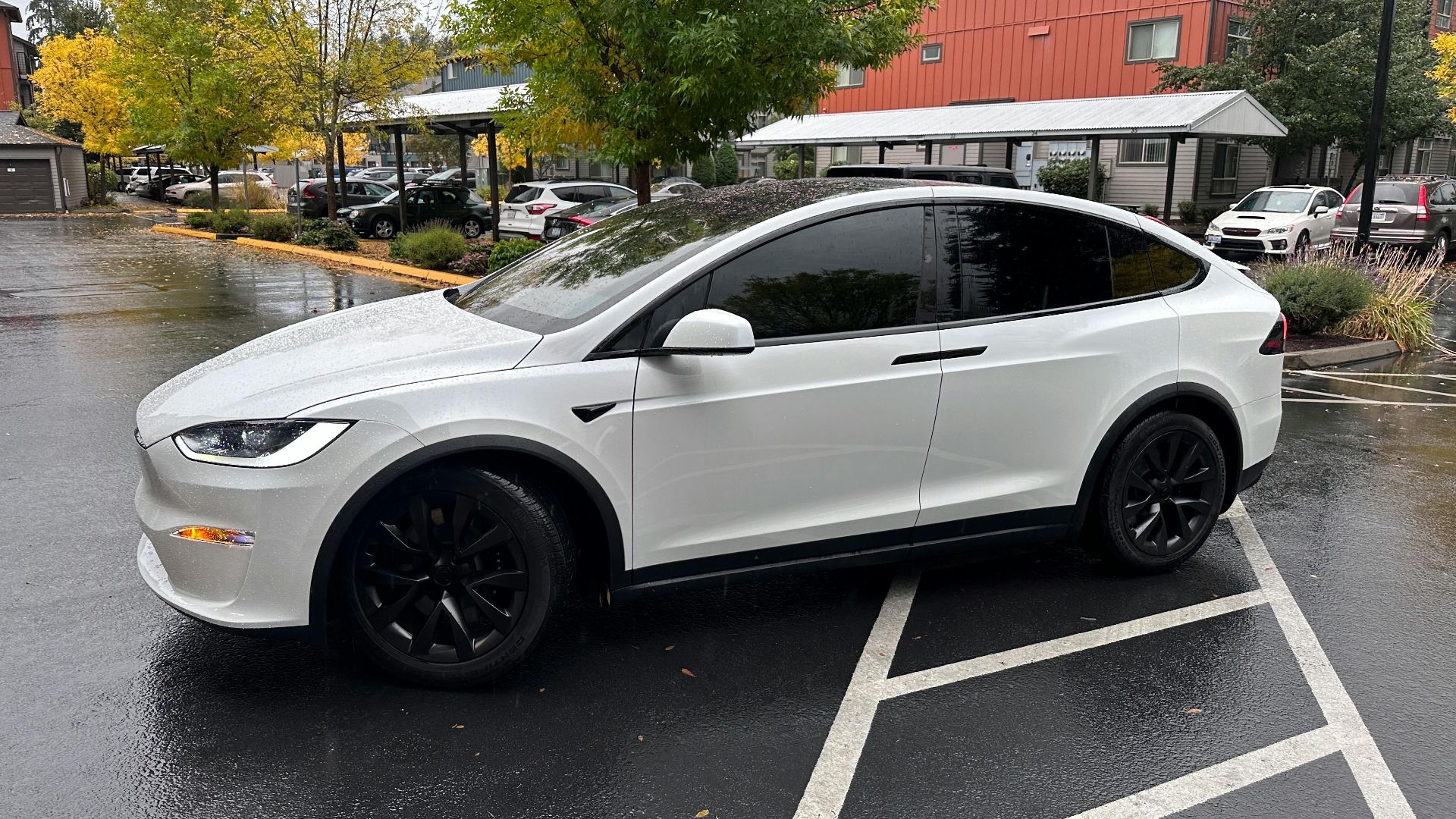
You’ve probably seen one: a car with no plate, a plate that looks like it was printed on someone’s home printer, or a tag so tinted it might as well be a curtain. These “phantom cars” glide through traffic, often driven by those who think the rules don’t apply to them. But it’s time we stopped these speedsters—and their illegal vehicles—in their tracks.
Ticketing phantom cars on the spot isn’t about being cranky or punitive. It’s about drawing a line that’s easy to understand and even easier to enforce. When a vehicle’s identity is deliberately fuzzy, everyone else pays for that blur in time, money, and safety. Come with us as we break down exactly what makes these cars so dangerous, and why there should be consequences.
Phantom Plates Create Real-World Problems

Missing plates aren’t a quirky style choice. They’re the functional equivalent of erasing a vehicle’s name tag. If something goes wrong, the usual trail of accountability becomes a scavenger hunt with half the clues missing. And heaven knows that some of these motorists bank on that.
Crashes get uglier when identification is optional. If a phantom car sideswipes you and slips away, you’re left with a stressful story and not much else. Insurance claims drag on, witnesses scatter, and the burden lands on the person who was already inconvenienced. (And don’t even get us started on the cost to clean up that mess.)
Then there’s the steady drip of minor lawlessness, one that’s a very slippery slope. Toll evasion, unpaid tickets, and hit-and-run behavior all get easier when a driver thinks they can’t be traced. But even when there’s no criminal intent, phantom tags still corrode the system. Registration and inspection requirements exist to keep unsafe vehicles from blending in unnoticed. If a car dodges those basics, it also dodges maintenance norms that keep them from becoming everyone else’s problem.
On-the-Spot Ticketing is the Only Language That Works
Immediate ticketing may seem extreme, but waiting to address phantom cars is no longer an option. The behavior doesn’t pause politely until paperwork catches up. Hard and fast consequences are the most reliable way to signal that “nice try” isn’t an accepted strategy.
It’s also important to remember that while cameras and databases help, they’re not a complete answer. If the plate’s missing, fake, or obstructed in any way, the best technology in the world is basically staring at nothing. And that just leaves street-level enforcement.
You also don’t want the public to feel like reporting is their job. People shouldn’t have to photograph every suspicious tag. They also shouldn’t put themselves in harm’s way. When an officer addresses the issue right there, the responsibility stays where it belongs.
Some drivers will claim it’s an innocent mix-up, and sure, sometimes it is. But that’s exactly why ticketing can be paired with clear options: prove valid registration quickly, fix the plate issue, and reduce the penalty when the explanation checks out. The key point is that the stop happens now!
Fairness, Safety, and a Little Common Sense

Most drivers do the boring, responsible stuff without applause. You renew registration, you keep your plate visible, and you accept that rules are part of the deal. Letting phantom cars slide tells everyone else that they’re the only ones paying into the system, which is a fast way to breed resentment.
There’s also a public safety argument that doesn’t need dramatics to land. If a vehicle can’t be reliably identified, it’s harder to respond to Amber Alerts, reckless driving reports, or repeat dangerous behavior. So, the more you think about it, the ability to identify a car isn’t a luxury—it’s foundational.
Municipal budgets aren’t a punchline, either. Tolls and citations fund road maintenance and enforcement capacity that benefits everyone. When phantom cars dodge payment, the rest of the community effectively subsidizes that decision through higher costs or worse services.
Ticketing on the spot is, in the end, a simple expectation: if you want to use public roads, your vehicle should be publicly identifiable. The light-hearted part is that the fix is usually easy—remove the cover, replace the fake tag, mount the plate properly—so there’s no need for outrage, just consistent action. Just as important, consistent enforcement helps good-faith drivers avoid accidental trouble. A quick stop and a clear ticketed warning can correct the issue before it becomes a bigger headache.
Keeping phantom cars responsible also keeps accountability intact. It protects everyone’s time and wallets, and nudges road culture back toward basic fairness. You shouldn’t have to wonder whether the car beside you is traceable if something goes wrong; that uncertainty is exactly what phantom driving feeds on. Handle it immediately, and the message is clear: if you want the privilege of the road, show who you are.