Small Habits That Add Risk
Driving has a way of turning into muscle memory, especially on the routes you could probably do with your eyes closed, which is exactly when the little mistakes slip in. Most people aren’t out here doing anything wildly reckless, they’re just stacking tiny shortcuts that feel harmless in the moment, then quietly raise the odds of a bad surprise. The tricky part is that these habits often feel like efficiency, or confidence, or simply going with the flow, which makes them hard to notice until someone honks. Here are 20 everyday driving mistakes that incrementally sneak into our normal routine.
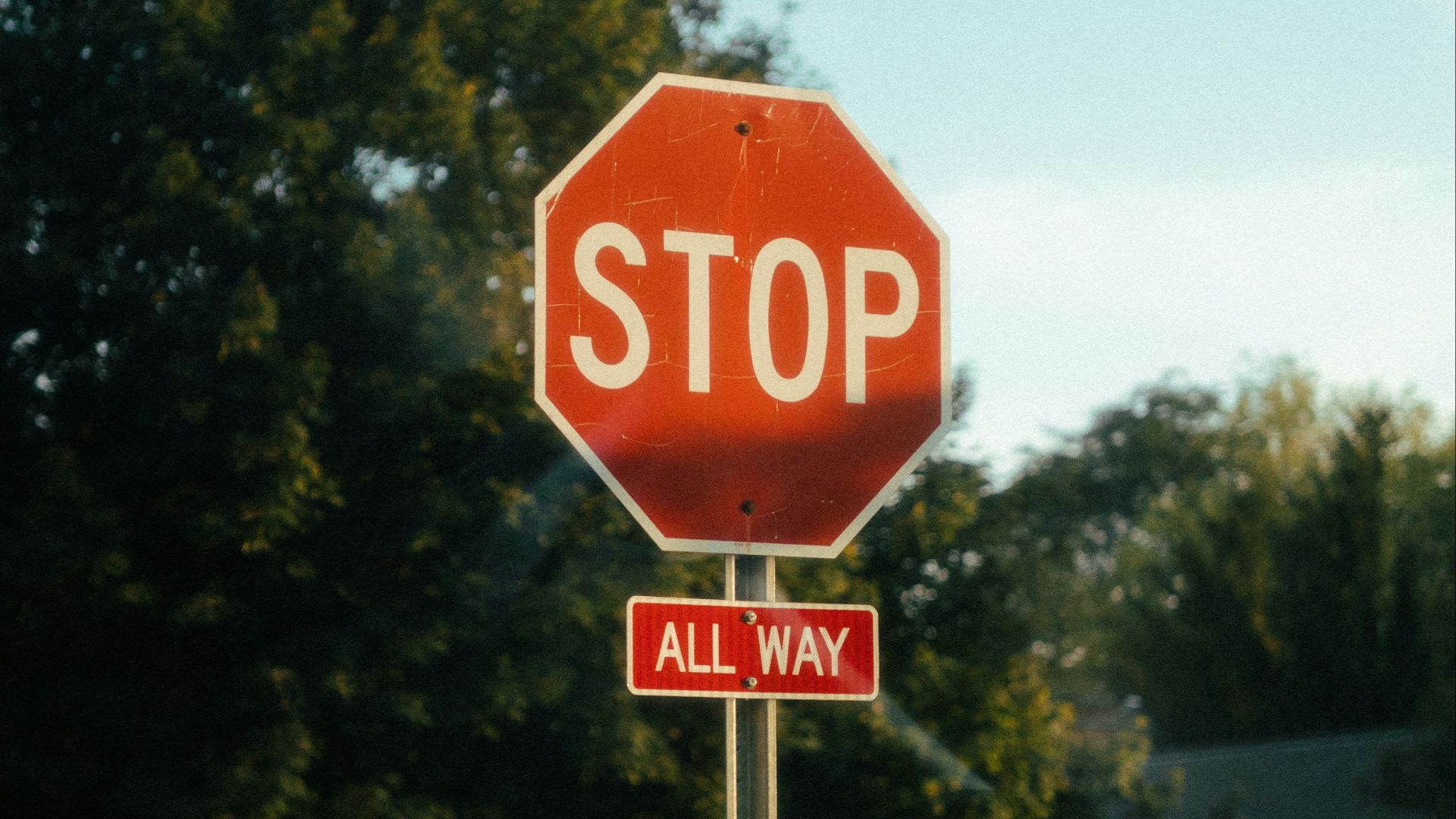
1. Rolling Stops at Stop Signs
A rolling stop feels like cooperation, yet it steals the one moment you’re supposed to be fully still and fully scanning. Intersections hide movement behind parked cars and hedges, and the full stop gives your eyes enough time to catch what your brain is about to miss.
2. Signaling After You’ve Already Started Moving
A late blinker doesn’t warn anyone, it just narrates what you’re already doing. When your signal comes on as the car drifts, other drivers have to react instead of adjust, and that turns a simple lane change into shared stress.
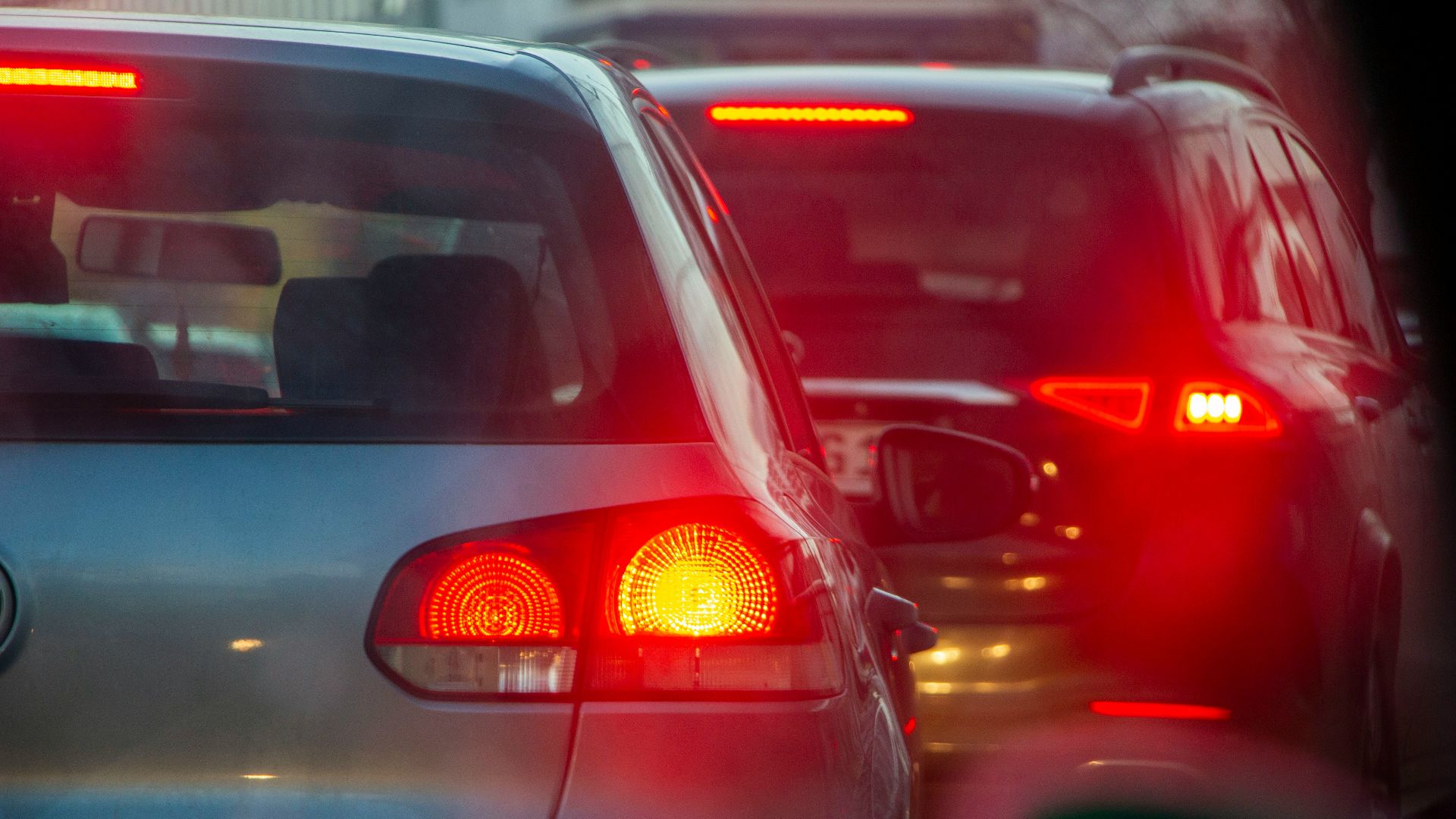
3. Watching Only the Car Directly in Front of You
Staring at one set of taillights shrinks your world to a single point, which is why traffic feels like a series of sudden surprises. Looking farther ahead lets you read the rhythm of the lane, so braking and merging stop feeling like emergency decisions.
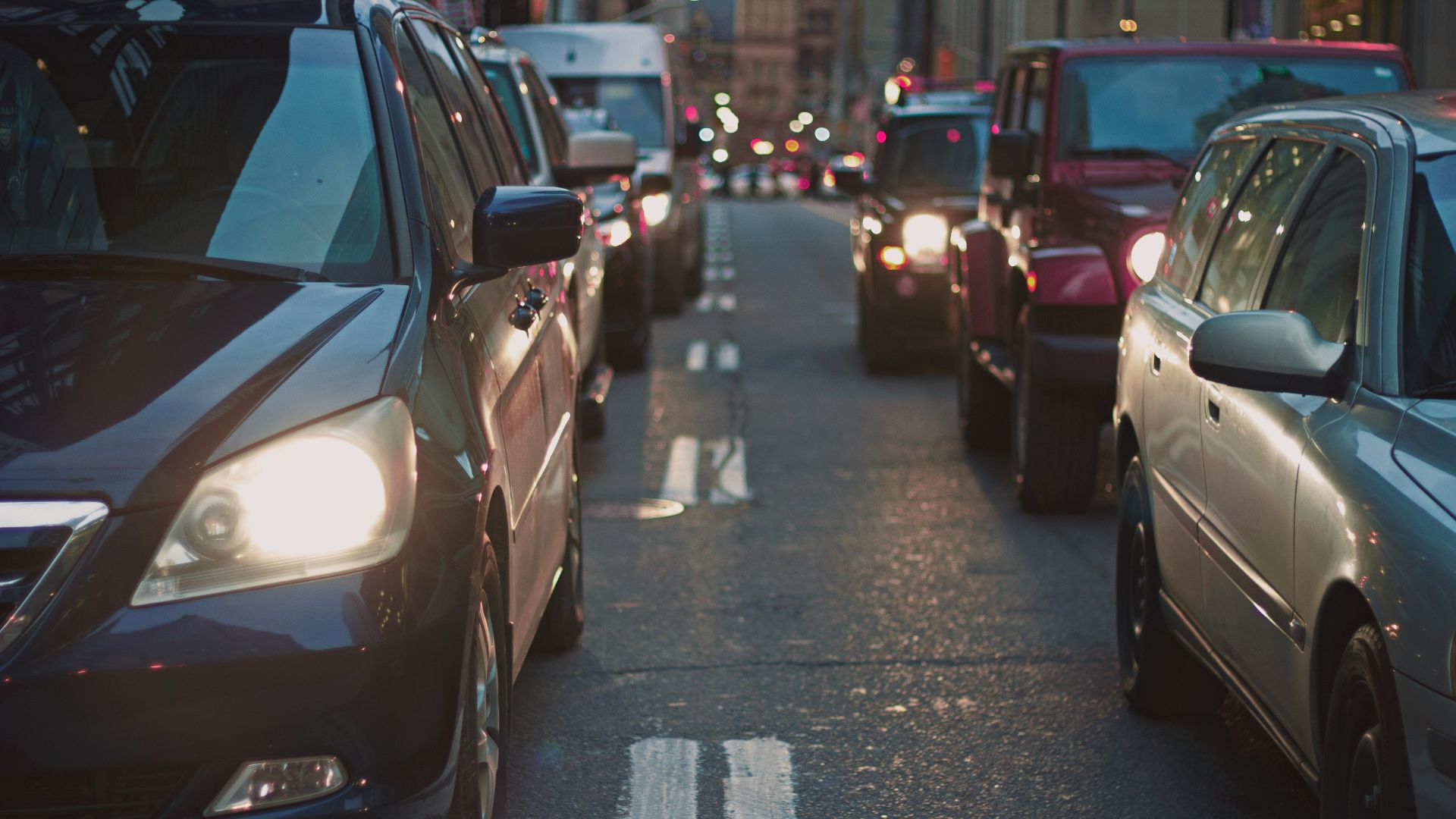
4. Following Too Close Because It “Feels Normal”
Tailgating becomes invisible when everyone is doing it, and then one hard brake exposes the math you didn’t want to do. Even at moderate speed, your car needs space to slow smoothly, and your brain needs space to process what’s happening without panic.
5. Hovering in Someone’s Blind Spot
Sitting in a blind spot is like standing in the one dark corner of a room and expecting everyone to notice you anyway. A small change in speed makes you either clearly ahead or clearly behind, which keeps lane changes from turning into near-misses.
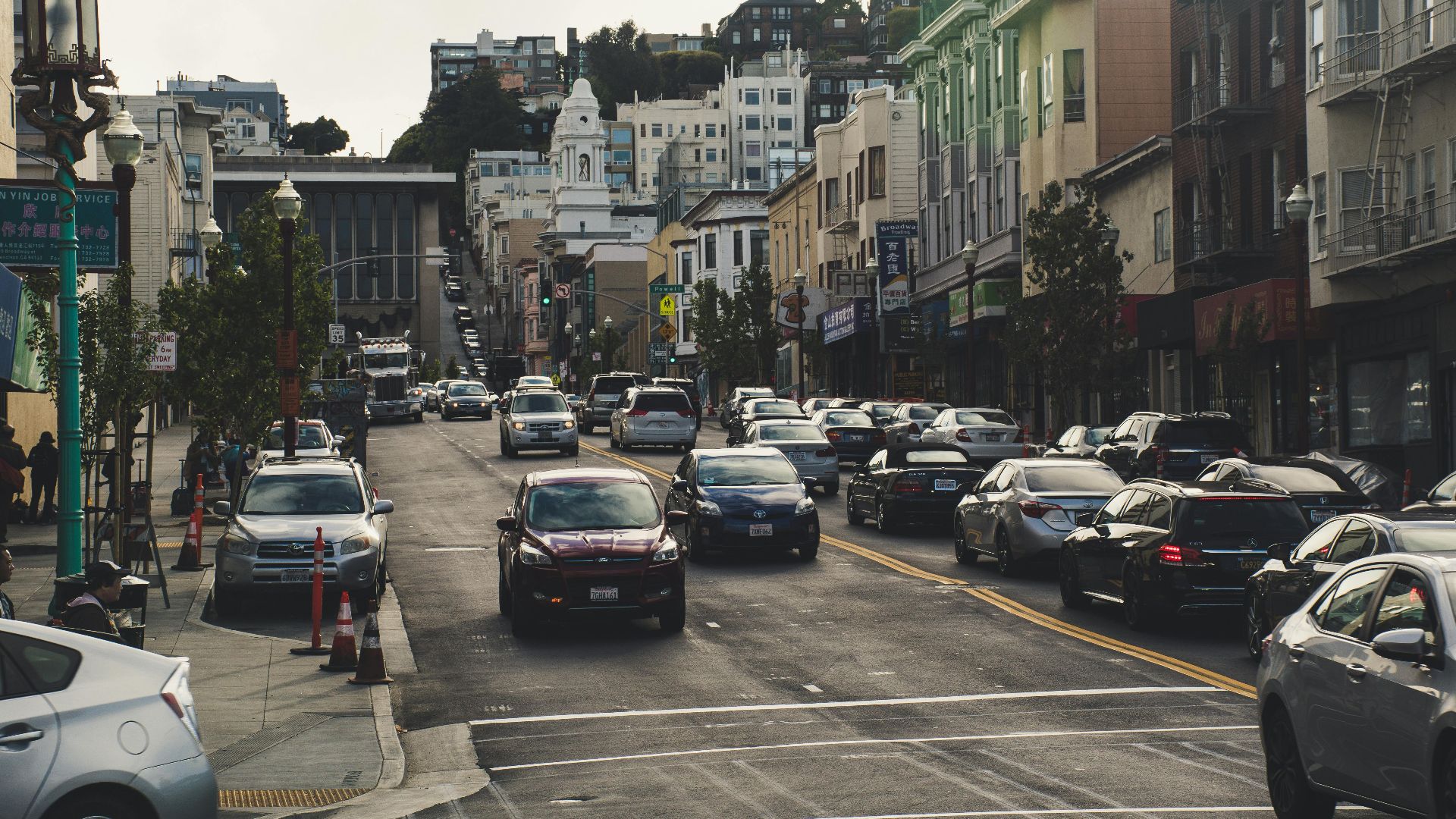
6. Setting Mirrors to Show Too Much of Your Own Car
Many people angle mirrors like a comfort check, keeping a slice of their own doors in view. A better mirror setup widens what you can actually see, and it makes merging feel less like a gamble you’re taking on faith.
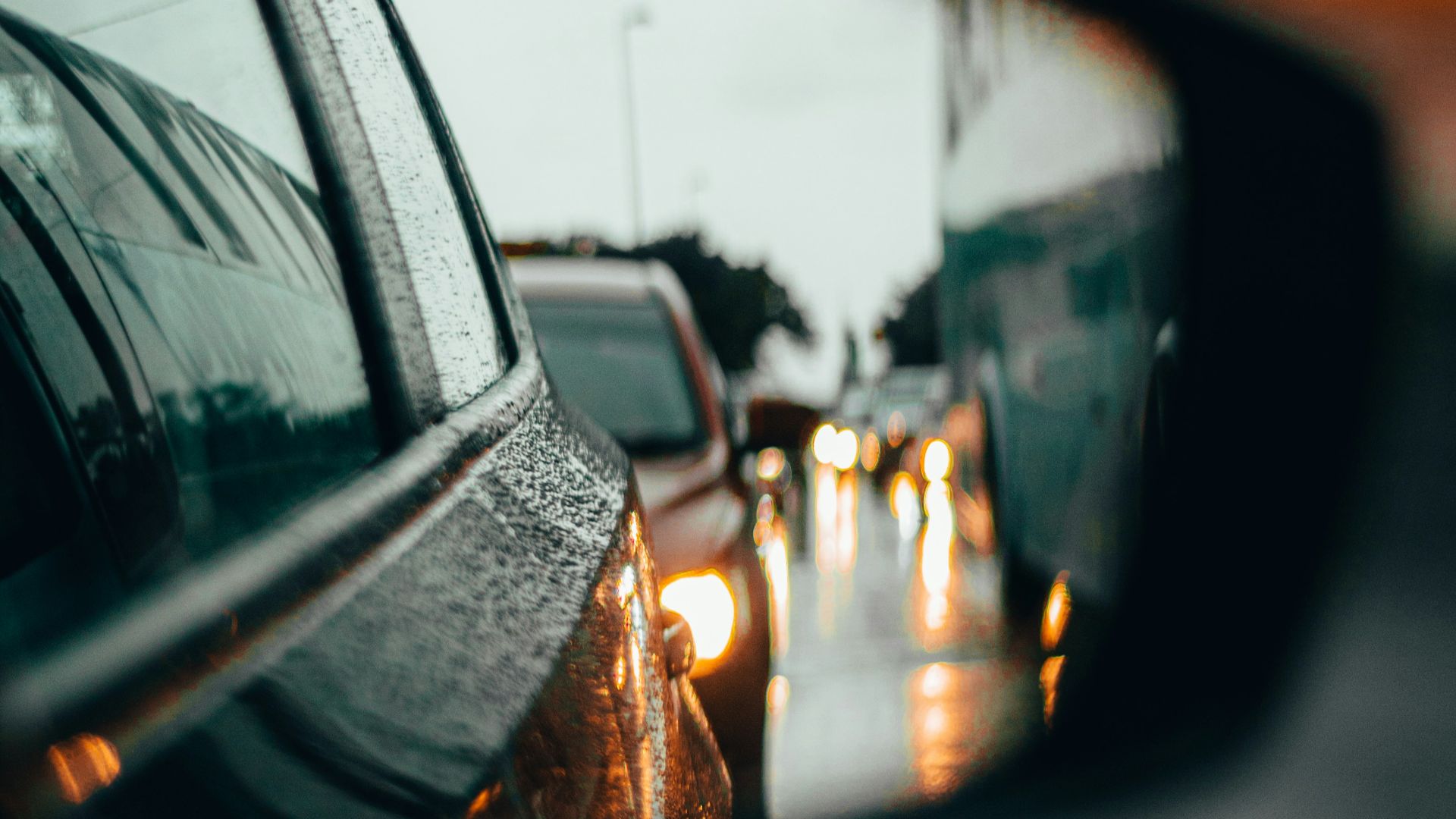
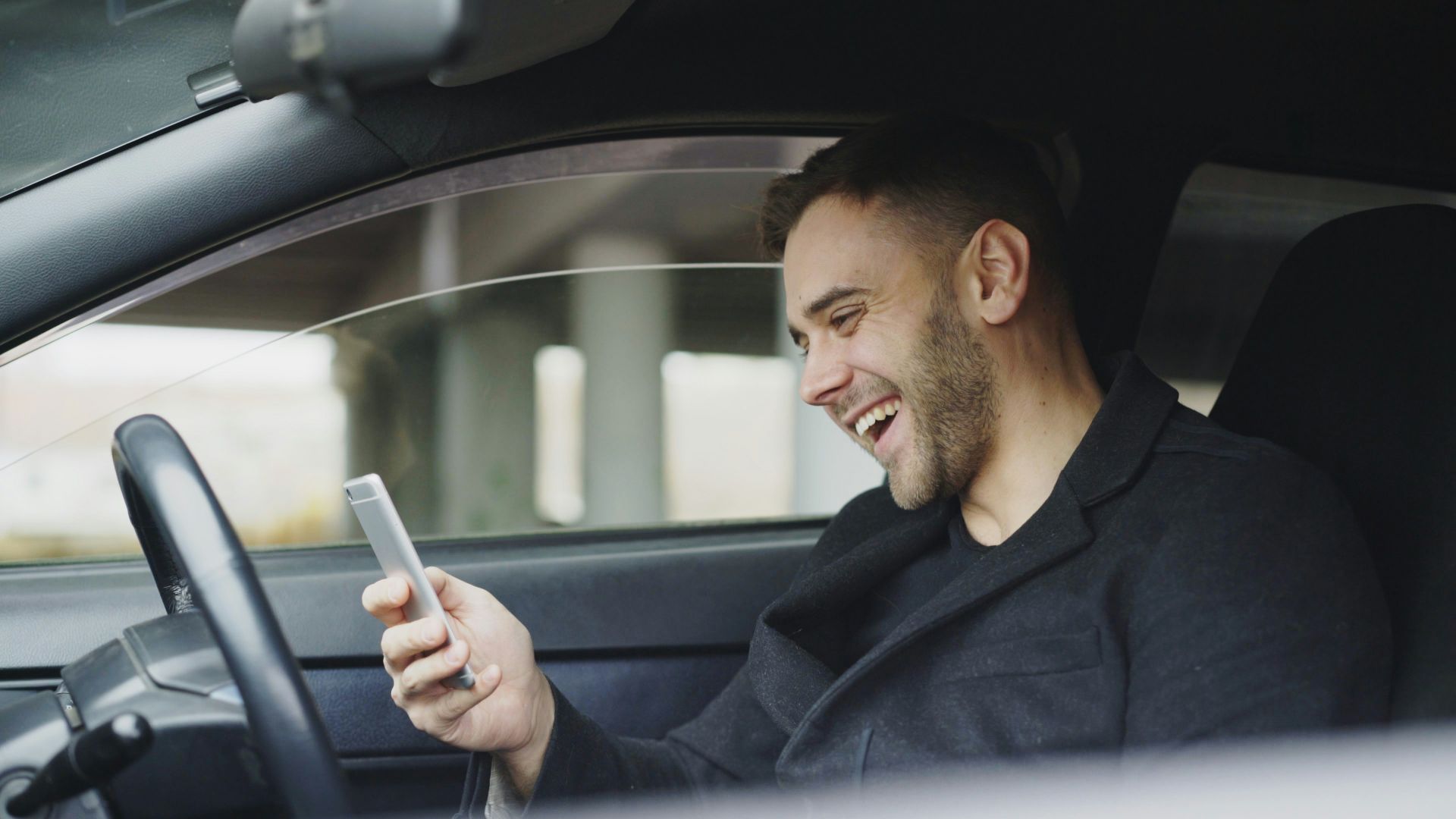
7. Treating Red Lights Like Phone Breaks
The phone comes out because the car isn’t moving, yet your attention still leaves the road. When the light turns green, you’re mentally behind the moment, and the delay ripples backward through traffic in a way that invites impatience.
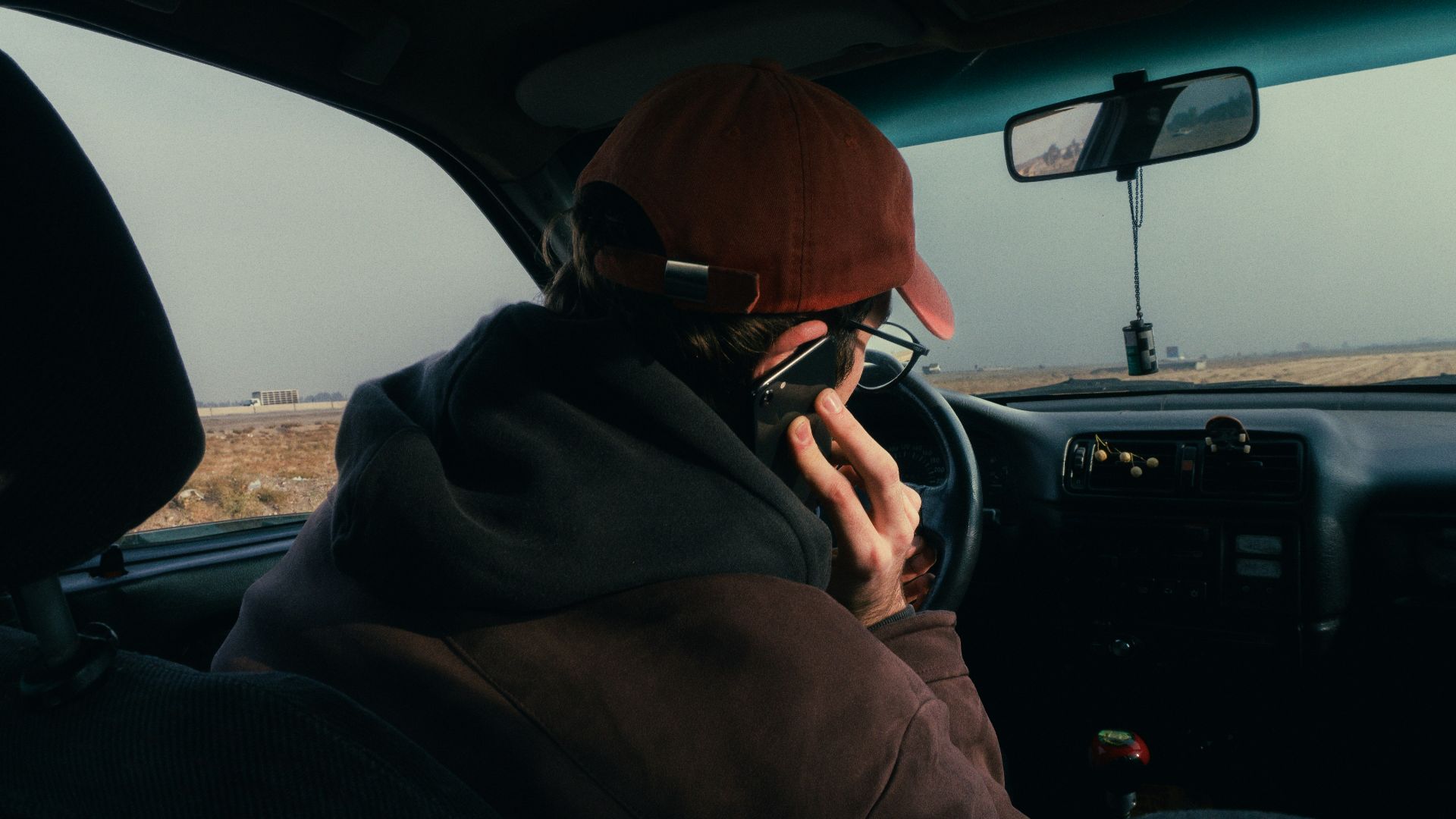
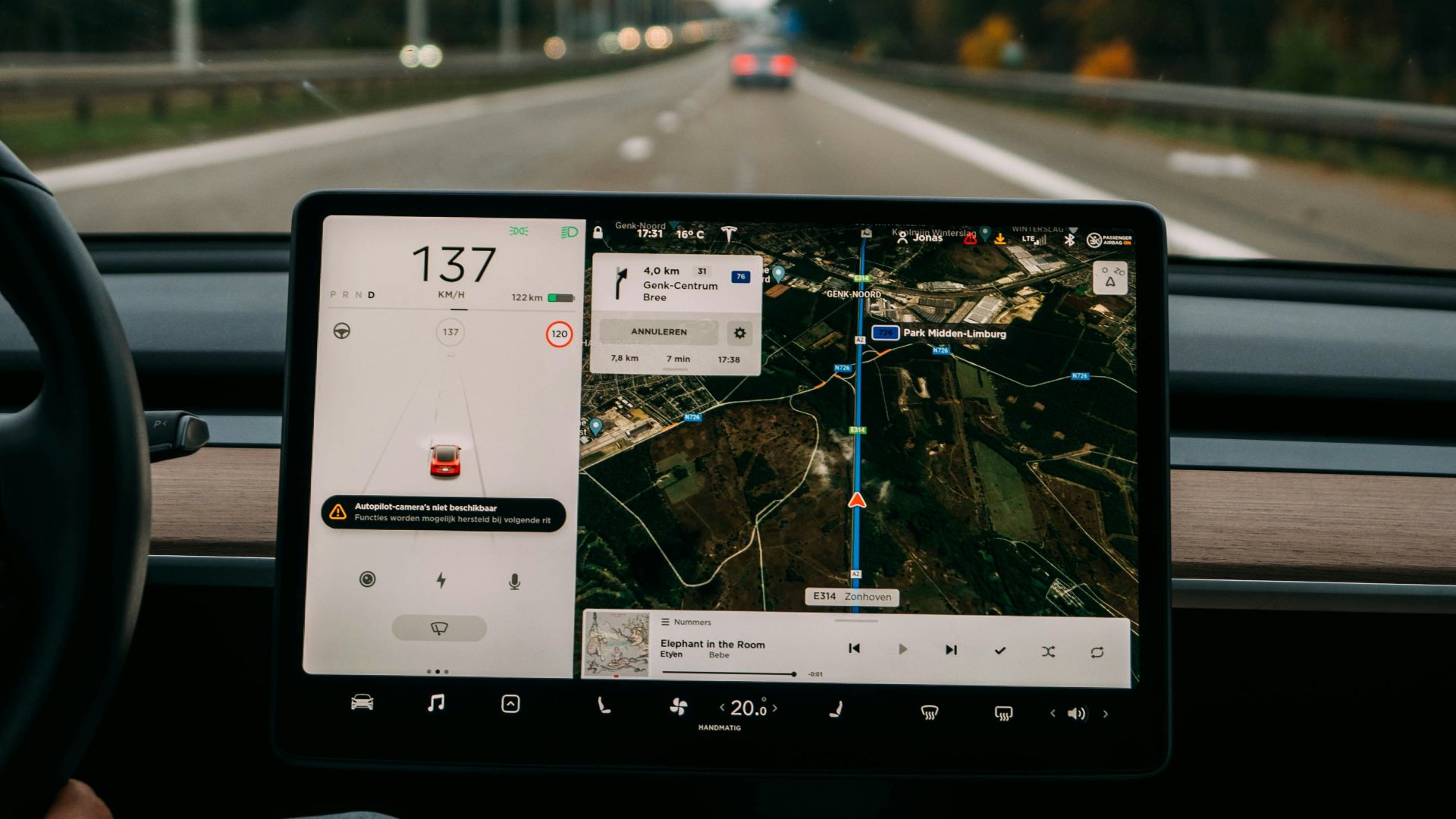
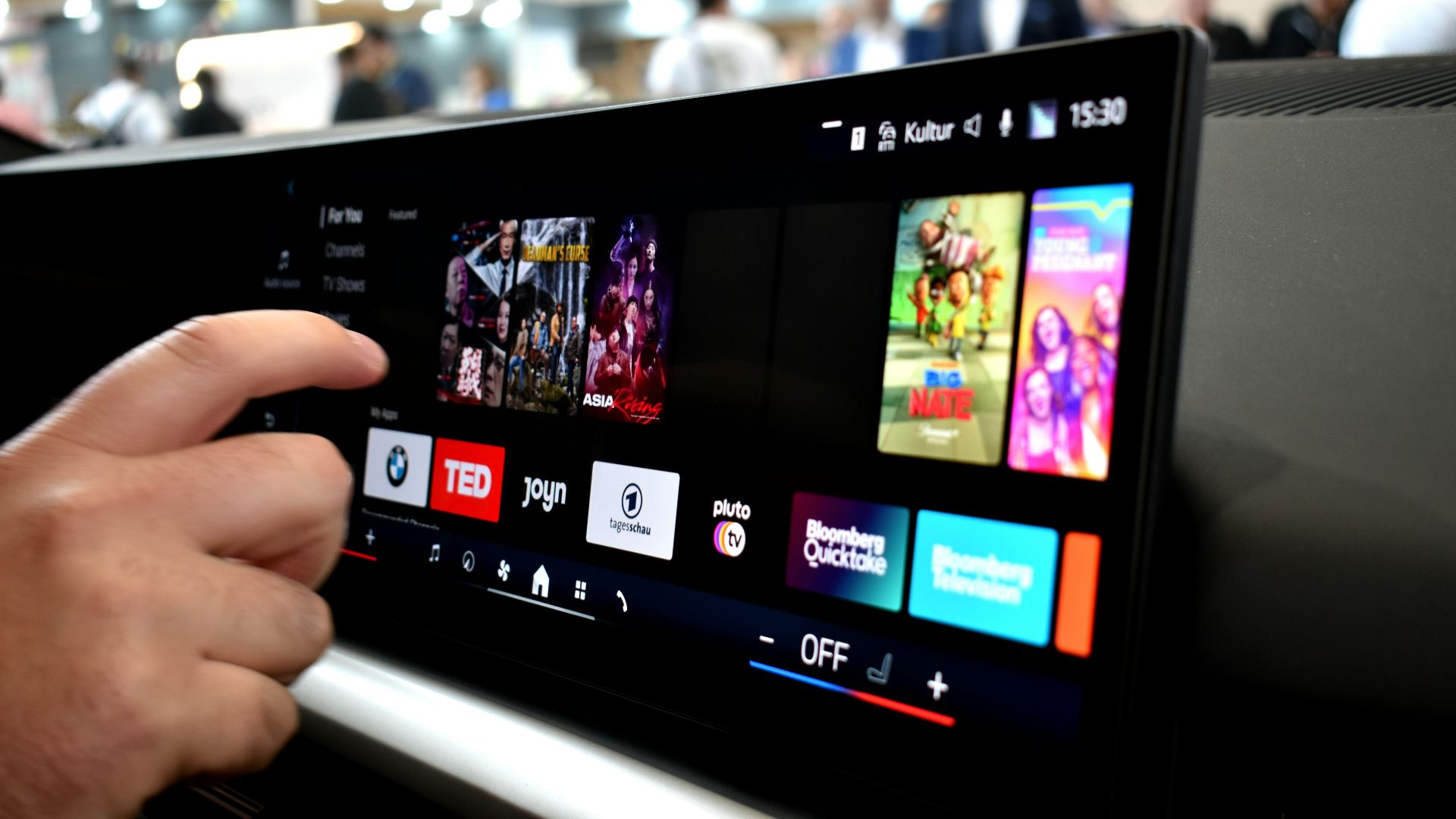
8. Poking at Touchscreens While Rolling
Touchscreens demand tiny decisions and tiny visual checks, and those tiny glances add up fast. The problem is rarely one dramatic look away, it’s the repeated half-second losses of awareness that make everything around you feel like it’s moving unpredictably.
9. Letting Speed Creep Without Meaning To
Wide roads and downhill stretches can make the car drift faster than your brain realizes, especially when you’re feeling relaxed. Higher speed steals reaction time and increases impact severity, which is why it turns small mistakes into bigger consequences.
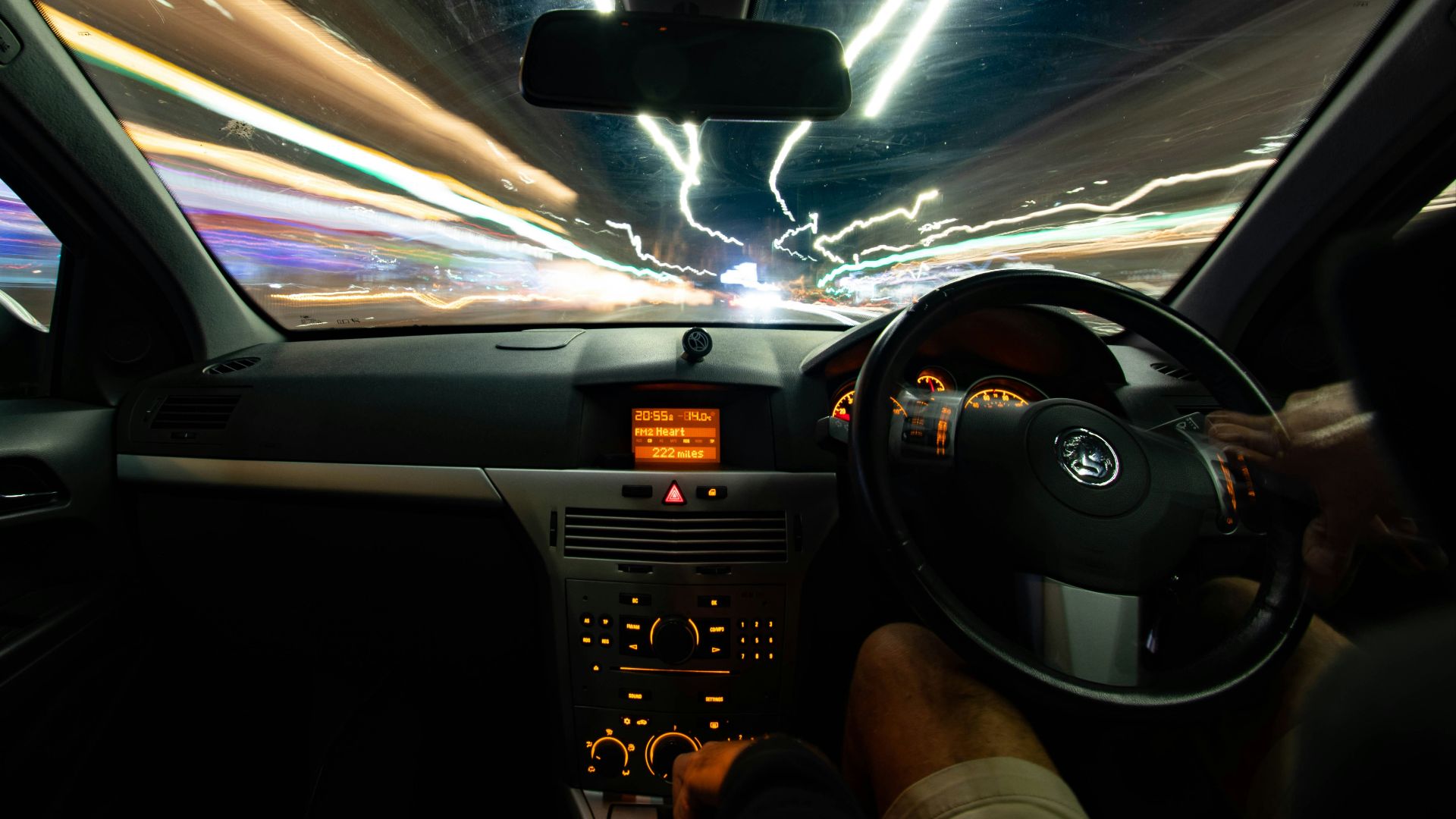
10. Camping in the Left Lane
The left lane can start feeling like the “fast lane” you’ve earned, even when you’re no longer passing anyone. Staying there forces faster drivers to weave around you, and that weaving creates the kind of messy lane changes that make everyone tense.
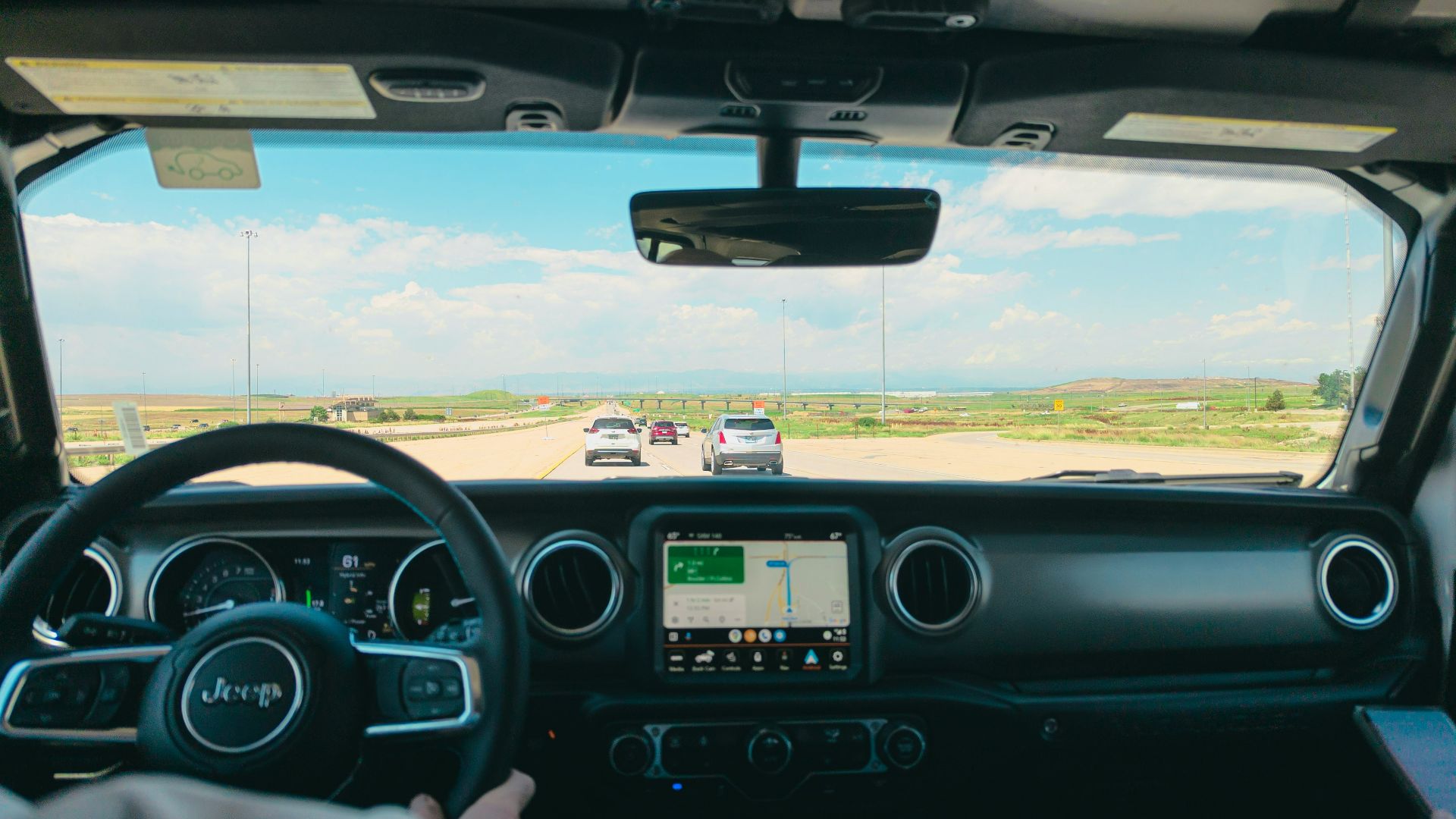
11. Braking Late and Hard as a Habit
Late braking often looks like confidence, yet it usually means you weren’t reading ahead. Smooth, earlier braking keeps your car steadier, gives the driver behind you time to respond, and makes the whole flow feel less aggressive.
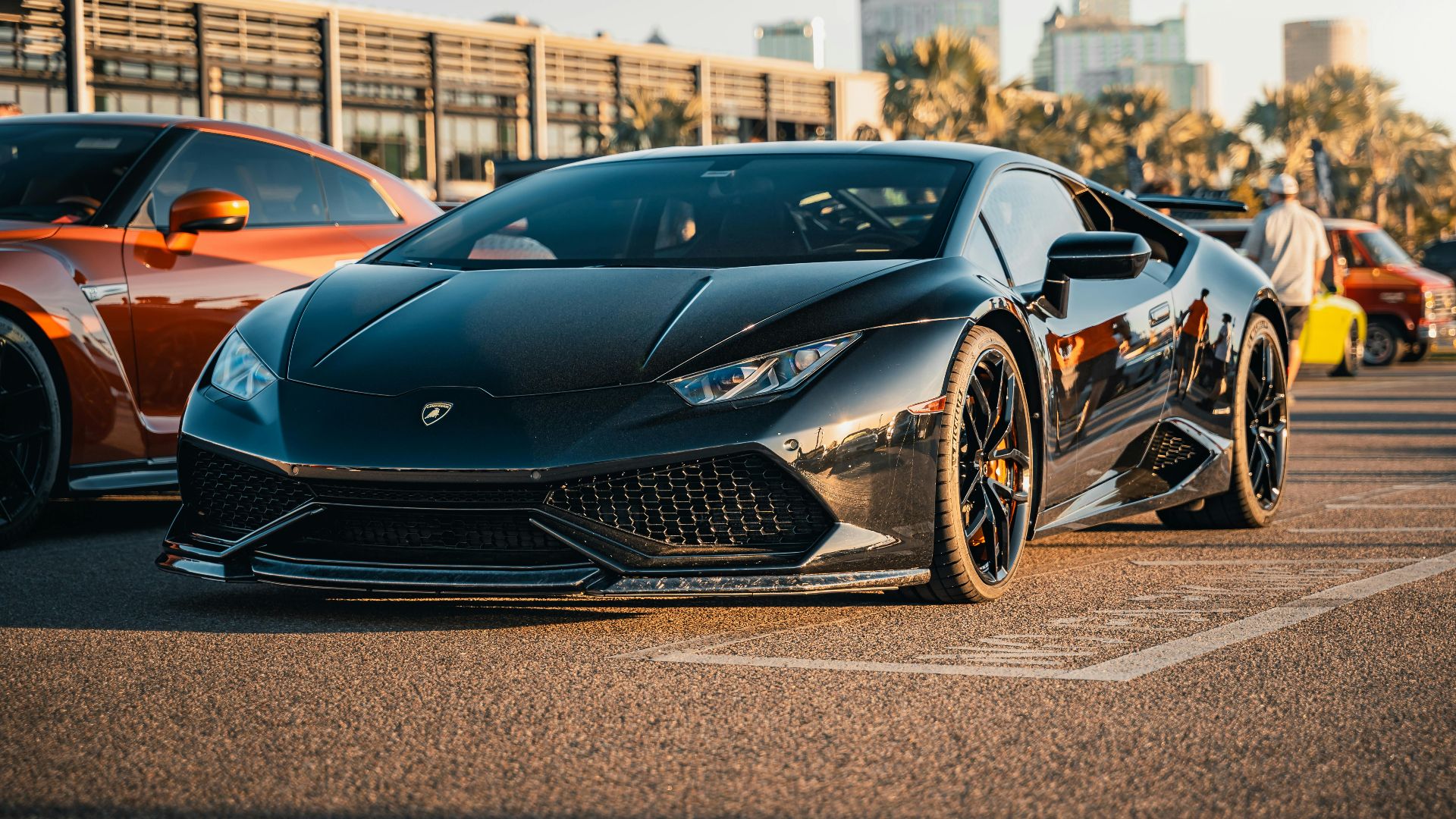
12. Accelerating Toward a Red Light
Some drivers speed up toward a light that is clearly red, then brake hard like they’re trying to erase the last ten seconds. This wastes fuel and increases wear, and it also trains your body to drive in little spikes of tension instead of calm control.
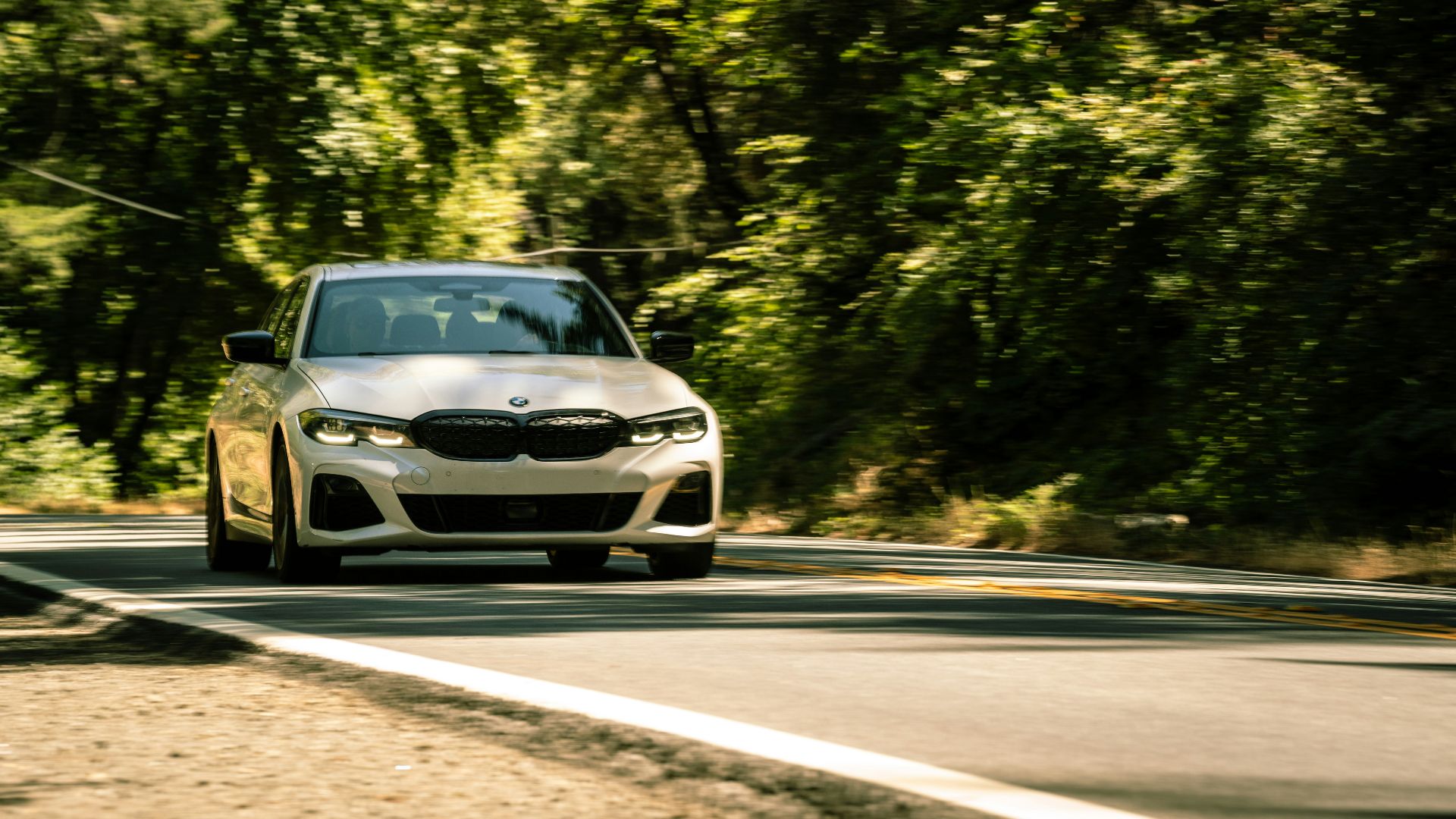
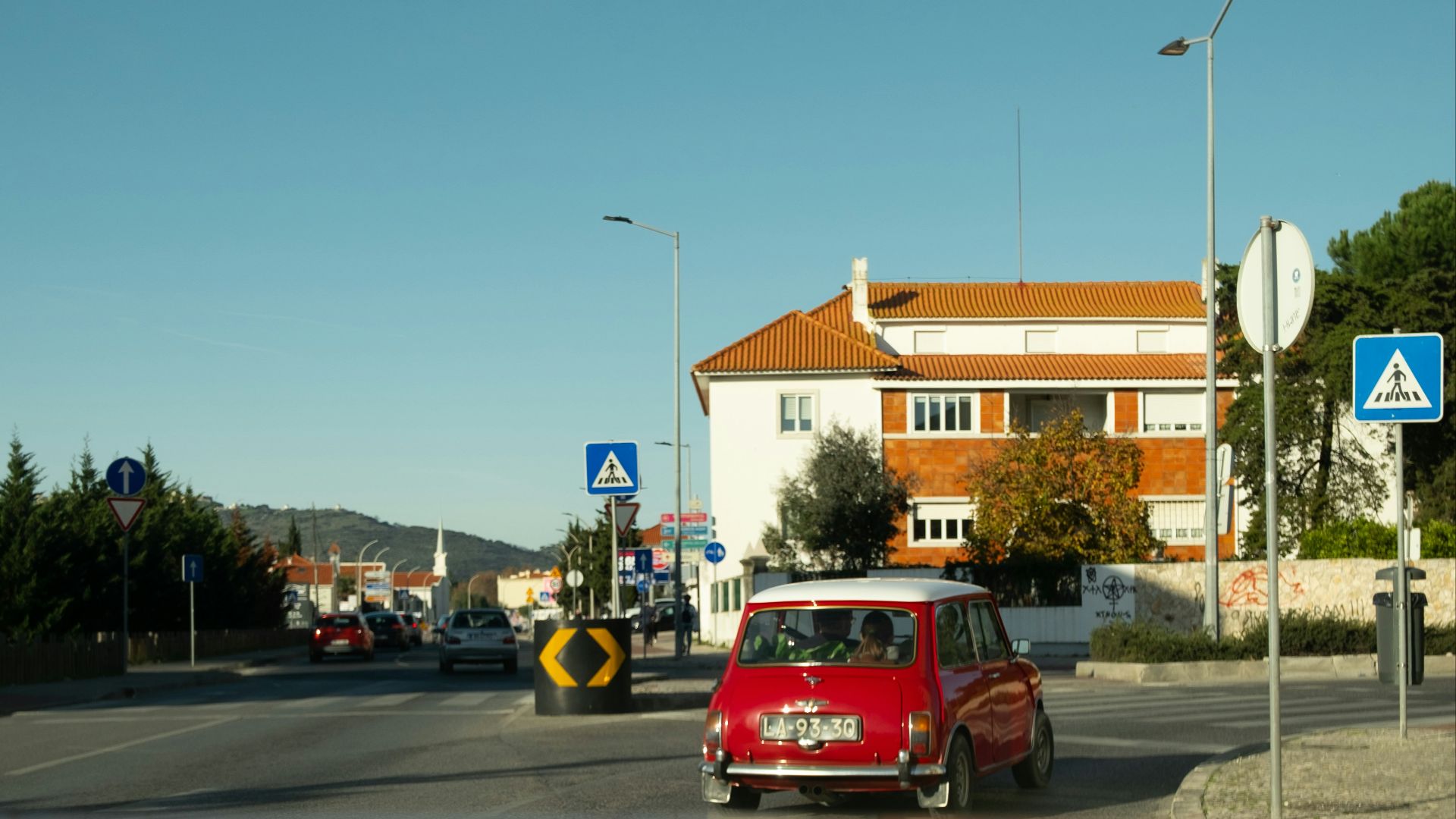
13. Turning Wide Into the Wrong Lane
A wide turn feels graceful, yet it steals space from the lane you’re not supposed to enter. In busy intersections, that small drift can collide with someone else’s perfectly legal turn, which is how a normal corner becomes an ugly exchange.
 Noelephants Flying on Unsplash
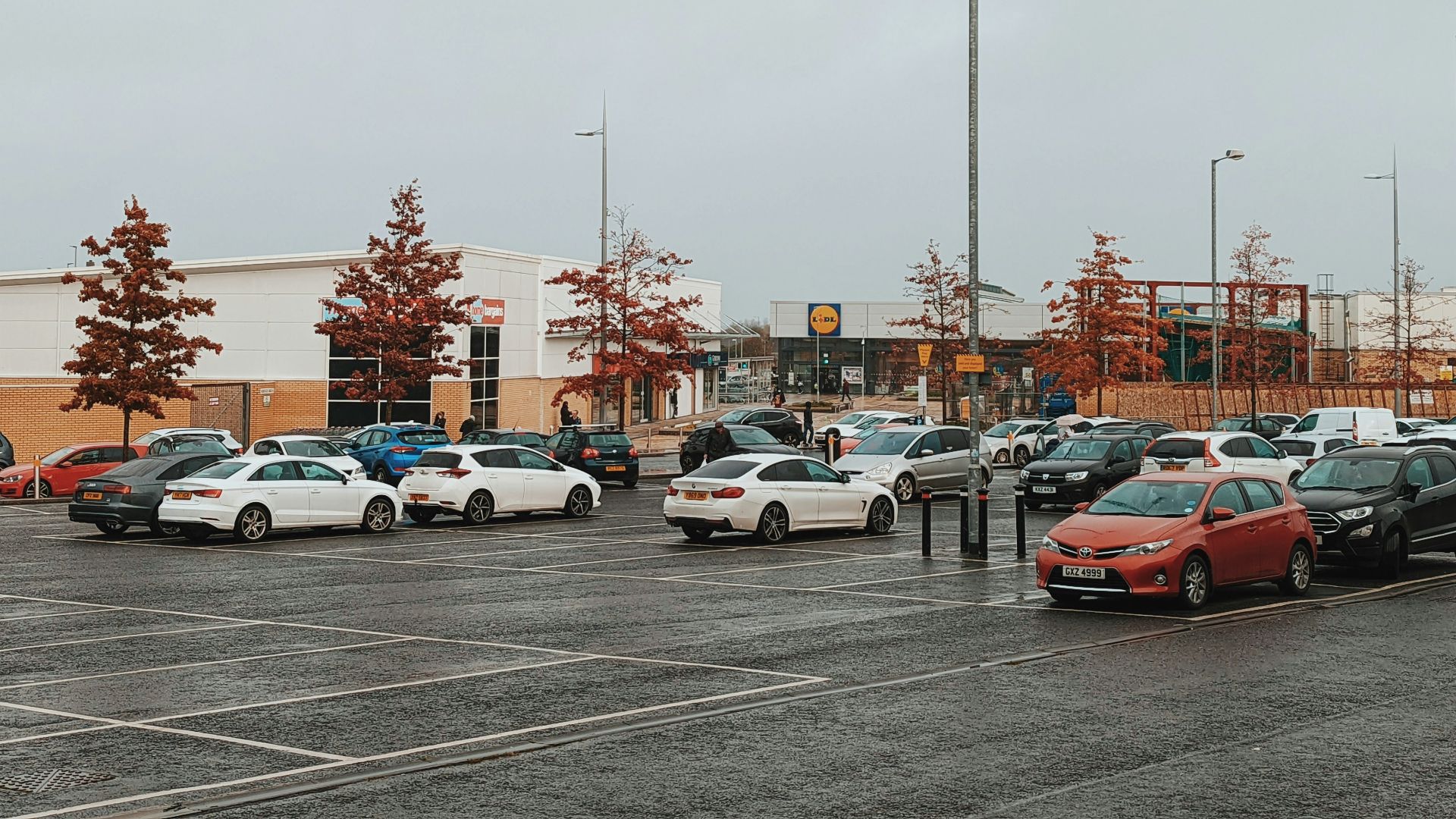
14. Treating Parking Lots Like Rule-Free Zones
Parking lots feel informal, so people stop signaling, stop yielding, and stop expecting pedestrians. The reality is that visibility is worse and movement is random, which makes slow speed and clear intent more important than on a clean, straight road.
15. Blocking Crosswalks With “Just a Little” Creep
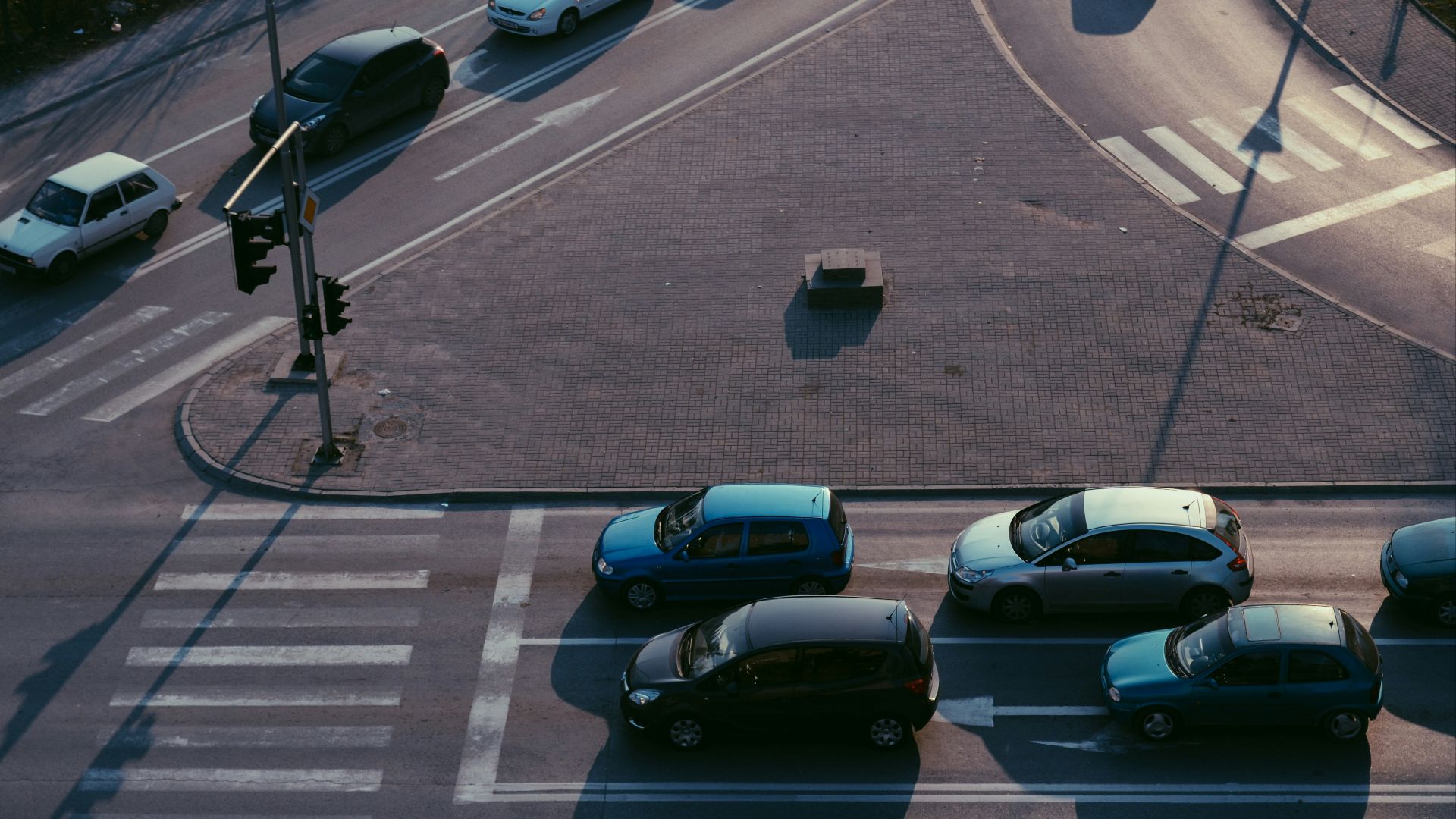
Creeping forward at lights can put your bumper into a crosswalk, even when you think you’re being cautious. That forces pedestrians to step around you, and it creates confusion about who actually has the space to move.
16. Driving on Worn Tires and Hoping for the Best
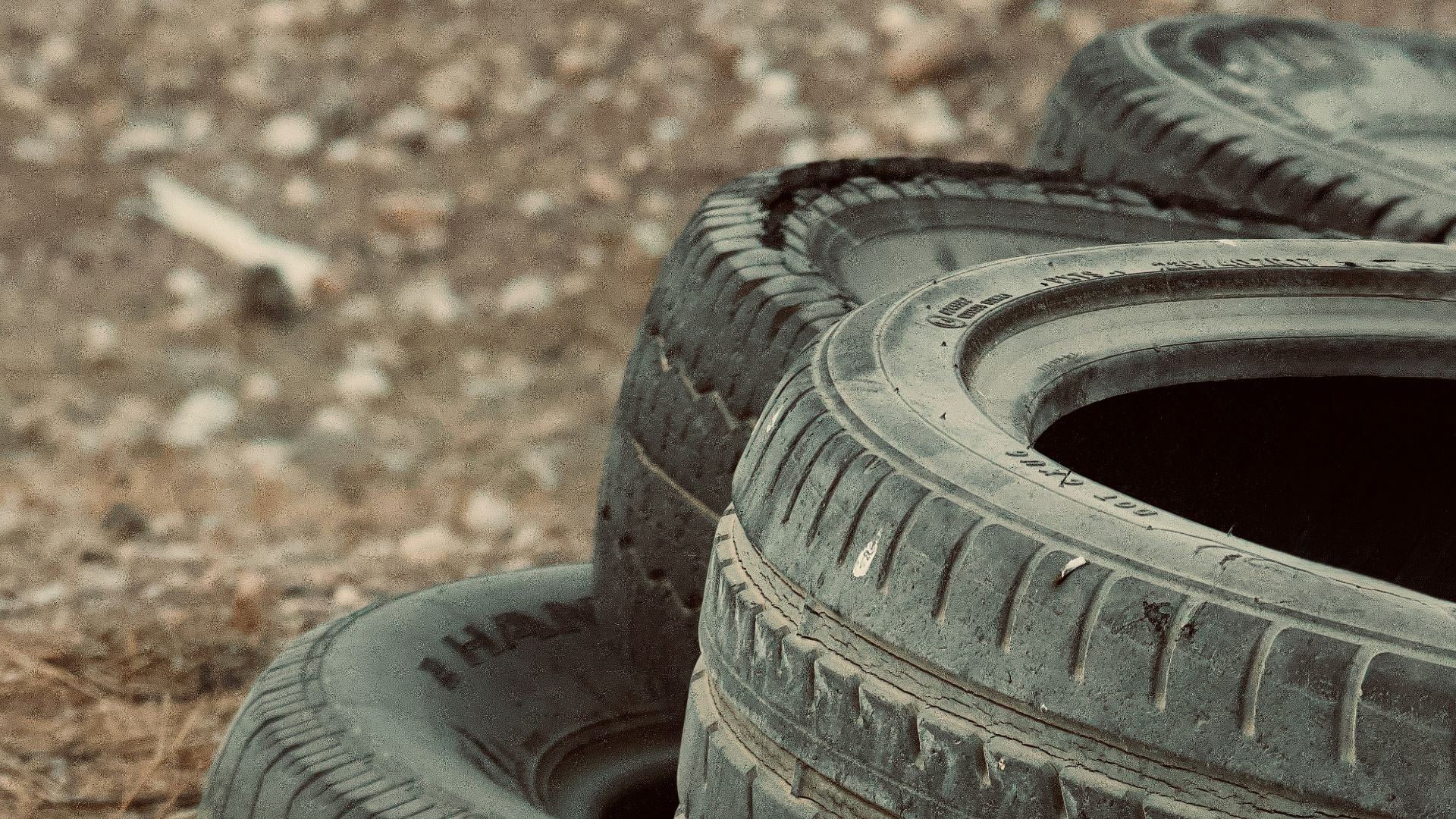
Tires fade gradually, which makes it easy to ignore how much grip you’ve lost until the first slick road reminds you. Low tread and low pressure reduce traction and lengthen stopping distance, and those are the kinds of problems that only show up when it’s already too late.
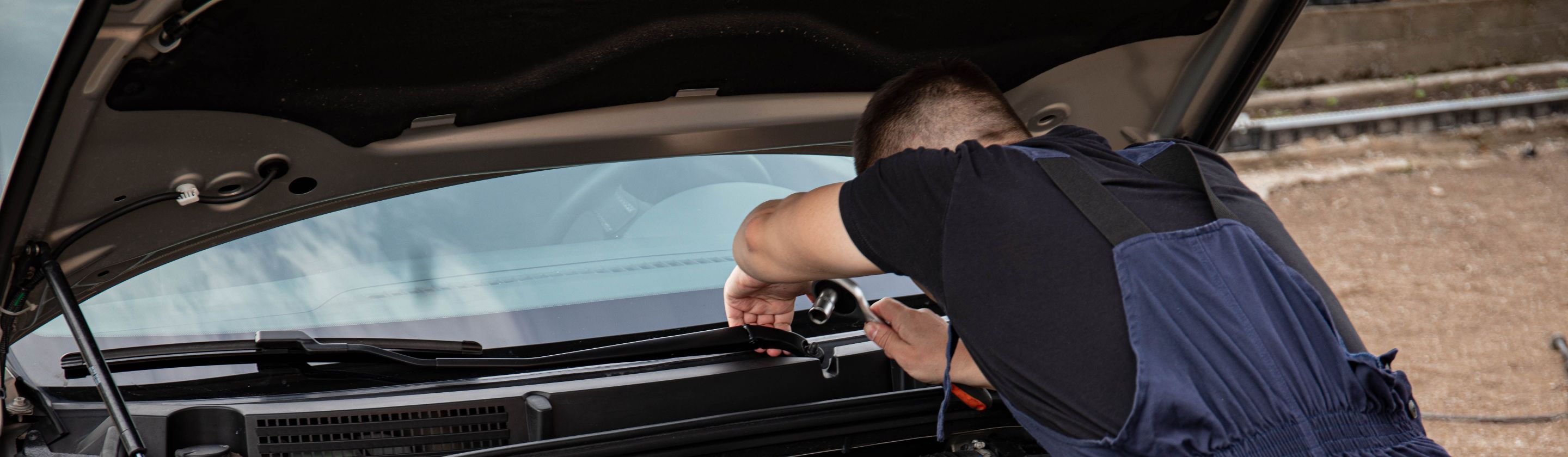
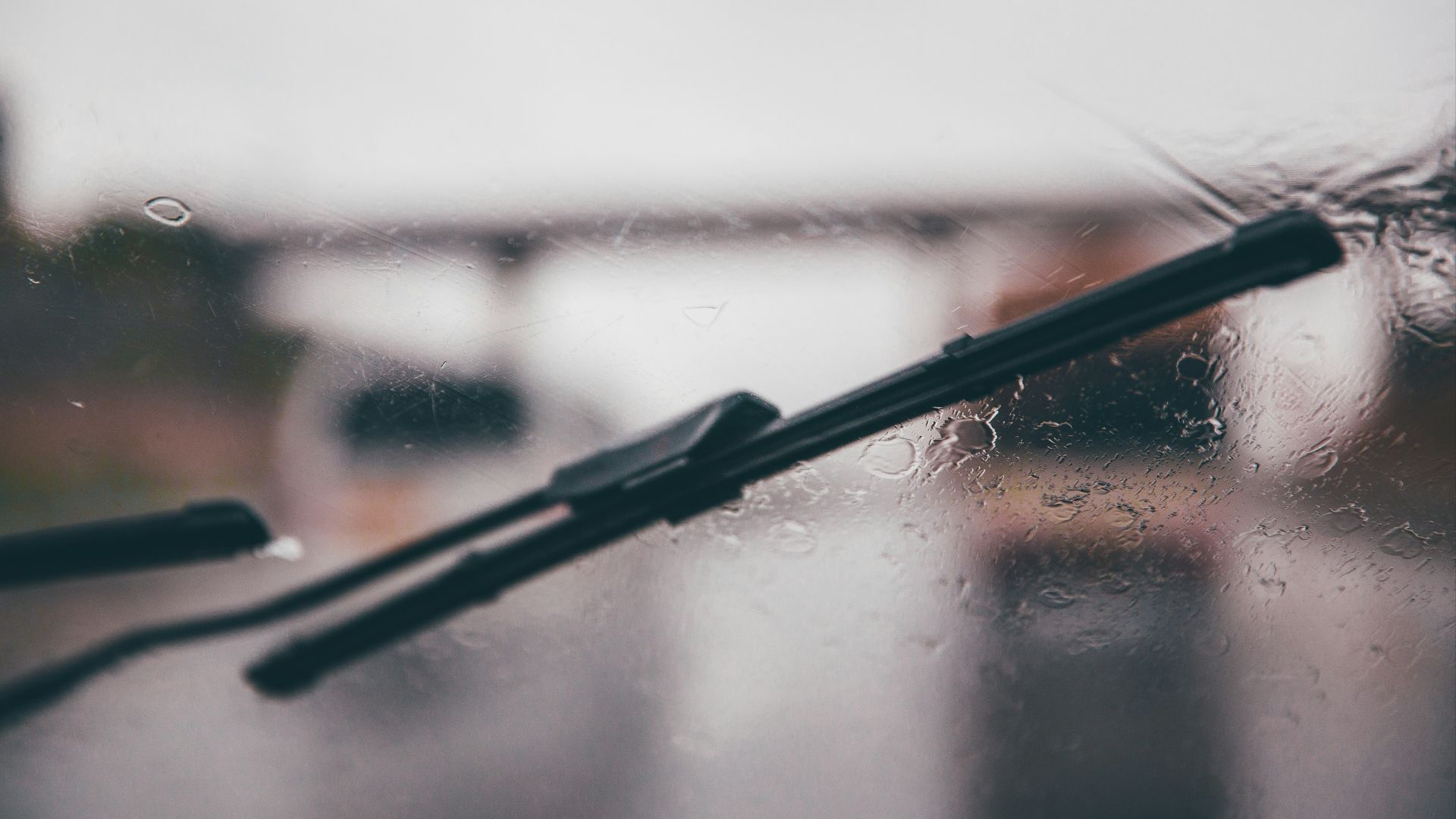
17. Ignoring Windshield Film and Old Wipers
A dirty windshield doesn’t always look dirty, it just makes headlights smear and night driving feel slightly stressful. The inside film that builds up over time can turn glare into a whole visual obstacle course, and tired wipers make rain feel more dramatic than it needs to be.
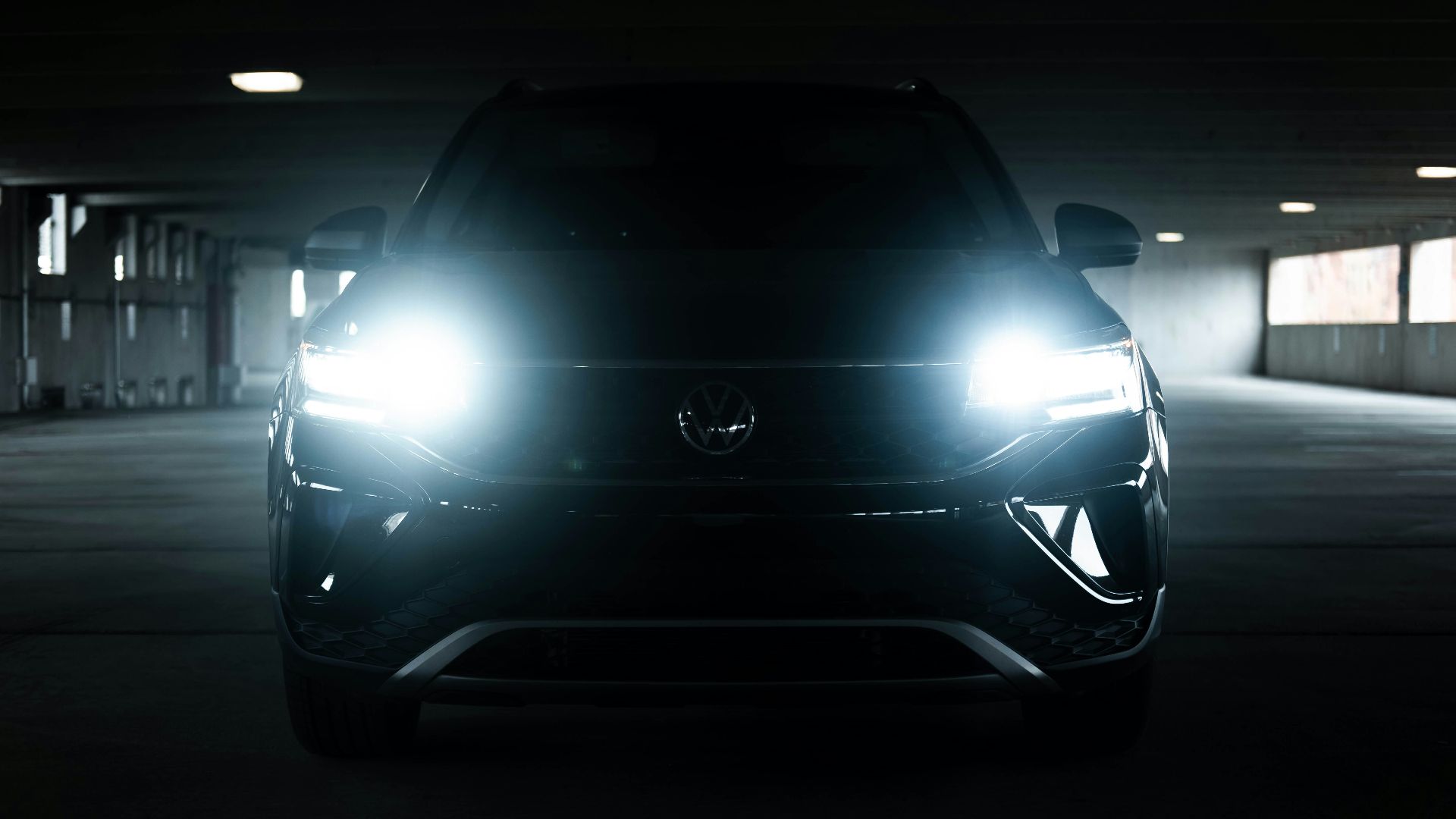
18. Assuming Automatic Headlights Have You Covered
Modern dashboards stay bright even when exterior lights aren’t on, which tricks people into thinking they’re visible. Checking your light indicator takes a second, and it prevents you from becoming the gray car that disappears at dusk or in rain.
19. Riding the Brake on Downhills
Light pressure on the brake can feel controlled, yet it heats up the brakes and reduces the power you’ll need later. Using the car’s gearing, when appropriate, keeps your speed steady without broadcasting constant brake lights and wearing your system down.
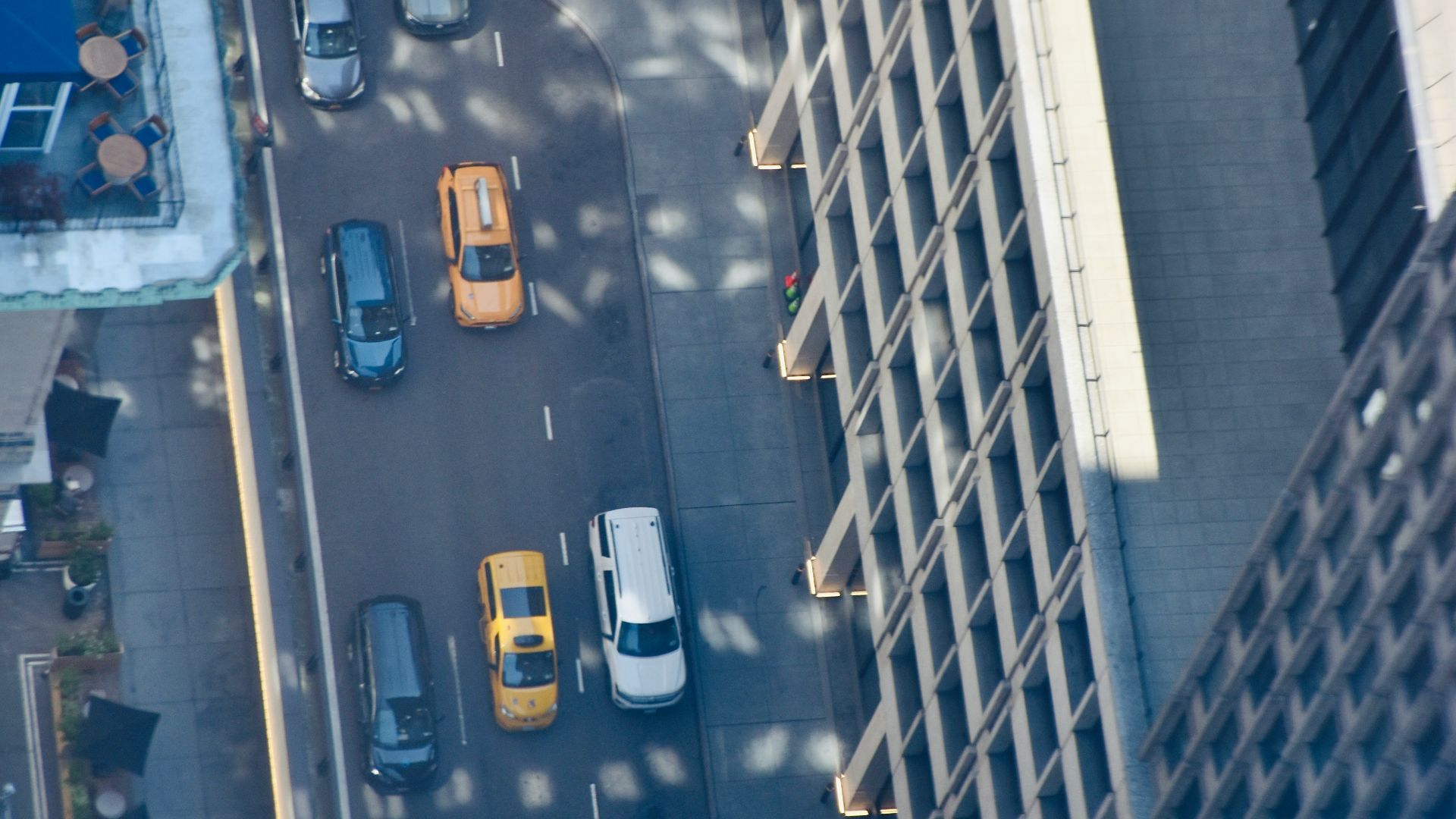
20. Obeying Navigation Prompts at All Costs
A navigation app can be helpful and still be wrong for the moment you’re in, especially when it calls for a last-second exit or an awkward turn. Taking the next safe option and rerouting keeps you from swerving, hesitating, or stopping in places where stopping turns into risk.