

Modern infotainment systems play a major role in how you experience a vehicle day to day. They influence everything from navigation and music to communication and safety features, often acting as the digital center of the cabin. As vehicles become more technologically advanced, expectations for these systems continue to rise. When these systems are designed well, they enhance driving without demanding constant attention or added stress. They quietly support the drive instead of competing with it.
You can usually tell within minutes whether an infotainment system was thoughtfully built. The best ones feel intuitive rather than overwhelming, even if they offer a wide range of features. They guide you naturally instead of forcing you to learn complicated workflows. Across manufacturers and vehicle classes, the strongest systems consistently share a few important traits that set them apart. These shared qualities tend to matter more than flashy extras, so it's best to be acquainted with them.
Intuitive Layouts and Driver-Focused Design
The best infotainment systems prioritize clarity over complexity. Menus are structured logically, with frequently used functions placed front and center rather than hidden behind multiple layers. This layout reduces the amount of time you spend searching for basic controls. As a result, your attention stays focused on driving instead of the screen. That balance is critical for both comfort and safety. Ultimately, the most important features should require the least amount of searching and button-pushing.
Screen design plays a critical role in how intuitive a system feels. High-quality systems use clean graphics, readable fonts, and strong contrast so information remains visible in changing light conditions. Bright sunlight, nighttime driving, and glare shouldn't compromise usability. This visual consistency helps build confidence when interacting with the system, and also reduces eye strain during longer drives.
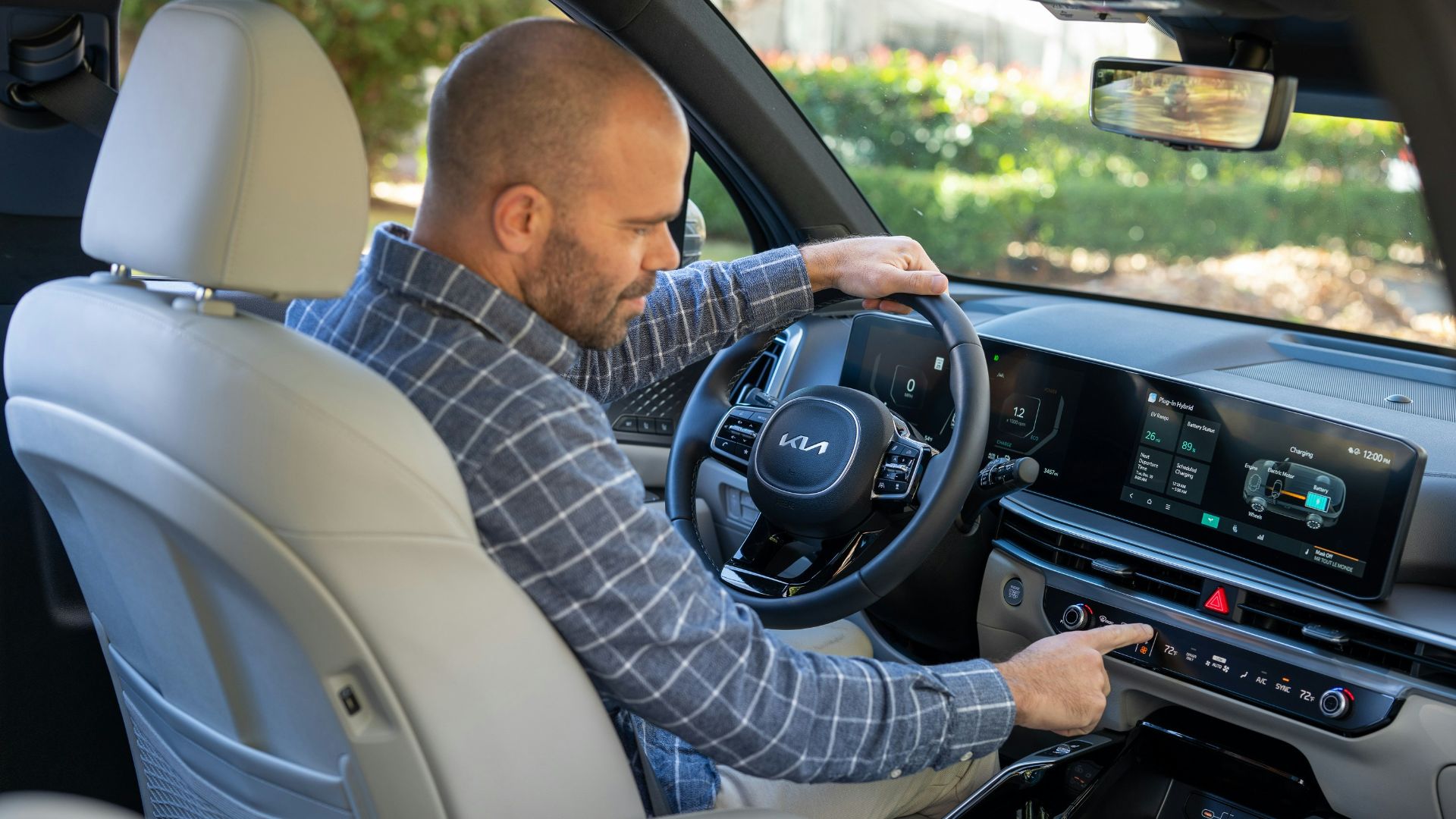
Physical controls still complement digital interfaces in top-tier systems. Well-placed knobs and buttons for volume or tuning allow adjustments without looking away from the road. This tactile feedback is especially helpful when driving at higher speeds or on rough roads. This combination of touch and physical input helps reduce distraction while keeping the experience user-friendly. Drivers often trust these systems more because they feel predictable.
Smooth Connectivity and System Performance
Strong infotainment systems excel at connecting with your devices seamlessly. Apple CarPlay and Android Auto are common because they mirror familiar phone interfaces, making navigation and media control feel natural. This familiarity lowers frustration and minimizes the learning curve for new drivers. It also helps ensure consistency across different vehicles. You don’t have to rethink basic functions every time you switch cars.
Wireless connectivity has become a shared feature among the best systems. Not needing a cable makes it easier to hop in the car and get going without extra steps or waiting for your device to connect. It also keeps the cabin cleaner and less cluttered with cords. Over time, this convenience becomes something you genuinely miss in systems that don’t offer it. Small efficiencies like this add up quickly.
Lastly, responsiveness ties everything together. Fast processors and stable software ensure that maps load quickly, menus respond instantly, and connections don’t drop unexpectedly. Delays or freezes can quickly become distracting and irritating. When a system reacts without lag, it feels reliable, polished, and well-engineered. That sense of reliability builds long-term trust and enhances every drive.
Longevity, Updates, and Everyday Practicality
The best infotainment systems are designed to age well. Regular software updates improve functionality, fix bugs, and sometimes introduce new features. This ongoing support keeps the system relevant as technology evolves, which can often be at a rapid pace. Drivers benefit from improvements without needing to replace hardware. It also signals that the manufacturer has invested in the vehicle's technology and experience beyond the sale.
Over-the-air updates have become especially important for modern vehicles. They allow manufacturers to enhance systems remotely without requiring dealership visits. This saves time and eliminates unnecessary appointments. It also ensures that important fixes and refinements reach drivers quickly. Convenience plays a major role in how these systems are perceived.
Practical customization is another shared strength. The ability to save user profiles, rearrange home screens, and set preferences helps the system adapt to different drivers. These features are especially useful in shared vehicles. When technology adjusts to your habits, it feels like a helpful companion rather than a distraction. That personalization makes everyday driving more comfortable.
Taken together, these shared traits explain why some infotainment systems stand out more than others. They balance advanced features with simplicity, speed, and long-term usability. Instead of chasing gimmicks and pointless features, they focus on consistency and ease of use. When everything works in harmony, the system supports the drive instead of detracting from it, which is exactly what drivers need and want.