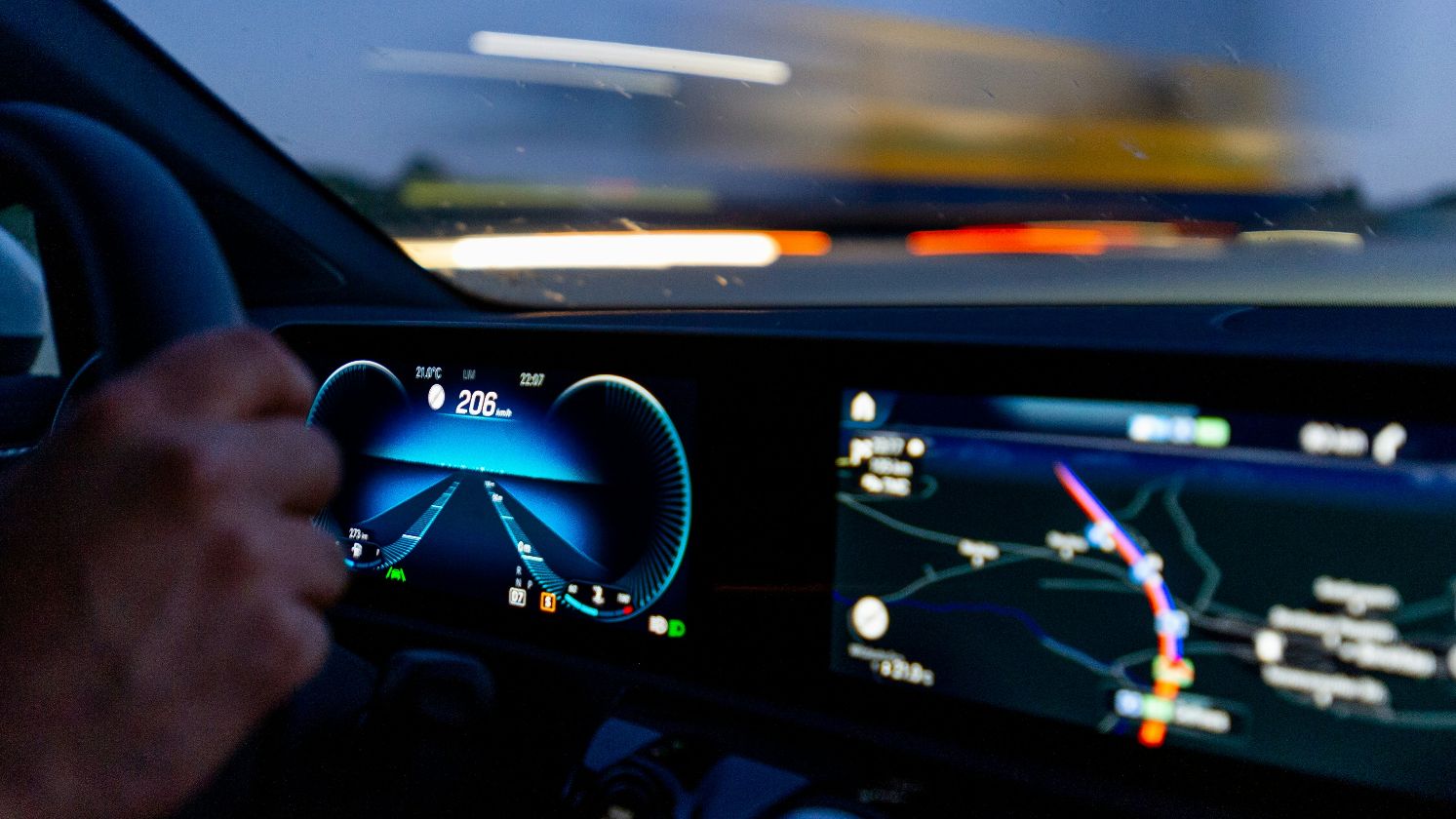

Modern vehicles are designed to warn drivers when something isn’t working correctly. Dashboard warning lights serve as an early alert system that helps prevent small problems from turning into expensive repairs or dangerous situations. While some alerts signal minor issues, others indicate problems that require immediate attention.
Unfortunately, many drivers ignore dashboard lights or assume they can wait until the next service appointment. That approach can sometimes lead to bigger mechanical failures or safety risks on the road. Understanding what certain warning lights mean can help you respond quickly and keep your vehicle running safely.
Check Engine Light
The check engine light is one of the most common warning indicators drivers encounter. This light typically signals that the vehicle’s onboard diagnostics system has detected an issue with the engine or emissions system. Problems can range from something simple, such as a loose gas cap, to more serious issues like faulty sensors or ignition problems. Because the causes vary widely, the vehicle usually needs to be scanned with a diagnostic tool to identify the exact problem.
If the check engine light appears as a steady glow, the issue may not require immediate stopping, but it should still be inspected soon. Continuing to drive without checking the problem can sometimes reduce fuel efficiency or increase emissions. A professional mechanic can connect a diagnostic scanner to determine the specific fault code. This code helps narrow down the possible causes and guides the repair process.
However, if the check engine light begins flashing, the situation is more urgent. A flashing light often indicates a severe engine misfire that can damage the catalytic converter. In this case, it’s safest to reduce speed and seek mechanical assistance as soon as possible. Addressing the problem early can prevent costly repairs later.
Oil Pressure Warning Light
The oil pressure warning light signals that the engine may not be receiving enough oil pressure to lubricate its internal components. Engine oil plays a critical role in reducing friction and preventing overheating inside the engine. When oil pressure drops too low, metal parts can begin grinding against each other. This can quickly lead to severe engine damage.
If this warning light appears while driving, it’s important to pull over safely and shut off the engine as soon as possible. Continuing to operate the vehicle without adequate oil pressure can permanently damage the engine in a very short amount of time. Once the vehicle is safely stopped, checking the oil level with the dipstick can help identify whether the oil level is low.
Low oil levels, worn oil pumps, or leaks in the lubrication system can all trigger this warning. Even if the oil level appears normal, the light may still indicate a mechanical issue that requires professional inspection. Because engine repairs can be extremely expensive, responding quickly to this warning light is essential.
Brake System Warning Light
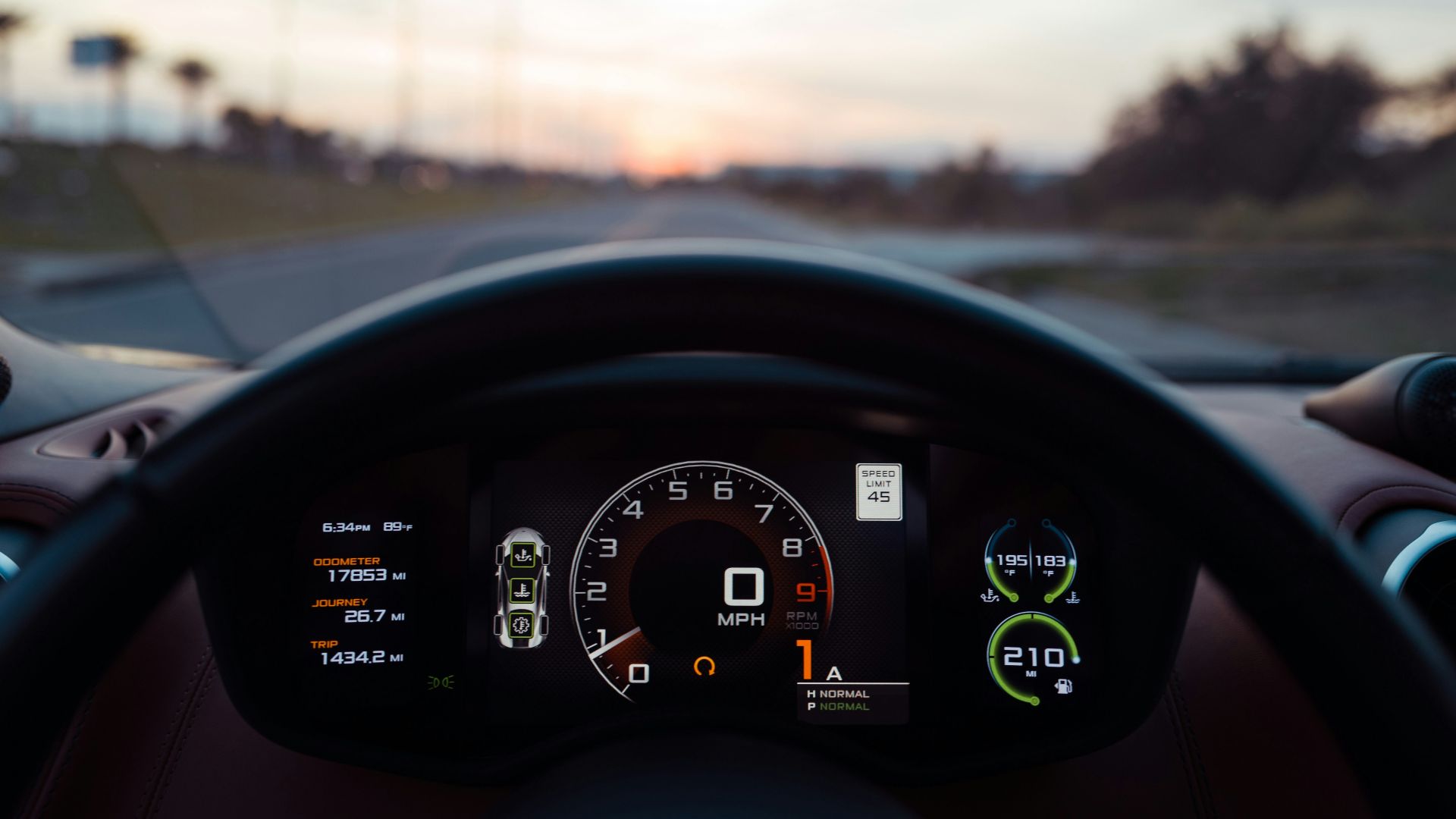
The brake system warning light usually indicates a problem within the vehicle’s braking system. In some cases, the light may simply appear when the parking brake is still engaged. However, if the parking brake is fully released and the light remains on, it may point to a more serious issue. Possible causes include low brake fluid, worn brake pads, or problems with the braking hydraulics.
Brake fluid is responsible for transferring force from the brake pedal to the braking components at each wheel. When fluid levels drop too low, the system may not generate enough pressure to stop the vehicle effectively. This can reduce braking performance and increase stopping distance. For safety reasons, any brake warning light should be taken seriously.
If the brake warning light comes on while driving, it’s wise to have the vehicle inspected as soon as possible. A mechanic can check fluid levels, brake lines, and pad wear to determine the cause. Maintaining the braking system is essential for vehicle safety and should never be postponed.
Dashboard warning lights exist to protect both your vehicle and your safety. While some alerts indicate minor maintenance needs, others signal mechanical problems that shouldn’t be ignored. Paying attention to these warnings and responding quickly can help prevent breakdowns and costly repairs. When a warning light appears, and the cause isn’t obvious, having the vehicle inspected by a qualified mechanic is always the safest choice.