Some cars are built to impress people standing on the sidewalk. Others do something quieter and more lasting: they make the person behind the wheel actually care about the drive itself. They turn a normal errand, a late commute, or a quick back-road detour into something that feels a little more alive.
The cars that earn this kind of affection tend to share a few simple traits. They feel light on their feet, respond clearly, and give drivers enough feedback to make ordinary roads interesting. The best of these cars makes enthusiasm feel reachable, even for a person who doesn’t live to be behind the wheel.
Why Accessible Driver's Cars Matter
 wellthoughtoutusername on Pixabay
A car doesn't need a giant horsepower number to make driving fun. Many of the most memorable enthusiast cars are loved because they feel balanced, responsive, and easy to understand. That's a different kind of performance from pure speed, and for regular drivers, it can be more meaningful. A car that feels good at everyday speeds has more chances to win someone over.
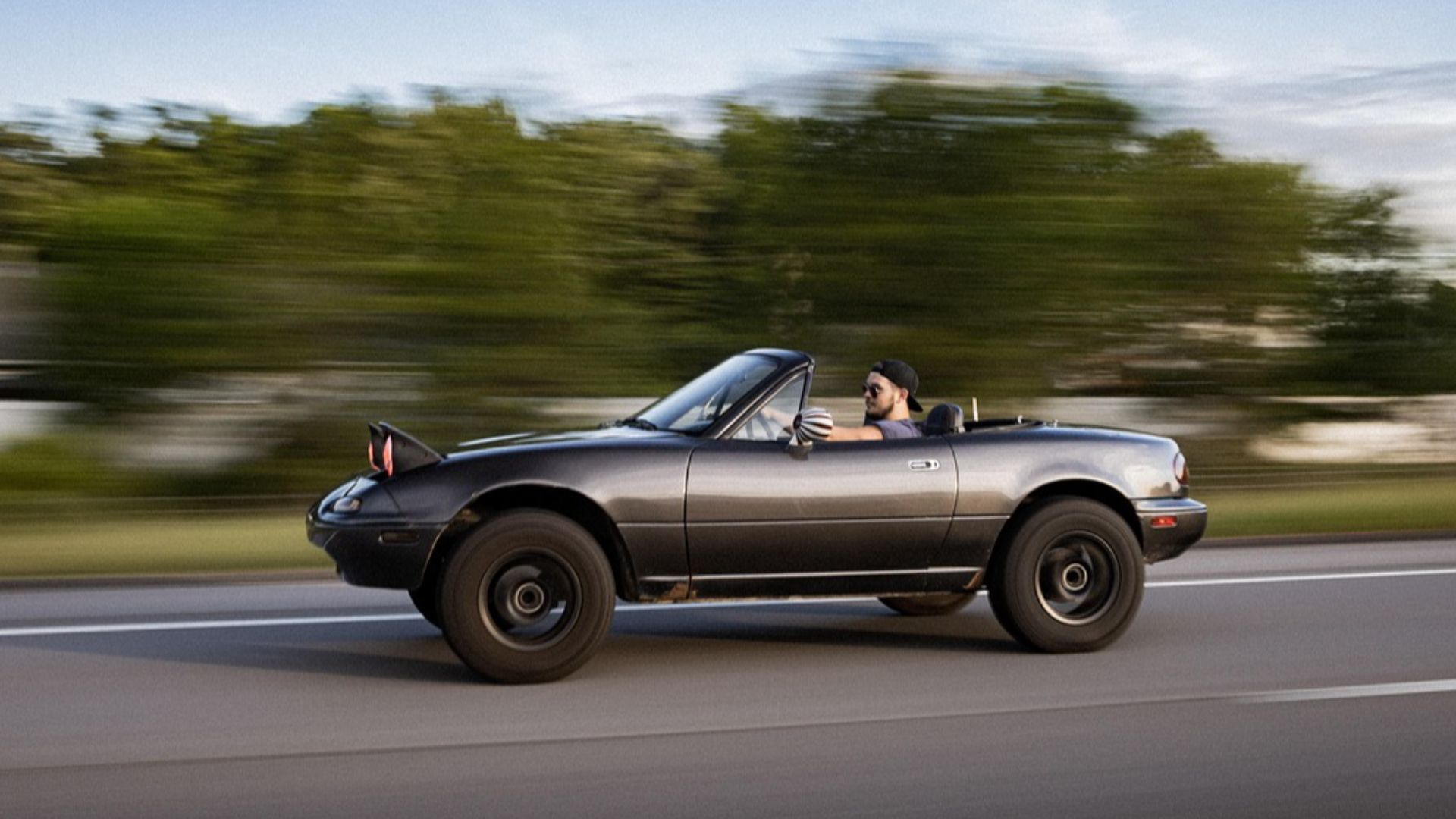
The Mazda MX-5 Miata is one of the clearest examples. Mazda says the 2026 MX-5 continues with a lightweight design, balanced performance, and a focus on an engaging driving experience. Sport and Club models come exclusively with a six-speed manual transmission, while Grand Touring models can also be equipped with a manual. The Miata's appeal has always been tied to simple, direct involvement rather than brute force. Mazda's current MX-5 information also lists a 181-horsepower 2.0-liter engine, which is modest by modern performance-car standards. For many drivers, the magic isn't that it overwhelms them, but that it invites them in.
Small Cars With Big Personalities
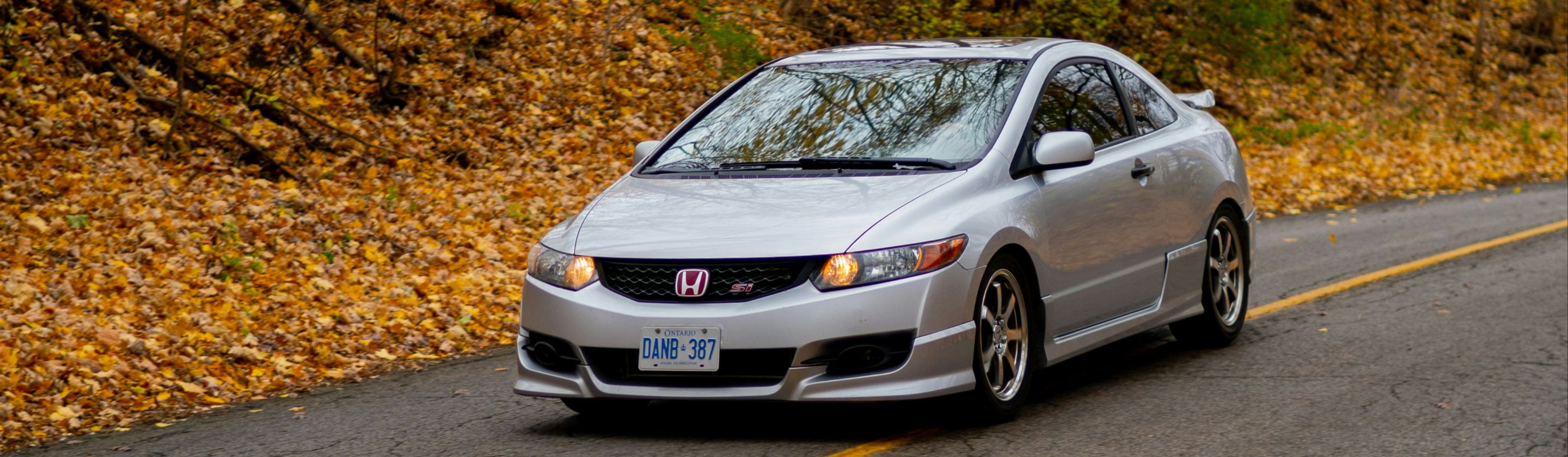
Honda has built a similar kind of loyalty through the Civic Si and Civic Type R. The 2026 Civic Si is listed by Honda with a 200-horsepower turbocharged engine, a six-speed manual transmission with rev-match control, and a limited-slip differential. While it might not mean much to us, these small details can make something very practical feel very alive.
The Civic Type R takes that same basic idea much further. Honda's 2025 Civic Type R specifications list 315 horsepower, 310 lb-ft of torque, a six-speed manual transmission, adaptive dampers, Brembo front brake calipers, and Michelin Pilot Sport 4S tires. It's still based around a usable hatchback shape, which is, evidently, part of its charm.
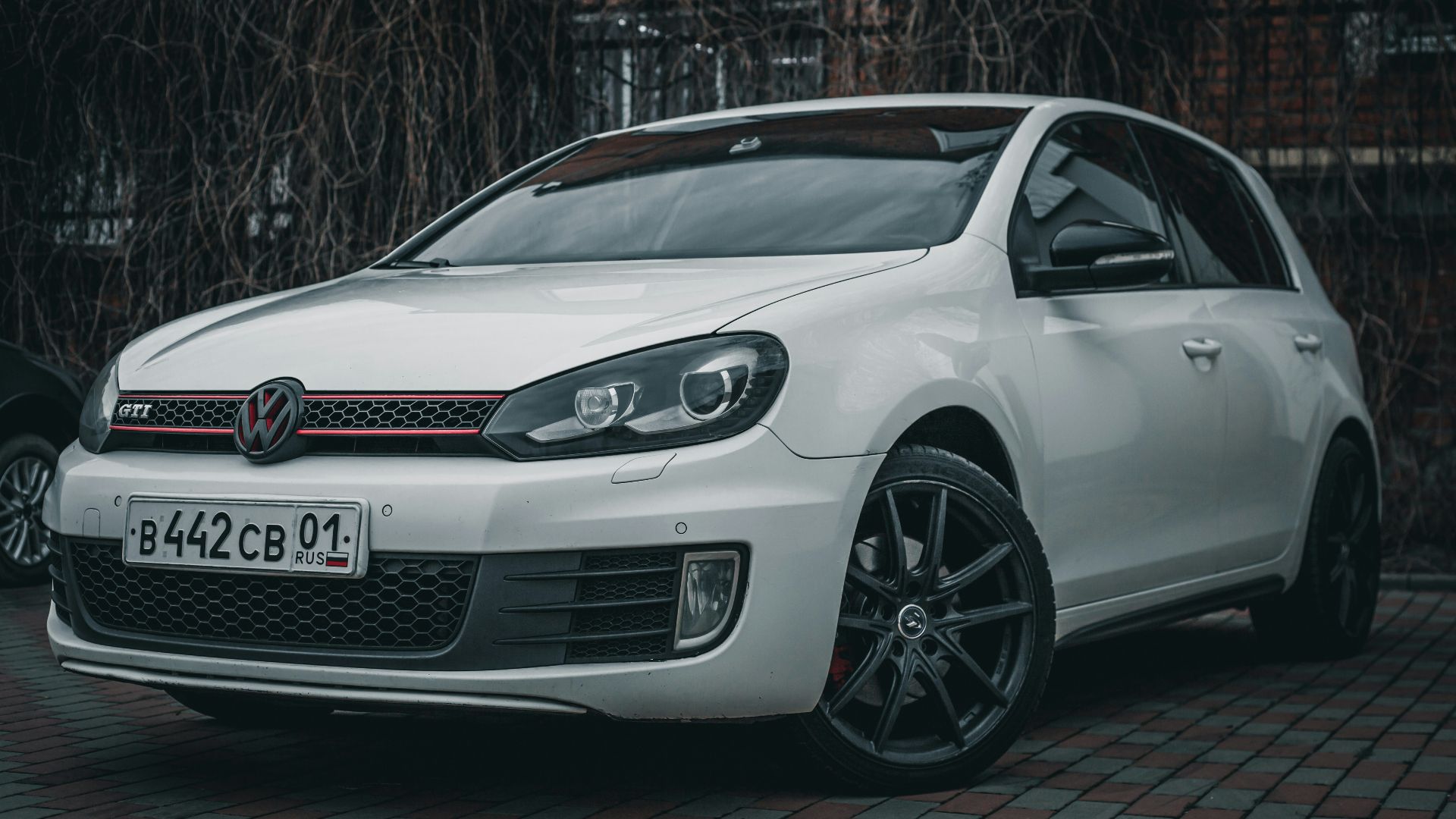
The Volkswagen Golf GTI works from the same broad playbook. Volkswagen lists the 2026 Golf GTI with a 2.0-liter TSI engine making 241 horsepower and 273 lb-ft of torque, along with its long-running hot hatchback identity. The GTI's appeal has always been in the mix: compact size, usable hatchback space, and enough performance character to feel different from a regular commuter car. It doesn't ask the driver to give up practicality just to enjoy the road.
Sport Sedans And Everyday Confidence
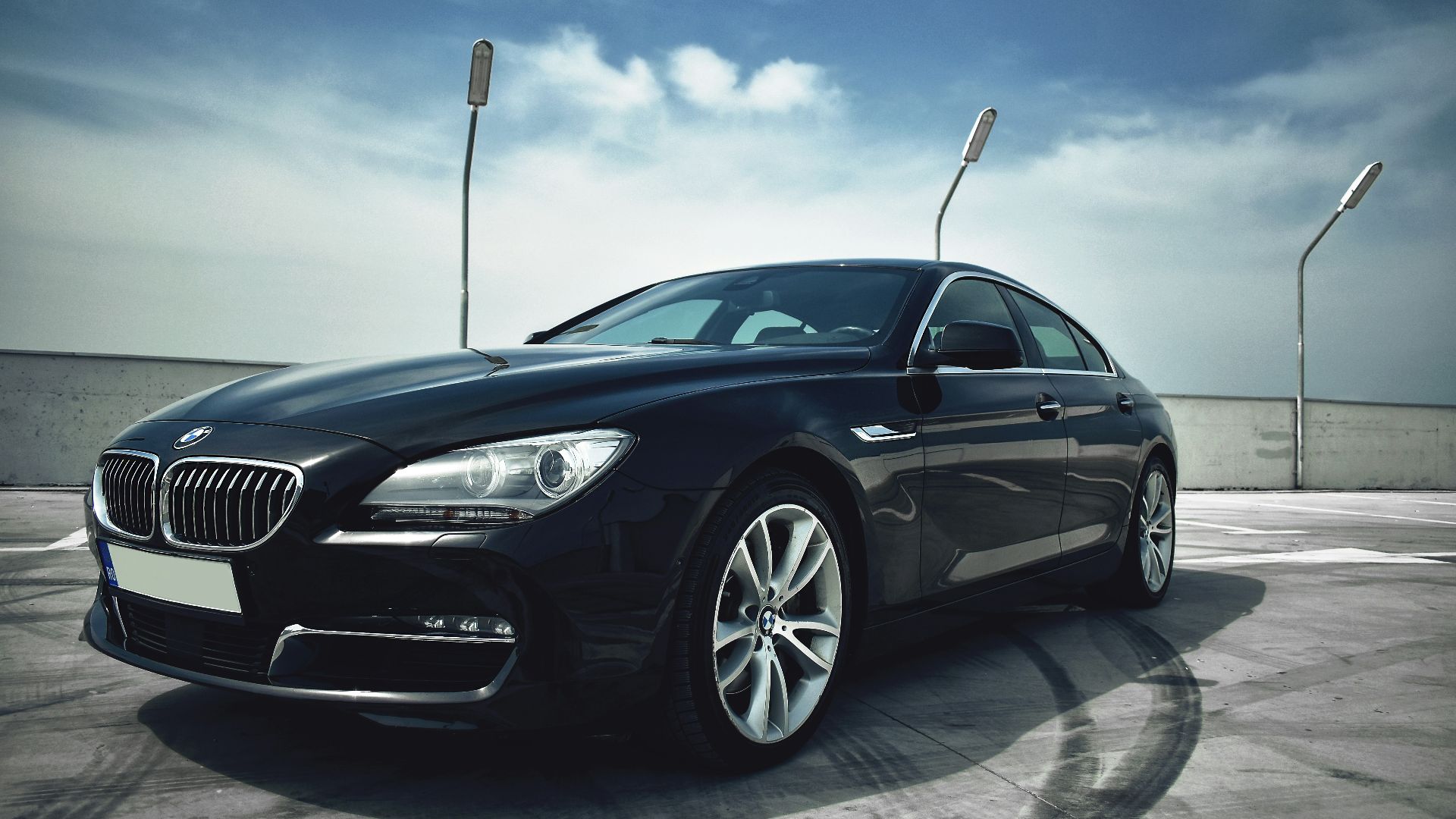
The BMW 3 Series helped make the sporty sedan feel like an attainable dream for buyers who still needed four doors. BMW describes the current 3 Series as a sports sedan that brings driving dynamics and modern style together. That's marketing language, naturally, but even so, it matches the 3 Series' long-standing role as a car that made a normal commute feel more polished and more involved.
The appeal of a car like the 3 Series is that it doesn't feel like a single-purpose machine. It can be comfortable, refined, and useful, while still giving the driver a sense that the chassis is paying attention. For regular buyers, that balance can be what changes their relationship with driving.
The Subaru WRX brought another version of that feeling. Subaru lists the 2026 WRX with standard Symmetrical All-Wheel Drive, a 271-horsepower turbocharged SUBARU BOXER engine, and a track-tuned suspension. Those details help explain why the WRX has appealed to drivers who want performance with all-weather confidence. It makes the idea of a sporty car feel less precious and more usable.
That usefulness is a big part of why these cars stick in people's memories. A weekend-only sports car can be thrilling, but a car that makes daily driving better has more chances to leave a mark. These cars show that driving pleasure can come from balance, feel, personality, and accessibility, not just from speed.
That may be the real reason regular people fall in love with cars like these. They don't make driving feel like a fantasy reserved for collectors, track rats, or people with suspiciously clean garage floors. They make it feel like something available on an ordinary day, on an ordinary road, in a car that still has to handle groceries, traffic, weather, and work. That's a much more lasting kind of charm.