
Small Driving Choices, Big Mechanical Consequences
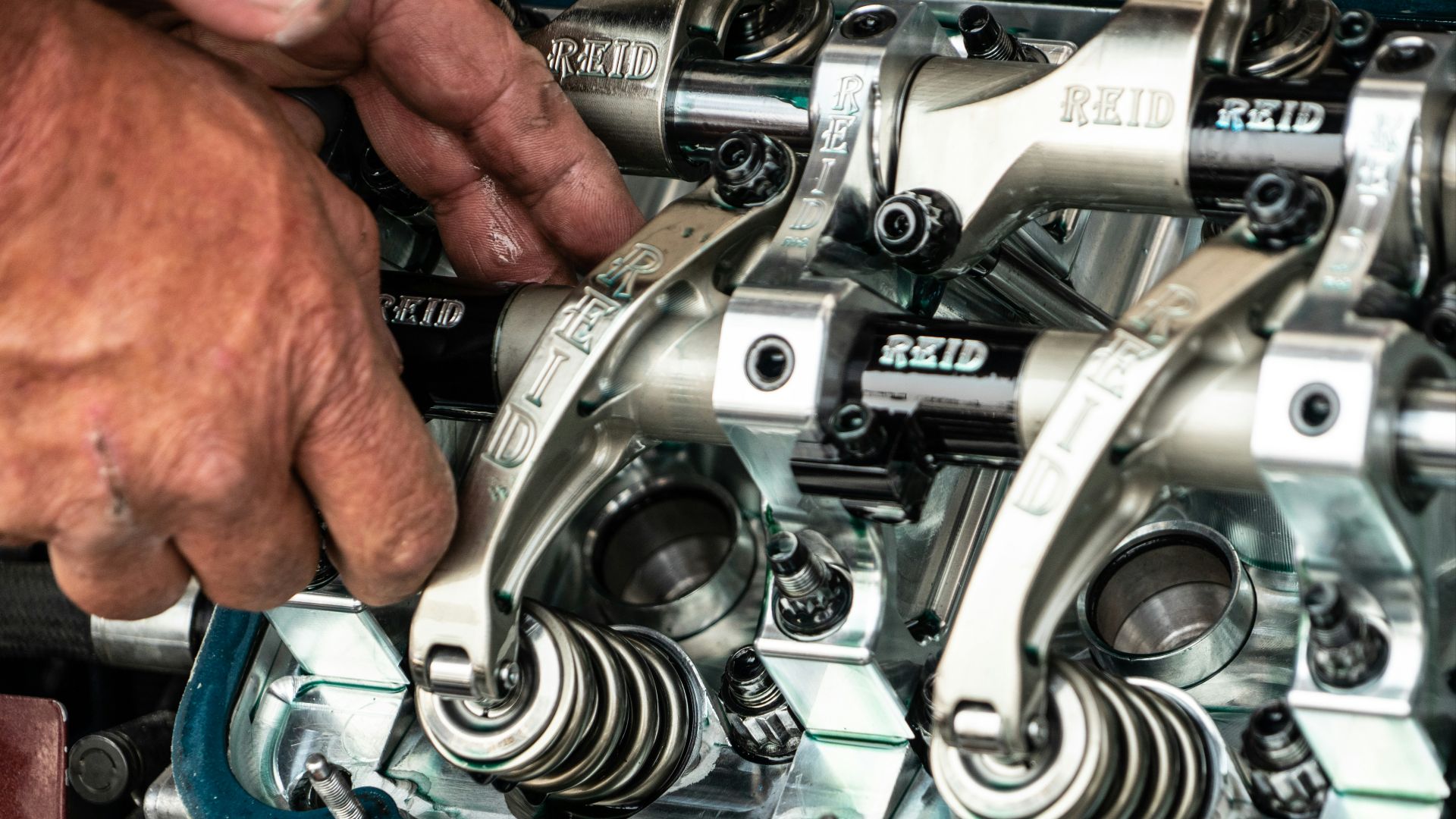
The way you drive has a direct impact on how long your engine lasts, because daily habits influence wear, temperature control, and overall mechanical stress more than most people realize. While modern engines are built to handle a range of conditions, repeated poor habits can gradually shorten their lifespan, often without obvious warning. On the other hand, consistent and mindful driving practices can significantly extend engine life and reduce costly repairs over time. These two lists highlight the habits that tend to cause damage and the ones that help keep your engine running smoothly for years.

1. Ignoring Cold Starts
Revving the engine immediately after starting it puts unnecessary strain on internal components that haven’t yet received proper lubrication. Oil takes time to circulate, and forcing high RPMs too early can increase wear on moving parts.

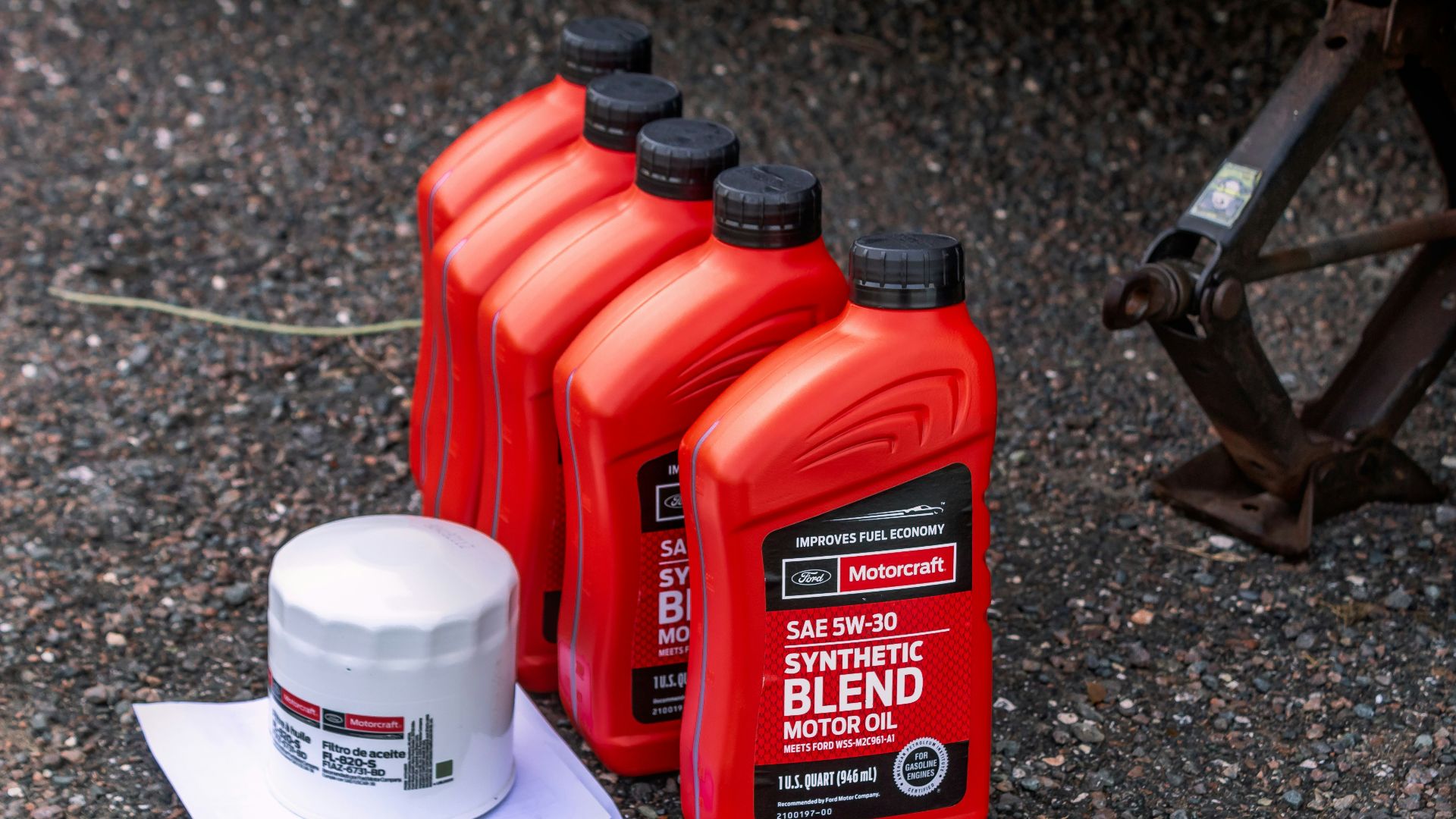
2. Skipping Oil Changes
Old or degraded oil loses its ability to properly lubricate and cool engine components, which increases friction and heat. This can lead to accelerated wear, sludge buildup, and eventually serious mechanical failure. Many engines rely heavily on clean oil to function efficiently. Ignoring regular oil changes is one of the most common causes of engine damage.
3. Frequent Short Trips
Driving short distances without allowing the engine to fully warm can prevent oil from reaching optimal performance. Moisture and fuel residue may not burn off properly, leading to internal buildup over time. This can reduce efficiency and increase wear. Repeated short trips are harder on an engine than longer, steady drives.

4. Driving Aggressively
Rapid acceleration and hard braking place significant stress on engine components and increase operating temperatures, which can accelerate wear over time. Constant high strain reduces the lifespan of key parts, especially when done frequently without proper maintenance.

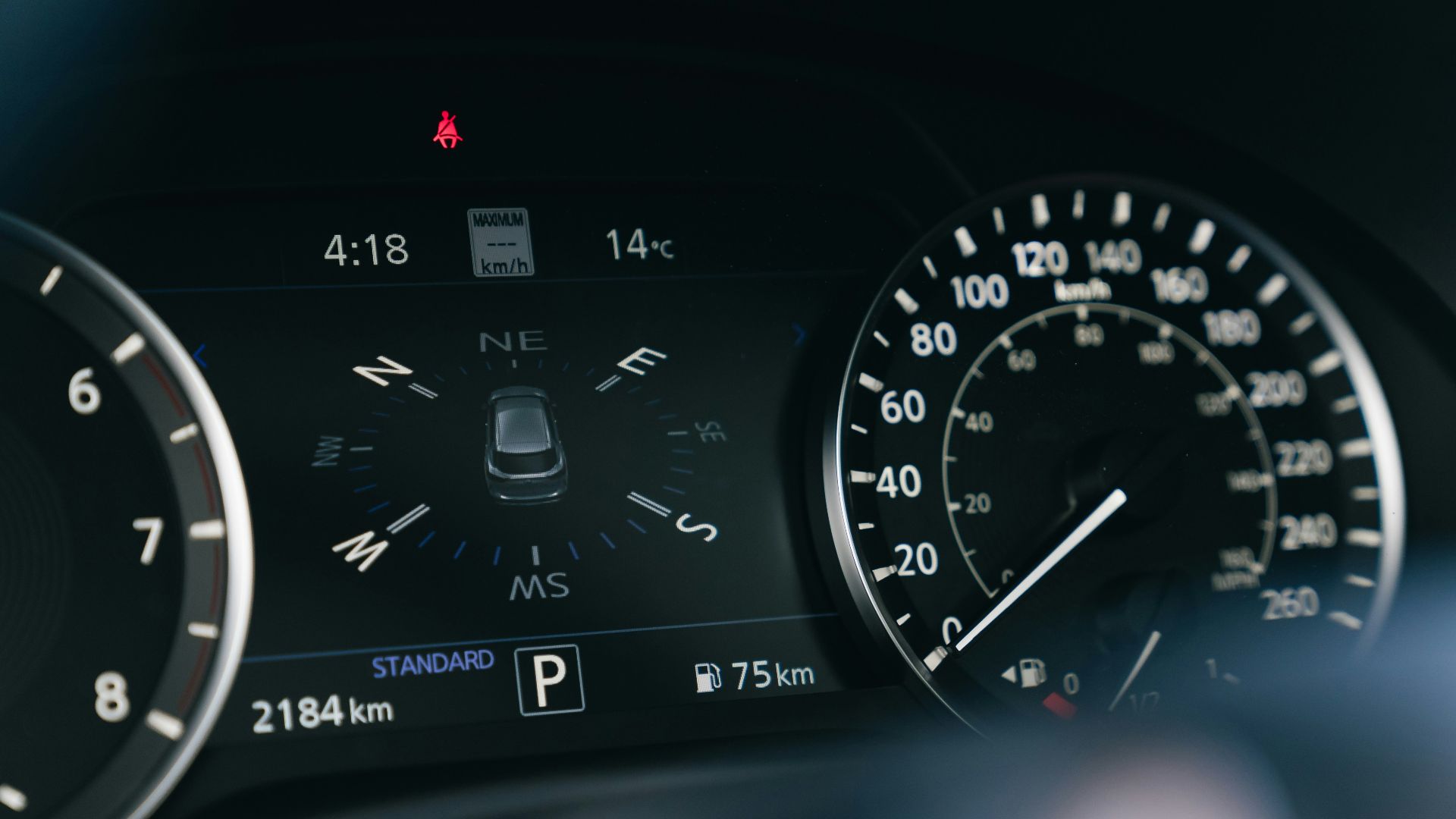
5. Letting Fuel Run Too Low
Consistently driving with very low fuel levels can cause the fuel pump to overheat, since it relies on fuel for cooling and lubrication. Sediment from the bottom of the tank may also be drawn into the system, which can affect fuel delivery and engine performance. This added strain can lead to premature component failure. Maintaining a reasonable fuel level helps prevent unnecessary stress.
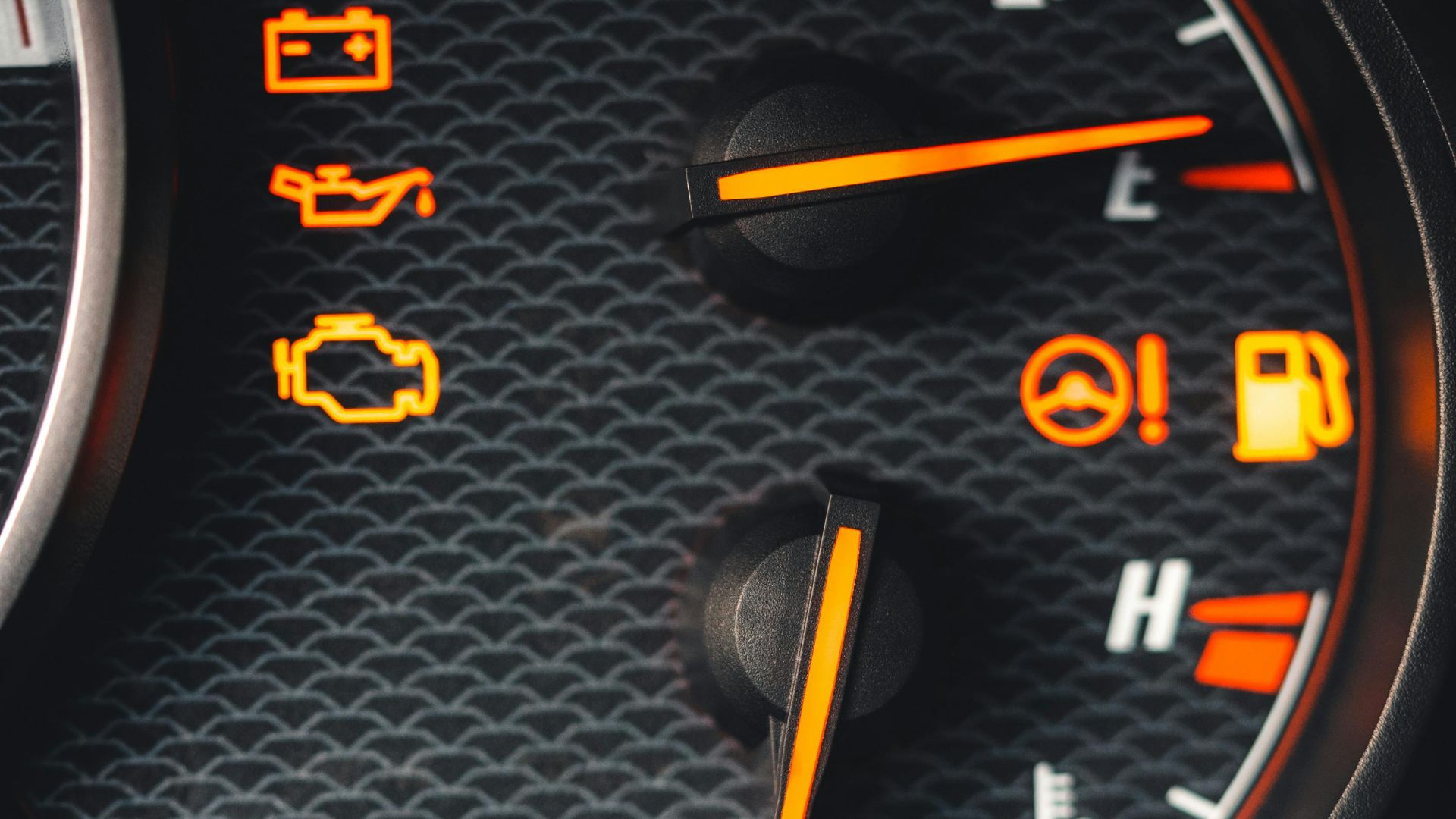
6. Ignoring Warning Lights
Dashboard warning lights are designed to alert you to issues before they become severe, yet ignoring them allows small problems to develop into major failures. Engine-related warnings often indicate conditions that can worsen quickly if left unaddressed.
7. Overloading the Vehicle
Carrying excessive weight forces the engine to work harder than intended, increasing strain on internal components and raising operating temperatures. This additional demand can accelerate wear and reduce overall efficiency.

8. Riding the Redline Frequently
Consistently pushing the engine to very high RPMs increases heat and mechanical stress, which can wear out components faster than normal driving conditions. While engines are designed to handle occasional high performance, repeated redlining shortens their lifespan.

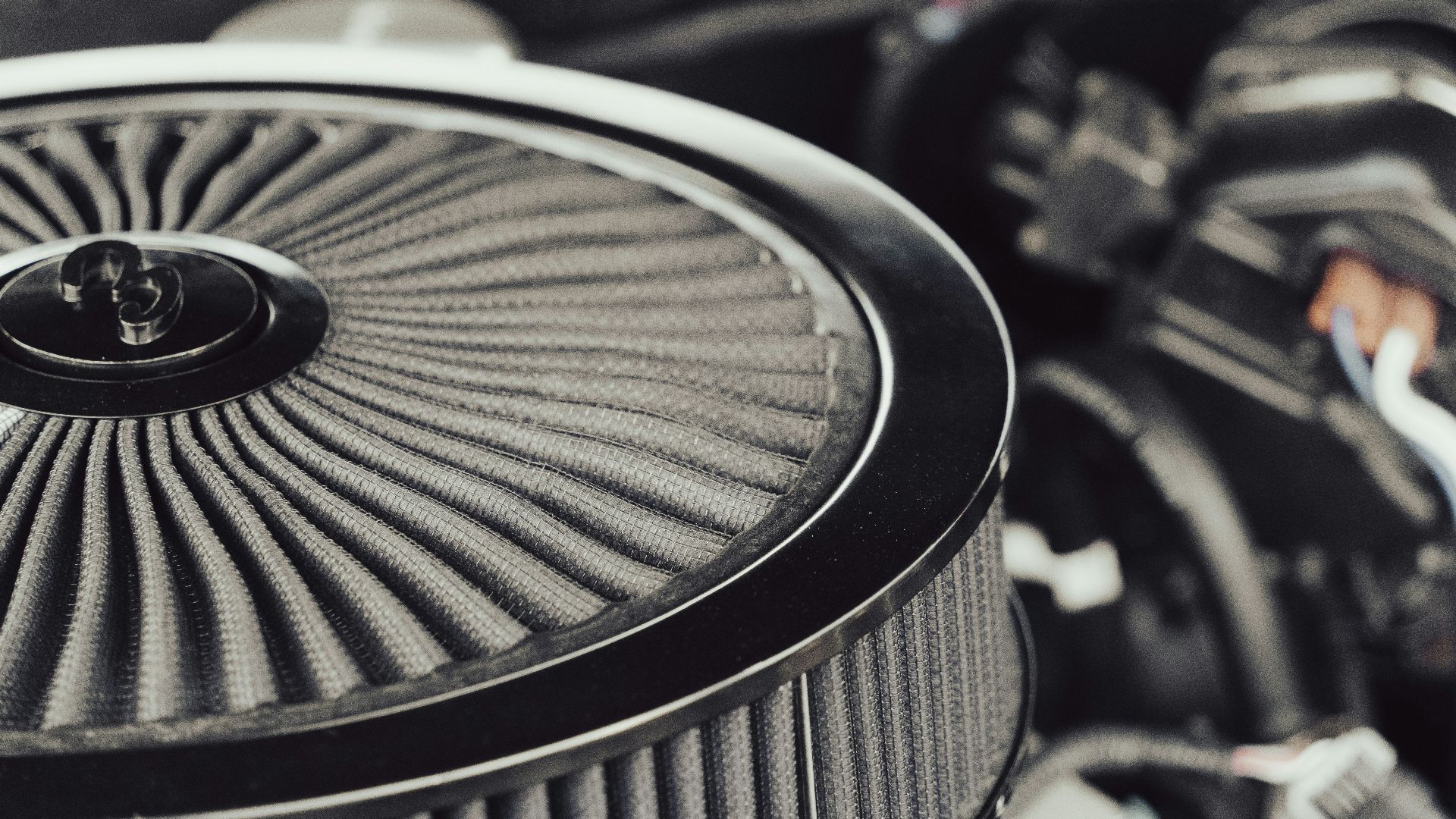
9. Neglecting Air Filter Maintenance
A clogged or dirty air filter restricts airflow to the engine, which can disrupt the air-fuel mixture and reduce efficiency. This imbalance may cause the engine to work harder than necessary. Over time, it can contribute to buildup and performance issues. Regular replacement helps maintain proper function.
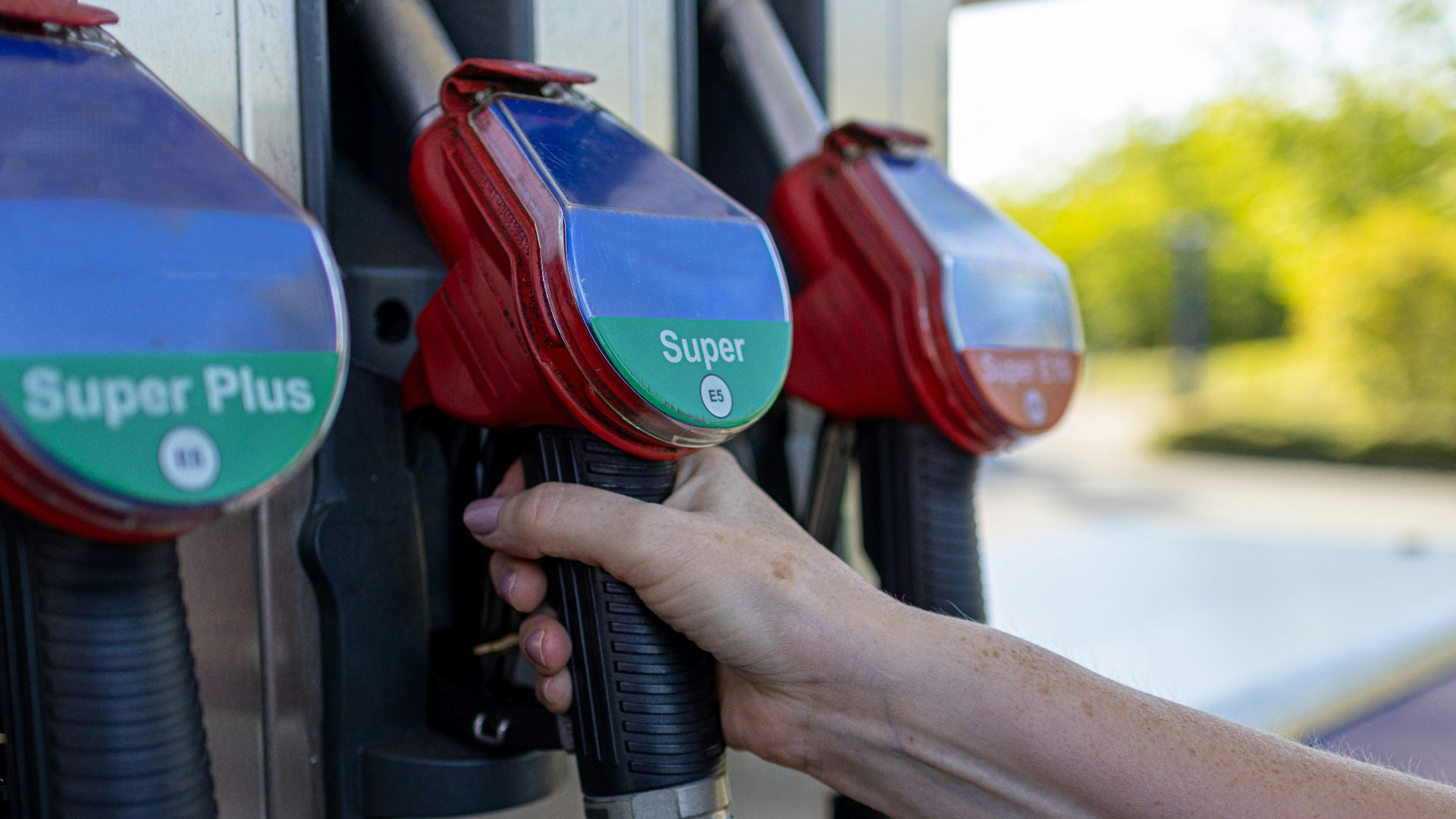
10. Using Poor-Quality Fuel
Fuel that doesn’t meet recommended standards can lead to incomplete combustion and residue buildup within the engine. This can affect performance and increase wear on internal components.
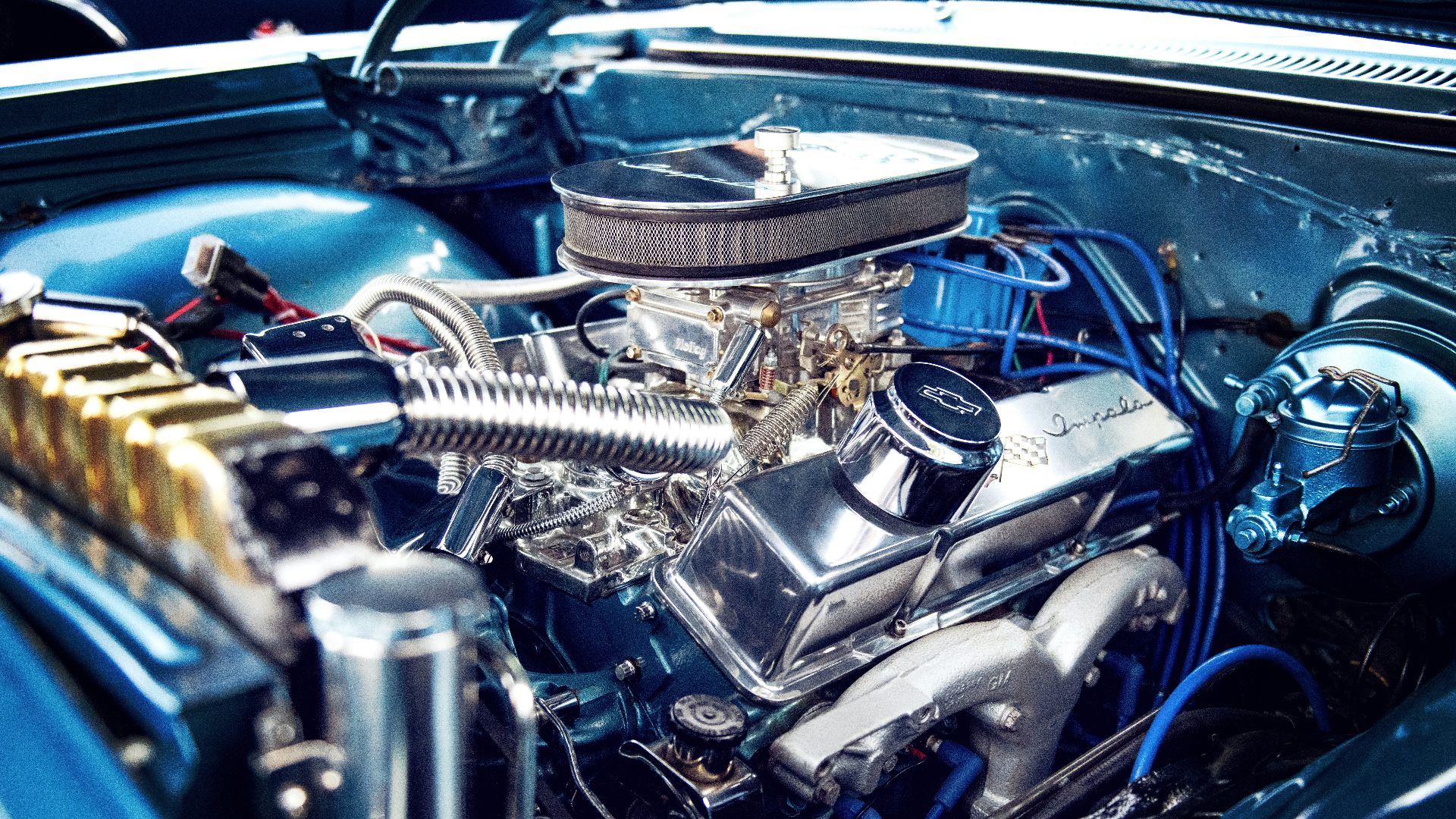
1. Letting the Engine Warm Briefly
Allowing the engine to run for a short period after starting gives oil time to circulate properly and reach critical components. This reduces friction during the initial moments of operation. It’s especially beneficial in colder conditions when fluids are thicker. A brief warm-up helps minimize long-term wear.
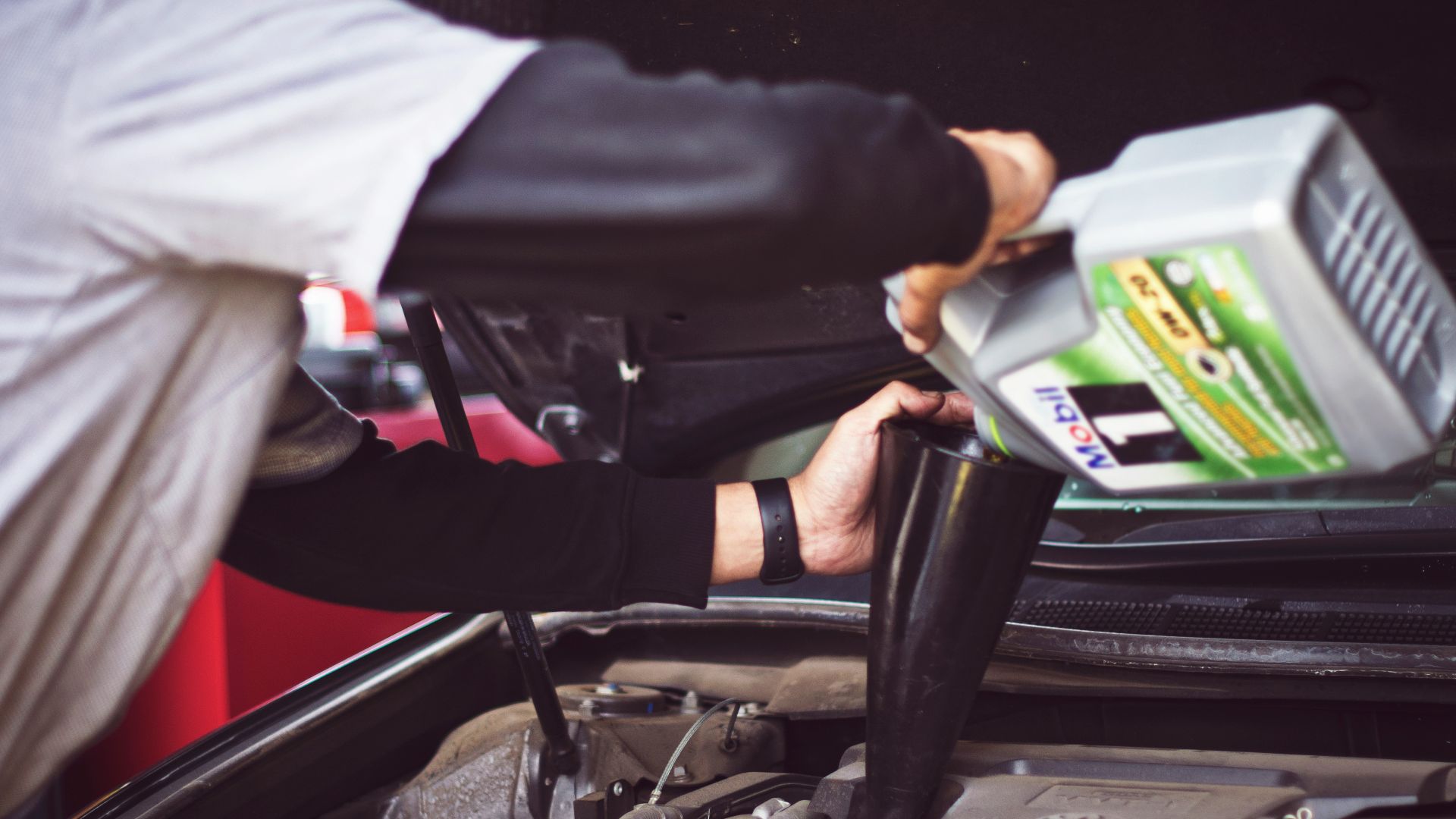
2. Keeping Up With Regular Oil Changes
Consistently replacing engine oil ensures proper lubrication, cooling, and cleaning of internal parts. Fresh oil reduces friction and prevents buildup that can damage components.
3. Driving Smoothly and Gradually
Gentle acceleration and controlled braking reduce stress on the engine and allow it to operate within optimal ranges. This approach helps maintain consistent temperatures and minimizes unnecessary strain. Over time, smoother driving leads to less wear. It also improves fuel efficiency.
 Johnathan Ciarrocca on Unsplash
4. Taking Longer Drives Occasionally
Allowing the engine to reach and maintain normal operating temperature helps burn off moisture and fuel residues that build up during shorter trips. This process keeps internal components cleaner and functioning properly.

5. Keeping the Fuel Tank Above Empty
Maintaining a reasonable fuel level helps keep the fuel pump properly cooled and functioning as intended. It also reduces the chance of drawing in sediment from the bottom of the tank. This supports consistent fuel delivery and engine performance. Small habits like this can prevent larger issues.
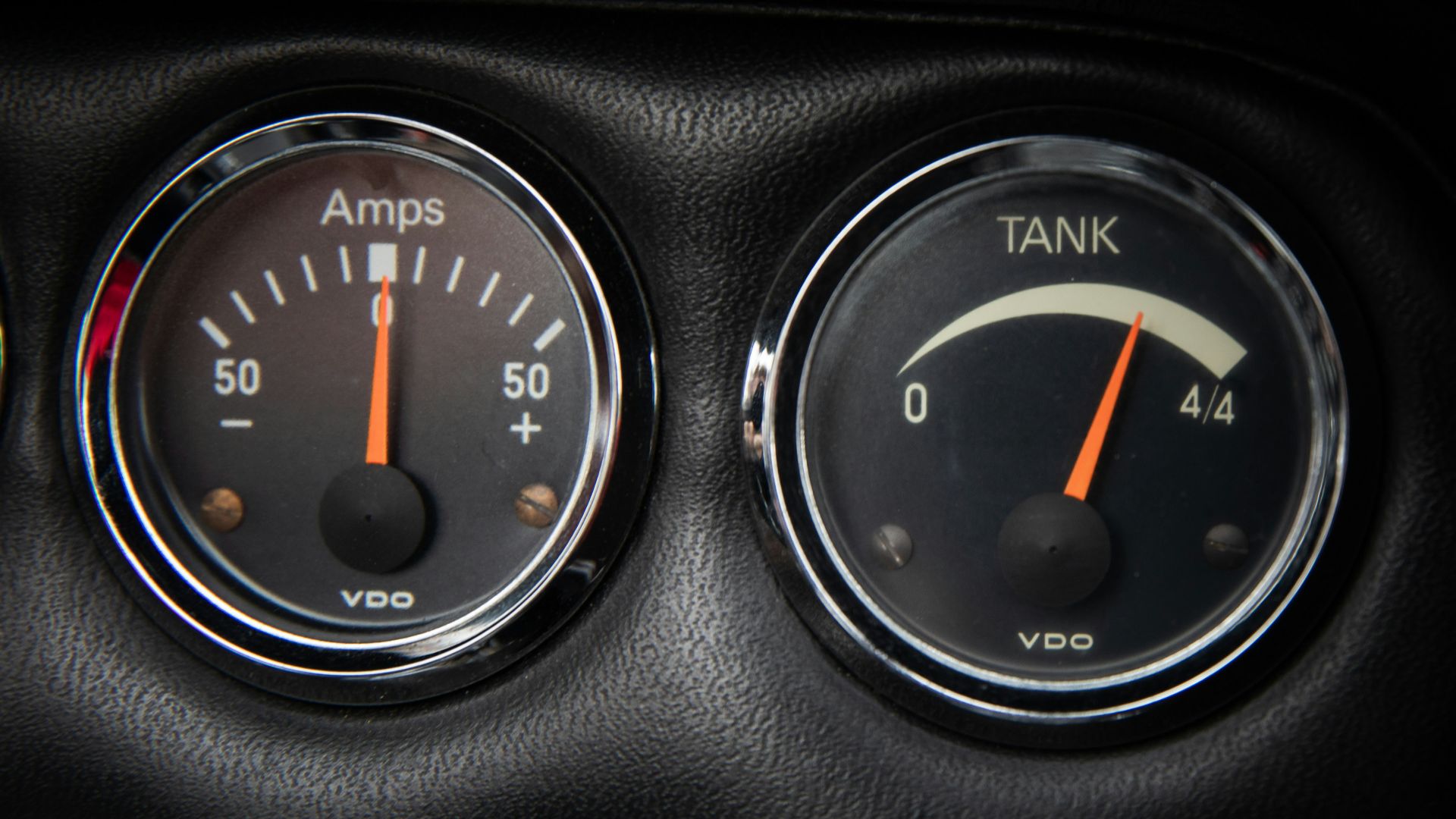
6. Addressing Issues Early
Responding to unusual sounds, warning lights, or performance changes quickly helps prevent minor problems from escalating into major repairs. Early intervention often reduces both cost and damage.
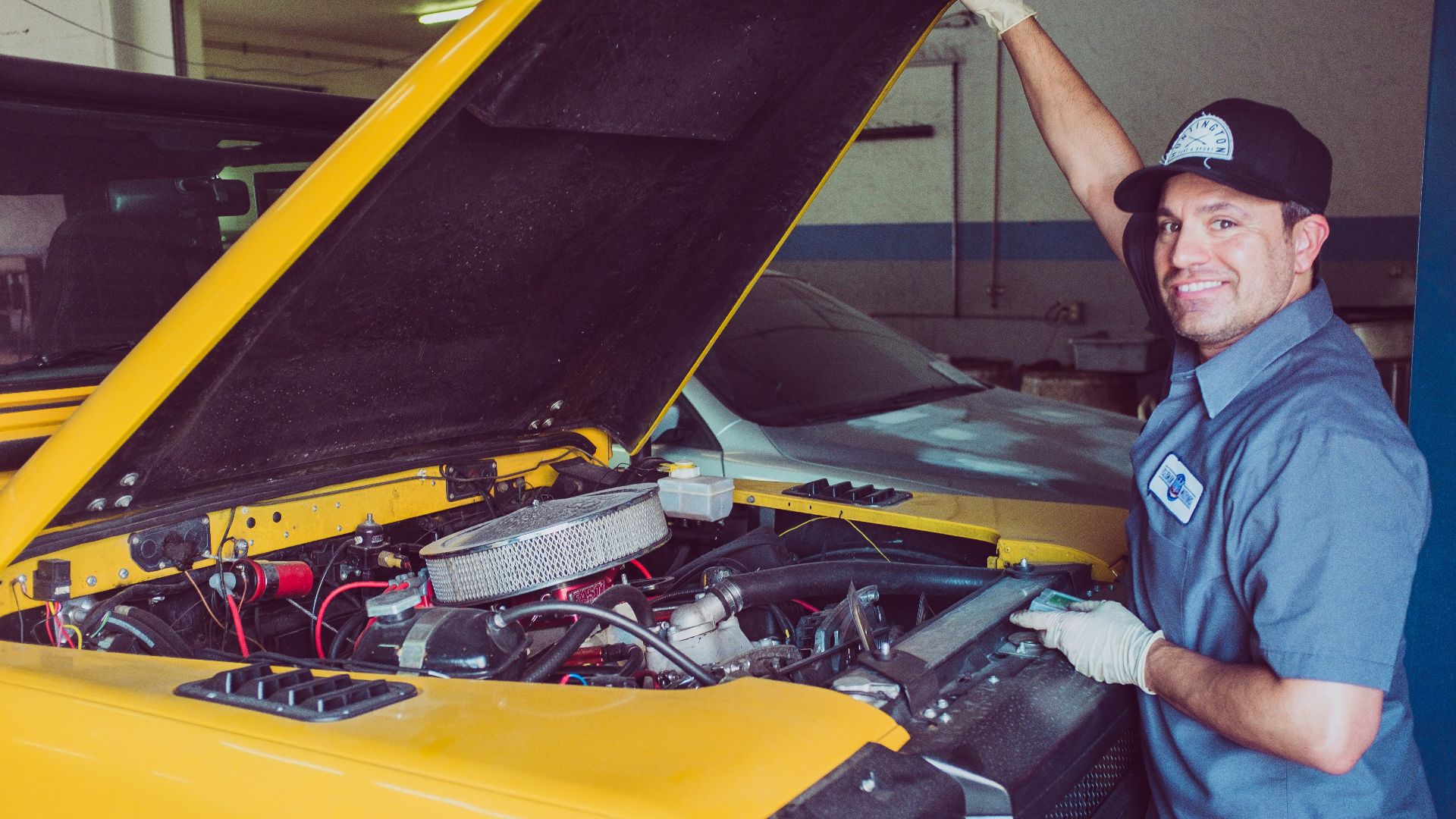
7. Maintaining Proper Fluid Levels
Ensuring that coolant, transmission fluid, and other essential fluids are at appropriate levels supports overall engine function. These fluids help regulate temperature and reduce wear. Low levels can lead to overheating or increased friction.
8. Replacing Filters on Schedule
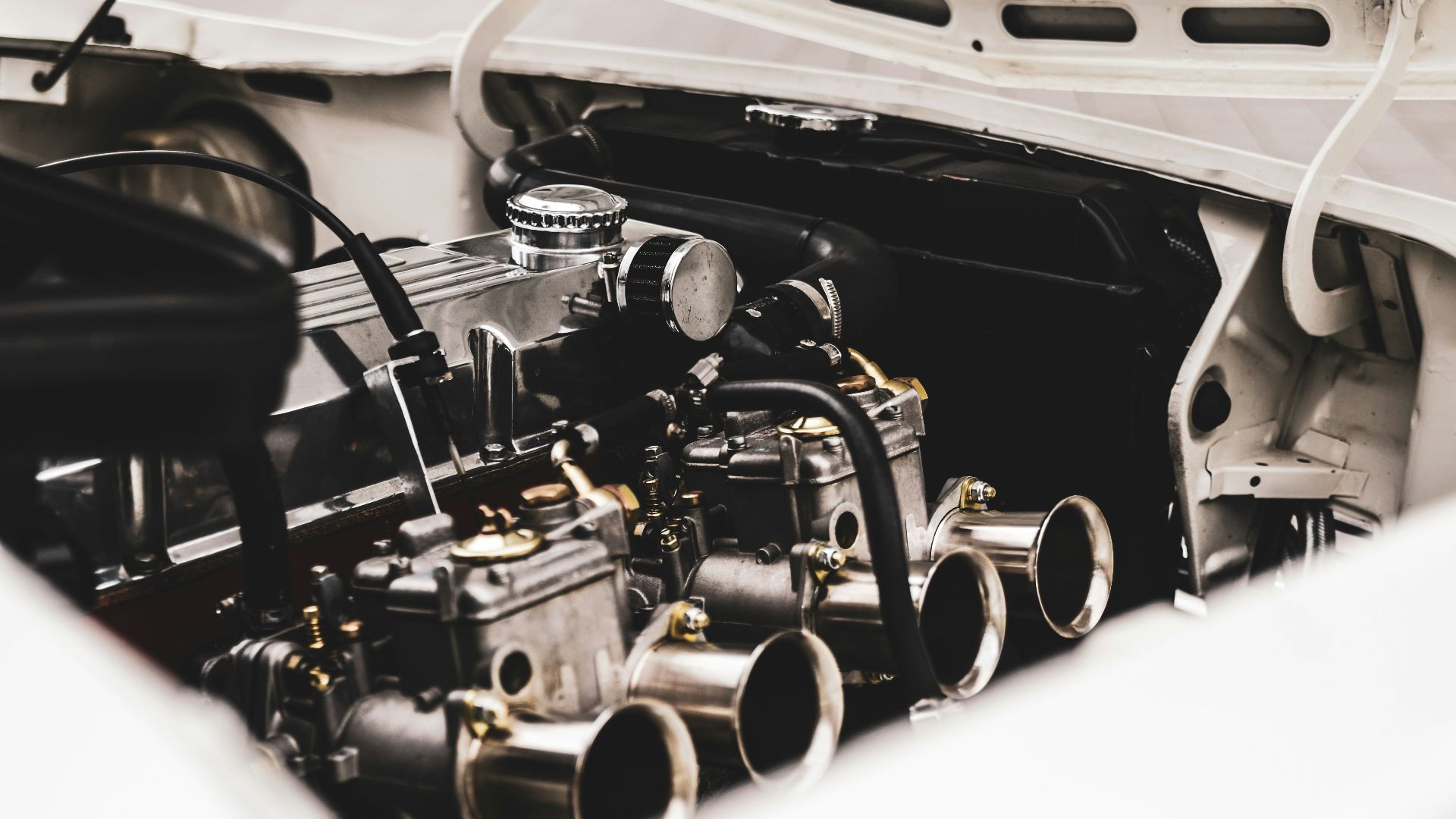
Air and fuel filters play a key role in maintaining proper engine performance by keeping contaminants out of critical systems. Clean filters support efficient combustion and airflow.
9. Using the Right Type of Fuel
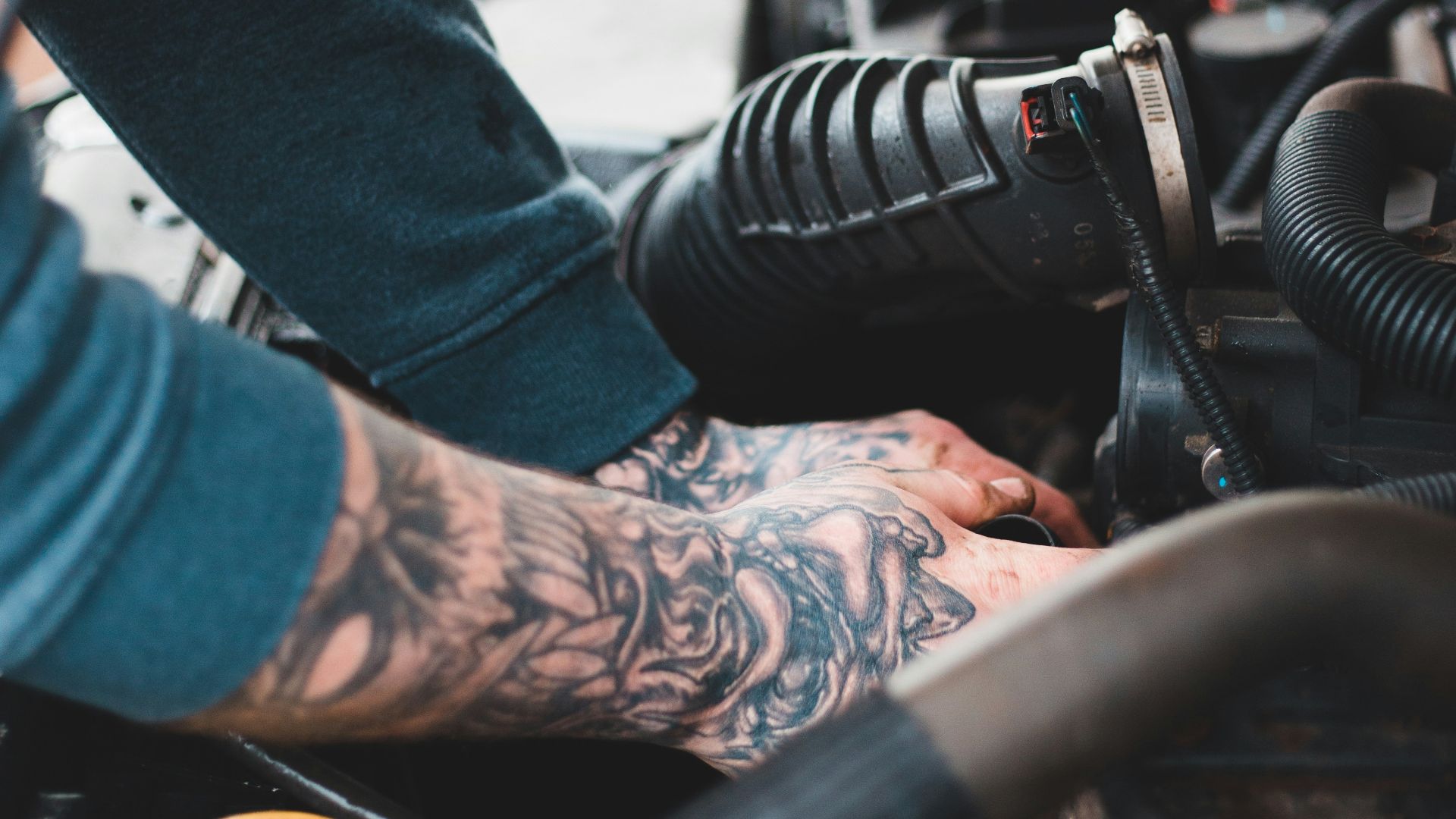
Following manufacturer recommendations for fuel type ensures proper combustion and engine efficiency. The correct fuel helps maintain performance and reduce deposits.

10. Following a Routine Maintenance Schedule
Adhering to a regular maintenance schedule ensures that all components are inspected and serviced as needed, which helps catch issues before they become serious. Routine care supports both performance and longevity.