Every car brand has a period that fans keep coming back to when they want the clearest version of what that brand was supposed to be. It isn't always the fastest era, or the most technically advanced one. More often, it's the stretch where the engineering, the design, and the driving experience all seem to agree with each other. We’d like to take you through a few of these eras with three of the most well-known car brands today: BMW, Honda, and Mercedes.
For BMW, that conversation usually lands in the 1990s and early 2000s. For Honda, it tends to center on the late 1980s and 1990s, when the Civic Si and Integra Type R made lightweight, high-revving performance feel accessible. For Mercedes-Benz, the usual touchstones are the W124, R129, and W140 years, when the brand's defining traits were solidity, safety engineering, and a kind of calm, heavyweight confidence.
BMW
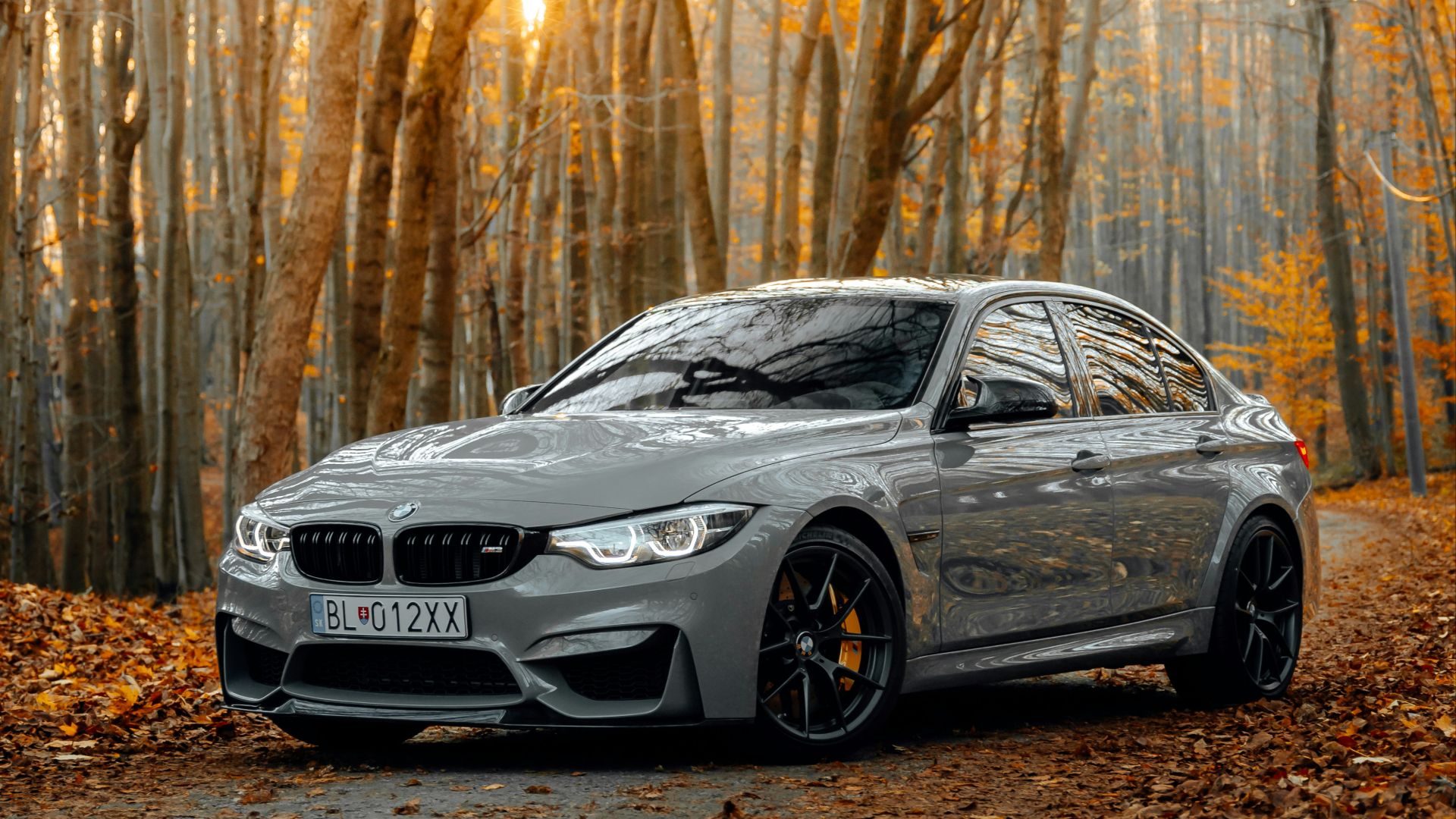
BMW's case starts with the E36 and E46 M3. BMW’s E36 M3 launched as a coupe in 1992, added sedan and convertible variants in 1994, with total production reaching 71,242 cars worldwide. The E46 M3 followed with series production beginning in September 2000, a convertible arriving in 2001, and worldwide sales of more than 85,000 units.
The wider range mattered just as much as the halo cars. The E39 5 Series ran from April 1995 to May 2004, emphasizing quality and comfort, and using substantial aluminum chassis sections. It sold almost 1.5 million units, while the E39 M5 added a 400-horsepower V8 and a six-speed manual. The end of this era is often described as the rollout of the 2001 iDrive in the new 7 Series.
Calling this peak BMW is obviously subjective, but it's an easy one to understand. Old BMWs were the archetypal sports sedans. By 2018, the newer mainstream models had given up basics like steering feel while chasing refinement and technology. That's why the E36, E46, and E39 still stand out in memory: they feel like the point just before BMW's core traits started sharing space with screens, menu logic, and a broader luxury brief.
Honda
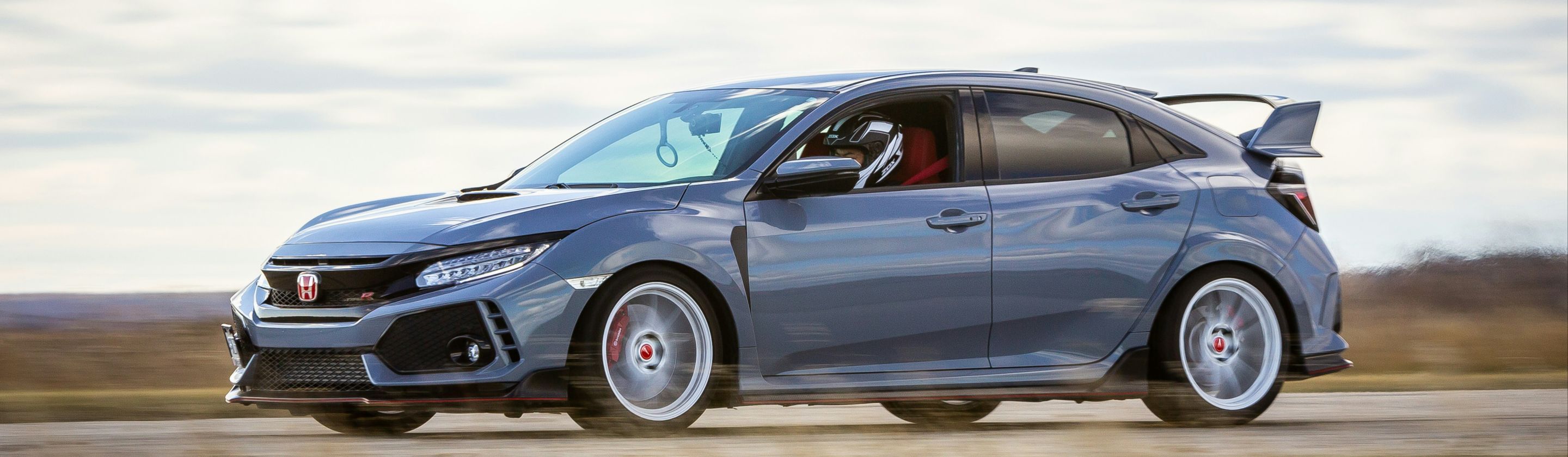
Honda's strongest identity years came when it was making modestly sized cars feel more eager than they had any right to be. Their most iconic car, the Civic Si, debuted in 1986, only to return again on the fourth-generation Civic hatchback for 1989 with a 108-horsepower 1.6-liter engine and front and rear double-wishbone suspension. This badge moved into the 1990s with the 1992 to 1995 Civic Si, which brought VTEC to the Civic and raised output to 125 horsepower. By 1999, the Civic Si coupe had a 160-horsepower 1.6-liter DOHC VTEC engine, a front strut-tower brace, bigger four-wheel disc brakes, and stiffer springs and stabilizer bars.
Then there's the Integra Type R, which remains the clearest single-car argument for old Honda at its best. Acura's period materials say the U.S.-market 1997 Integra Type R used a 195-horsepower 1.8-liter DOHC VTEC four-cylinder, revved to 8,400 rpm, and made 108 horsepower per liter without turbocharging. Honda also stressed that the car kept a fully independent four-wheel double-wishbone suspension and was developed with all-out performance in mind for cornering, braking, and overall handling.
That's why this era still feels like the most complete expression of Honda's public image. Honda's Type R timeline says the badge began on the NSX in the early 1990s and had spread to the Integra, Civic, and Accord by the end of the decade, which helps explain why the period feels so cohesive in hindsight. Reliable daily drivers, rev-happy engines, smart chassis tuning, and relatively low weight all lined up at once, and that combination is still what many people mean when they talk about "real" Honda.
Mercedes
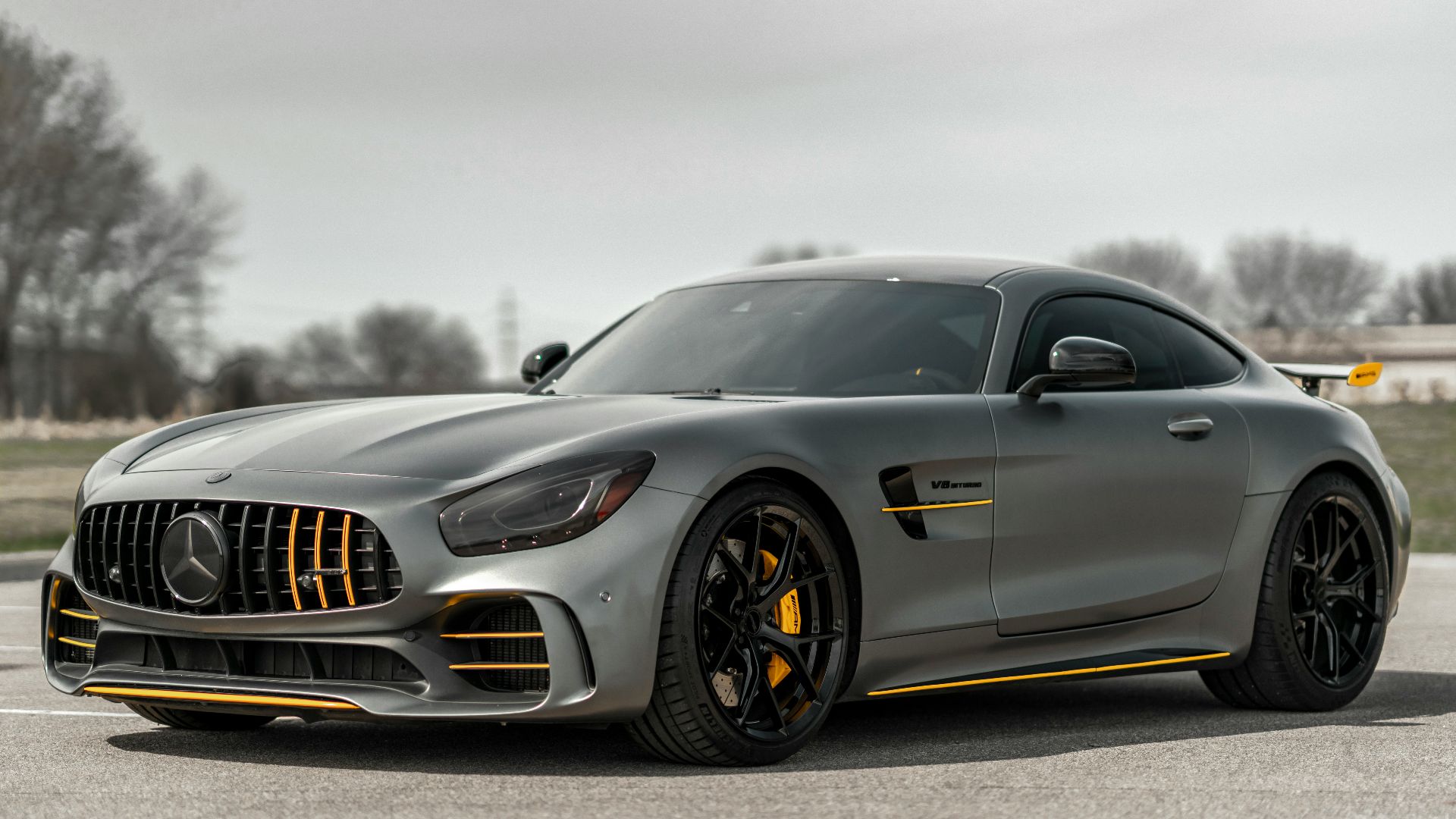
Mercedes-Benz definitely had a golden age, and it’s certainly not today. The company's own history page says the W124 saloon series ran from 1984 to 1997, noting the use of high-strength steel, other weight-saving materials, and aerodynamic body optimization to cut fuel consumption. These technical details help explain why the W124 became such a durable symbol of Mercedes discipline: it looked formal, felt substantial, and was engineered with unusual seriousness.
The same mood carried into the R129 SL and W140 S-Class, just in different ways. Mercedes dates the R129 from 1989 to 2001 and highlights features such as its automatic roll bar and integral seats, while the W140 ran from 1991 to 1998 and introduced comfort-minded details such as standard central locking, power windows, and soundproofed glass. These were not minimalist cars in any sense, but they expressed Mercedes values clearly: safety, comfort, engineering depth, and a refusal to feel flimsy.
That's why old Mercedes nostalgia usually settles here. Older Mercedes models felt like "bank vaults" captures something real about how these cars resonated with buyers and reviewers. Mercedes itself now describes certain historic model lines as icons that represent the brand's strengths, and the W124, R129, and W140 fit that idea neatly because they still feel like the moment when Mercedes was building cars to make a point about permanence as much as luxury.