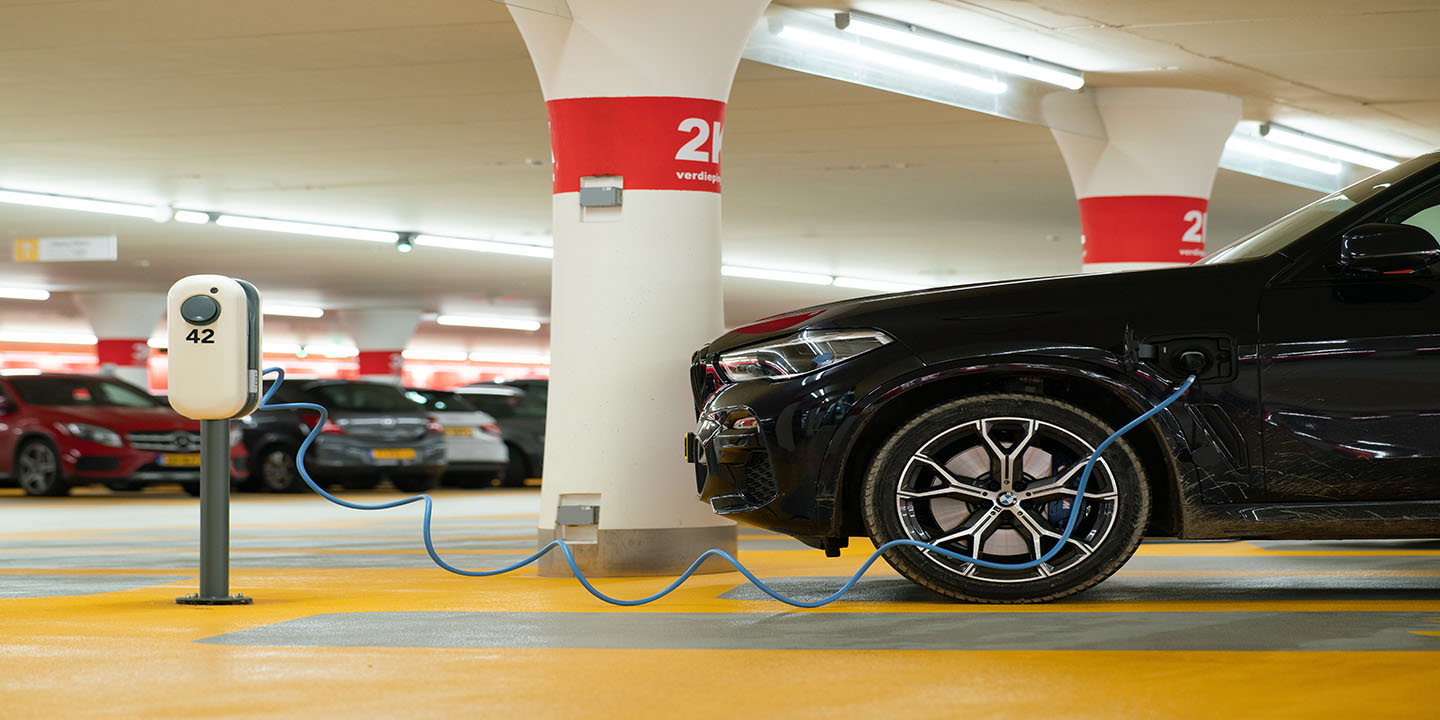
Is the Surge in Gas Prices the Kick Consumers Need to Fully Adopt EVs?
When gas prices jump, the question returns almost on schedule: Is this finally the moment when drivers will abandon gasoline for good and rush into electric vehicles? You can understand the logic, because pain at the pump is immediate, memorable, and deeply annoying in a way few other household expenses manage to be. As of this month, AAA put the national average for regular gasoline at about $4.03 a gallon, after recently noting that the national average had climbed above $4 for the first time since 2022.
But high gas prices don't automatically produce a full EV conversion. They absolutely nudge some buyers toward electric options, and economists have found that gasoline prices have a meaningful effect on EV demand, but the broader decision remains tied to up-front cost, charging access, product availability, and plain old consumer comfort with changing habits. So the real answer isn't “yes” or “no” so much as “not by itself.”
Higher Gas Prices Do Push Shoppers Toward EVs
The strongest case for a gas-price-driven EV surge is that consumers do respond when fuel becomes painful enough. Research summarized by the National Bureau of Economic Research shows that gasoline prices influence EV adoption decisions, and that the effect of gas prices on EV demand appears several times stronger than the comparable effect of electricity prices.
That pattern makes intuitive sense if you have ever stood by a pump watching the numbers climb while doing a little mental bargaining with the universe. Gasoline prices are highly visible, updated constantly, and emotionally loud in a way other ownership costs aren't. If driving a traditional vehicle starts feeling like a weekly insult, an EV suddenly looks a lot more viable.
There's also evidence that EVs are no longer niche enough for gas-price spikes to bounce harmlessly off the market. Cox Automotive reported record U.S. EV sales in the third quarter of 2025, when EVs reached a record 10.5% share of total vehicle sales, showing that electric models are already a serious part of the shopping conversation. Higher gasoline prices can add to the momentum that's already there.
On top of that, the IEA reported that global electric car sales exceeded 17 million in 2024, reaching a sales share above 20%, which means EV adoption isn't some fragile pilot program hanging by a thread. That larger market makes it easier for U.S. consumers to see electric vehicles as normal, even if gas prices are the thing that finally gets them browsing seriously.
Why Pump Pain Alone Isn't Enough
The problem is that buying a whole new car isn't the same as cursing at the fuel pump. Even if gas prices make EVs look better on operating cost, consumers still have to deal with purchase price, interest rates, charging logistics, and whether an available model fits their life. EVs make more sense for some, but not for everyone.
That helps explain why EV adoption can rise without turning into a clean, total handoff away from gas vehicles. Cox Automotive said EV share is expected to be near 8% in the coming year after a volatile 2025, while also noting that infrastructure, consumer confidence, and new products remain important. In other words, drivers may be interested, but interest does not magically erase practical objections.
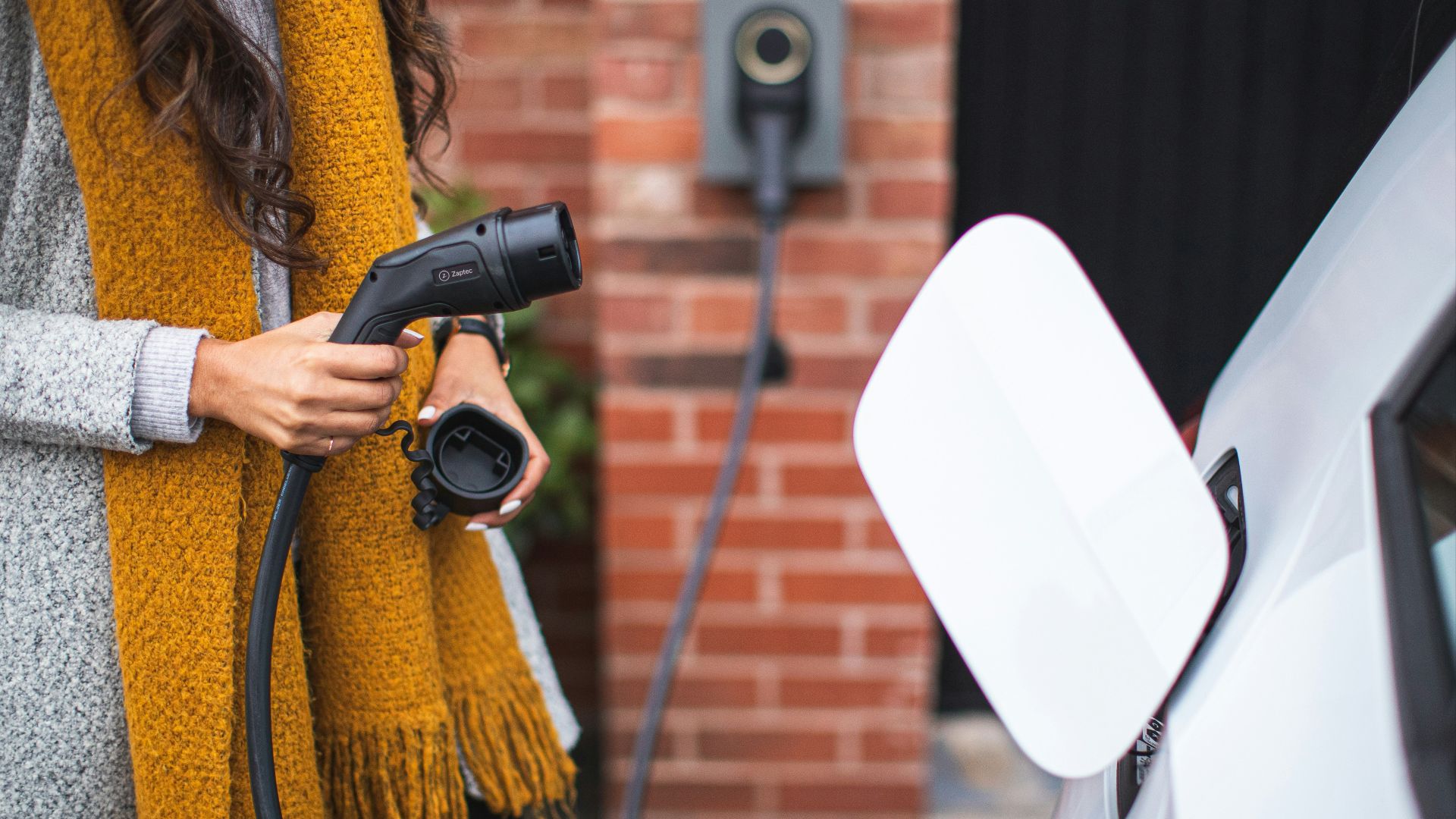
Charging remains one of the biggest sticking points, especially for people who don't have easy home charging or who live in places where public charging still feels patchy, crowded, or confusing. This is one of the main reasons EVs aren't more widely adopted in the U.S. yet.
There's also the simple issue of consumer caution. Cars are expensive, long-term purchases, and most people don't respond to one painful season at the pump by instantly rewriting their transportation identity. High fuel prices can motivate a shopper to consider an EV, but full adoption across the market still requires a vehicle that feels affordable, practical, familiar, and easy to live with after the headlines quiet down.
The Real Answer Is Gradual Adoption, Not One Big Switch
So the surge in gas prices is probably better understood as a catalyst than as the final shove. It gets people to pay attention, run the numbers, and perhaps reconsider a vehicle they previously dismissed. That's important, but it's different from saying America is about to fully adopt EVs because one spring got expensive.
What usually moves markets in a lasting way is a stack of factors working together. Gas prices can create urgency, but product variety, battery confidence, charging expansion, financing terms, and policy incentives do the slower work of turning curiosity into purchases. While sales data indicate that EV adoption is advancing in the U.S., it's doing so through accumulation, not instant conversion.
That means the pump can start the conversation without finishing it. A driver who's tired of paying over $4 a gallon may finally walk into a showroom or click into an EV comparison tool, and that alone can change a market over time. Yet the actual decision still comes down to whether the vehicle fits a real household budget and routine.
So, is this the kick consumers need to fully adopt EVs? Not fully, and probably not all at once. What it is, though, is a reminder that every gas spike makes the electric option look less hypothetical and more practical, which is exactly how slow revolutions usually work.