The sleek, high-tech car sitting in your driveway today is a far cry from the purely mechanical machines previous generations used to drive. While enjoying the convenience of hands-free calling and real-time traffic updates, a modern vehicle is essentially acting as a giant, rolling smartphone that never stops recording. Every time the key is turned or the start button is pressed, a complex network of sensors and software designed to monitor behavior is activated. It’s a brave new world of connectivity where the line between a helpful feature and a privacy concern has become incredibly blurry.
It might seem that privacy is protected once the car door is closed, but modern telematics systems are designed to continuously broadcast data back to manufacturers. This is not just about where a vehicle is going; it’s about how it is getting there and what is being done along the way. From braking patterns to the weight of passengers, the sheer volume of information being harvested is enough to make any privacy advocate lose a bit of sleep. Understanding how this data is collected is the first step in regaining some control over a digital footprint while out on the open road.
The Invisible Web of Sensors and Telematics

Cars today have dozens of computers running Electronic Control Units, or ECUs, controlling everything from horsepower settings to what songs are played on the radio. These systems communicate constantly, and many automatically upload data to manufacturer cloud servers using embedded cellular connections. Factory connectivity enables over-the-air updates, but in many cases it also continuously stores and uploads vehicle history data, whether or not a “car alive” subscription is active.
Location information is among the most revealing types of data collected. Global positioning sensors can determine workplace locations, shopping habits, and even places where a vehicle is regularly parked overnight. It is not just a moment in time; a detailed history of routine behavior is created over weeks, months, and years. Even when built-in navigation is not used, location coordinates may still be logged to support weather updates or emergency services. It becomes nearly impossible to move through daily life without generating a digital trail that could potentially be accessed or purchased by third parties.
Seat and steering wheel sensors may also collect biometric information about drivers and passengers. Features such as automatic fatigue monitoring analyze eye movement and pulse through microcameras and touch sensors to determine drowsiness or distraction. While presented as a safety feature, it also means that certain aspects of physical behavior are being continuously monitored during every drive.
The Data Marketplace and Insurance Connections
It may be surprising to learn that car manufacturers are not only using this data for engineering improvements but are also selling it to data brokers. These companies aggregate information from millions of drivers to create detailed profiles that are then sold to marketers, urban planners, and researchers. Driving habits—such as speeding tendencies or braking intensity—become valuable commodities in a global marketplace that many drivers are unaware of. It has become a lucrative side stream for the automotive industry, turning everyday commutes into sources of ongoing data value.
One of the most direct impacts of this data collection can be seen in usage-based insurance programs. Many drivers voluntarily opt into these “black box” programs to save money, but data may still be collected even without explicit enrollment in certain cases. Insurance companies are increasingly relying on telematics to determine risk levels based on real-world driving behavior rather than only demographic factors such as age or zip code. This means that late-night driving or sudden braking events could potentially influence future insurance premiums.
The lack of transparency surrounding data ownership remains a major concern for legal experts and consumer advocacy groups. In many cases, the fine print in terms and conditions grants manufacturers broad rights to use collected data. Clear and simple opt-out options that fully disconnect a vehicle from corporate servers are rarely available. This creates a power imbalance where data is provided by consumers, while corporations retain control over its use and monetization.
The Security Risks of a Connected Cabin
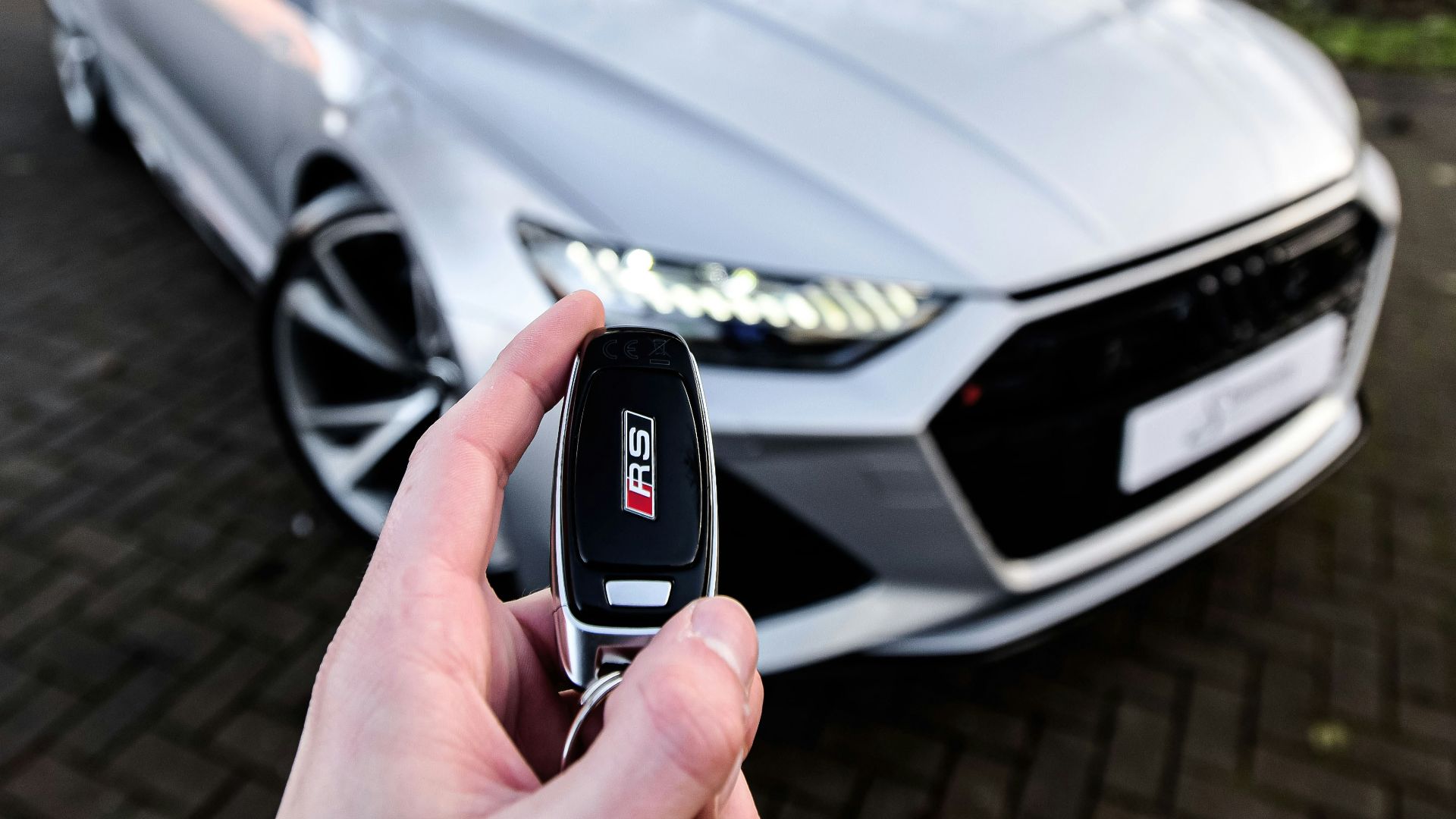 Swansway Motor Group on Unsplash
Modern vehicles function as computers on wheels, bringing similar cybersecurity risks to those found in laptops and smartphones. If a vehicle is constantly communicating with external servers, it introduces additional potential entry points for hackers seeking access to personal information. While manufacturers invest heavily in cybersecurity, no connected device can be considered completely unhackable. With enough skill and persistence, vulnerabilities can still be discovered and exploited. In many ways, modern car ownership increasingly resembles participation in a constantly updated digital network rather than ownership of a purely mechanical machine.
Once a phone is connected to a car’s infotainment system, access is often granted to contact lists, text message history, and call logs stored within the vehicle’s local memory. Many people are unaware of this data transfer and fail to clear it when selling, trading in, or returning rental vehicles. This creates a risk where subsequent users may be exposed to sensitive personal information. In some cases, it is possible for individuals with specialized tools to recover addresses and private conversations from onboard systems. Treating a car’s storage system with the same caution as a used phone or tablet is becoming increasingly important in the modern digital age.