
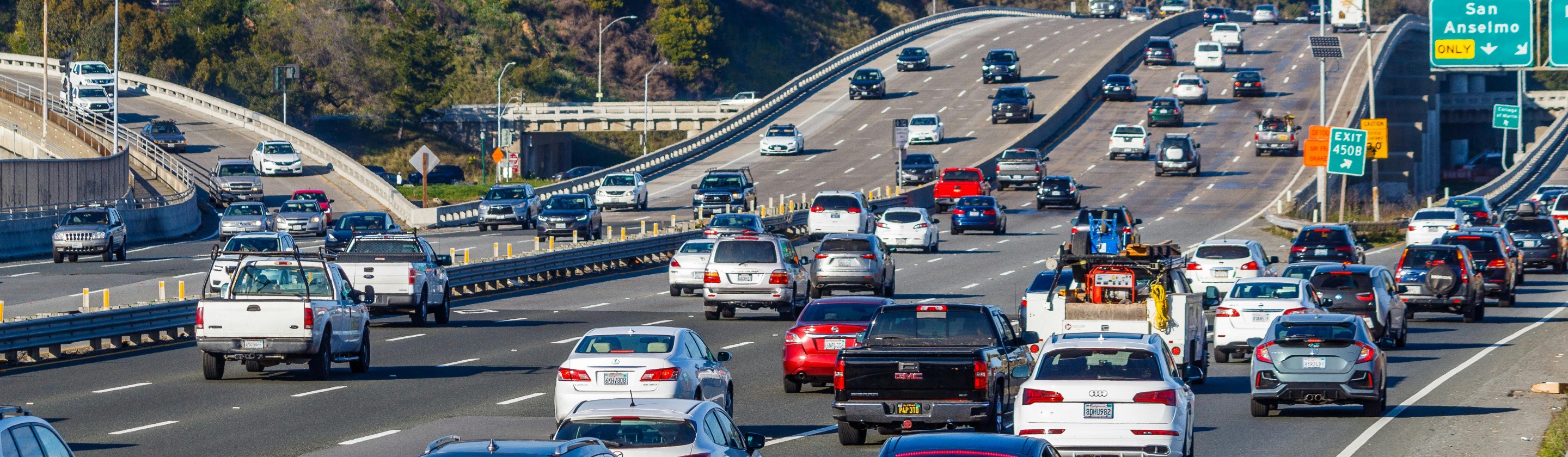

Don't want to drive to work every day or have to sit through traffic alone? Well, there's a solution: carpooling. In fact, carpooling has long been promoted as the golden answer to traffic congestion, rising fuel costs, and environmental concerns. Many commuters have embraced it as a way to split expenses and reduce the stress of driving every day. And yet, despite its widely advertised benefits, a significant number of drivers remain resistant to the idea, and their reasons are more layered than simple inconvenience.
For some, the reluctance comes down to deeply personal preferences about how they spend their time on the road. For others, it involves real logistical challenges that make carpooling more of a burden than a benefit. Understanding why so many drivers push back against carpooling means taking a closer look at the practical, social, and psychological factors at play.
Scheduling Conflicts and Loss of Flexibility
One of the most commonly cited complaints about carpooling is how much it limits your ability to manage your own schedule. When you're coordinating with one or more people, you're no longer in control of when you leave or when you return; you have to work around everyone else's availability. For people with unpredictable work hours or frequent schedule changes, this kind of rigidity can quickly become a problem.
If you regularly stay late at the office, need to run errands after work, or have commitments that shift from week to week, carpooling can make those situations significantly more complicated. Missing your carpool means either leaving your partners stranded or arranging a last-minute backup, neither of which is ideal. The coordination required to keep everything running smoothly often ends up being more stressful than simply driving alone.
Research consistently shows that commuters place a high value on flexibility and autonomy, particularly when their daily routines are already demanding. Giving up the ability to leave on your own terms is a meaningful sacrifice that many drivers simply aren't willing to make. Even when carpooling is logistically feasible, the perceived loss of control is enough to deter a large portion of commuters from ever trying it.
Privacy, Personal Space, and Social Fatigue
Not everyone finds the idea of sharing a confined space with coworkers or acquaintances appealing, especially after a long, draining workday. Many people use their commute as a form of decompression time, listening to their own music, taking calls, or simply sitting in silence without the social pressure of conversation. Introducing another person (or more) into that space changes the dynamic entirely, and not always for the better.
For introverts in particular, the daily expectation of small talk or polite interaction can be genuinely exhausting rather than pleasant. Even when both parties get along well, the unspoken obligation to be personable and engaged adds a layer of social effort that solo commuters don't have to deal with. Over time, this kind of low-level social fatigue can make people dread their commute rather than treat it as a neutral or restorative part of the day.
There's also the matter of personal space and habits in the car. People have different preferences when it comes to temperature, music volume, conversation, and driving style, and small incompatibilities might build sudden tension. The last thing you want is to sit through a 40-minute drive during rush hour, awkward and annoyed, alongside someone you work with and will have to see again tomorrow. Most of the time, you'd probably rather take the train instead, or be alone in your own car.
Safety Concerns and Trust Issues
Sharing a vehicle with someone means placing a certain amount of trust in their driving ability, their punctuality, and their general reliability. For many drivers, that's not a trust they're comfortable extending, and especially not to someone they don't know particularly well. Even with a coworker or neighbor, it can feel uncomfortable to depend on someone else's judgment behind the wheel when you have no control over how they might drive.
Beyond physical safety, there's also the issue of reliability. If your carpool partner is frequently late, cancels without much notice, or has a personality that makes you uncomfortable, the arrangement becomes more of a nuisance than a convenience. Drivers who've had one bad experience with a carpooling arrangement are often reluctant to try it again, and that wariness tends to stick long after the original frustration has passed. Women, in particular, may be more picky with who they decide to share a ride with, too, and that's something that needs no explanation.
At the end of the day, while carpooling works well for many people, it's not a one-size-fits-all solution. The drivers who resist it aren't necessarily being selfish or high-maintenance; they're likely just weighing real trade-offs against a system that doesn't always accommodate individual needs. Sometimes, as annoying as it is, it really is better to just drive yourself to where you need to go.