Cars are better at the big stuff than they used to be. They’re safer, more efficient, and a whole lot more likely to protect you in a crash than the average family sedan from 40 or 50 years ago.
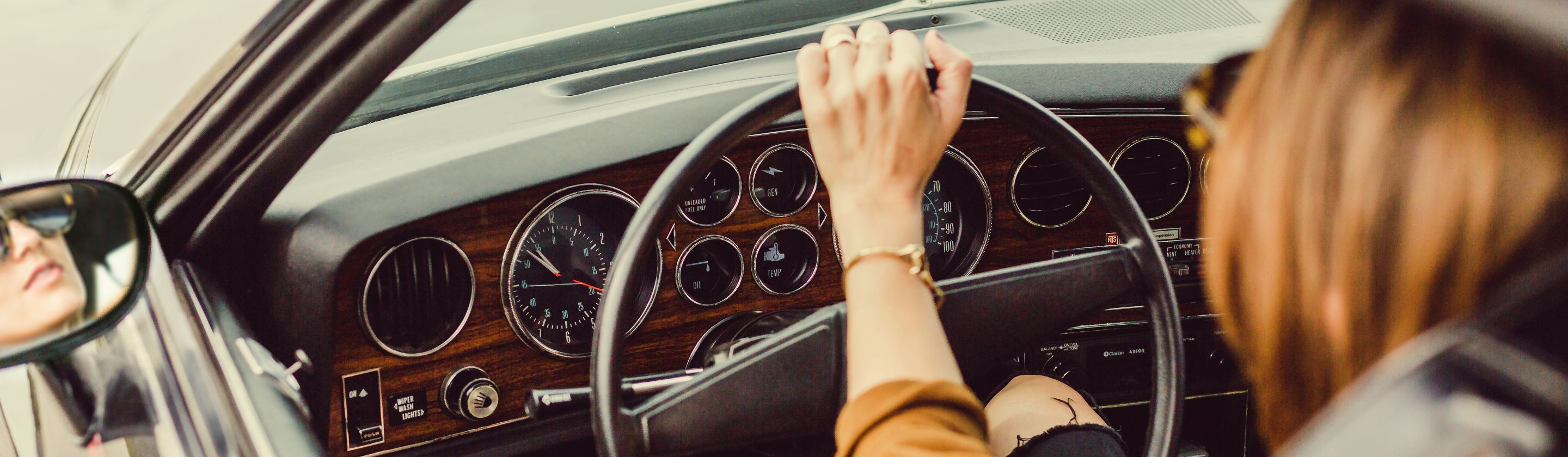
Still, a lot of people miss what got left behind. Not because the old stuff was objectively better across the board, but because some of those features made everyday driving feel easier, warmer, and a little more intuitive. They were simple, physical, and right there in front of you. No digging through menus, no mystery icons, no wondering why a basic task suddenly needs software.
Most of these features disappeared for understandable reasons. Safety rules changed, body design got more aerodynamic, packaging got tighter, and cost always had a vote. Even so, the replacements don’t always feel like true replacements. Sometimes they just feel like cleaner, flatter, less memorable versions of something people actually used and liked.
The Old Everyday Features
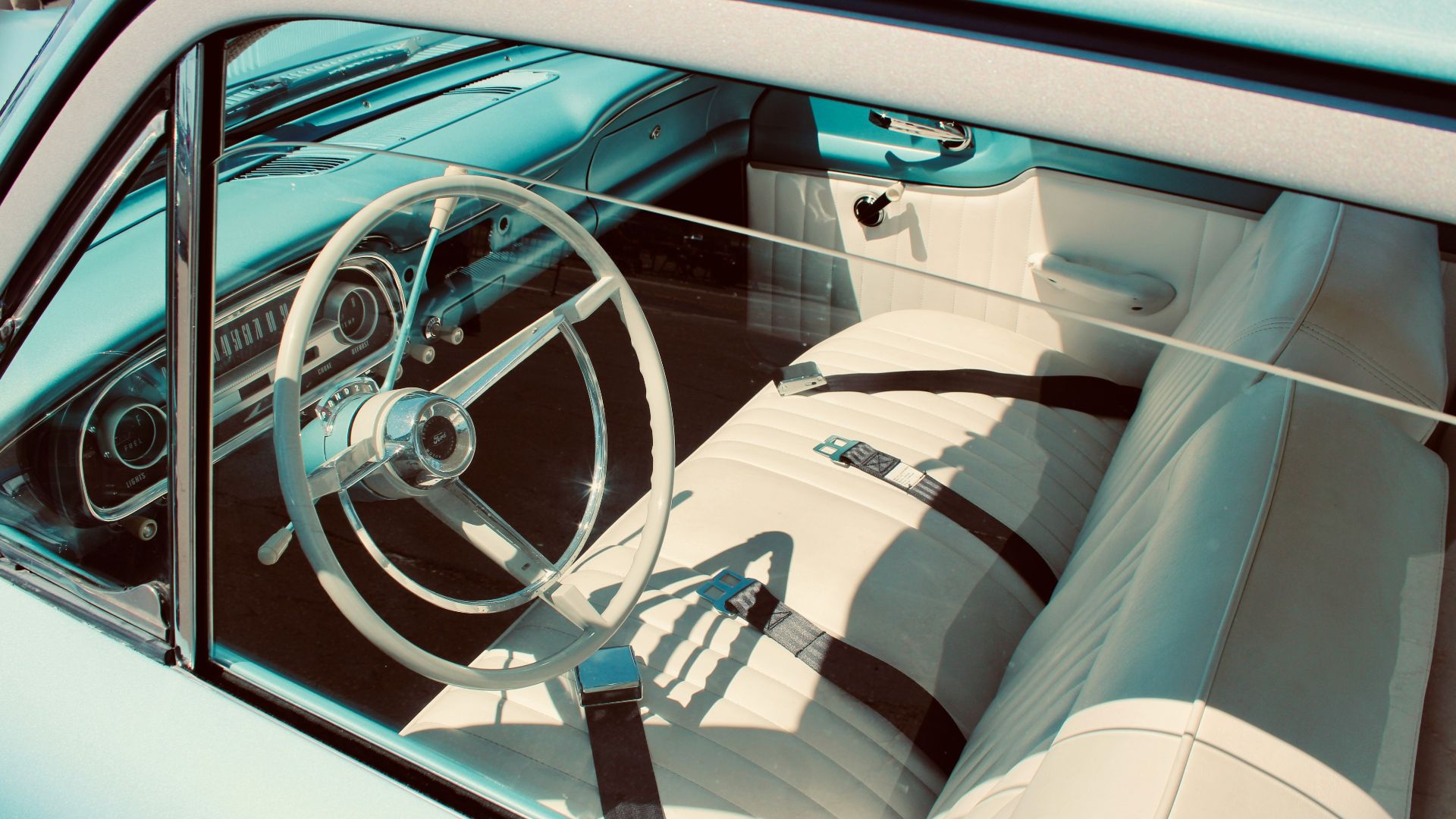
Bench front seats are an easy place to start. For years, a wide front bench and a column shifter could turn an ordinary sedan into a real six-passenger family car, which is part of why old full-size Chevrolets, Fords, and Mopars felt so roomy. You could pile people in, slide across the seat, and make a regular car do the job of something much bigger. That setup isn’t completely gone, but it has mostly moved out of regular passenger cars. New front bench arrangements still exist mainly as 40:20:40 split benches in pickups and a few truck-based SUVs.
Vent windows, or wing windows, are another great example. Before air conditioning was a given, those little triangular panes let drivers bring fresh air into the cabin without dropping the whole side window. They were a smart, low-tech fix for a very ordinary problem, and they worked.
The old Car Talk explanation about vent windows still makes sense. Once A/C became standard and aerodynamic efficiency mattered more, vent windows became harder to justify. That same piece also points out that cars are generally more fuel-efficient with the windows closed and the air conditioning on, especially at higher speeds. So yes, their disappearance made practical sense. They were still useful, though, and that’s why people remember them so fondly.
Then there’s the old cigarette lighter socket, which deserves a little respect even if nobody’s campaigning for smoke-filled cabins to come back. The lighter itself mostly faded away, but the hardware didn’t. As covered by SAE’s J563 standard, the old cigarette lighter and the power outlet that followed it share the same basic form and dimensions. That’s part of why the 12V outlet stuck around for so long.
Mechanical Touches
Manual handbrakes did one job, and they made that job feel clear. You pulled the lever, heard the ratchet, and knew right away whether the car was secure. There was something satisfying about that, even if it was just a small moment at the end of a drive. It felt mechanical, direct, and easy to trust.
Electric parking brakes can do more, to be fair. Infineon notes that EPB systems can add automatic release, re-clamping, and hill-hold functions, which make them more capable in real use. They’re not pointless, they’re just less tactile.
Pop-up headlights have a similar story. On paper, fixed modern lighting is better. In real life, pop-ups gave cars character in a way very few current design details can match. They made even an ordinary nighttime drive feel a little dramatic, which is something car people never really stopped loving.
Their disappearance wasn’t caused by one neat ban or one single rule. Back in 1983, NHTSA said its replaceable-bulb headlamp amendment was meant to give manufacturers more freedom in front-end design so they could improve aerodynamics. That changed the design pressure that had made hidden lamps so useful on low, sleek noses. Later, pedestrian-protection rules in Europe also pushed car design toward more forgiving front ends. So pop-ups weren’t banned outright. They just got squeezed out by better fixed lighting, better packaging, and changing safety priorities.
That’s what makes these old features stick in people’s heads. They didn’t just perform a function. They let you see the function happen. A handbrake clicked into place. A headlight rose out of the hood. A vent window angled the breeze exactly where you wanted it. Modern cars still do more, and they do it with much more sophistication, but they often hide the action behind software, motors, and touch panels. Efficient, yes. Memorable, not always.
The Design Details
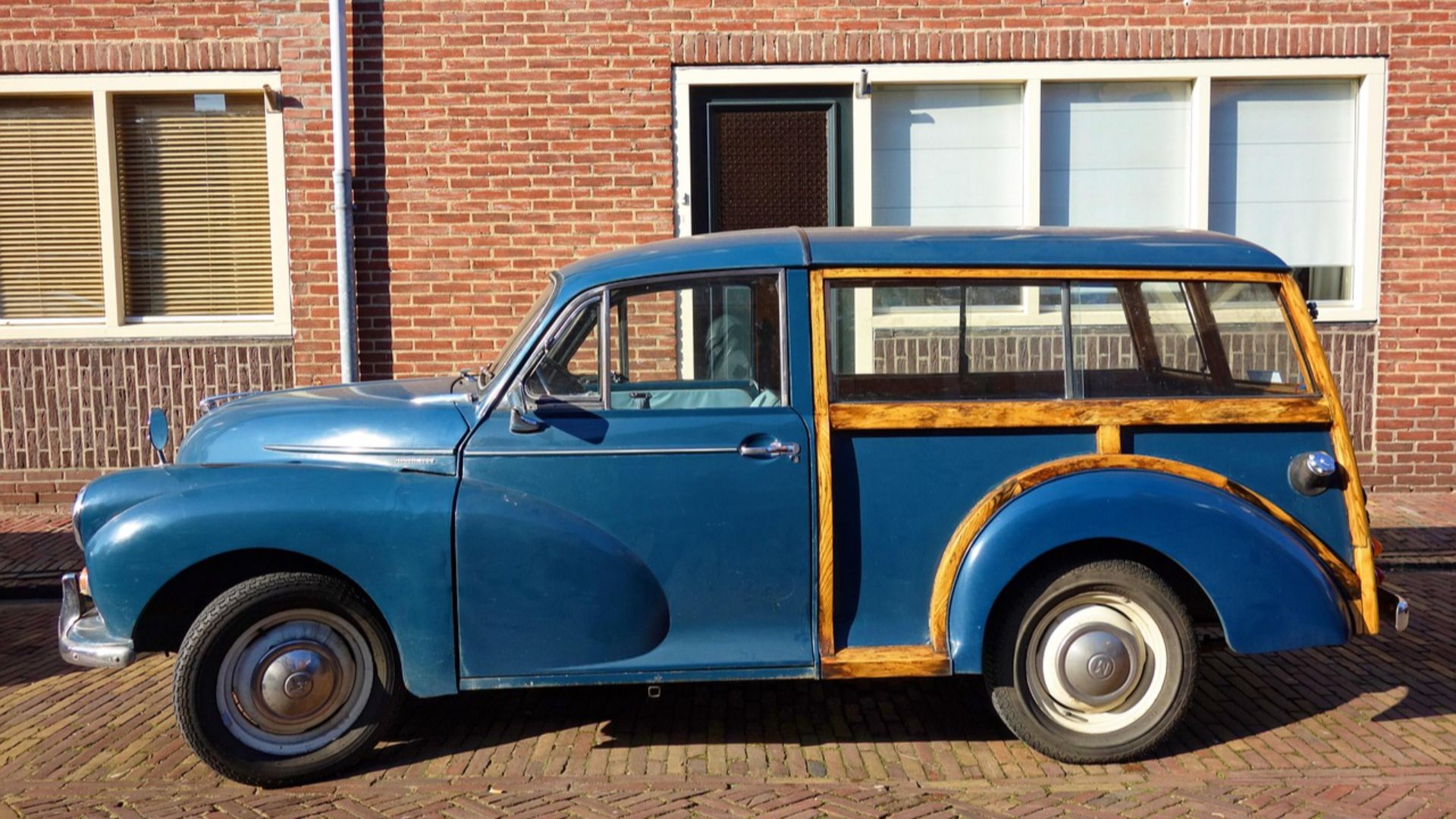
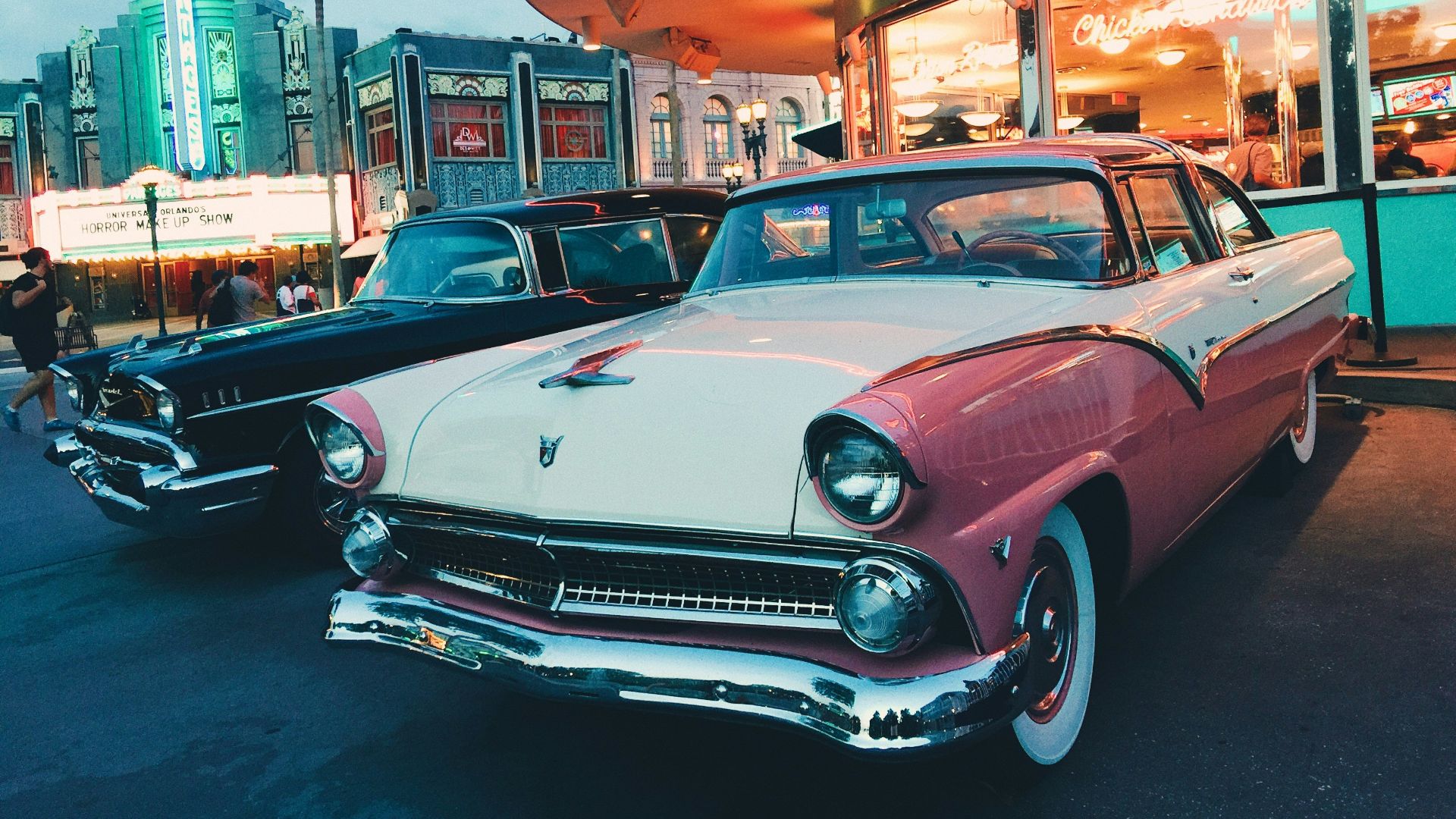
Even wheel covers used to do more than we tend to remember. Once alloy wheels spread from premium and performance cars into the mainstream, steel wheels with covers started to look cheap instead of clever. The cultural shift happened fast. What once looked tidy and complete started being associated with “budget-friendly” vehicles.
Fake wood paneling followed a similar path, just with more flair. Wood-sided wagons were part of American family-car life for decades, and the look grew out of early body construction before becoming the wood-paneled wagon image people still picture when they hear “woodie.” Later on, faux woodgrain started to feel dated. Around the same time, the station wagon itself was losing ground, so the trim and the body style slipped into the past.
That’s really what ties all of this together. Most of these features disappeared for reasons that make sense, and in a lot of cases, the replacement is safer, cleaner, cheaper, or more efficient. Nobody’s arguing otherwise. Still, bench seats, vent windows, handbrake levers, pop-up headlights, wheel covers, and woodgrain all gave ordinary cars something modern cars still don’t always deliver: a sense of personality, clarity, and texture. They made cars feel distinctive. They made them feel understandable. And, more often than not, they made them feel a little bit more alive.