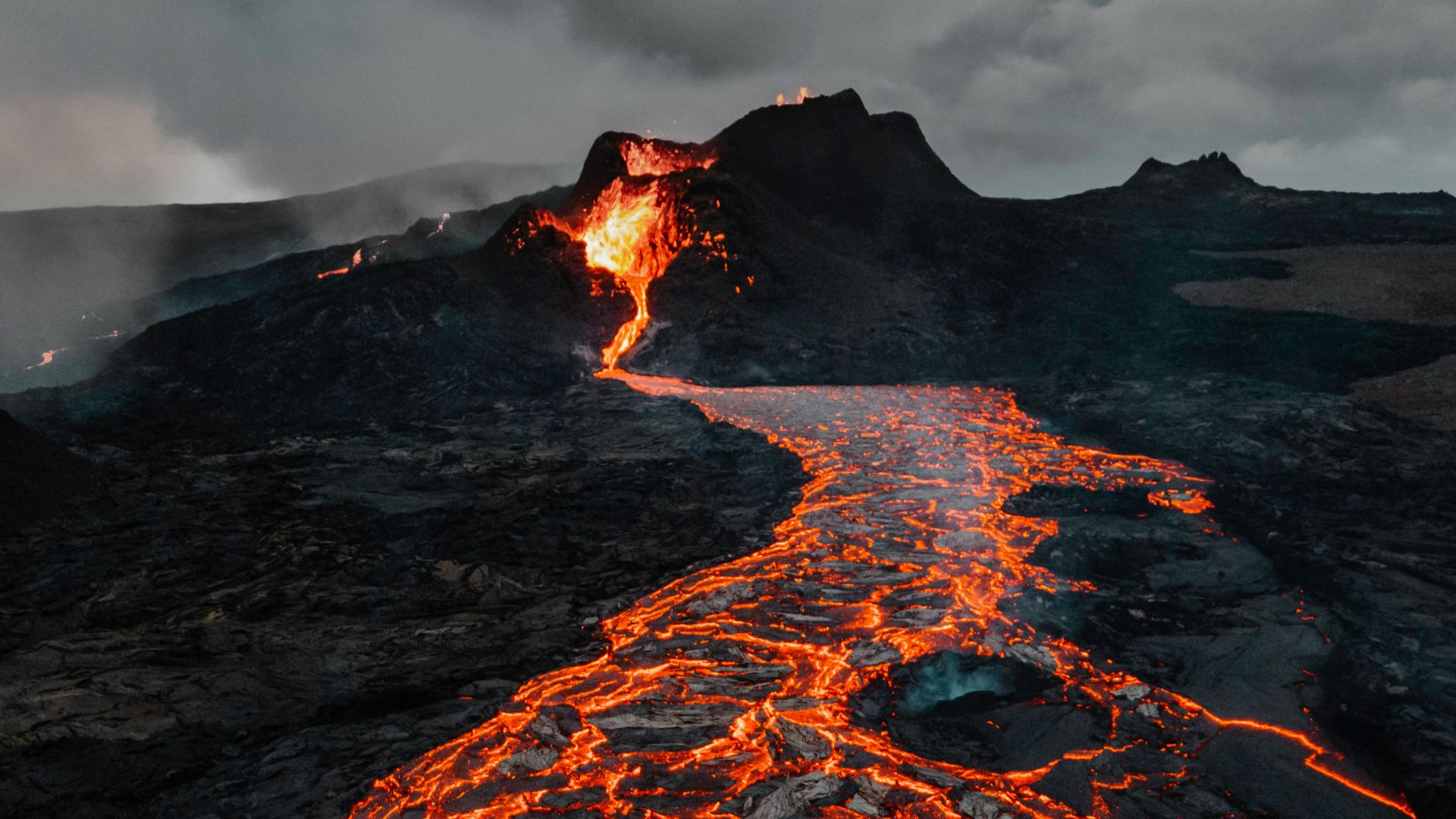
When you think of a typical off-road adventure, your mind probably wanders to muddy trails or sandy dunes, but some engineers are aiming much higher—literally. A team of scientists and specialized designers is currently developing a vehicle capable of trekking up the steep, unpredictable slopes of active volcanoes. This isn't just about the ultimate Sunday drive; it’s a high-stakes mission to place sensors and gather data from locations that are far too dangerous for humans to reach on foot. You’d be surprised at the level of ingenuity required to build a machine that can survive extreme heat and razor-sharp volcanic rock.
The project represents a massive leap forward in geological research and disaster prevention technology. By creating a mobile laboratory that can navigate the “Red Zone” of a restless mountain, researchers hope to predict eruptions with much greater accuracy than ever before. You’re looking at a vehicle that combines the ruggedness of a lunar rover with the heat resistance of a space capsule. It’s an ambitious endeavor that proves once again that when it comes to exploring the most hostile environments on Earth, there is willingness to build whatever it takes to get the job done.
Engineering for the Extreme Heat
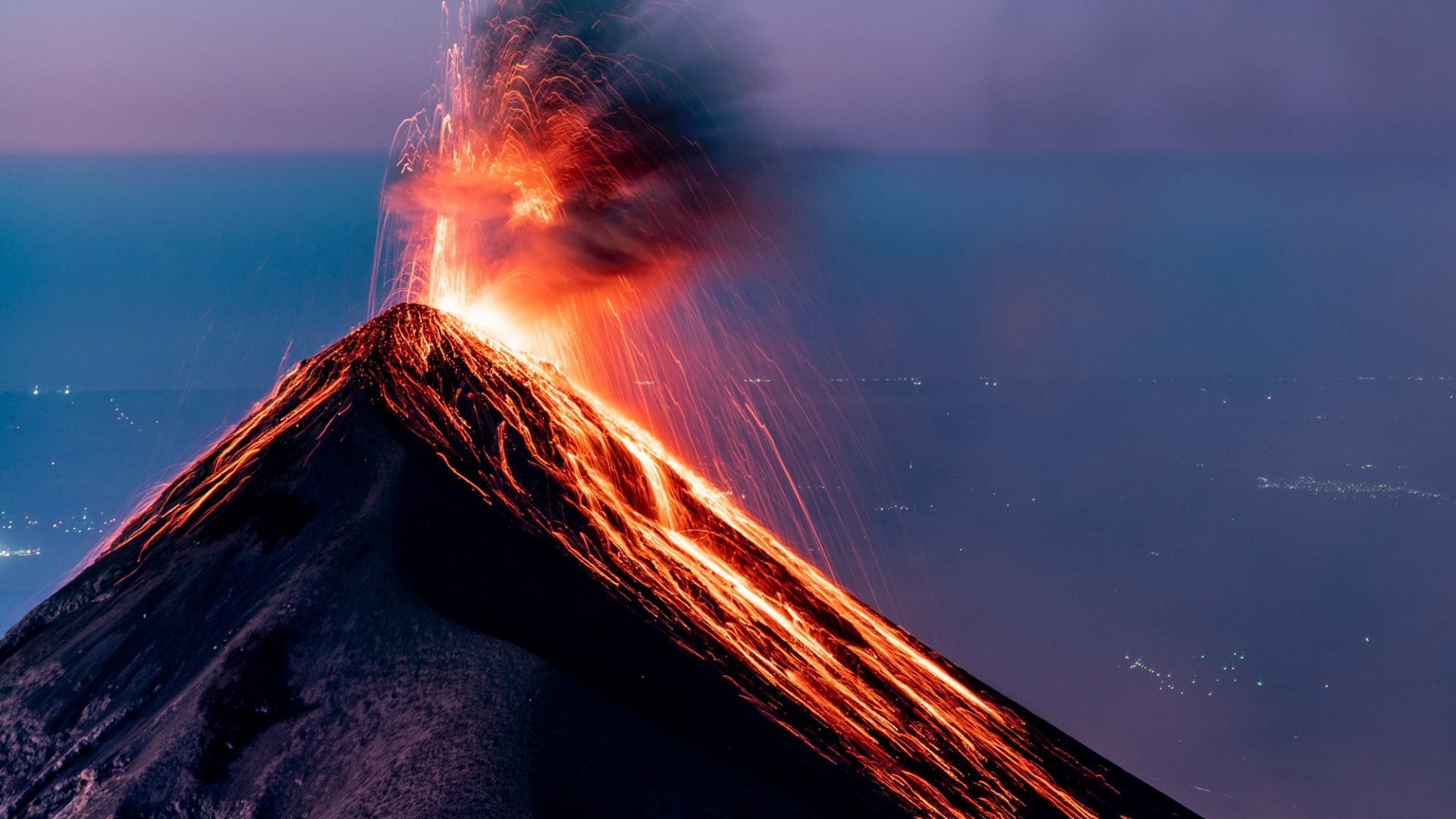
One of the biggest hurdles these scientists face is the sheer temperature of a volcanic environment, which can easily melt standard tires and fry delicate electronics. To combat this, the vehicle features a specialized thermal shielding system made from advanced ceramics and heat-reflective foils. You’ll find that the chassis is designed to dissipate heat rapidly, ensuring that the internal sensors stay cool even when the ground underneath is smoldering. It’s a delicate balancing act to keep the weight down while adding enough insulation to survive the climb.
Instead of using traditional rubber tires that would disintegrate on hot lava flows, the team has opted for non-pneumatic, metallic wheels. These wheels are inspired by the mesh designs used on Mars rovers, allowing them to deform over jagged rocks without ever going flat. You can imagine how crucial this is when a single puncture could mean the loss of a multi-million-dollar piece of equipment. The metal alloy used is specifically chosen for its ability to maintain structural integrity under intense thermal stress.
The cooling system inside the vehicle is just as impressive as its outer shell, utilizing a closed-loop liquid cooling method to protect the onboard computer. Since there isn't much “cool” air to draw from the outside, the vehicle relies on heat exchangers that can operate in high-ambient environments. You’ll notice that the entire electronic suite is housed in a pressurized, insulated compartment to prevent volcanic ash and corrosive gases from seeping in. This high-tech cocoon is what allows the vehicle to function as a mobile brain in a place that would destroy almost any other machine.
Navigating the Impossible Terrain
Volcanoes are hot, yes, but they're also steep and littered with loose rubble that would defeat most forms of conventional wheeled transport. The aforementioned independent suspension allows each wheel to articulate independently by a matter of feet in order to stay planted on the ground. Note how easily it “walks” up a series of rocks, sending power to individual wheels thanks to an enormous torque-vectoring system. If you were going up a volcano, you wouldn't drive up in a straight line anyway.
This AI system needs to work because volcanoes are rarely clearly visible due to smoke, ash, and particulate matter in the air. Mountainsides also shift slightly every second from seismic activity and cascading debris, so LiDAR and infrared cameras are used to create and constantly revise a real-time 3D model of the environment. Watch how easily it picks out where it is safe to place its tires versus unstable ash that will slide right back underneath it. This machine is essentially street-optimized fully self-driving technology navigating an obstacle course made of magma and boulders.
To prevent the rig from becoming lodged in crevasses of ash, it has what engineers call a variable footprint so that it can distribute more weight by “opening up” its wheelbase. It prevents the vehicle from sinking into soft ground or ash that commonly coats the sides of a volcano as it approaches higher elevations. It could be described as vehicle-grade snowshoes if that comparison makes sense. It essentially “floats” across debris so it can reach higher elevations.
The primary goal of this volcanic climber is to deploy a suite of sophisticated instruments directly into the crater’s edge. These tools measure gas emissions, seismic vibrations, and slight changes in the mountain’s shape that often precede a major eruption. You’ll find that having these sensors placed precisely where the action is provides much clearer data than satellites or long-range cameras ever could. It’s about getting as close as possible to the “heartbeat” of the volcano to understand what it is doing in real time.
Ultimately, this project is about more than just a cool vehicle; it’s about the marriage of robotics and earth science to solve a global problem. As climate change and population growth put more people at risk near volcanic centers, the need for this kind of technology has never been greater. These metallic mountaineers are expected to become a standard part of geological toolkits in the very near future. It’s a testament to human curiosity and the refusal to let even the most dangerous places on the planet remain a total mystery.