Avoid Costly Errors Before You Hit the Road
Road trips can be exciting, but small oversights can quickly turn into expensive problems if you’re not careful. From vehicle maintenance to planning decisions, many common mistakes end up costing drivers far more than expected. A little preparation and awareness can save you both money and stress. Here are 20 road trip mistakes that can lead to serious financial setbacks.
 Ex Route Adventures on Unsplash
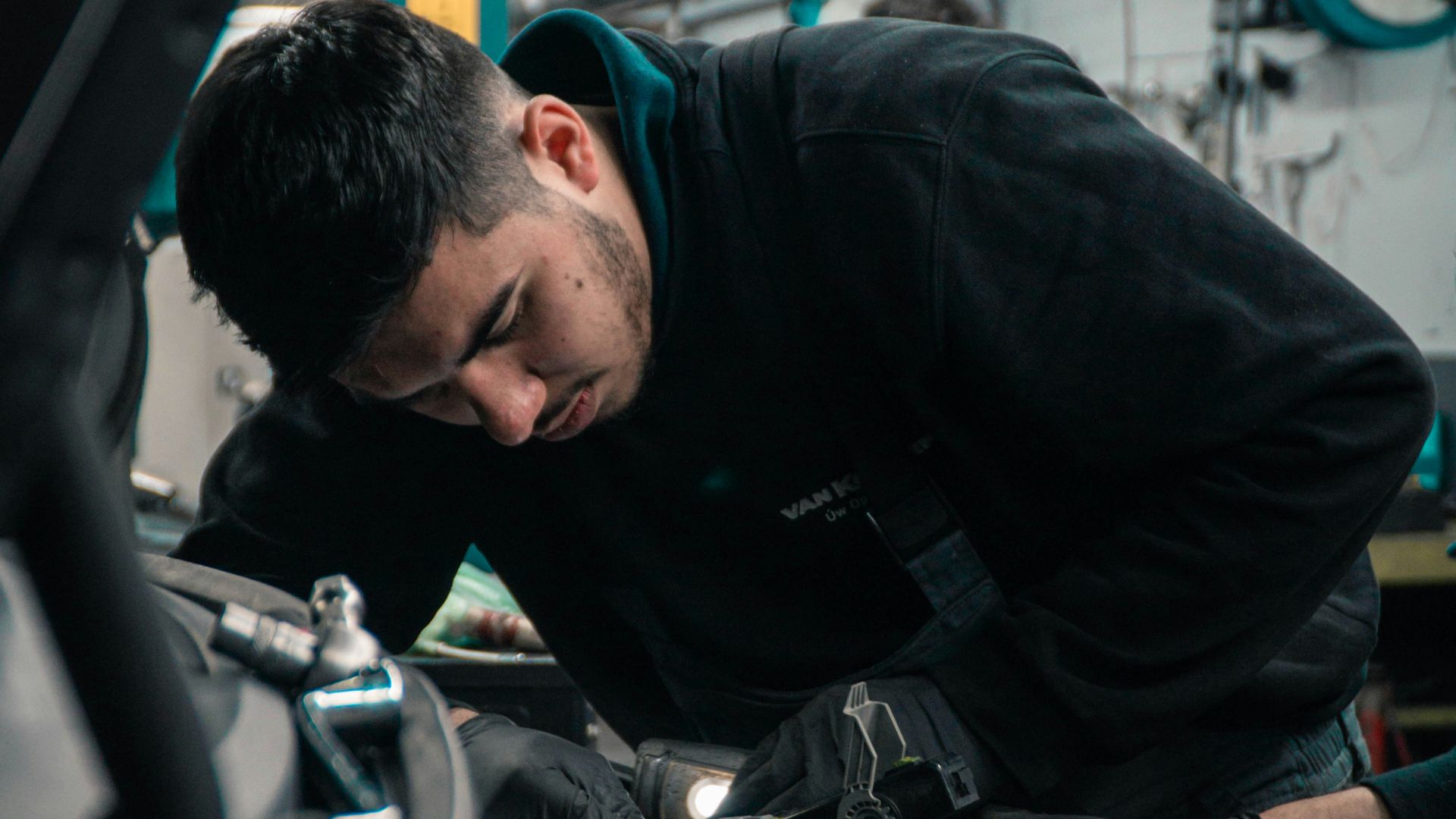
1. Skipping a Pre-Trip Vehicle Inspection
Ignoring a basic inspection before leaving can lead to breakdowns that are expensive to fix on the road. Checking tire pressure, fluid levels, and brakes helps prevent avoidable issues. Emergency repairs in unfamiliar areas often come with higher labor costs. A quick check at home can save you a major expense later.
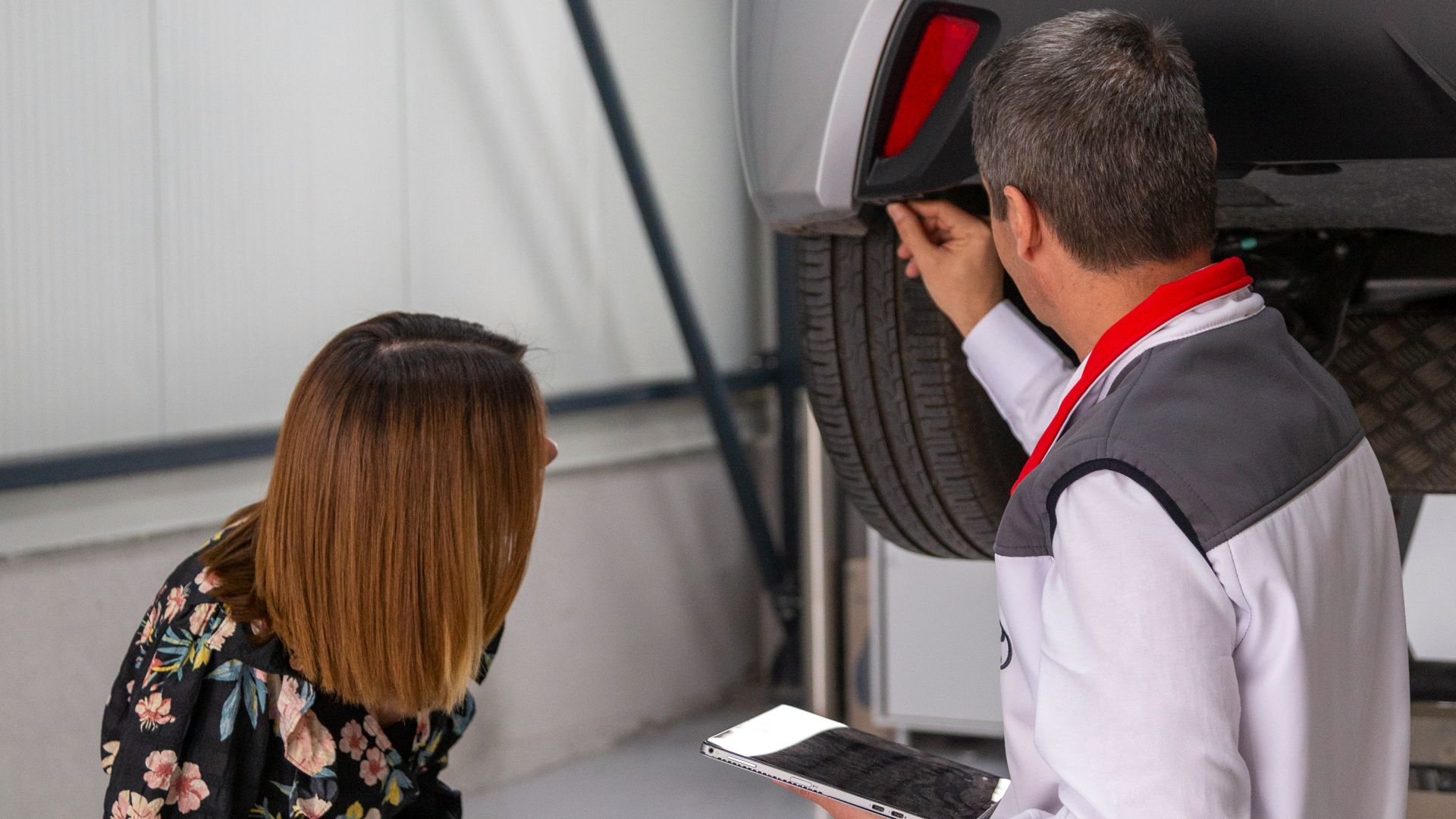
2. Driving on Worn-Out Tires
Old or worn tires increase the risk of blowouts, especially on long highway drives. Replacing tires might feel costly upfront, but it’s far cheaper than dealing with an accident or towing fees. Poor tread also reduces traction in wet conditions. Investing in safe tires is essential for both safety and cost control.

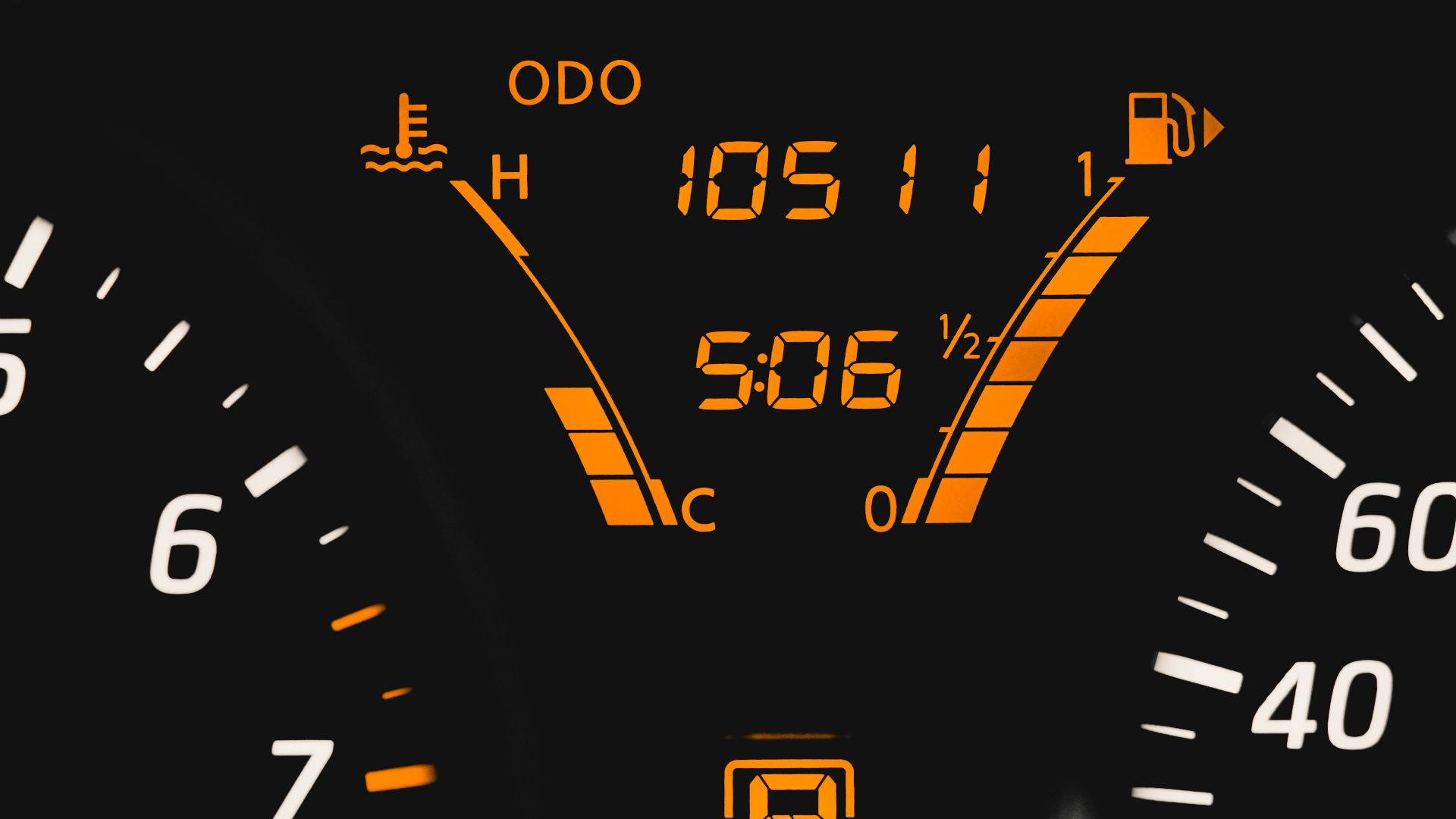
3. Ignoring Warning Lights
Dashboard warning lights are designed to alert you before a small issue becomes a major one. Continuing to drive without addressing them can lead to serious engine damage. Repairs that could’ve been minor can quickly escalate into thousands of dollars. It’s always better to investigate early.
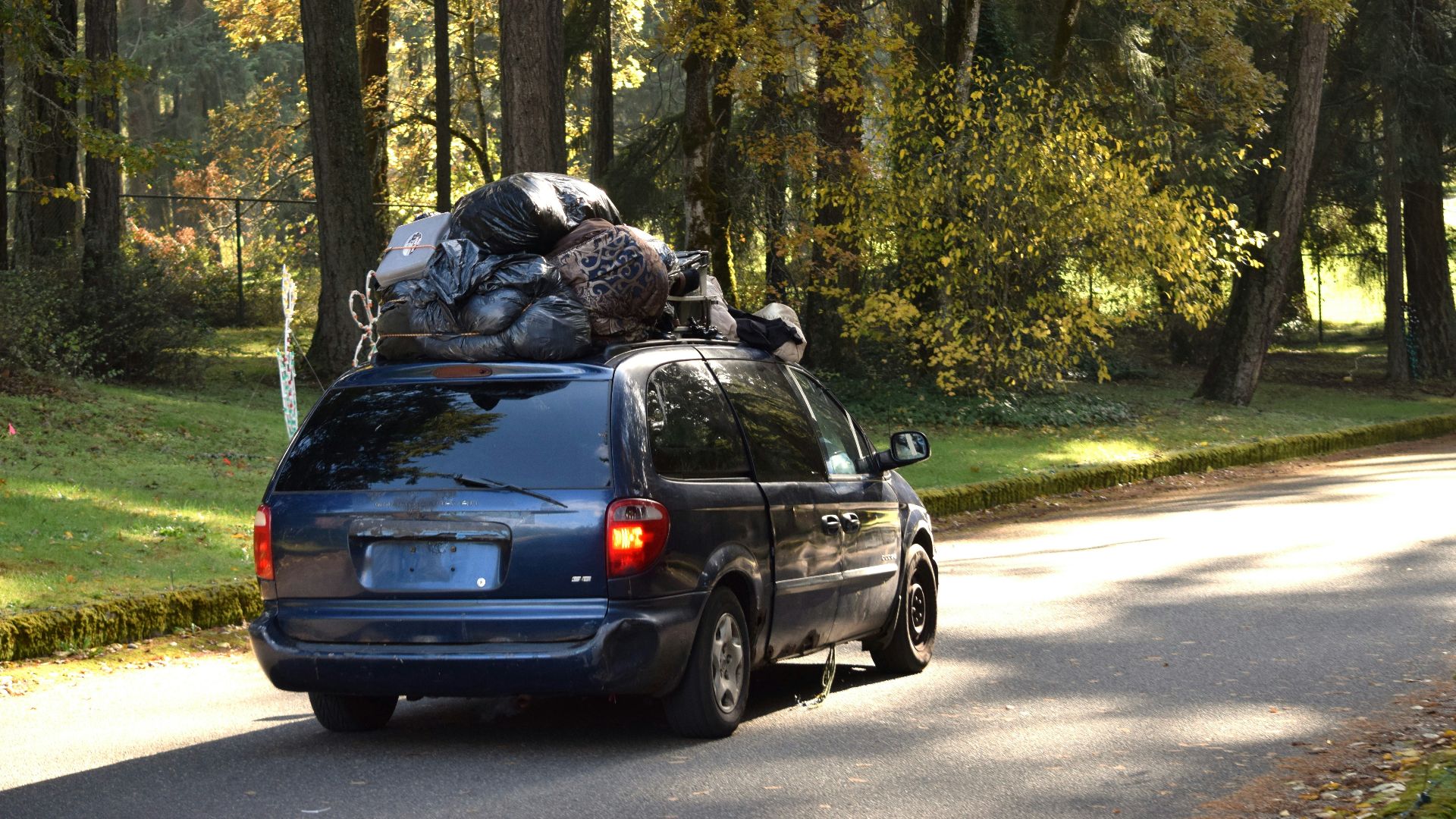
4. Overloading Your Vehicle
Packing too much weight puts strain on your suspension, brakes, and tires. This can lead to faster wear and potential mechanical failures. It also reduces fuel efficiency, increasing your overall trip cost. Keeping your load within recommended limits helps avoid unnecessary damage.
5. Not Planning Fuel Stops
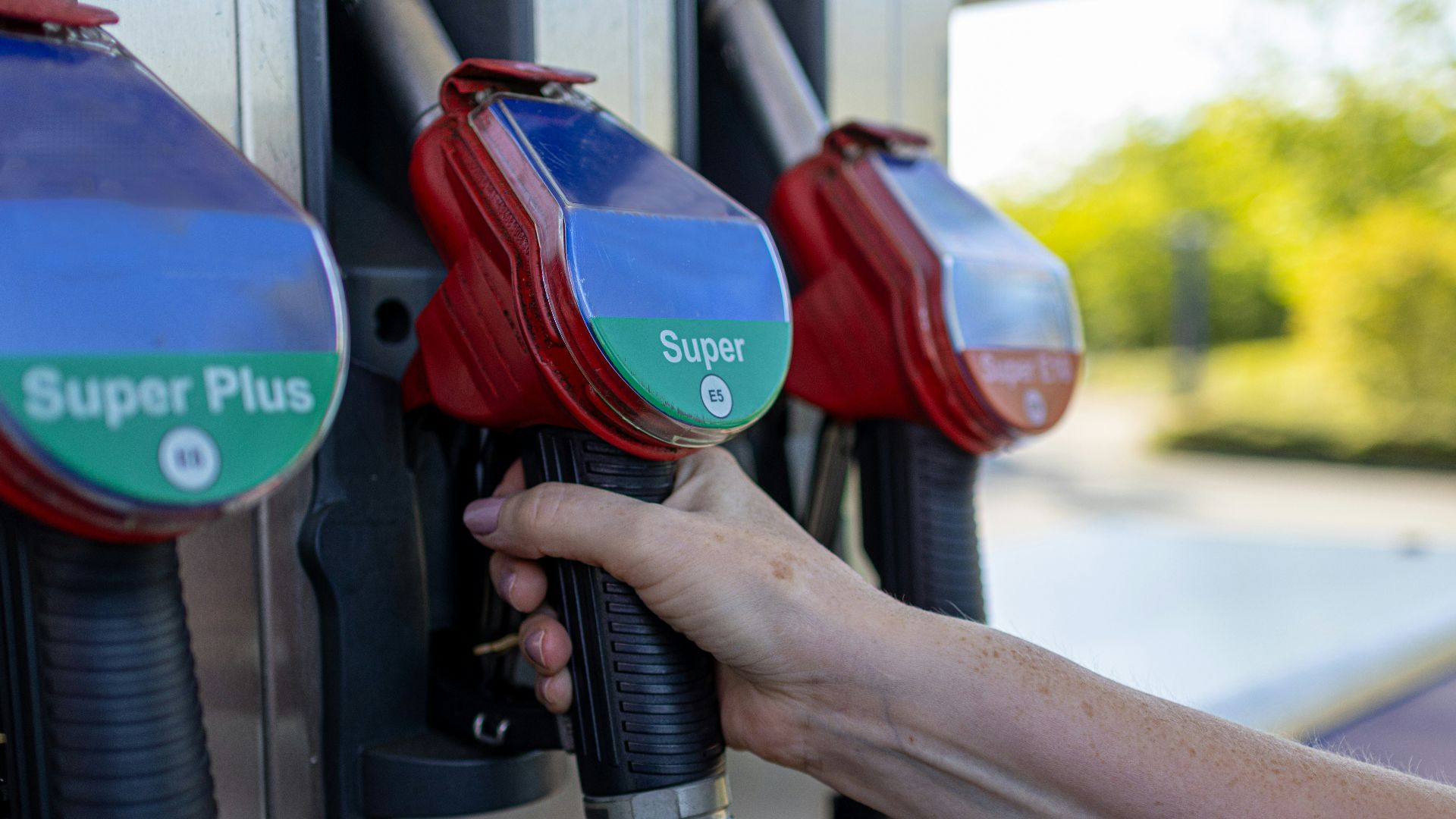
Running low on fuel in remote areas can leave you stranded and dependent on costly roadside assistance. Fuel prices are often higher in isolated locations as well. Planning stops ahead of time helps you avoid both inconvenience and inflated costs. It also reduces stress during long drives.
6. Skipping Oil Changes
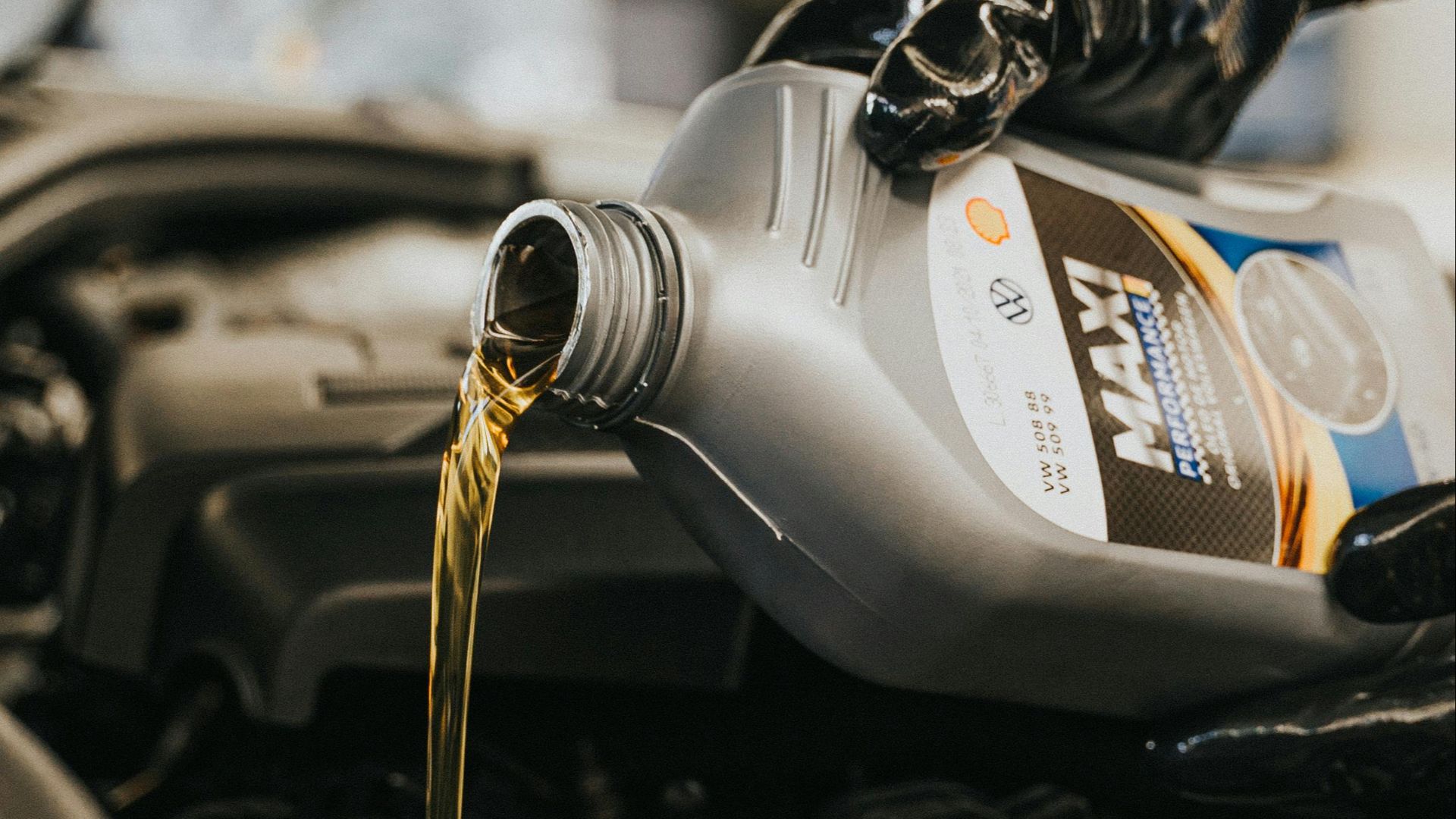
Driving long distances with old oil can damage your engine over time. Oil helps reduce friction and keeps components running smoothly. Neglecting it increases the risk of overheating or engine wear. Routine maintenance before a trip is much more affordable than engine repairs.
7. Not Checking Your Spare Tire
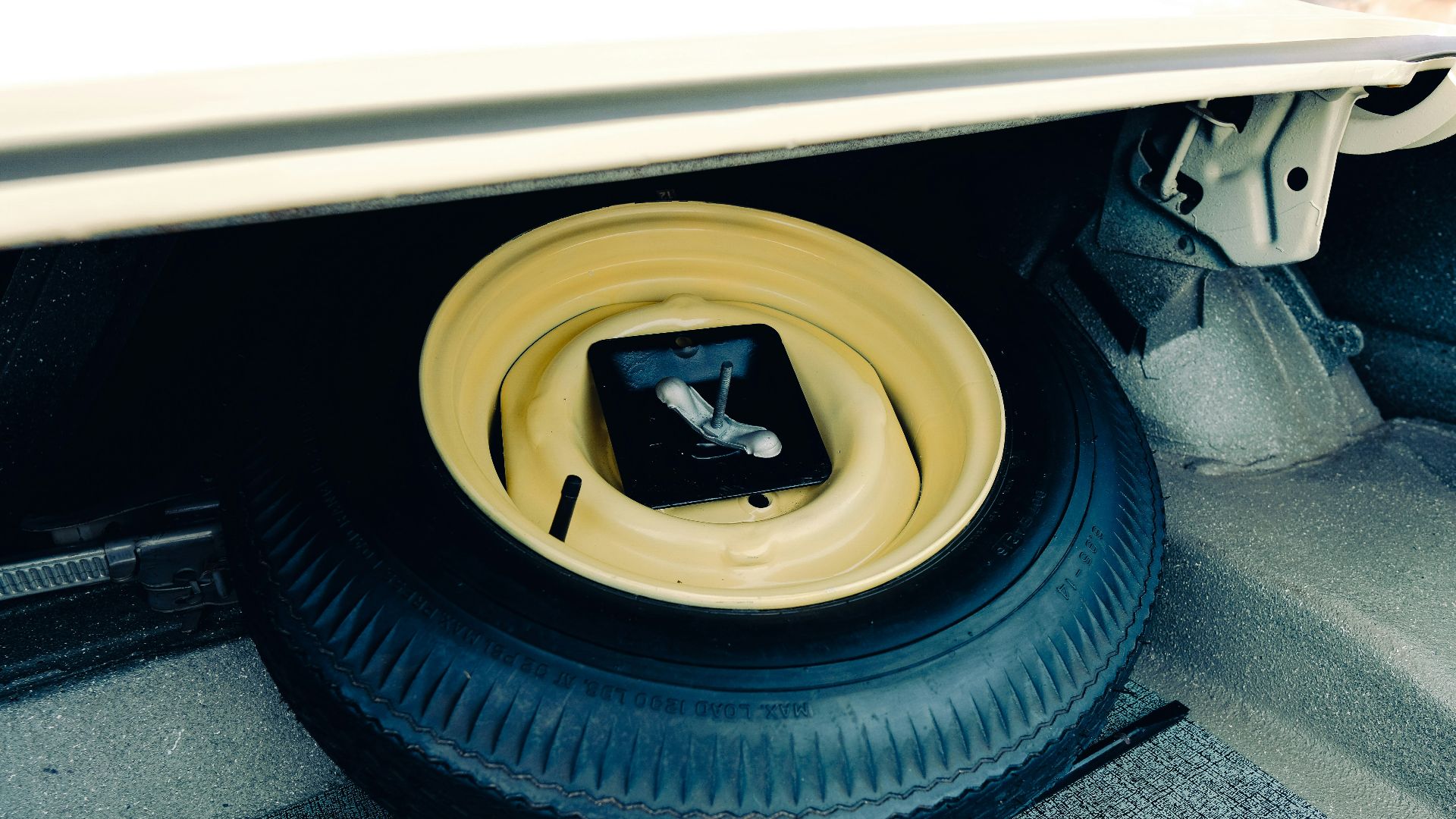
Many drivers assume their spare tire is ready to use without verifying its condition. If it’s flat or damaged, you’ll be stuck relying on roadside assistance. That can lead to towing fees or emergency service charges. A quick check ensures you’re prepared for unexpected situations.
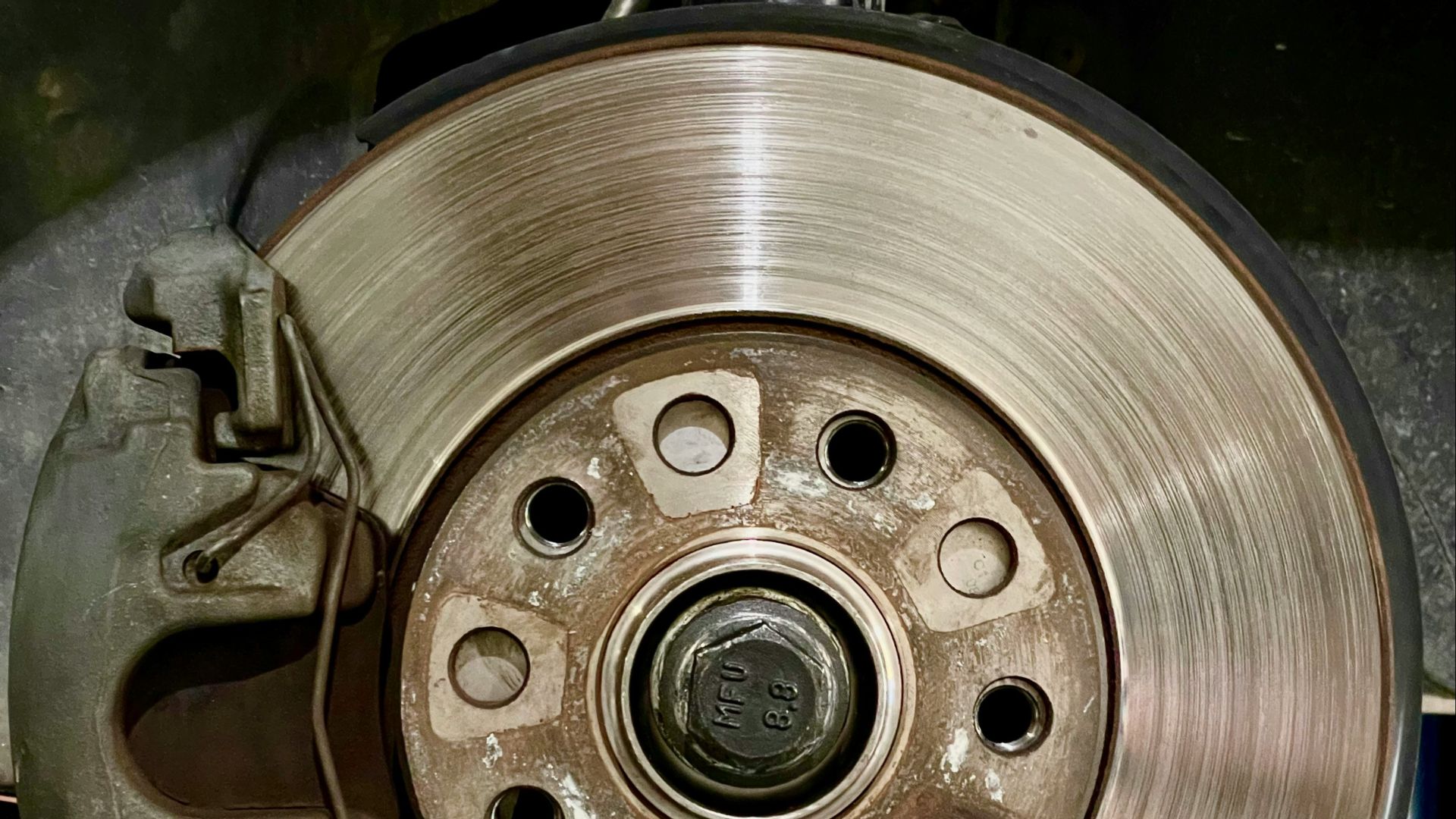
8. Ignoring Brake Wear
Brakes are critical for safe driving, especially on long trips or in mountainous areas. Worn brake pads can reduce stopping power and damage other components. Delaying replacement often leads to more expensive repairs. Addressing brake issues early helps prevent higher costs.
9. Booking Accommodations Last Minute
Waiting until the last minute to book hotels often results in higher prices or limited options. Popular travel routes can fill up quickly, especially during peak seasons. You may end up paying significantly more than planned. Booking in advance helps control your budget.

10. Not Reviewing Insurance Coverage
Some drivers assume their insurance covers everything during a road trip, which isn’t always the case. Gaps in coverage can lead to high out-of-pocket costs after an accident. Reviewing your policy ensures you understand what’s included. It’s a simple step that can prevent major financial surprises.

11. Driving Without Emergency Supplies
Skipping basic emergency items like a first-aid kit, flashlight, or jumper cables can lead to costly situations. Without these, you may need to call for help even for minor issues. Service calls and towing fees add up quickly. Keeping essentials on hand reduces reliance on paid assistance.

12. Poor Route Planning
Taking inefficient routes can increase fuel consumption and travel time. Unexpected toll roads or heavy traffic can also raise costs. Planning your route helps you avoid unnecessary expenses. It also ensures a smoother travel experience overall.
13. Ignoring Weather Conditions
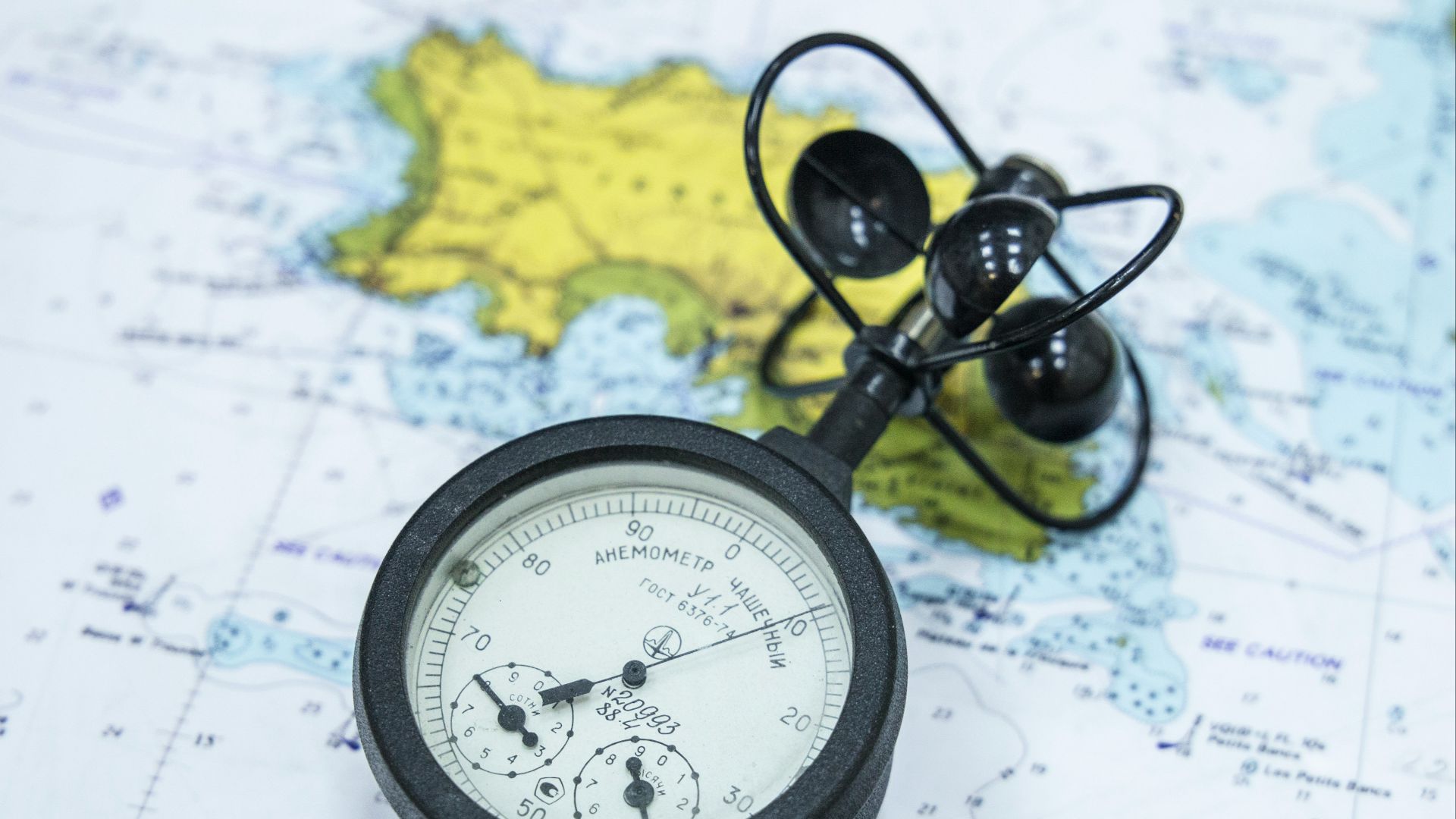
Driving in severe weather without preparation can lead to accidents or delays. Conditions like heavy rain or snow increase the risk of damage. Repairs and insurance claims can become expensive quickly. Checking forecasts allows you to adjust your plans accordingly.

14. Using Cheap or Incorrect Fuel
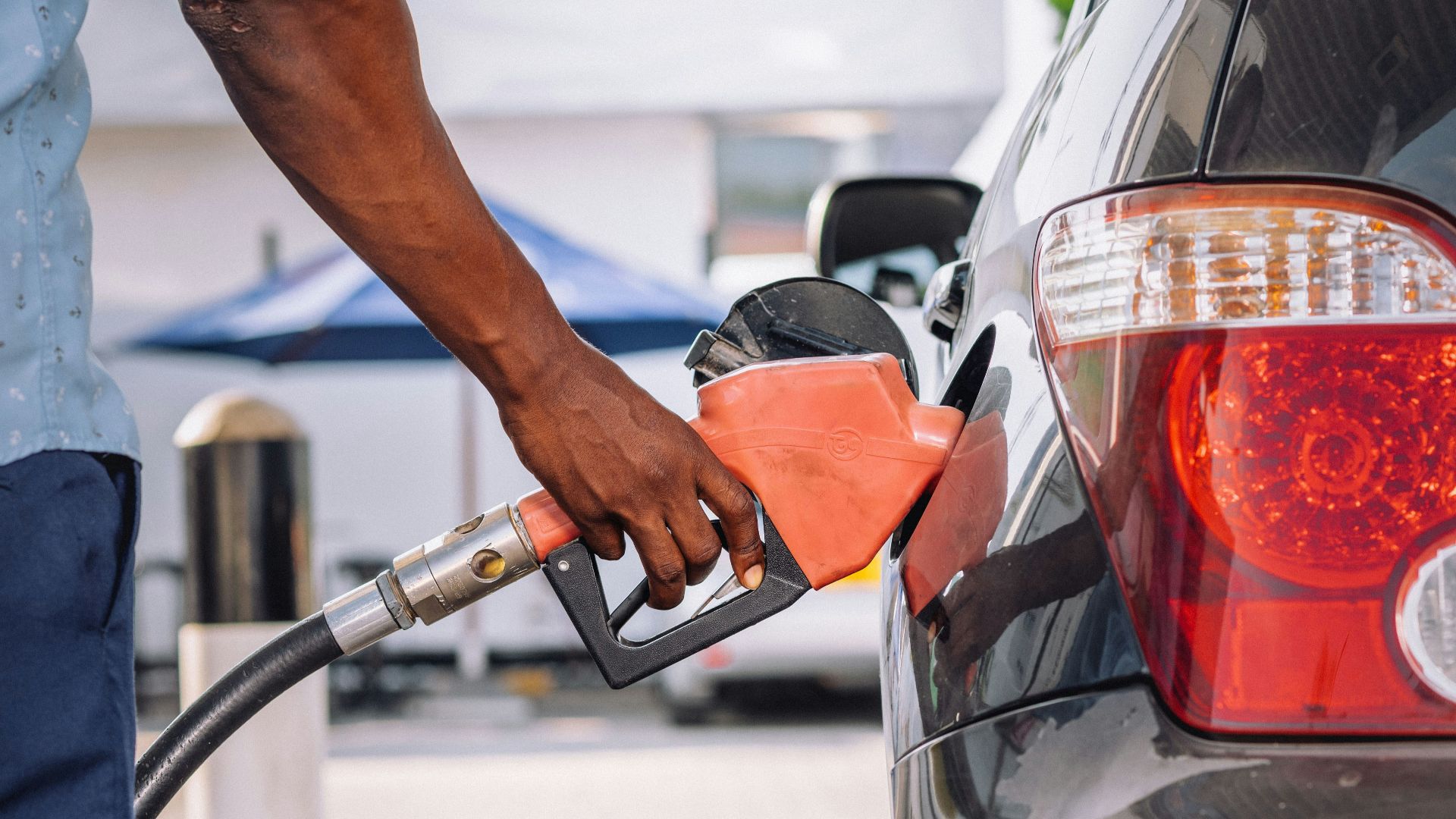
Using the wrong type of fuel can damage your engine and reduce performance. While cheaper fuel might seem like a good idea, it can lead to long-term issues.
15. Not Securing Luggage Properly
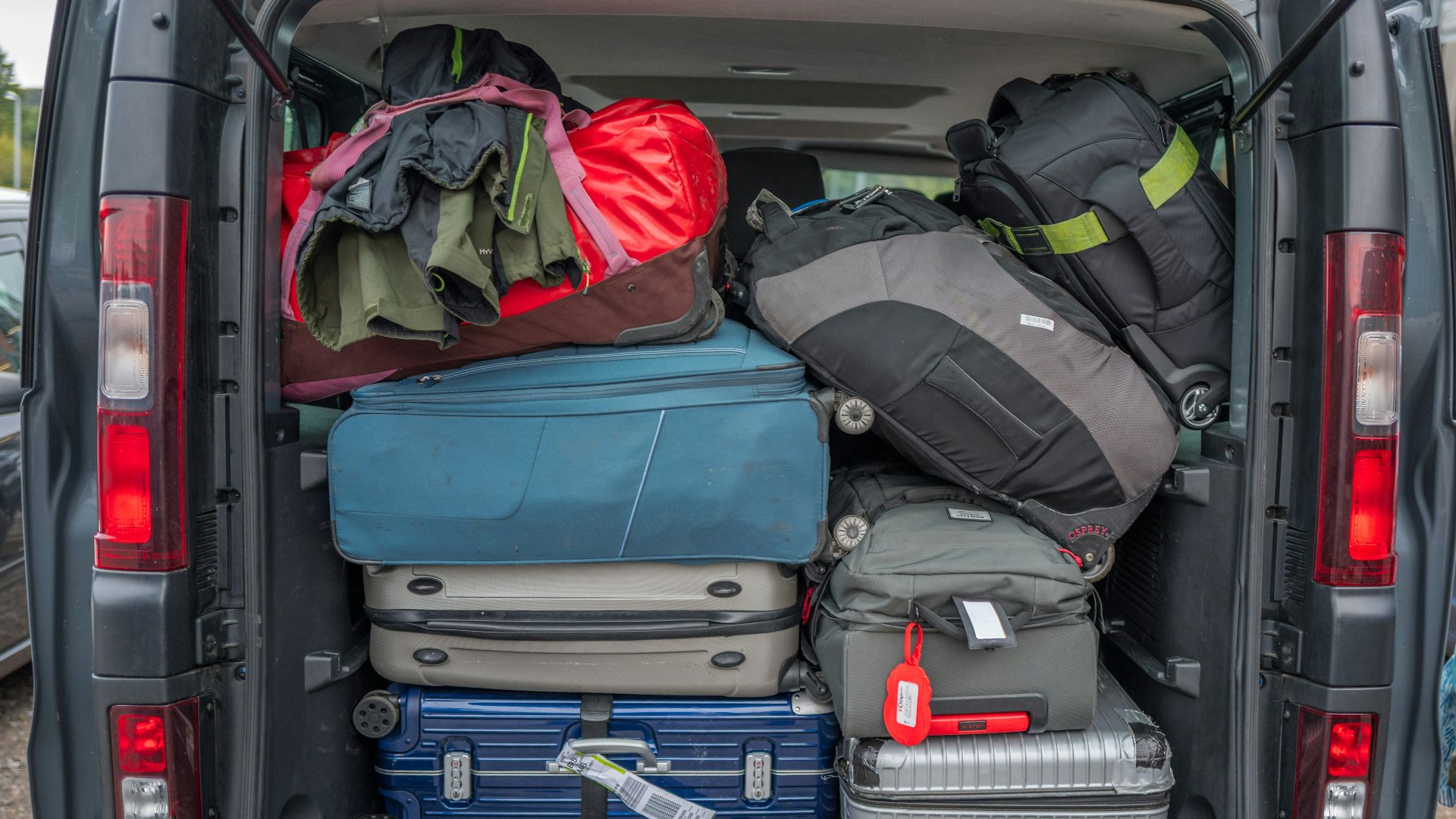
Loose items in your vehicle can shift during sudden stops or turns. This can cause damage to your interior or create safety hazards. In some cases, it may even lead to accidents. Properly securing your belongings prevents unnecessary risks and expenses.
 Alexander Schimmeck on Unsplash
16. Driving While Fatigued
Fatigue affects reaction time and decision-making, increasing the risk of accidents. Crashes can result in significant repair costs and higher insurance premiums. Taking regular breaks helps you stay alert. It’s a simple habit that protects both your safety and your finances.

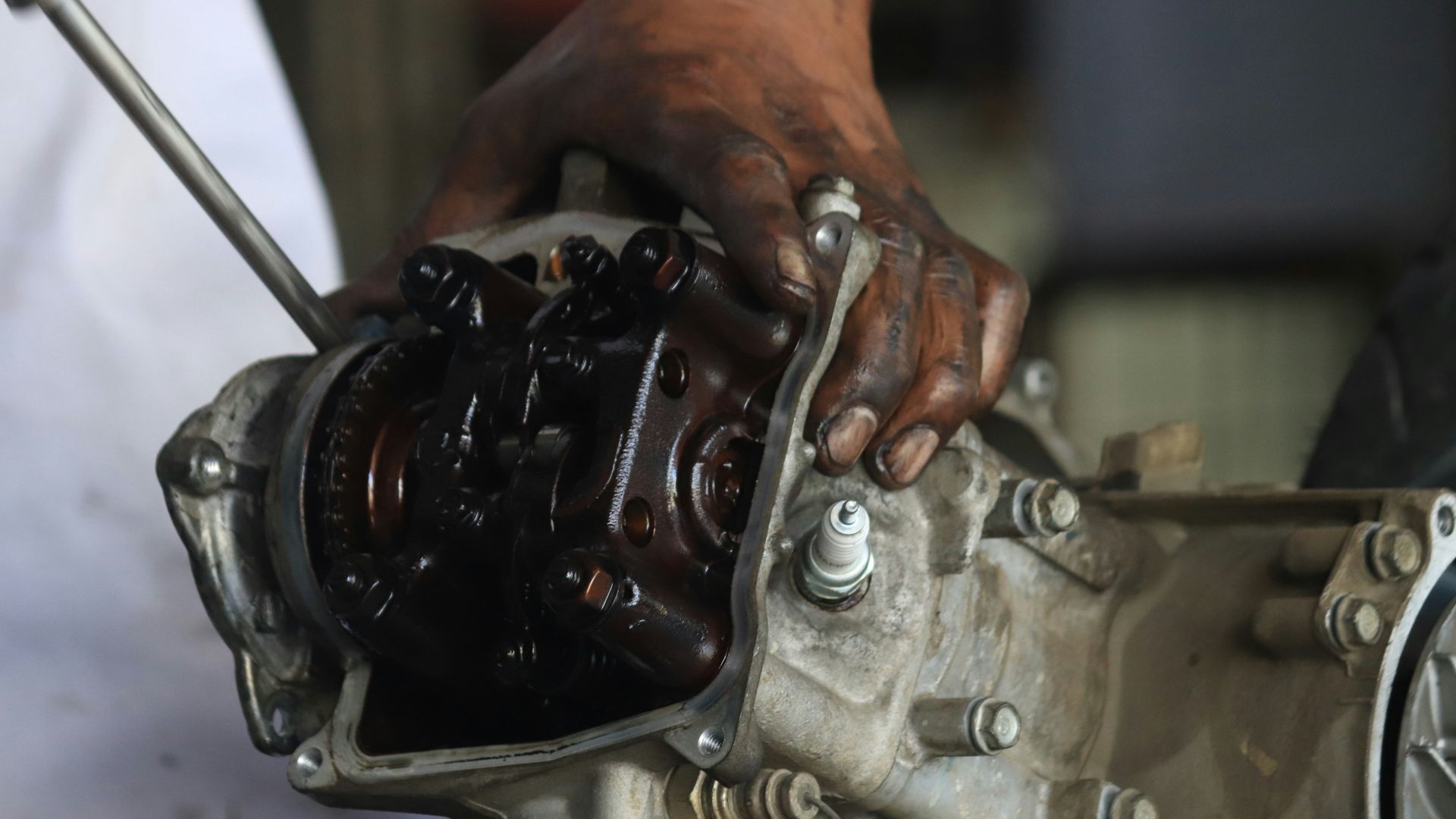
17. Ignoring Transmission Issues
Transmission problems can worsen quickly if left unaddressed. Warning signs like slipping gears or unusual noises shouldn’t be ignored.
18. Not Budgeting for Tolls and Fees
Tolls, parking fees, and unexpected charges can add up over the course of a trip. Failing to account for them can strain your budget. Some routes have higher costs than others.
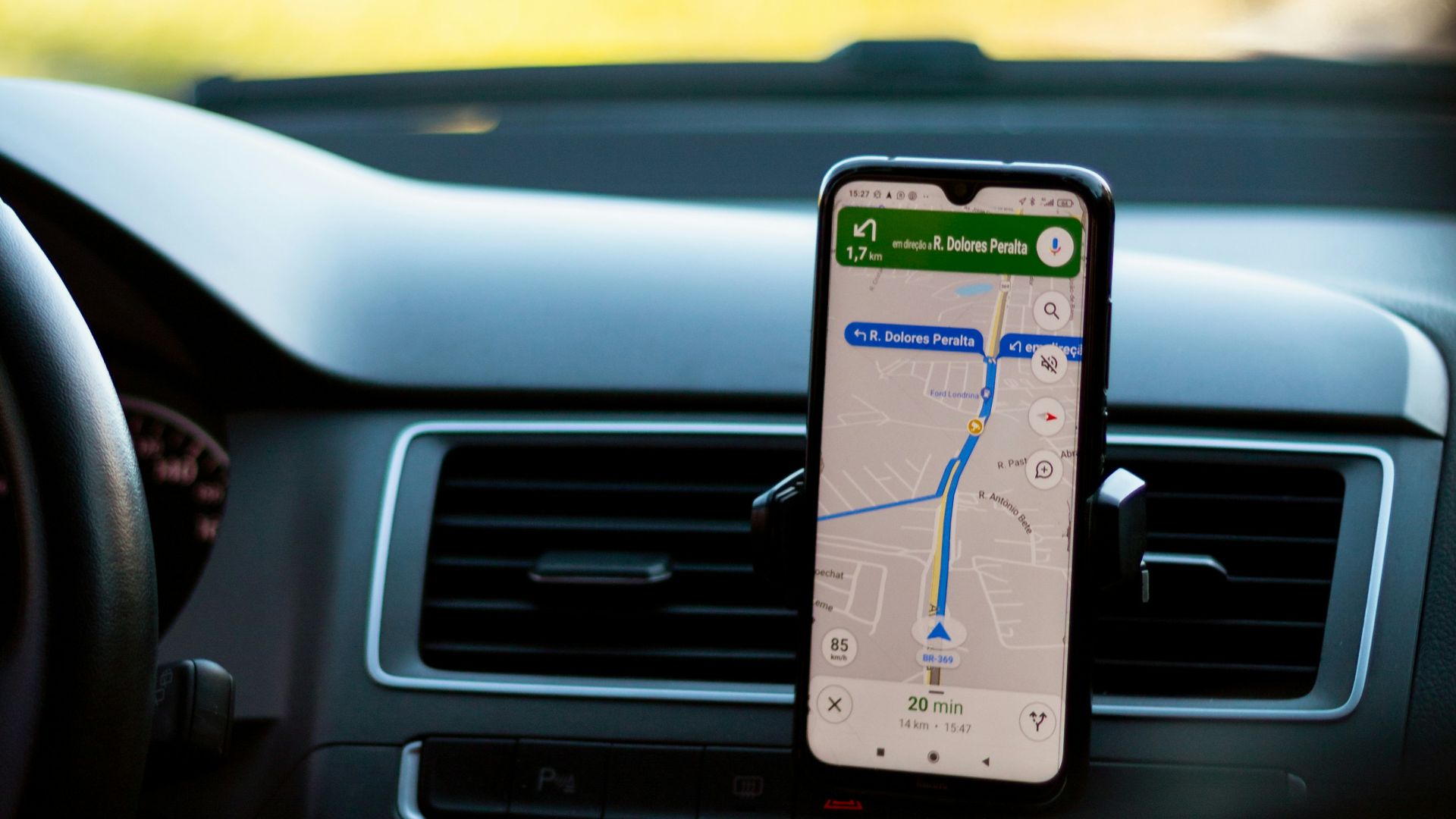
19. Relying Solely on GPS
GPS systems are helpful, but they aren’t always accurate or up to date. Following incorrect directions can lead to detours or restricted roads.
20. Delaying Repairs Until After the Trip
Putting off known issues until after your trip can make them worse. Small problems often escalate under the stress of long-distance driving.