Smart Investments vs. Costly Mistakes: When Restoration Pays Off
Restoring a car can be rewarding, but it’s not always profitable. Some projects significantly increase a vehicle’s value, especially when rarity, originality, and craftsmanship align. Others end up costing more than the car is ever worth, often due to poor planning or unrealistic expectations. If you’re thinking about a restoration, understanding what drives value can help you avoid expensive missteps. Here are 10 car restorations that tripled their value and 10 that lost money.
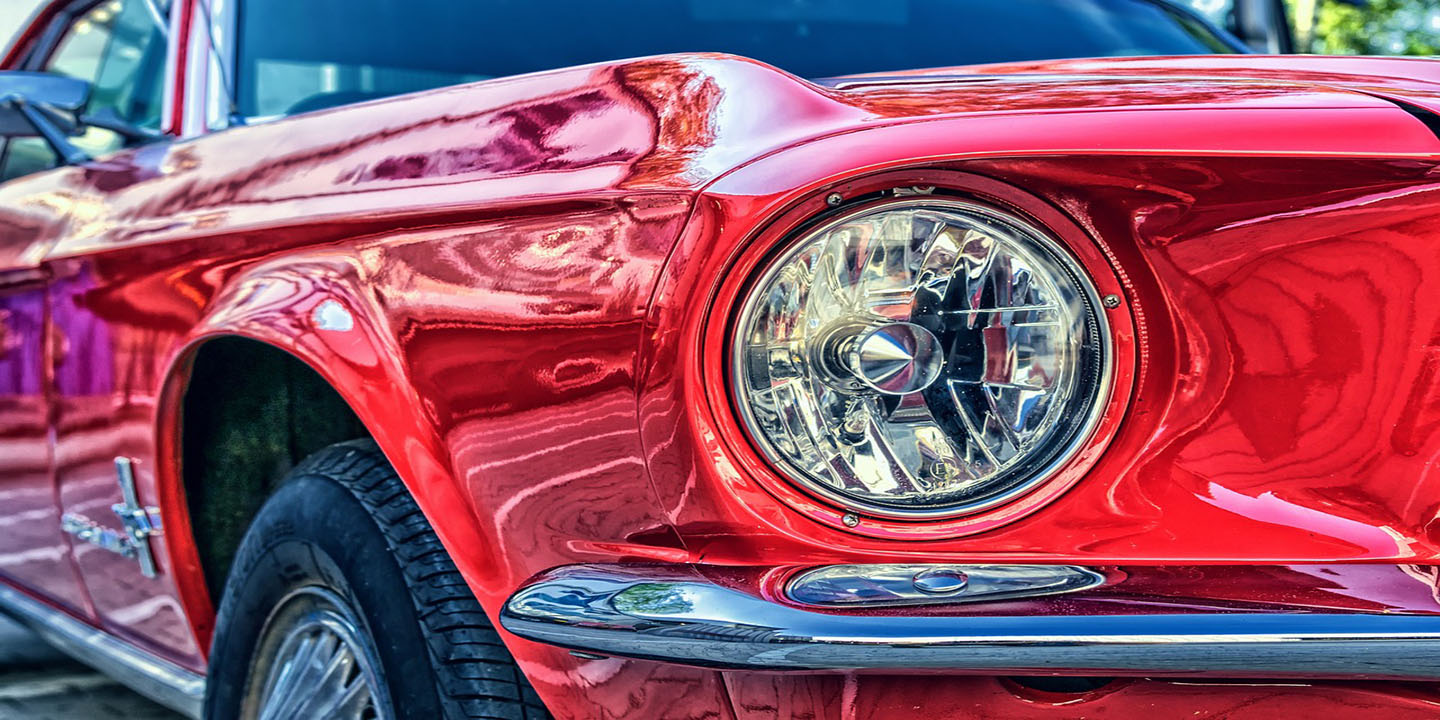
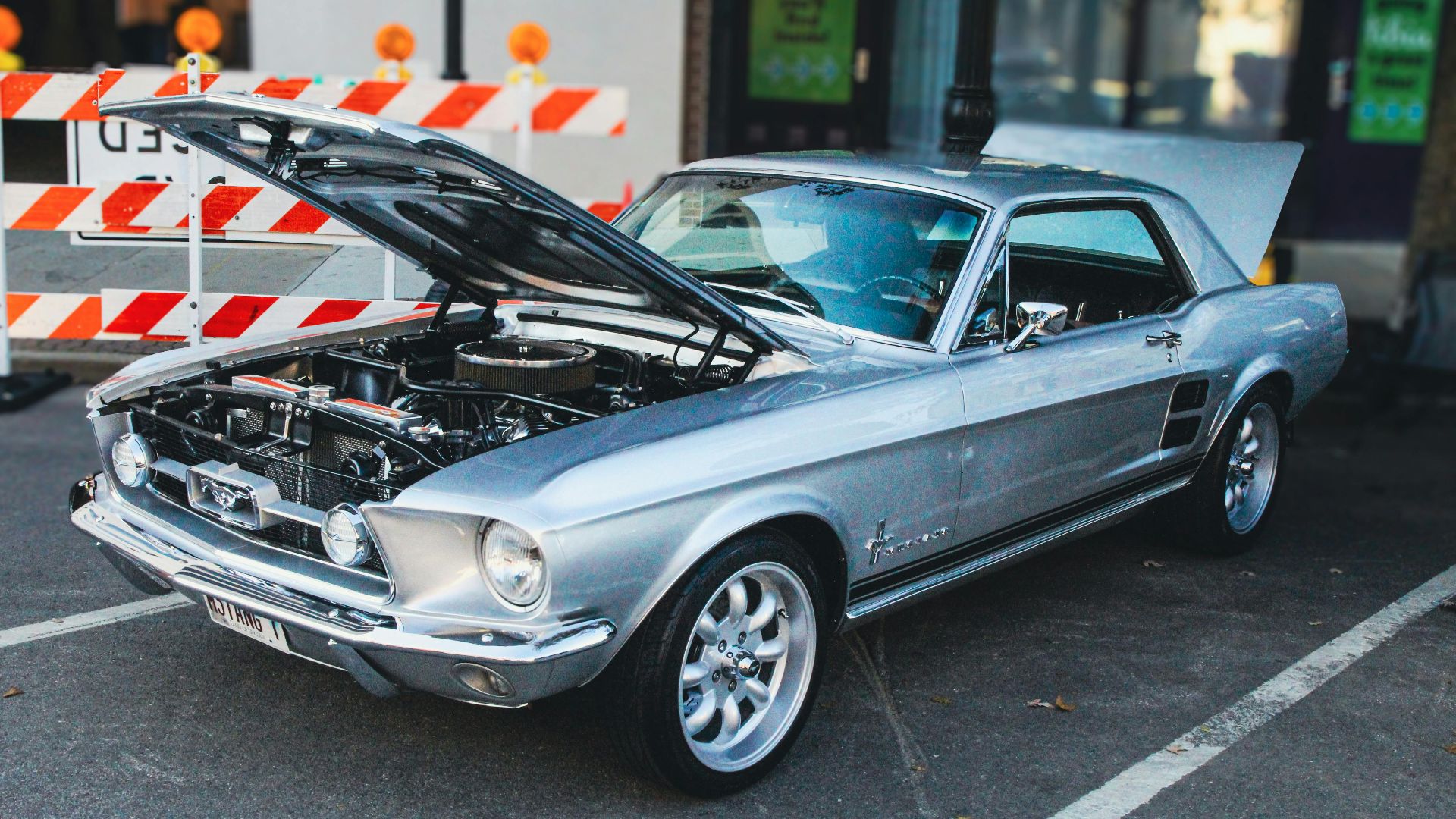
1. 1967 Ford Mustang Fastback
This model is highly sought after, especially when restored to factory specifications. Demand for classic muscle cars continues to stay strong among collectors. A proper restoration can dramatically increase its resale value. Original parts and accurate finishes make a noticeable difference.
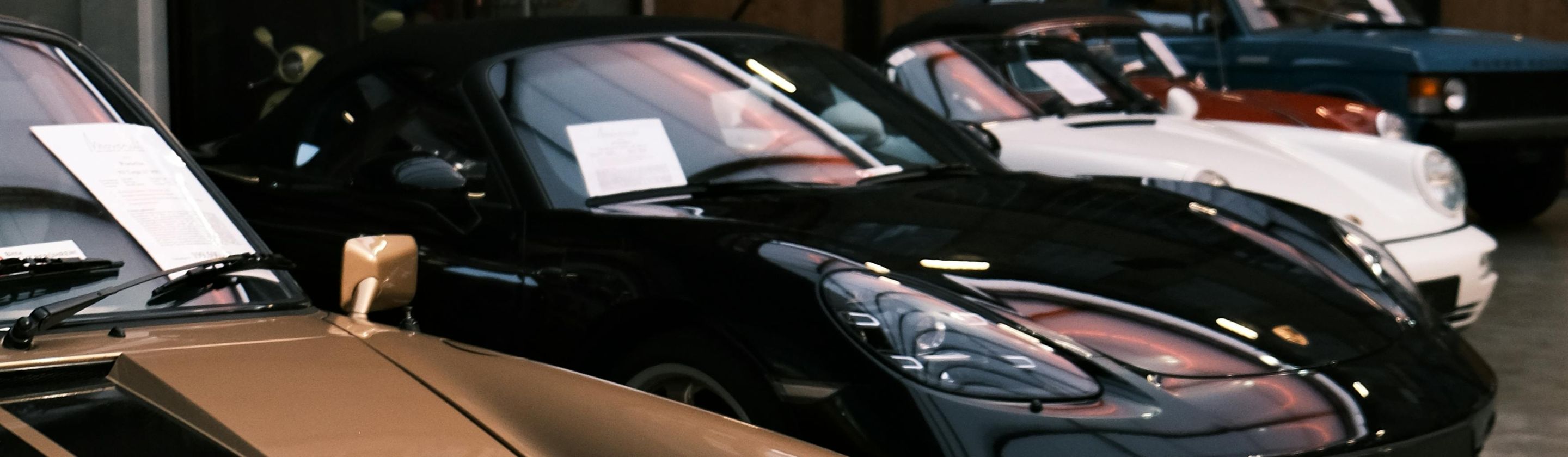
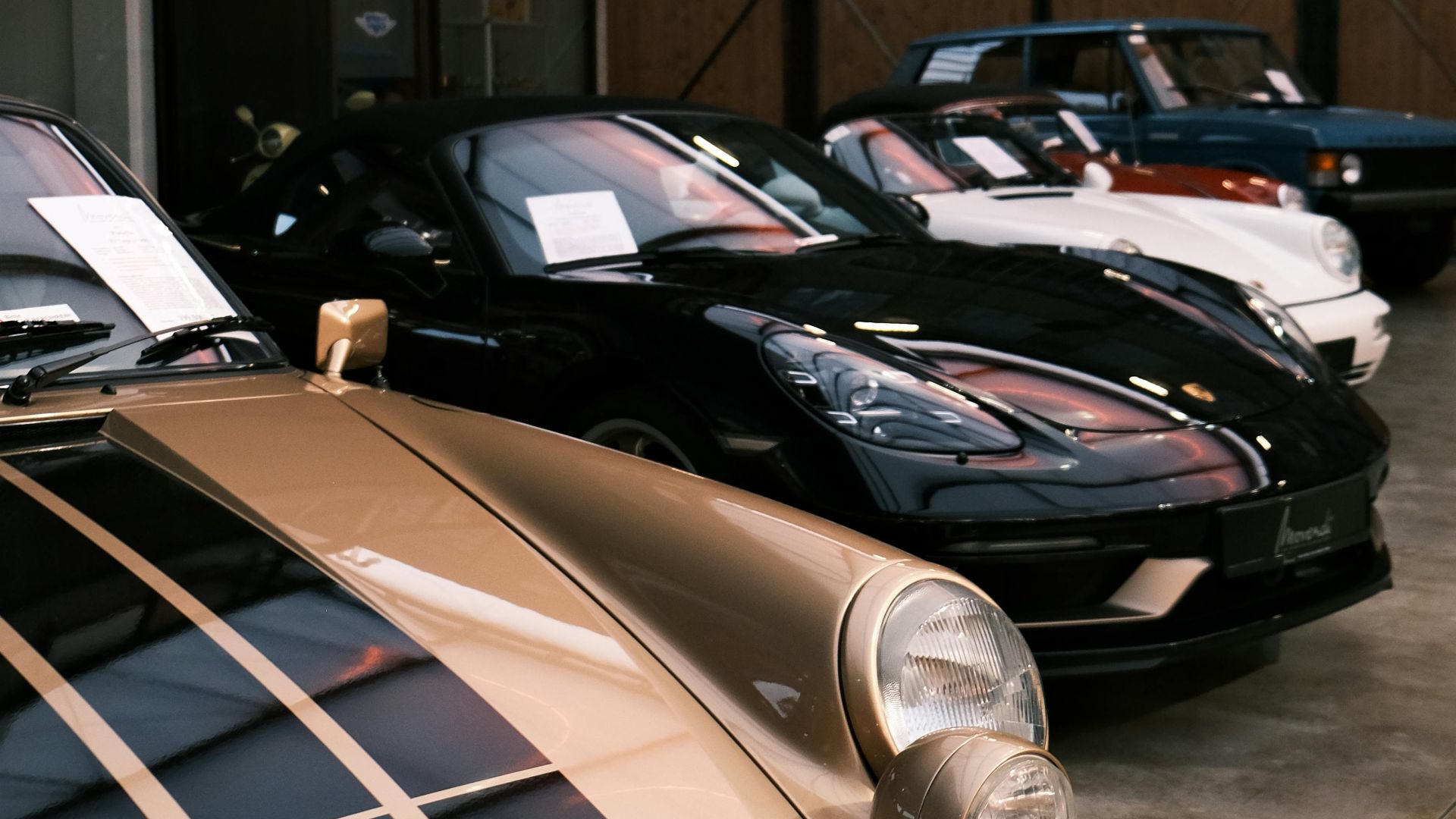
2. Porsche 911 (Air-Cooled Models)
Older air-cooled versions of this car have gained steady appreciation over time. Restorations that preserve authenticity tend to perform best in the market. Buyers often look for documented work and original components. This combination can significantly raise value.
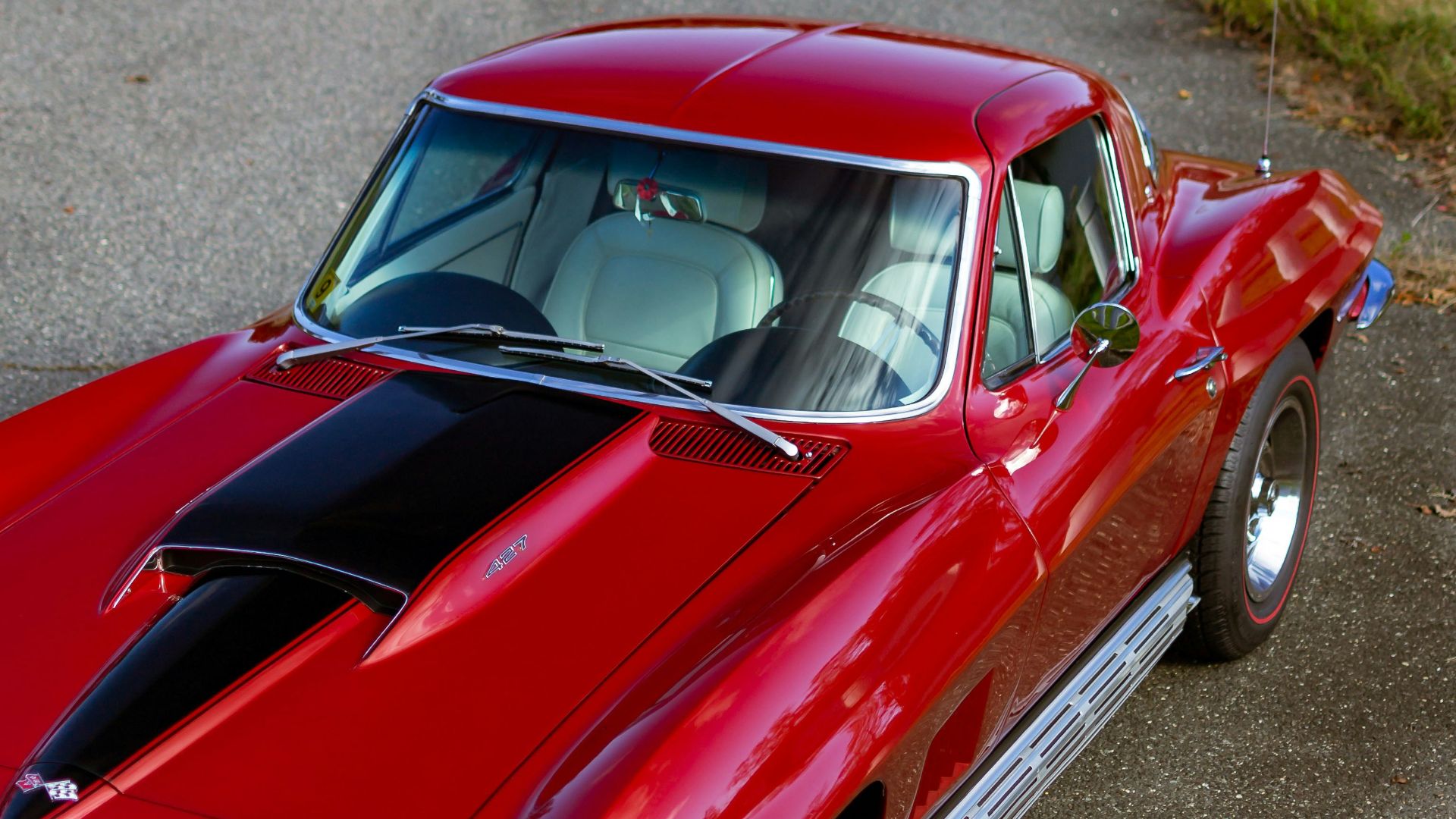
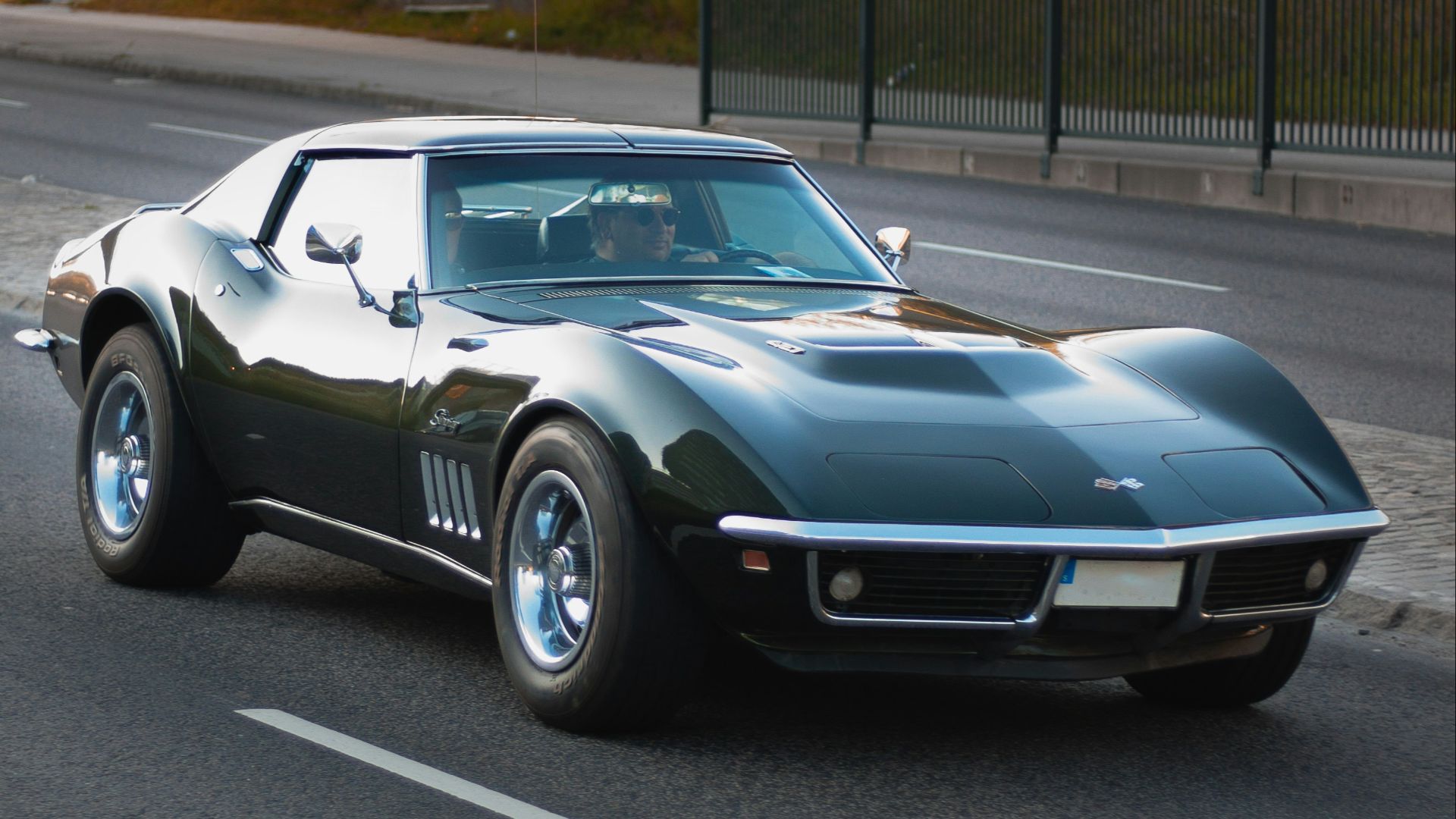
3. Chevrolet Corvette C2 (1963–1967)
The second-generation Corvette is known for its design and performance history. A well-executed restoration can attract serious collectors. Matching numbers and period-correct details are especially important, as these factors contribute to strong resale potential.
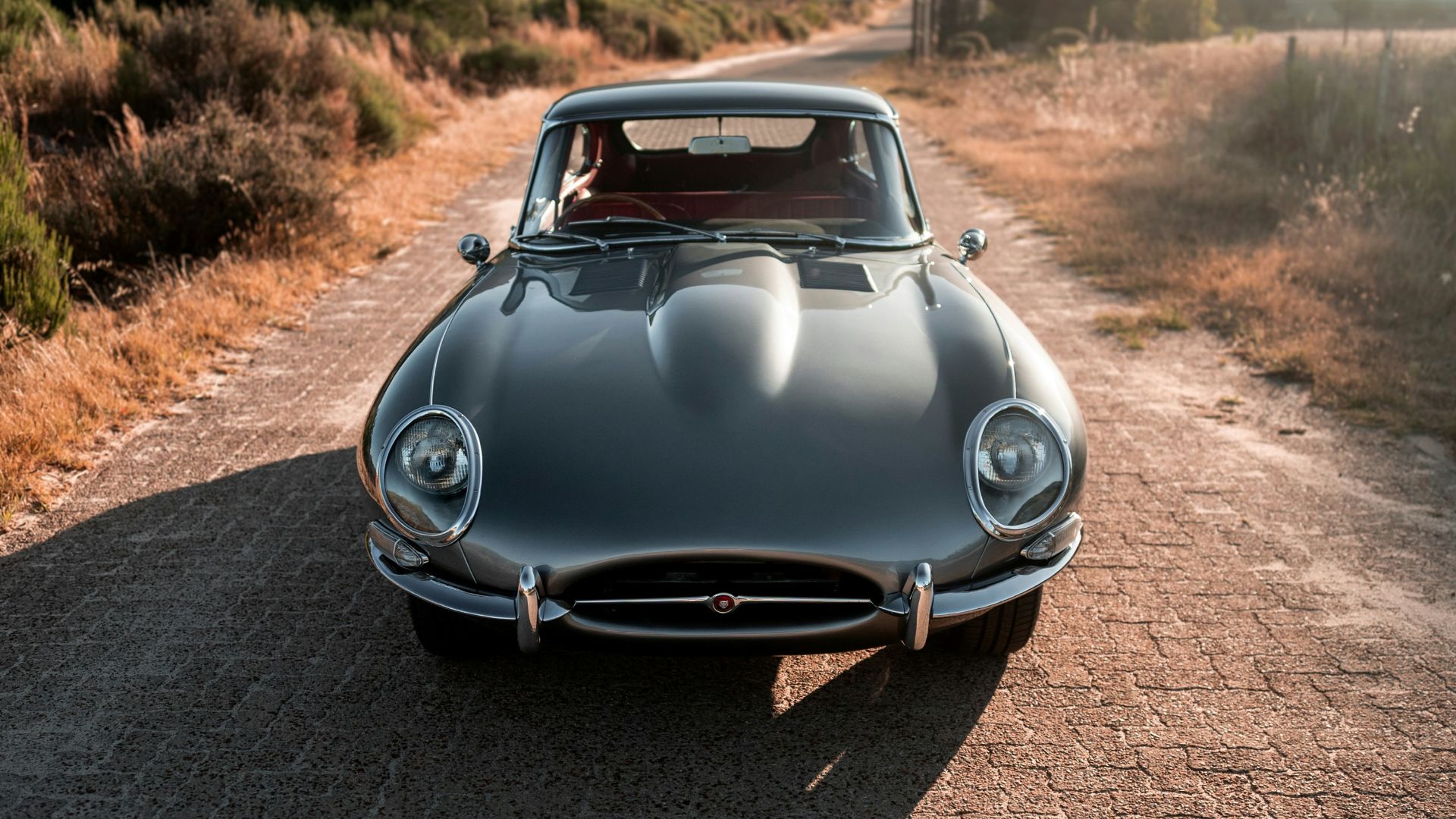
4. Jaguar E-Type Series 1
This model is often considered one of the most iconic sports cars ever produced. Restoring it carefully can yield substantial returns due to its desirability. Attention to detail is critical for maintaining value. High-quality craftsmanship plays a major role.
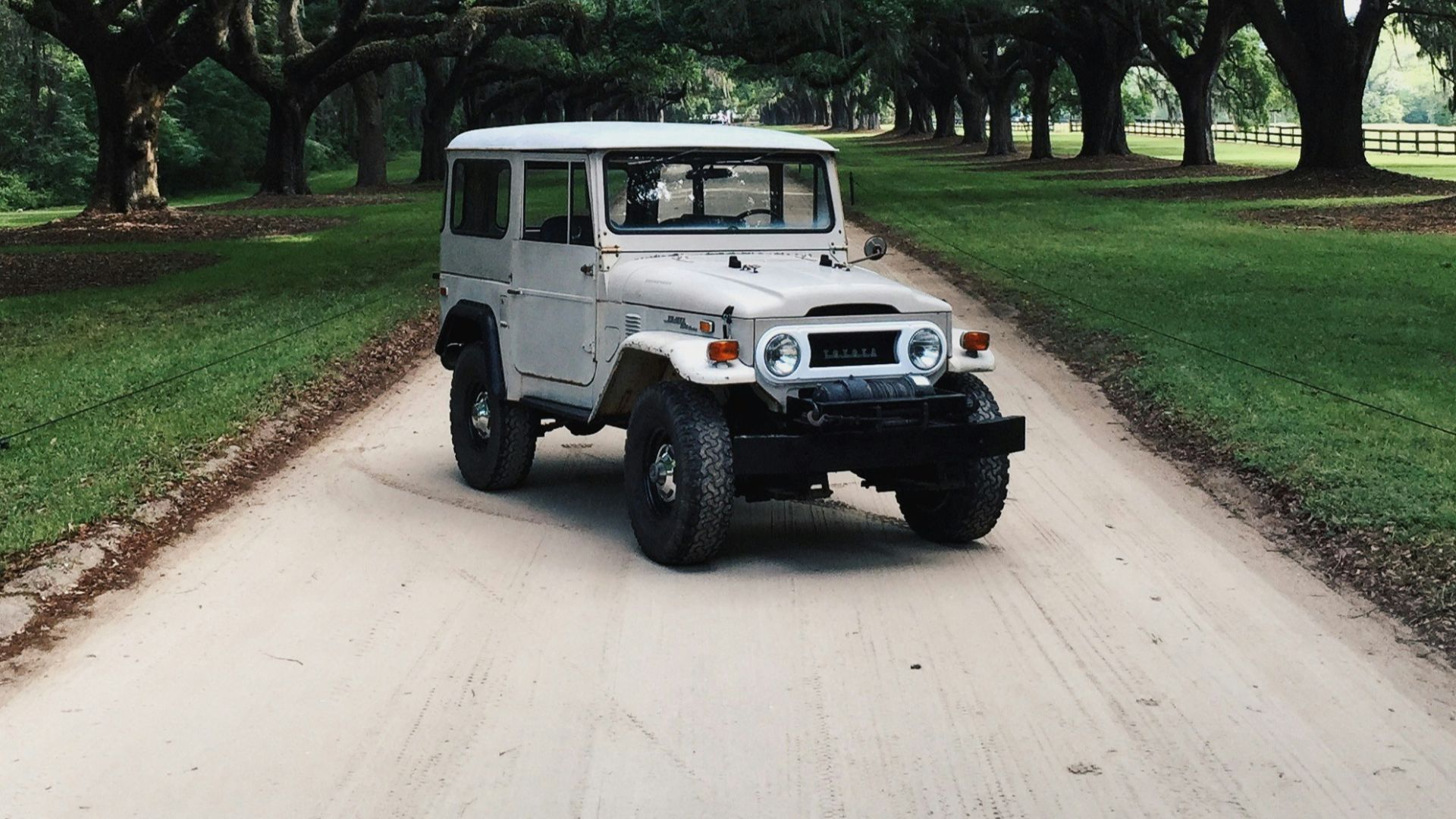
5. Toyota Land Cruiser FJ40
Classic off-road vehicles have seen increased demand in recent years. Restored FJ40 models often appeal to both collectors and enthusiasts. Keeping the rugged character intact is important. A balanced restoration can significantly boost value.
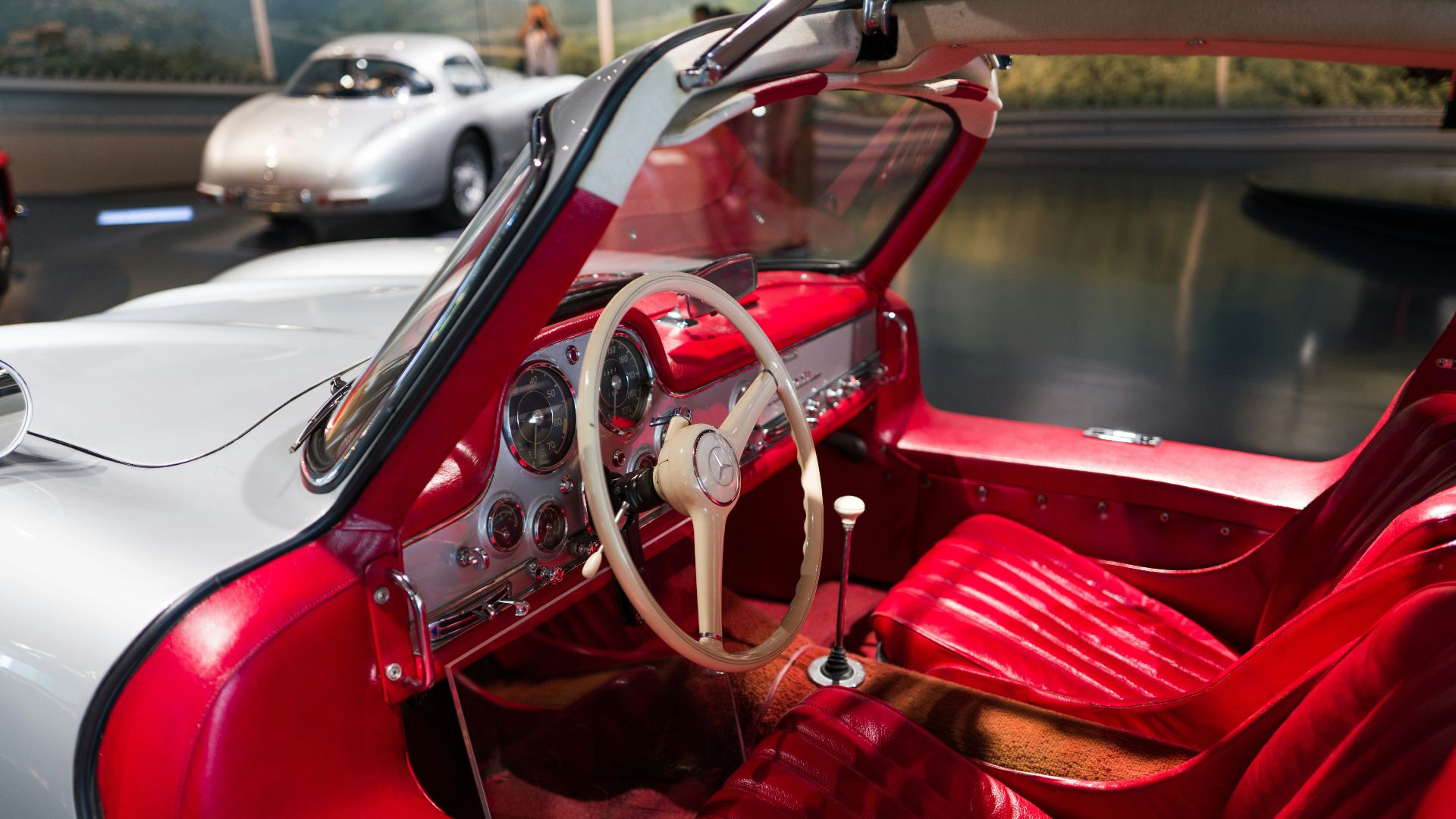
6. Mercedes-Benz 300SL
Known for its distinctive design, this car is highly valued in the collector market. Restorations that respect originality tend to perform best. Authentic materials and techniques are essential, and properly restored examples can command very high prices.
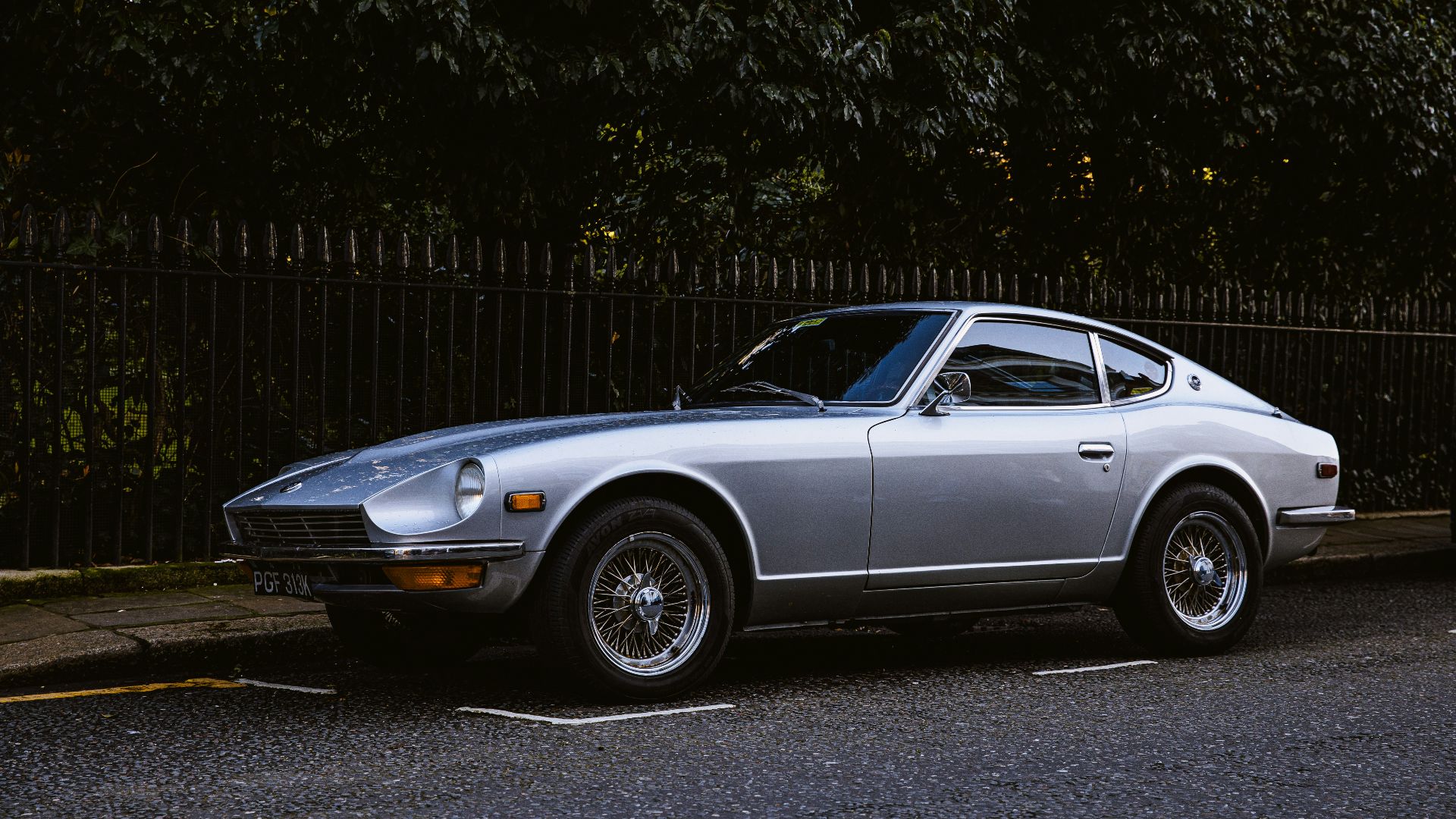
7. Datsun 240Z
Early Japanese sports cars have gained recognition for their design and performance. A careful restoration can make these vehicles more appealing to collectors. Maintaining originality is key to maximizing value. Interest in these models continues to grow.
8. Chevrolet Camaro Z/28 (1969)
This performance-focused model remains a favorite among muscle car enthusiasts. Restorations that highlight its original specifications tend to increase value. Documentation and authenticity are highly valued. Demand for this model remains consistent.
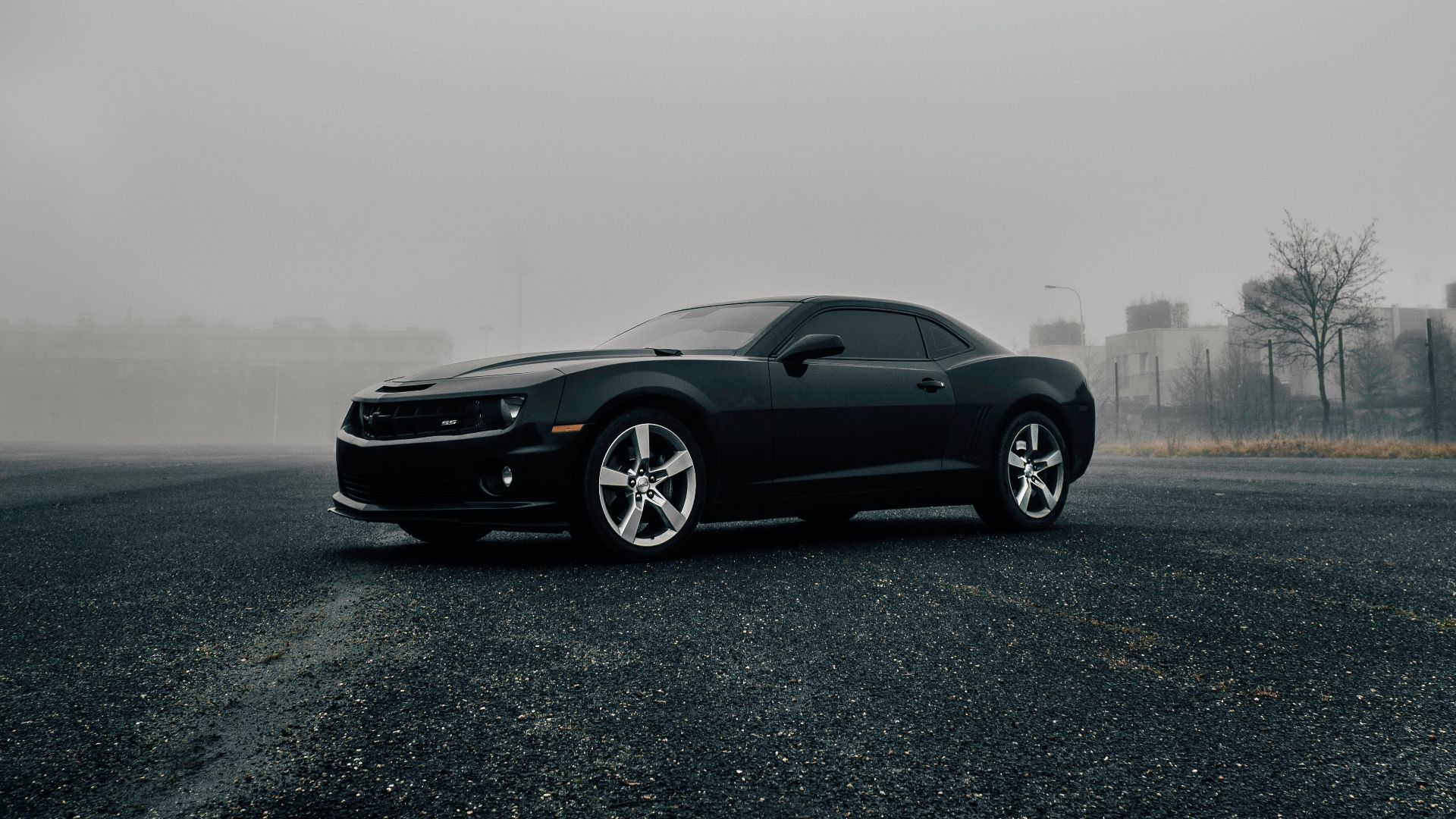
9. BMW 2002
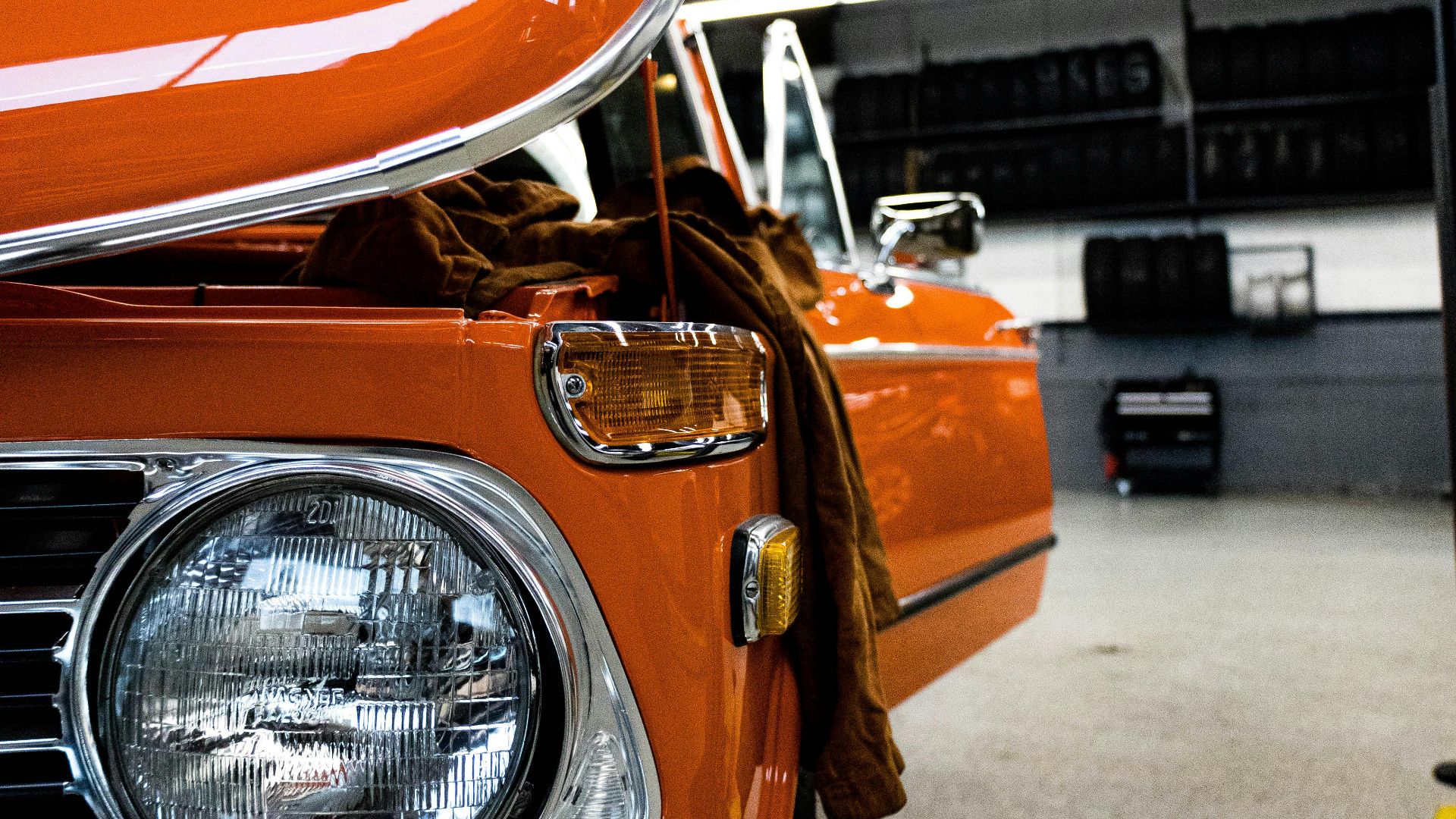
This compact classic has a loyal following among enthusiasts. Restoring it properly can enhance both its appeal and value. Clean finishes and original details are important, and its reputation continues to support steady demand.
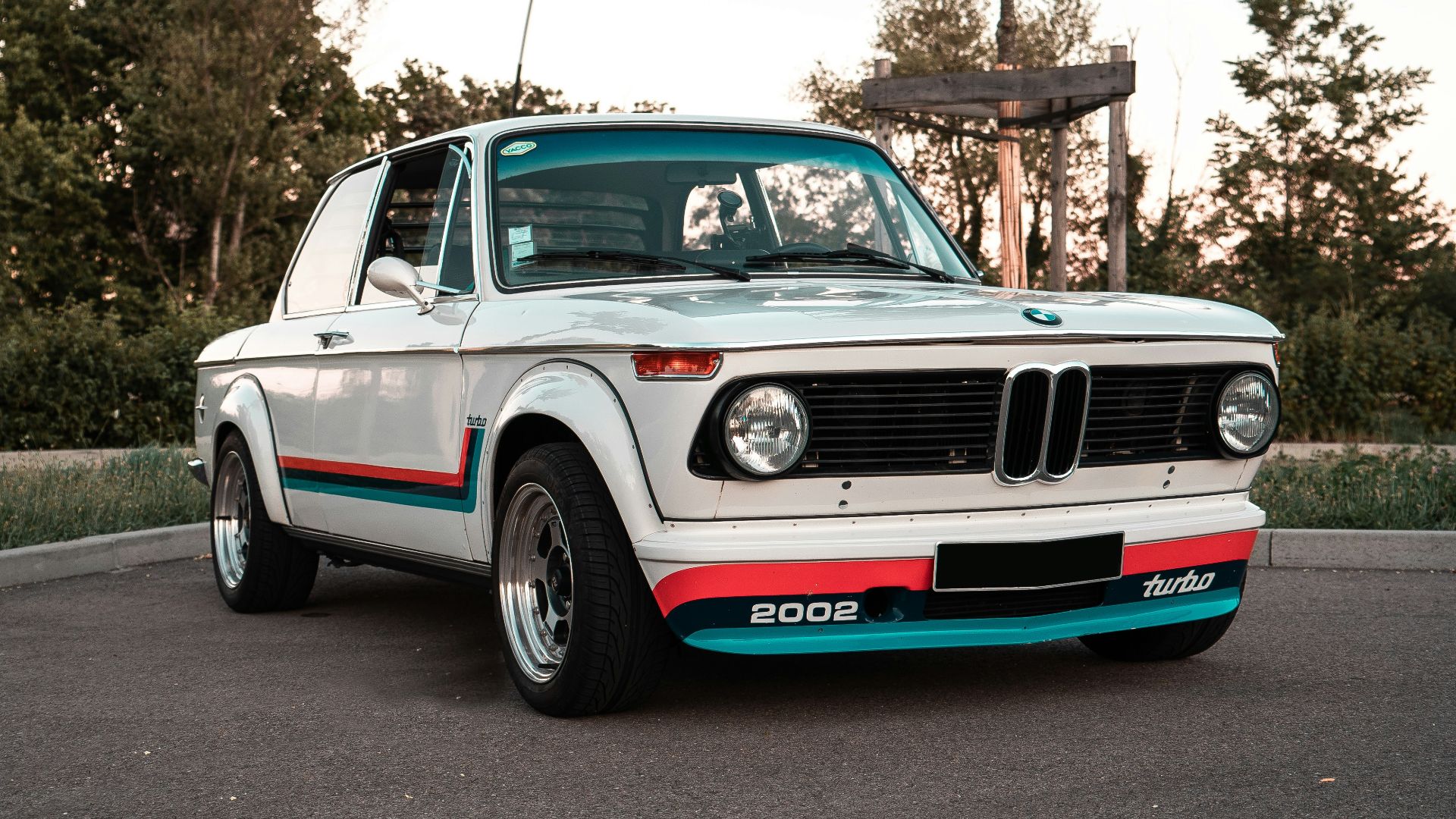 Alexis AMZ DA CRUZ on Unsplash
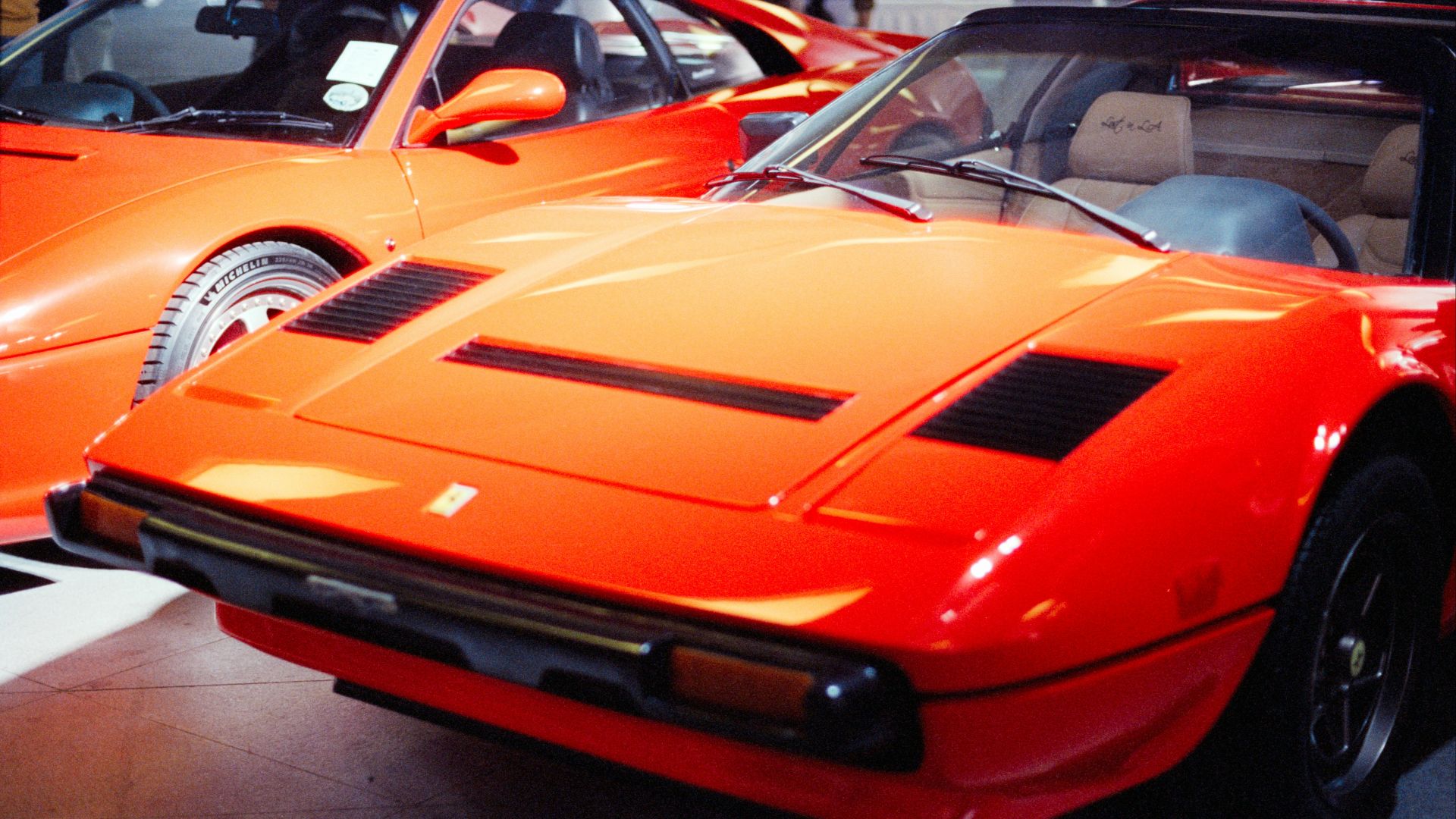
10. Ferrari 308 GTB
Classic Ferraris often benefit from careful restoration when done correctly. Maintaining originality and service history is essential. Buyers tend to value authenticity over modification. Most importantly, this approach can lead to significant appreciation.
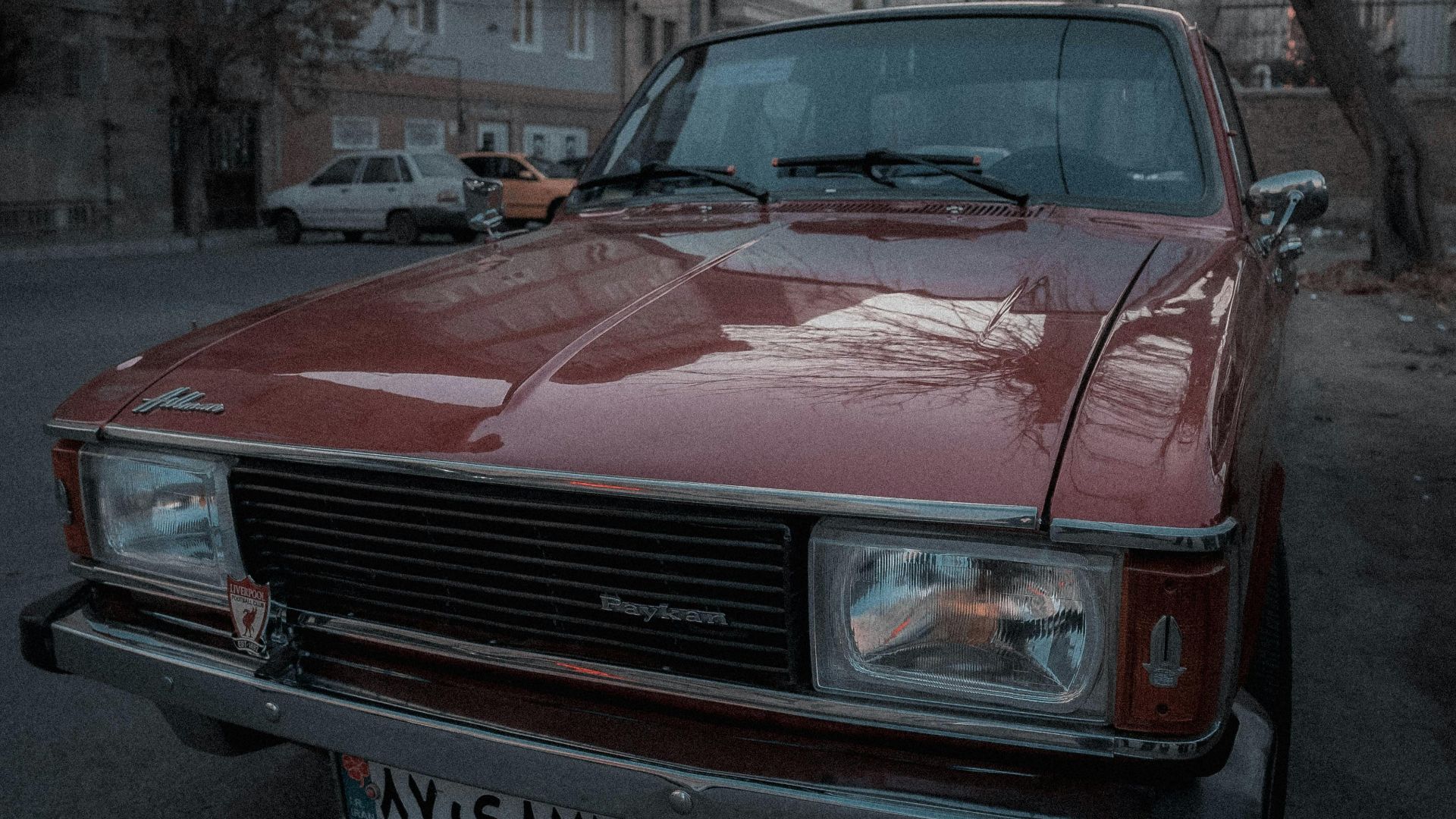
1. Base Model Classic Sedans
Common models without unique features rarely gain significant value. Restoration costs often exceed what buyers are willing to pay. Even with quality work, demand remains limited. These projects can result in financial loss.
2. Heavily Modified Classics
Extensive modifications can reduce a car’s appeal to collectors. Many buyers prefer vehicles that remain close to original specifications. Custom changes may not align with market demand and can lower resale value despite high investment.
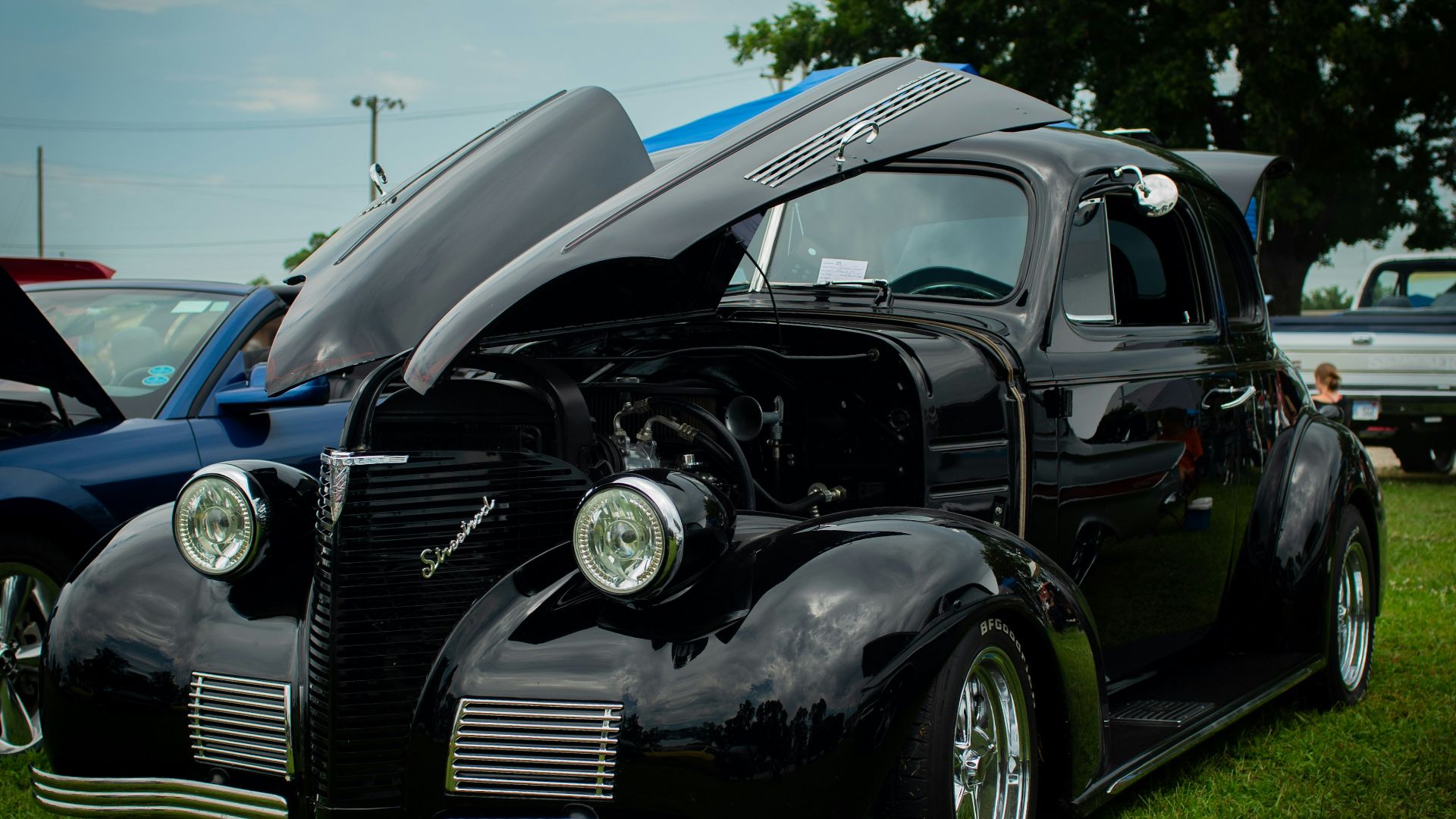
3. Poorly Documented Restorations
Lack of records can create uncertainty for potential buyers. Without proof of work, it’s harder to justify a higher price. Documentation adds credibility and confidence. Its absence often leads to reduced value.
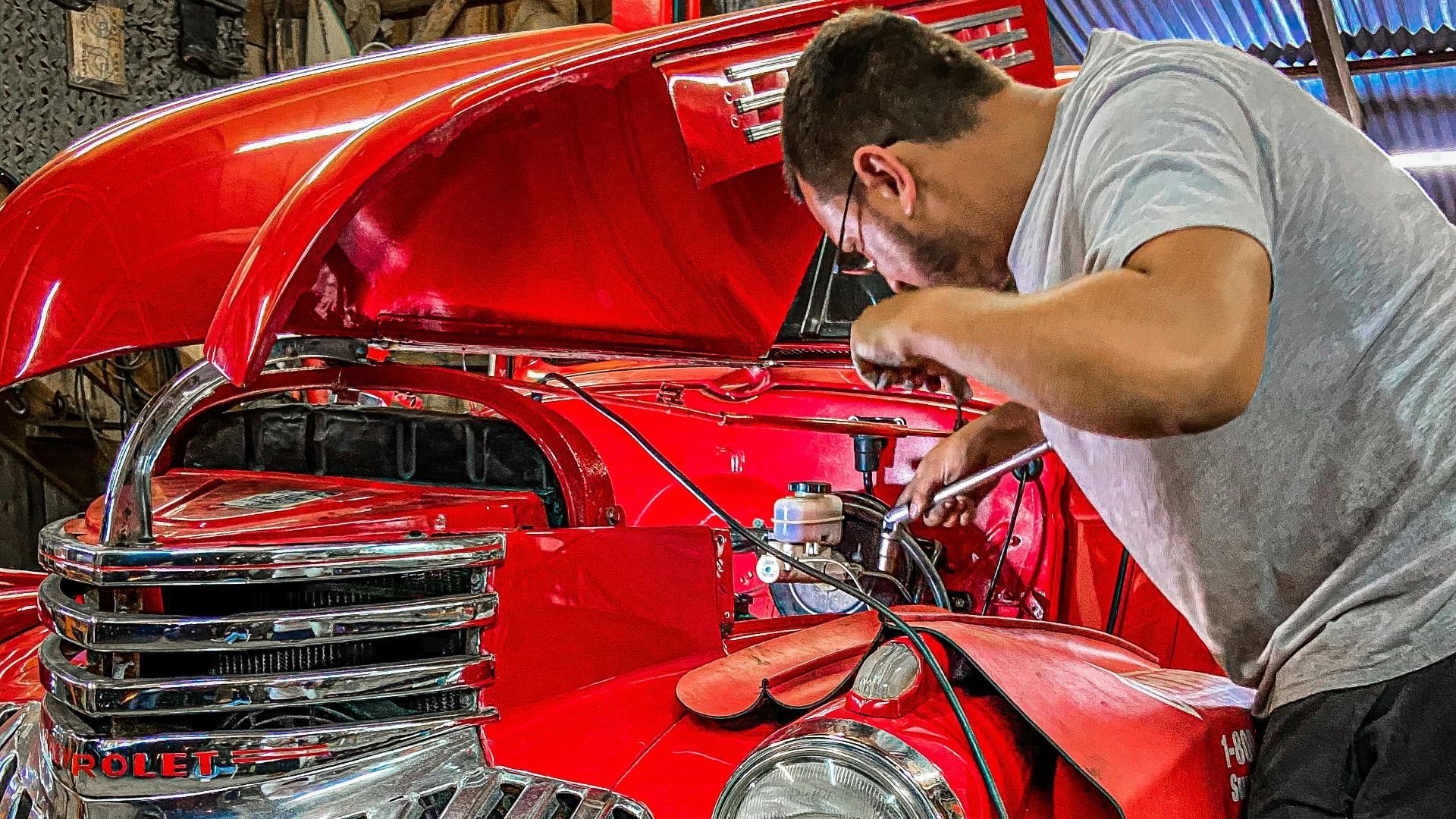
4. Low-Quality Restoration Work
Cutting corners during restoration can lead to visible flaws and mechanical issues. Buyers are quick to notice inconsistencies along with poor workmanship, which reduces trust and desirability. This often results in lower resale prices.
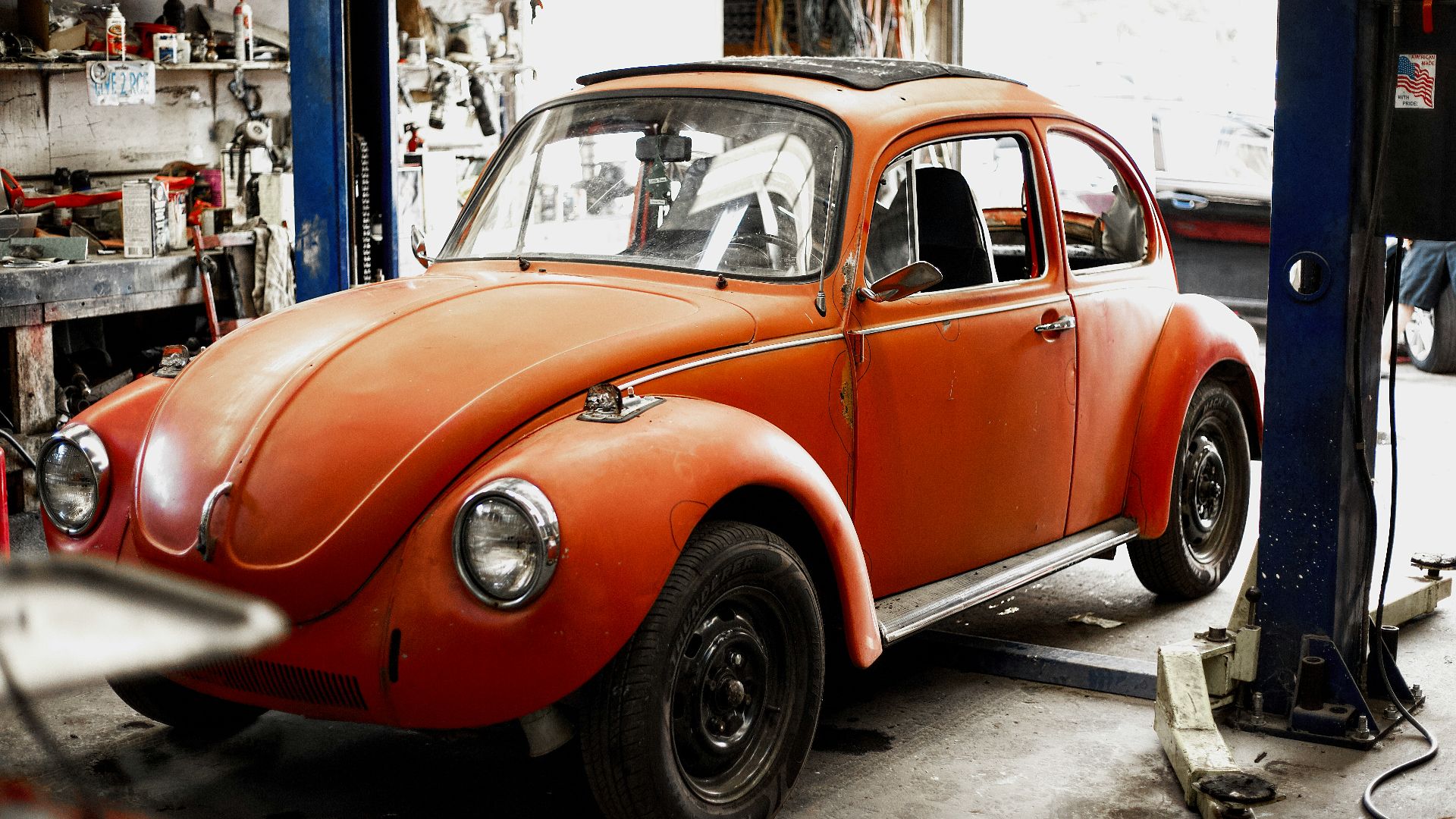
5. Over-Restored Vehicles
Restoring a car beyond its original condition can sometimes backfire. Excessive upgrades may reduce historical accuracy, as collectors often value authenticity over perfection. This can limit the car’s appeal in the market.
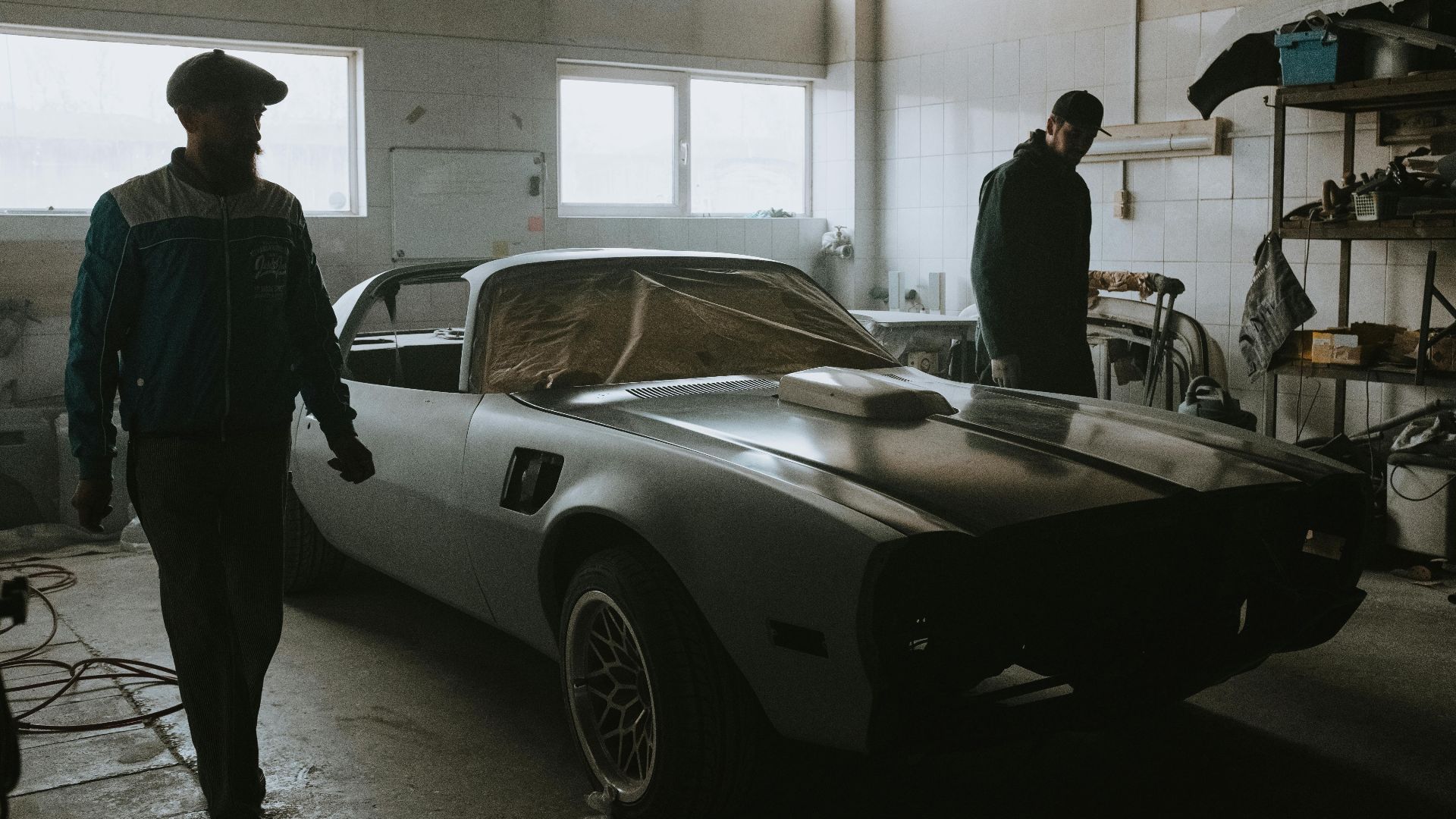
6. Cars with Non-Matching Numbers
Original engine and component matching is important for many collectors. Replacing key parts can reduce a car’s authenticity and directly impact resale value. Matching numbers often plays a significant role in pricing.
7. Niche or Unpopular Models
Some vehicles simply don’t have strong demand, regardless of condition. Restoration costs can quickly exceed potential returns, as limited buyer interest makes resale more difficult. These projects carry higher financial risk.
8. Incomplete Restorations
Starting a project without finishing it can lead to significant losses. Buyers often expect completed work or discount unfinished cars heavily. Partial restorations rarely recover invested costs. Completing the project is essential for value.
9. Ignoring Market Trends
Restoring a car without considering current demand can be risky. Preferences shift over time, affecting value. Investing in a declining segment may not yield returns, making researching trends a must.
10. Overspending on Rare Parts
Sourcing rare components can become extremely expensive. While originality is valuable, overspending can reduce profit margins. The final sale price may not reflect the total investment, so balancing cost and value is important.