
Warming up your car on a cold morning is one of those habits that feels like common sense. For decades, drivers were told it was essential to let the engine run before driving, especially in freezing temperatures. That advice made sense in the past, but modern vehicles operate very differently. Today’s engines are designed to function efficiently much sooner than older models ever could. Holding onto outdated habits can sometimes do more harm than good. It’s one of those routines that has simply stuck around longer than it should have.
If you’ve ever waited several minutes before driving off, you’re not alone. It’s a routine that feels protective, like you’re giving your car time to adjust. In reality, most modern engines don’t need extended idling to perform properly. Understanding why this practice changed can help you take better care of your vehicle.
Why Older Cars Needed Warm-Up Time
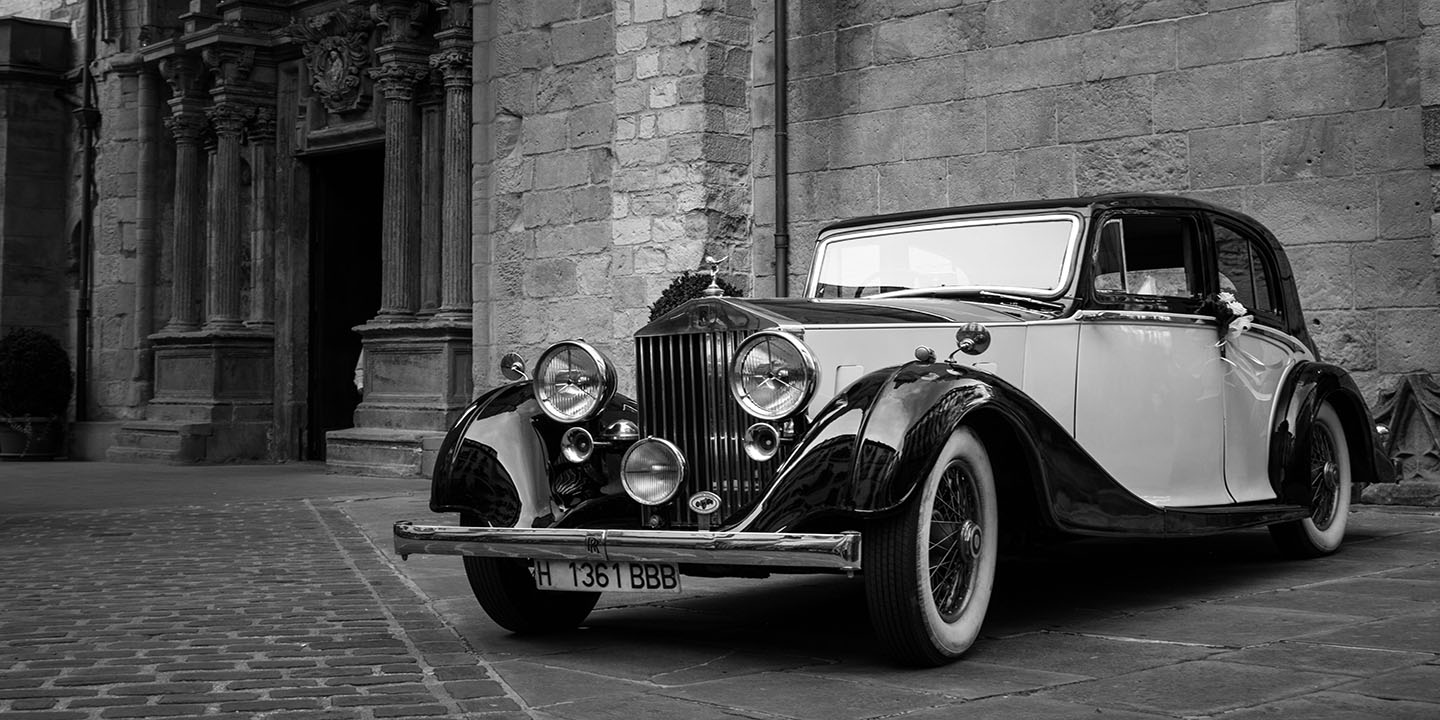
Decades ago, cars used carburetors to mix air and fuel, which made cold starts more complicated. These systems weren’t very precise, so engines often struggled to run smoothly in low temperatures. Letting the car idle gave the engine time to stabilize before being put under load. Without that warm-up period, stalling or rough operation was much more likely.
Cold weather also affected engine oil more significantly in older vehicles. Thicker oil didn’t circulate as easily, which meant key components weren’t immediately lubricated. Allowing the engine to run gave the oil time to warm up and move properly.
These factors made warming up a car an essential habit in the past. Drivers relied on it to ensure their vehicles operated safely and reliably. Over time, this practice became ingrained, even as automotive technology improved. Many people still follow it out of routine rather than necessity. That’s why it continues to be so common today. Old habits tend to stick, especially when they once served a real purpose.
How Modern Engines Changed The Rules
Most cars built in the last few decades use fuel injection instead of carburetors. These systems automatically adjust the air-fuel mixture based on temperature and conditions. As a result, engines can run efficiently almost immediately after starting. This removes the need for long idle periods before driving. The technology is designed to handle cold starts without extra steps. It’s a major improvement in both convenience and performance.
Modern engine oils also play a major role in this shift. They’re formulated to remain fluid even in low temperatures, allowing them to circulate quickly. This means critical parts receive lubrication much faster than they did in older vehicles. The engine doesn’t need extended idling to achieve proper protection. In fact, driving gently helps the engine warm up more efficiently. This makes short, careful trips more effective than waiting in place.
Another important factor is how engines reach optimal operating temperature. Idling warms the engine slowly, which can actually prolong the process. When you start driving at a moderate pace, the engine heats up more quickly and evenly. This improves overall efficiency and performance. It also reduces unnecessary strain compared to prolonged idling. A gradual start is usually the best approach in cold weather.
The Downsides Of Letting Your Car Idle Too Long
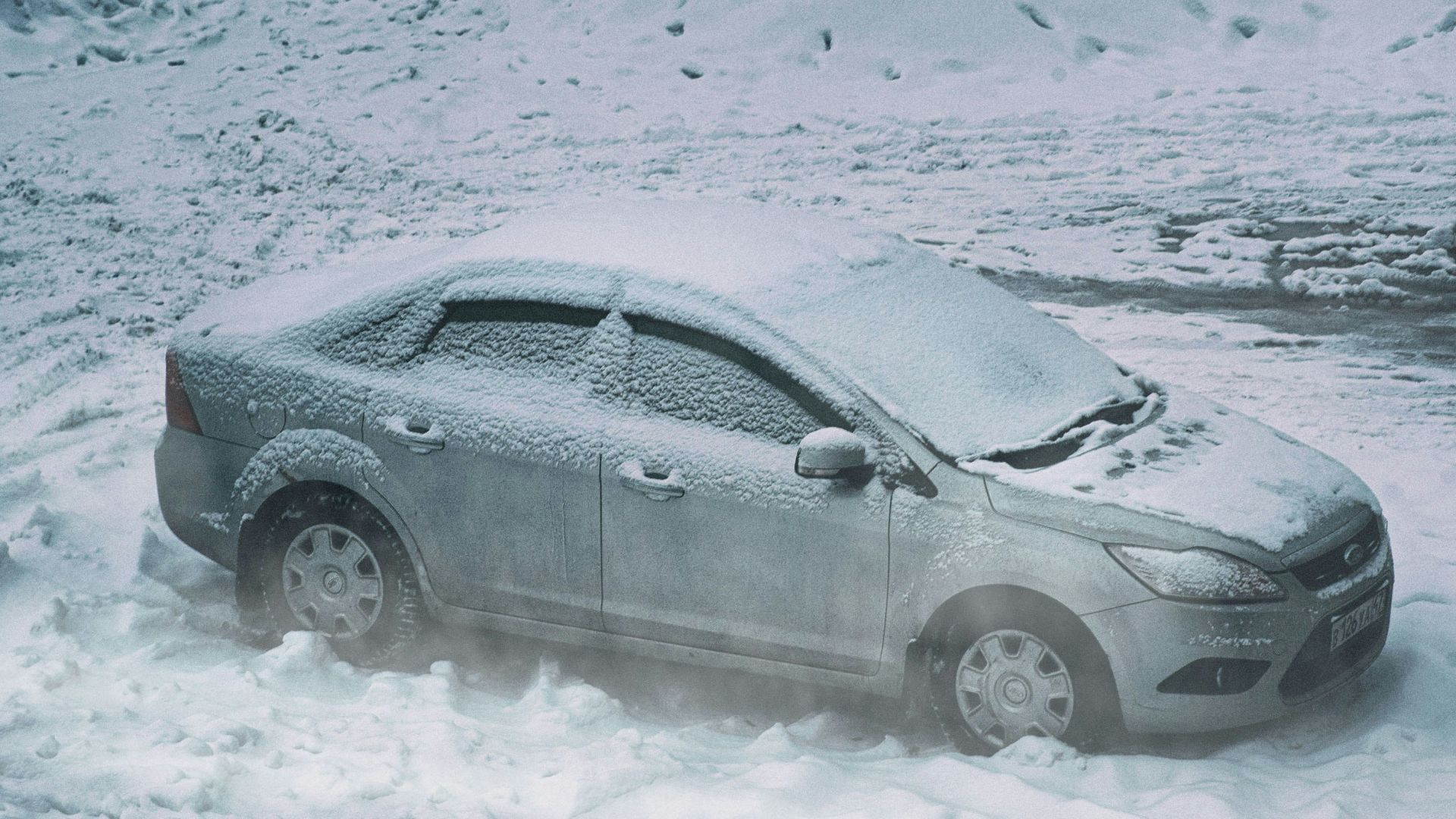
Letting your car idle for extended periods doesn’t just waste time—it also wastes fuel. Even a few extra minutes each day can add up over time. This reduces fuel efficiency without providing real benefits to the engine. In colder climates, the impact can be even more noticeable. You may end up using more fuel than you realize. Over weeks and months, that extra usage becomes significant.
Excessive idling can also contribute to engine buildup. When the engine runs cold for too long, fuel doesn’t burn as cleanly. This can lead to residue forming inside the engine over time. While it’s not an immediate issue, it can affect performance if it becomes a habit. Driving the car helps it reach a temperature where fuel burns more efficiently. Cleaner combustion leads to better long-term engine health.
There’s also an environmental impact to consider. Idling produces emissions without actually moving the vehicle. This contributes to unnecessary air pollution, especially in urban areas. Reducing idle time is a simple way to lower your environmental footprint. It’s a small change that can make a meaningful difference. Even minor adjustments in daily habits can have a broader impact over time.
Warming up your car in winter isn’t as necessary as it once was. Modern vehicles are built to handle cold starts without extended idling, and driving gently is usually the better approach. By adjusting your habits, you can improve efficiency, reduce wear, and save fuel at the same time. It’s a simple shift that aligns with how today’s engines are designed to work. Small changes like this can make your routine more efficient overall.