They Always Come Back Around
Plenty of cars look far better once they’re out of the spotlight. When these models were new, the base versions often felt like the ones you bought because the nicer trim was out of reach. Manual windows, cloth seats, steel wheels, and small engines didn't exactly make people feel like they'd won. Years later, though, the same missing equipment can feel like a gift, since fewer old switches, motors, and trim pieces usually mean fewer annoying weekend repairs. These 20 cars looked a little embarrassing new, and they've become much cooler as used-car oddballs, project cars, and lovable survivors.
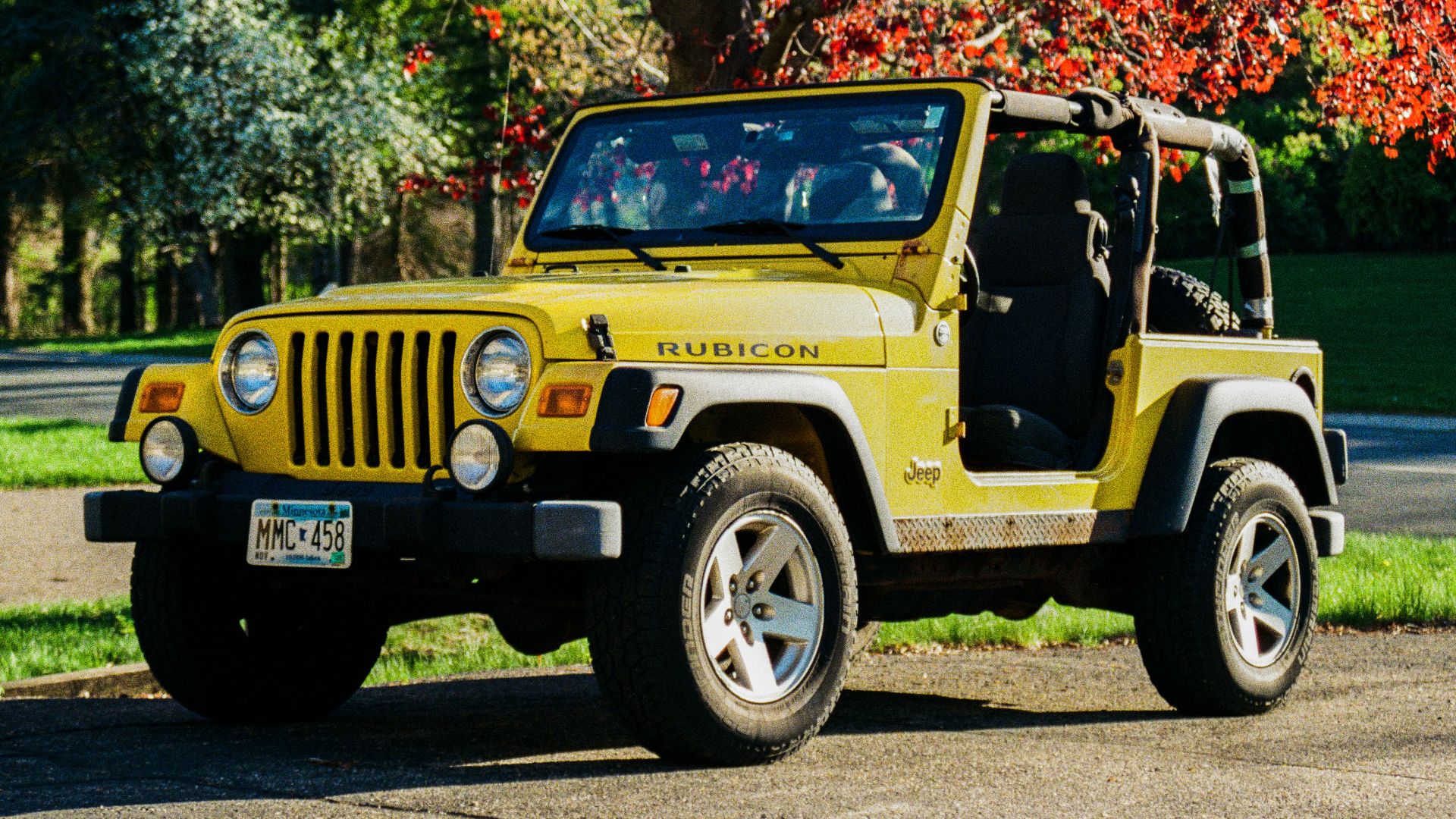
1. Jeep Wrangler YJ Base Hardtop (1987-1995)
The YJ already had a reputation problem with Jeep loyalists because of its rectangular headlights. A base hardtop didn't add much glamour, though that's part of why it works now. Short body, real four-wheel-drive hardware, and fewer aging comfort pieces to fuss with.
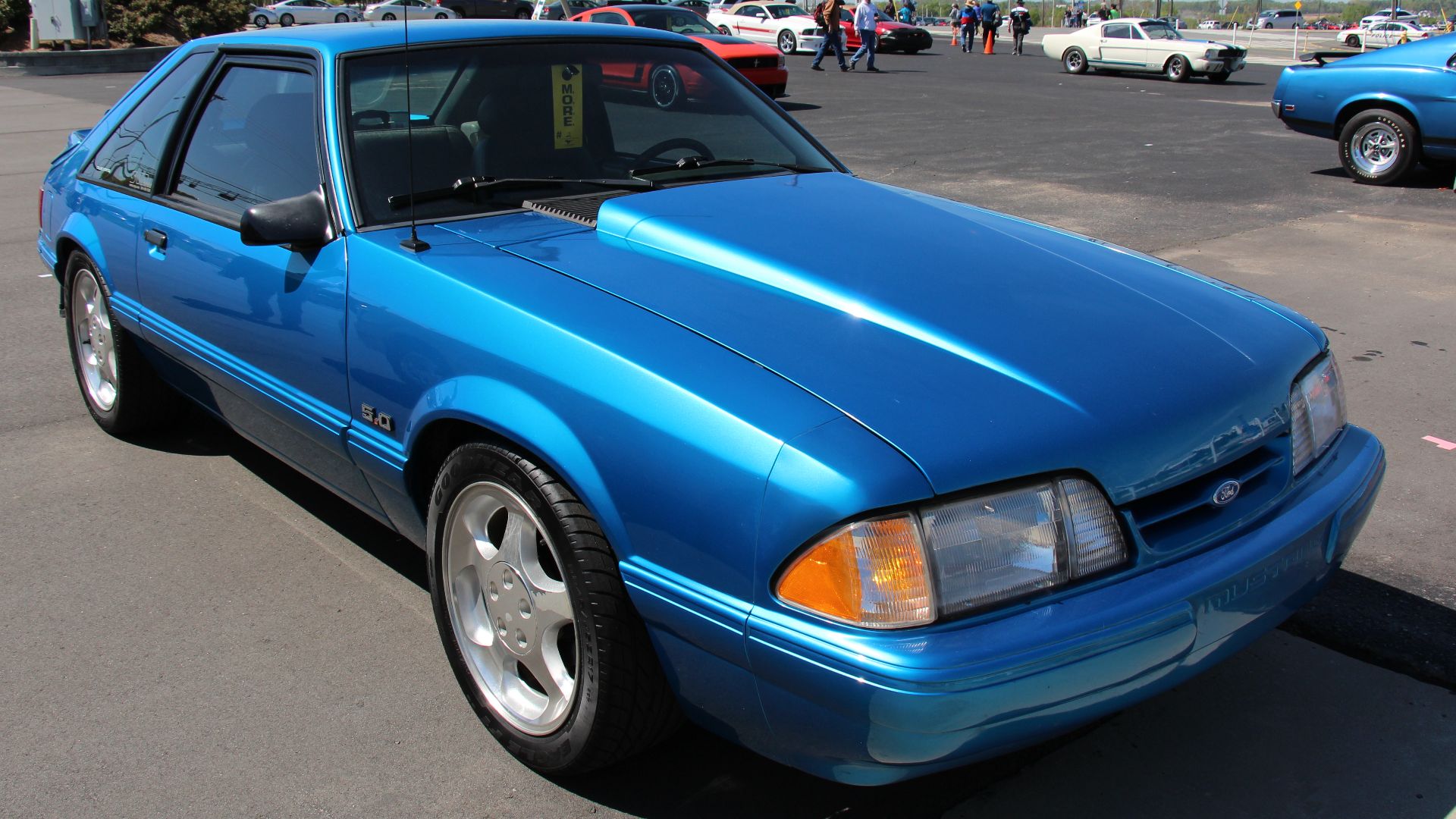
2. Ford Mustang Fox Body LX 5.0 (1979-1993)
The LX 5.0 didn't have the visual drama of the GT, especially without the body kit and loud trim. That made it look like the sensible choice when new, which is never the most exciting sentence in a car brochure. Now, the cleaner look paired with V8 power makes it one of the most appealing Fox Mustangs around.
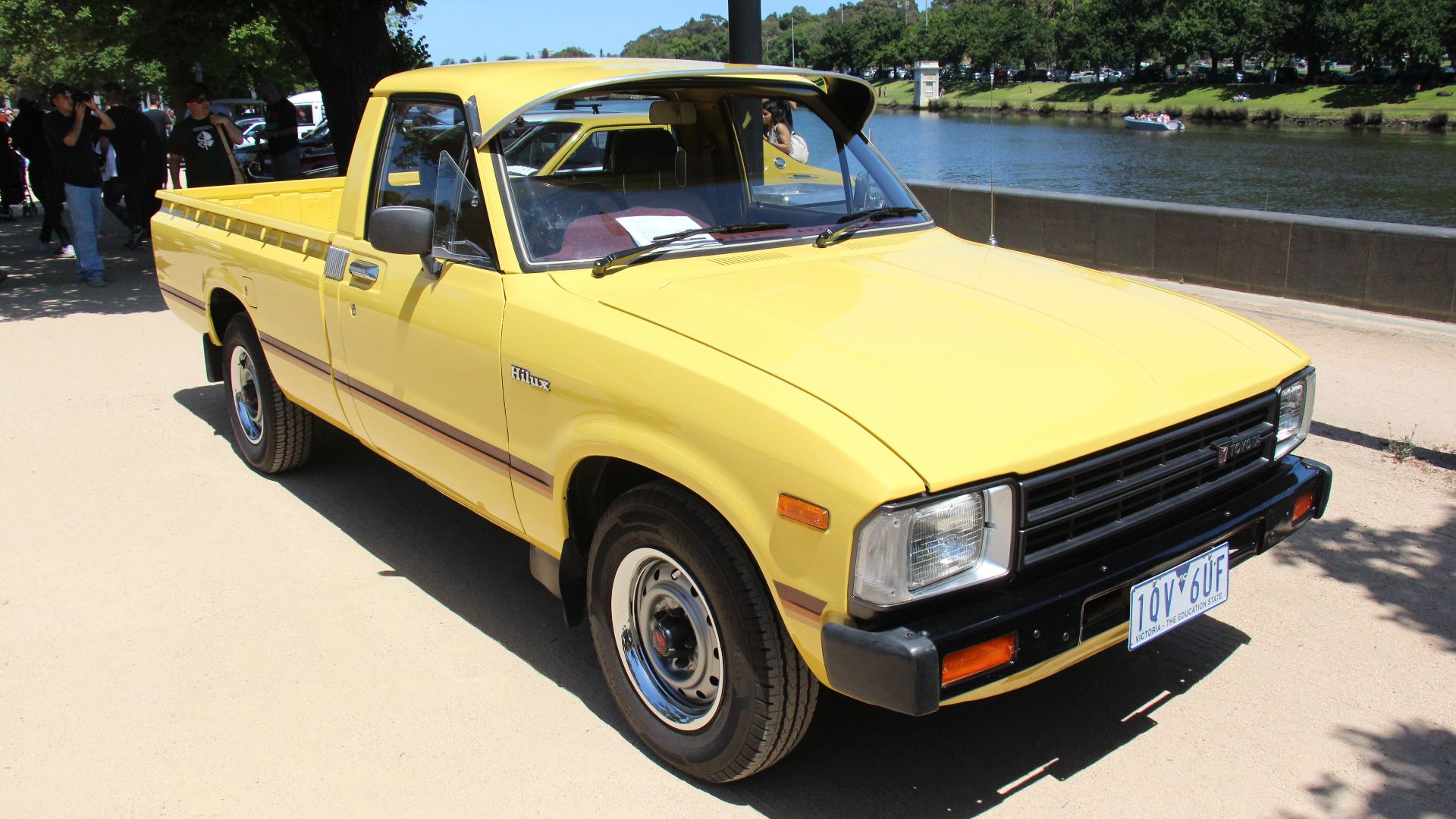
3. Toyota Pickup 22R Work Truck (1979-1995)
A basic Toyota Pickup with the 22R four-cylinder was pure work-truck energy. The kind of cabin that expected you to bring your own personality, which didn’t make them particularly exciting. Today, those stripped-down trucks are loved because of their simplicity.
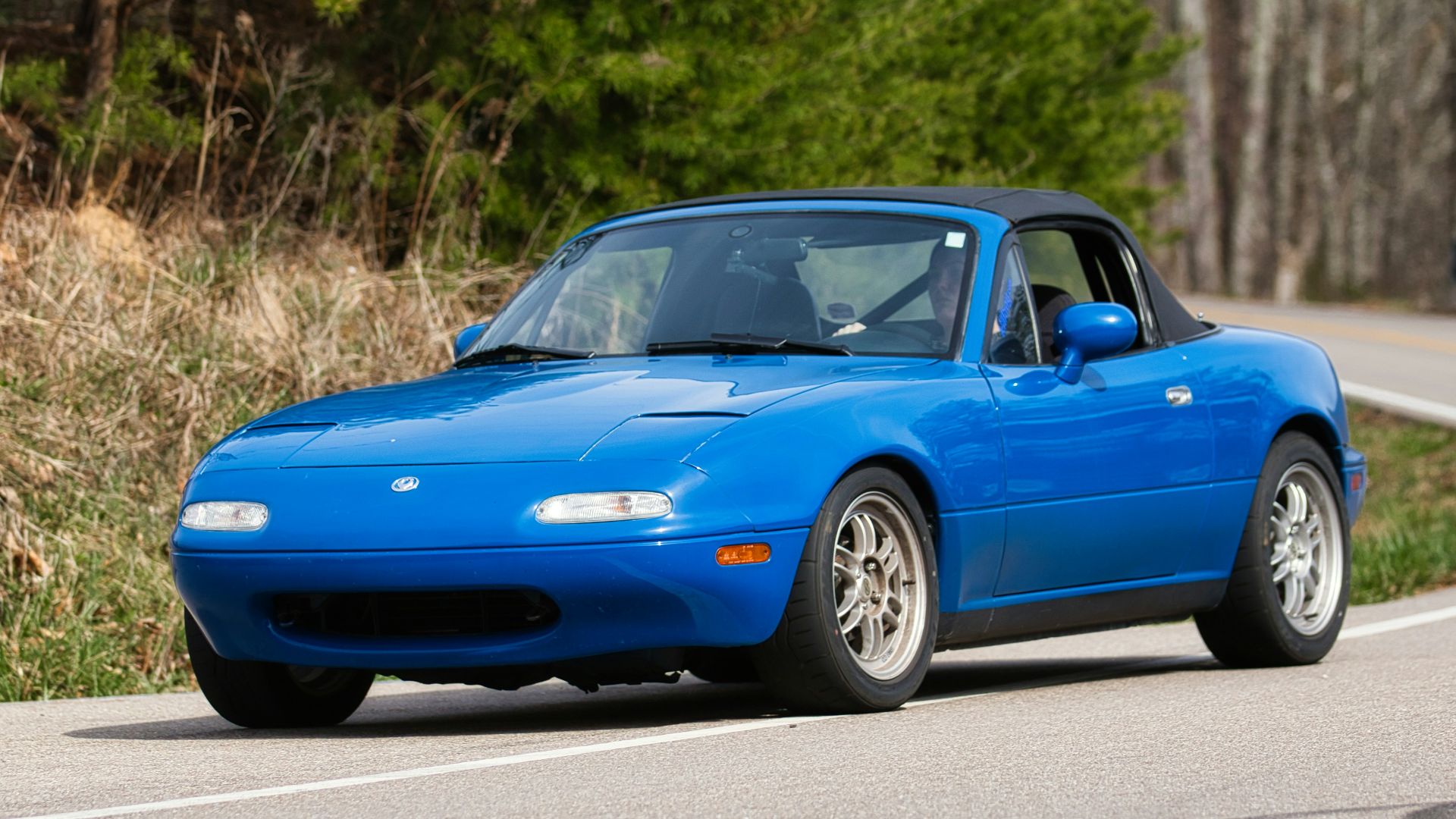
4. Mazda Miata NA Base Model (1989-1997)
Early base Miatas could be wonderfully bare: steel wheels, manual steering, fewer comfort features than most buyers wanted. That made them seem thin next to more optioned cars sitting in the same showroom. Used now, the lightest NA Miatas feel closest to the whole point of the car, which was always about small size, open air, and good steering.
 Chandler Cruttenden on Unsplash
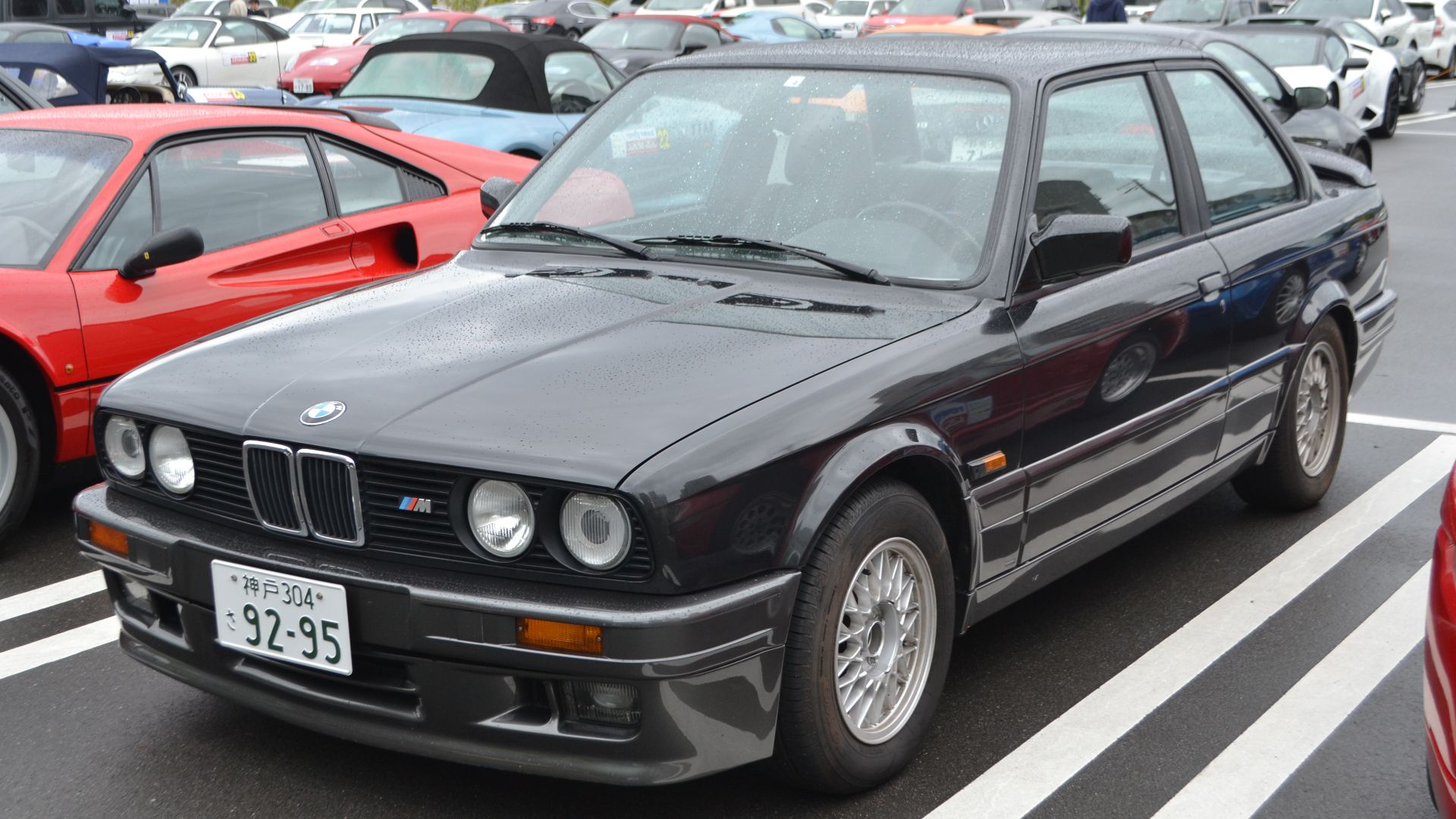
5. BMW E30 325i Coupe (1982-1994)
A lightly optioned E30 325i coupe didn't shout luxury the way a loaded 1980s BMW could. It asked you to care about the driving part, which is a hard sell when someone else is waving leather and extra buttons around. Now, the compact size, rear-wheel drive, and straight-six character do most of the talking on their own.
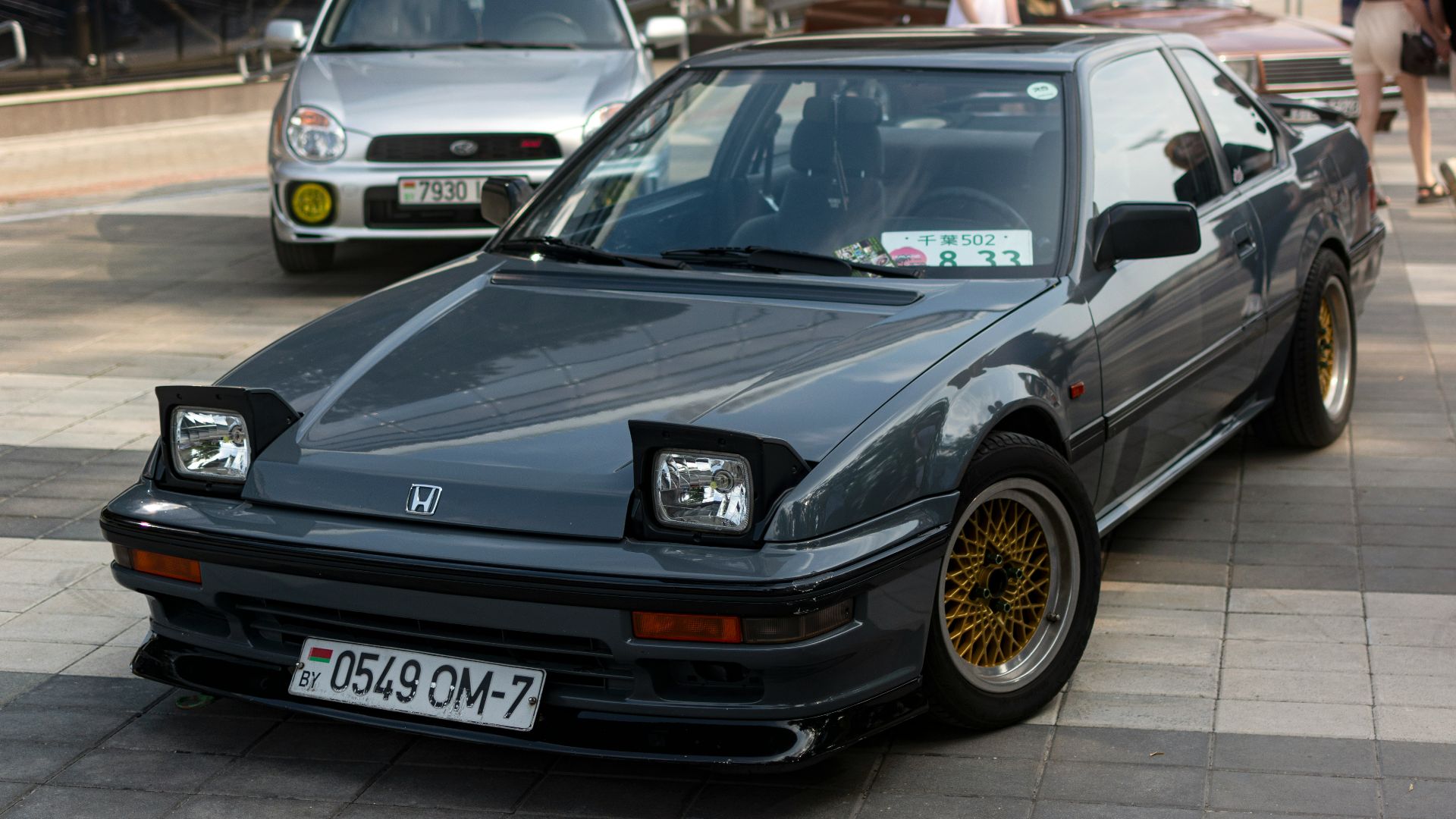
6. Honda Civic CRX HF (1984-1991)
The CRX HF gave up some excitement in favor of low weight and thrift, so plenty of people treated it like the responsible sibling. These days, that narrow purpose feels interesting because the car is tiny, efficient, and refreshingly free of bloat.
 Evgeni Adutskevich on Unsplash
7. Chevrolet S-10 Regular Cab Four-Cylinder (1982-1993)
A regular cab four-cylinder S-10 once looked like the truck you bought because you needed a truck, not a pseudo-luxury vehicle. Compact, practical, and easy to understand, it feels almost rebellious sitting next to today's enormous pickups.
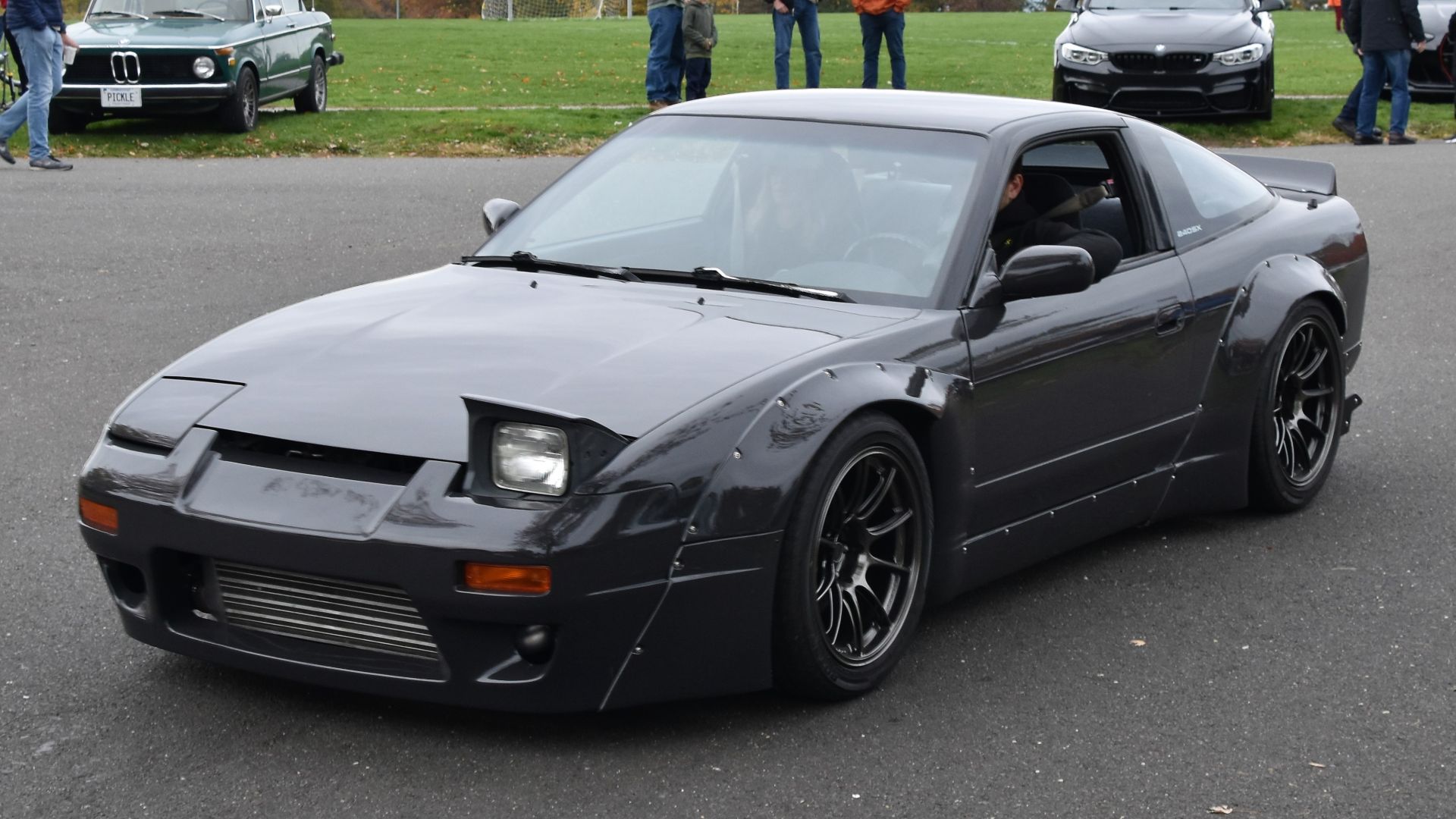
8. Nissan 240SX S13 Base Model (1989-1994)
The 240SX wasn't sold in America as a top-tier performance machine. Base S13 cars were modest, naturally aspirated, and easy to overlook unless you cared about rear-wheel drive. Once drifting culture and grassroots builds caught up through the late 1990s and 2000s, even plain versions started looking appealing.
 Charles from Port Chester, New York on Wikimedia
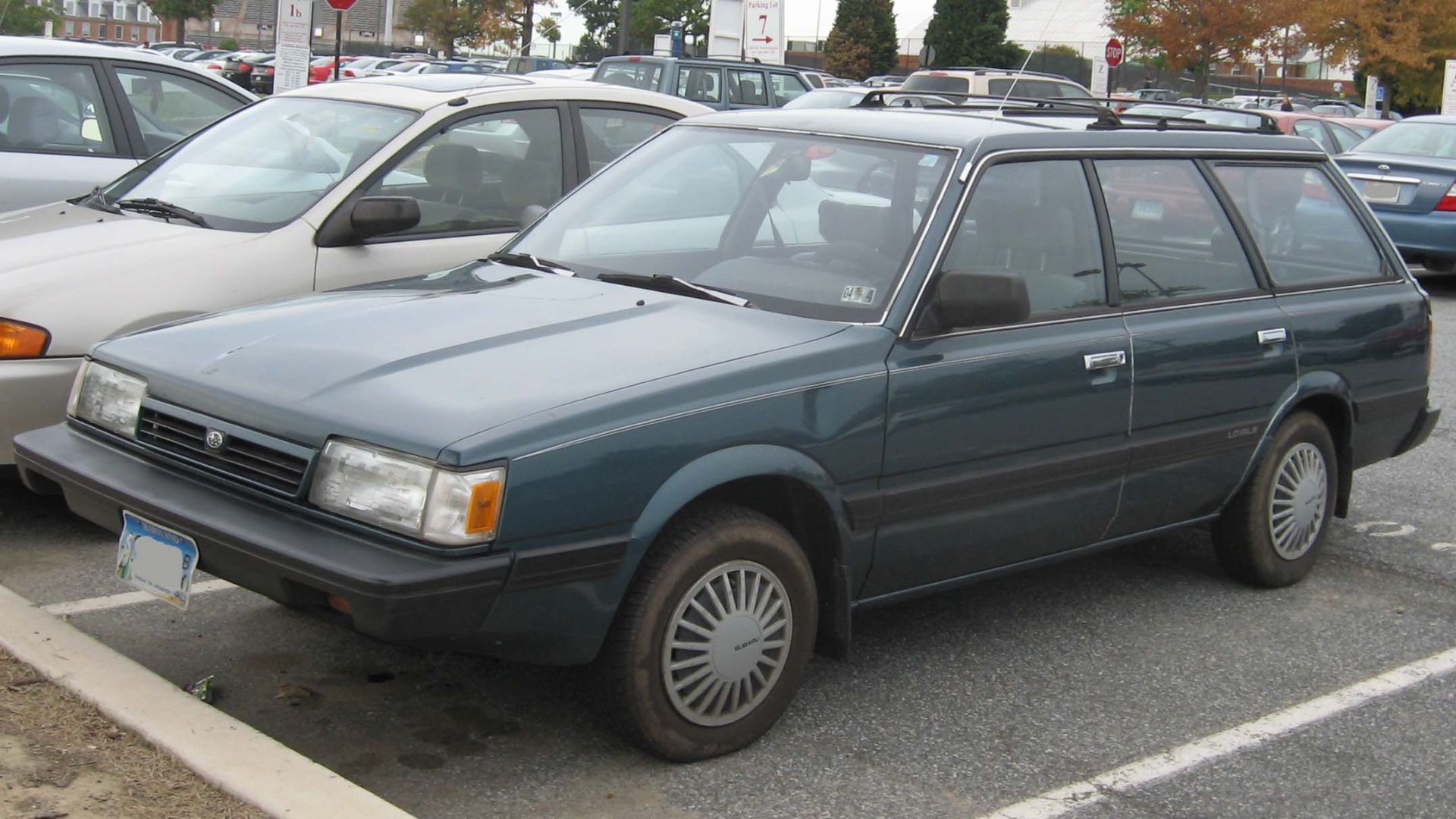
9. Subaru Loyale Base Wagon (1989-1994)
A base Loyale wagon had the glamour of a mudroom: Boxy, useful, and not much else. With a manual transmission and four-wheel drive, it now feels like the old Subaru formula in its simplest, most lovable form.
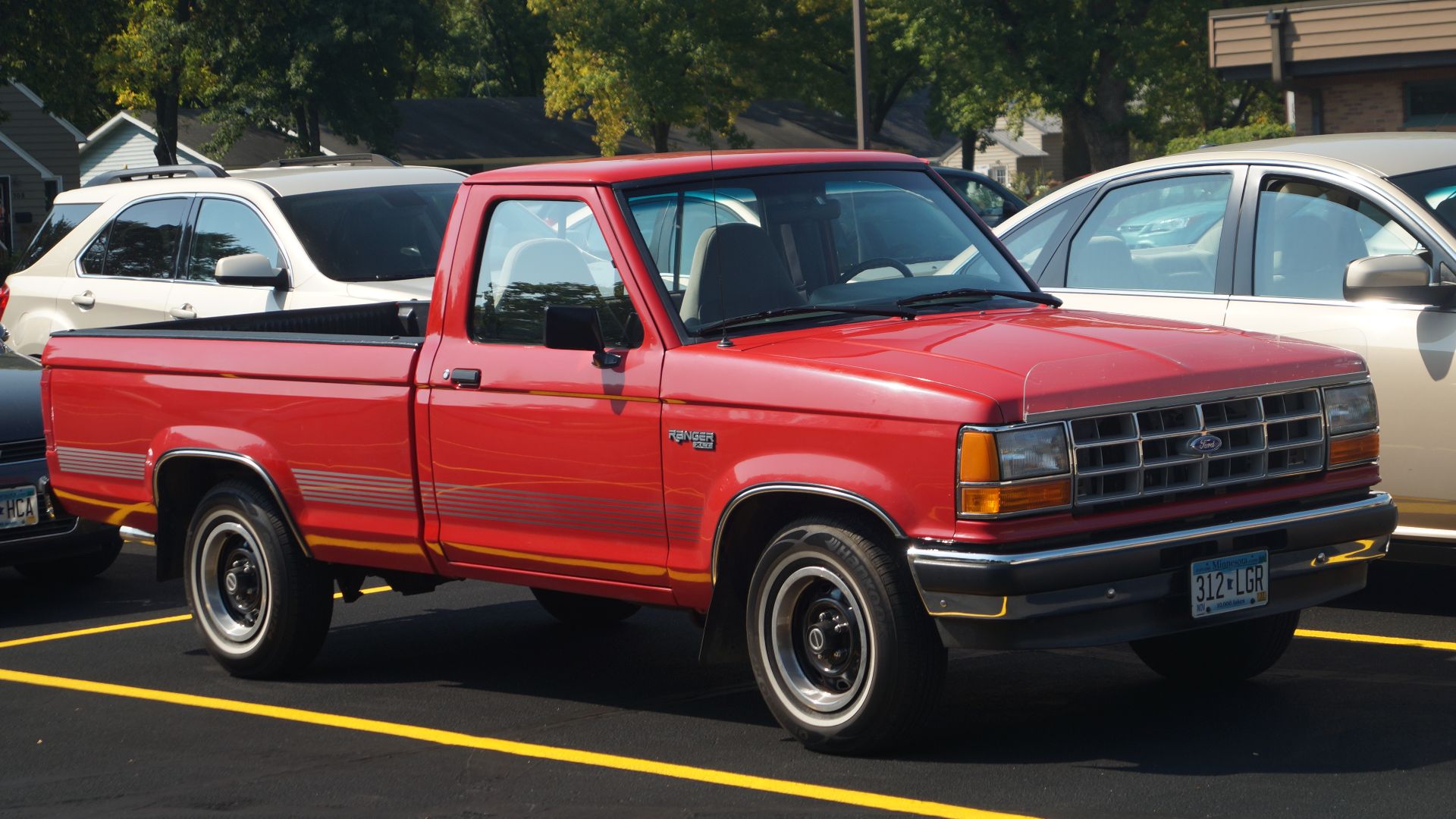
10. Ford Ranger 2.3L Long Bed (1983-1997)
The 2.3-liter long-bed Ranger was a modest worker. Its four-cylinder engine and simple cab made it easy to dismiss when bigger trucks looked more appealing. Used today, the compact size and useful bed make it feel like the perfect size.
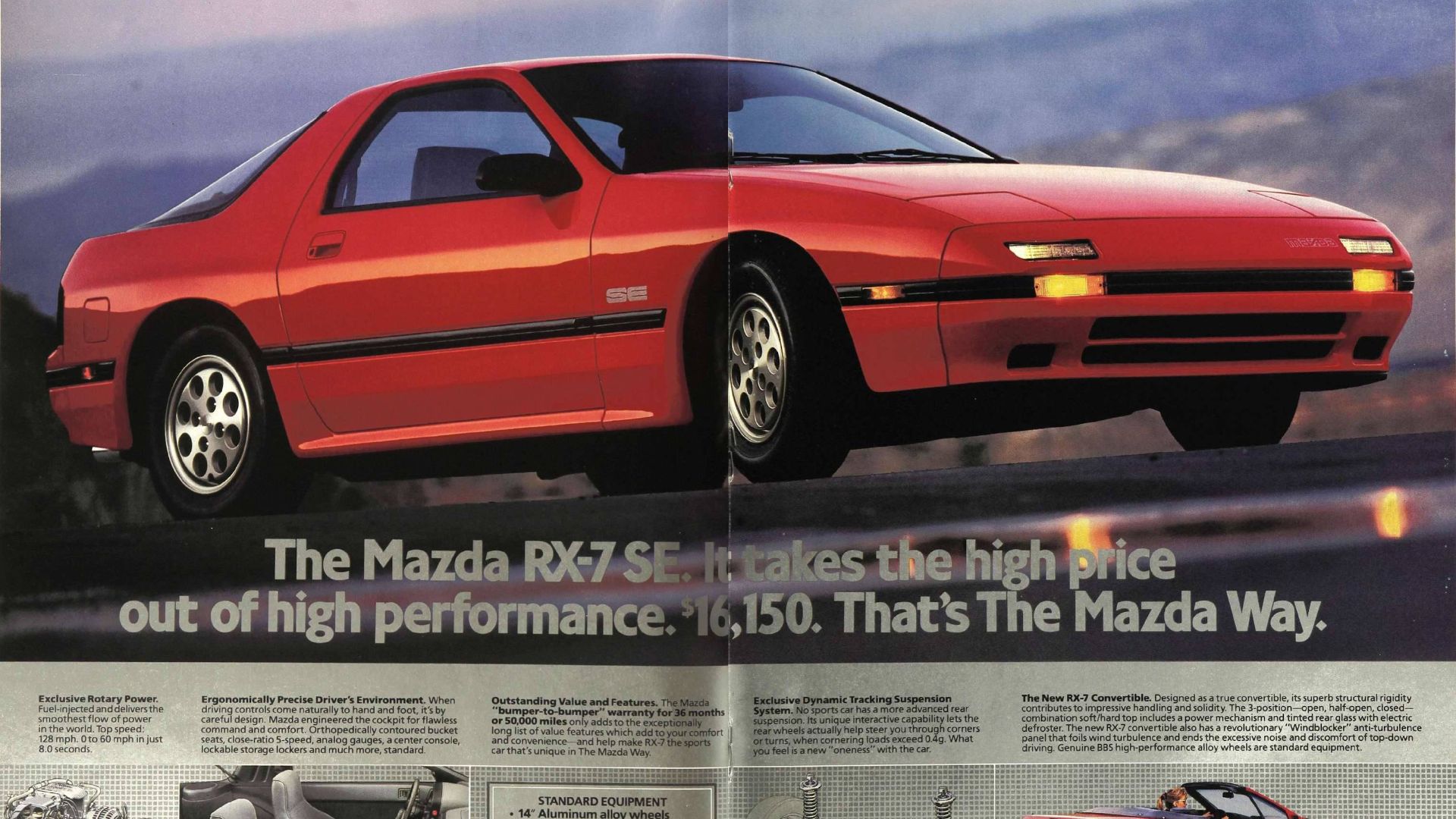
11. Mazda RX-7 FC S (1986-1991)
The naturally aspirated FC lived in the shadow of the Turbo II for a while. The simpler FC still has the low seating position, rotary character, and clean coupe shape, without leaning as hard into the more complicated ownership side of things.
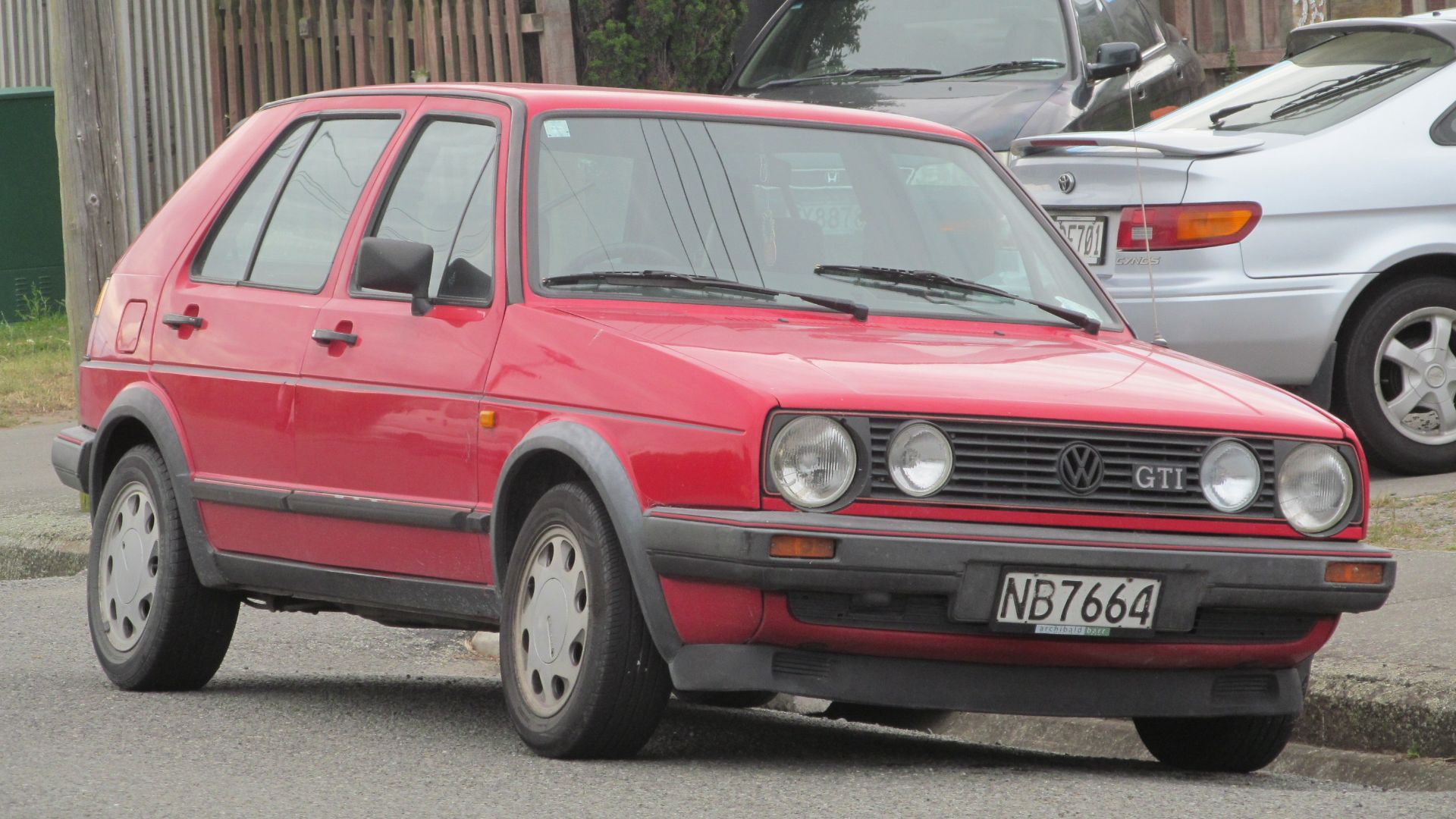
12. Volkswagen Golf Mk2 GTI 8-Valve (1984-1992)
The 8-valve Mk2 GTI was eventually overshadowed by the sharper 16-valve version, which made it seem like the less exciting car on paper. That's how good cars get unfairly written off. Now, the 8-valve reads as an approachable classic: quick enough, useful enough, and still very easy to enjoy.
 Riley from Christchurch, New Zealand on Wikimedia
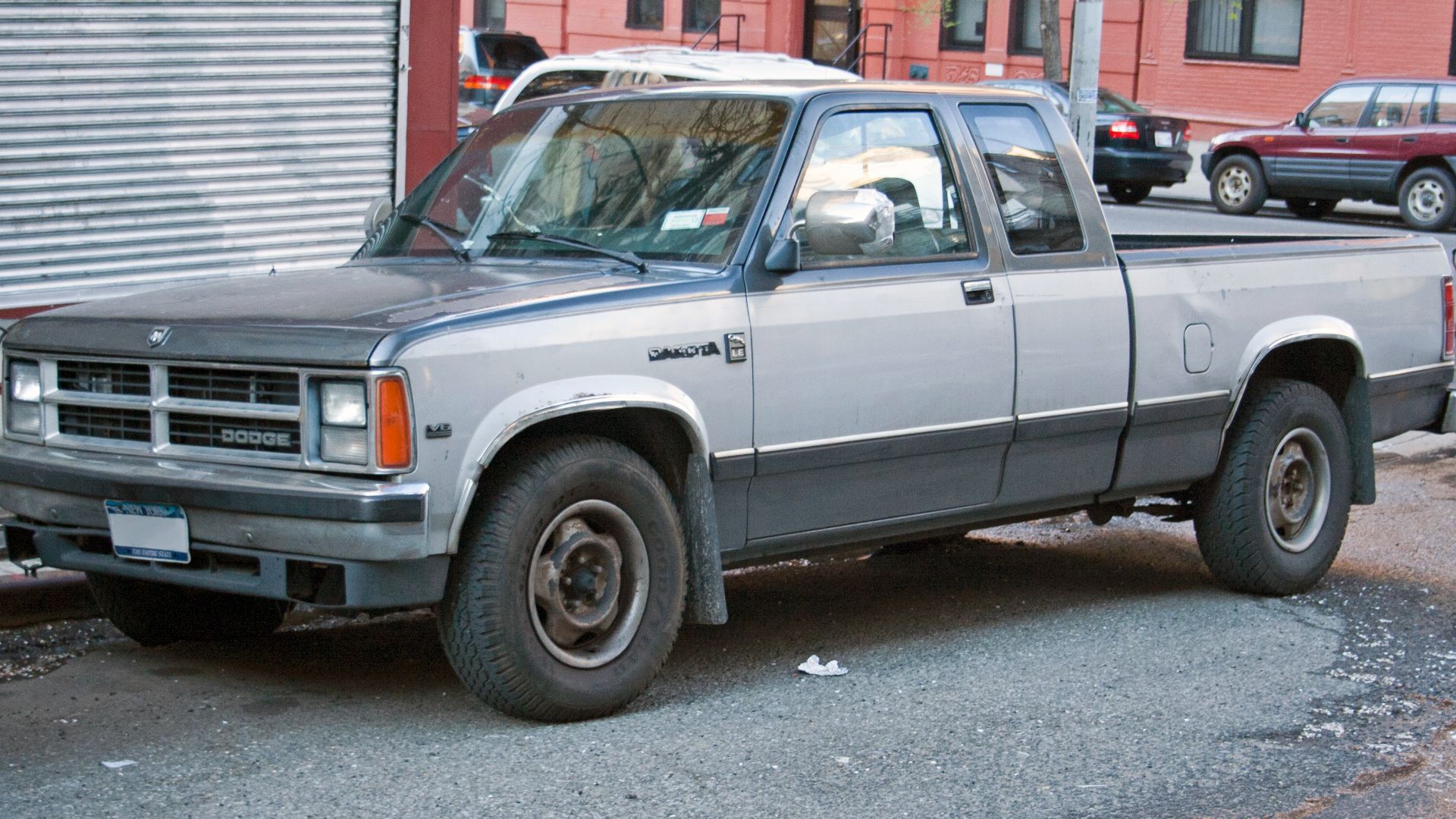
13. Dodge Dakota V6 Regular Cab (1987-1996)
A regular cab V6 Dakota didn't have the smallest-truck charm of a Ranger or the full-size presence of a Ram. It landed somewhere in the middle, which made it easy to underrate. Used now, that in-between size is actually the appeal because it's practical without being absurdly large.
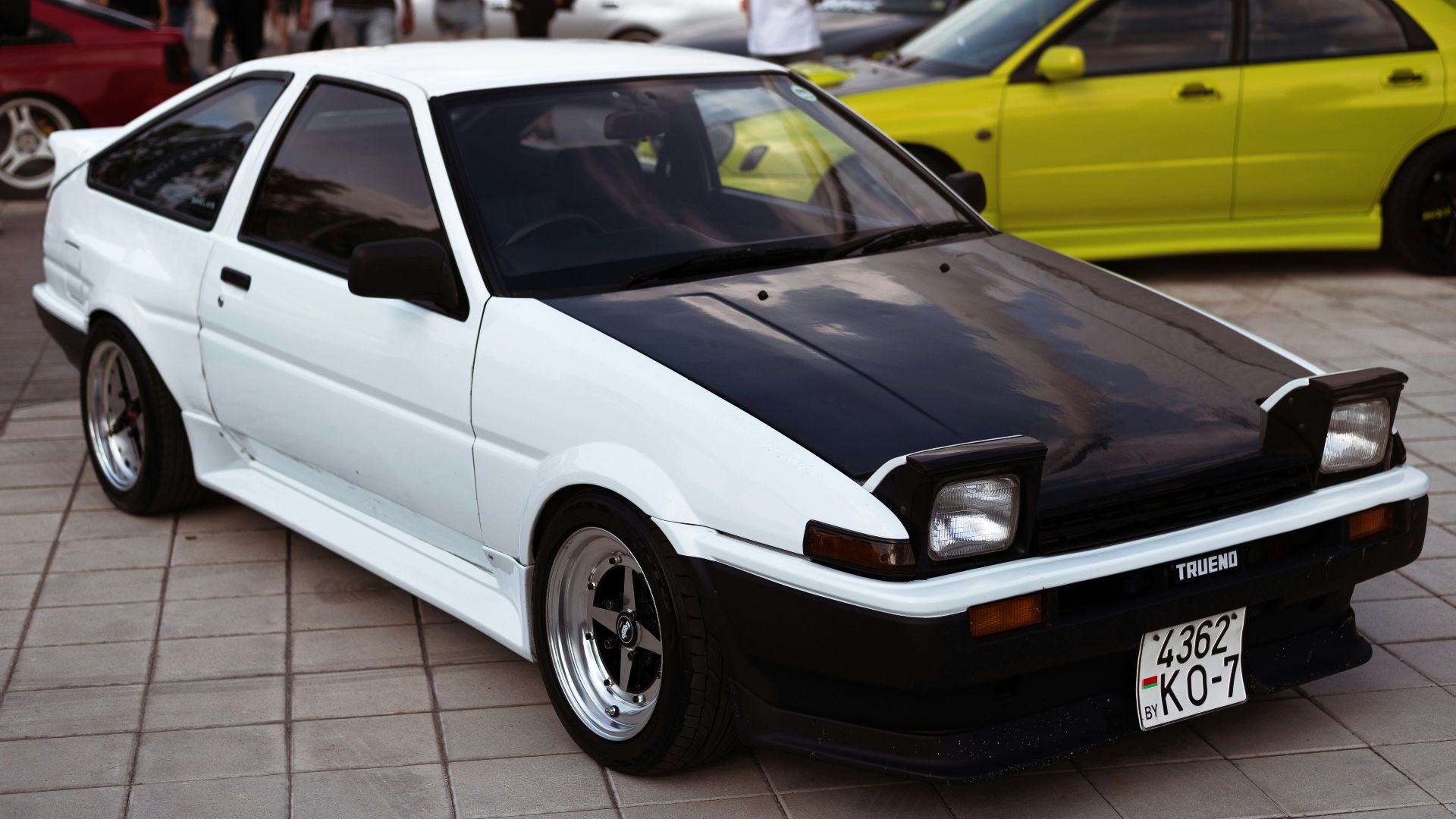
14. Toyota Corolla AE86 SR5 (1984-1987)
The AE86 SR5 has always had a tough time because the GT-S got the more exciting twin-cam 4A-GE engine. The SR5's simpler 4A-C setup made it the less desirable one for years. Even so, it still has the lightweight rear-drive shell and clean 1980s Toyota shape that made the AE86 family worth caring about in the first place.
 Vitali Adutskevich on Unsplash
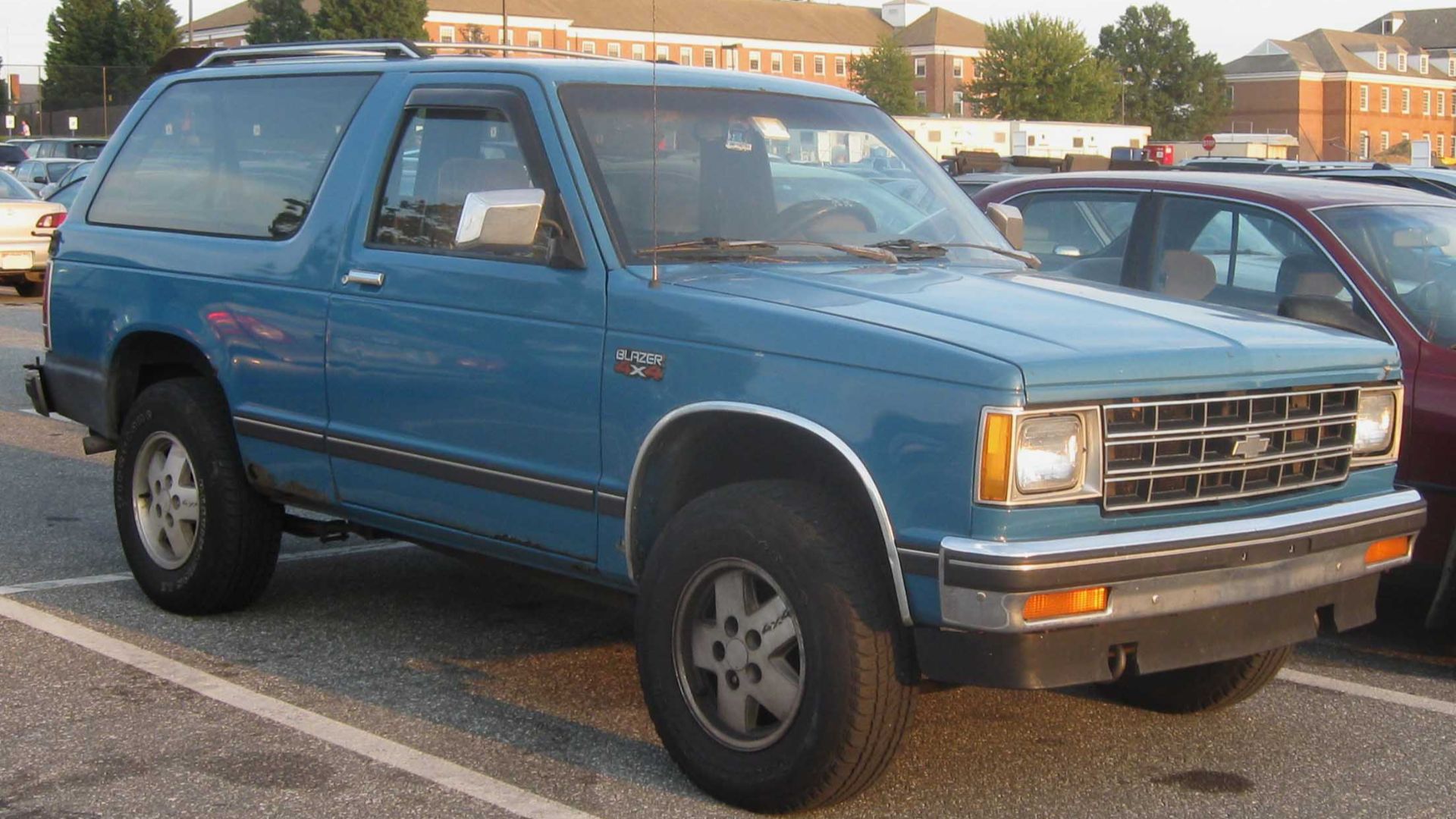
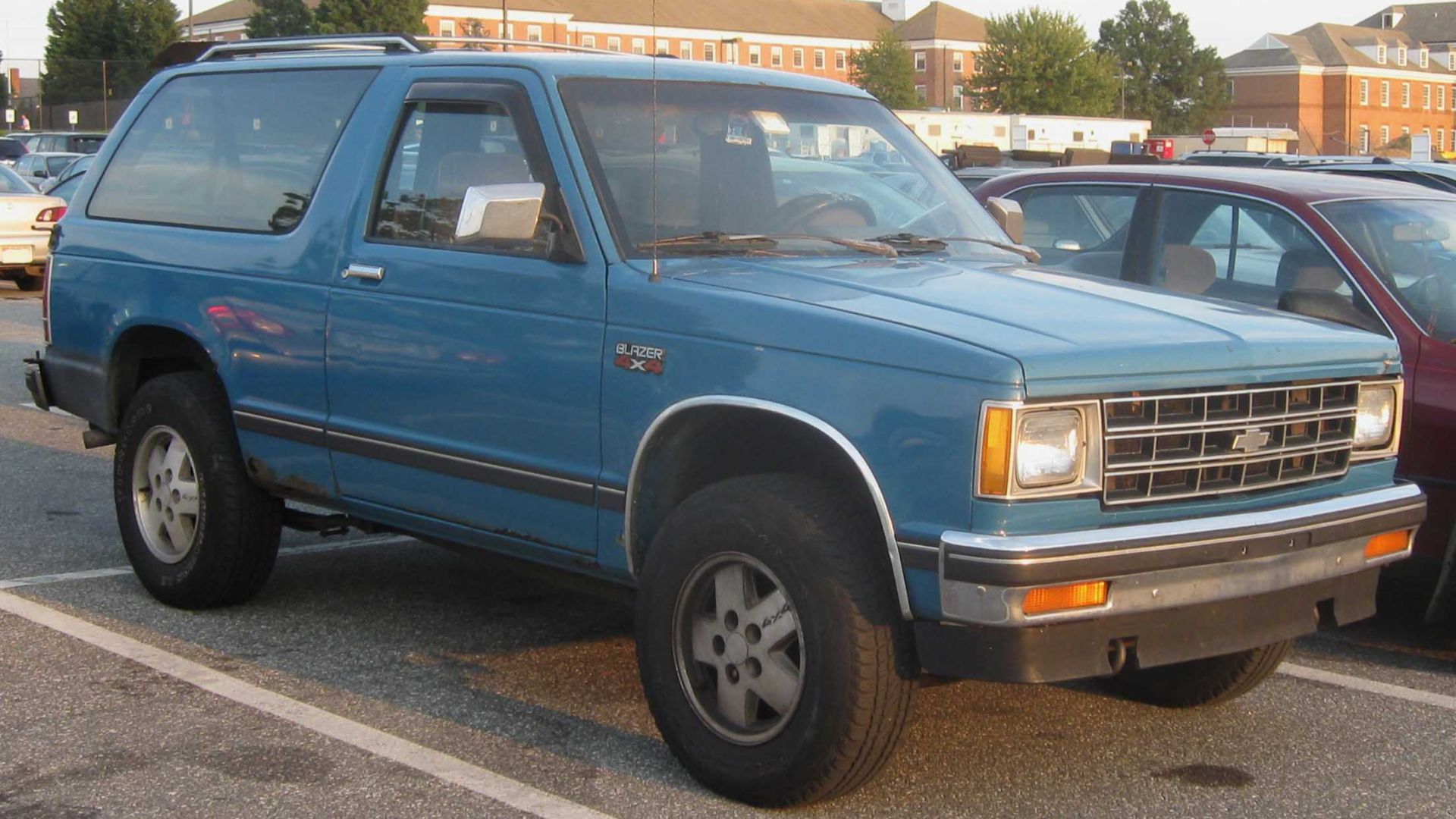
15. Chevrolet S-10 Blazer Two-Door (1983-1994)
A two-door S-10 Blazer looked humble before compact SUVs became nostalgia bait. Base versions weren't plush, and nobody confused them with luxury transportation. Now, the tidy size, truck-based bones, and available 4.3-liter V6 make it feel more straightforward than a lot of the SUVs that followed.
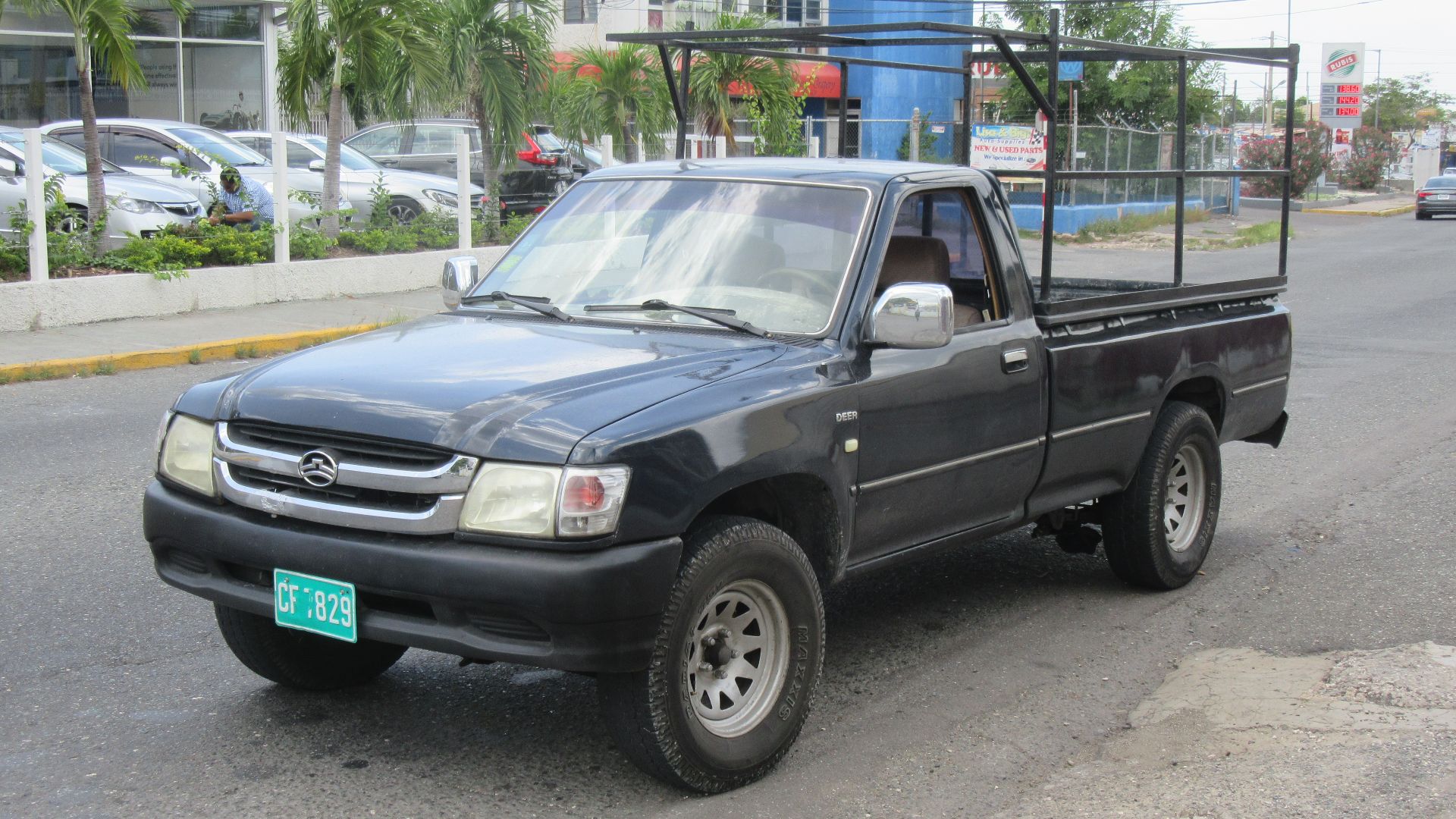
16. Isuzu Pickup Base Model (1981-1995)
The Isuzu Pickup never had the name recognition of the Toyota or Nissan trucks it competed with. In plain regular-cab form, it could look almost anonymous, especially in work colors with minimal trim. That low-key quality works better now because small, simple pickups in clean shape have become somewhat hard to find.
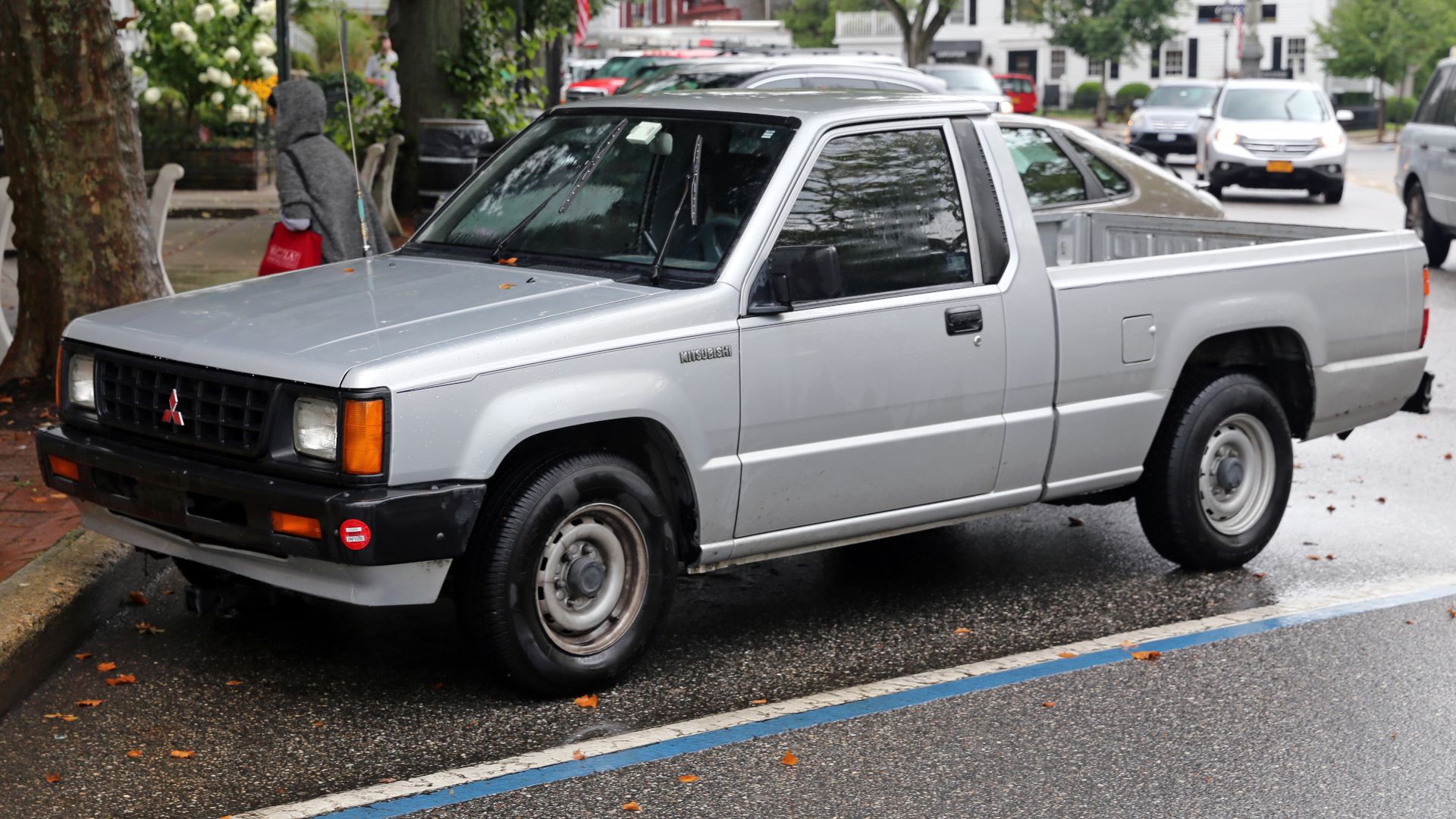
17. Mitsubishi Mighty Max Regular Cab (1983-1996)
The Mighty Max base model was light on features and clearly built for basic hauling. Today, that simplicity gives it a scrappy appeal, especially for people tired of pickups that need a ladder and a finance meeting just to get started.
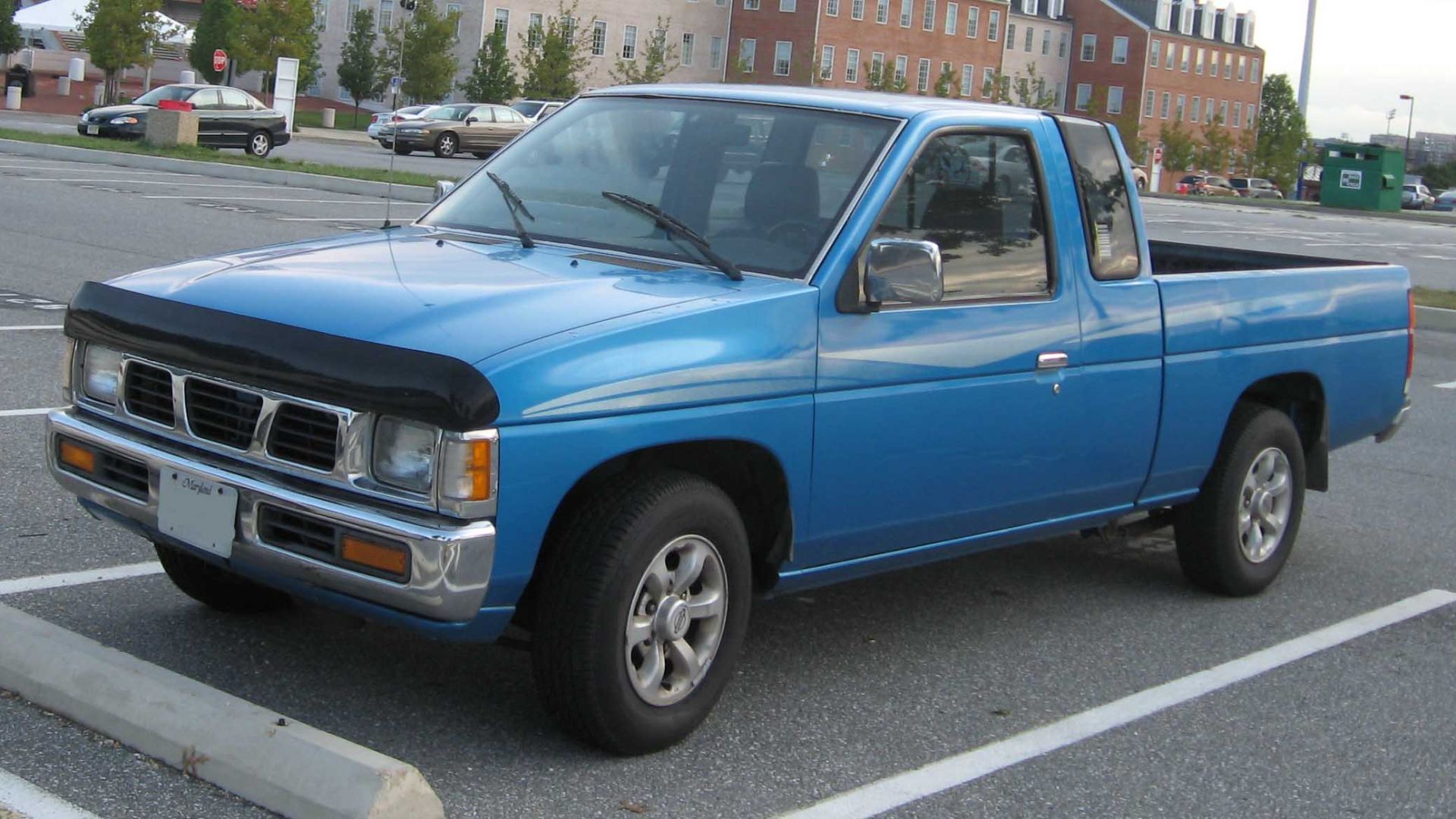
18. Nissan Hardbody D21 2WD Base (1986-1997)
A two-wheel-drive base Hardbody didn't have the off-road image of a lifted 4x4. It was just a clean, squared-off little truck that did its job. That's a big part of why it looks so good now: simple stance, sturdy proportions, and a compact-truck shape people keep trying to get back to.
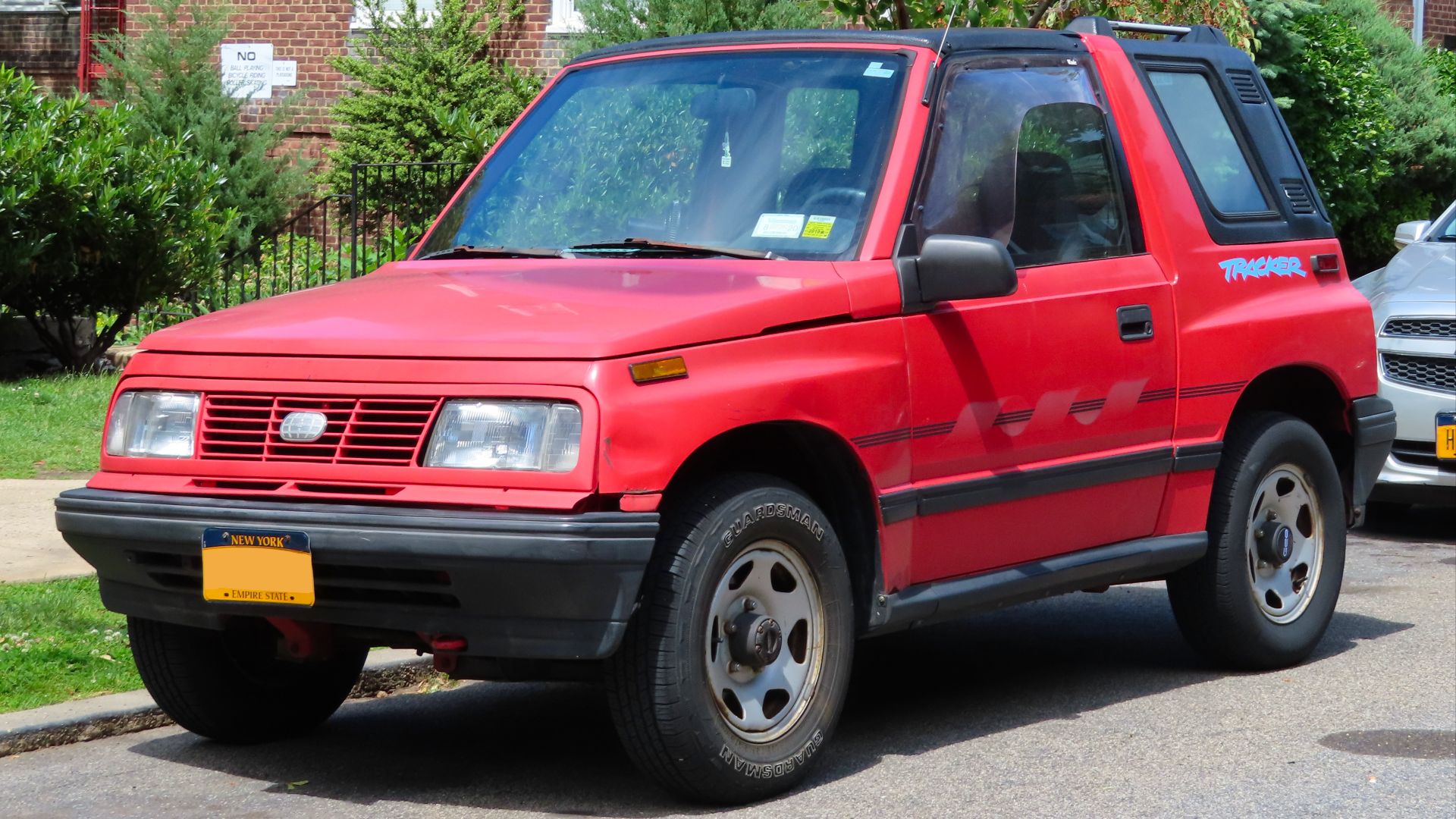
19. Geo Tracker Two-Door Convertible (1989-1998)
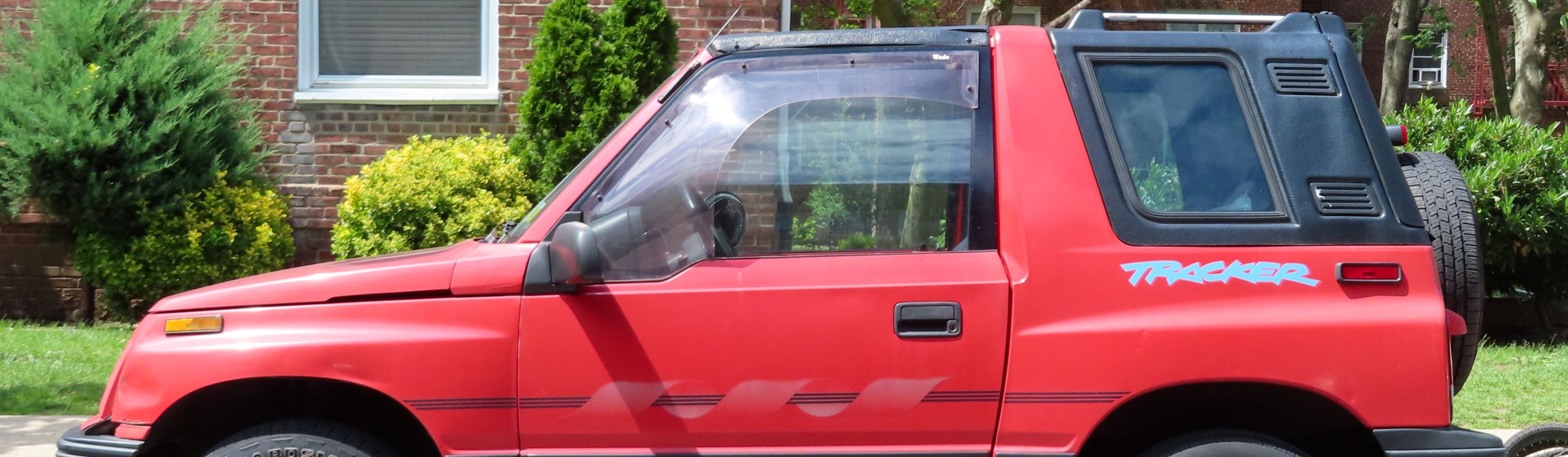
The Geo Tracker was easy to laugh at when it arrived because of its quirky shape. Underneath the jokes, there was a short body, a 1.6-liter engine, and available four-wheel drive. As a used runabout, the two-door convertible feels light, fun, and much more charming than its old reputation ever suggested.
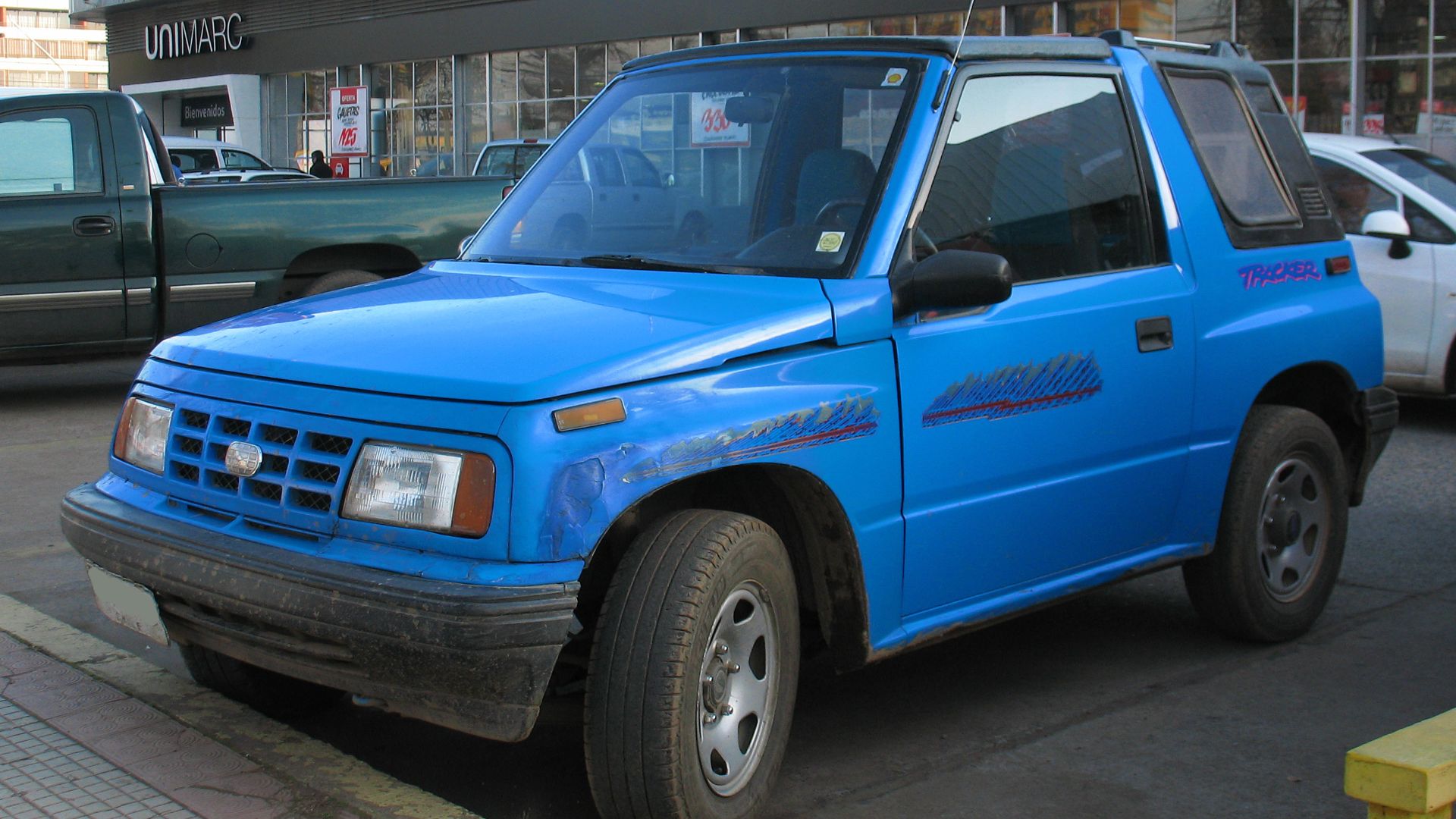 order_242 from Chile on Wikimedia
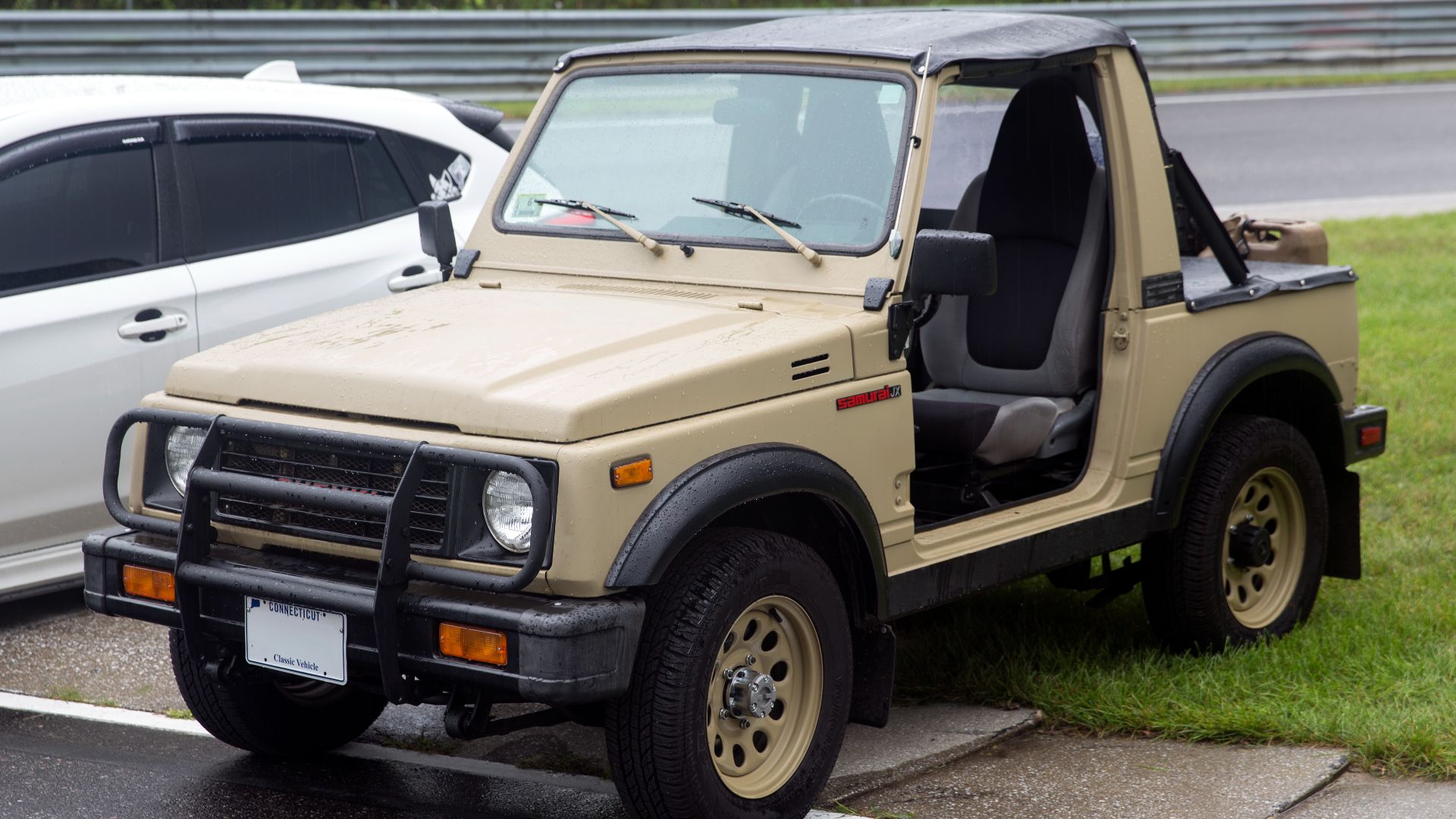
20. Suzuki Samurai Soft-Top (1985-1995)
The Samurai were slow, narrow, noisy, and basic. Its public image also got complicated in the late 1980s after a controversial Consumer Reports rollover story, which didn't help its showroom appeal. Used as a simple trail toy, though, the soft-top Samurai has a scrappy charm that modern SUVs rarely get close to.