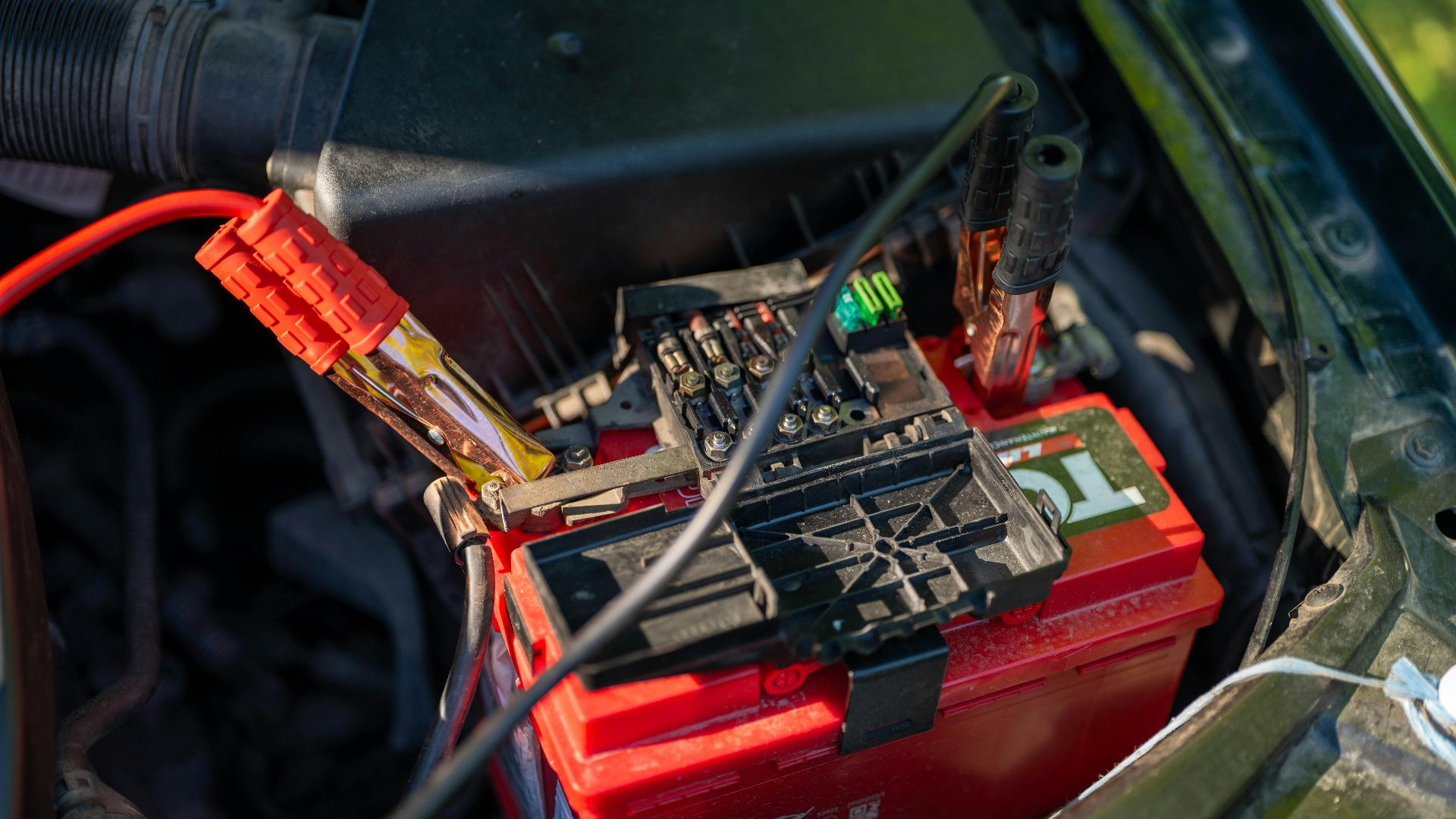
10 Budget Upgrades That Boost Performance & 10 That Are Pure Hype
Smart Spending vs. Wasted Money
When it comes to improving your car’s performance, not every upgrade is worth your money. Some budget-friendly changes can noticeably improve how your vehicle drives, handles, and feels, while others are mostly marketing with little real-world benefit. Understanding which upgrades actually make a difference helps you get better results without overspending or falling for hype. Here are 10 budget upgrades that boost performance and 10 that are pure hype.

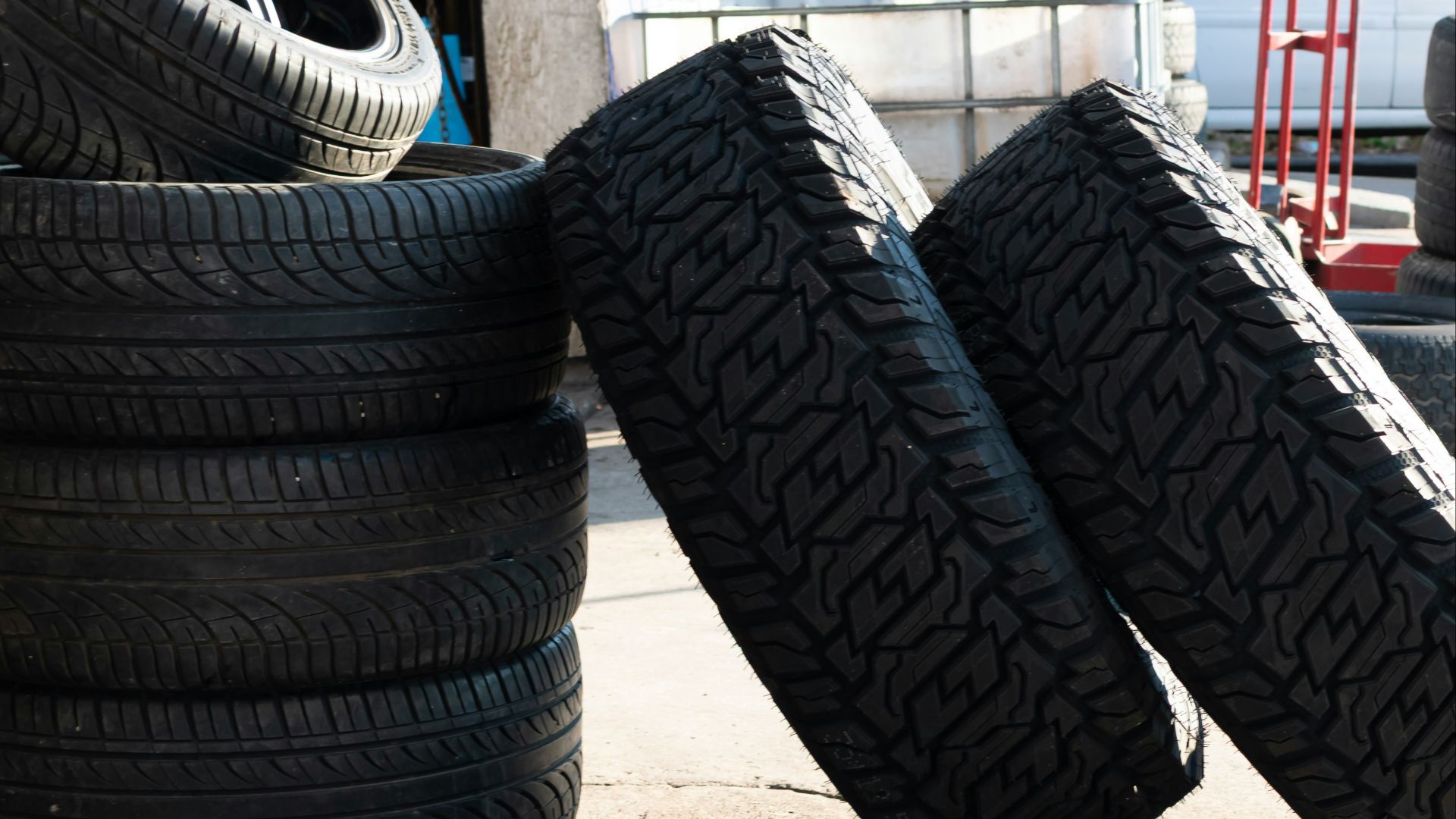
1. High-Quality Tires
Upgrading to better tires can dramatically improve traction, handling, and braking performance. Even in normal driving conditions, the added grip makes the car feel more controlled and responsive. It’s one of the most impactful upgrades you can make without modifying the engine. Many drivers notice immediate improvements in both safety and confidence.

2. Performance Brake Pads
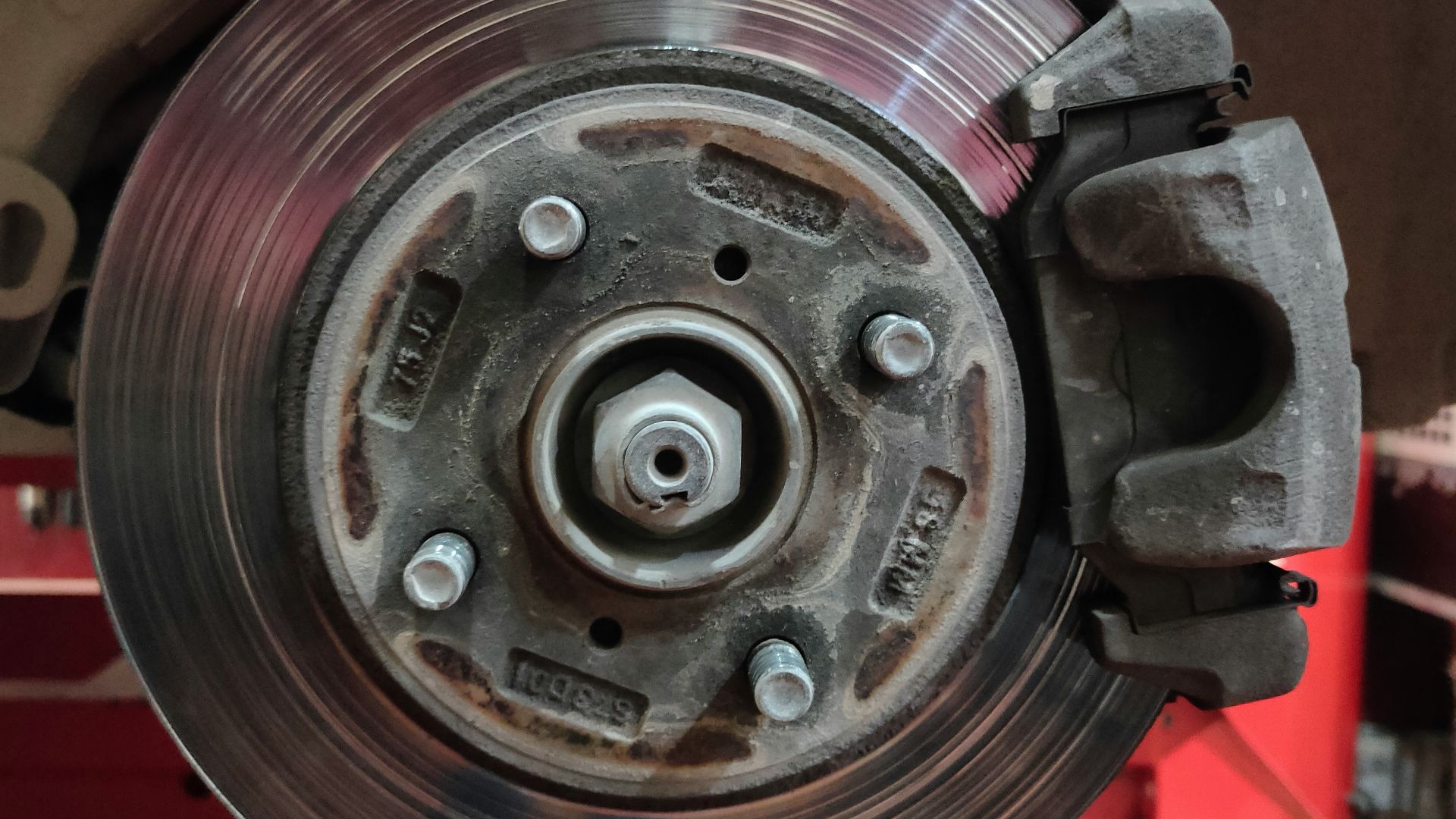
Installing higher-quality brake pads improves stopping power and consistency under repeated use. Better compounds handle heat more effectively, which reduces brake fade during aggressive or prolonged braking. This upgrade enhances both safety and driving precision. It’s especially noticeable in city driving and spirited runs.
 The DK Photography on Unsplash
3. Fresh Engine Oil and Fluids
Regularly replacing engine oil, transmission fluid, and coolant helps maintain optimal performance. Over time, old fluids lose effectiveness and can cause increased wear or reduced efficiency. Keeping everything fresh allows the engine and components to operate smoothly. It’s one of the simplest ways to restore lost performance.

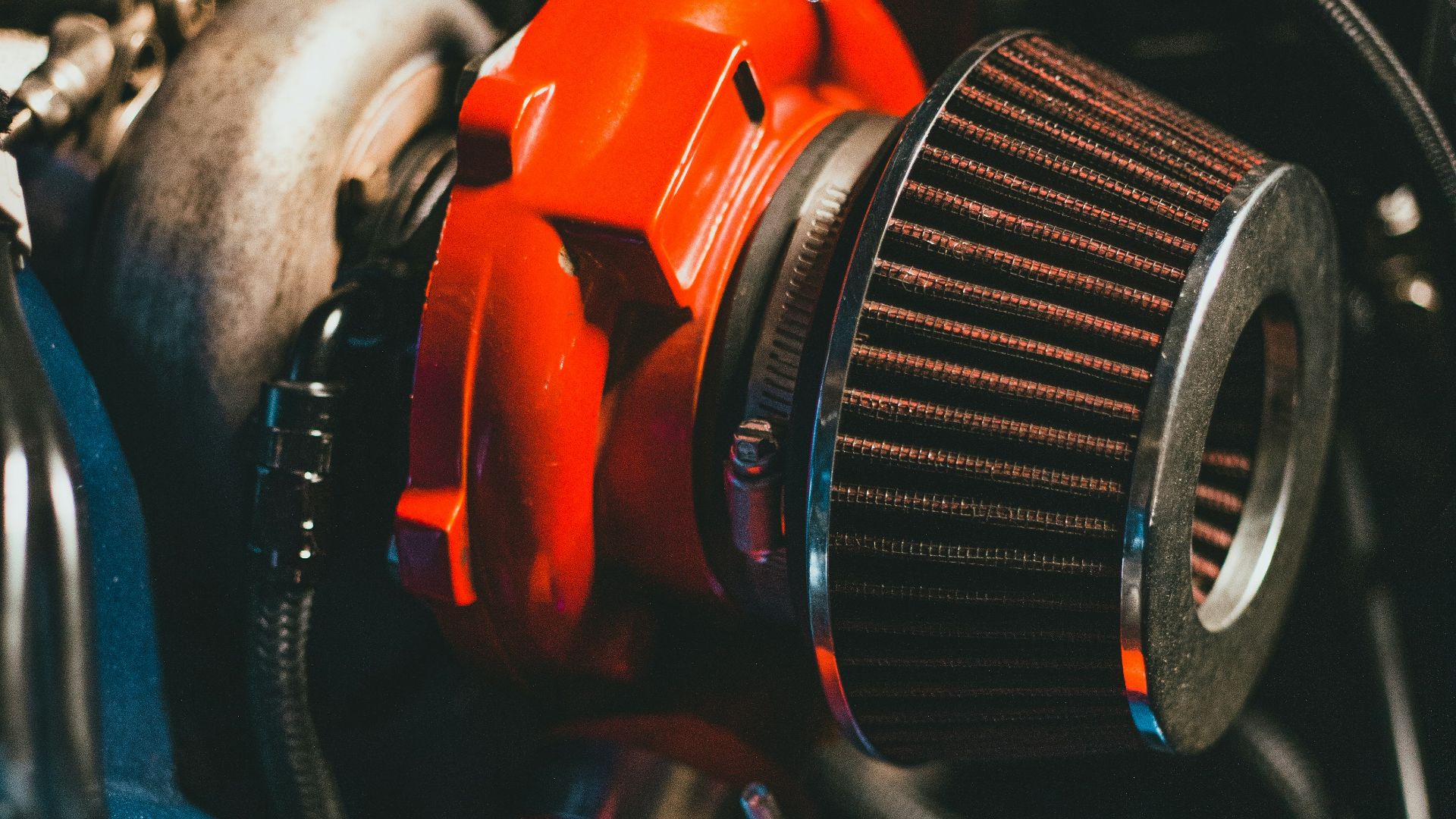
4. High-Flow Air Filter (Quality Brands)
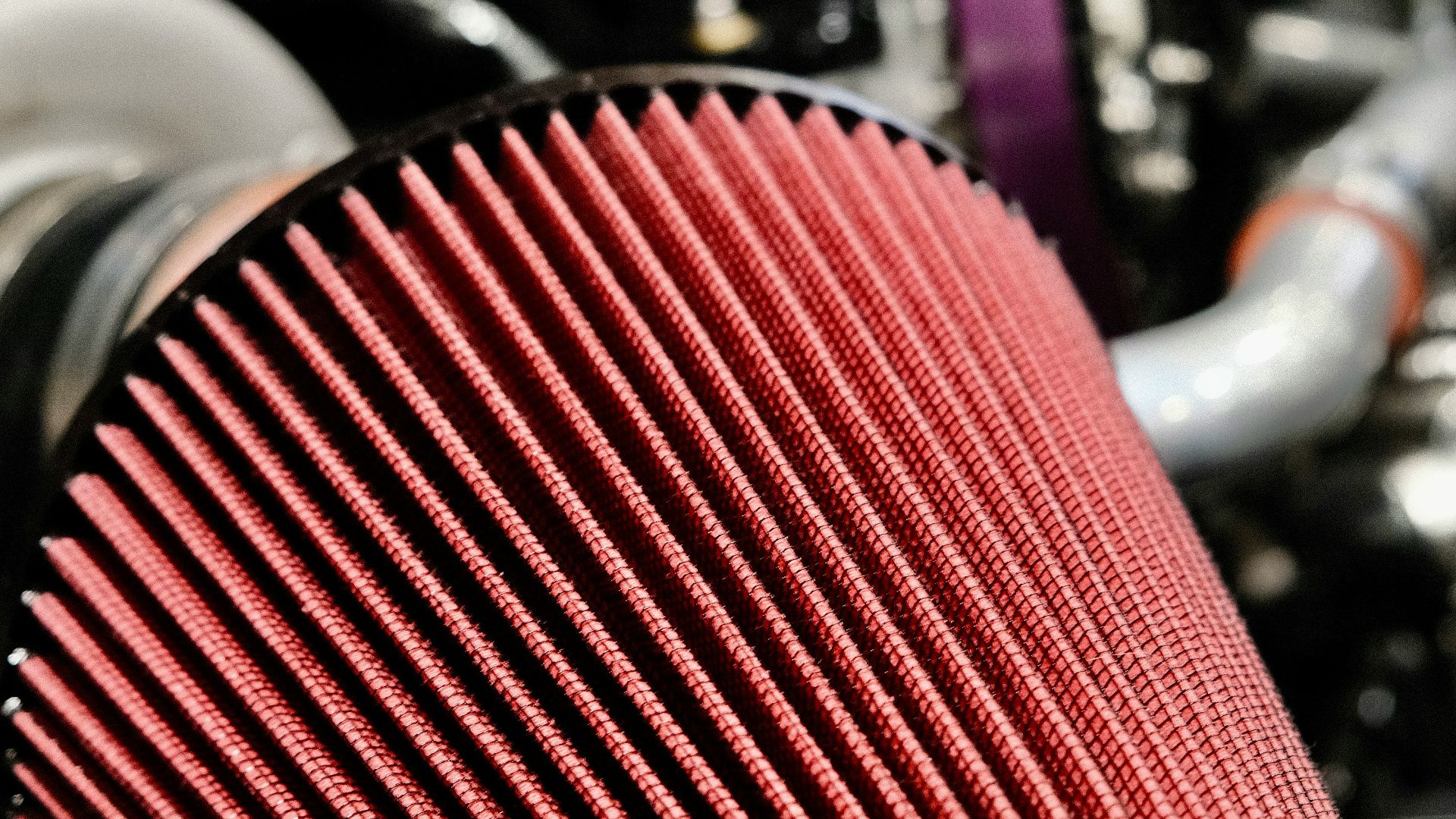
A high-quality air filter can improve airflow to the engine without sacrificing filtration. This can lead to slightly better throttle response and efficiency when paired with proper maintenance. Unlike cheap versions, reputable brands are designed to balance airflow and protection. It’s a small upgrade that supports overall engine health.
 Adrian Kusznirewicz on Unsplash
5. Lightweight Wheels
Switching to lighter wheels reduces unsprung weight, which improves handling and acceleration. The car can respond more quickly to steering inputs and changes in direction. This upgrade also helps suspension components work more effectively. Even a modest weight reduction can make a noticeable difference.

6. Performance Spark Plugs
Upgrading to high-quality spark plugs ensures more efficient combustion. This can improve fuel efficiency, throttle response, and engine smoothness. Over time, worn plugs can reduce performance, so replacing them is both maintenance and an upgrade. It’s a low-cost change with reliable benefits.

7. Suspension Bushings
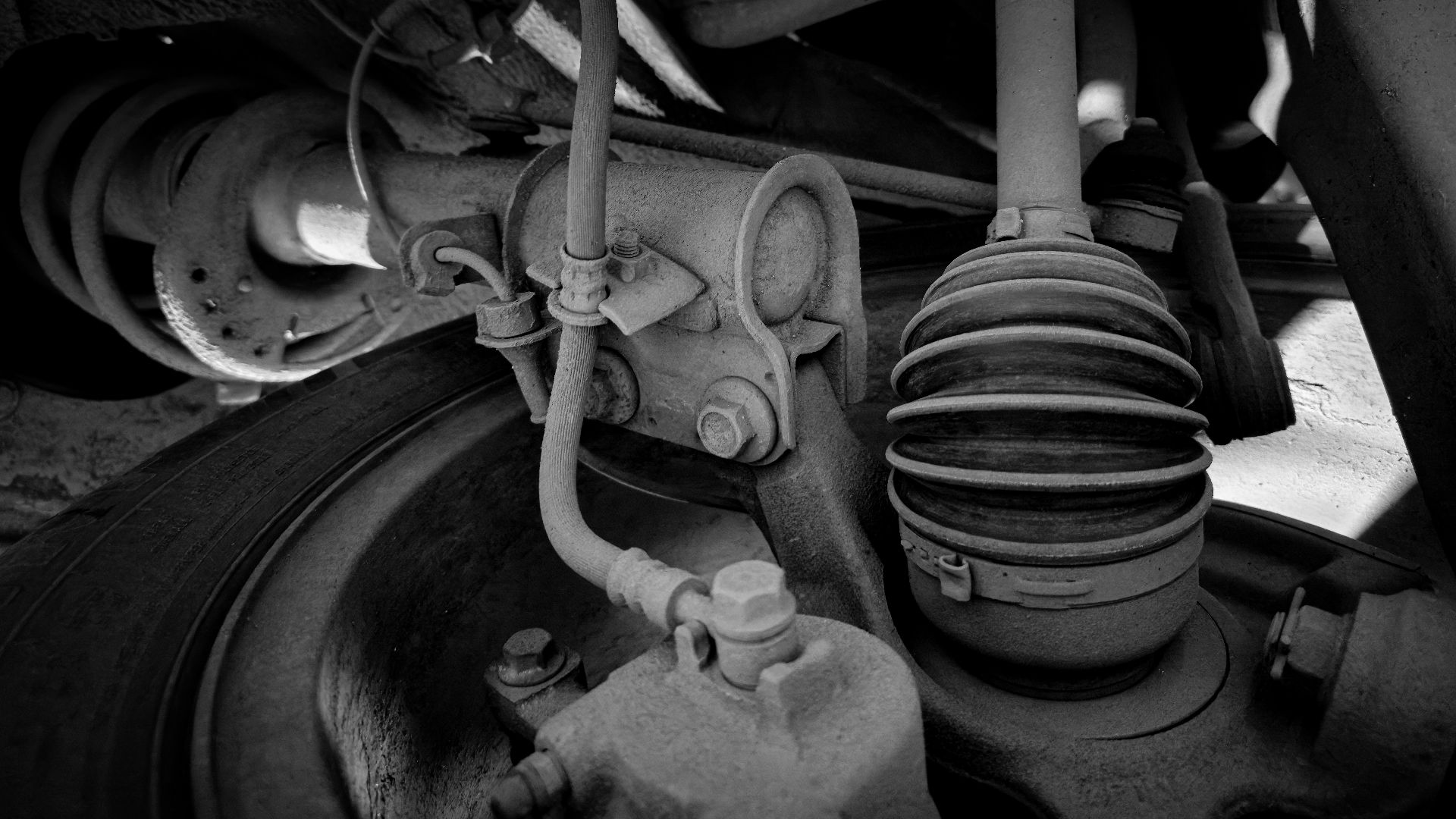
Replacing worn suspension bushings with new or slightly firmer ones improves handling precision. Old bushings can introduce play, which makes the car feel less stable during turns.
8. Proper Wheel Alignment
A correct alignment ensures that all four wheels are working together efficiently. Misalignment can reduce tire life, hurt fuel economy, and make the car pull to one side. Fixing it improves handling and straight-line stability. It’s a simple adjustment that often gets overlooked.
 Hanindito Prabandaru on Unsplash
9. Performance Tires Pressure Optimization
Adjusting tire pressure to the manufacturer’s recommended or slightly optimized levels can improve grip and efficiency. Incorrect pressure affects handling, braking, and fuel economy. Regular checks ensure consistent performance. It’s an easy habit that makes a measurable difference.
10. Short Shifter (Manual Cars)
A short shifter reduces the distance between gear changes, making shifts quicker and more precise. This creates a more engaging and responsive driving experience. It doesn’t add power, but it improves how the car feels to drive. For manual drivers, it’s a noticeable upgrade in daily use.

1. Cheap “Cold Air” Intakes
Many inexpensive cold air intakes don’t actually draw cooler air effectively. Without proper design and tuning, they often provide little to no performance gain. In some cases, they can even reduce efficiency by pulling in warmer engine bay air. Marketing claims tend to exaggerate their impact.
2. Fuel Line Magnets
These devices claim to improve fuel efficiency by altering fuel properties with magnets. There’s no credible scientific evidence supporting these claims. Modern fuel systems aren’t affected in this way. They’re widely considered ineffective by automotive experts.
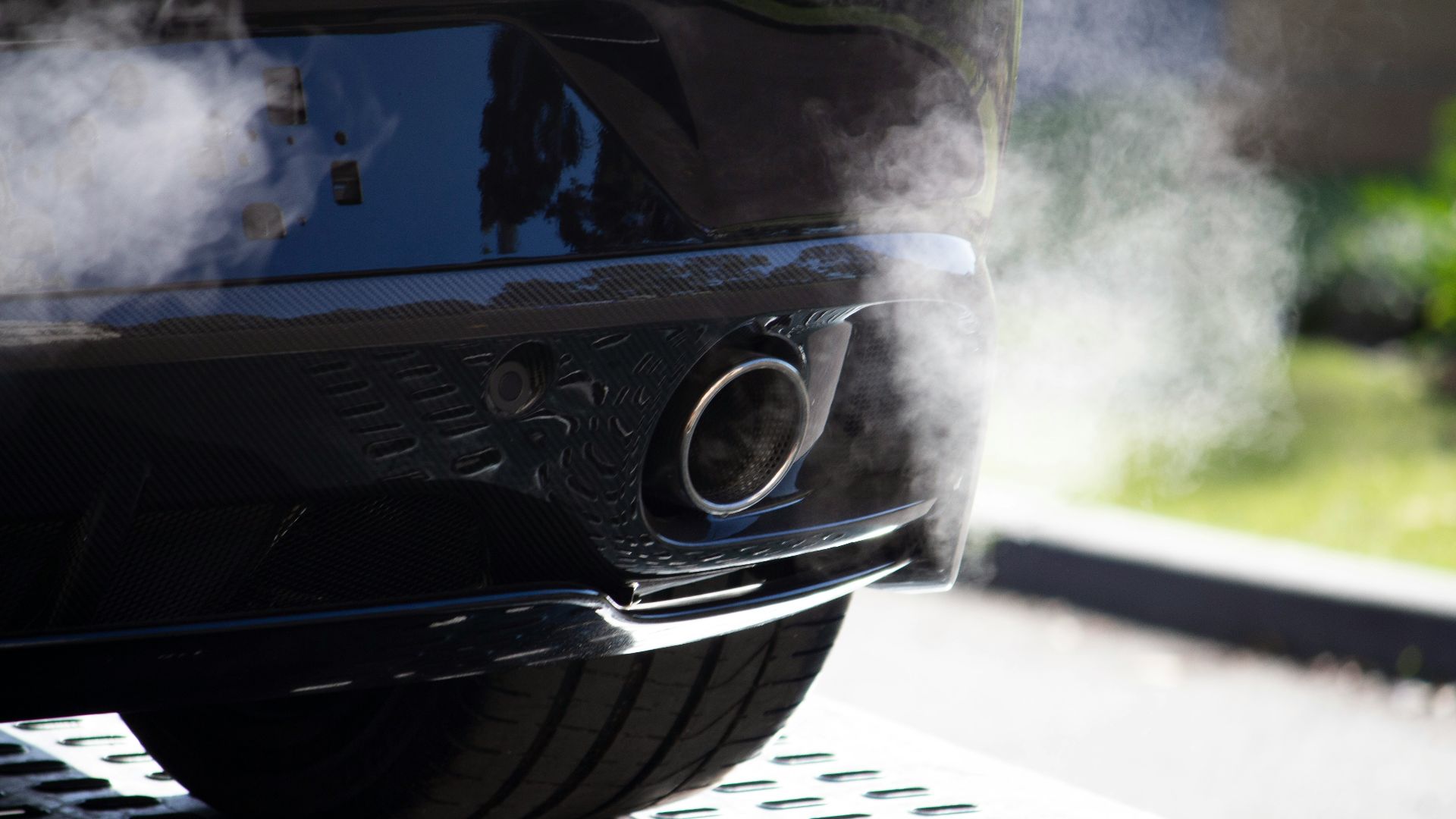
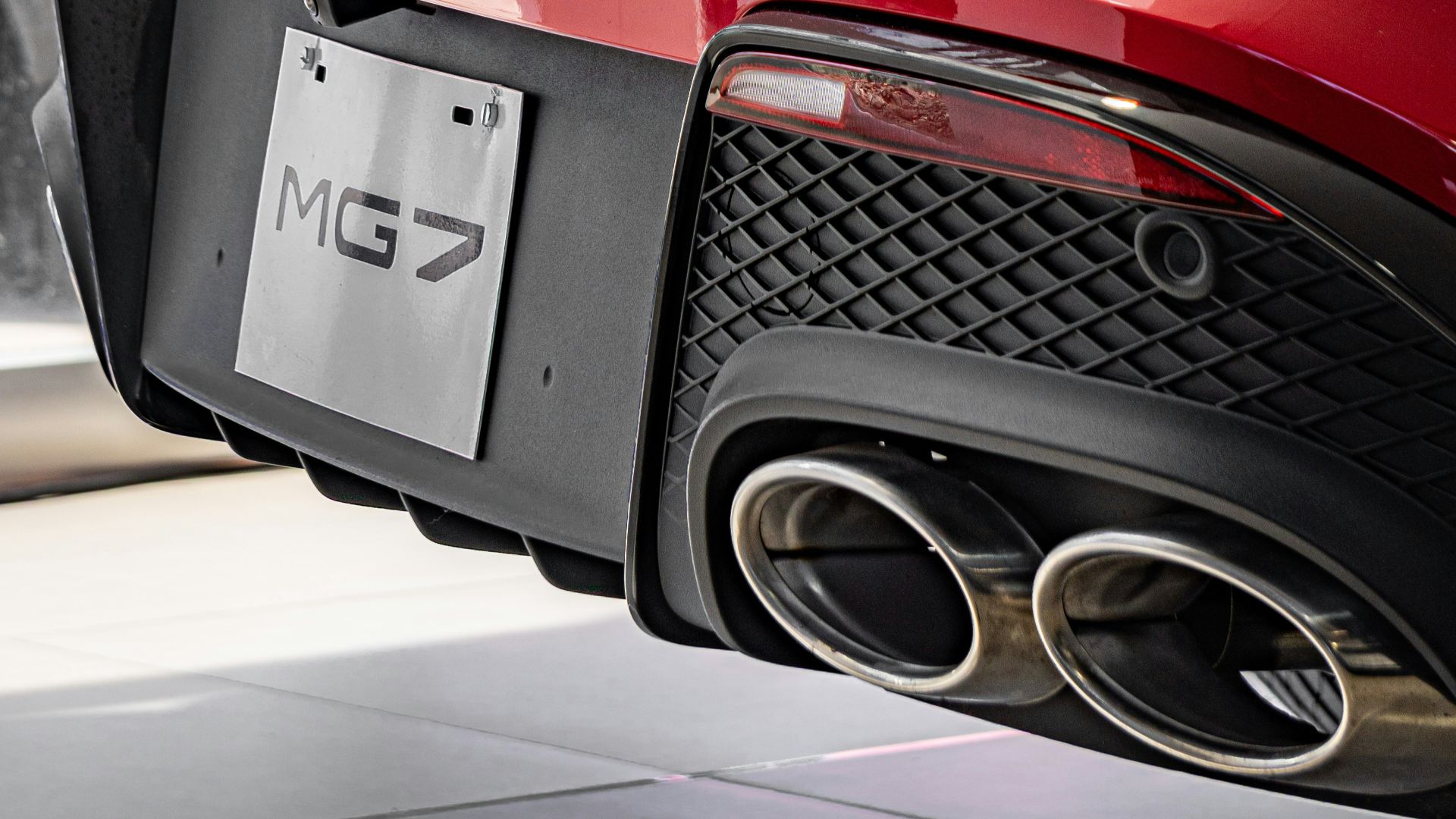
3. Exhaust Tips for Performance
Upgrading just the exhaust tip changes the look but not the performance of the vehicle. It doesn’t affect airflow or engine output in any meaningful way. The benefit is purely cosmetic.
4. Cheap ECU “Plug-In” Chips
Low-cost plug-in chips often promise increased horsepower without proper tuning. Most of these devices don’t meaningfully change engine parameters. In some cases, they can interfere with normal operation. Real performance gains require proper ECU tuning.

5. Oversized Wheels
While larger wheels can look appealing, they often add weight and reduce ride quality. This can negatively affect acceleration, handling, and comfort. Without careful selection, the downsides outweigh the visual upgrade. Bigger isn’t always better when it comes to performance.

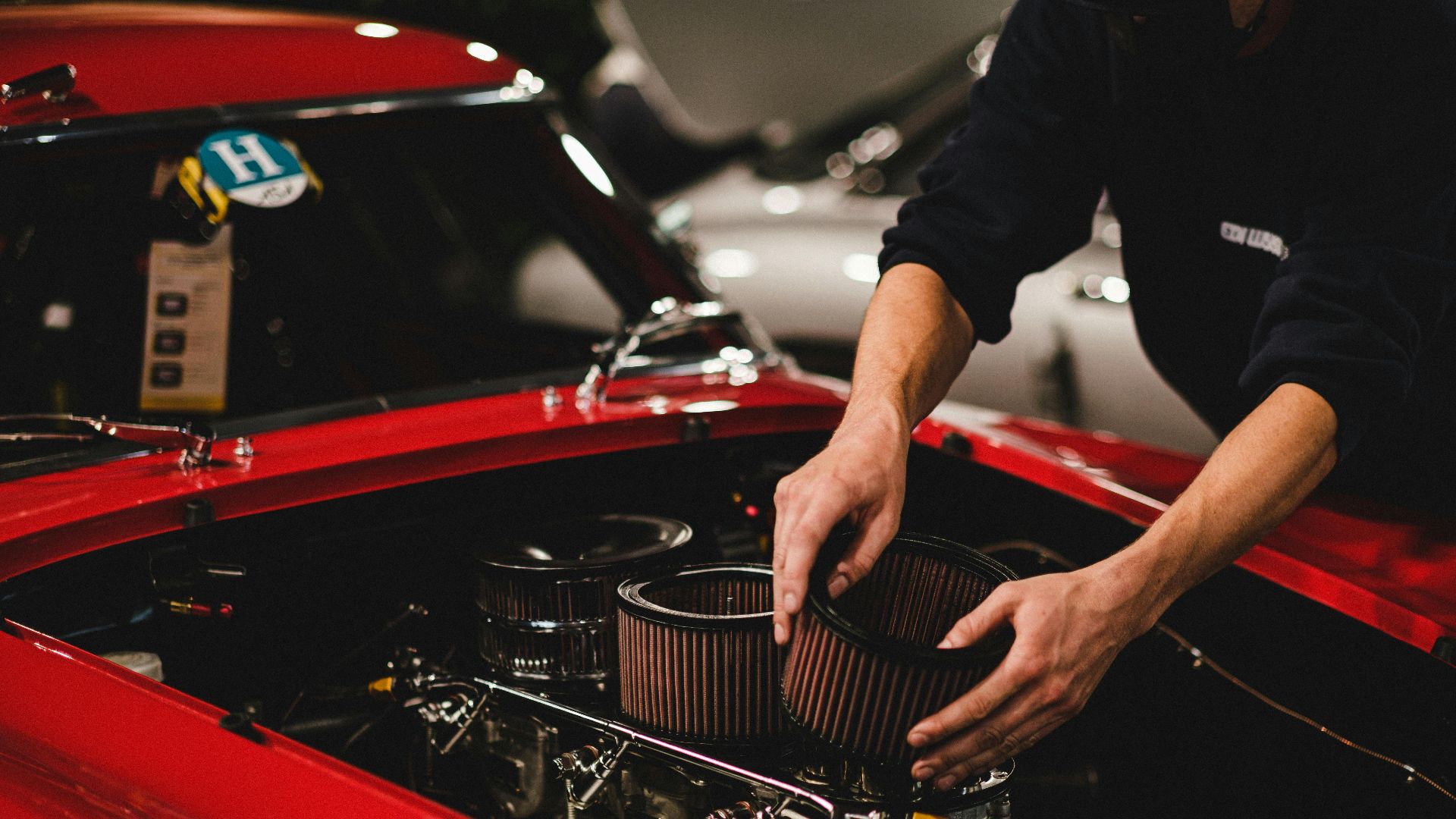
6. Cheap Performance Air Filters
Low-quality performance filters may allow more airflow but often sacrifice proper filtration. This can lead to increased engine wear over time.
7. Hood Scoops (Non-Functional)
Decorative hood scoops that don’t actually channel air serve no performance purpose. They’re designed for appearance rather than function. Without proper integration, they don’t improve cooling or airflow. Many are purely aesthetic additions.

8. Universal “Performance” Mufflers
Generic performance mufflers often focus on sound rather than measurable gains. While they may make the car louder, they don’t necessarily improve horsepower.
 Portafolio fotográfico automotriz on Unsplash
9. Nitrogen Tire Fills
Filling tires with nitrogen instead of air is often marketed as a performance upgrade. While nitrogen can maintain pressure slightly longer, the difference is minimal for everyday driving. Regular air works effectively when maintained properly. The added cost rarely justifies the benefit.

10. Gold-Plated Battery Terminals
Gold-plated terminals are advertised as improving electrical performance. In reality, standard terminals already provide sufficient conductivity for automotive systems.