A Century Of Very Expensive Decisions
Bugatti has spent more than a century building some of the world's most expensive cars, but not all of them have deserved their price tags. Some earned their reputations on the racetrack, while others introduced engineering that competitors struggled to match for decades. Then there were the extravagant experiments that offered little beyond their exclusivity. The company has gone bankrupt and changed hands several times, and its history is full of brilliant successes alongside expensive missteps. Here are 10 Bugattis that justified their price tags, and 10 that fell short.
 commons.wikimedia.org on Google
1. Type 13 Brescia
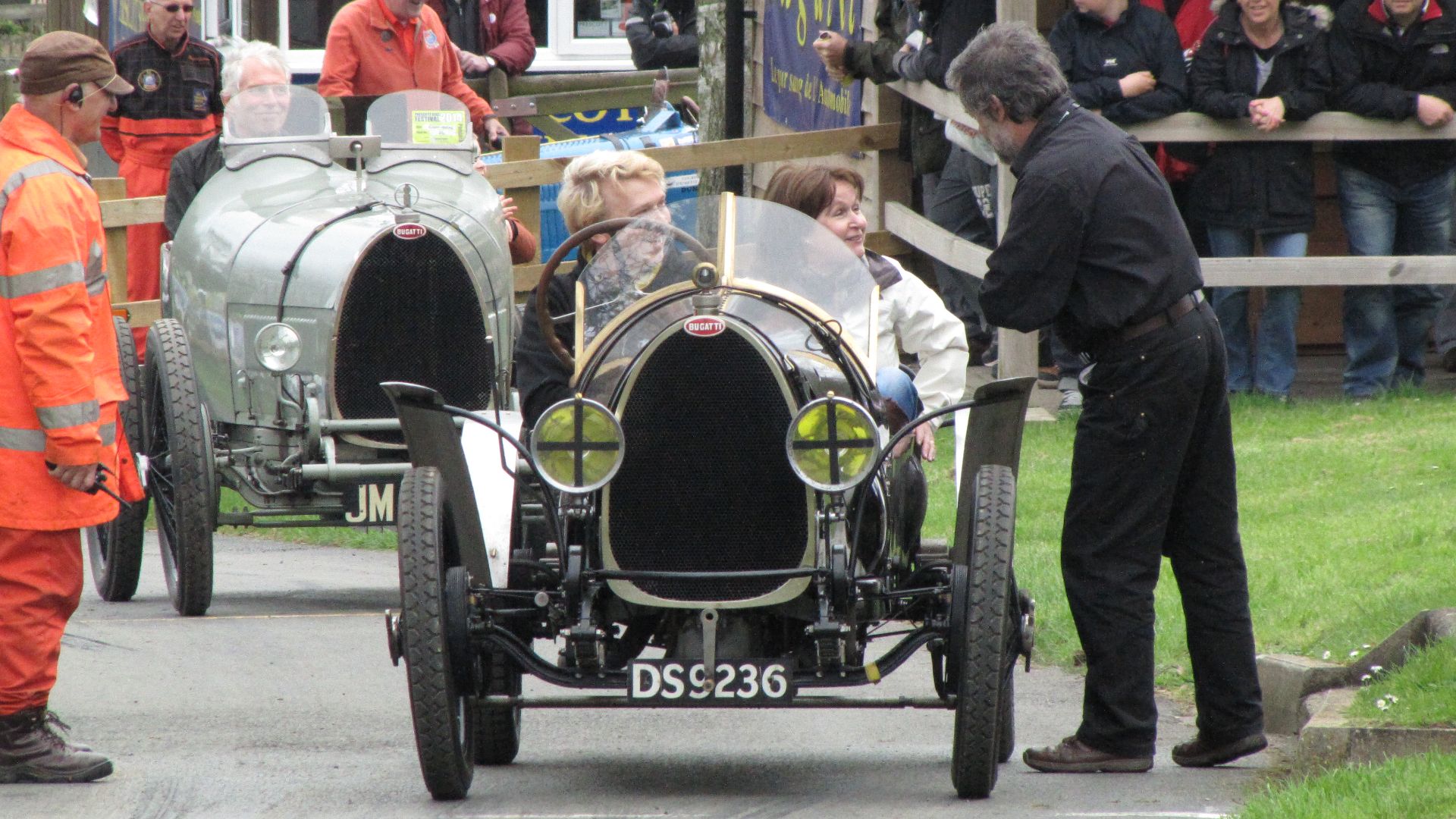
Everything the badge means starts here. A 1.5-litre four sat in a chassis light enough to embarrass much bigger machinery, and it took the first four places at the 1921 Grand Prix at Brescia, picking up its nickname on the spot. Owners got a properly fast car for sensible money, which isn't a sentence you can write about much else on this list.
 Robert Hummerstone on Wikimedia
2. Type 35
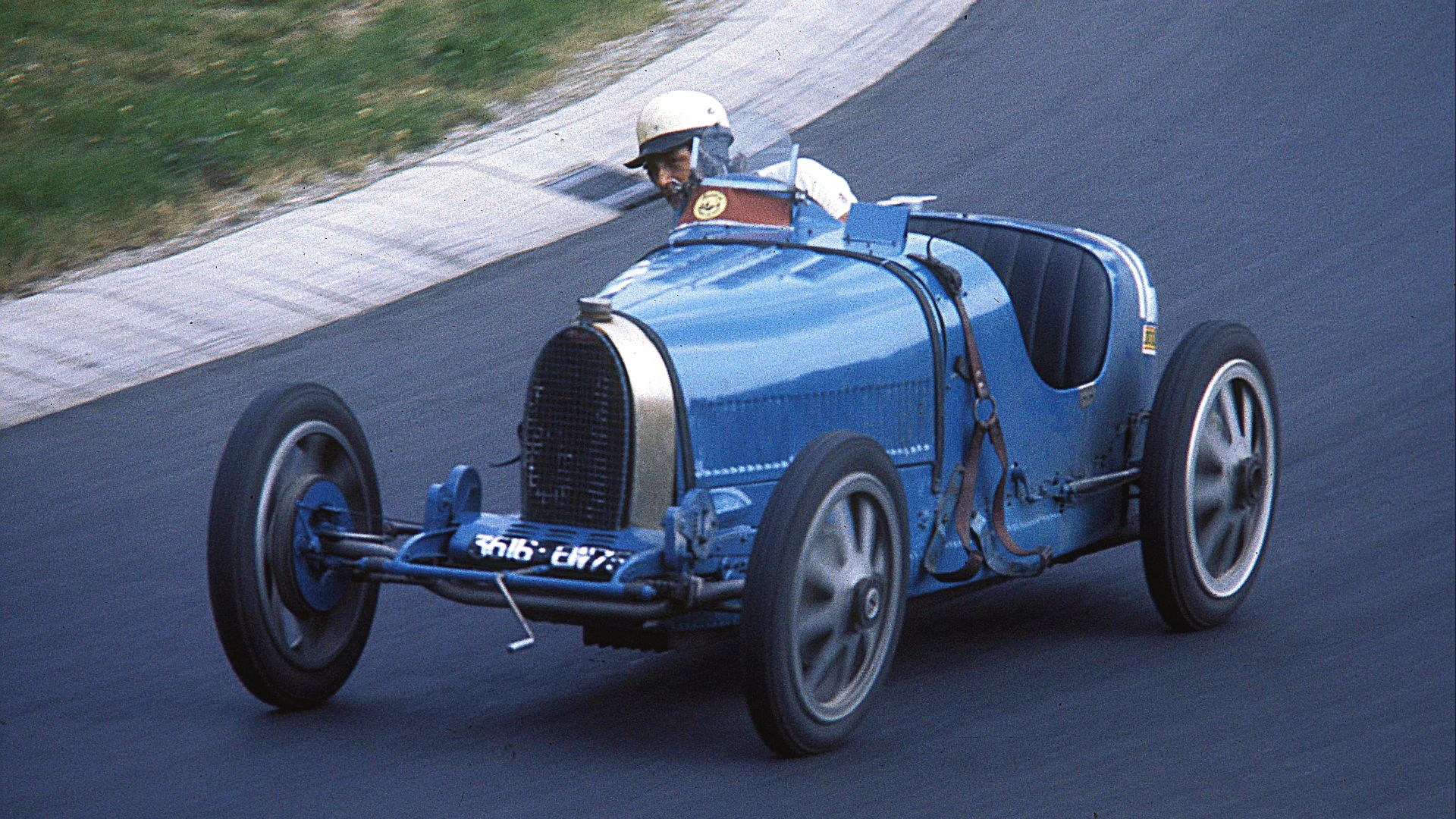
Bugatti's own account has the Type 35 family winning almost 2,000 races in the decade after its 1924 debut at Lyon, which nothing else has come near. Around 350 were built, so a privateer could simply buy one and go racing. It took the Targa Florio five years in a row. The cast alloy wheels with brake drums built into them were a real piece of thinking.
3. Type 55
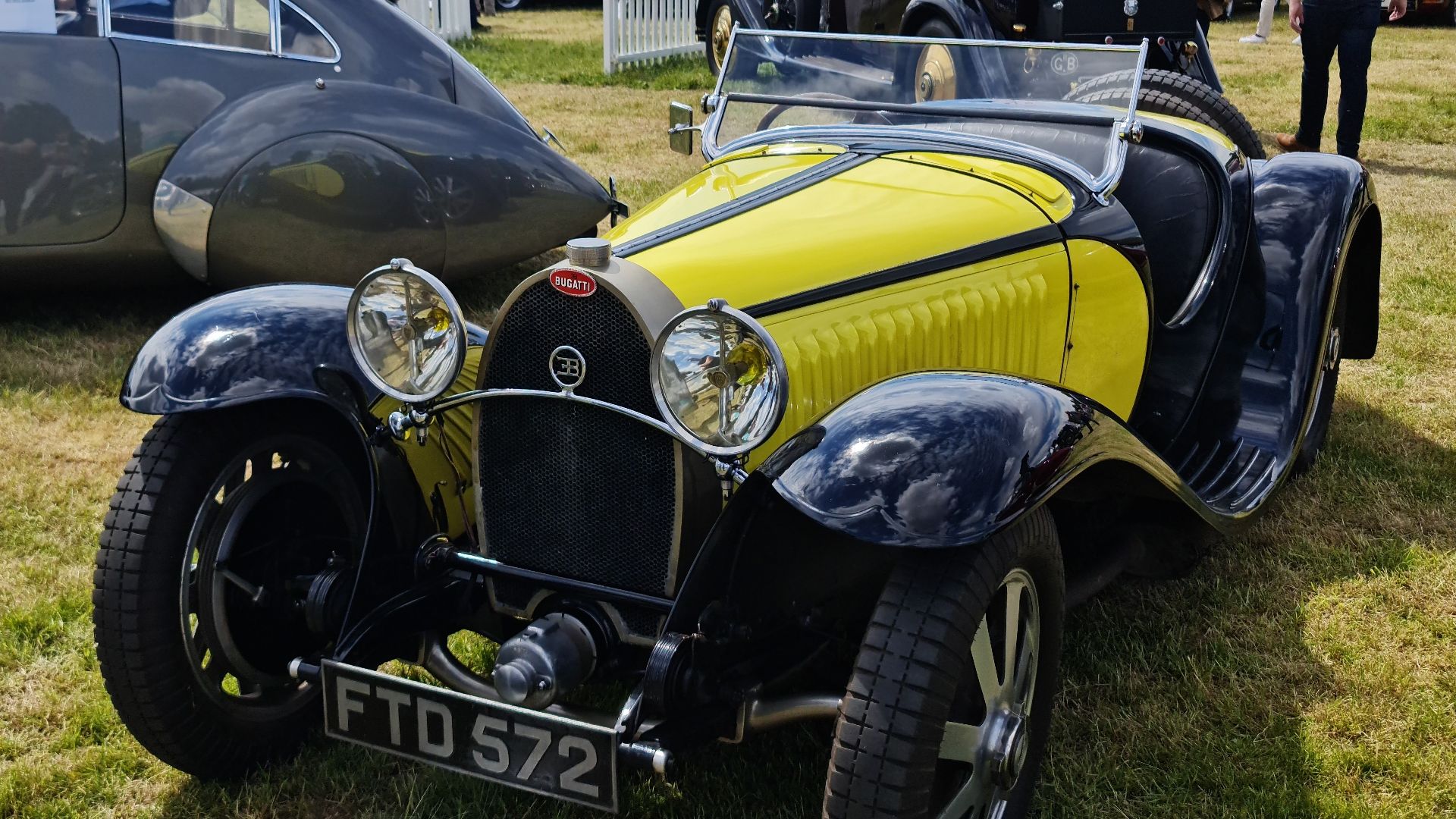
This was the Type 51 Grand Prix engine dropped into a road chassis, with bodywork styled by Jean Bugatti. Roughly 38 were built. It's one of the few honest cases of a manufacturer selling you the actual racing car with number plates bolted on. The survivors trade for sums that make a Veyron look like sensible money.
4. Type 57
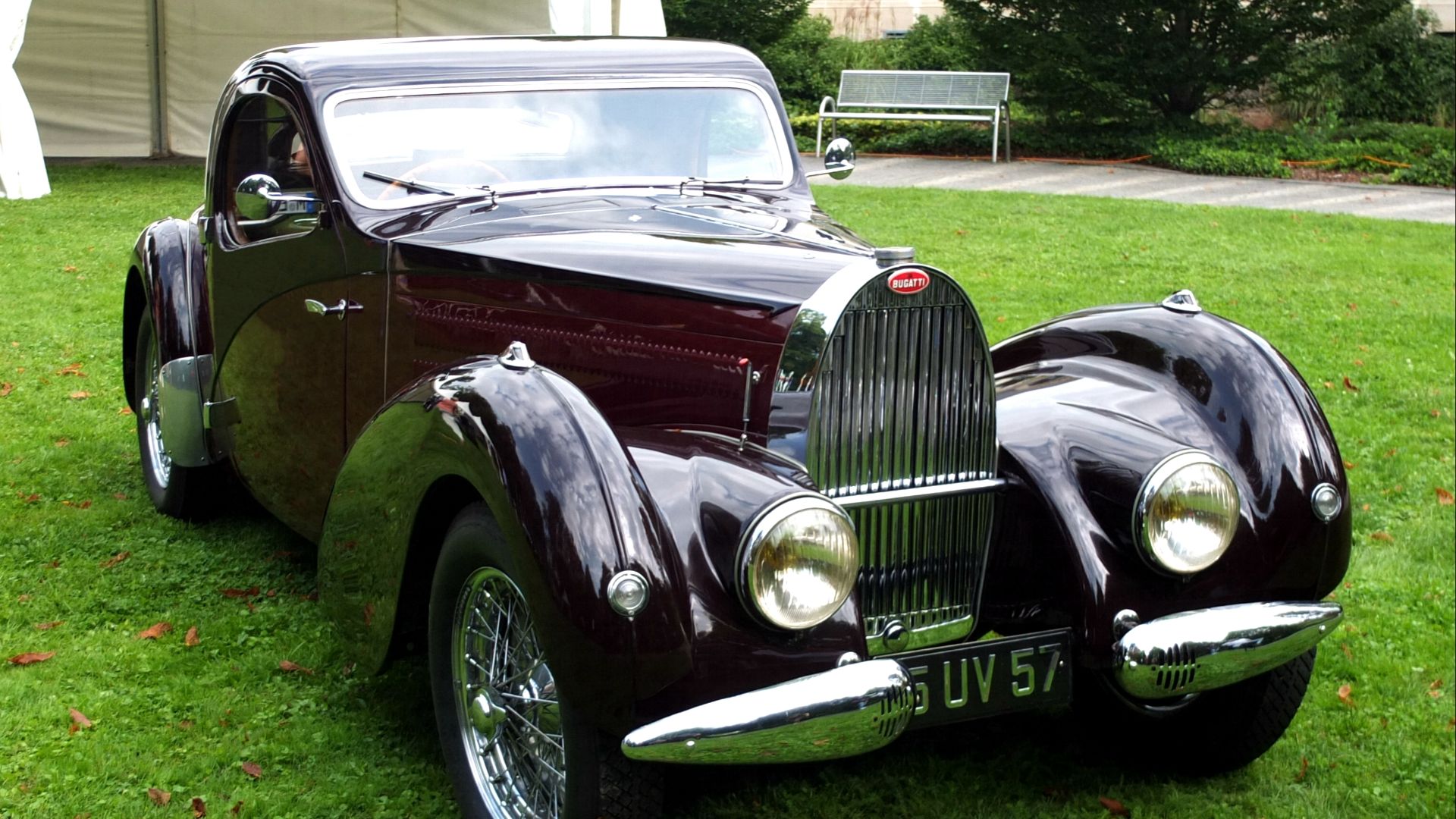
The sensible one, and the reason the company got through the 1930s at all. Jean Bugatti designed a 3.3-litre twin-cam straight-eight that was quick and reliable enough to use properly. Some 700 were built across the variants, which by Bugatti standards counts as mass production. It also paid for the racing programme.
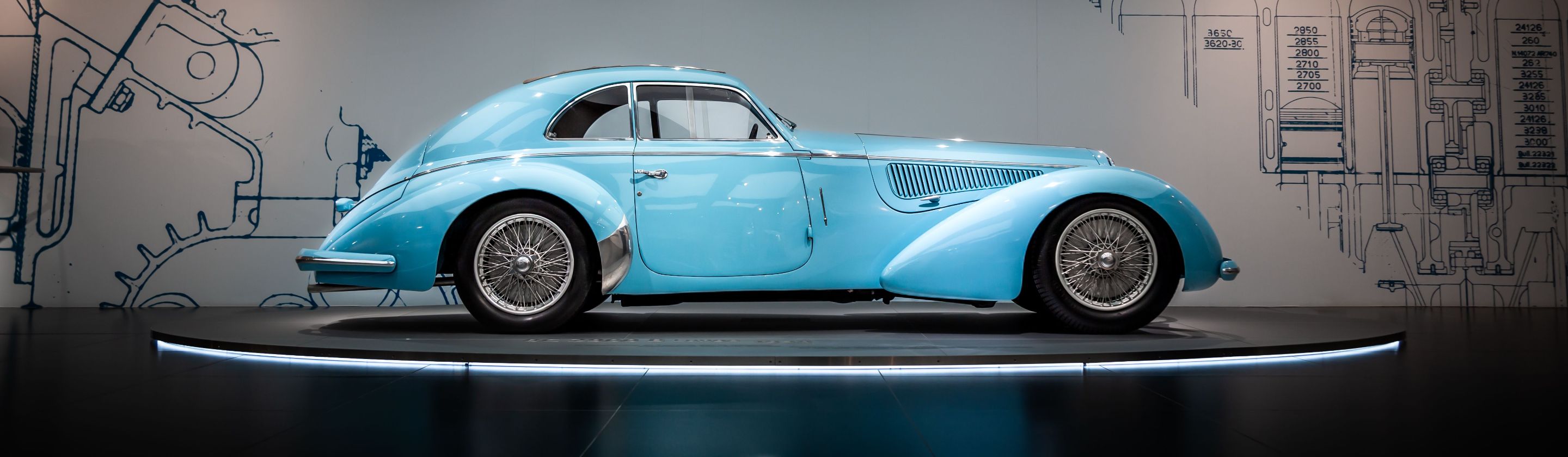
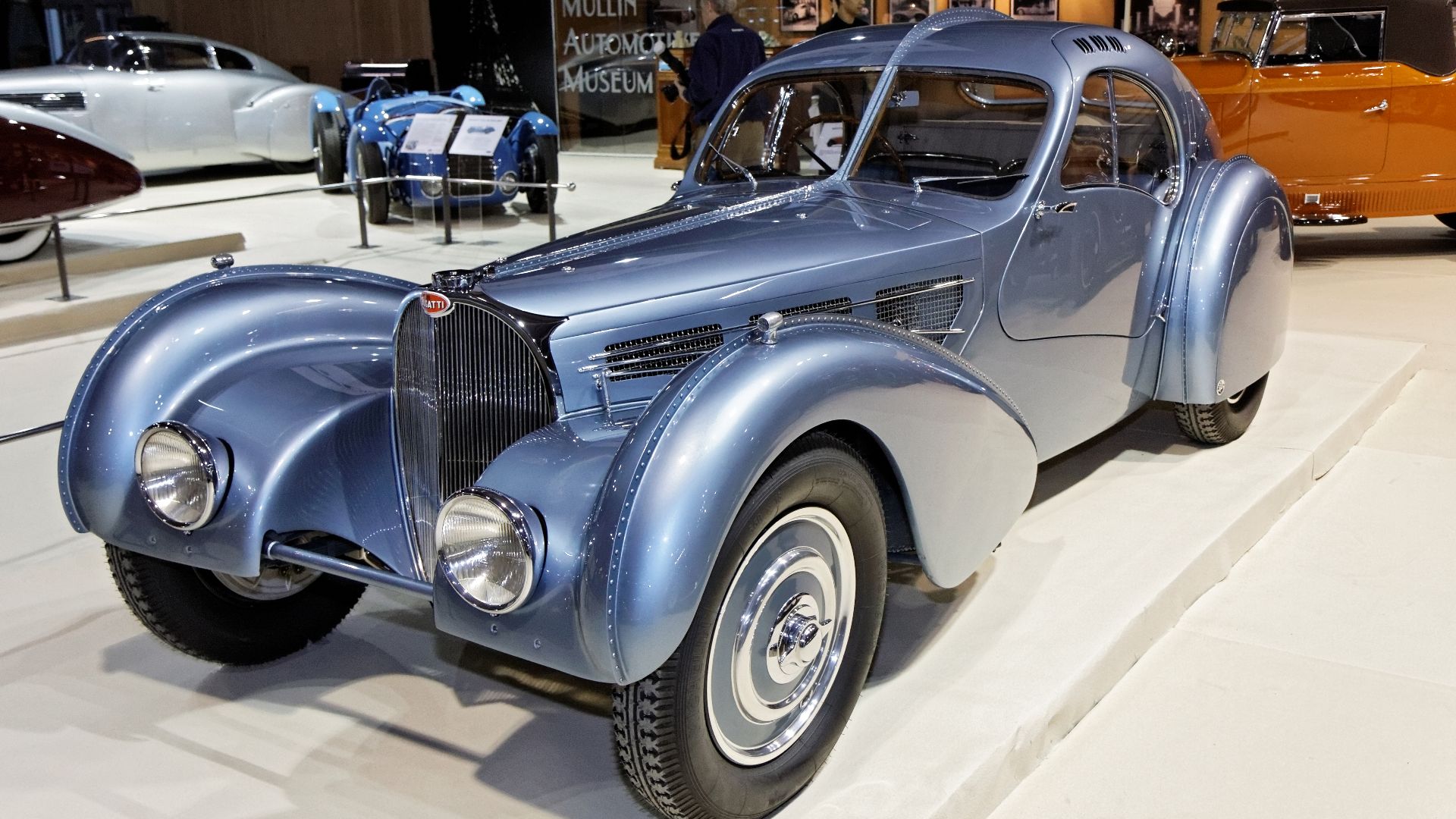
5. Type 57SC Atlantic
Four were made and three survive, which puts the Atlantic among the most valuable cars anywhere. The riveted seam running down its spine came from working in magnesium alloy, a material you can't safely weld, so the most famous styling detail in the company's history began as a workaround. Jean Bugatti's own car vanished before the Second World War and has never been found.
6. Type 57G Tank
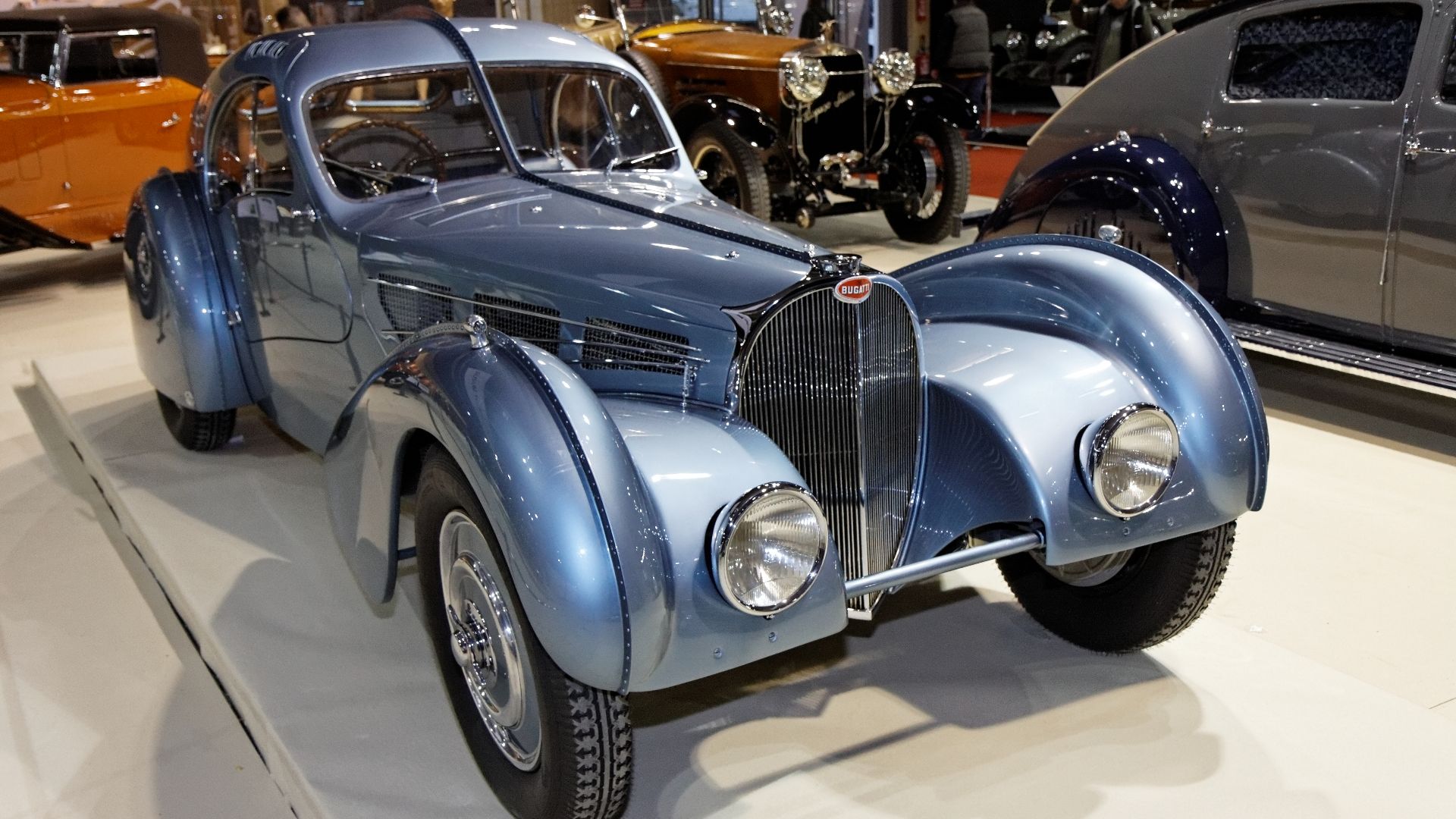
The streamlined bodywork looked ridiculous in 1936 and went on to win Le Mans twice, in 1937 and again in 1939. The winning crew the second time included Pierre Veyron, whose name the company would put on a car some sixty years later. Aerodynamics were barely understood then, and Bugatti got most of the way there by eye. Only a handful were built, and they stayed works cars.
7. EB110 Super Sport
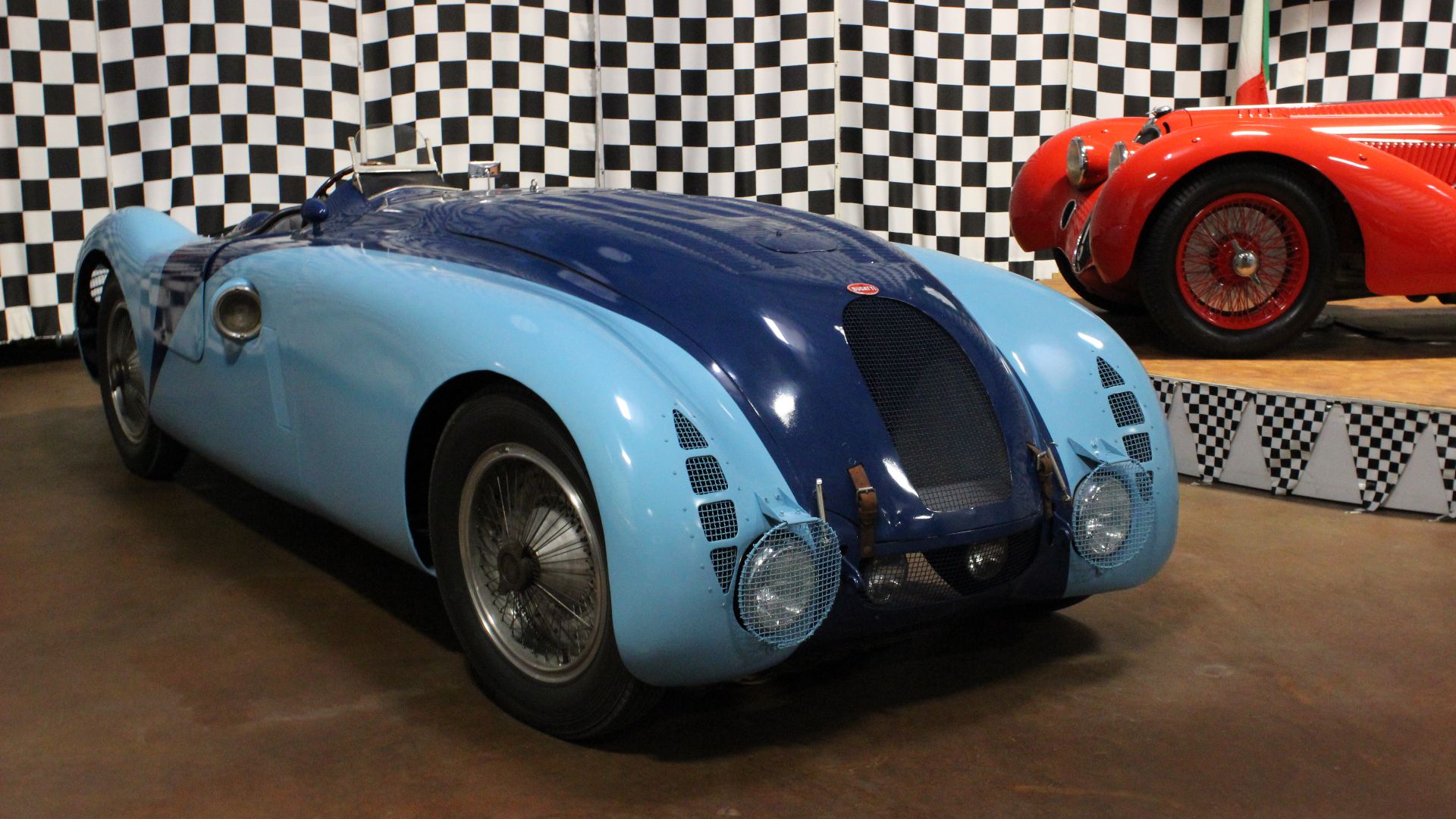
The 1990s revival under Romano Artioli produced a quad-turbocharged V12 with four-wheel drive and a carbon fibre chassis, in 1992, when most supercars were still steel and rear-drive. The Super Sport made around 600 horsepower. Its maker collapsed in 1995, though the car was years ahead of anything else on sale.
8. Veyron 16.4
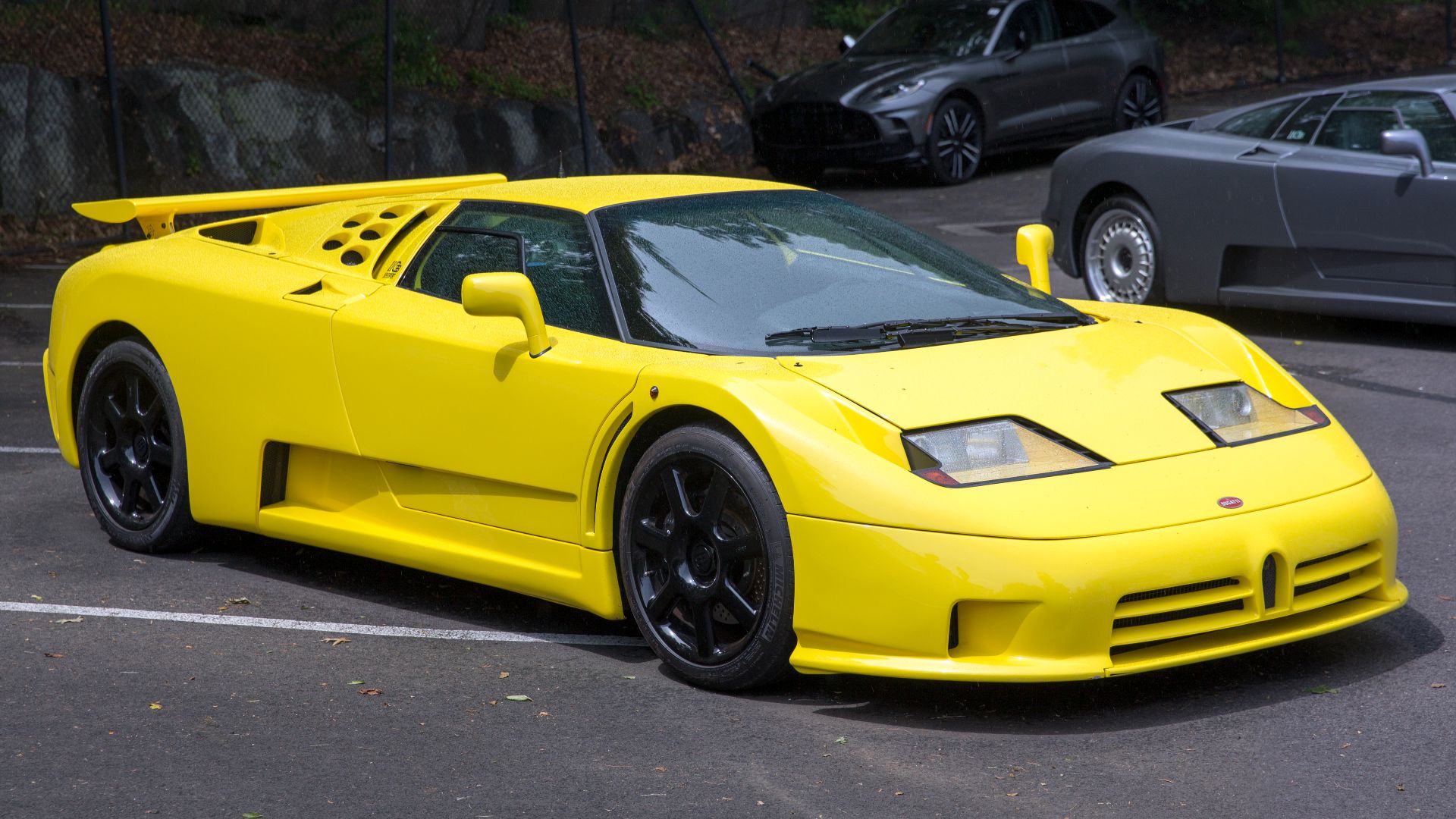
A 1,001 PS quad-turbo W16 with ten radiators, good for 253 mph when nothing else was within fifty of it. Sanford C. Bernstein estimated a loss of about £3.9 million on every car sold, so this was an engineering exercise with a price tag attached. It reset what a hypercar was expected to do, and everything since has been answering it.
9. Chiron Super Sport 300+
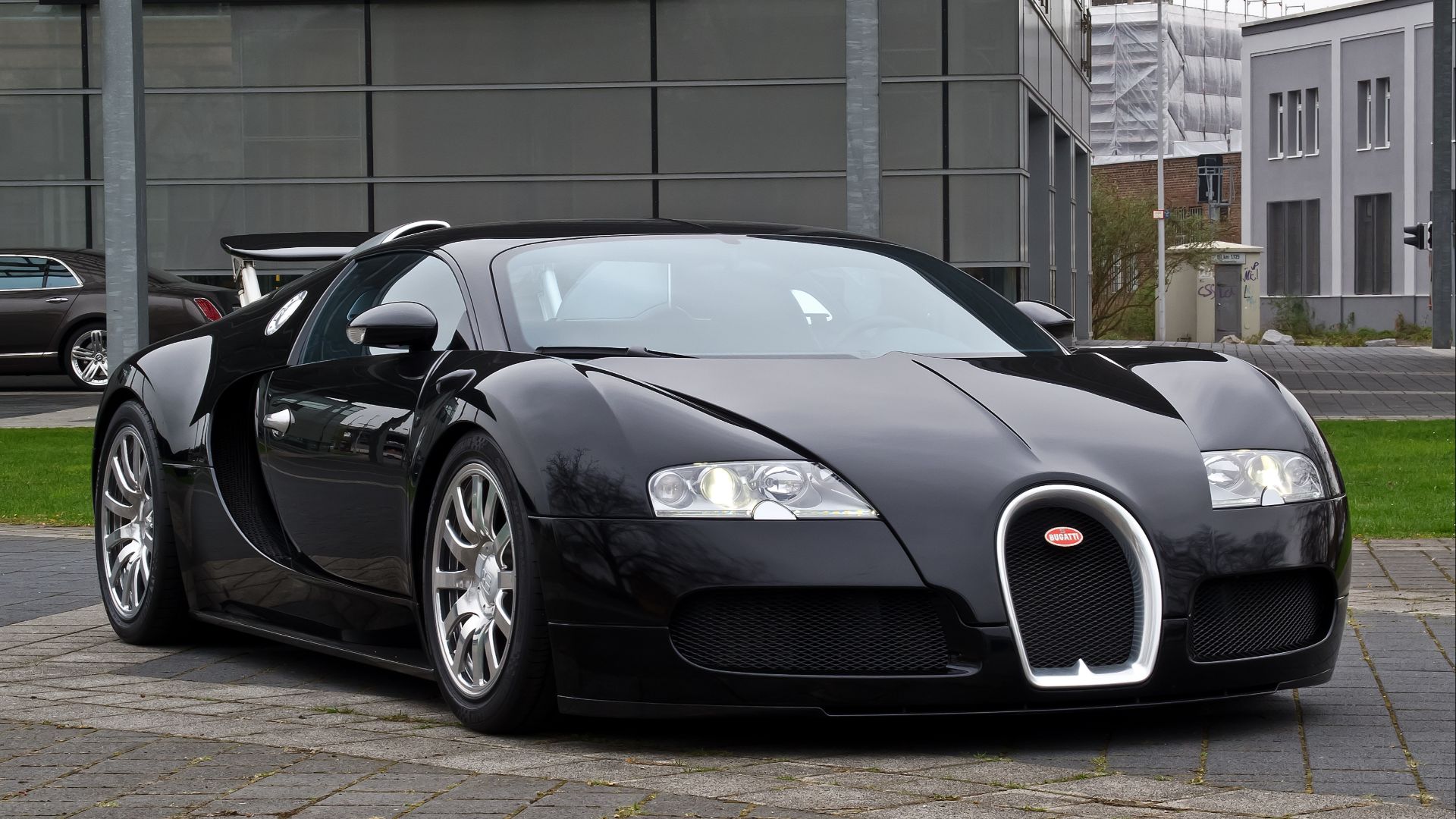
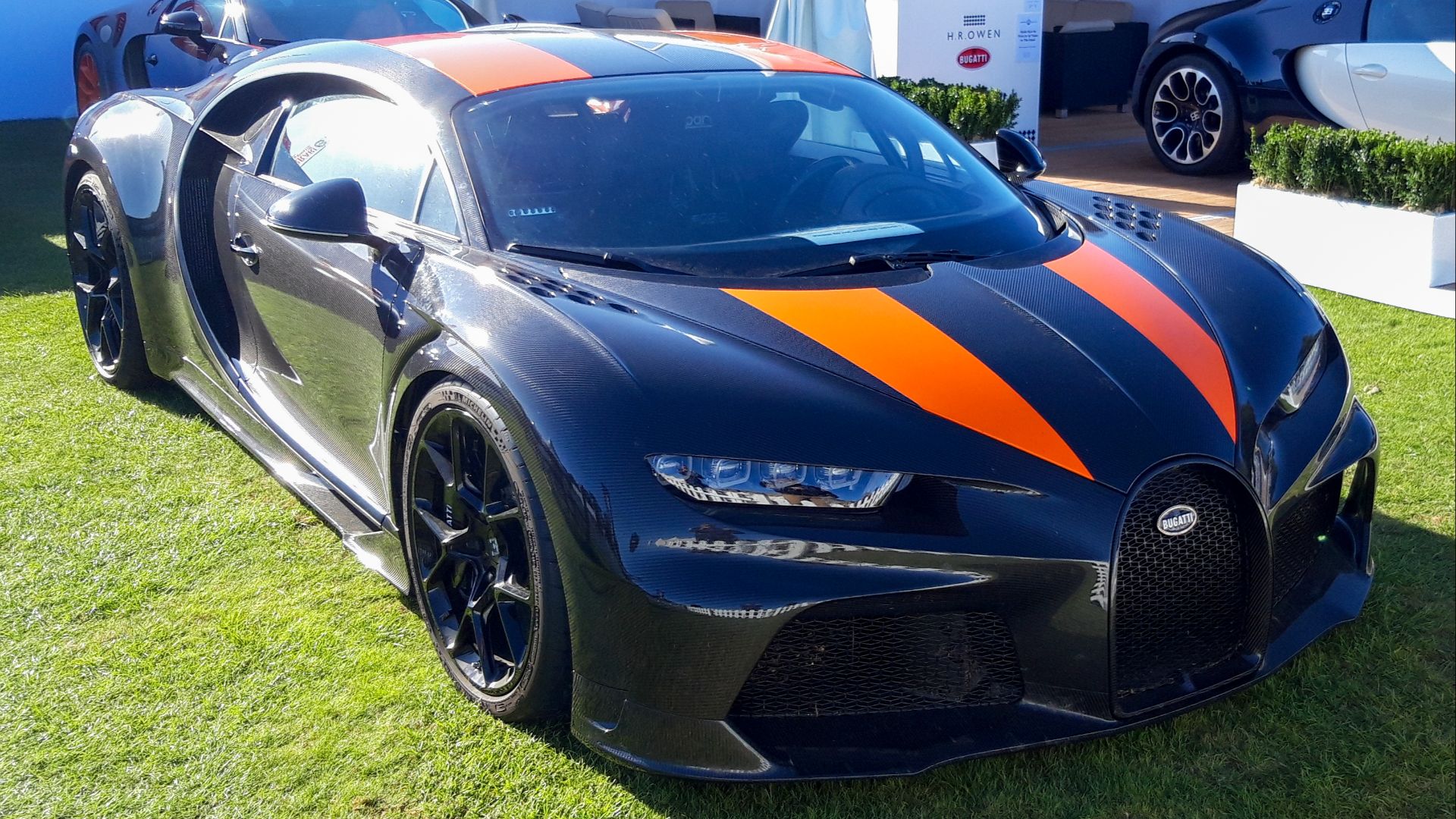
Andy Wallace took a modified Chiron to 304.773 mph at Ehra-Lessien in 2019, the first production-derived car past 300. The 30 customer cars were electronically limited well below that, sensibly enough and slightly beside the point. Nobody has repeated the run since, and Bugatti said afterward that it was done chasing the number.
10. Tourbillon
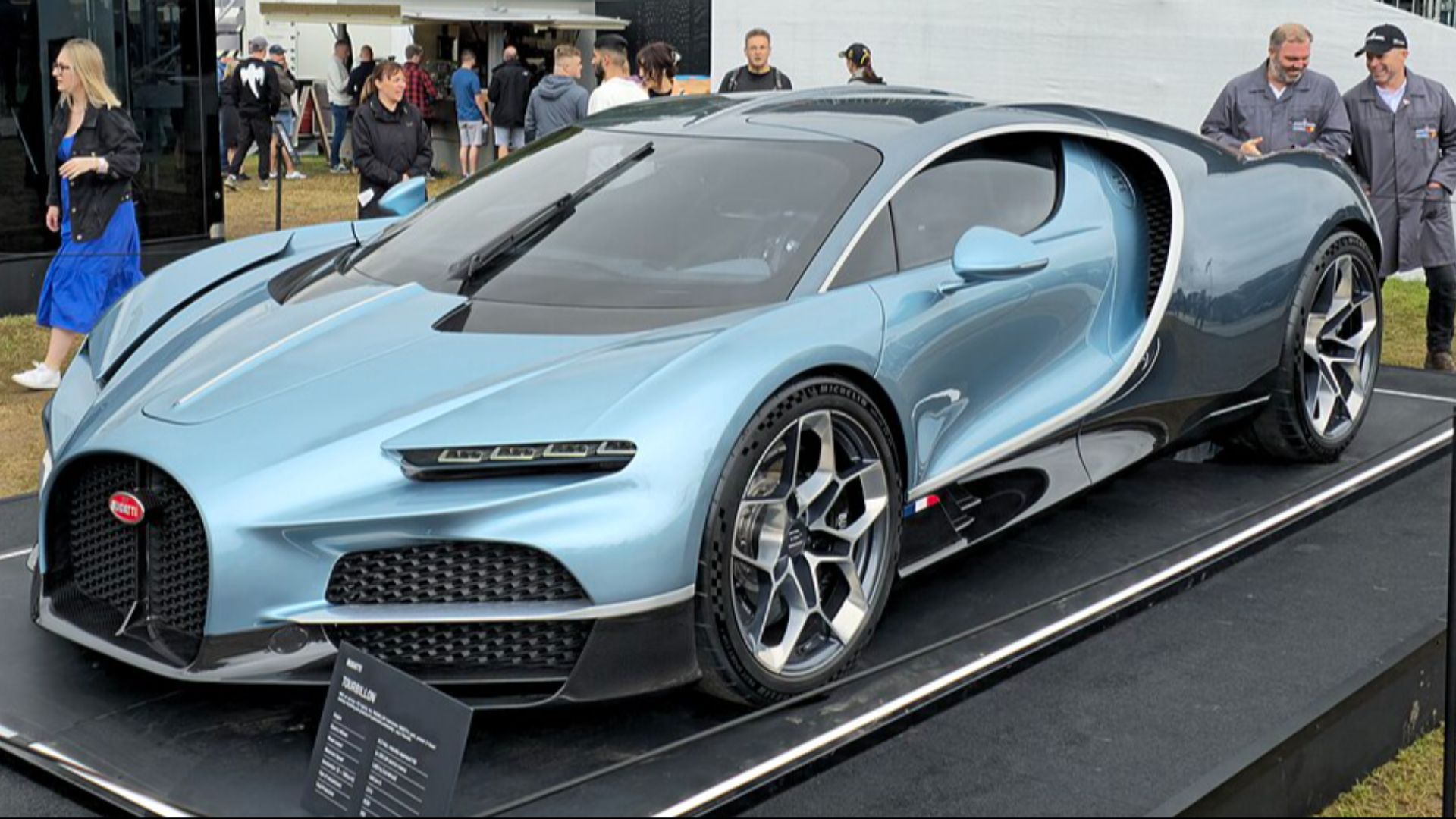
The 2024 Chiron replacement dropped the W16 for a naturally aspirated 8.3-litre V16 with three electric motors, 1,800 horsepower all in. Going naturally aspirated and adding cylinders while everyone else shrank everything is a deliberately awkward choice. At roughly $4 million it's hardly cheap, though the engineering is doing the work.
Now, here's 10 where the money went somewhere other than the engineering.
1. Type 41 Royale
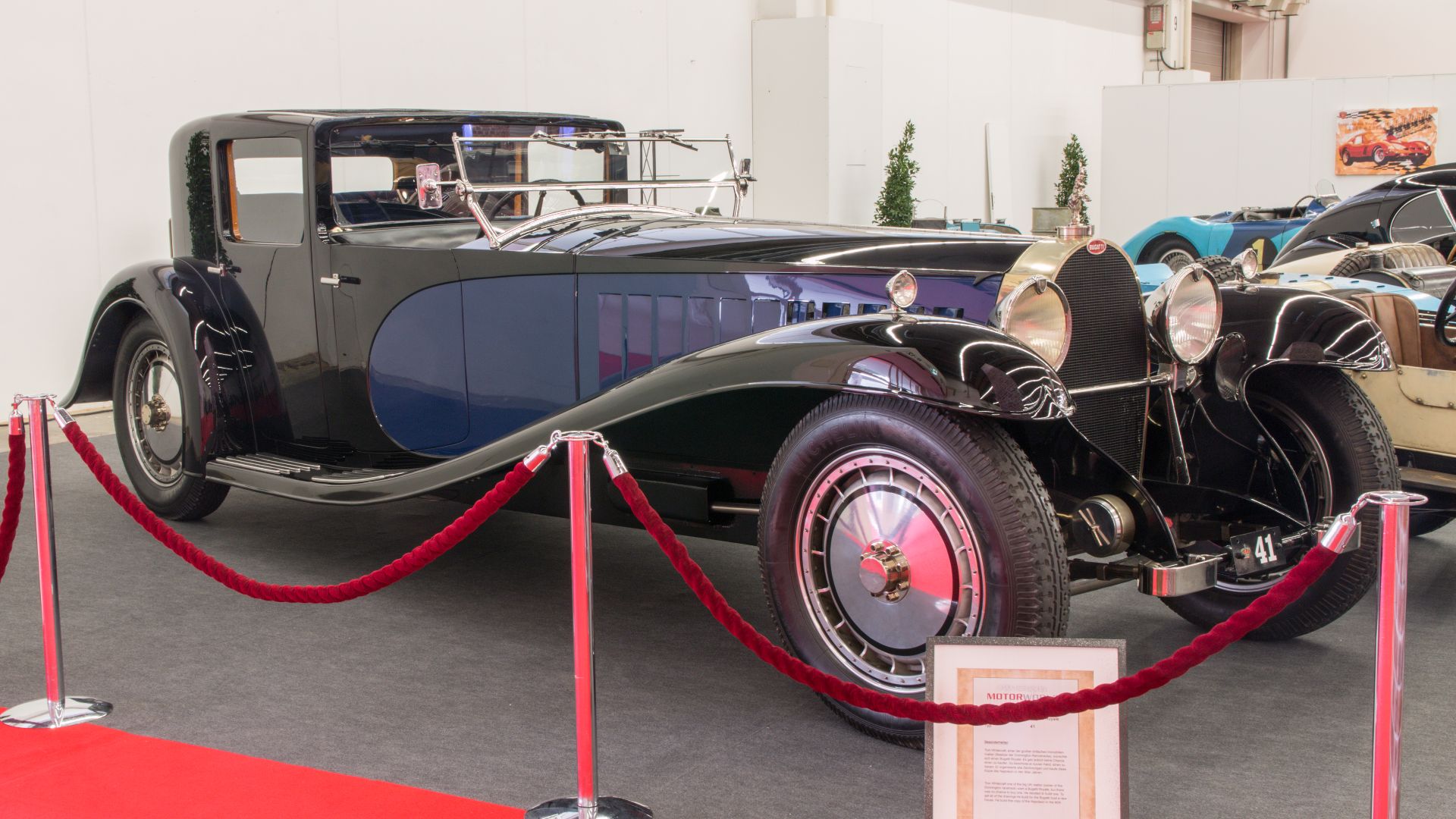
A 12.7-litre straight-eight making about 300 horsepower, in a car Ettore meant to sell to actual royalty. Six were built against a plan for twenty-five, and only three or four found outside buyers, because he launched it into the Great Depression. The engine went on to a second career powering French railcars, and that's where it finally made anyone money.
 Johannes Maximilian on Wikimedia
2. Type 32 Tank
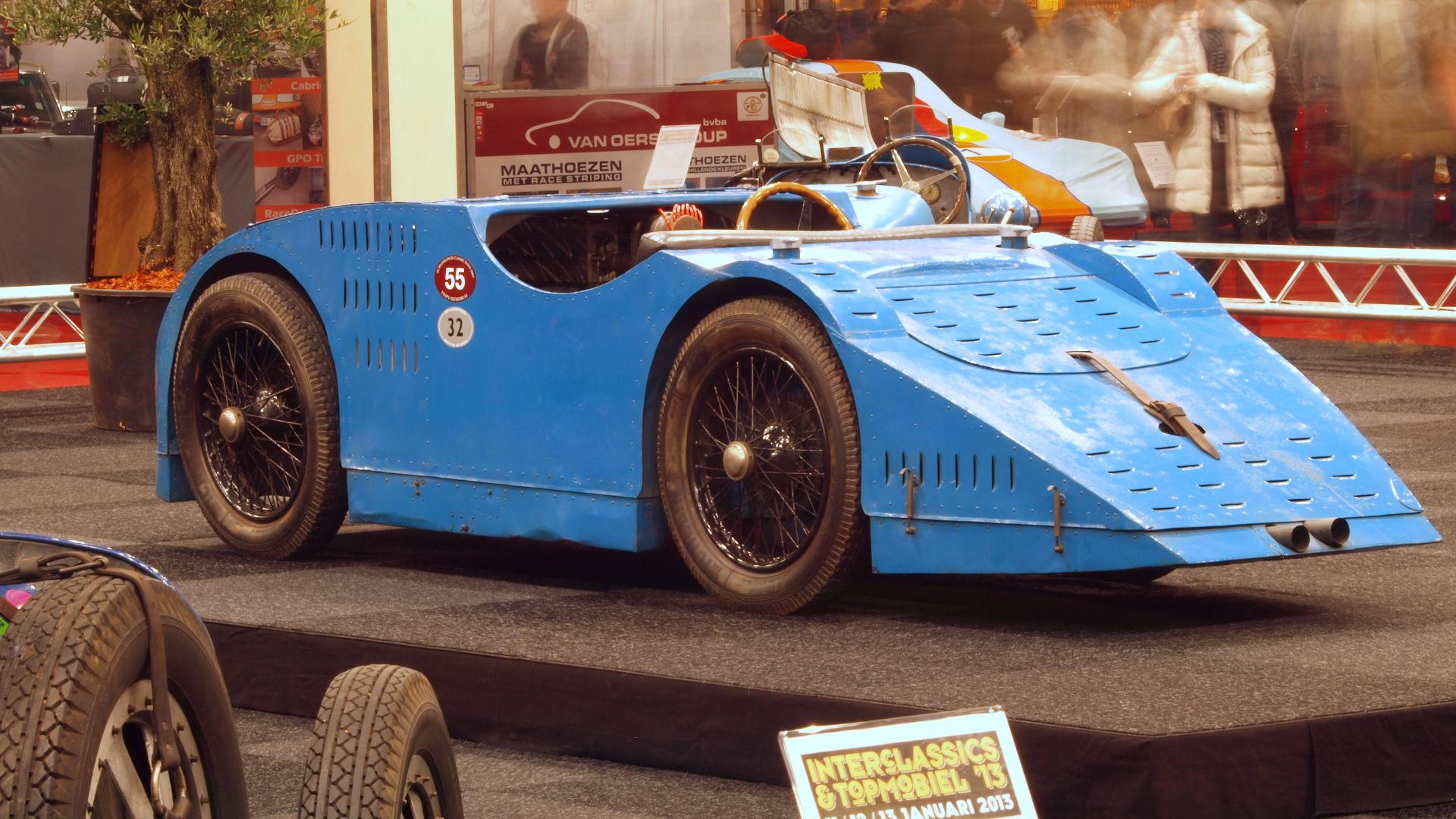
The 1923 Grand Prix car was shaped like an aerofoil, with a stubby wheelbase and bodywork that came down almost to the road. The aerodynamics were real and the handling was poor enough that it managed third at Tours before being dropped. Those lessons did show up in the Le Mans cars a decade on, so the folly wasn't entirely wasted.
3. Type 100P
Ettore and the engineer Louis de Monge started work in Paris in 1937 on a racing aeroplane meant to take the world airspeed record, with projected speeds somewhere near 500 mph. Germany invaded before it was finished, so the pair crated it up and hid it in a barn. It sits in a museum in Oshkosh now, having never once left the ground.
4. Type 101
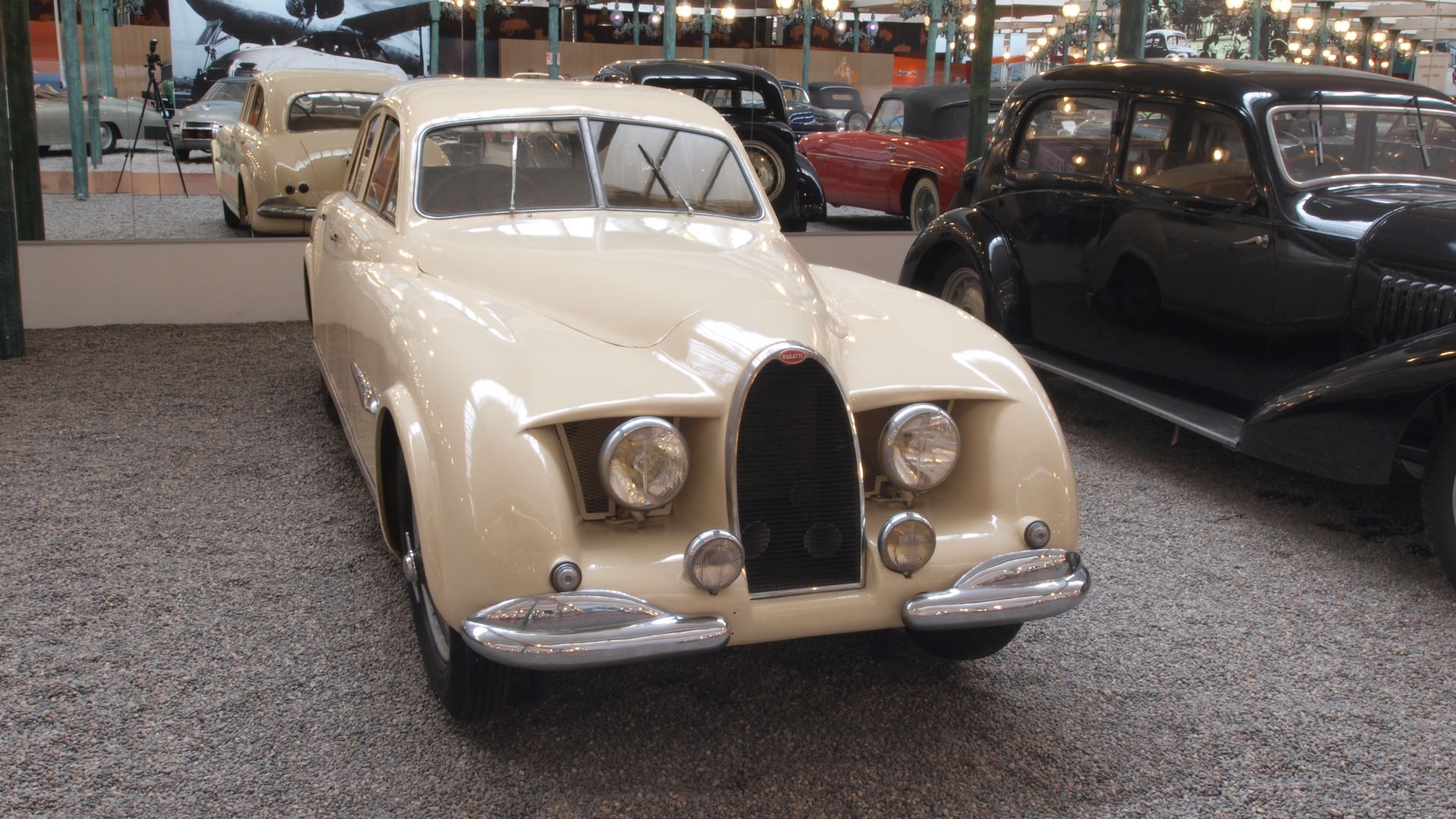
Postwar, the attempt to restart the car business put fresh bodywork on what was essentially the prewar Type 57 chassis, in 1951. Buyers noticed. Seven or so were finished before the idea was abandoned, since a fifteen-year-old chassis was a hard sell against what Jaguar had by then.
5. Type 251
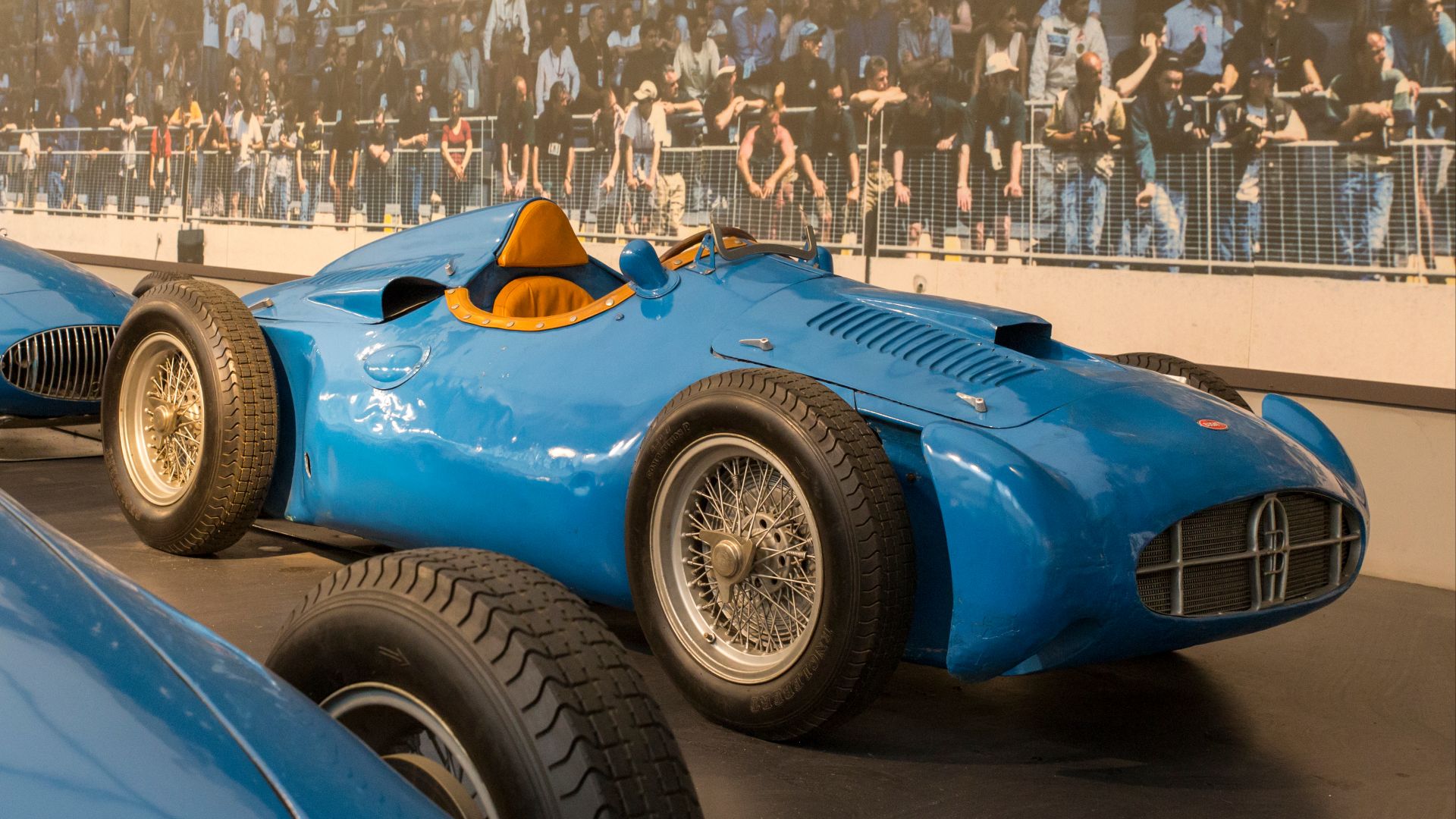
Gioacchino Colombo, of Alfetta fame, gave the last Grand Prix Bugatti a straight-eight mounted sideways in the middle of a flat chassis, with the fuel carried in bulky sidepods. Maurice Trintignant qualified it eighteenth out of twenty at Reims in 1956 and retired with a broken throttle pedal. It never raced again, and neither did Bugatti. Both cars built now sit in the national collection at Mulhouse.
6. Veyron L'Or Blanc
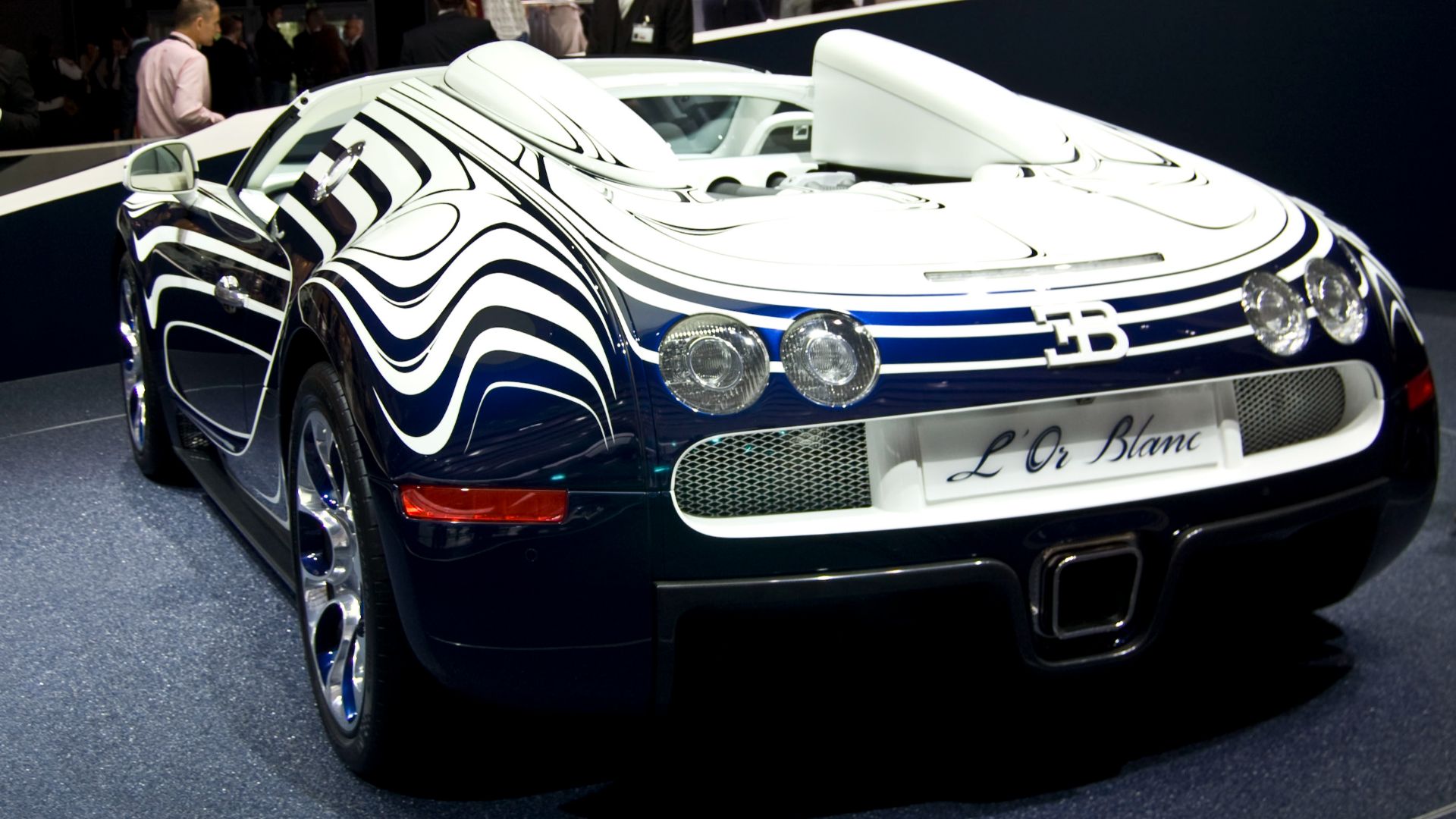
A one-off Grand Sport with body panels made of porcelain by the royal porcelain works in Berlin, finished in 2011. The claim was that nobody had ever put porcelain on the outside of a car before, and nobody has bothered since. Hanging brittle ceramic off a 253 mph car is a choice. It reportedly changed hands for around €1.65 million.
 David Villarreal Fernández on Wikimedia
7. Divo
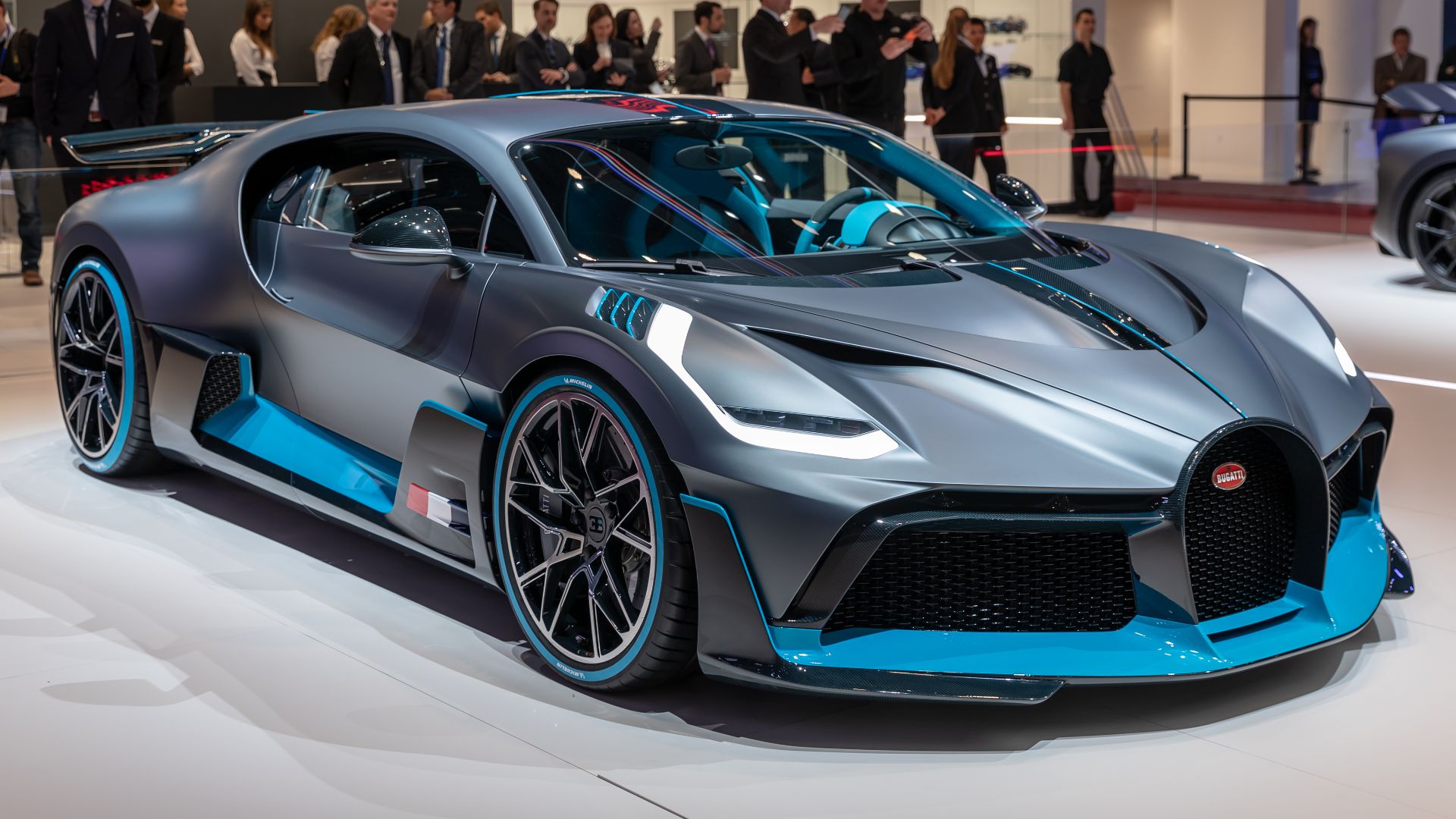
Forty of them at €5 million each, sitting on Chiron running gear with new bodywork, more downforce and a little less weight. It's a better track car than the Chiron and costs roughly twice as much. Bugatti called it more agile, and it is, by margins only a circuit would ever show you. All forty were gone before the public announcement.
 commons.wikimedia.org on Google
8. Centodieci
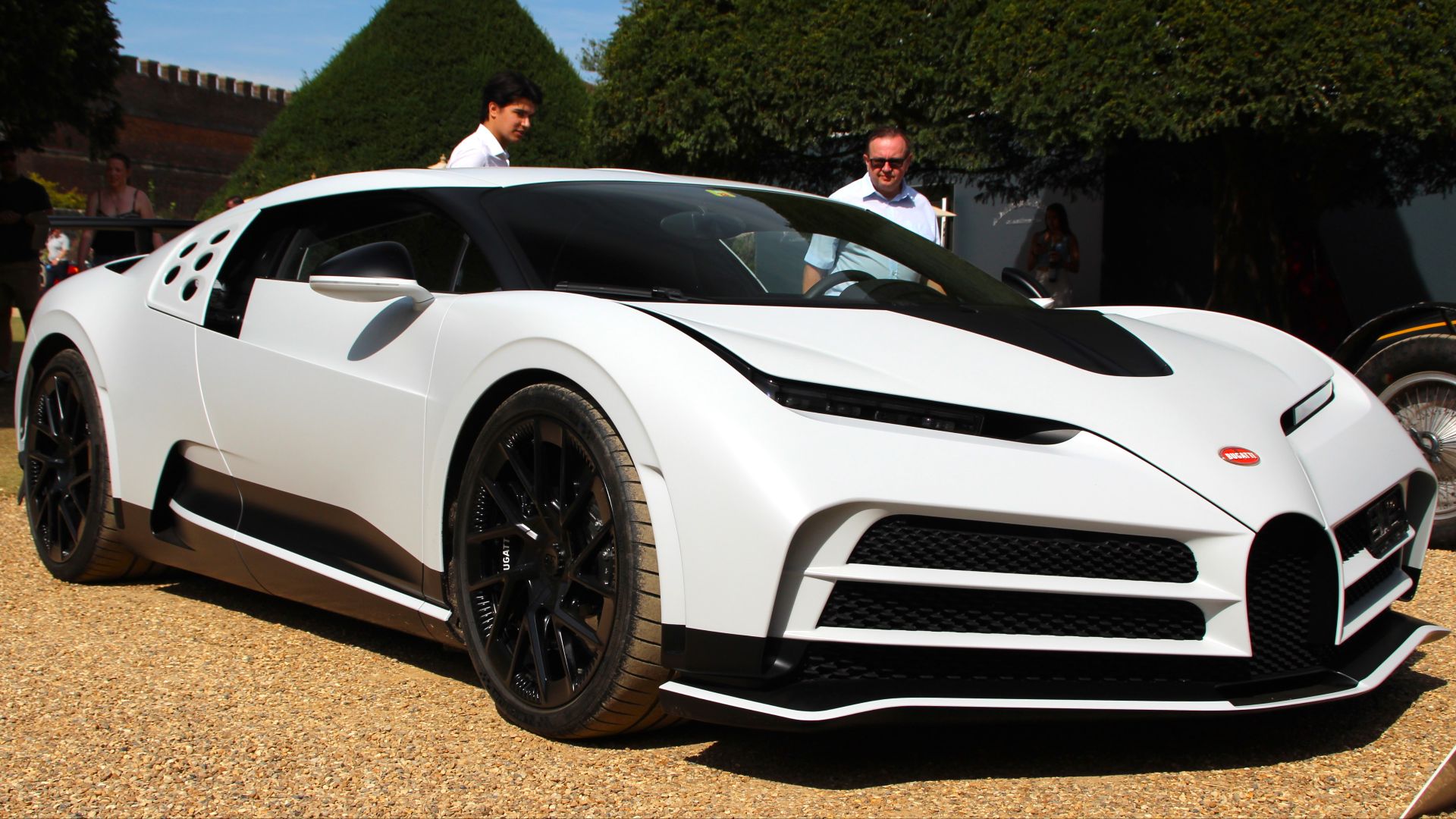
Bugatti built just ten Centodiecis at €8 million each, all based on the Chiron. The car paid tribute to the EB110, whose manufacturer went bankrupt in the 1990s, which makes the enormous price tag somewhat ironic. Even the engineering was different, with the Chiron's W16 replacing the original's V12. Buyers were paying mostly for exclusivity and nostalgia.
9. La Voiture Noire
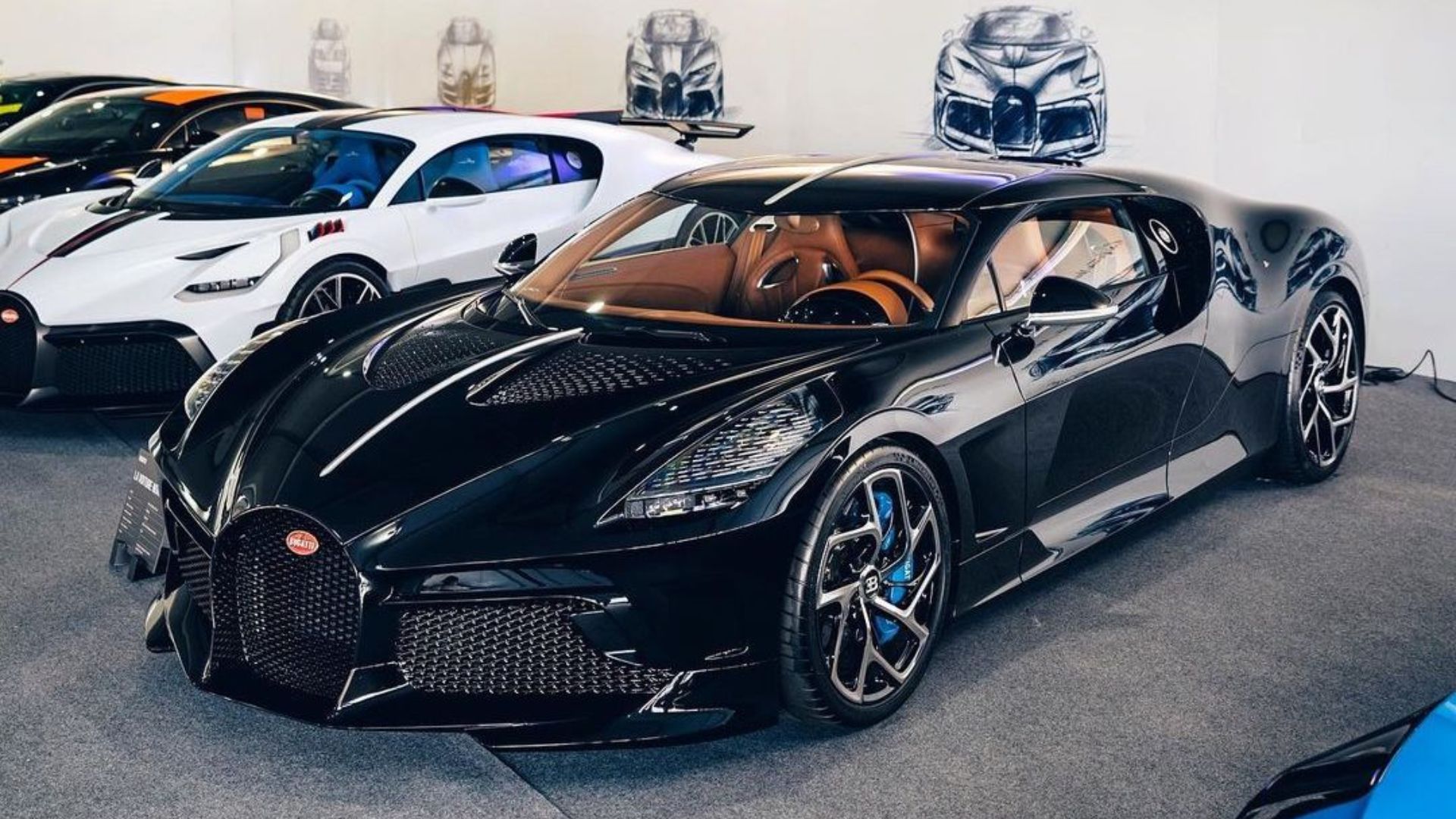
Bugatti priced La Voiture Noire at €11 million before taxes, making it the world's most expensive new car at the time. Only one was built, paying tribute to the missing Type 57 SC Atlantic once driven by Jean Bugatti. Beneath its custom carbon-fiber bodywork, though, was essentially a Chiron. The styling divided opinion, and the enormous premium was difficult to justify on engineering grounds alone.
10. Baby II
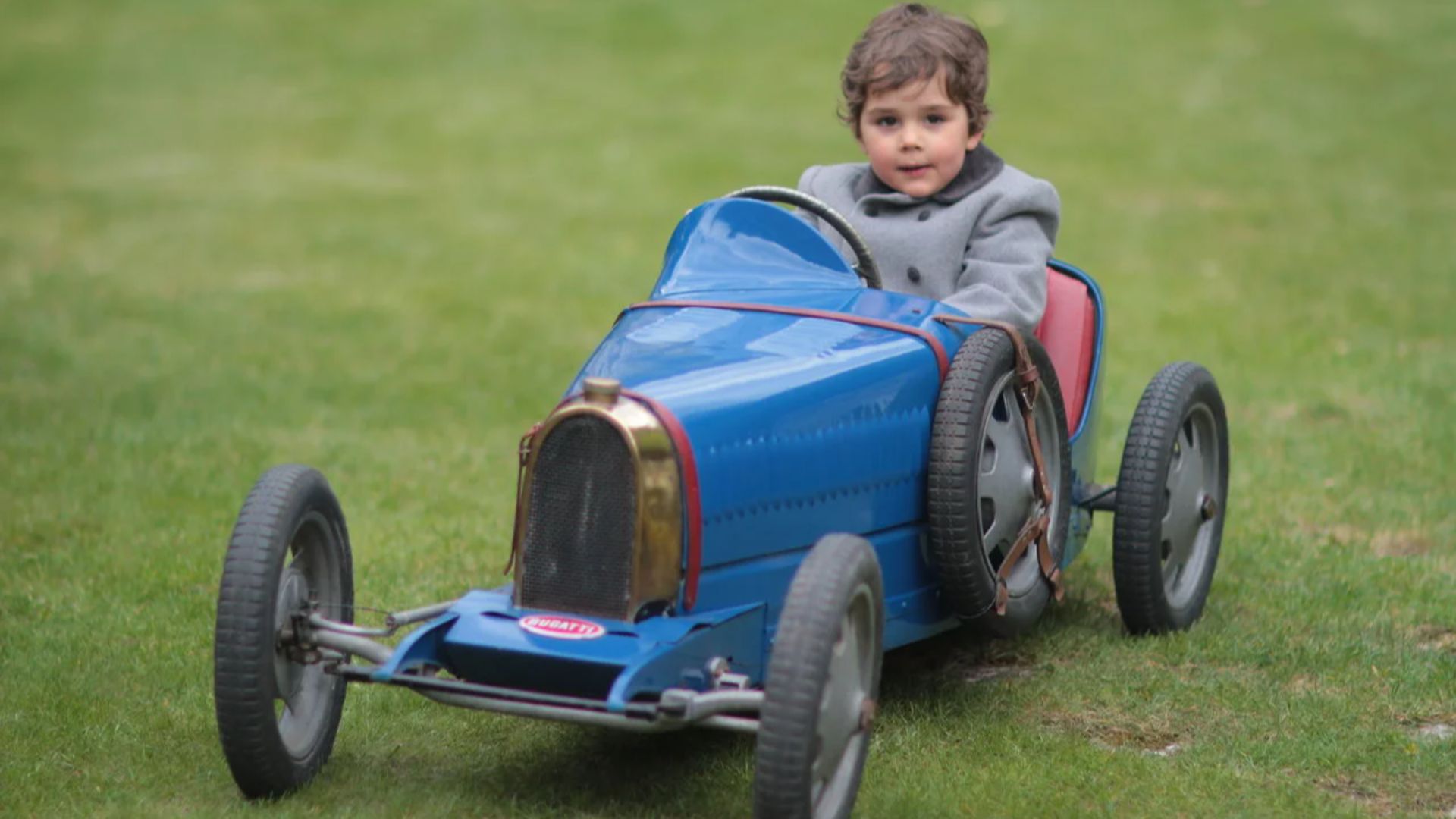
In 2019 the company announced a three-quarter-scale electric replica of the Type 35, 500 of them, at around $35,000 apiece. It's a toy priced like a well-equipped family saloon, and it sold out. As brand management that's impressive, and it's still thirty-five grand for a pedal car with a battery in it.