Good Ideas, Bad Timing, One Plant
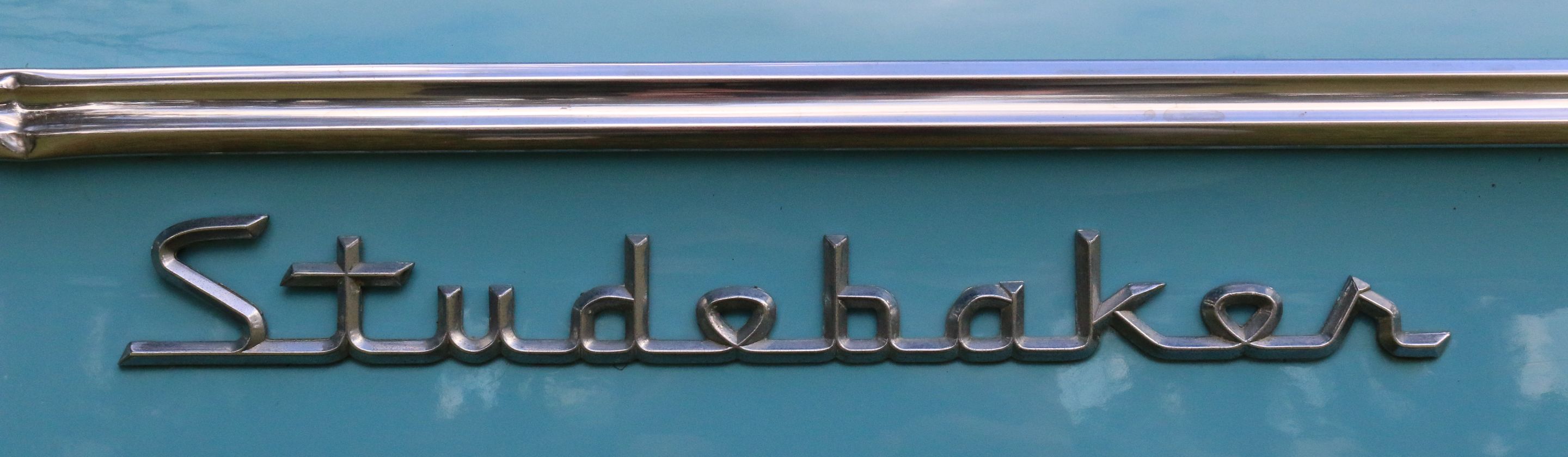
Studebaker built wagons long before it built cars, and by the postwar years it was producing some of America's most distinctive designs. Its engineers and stylists could rival Detroit's best, but aging factories and mounting losses made it hard to compete. Some models introduced ideas the industry would adopt years later, while others revealed how quickly the company was running out of options. Here are 10 Studebakers ahead of their time and 10 that helped bring the company down.
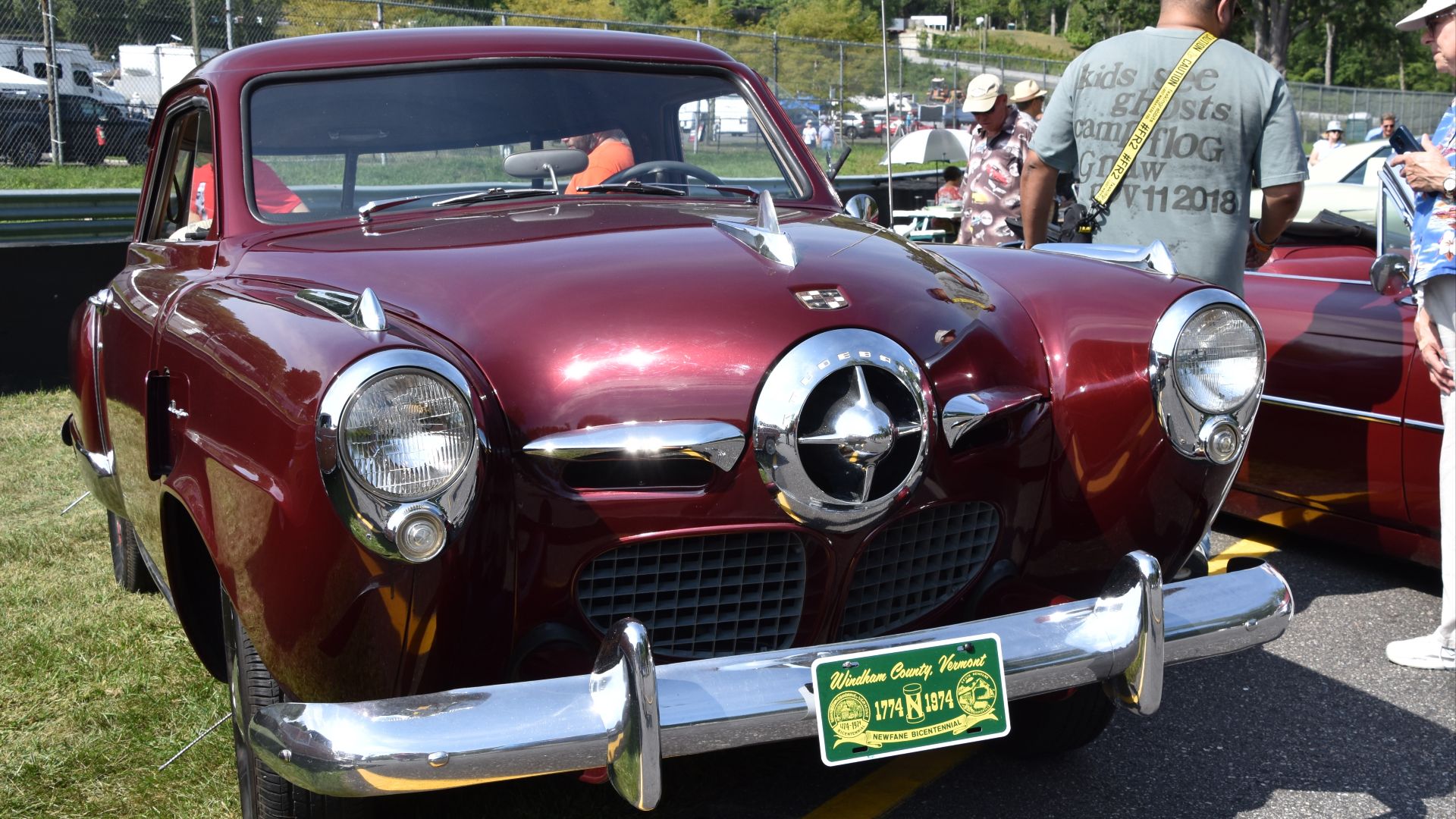 Charles from Port Chester, New York on Wikimedia
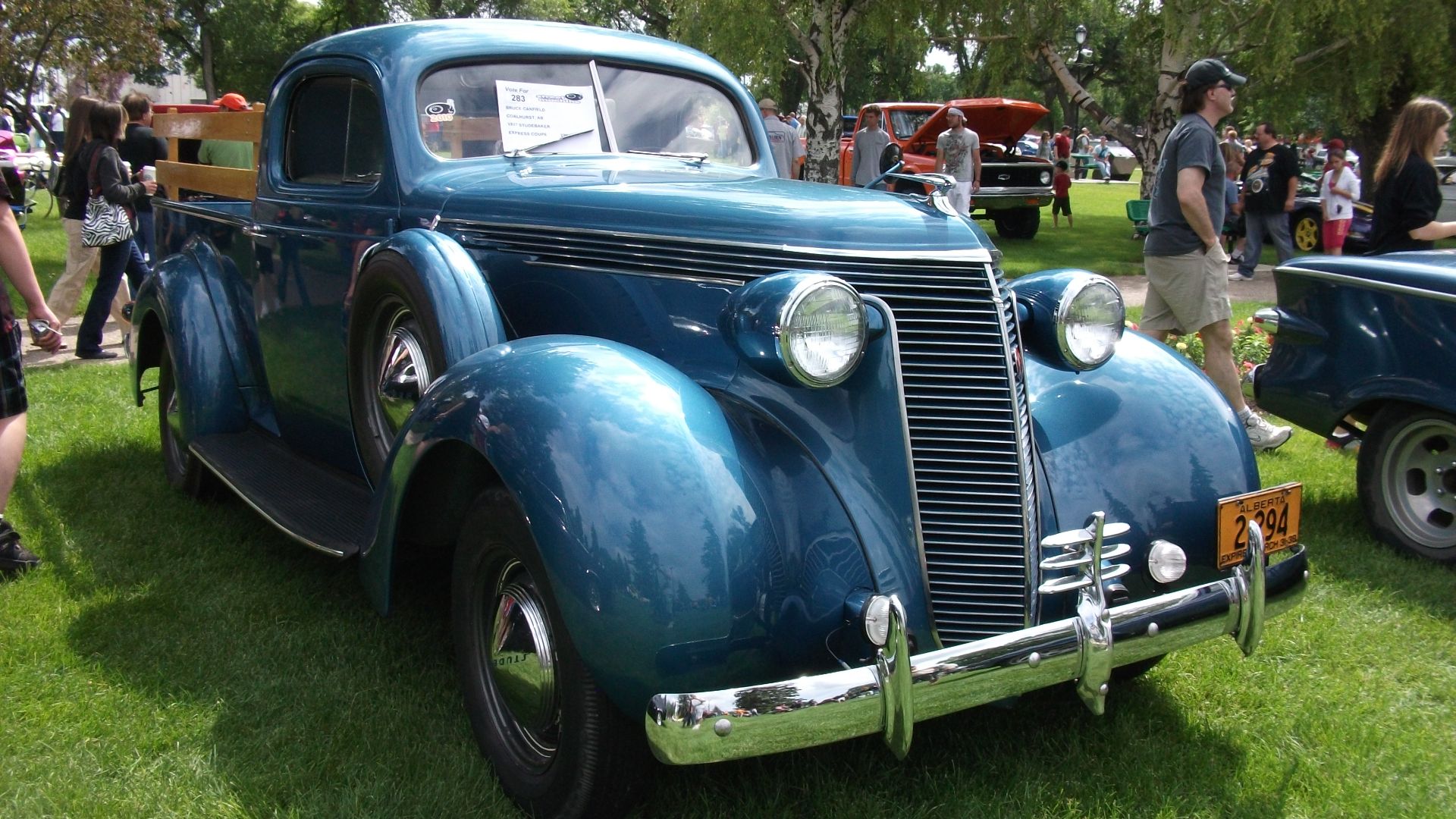
1. 1937 Coupe Express
Studebaker fitted a pickup bed to a passenger-car chassis in 1937, twenty years before Ford introduced the Ranchero. The Coupe Express looked like a car up front and largely rode like one, too. But buyers still expected a truck to look like a truck, and Studebaker discontinued it after just three model years.
 dave_7 from Lethbridge, Canada on Wikimedia
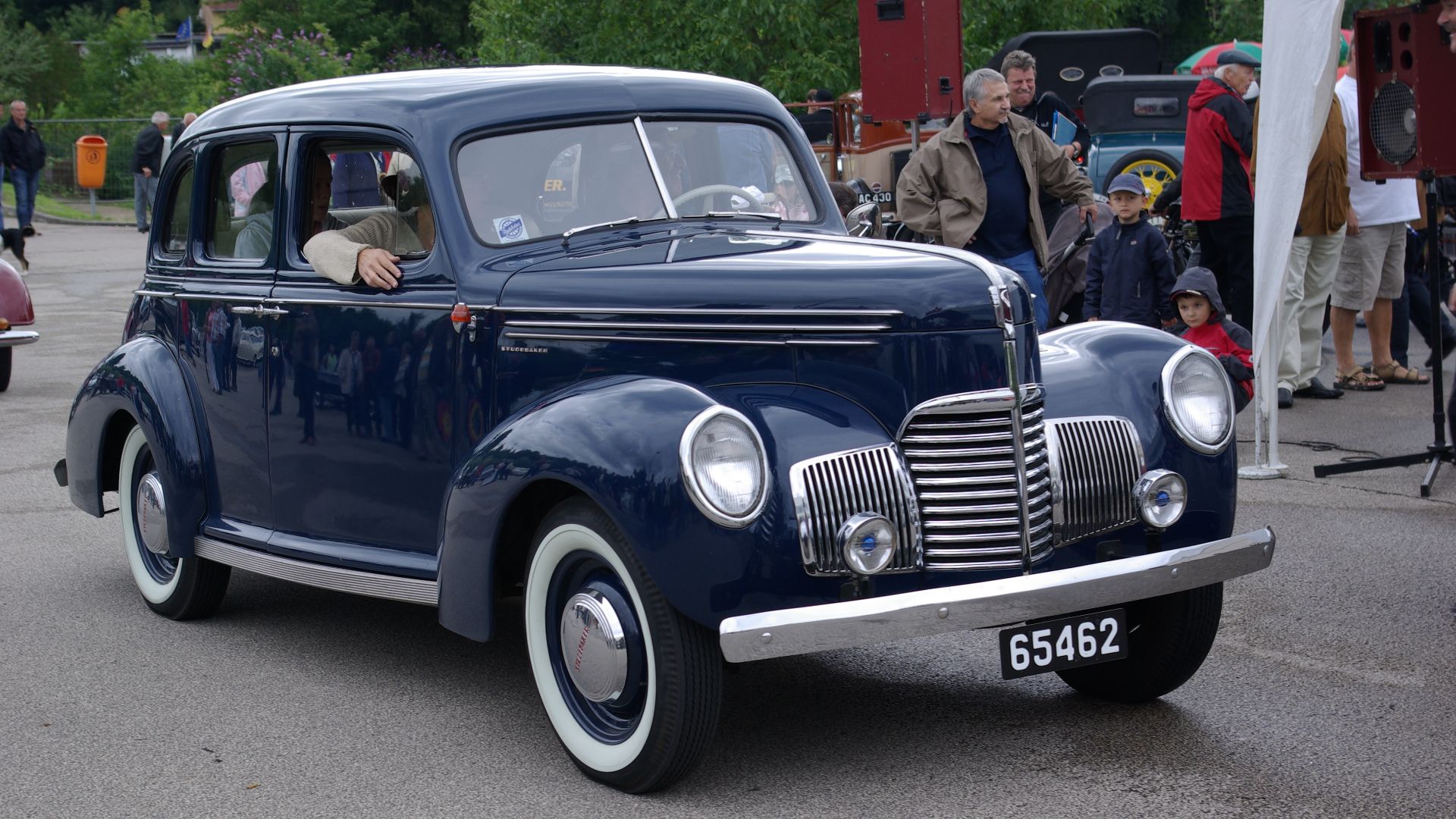
2. 1939 Champion
Studebaker's engineers scrutinized every component of the Champion for unnecessary weight, designing the car from the outset to compete with Ford and Chevrolet on price. The result was lighter and more fuel-efficient than its rivals. Studebaker had made efficiency a design priority decades before the oil crises of the 1970s forced the rest of Detroit to take it seriously.
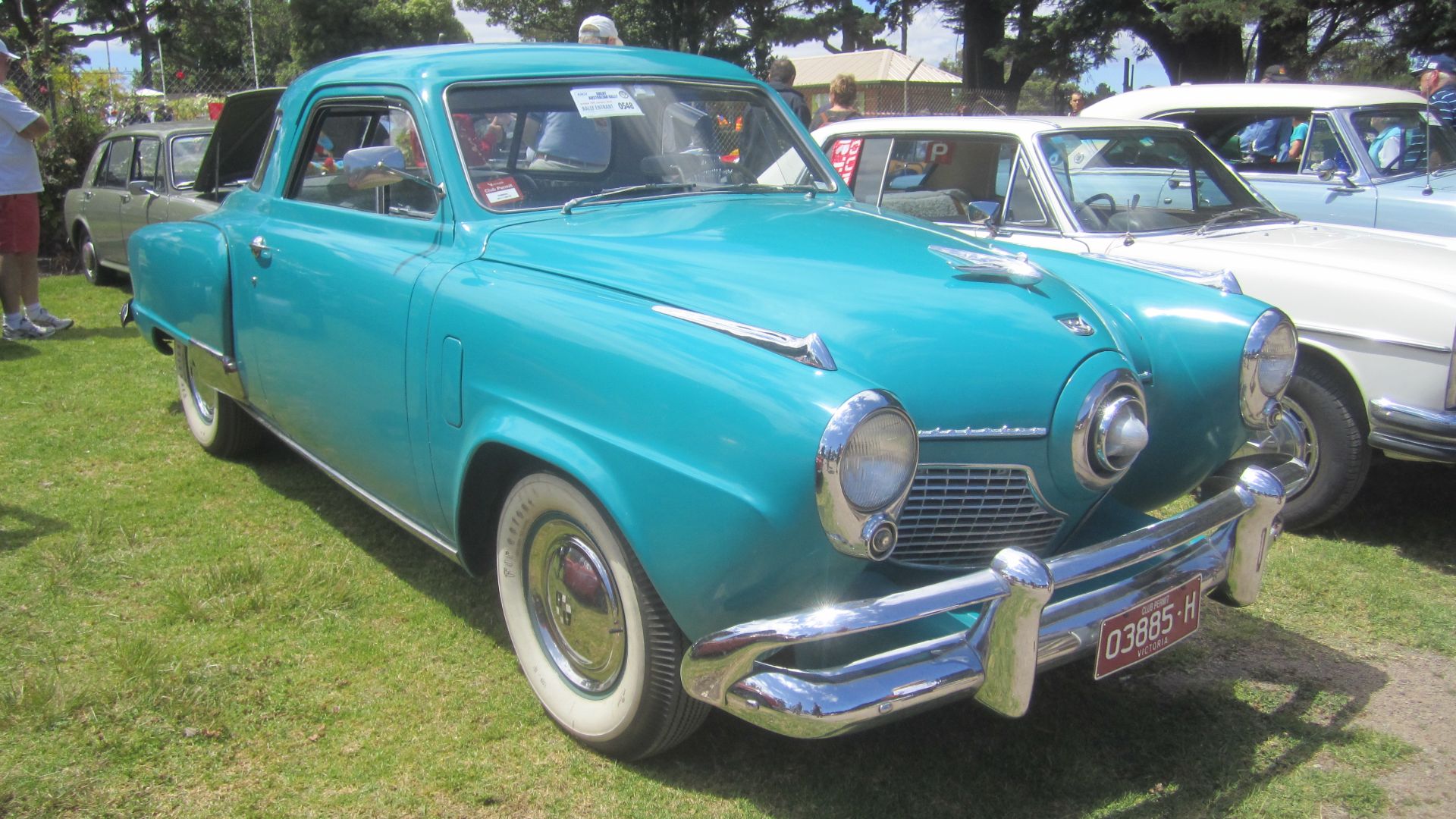
3. 1947 Starlight Coupe
South Bend showed its all-new postwar car on April 30, 1946, while Ford and Chevrolet were still selling warmed-over 1942 designs. The Starlight wrapped its rear glass around in four curved panels, and critics joked you could not tell which way it was pointed. Studebaker advertised it as first by far with a postwar car, and the claim held up.
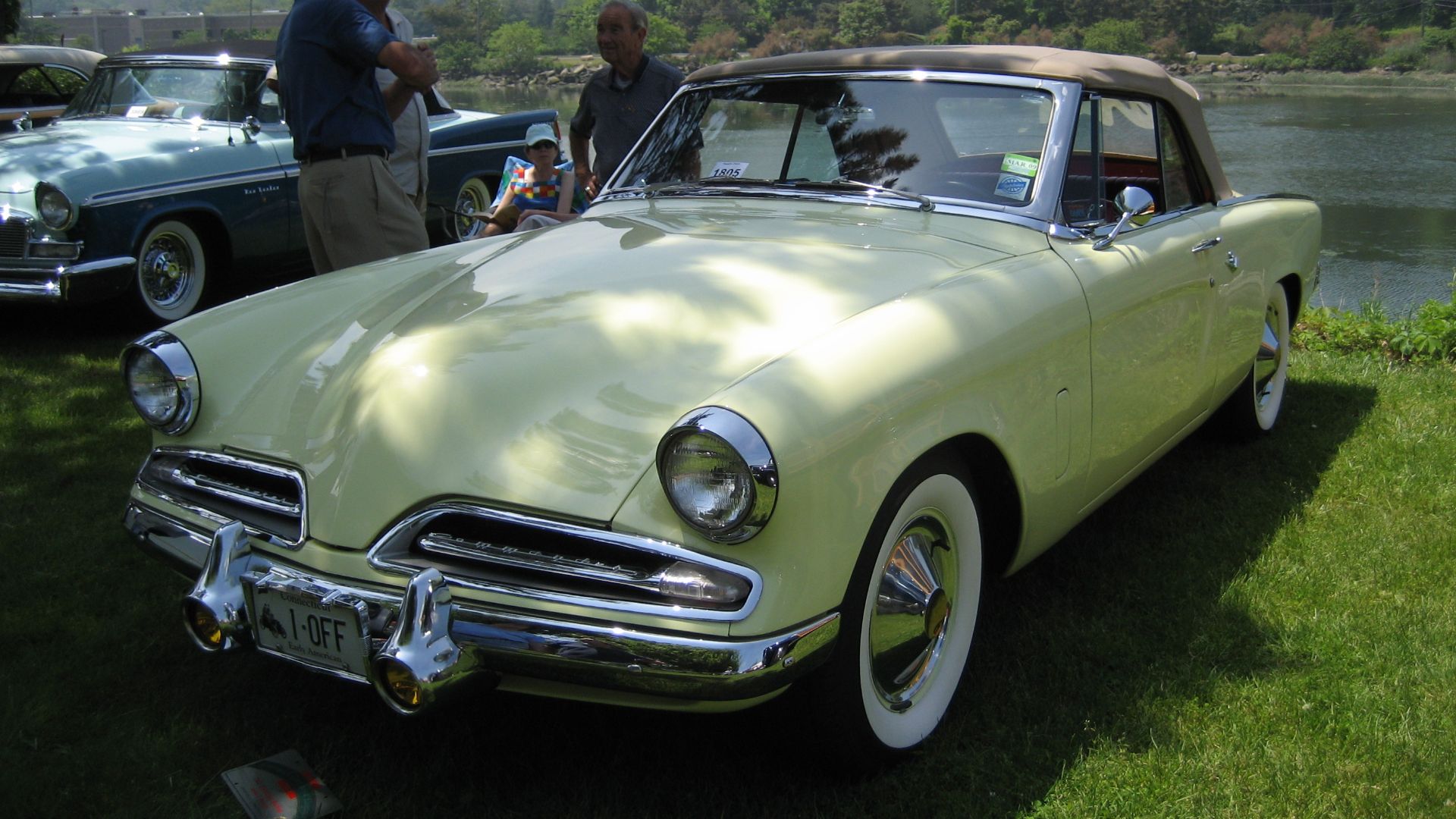
4. 1953 Commander Starliner
Bob Bourke drew the low hardtop coupe inside Raymond Loewy's studio, and it looked like nothing else coming out of America that year. Designers have spent seventy years calling it one of the best shapes Detroit ever approved, and it stood barely 56 inches tall when most American cars cleared 60. Everything behind the styling belongs in the second half of this list.
5. 1955 President Speedster
Limited in run and fully instrumented, the Speedster arrived with quilted trim at a time when rivals were still fitting warning lights. Studebaker used it to test the market for a flashy halo coupe without spending real money. The Hawk line that arrived in 1956 came straight out of it.
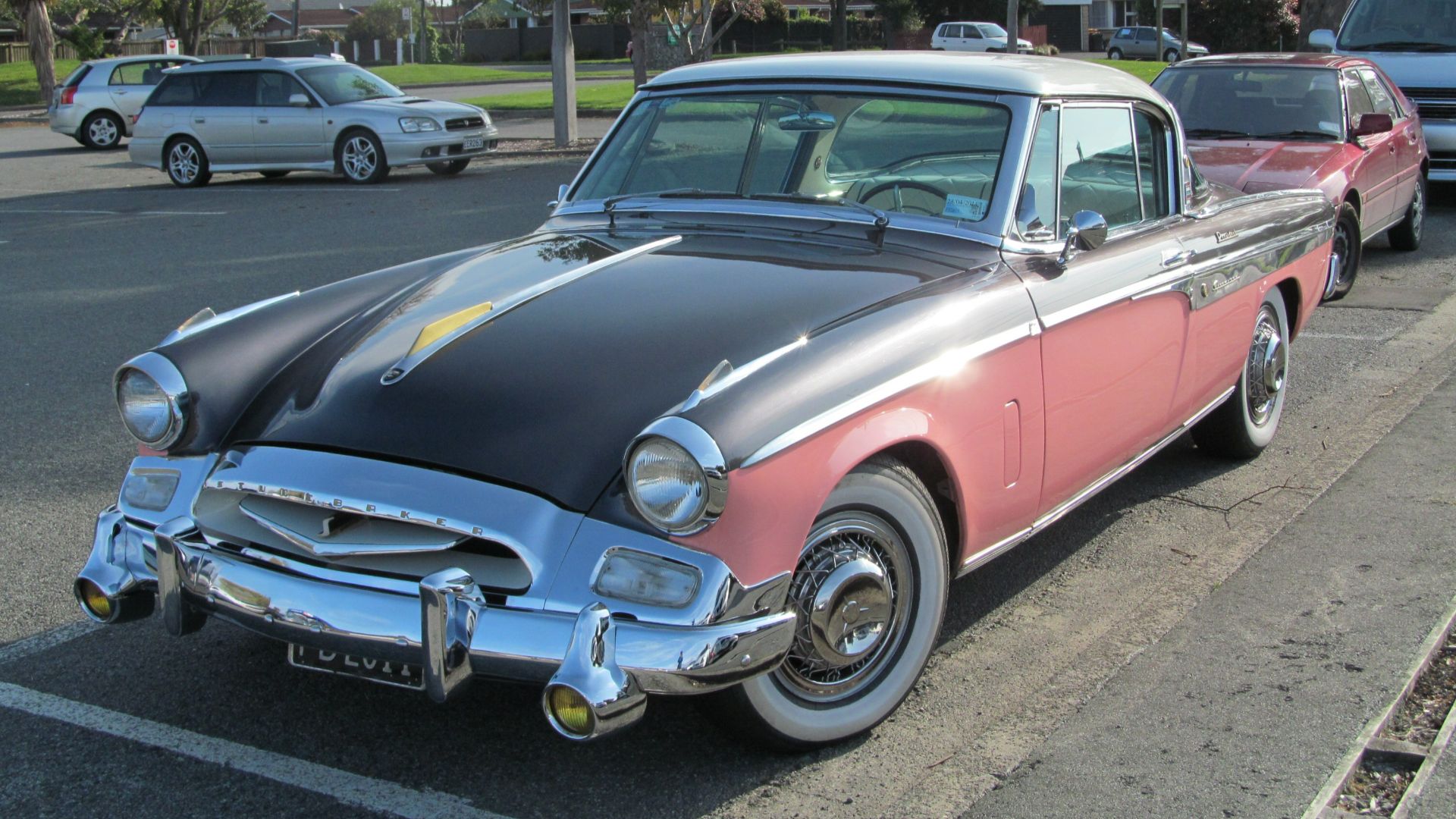 Riley from Christchurch, New Zealand on Wikimedia
6. 1957 Golden Hawk
A McCulloch supercharger on Studebaker's own 289 V8 produced 275 horsepower, matching engines a good deal larger on paper. Dropping the Packard V8 carried over from 1956 took weight off the nose, and testers found the car better balanced for it. Small engine plus forced induction is now the standard way to make power.
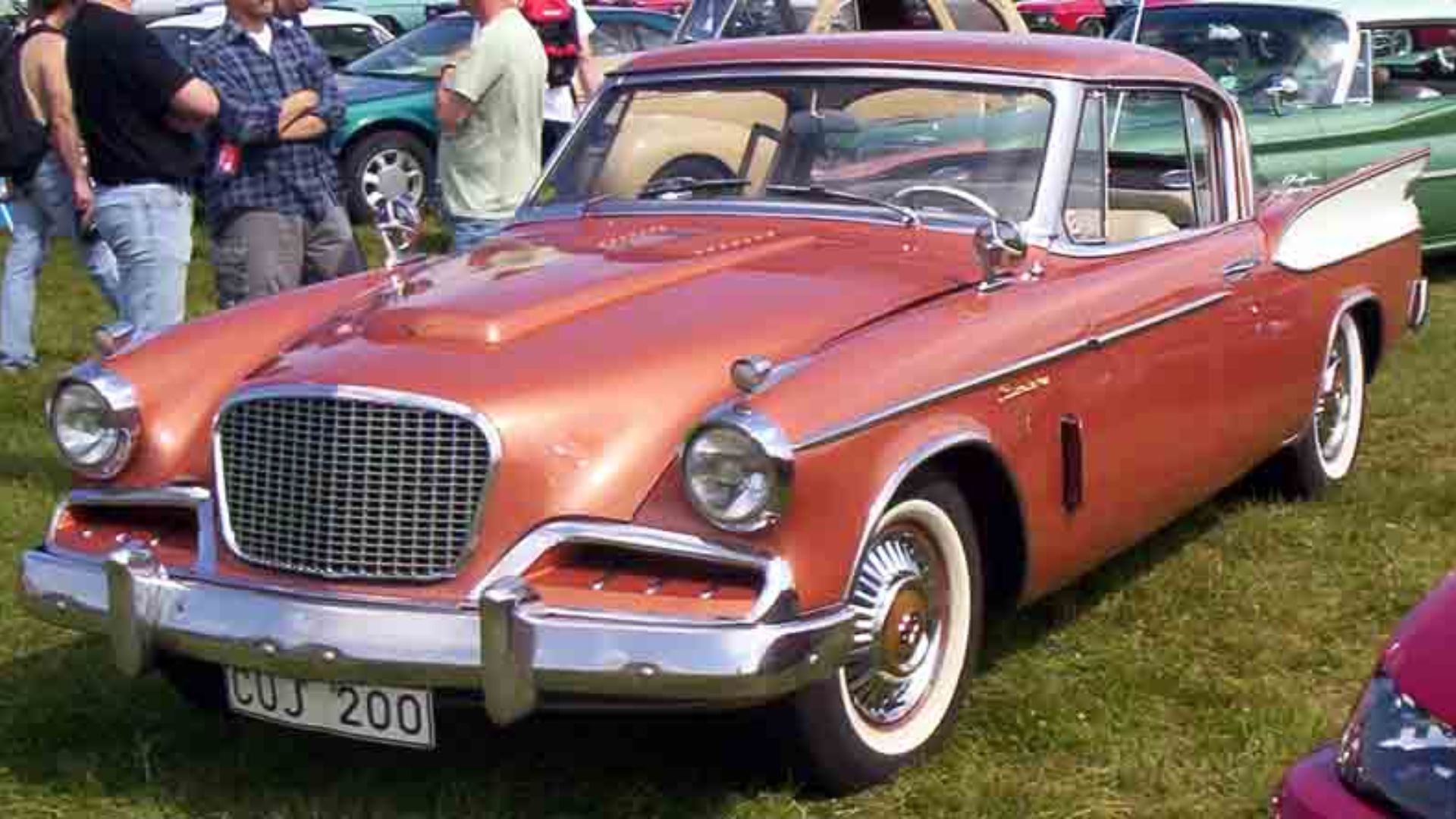 Lars-Göran Lindgren Sweden on Wikimedia
7. 1959 Lark
Studebaker cut a full-size body down into a compact and had it in showrooms a year before the Big Three fielded their answers. The Lark sold well enough to put the company back into profit for a short stretch, the last time that would happen. What the Falcon and the Valiant did in 1960, the Lark had already done.
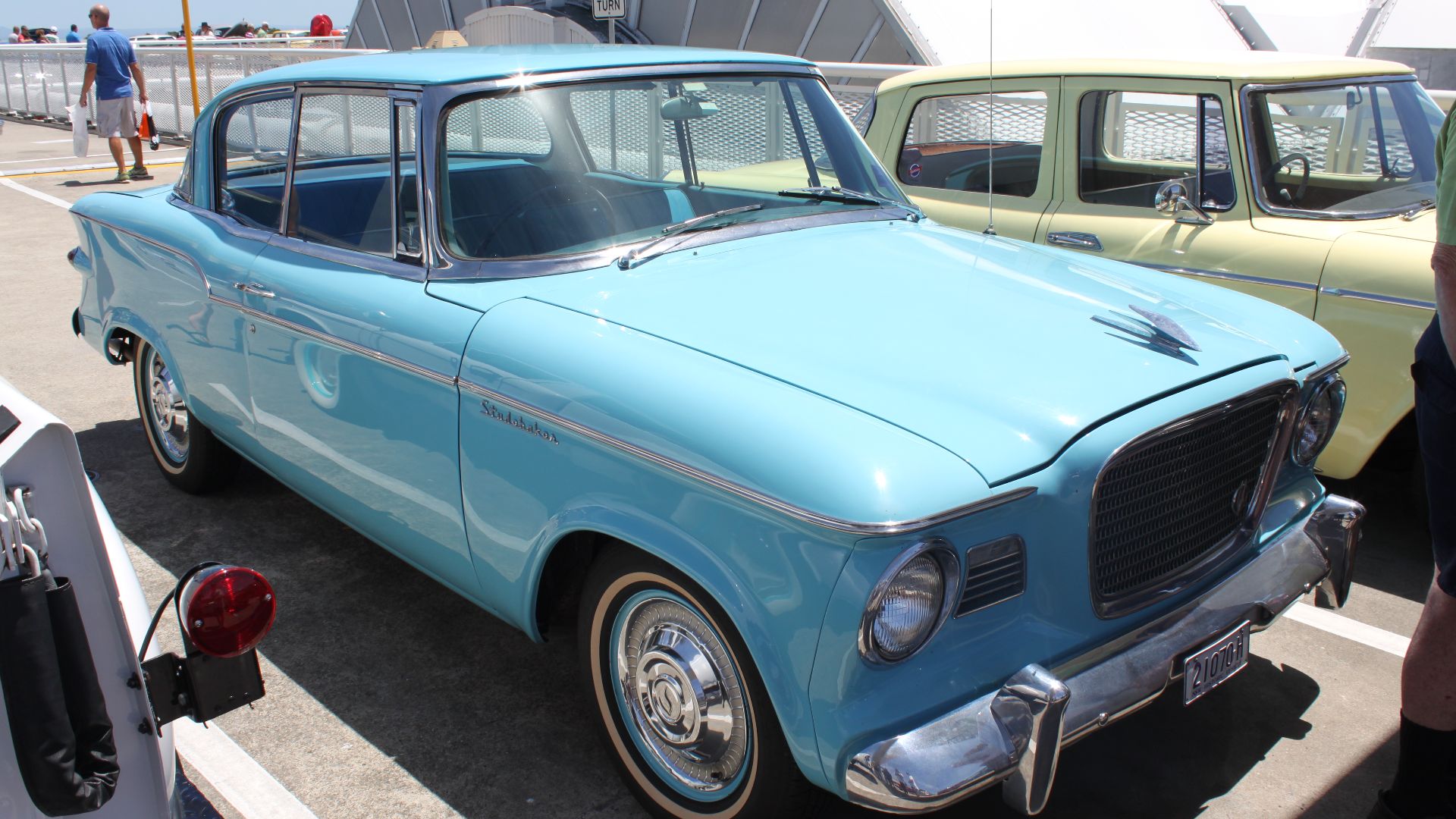 Jeremy from Sydney, Australia on Wikimedia
8. 1962 Gran Turismo Hawk
Working with a shoestring budget, Brooks Stevens transformed Studebaker's aging Hawk into a credible Thunderbird rival. He squared off the roof, removed the fins, and gave the car a cleaner, more expensive look. Few would have guessed that the 1962 Gran Turismo Hawk was built around a body dating back to 1953.
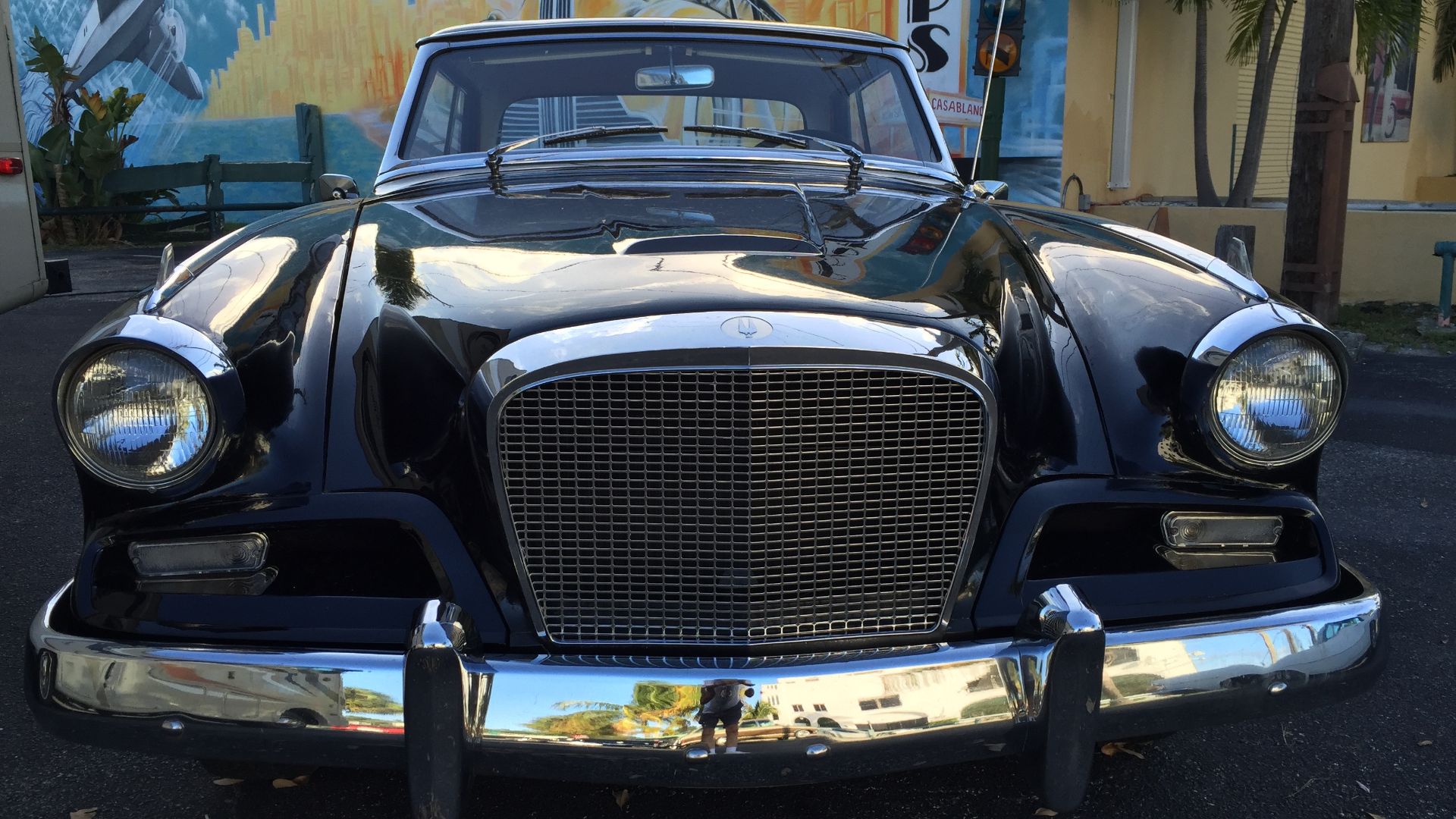
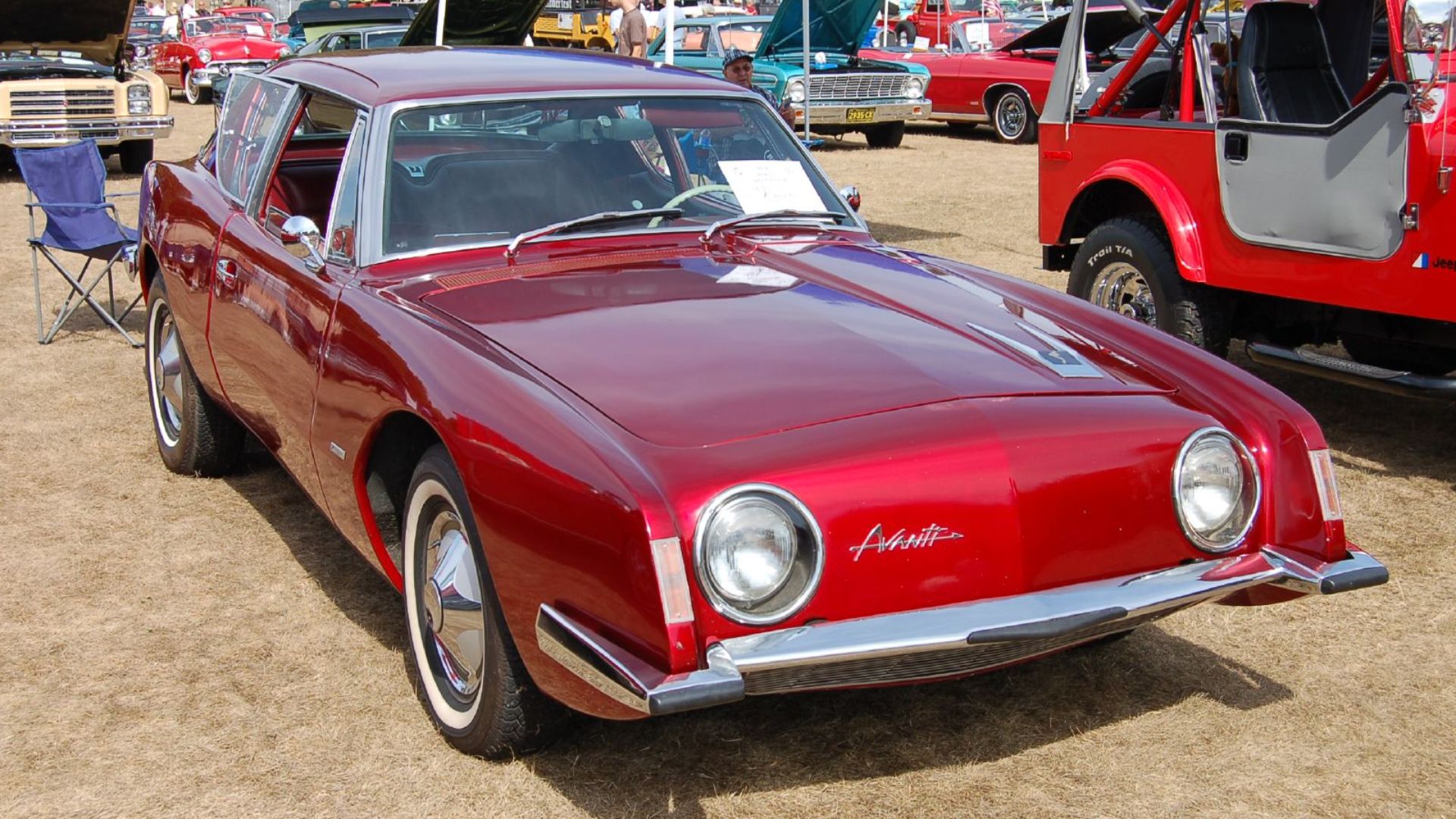
9. 1963 Avanti
Raymond Loewy's team shaped the Avanti with no grille at all and a cabin that curved around the driver, and Studebaker fitted Dunlop front disc brakes, a first on an American production car. A supercharged version of the 289 pushed output to 289 horsepower. The company took one to Bonneville and came home with 29 world speed records.
 Joe Ross from Lansing, Michigan on Wikimedia
10. 1963 Wagonaire
The Wagonaire's rear roof panel slid forward, so you could stand a refrigerator upright in the cargo bay and drive it home. GMC revived the same idea on the Envoy XUV four decades later and dropped it after two seasons. Studebaker's version leaked, and the leaks are most of what anyone remembers about it.
Now, here's 10 that pushed the company toward the exit.
 Michael Gil from Calgary, AB, Canada on Wikimedia
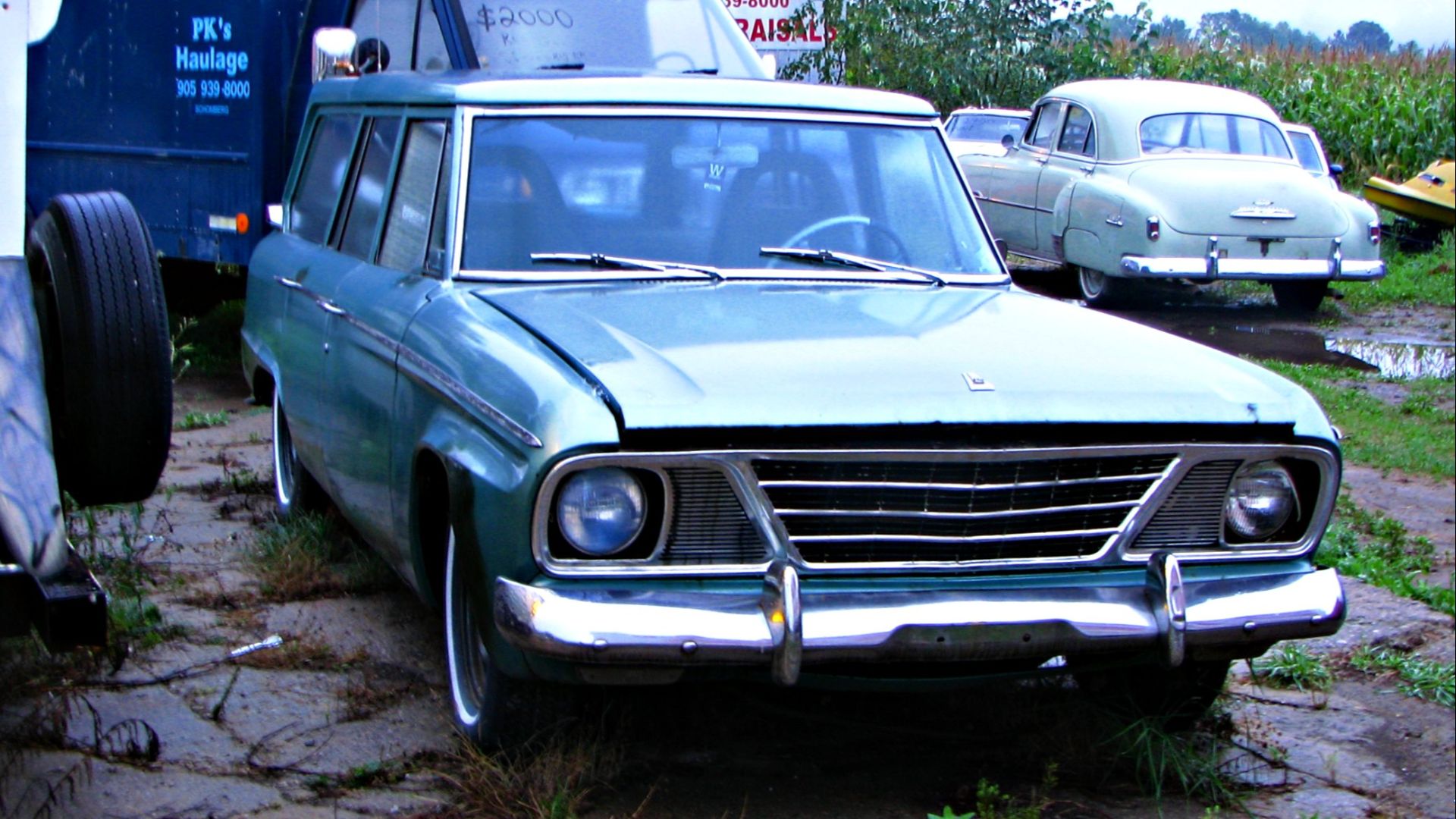
1. 1932 Rockne
Albert Erskine tried to fight the Depression with an affordable new car named for Knute Rockne, the Notre Dame coach killed in a plane crash in 1931. But most Rocknes were built in Detroit rather than South Bend, leaving cash-strapped Studebaker supporting two factories. The gamble failed to save the company, which entered receivership in March 1933.
 commons.wikimedia.org on Google
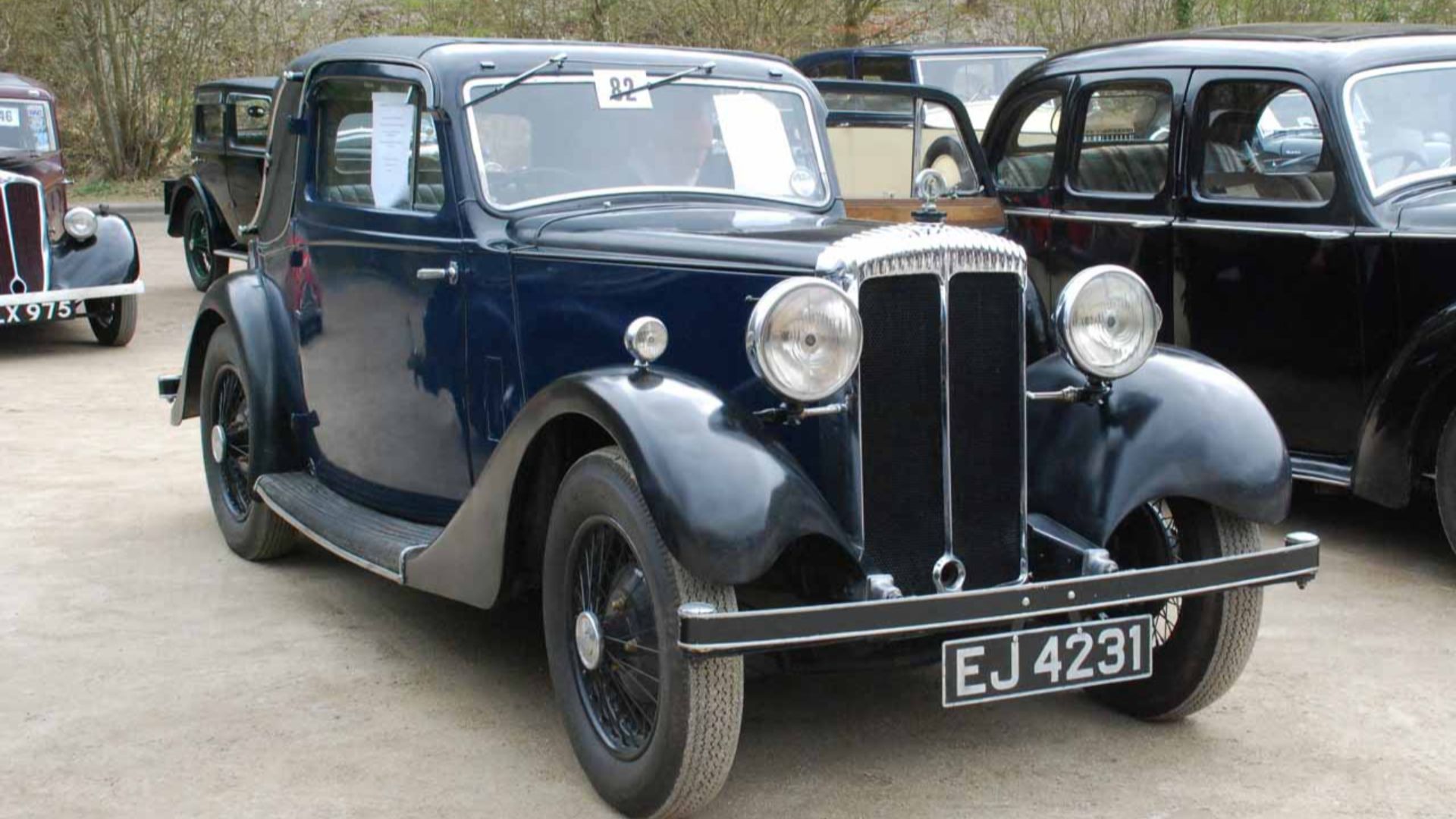
2. 1953 Champion And Commander Sedans
That beautiful coupe shared its model year with sedans that were largely restyled older bodies, and buyers skipped them. Coupes leapt from roughly a quarter of production to about half, the highest share in the industry, and the plant was not set up to build two different cars at once. Doors would not shut properly and panels did not line up, so the orders went elsewhere.
 commons.wikimedia.org on Google
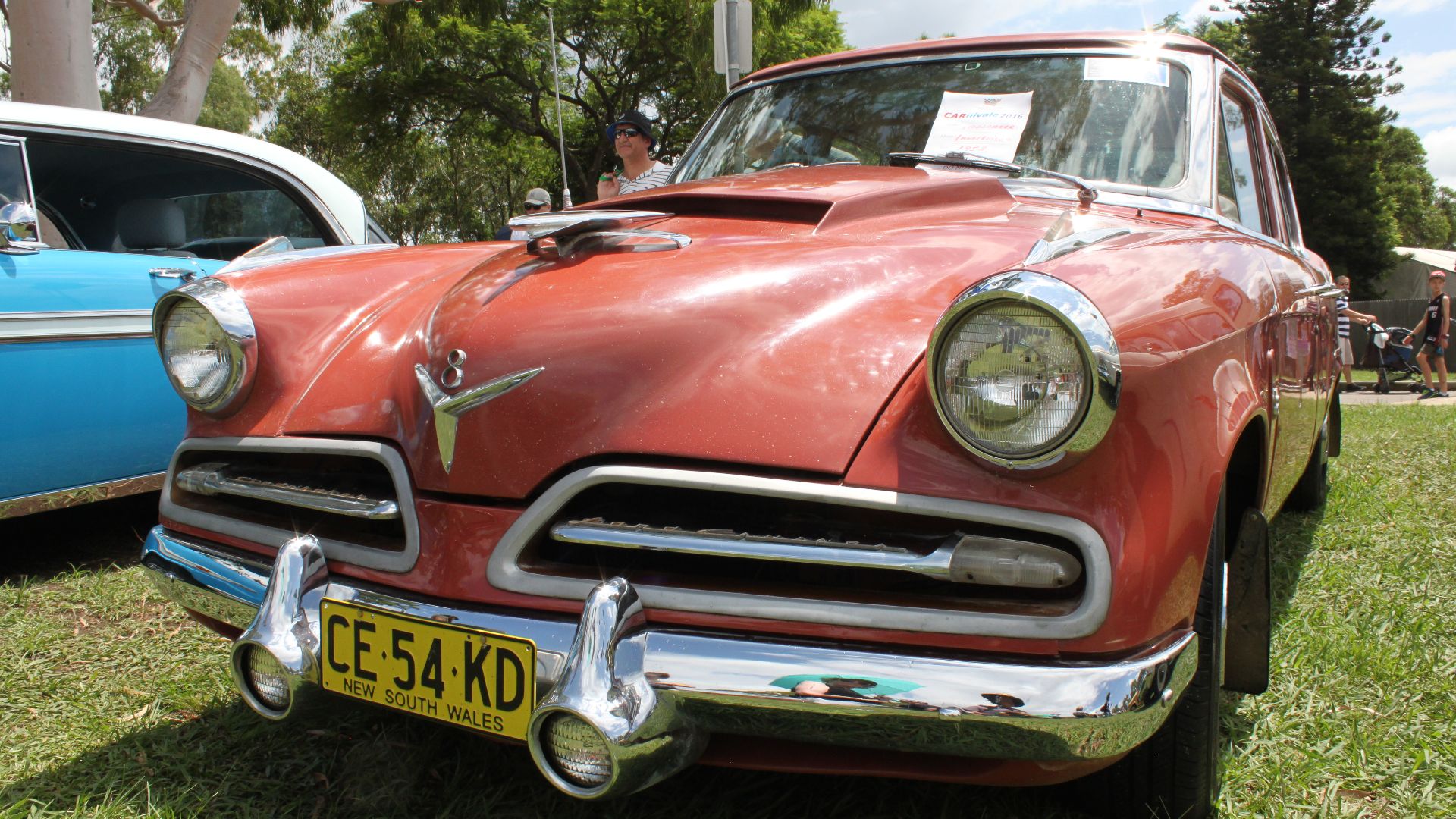
3. 1956 Golden Hawk
Studebaker-Packard dropped Packard's big V8 into the Hawk to buy a headline horsepower figure. Road testers came back complaining about the car in tight corners, with Motor Trend and Car Life both pointing at weight distribution. Barely 4,000 were built, and the engine was gone the next year.
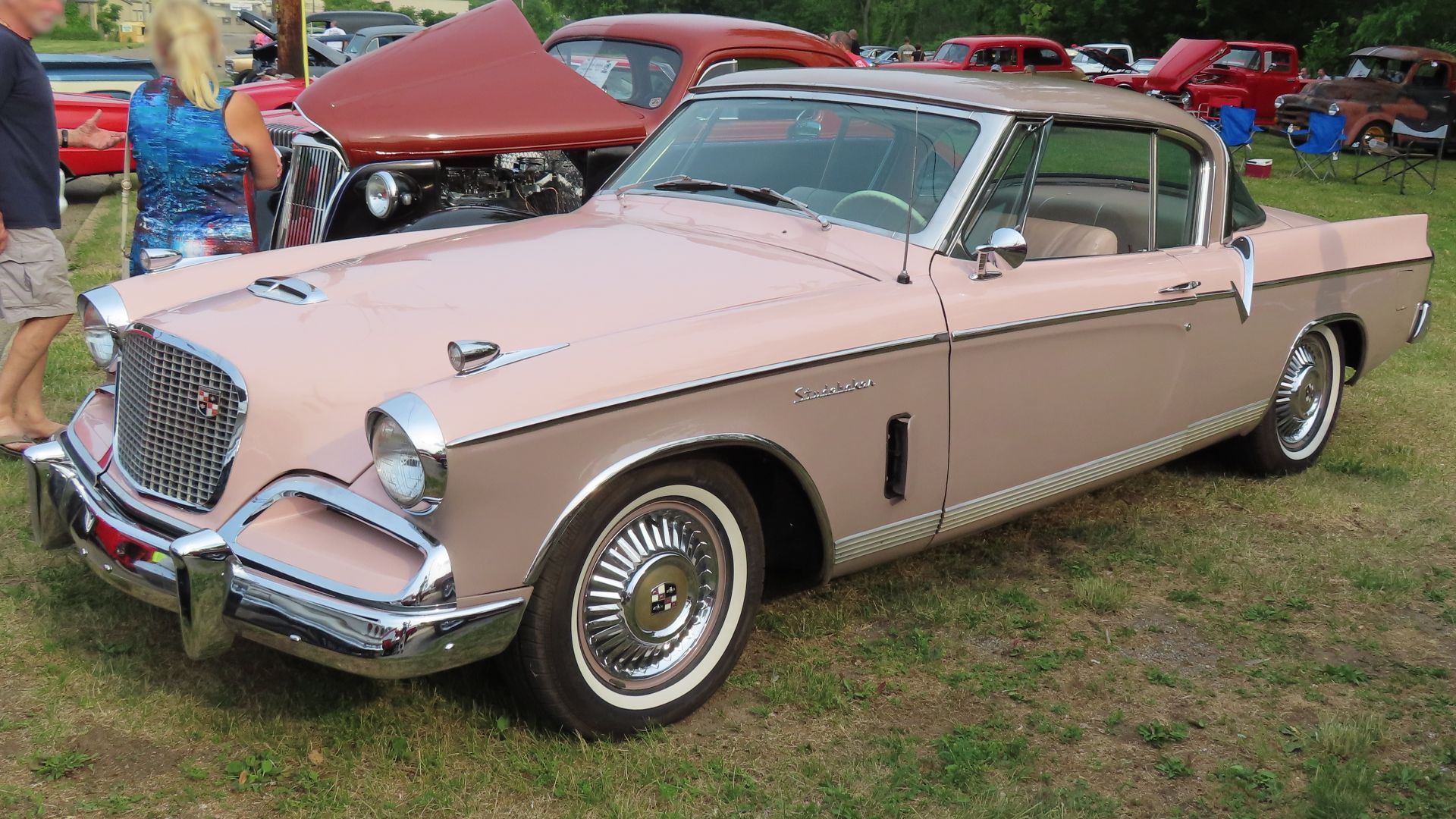
4. 1957 Packard Clipper
Packard's Detroit plant had already turned out its last true Packard, so the 1957 Clipper was a Studebaker President wearing Packard trim and a Packard badge. Buyers who had been loyal to the marque recognized exactly what had happened. The name was finished within two years.
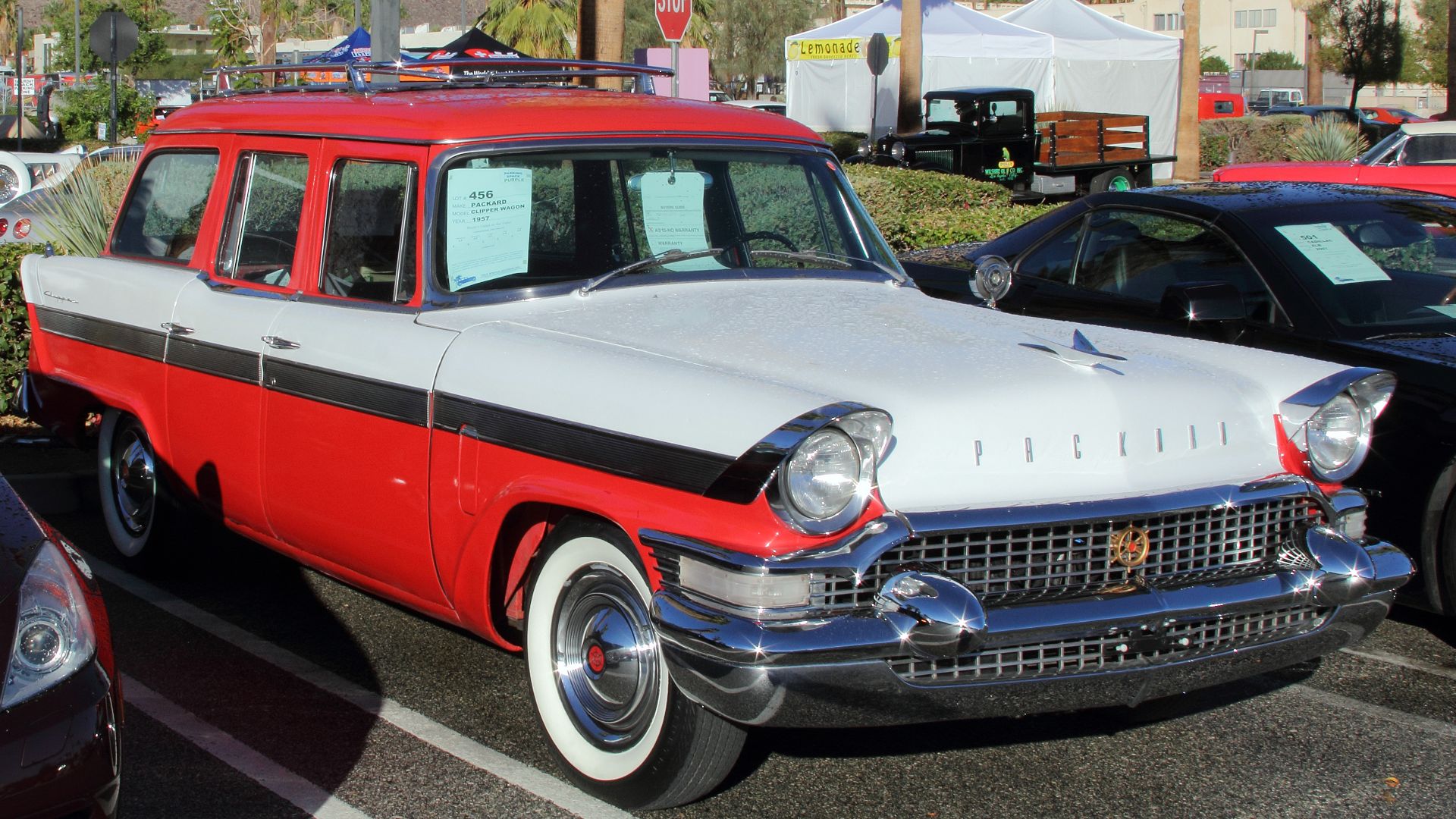
5. 1957 Scotsman
Stripped of chrome and most interior fittings, the Scotsman was a price leader aimed at anyone who wanted the cheapest new car on the market. It sold, which turned out to be the trouble. Each one left the lot carrying almost no margin, for a company that needed margin more than volume.
 JOHN LLOYD from Concrete, Washington, United States on Wikimedia
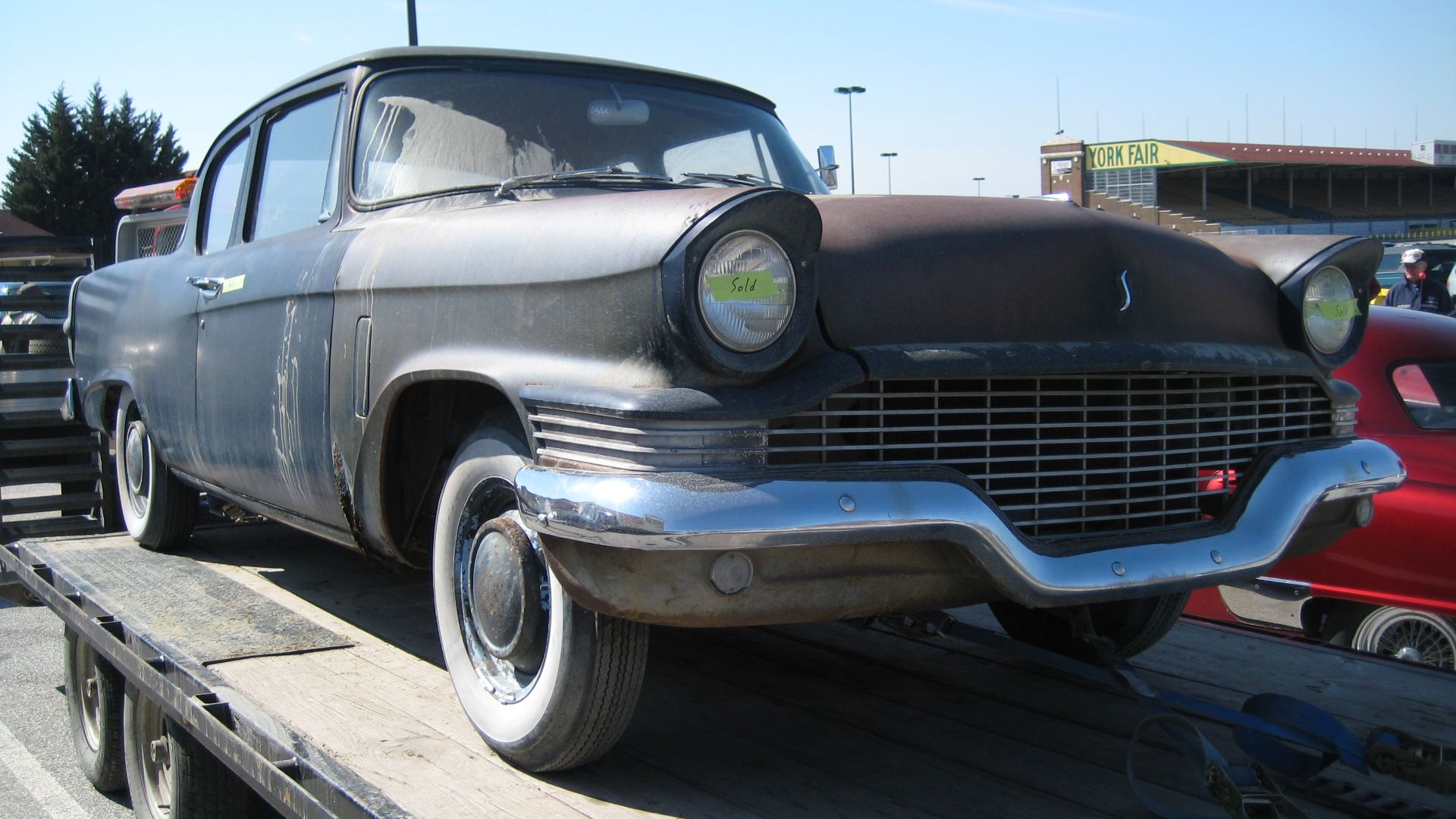
6. 1958 President
By 1958 the President rode on a body first tooled for 1953, with quad headlights grafted onto fenders never drawn to receive them. A recession year was a poor moment to turn up with a five-year-old car in new jewelry. Sales fell far enough that the Lark became the only remaining plan.
 Jeremy from Sydney, Australia on Wikimedia
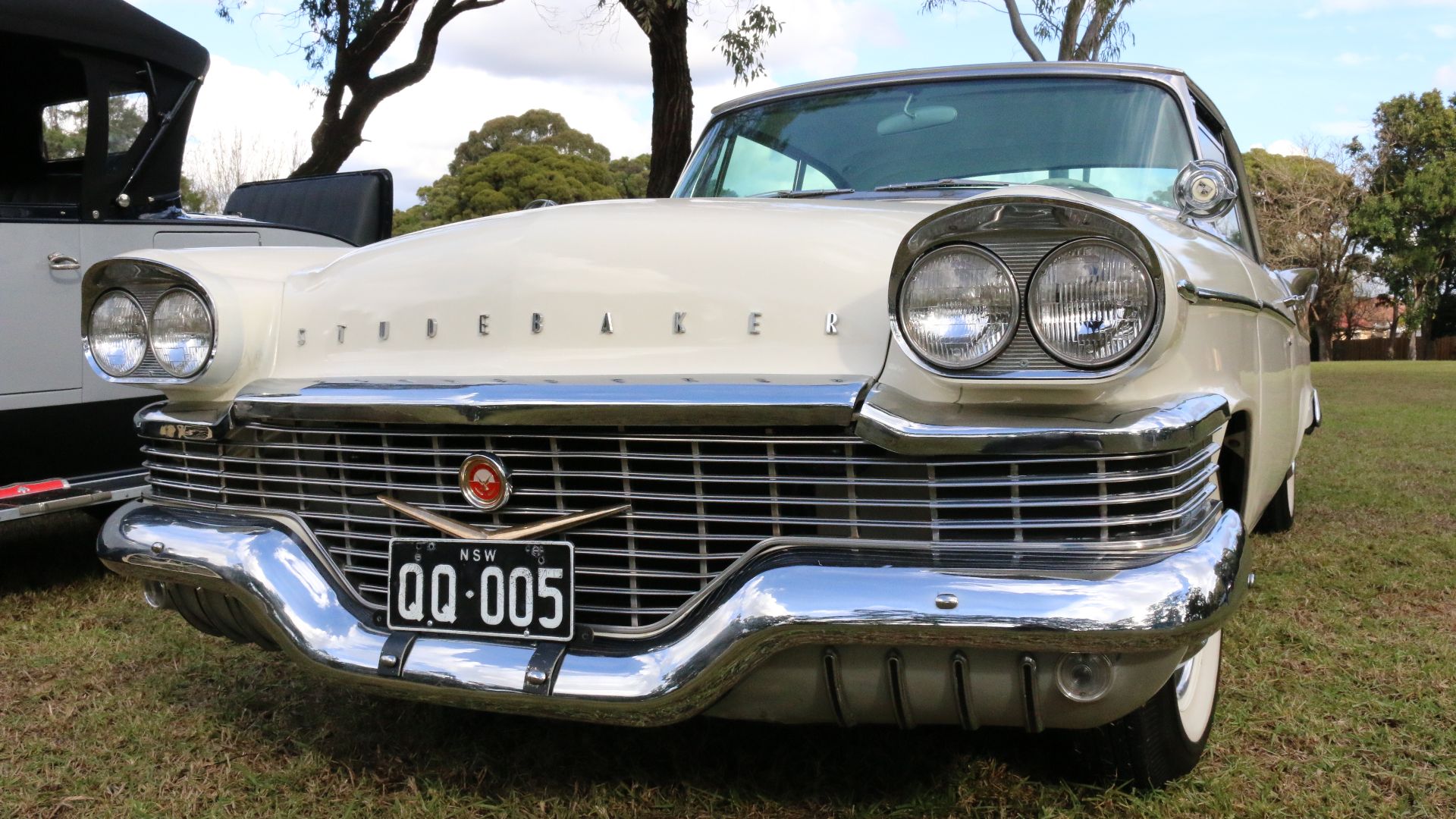
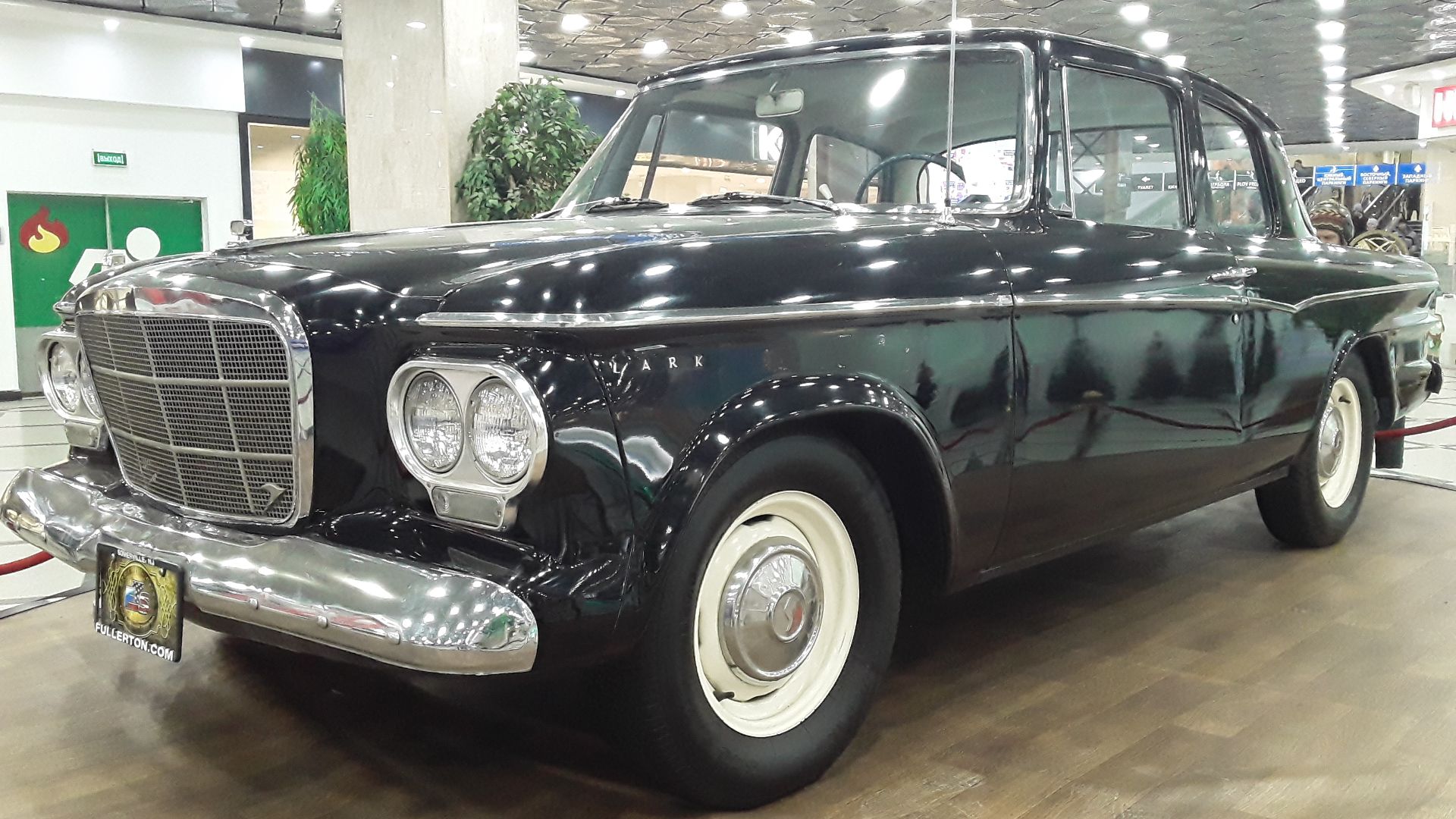
7. 1962 Lark
The Lark's head start lasted about one model year. By 1962 Chevrolet and Chrysler had compacts with fresher bodies and dealer networks nobody in South Bend could match. Brooks Stevens restyled the car twice on almost no money, which bought time without bringing in customers.
 Абдырашит Сатылганов on Wikimedia
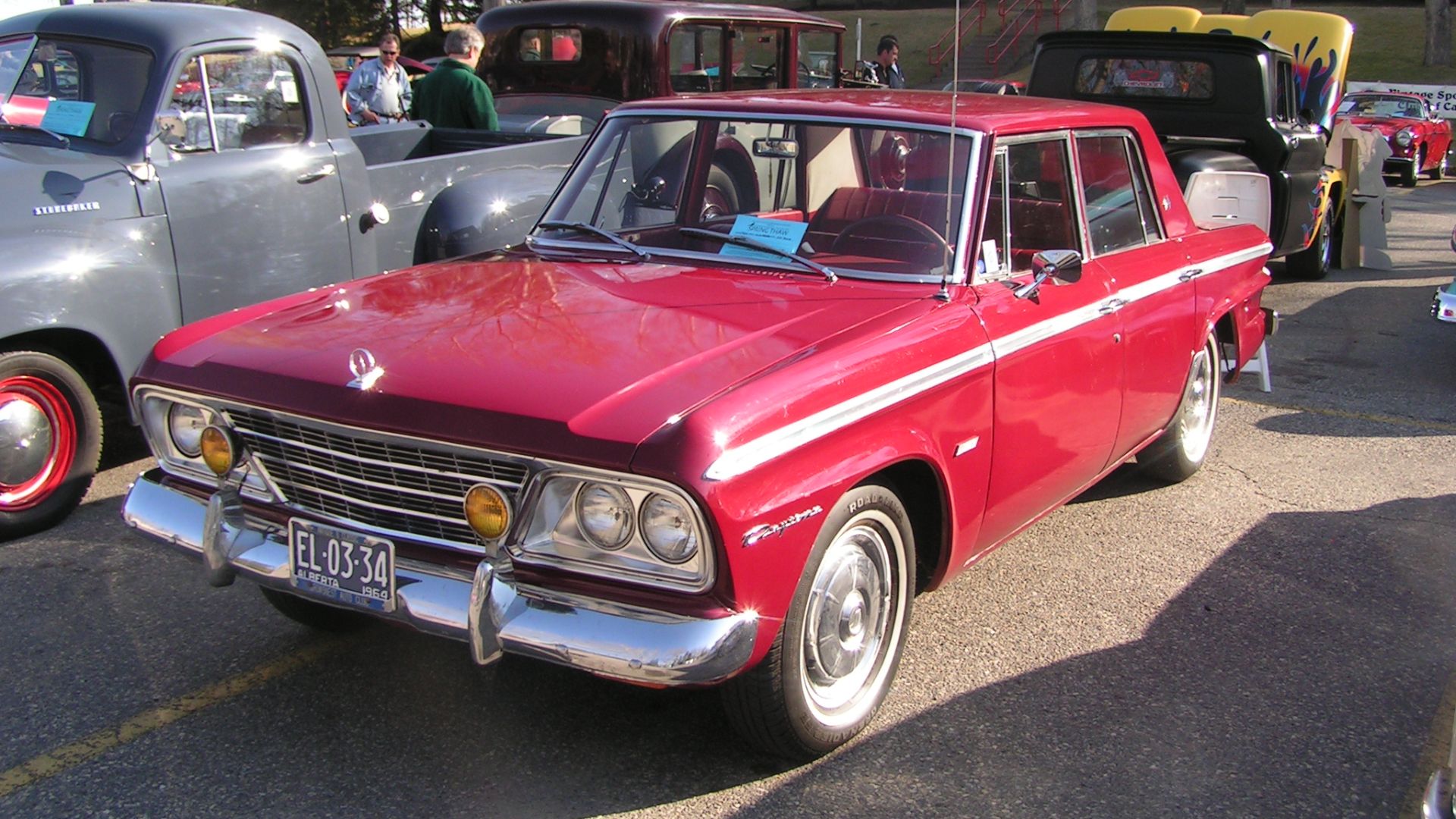
8. 1964 Daytona
South Bend closed for good on December 20, 1963, partway through the 1964 model year. Dealers were left selling cars from a factory that no longer existed, to customers who had read about the shutdown in the paper. Whatever the Daytona's merits, a new car with no plant behind it is a hard sell.
 dave_7 from Lethbridge, Canada on Wikimedia
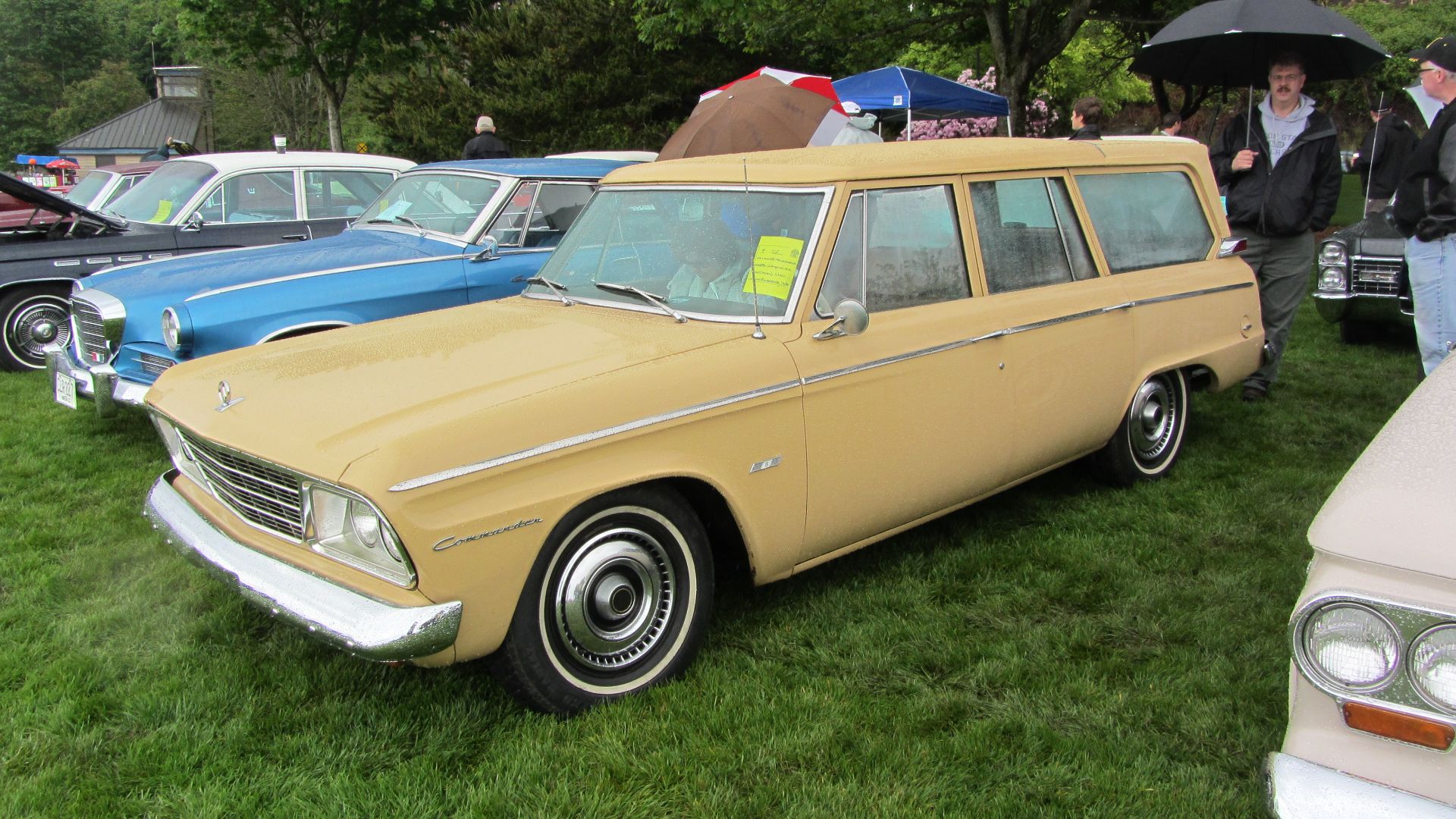
9. 1965 Commander
Production carried on at a small plant in Hamilton, Ontario, where there was no engine supply of Studebaker's own. The 1965 cars took Chevrolet sixes and the Chevrolet 283 V8, bought from General Motors of Canada. The V8 tooling had gone down with South Bend.
 JOHN LLOYD from Concrete, Washington, United States on Wikimedia
10. 1966 Cruiser
The last Studebakers came out of Hamilton and were sold as Canada's Own Car. Production stopped on March 17, 1966, with fewer than 9,000 built for 1966. The corporation carried on in other businesses and left the car trade behind after 114 years of it.