Walter Chrysler's Cheap Brand Lasted 74 Years
Plymouth was Chrysler's affordable badge, but for decades it built cars people wanted for reasons beyond the price. A few are now worth more than the houses they once sat outside. What followed was a gradual decline into rebadged models with little to distinguish them from their Chrysler and Dodge counterparts. The last Plymouth, a silver Neon, rolled off the line in Belvidere, Illinois, on June 28, 2001. Here are 10 that made the badge matter, and 10 that explain why it disappeared.
 GPS 56 from New Zealand on Wikimedia
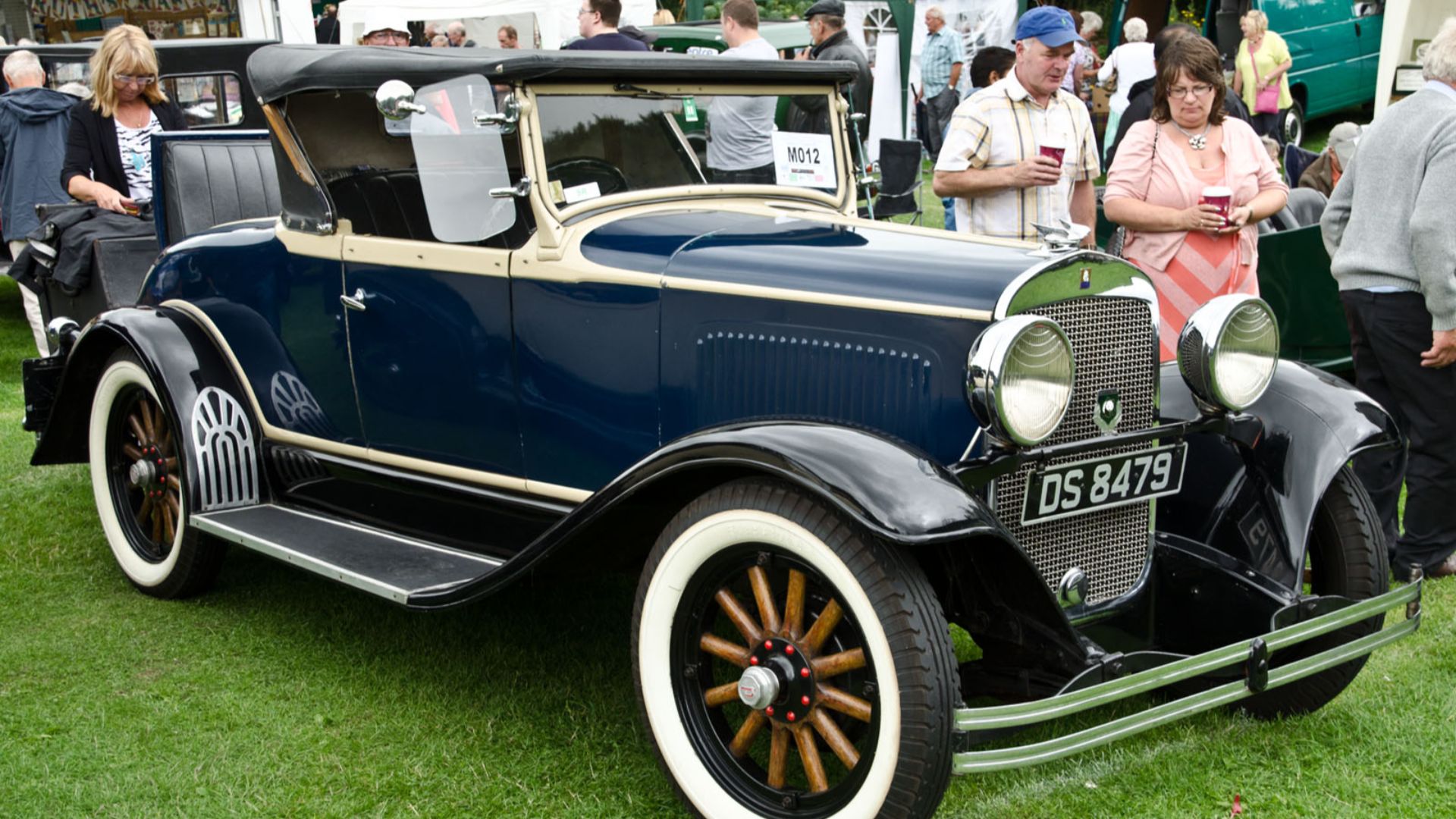
1. Model Q Put Chrysler In The Cheap-Car Fight
Walter Chrysler launched Plymouth in 1928 against Ford and Chevrolet, with hydraulic brakes neither rival offered. The car gave him a third division and a seat in the volume market.
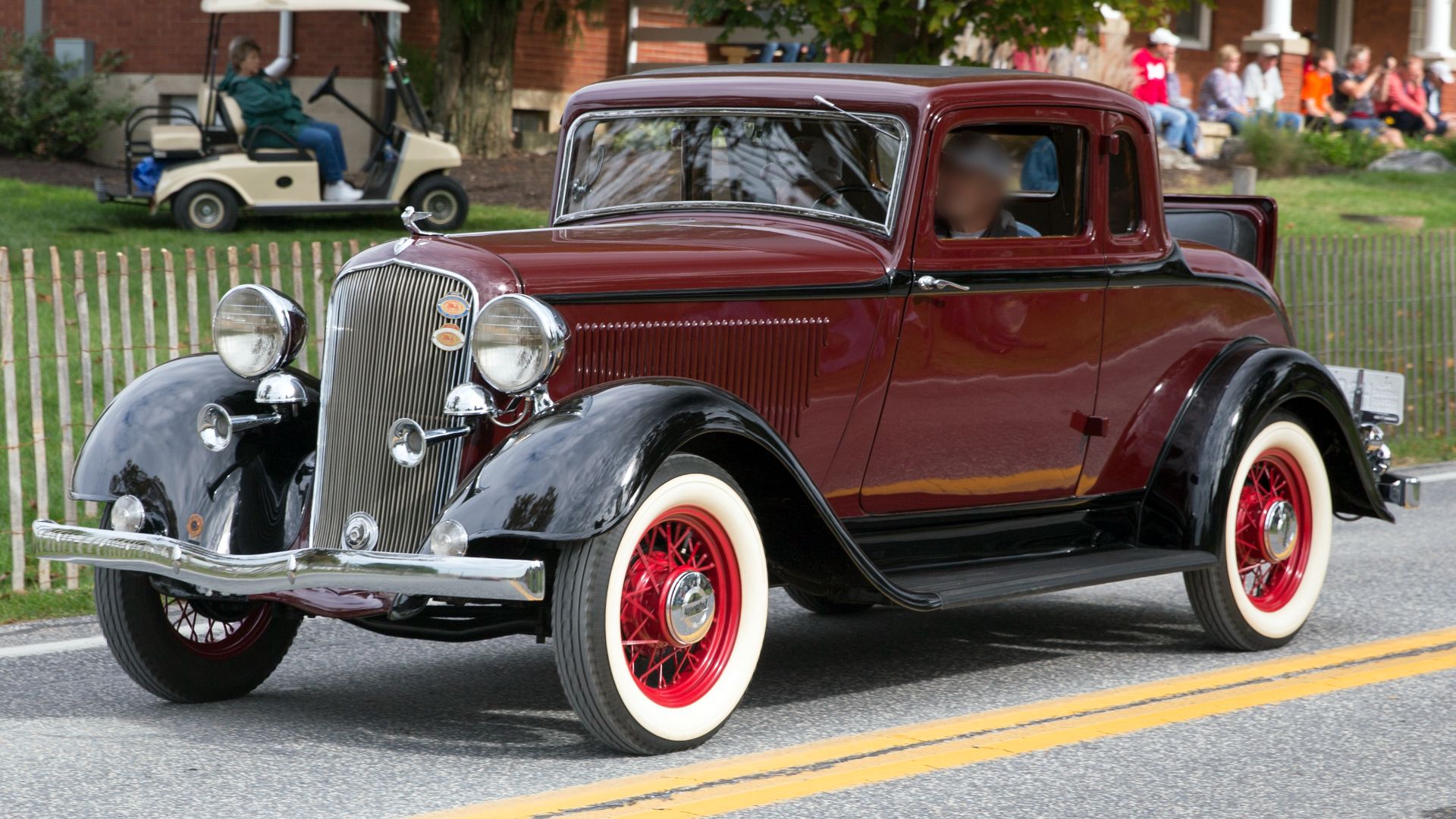
2. The 1933 Deluxe Six Retired Plymouth’s Four-Cylinder
Chrysler borrowed a 189.8-cubic-inch L-head six from DeSoto and made it standard across the 1933 range, rated at 70 horsepower. The spring PD DeLuxe rode a 112-inch wheelbase with cleaner lines than the stubby car it replaced. Production climbed from roughly 180,000 in 1932 to more than 298,000, and Plymouth took third place in the low-priced field.
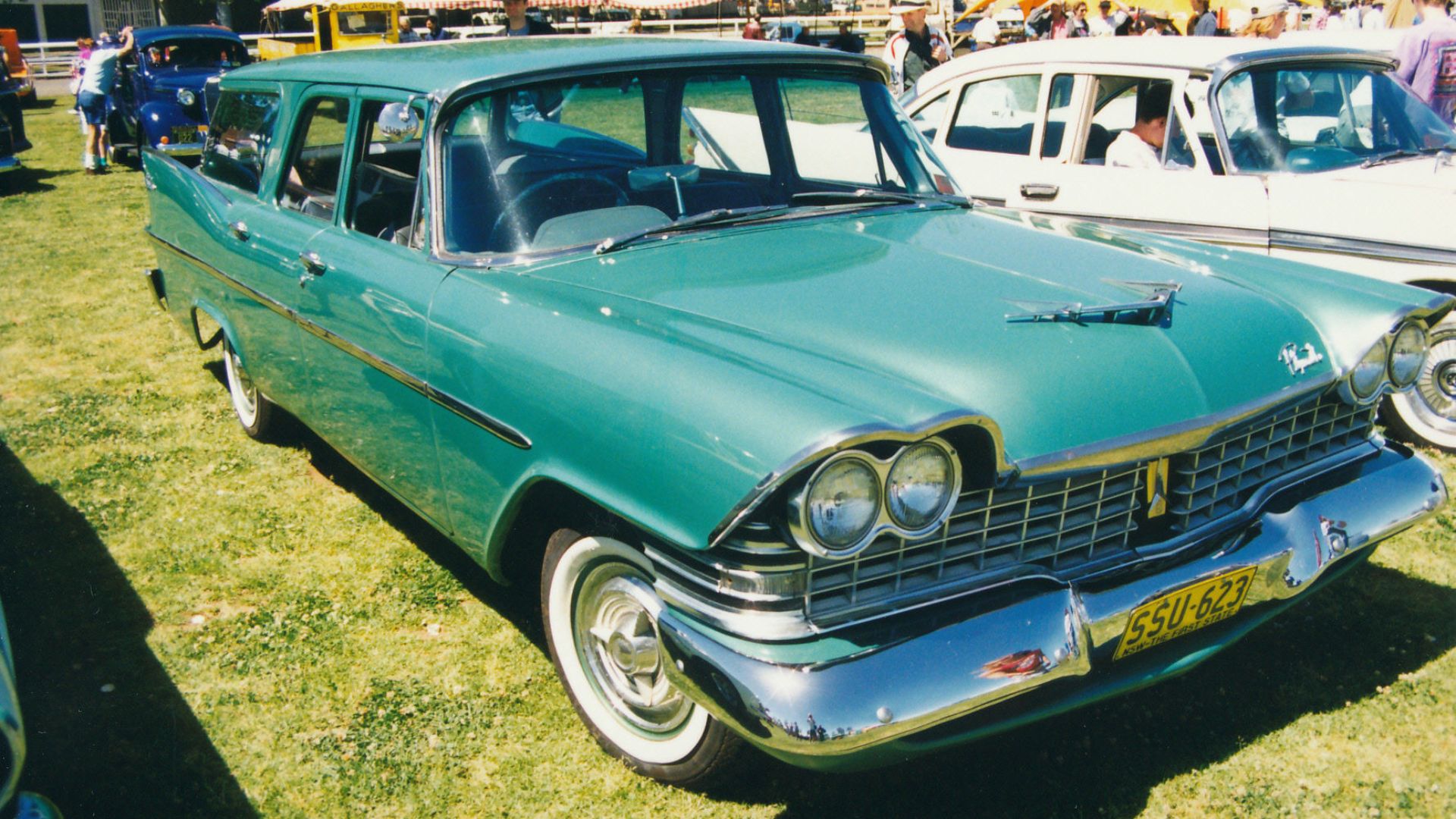
3. The 1949 Suburban Made The Steel Wagon Ordinary
Prewar wagons used wood bodies that needed annual varnishing and rotted anyway. Plymouth's two-door Suburban came in all steel at a family price, and wood was a trim option within a few years.
 Jeremy from Sydney, Australia on Wikimedia
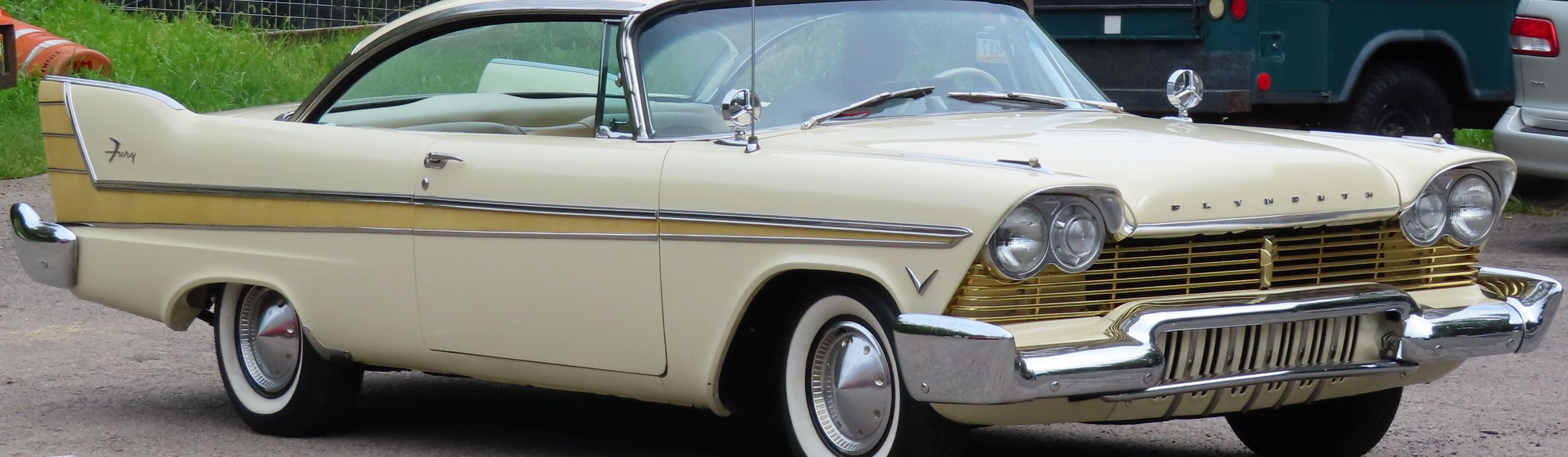
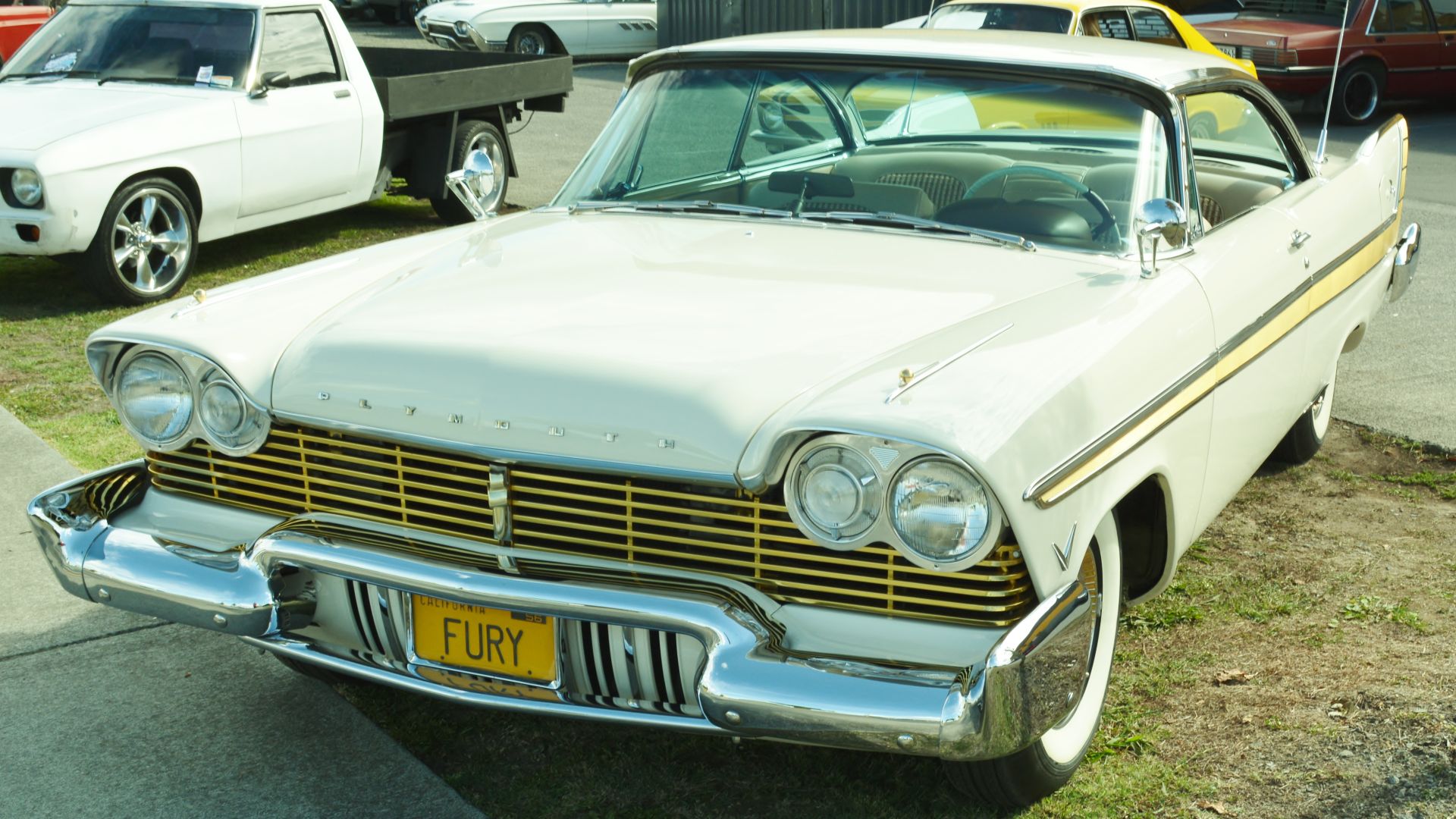
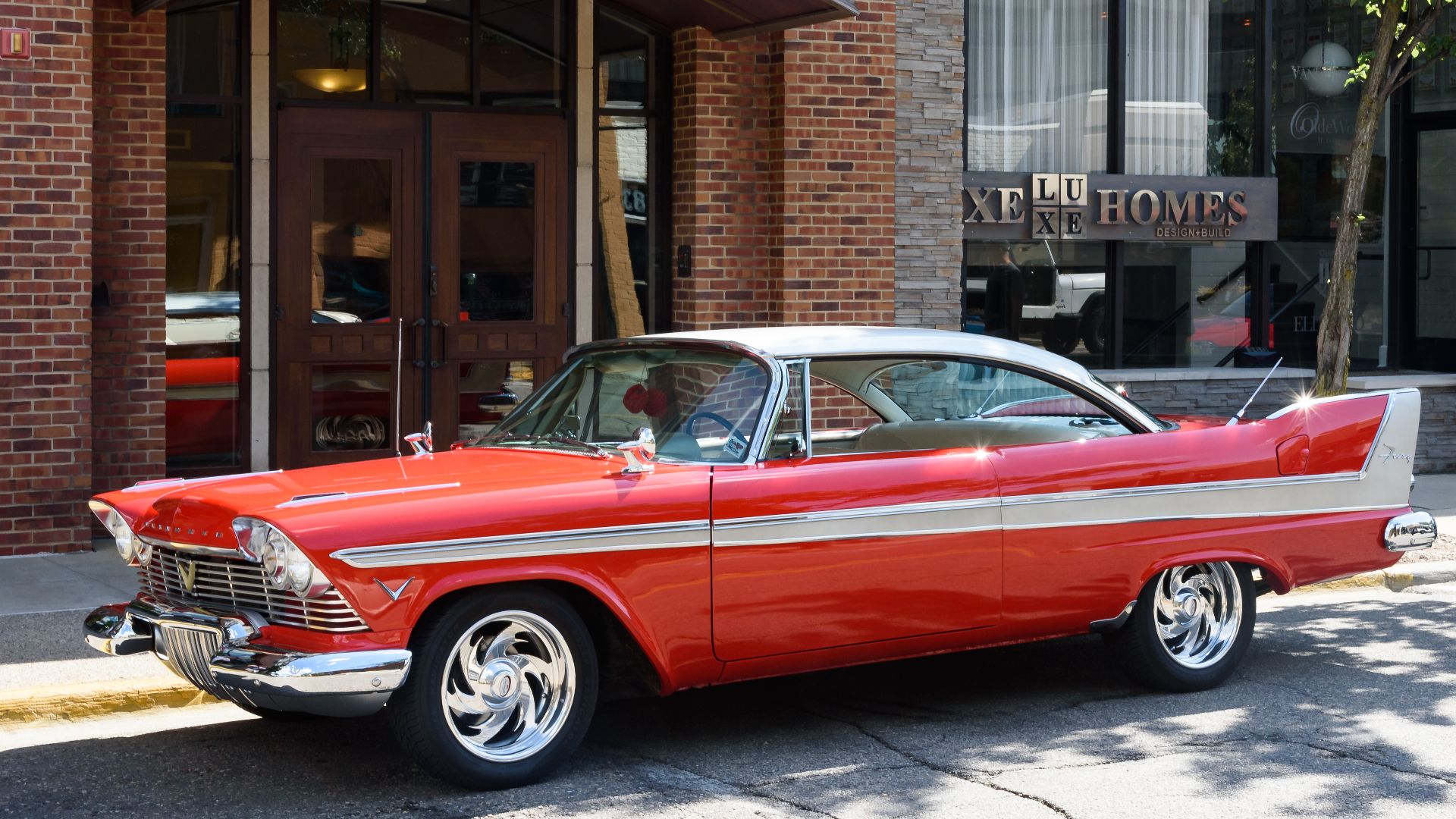
4. The 1957 Fury Landed With Fins And A Slogan
Exner's Forward Look dated every competitor on the road. The Fury came in off-white with gold anodized trim and a 318 V8, and its rust protection became as famous as its fins.
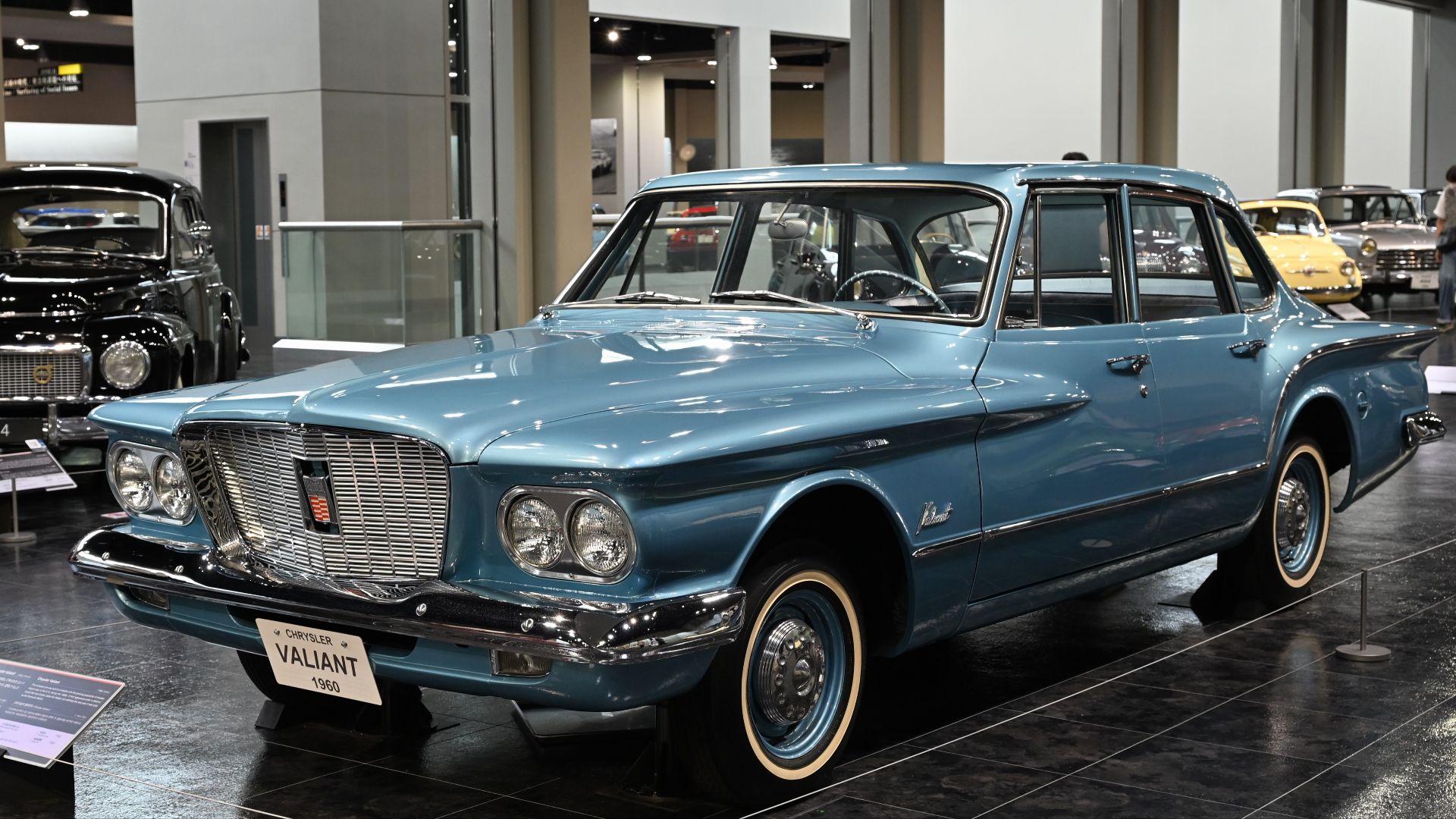
5. The 1960 Valiant Brought The Slant Six
Chrysler's compact spent 1960 as its own make before becoming a Plymouth. Its slant six, canted thirty degrees to clear a low hood, stayed in production for decades.
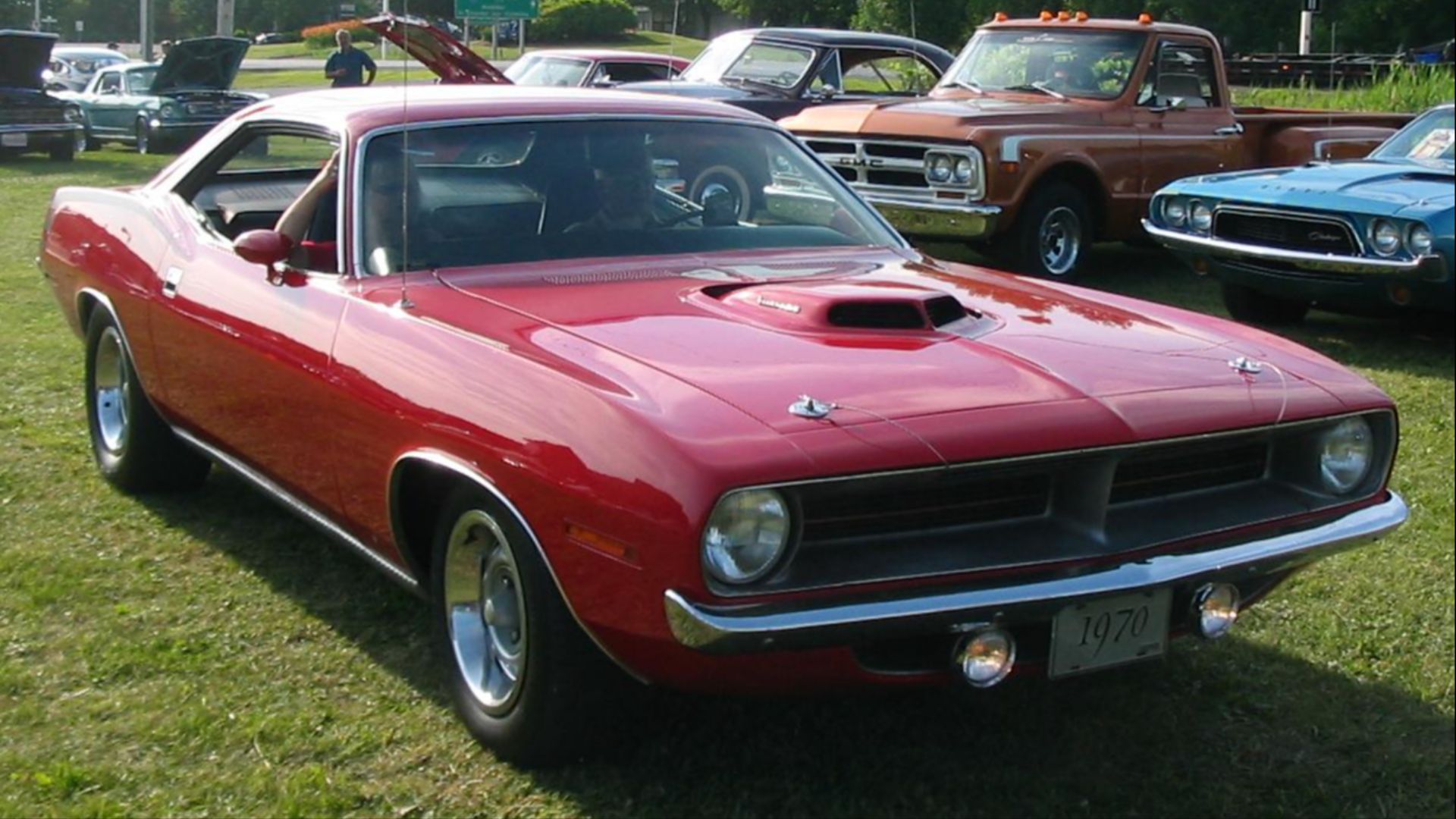
6. The 1964 Barracuda Beat The Mustang By Two Weeks
Plymouth turned the Valiant into the Barracuda with a fastback roof and an enormous wraparound rear window. It reached showrooms on April 1, 1964, beating the Ford Mustang by 16 days. That head start counted for little since Ford outsold it by more than five to one that year.
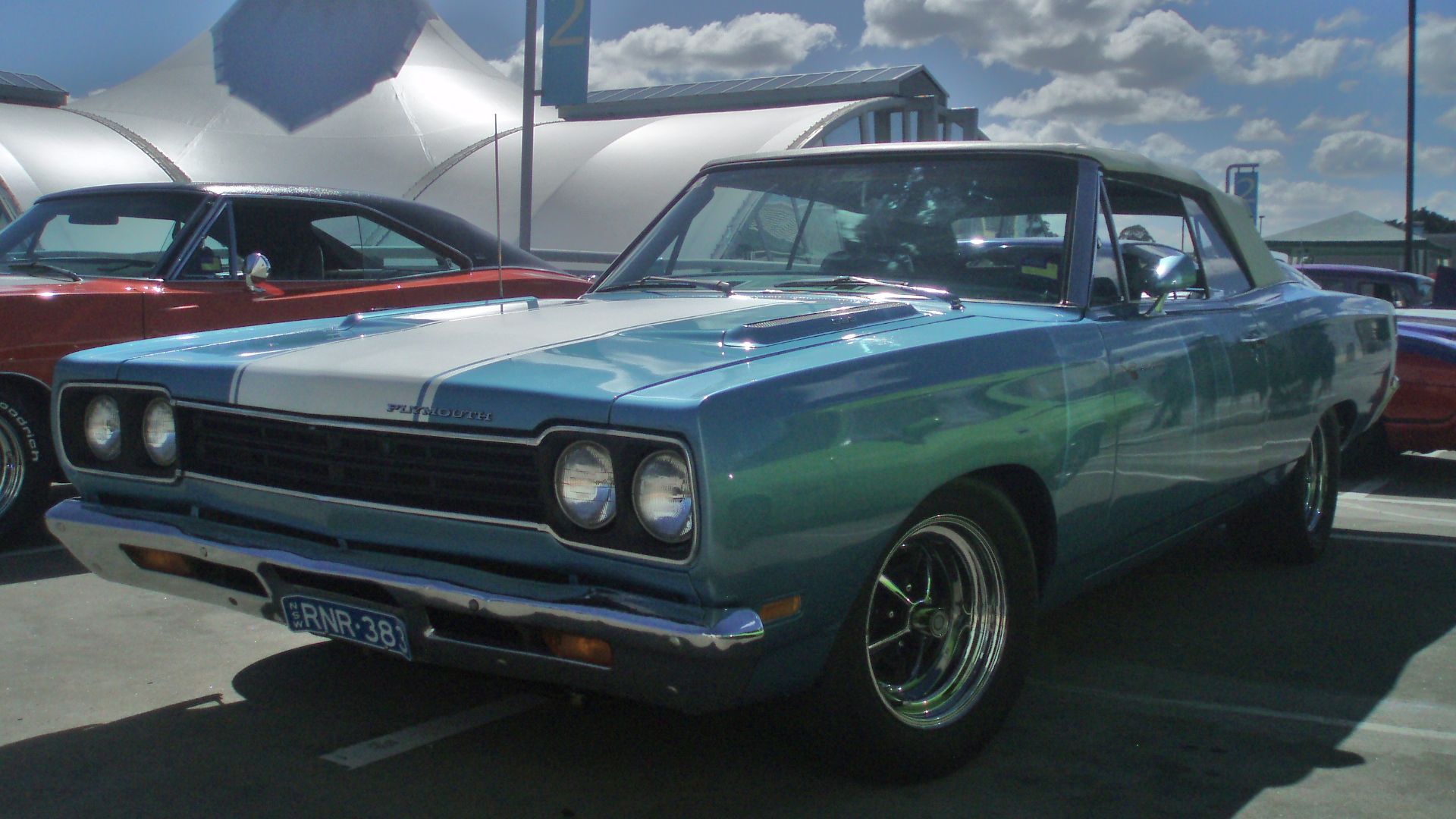
7. The 1968 Road Runner Sold Muscle At A Working Wage
Plymouth stripped the Belvedere down to its essentials, fitted a 335-horsepower V8, and sold the result for just $2,870. The Road Runner borrowed its name from the Warner Bros. cartoon character, complete with a horn that went "beep beep." Plymouth expected around 20,000 sales in 1968 but ended up selling 44,599.
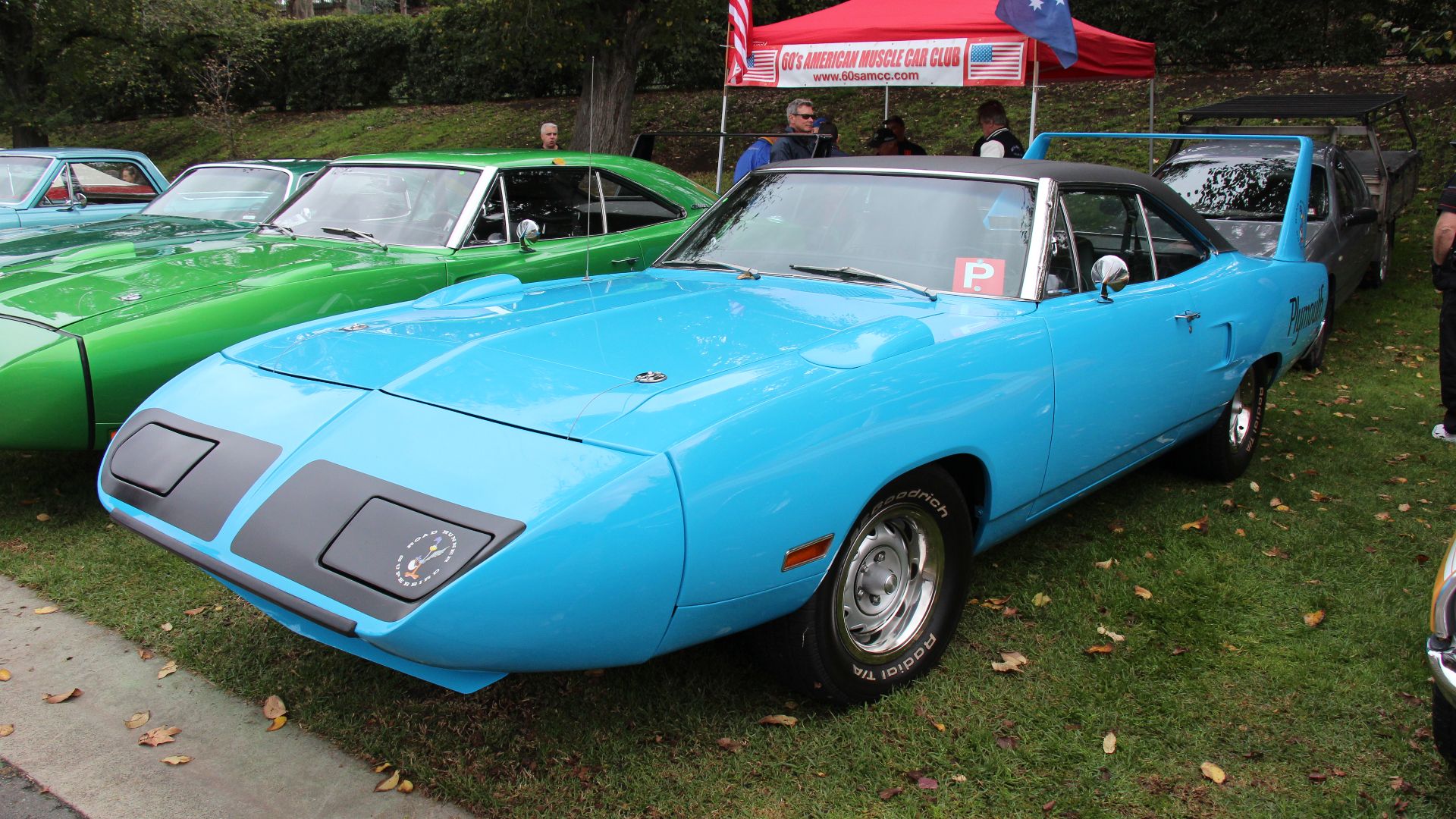
8. The 1970 Superbird Brought Richard Petty Back to Plymouth
Richard Petty left Plymouth for Ford in 1969, so the company built a car worth returning for. The Superbird gave the Road Runner a pointed nose and an enormous rear wing, with roughly 1,935 roadgoing examples built to satisfy NASCAR rules. Petty returned for 1970, and the Superbird won eight NASCAR races that season between Petty and fellow driver Pete Hamilton.
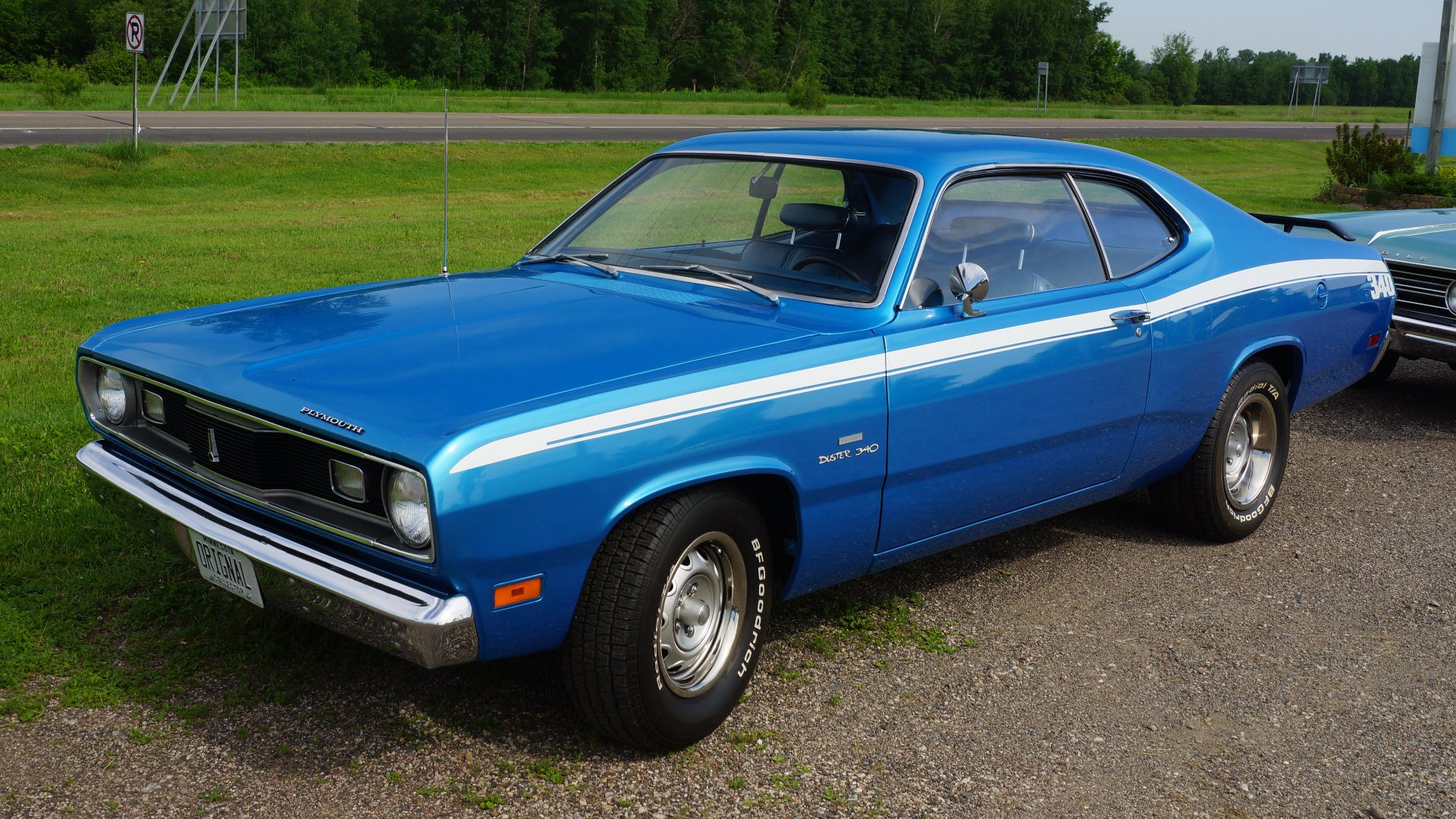
9. The 1970 Duster Made Cheap Look Fast
Plymouth gave the Valiant a sloping fastback roof and turned its economy car into a sporty coupe without spending much on development. The Duster 340 packed a 275-horsepower V8 capable of embarrassing more expensive muscle cars. Buyers loved the formula, with over 217,000 Dusters built in 1970, although fewer than 25,000 had the performance engine.
 Greg Gjerdingen from Willmar, USA on Wikimedia
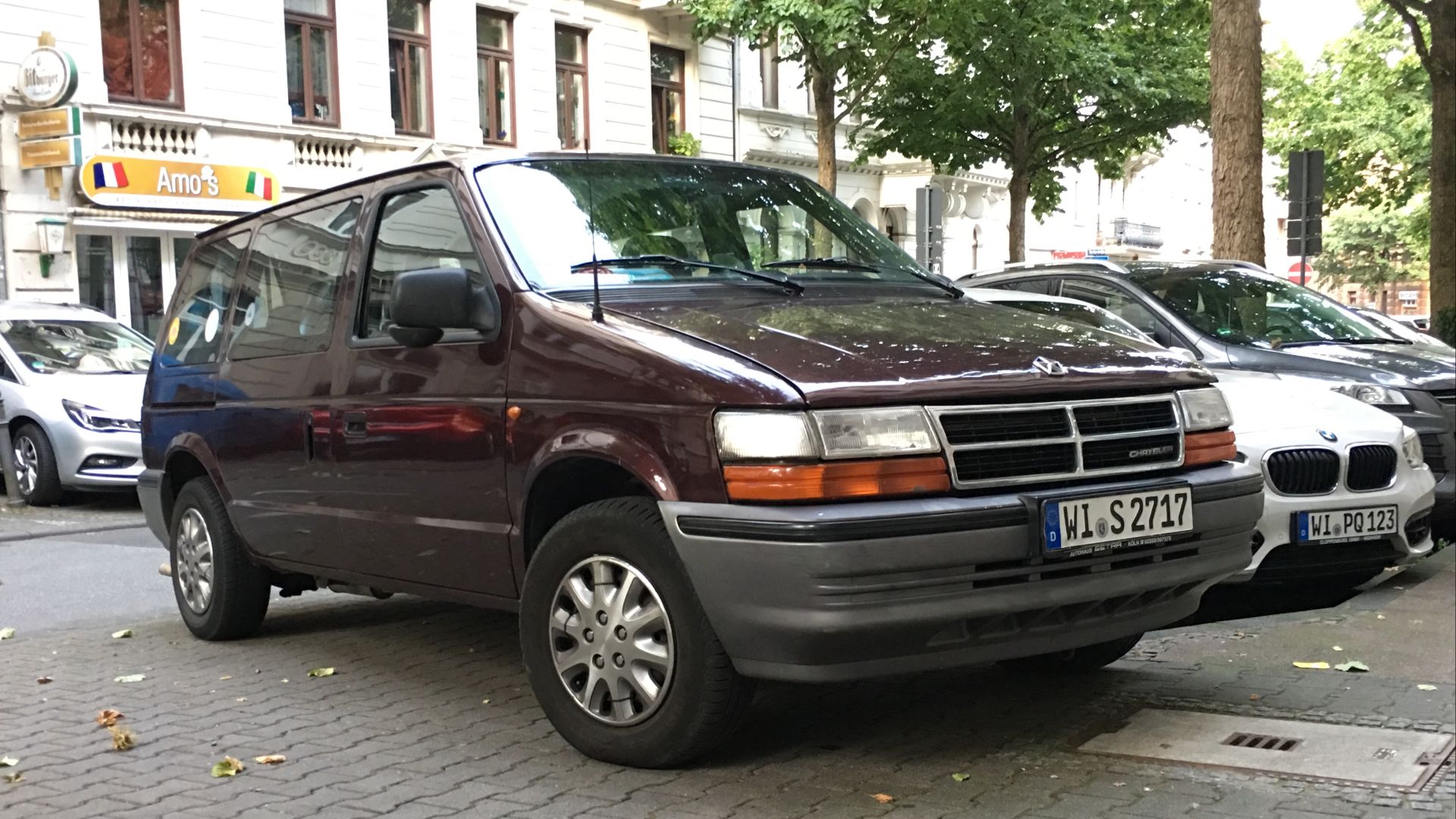
10. The 1984 Voyager Made the Minivan Mainstream
Chrysler figured families wanted the space of a van without something too large for the garage. The front-wheel-drive Voyager delivered that combination, sharing its engineering with the Dodge Caravan. Together, the two models sold about 210,000 units in 1984, establishing a new family-vehicle category that became central to Chrysler's recovery.
The other 10 show how Plymouth gradually lost what made it different.
 Rutger van der Maar on Wikimedia
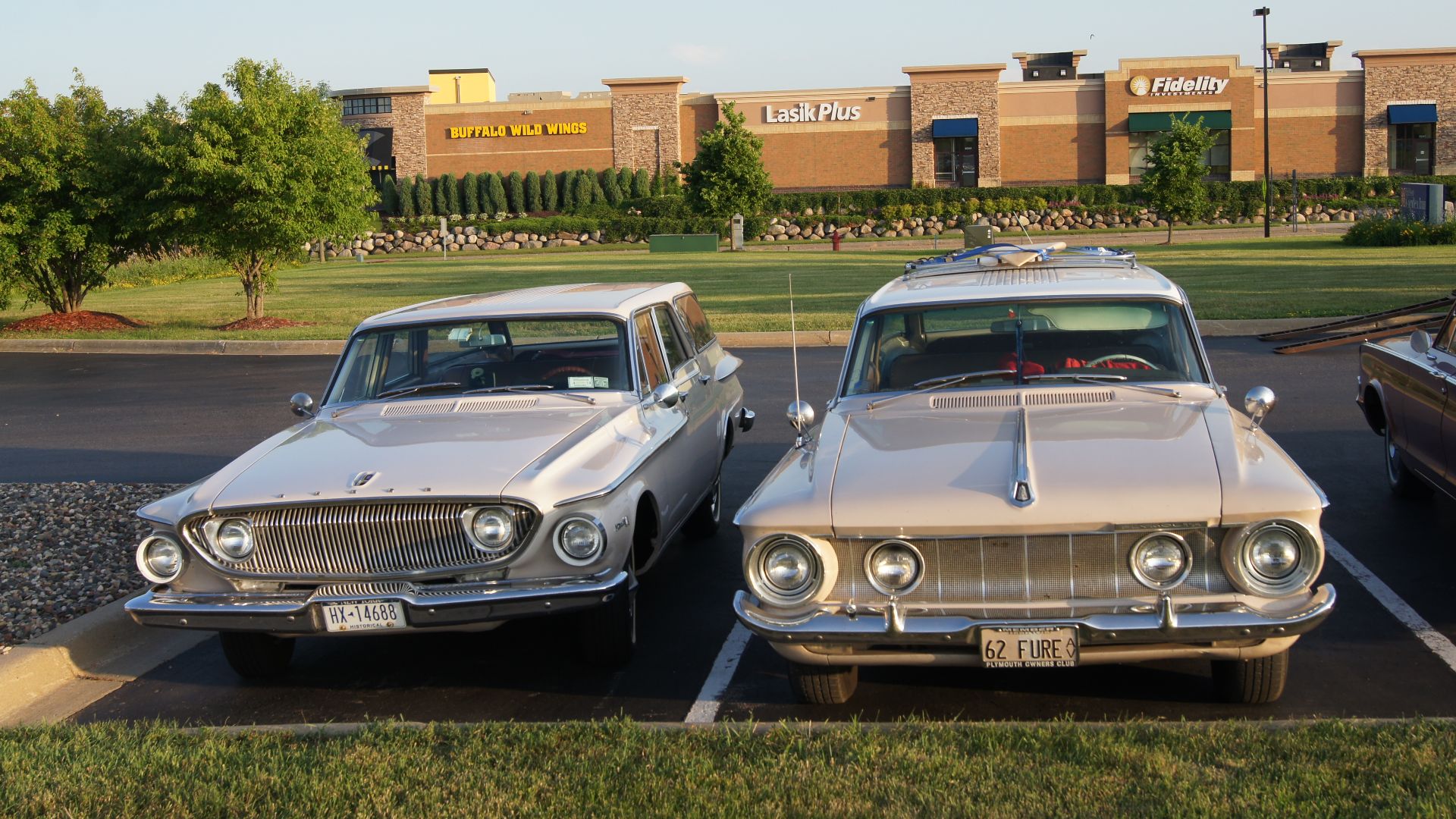
1. The 1962 Fury Came Back Seven Inches Shorter
The Fury returned for 1962 at 202 inches long, down roughly seven and a half inches, closer to what the industry would later call an intermediate. Chrysler executive William Newberg had ordered the cut after hearing that Chevrolet was going small, when Chevrolet was actually preparing the compact Chevy II. Buyers were not willing to pay full-size money for it, and Plymouth fell from fourth to eighth in the American sales rankings.
 Greg Gjerdingen from Willmar, USA on Wikimedia
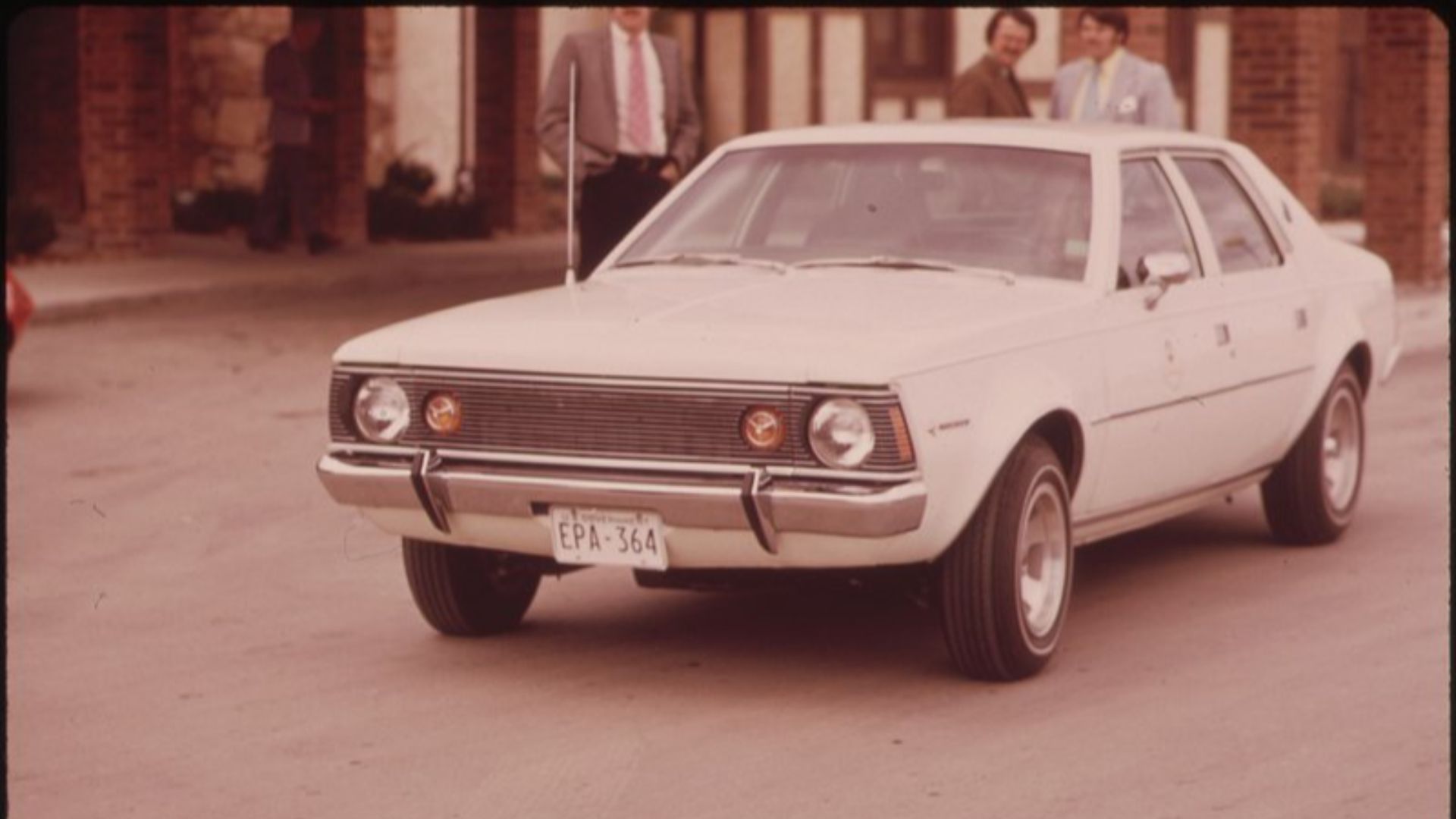
2. The 1971 Cricket Couldn't Keep Up With the Pinto
Plymouth needed a small car to compete with the Ford Pinto and Chevrolet Vega, so Chrysler imported Britain's Hillman Avenger and renamed it the Cricket. Poor build quality and premature corrosion undermined what should have been an affordable alternative. Plymouth sold roughly 28,000 Crickets in 1971, while Ford sold more than 350,000 Pintos.
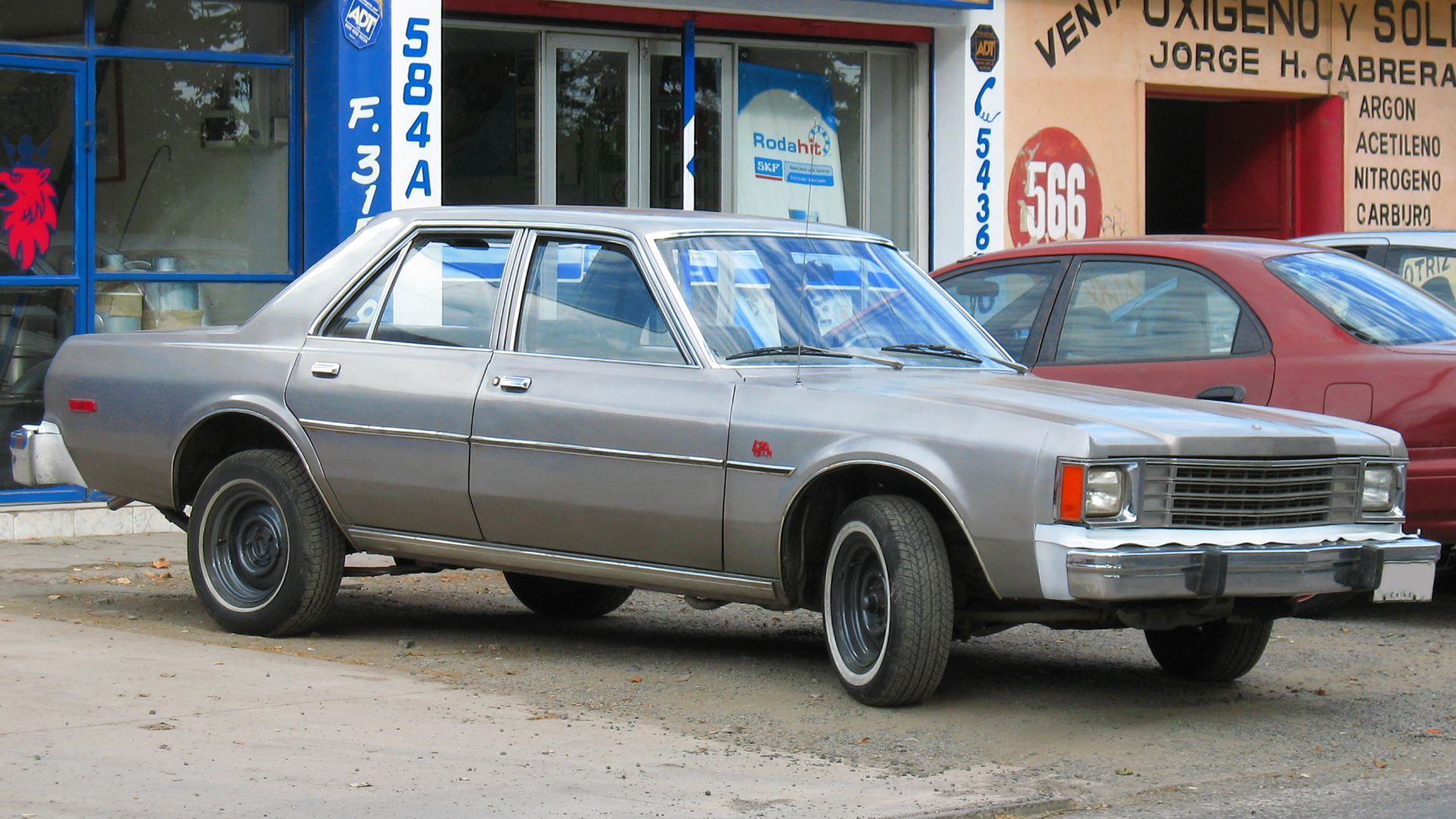
3. The 1976 Volaré Started Rusting Almost Immediately
The Volaré and its Dodge Aspen twin looked promising enough to share MotorTrend's 1976 Car of the Year award. Then came the breakdowns, repeated recalls, and front fenders that rusted long before owners expected them to. Chrysler eventually agreed to replace affected fenders, adding millions in costs when the company was already struggling financially.
 order_242 from Chile on Wikimedia
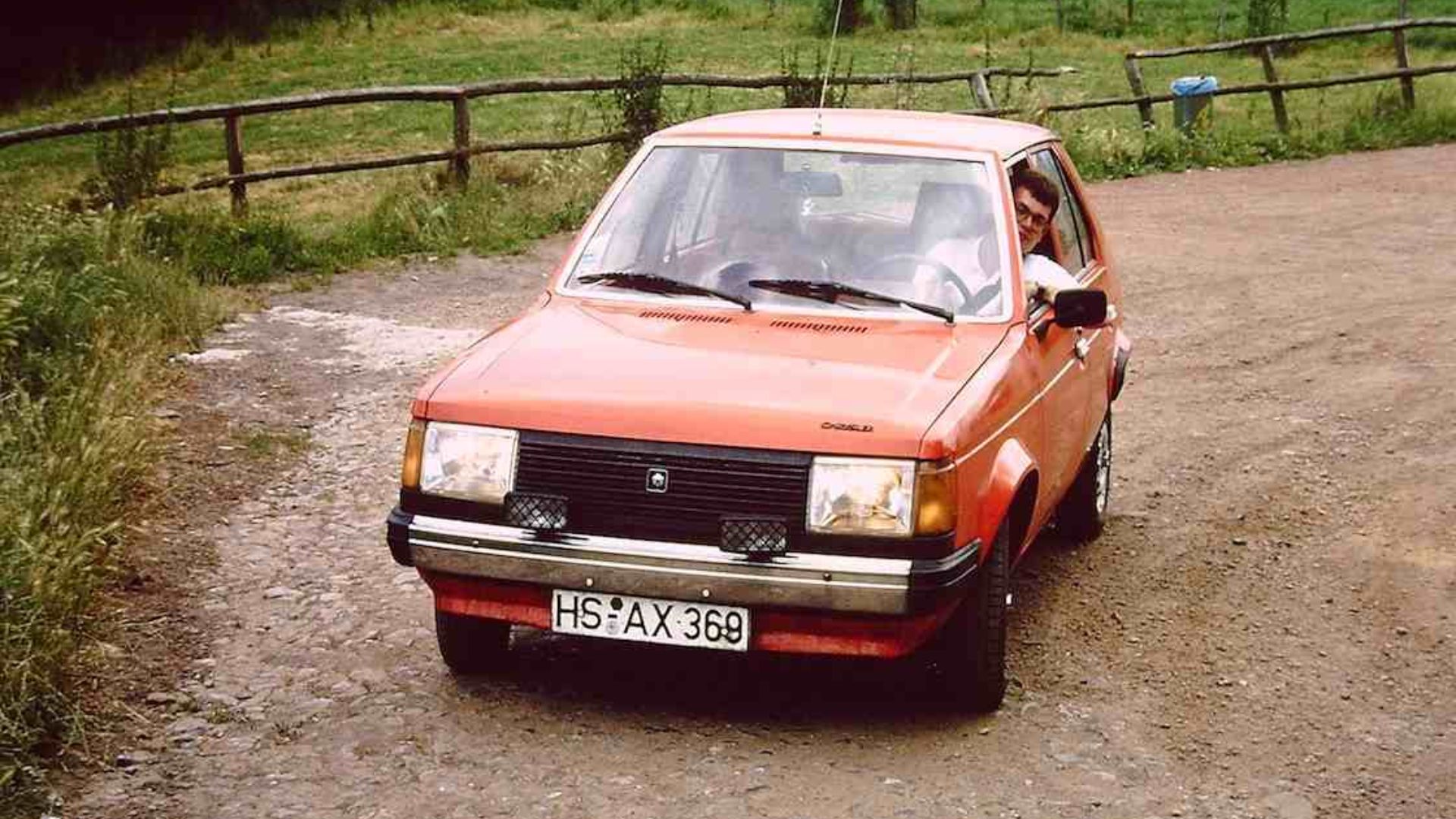
4. The 1978 Horizon Gave Plymouth an Identical Dodge
The Horizon was an important step forward for Chrysler, bringing domestically built front-wheel-drive economy cars to American showrooms. But the Plymouth shared almost everything with the Dodge Omni, leaving buyers to distinguish them mainly by their grilles and badges. Both remained on sale through 1990, giving the company thirteen model years of essentially the same car under two names.
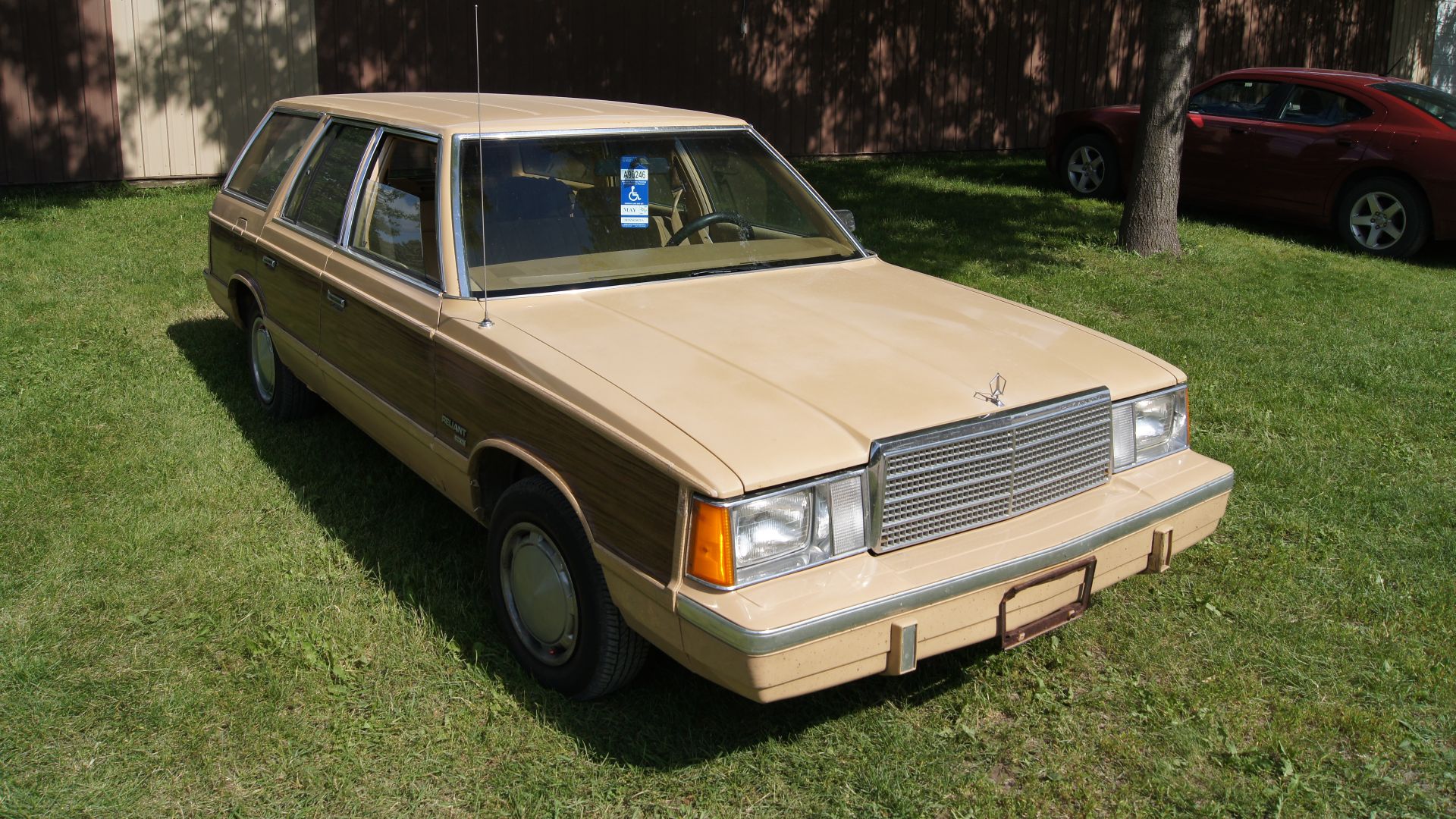
5. The 1981 Reliant Made Plymouth Harder to Distinguish
The front-wheel-drive Reliant helped pull Chrysler out of its financial crisis, contributing to a recovery that allowed the company to repay its federally guaranteed loans by 1983. It was affordable and practical, exactly what buyers needed. Unfortunately for Plymouth's identity, the Dodge Aries offered nearly everything the Reliant did, right down to the dashboard.
 Greg Gjerdingen from Willmar, USA on Wikimedia
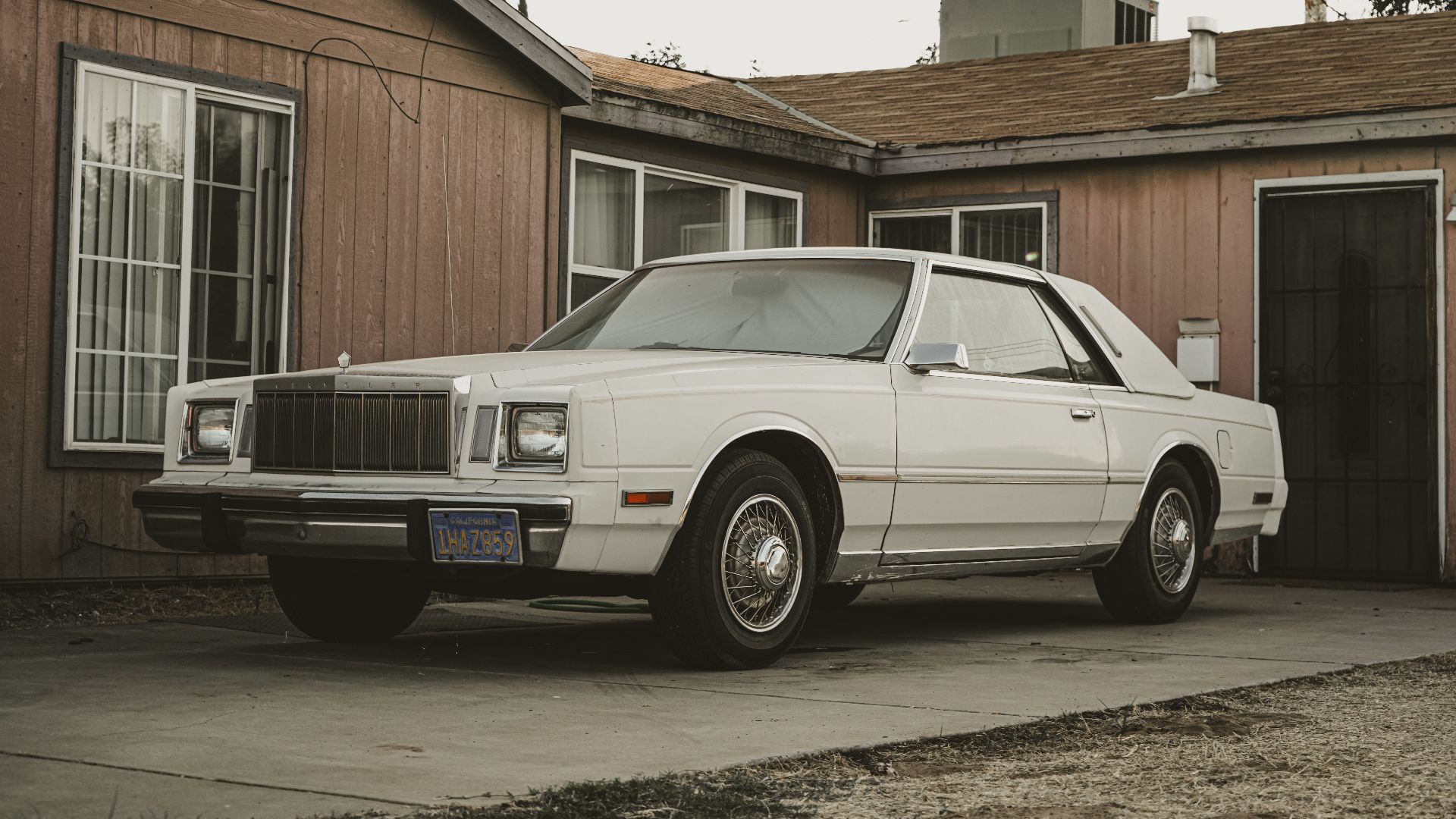
6. The 1984 Conquest Was Always Somebody Else's Car
Plymouth's turbocharged Conquest looked like a serious Japanese sports coupe because that was exactly what it was. Mitsubishi built it as the Starion, while Chrysler sold versions through both Plymouth and Dodge dealerships. In 1987, the Conquest moved entirely under the Chrysler name, leaving Plymouth without the car it had been borrowing.
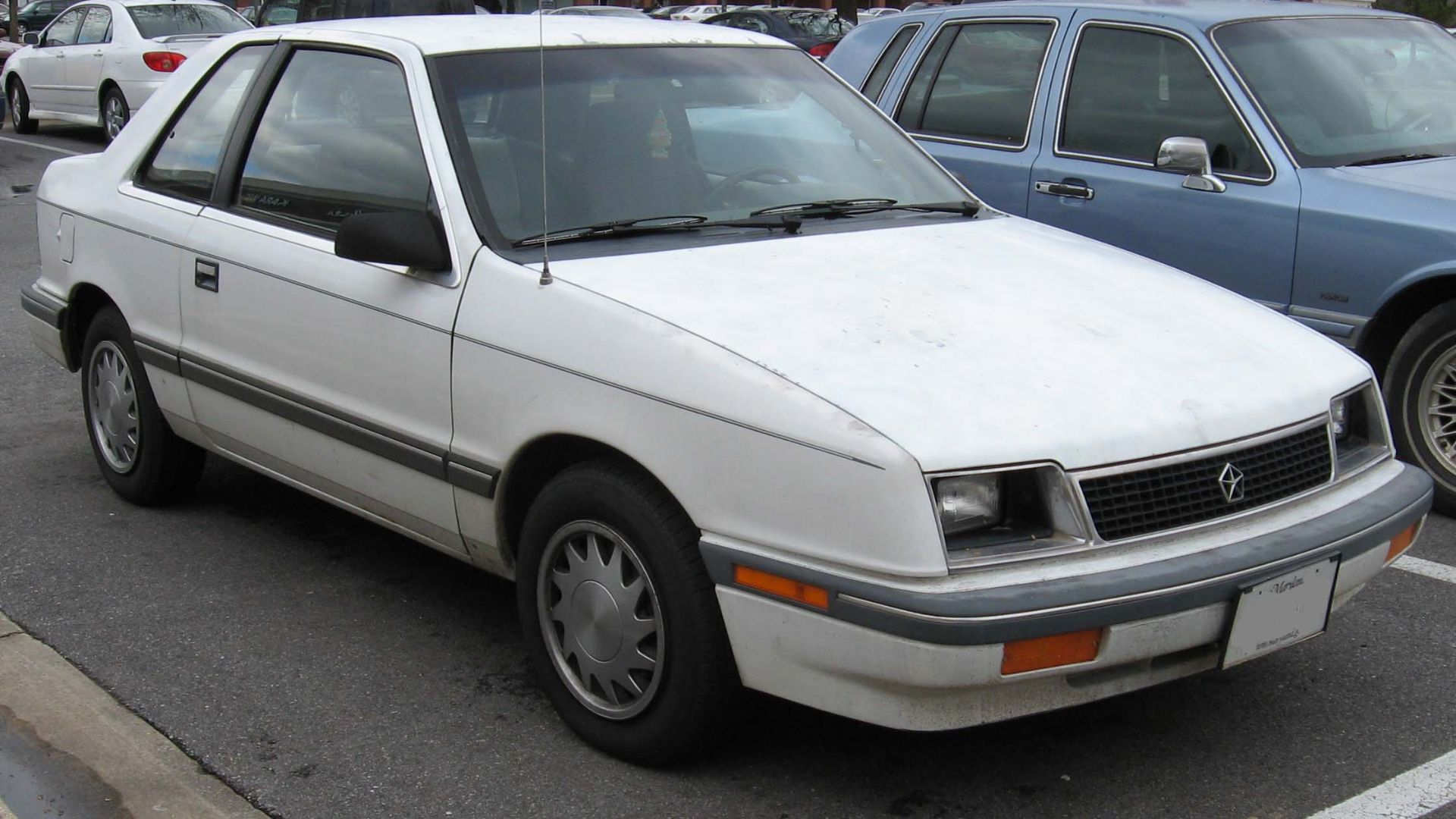
7. The 1987 Sundance Had a Dodge Twin From Day One
The Sundance arrived alongside the Dodge Shadow, sharing its engines and body design with little more than grille and taillight differences. Both offered practical hatchback bodies disguised by conventional sedan styling. Dodge eventually received a convertible version, while Plymouth never did, giving Sundance buyers one less reason to choose their version.
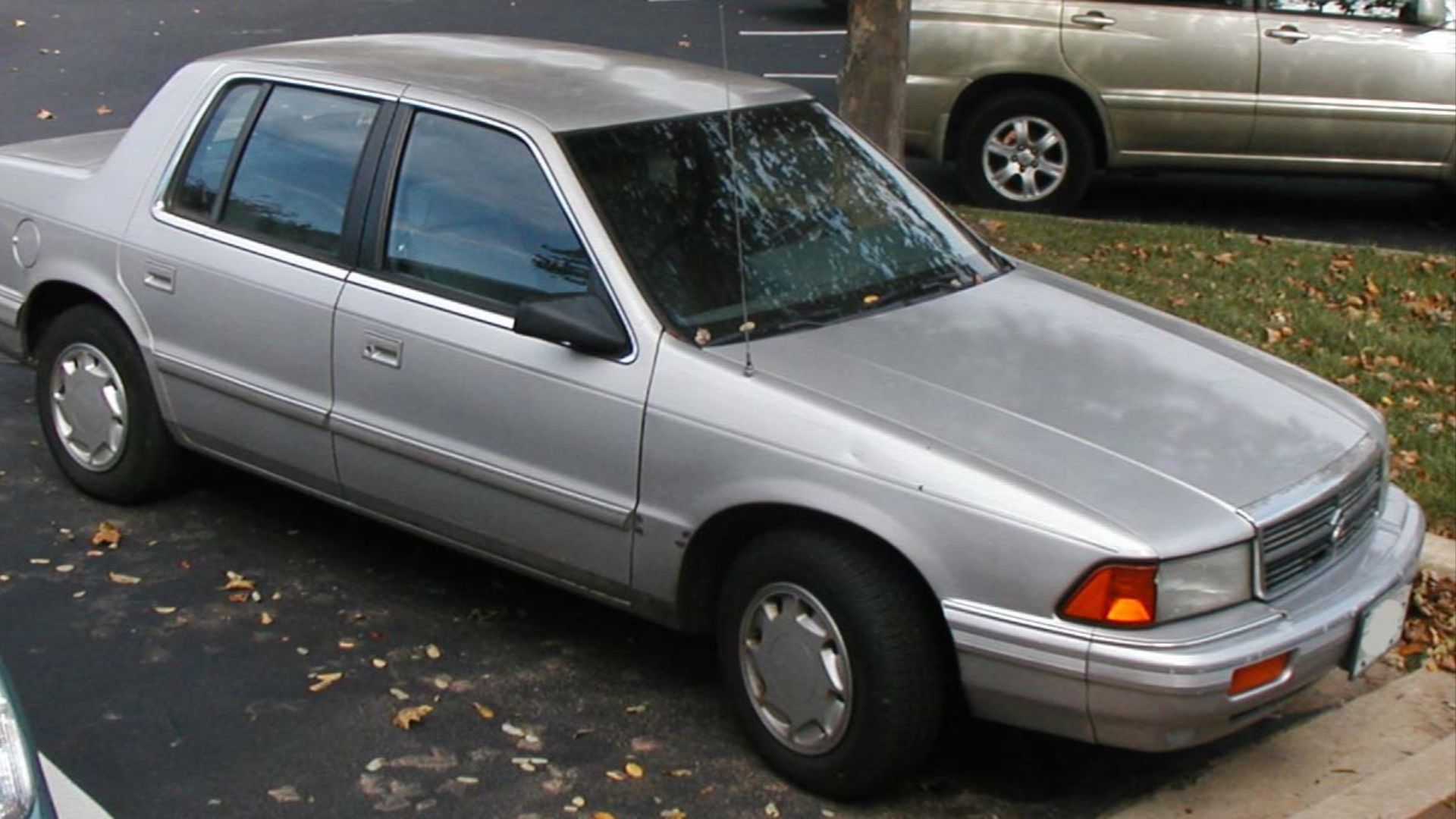
8. The 1989 Acclaim Never Got Dodge's Fastest Engine
The Acclaim and Dodge Spirit arrived as nearly identical family sedans in 1989. Two years later, Dodge introduced the Spirit R/T with a 224-horsepower turbocharged engine and an advertised top speed of 142 mph. Plymouth never received an equivalent, leaving the Acclaim with the sensible qualities of the shared design but none of its most memorable performance.
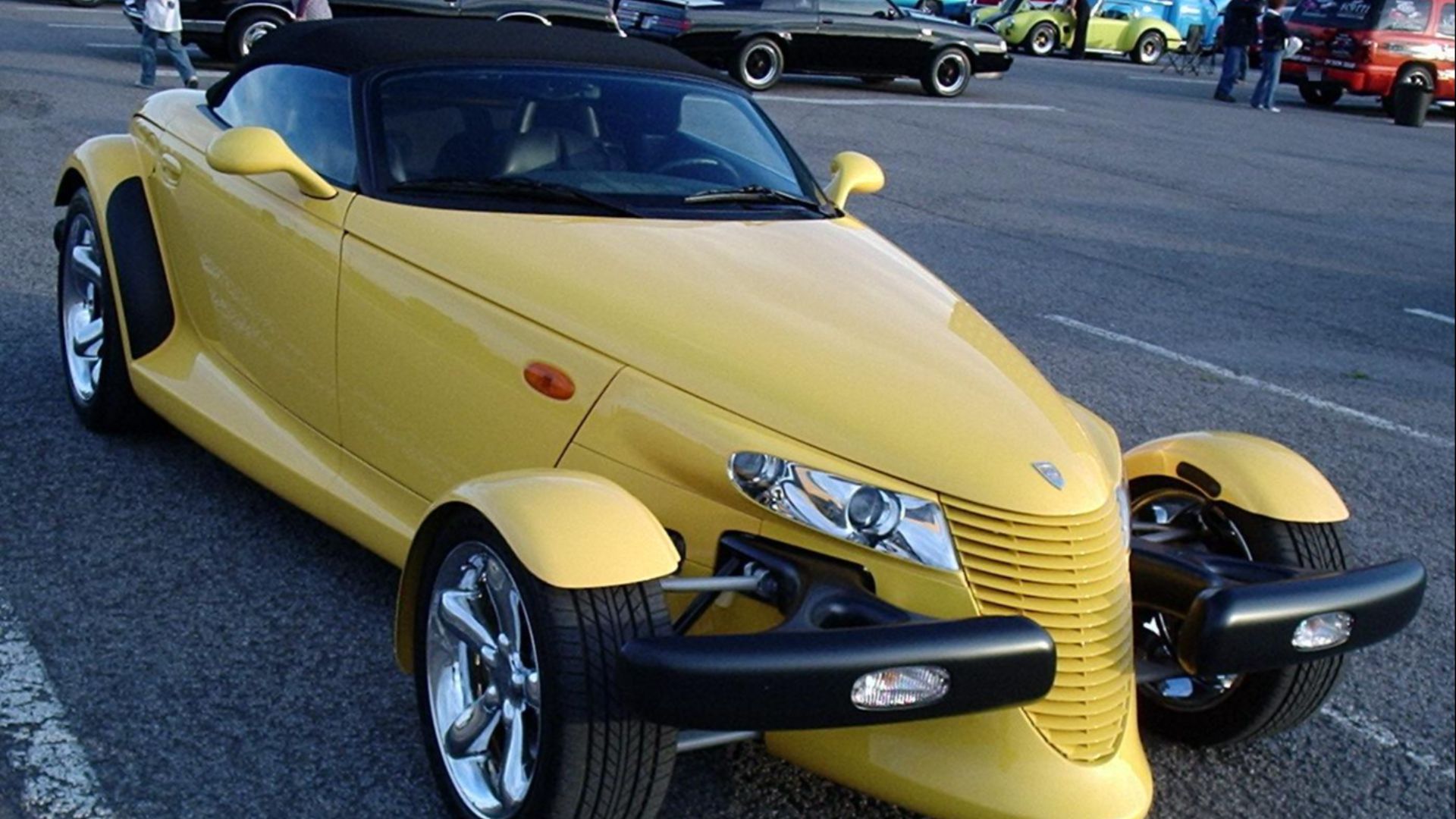
9. The 1997 Prowler Couldn't Deliver the V8 People Expected
With exposed front wheels and an aggressive hot-rod silhouette, the Prowler looked ready to tear up the drag strip. Instead, the production car arrived with a 214-horsepower V6 and an automatic transmission, disappointing enthusiasts expecting traditional V8 performance. A stronger engine followed in 1999, but the Prowler ultimately finished production as a Chrysler in 2002.
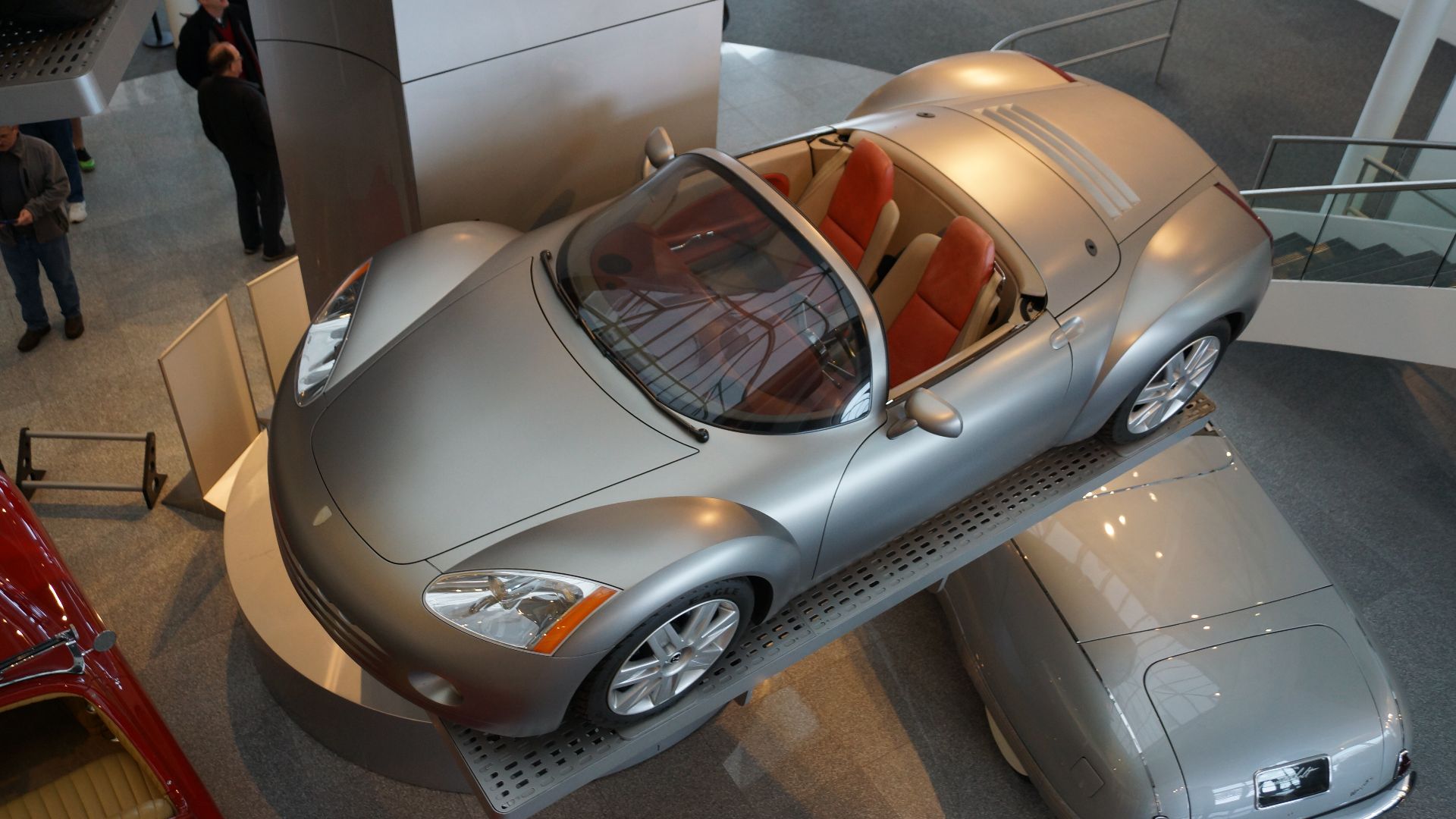
10. The PT Cruiser Lost Plymouth Before It Launched
Plymouth's Pronto concept cars helped establish the retro styling that eventually became the PT Cruiser. The production model was supposed to give Plymouth something distinctive at a time when most of its lineup closely resembled Dodge or Chrysler products. But DaimlerChrysler decided to eliminate the division, and the PT Cruiser reached showrooms in 2000 as a 2001 Chrysler model instead.
 Greg Gjerdingen from Willmar, USA on Wikimedia