
Your Car Keeps Receipts
Don’t assume you’re sly when you walk into a mechanic’s shop. You may think leaving out a few details is the best play, but the professional who popped your hood can tell when something has been abused. Certain habits put unnecessary strain on transmissions, tires, and clutches, often turning preventable wear into a hefty bill. If you’re guilty of any of these 20 habits, your mechanic would probably love for you to retire them before your next visit.
1. Flying Over Potholes
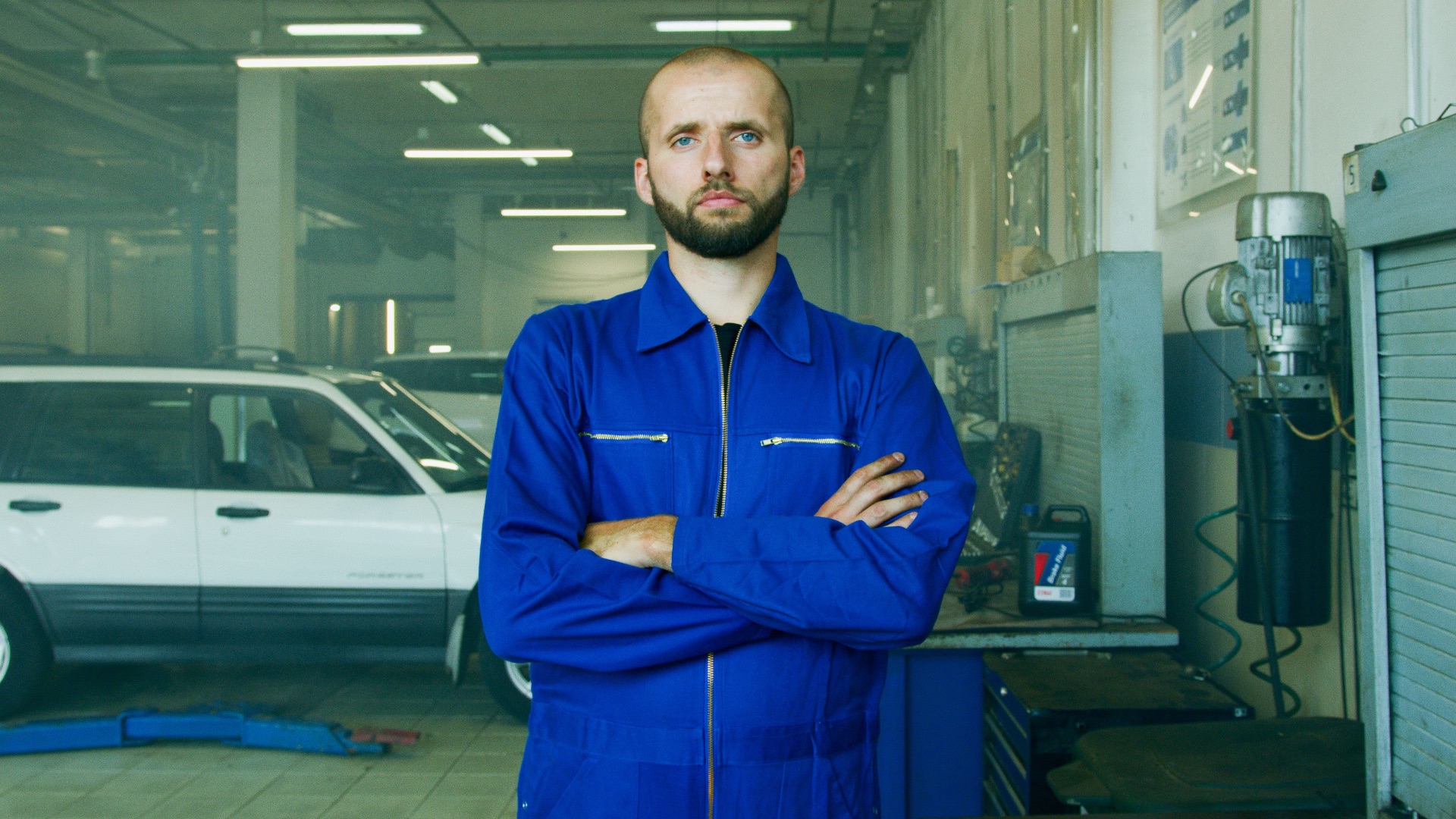
Hitting a deep pothole at speed can damage far more than your patience. It’s common for the impact to reach the tire, wheel, alignment, and suspension, leaving you with a lot more on your plate to worry about. A particularly nasty hit can even bend a rim or contribute to problems with control arms and other components.
2. Turning the Wheel While Parked
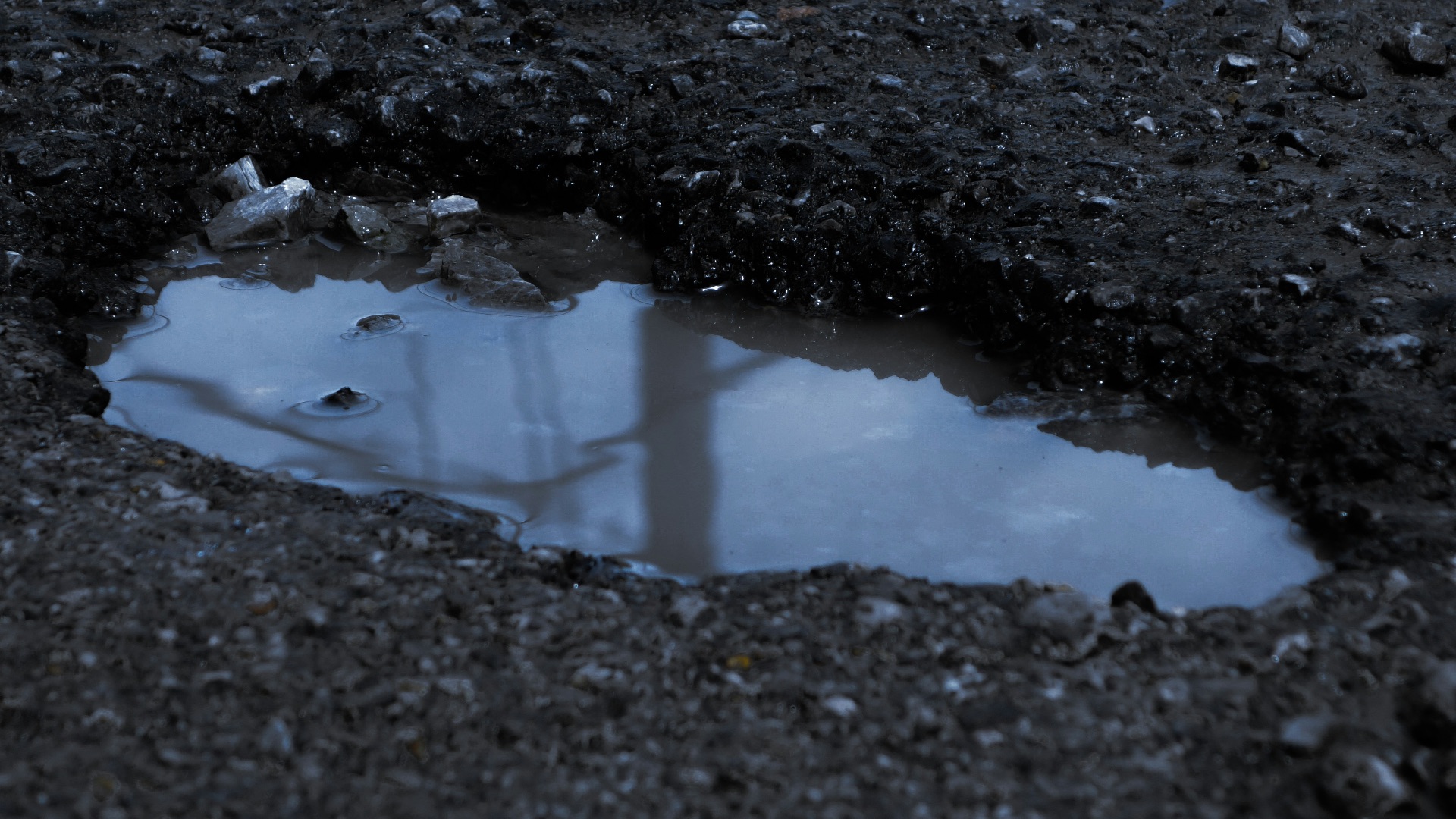
Some drivers crank the steering wheel back and forth before the car has even started moving during a tight parking maneuver. It’s known as dry steering, and it creates extra scrubbing at the tires. It also places unnecessary load on steering components. As you can imagine, mechanics shake their heads every time.

3. Holding the Wheel at Full Lock
Once the steering wheel reaches its limit, continuing to pull against it doesn't make your car turn any tighter. On cars with hydraulic power steering, holding full lock can raise pressure and put extra stress on the pump and system. Do yourself a favor: back the wheel off slightly during a tight U-turn.
4. Smacking Curbs
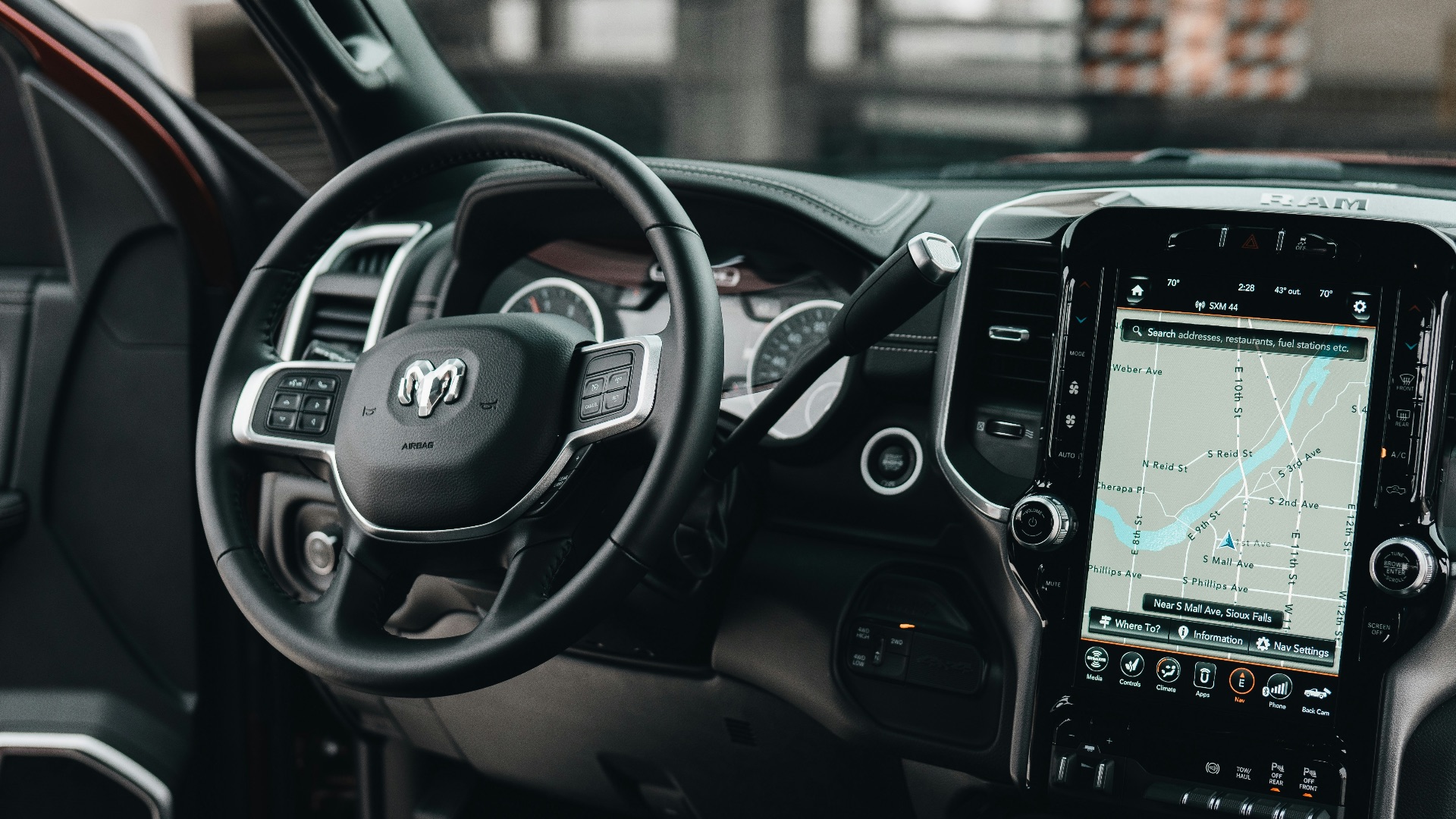
We’ll admit that this happens to the best of us, but that doesn’t mean you should make a point of doing it. That little bump against the curb may seem harmless, but repeated impacts aren't doing your wheels any favors. Tires can suffer sidewall damage, rims can become scratched or bent, and harder strikes may disturb the alignment.
5. Charging Over Speed Bumps
Speed bumps are there for a reason—and they’re not a personal dare in waiting. Taking one too quickly can give shocks, struts, bushings, and tires a much harder impact than necessary. Even if you don’t think it makes a difference, slowing before the bump is cheaper than arriving at the shop with a new clunk.
6. Holding a Manual Car on a Hill With the Clutch
Balancing the clutch and throttle may keep a manual car from rolling backward on an incline, but you're making the clutch slip while doing it. That friction produces heat and can accelerate wear on a component that's way more expensive to replace than you think. The brake is there to hold the car while you prepare to move.
7. Lugging the Engine in Too High a Gear
We hate to say it, but manual drivers sometimes leave the transmission in a high gear even when the engine is struggling at low rpm. Pressing hard on the accelerator doesn’t help; it creates heavy engine load. Shifting down and letting the engine operate comfortably is much better than demanding full effort from the wrong gear.

8. Forcing a Bad Downshift
Don’t kid yourself—an enthusiastic downshift turns into an expensive mistake when you pick a gear too low for your current speed. In a manual transmission, the resulting engine overspeed can cause serious damage. You’d think drivers would learn, but they don’t, and it’s so common that mechanics have a colorful nickname for it: the “money shift.”
9. Using the Gas to Hold Yourself on a Hill
Automatic and dual-clutch cars shouldn't be kept stationary on an incline by feeding in throttle. Depending on the transmission design, you're potentially creating unnecessary wear when the brakes could hold the vehicle without all the fuss. Use the brake pedal or the car's hill-hold feature instead of turning every steep traffic light into a drivetrain workout.
10. Creeping Constantly
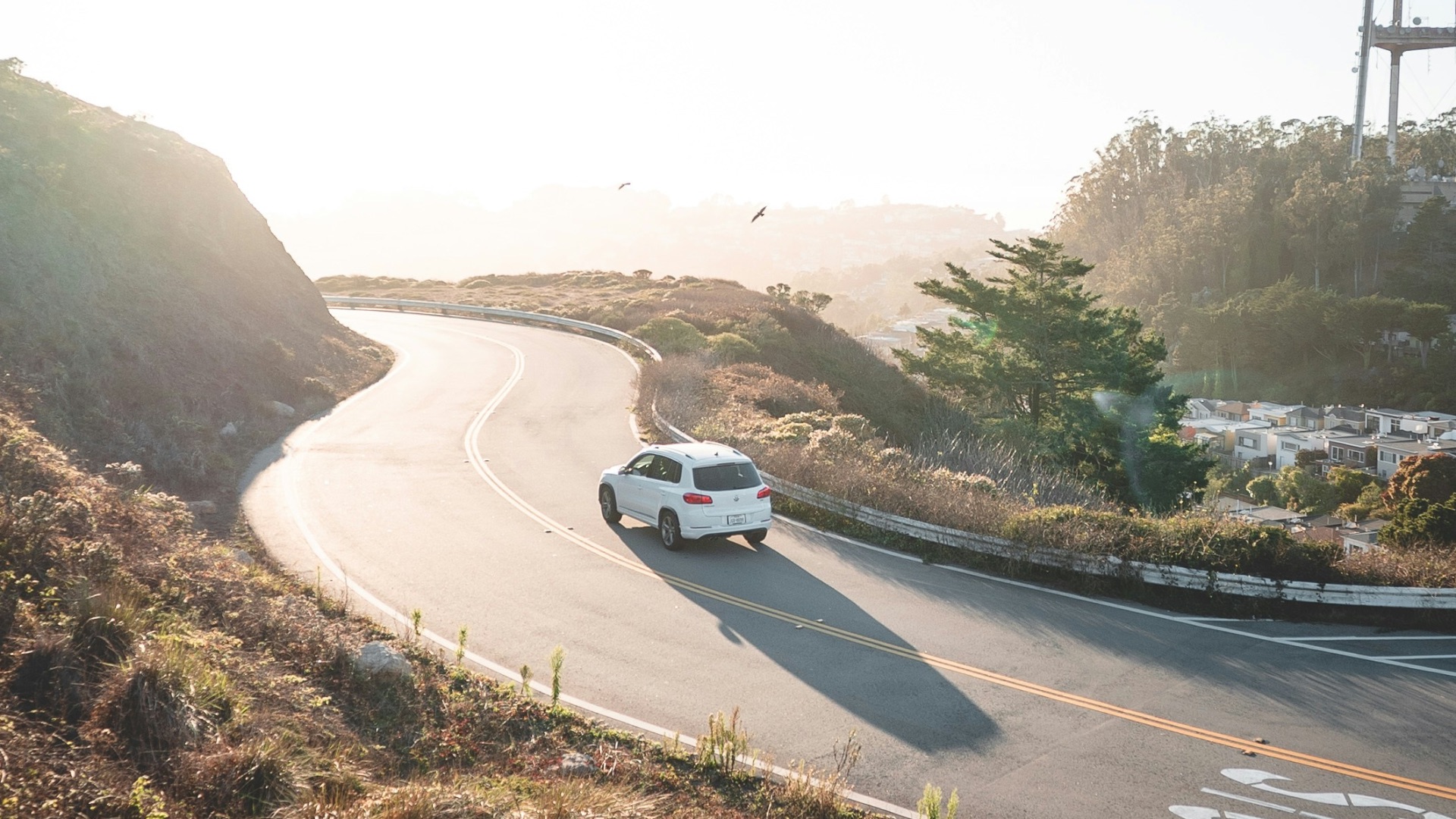
Drivers accustomed to traditional automatics may crawl forward in traffic without realizing some dual-clutch transmissions act differently. Extended low-speed creeping can require the clutches to slip repeatedly, which only leads to heat and additional wear. Leaving a little space and moving forward more decisively can be gentler.
11. Dumping the Clutch
Quickly releasing the clutch at high speed creates a launch that impresses exactly no one—especially at your repair shop. The sudden shock can punish the clutch, transmission, and mounts, and that damage is easy to sniff out when you’re a reputable mechanic. One enthusiastic launch probably won't condemn a healthy car, but making it your signature departure isn't helping.

12. Doing Burnouts
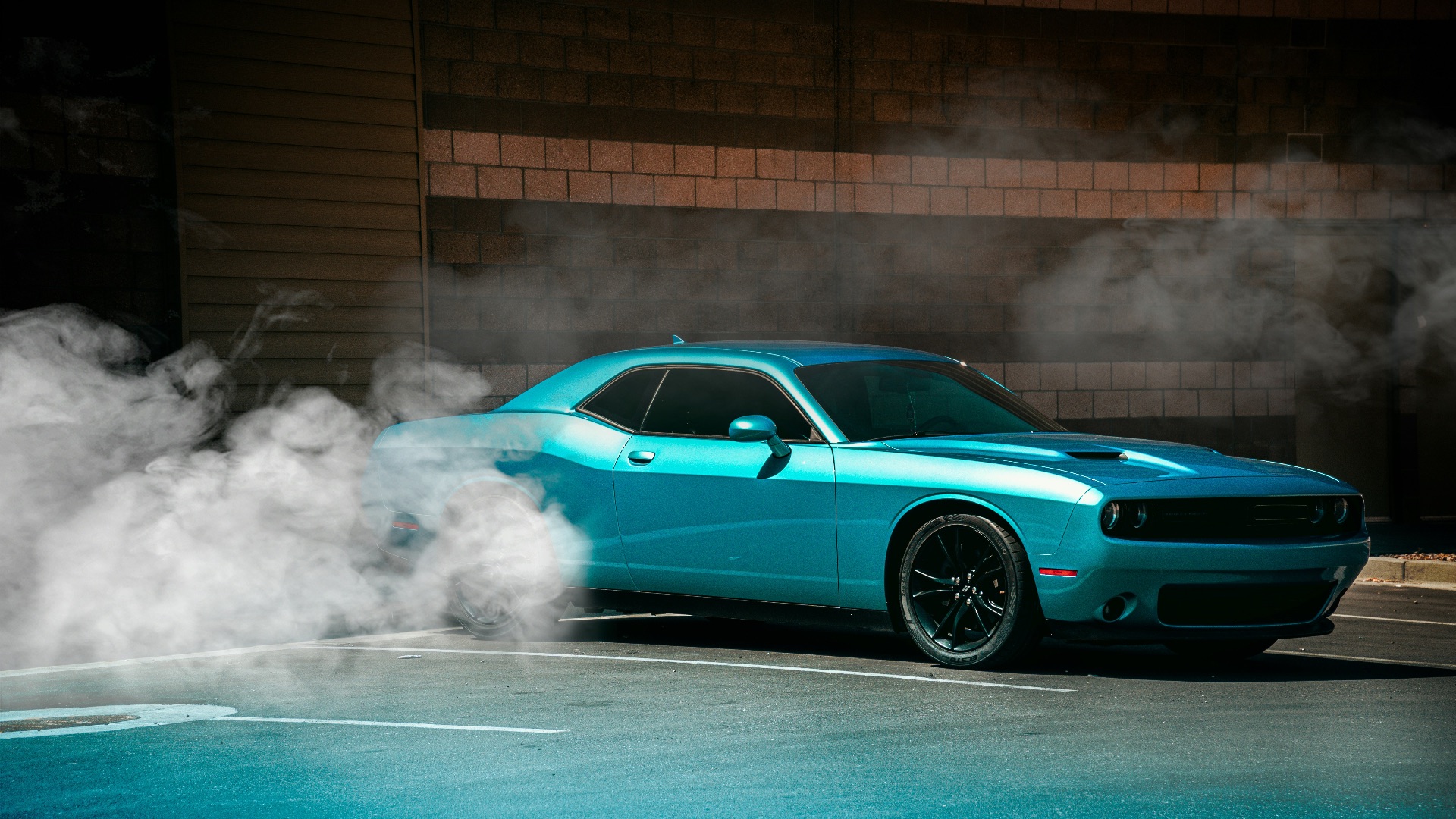
Burnouts only look cool in movies. In reality, repeated abuse can be hard on tires, clutches, differentials, axles, and transmissions asked to handle the sudden force. Oh, sure, your mechanic will appreciate the business, but they'd still prefer you didn't pop in so often.
13. Bouncing Off the Rev Limiter
A rev limiter exists to protect an engine from exceeding a preset speed. It’s not a target you should hit every time you accelerate. Regularly running an engine to its limit only adds stress, particularly when you’re already an aggressive driver. Shifting at a sensible point keeps the fun without repeatedly asking a protective system to step in.
14. Taking Nothing But Tiny Trips
A car that only travels a mile or two at a time can actually rarely reach its normal operating temperature before being shut off again. Repeated short trips are especially troublesome for certain modern diesels that need sufficient running conditions to keep their emissions systems in good shape. You have a car, so you might as well use it! Combining errands occasionally gives your wheels a chance to spend more time getting warmed up.
15. Interrupting Diesel Regeneration
Diesel particulate filters collect soot and sometimes need conditions that allow the vehicle to burn much of it away through regeneration. Not everyone knows that, which is why drivers who repeatedly shut the engine off during an active regeneration can eventually run into DPF trouble. If your diesel's manual provides a little insight, following it can spare your mechanic a headache.

16. Driving With the Parking Brake On
One of the worst things about driving is that leaving a parking brake slightly engaged happens more than you’d think. If anything, it sometimes happens without an obvious warning. However, continuing to drive creates unwanted friction. Keep an ear out; if the car suddenly feels sluggish or gives off a bad smell, continuing isn't the smart choice.
17. Spinning the Wheels When You're Stuck
Snow, mud, and sand somehow convince even the best drivers to literally spin their wheels. The thing is, you aren’t really going anywhere, and prolonged wheelspin can overheat tires. It can place considerable stress on the transmission and drivetrain without moving the car very far.
18. Handbrake Turns
Pulling the parking brake to swing the rear of the car? You might not want to do that. The maneuver can subject tires and driveline components to forces they don't encounter during normal use. Your mechanic will also absolutely spot evidence of repeated abuse.
19. Hitting Obstacles With the Wheels Turned
Striking an obstacle is bad enough when your wheels are straight, but doing it with the steering turned adds another layer of stress. The impact can affect everything from the wheel and tire to the steering and alignment. Parking lots are especially good places to slow down before you run into a surprise.
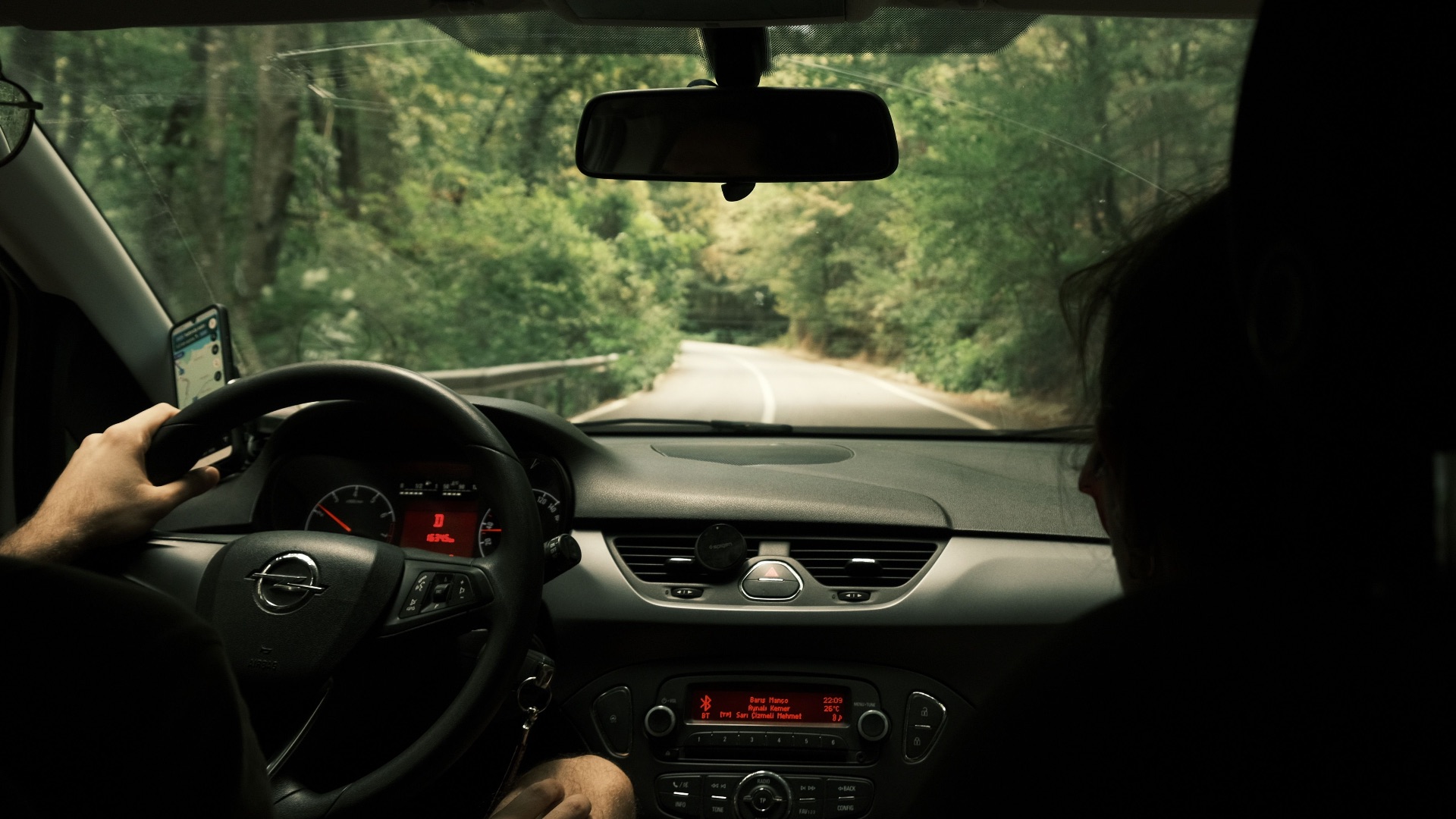
20. Treating Every Stoplight Like a Drag Race
Launching hard from every red light might look cool in movies, but the move also subjects the entire driveline to repeated high-load events. Tires, engine mounts, CV joints, transmissions, clutches, and differentials can all face greater stress as well. Take it from your mechanic: there's plenty of room between gentle driving and a full-throttle departure every four blocks.
 Tsvetoslav Hristov on Unsplash