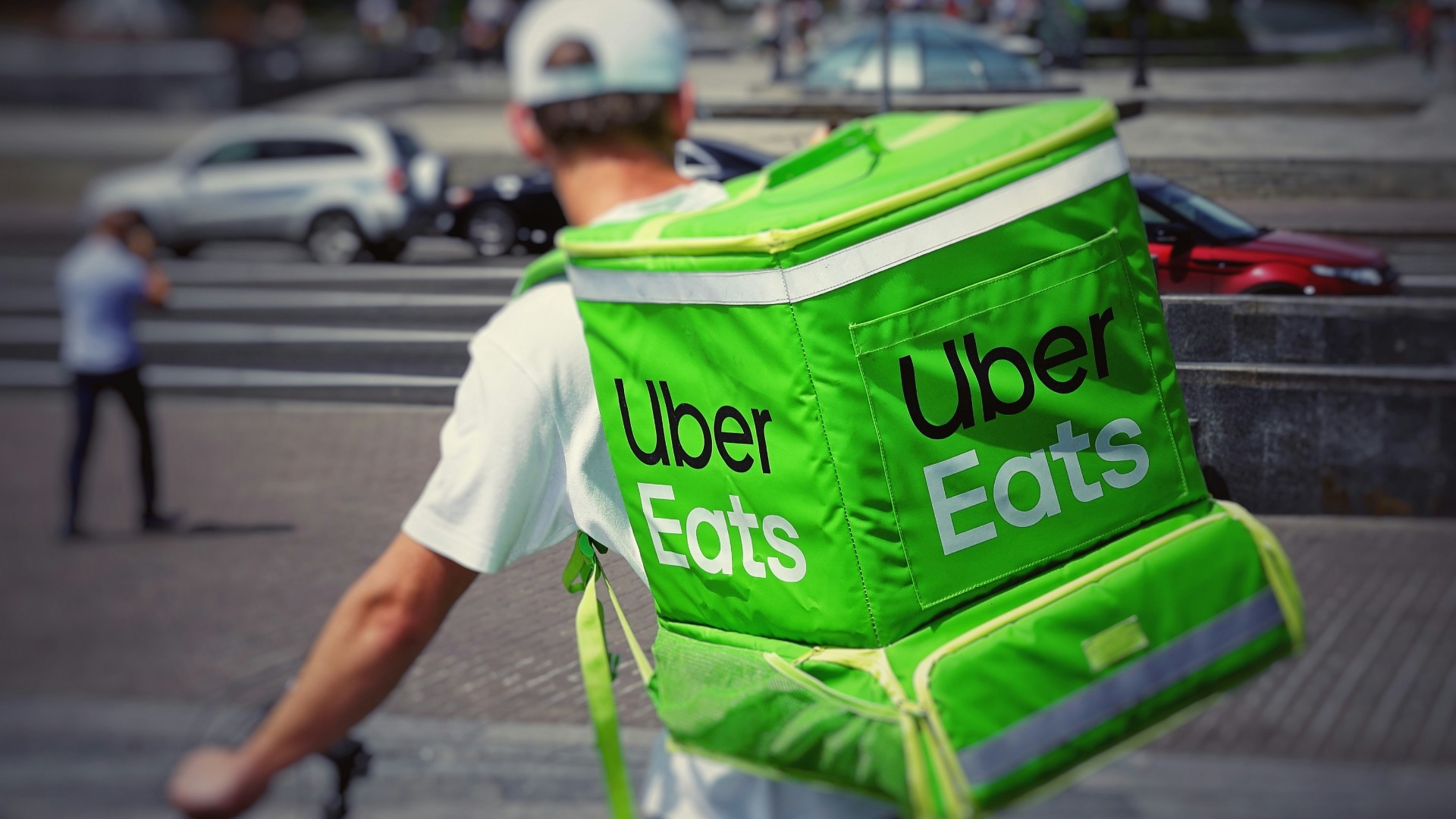
Too lazy to make food and don't want to make the trip for takeout? Well, you've got an easy solution: food delivery apps. After the pandemic, these services have made ordering your favorite dishes more convenient than ever, all without setting foot outside your home. But as the saying goes, convenience comes with a price.
Behind every order, there is your delivery driver. And not only are they collecting your piping hot food, they're also weaving through traffic, trying to get to you on time, and probably not being paid enough for it. As straightforward as the job might appear, the reality is often much more demanding than customers realize.
The Pay Is Kind of Measly
Sure, your food delivery guy might be getting tipped more often than the average Uber driver, but more often than not, they're getting paid next to nothing. And while busy Friday evenings could bring a steady stream of orders, other days of the week could involve sitting around for hours waiting and waiting and waiting some more for requests. According to a 2024 study, a majority of the gig drivers earned less than the applicable minimum wage after expenses.
Why is this, though? Well, even though delivery apps display potential earnings, drivers still have to account for the costs of completing each order. That means they still need to bear the cost of gas, maintenance, and insurance, which can consume a huge chunk of their income, especially when deliveries involve long distances. A delivery that initially appears profitable may therefore be considerably less attractive once all the expenses are considered.
Back to the tipping bit: though the extra change certainly lends drivers more to stuff their pockets, customers aren't obligated to leave anything extra. So some don't. And that means drivers may travel several miles, make sure your food is nice and fresh, and carry your order all the way to your apartment, only to receive little or no gratuity. Which really just leaves them with less than they started with.
Every Delivery Comes with Unexpected Challenges
Getting the food to you aside, there's also a set of challenges drivers have to navigate before they get to your door. They might, for example, encounter unsafe traffic, limited parking, and confusing addresses that make an otherwise simple delivery frustrating. To make sure they get to you on time, they may even perform risky maneuvers!
Restaurant delays create yet another problem. An order marked as ready might still require a lengthy standby, particularly during busy lunch and dinner periods, and since many delivery services compensate drivers primarily for completed tasks, this additional time will only reduce their earnings. Who pays them to wait? Nobody.
Even without bad traffic, poor weather conditions can also make the job dangerous, especially for drivers who rely on bicycles or scooters. Even those using cars must contend with reduced visibility, hazardous driving conditions, and the constant possibility of an accident. At the end of the whole ordeal, drivers might then be met with a snarky customer, demanding to know why they were late or why their food isn't hot anymore. Maintaining a professional attitude throughout these interactions can be, unsurprisingly, pretty exhausting.
Lack of Job Security
Unlike traditional employees, many app-based delivery drivers work as independent contractors, which means they don't have standard employment benefits. Without arranging other health insurance on their own (which is expensive enough on its own), they'd have to pay for anything medical or dental-related out of pocket! Taking a day off can also mean losing income they can't easily replace, and isn't really feasible for people relying on deliveries as their primary livelihood.
And since drivers bear the costs of their own means of transportation, vehicle problems, of course, land on them. If their car needs to sit in the shop, they'll be without work and have to shell out cash for pricey repairs. Regular maintenance work only becomes more burdensome, too, when certain insurance policies don't actually cover commercial delivery activities. Hit-and-run? Too bad, most delivery services won't pay for that damage. You can probably see, then, how it would just take one minor accident or major mechanical failure to create lasting financial difficulties that extend far beyond a missed shift.
The bottom line is this: food delivery work certainly offers plenty of advantages—for one, you can work at your own time, and that's especially great for people who need flexible schedules or an additional source of income. That said, the convenience customers enjoy often comes at a significant cost to the people completing their orders. Between inconsistent earnings, rude customers, vehicle expenses, and limited job security, the work requires considerable patience and resilience that some drivers just don't have. So, the next time you order takeout, it's worth remembering how much effort went into getting that meal to your door.