Two Ways to Build a McLaren
McLaren built its reputation on lightweight, driver-focused sports cars, beginning with the legendary F1 of the 1990s. Some of its later models stayed close to that philosophy, sacrificing comfort and convenience to deliver a more engaging drive. Others took a different direction, introducing hybrid technology, folding roofs, and features meant to appeal to a wider audience. The distinction isn't always clear-cut, but the engineering choices reveal where each car's priorities lie. Here are 10 McLarens built for purists and 10 that chased trends instead.
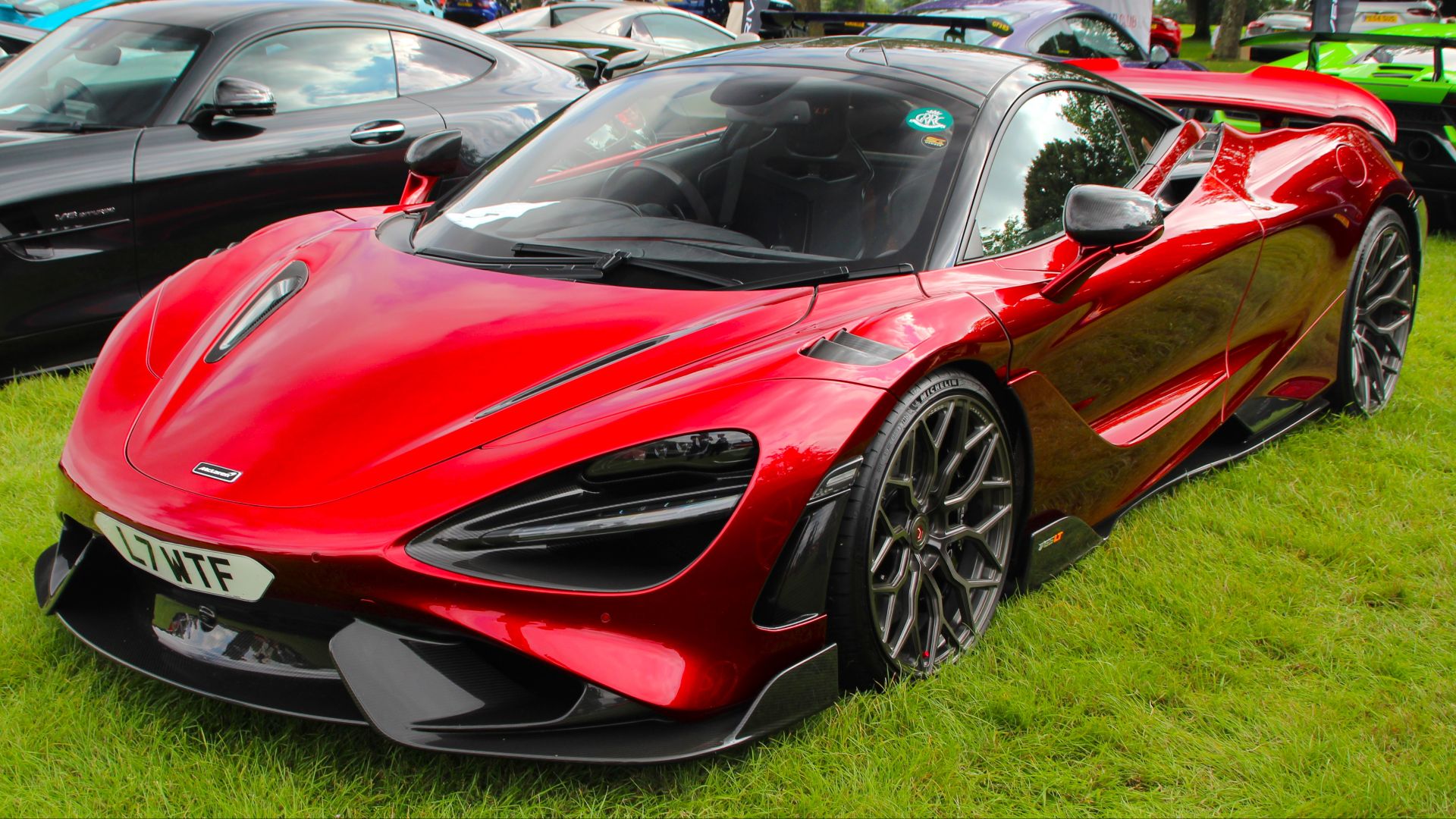
1. F1 With a Manual and No Power Assist
The F1 pairs a 6.1-liter naturally aspirated BMW V12 making 627 horsepower with a purpose-built six-speed manual, and the driver sits in the middle of a three-seat cabin. Gordon Murray rejected power assistance to keep feedback clear, and the car came in about 140 kilograms over his 1,000-kilogram target. A road F1 hit a peak of 243 miles per hour, the fastest run by a naturally aspirated road car.
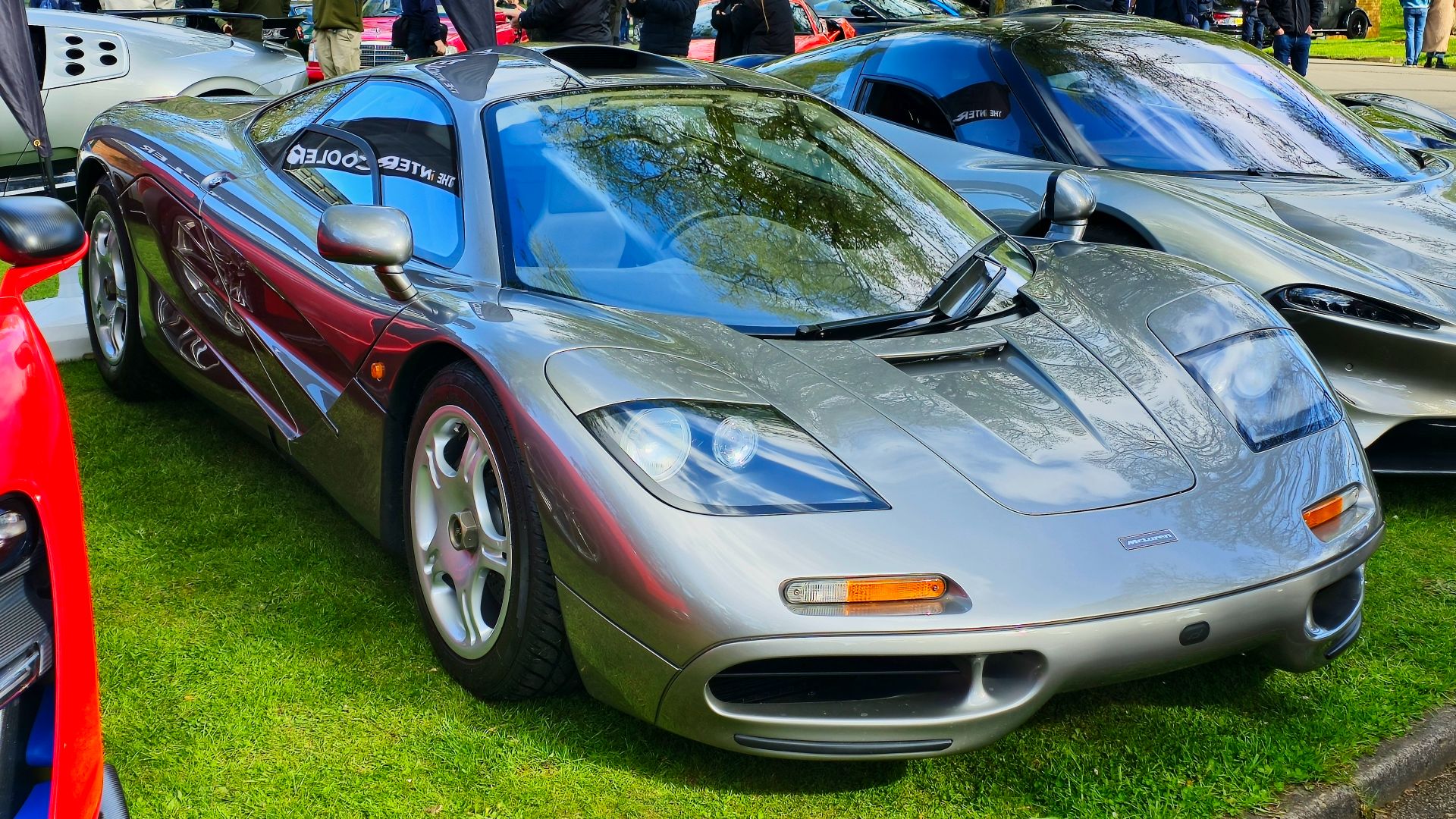
2. F1 LM Without Air Restrictors
McLaren built five F1 LMs to mark its first-attempt win at Le Mans in 1995. The LM's V12 produces 680 horsepower against 627 in the standard road car, and it runs without the air restrictors that race rules required for the F1 GTR. A few road F1s were later converted to LM specification at their owners' request.
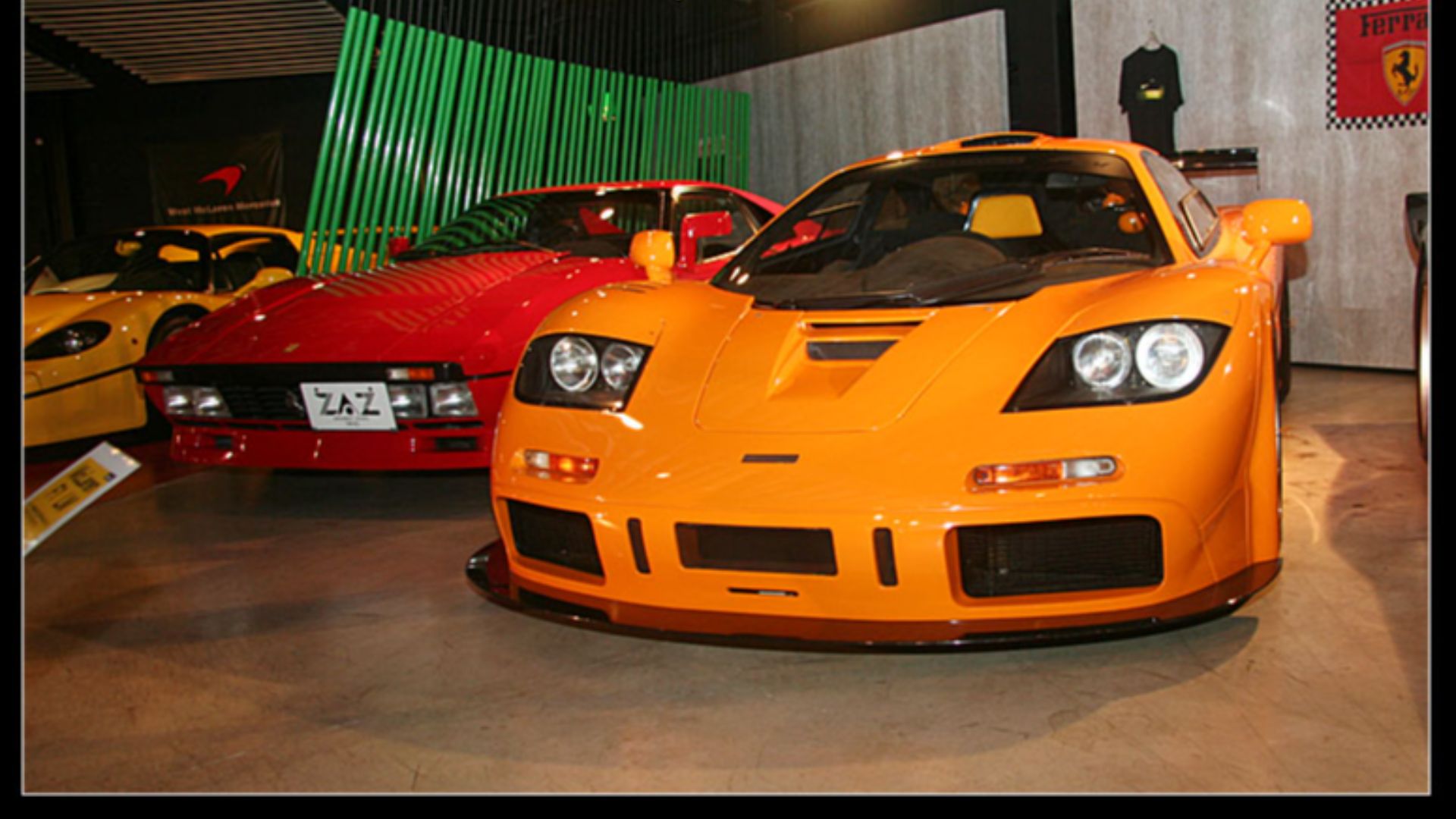
3. 675LT Lost 100 Kilograms
McLaren cut 100 kilograms from the 650S to make the 675LT, which makes 666 horsepower and was limited to 500 cars. About a third of the car's parts are different, and half the engine components were altered. Each wheel is 800 grams lighter, and the windscreen is only 4 millimeters thick.
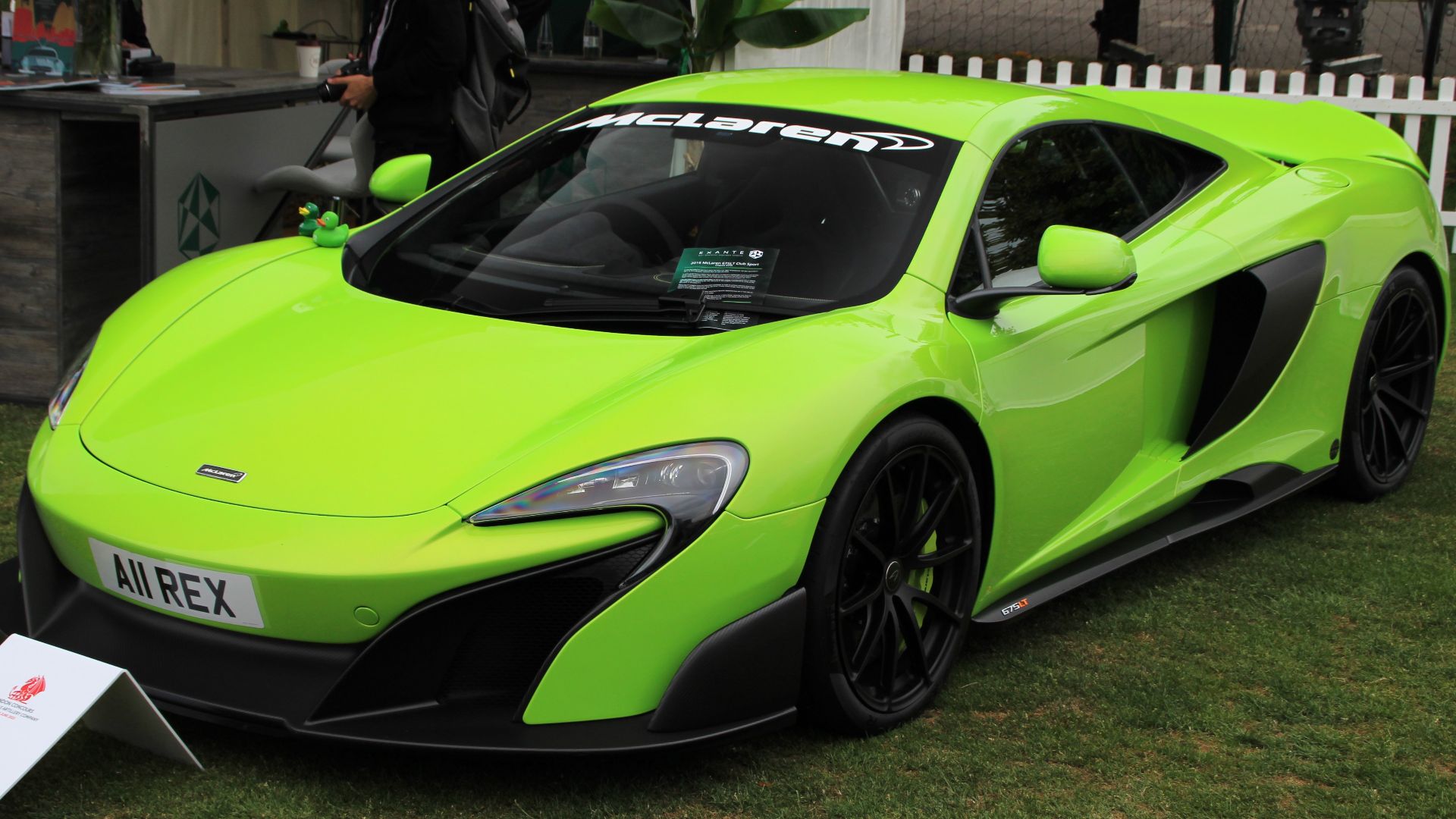
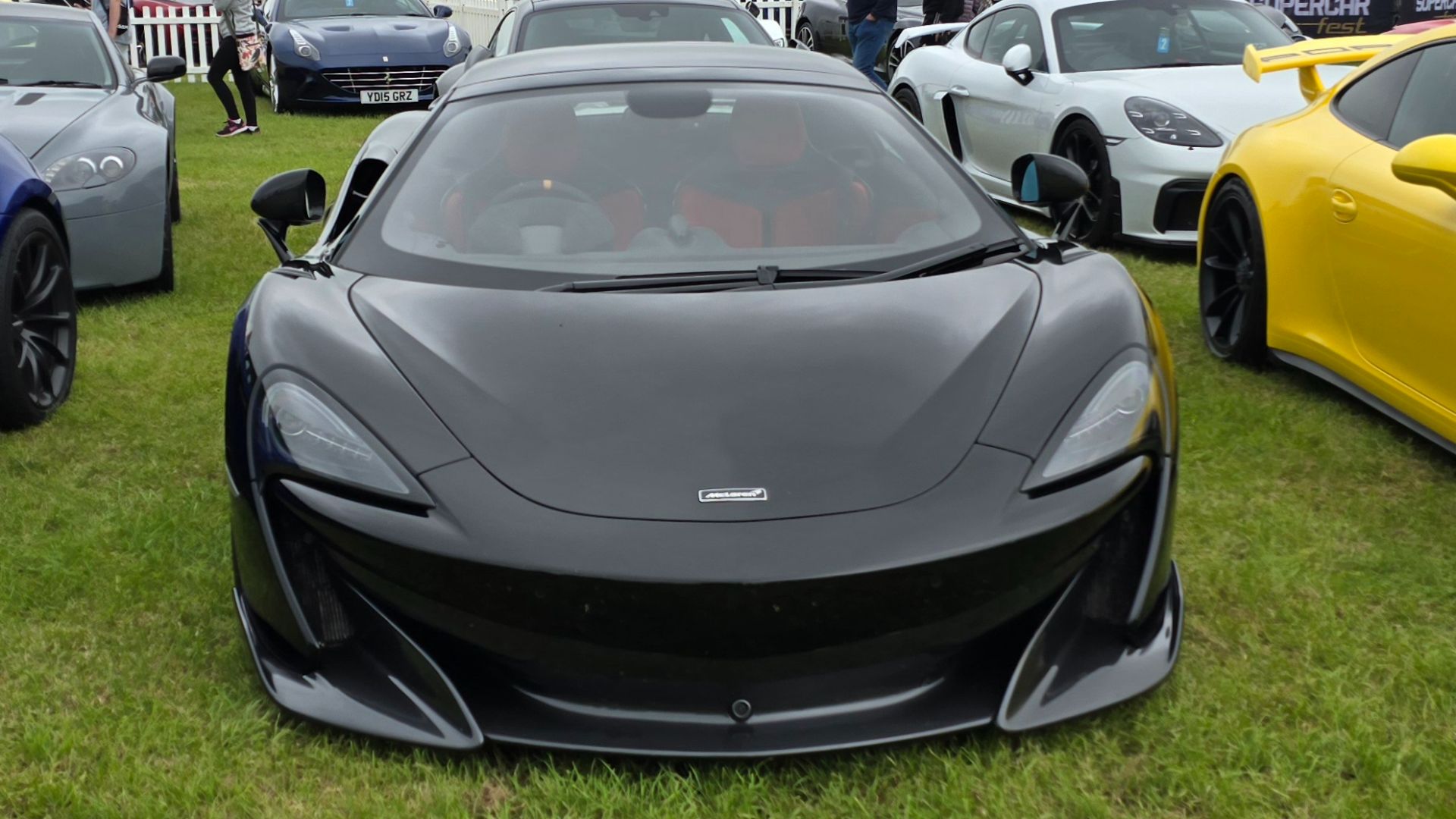
4. 600LT Borrowed Senna Seats
The 600LT is the fourth McLaren to carry the Longtail name, and it is about 96 kilograms lighter than the 570S it was built from. Power is 600 PS, and the car uses carbon seats from the Senna along with a shorter top-exit exhaust. The body is 74 millimeters longer, with a larger front splitter and a fixed rear wing.
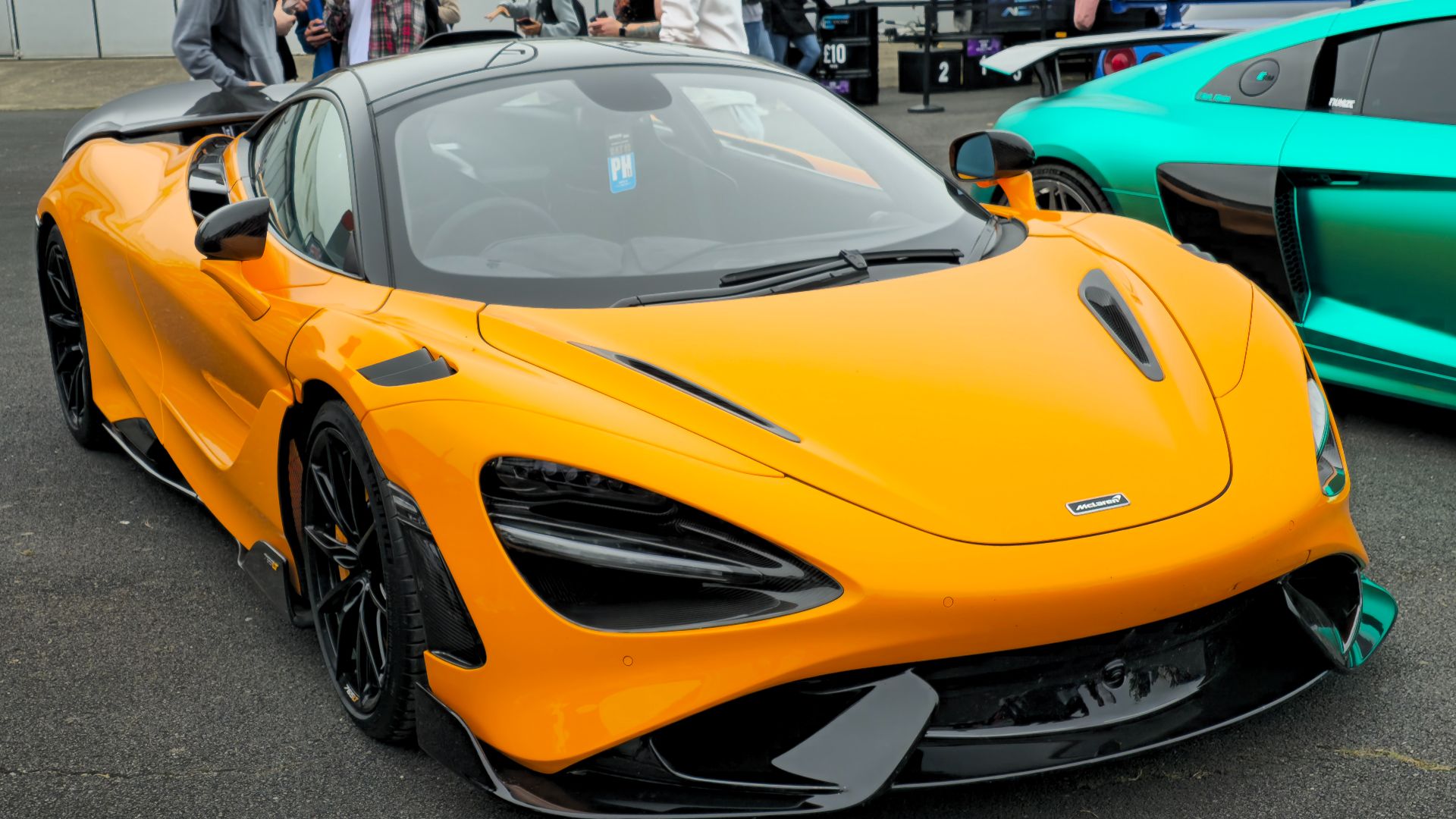
5. 765LT Cut 80 Kilograms
Power rose to 765 PS in the 765LT, and the car weighs 80 kilograms less than the 720S it is based on. McLaren limited production to 765 cars worldwide and fitted circuit-tuned suspension and an all-titanium four-pipe exhaust. The transmission also delivers in-gear acceleration 15 percent faster.
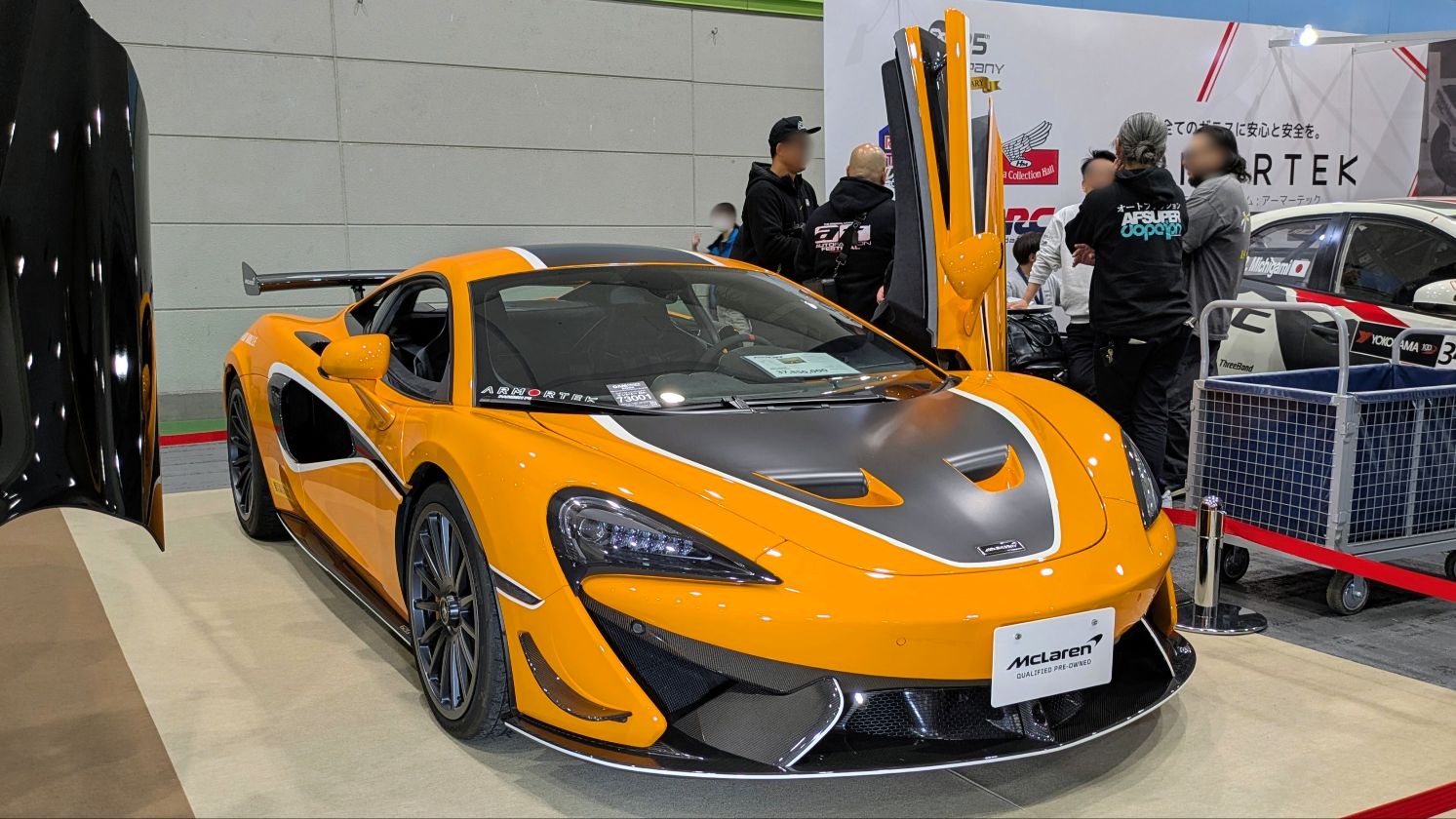
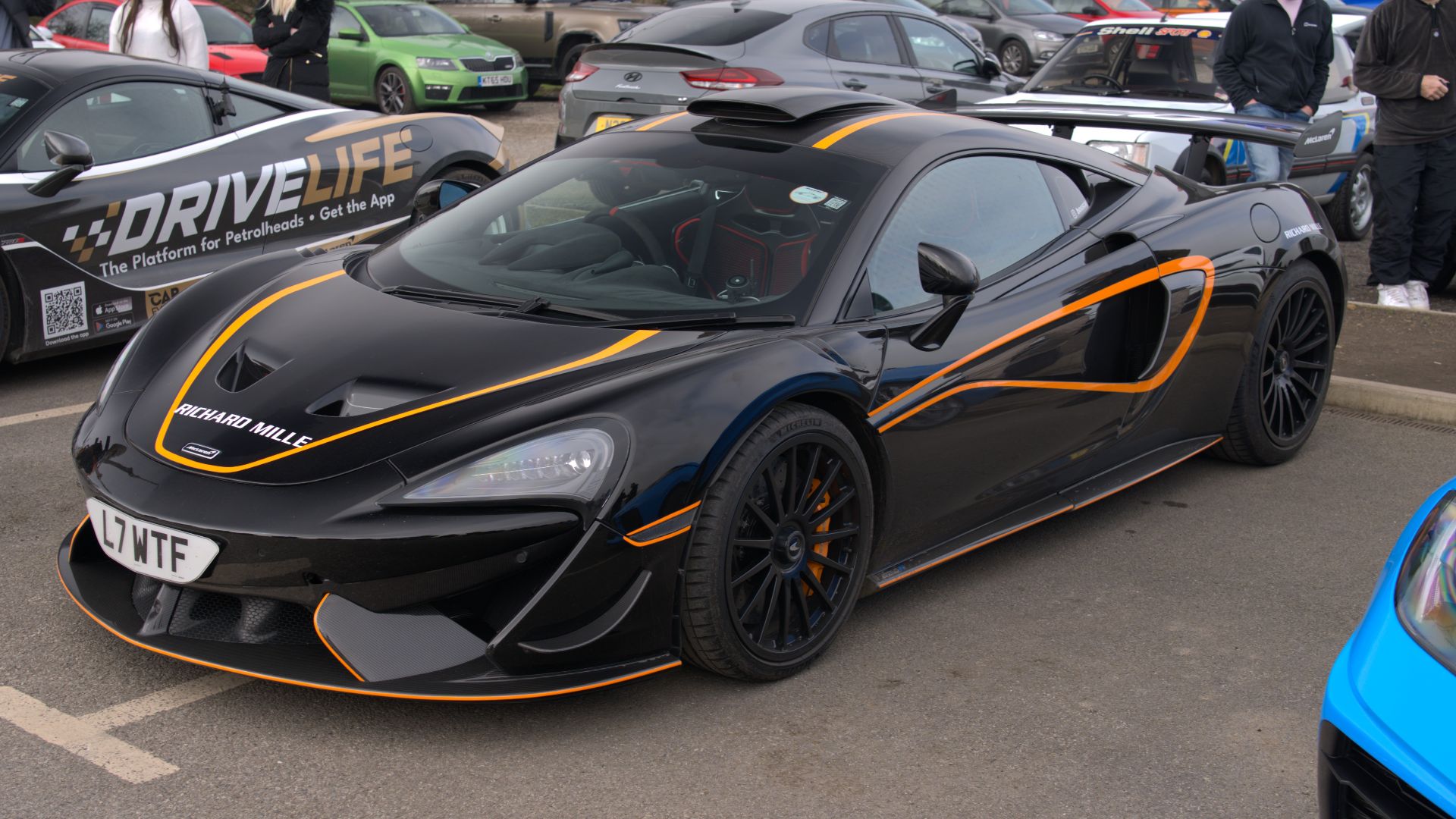
6. 620R Left Out Air Conditioning
The 620R is a road-legal version of the 570S GT4 race car, limited to 350 cars and rated at 620 PS with a dry weight of 1,282 kilograms. McLaren left out items such as air conditioning and the sound system to save weight, and buyers could add them back at no cost. It shares its carbon chassis and rear spoiler with the race car.
7. Senna Skipped the Roll Cage
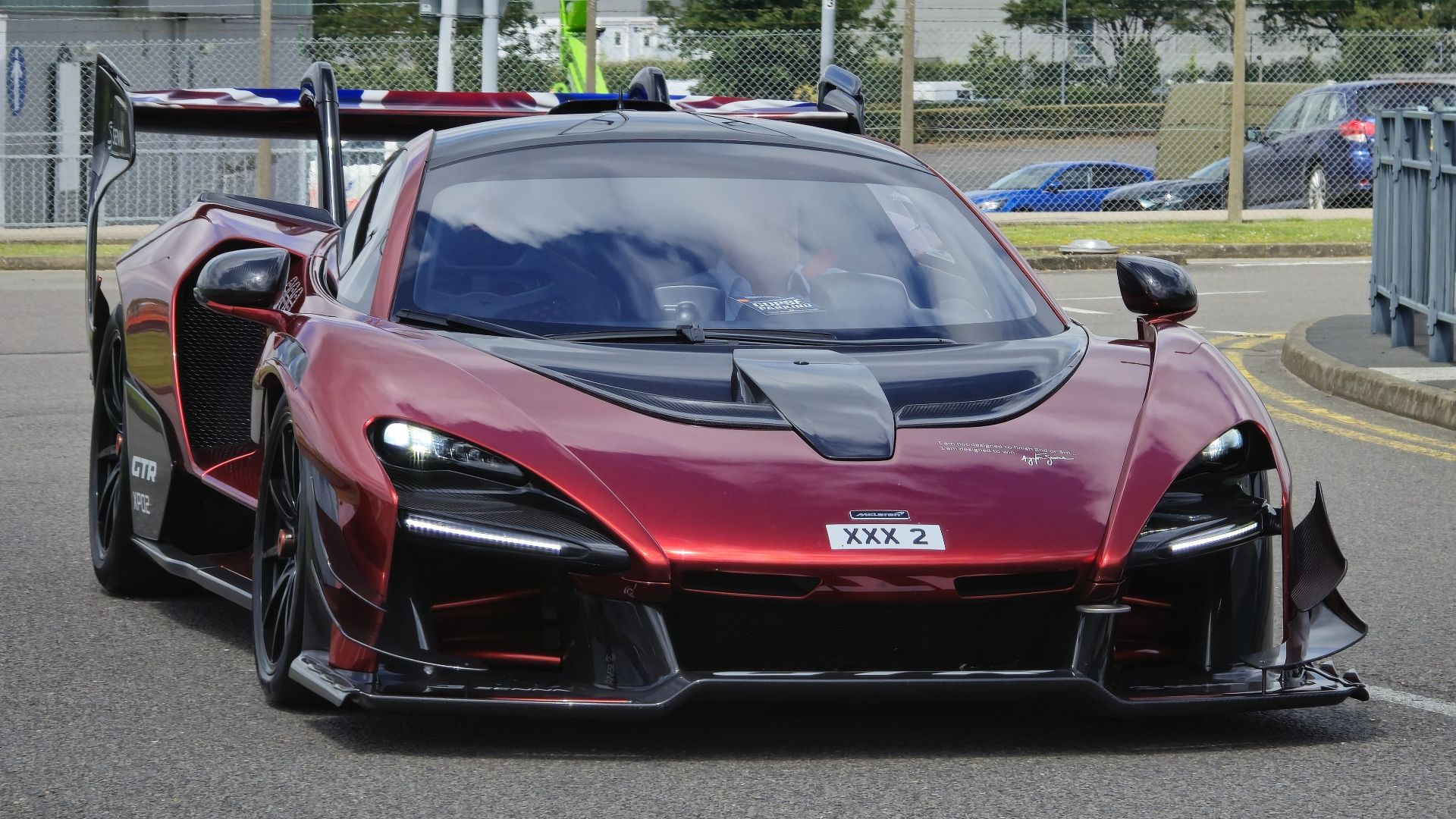
The Senna's carbon tub has an integrated crash structure, so it needs no roll cage on a track. Air conditioning and audio were optional, and each door weighs 9.88 kilograms, about half what the 720S's doors weigh. Output is 789 horsepower with a dry weight of 1,198 kilograms, and the aerodynamics build up to 800 kilograms of downforce.
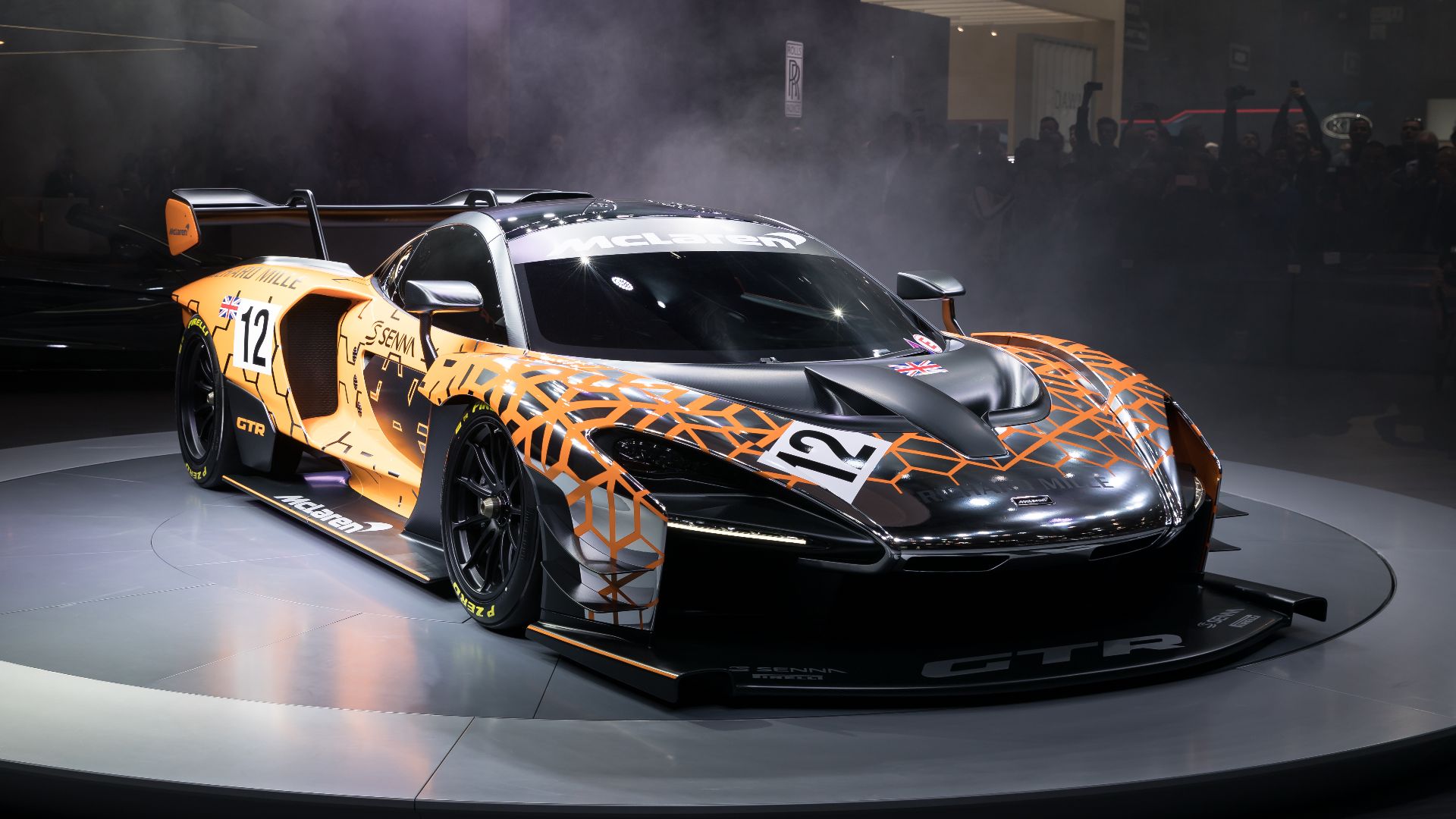
8. Senna GTR Went Track Only
Slick tires and 814 horsepower define the Senna GTR, a track-only car that McLaren built 75 times. It weighs 2,619 pounds without fluids, only 24 pounds less than the road Senna. Plexiglass replaces the road car's glass, and downforce tops 2,205 pounds at 155 miles per hour.
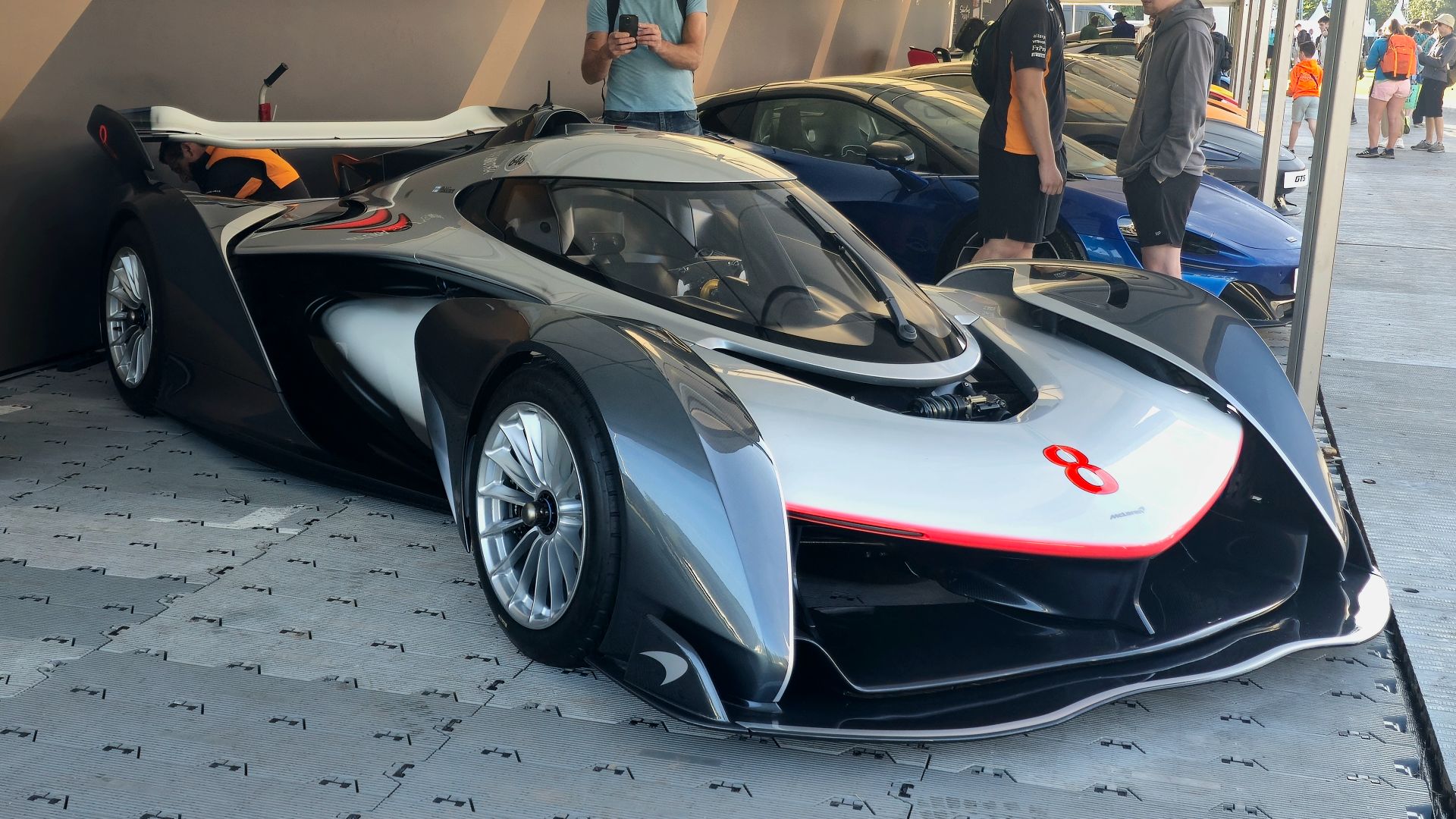
9. Solus GT Has One Seat and a V10
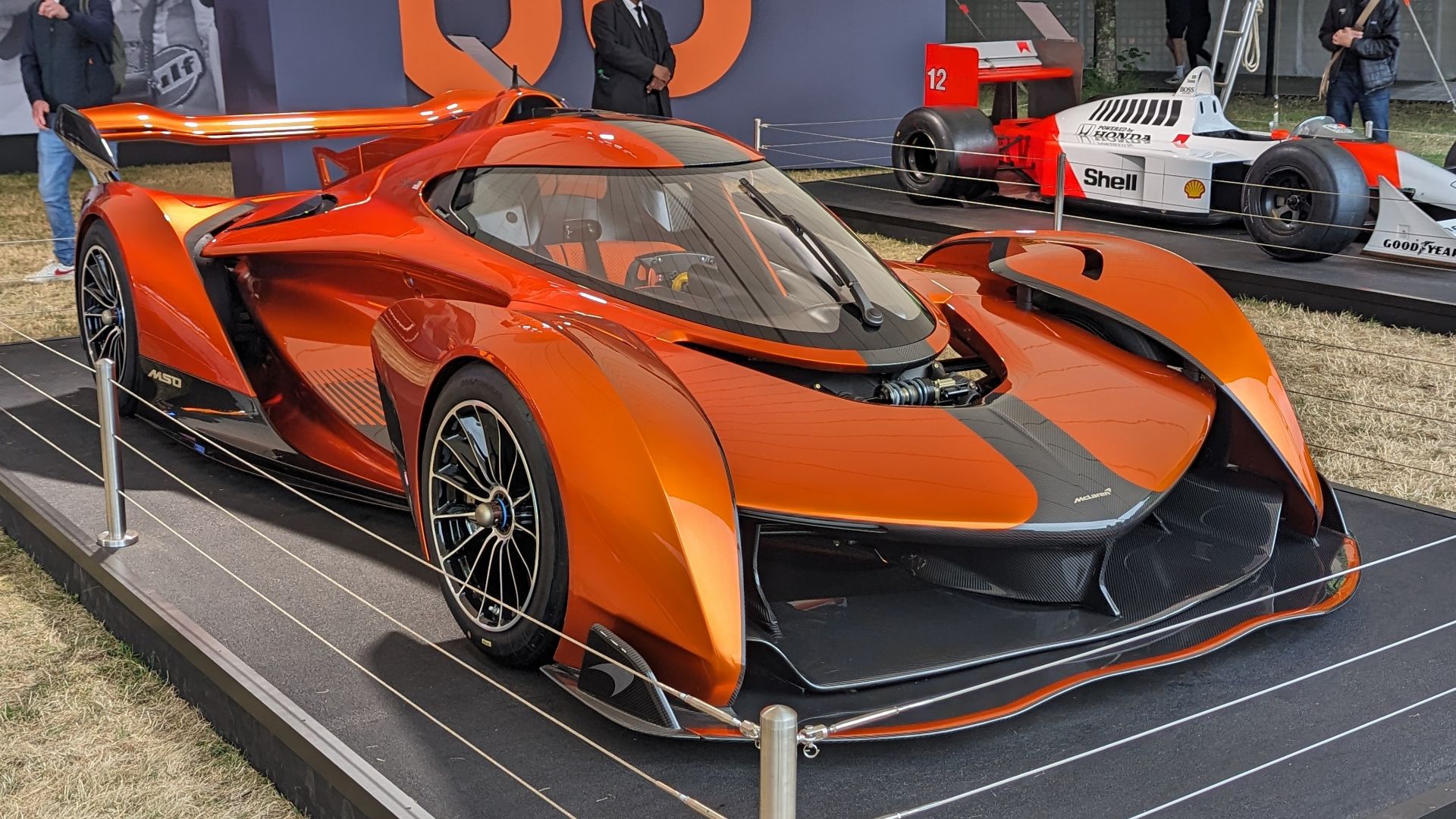
The Solus GT has a single seat under a sliding canopy and a naturally aspirated 5.2-liter V10 that revs to 10,000 rpm and makes more than 828 horsepower. At under 1,000 kilograms, the car is legal only on racetracks. McLaren built 25, and the design began as a 2017 Gran Turismo Sport concept.
10. P1 GTR Dropped Road Legality
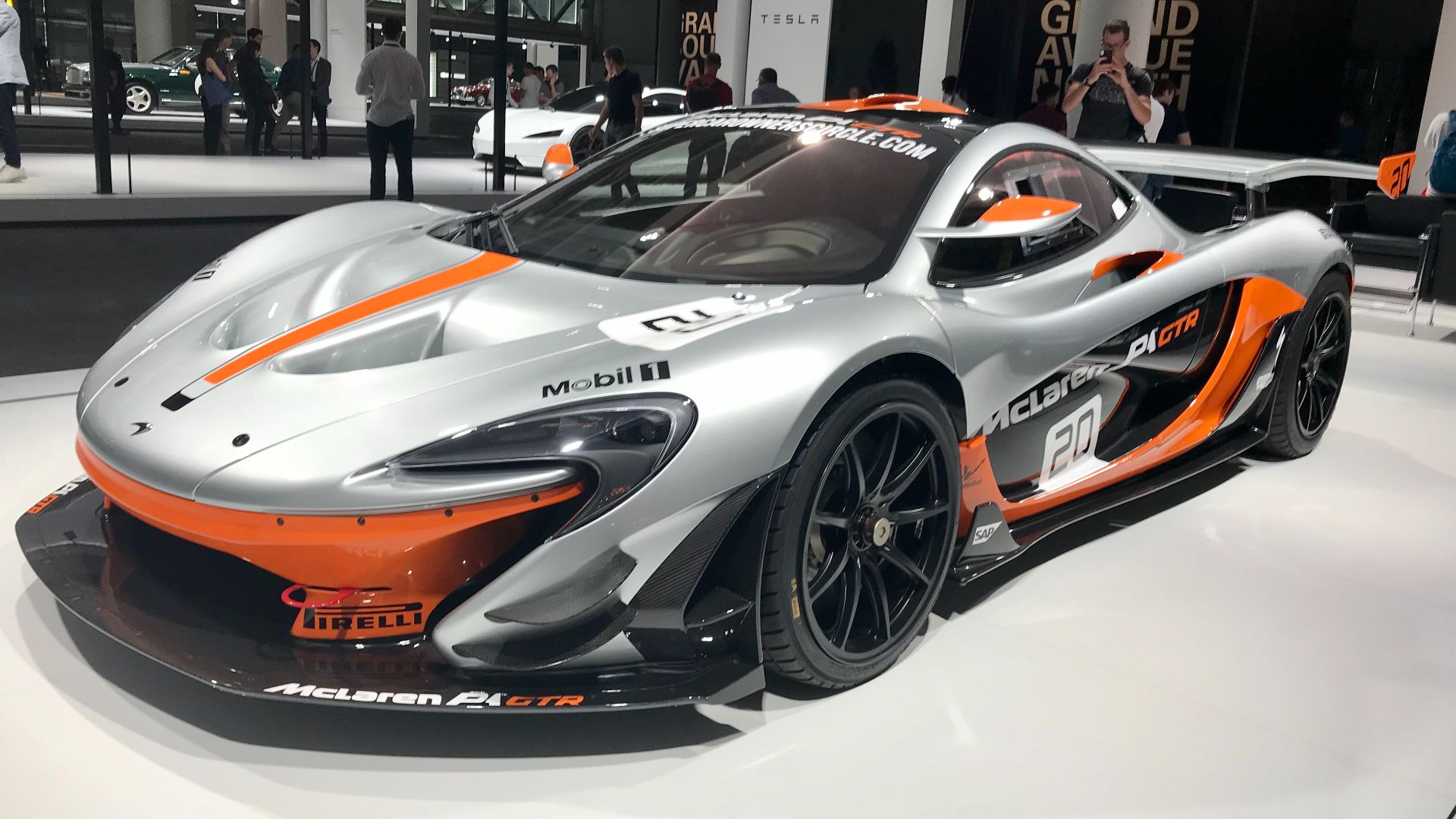
McLaren offered the P1 GTR exclusively to existing P1 owners as a track-only version of its hybrid hypercar. It had slick tires, a fixed rear wing, and 986 horsepower, while weighing 50 kilograms less than the road-going P1. Even the steering wheel was based on the one used in McLaren's MP4-23 Formula 1 car.
Now, here are 10 that chased trends instead.
1. P1 Arrived Beside LaFerrari and 918
McLaren introduced the P1 at the Geneva show in March 2013 to compete with the Ferrari LaFerrari and the Porsche 918 Spyder, which also used hybrid systems. A 3.8-liter twin-turbo V8 and an electric motor combine for 903 horsepower, and McLaren built 375 cars. The track-only P1 GTR was later built on the same car.
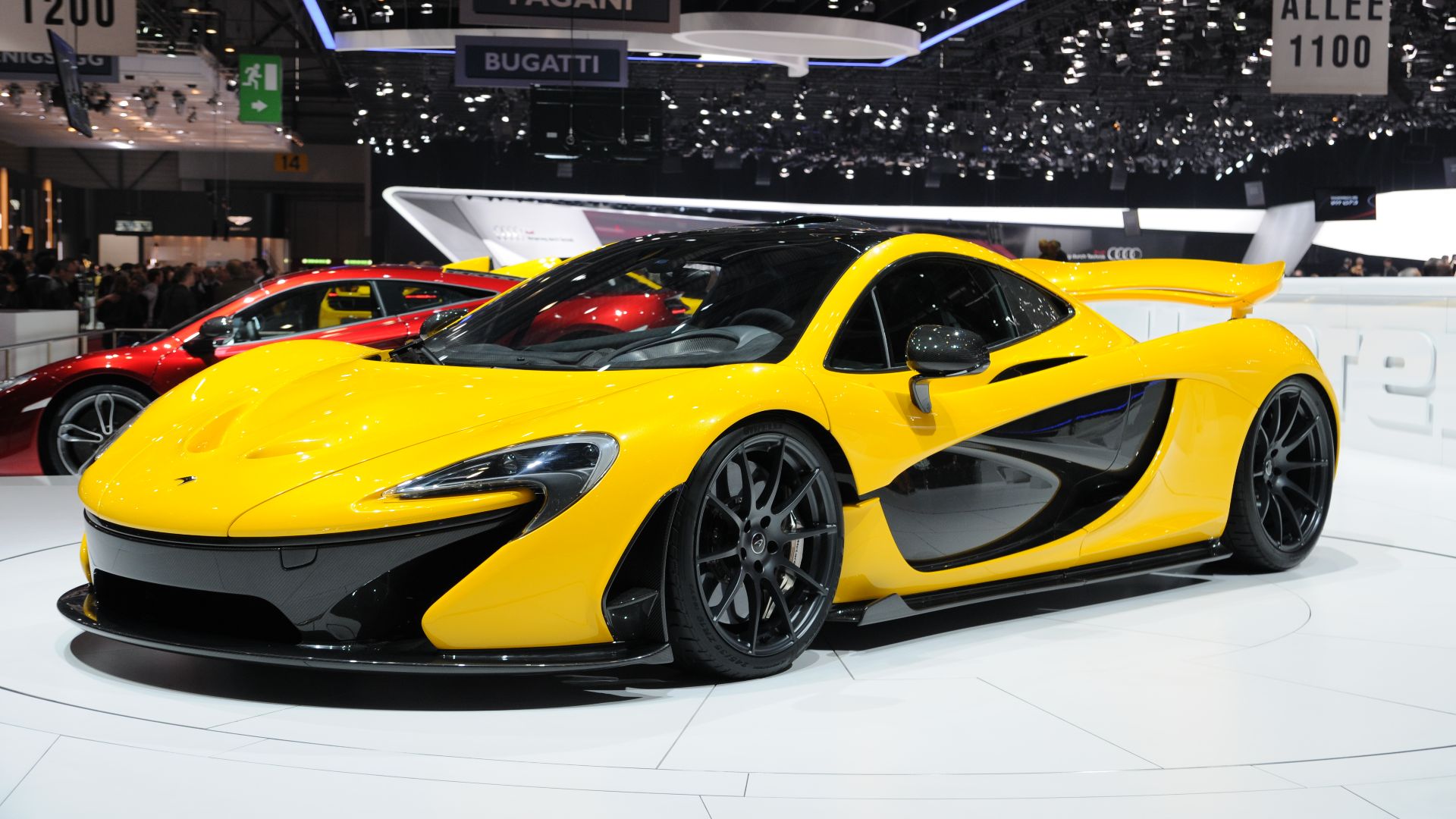 Norbert Aepli, Switzerland (User:Noebu) on Wikimedia
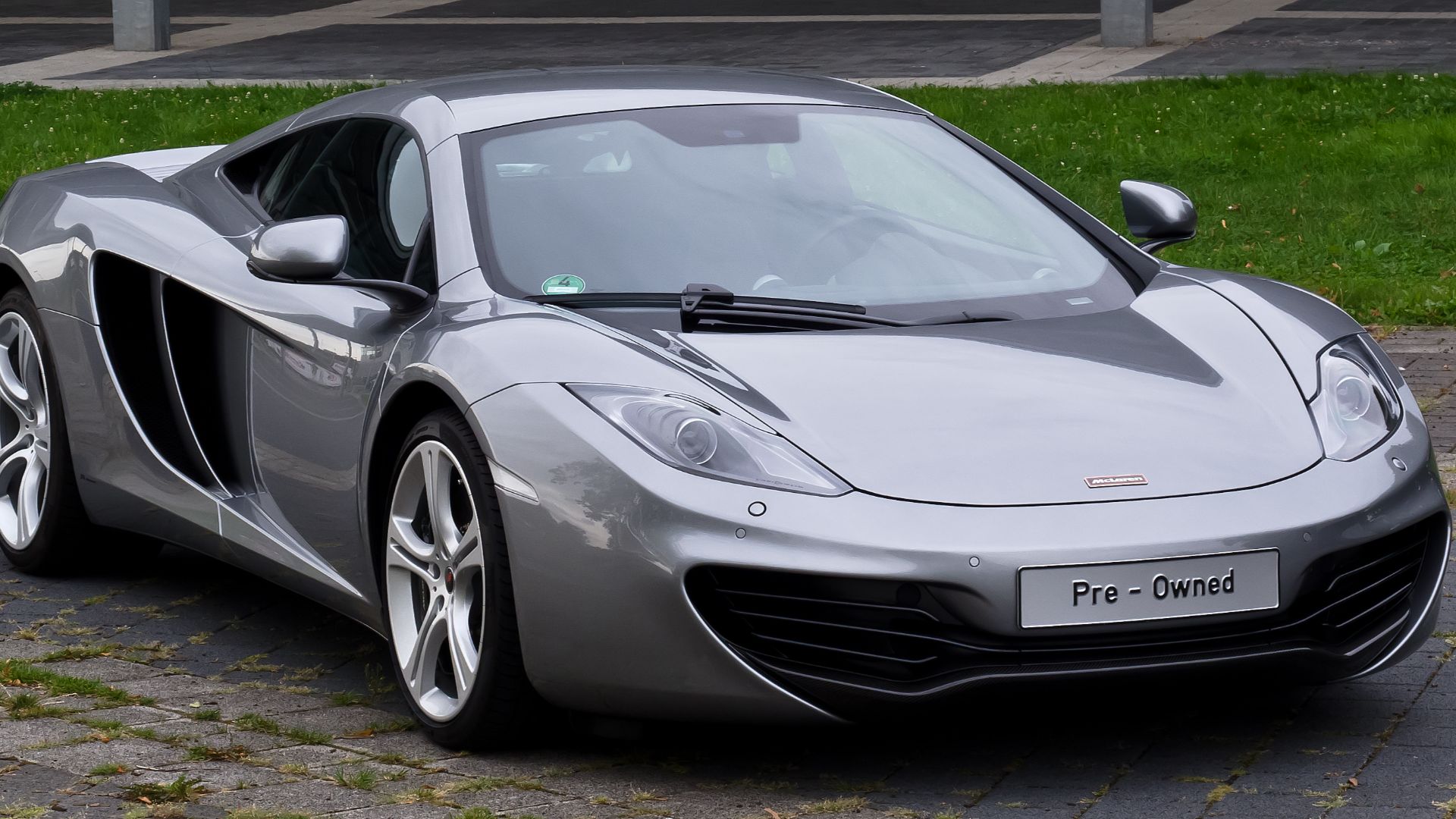
2. 12C Had No Manual Option
The MP4-12C replaced the F1's six-speed manual with a seven-speed dual-clutch gearbox, offering no manual option. Its 3.8-liter twin-turbo V8 produced about 600 horsepower, while a one-piece carbon-fiber MonoCell tub formed the chassis. McLaren designed it to compete directly with the Ferrari 458 Italia and Lamborghini Gallardo LP560-4, putting the company into the mainstream supercar market.
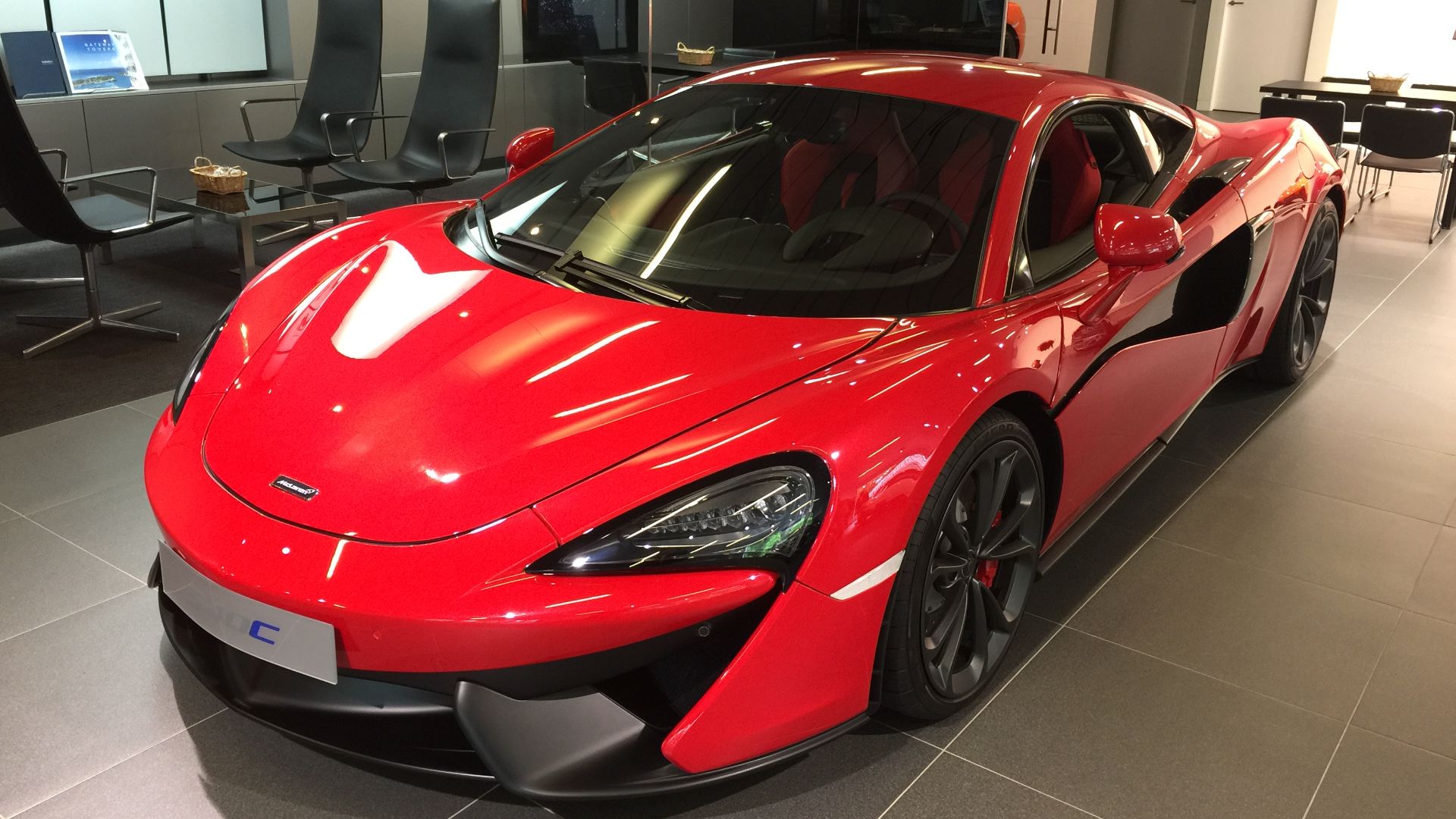
3. 540C Lowered the Entry Price
McLaren introduced the 540C in April 2015 as its most affordable supercar, with a starting price of $165,000. It shared its carbon-fiber chassis with the 570S but produced 533 horsepower instead of 562. The difference showed in acceleration, with the 540C reaching 62 mph in 3.5 seconds compared with the 570S's 3.2 seconds. It offered much of the same engineering at a lower price.
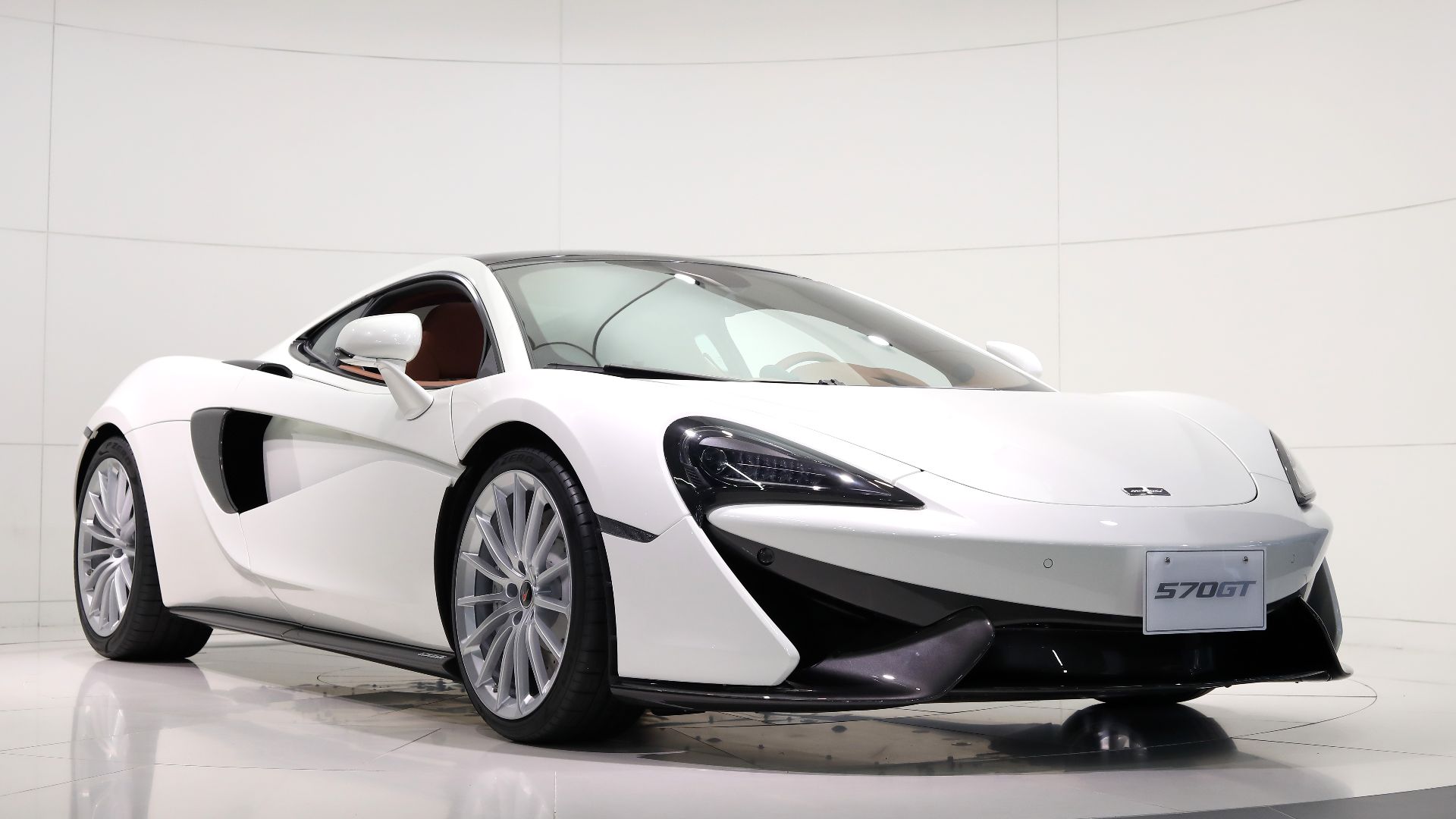
4. 570GT Softened the Ride
A side-opening glass hatch on the 570GT adds 220 liters of leather-lined storage behind the seats. McLaren cut the spring rates by 15 percent in front and 10 percent at the rear, and it fitted noise-cancelling tires and a quieter exhaust. The company said the car focuses mainly on everyday usability and called it the most road-biased McLaren.
5. GT Went for Luggage Space
Luggage space in the GT totals 570 liters, with 150 liters in the nose and the rest under the tailgate. A 4.0-liter twin-turbo V8 delivers 612 horsepower in a car that weighs 1,530 kilograms. McLaren's chief executive at the time said the car redefines the notion of a grand tourer, and it started at $210,000 in the United States.
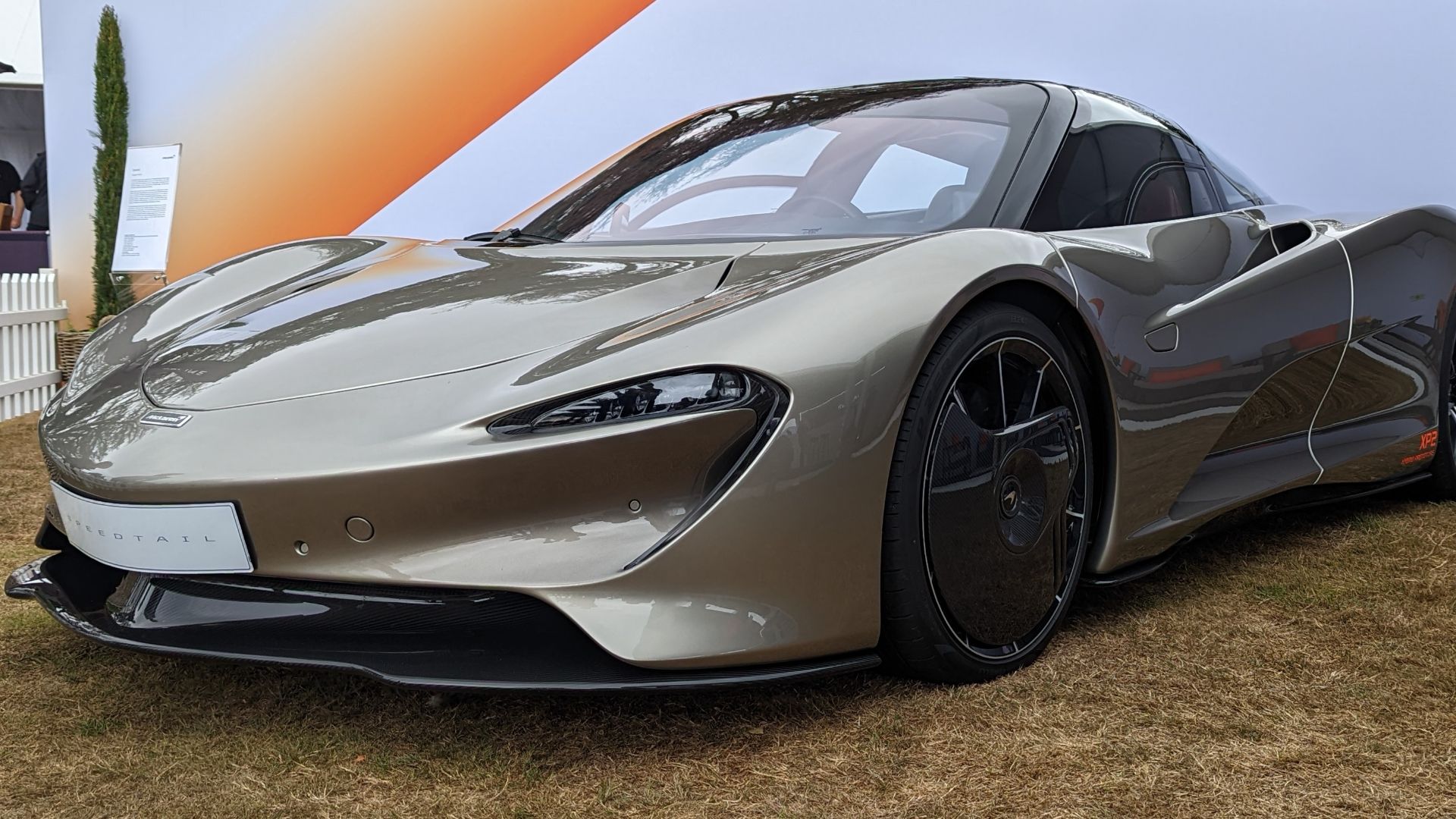
6. Speedtail Became a Hyper-GT
McLaren called the Speedtail the world's first hyper-GT, a long-distance car with 1,035 horsepower and a 250 mile per hour top speed. It keeps the F1's three-seat layout with the driver in the middle, and McLaren limited it to 106 cars, a number that matches F1 production. The price started at $2.25 million.
7. Elva Added a Windscreen Option
The standard Elva has no roof or windscreen, and a flap called the Active Air Management System channels air over the cockpit above a certain speed. McLaren later offered a traditional windscreen to meet legal requirements in some US states, and it adds about 20 kilograms. The car is rated at 804 horsepower, and McLaren cut the production run from 399 to 149.
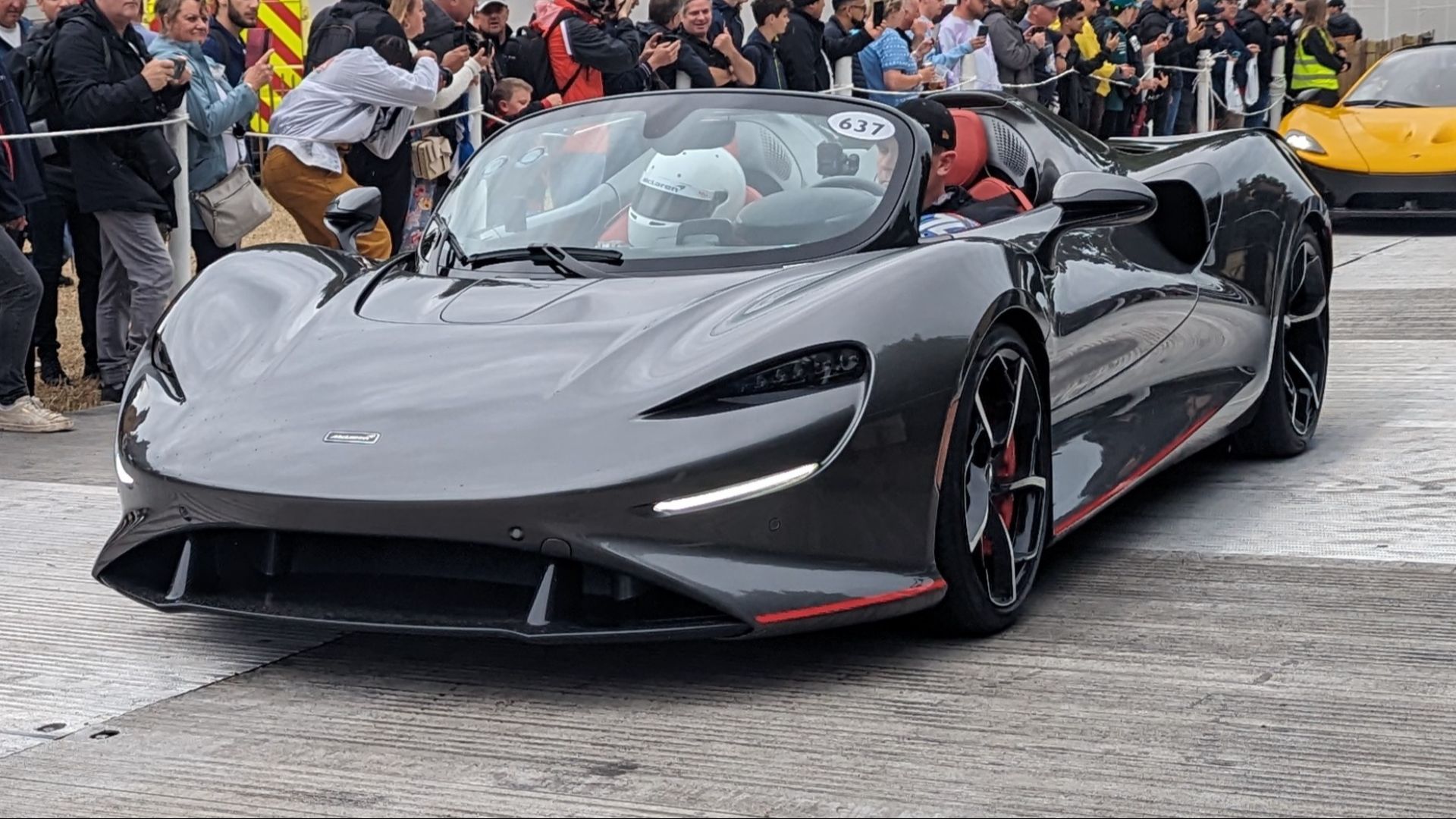
8. 720S Spider Added a Folding Roof
The 720S Spider added a retractable hardtop that opened or closed in just 11 seconds, even at speeds up to 31 mph. It weighed 49 kilograms more than the coupe, bringing its dry weight to 1,332 kilograms, but McLaren said the carbon-fiber chassis needed no additional strengthening. The Spider retained the coupe's 720 horsepower and launched with a starting price of £237,000.
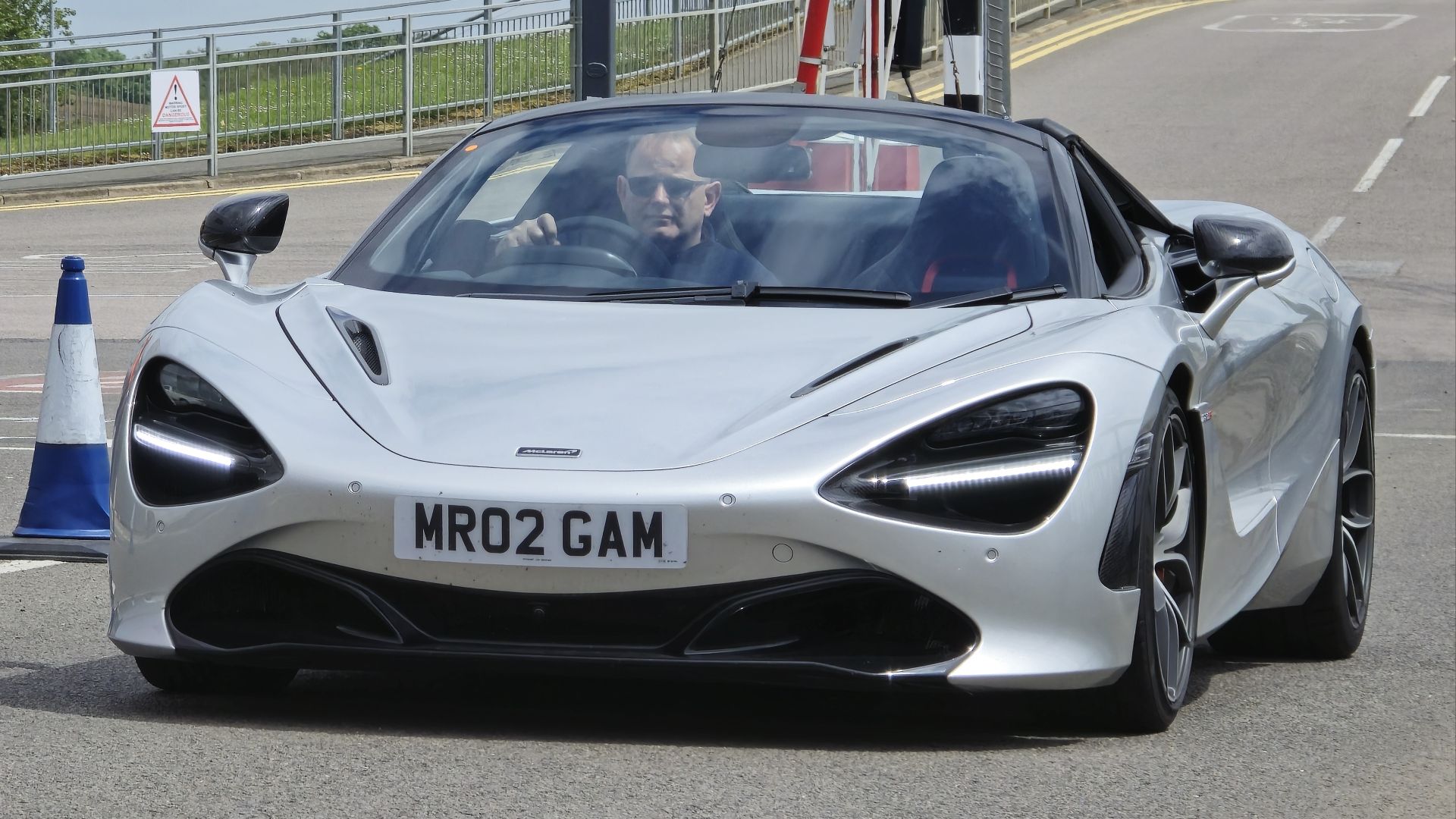
9. Artura Went Plug-In Hybrid
McLaren's first plug-in hybrid combines a V6 and an electric motor for 671 horsepower. Its 7.4-kilowatt-hour battery gives 19 miles of electric-only range, and the car sits on a new platform called McLaren Carbon Lightweight Architecture, built with electrification in mind. It was introduced to replace the Sports Series cars such as the 570S.
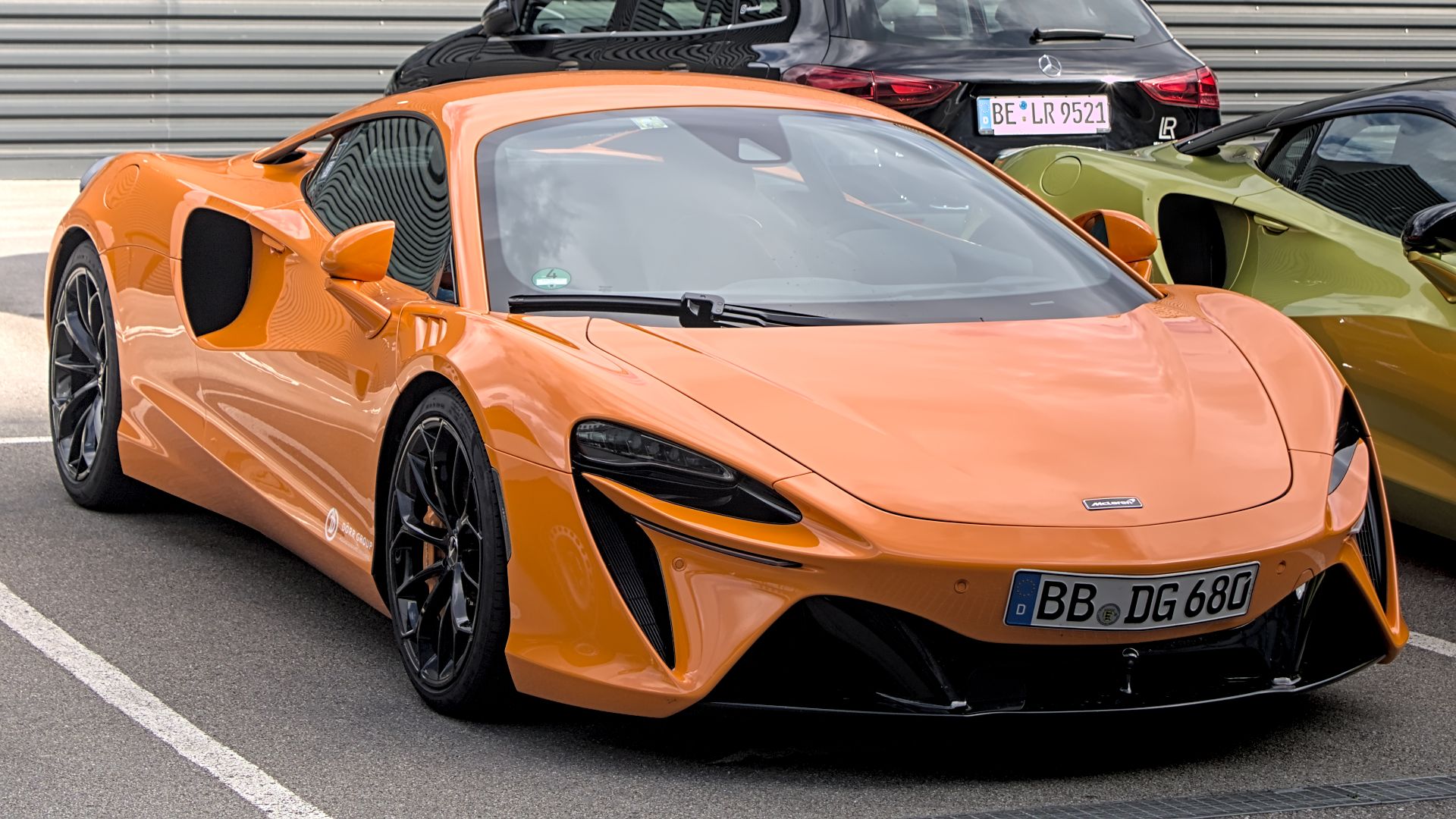
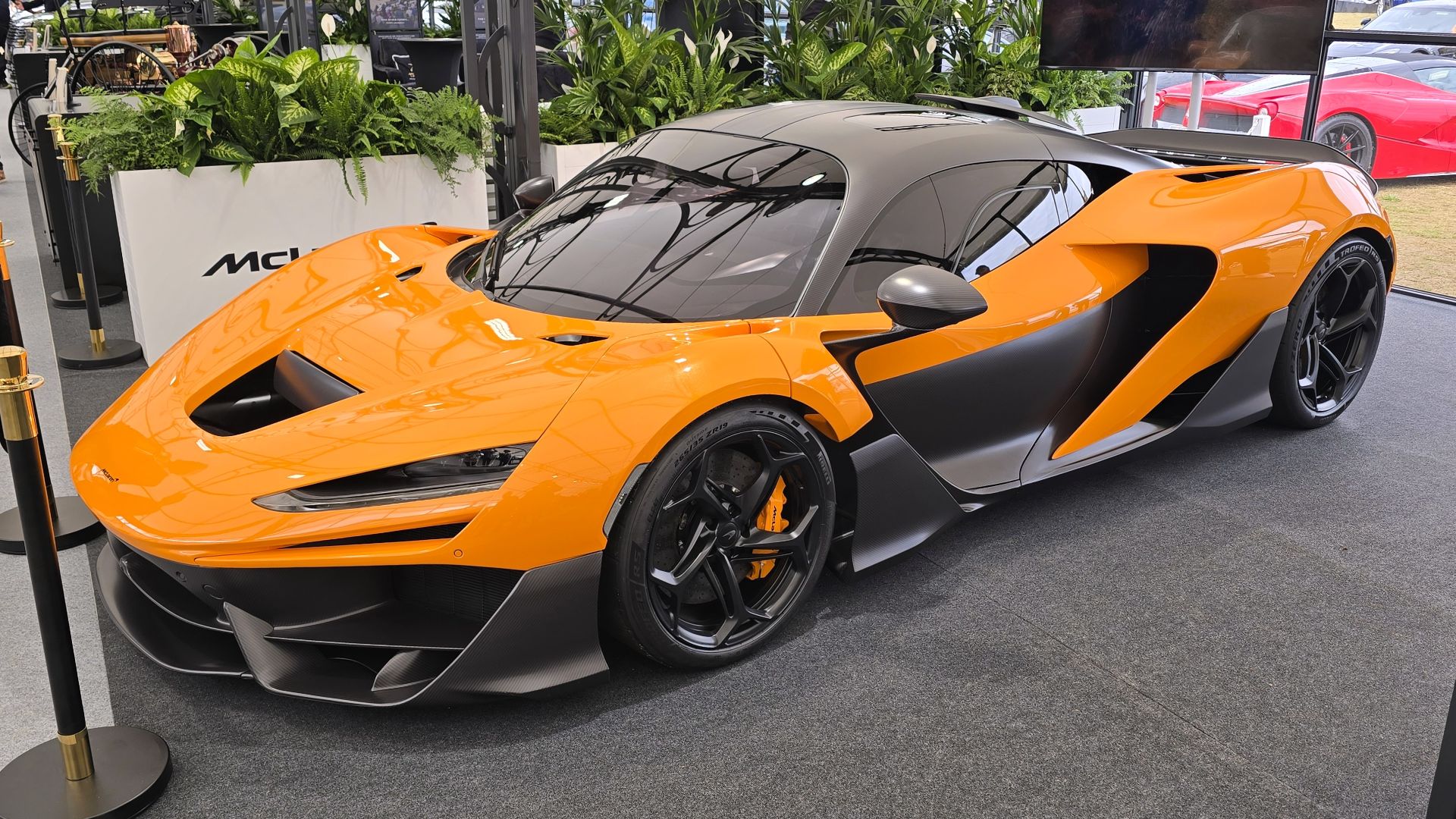
10. W1 Brought Back the Hybrid Hypercar
Hybrid technology carried over from the P1 sits behind the W1's 1,258 horsepower, split between a 4.0-liter twin-turbo V8 and a 342-horsepower electric motor. Dry weight is 1,399 kilograms, and McLaren built 399 priced from £2 million. The car arrives as a follow-up to the P1 and the F1.