When Simplifying Worked and When It Didn't
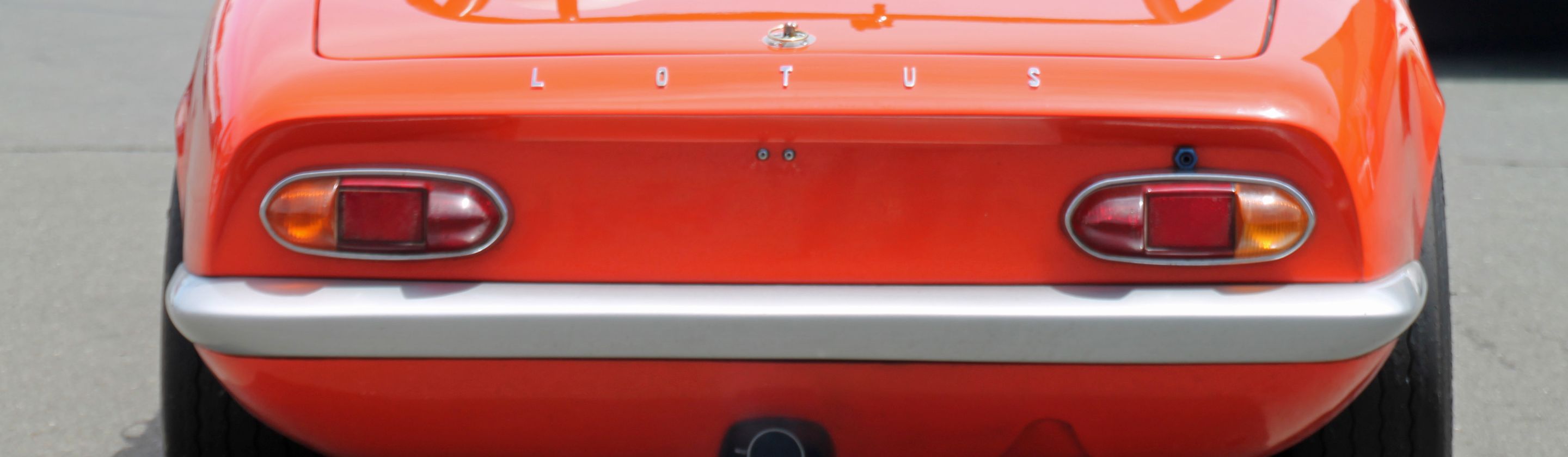
Colin Chapman founded Lotus in 1952 on a simple mantra, which was to simplify and then add lightness. The company went on to win seven drivers' championships between 1962 and 1978. Not every cut paid off, though, and a few of the lightest ideas lost money. Here are 10 Lotuses that proved less is more and 10 that proved less is just less.
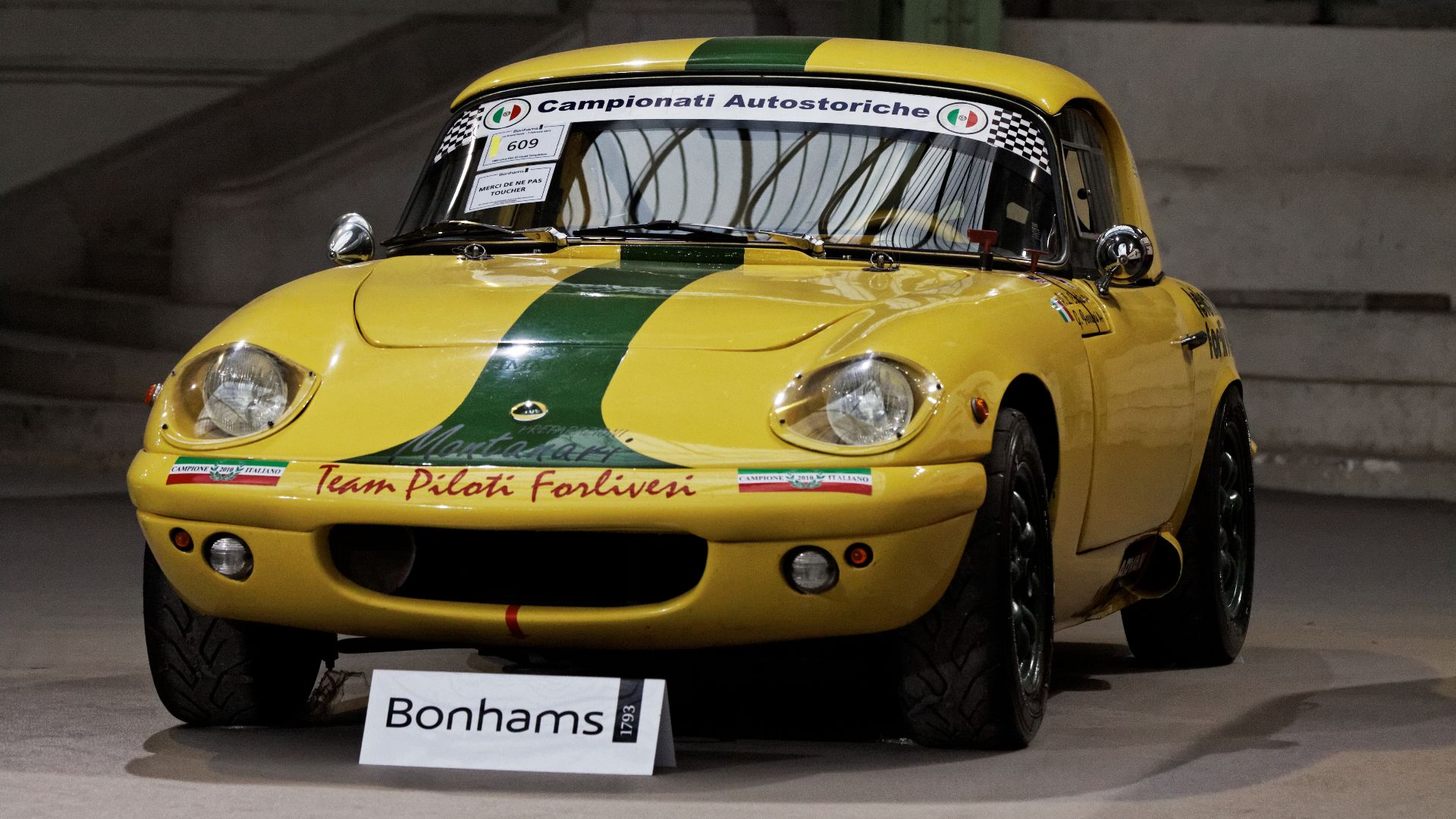
1. The Seven Weighed Only 329 Kilograms
The Lotus Seven arrived in 1957 as an affordable sports-racer, with a light steel frame and aluminum bodywork that came to 329 kilograms, or about 725 pounds. A finished car cost £1,036 with purchase tax, while the kit cost £536. Lotus handed production to Caterham in 1972, and Caterham eventually returned to the Series 3 design that sat closer to the original idea.
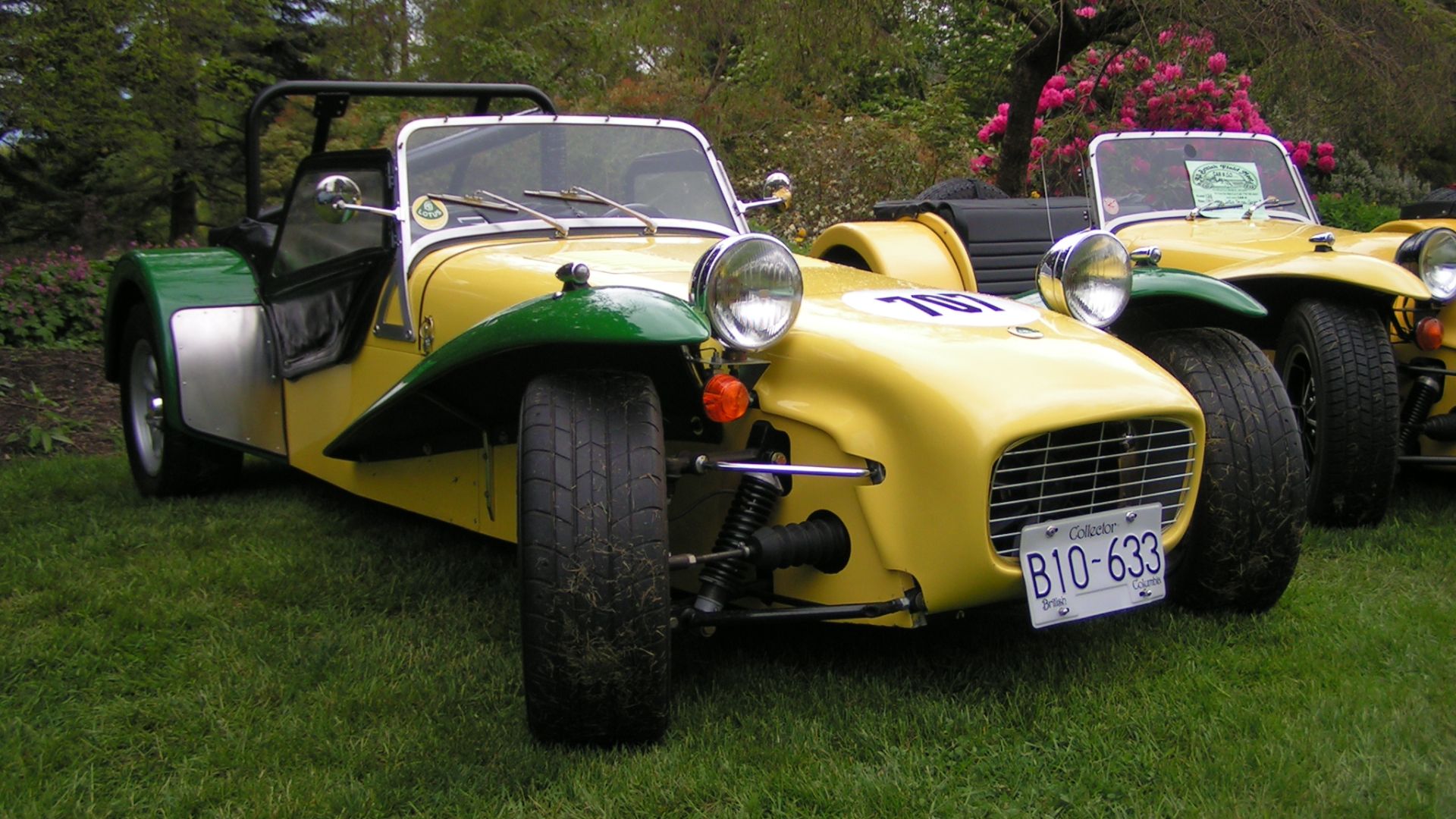
2. The Eleven Won at Le Mans With a 750cc Engine
At Le Mans in 1957, a 750cc Eleven won the Index of Performance, and Elevens took three of the top four places in the 1100cc class. The car weighed about 1,000 pounds without fuel, and its spaceframe accounted for just 70 of them. Frank Costin shaped the slippery hand-formed aluminum body.
 NHOPS² 02:36, 30. Jul. 2008 (CEST) on Wikimedia
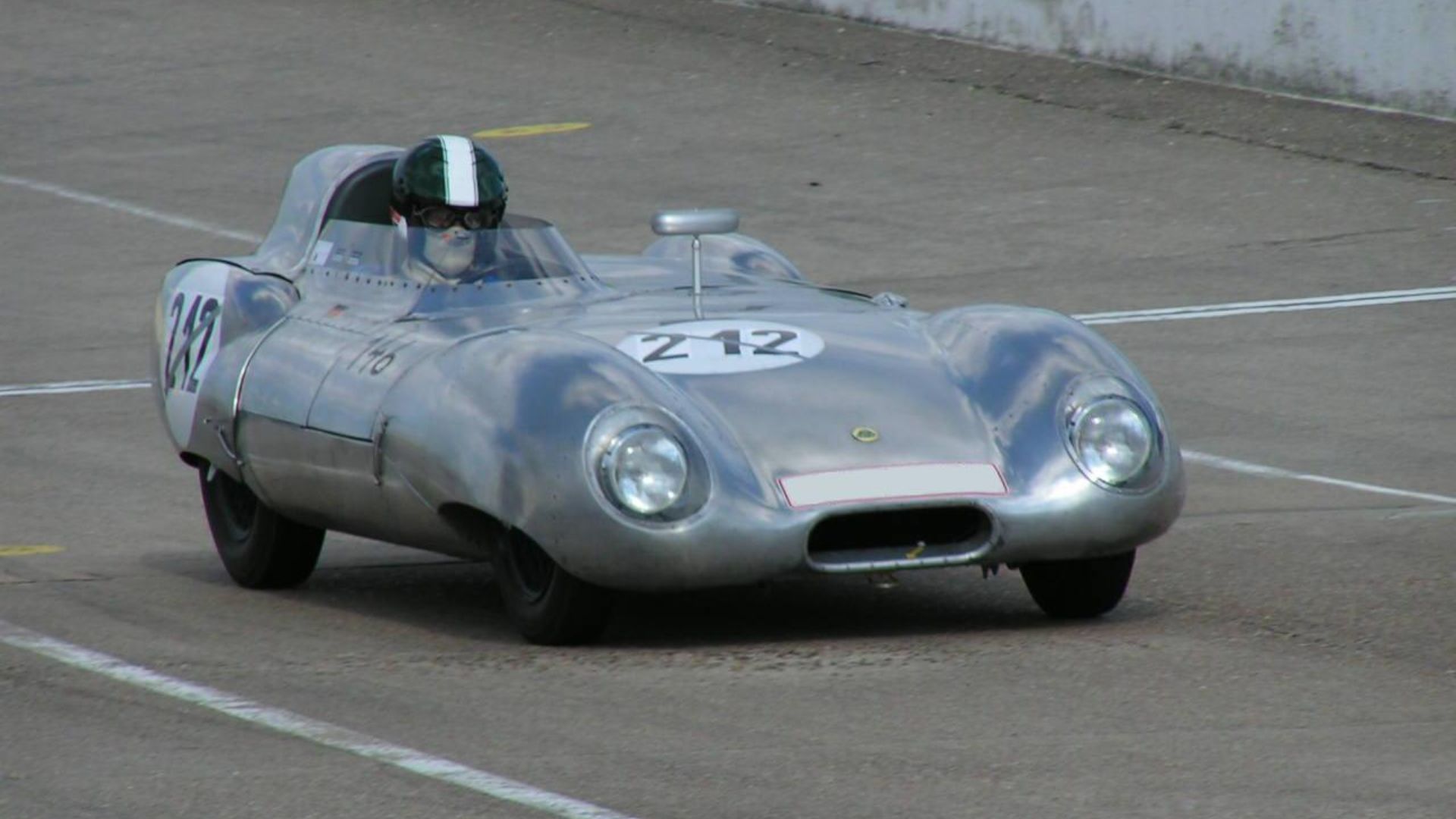
3. The 18 Put the Engine Behind the Driver
Stirling Moss won the 1960 Monaco Grand Prix in a privately entered Lotus 18, which gave the company its first Formula One victory. Its triangulated spaceframe was stiff enough to get the most out of the tires of the day. About 125 Formula Junior versions were reportedly built.
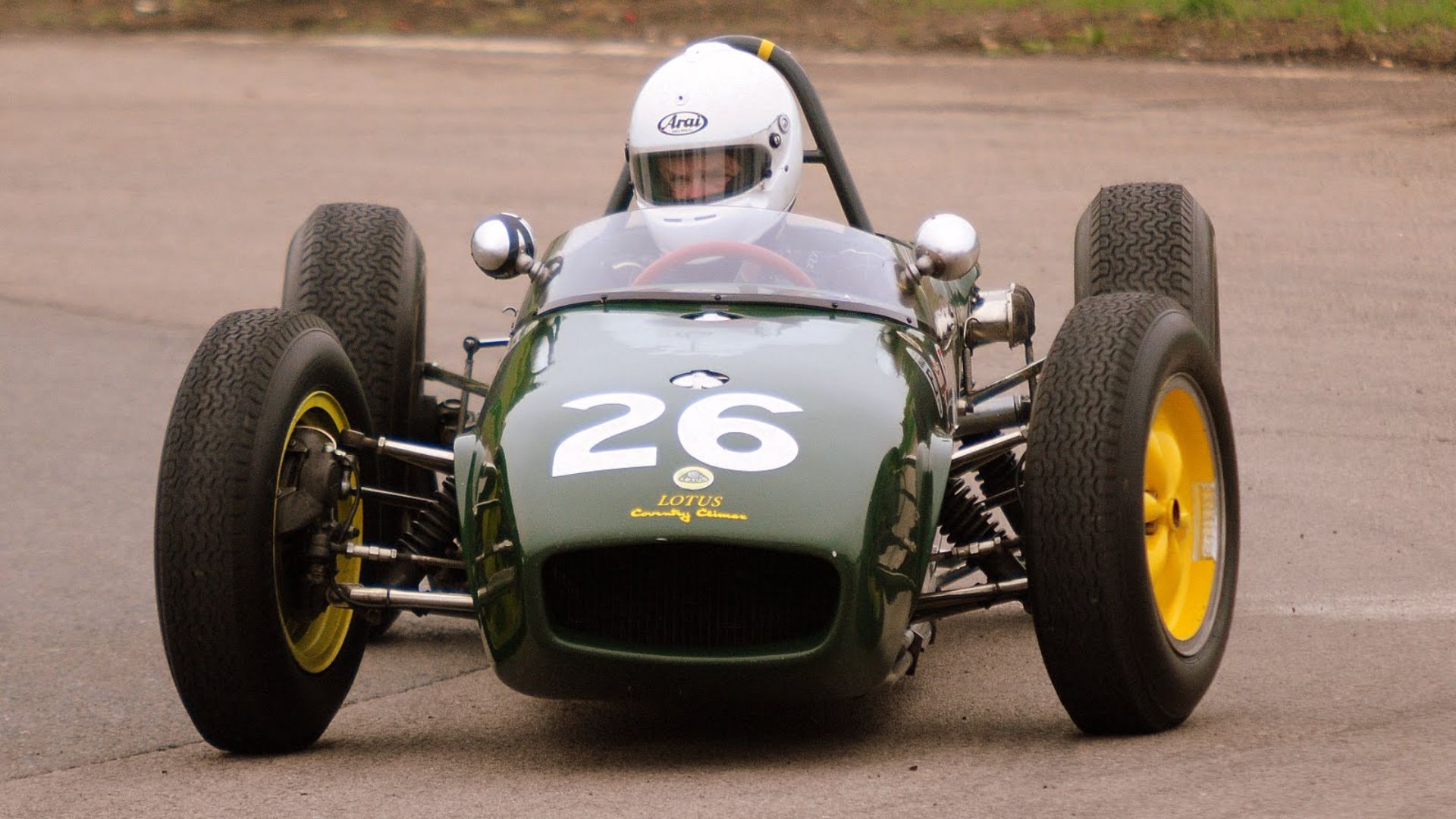
4. The 25 Swapped the Frame for a Tub
Lotus introduced the 25 in 1962 as the first monocoque Formula One car, with the outer skin doing the structural work instead of a tube frame. It was lighter and stiffer than the spaceframe it replaced, and it was more compact too. Jim Clark won seven of ten races in 1963 to take his first world championship.
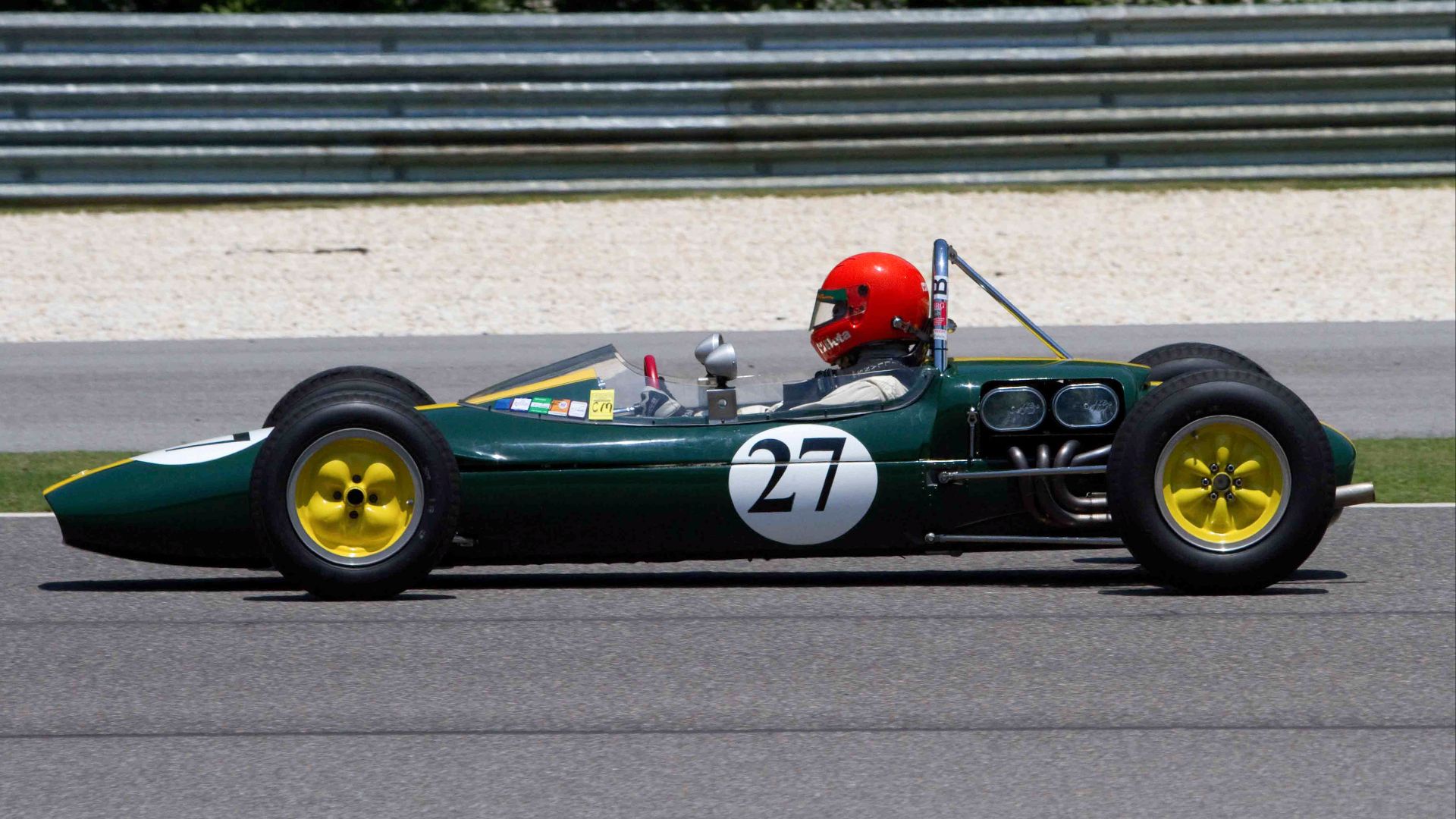 Legends Of Motorsports on Wikimedia
5. The 49 Used the Engine as Part of the Car
Debuting at the 1967 Dutch Grand Prix, the Lotus 49 had the Cosworth DFV V8 serving as a stressed member of the chassis. Graham Hill took pole, and Clark won after Hill's engine broke camshaft gear teeth. Clark passed Jochen Rindt and Jack Brabham on consecutive laps before pulling away.
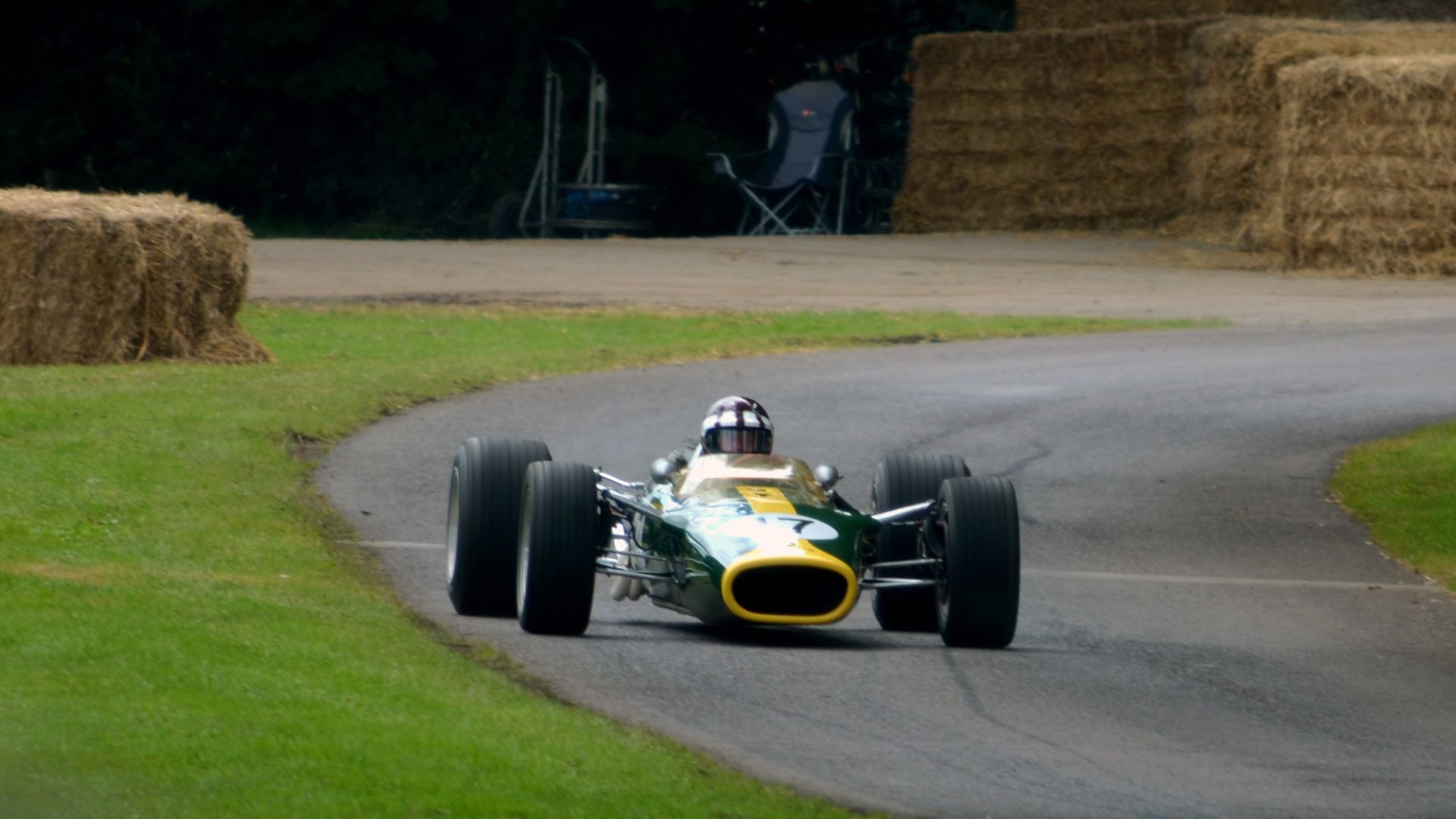 Nic Redhead from Birmingham, UK on Wikimedia
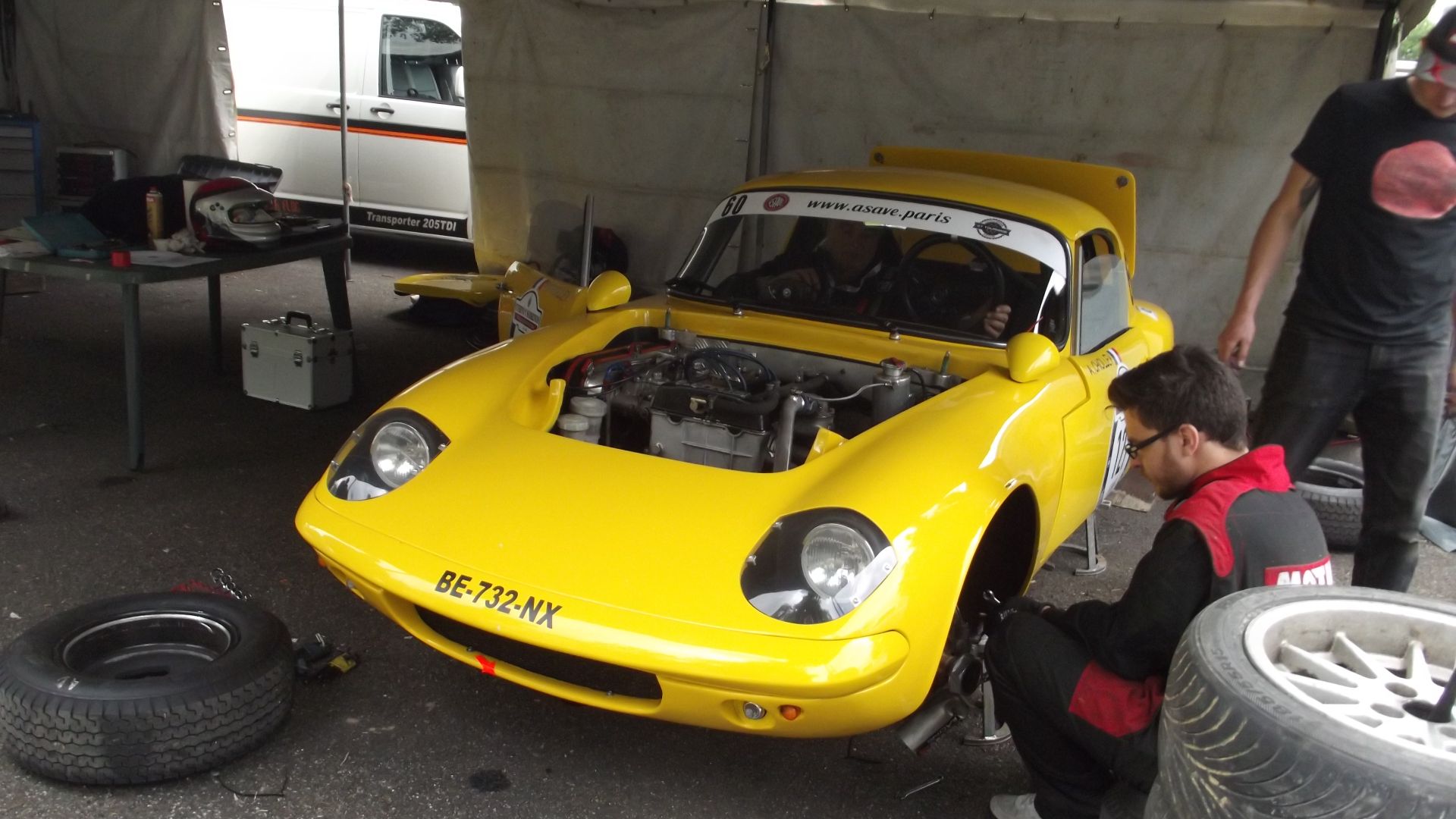
6. The Elan Hung a Fiberglass Body on a Steel Backbone
Launched in 1962, the Lotus Elan used a lightweight fiberglass body mounted on a steel backbone chassis, giving it excellent rigidity without the expense of a conventional unibody design. Early models weighed around 1,500 pounds and produced 105 horsepower. The Elan helped make Lotus profitable, although road testers frequently complained about parts breaking or falling off.
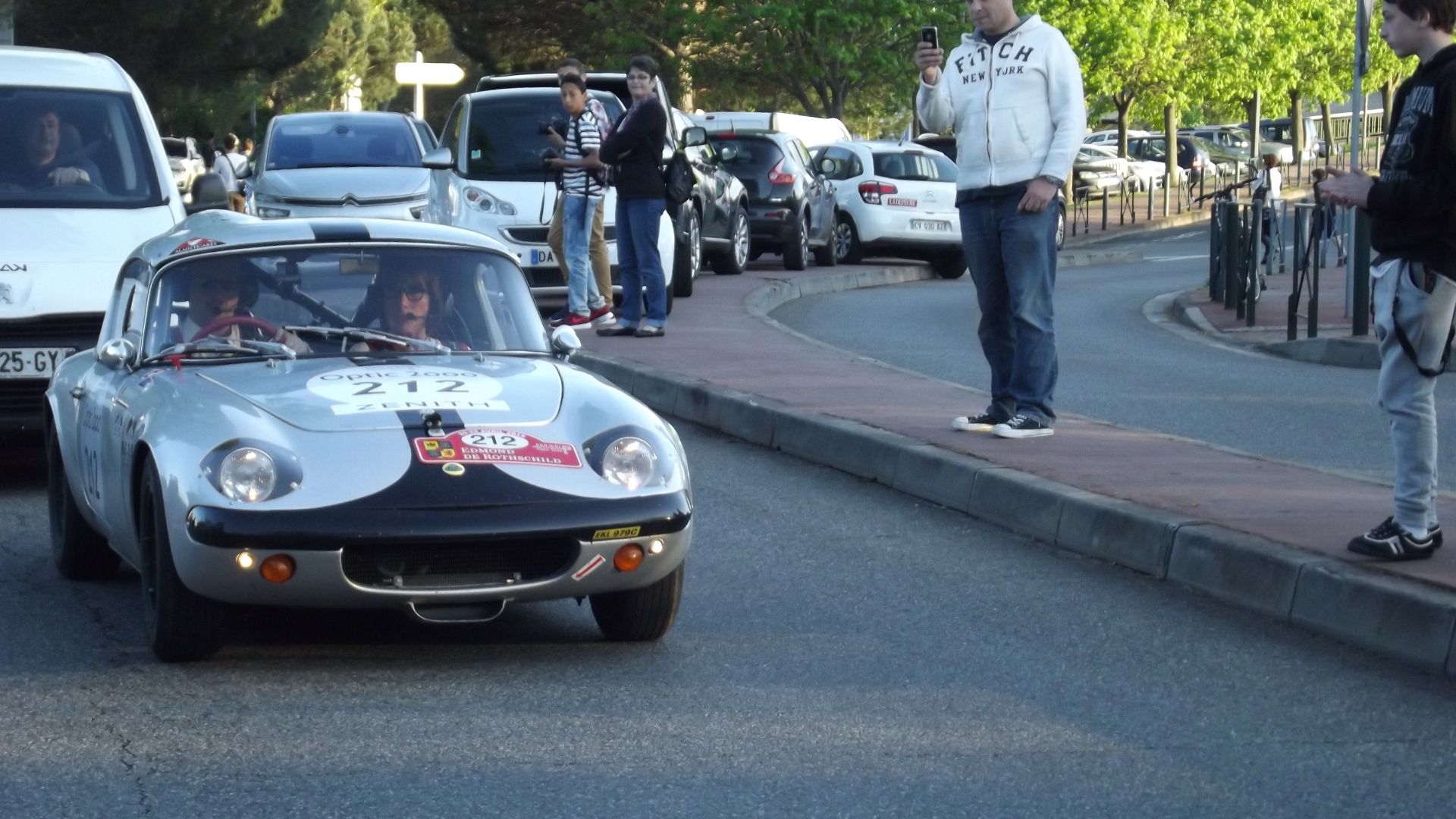 Handelsgeselschaft on Wikimedia
7. The 72 Moved the Brakes Inboard
Mounting the brakes inboard reduced unsprung weight, and side-mounted radiators allowed a slim wedge-shaped nose. Over its racing life the 72 won 20 grands prix and took two drivers' and three constructors' championships. Rindt won the 1970 title in one posthumously, and it was still winning in 1974.
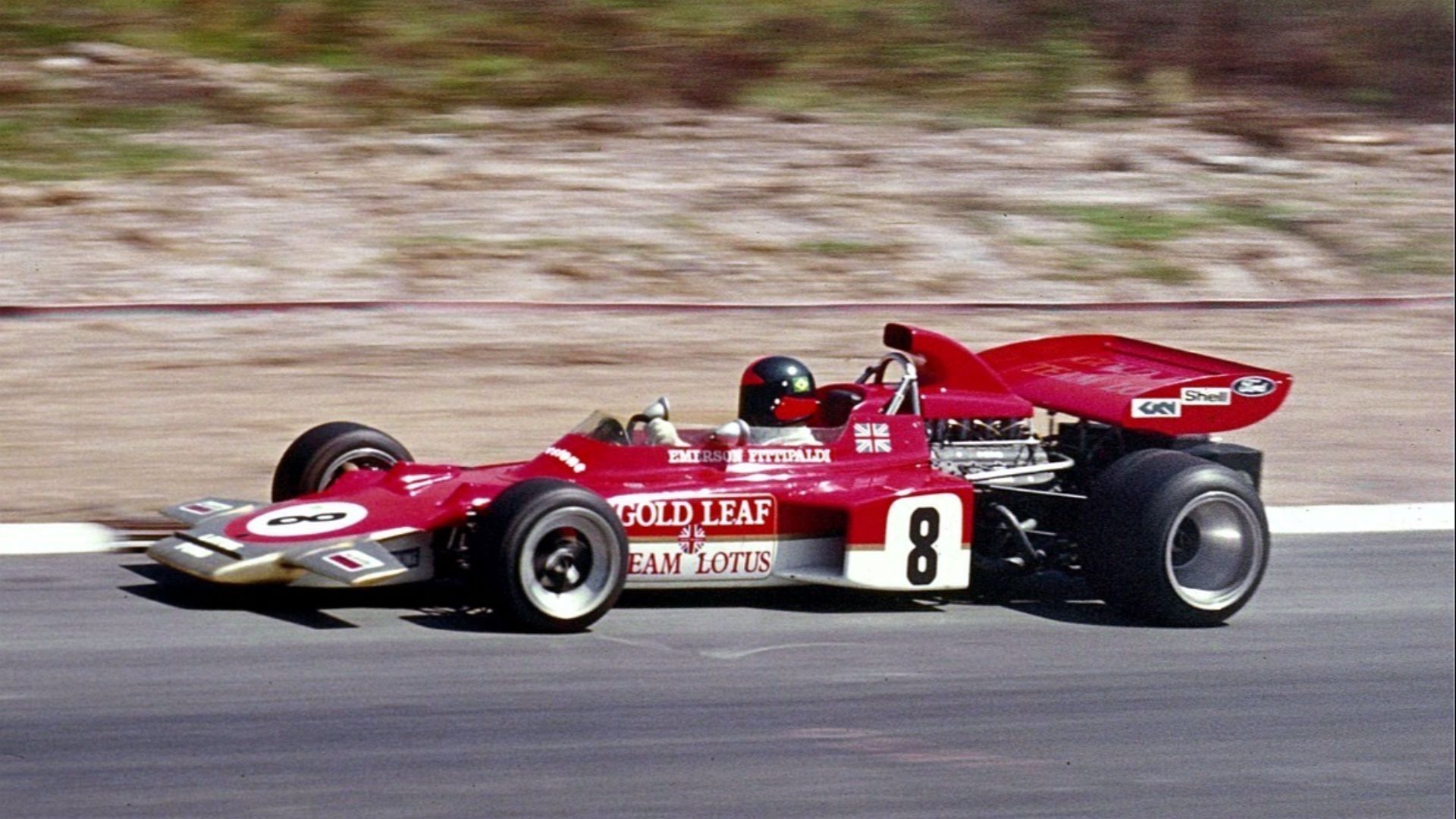
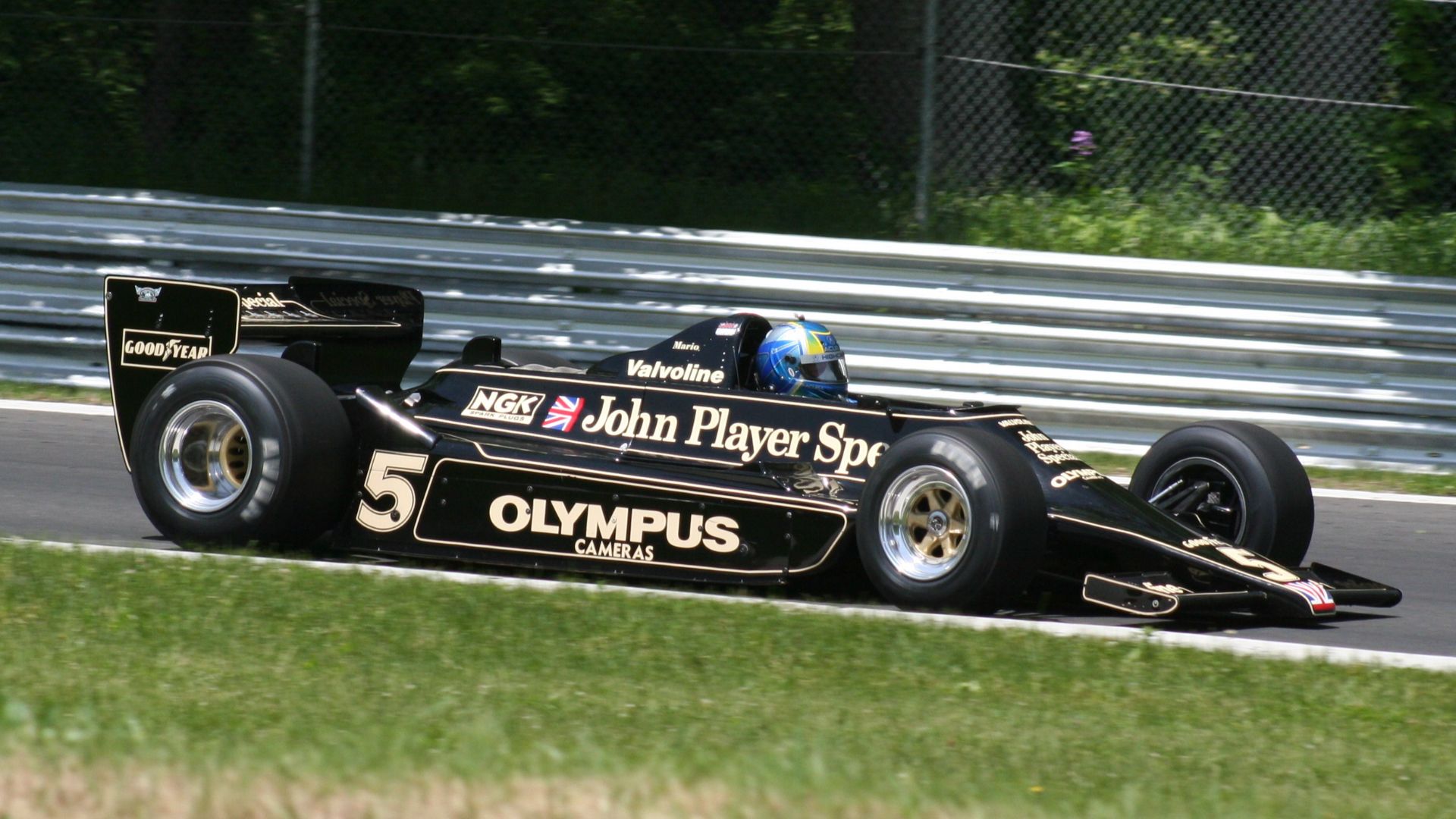
8. The 79 Sealed the Floor of the Car
Building on the 78, the 79 of 1978 used sliding side skirts to seal the underbody, which created large downforce with little drag. Mario Andretti won the drivers' championship in it, and Lotus took the constructors' title with a string of 1-2 finishes, the team's last titles.
 Mike Powell from United States on Wikimedia
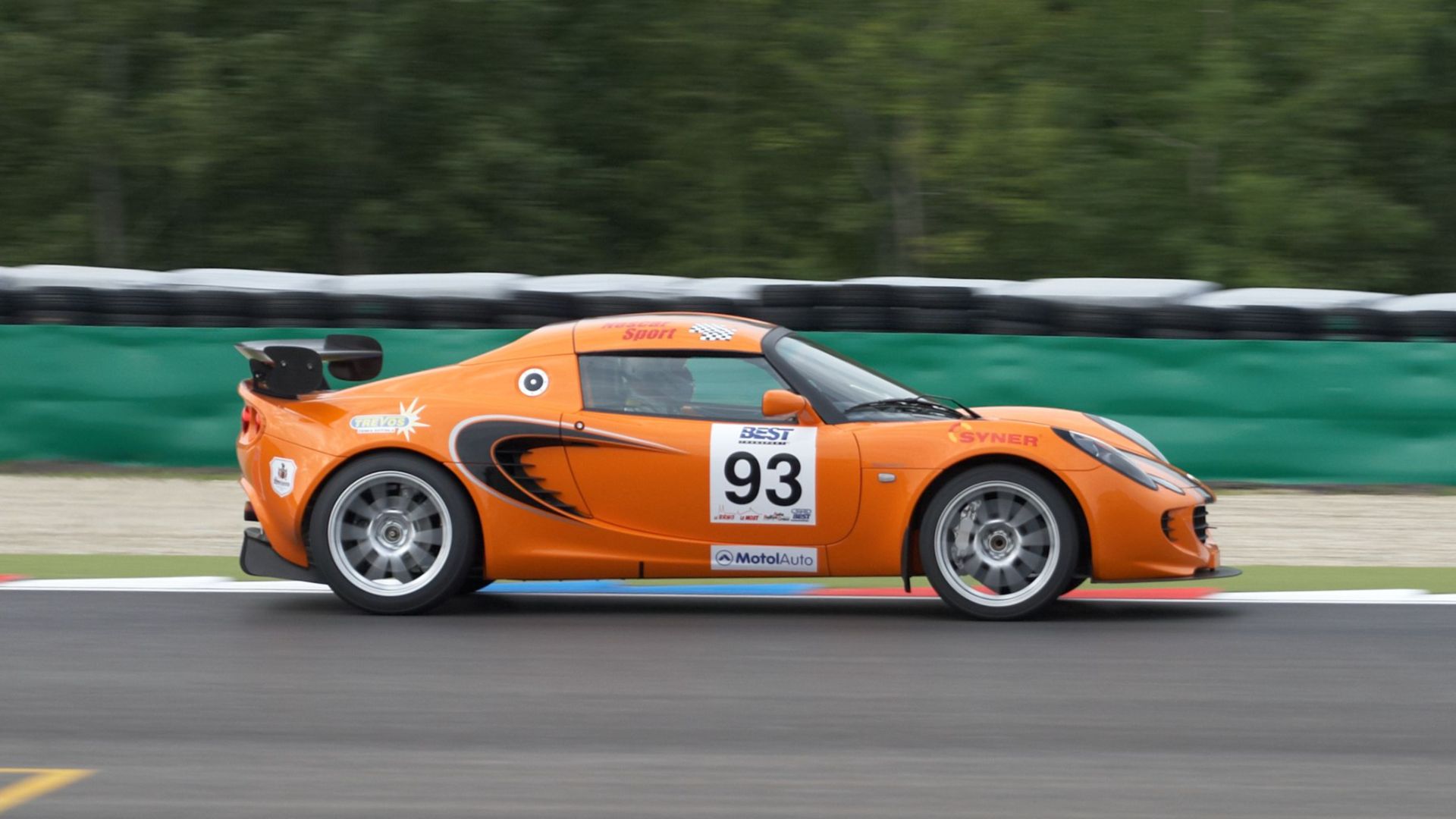
9. The Elise Was Built Around Bonded Extrusions
Lotus showed the Elise at the 1995 Frankfurt Motor Show with a chassis of bonded and extruded aluminum. First-generation cars weighed roughly 1,520 to 1,700 pounds, and about 15,530 were sold. The launch car's 118-horsepower 1.8-liter engine reached 62 miles per hour in 5.9 seconds.
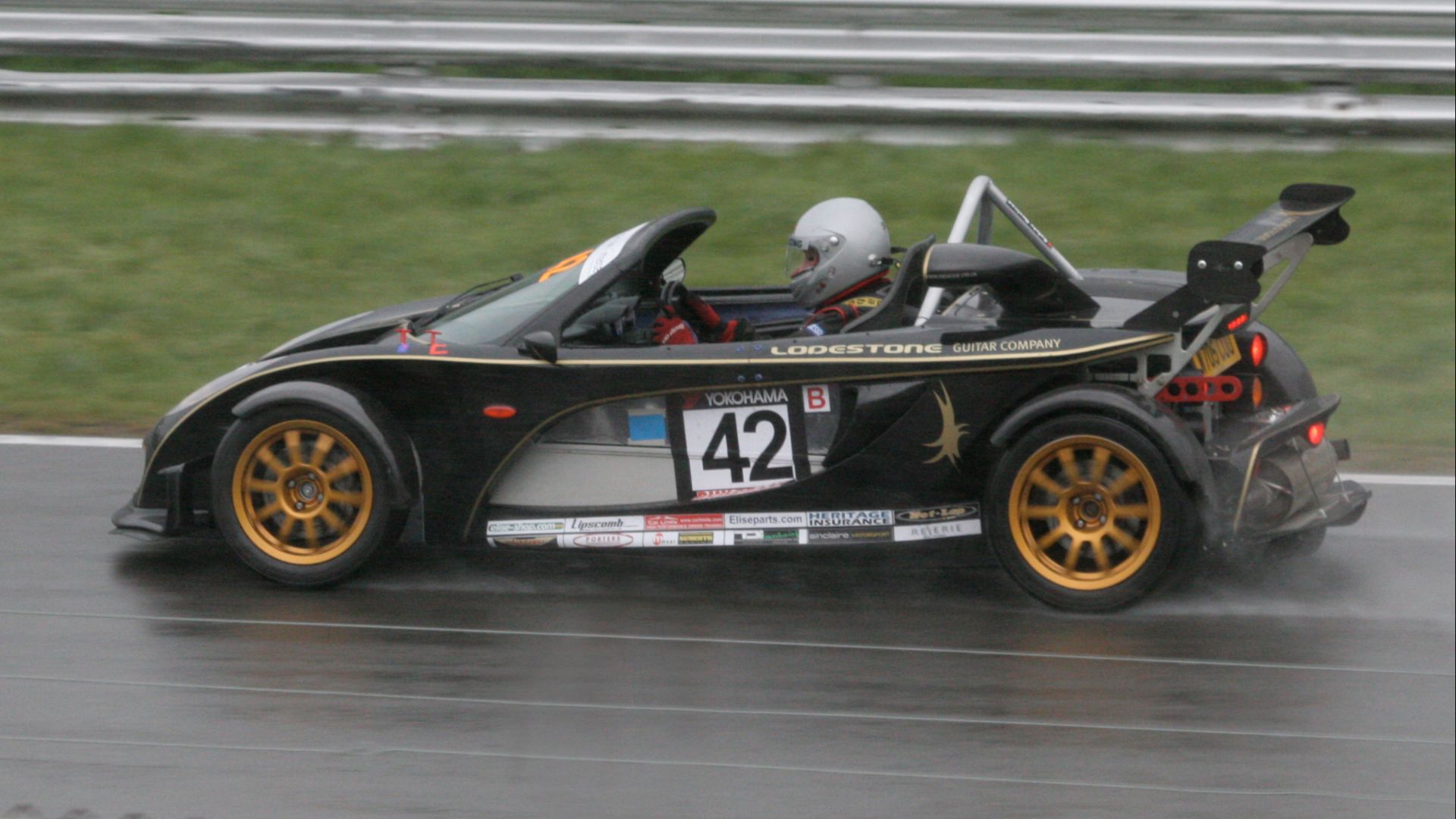
10. The 340R Left Off the Doors and Roof
The 340R came without doors or a roof, and Lotus built 340 of them in 2000. A Rover K-series engine making 177 horsepower sat in a 1,542-pound car, which worked out to about 252 horsepower per metric ton.
Now, here's 10 that went the other way.
 exfordy (Flickr User) on Wikimedia
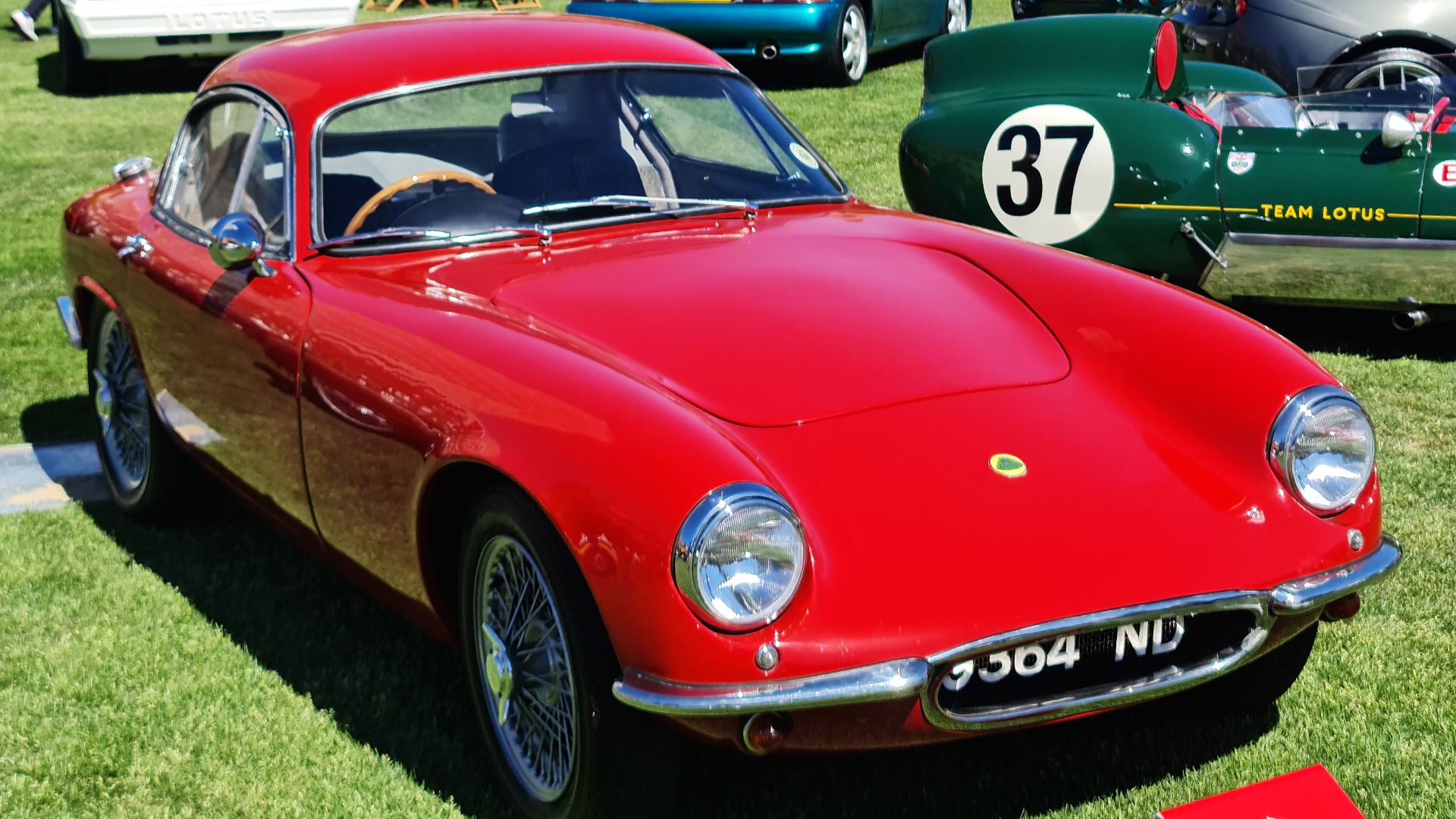
1. The Elite Lost Money on Every Car
The Elite of 1958 was the first fiberglass monocoque production car, and it weighed 644 kilograms, or about 1,420 pounds. Lotus lost money on every one of the roughly 1,050 it built. The fiberglass tended to flex, and early cars often cracked around the suspension mounting points.
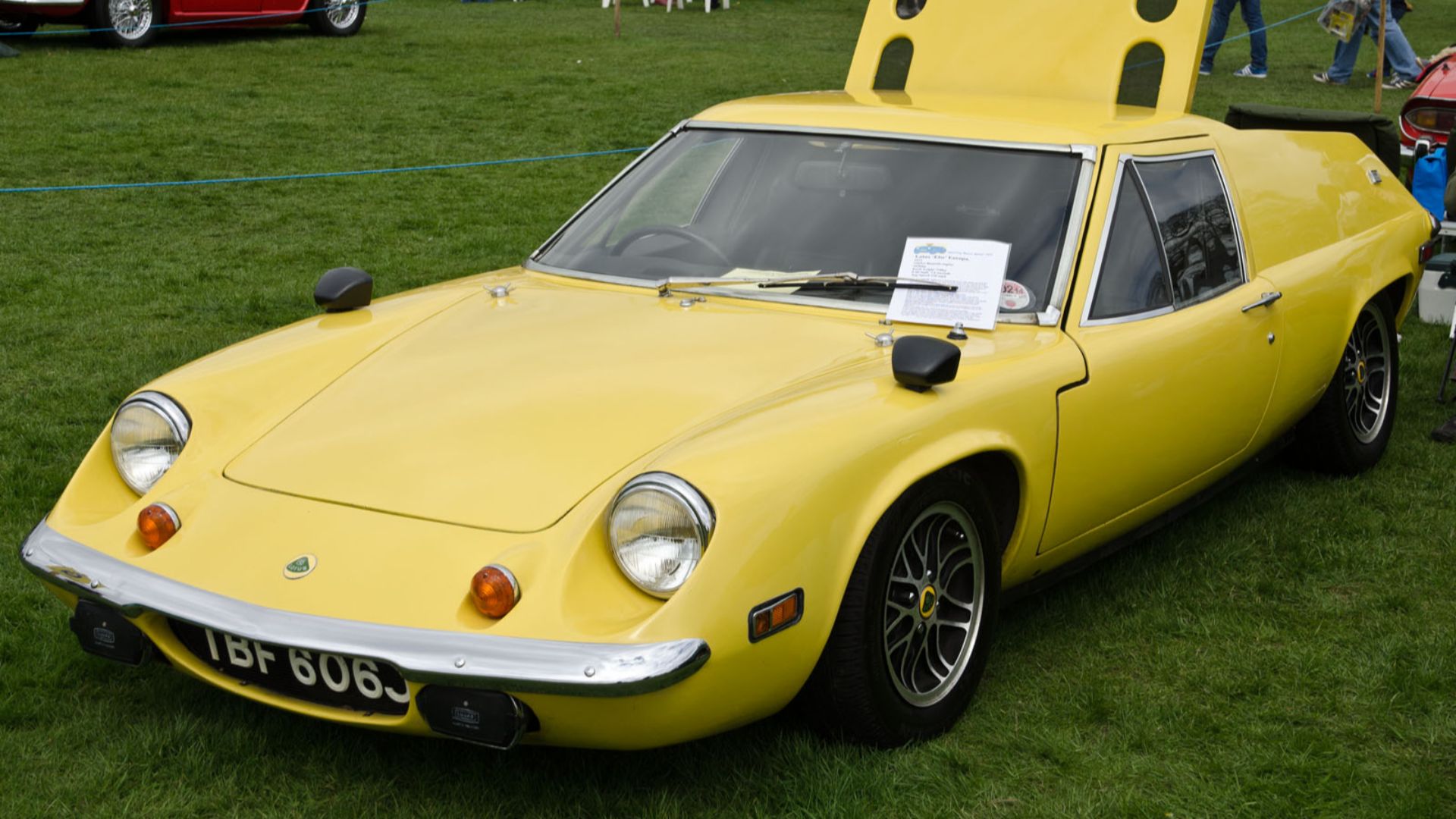
2. The Europa Had Fixed Windows and Seats
Built from 1966, the first Europas had a fully bonded body, which meant fixed windows and seats that couldn't be adjusted. The seats were set to suit Chapman. Two vertical fins at the back made it hard to see behind, and Lotus removed them in 1971.
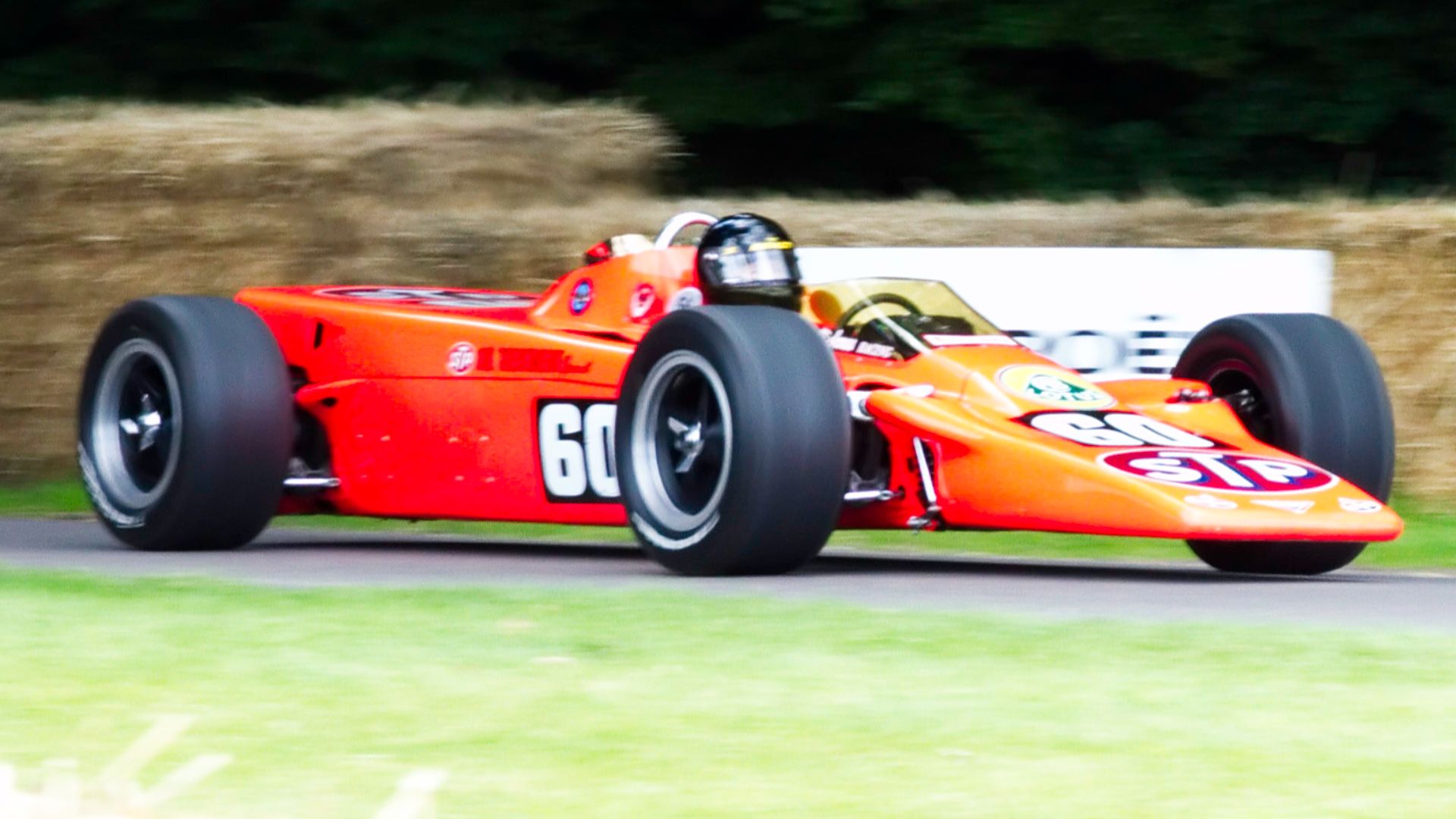
3. The 56 Stalled While Leading Indianapolis
Four turbine-powered, four-wheel-drive Lotus 56s arrived at the 1968 Indianapolis 500, and two of them took the pole and the second spot on the grid. Joe Leonard was leading when his turbine quit with nine laps to go. Graham Hill hit the wall, Art Pollard's car also failed, and USAC moved to restrict turbines afterward.
 Andrew Basterfield on Wikimedia
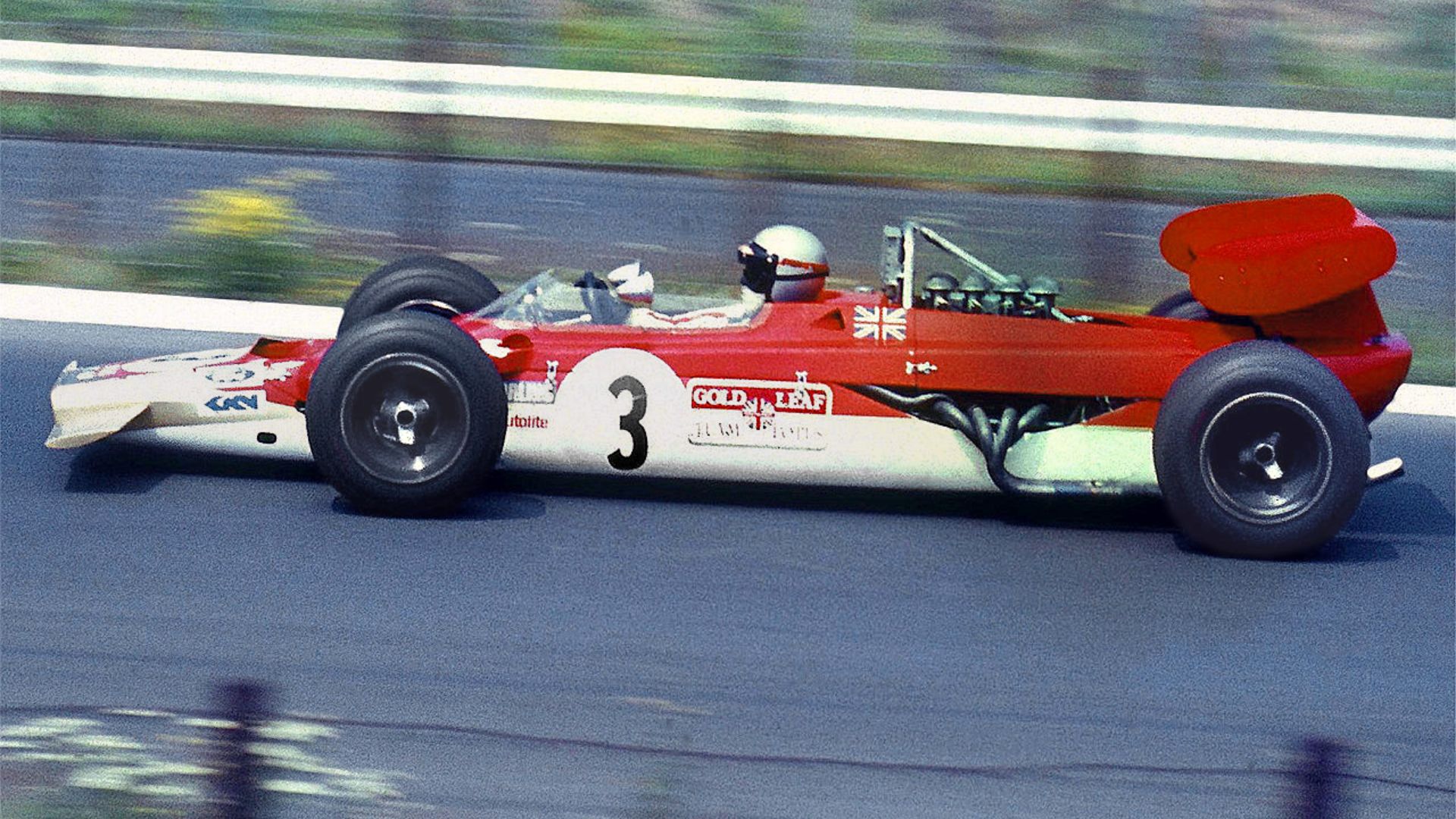
4. The 63 Understeered With Four-Wheel Drive
At the 1969 British Grand Prix, John Miles's four-wheel-drive 63 was more than four seconds slower than Rindt's two-wheel-drive 49 on pole. Rindt and Graham Hill both refused to drive it. Sending power to the front wheels tended to cut front grip in corners.
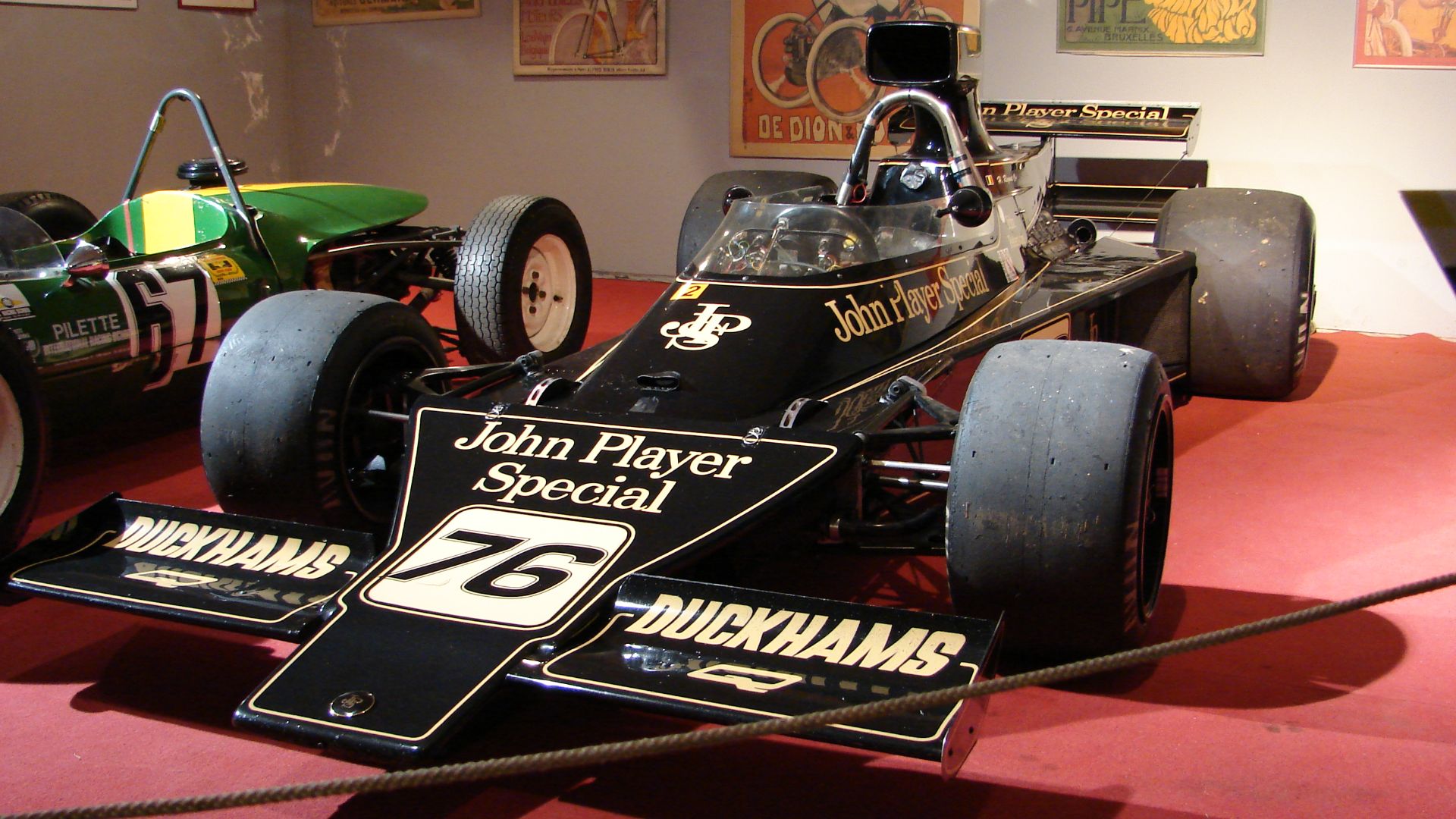
5. The 76 Began as a Tidy-Up Job
Designer Ralph Bellamy said the 1974 Lotus 76 was never meant to be quicker than the 72, only lighter and simpler. Its electric clutch hydraulics added weight and kept letting in air. The car made eight starts and finished one.
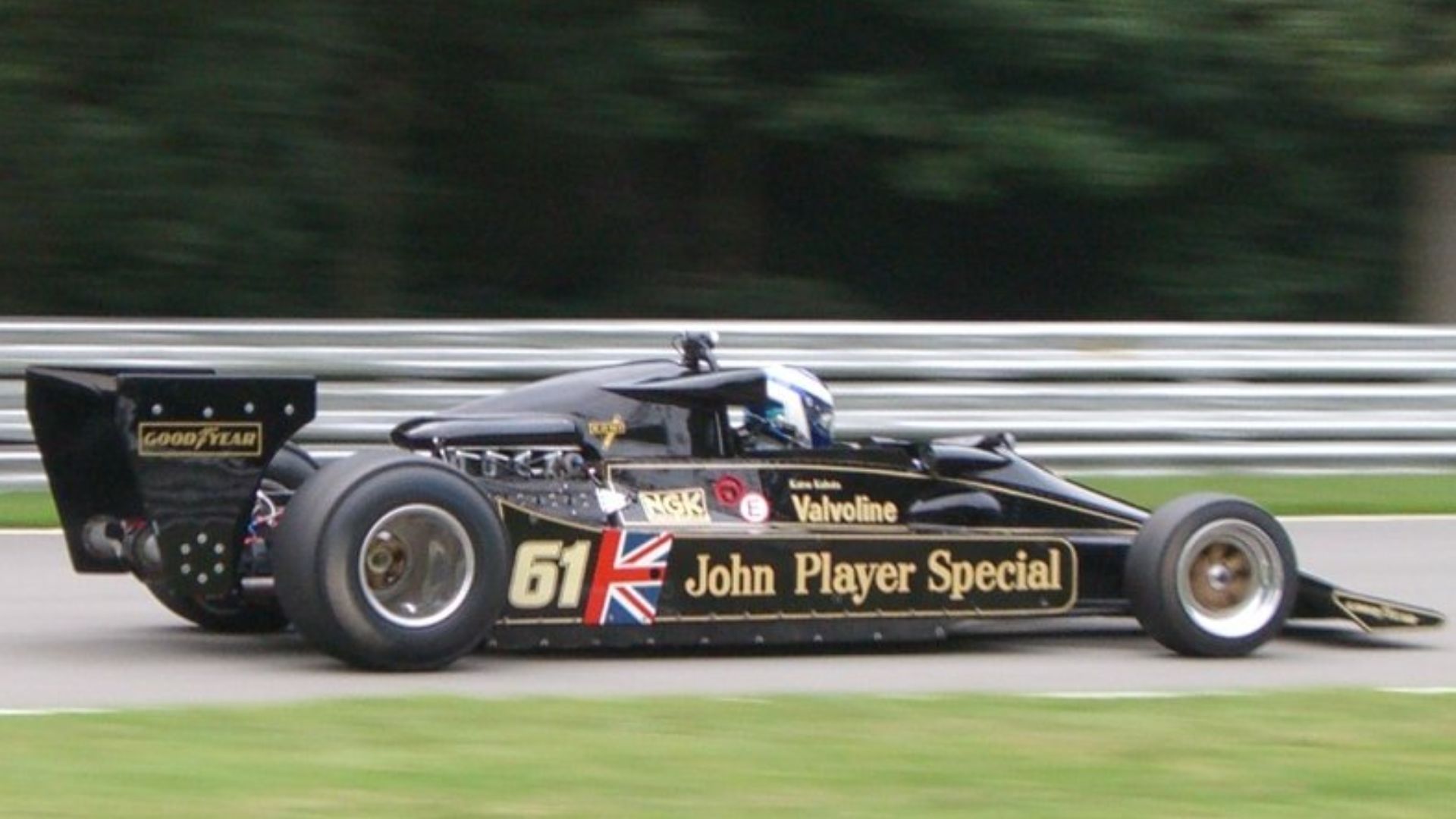
6. The 78 Was Fast but Fragile
Ground effect arrived in 1977 with the 78, which used an inverted wing floor. Andretti won four races and Gunnar Nilsson one, but reliability problems followed the car all year and no title came with them.
7. The 88 Never Raced
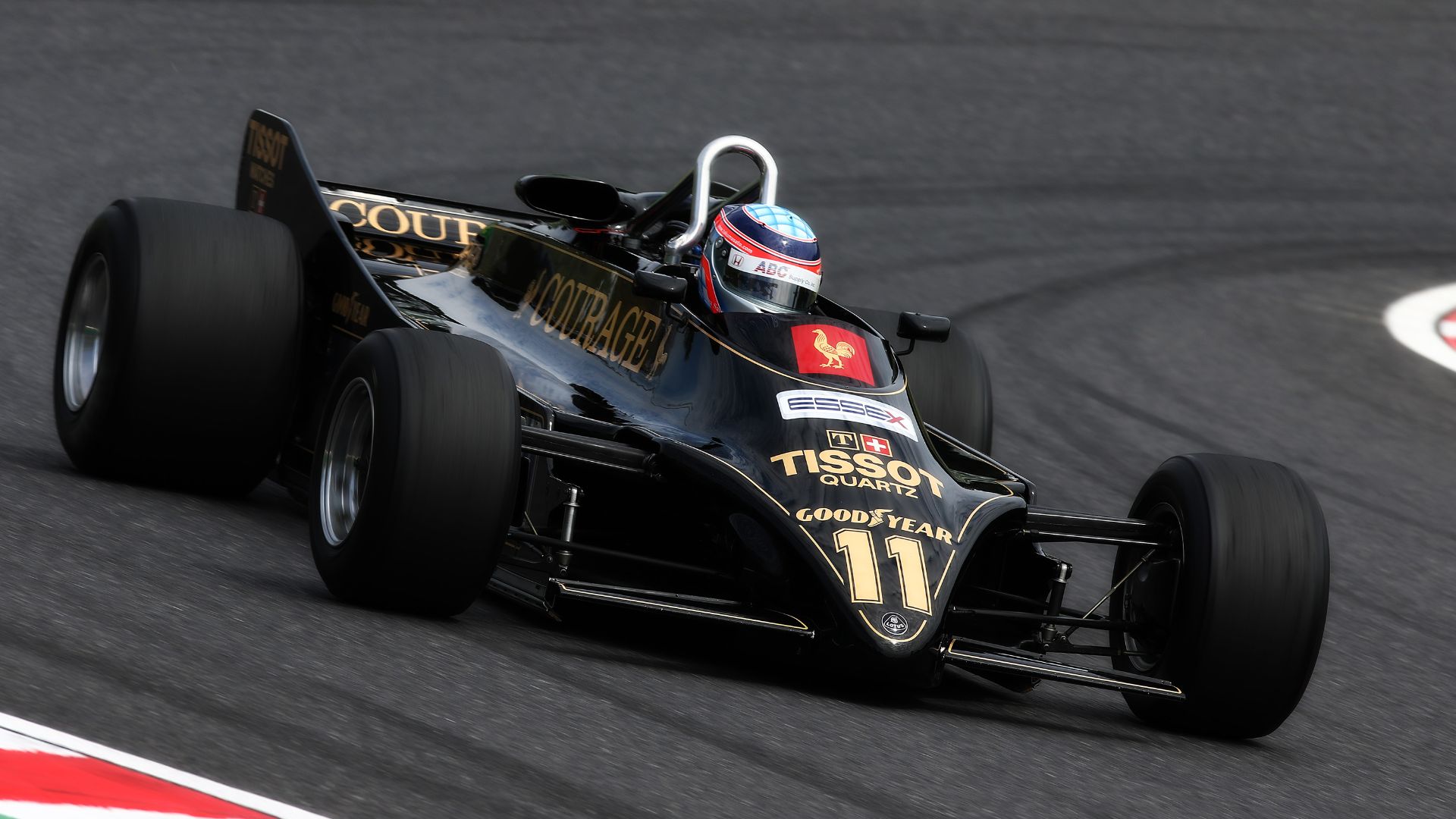
For 1981, after sliding skirts were banned, Lotus built the 88 with two sprung bodies. The inner one carried the mechanical loads while the outer one generated downforce. Rivals protested right away, and Lotus ran the older 81 and then the 87 instead.
 Takayuki Suzuki from Kanagawa, Japan on Wikimedia
8. The M100 Elan Weighed More Than a Lotus Should
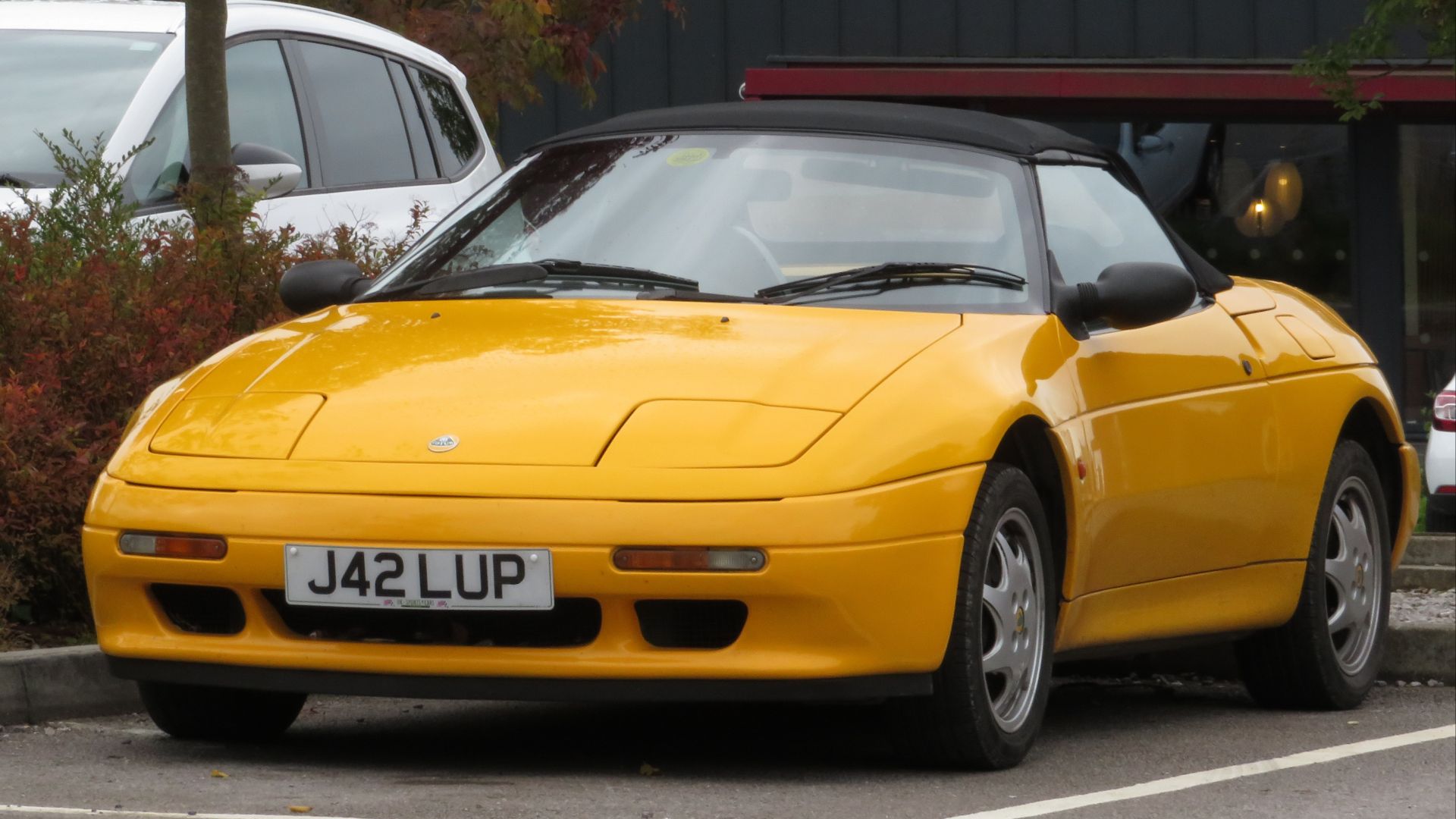
The front-wheel-drive Elan that arrived in 1989 weighed about 2,250 pounds, with an Isuzu 1.6-liter four making 130 or 165 horsepower. Lotus forecast 4,500 sales a year and built 3,855 in total, with only 559 sold in the United States. The much cheaper Mazda MX-5 launched at the same time.
9. The 99T Got Heavy Active Suspension
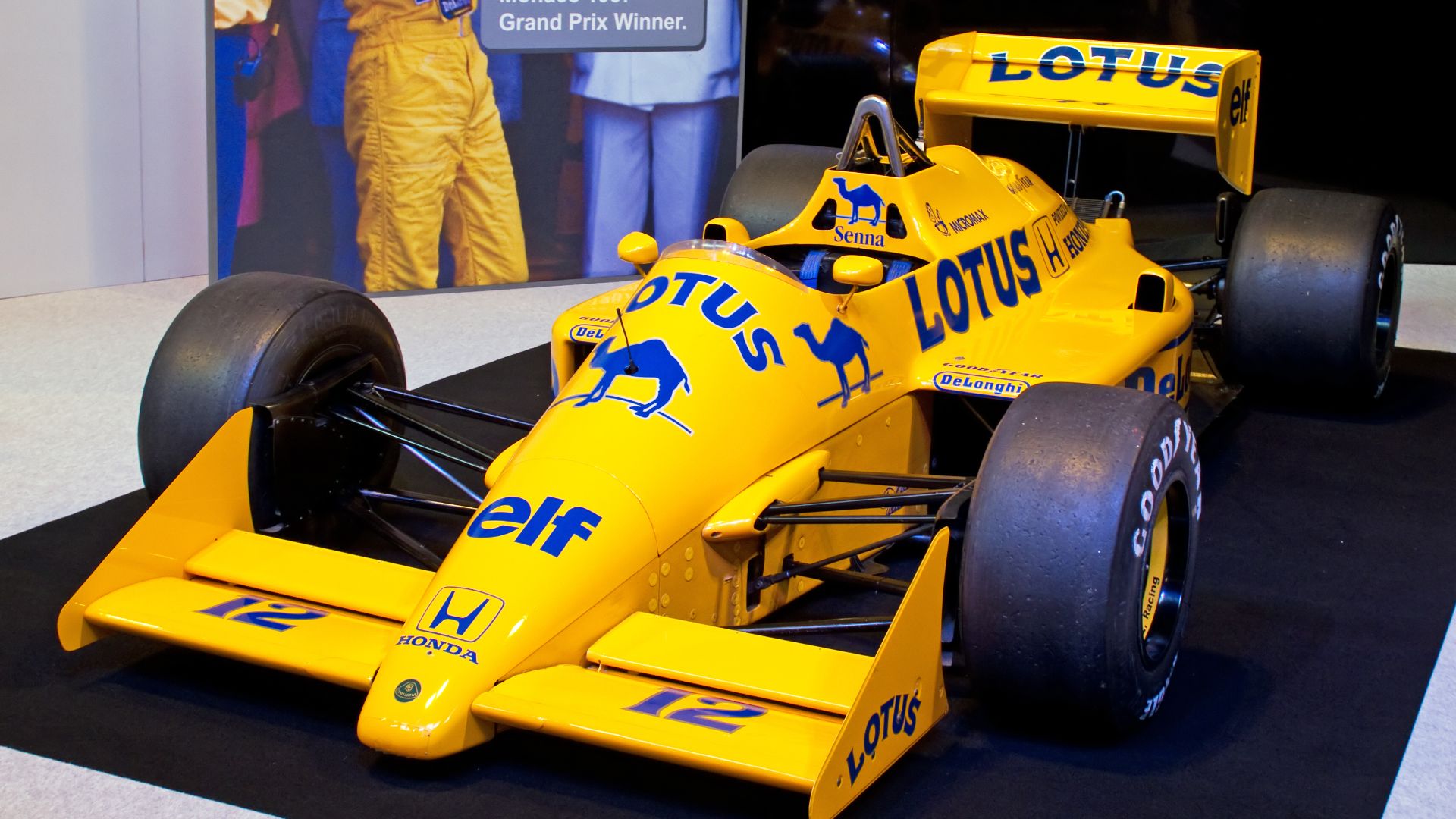
Computer-controlled active suspension went onto the 99T in 1987, and the system was heavy and underdeveloped. Ayrton Senna still won two races in it.
10. The Elan Ended Up at Kia
Production of the Elan restarted briefly in 1994 after Romano Artioli bought Lotus from GM. Lotus then sold the design rights to Kia, which built about 1,000 Elans from 1996 to 1999 with a Mazda-sourced engine.
 Handelsgeselschaft on Wikimedia