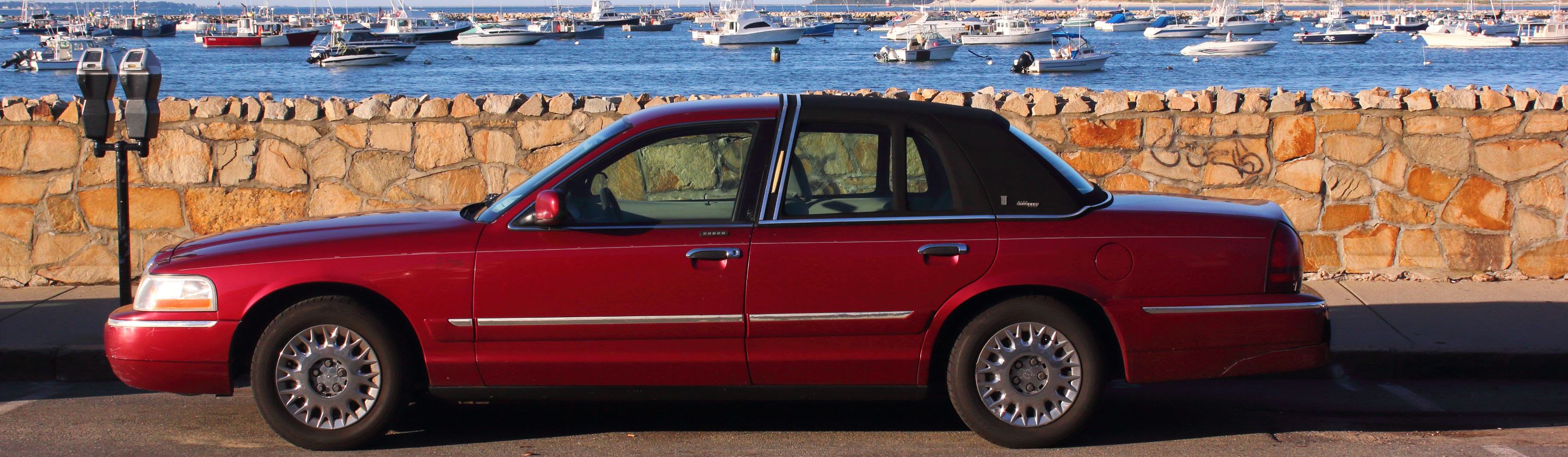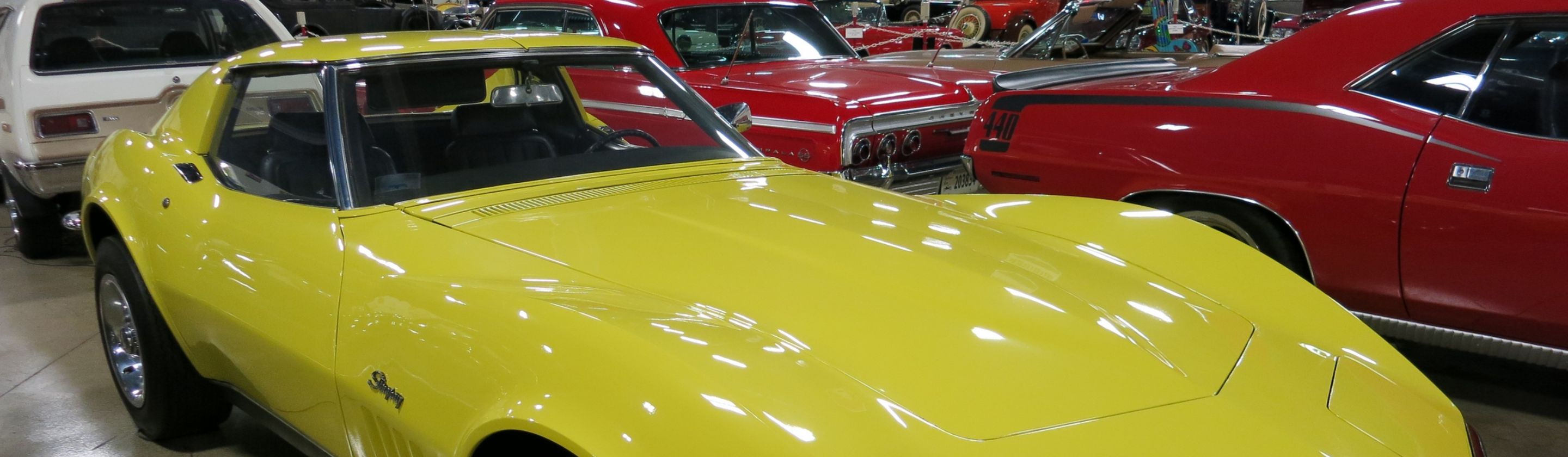


There's something undeniably cool about parking a luxury vehicle in your garage and calling it your own. Whether it's a Mercedes-Benz S-Class or a Range Rover, these cars all promise the same thing: comfort, impressive performance, and technology you won't always find in ordinary vehicles. But what if that attractive sticker price was only the beginning of what you'll actually spend?
The reality is that owning a luxury car comes with price tags to match, and many owners quickly discover that keeping theirs on the road can become considerably more expensive than they thought. To make matters even scarier, some expenses don't become obvious until you've already committed to the purchase. Before treating yourself to that dream car, it's worth understanding exactly where your money will go—and whether you actually have enough saved to grab that beauty.
The Maintenance Bills Nobody Warns You About

Routine maintenance is one of the first areas where luxury ownership becomes expensive. Don’t kid yourself; even something basic like an oil change can drain your savings. Certain high-performance European vehicles involve specialized synthetic oils, additional labor, and more expensive filters. Even relatively ordinary services, including brake replacements and scheduled inspections, can cost substantially more than they would on a P.T. Cruiser.
According to Consumer Reports, luxury brands such as Porsche, Mercedes-Benz, and Land Rover also have some of the highest long-term maintenance and repair expenses. Though it might seem okay for those first few years, research shows that those costs often climb once cars reach their sixth trip around the sun. That's especially concerning for anyone who thought an older luxury car would automatically be affordable—even if it was used.
Tires present another expense that buyers always underestimate. Performance-oriented models use specialized tires designed for handling rather than maximum longevity. Some also have different tire sizes on the front and rear axles, preventing conventional tire rotations and potentially increasing replacement costs. So, yes, you’re looking at a pretty penny every time you head to a mechanic.
Then there's the problem of finding someone qualified to repair your vehicle at all. Don’t forget that some jobs require manufacturer-specific diagnostic equipment or expensive replacement components that independent mechanics don’t always have handy.
Insurance, Fuel, and the Expenses That Keep Growing
Insurance premiums can deliver another unpleasant surprise, particularly if you're upgrading from your everyday sedan. Insurers love to zap our bank accounts anyway, and when you have a luxury car at home, they’ll absolutely consider repair costs, replacement values, safety performance, and theft statistics when determining your rate.
Fuel expenses aren't necessarily any friendlier to your budget, either. Many luxury vehicles require premium gasoline, while powerful engines and heavier SUVs can eat up even more fuel. For example, regularly filling a premium-fuel-dependent BMW X5 M will generally cost more than operating a fuel-efficient Lexus ES hybrid. It’s only worse if you commute long distances.
And let’s not forget everyone’s favorite part of adult life: taxes. Along with registration fees, they both deserve attention before signing any paperwork. Some states calculate vehicle-related fees using purchase prices or assessed values, meaning an expensive model can bring larger bills year after year. Buyers financing their purchases should also remember that borrowing more means more interest paid.
Perhaps the biggest heartbreak is that depreciation can turn even the most sought-after car into a lemon. Expensive luxury sedans can lose a ton of value as newer generations hit the streets, especially when they’re equipped with updated technology and features.
When Luxury Features Become Expensive Problems
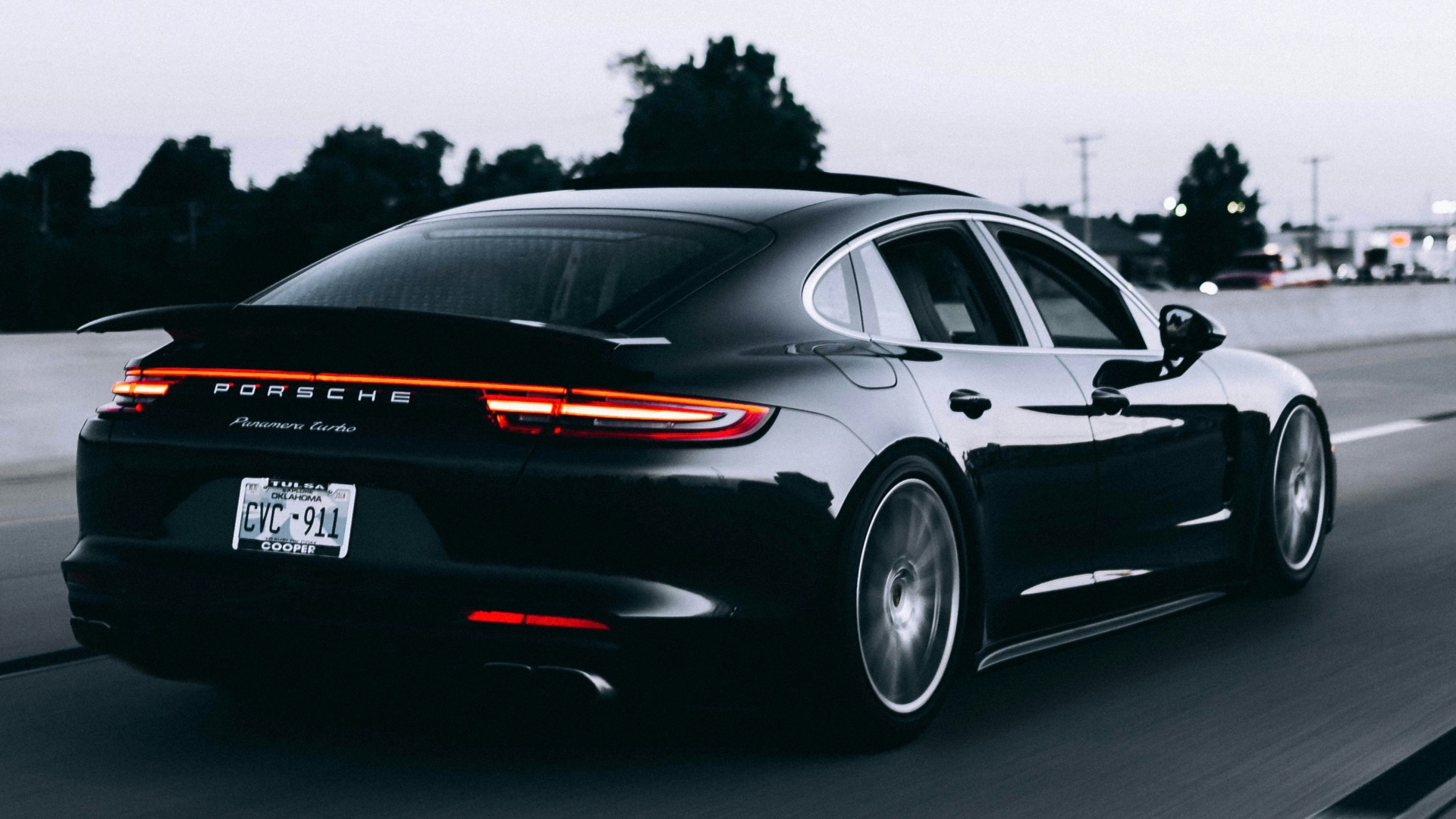
Modern luxury vehicles are filled with equipment that makes driving more comfortable, but complicated technology only adds to repair possibilities. We’re talking everything—everything— from air suspensions, electronically adjustable dampers, massaging seats, and sophisticated climate-control systems that can eventually fail. Replacing any of that on an aging Mercedes-Benz S-Class will look much different than on a newer model.
Even seemingly minor accidents can slap you with complicated bills. Luxury vehicles frequently feature cameras, radar sensors, adaptive headlights, and other sophisticated safety equipment integrated into bumpers and windshields. Say those get totaled in an accident. Now, replacing them could easily mean recalibration on top of everything else, turning what should’ve been a straightforward repair into an expensive dealership appointment.
The warranty situation also deserves careful consideration. A five-year-old luxury SUV might offer heated leather seats, impressive performance, and an attractive purchase price, but its original coverage could already have expired. Buying an extended warranty adds another expense, and you'll need to examine exclusions, deductibles, and claim limits before assuming you're fully protected.
Now, that’s not to say that any of this should deter you from following your dreams! It’s all about doing a little research and figuring out what owning a luxury car actually means. Don’t forget—some upscale models deliver relatively manageable maintenance costs, while others can become expensive commitments once their warranties expire. Researching can help you enjoy the luxury without being blindsided by its actual price.