Brave Ideas And Bad Ones
Car companies have taken plenty of big risks, and some of their most interesting ideas have ended in failure. Sometimes the technology was too ambitious, or the timing couldn't have been worse. Other times, the car was simply a cheap model dressed up to look expensive. The difference matters. Some flops become collectors' favorites decades later, while others are remembered for everything they got wrong. Here are 10 automotive failures worth remembering and 10 that deserved to disappear.
1. Tucker 48
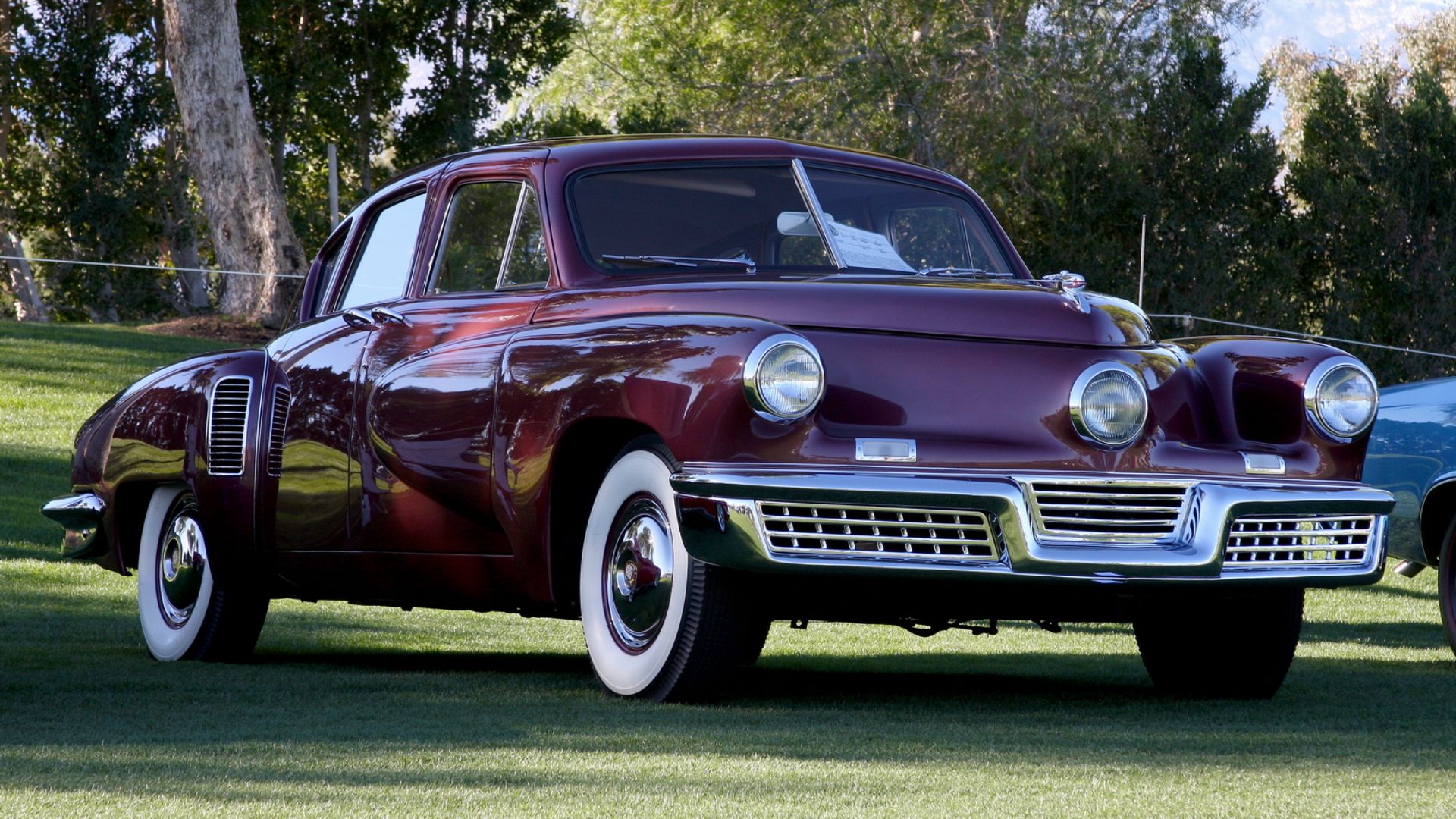
Preston Tucker's sedan carried a rear flat-six that lifted out for servicing in minutes, plus a center headlight that steered with the front wheels. At a suggested $2,450 it undercut a Cadillac Model 62 by about $500. Fifty-one cars got built before the SEC seized the records, and Tucker won his fraud trial only after the legal fees had drained the company.
2. Chrysler Turbine Car
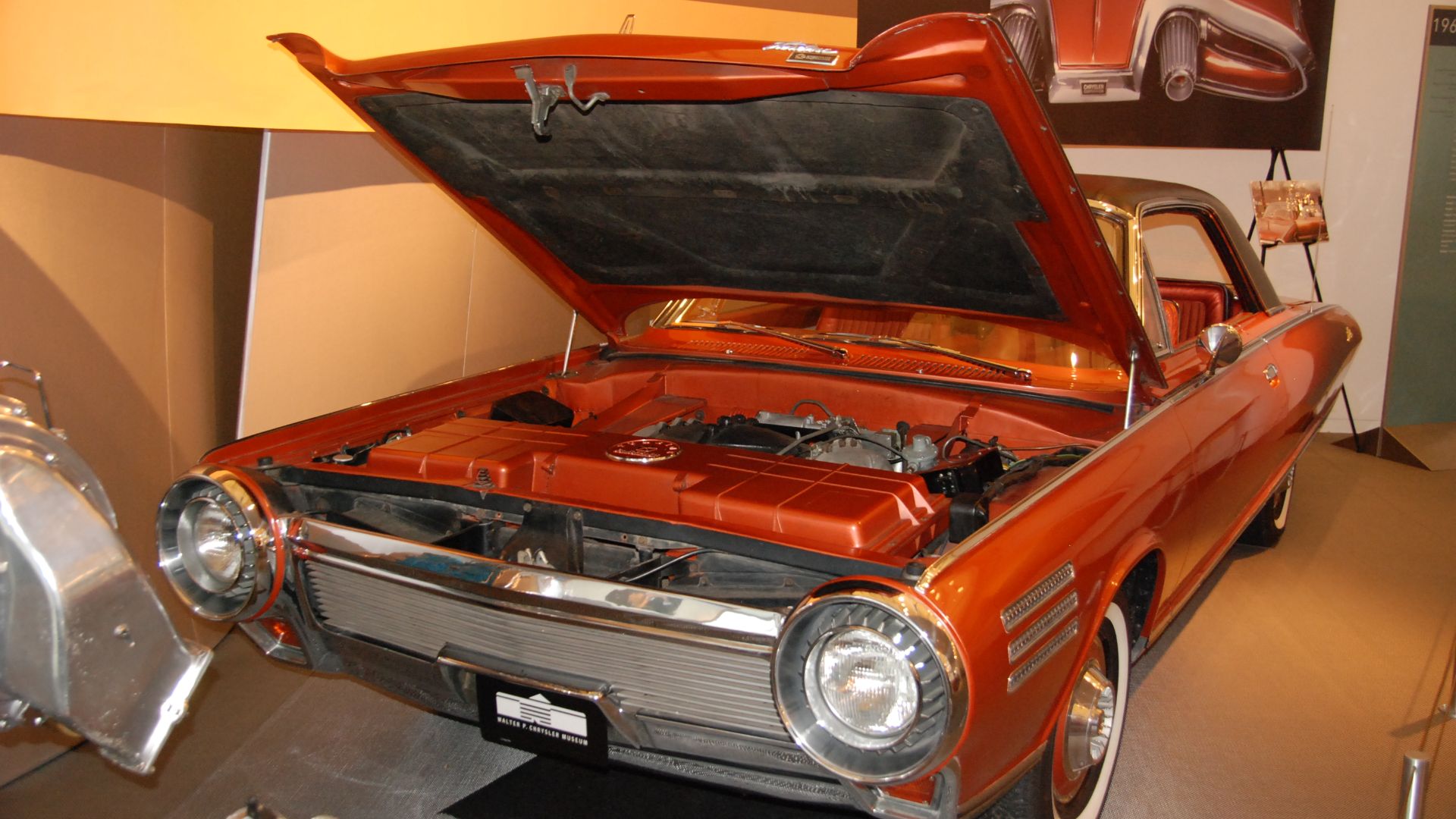
Chrysler built 55 turbine-powered coupes with Ghia bodies and lent them to 203 drivers for three months apiece. Those families covered more than a million miles at roughly 13 mpg, and the fuel figure was the problem. All but five were crushed at the end of the program, reportedly over import duty owed on the Italian bodywork.
3. NSU Ro 80
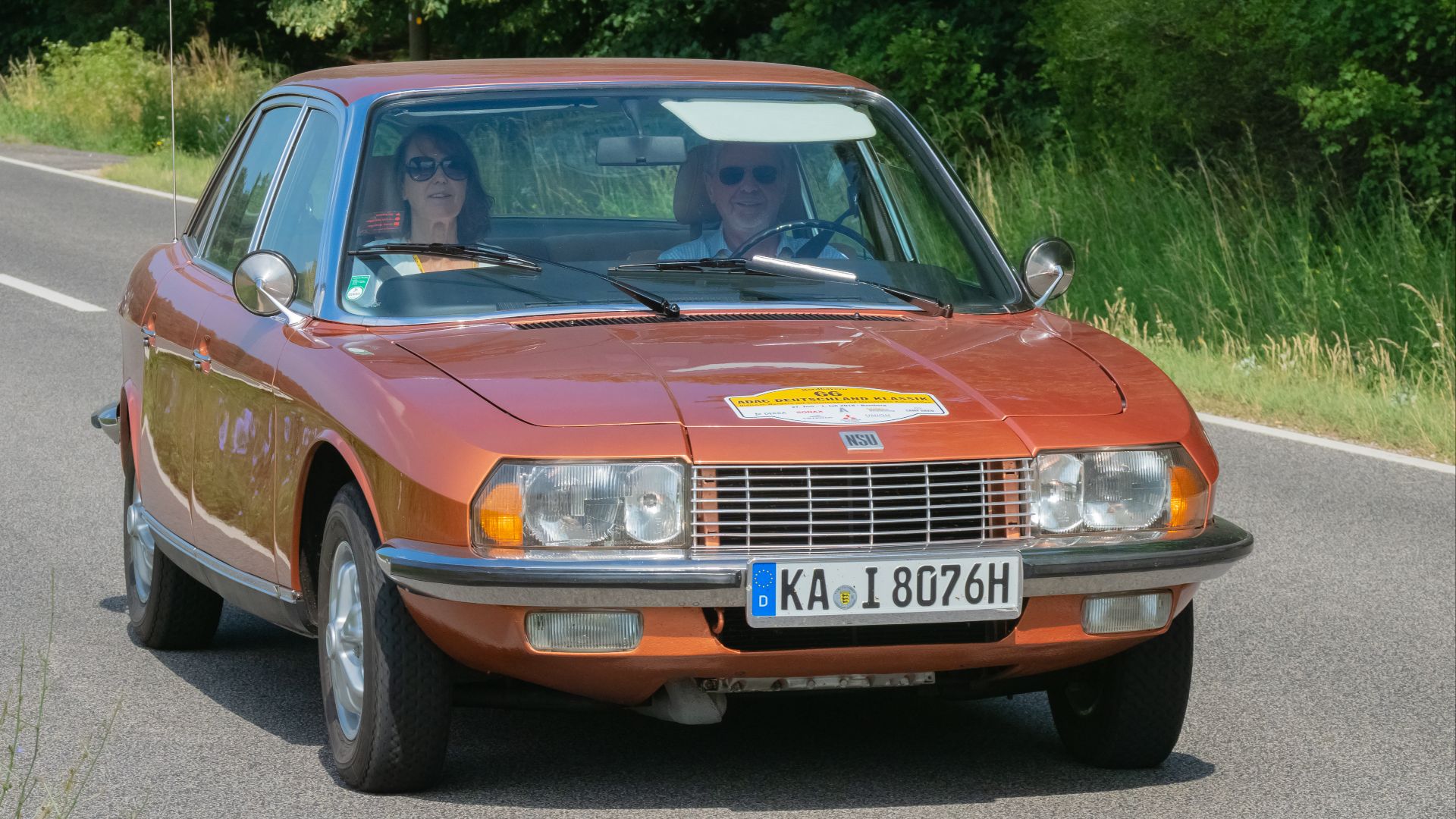
The NSU Ro 80 looked years ahead of its time, with a sleek body and advanced engineering that earned it European Car of the Year in 1968. Unfortunately, its rotary engine was notoriously unreliable. Seals inside the engine kept failing, leaving NSU buried in expensive warranty claims. Volkswagen bought the struggling company the following year and merged it with Audi.
4. Jensen FF
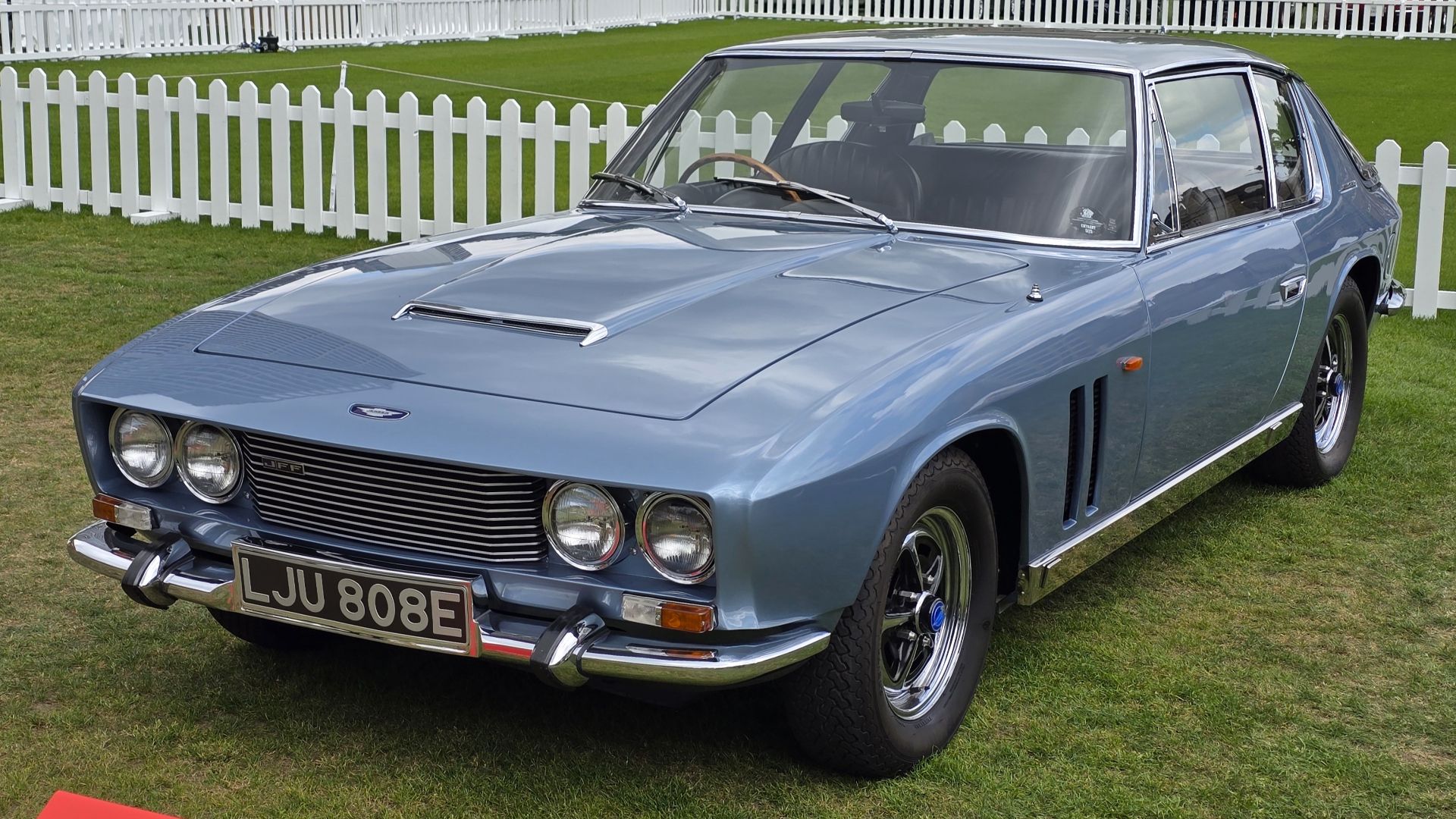
The Jensen FF brought four-wheel drive to a grand tourer in 1966, when the technology was still associated with off-road vehicles. It also featured Dunlop's Maxaret anti-lock brakes, a system originally developed for aircraft. Both were firsts for a production road car, but the FF cost £1,597 more than the nearly identical-looking Interceptor. Only 320 were built.
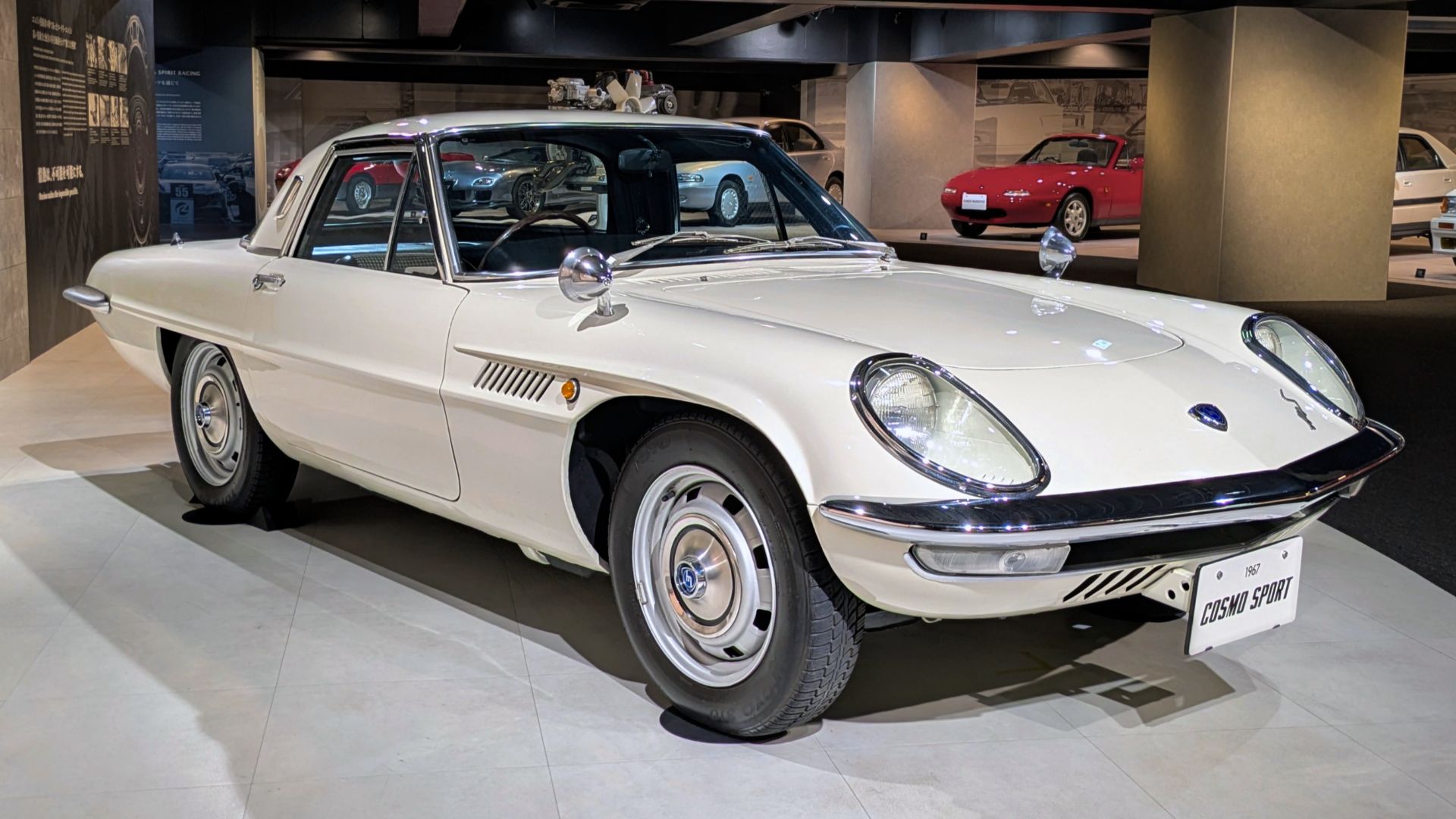
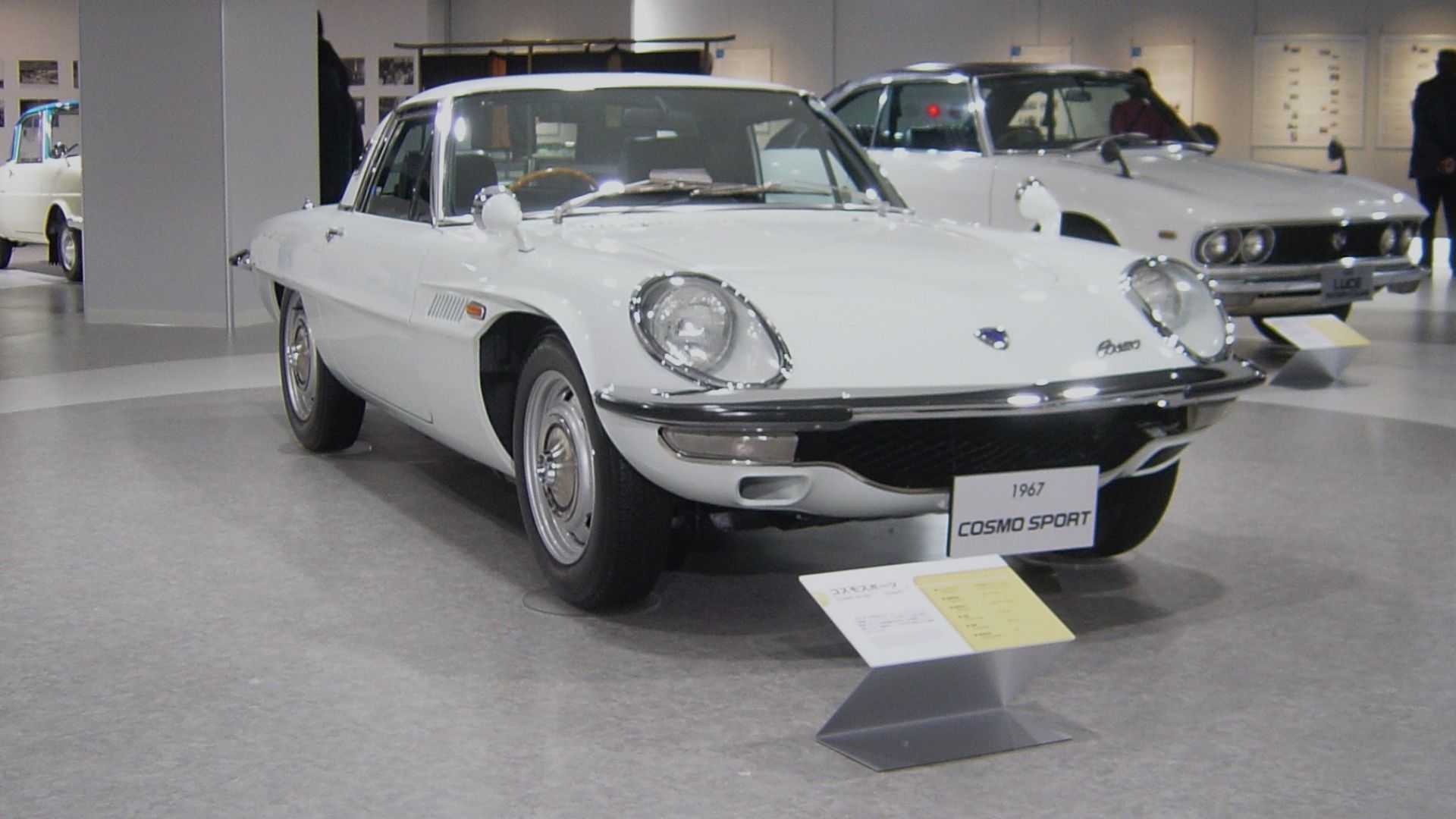
5. Mazda Cosmo Sport 110S
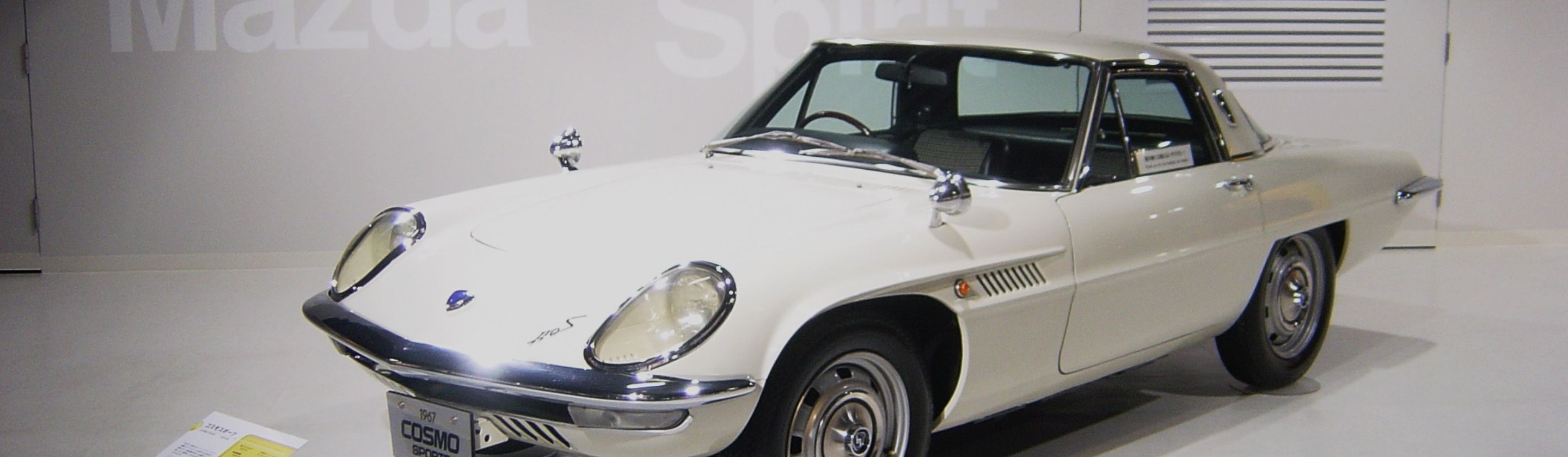
Mazda put a twin-rotor engine into a production two-seater in 1967, with 110 hp in export form. Around 1,500 were built before production stopped in 1972, so almost nobody ever saw one. That engine went on to win Le Mans outright in 1991.
 Taisyo, noted in original article on Wikimedia
6. Citroën SM
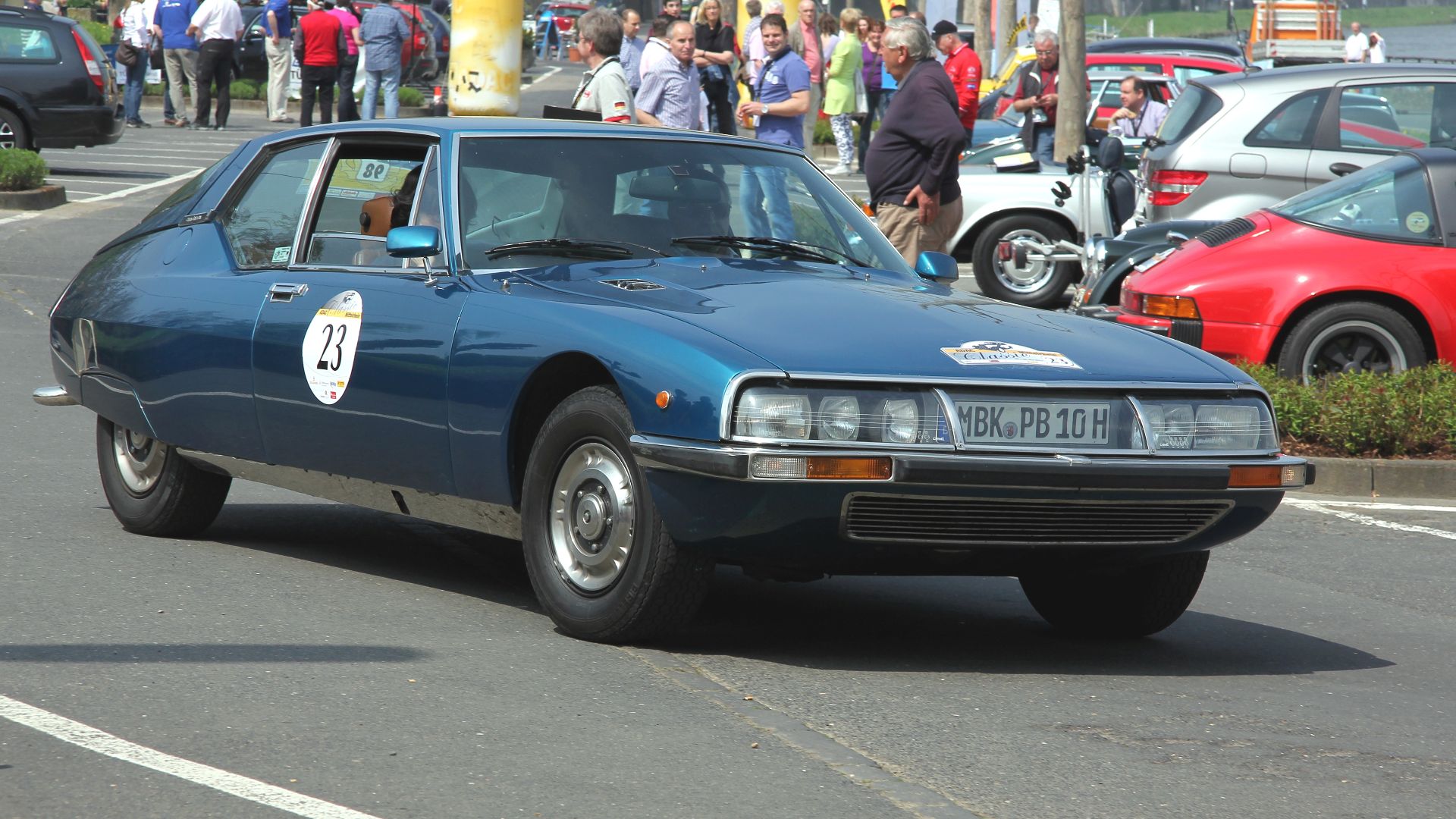
Citroën owned a controlling stake in Maserati and used it to put a 2.7-liter V6 into a hydropneumatic coupe with six headlights, the inner pair steering into corners. Just under 13,000 were built. It arrived shortly before the 1973 fuel crisis, too heavy for sports drivers and too sharp for the people who wanted a DS.
7. Bricklin SV-1
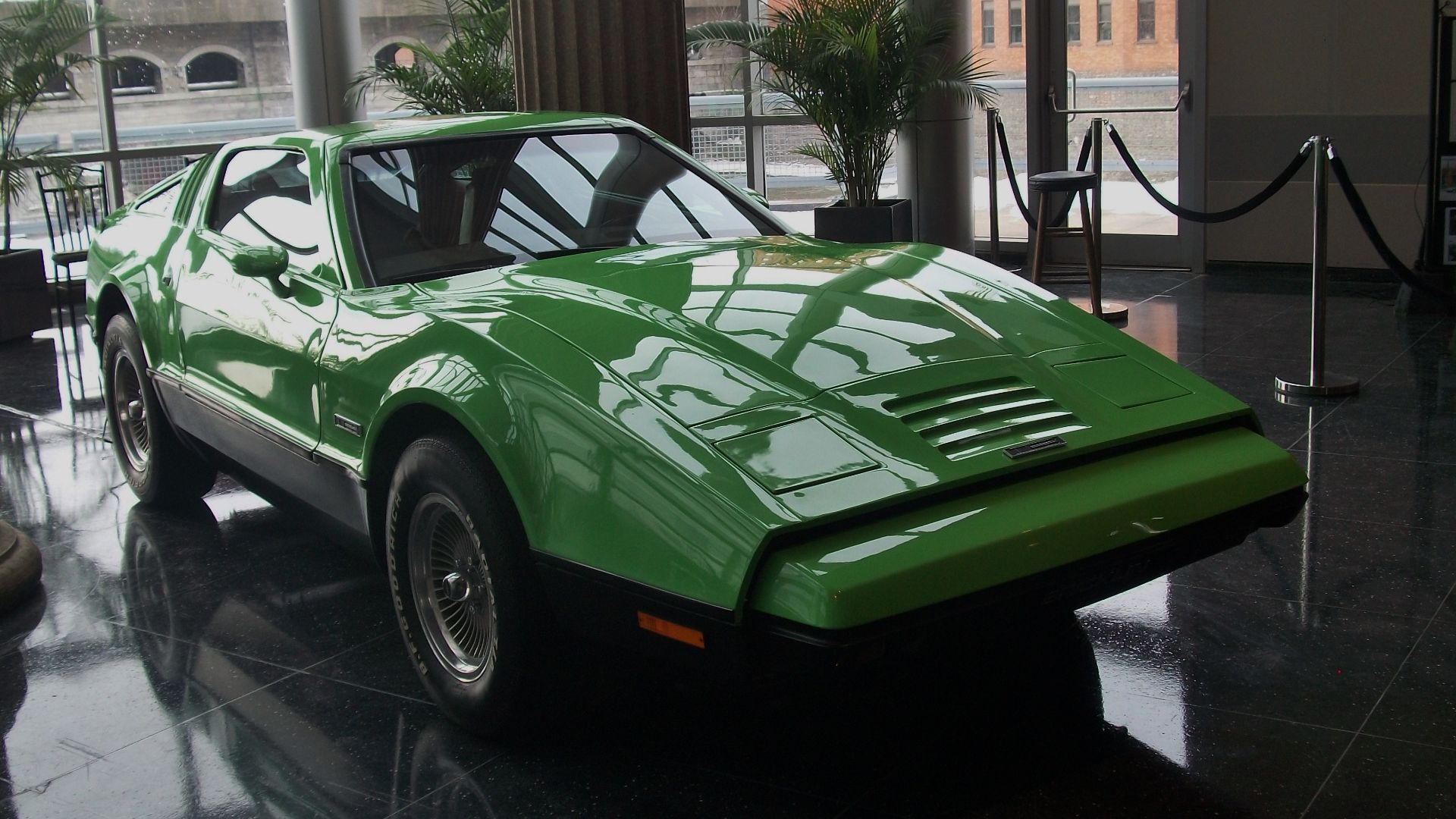
Safety Vehicle One had a steel tube frame with a roll cage built in and gullwing doors on hydraulics, each weighing about 100 pounds and nearly impossible to lift if the system quit. Malcolm Bricklin sold New Brunswick on the jobs, and the province put in more than $20 million. Fewer than 3,000 cars came out before the receivers arrived in 1976.
8. Jaguar XJ220
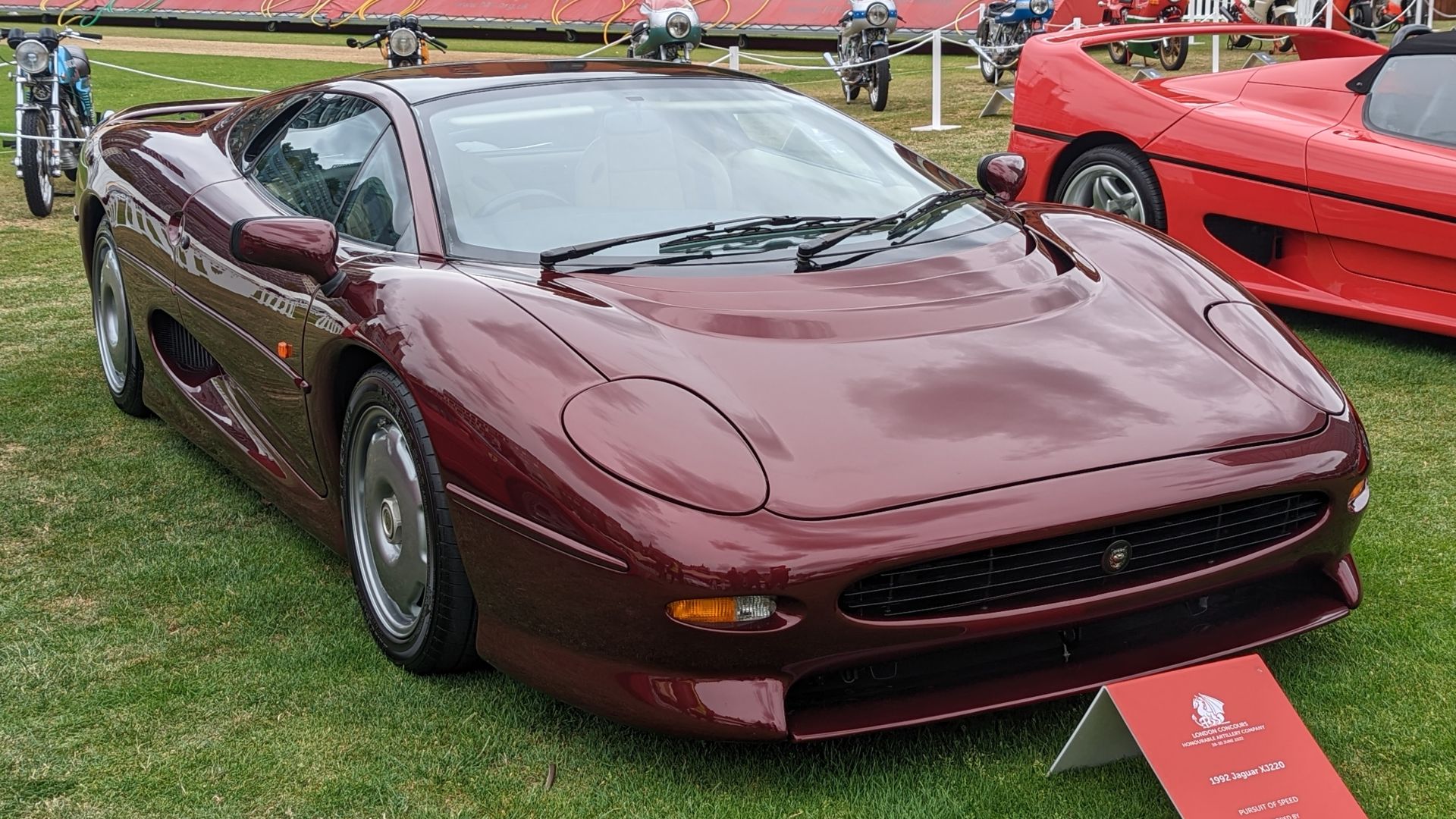
Jaguar promised a 537 hp twin-turbo V12 with drive to every wheel and delivered a twin-turbo V6 lifted from the MG Metro 6R4, rear-drive only. Prices climbed from an advertised £290,000 to nearly £490,000, and deposit holders sued and lost. Jaguar planned 350 and sold 281.
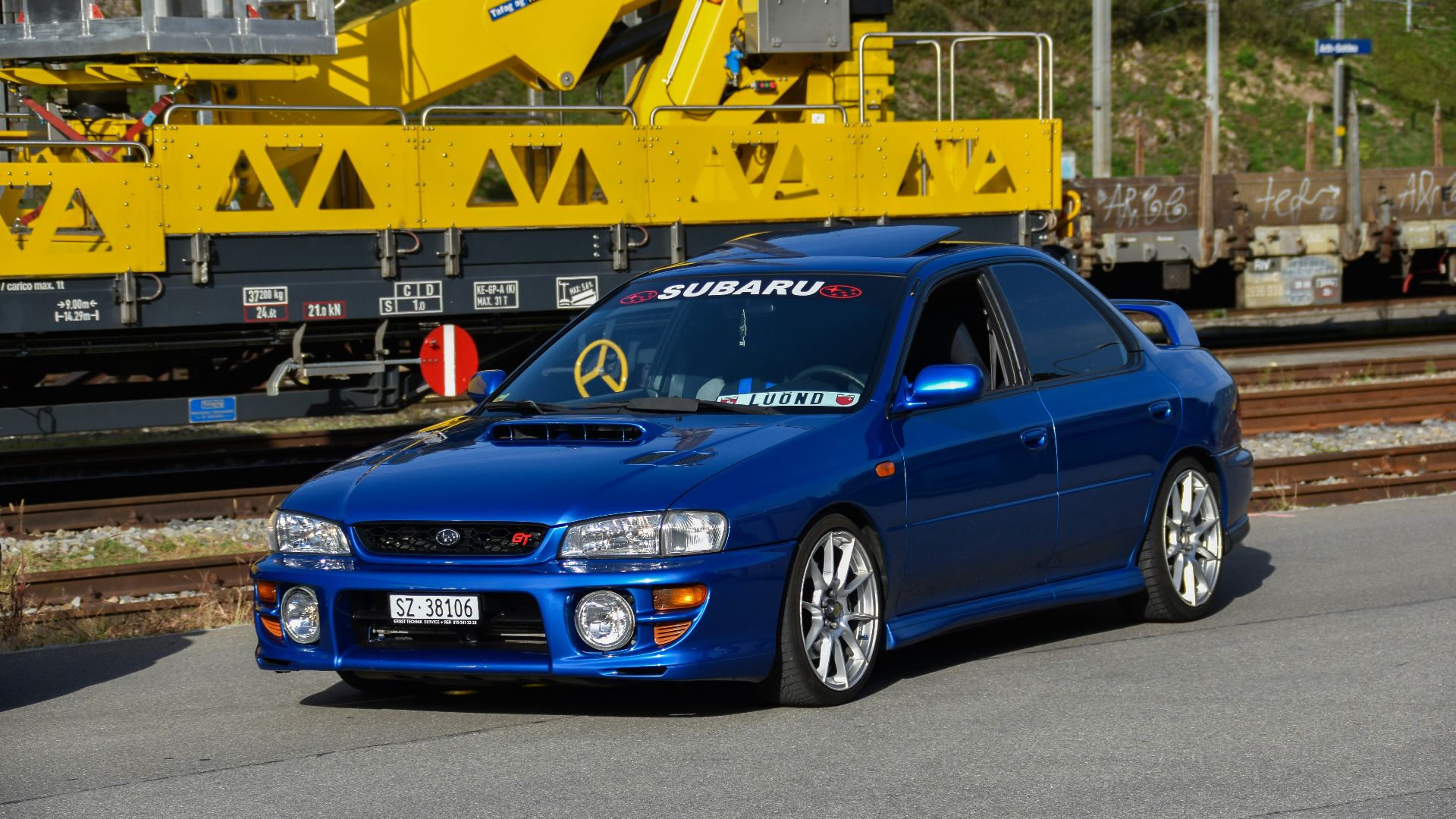
9. Subaru SVX
Giugiaro drew it, and the side glass is his doing, a fixed upper pane with a small window dropping inside it. Its 3.3-liter flat-six made 230 hp and came only with a four-speed automatic, losing Subaru the buyers the styling had attracted. Reports put the loss at $3,000 a car, and it was cancelled in 1996.
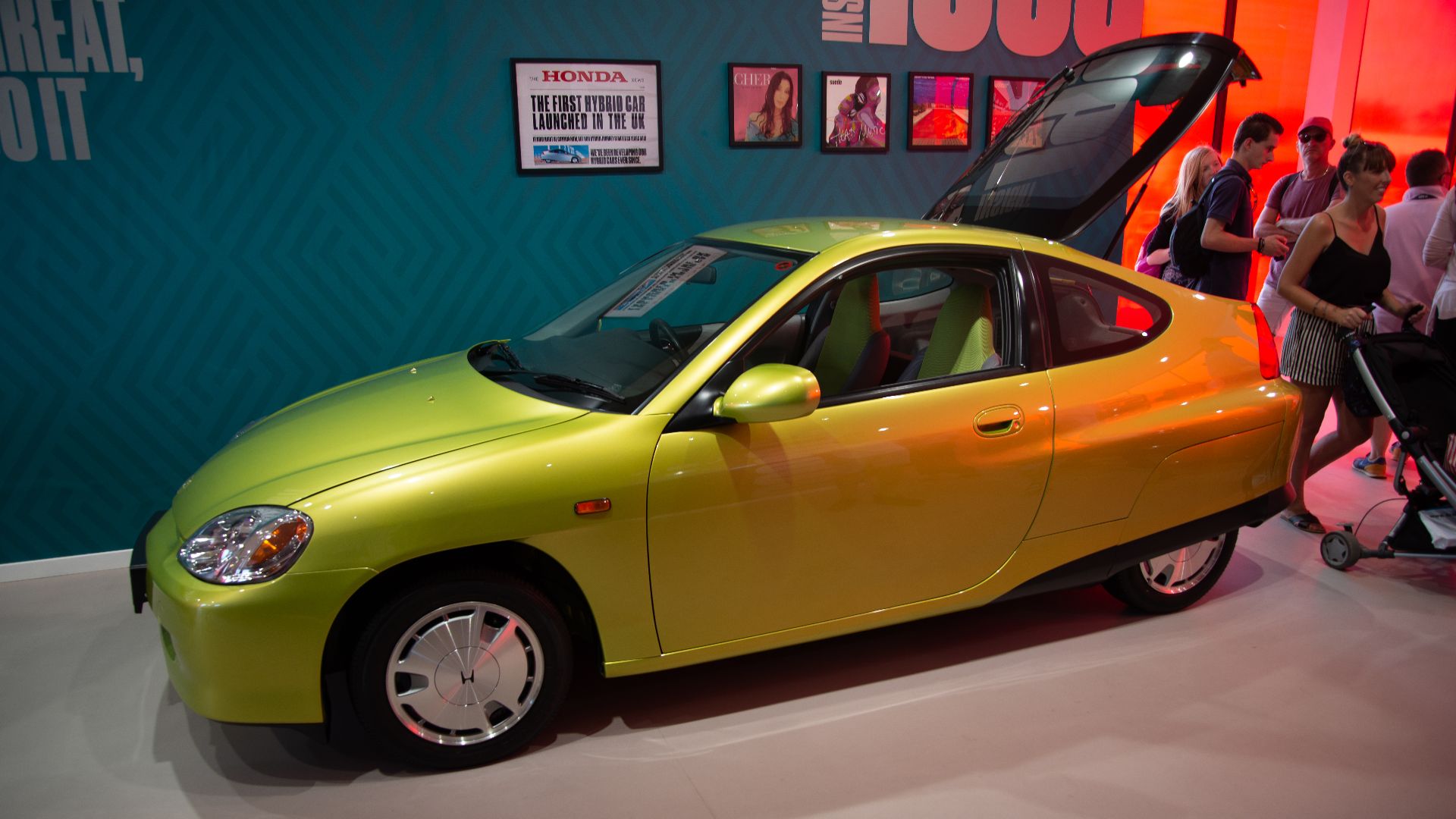
10. Honda Insight
Honda's first Insight was a two-seat aluminum hybrid with partly covered rear wheels and a drag coefficient of 0.25. Its original EPA rating was 61 city and 70 highway, and Honda still calls it the most efficient non-electric car ever sold in America. The Prius had four doors, and that settled it.
Now, here's 10 that nobody needs to dig back up.
 Irmantas Baltrusaitis on Wikimedia
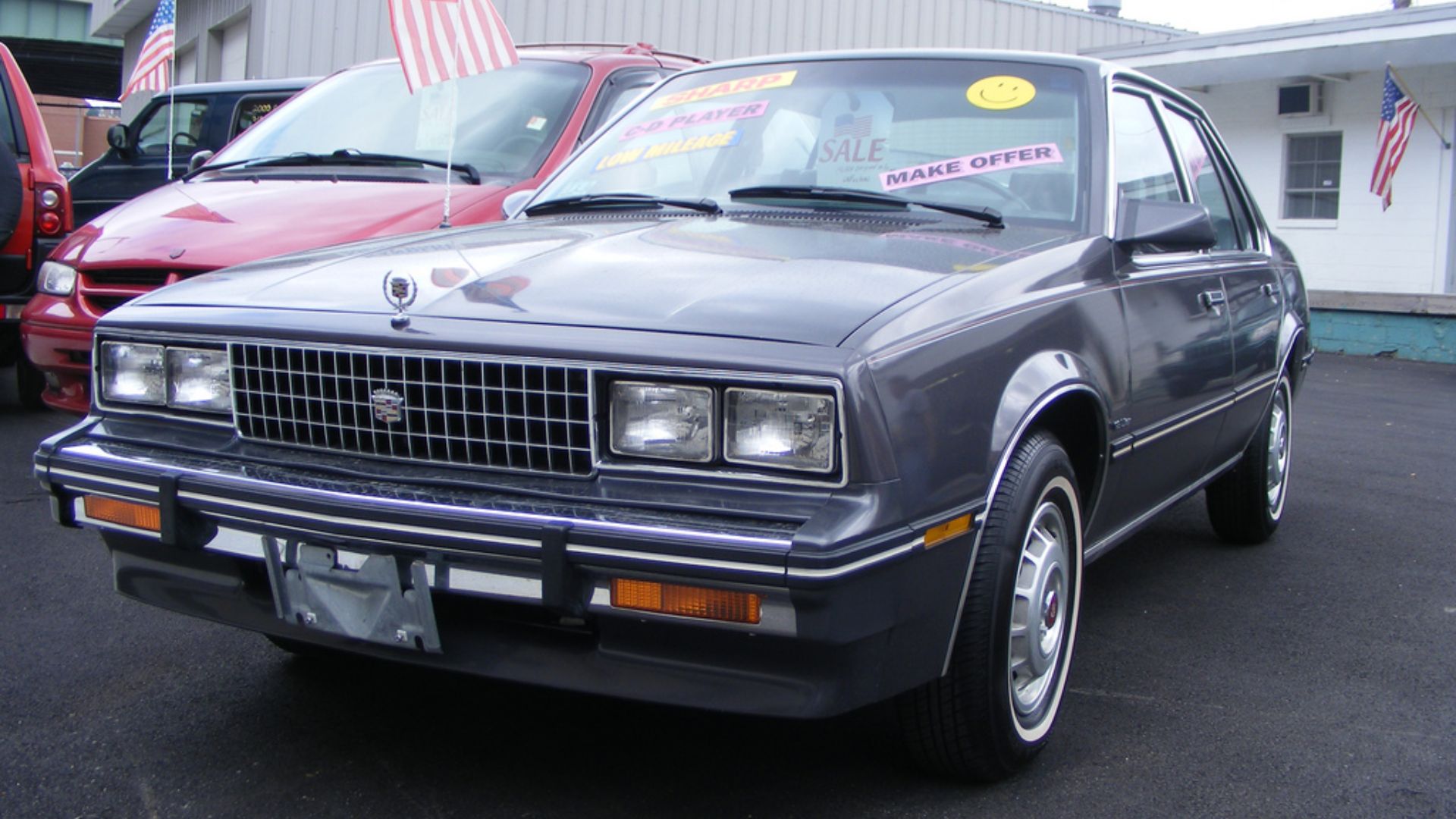
1. Cadillac Cimarron
Cadillac took a Chevrolet Cavalier, added leather and badges, then charged Cadillac money for a car with the same body shell and a four-cylinder engine. Buyers worked it out immediately. Damage to the brand outlasted the car by about two decades.
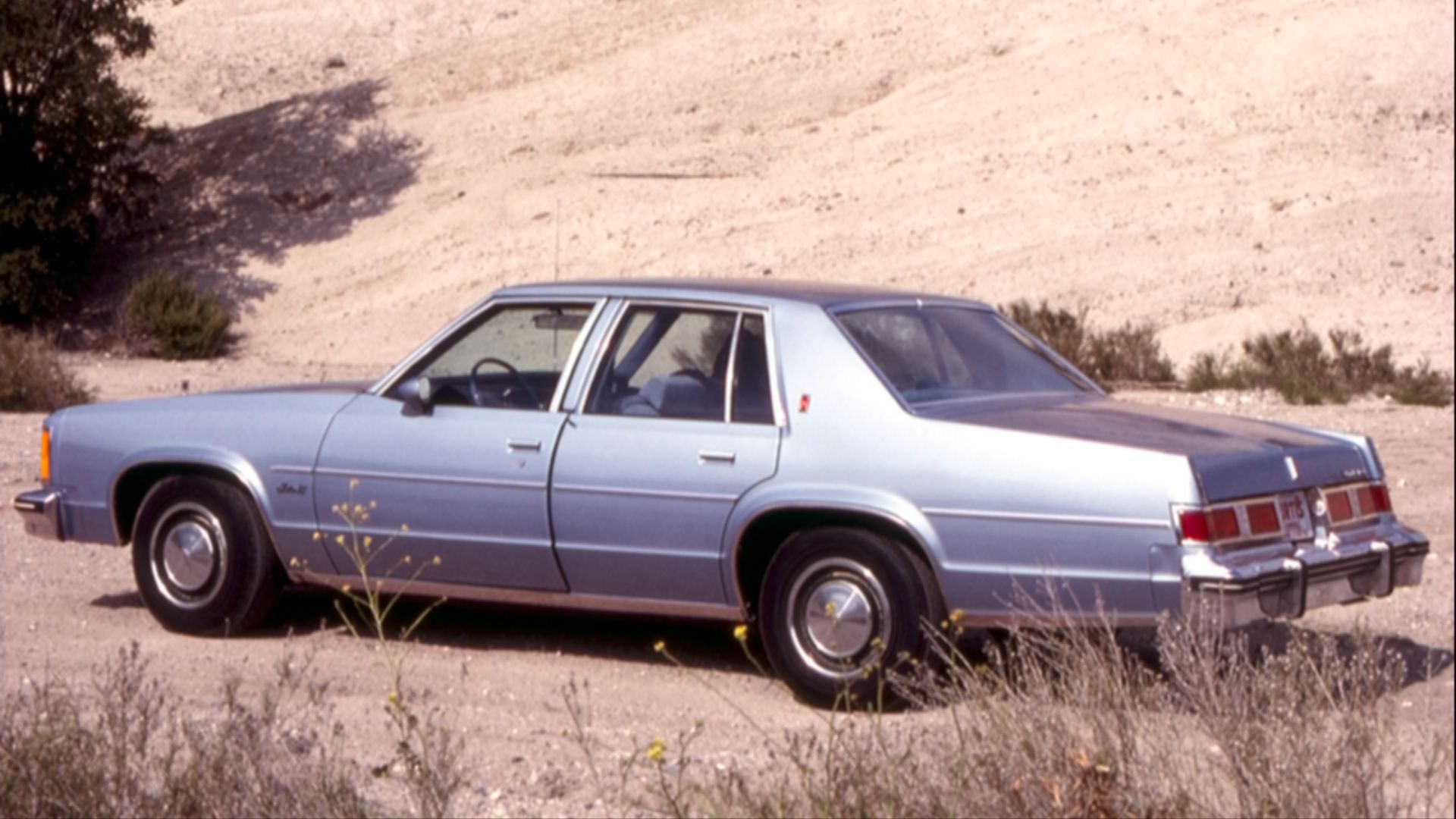
2. Oldsmobile 350 Diesel
GM converted its gasoline 350 V8 to diesel and sold it to buyers chasing 1970s fuel economy. Head bolts stretched and there was no water separator at launch, while output started at 120 hp and fell to 105. California held the engine back for two years after all nine of its test cars broke down, and several states wrote early lemon laws in response.
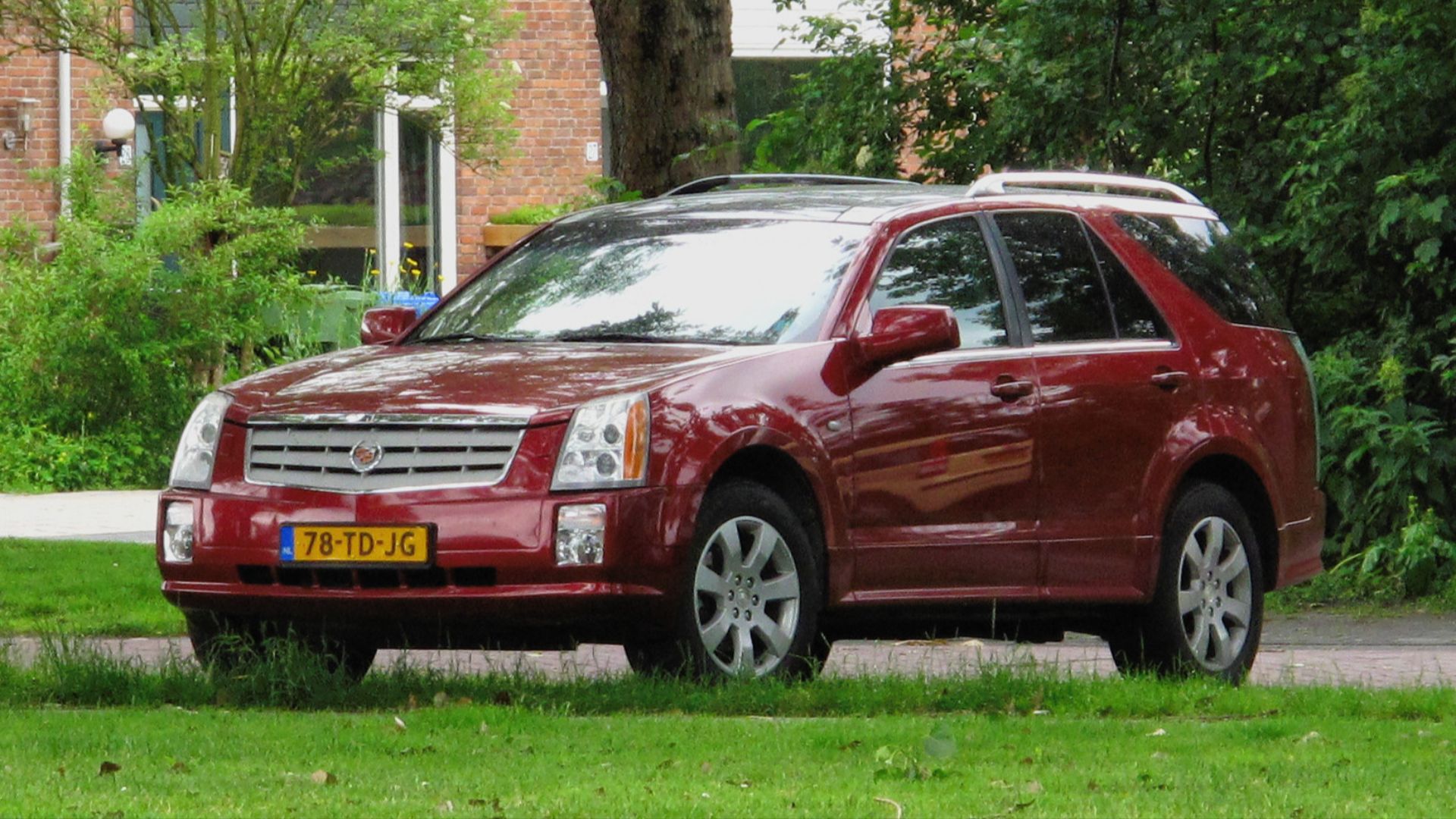
3. Cadillac V8-6-4
Solenoids shut the rocker arms on four of the eight cylinders to save fuel, a sound idea executed with 1981 electronics. Cars bucked, shook and hunted between modes at steady speed. Dealers were told to disable it, and the feature lasted one model year.
 Rutger van der Maar on Wikimedia
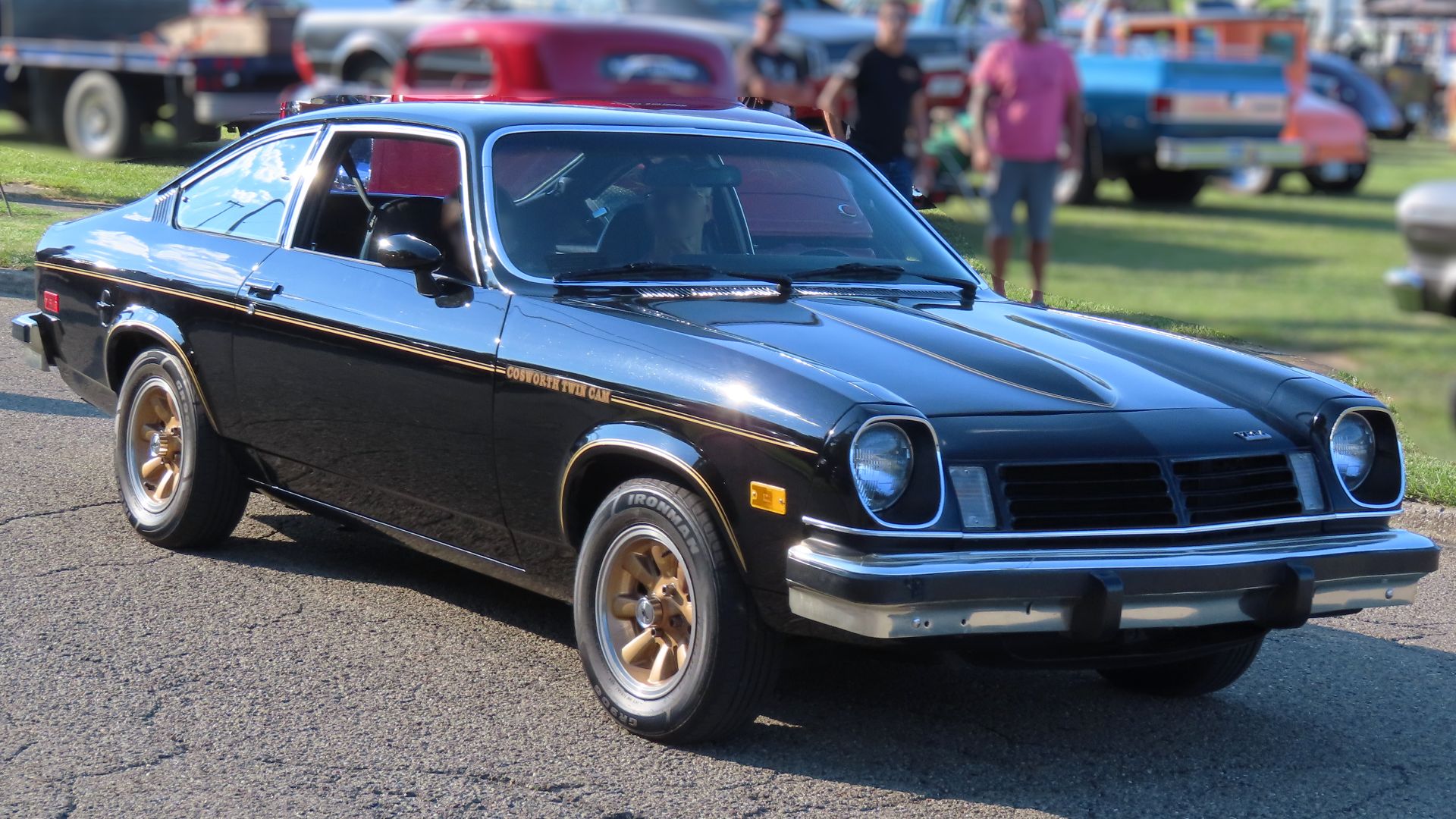
4. Chevrolet Vega
Motor Trend gave the Vega its Car of the Year award for 1971, on the strength of a die-cast aluminum four-cylinder. Then the blocks wore and the bodies rusted, and the recalls piled up behind both. Chevrolet killed it in 1976 and the reputation stuck to GM for years.
5. Chrysler TC By Maserati
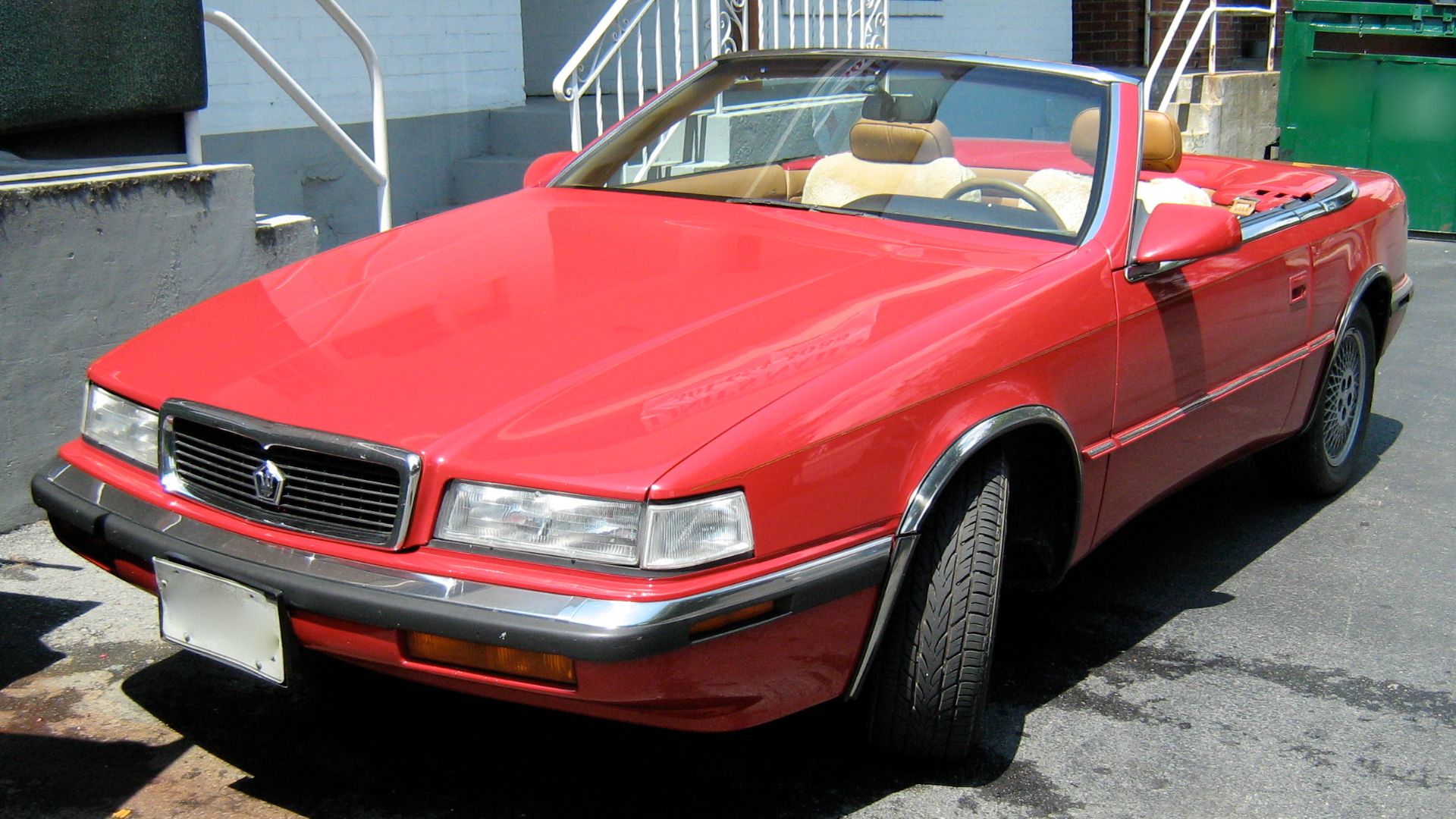
The TC was a shortened Dodge Daytona platform wearing an Italian body and a Maserati badge, priced far above the LeBaron it looked like. Lee Iacocca wanted 5,000 to 10,000 sales annually and got about 7,300 across three model years. A restyled LeBaron convertible had reached showrooms years earlier, so the TC looked dated on arrival.
 CZmarlin — Christopher Ziemnowicz, releases all rights but a photo credit would be nice on Wikimedia
6. Sterling 825
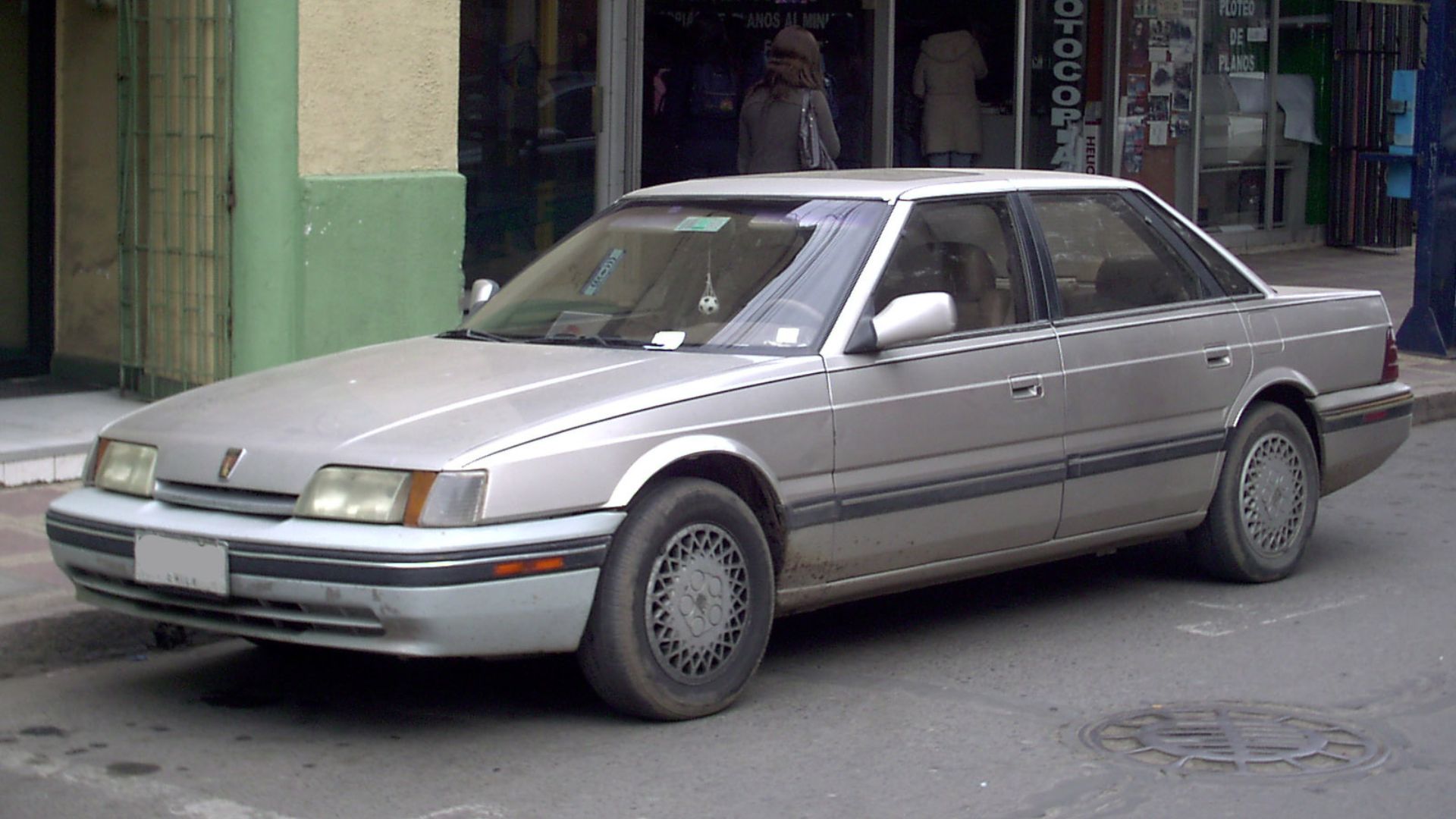
Rover sold Americans its 800 saloon, a close cousin of the Acura Legend, fitted with Lucas electrics and built to a standard its dealers could not fix. In 1988 Acura sold 70,770 Legends against 8,901 Sterlings. Rover announced the US withdrawal in August 1991.
 order_242 from Chile on Wikimedia
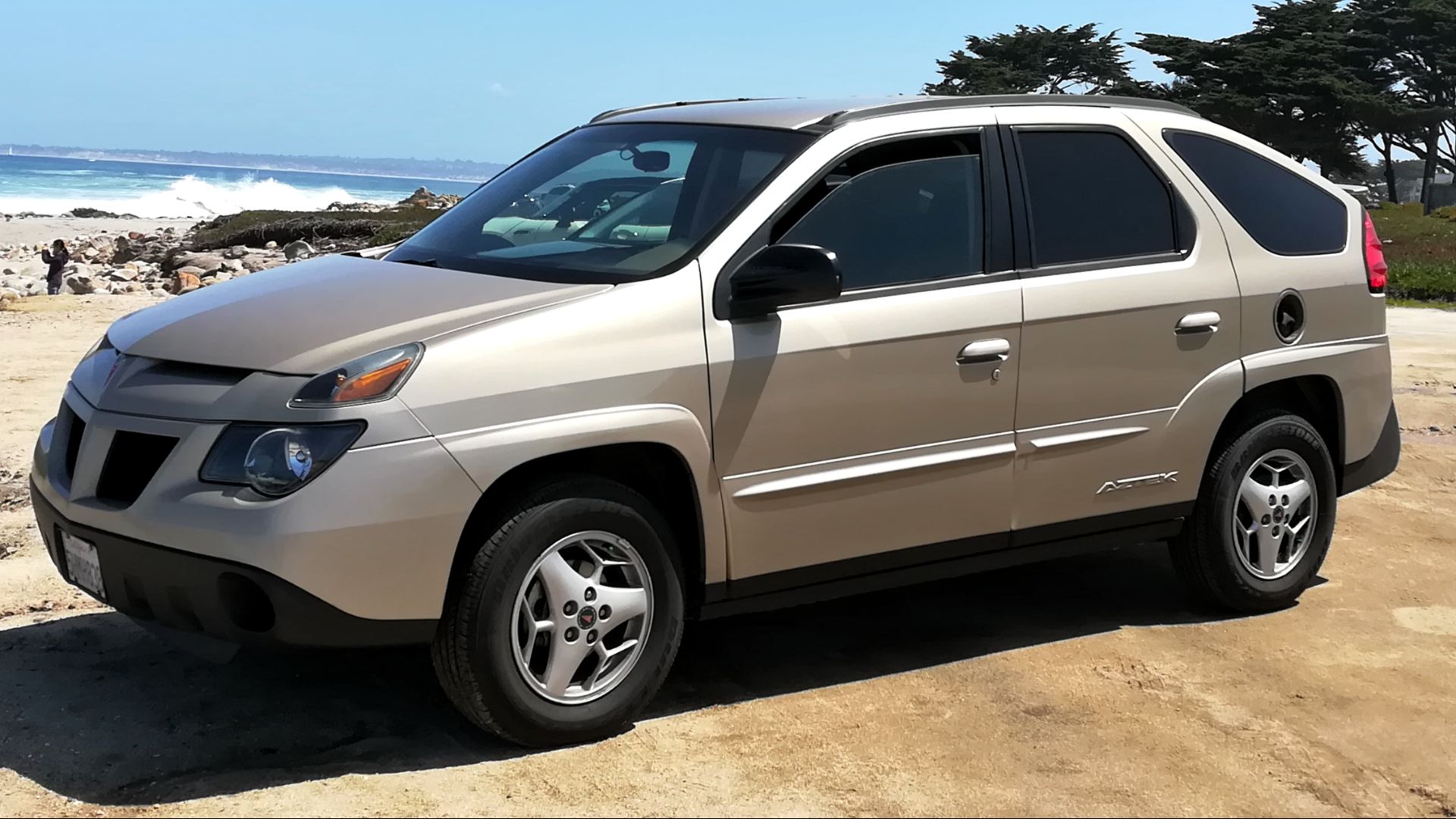
7. Pontiac Aztek
GM put a well-received concept on a minivan platform, then shortened the wheelbase by nearly four inches and approved the result anyway. Market research had flagged reservations before launch. Pontiac projected 70,000 units annually, peaked at 27,793 in 2002 and gave up after 2005.
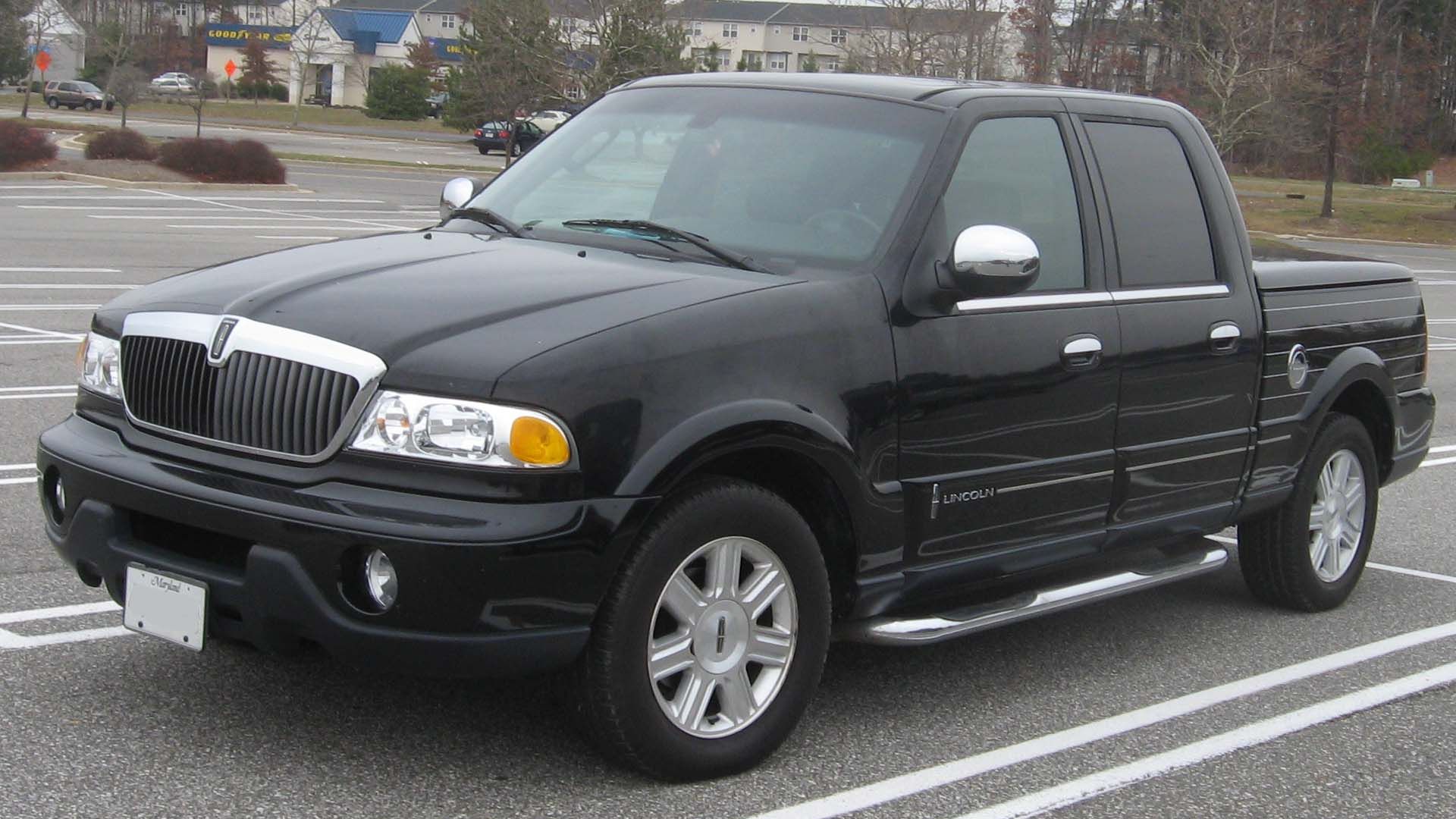
8. Lincoln Blackwood
Lincoln's first pickup had a cargo box carpeted inside and trimmed with polished aluminum, which rules out everything a pickup bed is for. It came in rear-wheel drive only, with no four-wheel-drive option at any price. Lincoln sold 3,383 across a single model year.
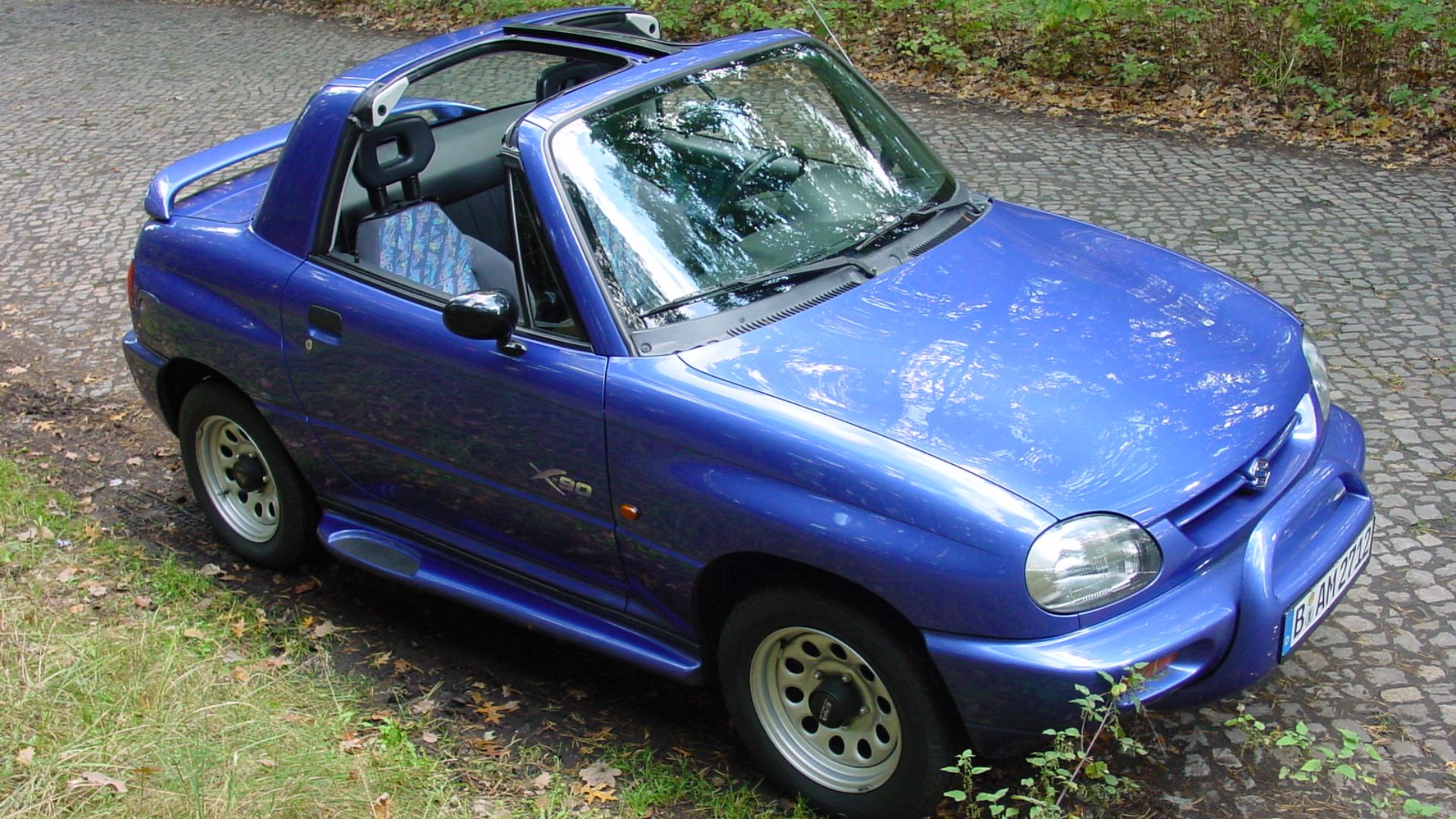
9. Suzuki X-90
Suzuki took a two-door Sidekick platform, cut the body down to two seats and added removable T-tops. A 95 hp engine moved it to 60 mph in 10.8 seconds while riding like the truck underneath it. Suzuki hoped to build 2,000 a month, which turned out to be optimistic.
10. Jaguar X-Type
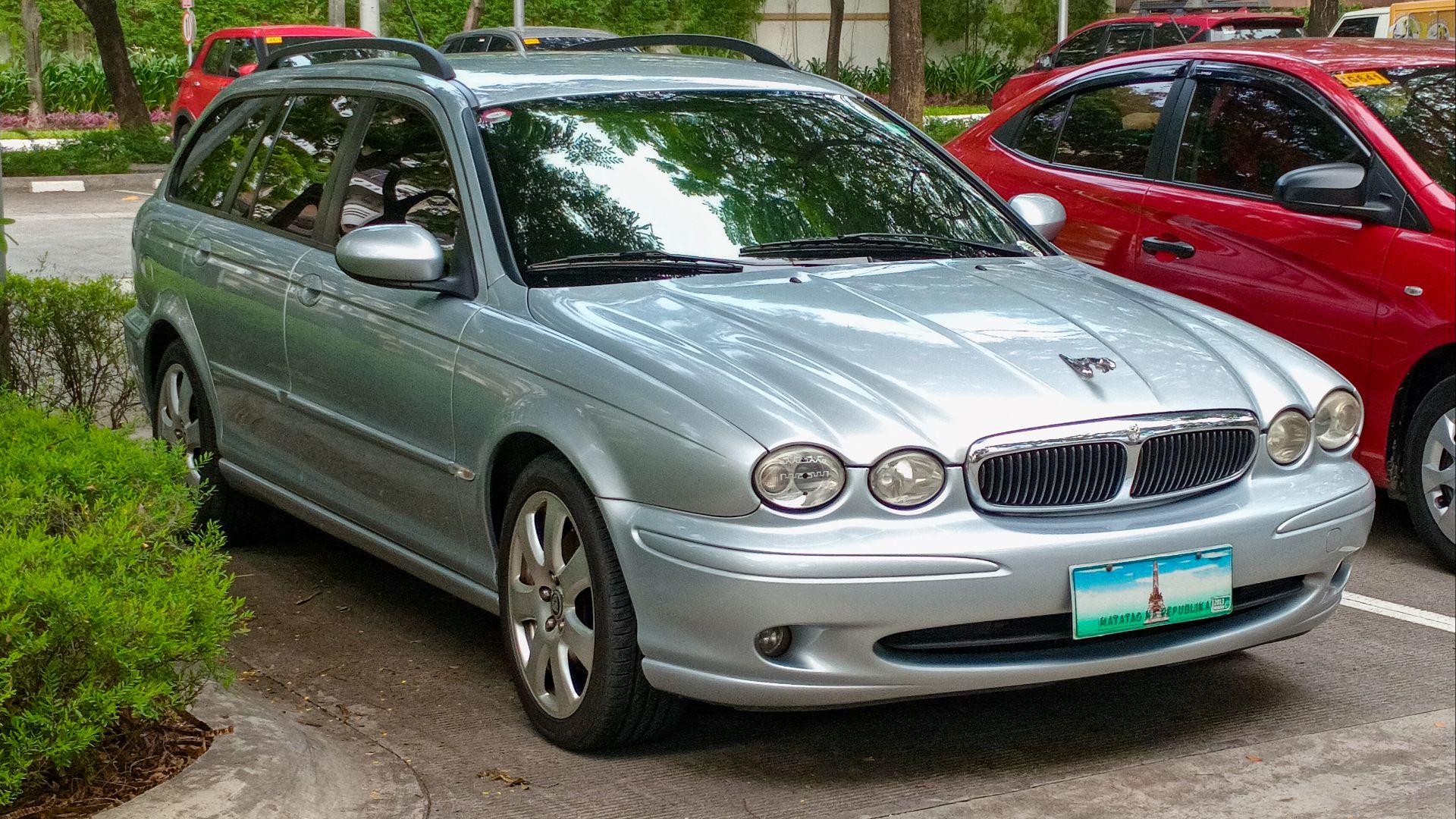
Jaguar's small saloon shared its floorpan and bulkhead with the Ford Mondeo, and the press settled on Mondeo Jag before the launch cars had left the dealers. Making all-wheel drive standard pushed the price up at the exact moment German diesels were taking the fleet market. Jaguar wanted 100,000 a year and managed just over 51,000 in its best year.