
The Inventor Who Spent Decades Fighting Ford Over Windshield Wipers
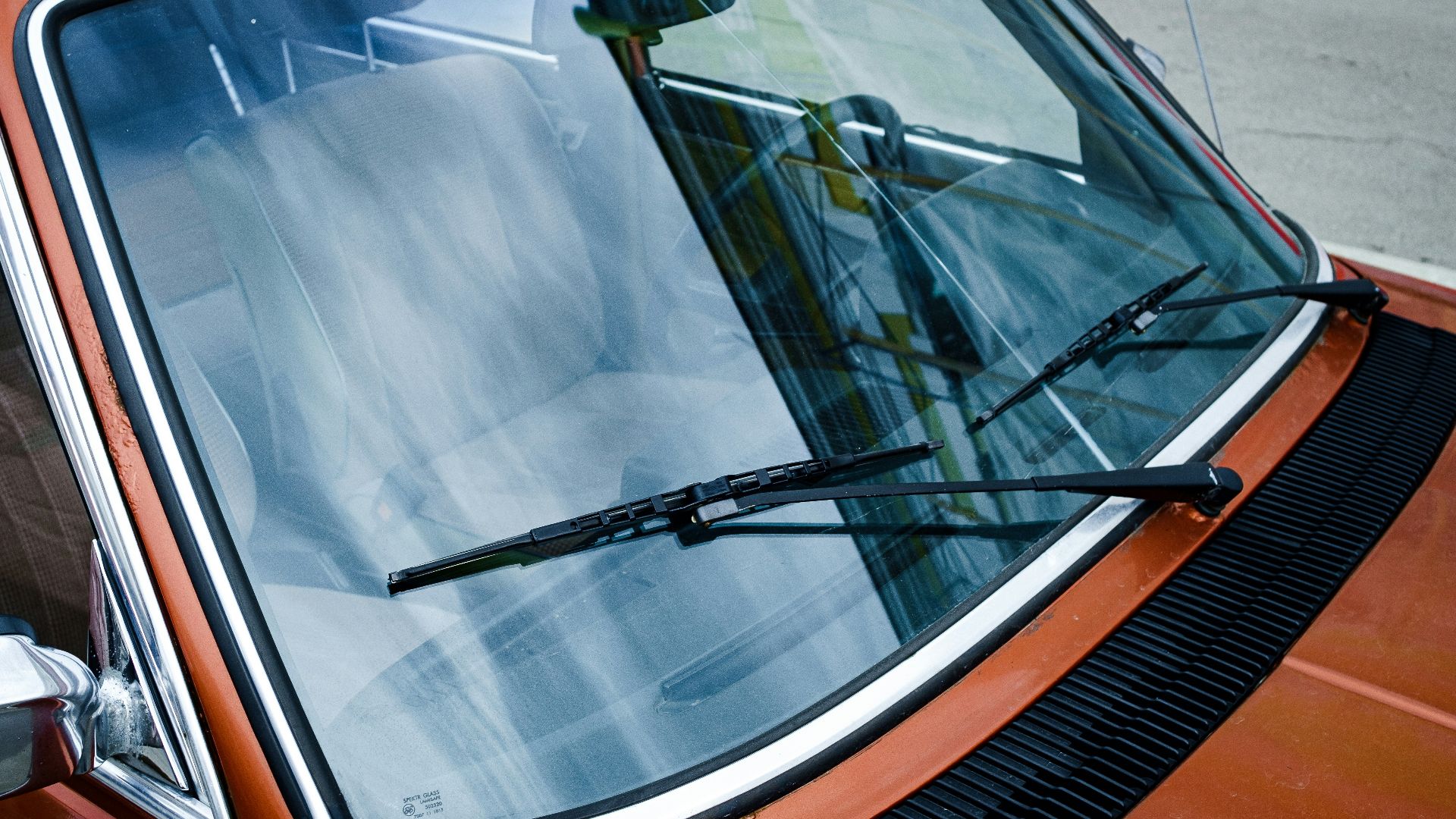
Robert Kearns lost much of the sight in his left eye when a champagne cork struck him during his honeymoon in Ontario in 1953. A decade later, driving in light rain, he found the constant movement of his windshield wipers irritating to his injured eye. At the time, wipers had just two speeds, and both ran continuously. Kearns wondered why they couldn't work more like an eyelid, wiping when needed and resting in between.
Carmakers eventually adopted the same idea, but Kearns wasn't involved. He spent much of the rest of his working life trying to prove they had used his invention without permission. The fight took him through two federal lawsuits and a stay in hospital. He won both cases, though the amount he received tells a different story from the victories.
The Basement And Dearborn
Kearns was born in Gary, Indiana, in 1927 and served in the US Army during the Second World War. He took a doctorate at Case Western Reserve, taught at Wayne State, and worked for Bendix and Philco before setting up Kearns Electronics. The wiper itself he built at home. He spent roughly ten years on it, working with dashboards from salvaged cars in a basement lab. His first patent application went in during December 1964, and the patent on the electronic unit came through in 1967.
In 1963 he fitted a prototype to a car and drove it to Ford's plant in Dearborn, with a patent application already in preparation. The demonstration worked well enough that Ford's engineers asked him to leave the room, suspecting he was operating the wipers remotely from where he stood. They also showed him a system of their own, intended for the Mercury line.
Meetings carried on periodically for two more years while Kearns shared details of his design with Ford's engineers, on the understanding that a licensing arrangement might follow. Ford never offered him a license or a partnership, and the company stopped contacting him at the end of 1965. Its own electronic intermittent wiper reached customers in 1969.
The Box His Son Found
By the early 1970s, Kearns had largely set the wiper project aside and taken an engineering job at the National Bureau of Standards. His interest returned in 1976, when his eldest son brought him a Mercedes-Benz wiper control box. Kearns took it apart and noticed similarities to his own design. Patent filings from Ford, General Motors, Volkswagen and Mercedes-Benz gave him further reason to believe the companies had copied his invention.
By 1977, Kearns was spending much of his time pursuing legal action. He sued Ford in 1978 and Chrysler in 1982, eventually taking on several European manufacturers as well. His case against General Motors was dismissed because he missed filing deadlines, not because the court rejected his claims. At times he represented himself, and the Ford lawsuit alone dragged on for twelve years.
Costs showed up in his life more than on any balance sheet. A nervous breakdown put him in hospital for weeks. Phyllis divorced him in 1989, a year before the first verdict landed.
What Winning Was Worth
Ford's case closed in November 1990 with an award of $10.2 million, twelve years after he filed. Spread across the roughly 20.2 million vehicles involved, that worked out to a little over fifty cents a car. Ford had fitted the feature across much of its range by then.
Chrysler went before a jury in June 1992, and that result was much the same. Damages came to $11.3 million across about 12.6 million vehicles sold between 1977 and 1988, a figure the press worked out as roughly 90 cents per car. Kearns had asked for $29.19 per vehicle and Chrysler's lawyers had argued for about a nickel. Jurors also found the infringement was not willful, which left the judge no power to triple the figure. Chrysler called the verdict unreasonable and denied that its system infringed at all.
Interest pushed the Chrysler award to $18.7 million, bringing Kearns's total from the two companies to around $30 million. The Supreme Court declined to hear Chrysler's appeal, but Kearns maintained that protecting his patents mattered more than the money. He died of brain cancer in February 2005, aged 77. Three years later, his story became a Hollywood film. By then, intermittent wipers had become standard equipment on nearly every new car.