Five Le Mans Wins And A Lot Of Grilles
Bentley has spent most of its history under another company's ownership. Rolls-Royce bought the British automaker in 1931, and Volkswagen took control in 1998. Over the decades, some Bentleys were little more than rebadged Rolls-Royces, with few changes beyond the grille and trim. Others had the engineering, performance, and character that made Bentley famous in the first place. Here are 10 models that lived up to the badge, and 10 that had little to distinguish them from the cars they were based on.
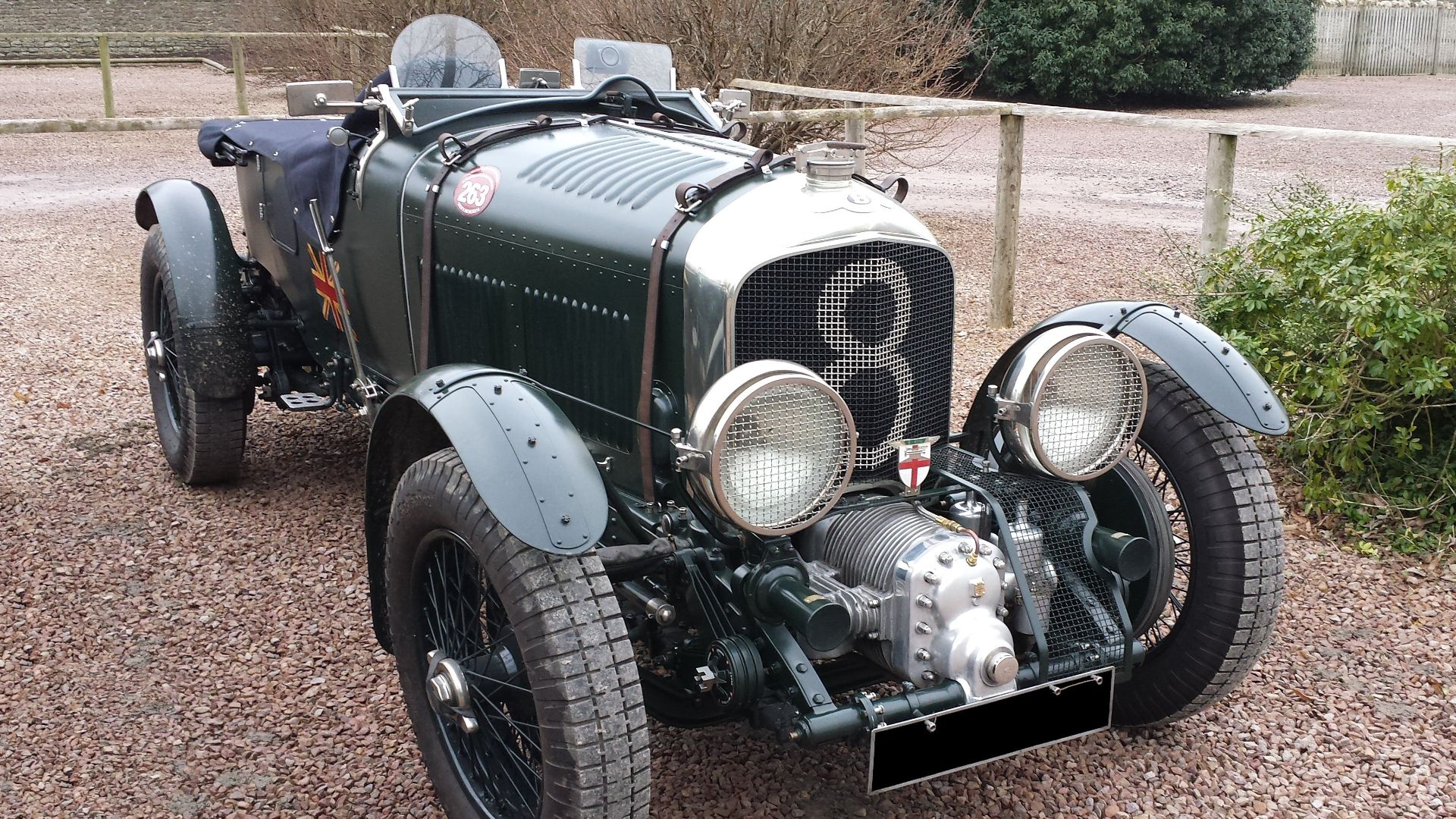
1. 3 Litre, 1921
The car that started it all came with a five-year guarantee and four valves per cylinder, which nobody else was offering on a road car. It won Le Mans in 1924 and again in 1927, the second time after a multi-car crash at White House corner left it bent. Ettore Bugatti called it the fastest lorry in the world and meant it as an insult.
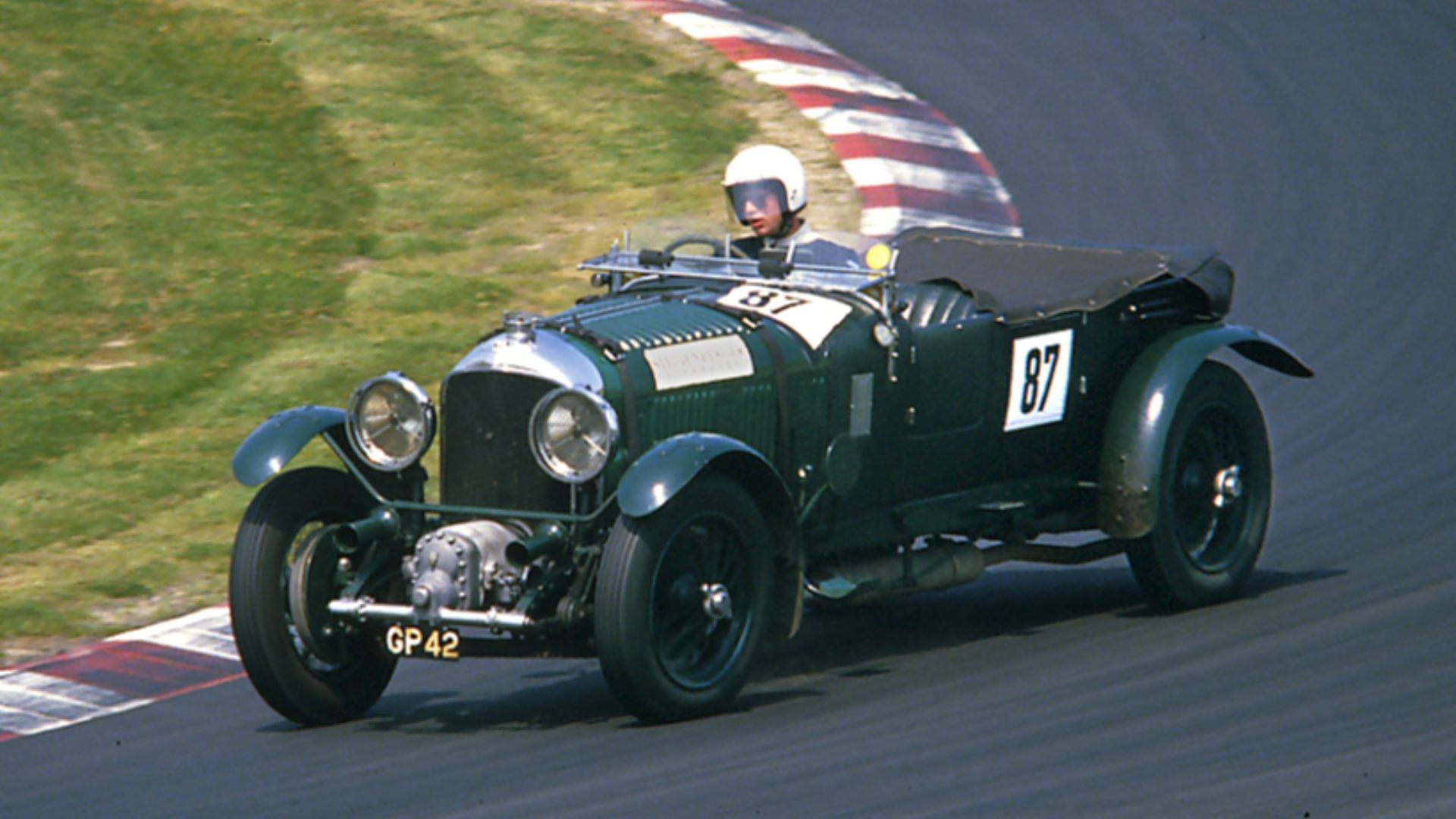
2. 4½ Litre, 1927
Bentley's answer to a 3 Litre that had run out of development was to make it bigger. Woolf Barnato and Bernard Rubin took the 4½ to the win at Le Mans in 1928, beating the American Stutz and Chrysler entries. It's the least romanticized of the vintage cars and it did the job.
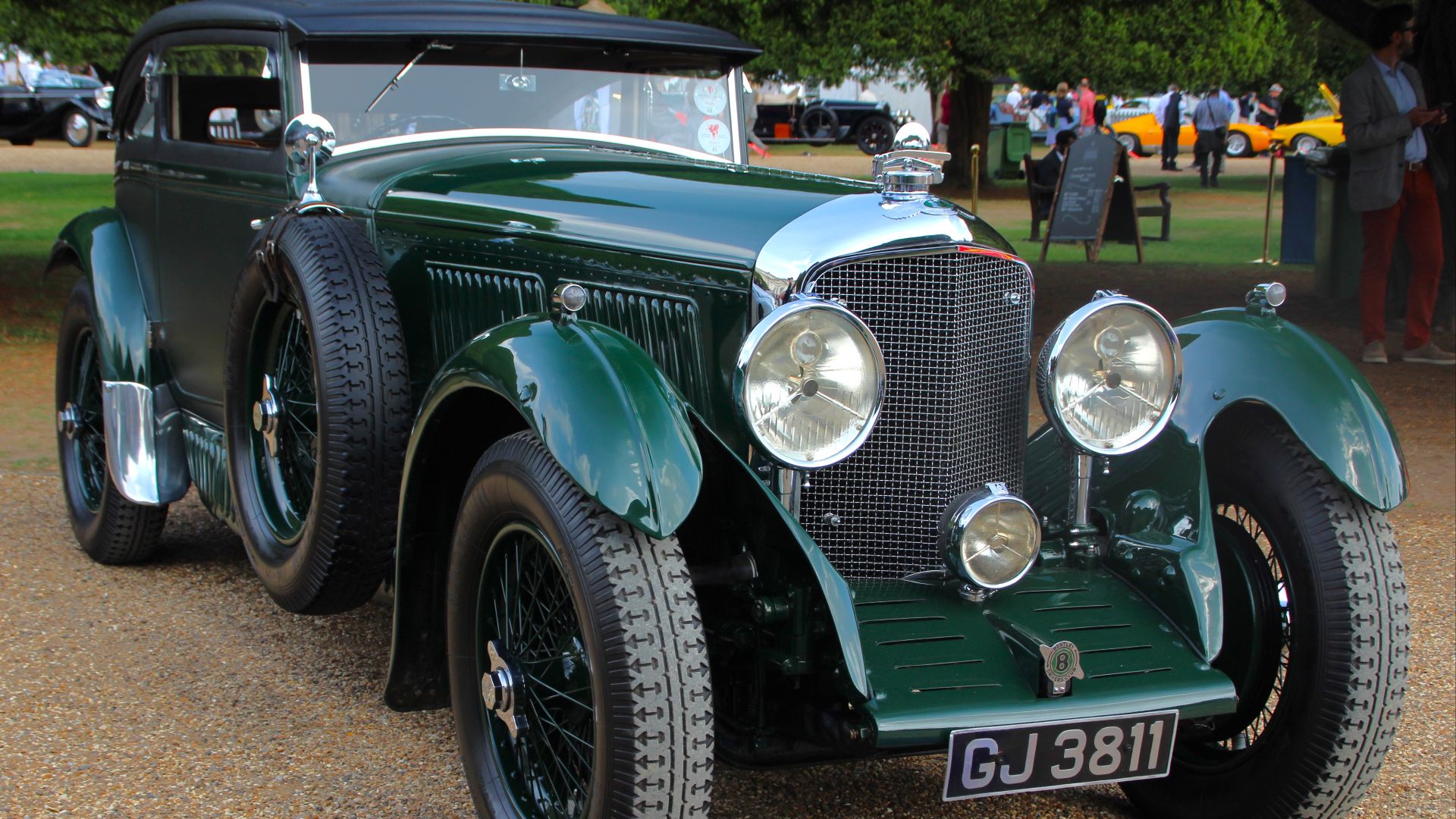
3. Speed Six, 1928
W.O. rated this one above everything else he built. The six-cylinder car won Le Mans in 1929 and 1930. Old Number One took the second of those after every supercharged Bentley in the field had broken, which was a point W.O. enjoyed making afterward.
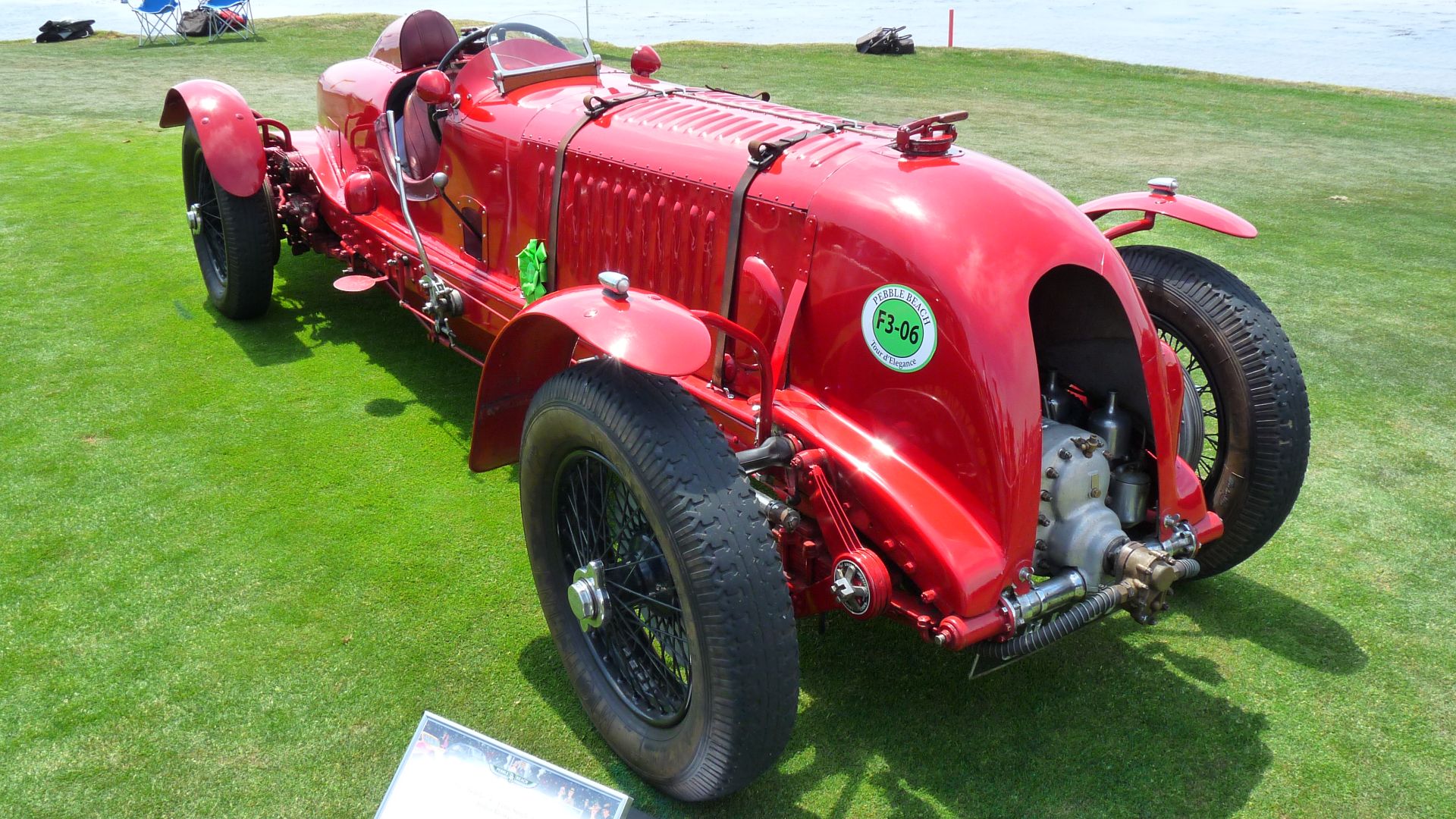
4. Blower, 1929
This car never won a major race. W.O. Bentley opposed supercharging the 4½-Litre, but Tim Birkin went ahead with funding from Dorothy Paget. Mechanical failures plagued its racing career, although Birkin did set a Brooklands outer-circuit record at nearly 138 mph. Despite its lack of racing victories, the Blower became one of the most recognizable Bentleys ever built.
 | El Caganer / Craig Howell on Wikimedia
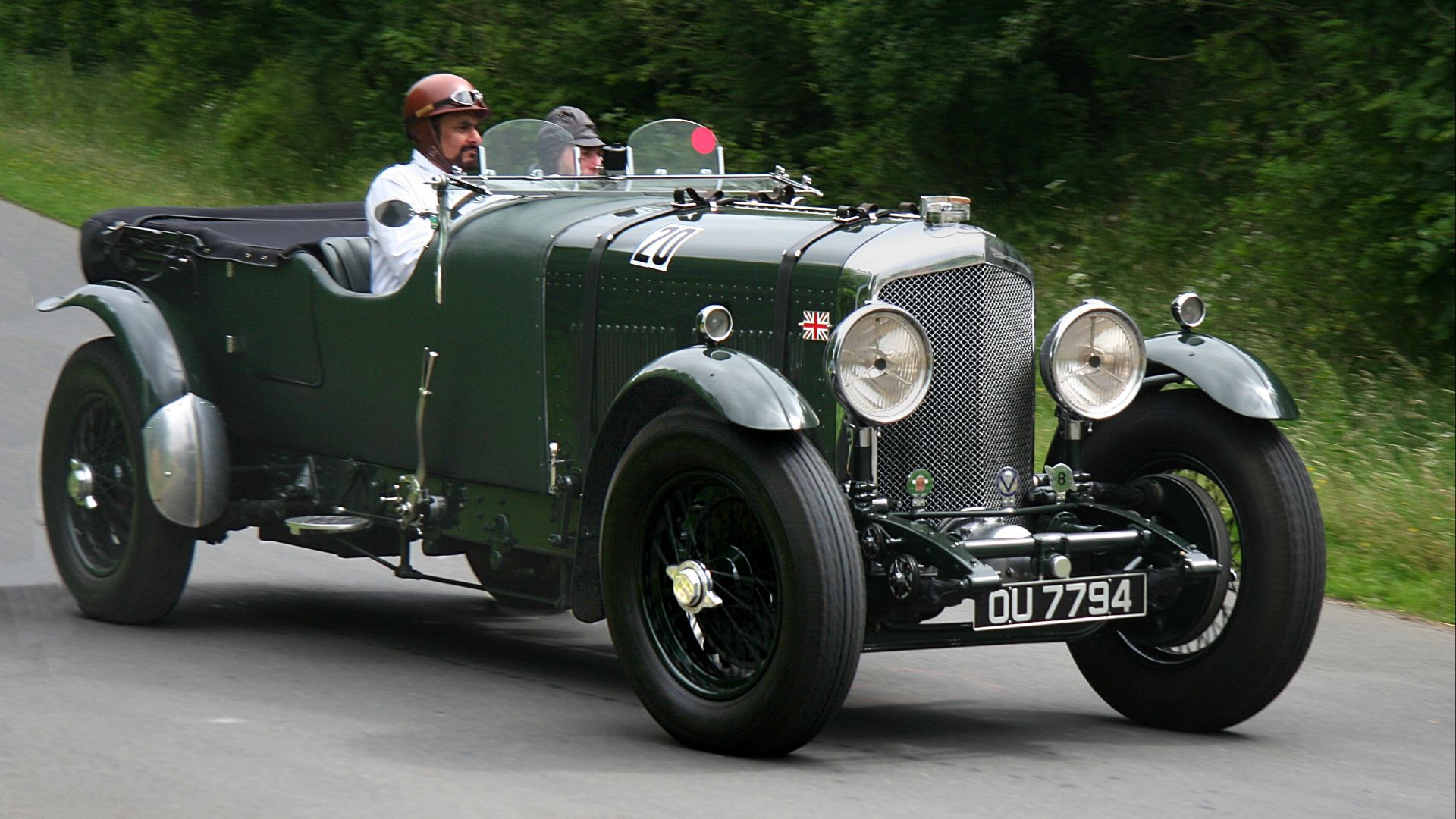
5. 8 Litre, 1930
The 8 Litre was the last thing W.O. designed before the company folded, a 220-horsepower chassis built to carry whatever coachwork a customer ordered at 100 mph. Around a hundred were made before Rolls-Royce bought the wreckage in 1931. He kept one for himself.
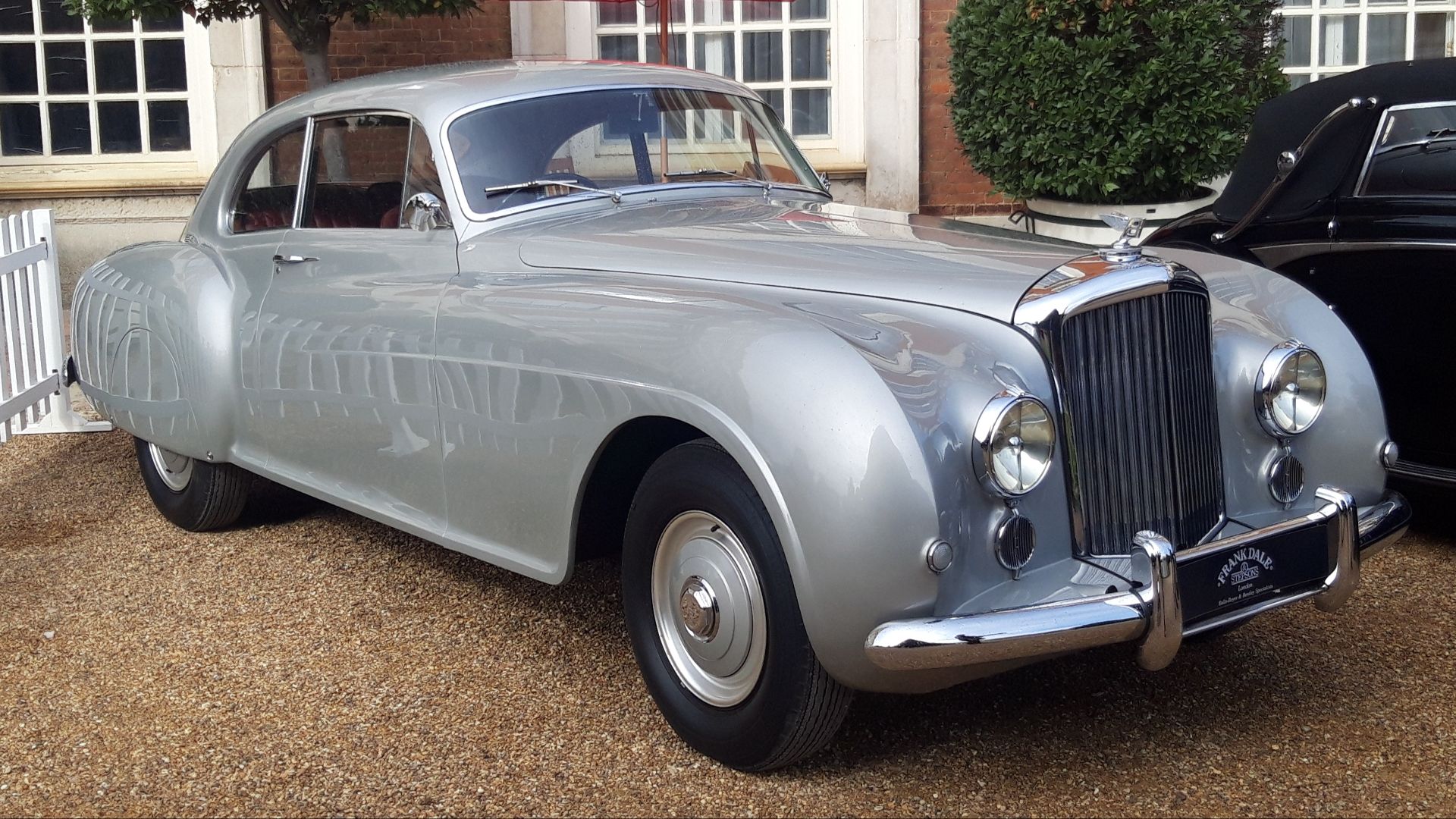
6. R-Type Continental, 1952
Crewe put a lightweight aluminum body on the R-Type chassis and ended up with the fastest four-seater car in the world. The shape came out of a wind tunnel and still looks like nothing else from that decade. Just over 200 were built.
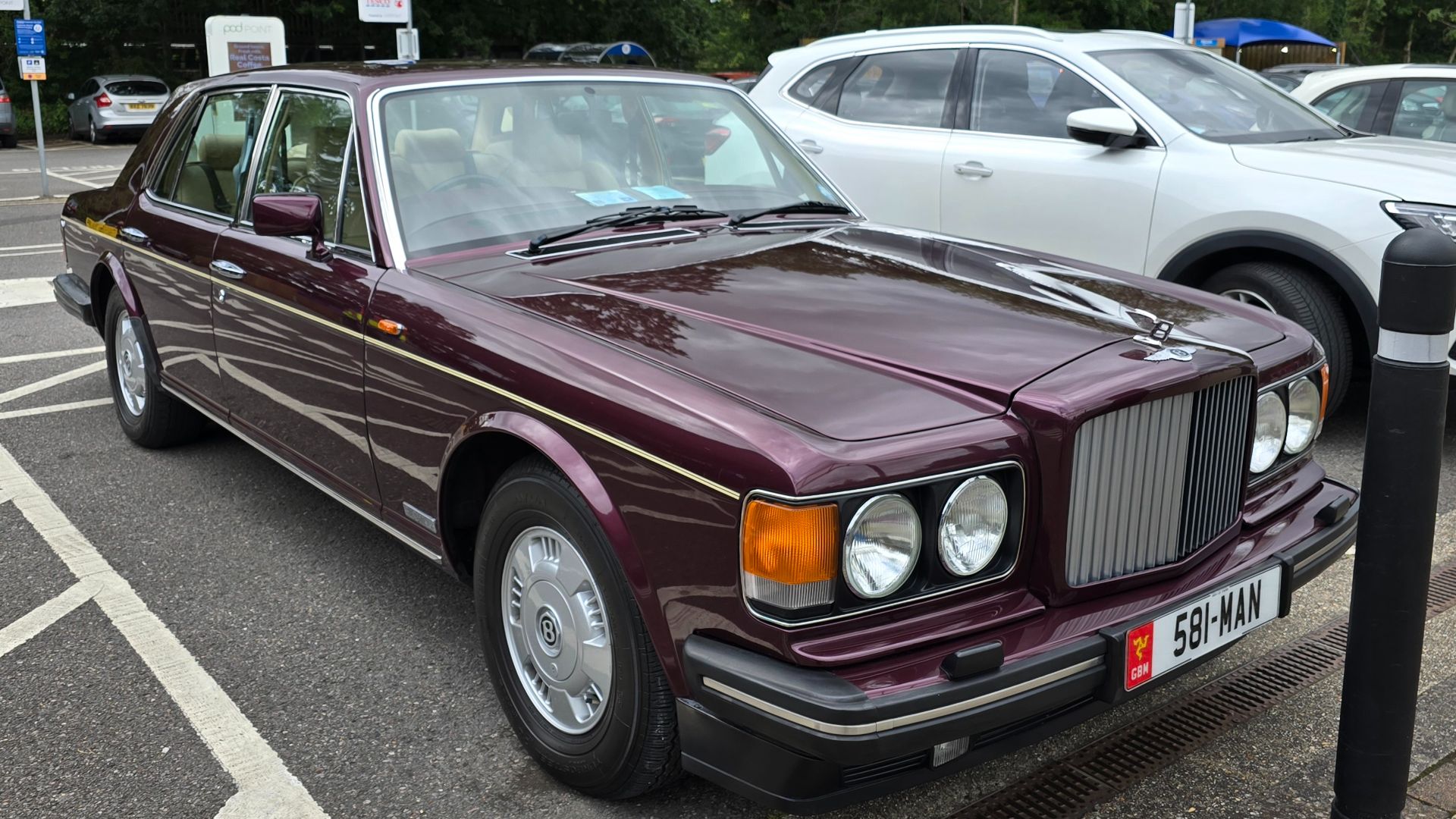
7. Turbo R, 1985
Bentley had been a radiator shell for twenty years when Crewe bolted a turbocharger to the 6.75 and then, three years later, fixed the chassis to match it. The Turbo R got stiffer suspension and wider tires, and for the first time since the sixties a Bentley drove differently from the equivalent Rolls-Royce. Sales followed and the badge stopped being a rounding error.
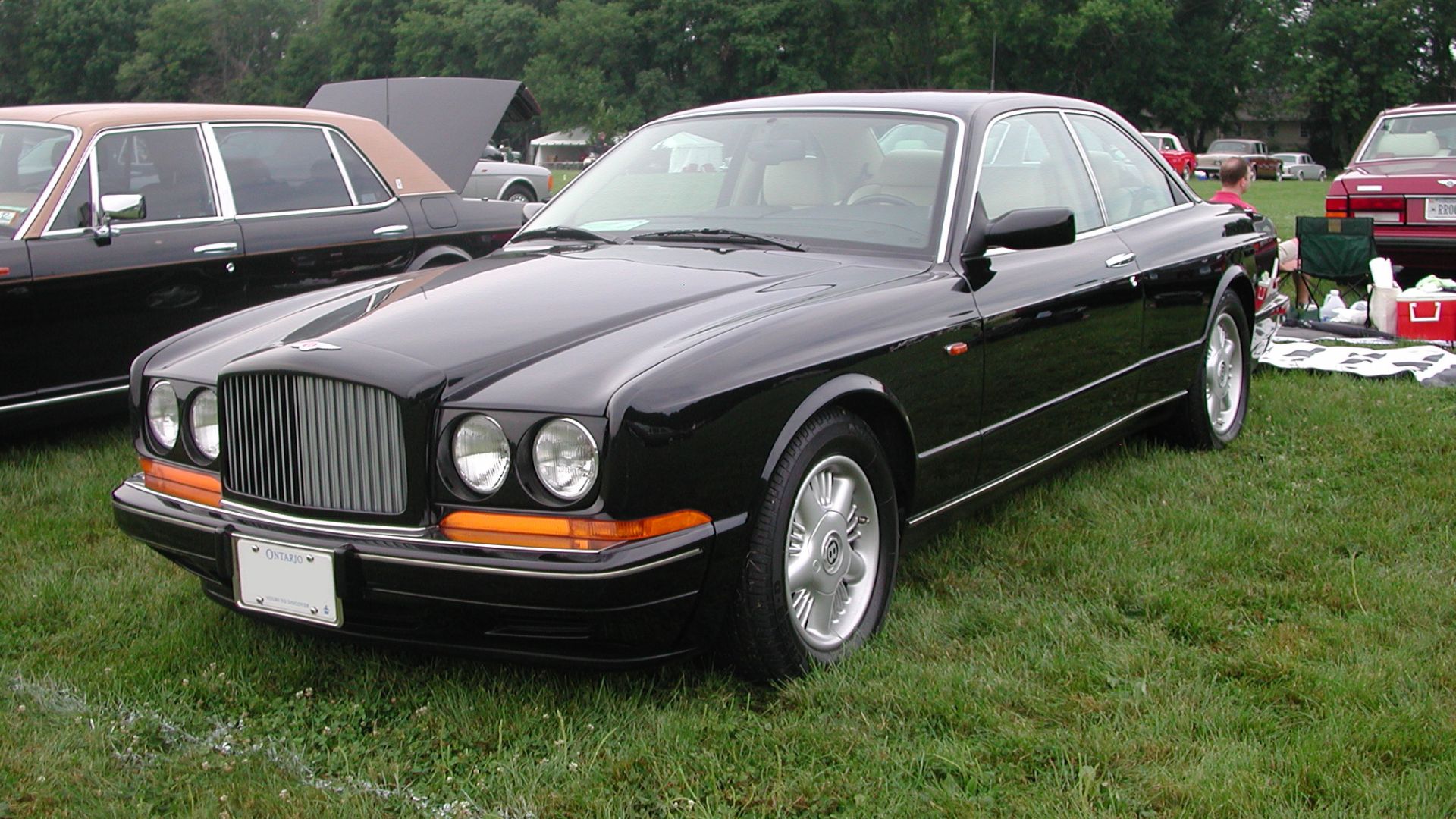
8. Continental R, 1991
The first Bentley since the fifties to wear a body that no Rolls-Royce shared. It was styled in-house, took years to reach production, and cost more than anything else Crewe had ever listed. Everything Bentley sells today descends from the decision to build it.
 en.wikipedia.org User Jagvar on Wikimedia
9. Speed 8, 2003
Volkswagen wanted a sixth Le Mans win and went after it properly, with a works prototype and the Joest team running the effort. The Speed 8 won outright in 2003, seventy-three years after the Speed Six. Then Bentley stopped, which had been the plan from the start.
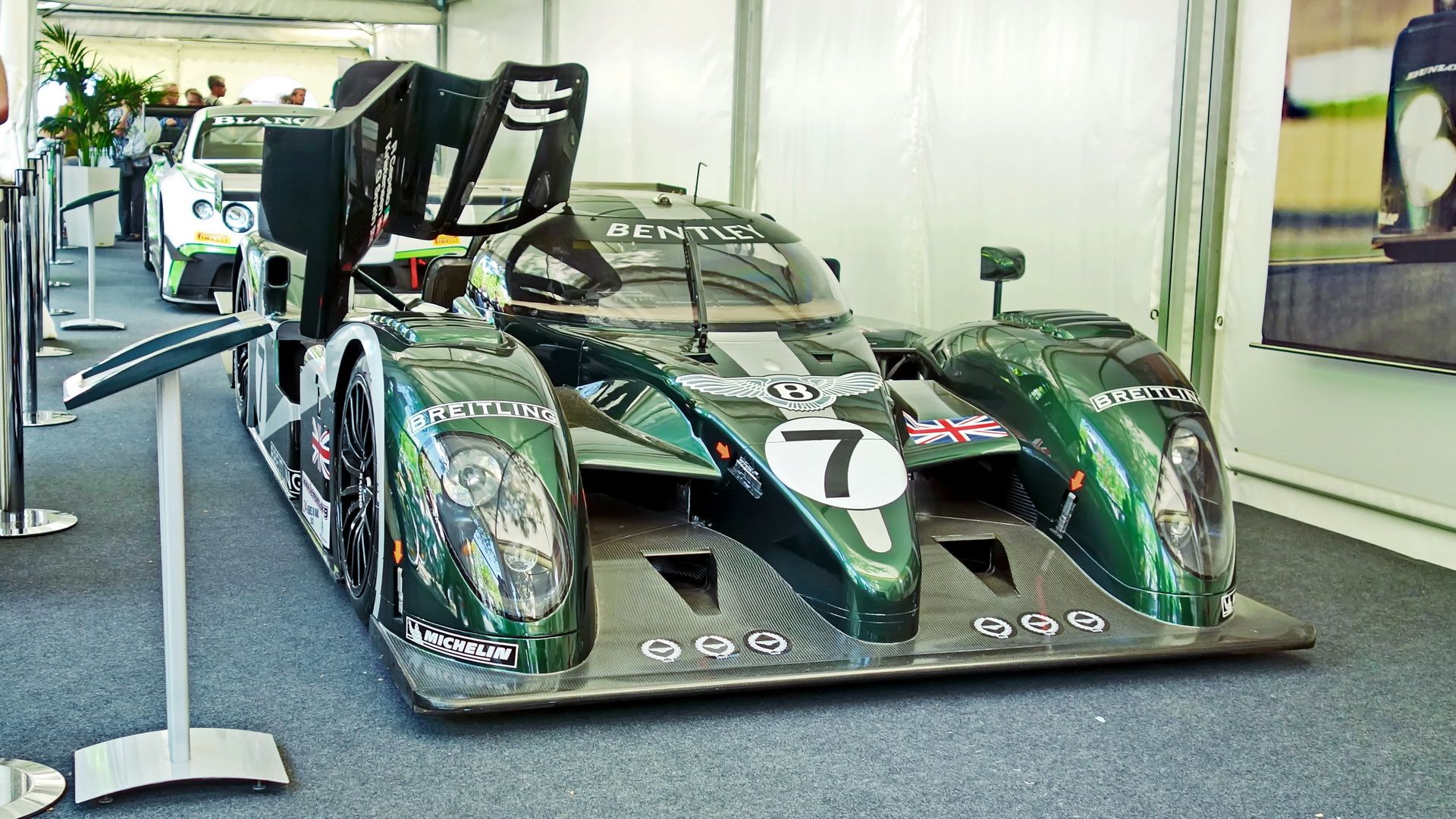 More Cars from Berlin, Germany on Wikimedia
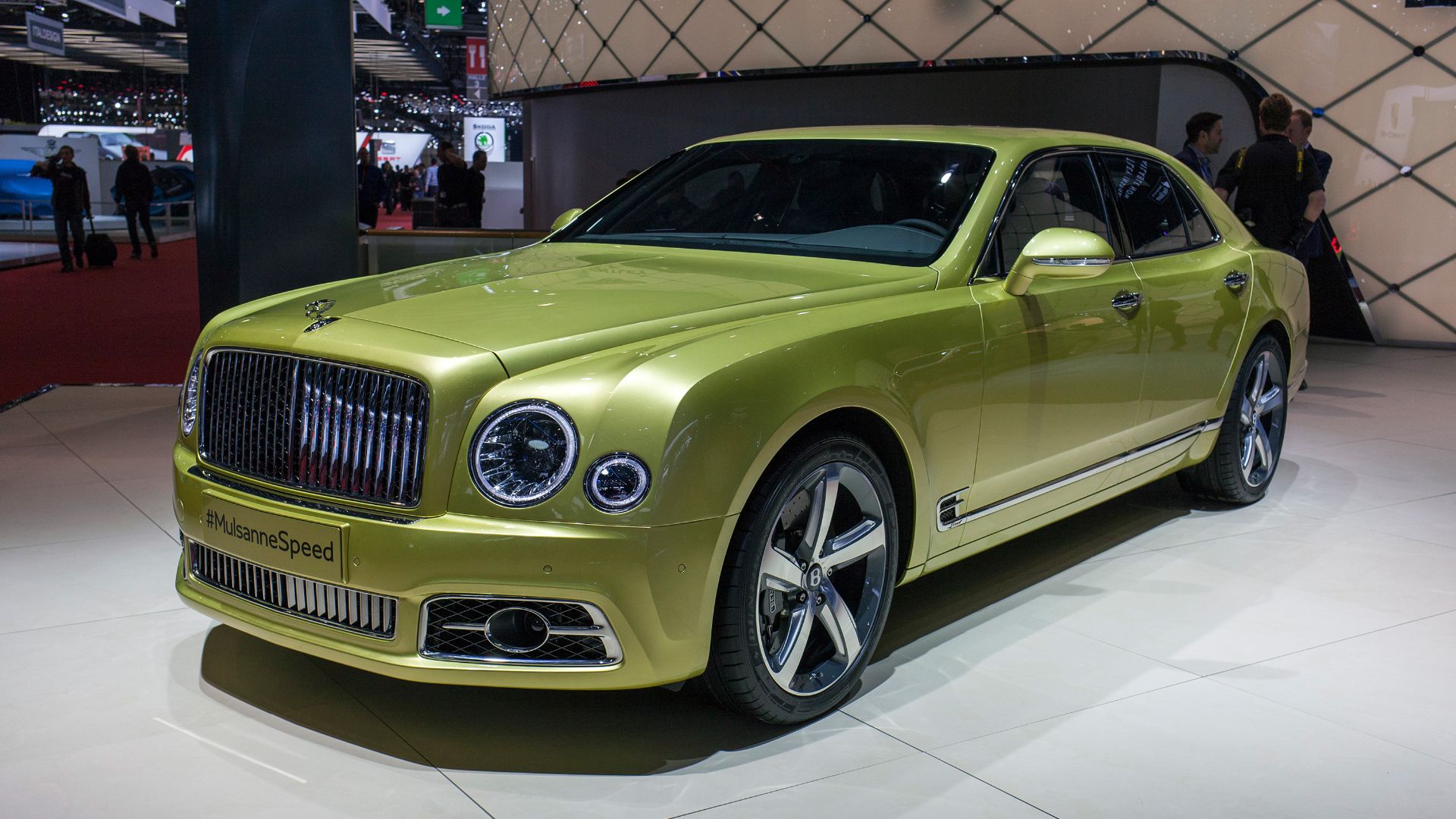
10. Mulsanne, 2010
The last car designed at Crewe around the 6.75-litre V8, an engine that by then had been in production for over half a century. Nothing underneath came from Audi or Volkswagen. It was expensive to build and they built it anyway, right up to 2020.
Now, here's 10 where the badge was doing the work.
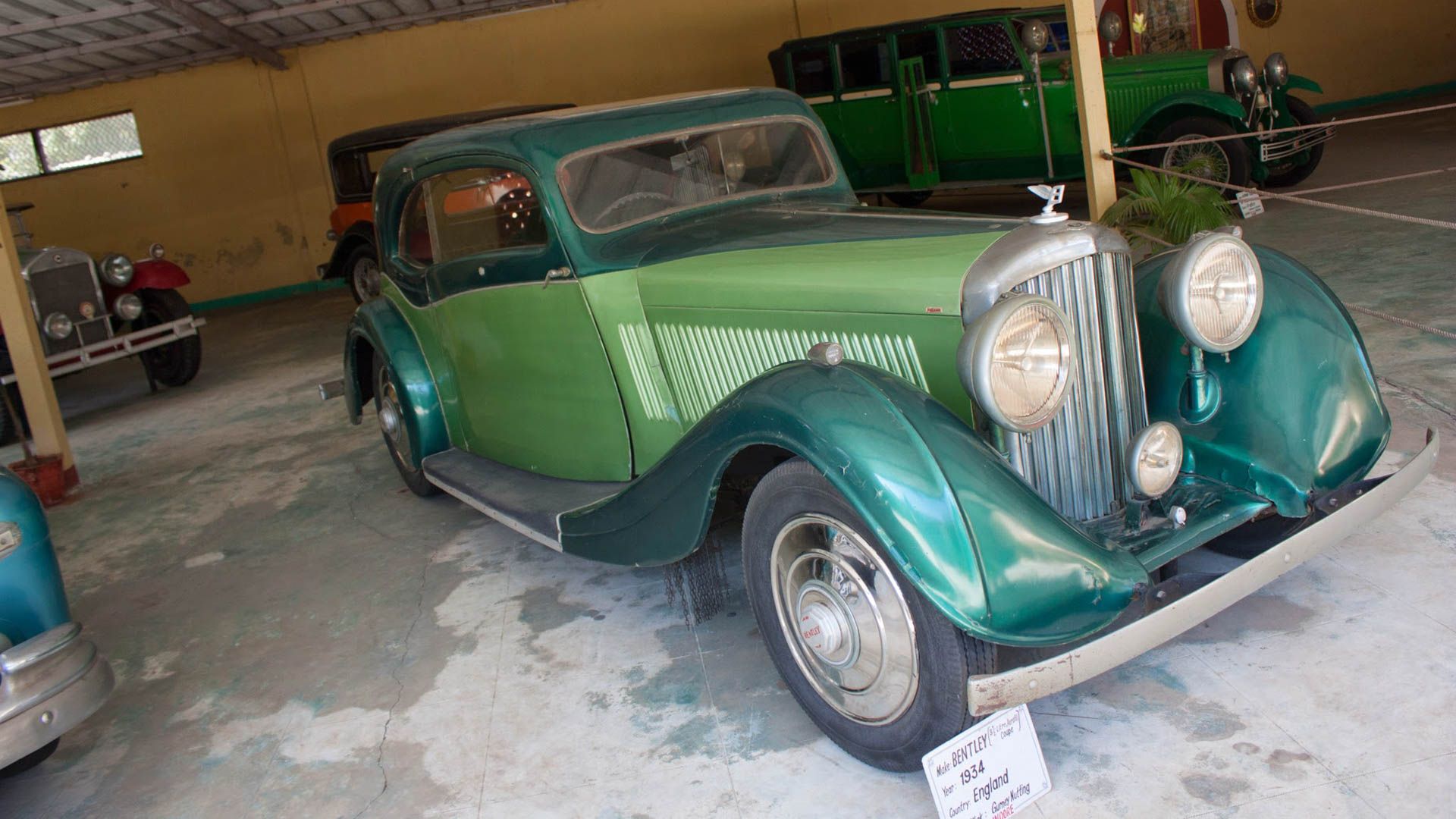
1. 3½ Litre, 1933
Rolls-Royce's first Bentley was a Rolls-Royce. The chassis and engine came from the 20/25 with higher compression and a sportier state of tune, and the advertising called it the silent sports car. It was a fine motorcar and it wasn't W.O.'s.
2. Mark VI, 1946
The first postwar car shared its standard steel body with the Rolls-Royce Silver Dawn, which was itself the first Rolls-Royce sold with factory coachwork. Buyers got the same vehicle behind a different radiator. The Mark VI sold well, which taught Crewe a lesson it applied for the next thirty years.
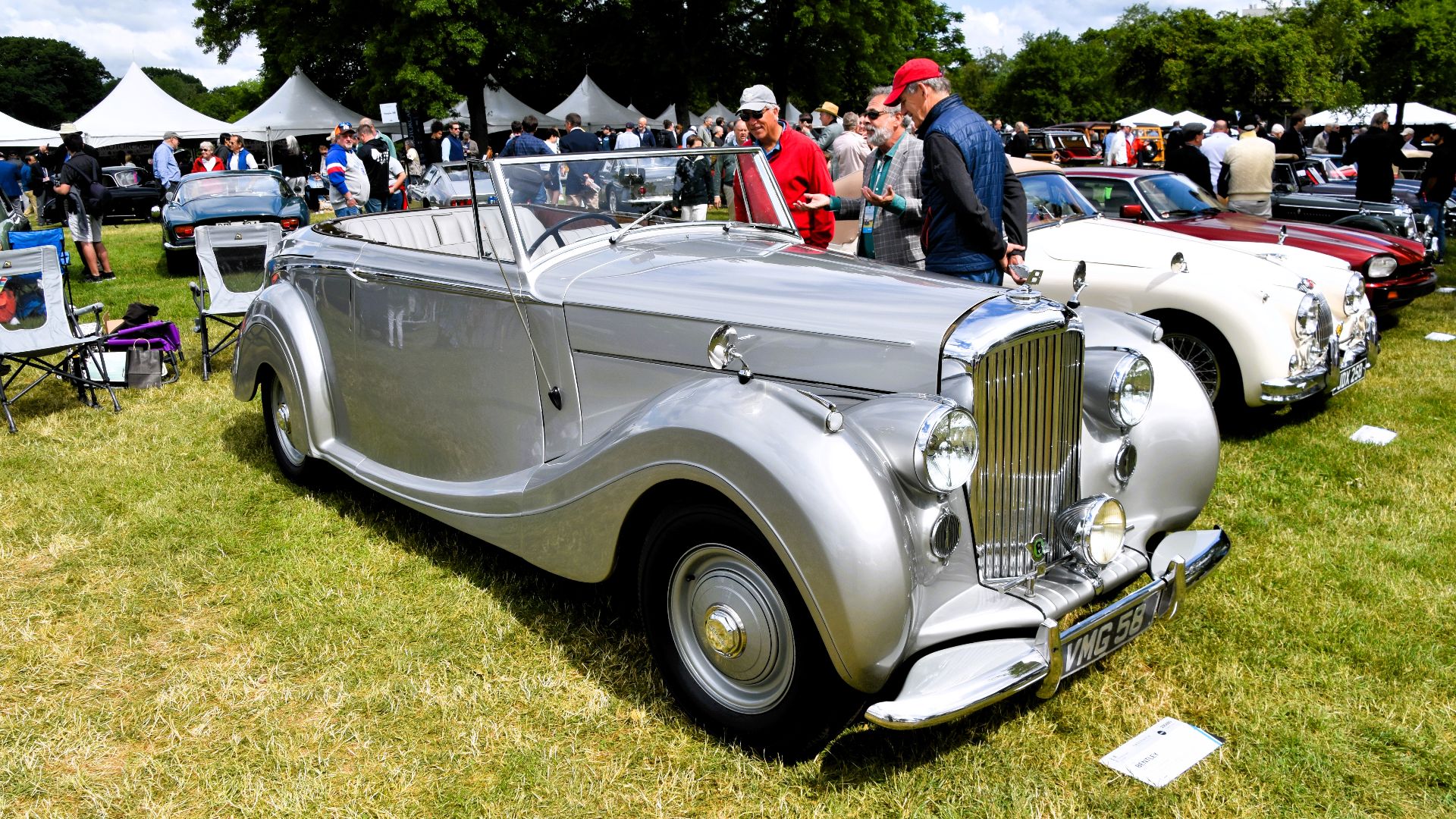 Charles from Port Chester, New York on Wikimedia
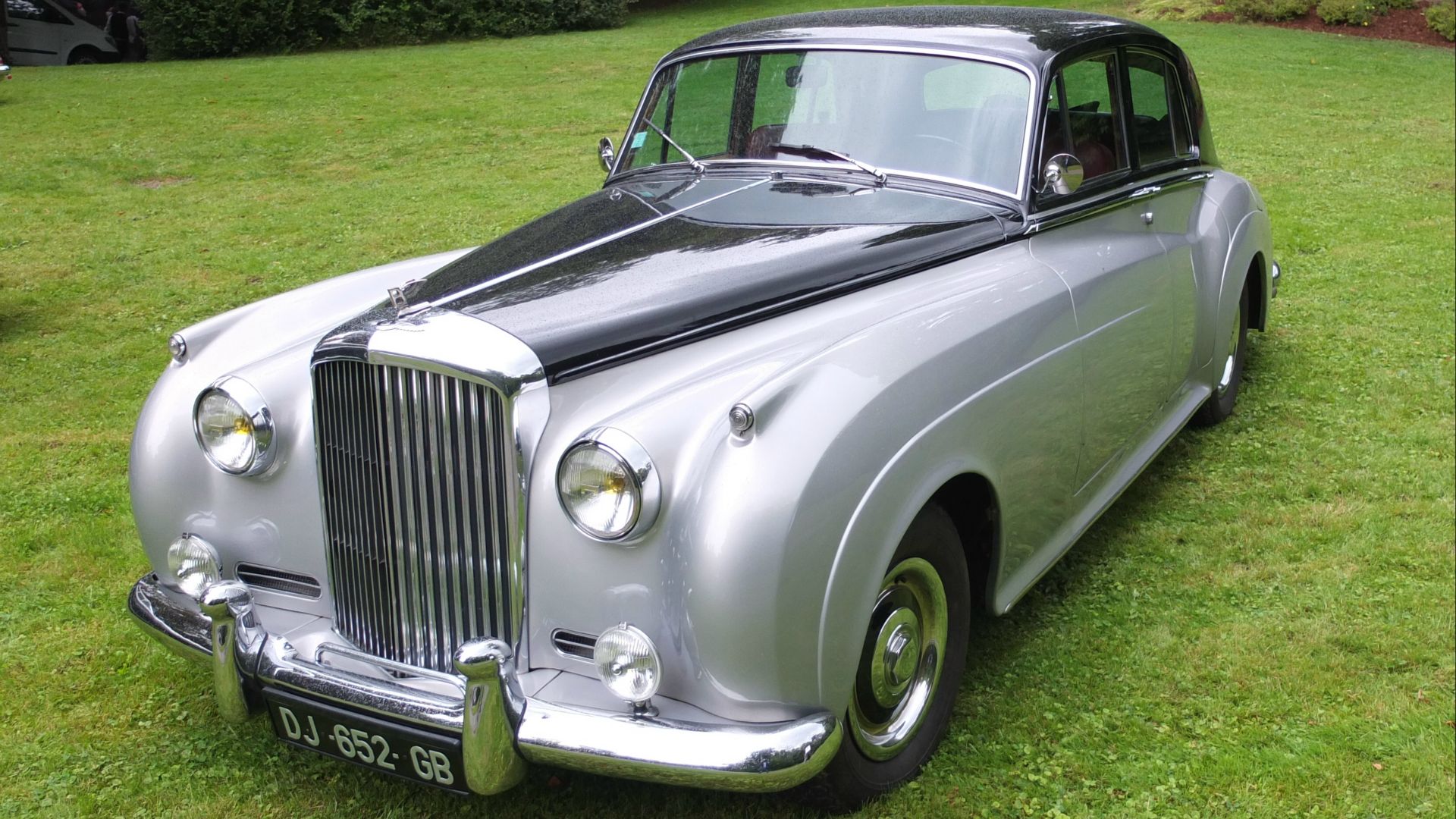
3. S1, 1955
Put an S1 beside a Silver Cloud and the grille is the entire argument. Underneath, the chassis and the 4.9-litre six were identical. The Bentley cost slightly less, which was most of the reason anyone picked one.
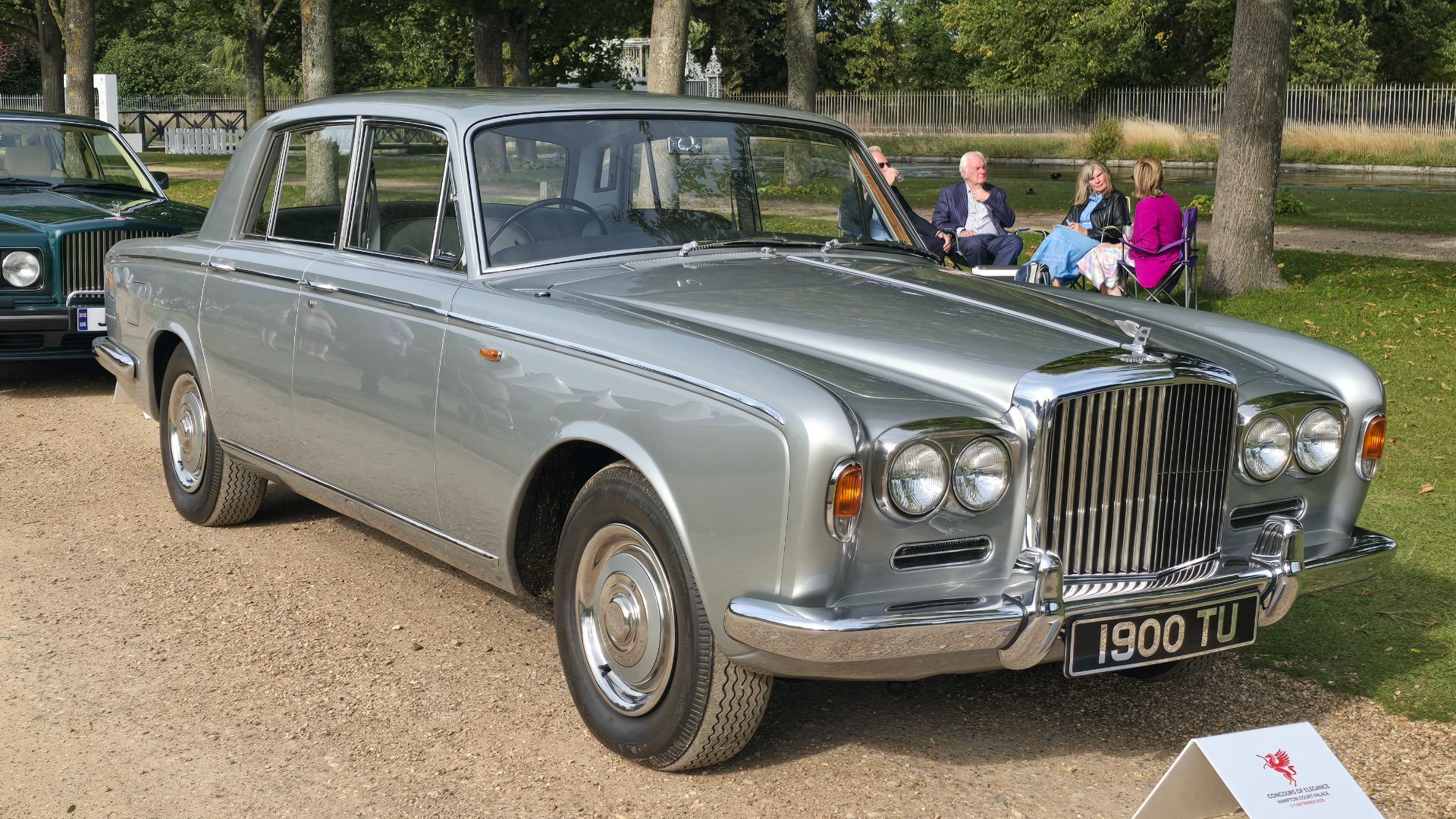
4. T-Series, 1965
The sales figures show how far Bentley had fallen. Rolls-Royce sold 16,717 Silver Shadows against just 1,703 Bentley T1s, a ratio of nearly ten to one. By the late 1970s, Bentley's future was so uncertain that the marque came close to being discontinued altogether.
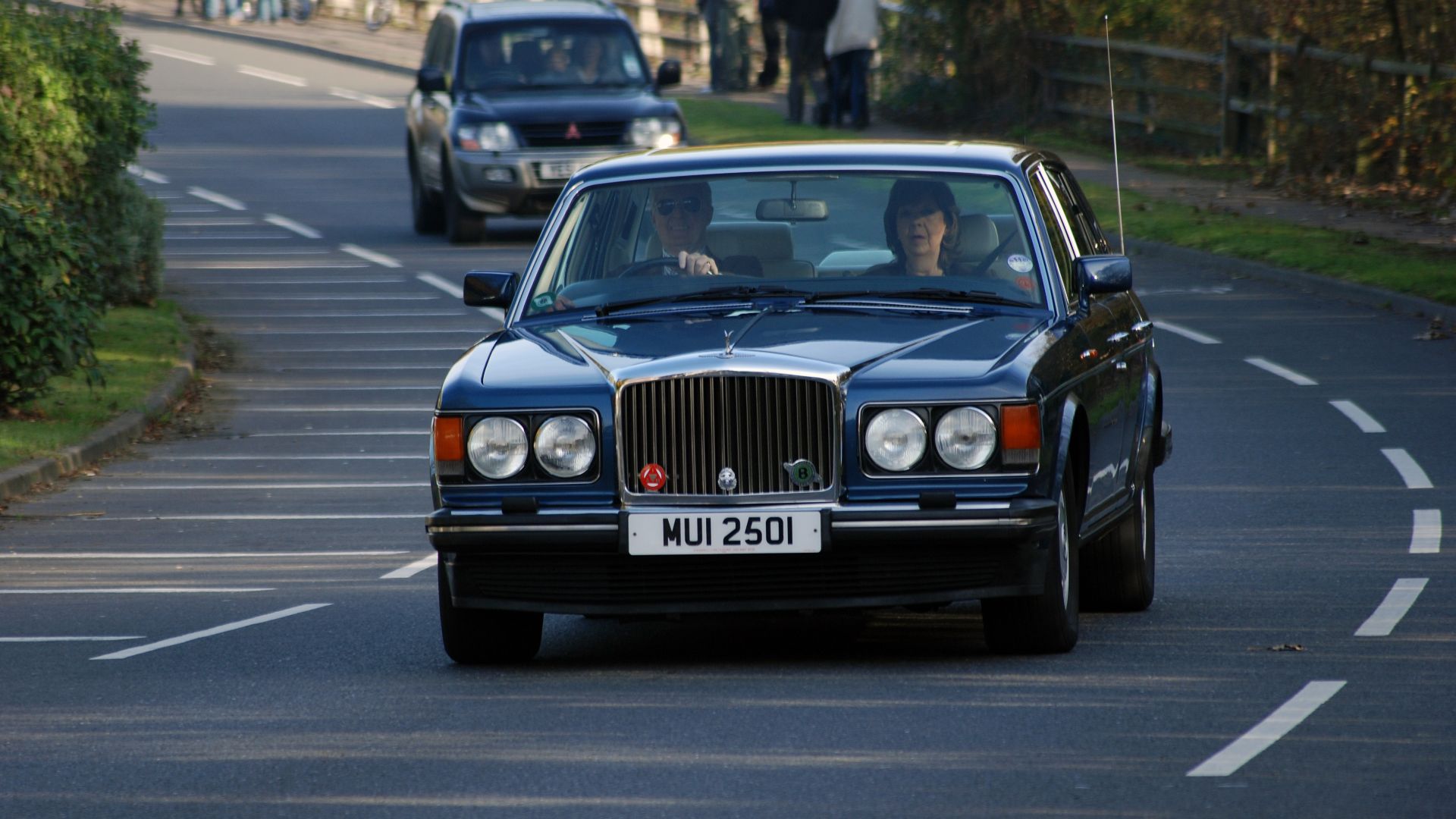
5. Mulsanne, 1980
The Silver Spirit arrived and a Bentley version arrived alongside it, named after the straight where the vintage cars made their reputation. Nothing about the car itself referred back to any of that. The turbocharged version two years later is what rescued the name.
 allen watkin from London, UK on Wikimedia
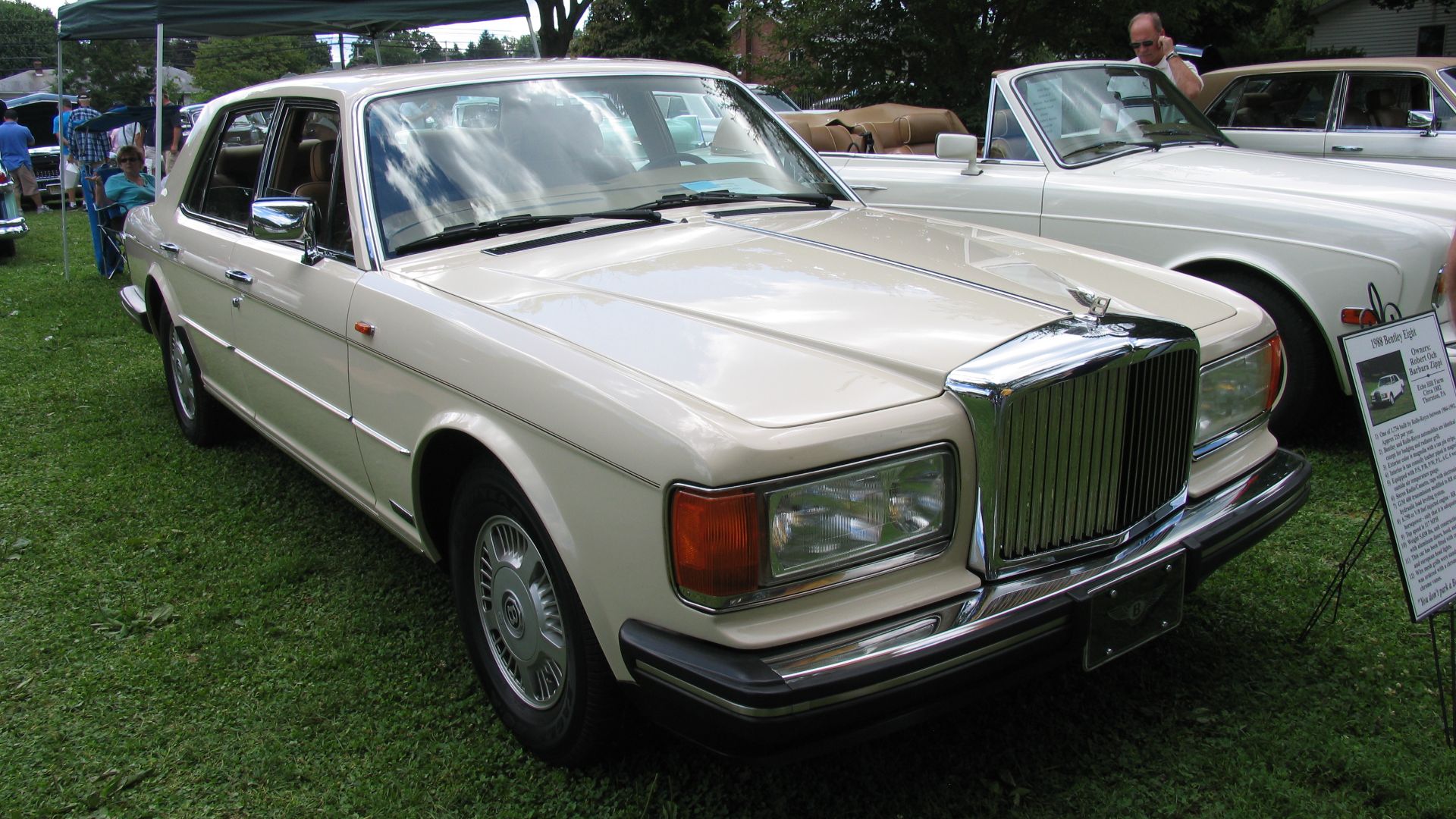
6. Eight, 1984
Crewe wanted a cheaper way into the brand, so the Eight got a wire mesh grille and less equipment than a Mulsanne. Underneath it was the same car for a lower price. The mesh outlived the model.
7. Brooklands, 1992
This was a Mulsanne S with a new name taken from a circuit the vintage cars genuinely dominated. The mechanical changes amounted to very little. Naming a rebadged saloon after Brooklands was the boldest thing about it.
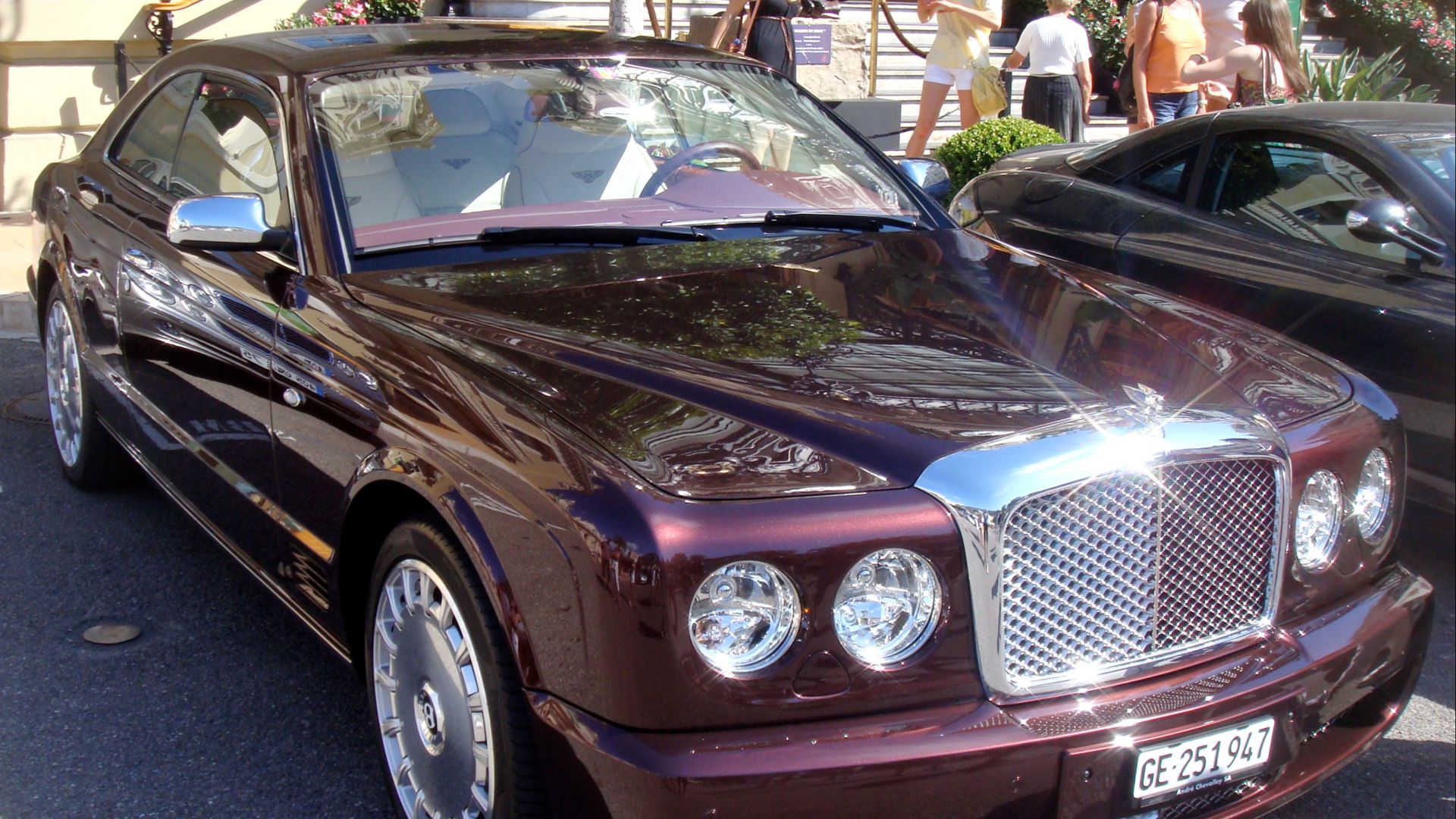
8. Arnage, 1998
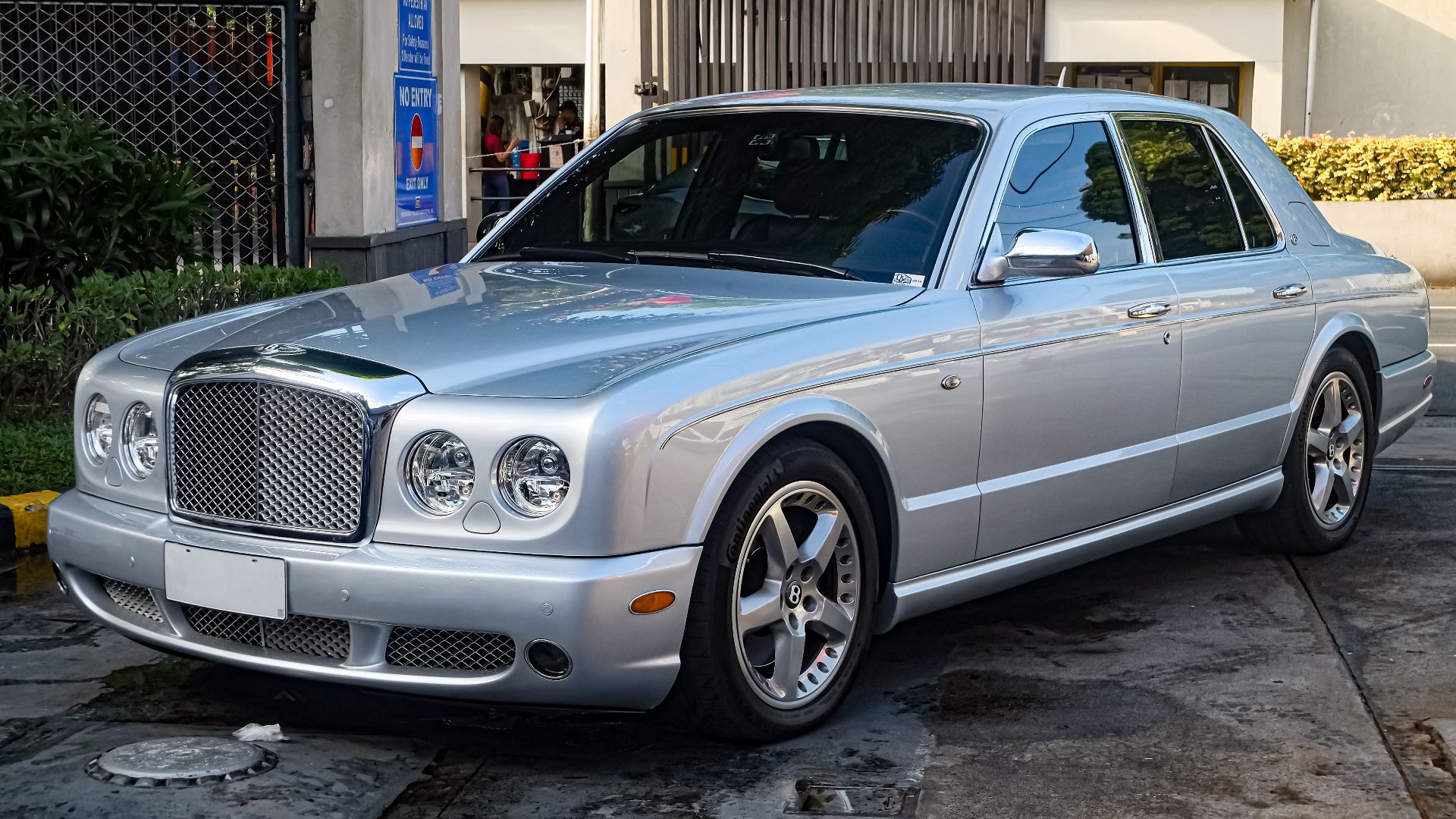
The first Arnage ran a BMW twin-turbo V8 and shared its platform with the Rolls-Royce Silver Seraph, an arrangement Vickers set up before selling both companies off. Customers objected to a German engine in a Bentley loudly enough that Crewe brought the 6.75 back within a year. The corrected car was badged Red Label.
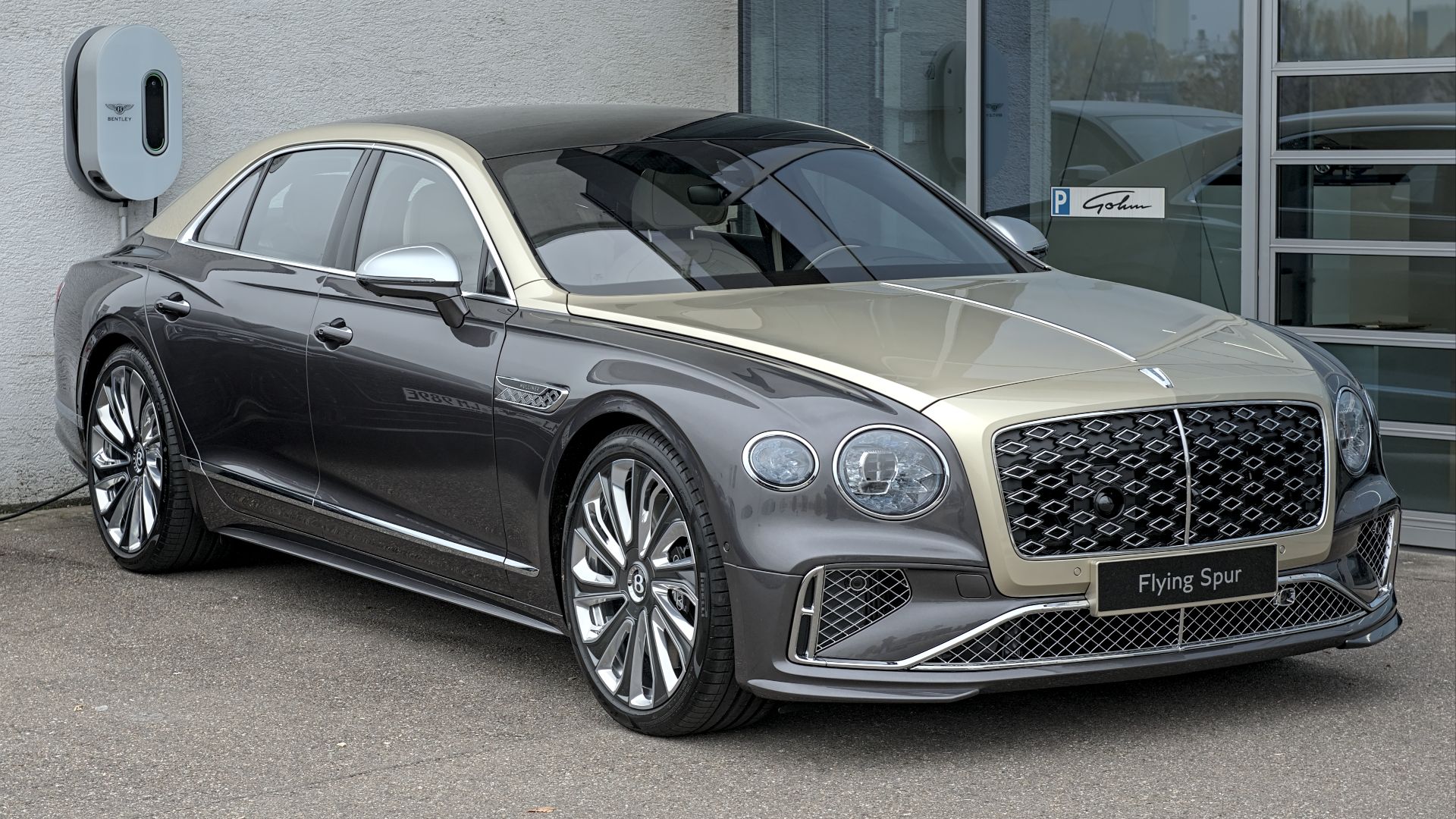
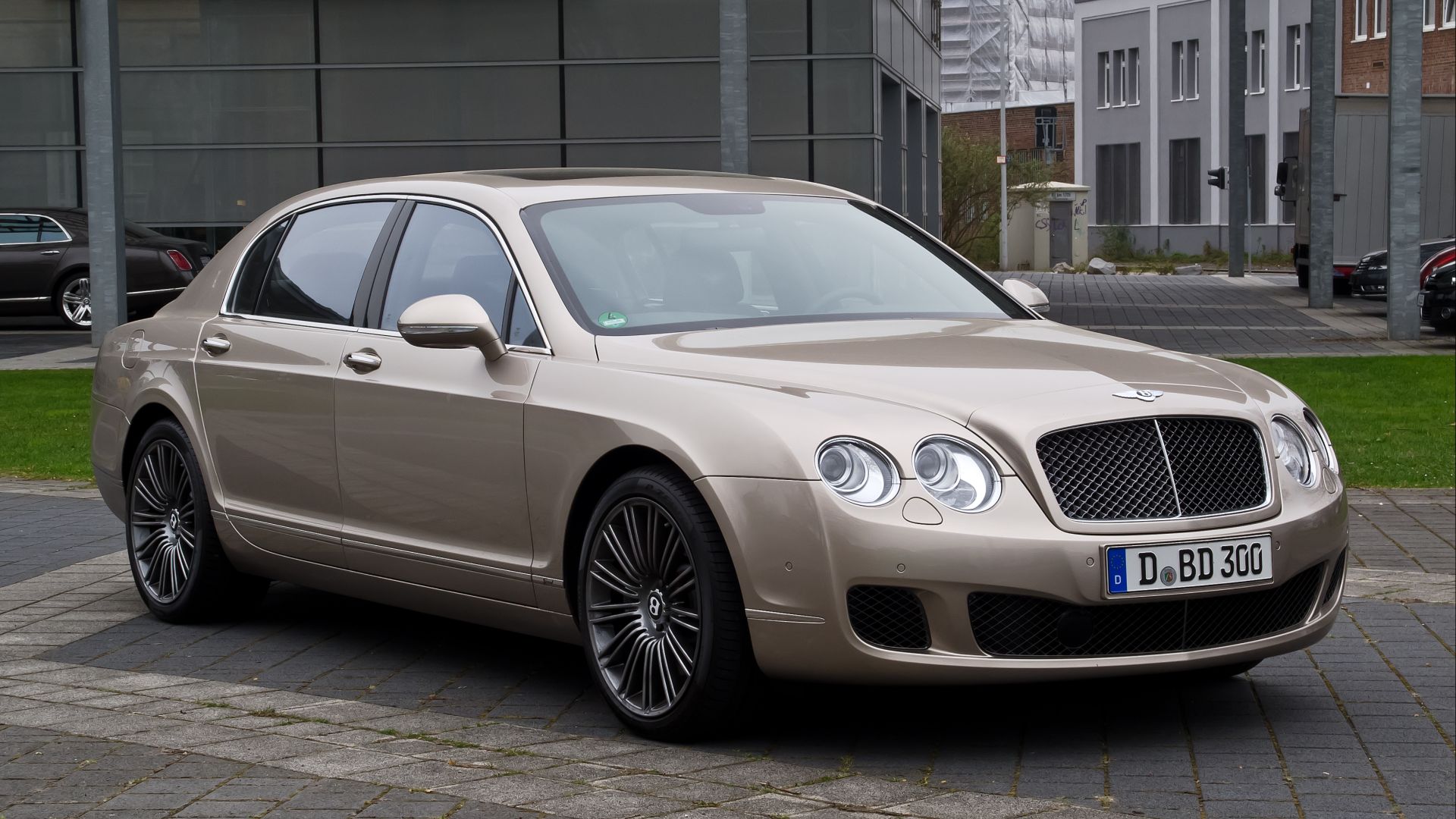
9. Flying Spur, 2005
A four-door Continental GT riding on the Volkswagen platform that also carried the Phaeton. It was quick and it sold in numbers, and the engineering underneath belonged to a group project rather than to Crewe. The badge did real work on the price.
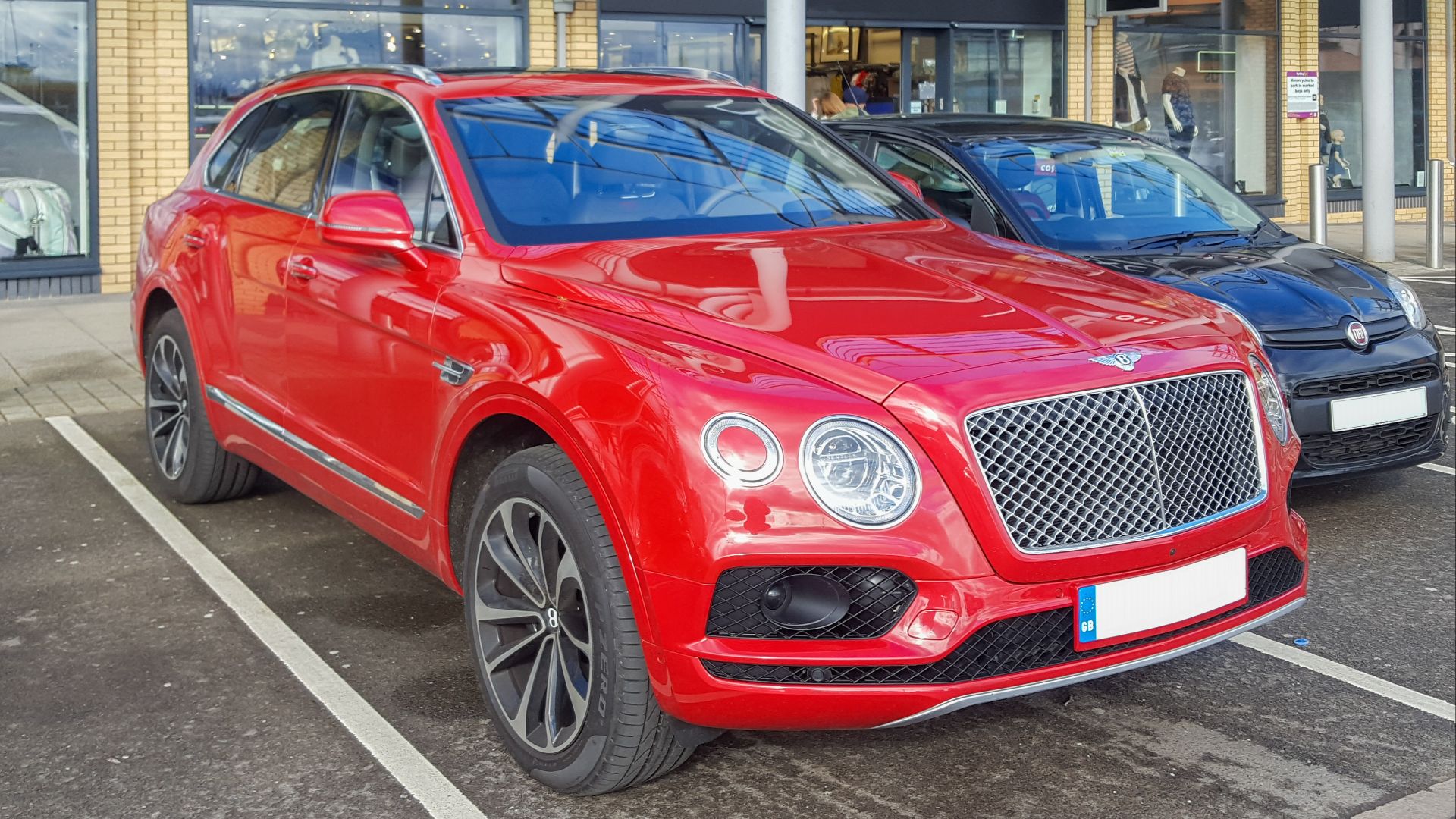
10. Bentayga, 2015
Bentley's SUV sits on the MLB Evo architecture shared with the Audi Q7 and the Lamborghini Urus. It became the best-selling thing the company has ever made, which was the entire point of building it. What's underneath came from Ingolstadt.