 Unknown authorUnknown author on Wikimedia
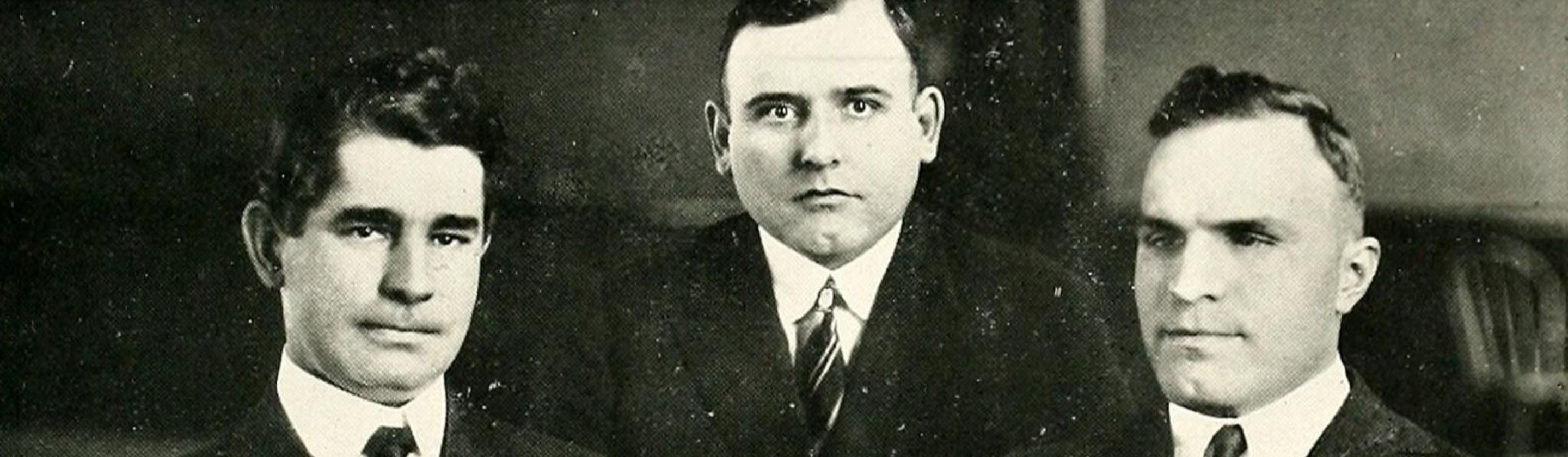
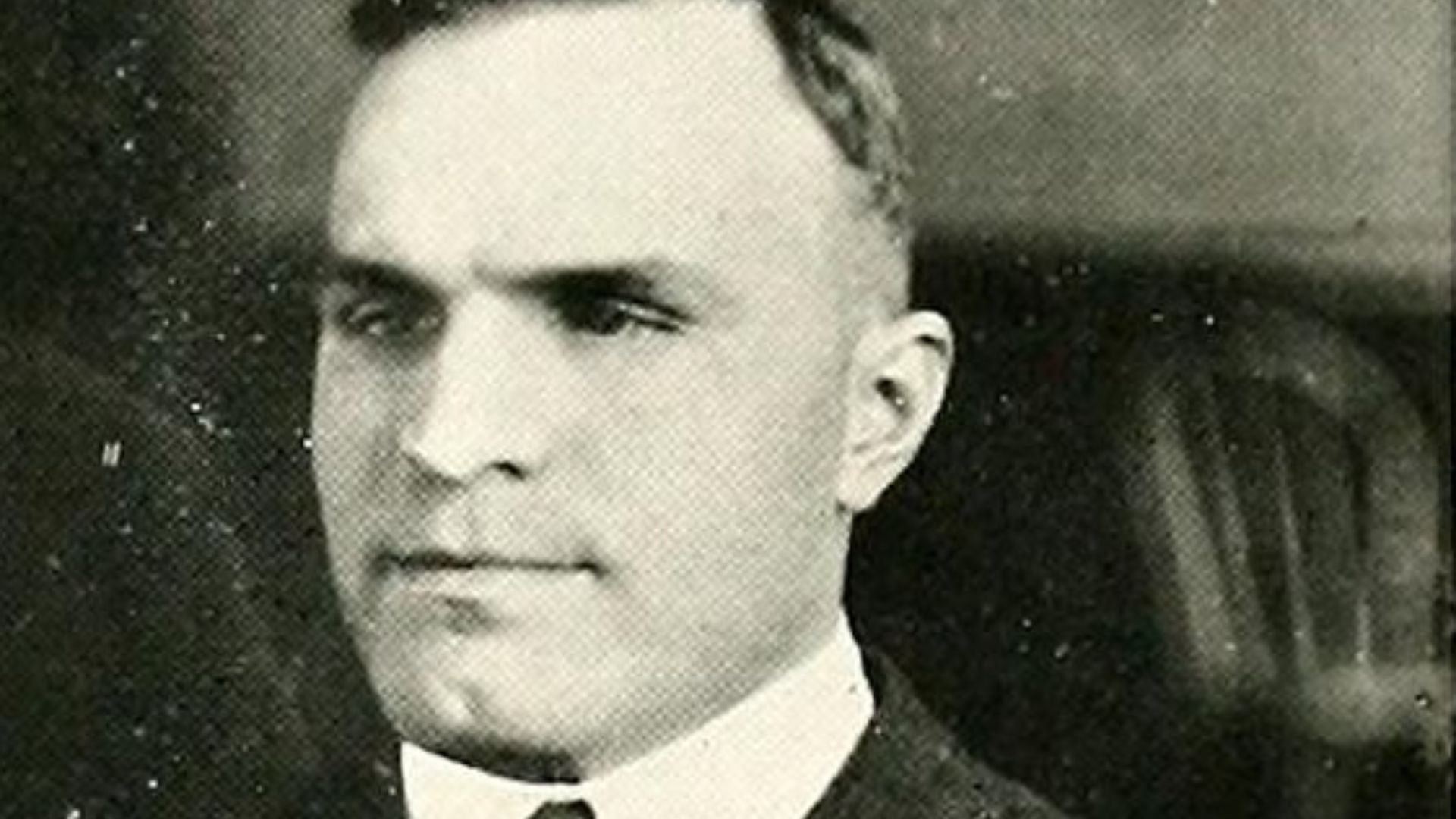
Cruise control feels like something a committee at a car company specified into existence. In reality, it came from a man in Indiana who had never even seen a road. Ralph Teetor lost his sight as a small child, became a mechanical engineer anyway, and built the device because being driven around by other people made him physically uncomfortable.
The usual telling of this leans hard on the irony and stops there. The engineering is the better part, because the problem was not obvious and his first answer worked nothing like the one in your car. He spent years on it, named it badly several times, and ended up with a product that Cadillac renamed after the fact. The irony is the hook, and the work underneath it is the reason the thing shipped.
Blinded at Five, Working by Hand
When he was about five years old, a knife slipped while he was using it, injuring one of his eyes. The accident triggered sympathetic ophthalmia, a rare condition in which the immune system attacks the uninjured eye following trauma to the other. Within a year, he had lost his sight completely. He was blind before starting school, though he rarely spoke about the accident as a child.
His father set him up with a workshop at ten and the habit held. He talked his way into the University of Pennsylvania after a run of rejections and left with a mechanical engineering degree, the first blind graduate that program had produced. The workshop years had already produced an early powered lawn mower and a run of locking mechanisms, so he arrived with a portfolio rather than a hope.
His early work involved balancing steam turbine rotors for Navy ships, which he did by touch. His biographer's line is that his hands were his eyes, which reads as a flourish until you remember that balancing a rotor comes down to detecting small differences in vibration. He went home to the family firm afterward, a piston ring manufacturer that became Perfect Circle. Piston rings are unglamorous parts that have to be machined to tolerances the eye cannot check anyway.
The Device Began as an Irritation
The idea arrived in the passenger seat of his patent attorney's car. The man sped up while listening and slowed down while talking, and the lurching made Teetor ill. A normal passenger asks the driver to knock it off. Teetor spent the next decade building a machine that would do it for him, which tells you something about both men.
The first prototype let the driver dial in a speed, then pushed back against the accelerator pedal once the car passed it. The pedal resisted instead of the engine complying, so the device could only argue with you about going too fast. He later added an electromagnetic lock that held a set speed until the brake was tapped. That second version is the one that mattered, since holding a speed and merely objecting to one are different products.
Naming it took longer than building it. He worked through Controlmatic and Pressomatic before settling on Speedostat, which is not a word that rolls anywhere pleasant. A patent for a speed control device for motor vehicles issued on August 22, 1950, by which point he was sixty and had been circling the problem for years.
Chrysler Bought It, Cadillac Renamed It
Chrysler put the technology on cars first, as a luxury option in 1958, after Teetor spent years of the decade demonstrating the thing to reporters and Detroit executives who had to be convinced anyone wanted it. Cadillac picked it up the next year and called it cruise control, and that is the name that survived. Speedostat lives on in patent files and museum placards. The company outlasted its own independence by a few years, since Dana bought Perfect Circle in 1963.
He rose to president of Perfect Circle, running a company of close to 3,000 people, and held more than 40 patents when he died. He also served as president of the Society of Automotive Engineers and as chief steward of the Indianapolis 500, which is an unusual assignment for a man who could not watch a race.
The Automotive Hall of Fame inducted Teetor in 1988, six years after his death. What began as a solution to a friend's irritating driving habits became a feature found in nearly every modern car. His original design simply resisted pressure on the accelerator, but he later developed a system that could maintain a chosen speed automatically. That second version established the basic function of cruise control as we know it today.