The Good Engineering and the Badge Jobs
Opel spent most of a century building cars for people who simply needed to get to work, which is not the kind of reputation that creates collector interest. Beneath that practical image is a serious engineering record, including Germany’s first unitary-body car and, at one point, the fastest four-door saloon in the world. The company also produced plenty of rebadged SUVs and people carriers that disappeared for good reason. Both sides of Opel are worth looking at. Here are 10 models that deserve more credit, followed by 10 that deserve exactly what they got.
1. Laubfrosch (1924)
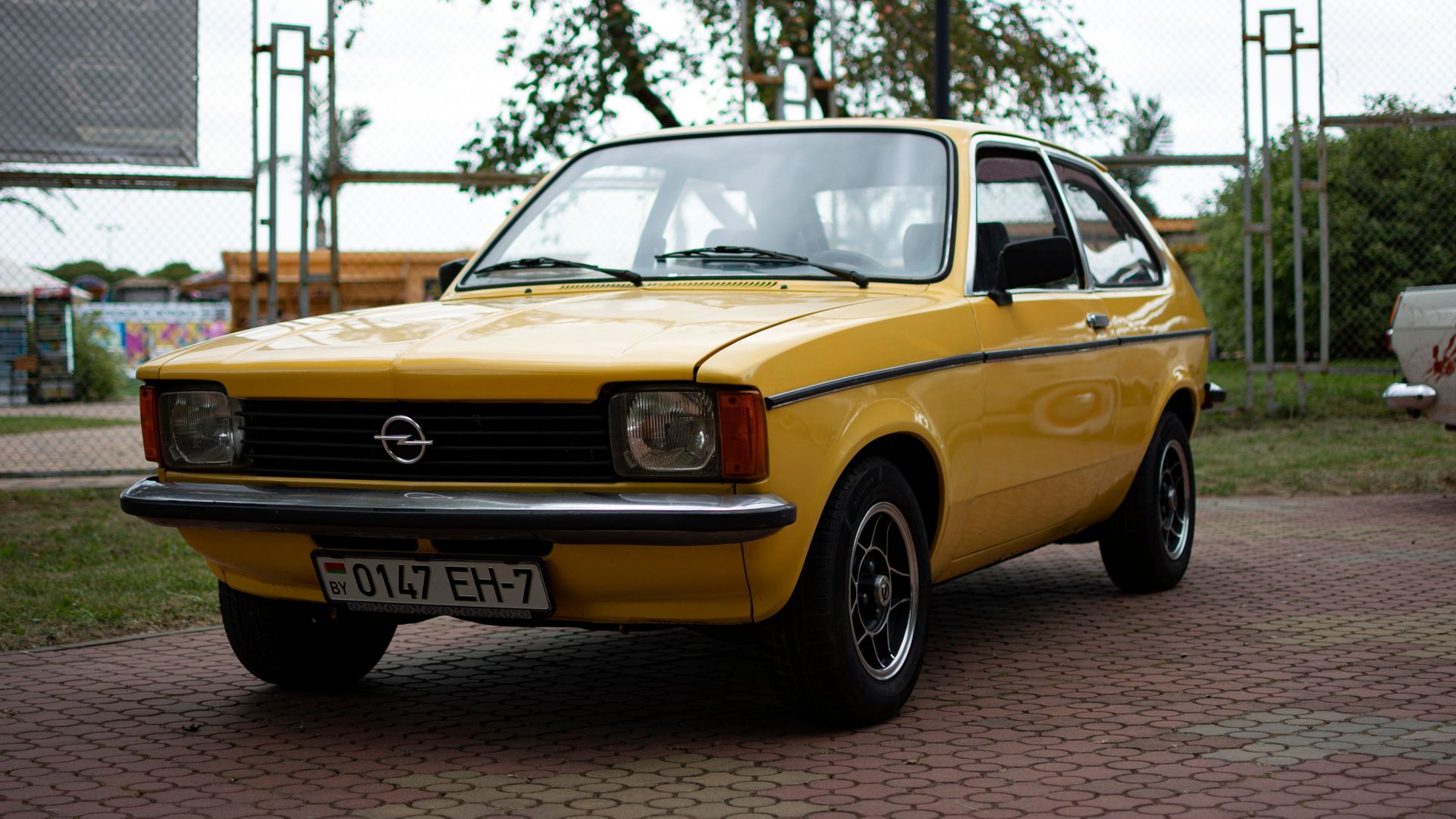
Germany's first moving assembly line went to work on a small two-seater painted green, which got it nicknamed the tree frog. The design borrowed from the Citroën 5CV closely enough that Citroën sued. Costs dropped far enough to keep cutting the price, and Opel was Germany's largest carmaker within four years.
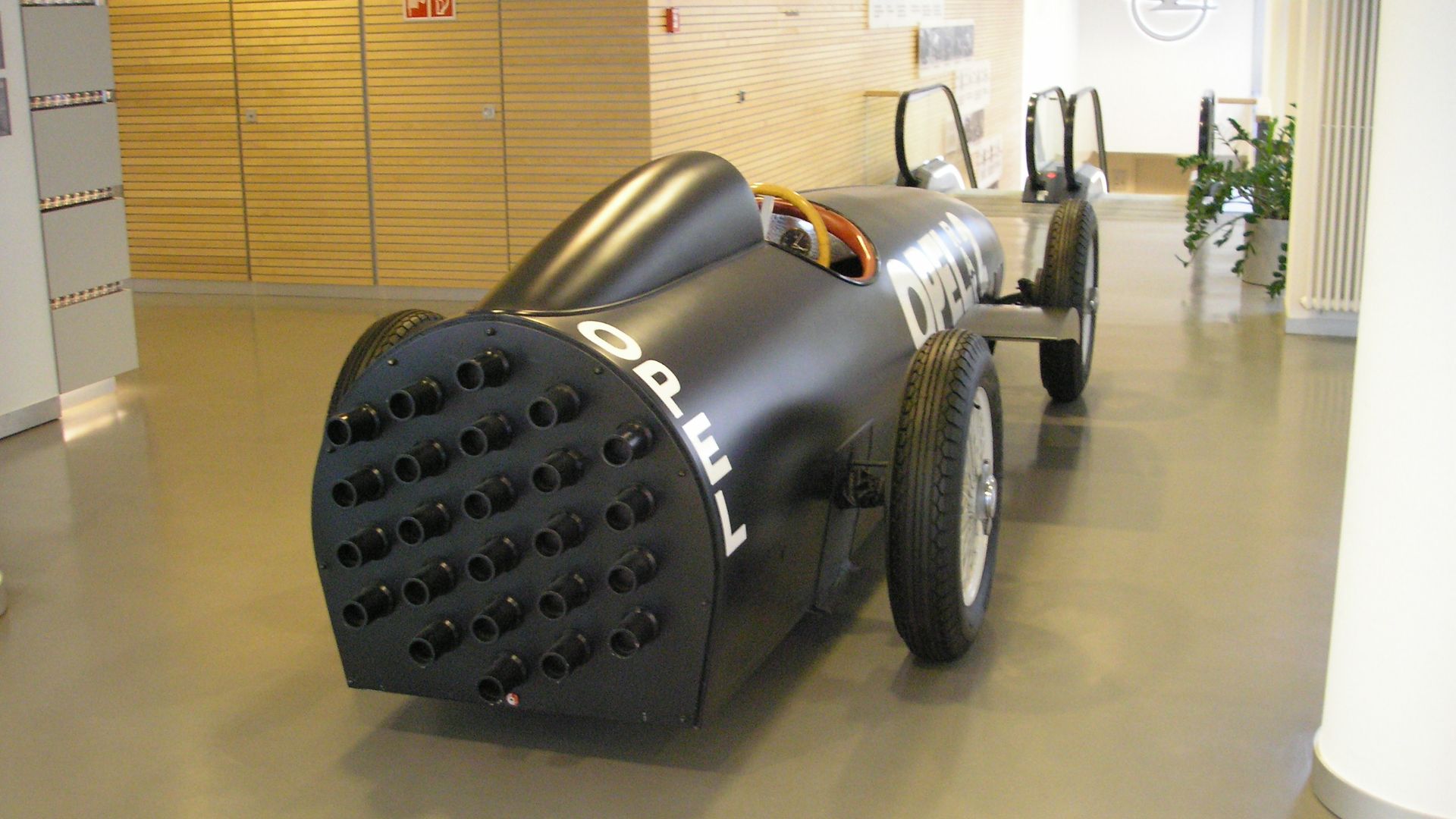
2. RAK2 (1928)
Fritz von Opel bolted 24 solid-fuel rockets to a car with stub wings and ran it down the AVUS track in Berlin at around 238 km/h. A crowd of thousands watched him do it. The car itself went nowhere, though the rocket work behind it fed into German rocketry for decades.
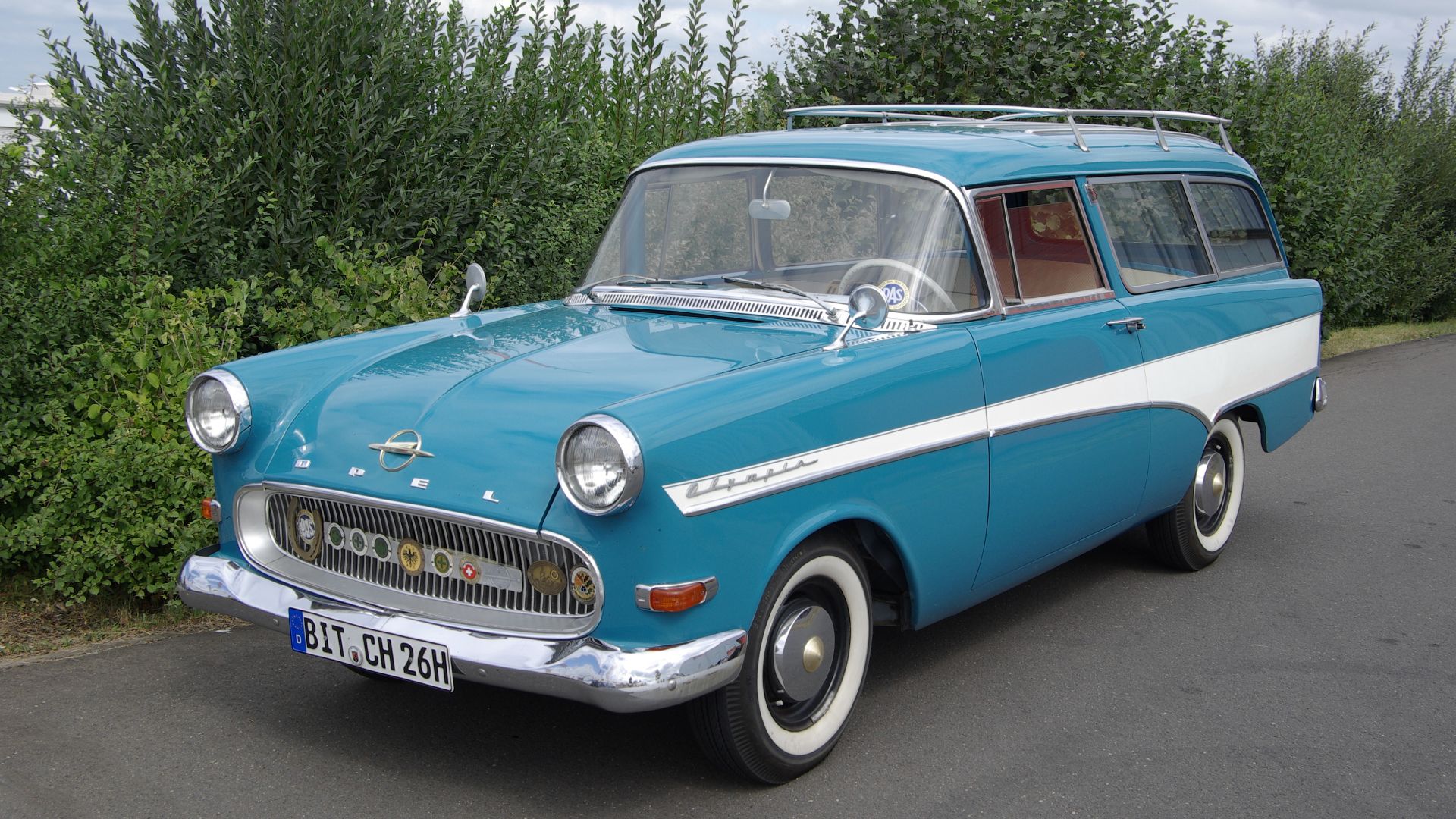
3. Olympia (1935)
The Olympia was Germany's first mass-produced car with an all-steel unitary body. Losing the wooden frame cut as much as 180 kg against the model it replaced. Citroën's Traction Avant got there first, and Opel was the one that made the method work at volume.
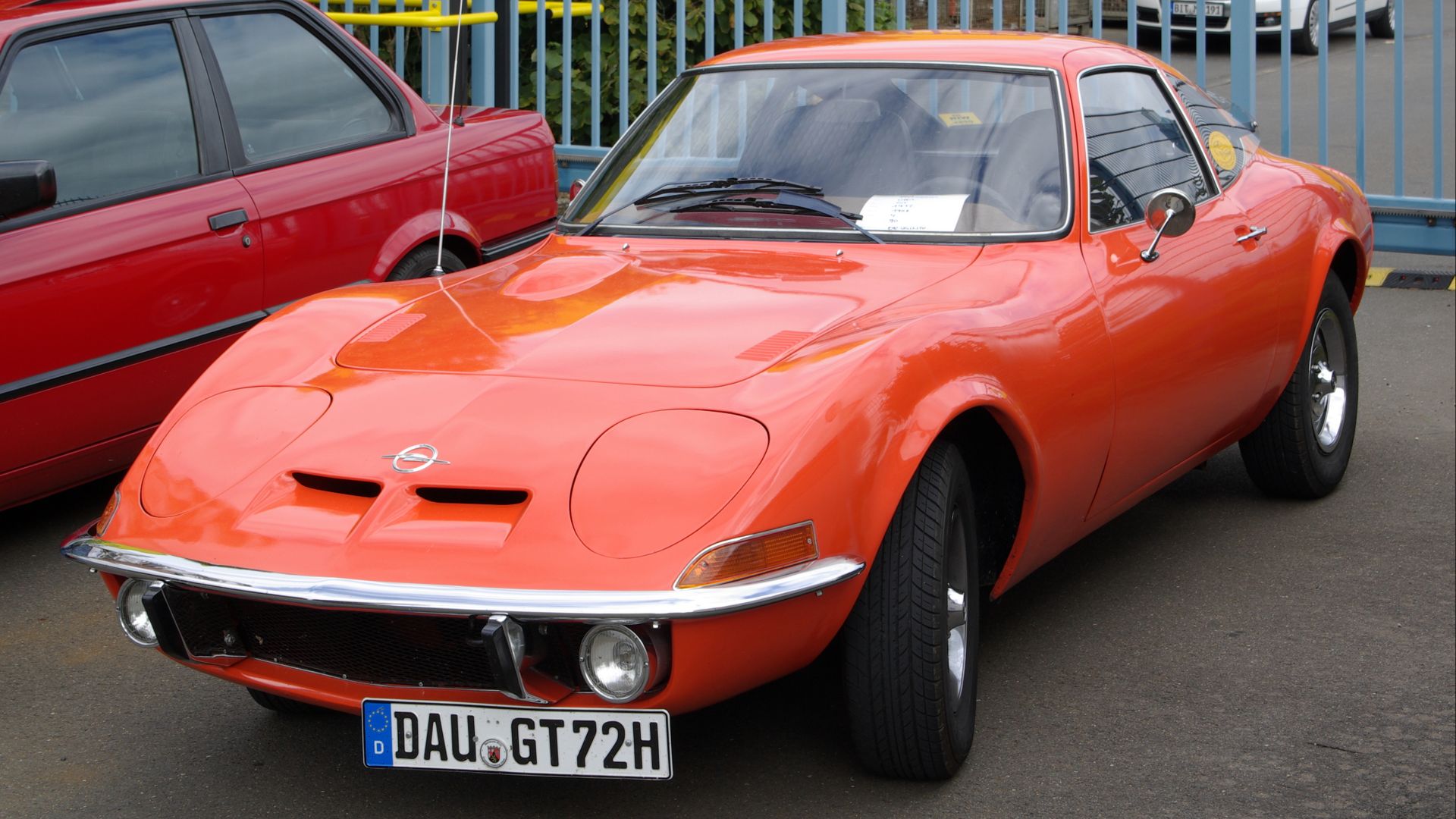
4. Opel GT (1968)
The headlights rotate into place on a lever between the seats, which you pull by hand. No motor, no relay, nothing to fail in a damp winter. Bodies came from Brissonneau et Lotz in France because Opel's own plants had no room.
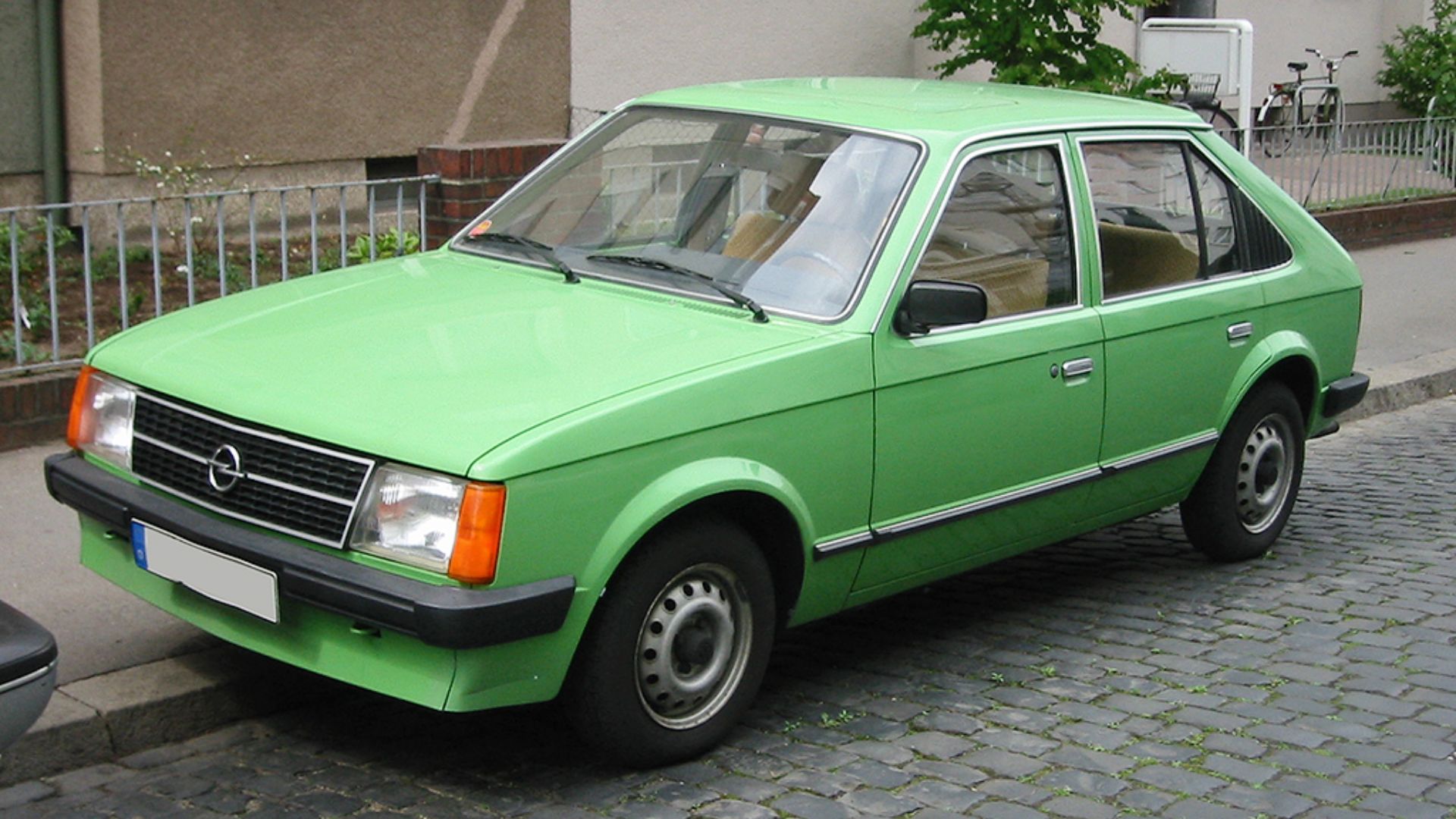
5. Kadett D (1979)
Opel's first front-wheel-drive car showed up late and then made the wait worthwhile. Its transverse layout and packaging underpinned the first Vauxhall Astra along with a run of GM small cars built on three continents. The follow-up Kadett E took European Car of the Year in 1985.
6. Calibra (1989)
A drag coefficient of 0.26 made it the most aerodynamic production car in the world at launch, and the record stood for ten years until the Honda Insight managed 0.25. Underneath was a Vectra, which is the part the brochures skipped.
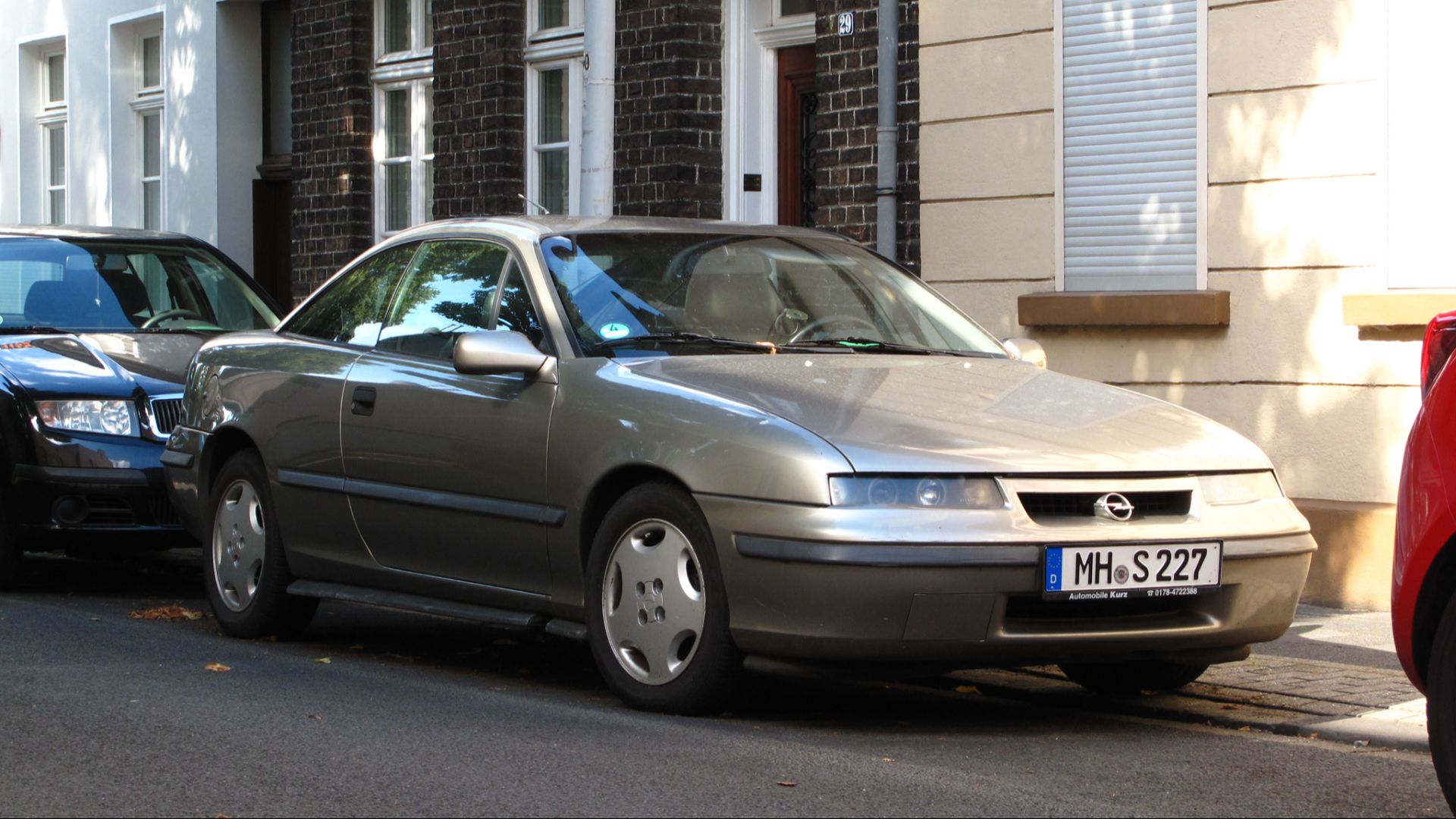 Rutger van der Maar on Wikimedia
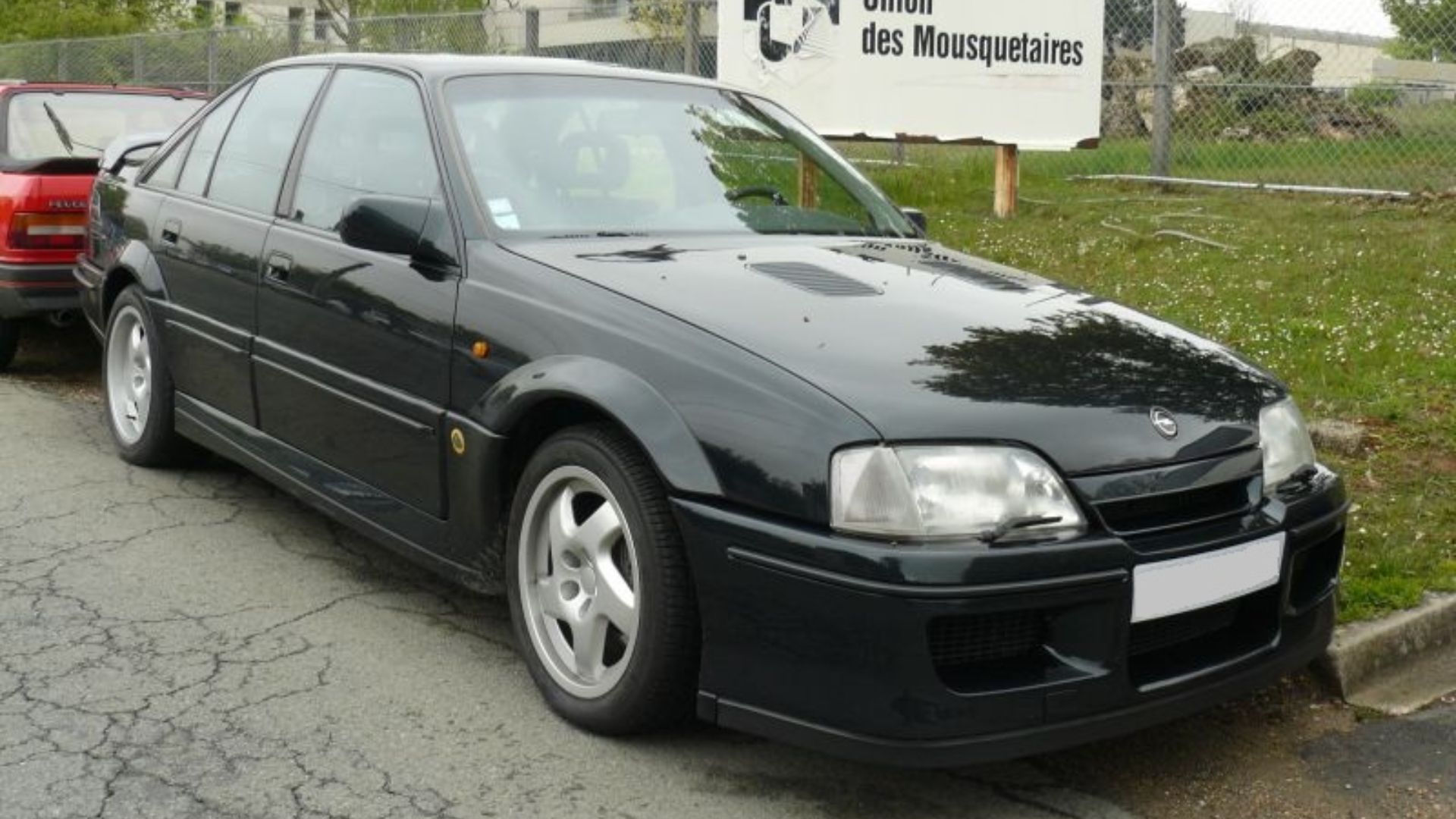
7. Lotus Omega (1990)
Lotus bored the 3.0 six out to 3.6 liters, added two turbochargers, and ended up with 377 horsepower. Over 176 mph made it the fastest four-door production saloon for years and set off a small moral panic in the British papers. Only 950 were built across both badges.
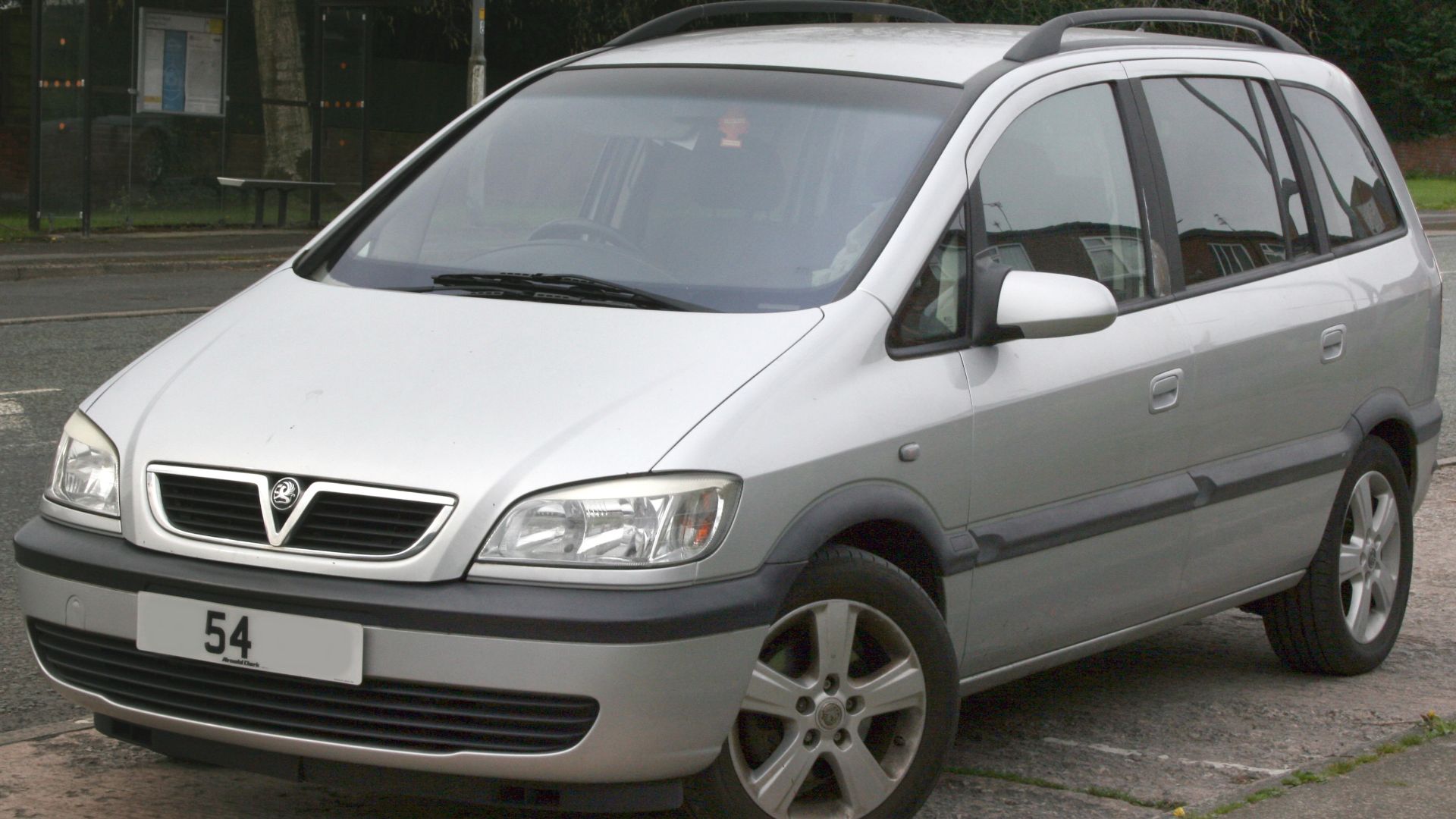
8. Zafira A (1999)
Seven seats inside 4.3 meters, with the third row folding flat into the floor rather than living in your garage between holidays. The Flex7 system meant the car worked as a five-seater with real cargo space on every other day of the year. Competitors took years to answer it.
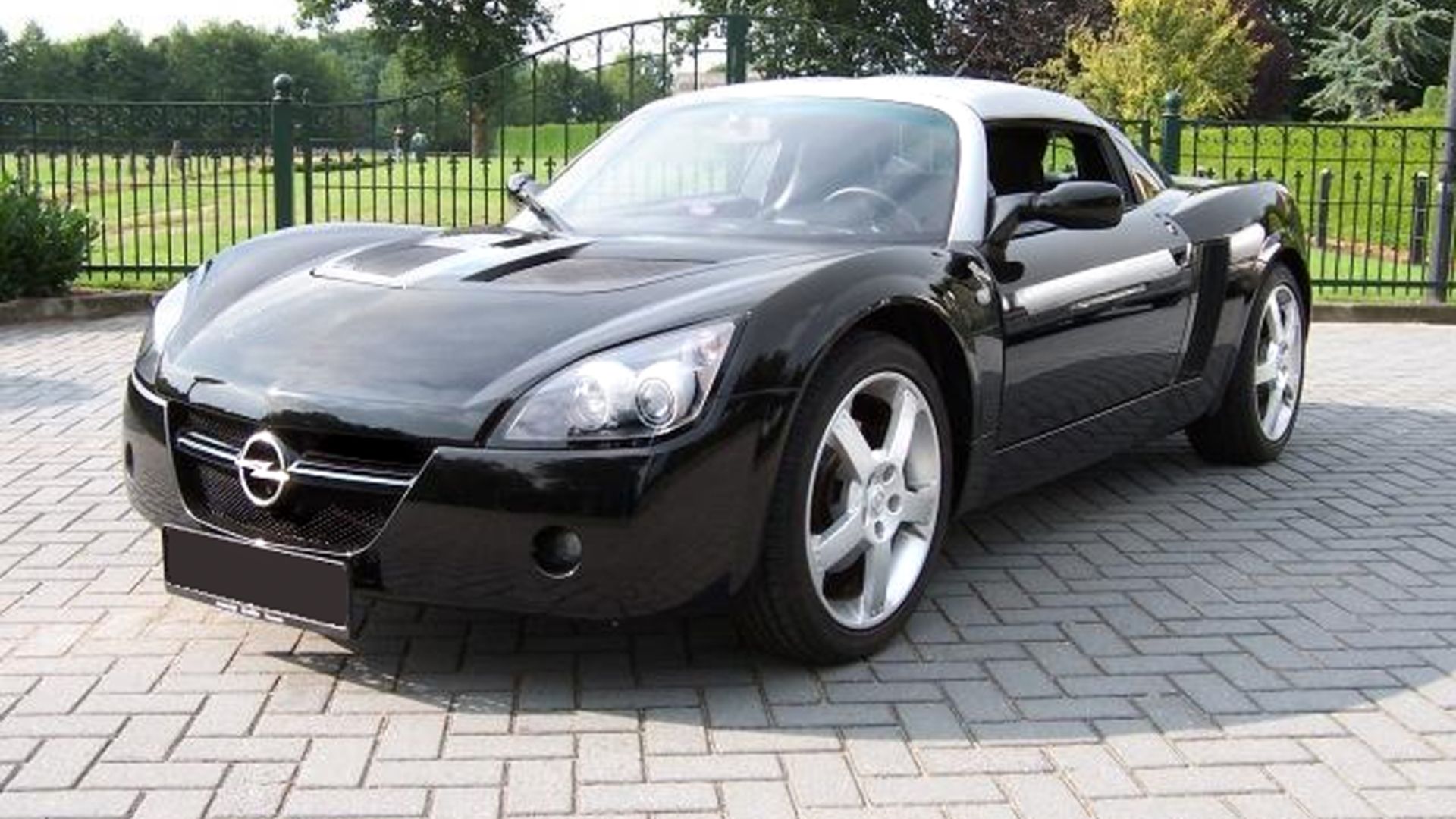
9. Speedster (2000)
Opel handed the job to Lotus, who built it at Hethel on a bonded aluminum chassis. It came out around 870 kg with an Astra 2.2 behind the seats, and it drove like the numbers suggest. Nothing else Opel has sold was ever that single-minded.
10. Astra IntelliLux (2015)
Matrix LED headlights with 16 segments that shut off one at a time, cutting a dark hole around oncoming traffic while the rest of the road stays lit. Audi and Mercedes had the technology first, at roughly three times the price. Dropping it into a compact hatchback is the whole Opel argument in one feature.
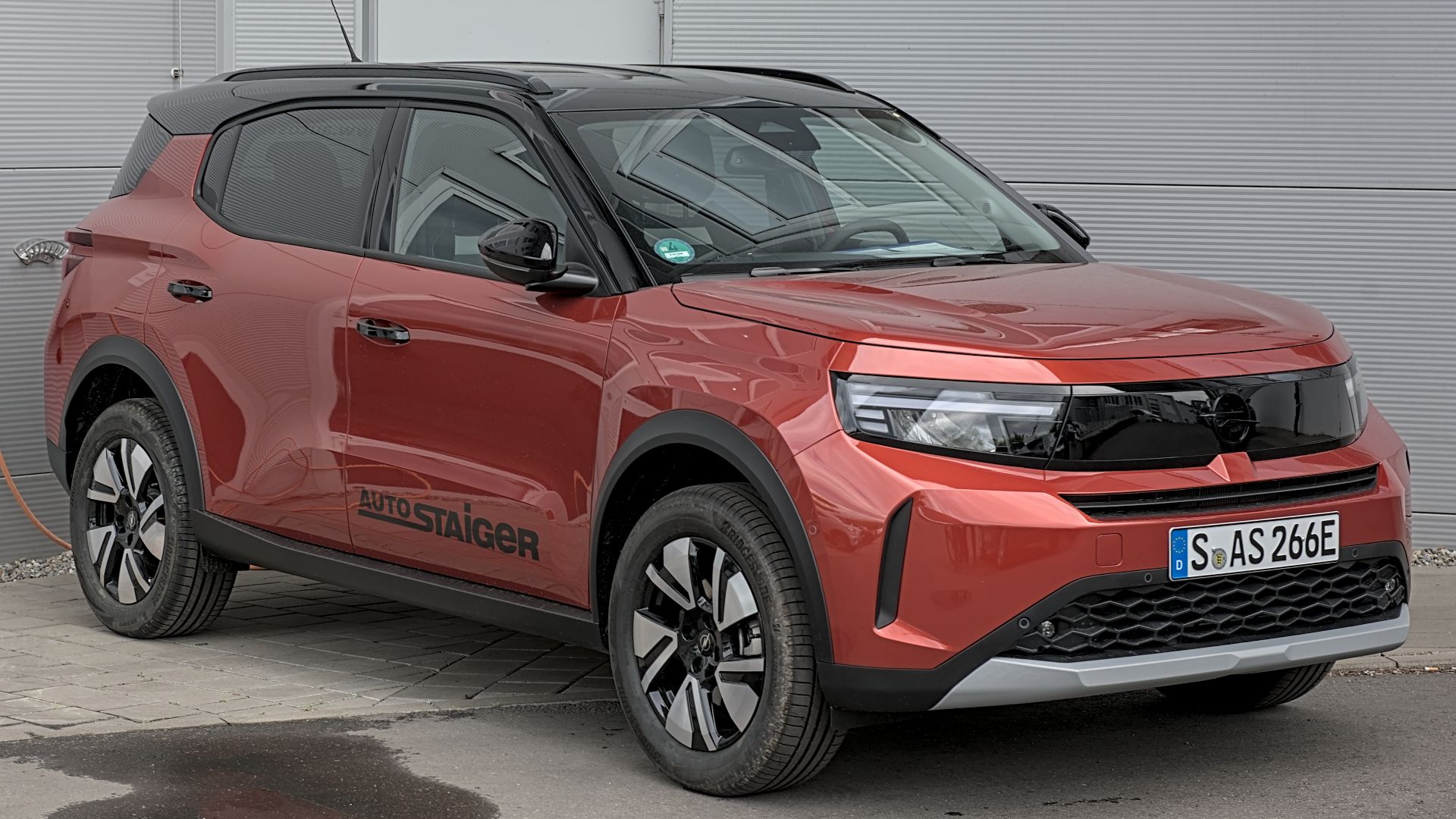
Now, here's 10 that stayed home for good reasons.
1. Frontera (1991)
Under the Opel badge sat an Isuzu, assembled in Luton and sold as a serious off-roader. It leaned through corners like a van and built a reliability record poor enough to make it a standing joke in the British motoring press. Rust finished off most of the survivors.
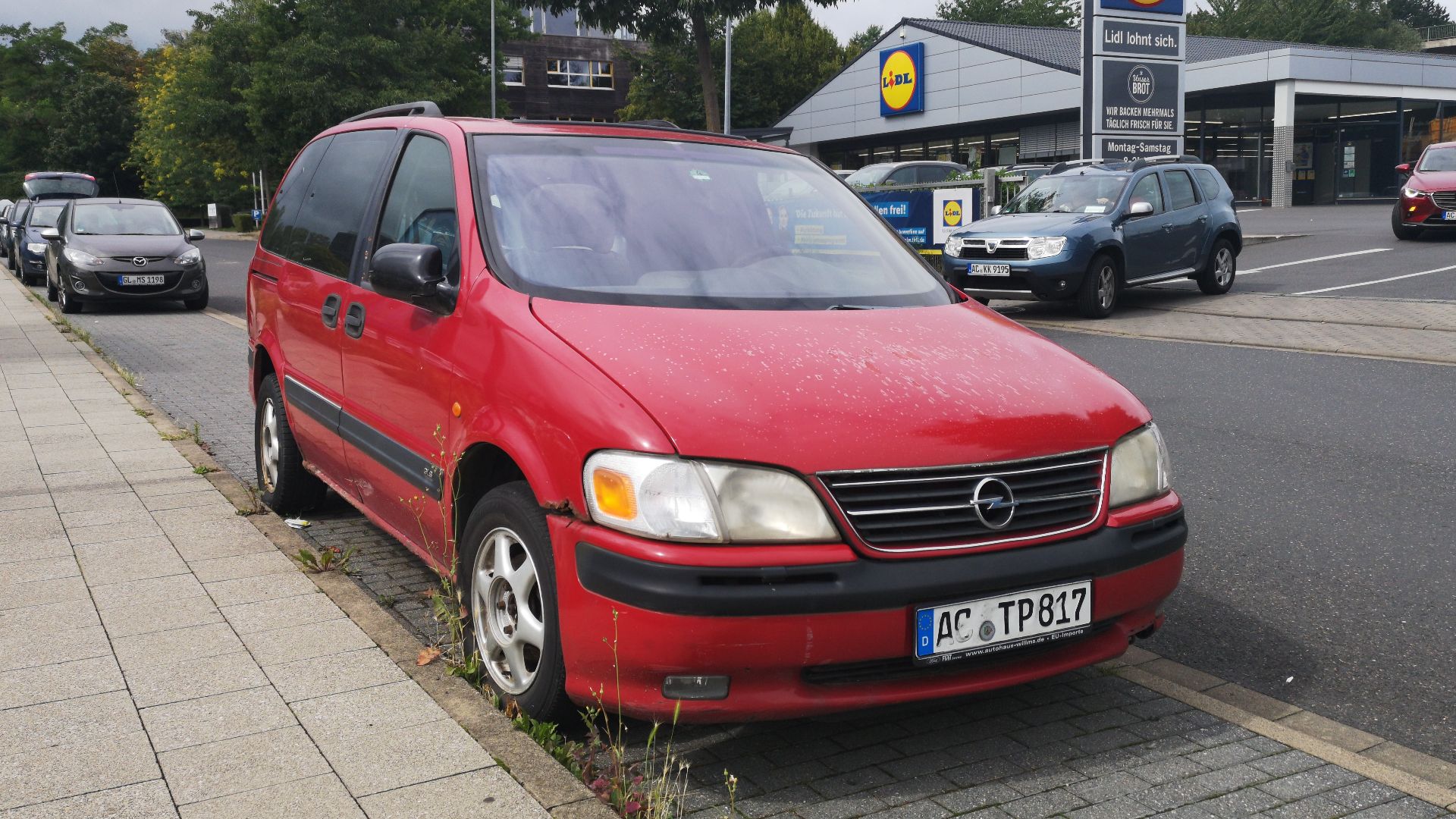
2. Sintra (1996)
Euro NCAP tested the Sintra in 1999 and struck a line through one of its three stars. In the frontal impact the steering wheel and airbag assembly broke off the column, and the footwell ruptured exactly where the driver's feet sit. Opel withdrew it from sale.
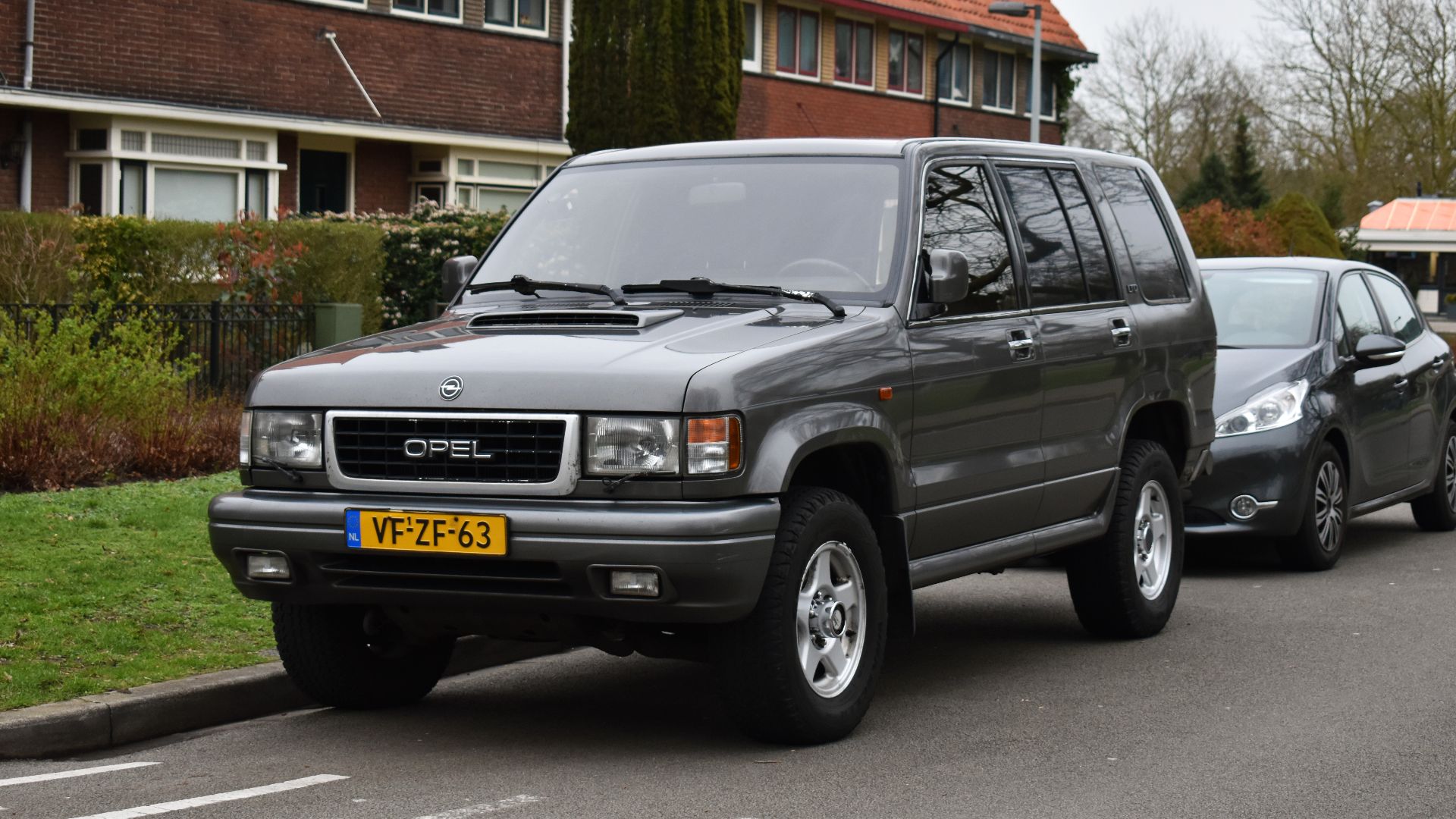
3. Monterey (1992)
Another Isuzu in different clothes, this time the Trooper. Consumer Reports had already rated the Trooper unacceptable in the US over how readily it tipped during avoidance maneuvers. Buyers who wanted a big off-roader bought a Discovery and went about their lives.
4. Arena (1997)
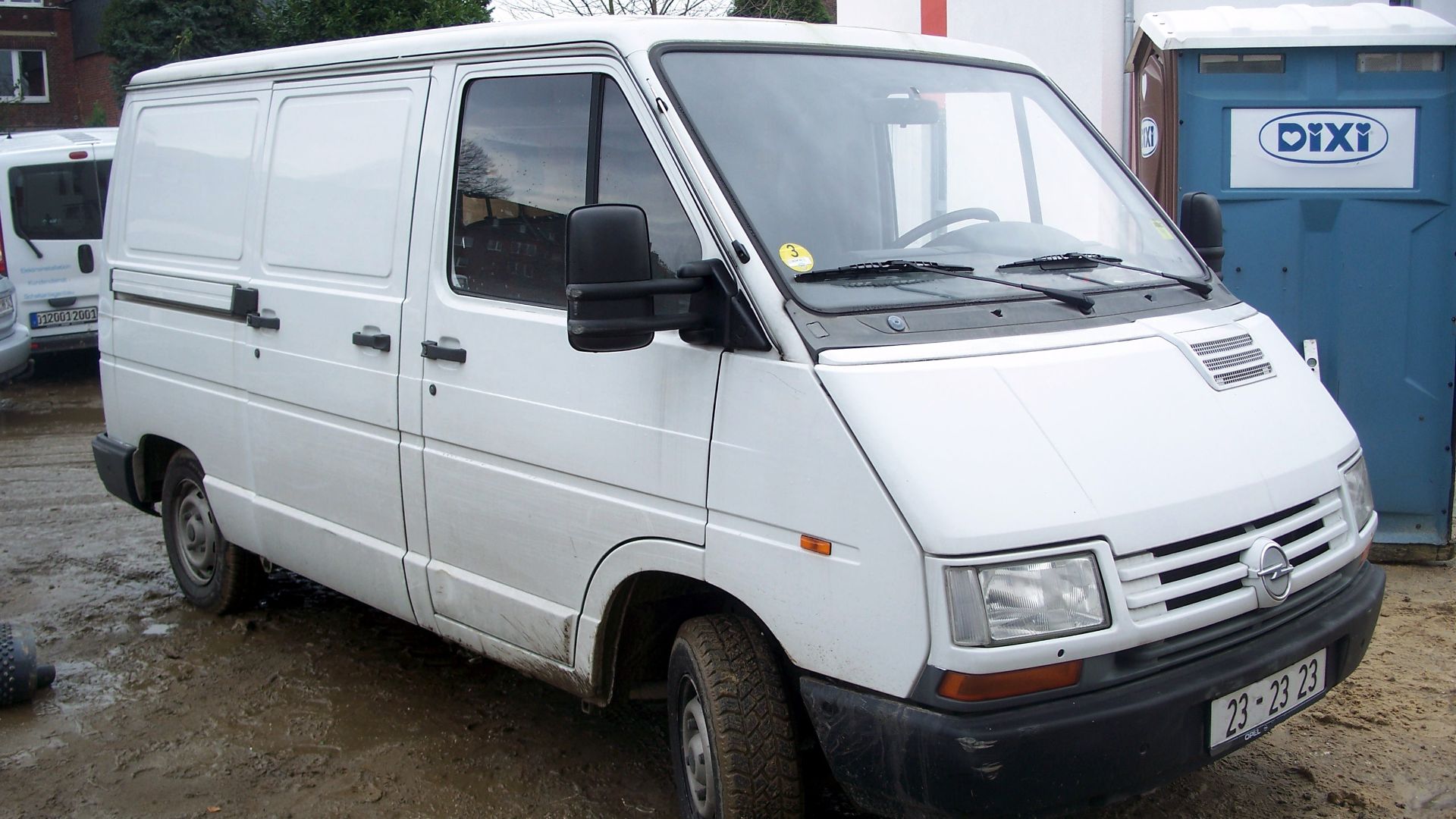
A Renault Trafic with an Opel grille, on sale for four years before disappearing in 2001 without a replacement. Anybody who wanted a Trafic already knew where to find one.
5. Agila (2000)
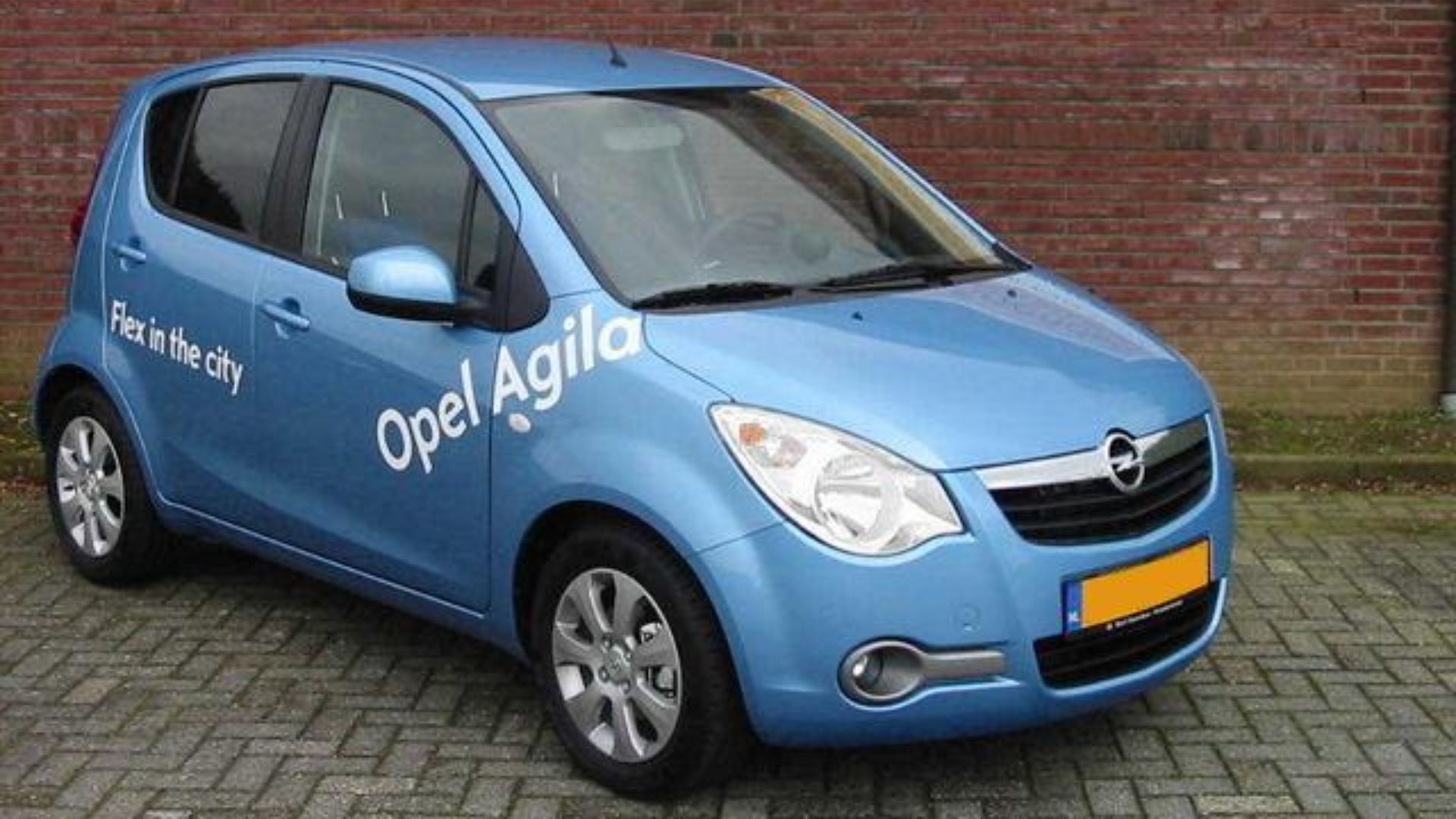
A Suzuki Wagon R+ assembled in Hungary, tall and narrow enough to look unsteady while parked. The packaging was clever for the footprint. The proportions scared off the buyers it was aimed at, which Opel does not seem to have planned for.
6. Signum (2003)
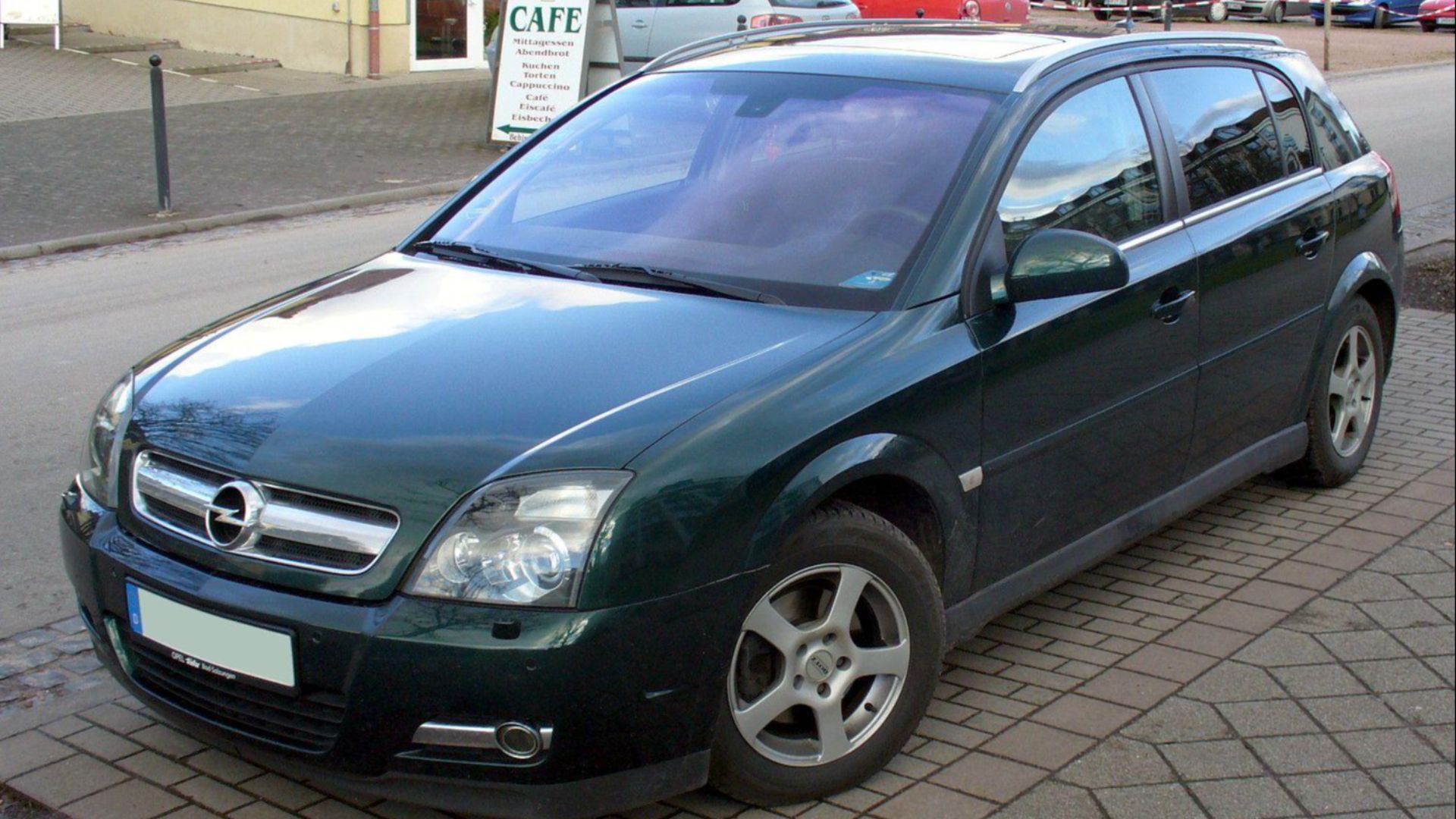
Take a Vectra, stretch it behind the B-pillar, add sliding rear seats, and you get limousine legroom in a hatchback nobody asked for. The proportions never resolved and the sales pitch never got clearer. It lasted five years.
7. Antara (2006)
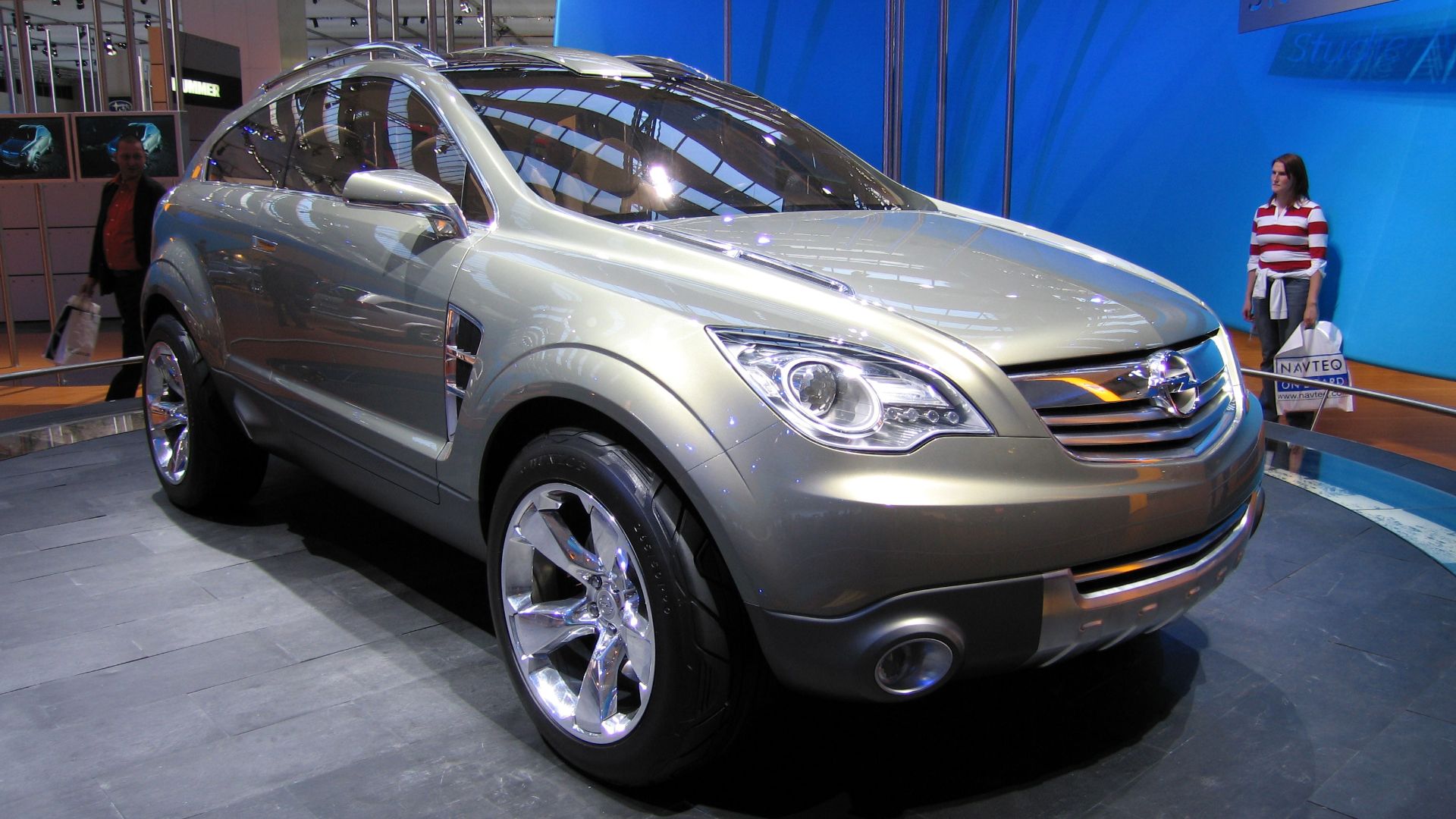
Heavy and thirsty, with diesels that worked hard to move it and an interior a class below the price. Reviewers filed it near the bottom of a crowded segment. Buyers took the hint.
8. Tigra (1994)
A Corsa underneath, a coupe roof on top, and rear seats that fit a gym bag. The shape has aged better than most of the decade. The bodywork rusted enough that clean ones are scarce now.
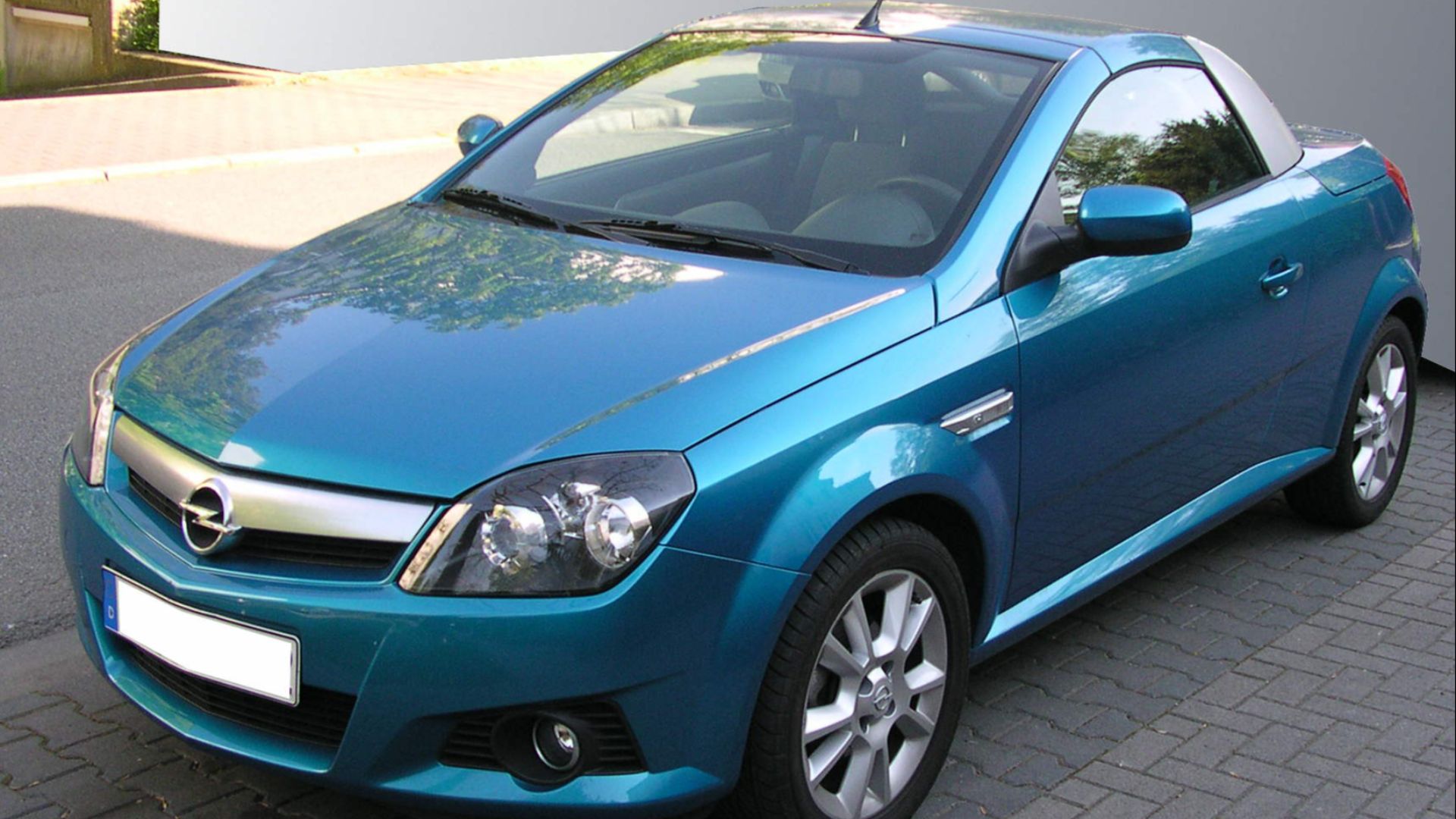 Norbert Schnitzler on Wikimedia
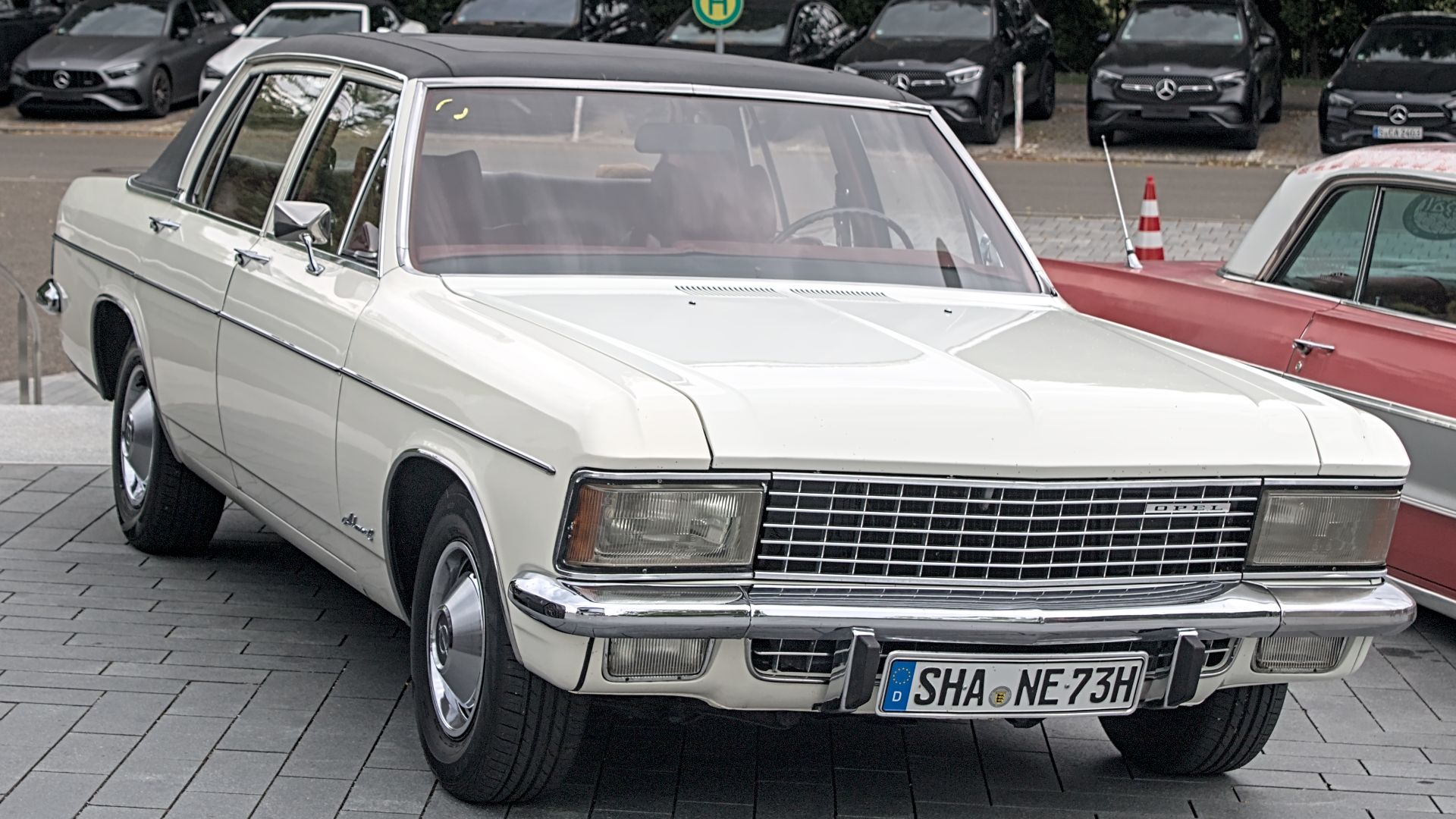
9. Diplomat B (1969)
A De Dion rear axle and a 5.4-liter Chevrolet V8 made the Diplomat a serious piece of engineering aimed squarely at Mercedes. German buyers who wanted a large saloon bought the Mercedes anyway. The whole range died in 1977 and Opel never tried that end of the market again.
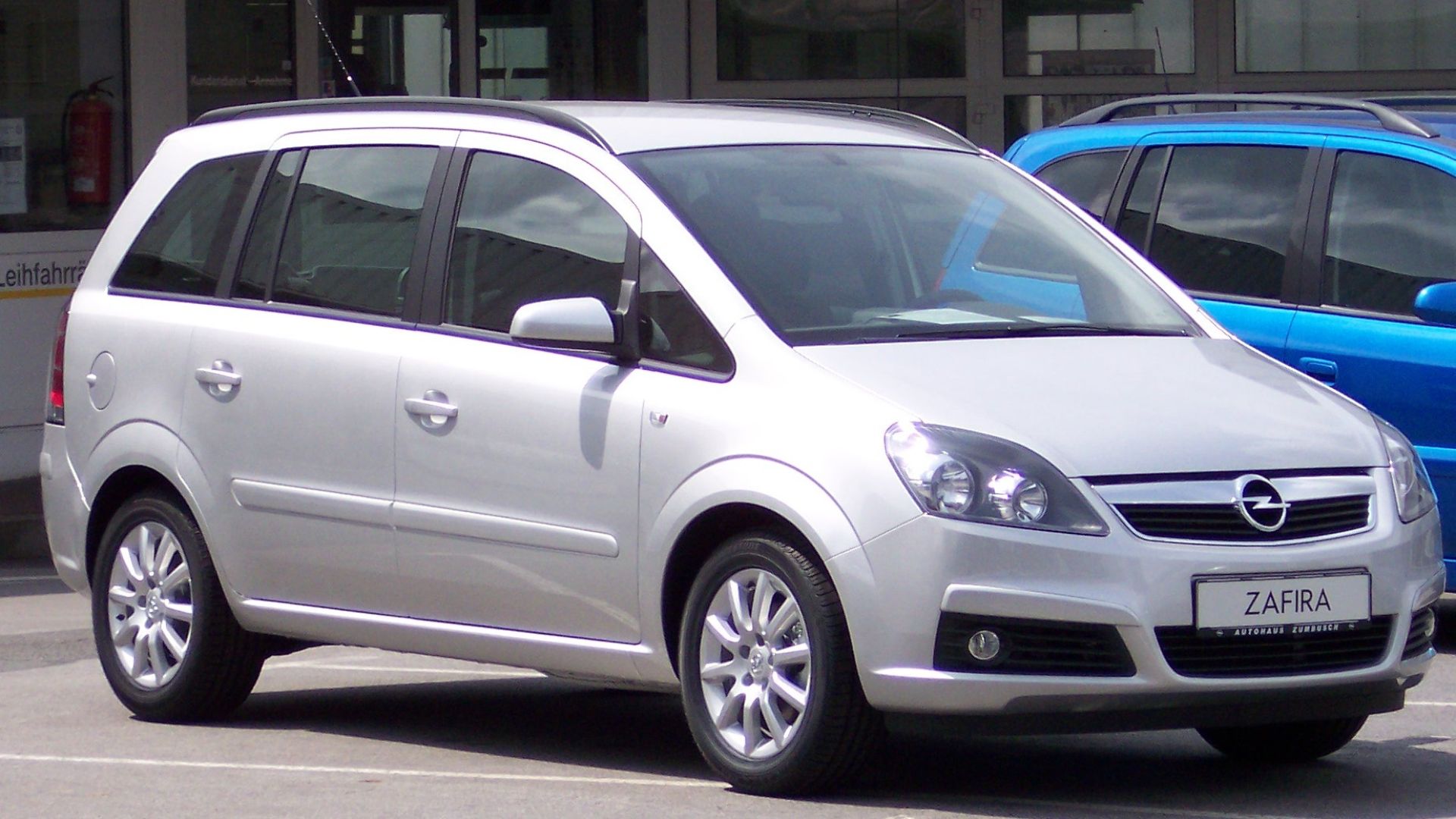
10. Zafira B (2005)
The second Zafira became notorious in Britain after a run of fires in the ventilation system, traced to badly repaired heater blower resistors. Vauxhall recalled 234,000 cars in 2015 and another 47,000 in 2018, then ended up under criminal investigation. The underlying car was decent, which somehow makes it worse.