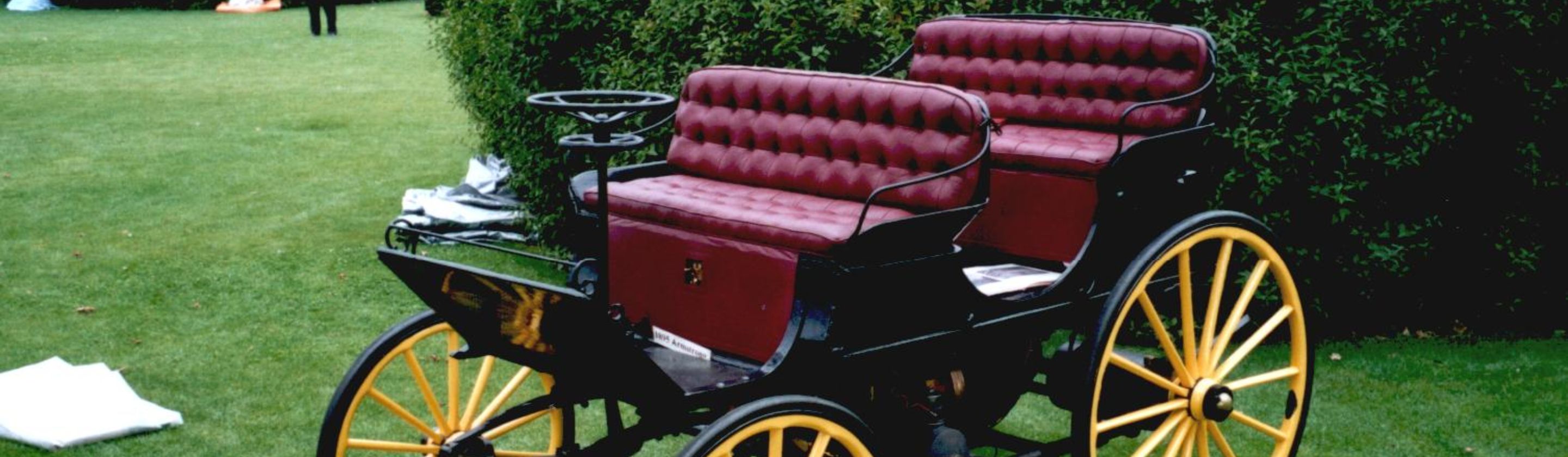

Experience Doesn't Make You Better
You've been driving for 30 years, so surely you're better behind the wheel than you were at 20, right? Well, we might have some challenging news! While experience has its advantages, getting older can introduce a few unexpected problems that weren't on your radar decades ago. Before you think you’re some unstoppable force on the road, it might be time to reflect on whether you’re as sharp as you thought. Here are 20 reasons your driving skills might not be what they used to be.

1. You Spend More Time on Autopilot
You’d think autopilot was a good thing, but it’s actually more of a hindrance on the road. After taking the same route to work for 15 years, you know every intersection, traffic light, and speed bump without thinking about them. But that familiarity can make you less attentive to changing conditions, and the older you are, the less you pay attention.
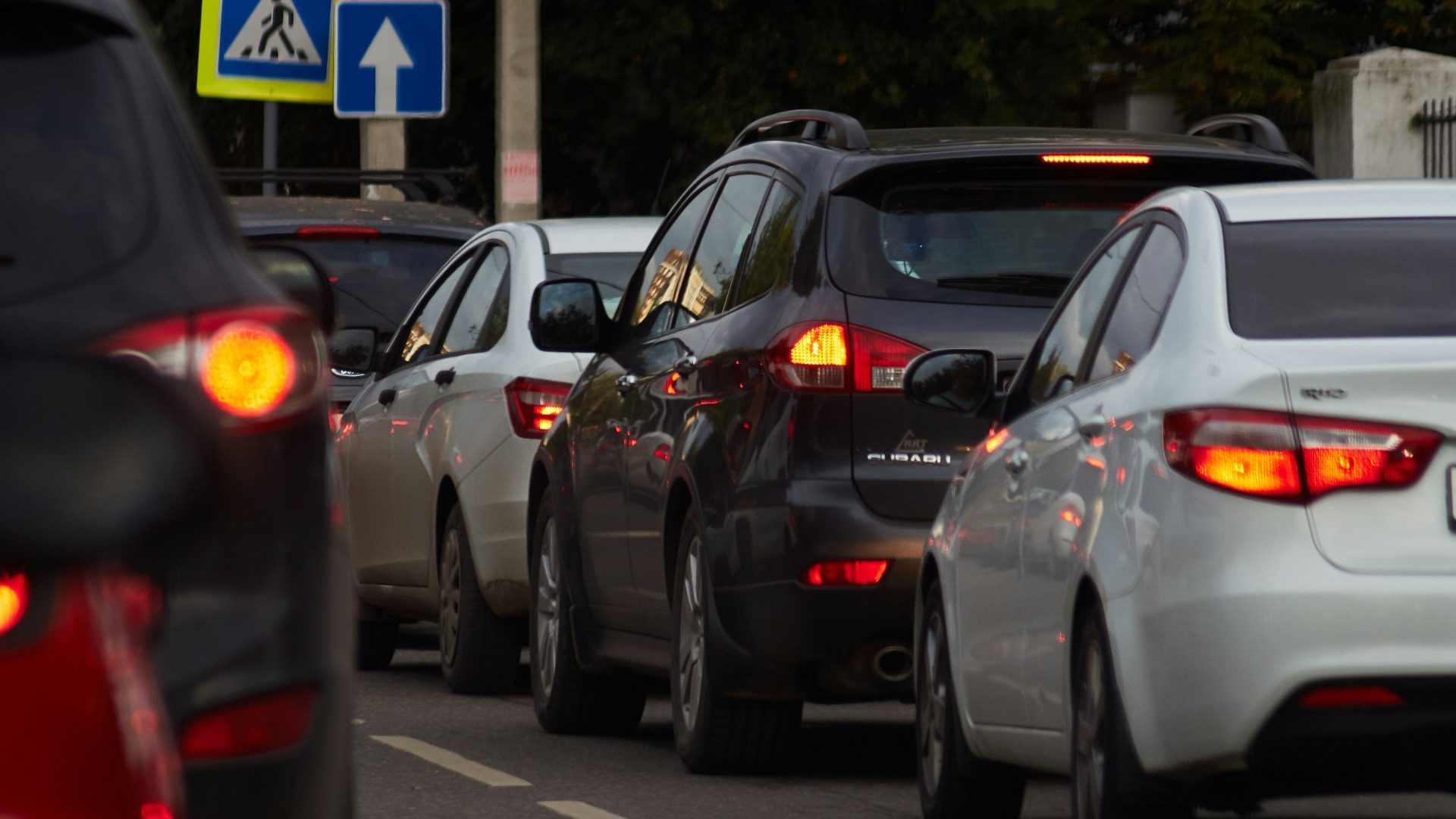
2. You're Too Comfortable Behind the Wheel
After decades of driving, you probably feel like there's nothing the road could throw at you that you haven't already encountered. Wrong—and dangerous! That confidence sometimes encourages careless behaviors, such as rolling through stop signs or neglecting to check your mirrors before changing lanes. Younger drivers might lack experience, but they're new, and that means they’re more conscious of following the rules.

3. You're Less Willing to Take Advice
No one wants to have their driving skills picked apart, but a gentle reminder shouldn’t make you fly off the handle either. After 30 years on the road, hearing someone suggest that you brake earlier or leave more room between vehicles might feel more irritating than anything else. However, dismissing constructive feedback can prevent you from recognizing habits that really do need improvement.

4. You're Taking More Medication
At 20, your medicine cabinet didn’t have more than the average allergy pill in it. Thirty years down the road, however, you’re likely taking medications for way more health concerns. There’s nothing wrong with that, but those pills can sometimes cause dizziness or drowsiness, which is the last thing you want on the road.

5. You're Running on Too Little Sleep
Between demanding jobs, responsibilities, and family obligations, getting eight hours of sleep isn't necessarily your biggest priority anymore. Unfortunately, climbing behind the wheel after another restless night can make concentrating way harder. Someone who routinely drives exhausted probably doesn’t even realize how much their fatigue affects their judgment.
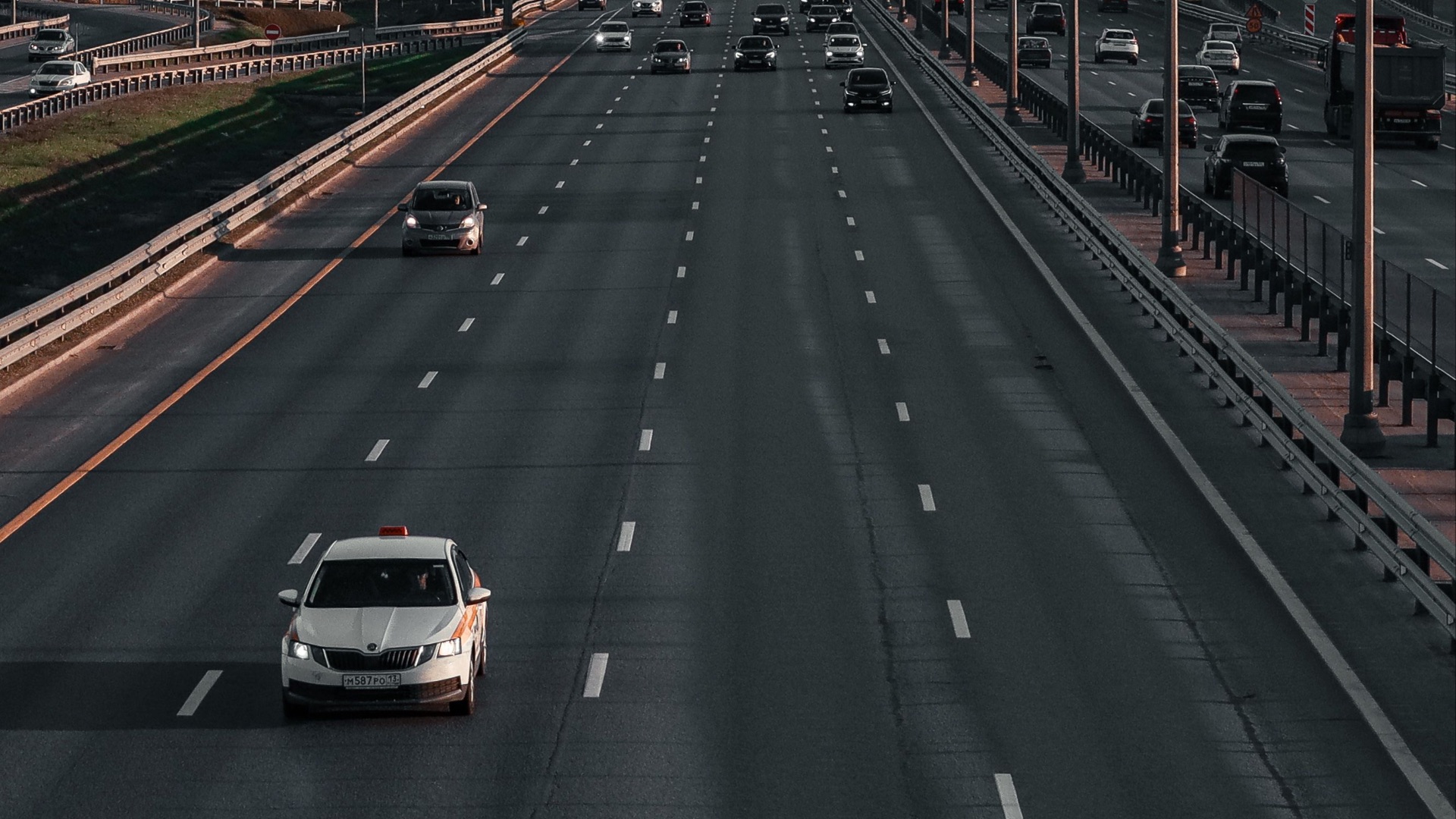
6. You've Developed Some Terrible Habits
You have plenty of experience under your belt, and for older drivers, that often means loosening the rules a little. Think about all those little shortcuts you've picked up since getting your first driver's license. Plenty of old-timers steer with one hand, follow too closely, or treat the speed limit like a suggestion. Next thing you know, those behaviors get so routine that you hardly notice them anymore.

7. Oncoming Headlights Bother You More
Everyone hates those excessively bright headlights, but they’re an even bigger issue for aging eyes. Don’t kid yourself—age-related changes can increase sensitivity to glare, making it harder to see clearly when that SUV has particularly powerful LED headlights.
 Hyundai Motor Group on Unsplash
8. You're More Easily Irritated
Driving isn’t all about freedom and riding with the top down! Any older driver knows that it’s also about traffic jams, reckless motorists, and endless construction. It’s natural for your patience to wear thin, but that can translate into dangerous habits. Allowing years of annoyance to influence your decisions certainly won't improve your driving.

9. You're Not as Comfortable With Technology
The car you learned to drive didn't have a touchscreen for everything. It’s not great for modern drivers either, but for old-timers, it’s even harder to keep up. Trying to figure out your Tesla's settings while approaching a busy intersection isn't the best time for a technology lesson.
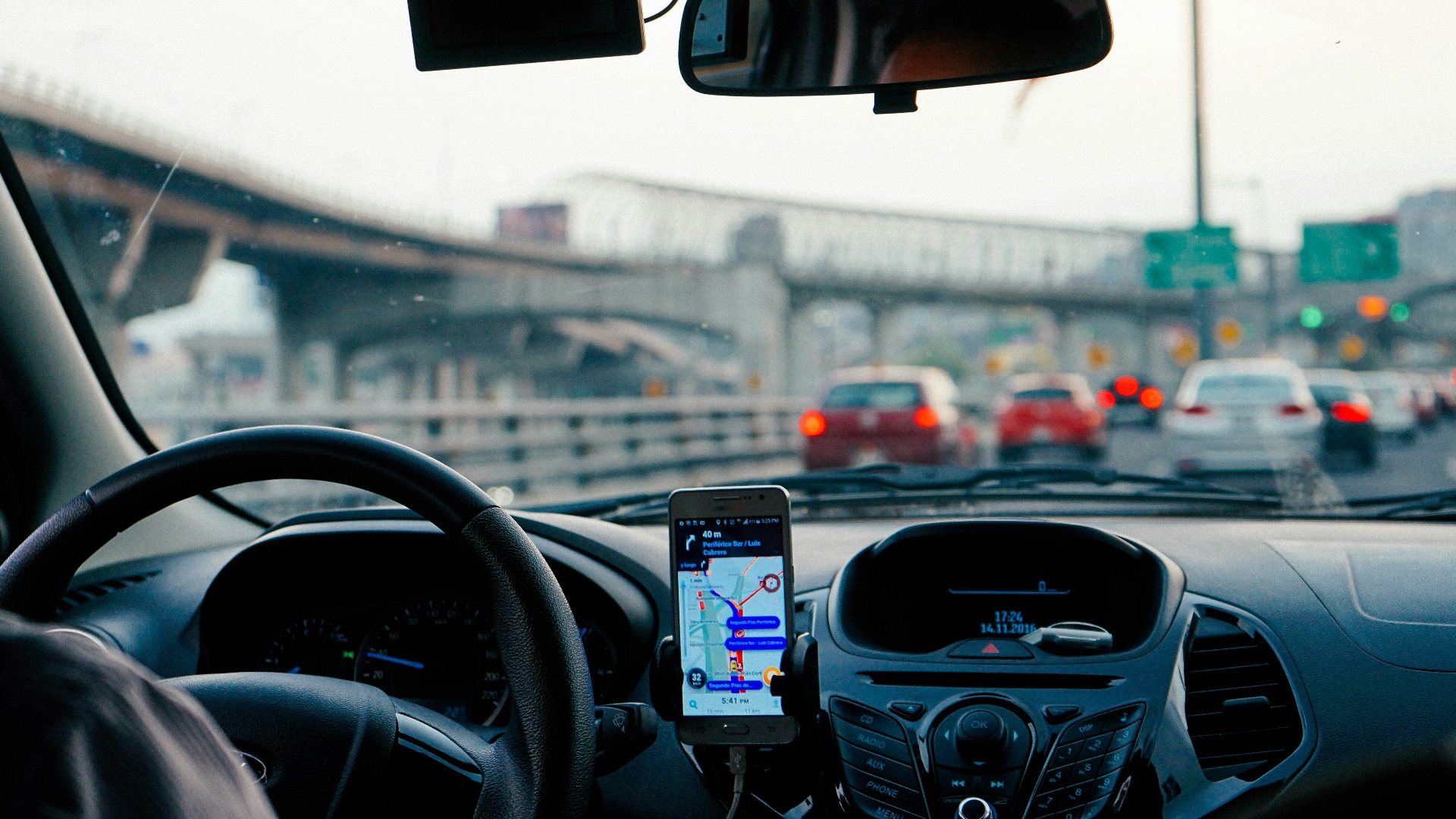
10. You Spend More Time Multitasking
Our 20s involved straightforward trips, and that all changes as we age! Driving at 50 means juggling several responsibilities. It's tempting to adjust your navigation, answer a hands-free call, or discuss your schedule with a passenger—but doing that while maneuvering traffic is a good way to pull focus off the road.
11. You've Started Ignoring Updated Road Rules
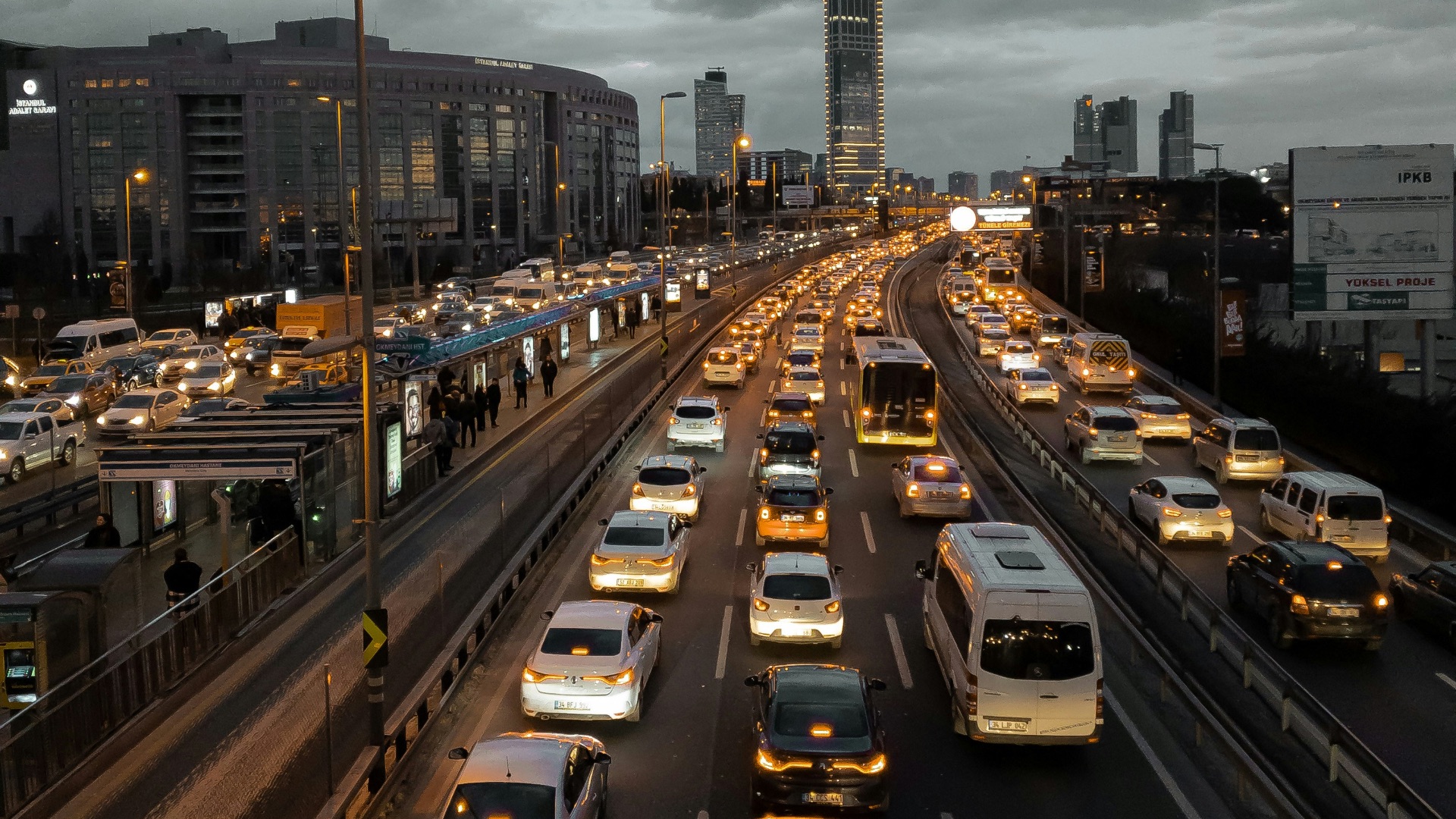
You passed your test years ago, so you don’t need a refresher…right? Well, not exactly. Experience doesn't mean regulations stayed the same. Depending on where you live, new bike-lane requirements, roundabout procedures, and hands-free phone laws may have been introduced. Assuming that everything still works exactly as it did in ‘96 only leads to avoidable mistakes.

12. You're Less Patient With Learner Drivers
Hey, you were a rookie once too! Of course, after so long behind the wheel, watching someone hesitate at a four-way stop is enough to make your blood boil. But before you blame them for mistakes, keep in mind that you might actually be the one to follow a nervous teen too closely or honk when they take too long to make a turn. Impatient driving is a one-way ticket to aggressive habits.

13. You're Distracted By Real Responsibilities
At 20, your biggest concern during a drive was arriving before your friends. Nowadays, our heads are swimming with mortgage payments, work deadlines, aging parents, or whether we remembered to schedule that doctor's appointment. Make no mistake; mental distractions can interfere with your attention.

14. You Don't Practice Difficult Situations Anymore
Experience matters, but so does regularly using the skills you've developed. It’s not enough to just cruise the same commute route every day. Someone who spends years avoiding highways, downtown traffic, and parallel parking may become less comfortable handling those situations when they're unavoidable.
15. You're More Likely to Rush Through Everyday Trips
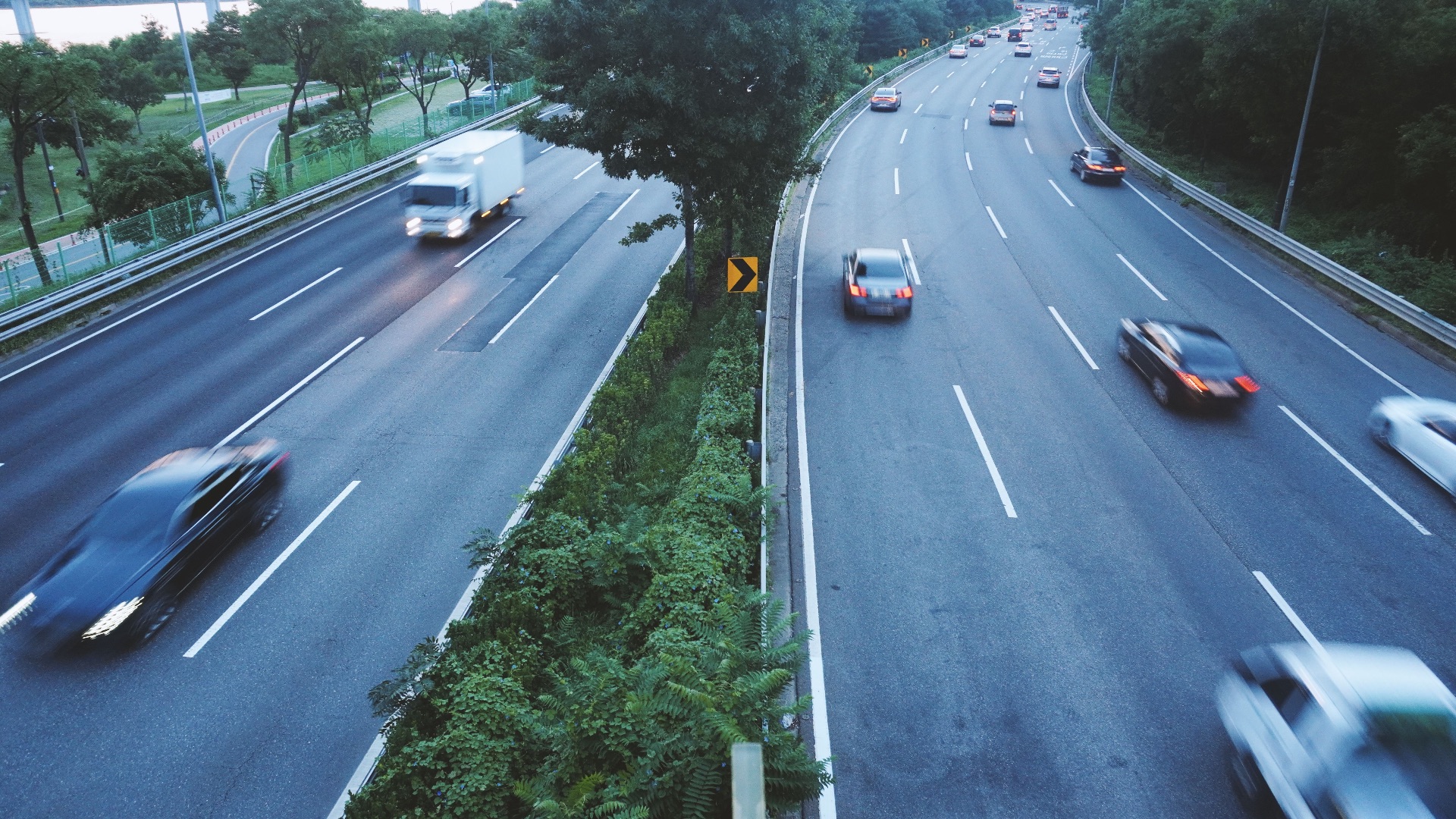
Your daily schedule might leave very little room for unexpected delays, and when you're already running late, rolling through a stop sign or blowing through a yellow light can seem like a quick way to shave off a few seconds. The thing is, allowing your schedule to dictate your decisions brings on unnecessary risks.

16. You're More Dependent on Driver Assistance
Though you might hesitate with some of the latest tech initially, you might depend on it once you get the hang of it. After learning the ropes of parking sensors, blind-spot monitoring, and adaptive cruise control, it's tempting to let those conveniences handle some of the work. However, that stuff has limitations, and becoming overly dependent on them can encourage you to neglect the basics.
17. You Rarely Challenge Your Parking Skills
After years of shopping at familiar stores and parking in suburban lots, you’ve probably become accustomed to choosing whichever spot requires the least effort. Next thing you know, that convenience leaves you feeling weirdly uncomfortable when you need to parallel park on a crowded street. There’s no shame in practicing once in a while before you get rusty.

18. You Drive During the Most Exhausting Hours
Your schedule at 50 may look completely different from the one you had in your twenties. Instead of heading out whenever you wanted, you're now commuting during rush hour or running errands immediately after a demanding workday. Toss in heavy traffic with physical exhaustion, and you have the perfect recipe for conditions that can make even an experienced motorist less attentive.

19. You've Started Making Assumptions About Others
Now that you’ve seen enough questionable decisions on the road, you might think you're a walking crystal ball—someone who can immediately read people’s minds. But you never know what other drivers will do, and that confidence can encourage risky assumptions. Don’t forget that treating another motorist's intentions as guaranteed can leave you poorly prepared.
 Larry James Baylas on Unsplash
20. You Think Experience Makes You Unbeatable
Whether they admit it or not, many old-timers assume they have nothing left to learn. Here’s the reality, though: roads, vehicles, safety recommendations, and even your own physical abilities change over time, meaning yesterday's habits won't serve you forever. The safest drivers aren't the ones with the most years behind the wheel; they’re the ones who recognize when it's time to adjust.