
Two Engineering Bets, Twenty-Five Years Apart
Toyota and Honda took different approaches to building hybrids. Toyota developed a system that could run on electric power alone at low speeds, then gradually spread it across its lineup. Honda started with a simpler design that used an electric motor to assist a gasoline engine, but eventually moved toward Toyota's approach. The rivalry helped make hybrids mainstream, though not every experiment worked out. Here are 10 Toyota hybrids that set the standard and 10 Honda hybrids that tried to challenge them.
 Kickaffe (Mario von Berg) on Wikimedia
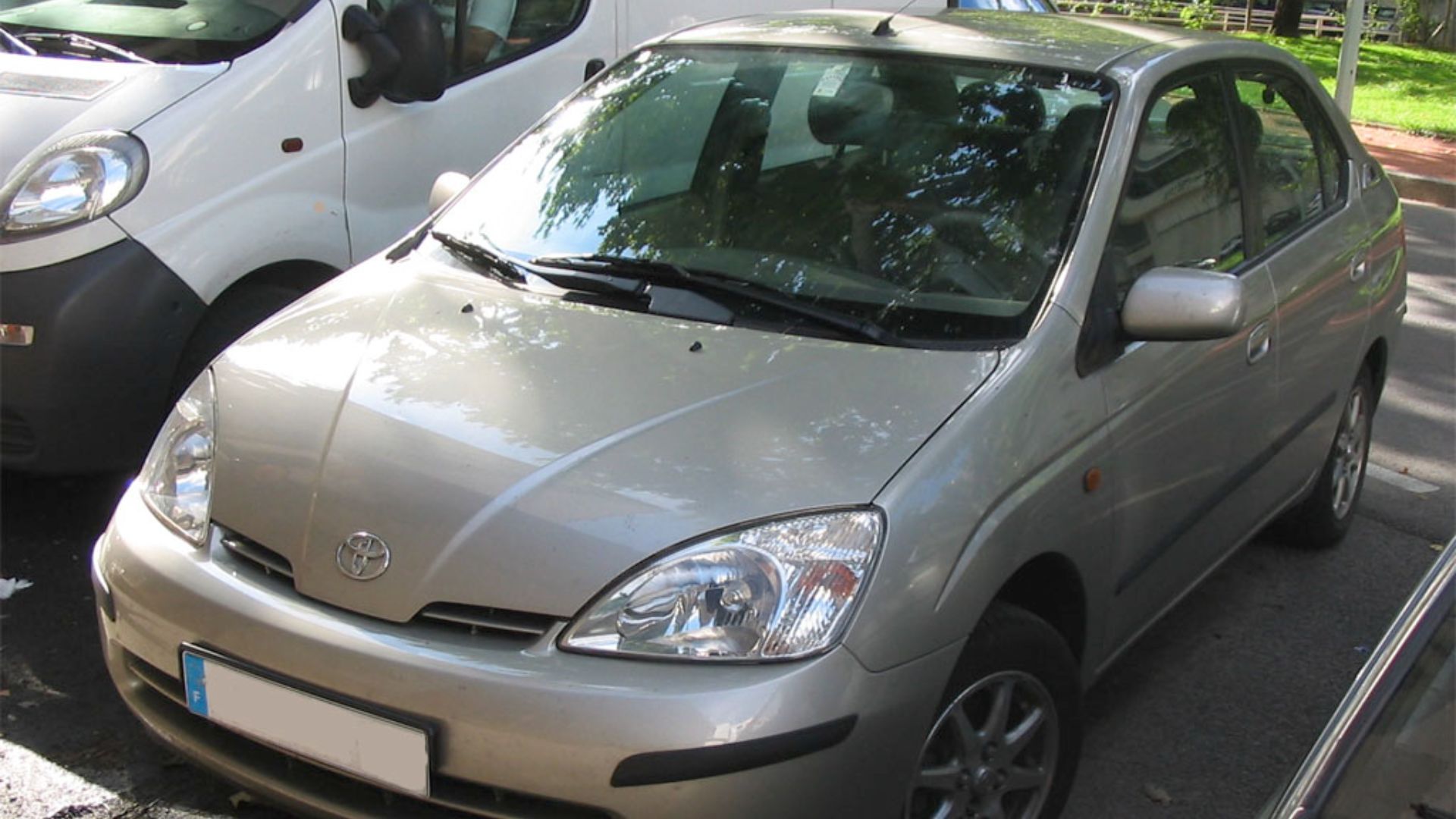
1. Prius (1997)
Toyota put the first mass-produced hybrid on sale in Japan in late 1997, three years before Americans could buy one. The power-split device at its center used a planetary gearset and two motor-generators to let the engine and the electric side trade off without a conventional transmission. That architecture still underpins nearly every Toyota hybrid sold today.
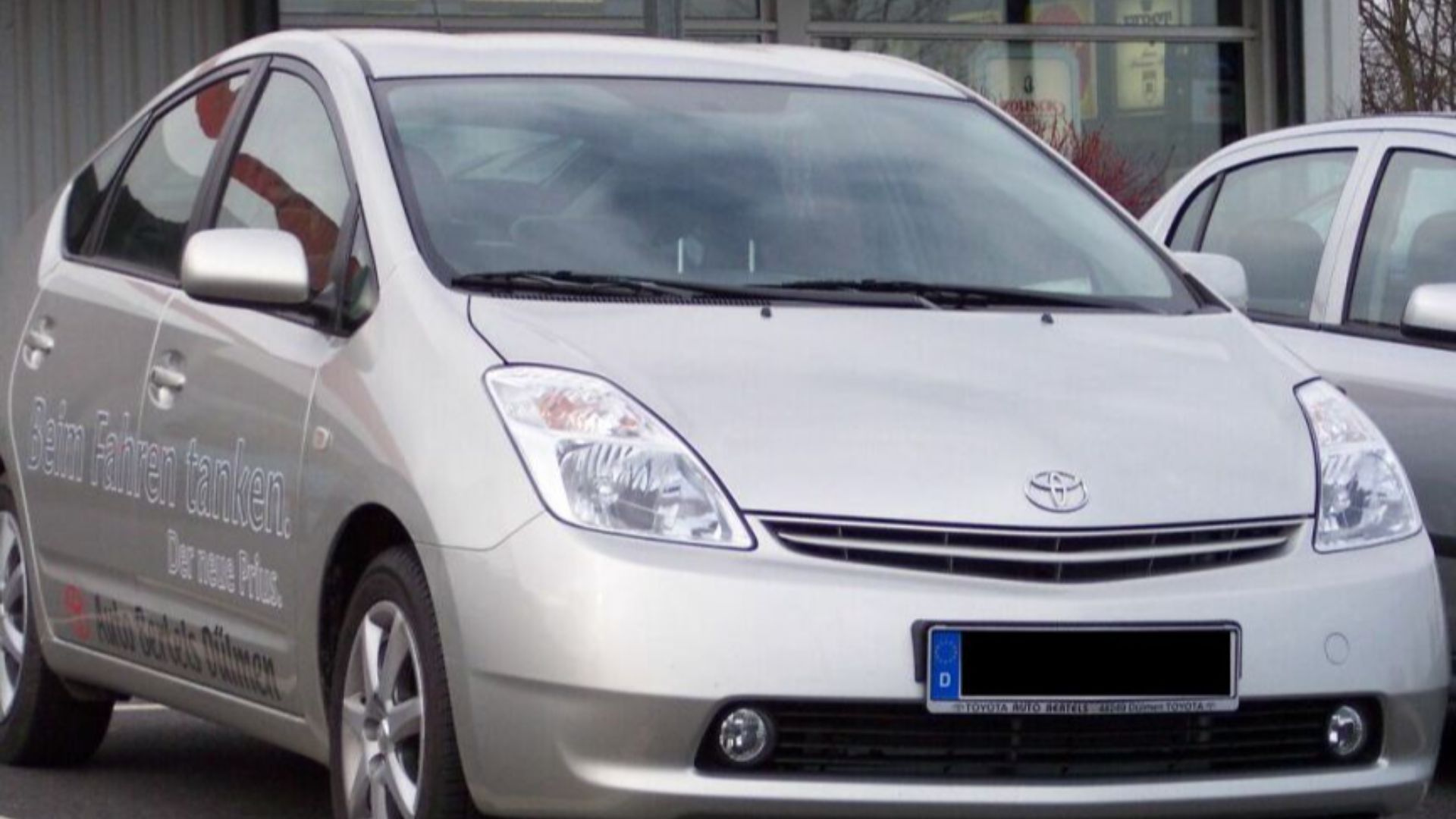
2. Prius (2004)
The second-generation Prius arrived as a liftback with a shape nobody could mistake for anything else, and it took North American Car of the Year for 2004. Visibility turned out to be the product, since a car that announced itself sold well to people who wanted the announcement.
 Stahlkocher at German Wikipedia on Wikimedia
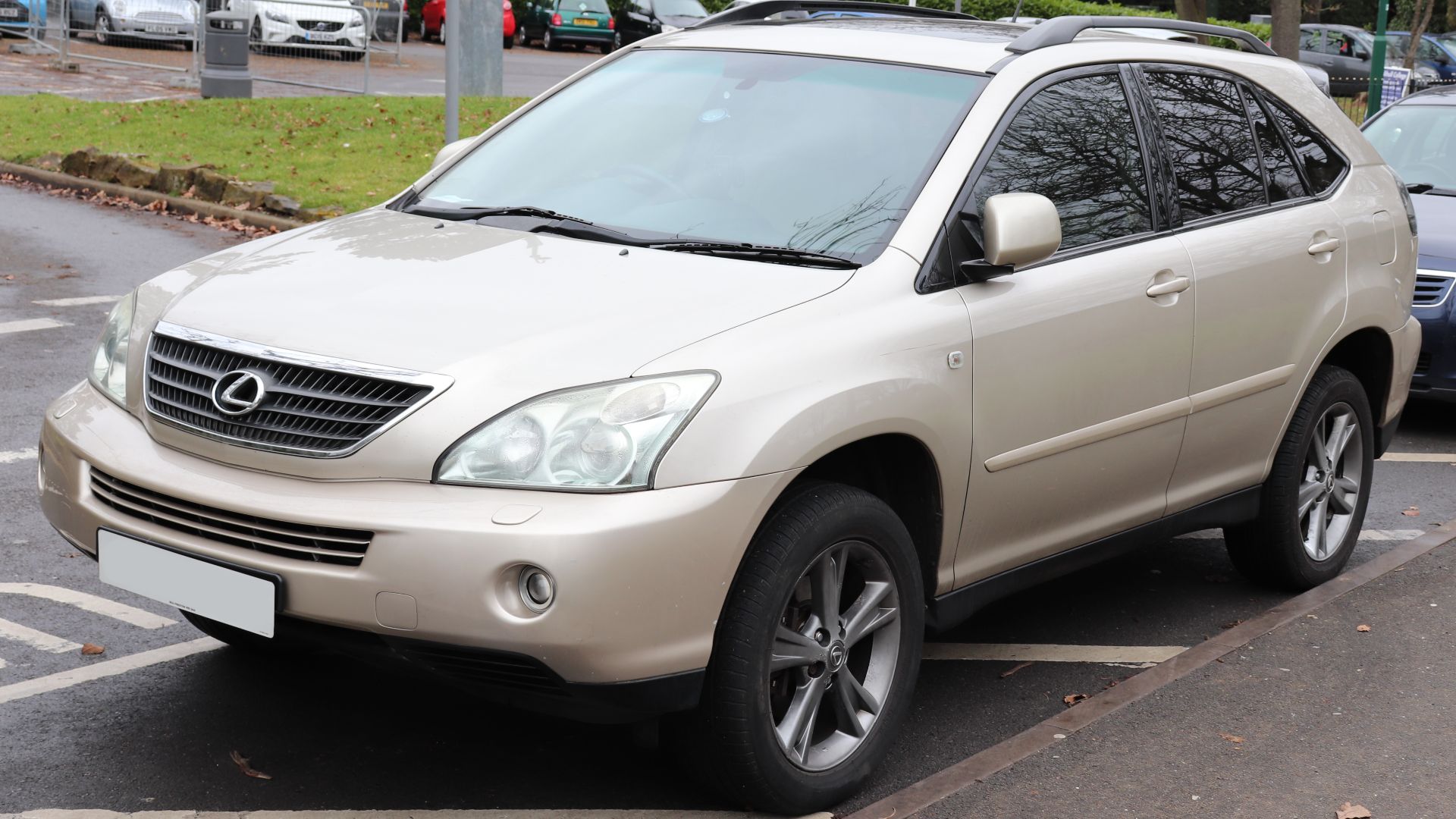
3. Lexus RX 400h (2005)
Lexus put the hybrid system in a luxury crossover and sold it on smoothness and acceleration rather than fuel savings. An electric motor on the rear axle delivered all-wheel drive with no driveshaft running the length of the car. Buyers who would never have considered a Prius bought the same technology in a nicer package.
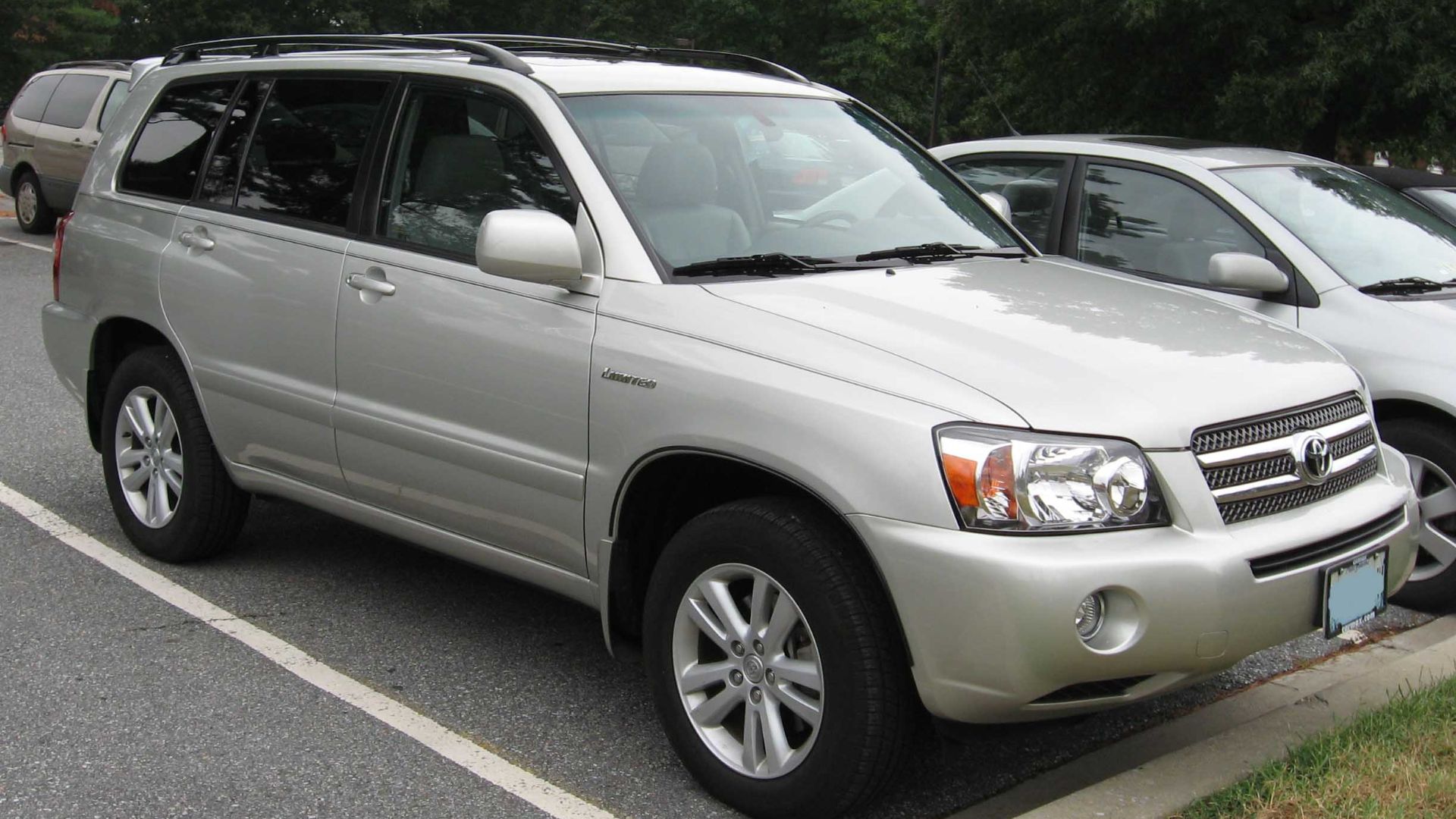
4. Highlander Hybrid (2006)
The Highlander Hybrid gave Toyota a three-row family hauler with the Prius drivetrain scaled up. It also introduced most American buyers to the idea that a hybrid could tow a trailer and climb a grade without drama. Plenty of early owners wanted the third row and treated the hybrid badge as incidental.
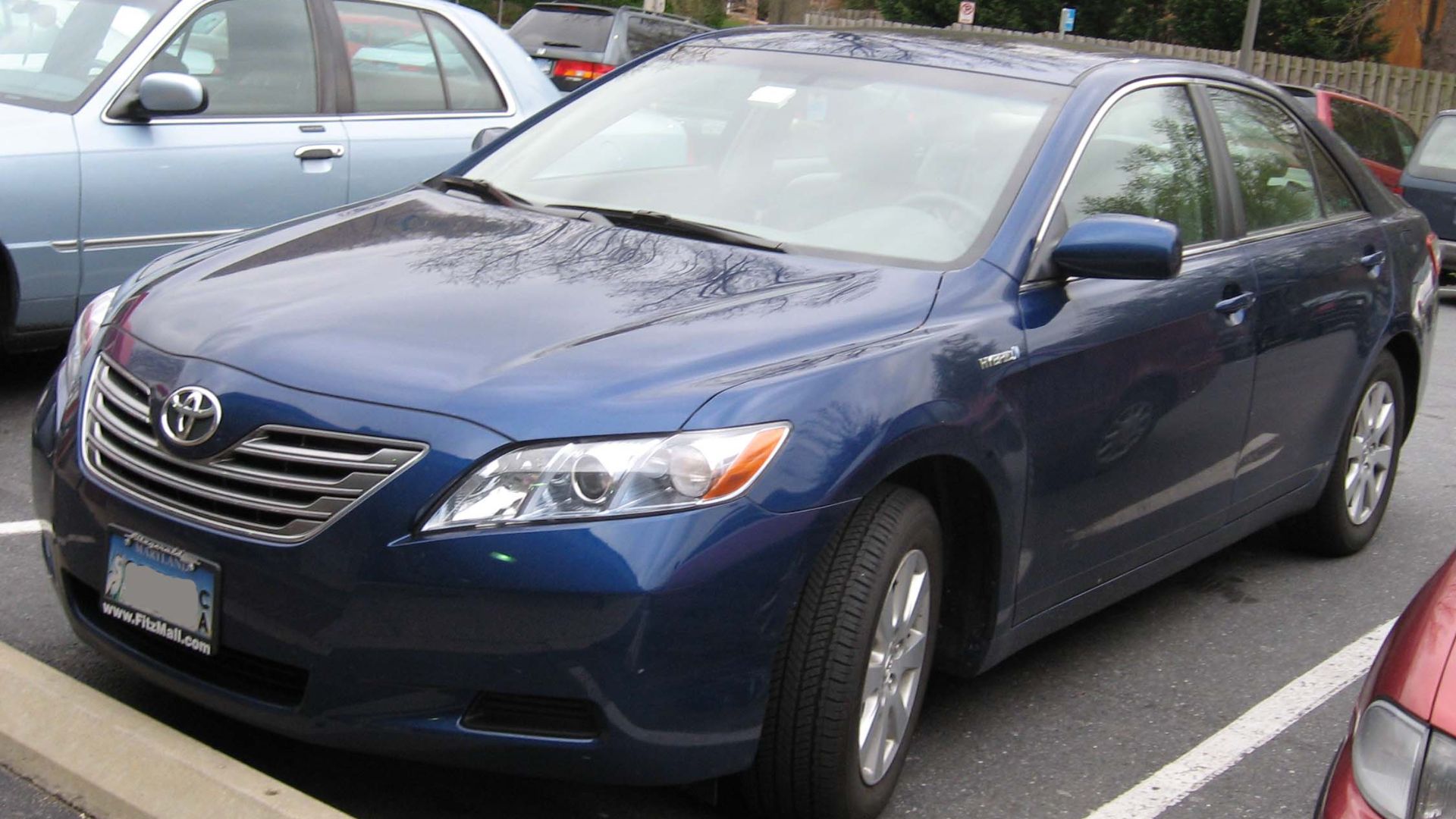
5. Camry Hybrid (2007)
Toyota built the Camry Hybrid in Kentucky and priced it close enough to the regular Camry that the math worked for an ordinary commuter. Nothing about the car looked unusual, and that was the point after a decade of hybrids that announced themselves. Sales held up for years without it ever being treated as an experiment.
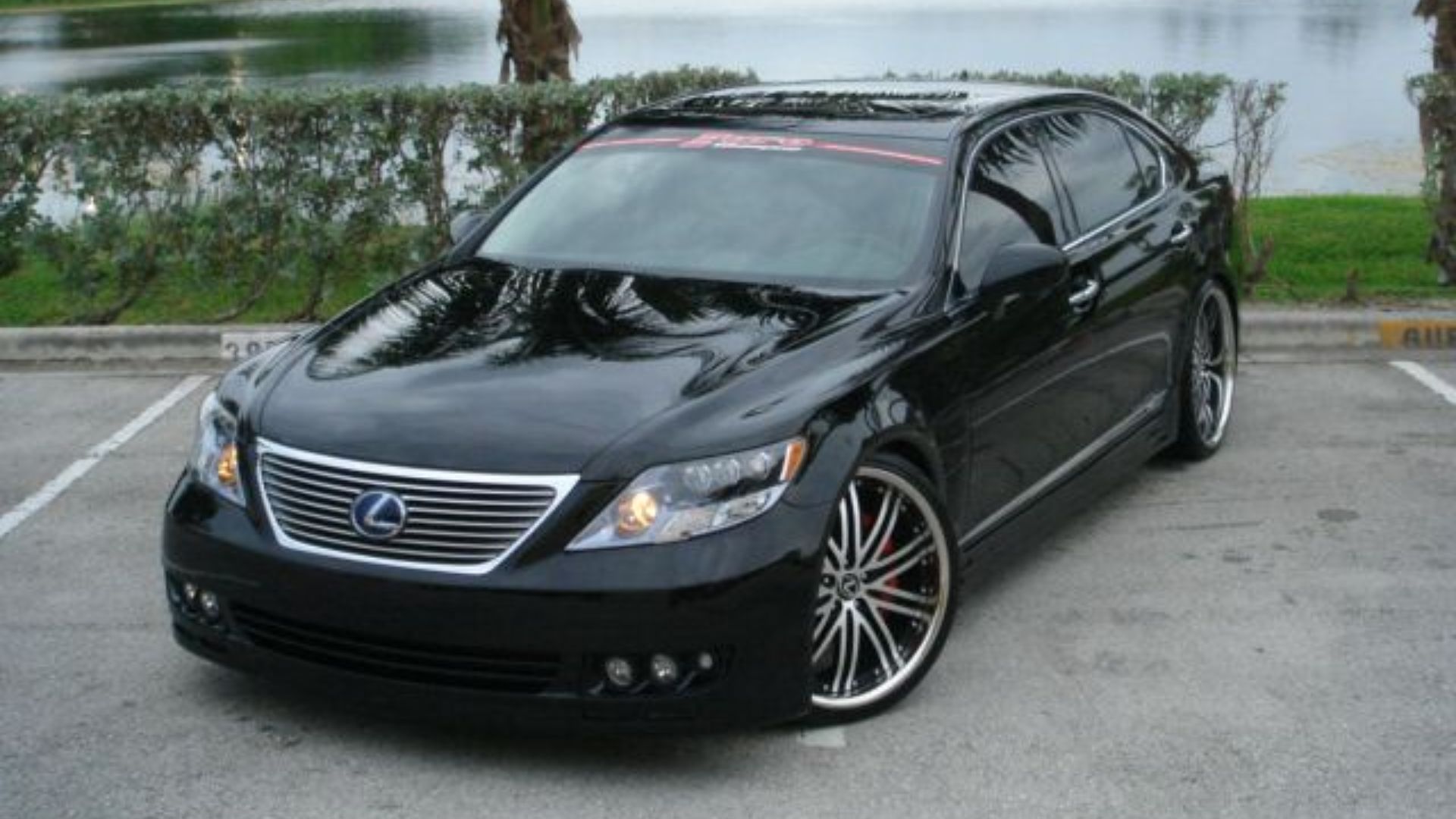
6. Lexus LS 600h L (2008)
A V8 hybrid flagship made little sense on fuel economy and a great deal on engineering reputation. Lexus used it to show the system could scale to the top of the range, and the car's real trick was moving a very heavy sedan in near silence.
 macpro2006 from Westfield, USA on Wikimedia
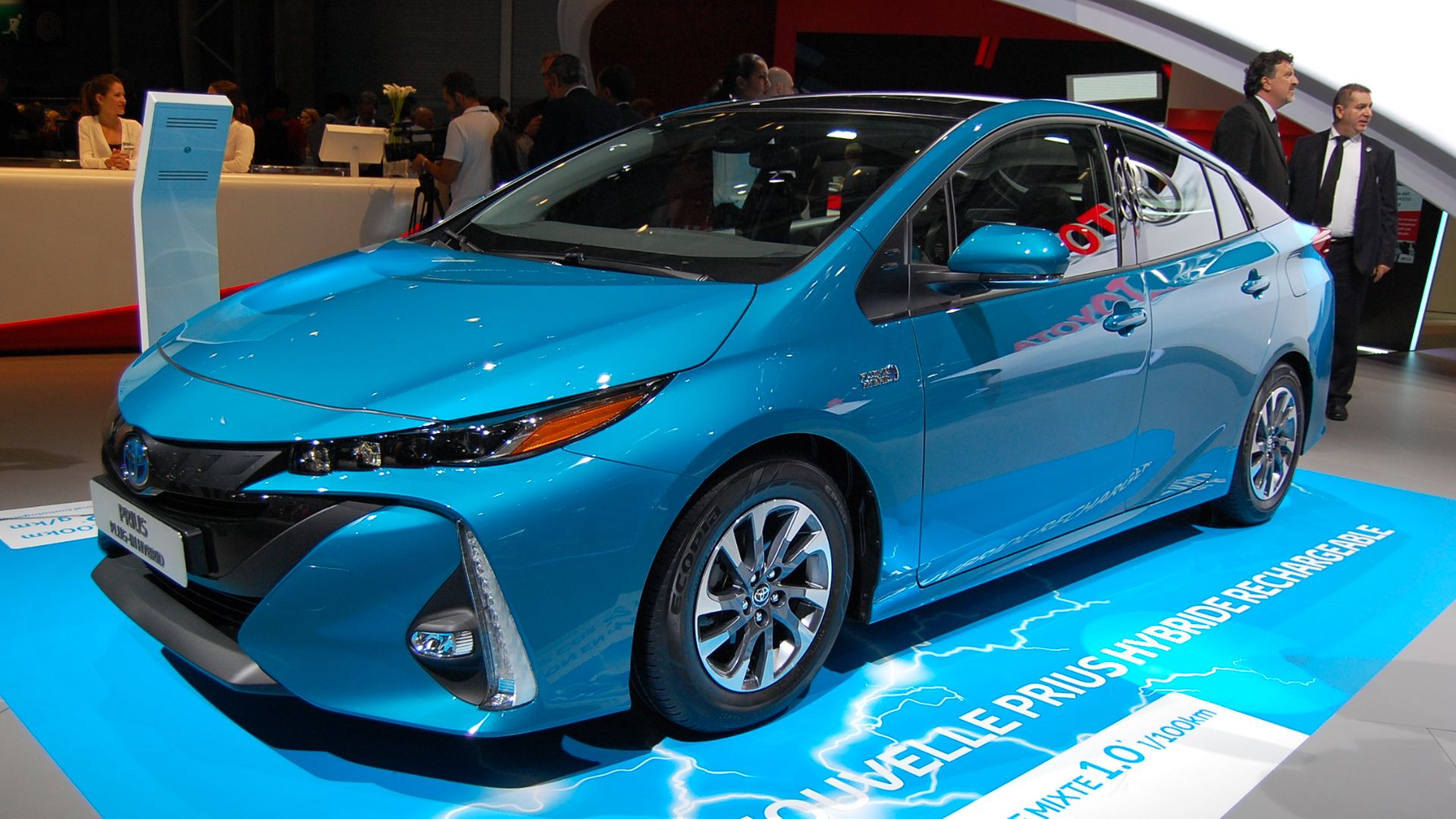
7. Prius Plug-in and Prime
The first plug-in Prius in 2012 managed only about eleven miles on a charge. Toyota doubled that with the Prius Prime in 2017, and the second attempt landed because the range finally covered a short commute. Prime outsold the earlier version by a wide margin.
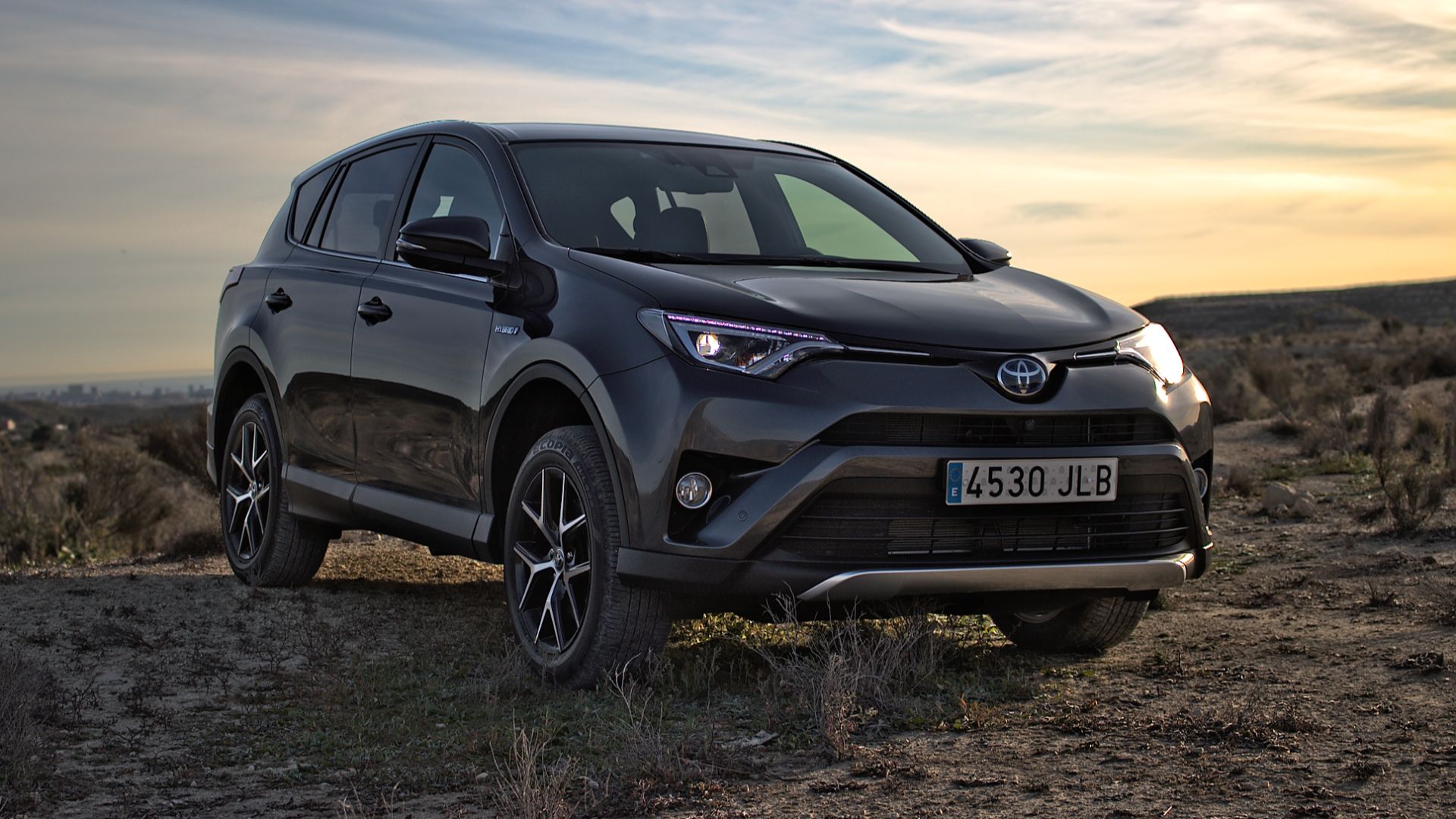
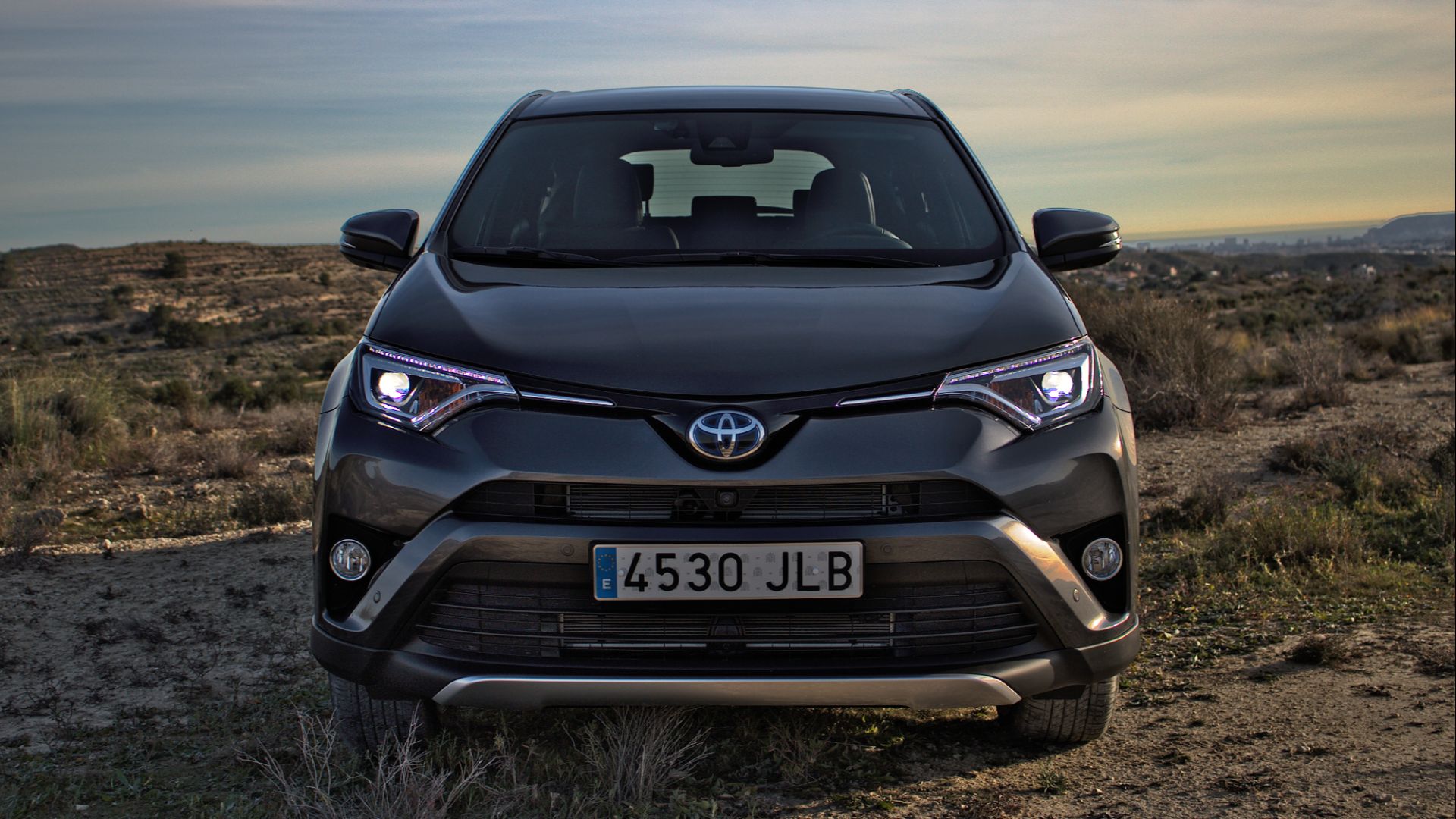
8. RAV4 Hybrid (2016)
The RAV4 Hybrid became the volume seller nobody predicted, and demand has run ahead of supply for most of its life. It costs little more than the gas version and accelerates harder, so the usual tradeoff disappeared. The RAV4 has since become the best-selling vehicle in America that isn't a pickup.
 Kickaffe (Mario von Berg) on Wikimedia
9. Corolla Hybrid (2020)
Toyota put the system into its cheapest sedan and asked very little extra for it. A fifty-mpg Corolla removed the last argument that hybrids were a premium feature, and within a few years the hybrid version was the default choice in the lineup.
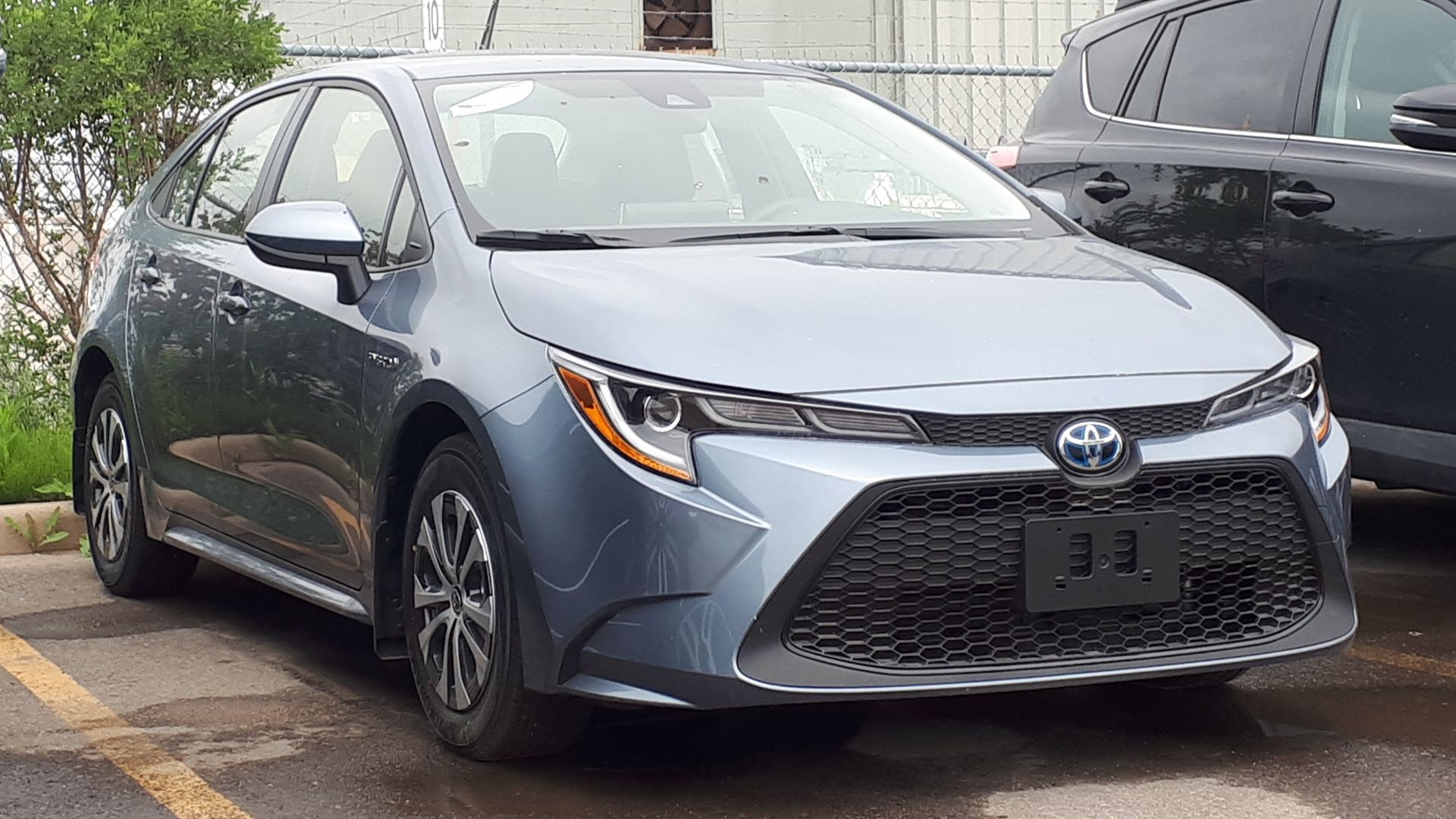
10. Sienna (2021)
Toyota dropped the gas-only Sienna and made the minivan hybrid or nothing. Families who had never thought about the technology bought it because it came with the van, and a three-row minivan returning about thirty-six mpg had no real competition. No rival matched it for several years, and Toyota has not sold a gas-only Sienna since.
Now, let's look at 10 hybrids from Honda.
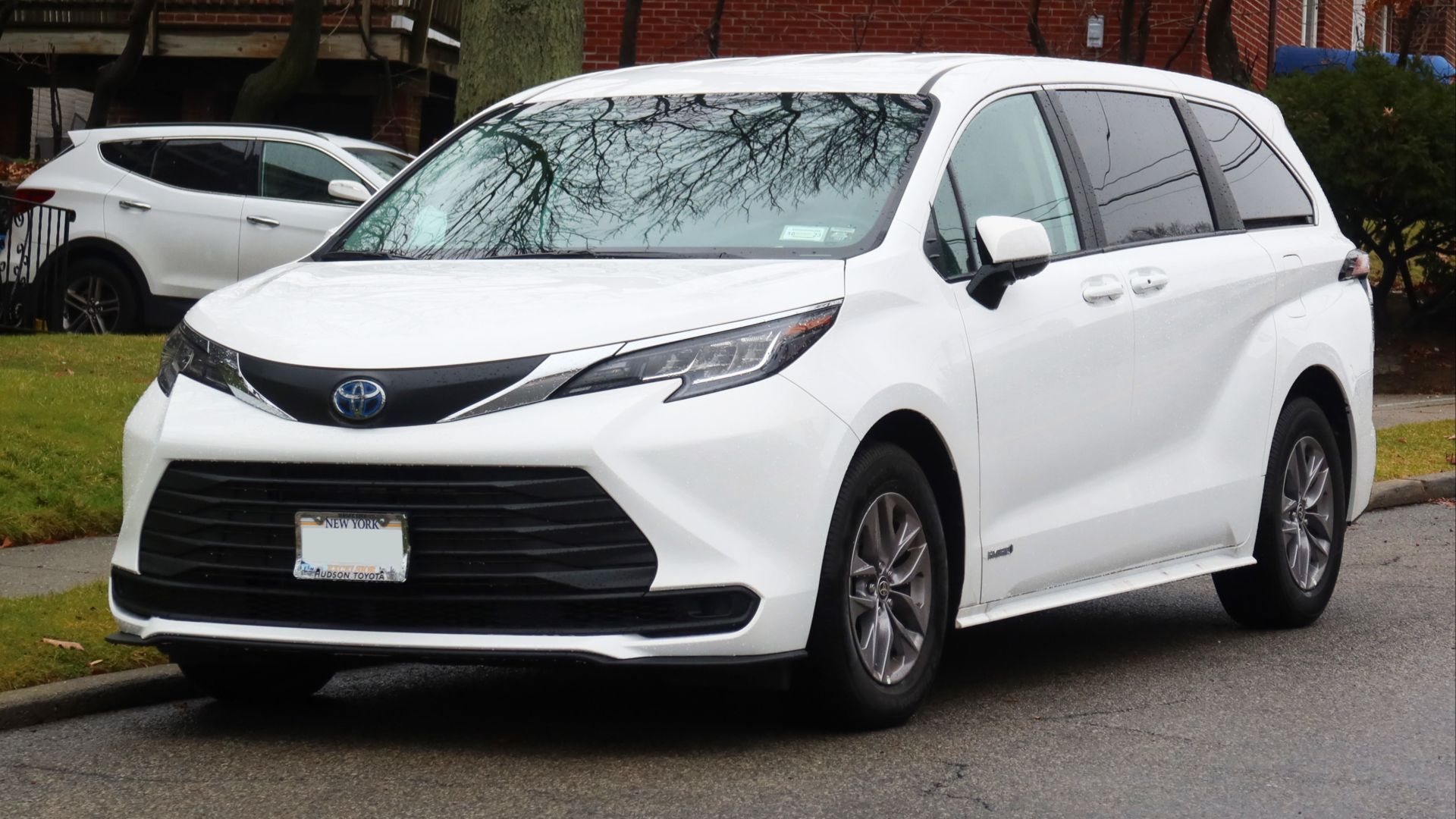
1. Insight (1999)
Honda reached the American market first, in December 1999, seven months ahead of the Prius. The Insight was a two-seat aluminum teardrop with a one-liter three-cylinder and a standard five-speed manual, rated at 61 city and 70 highway on the test scale of the day. Honda still points out that nothing without a plug has beaten that number since.
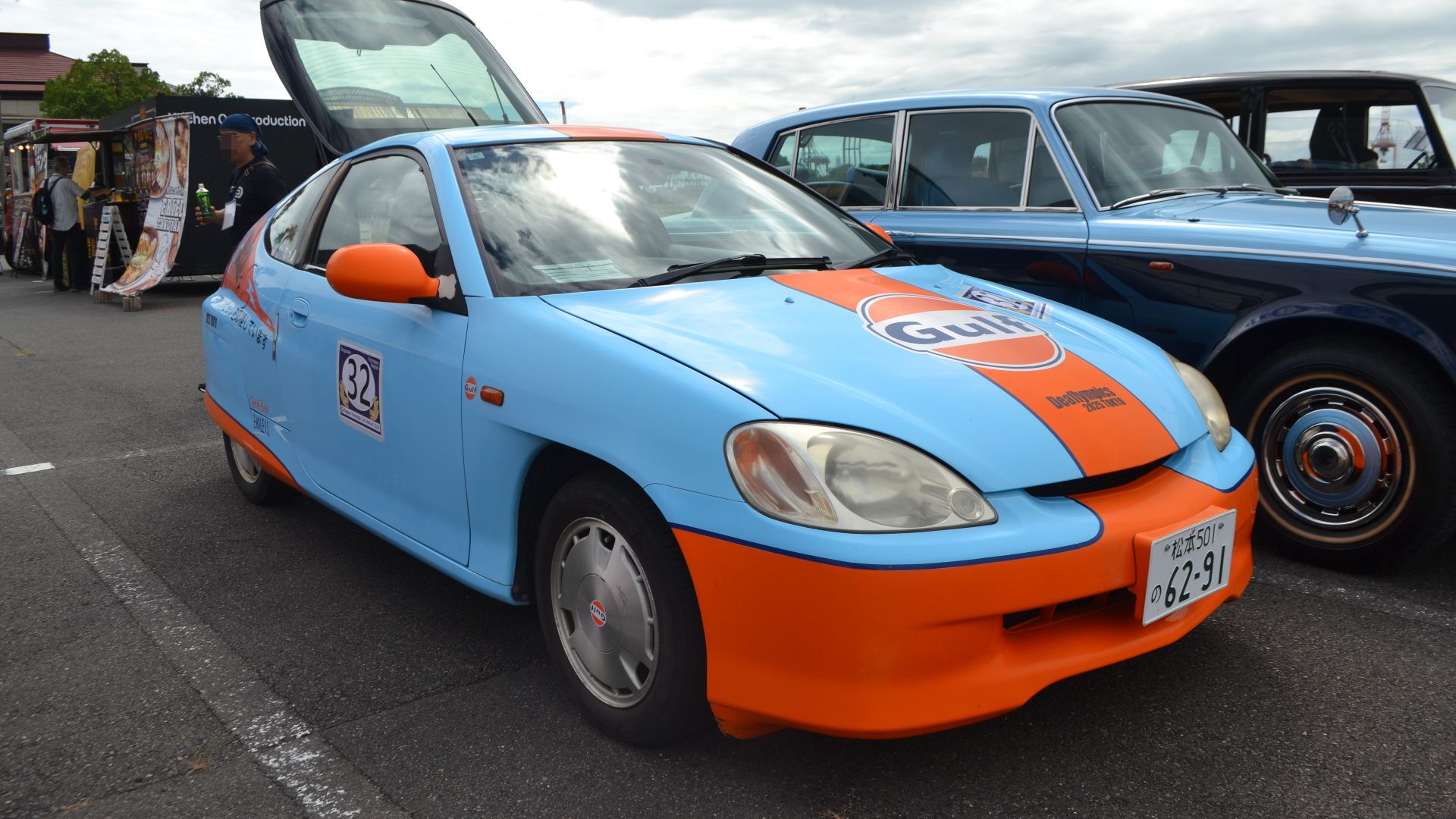
2. Civic Hybrid (2003)
Putting the system in a Civic was the smarter commercial move, and it gave Honda a hybrid people could use as a normal car. Integrated Motor Assist kept the usual engine and transmission and slid a thin electric motor between them, and that kept the car cheap to build.
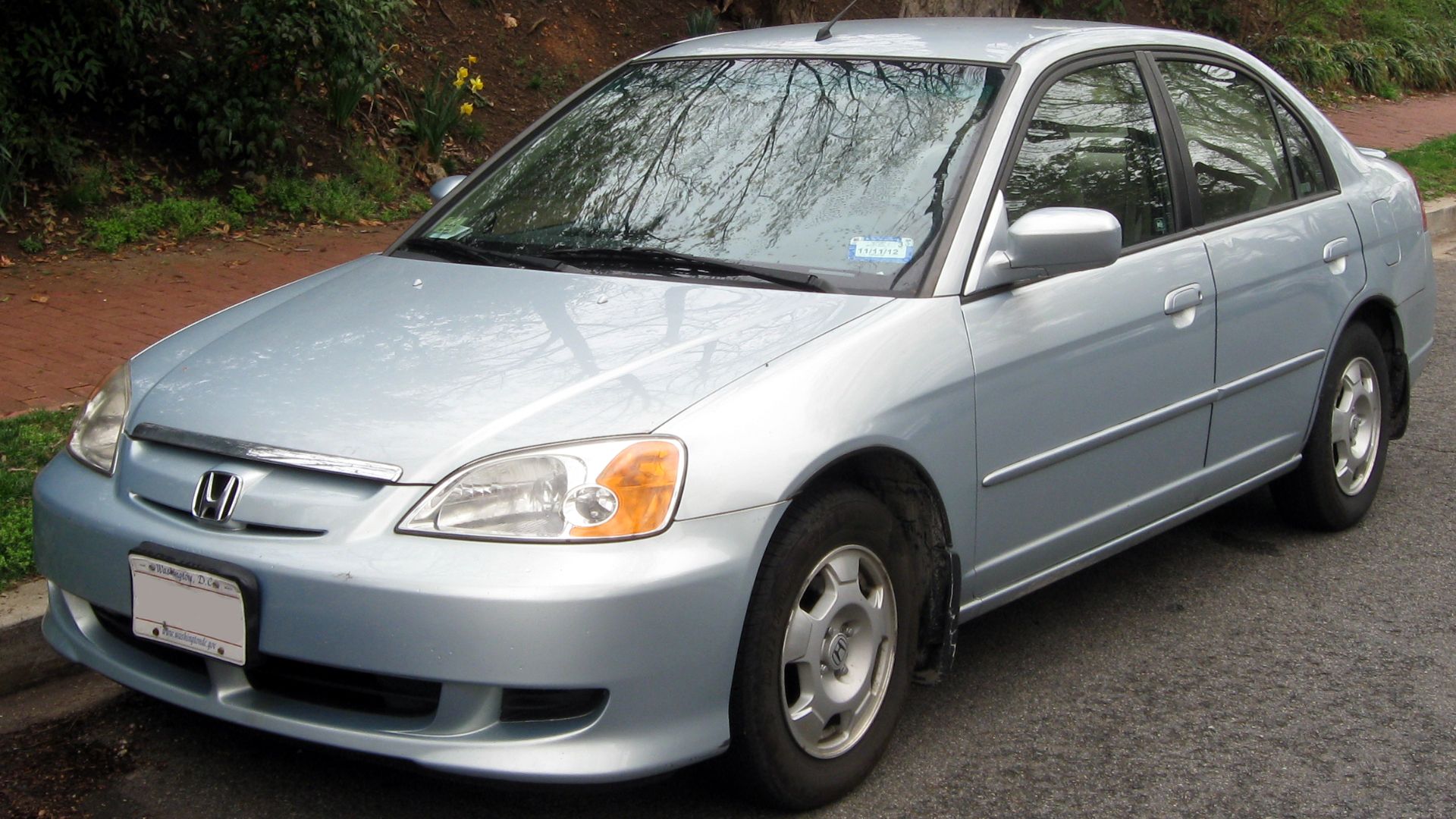
3. Accord Hybrid (2005)
Honda aimed the first Accord Hybrid at performance more than economy, pairing the V6 with a motor for 255 horsepower. Honda dropped it after 2007. It was quicker than the standard V6 Accord and barely more efficient, so buyers never saw what they were paying for.
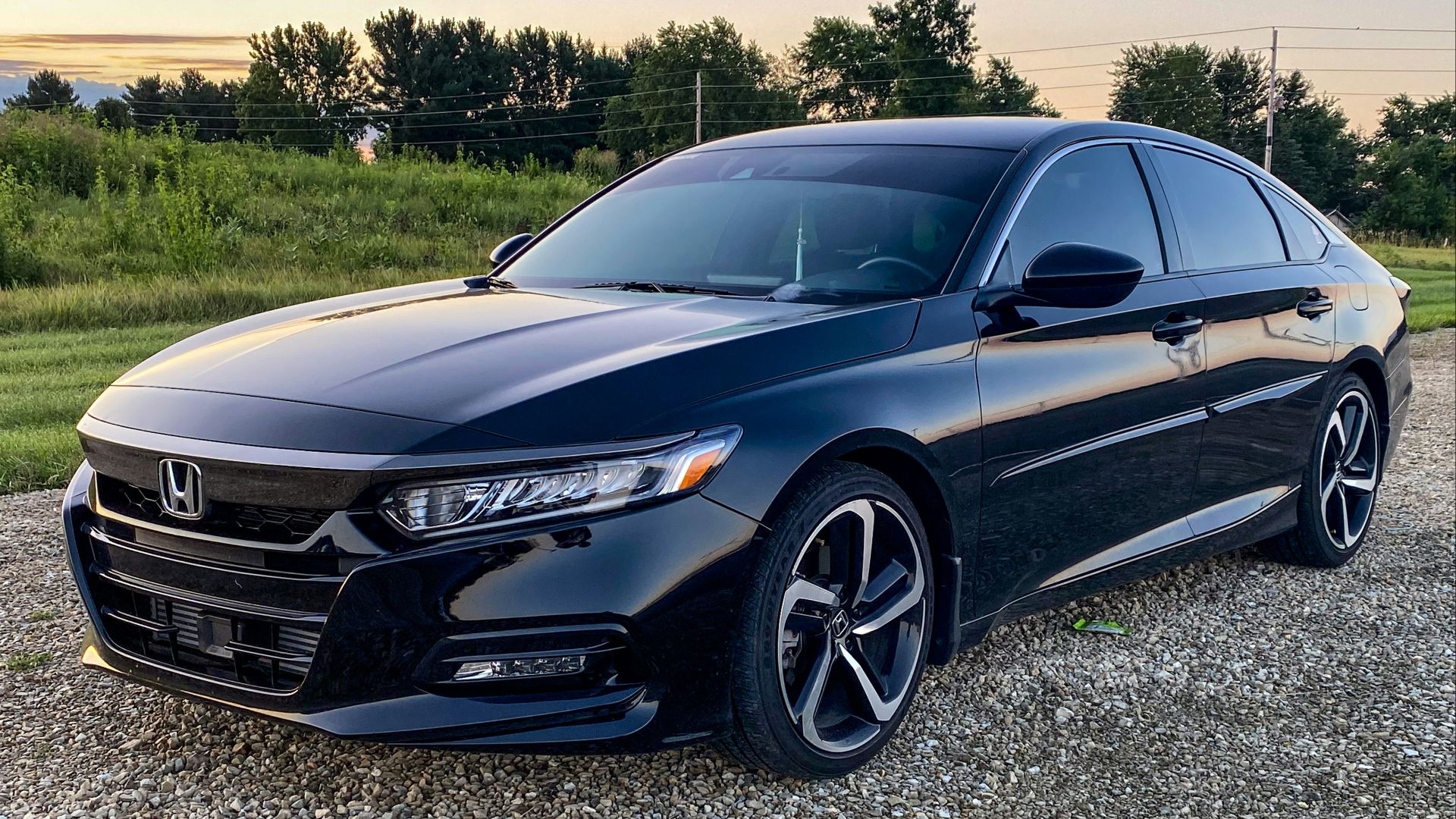
4. Civic Hybrid (2006)
The second Civic Hybrid refined IMA to the point where the car could creep along on electricity at low speed. Battery trouble in the 2006 through 2008 cars later produced a class-action settlement and a lot of ill will among owners. Honda pushed software updates that limited performance to protect the packs, and owners noticed.
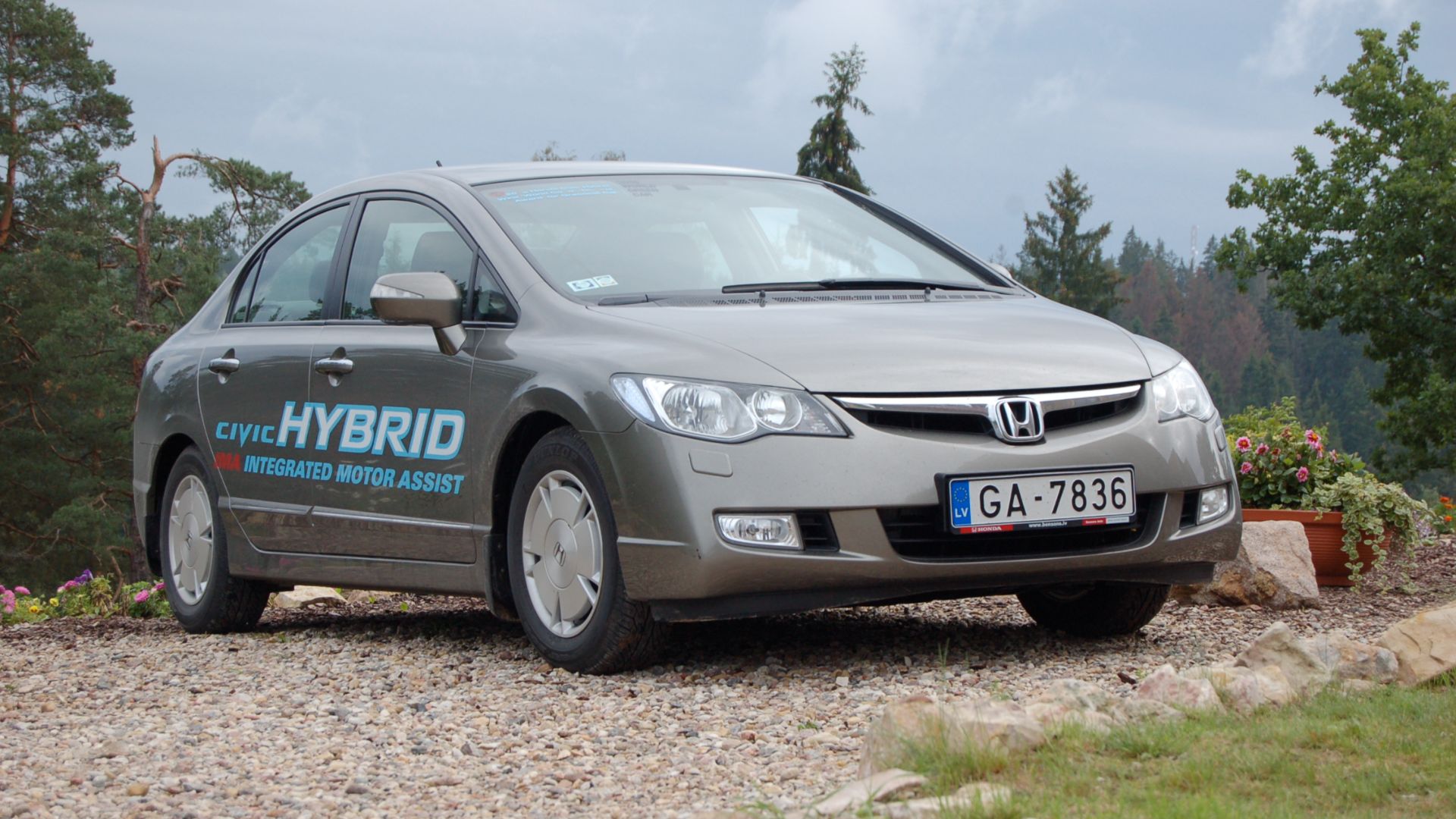
5. Insight (2010)
Honda returned to the Insight name in 2009 with a five-seat hatchback that undercut the Prius on price. Reviewers found the ride harsh and the engine loud under load, and the Prius was the better car for not much more money. The comparison defined the second Insight more than anything the car did on its own.
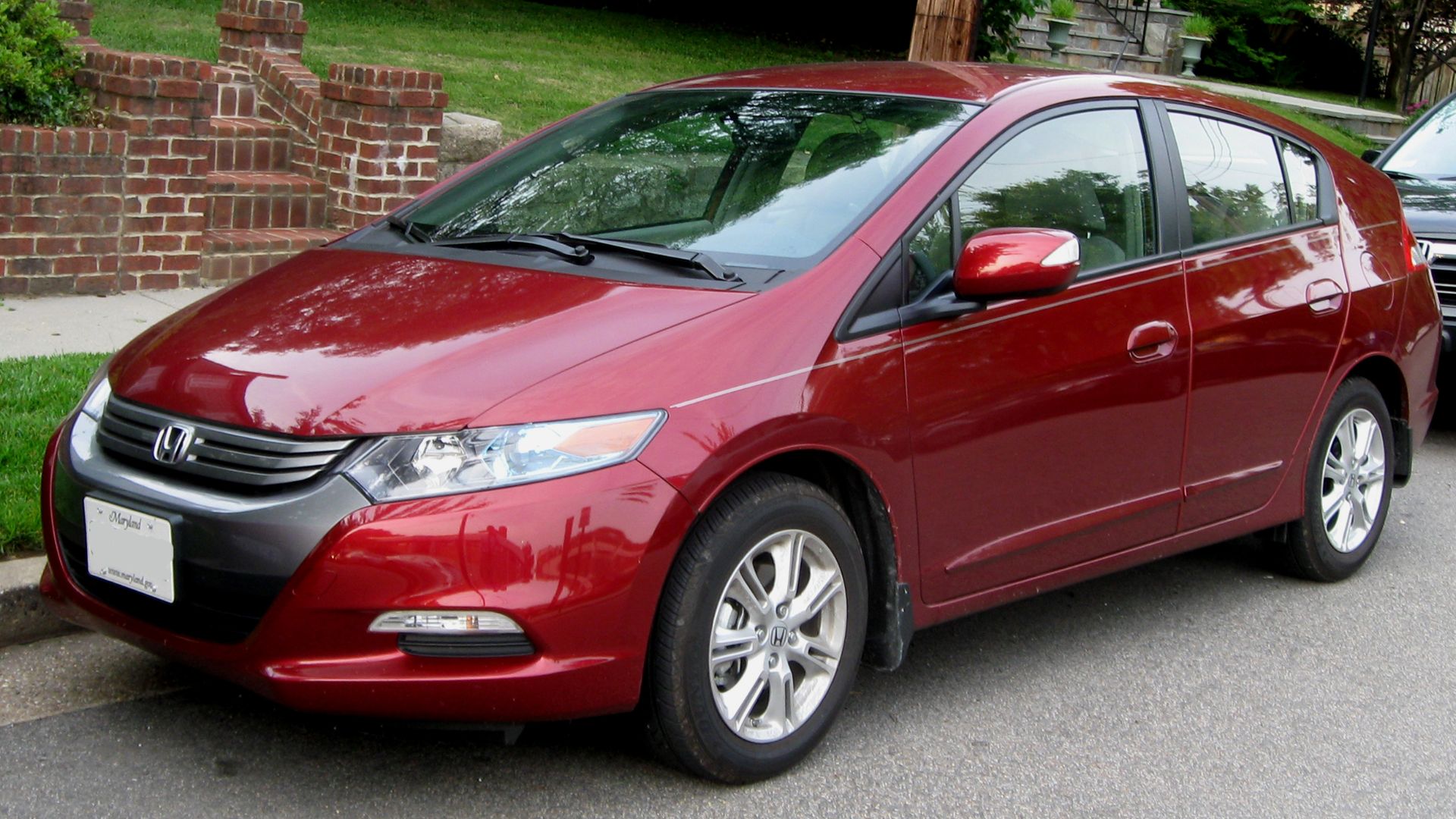
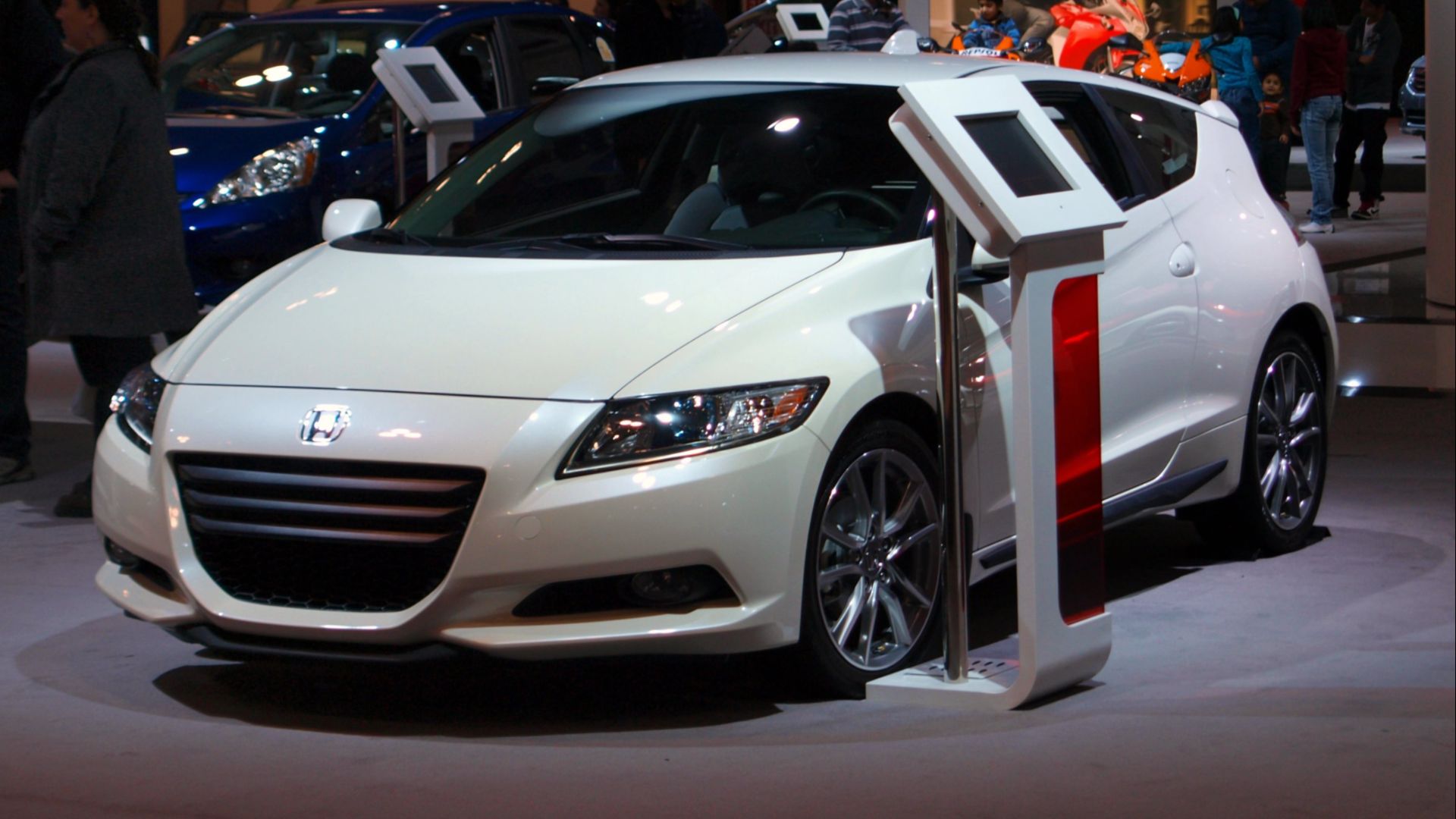
6. CR-Z (2011)
The CR-Z was a two-seat hybrid coupe with a six-speed manual, the only hybrid on sale in America at the time that came with a stick. A hundred and twenty-two combined horsepower was not enough to make the sporting case, and the fuel economy trailed the Civic Hybrid. Honda sold it for six years and has not tried the formula again.
 Michael Gil from Calgary, AB, Canada on Wikimedia
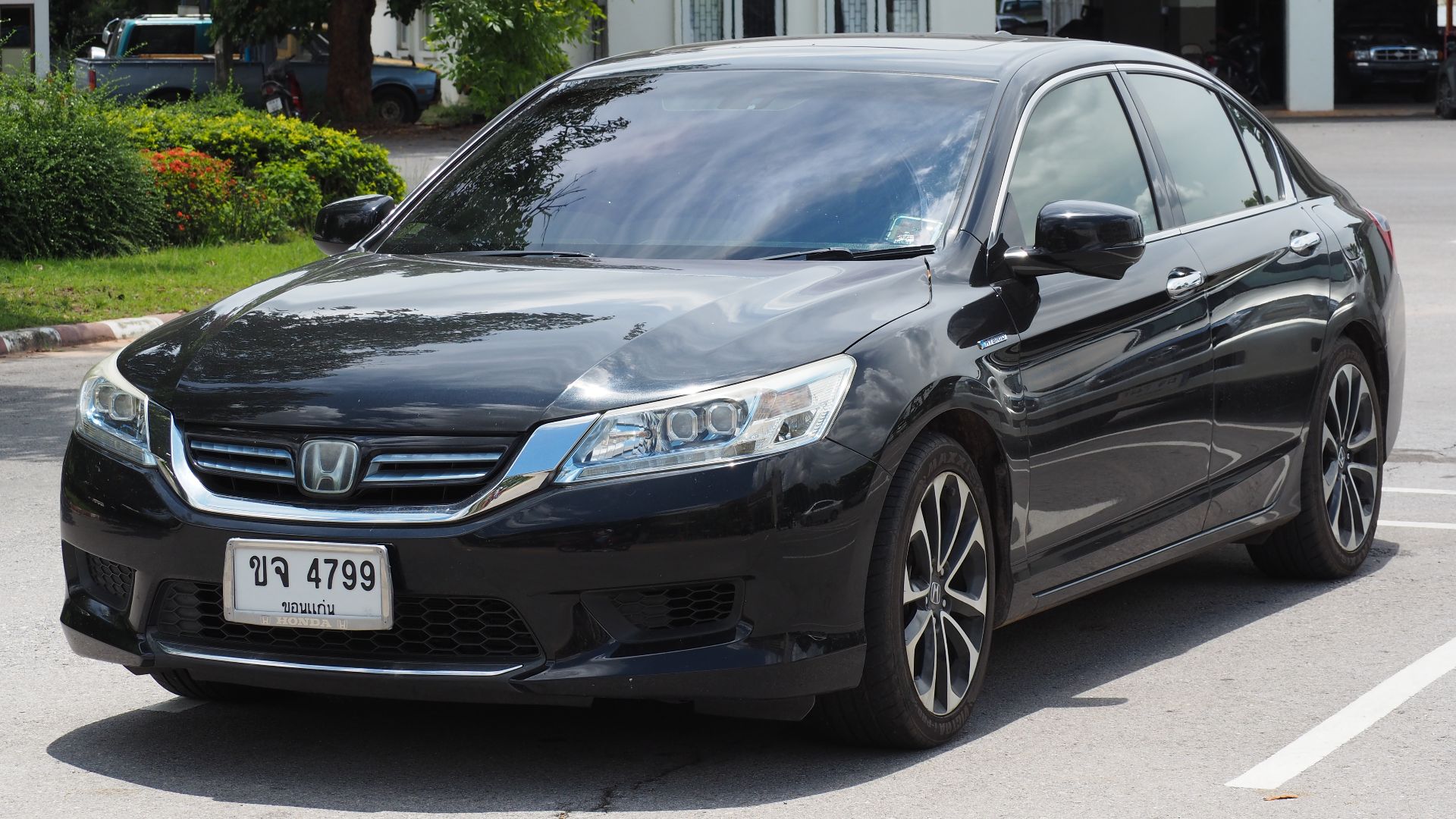
7. Accord Hybrid (2014)
This was the year Honda gave up on IMA. The two-motor i-MMD system ran the engine mostly as a generator and clutched it to the wheels only at highway speed, closer to a series hybrid than to Toyota's power split. The car came out rated at 50 mpg in the city, and the system became the basis of every Honda hybrid since.
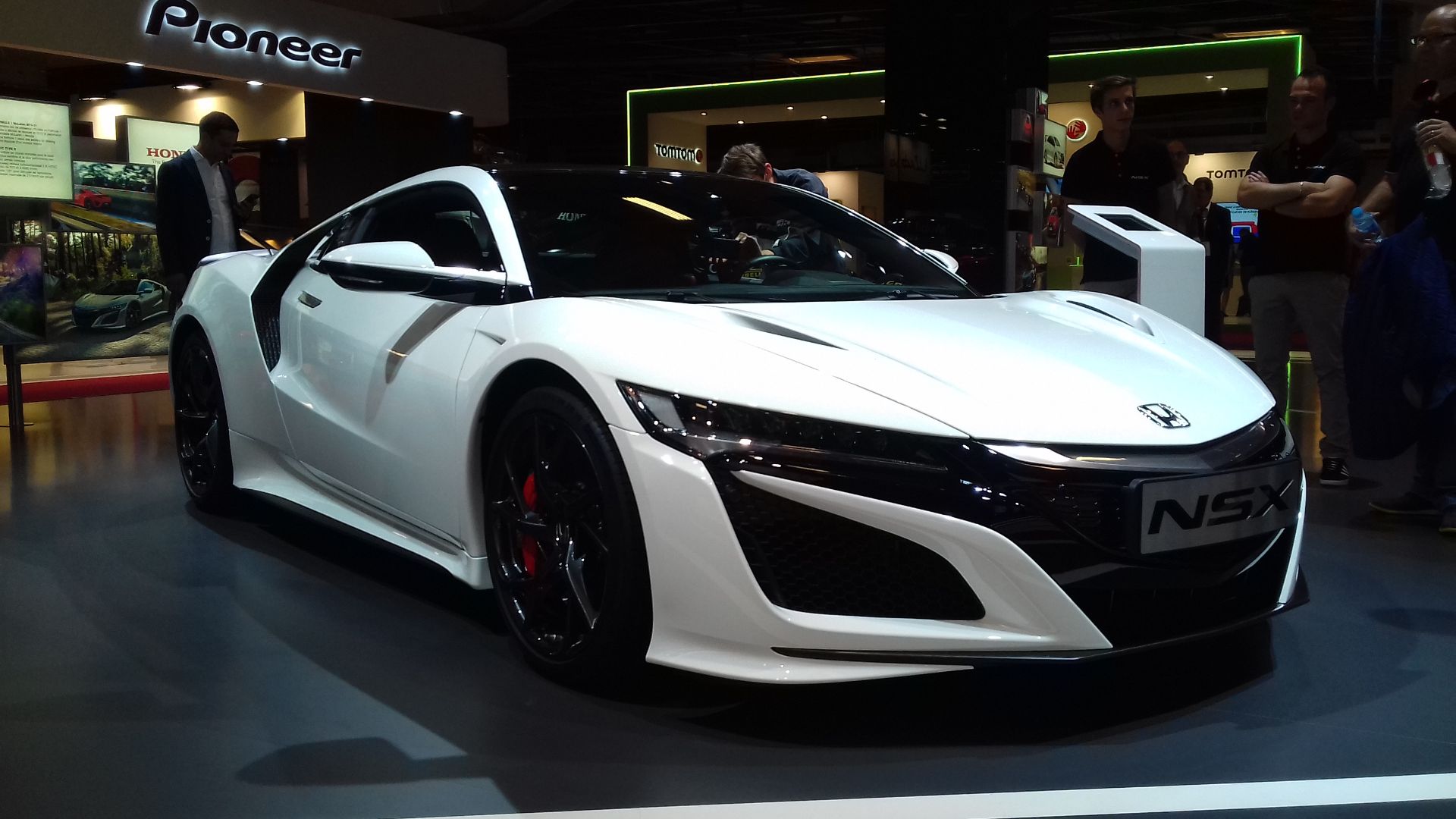
8. NSX (2016)
Acura's second NSX used three electric motors, two of them driving the front wheels independently to pull the car through a corner. Total output came to 573 horsepower, with a twin-turbo V6 doing the heavy work behind the cabin. Honda had finally built a hybrid nobody would buy for the fuel economy.
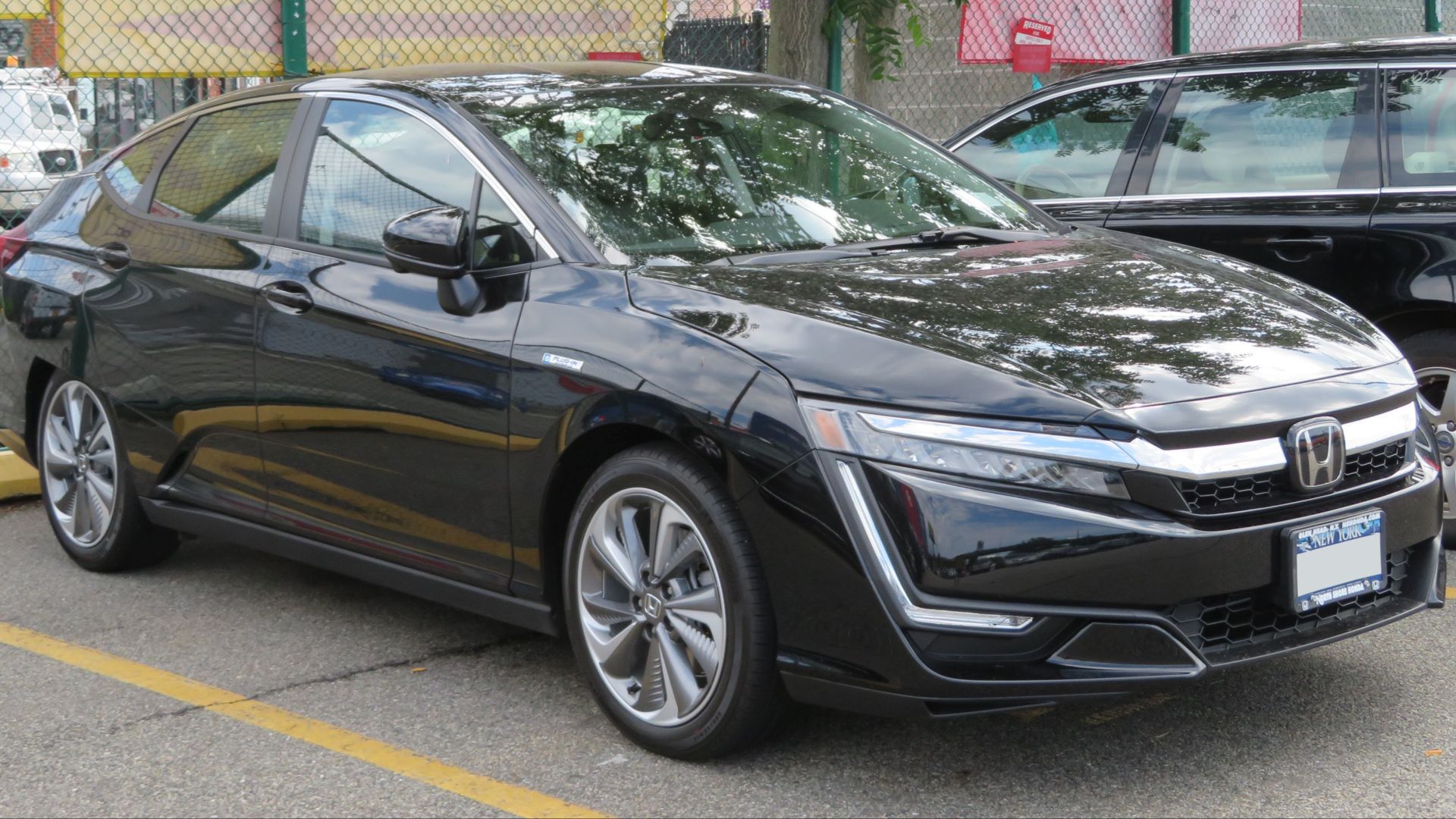
9. Clarity Plug-In (2018)
The Clarity Plug-In offered 47 miles of electric range, well past anything Toyota sold at the time. Sharing a platform with a hydrogen car and a battery car left the Clarity without much identity of its own, and it was gone from the lineup within a few years.
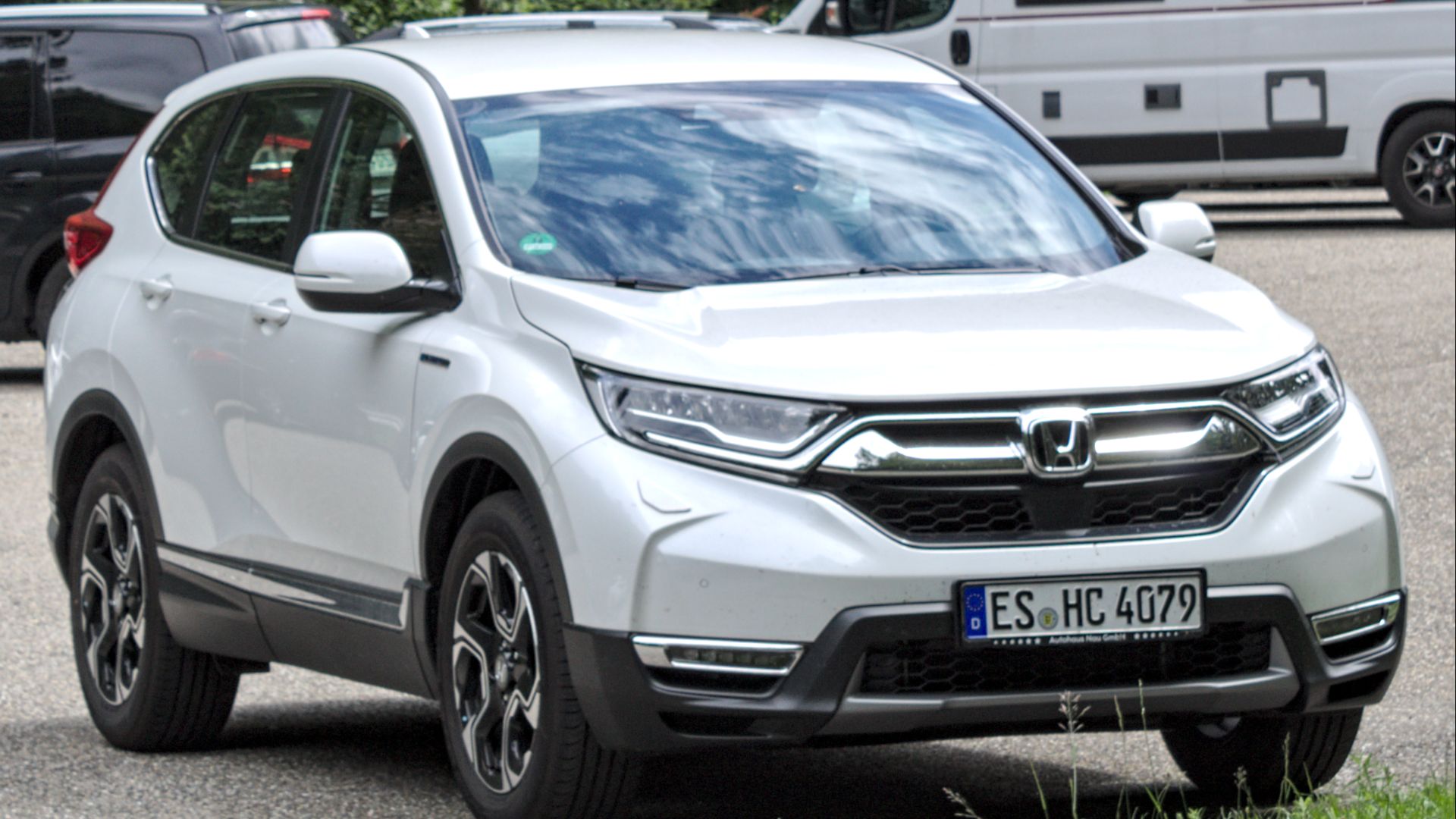
10. CR-V Hybrid (2020)
Honda brought the two-motor system to its best-selling vehicle in 2020, four years behind the RAV4 Hybrid. The CR-V Hybrid closed most of the gap, and it arrived without a price premium worth arguing over. Hybrids now account for more than a quarter of Honda's American sales.