The Part You Recognize First
A car's grille was originally there to let air reach the radiator, but over time it became one of the most recognizable parts of automotive design. Some manufacturers have kept the same basic shape for decades, making their cars identifiable from across a parking lot. Others have tried something bold, only to face criticism and eventually return to a more familiar look. A grille can give a car its identity or overwhelm the rest of its design. Here are 10 grilles that became iconic and 10 that took things too far.
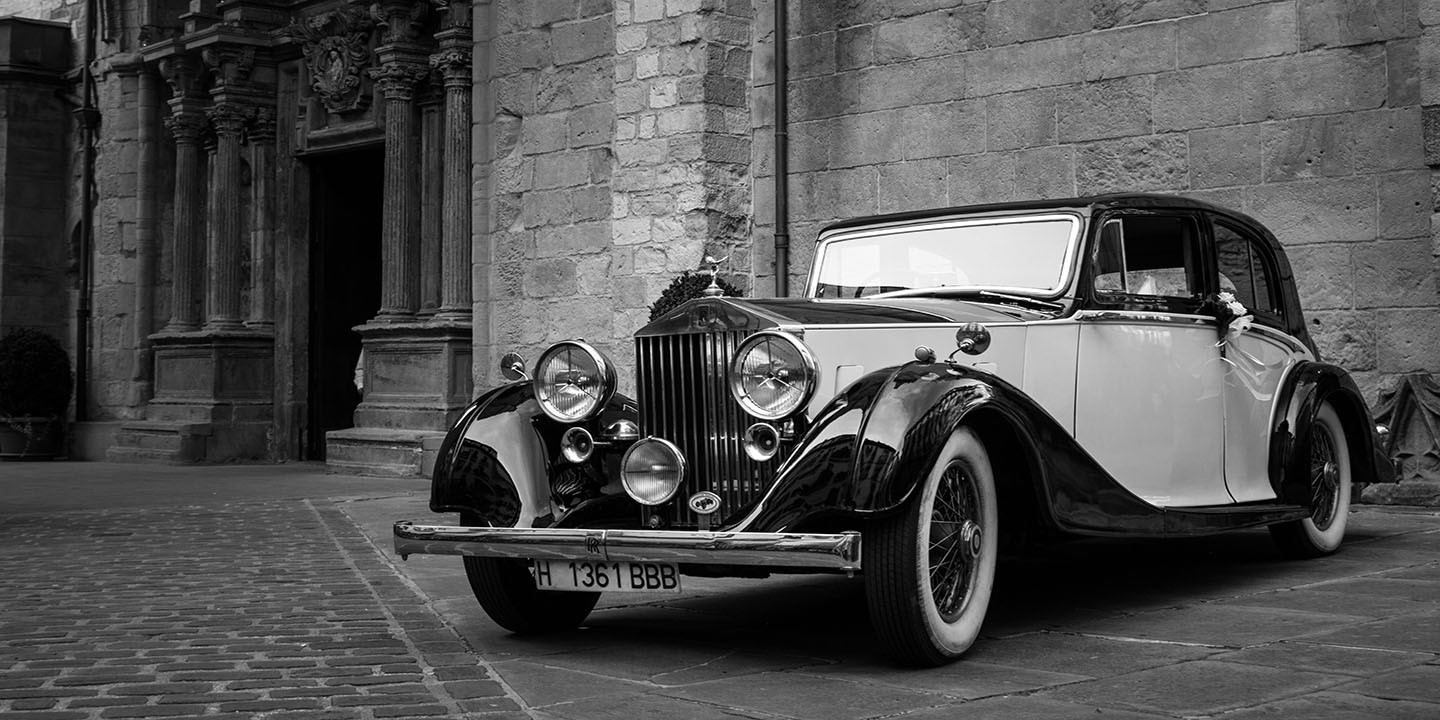
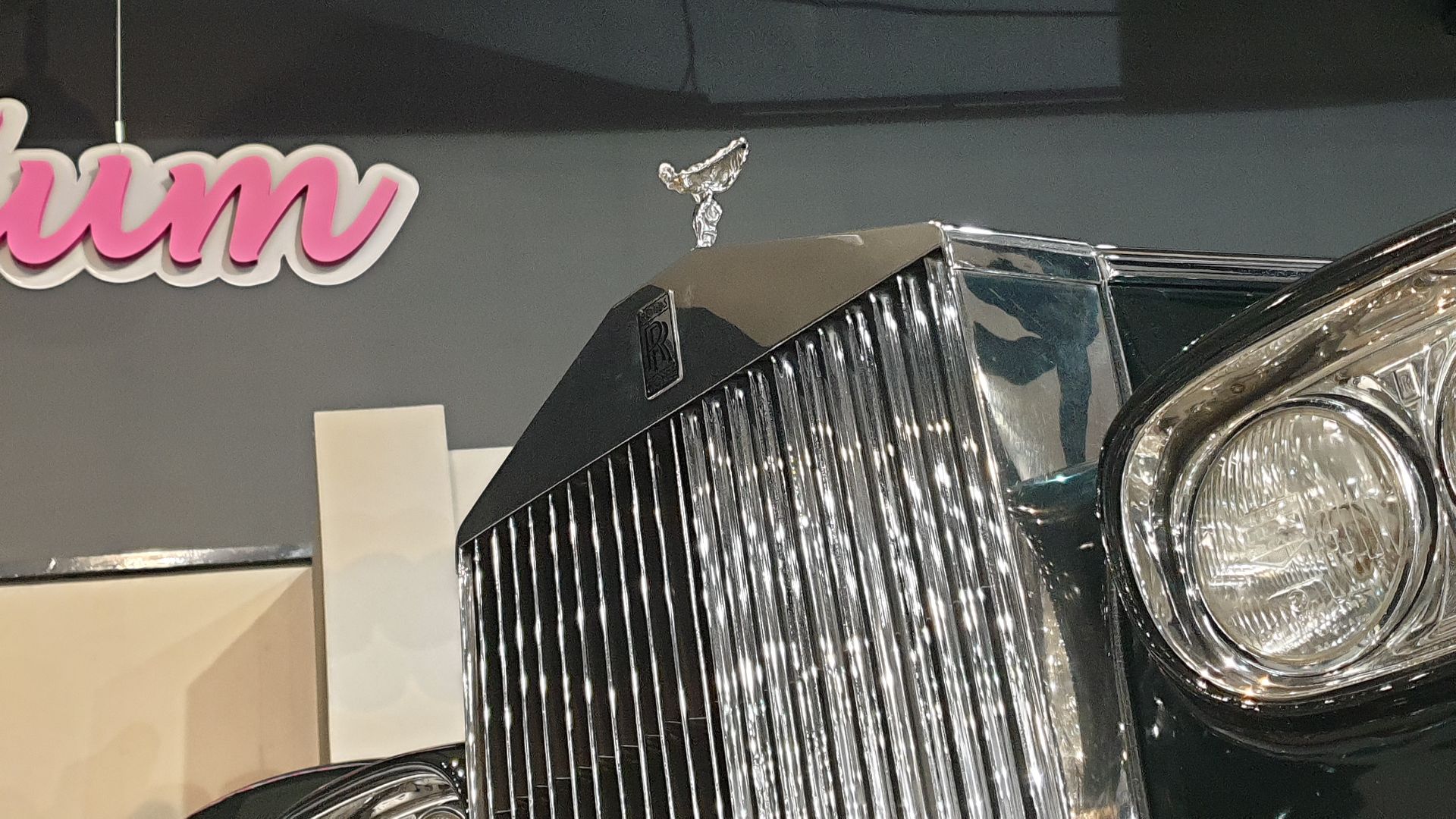
1. The Rolls-Royce Pantheon Grille
Rolls-Royce has used the same upright temple-front grille since the Edwardian era, and the proportions have barely moved. That flat chrome face and the Spirit of Ecstasy above it identify the car before any other detail does. Everything behind them has been redesigned several times over without the front losing its meaning.
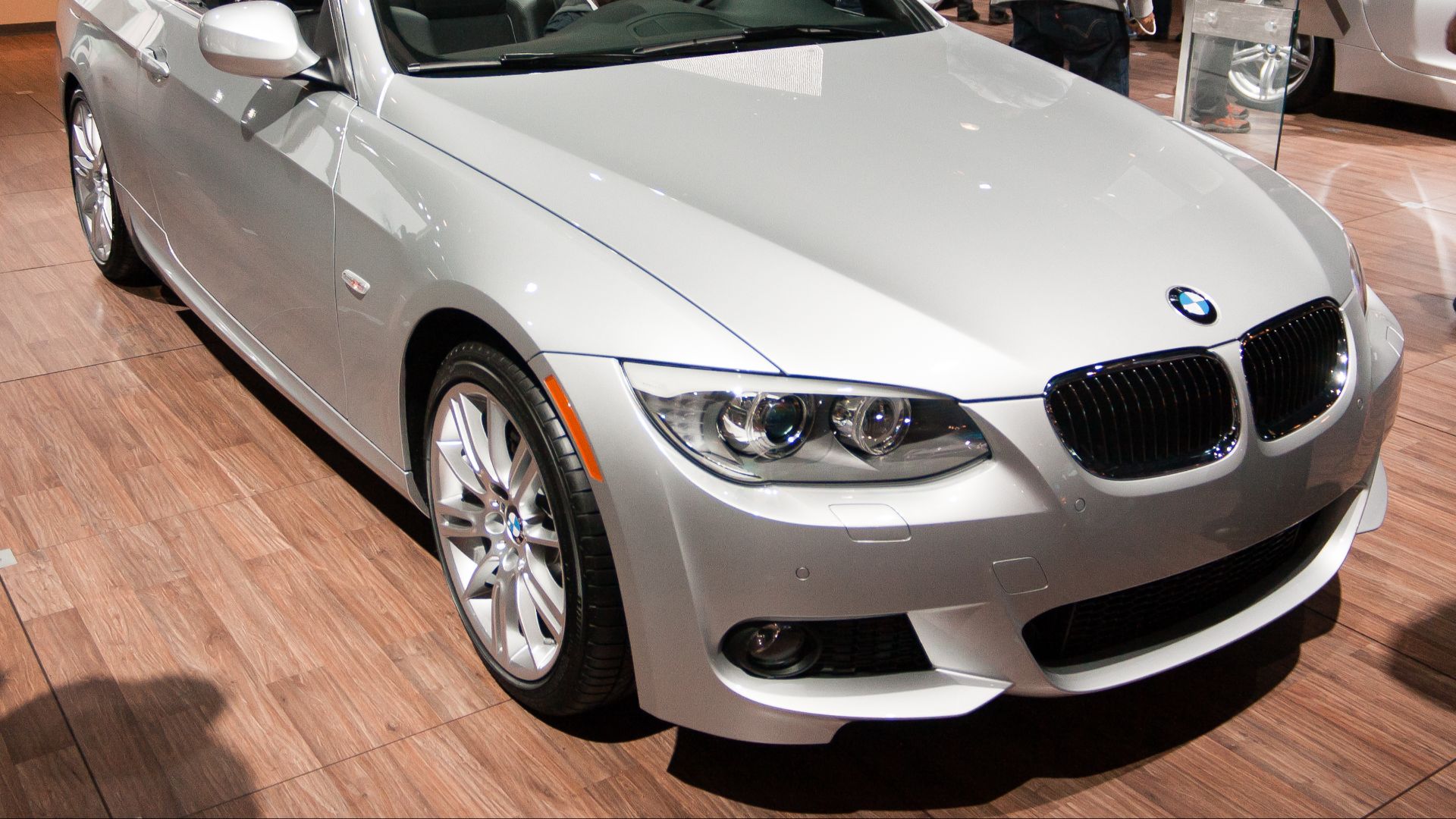
2. BMW's Kidney Grille
BMW's twin kidney grille first appeared on the 303 in 1933, as two narrow vertical openings split by a thin bar. Every BMW since has carried some version of it. The pair survived the switch to cooling layouts that no longer needed an opening there, by which point the grille had stopped being a radiator cover and become a badge.
 Christian Flores from Carlsbad / Encinitas, United States of America on Wikimedia
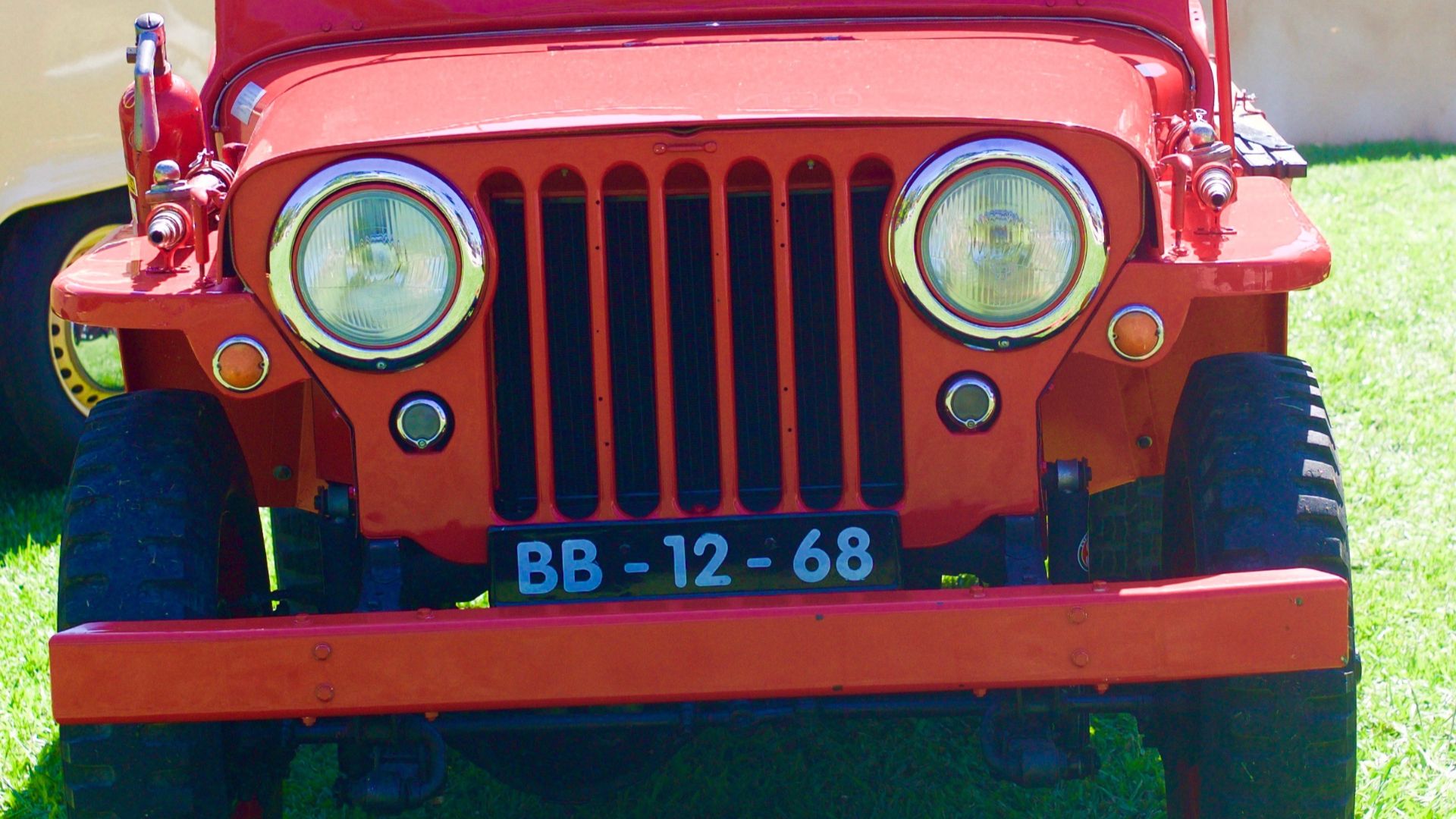
3. Jeep's Seven Slots
Seven vertical slots have fronted Jeeps since the years right after the war, when Willys settled on that number. Jeep trademarked the arrangement, so the slot count is legally defended rather than merely traditional. Wranglers still carry it, and so do models that share nothing else with the original.
 Pedro Ribeiro Simões from Lisboa, Portugal on Wikimedia
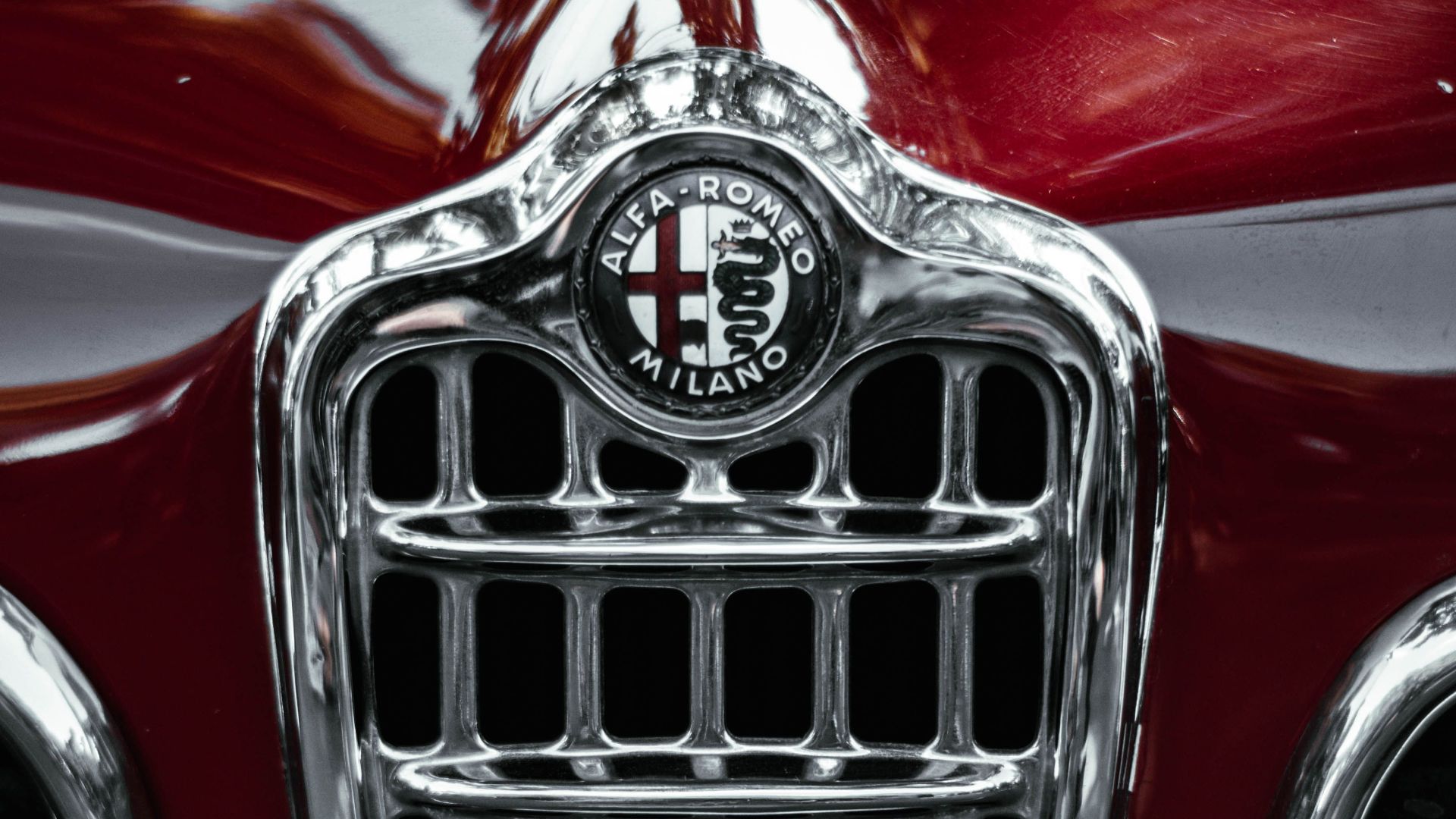
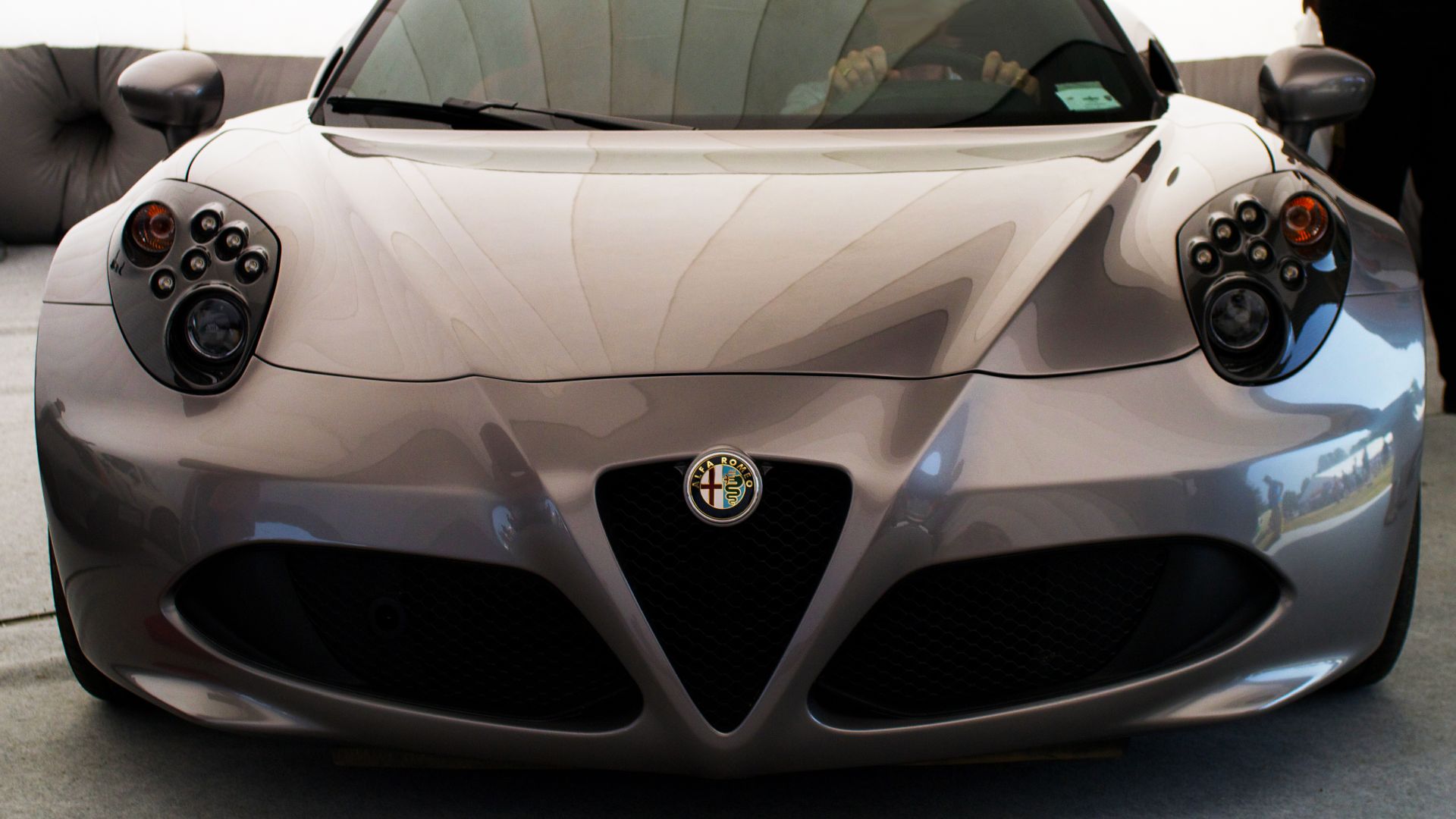
4. Alfa Romeo's Scudetto
Alfa Romeo calls its triangular grille the scudetto, meaning little shield, and the shape dates to the 1930s. Sitting low and centered, it forces every other element on the nose to arrange itself around it. Alfa has kept it through front-drive years and rear-drive years alike, and the current Giulia wears a version barely changed in outline.
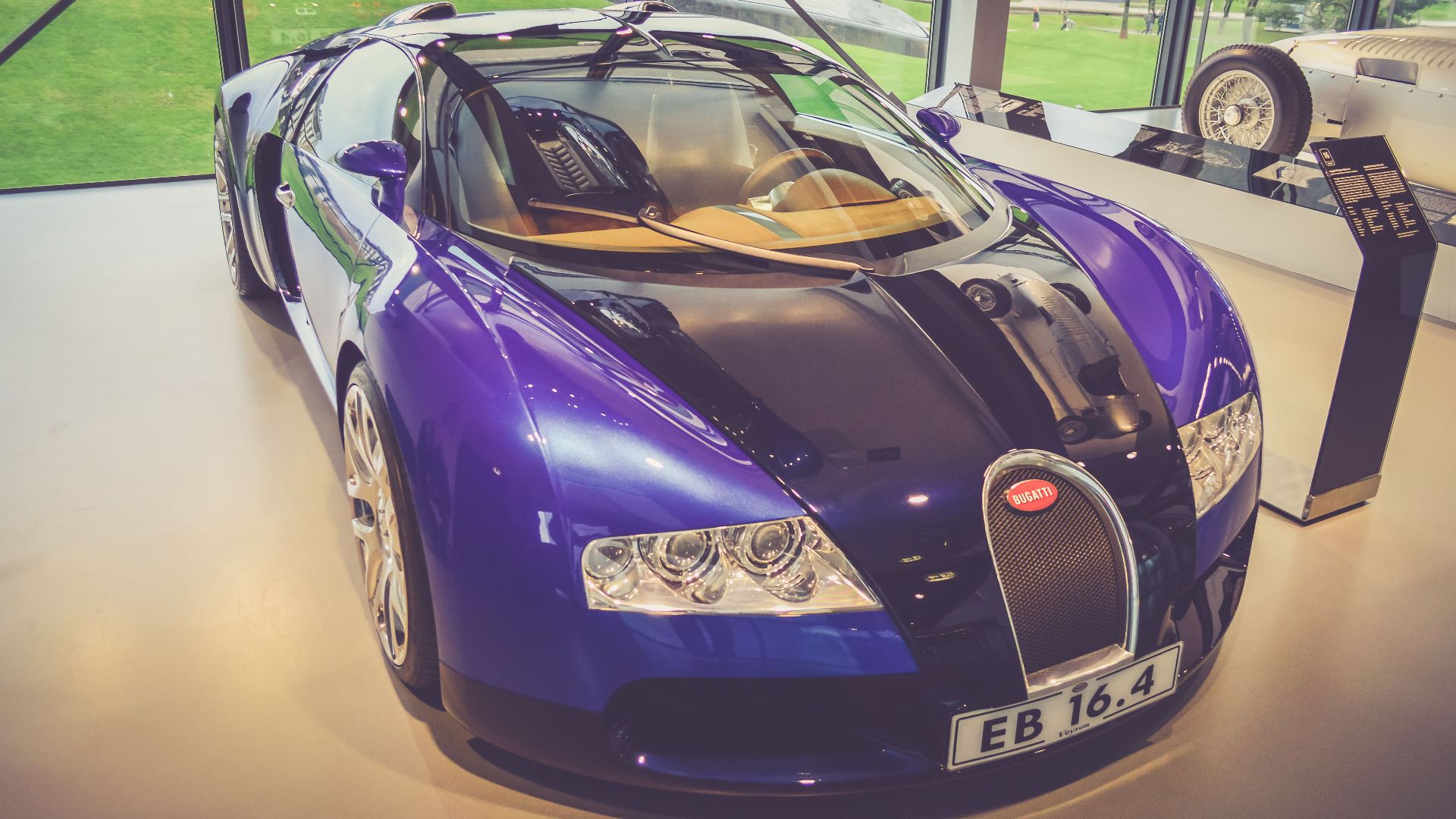
5. Bugatti's Horseshoe
Bugatti's horseshoe opening arrived on the Type 35 in the 1920s and has outlasted several owners and several revivals of the company. A Chiron parked beside a Type 35 shares almost nothing else in its engineering or its proportions, and the outline alone does the connecting.
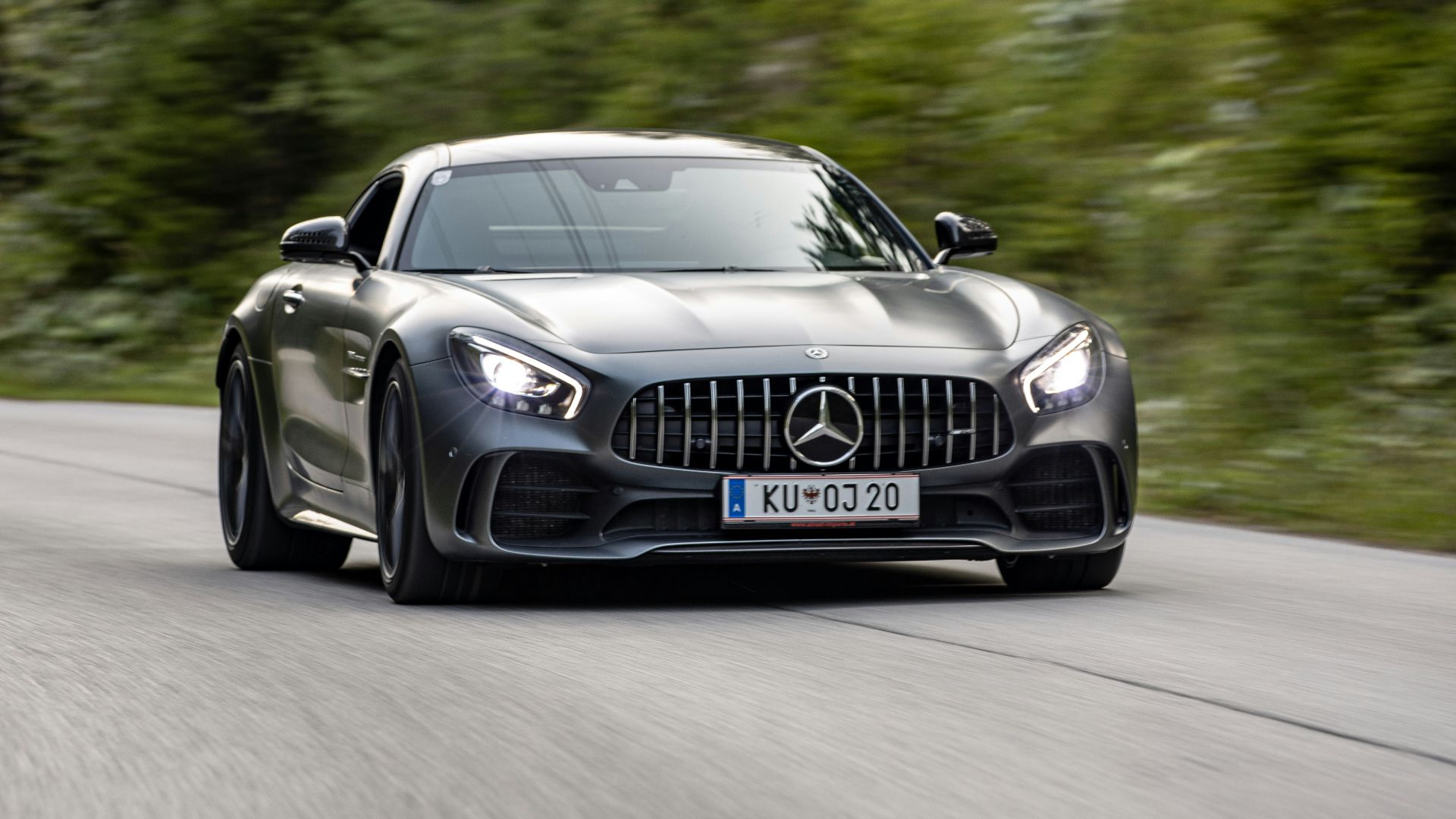
6. The Mercedes Panamericana
Vertical slats with a single large star in the middle came off the 300 SL racing cars of the early 1950s. Mercedes revived the arrangement on the AMG GT in 2014 and has spread it across the performance range since. The name comes from the Carrera Panamericana, the road race those cars were built for.
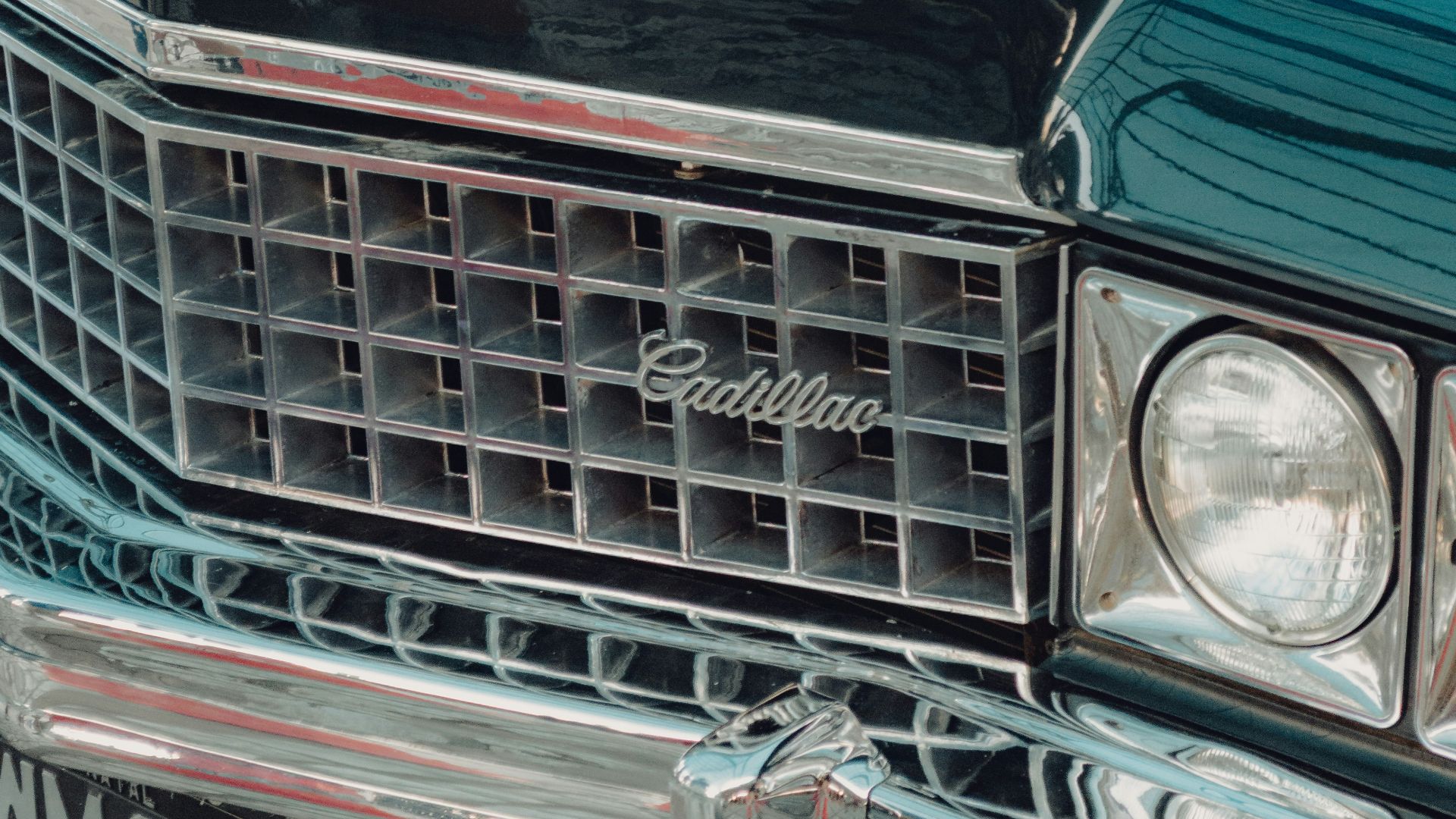
7. Cadillac's Egg-Crate Mesh
Cadillac settled on a fine egg-crate pattern in the 1940s and leaned on it for decades afterward. Fine mesh read as expensive because it was expensive to make, needing far more tooling than a few horizontal bars. Current Cadillacs still use a dense mesh insert, though the frame around it changes every generation.
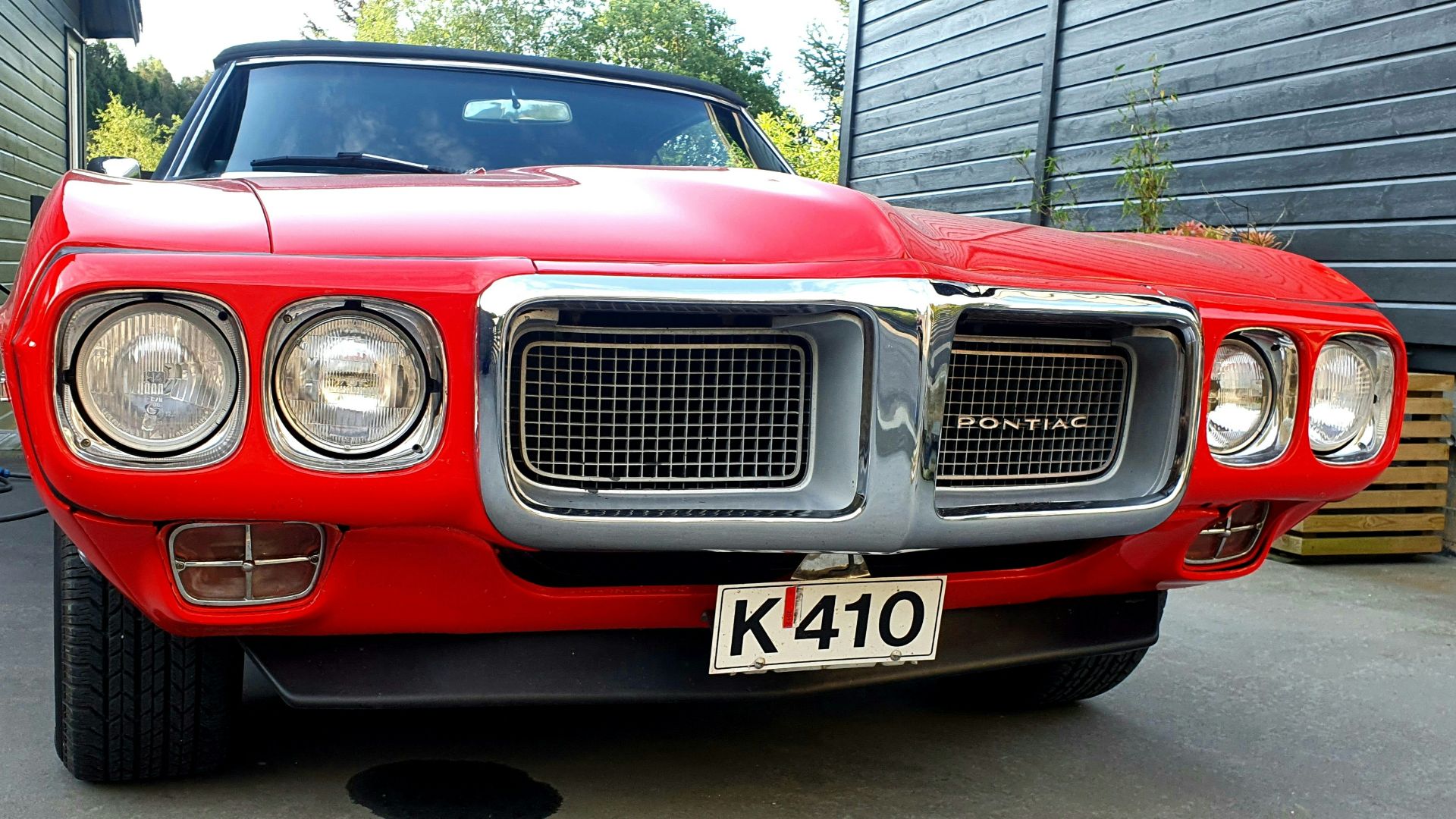
8. Pontiac's Split Nose
Pontiac split its grille down the middle for 1959 and kept splitting it until the brand closed in 2010. Two openings separated by a body-colored bar gave the cars a face nobody could confuse with a Chevrolet. That division reappeared on the Firebird and the GTO across completely different platforms.
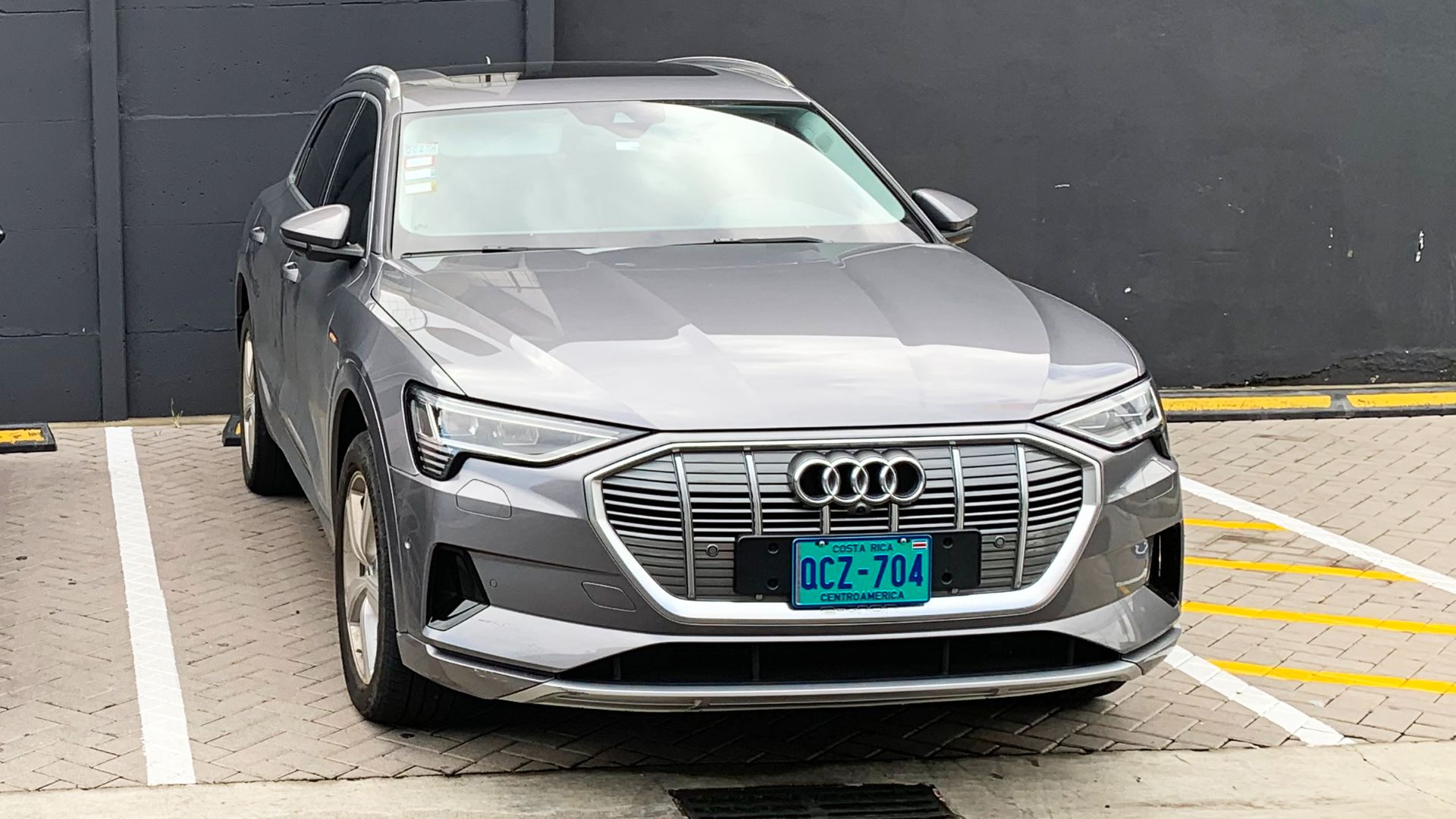
9. Audi's Singleframe
Audi dropped the separate upper and lower openings in 2004 and replaced them with one large frame running from the hood to the bumper. Walter de'Silva's team brought it through plenty of internal doubt about how aggressive it looked. Most of the industry had copied the idea within a decade.
 Mariordo (Mario Roberto Durán Ortiz) on Wikimedia
10. Volvo's Diagonal Slash
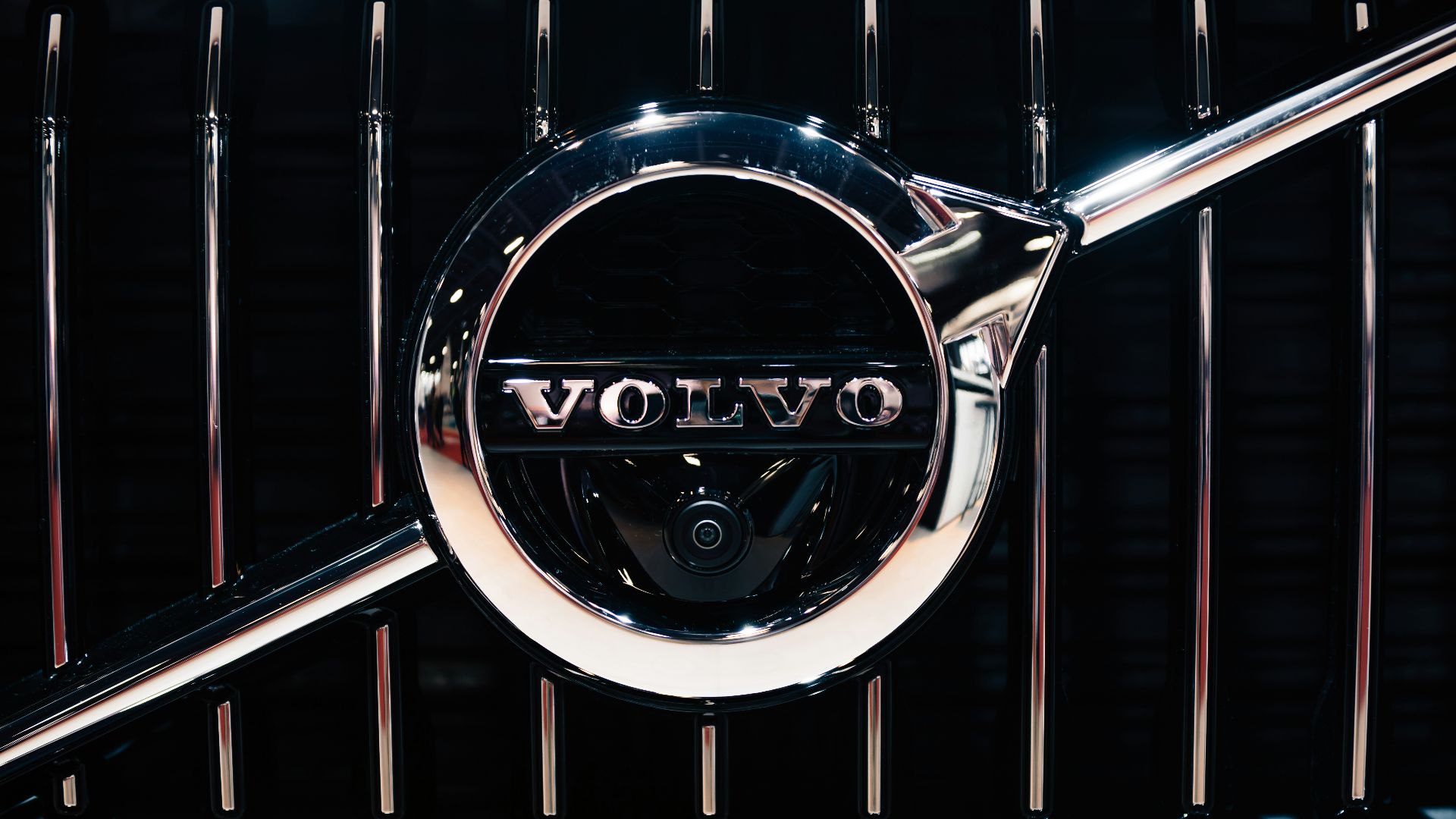
A diagonal bar crossing the grille from lower left to upper right has carried the Volvo badge for generations, and the brand kept it when almost everything else changed. That mark comes from the old chemical symbol for iron, adopted to signal Swedish steel, and it survives on cars with no radiator left to cover.
Now, here's 10 that overshot.
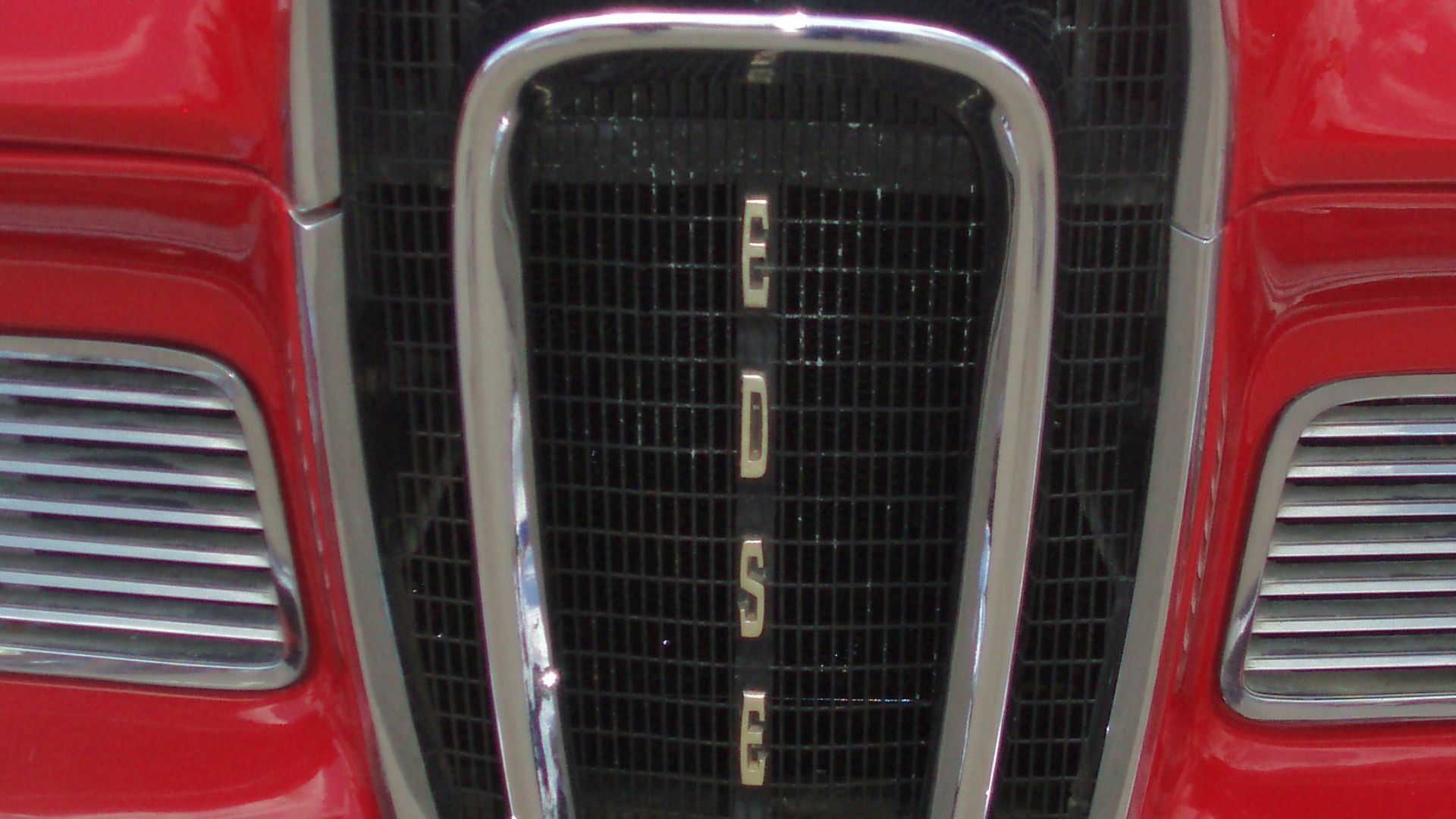
1. The Edsel's Horse Collar
Ford put a tall vertical oval in the middle of a wide horizontal front for 1958, against every styling convention of the moment. Buyers nicknamed it the horse collar and worse, and the car became shorthand for a corporate misread. Ford reshaped the grille for the second year and abandoned the oval by the third.
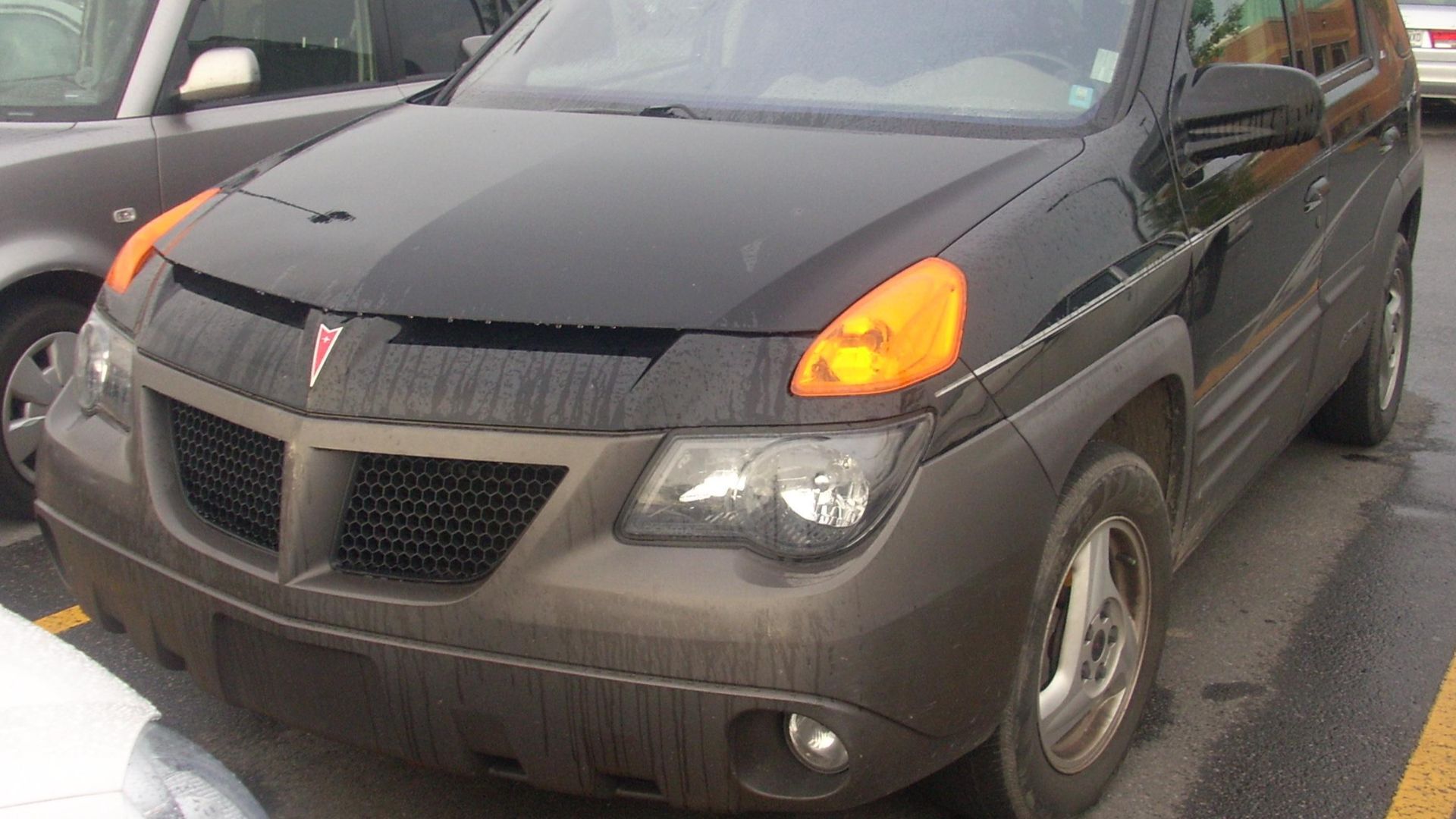
2. The Pontiac Aztek's Stacked Front
Stacked lamps above a divided lower grille gave the 2001 Aztek a front end that read as two cars meeting in the middle. People who worked on it have said since that the production version lost the proportions the concept had. It stayed on sale five years and has been a fixture of worst-looking lists ever since.
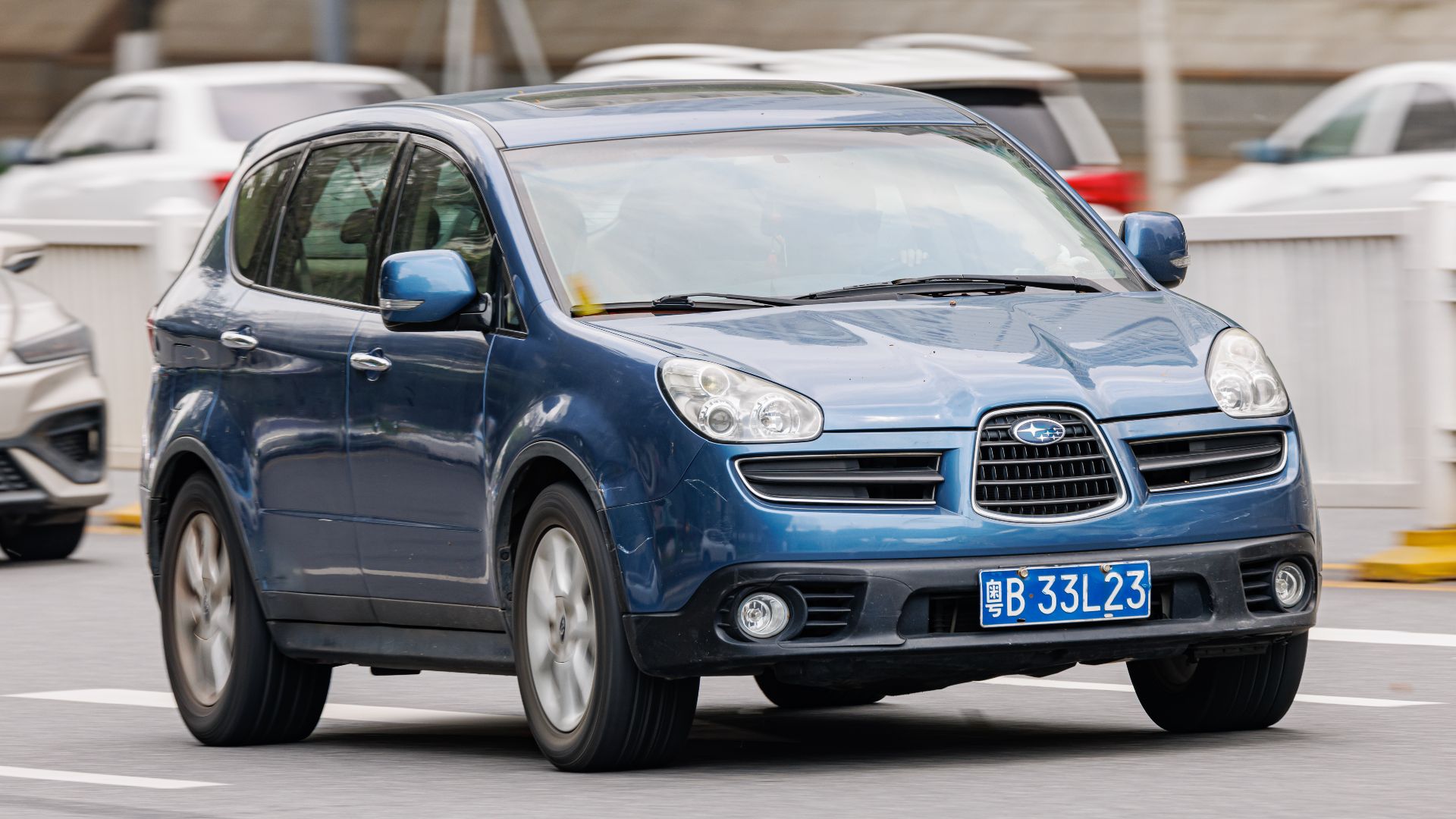
3. The Subaru Tribeca's Winged Nose
Subaru gave the 2006 Tribeca an aircraft-inspired grille with a raised center section flaring out into the headlights. That nose drew a nickname the company never repeated in its own advertising. A conventional grille arrived for 2008, two years into a car planned to run much longer on the original face.
4. Peugeot's Open Mouth
Lower openings on cars like the 407 and the 207 grew through the mid-2000s until the front looked permanently startled. Peugeot reversed course around the start of the next decade, and the 208 that followed wore a far smaller mouth above a much plainer bumper.
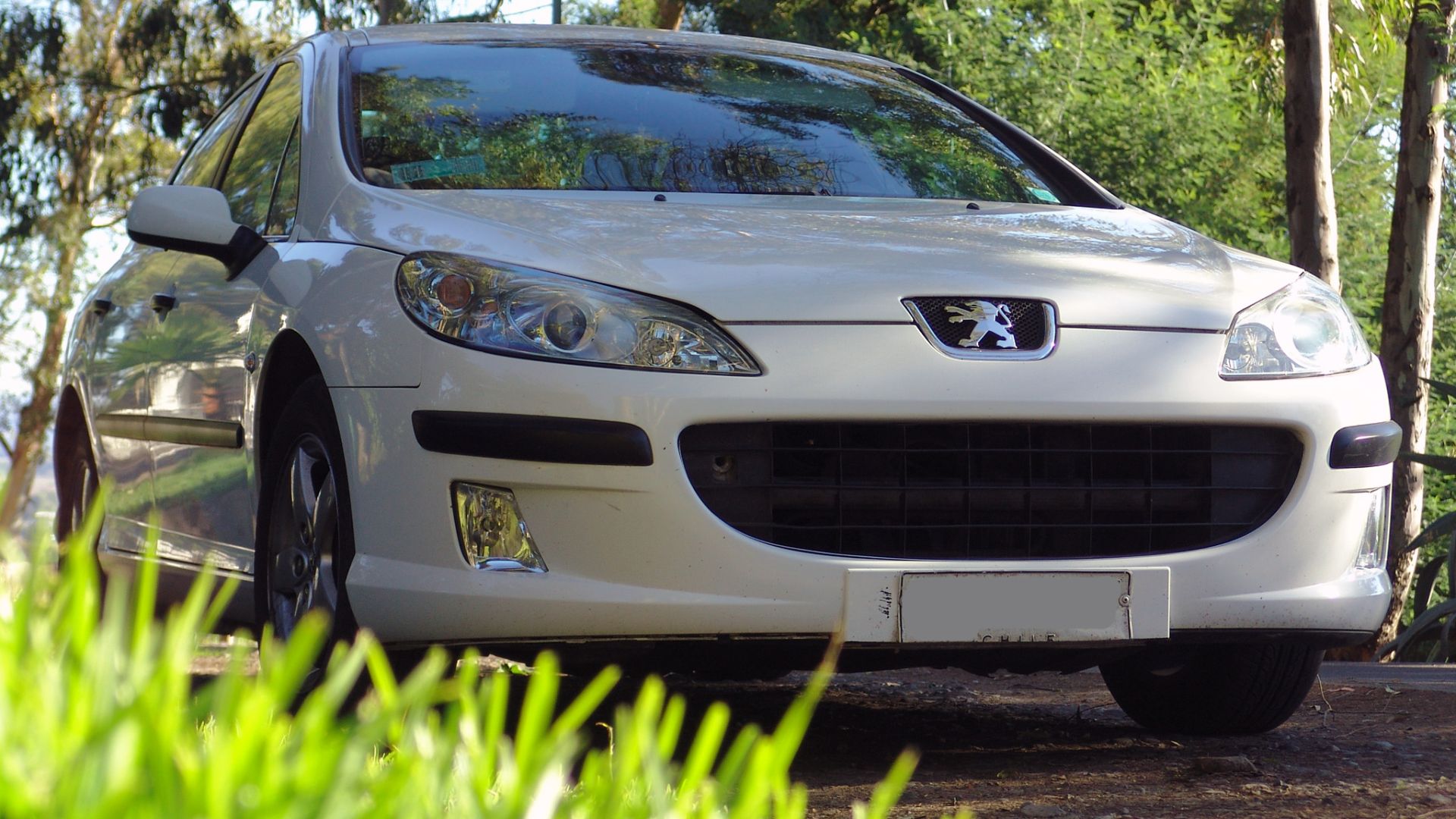 order_242 from Chile on Wikimedia
5. The Mazda3's Smile
Mazda shaped the lower intake of the 2009 Mazda3 into an upturned curve that read unmistakably as a grin. That grin was deliberate and part of a design language called Nagare, though it aged badly in photographs. KODO replaced it a few years later with a much flatter opening, and Mazda has not gone back.

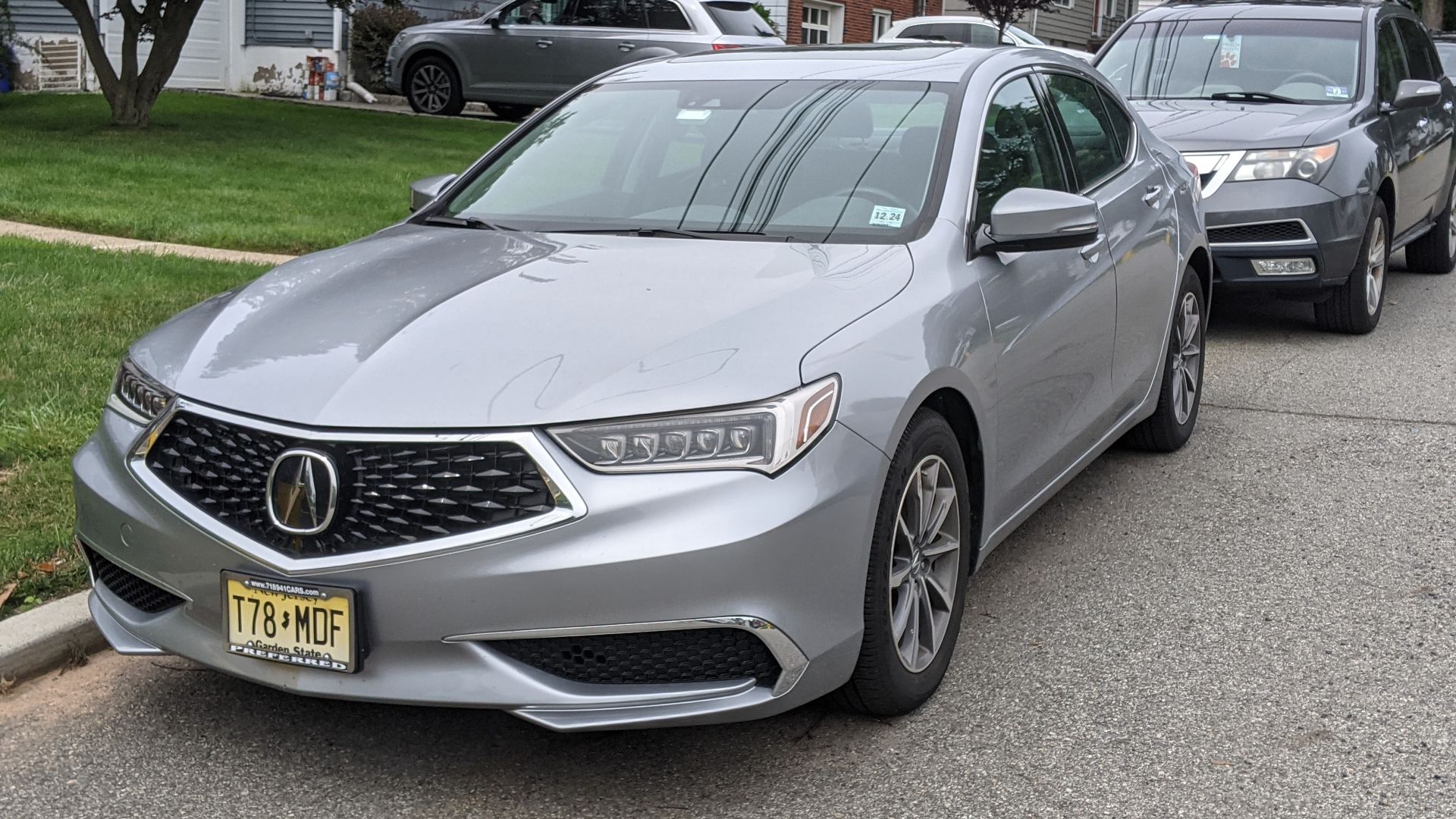
6. Acura's Shield
Acura called it the power plenum and nobody else did. Honda's luxury division fitted a large metal shield to the 2009 TL and RL, tapering to a blunt point at the top of the hood. A 2012 refresh cut it down substantially, barely three model years in, and later Acuras dropped the shield outline altogether.
7. The Lexus Spindle
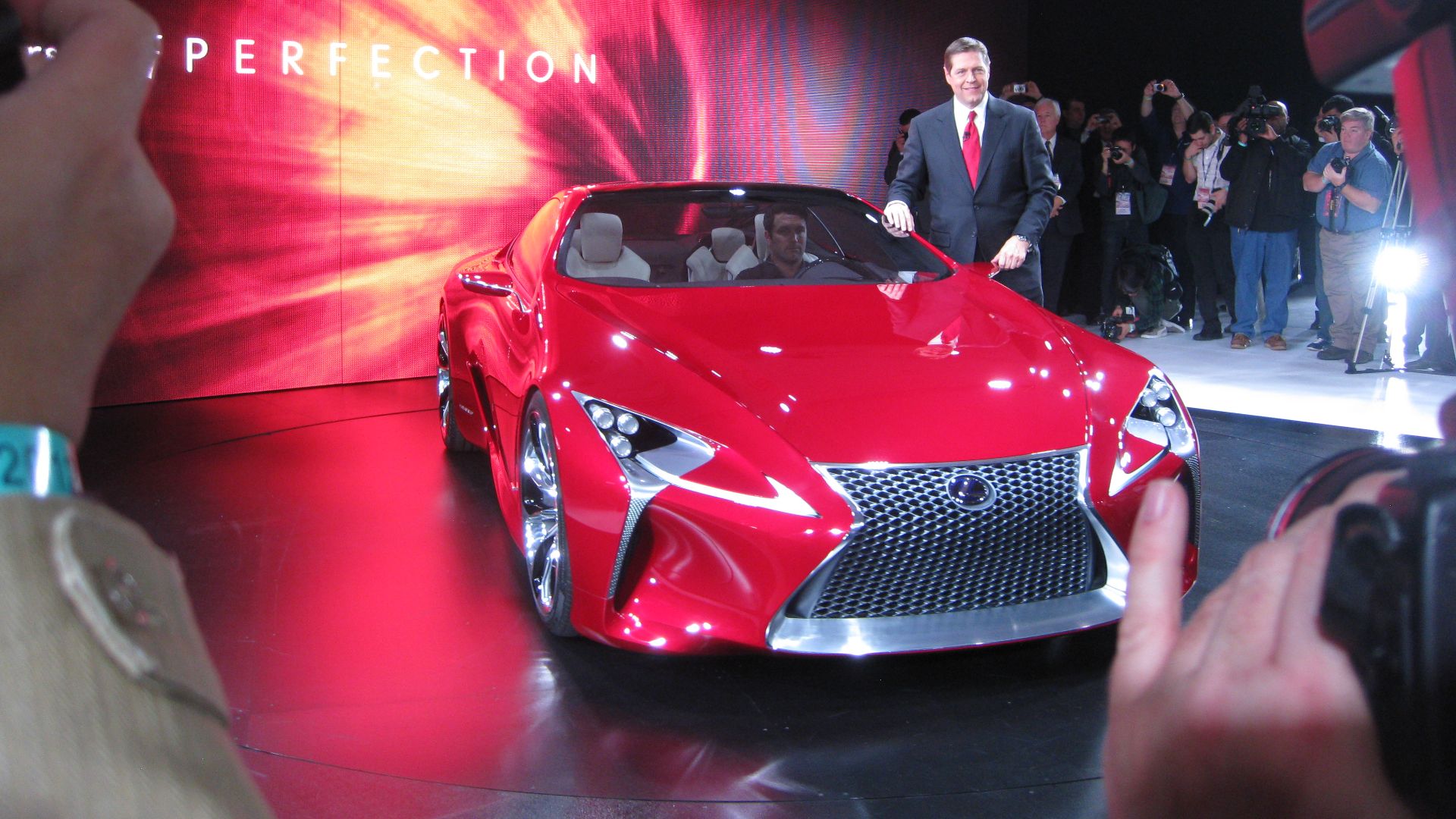
The 2012 GS introduced an hourglass frame that pinched in at the middle and flared top and bottom. Lexus applied it to everything, and on the taller models the lower half grew until it reached the bottom of the bumper. Newer models have softened the hard frame into something the company now calls a spindle body.
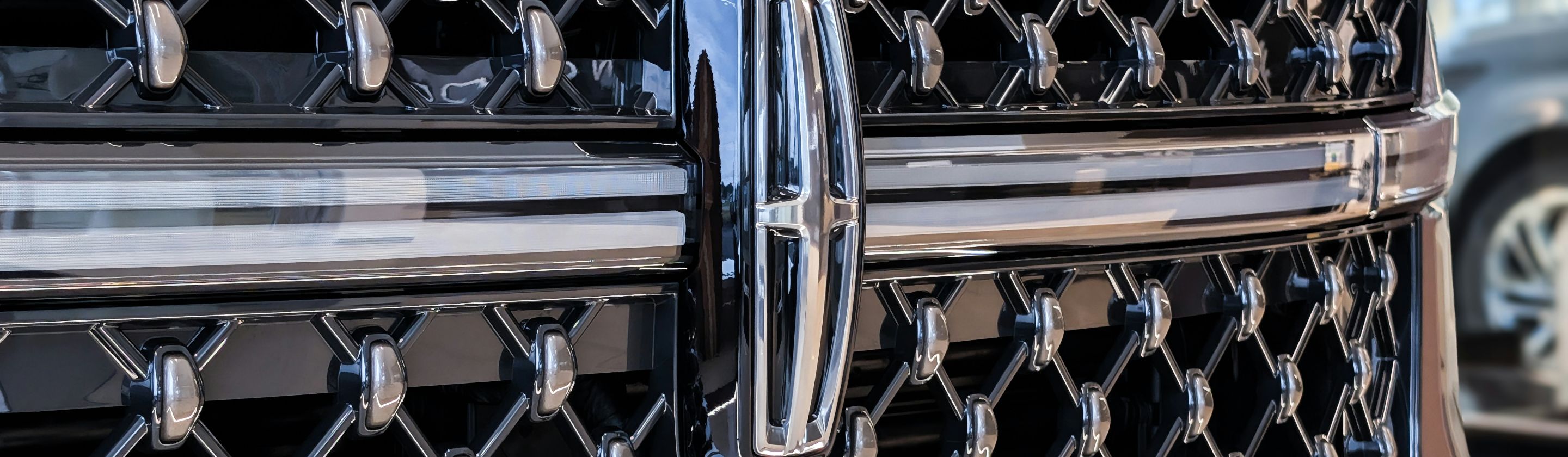
8. Lincoln's Split Wing
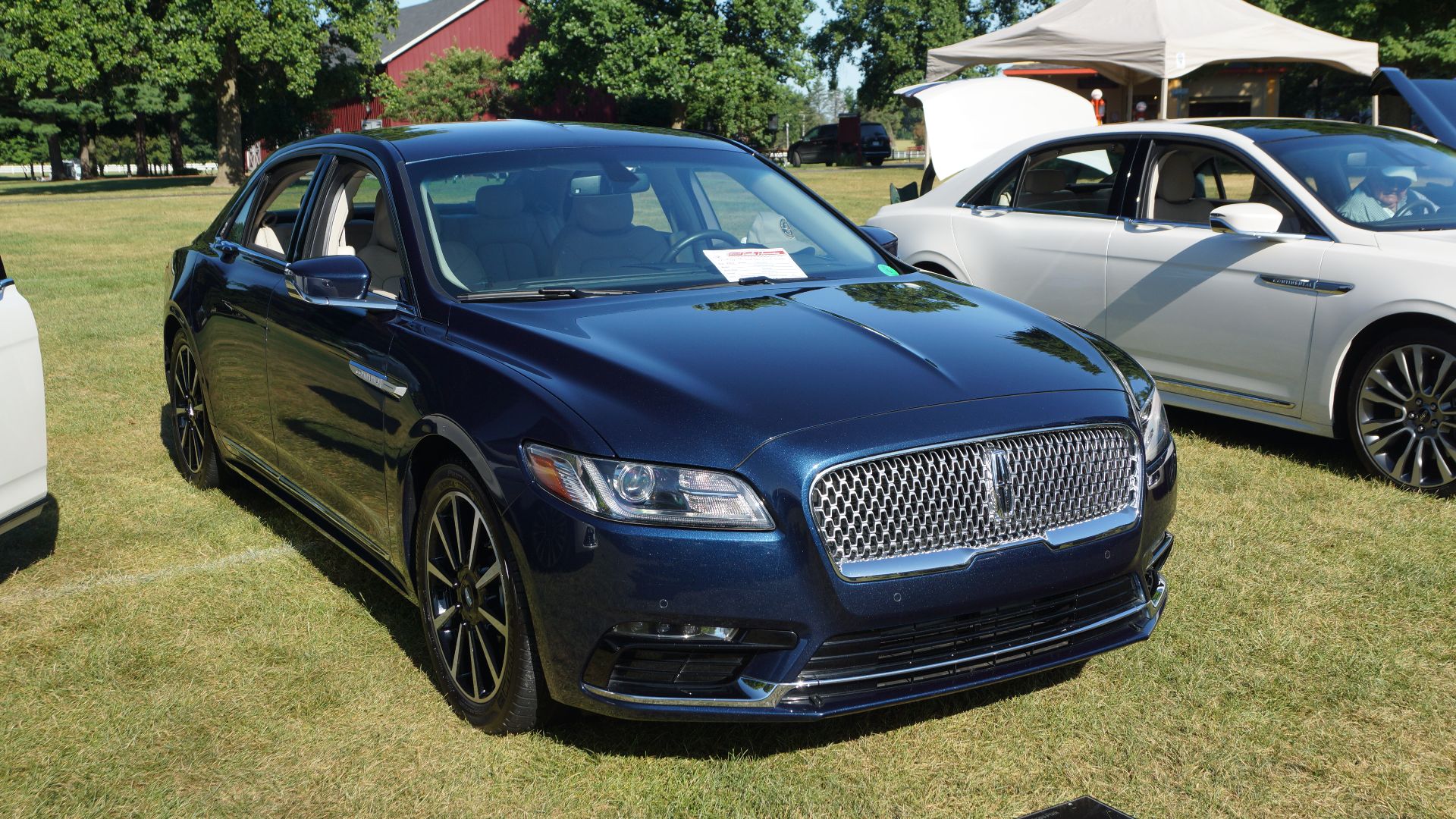
A wide grille divided into two swept halves went across the Lincoln range from around 2010, and the comparison to a whale's mouth followed quickly. Widening the car visually was the point, though the split also broke the front into pieces that did not read as one shape. The 2017 Continental arrived with a plain rectangle instead, and the wing has not returned.
9. The Toyota Mirai's Corner Intakes
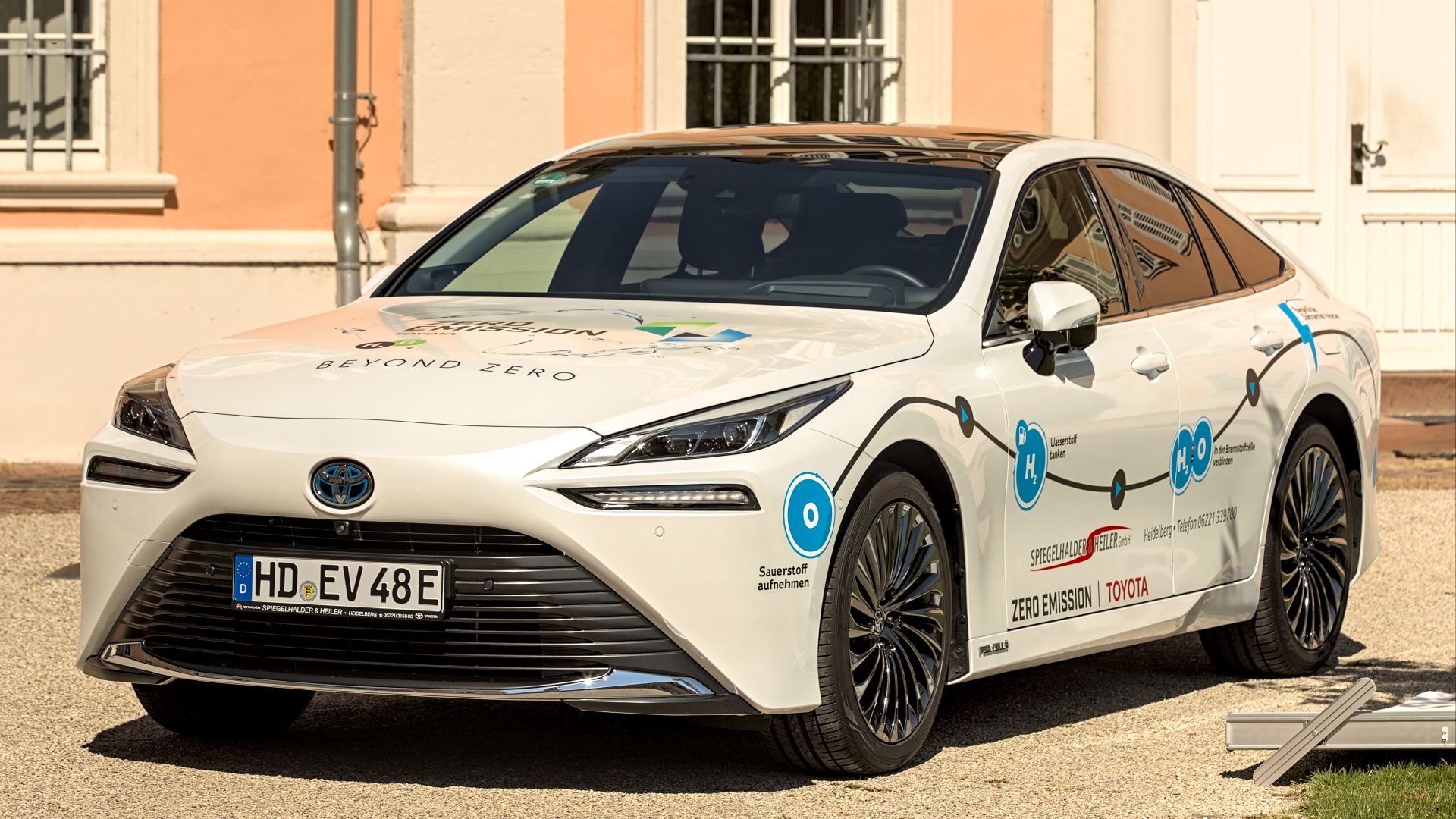
Toyota's first hydrogen Mirai needed more cooling than a combustion car, and the 2016 result was a pair of enormous vertical corner intakes. Its 2021 replacement moved to a rear-drive platform with an ordinary front, so the first car's face had been an engineering concession more than a styling choice.
10. BMW's Kidneys Got Very Large
BMW stretched the kidneys into one tall vertical pair on the 2020 4 Series, running from the hood line nearly to the bottom of the bumper. Executives pointed at the 1930s 328, which did have tall narrow kidneys, and design chief Domagoj Dukec said publicly that the car was meant to divide opinion. Later models have pulled the shape back toward something wider.