One Badge, Two Very Different Legacies
Triumph produced some of Britain's best-loved cars and motorcycles, many of which still attract collectors decades after production ended. But not every model was a success. Some suffered from reliability problems, while others struggled to find buyers or arrived when the market was moving in another direction. A few have become valuable classics, while others are remembered mostly for their shortcomings. Here are 10 Triumphs Brits still miss, followed by 10 that few were sorry to see go.
1. The Speed Twin Started a Trend
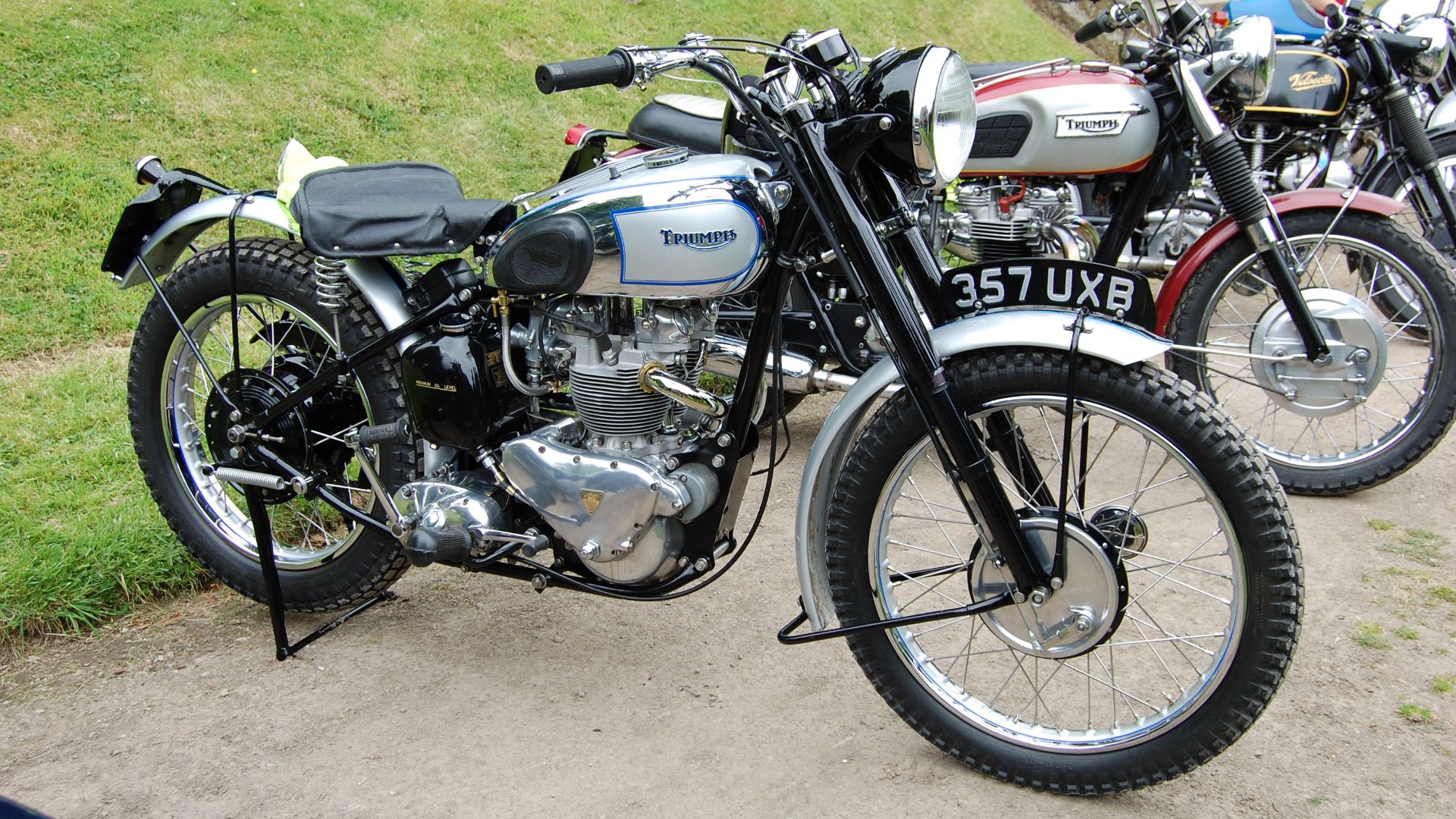
Edward Turner designed the 498cc Speed Twin, which launched in 1937 with 29bhp and returned a two-way average of 93.7 mph in a period test. Production stopped for the war and resumed in 1946. Rival firms built twins of their own, and the format dominated British motorcycling until Japanese fours took over in the 1970s.
2. The Bonneville Borrowed a Salt Flat's Name
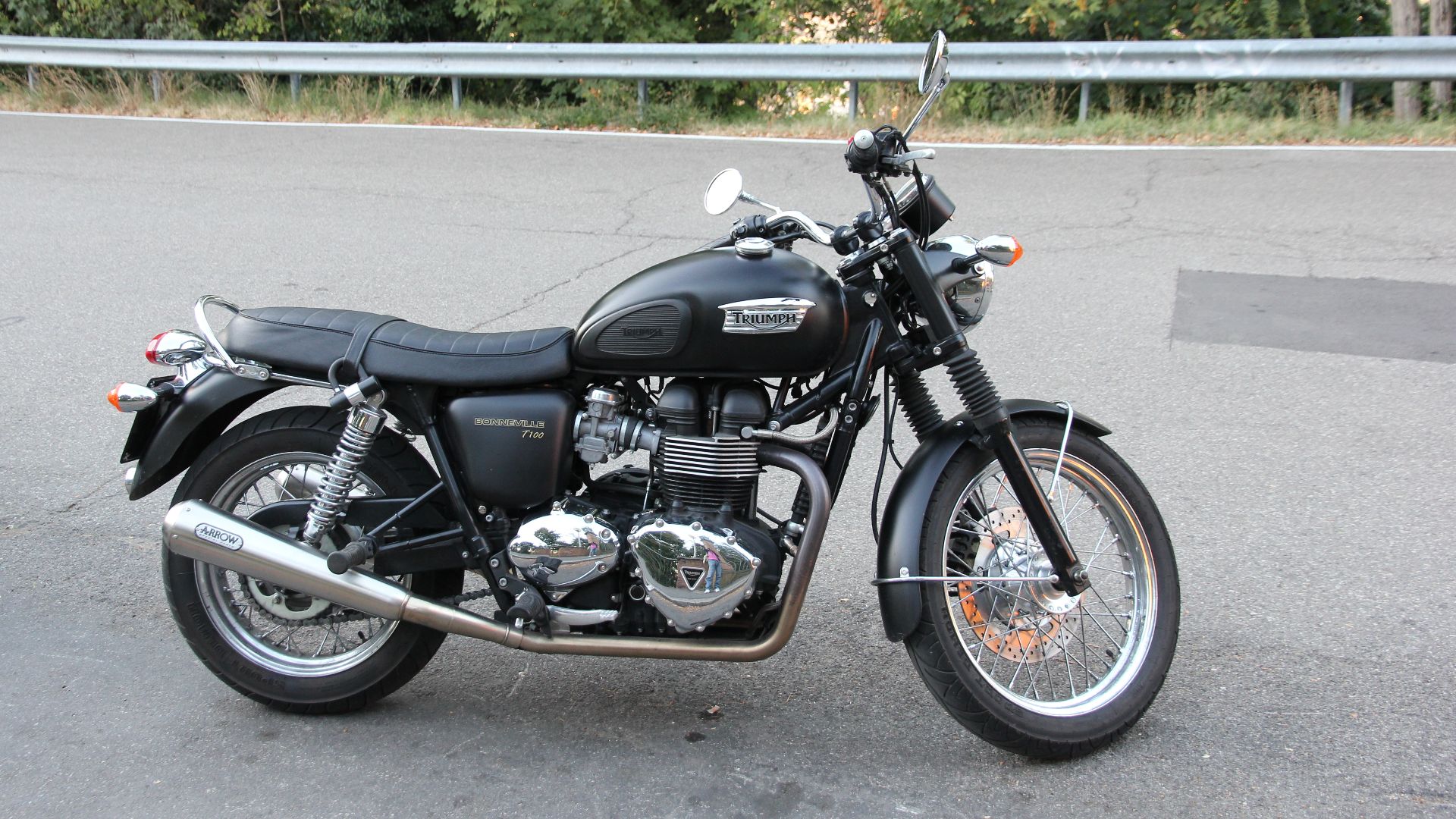
Triumph's American distributors urged the name Bonneville for the T120, to honor Johnny Allen's record runs on the Bonneville Salt Flats in 1955 and 1956. The 650cc twin made 46bhp and sold slowly at first, though about 28,000 had gone to American buyers by 1967. The T120 badge itself signaled a claimed top speed of 120 mph.
3. The Trident Won the Isle of Man Production TT Five Times
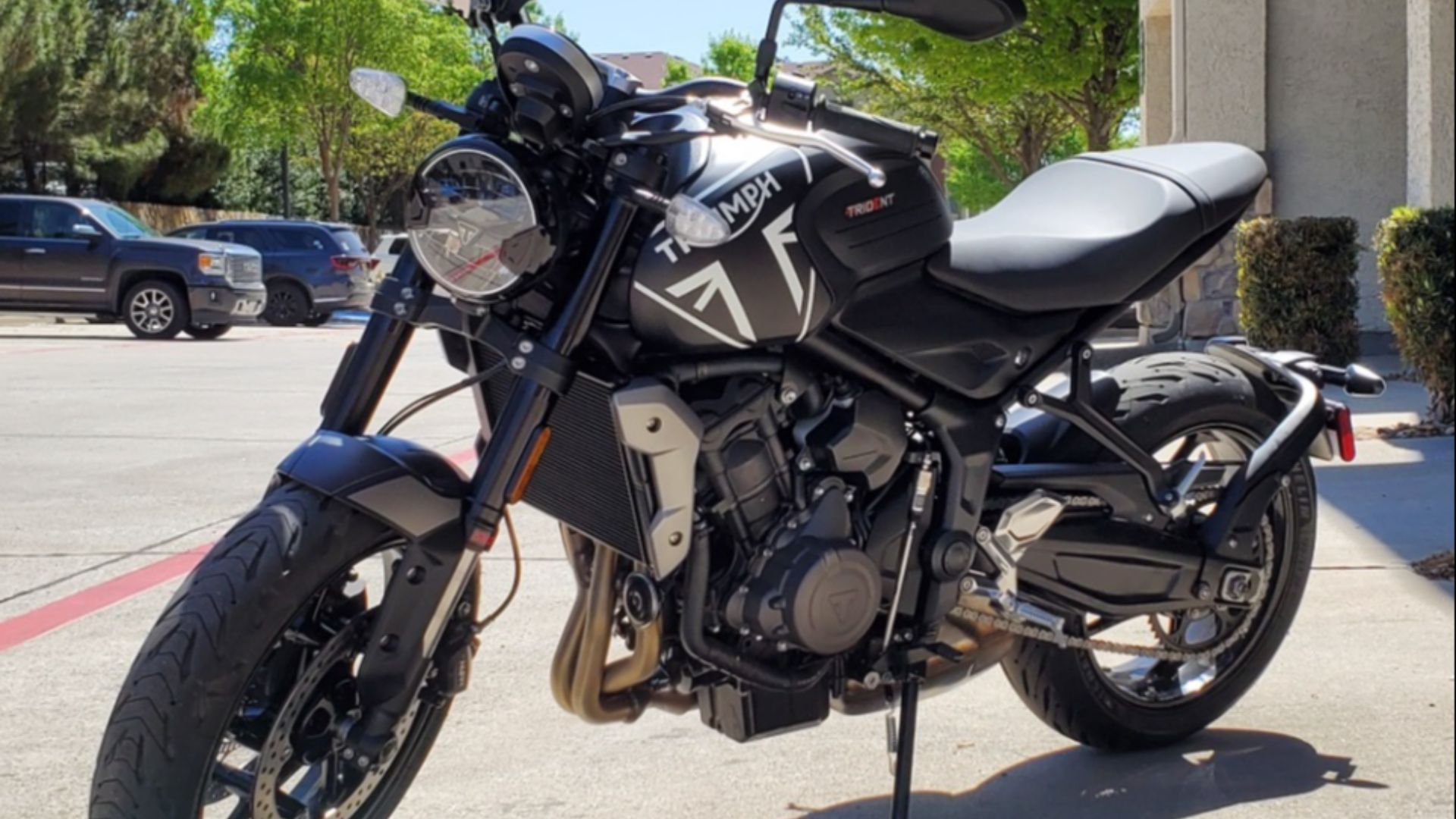
The Trident went on sale as a 1969 model with a 750cc three-cylinder engine, a few weeks before the Honda 750 Four. It was billed as the fastest production motorcycle of its day. Tridents then won the Isle of Man production TT five years running, from 1971 through 1975.
4. The TR2 Gave Triumph a Sports Car
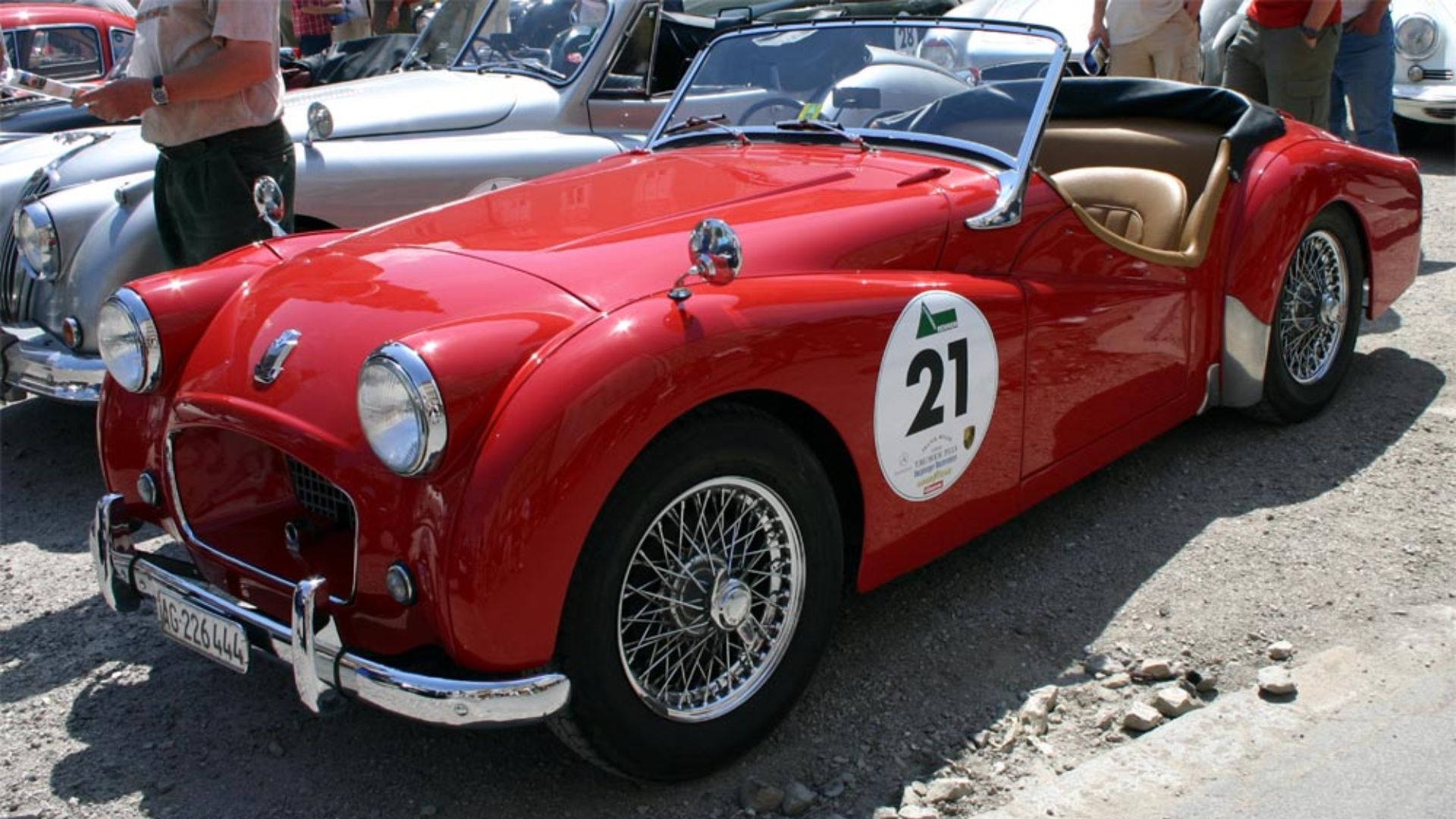
Triumph showed the TR2 at the Geneva motor show in March 1953 and put it on sale that year. A total of 8,628 were built before the end of 1955. Its successor, the TR3, kept the open two-seater format and used side curtains in place of wind-up windows.
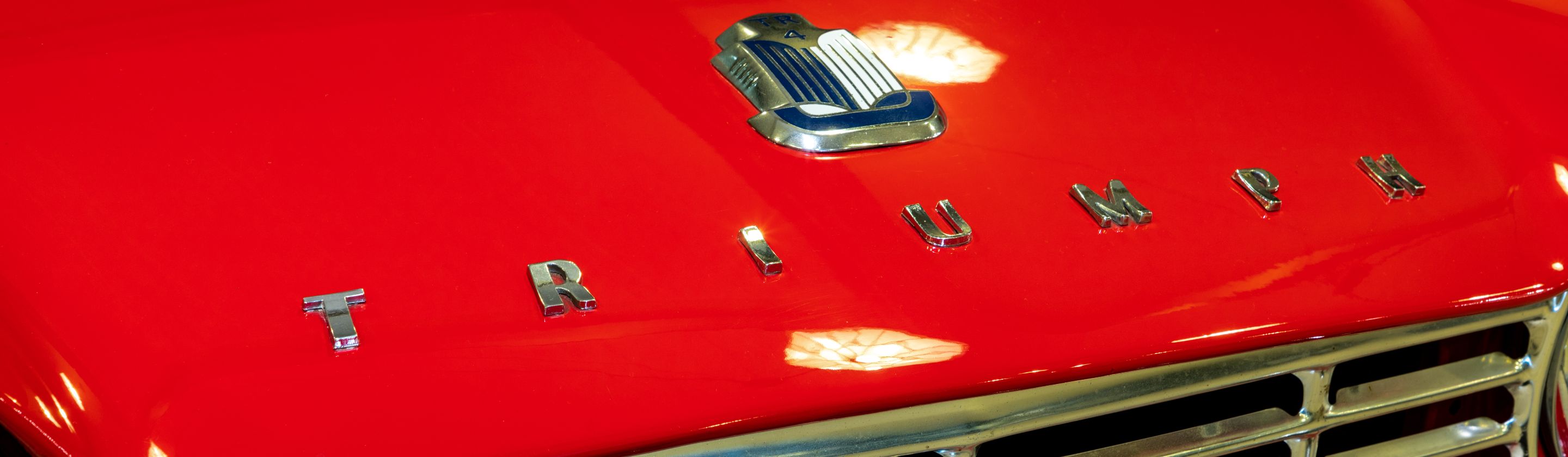
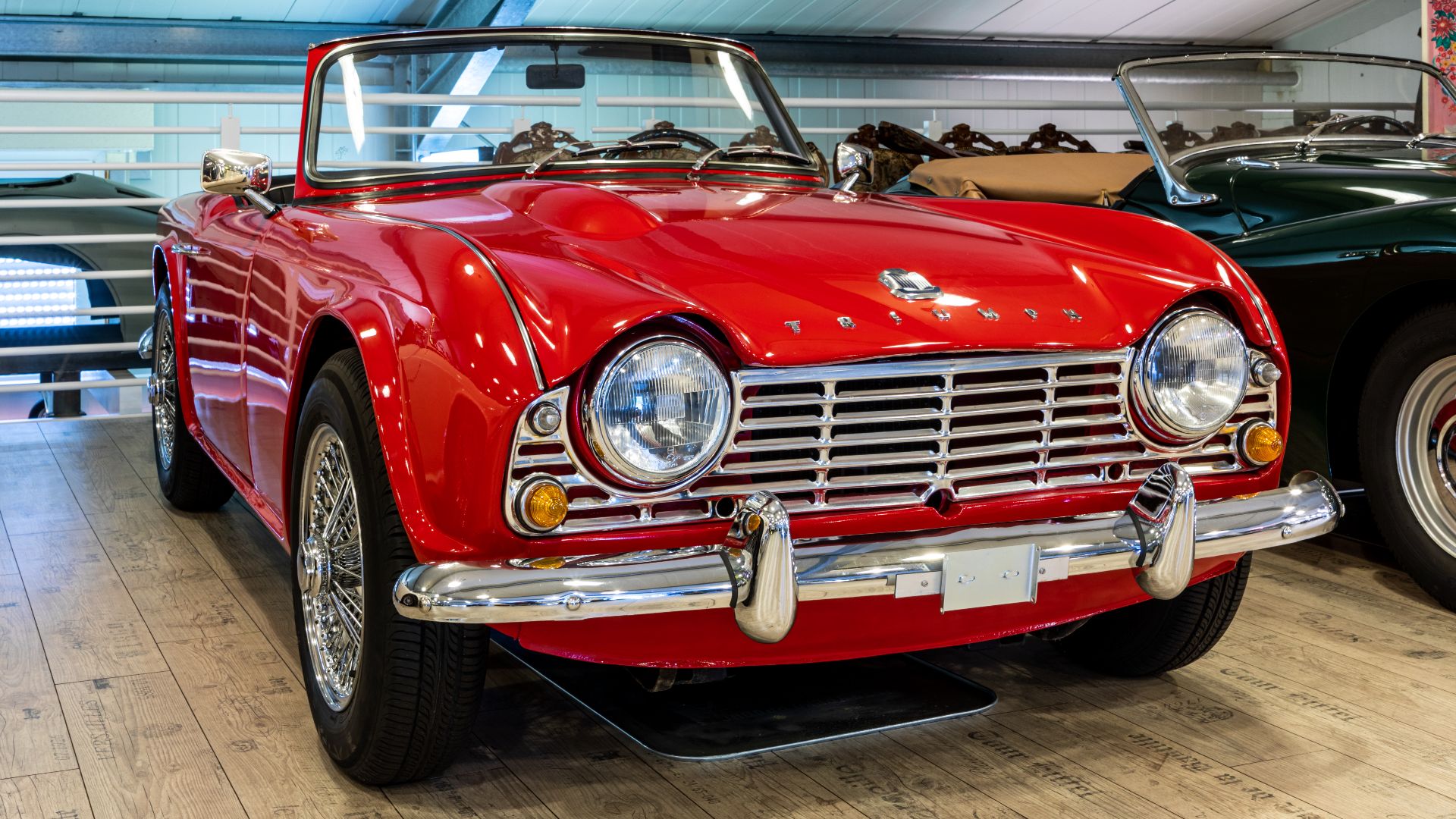
5. The TR4 Replaced a Bestseller
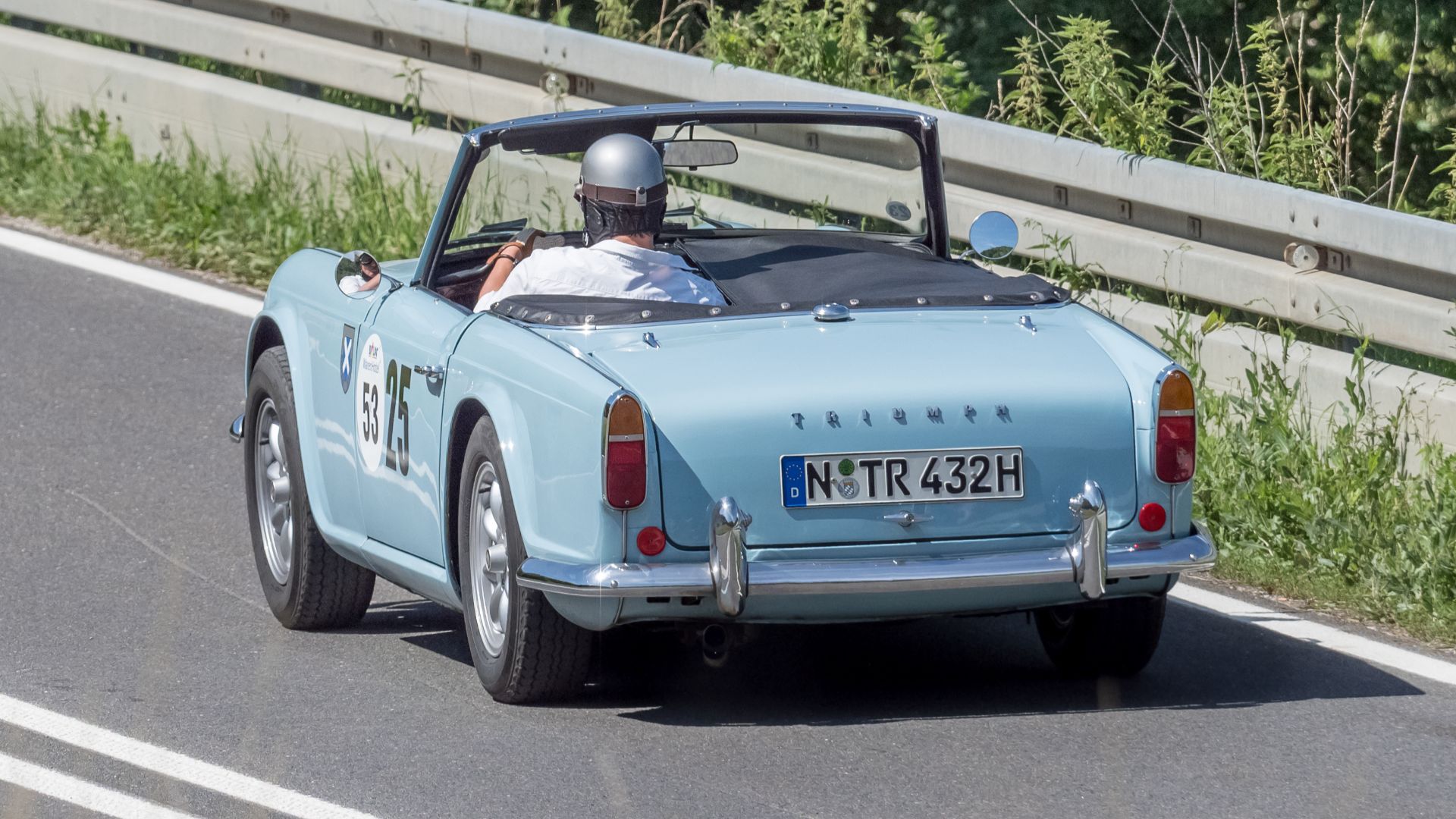
Standard-Triumph introduced the TR4 in 1961 to replace the TR3, which had sold nearly 75,000 cars by the end of 1962. Giovanni Michelotti styled it, and its front end closely resembles his earlier Zest prototype. That prototype was narrower than the car that followed.
6. The TR6 Sold Nearly 95,000 Cars
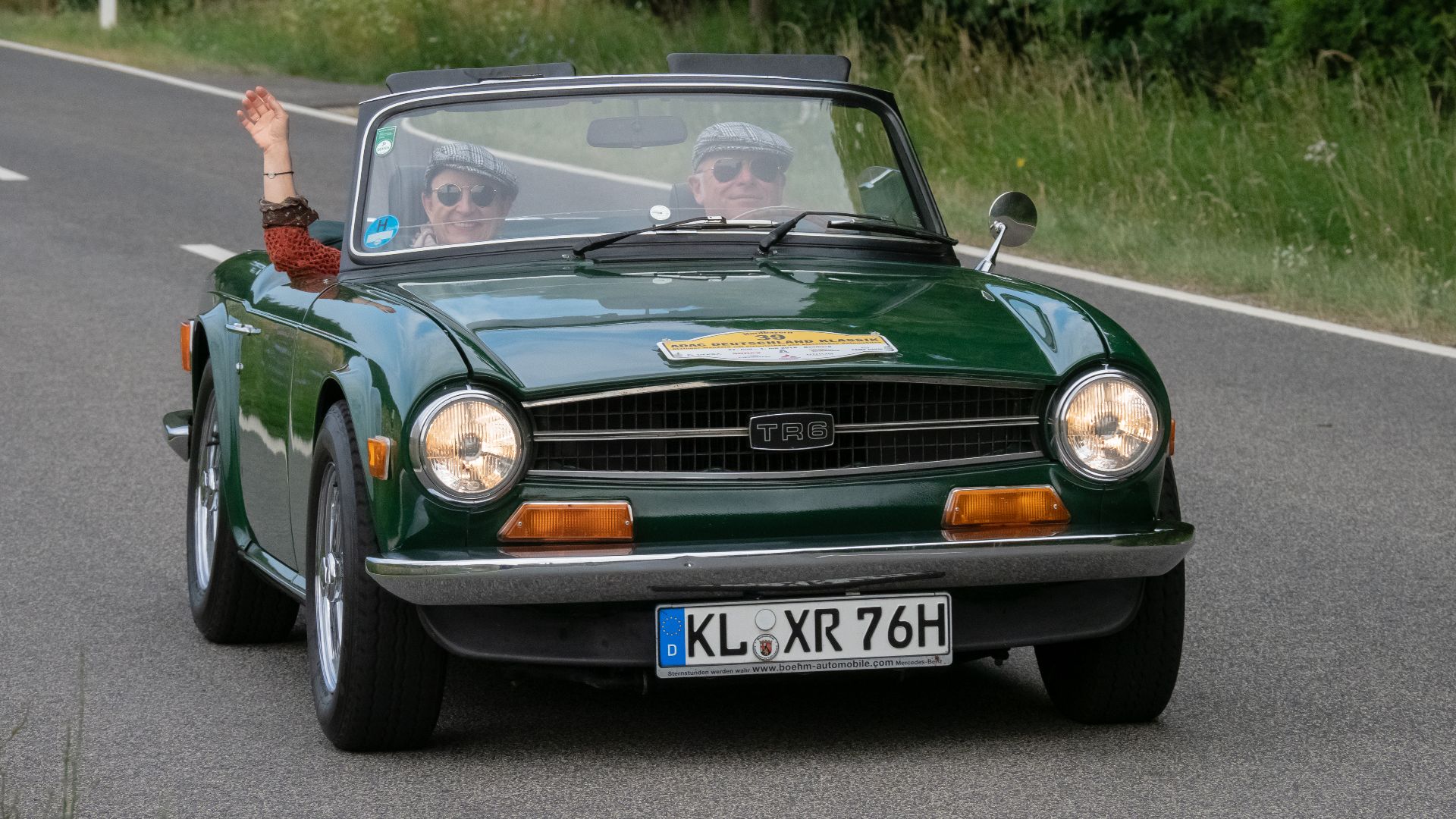
Karmann gave the TR5 a substantial facelift to create the TR6, and 94,619 were built between 1969 and 1976. UK and European cars used a Lucas fuel-injected six-cylinder rated at 150bhp, later detuned to 124bhp in 1973. American buyers got carbureted versions with about 105bhp, and the car sold mainly in the United States.
7. The Spitfire Shared the Herald's Bones
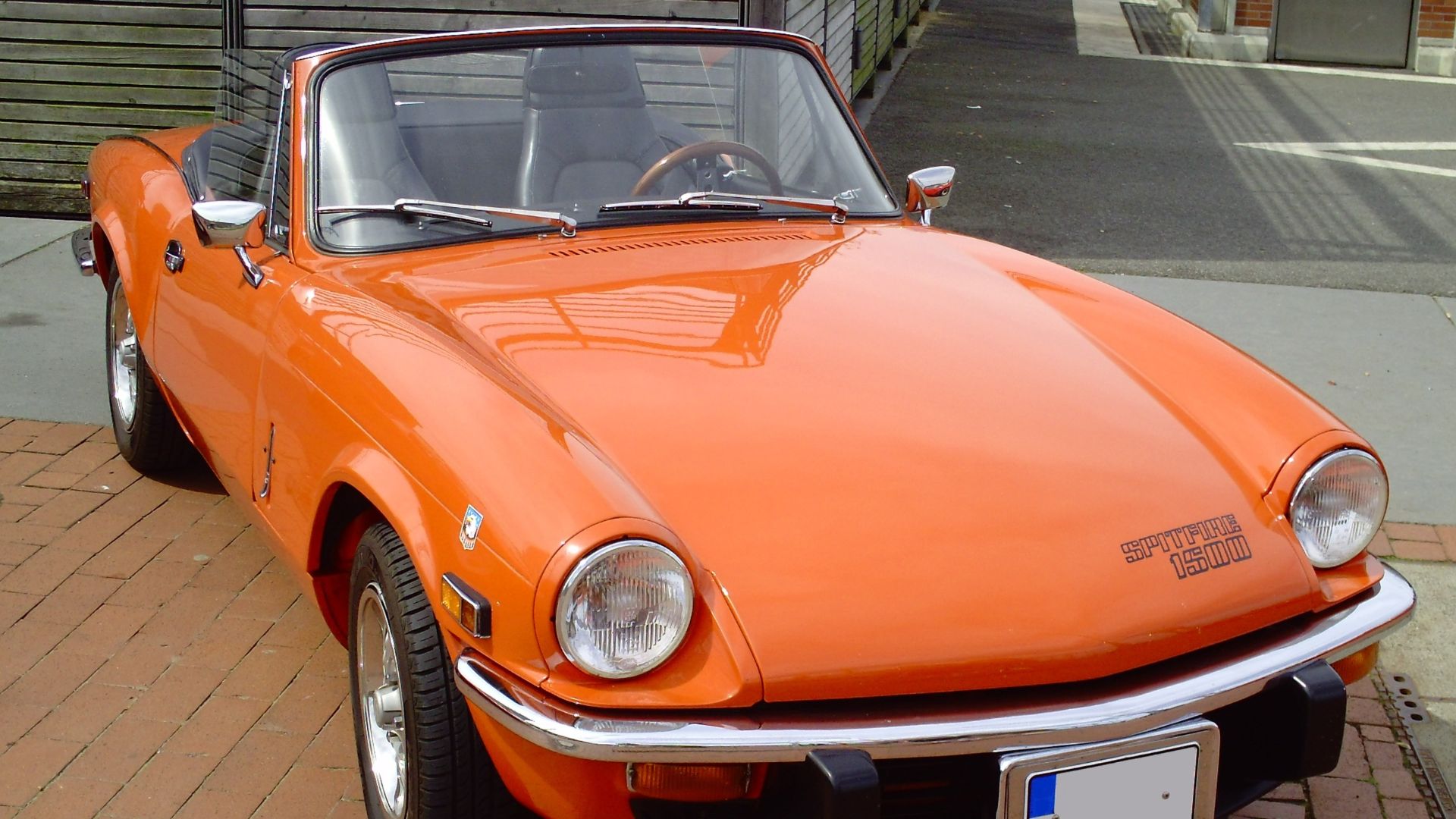
The Spitfire arrived in 1962 on a shortened Herald chassis with a body by Michelotti. A one-piece bonnet carried over from the Herald, and a steel hardtop was offered as an option. The engine grew from 1147cc to 1296cc in 1967 and to 1500cc by the time production ended in 1980.
 commons.wikimedia.org on Google
8. The Herald Turned in a Tiny Circle
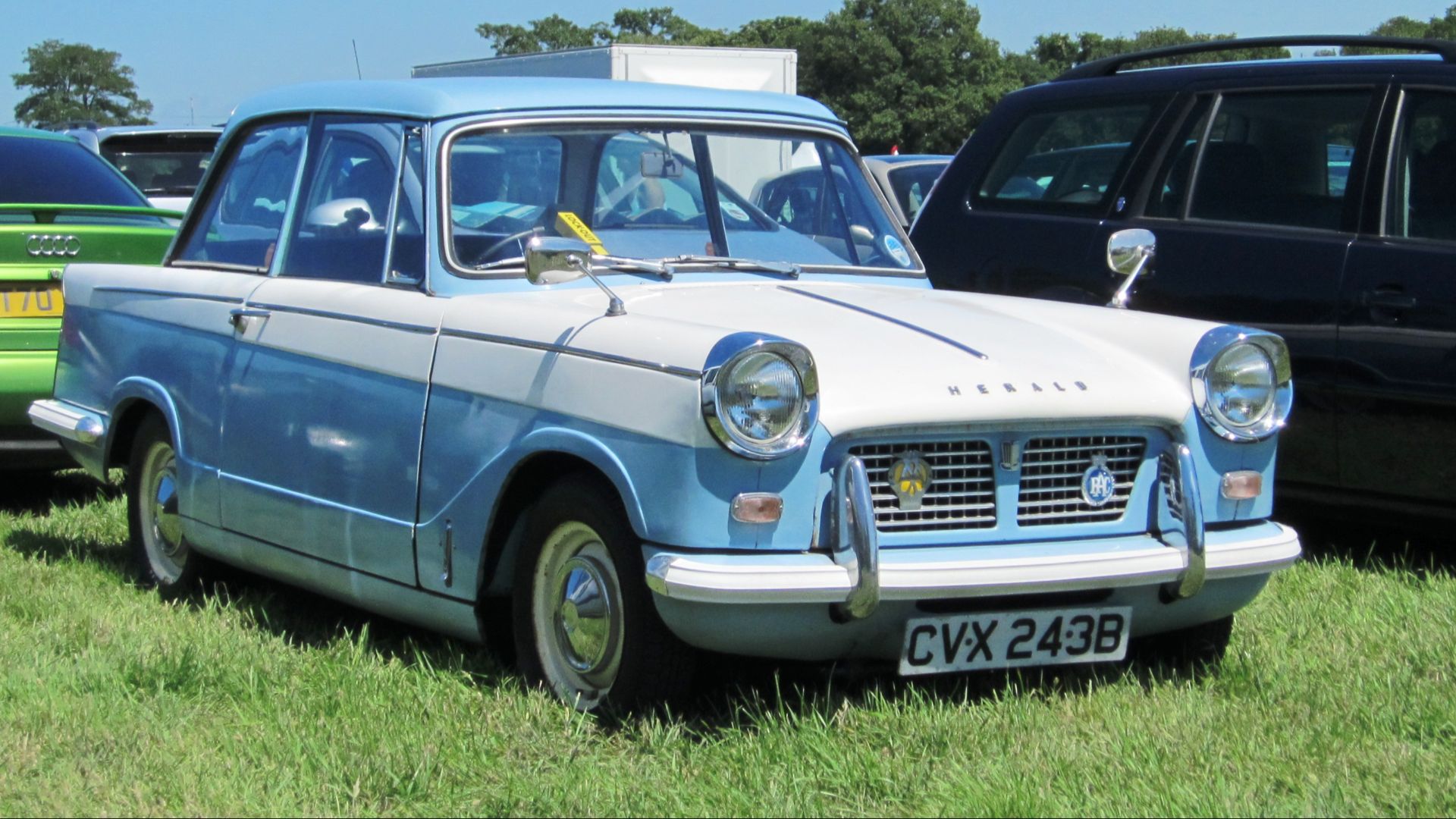
The Herald's front-hinged bonnet incorporated the wings in a single piece, and the body panels unbolted individually for repairs. It rode on a backbone chassis with a separate body, which the Spitfire later trimmed down. Its famously tight turning circle carried over to the Spitfire.
9. The Dolomite Sprint Packed 16 Valves
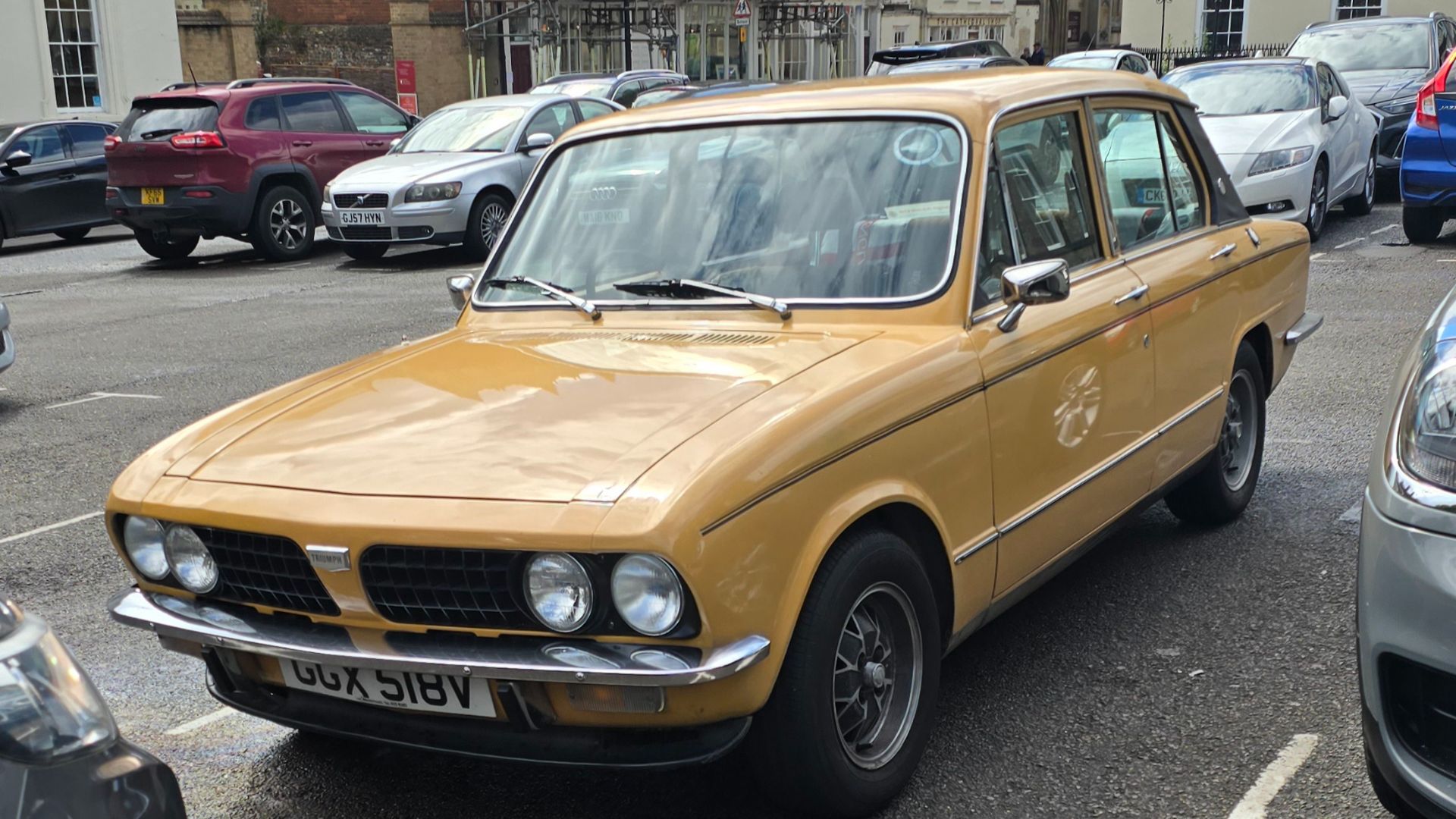
British Leyland launched the Dolomite Sprint in June 1973 with a 1,998cc engine rated at 125 to 130bhp, a 116 mph top speed, and a 0 to 60 time of 8.7 seconds. Dealers claimed it was the first mass-produced car with a multi-valve engine, though that remains a sales line rather than a settled fact. Andy Rouse and Tony Dron won the 1974 British Touring Car Championship manufacturers' title in one.
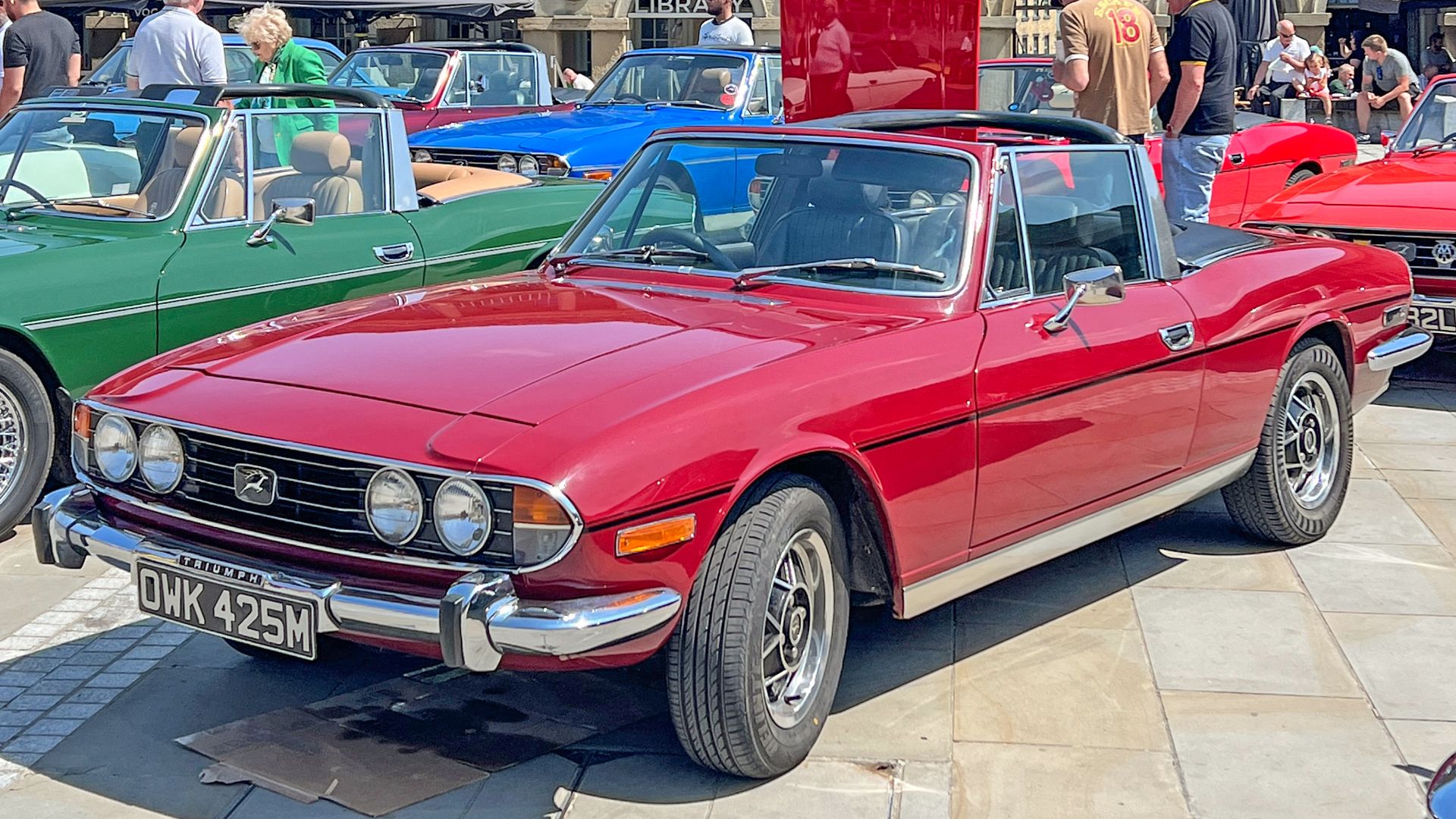
10. The Stag Kept Fixers Busy
Triumph built 25,877 Stags with a 2,997cc V8 that no other Triumph used, and production ended in 1977. Engine problems, with gaskets high on the list, kept it from being a sure winner. Today the problems are considered solved, and the car is widely admired.
Now, here's 10 that Britain did not miss.
1. The Mayflower Aimed at the Wrong Buyers
Triumph showed the Mayflower at Earls Court in October 1949 as a small upmarket saloon for retired officers at home and suburban Americans abroad. It used a 1,247cc side-valve engine from the pre-war Standard Flying Ten. Too few American motorists wanted a Triumph instead of a Buick or Chrysler, and production ended around 1953.
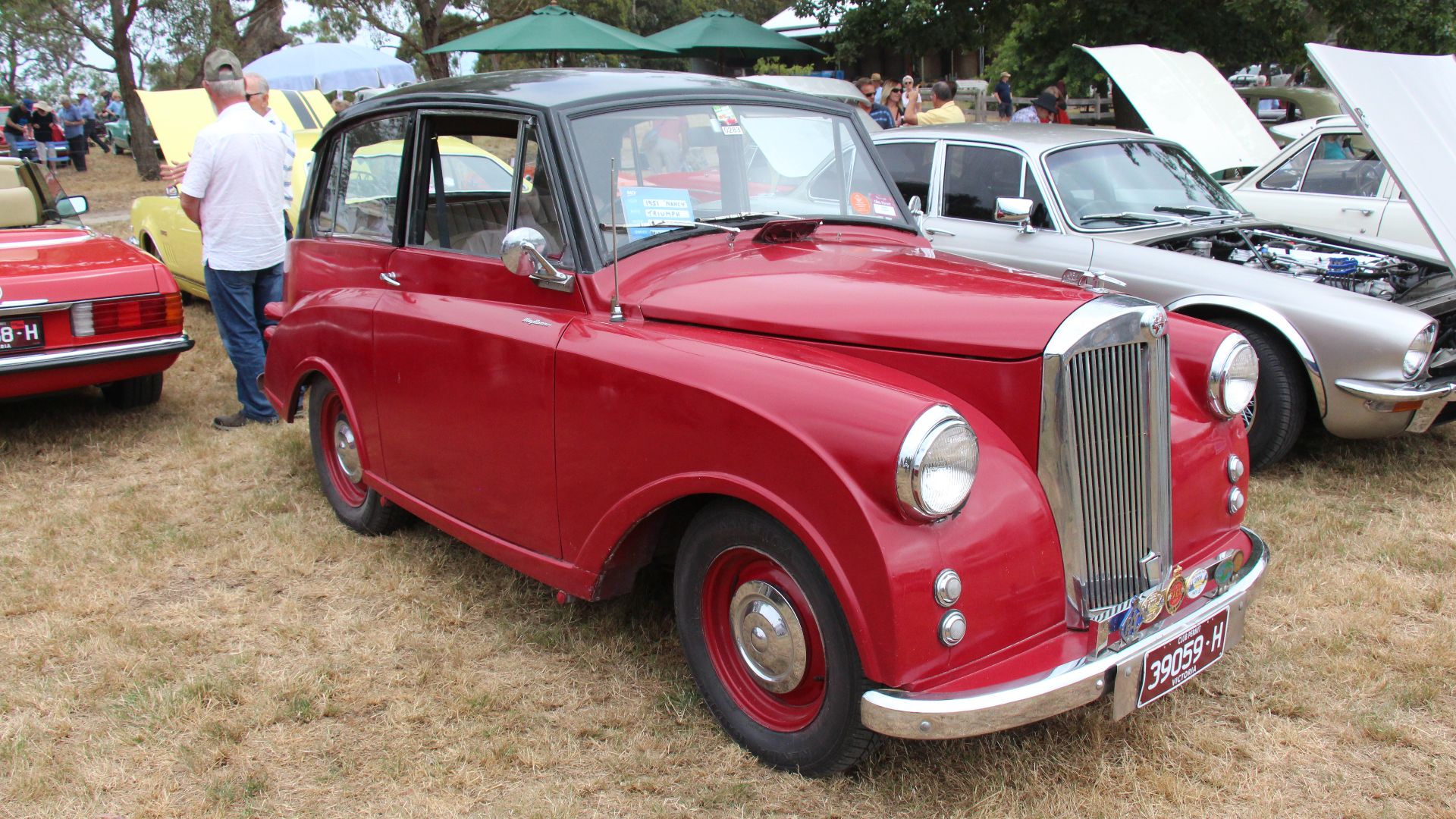 commons.wikimedia.org on Google
2. The Tina Scooter Chased Italy and Missed
Edward Turner designed the Tina as a lightweight 100cc scooter with twist-and-go gearing, partly to compete with Italian machines. Promotional photos aimed it at women and featured Cliff Richard. It lasted four years, and its successor, the T10, ran for five more.
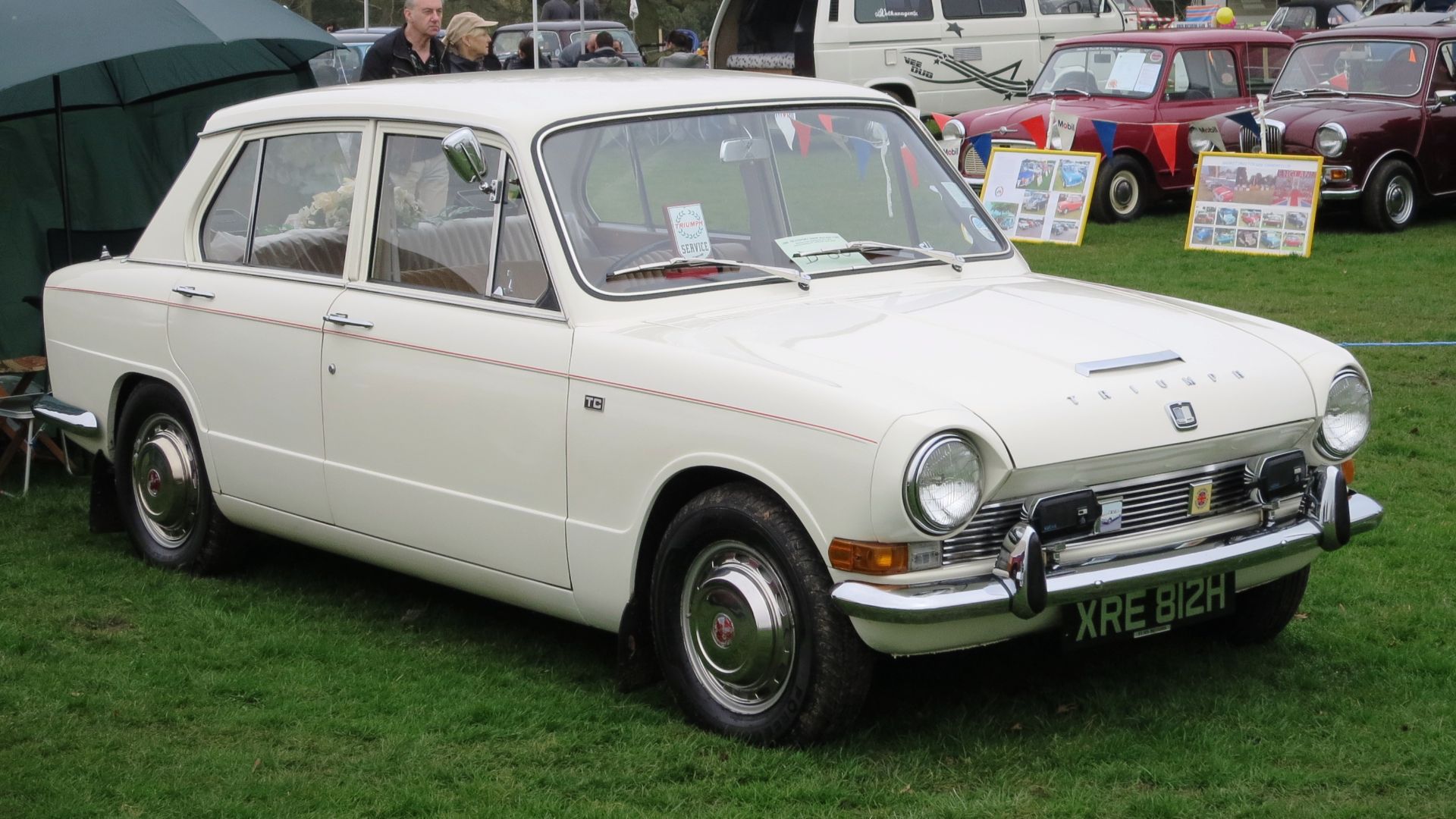
3. The Front-Wheel-Drive 1300 Cost Too Much
The 1300 launched in October 1965 as a front-wheel-drive saloon that earned rave reviews on test. Its sophistication was heavy and expensive, and Triumph dropped front drive in 1973 after building 214,703 of them. Rust was the main complaint among later owners.
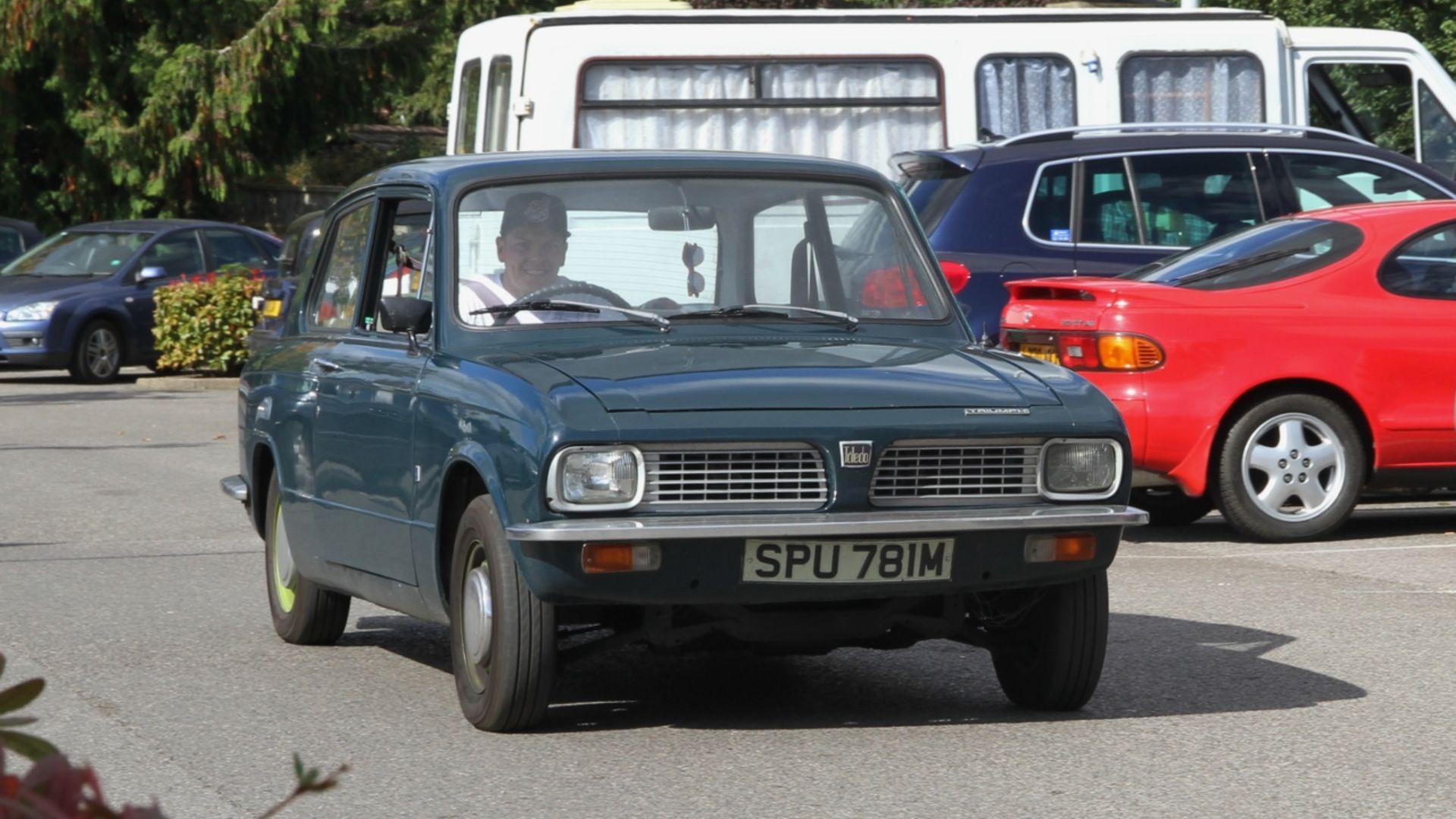
4. The Toledo Lacked a Personality
Triumph added the two-door, rear-drive Toledo in 1970 and a four-door version in 1972. Buyers found its gearing low, and enthusiasts say it lacks the character of the separate-chassis Heralds. The Dolomite 1300 and 1500 replaced it in March 1976.
5. Critics Disliked the TR7's Wedge
Harris Mann gave the TR7 a wedge shape that many British journalists disliked, and Giorgetto Giugiaro reportedly joked that they had done it to the other side as well. American safety bumpers added weight, while US emissions rules held the four-cylinder to 90bhp, or 76bhp in California. About 115,000 were built anyway, more than the three TR models before it combined, and it has a following now.
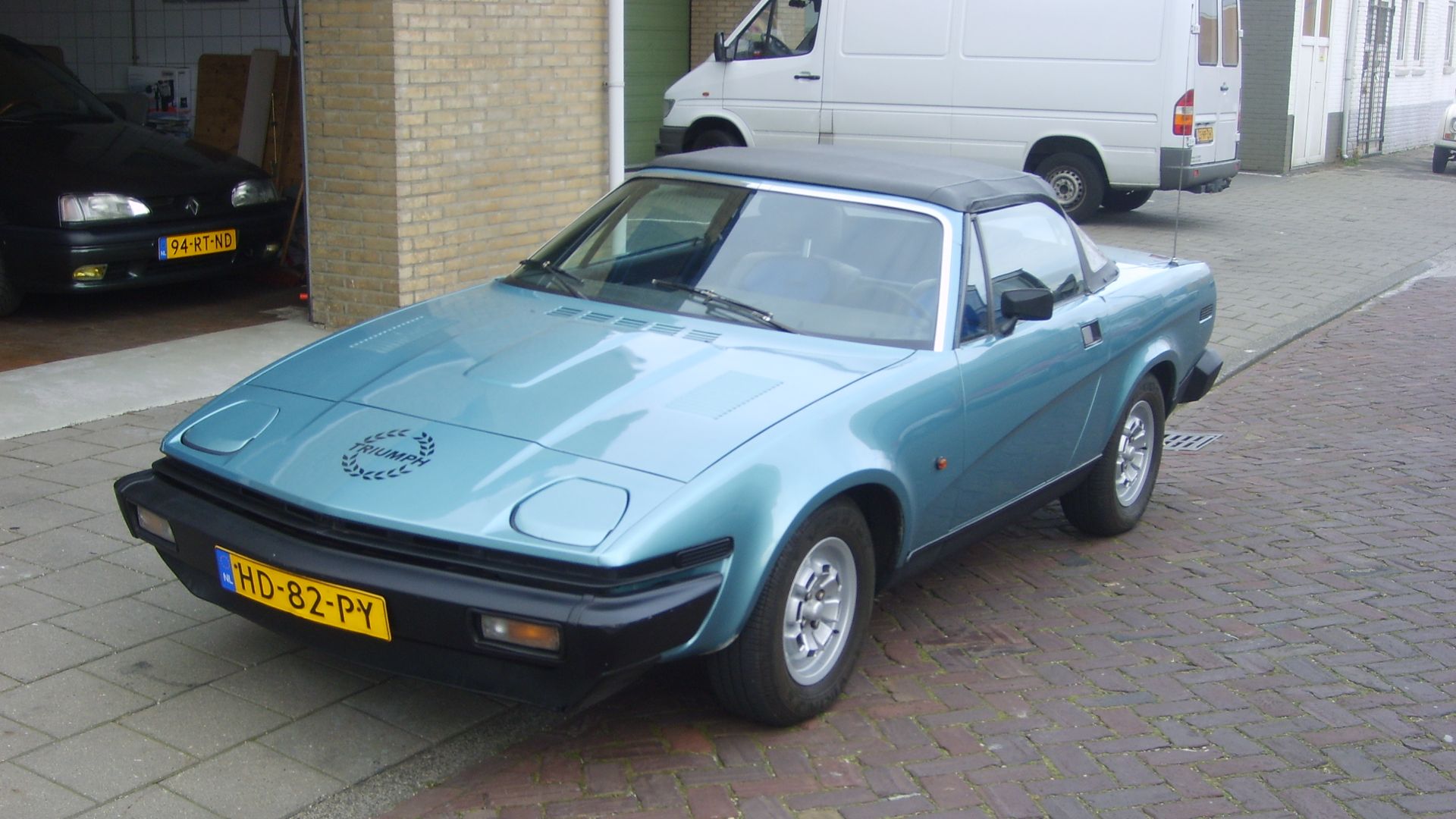 Niels de Wit from Lunteren, The Netherlands on Wikimedia
6. A Strike Wrecked TR7 Quality
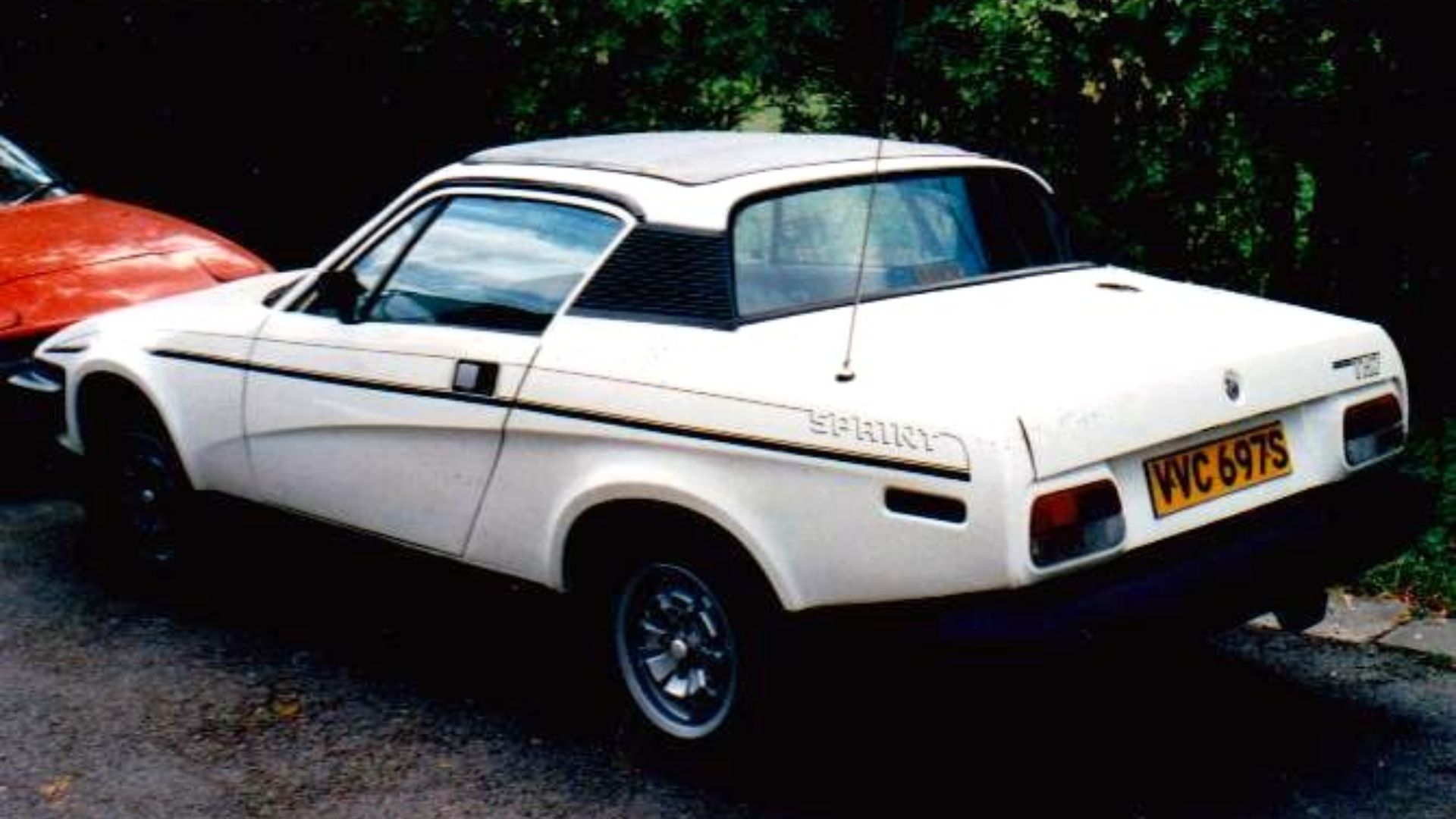
Workers at the Speke plant in Liverpool went on strike in October 1976, and cars built in that period were poorly assembled and unreliable. Production moved to Canley in 1978 and to Solihull in late 1980. It ended in 1981, and the closure of Speke also killed the TR7 Sprint and the Lynx fastback.
7. The Trident Wore a Shoebox
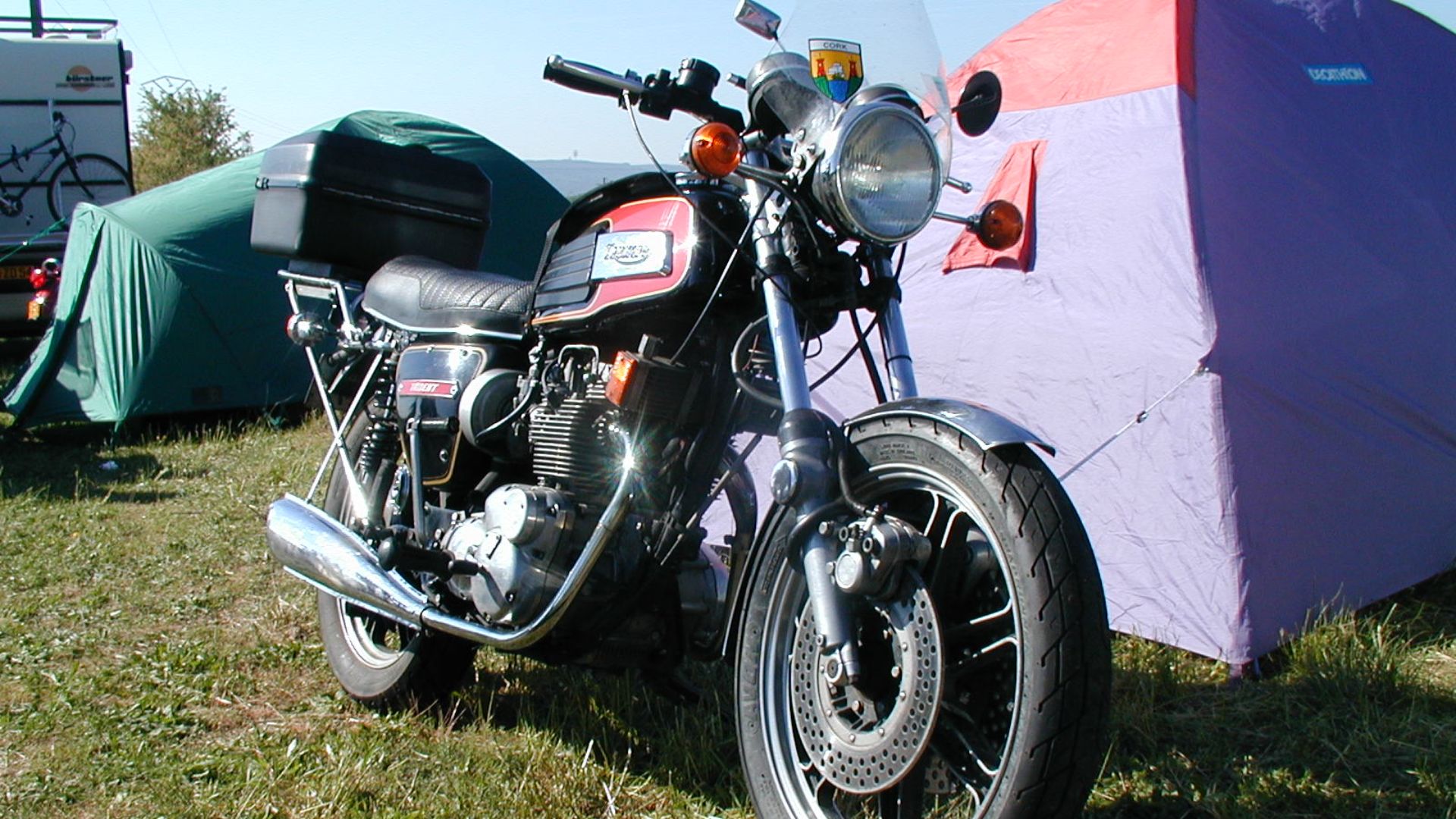
Ogle, an outside firm with no motorcycle experience, styled the original Trident with slab-sided covers and Ray Gun mufflers. Sales suffered, and many owners swapped on Bonneville-style bodywork. Triumph put Bonneville-derived bodywork on the 1971 Trident.
8. The X-75 Hurricane Struggled to Handle
Craig Vetter restyled a BSA Rocket 3 into the X-75 Hurricane in 1972, with a slender fibreglass tank and seat unit. Fewer than 1,200 were built, and the bike earned a dubious reputation for handling and managed about 60 miles on its 10-litre tank. Collectors pay well for them today.
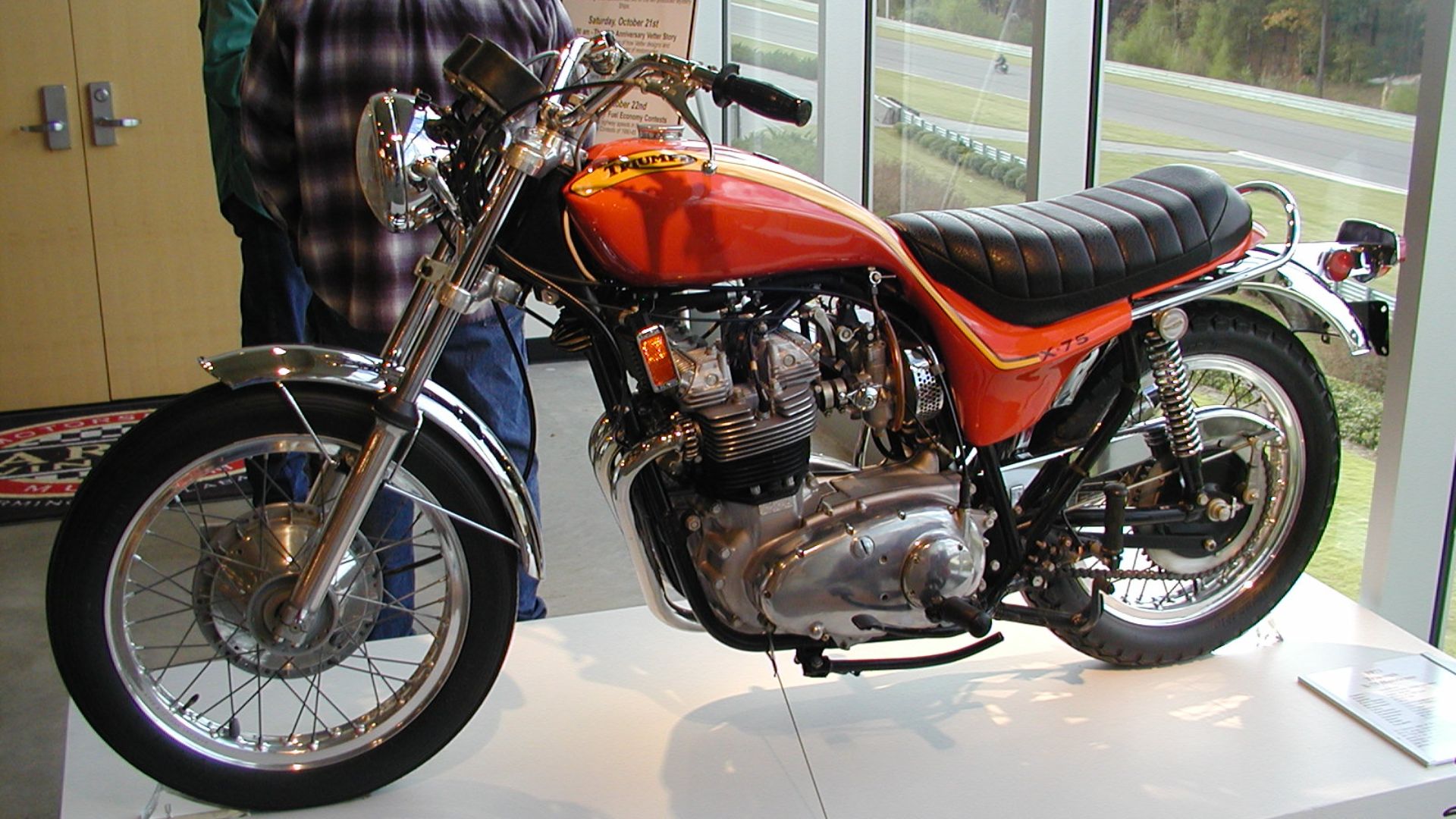 MikeSchinkel on Flickr.com, MikeSchinkel.com on Wikimedia
9. The Trophy 250 Was a Rebadged BSA
The TR25W Trophy arrived in 1968 as a BSA Starfire 250 with Triumph badges, taller handlebars, and a raised exhaust. Built at BSA's Small Heath factory, it suffered from poor assembly and engine problems. A 1970 restyle failed to fix its reputation, and production ended that year. Japanese competitors had already surpassed it in reliability.
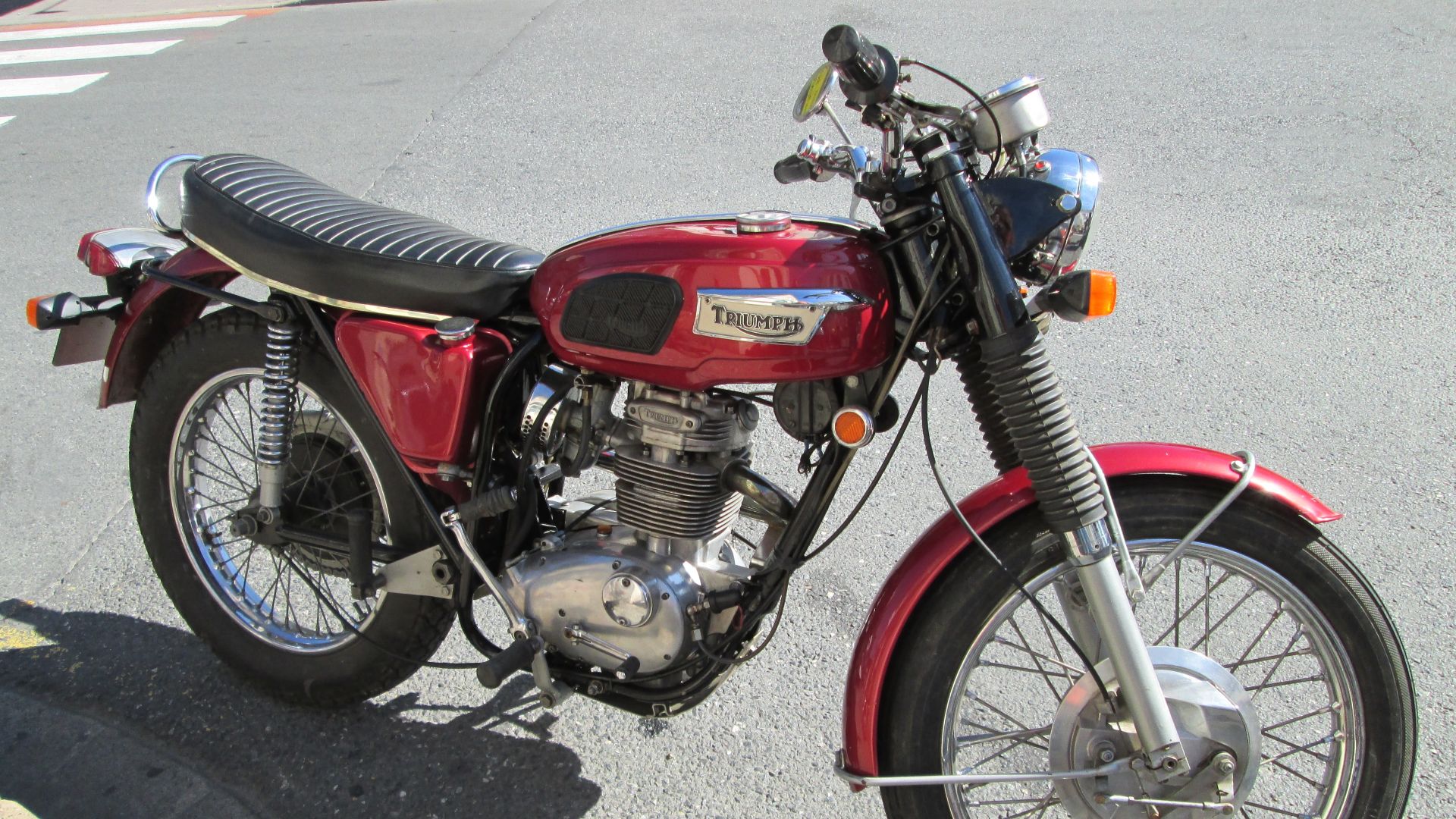
10. The Acclaim Was the Last Triumph Car
The Acclaim arrived in October 1981 as a British-built version of the Honda Ballade. It earned good reviews and ranked fifth in UK sales during its first full month. Despite that success, it was the last car to carry the Triumph badge. When the Rover 200 replaced it in 1984, the Triumph name disappeared from car showrooms.
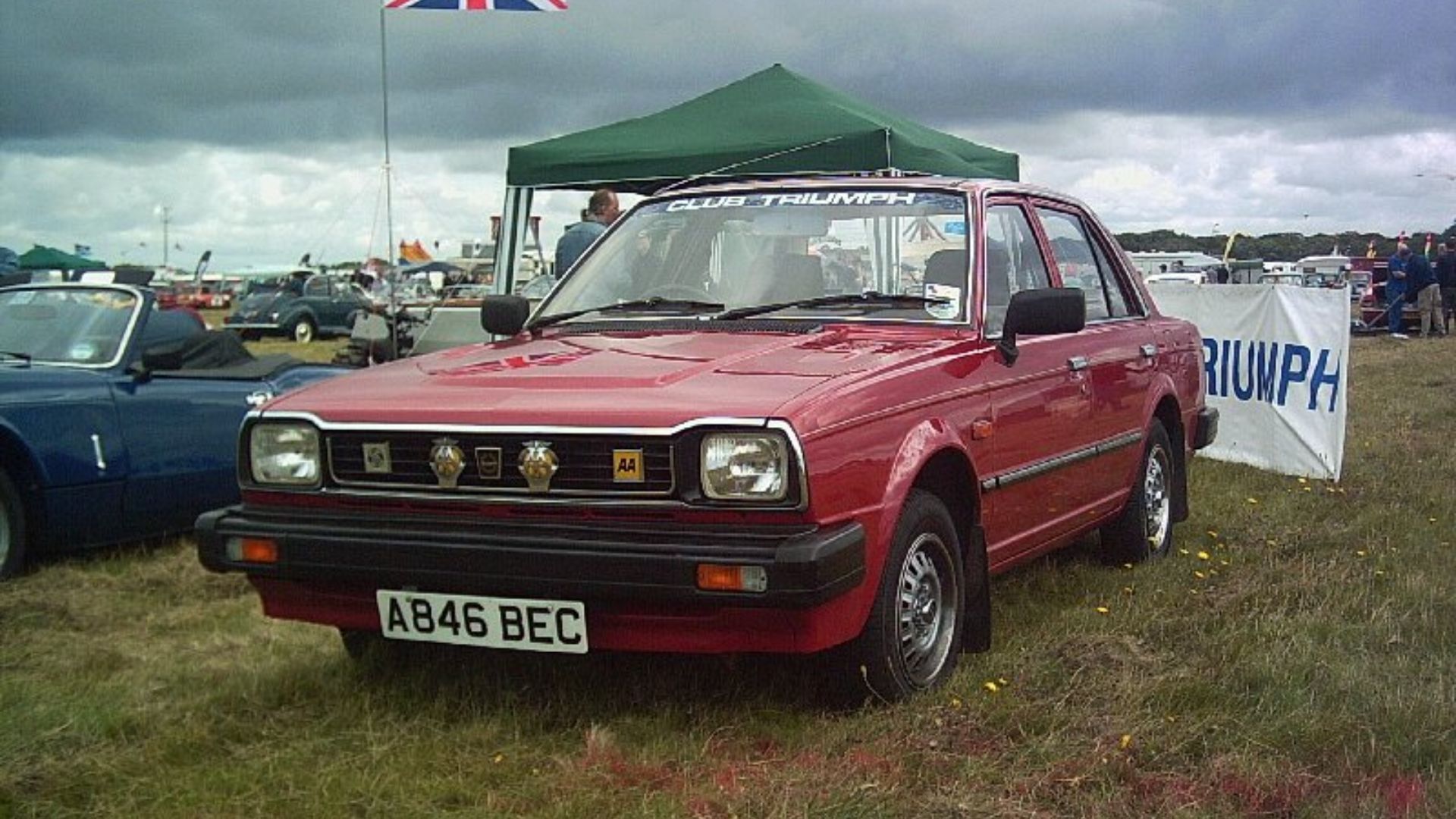 User Parknest on en.wikipedia on Wikimedia