The 1939 Car That Was More Aerodynamic Than Most Modern Vehicles
 DLR German Aerospace Center on Wikimedia
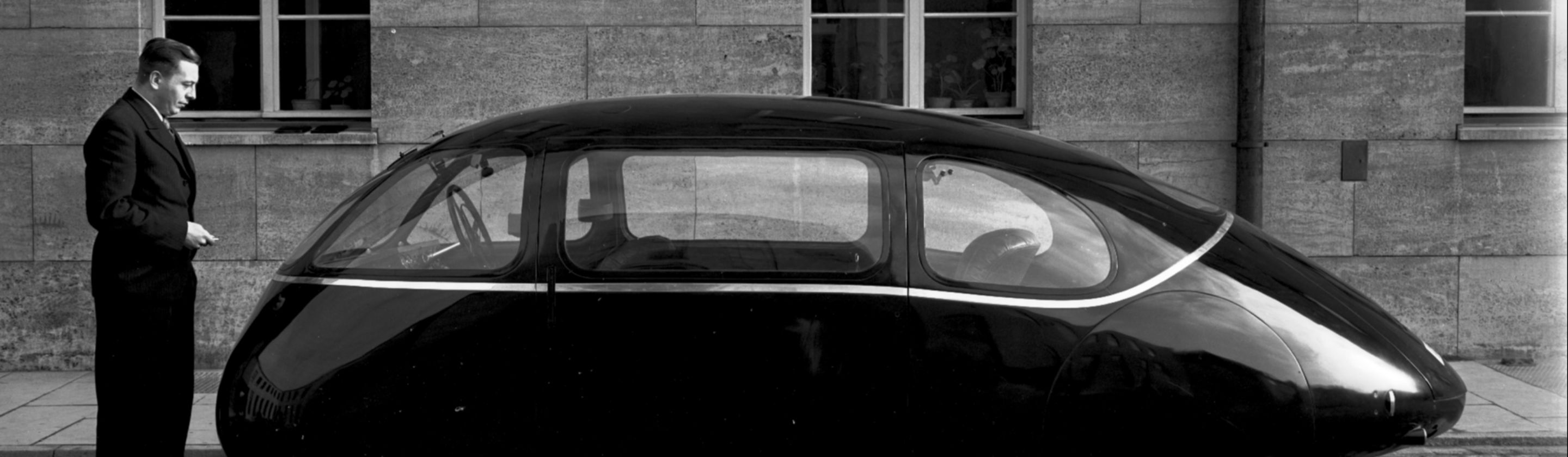
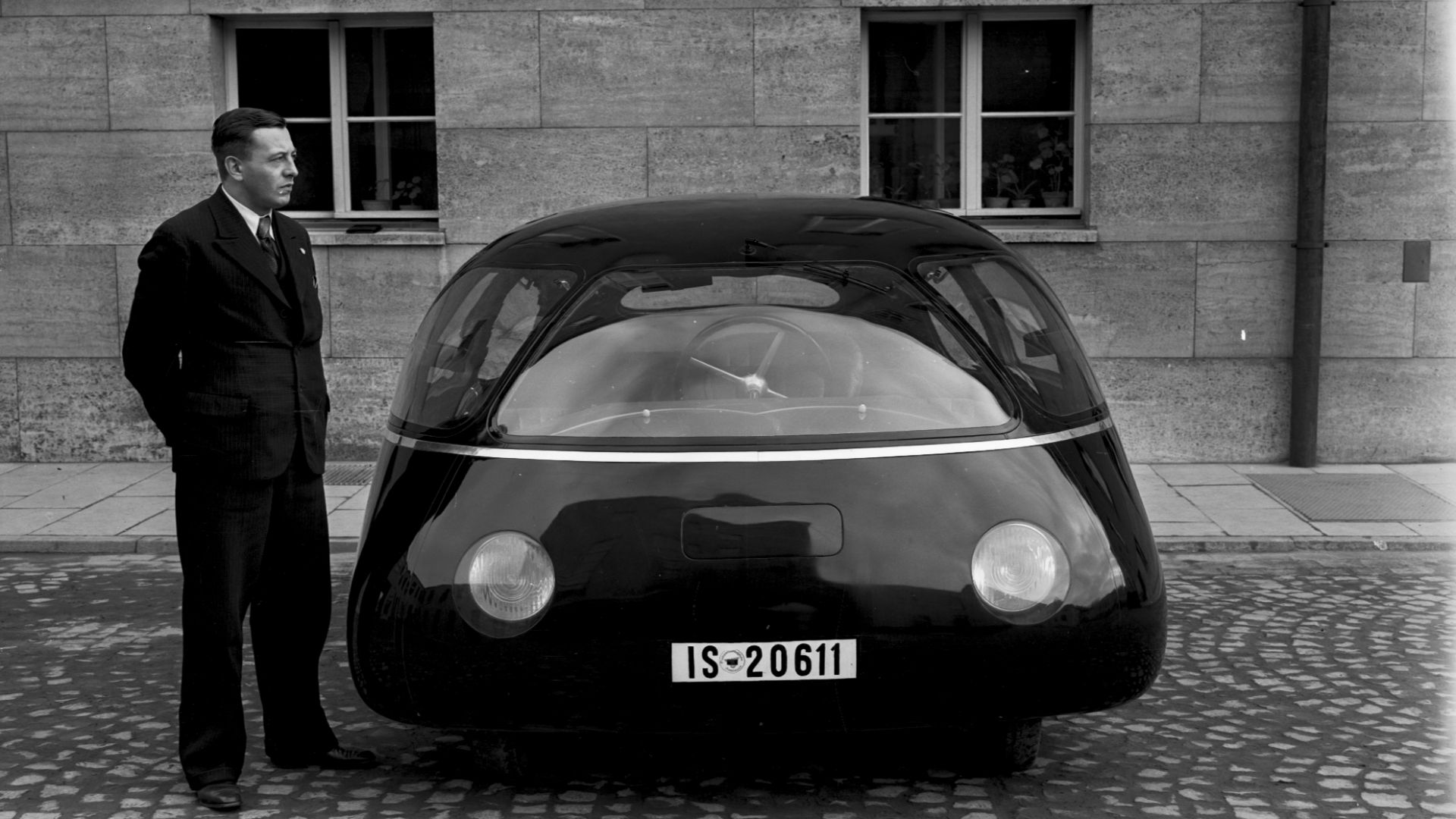
In 1939, a German experimental car appeared with an unusual shape. Its wheels were almost entirely hidden beneath a smooth body, and the windows followed the curve of the roof. There was barely a straight line anywhere on it. The car was called the Schlörwagen, although its appearance earned it the nickname Göttingen Egg. It looked unlike anything on the road, and its designers had no interest in making it look conventional.
According to the German Aerospace Center, the Schlörwagen achieved a drag coefficient of 0.186 in wind tunnel testing. That measures how effectively a vehicle moves through the air, with lower numbers indicating less resistance. Many modern passenger cars still have higher figures, despite decades of engineering improvements.
The Body Came From Aircraft Research
The project began at the Aerodynamic Research Institute in Göttingen. During the 1930s, German researchers were studying ways to reduce air resistance in cars, applying methods already familiar from aircraft development. In 1935, the German Transport Ministry commissioned work on a streamlined vehicle. Engineer Karl Schlör eventually took charge of a design that would reduce resistance across the entire body.
Rather than develop a car from scratch, Schlör started with a Mercedes-Benz 170 H. It had a 1.7-liter engine mounted at the rear, leaving room to experiment with the passenger compartment. The chassis was modified, and a coachbuilder in Essen constructed the new body. The wheels were enclosed, while the windows sat flush with the surrounding panels. Even the door handles were designed to avoid interrupting airflow.
Schlör wanted enough room for a family, with seating planned for seven people. The finished prototype was approximately 14 feet long and nearly seven feet wide. That unusual width helped cover the wheels without squeezing the cabin too severely. However, Auto Motor und Sport reported that the prototype accommodated only five passengers because of limitations imposed by the modified Mercedes chassis.
The Road Tests Produced Remarkable Results
The earliest wind tunnel models had recorded a drag coefficient as low as 0.113. The completed car's figure was higher at 0.186, although that was still exceptional. During the 1970s, Volkswagen engineers tested a model of the Schlörwagen and measured an even lower figure of 0.15. Differences in testing methods help explain why the reported numbers vary. None changes the fact that the body was remarkably streamlined.
The advantages appeared during road testing in 1939. On a highway near Göttingen, the Schlörwagen reached approximately 84 mph, compared with around 65 mph for the standard Mercedes 170 H. Fuel consumption also improved. The experimental car used about eight liters per 100 kilometers, while the ordinary Mercedes consumed between ten and twelve. Those results came from reshaping the body without substantially changing the engine.
There were problems, though. The Schlörwagen was unusually sensitive to crosswinds, raising concerns about stability at higher speeds. Its body was also heavier than the standard Mercedes, despite using aluminum panels. Schlör claimed the car could reach about 91 mph, but other engineers questioned the figure. One test at Berlin's AVUS circuit produced a top speed of only 68 mph, leaving its maximum performance disputed.
The War Ended The Experiment
The Schlörwagen appeared at the Berlin Motor Show in February 1939, although its presentation was restricted. The full-size prototype was displayed outside the exhibition grounds, while a smaller model appeared inside. German authorities wanted to avoid having it compete for attention with the Volkswagen Beetle, which was making its public debut. The experimental car was explicitly presented as a research project with no production plans.
The outbreak of World War II brought the research program to an end. In 1942, Schlör returned to Göttingen and arranged another unusual experiment. A captured Soviet aircraft engine and propeller were fitted to the rear of the car for testing. Photographs show the already strange-looking vehicle with a large propeller assembly extending behind it. The tests took place, but there was no commercial development afterward.
The original Schlörwagen was eventually dismantled, and its remaining bodywork was badly damaged. In 1948, Schlör tried to have the vehicle transferred to Bavaria, but British military authorities refused permission. Its eventual fate remains unknown, although scrapping is considered likely. Decades later, enthusiasts began reconstructing the design using surviving drawings. By 2023, restoration groups were working with old Mercedes chassis to reproduce the car's unusual body and mechanical layout.