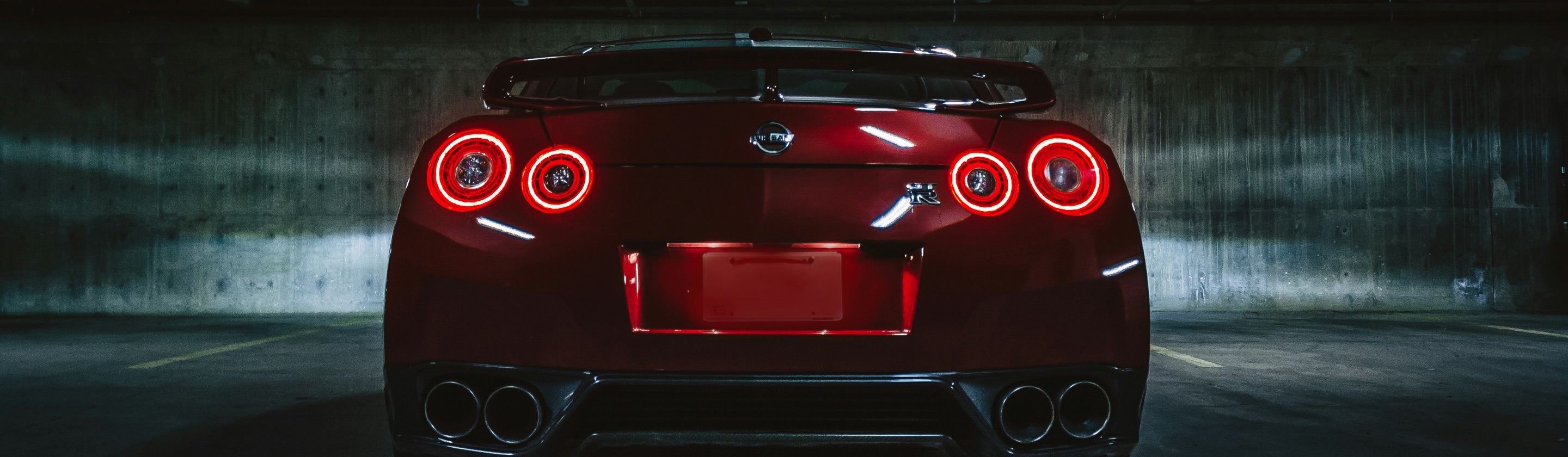
Selling a used car isn't rocket science, but after a day of ignored Marketplace ads and salesmen laughing you off the lot, it sure feels that way. But resale value isn’t just about what’s under the hood. The confusion often stems from what people think boosts the price tag at all, and it’s not always what you think.
Appearance matters, and a neglected interior or dirty exterior can leave potential buyers wondering what else you've ignored. Fortunately, you don't need to spend a fortune restoring your car to make it more appealing. A thorough detailing session can transform how your car looks, potentially helping you negotiate a better selling price—and we’re here to help you get the best bang for your buck.
First Impressions Start With the Exterior

Before anyone asks about maintenance records, they'll probably notice the paint. A dirty exterior can make even a well-maintained car look older than it is, especially when grime has built up around the wheels. Don’t worry, though; it’s an easy enough fix. Start by rinsing away loose dirt before washing the body with an automotive-specific shampoo and a soft microfiber wash mitt. Work from the roof down, preferably in the shade, to prevent soap from drying on the paint.
Your wheels deserve attention, too! Brake dust and road debris can make otherwise attractive rims look neglected, and that’s the last thing potential buyers want to see. All you really need to do is use a wheel cleaner compatible with their finish, along with a separate brush to avoid transferring dirt onto the bodywork. Don't forget the tires, wheel wells, and lower door panels, either—that’s where grime tends to collect.
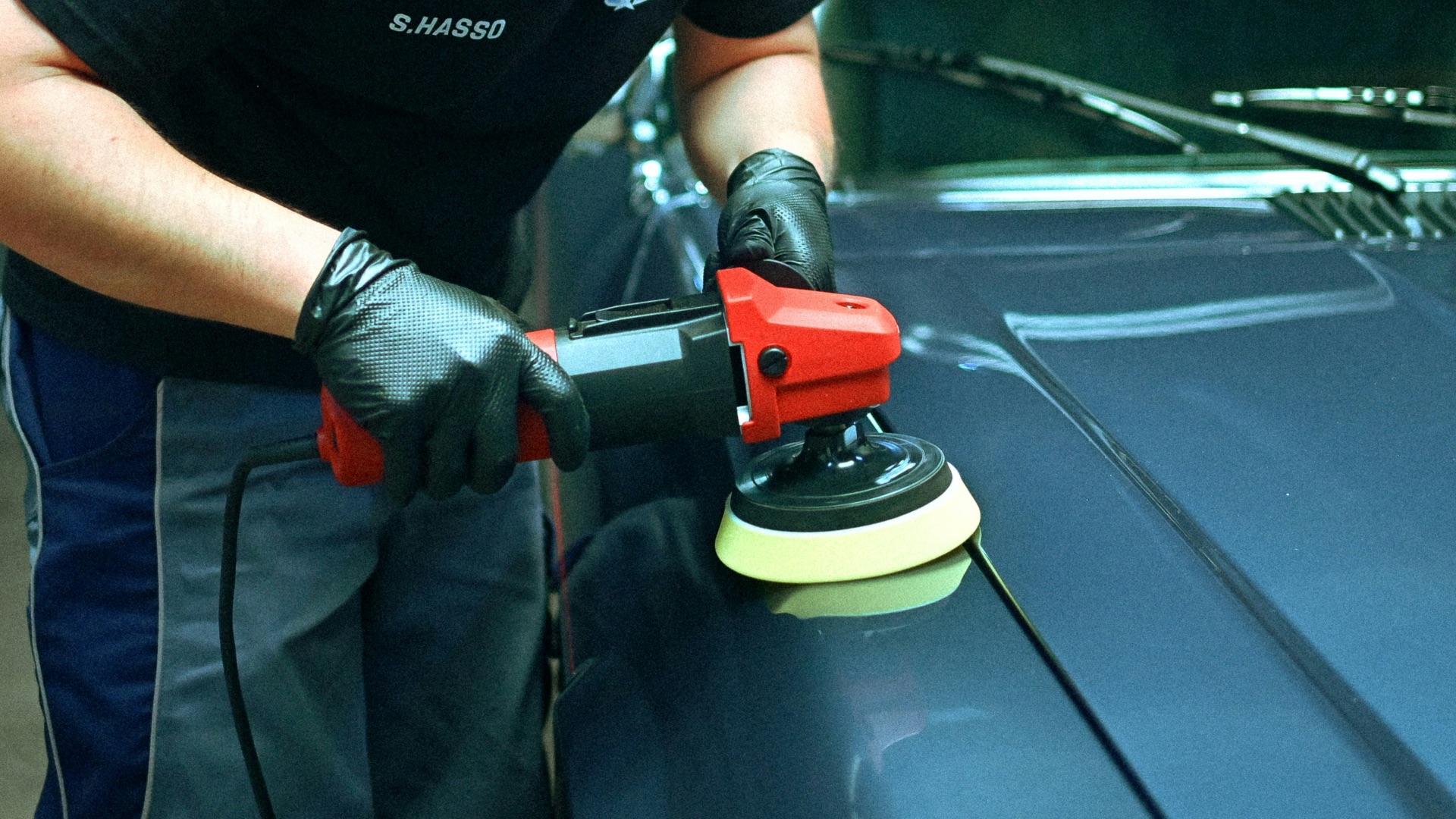
Next comes protecting the paint, which is where wax or a compatible sealant can improve its good looks. Though they might not seem that useful, these products can actually enhance gloss while adding a protective layer. They won't repair deep scratches or damaged clearcoat, but for little cosmetic tweaks, you can’t go wrong investing in the stuff. Something else to keep in mind is that for most sellers, a thorough wash followed by a suitable protective product is a more practical approach than attempting complicated paint correction.
A Spotless Interior Can Change Everything
We know you’ve likely grown attached to your car, but think about it from an outsider’s perspective. Imagine you're seeing it for the first time. Would you be impressed by stained cup holders and dusty air vents? Would it turn you off to see crumbs trapped between the seats? Well, there you go! Interior detailing deserves just as much attention as the exterior, so clean up the trash and tackle the carpets, upholstery, trunk, and hard-to-reach spaces beneath the seats.
Speaking of which, seats can also reveal years of everyday use, particularly when discoloration has been allowed to settle. Fabric upholstery usually benefits from a suitable automotive cleaner, though you’re better off testing it in an inconspicuous area first. Leather, on the other hand, requires different treatment, so choose products designed for it specifically. Avoid soaking either type of upholstery, too—trapped moisture can create even more problems that won't impress potential buyers.
Last but certainly not least, funky odors can undermine an otherwise excellent presentation. Think of all the top culprits: cigarette smoke, pets, or forgotten food, all of which leave lingering smells. Rather than overwhelming the cabin with air freshener, find out where the funk’s coming from and clean the surfaces thoroughly. You should also find out whether replacing a dirty cabin air filter is necessary, and inspect the trunk and floor mats for anything contributing to the problem.
The Details That Seal the Deal
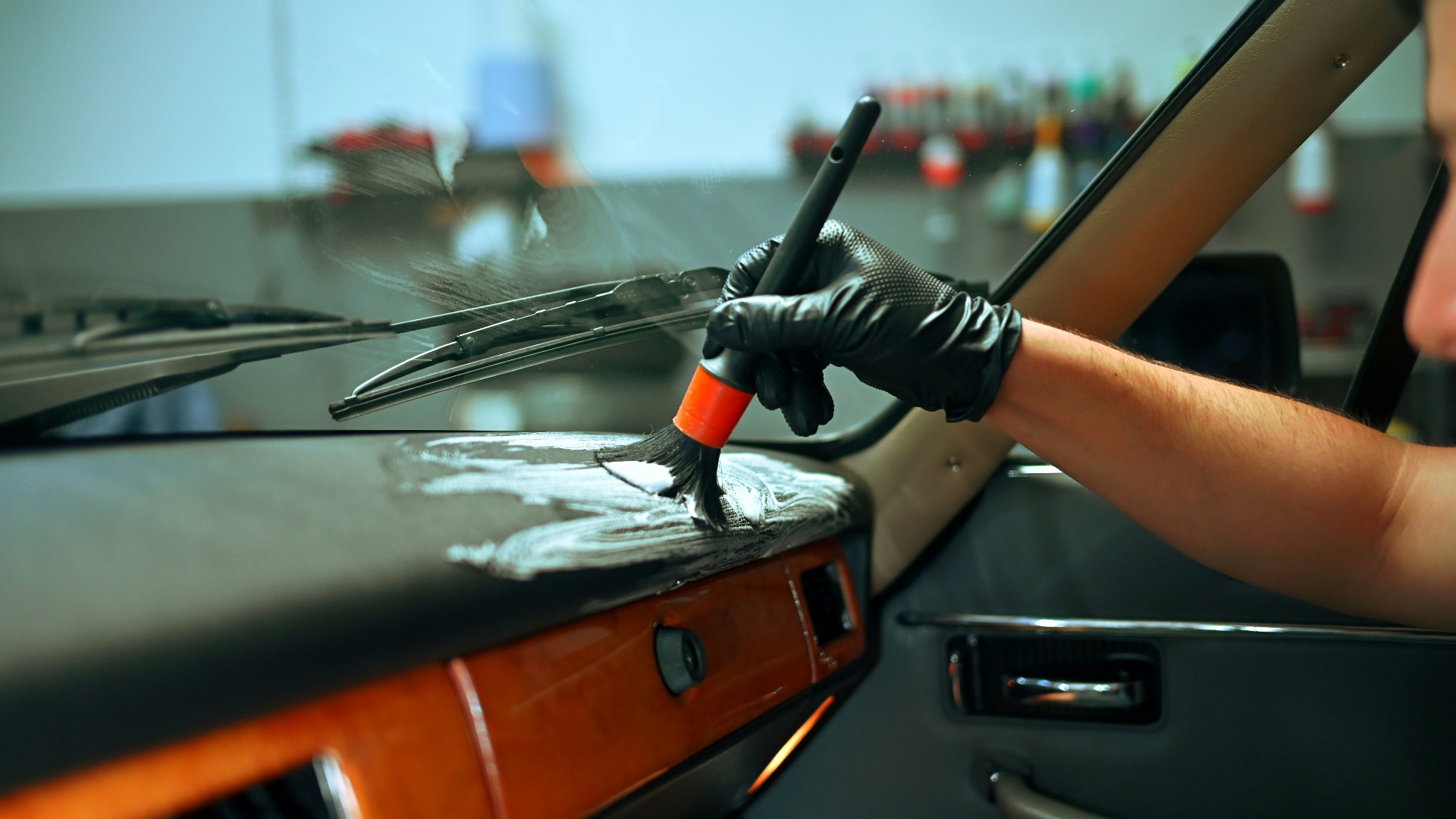
Once the major stuff is all done, now it’s time to focus on areas that buyers naturally touch and inspect during a viewing. That means all the nitty-gritty, like door handles, steering wheels, gear selectors, and dashboard controls. Don’t kid yourself; those surfaces collect oils and fingerprints that become surprisingly noticeable under good lighting. Wipe them down with appropriate cleaners and microfiber cloths, taking care around delicate screens and electronic controls.
Clean windows are another inexpensive improvement that can make the entire vehicle feel better maintained. Wash both sides of the glass with an automotive glass cleaner that's safe for any aftermarket window tint. Pay special attention to the interior windshield, where a hazy film can accumulate without you even noticing. You should also check the wiper blades and replace them if they're damaged or no longer clearing water effectively.
Finally, consider how much you're spending before even considering an expensive professional package. A heavily stained vehicle may justify a little TLC, but a reasonably tidy car might only need several hours of work at home. Take photographs after detailing, using natural light to show the paint, seats, dashboard, wheels, and cargo area accurately. Buyers still care about mileage, mechanical condition, and service history, but presenting a clean vehicle gives them one less reason to negotiate your asking price downward.