Cars Under the Griffin Badge
Vauxhall has been making cars for more than a century, but many of its models remain relatively unknown outside Britain. Some were genuinely impressive machines that deserved more attention, while others struggled to compete even in their home market. The brand's close ties to other European manufacturers also meant some familiar Vauxhalls appeared overseas under entirely different names. Here are 10 Vauxhalls that deserved a wider audience, followed by 10 that had good reasons for remaining regional.
 allen watkin from London, UK on Wikimedia
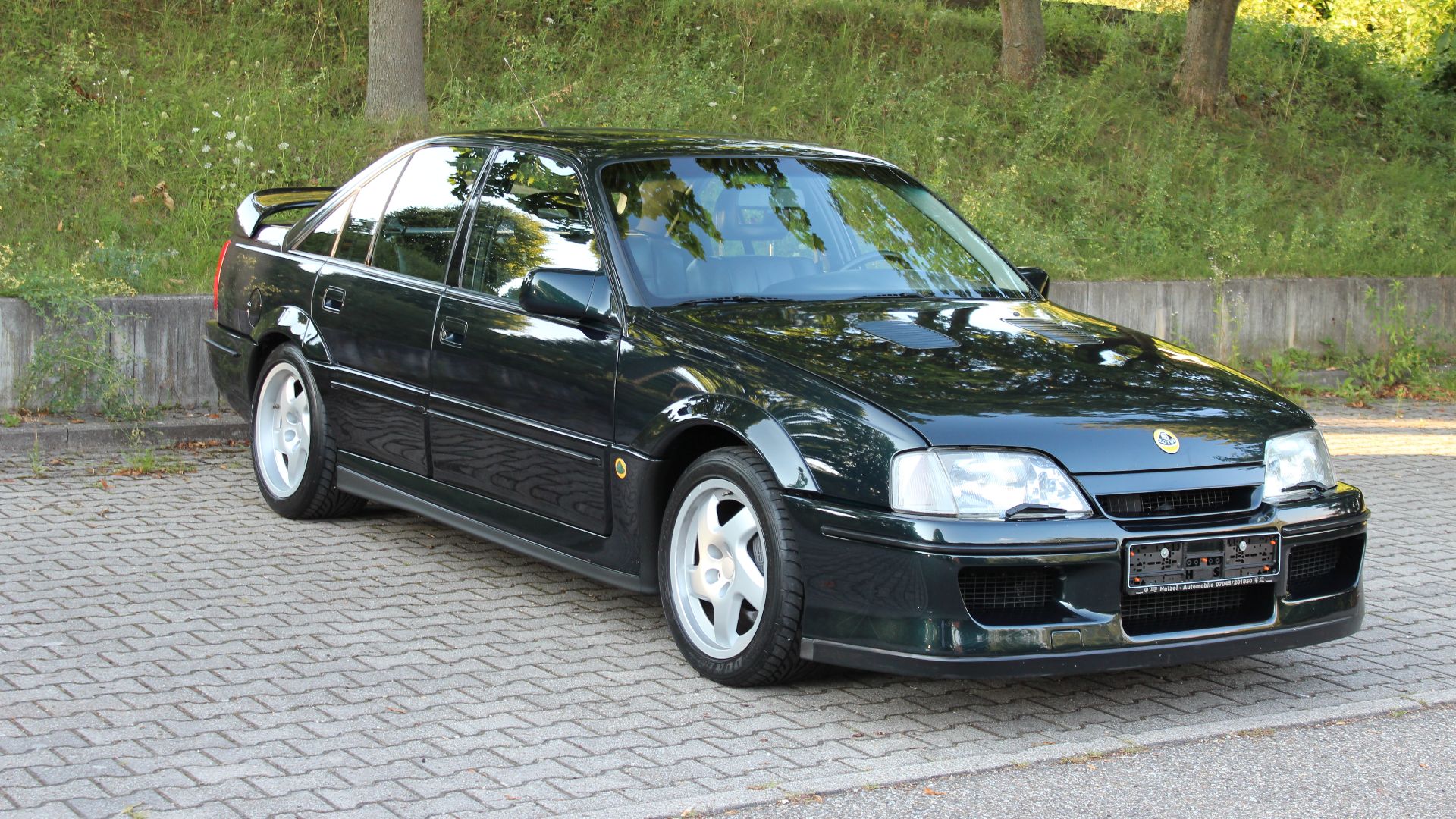
1. Lotus Carlton
A twin-turbo 3.6-liter straight-six gave this boxy family saloon 377 horsepower, nearly 200 more than a standard Carlton. Lotus quoted a top speed of 176 mph, which prompted a brief debate in the House of Commons in 1990 and led General Motors to stop advertising the figure. Fewer than half of the roughly 950 built stayed in Britain, and the rest were mostly sold in Europe as the Lotus Omega.
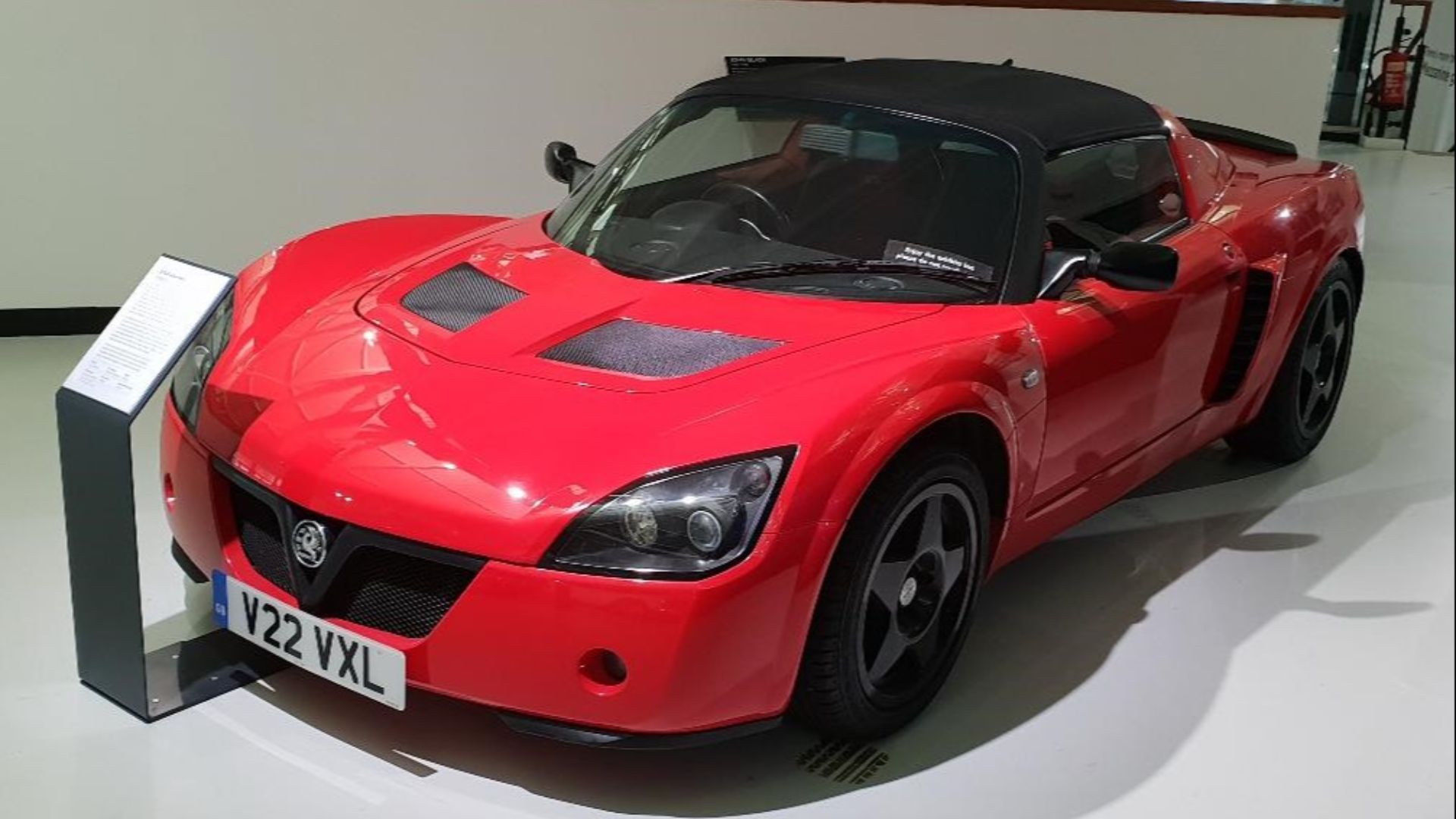
2. VX220 Turbo
Vauxhall built the VX220 on the Lotus Elise's aluminum chassis at the same factory in Norfolk, with General Motors engines in place of Toyota's. The Turbo added in 2003 made 197 horsepower and reached 60 mph in 4.7 seconds. Production ended in 2005 after roughly 7,000 were built, Speedsters included, and many blame the Vauxhall badge for the modest sales.
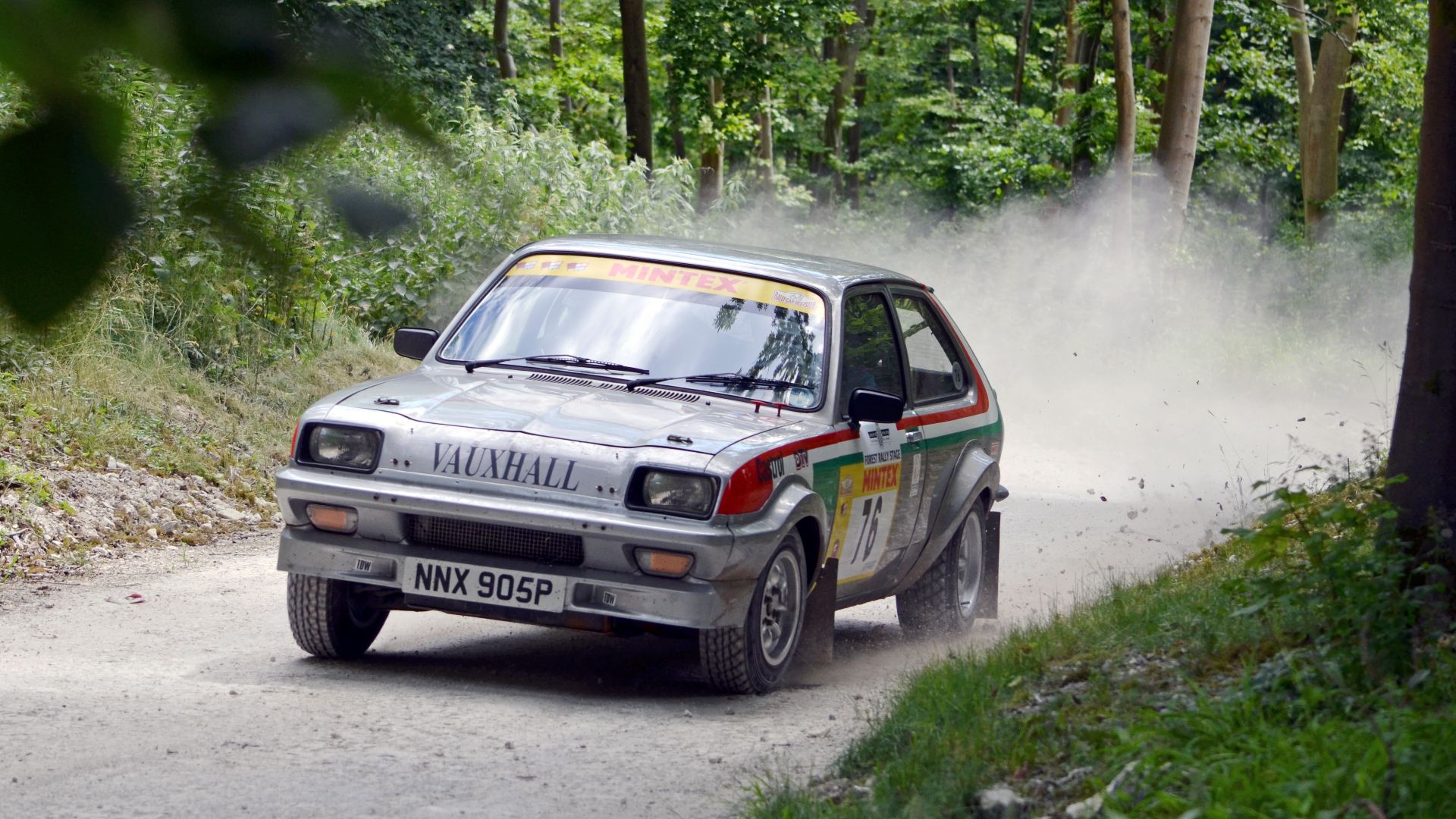
3. Chevette HS
Work on the Chevette HS began in 1976, after Vauxhall decided to raise its rallying profile with a 2.3-liter 16-valve engine in a small hatchback. Group 4 rules called for 400 road cars, and the rally versions took notable wins with Tony Pond against Ford's Escorts. A later HSR evolution lost its backing when Opel pushed the program toward the Manta 400.
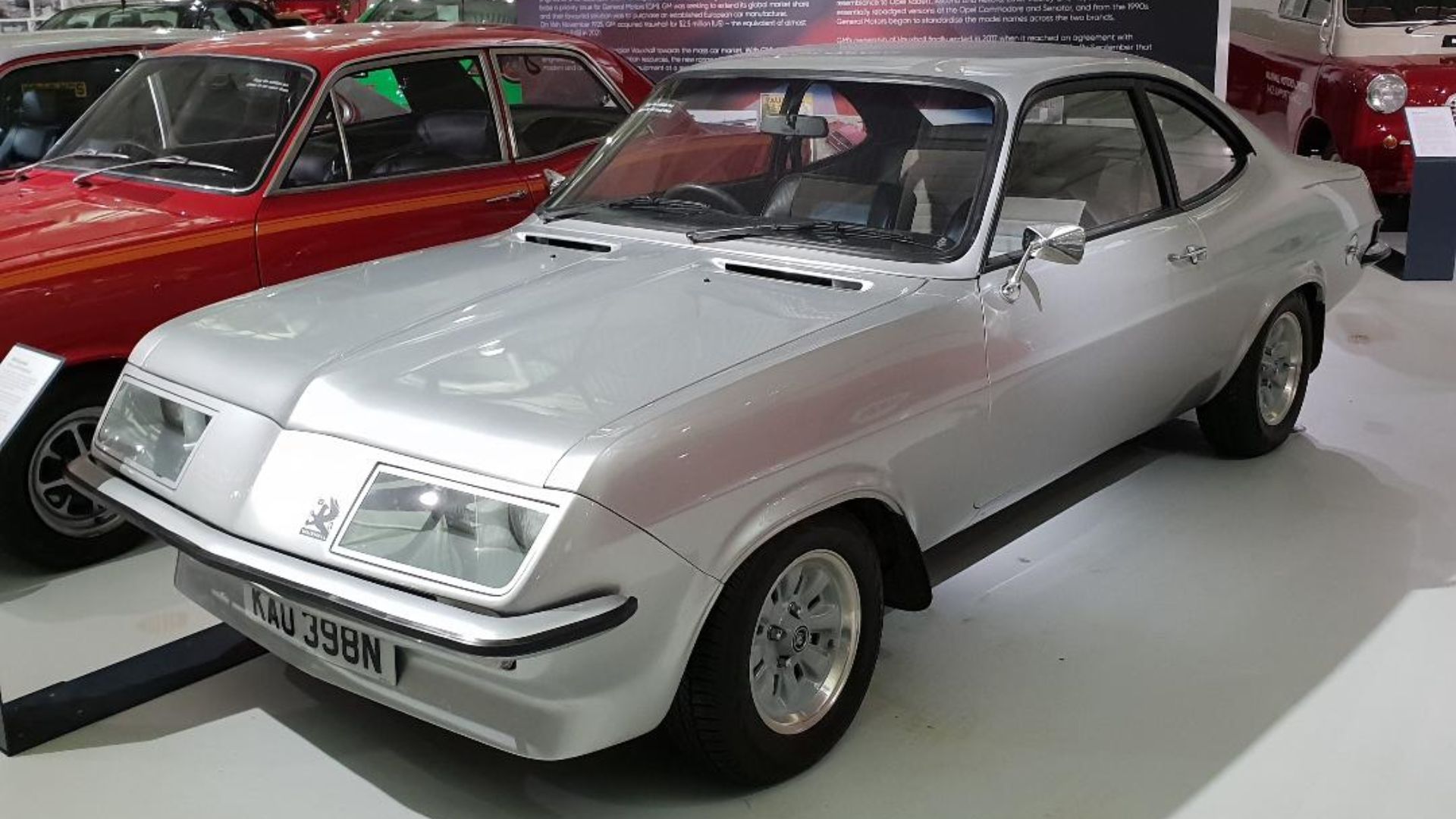
4. Firenza Droop Snoot
The Firenza Droop Snoot had a sloping nose meant to cut drag, and Vauxhall claimed a top speed of 120 mph. It cost about £2,625 and arrived after the 1973 fuel crisis, which helps explain why just 204 were sold.
5. Monaro VXR500
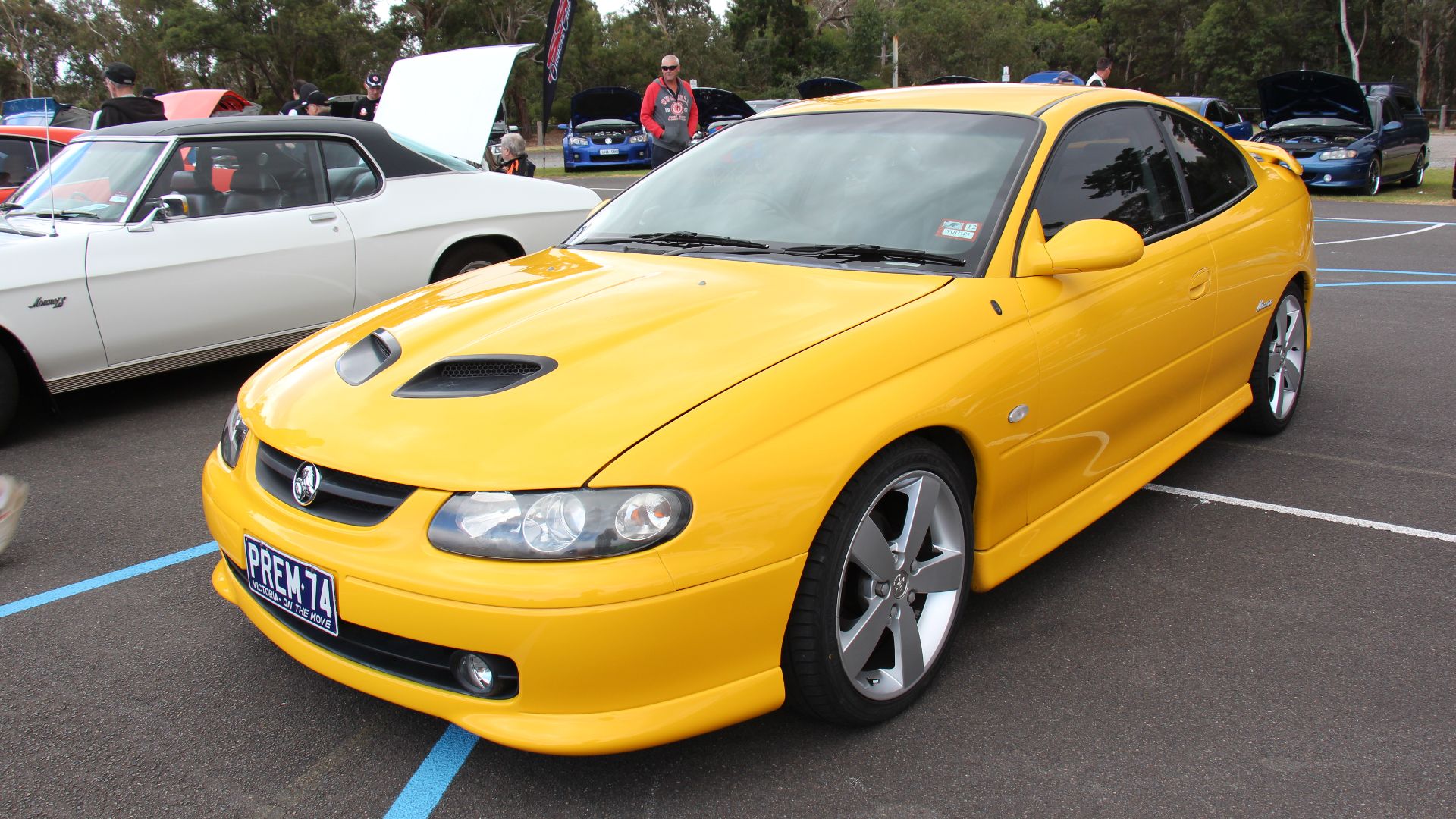
Badge snobbery gets some of the blame for the weak sales of the Holden Monaro from Australia, which also sold in America as the Pontiac GTO. When it reached Britain in 2004, its 377 horsepower made it the most powerful road car ever to wear the griffin badge. A supercharged VXR500 followed in late 2006 with about 500 horsepower, shortly before the car left production.
6. Calibra Turbo 4x4
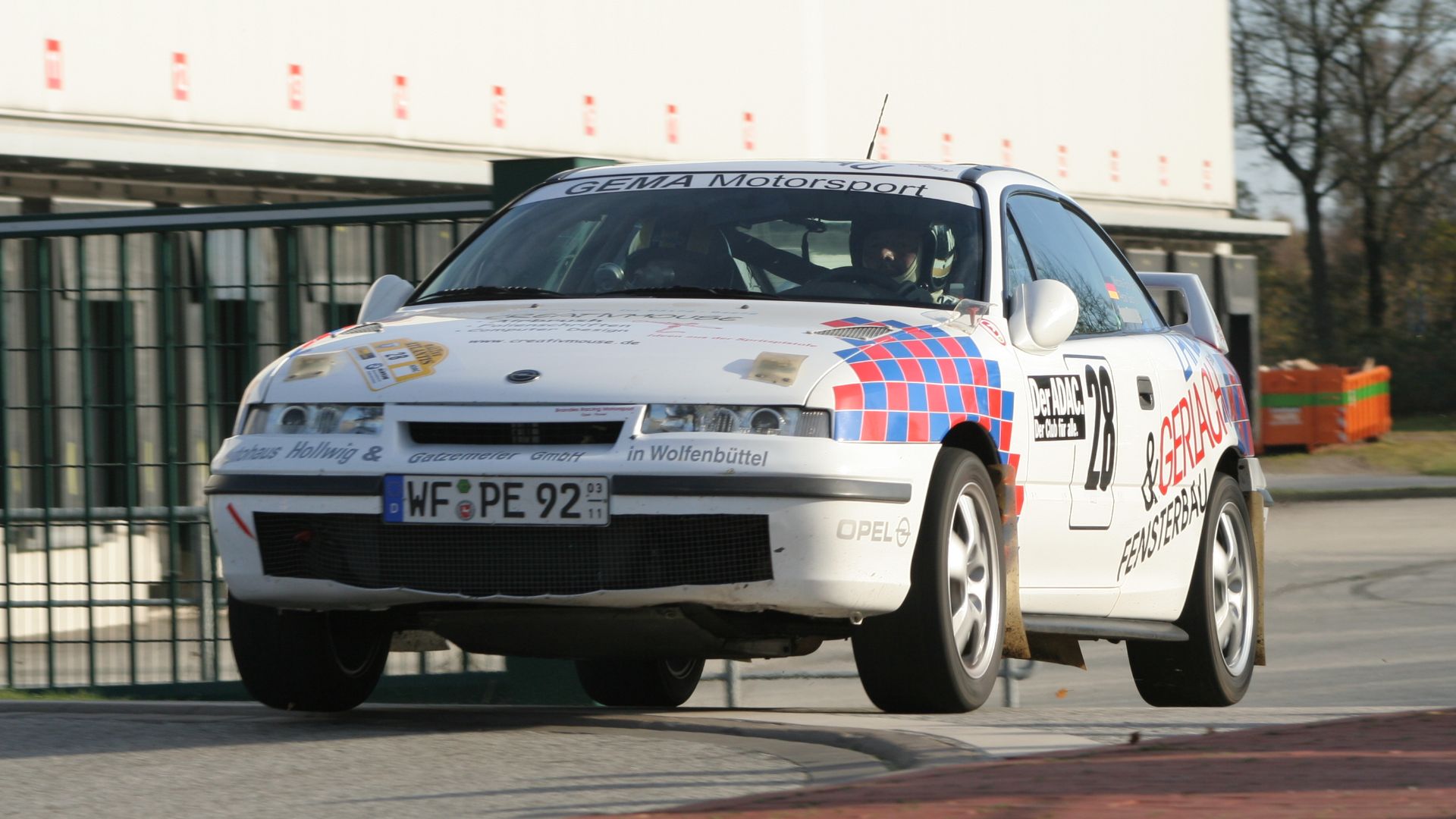
A Calibra Turbo 4x4 could reach 152 mph and 60 mph in 6.4 seconds, while the base 8-valve model posted a record drag coefficient of 0.26. About 238,000 were built under the Opel and Vauxhall names, and roughly 40,000 of them sold in Britain. More than half of buyers picked the cheapest 8-valve engine, so the quick turbo versions made up a small slice.
7. 30-98
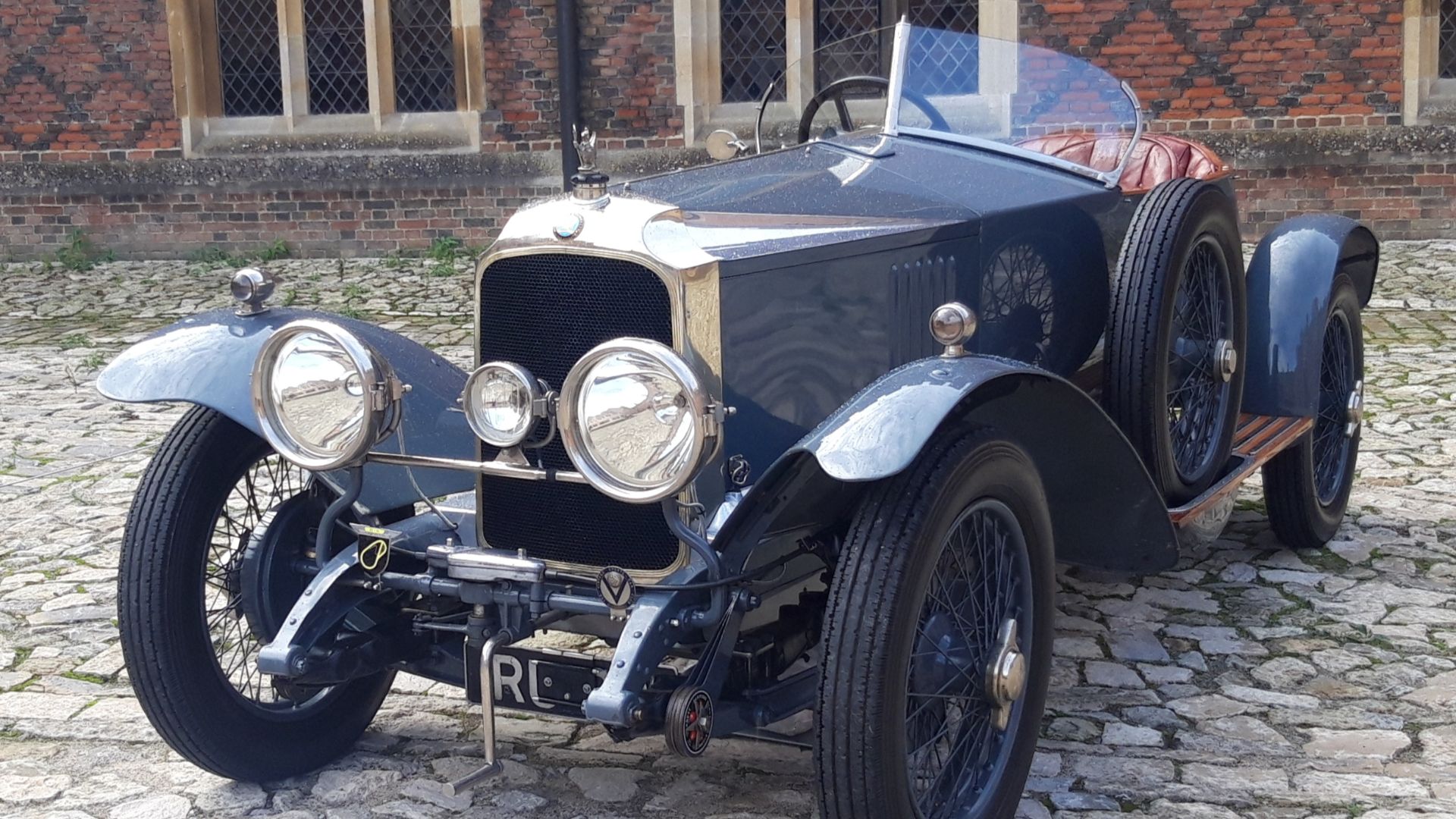
The Vauxhall 30-98 descended from the Prince Henry sports car, with later versions using a 4.2-liter four-cylinder engine producing 112 horsepower. It earned a reputation as a thrilling driver's car, although the brakes struggled to keep up. Early models had rear drums only, which made stopping an adventure of its own. The doorless Wensum body was developed to boost sales, with its distinctive nautical styling inspired by a boat the designer kept on the Norfolk Broads.
8. Ampera
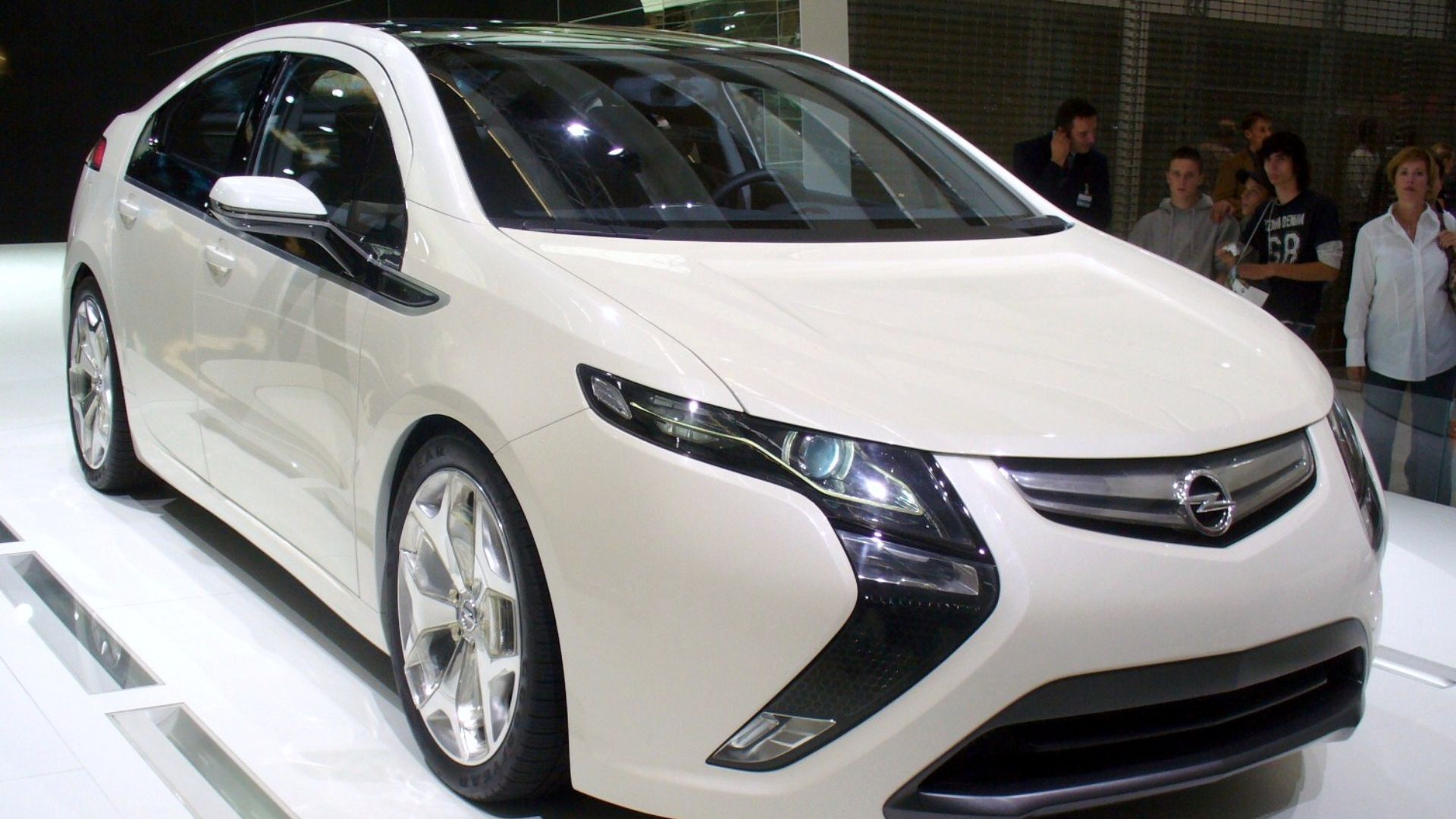
The Ampera was the Vauxhall and Opel version of the Chevrolet Volt, a plug-in hybrid in which a small gasoline engine acted as a generator. Jurors from 23 countries voted it 2012 European Car of the Year, with a 49-point margin over the Volkswagen Up, and it could cover about 40 miles on battery power alone.
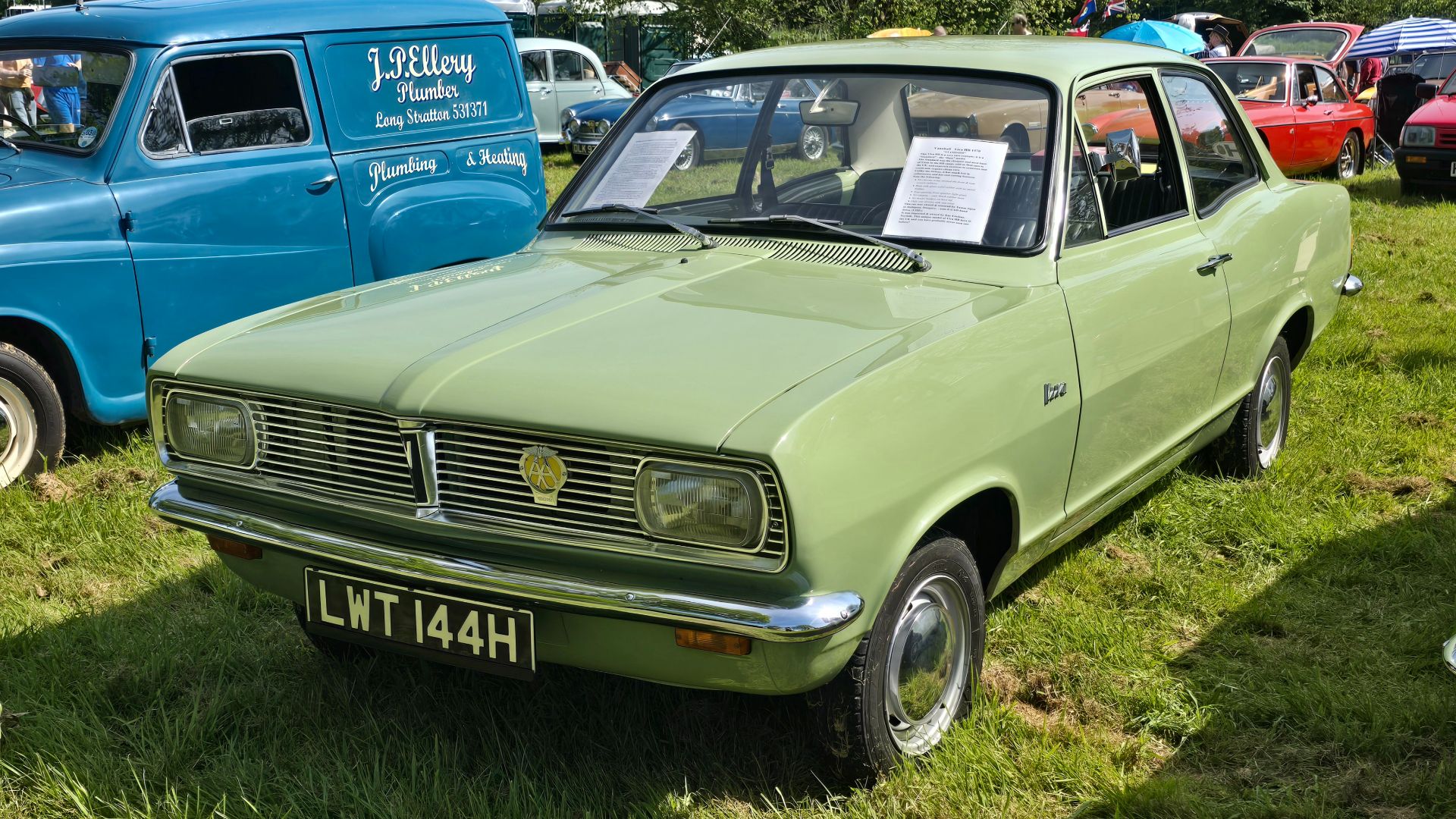
9. Viva GT
Under the hood of the small two-door Viva HB, the GT carried the Victor's 2.0-liter overhead-cam engine. Four exhaust outlets and a matte black grille and hood set it apart, and it was built only from 1968 to 1970.
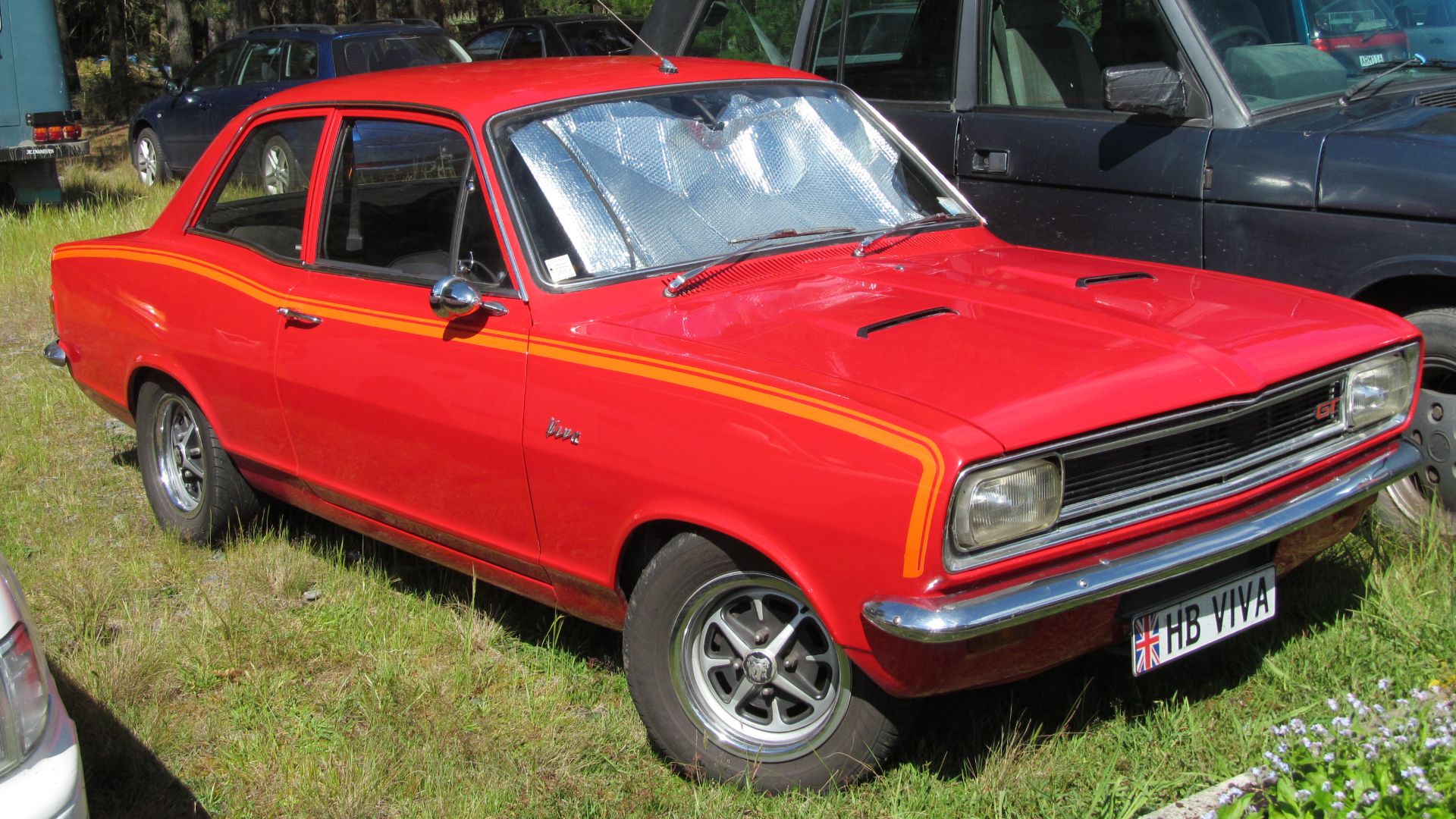 Riley from Christchurch, New Zealand on Wikimedia
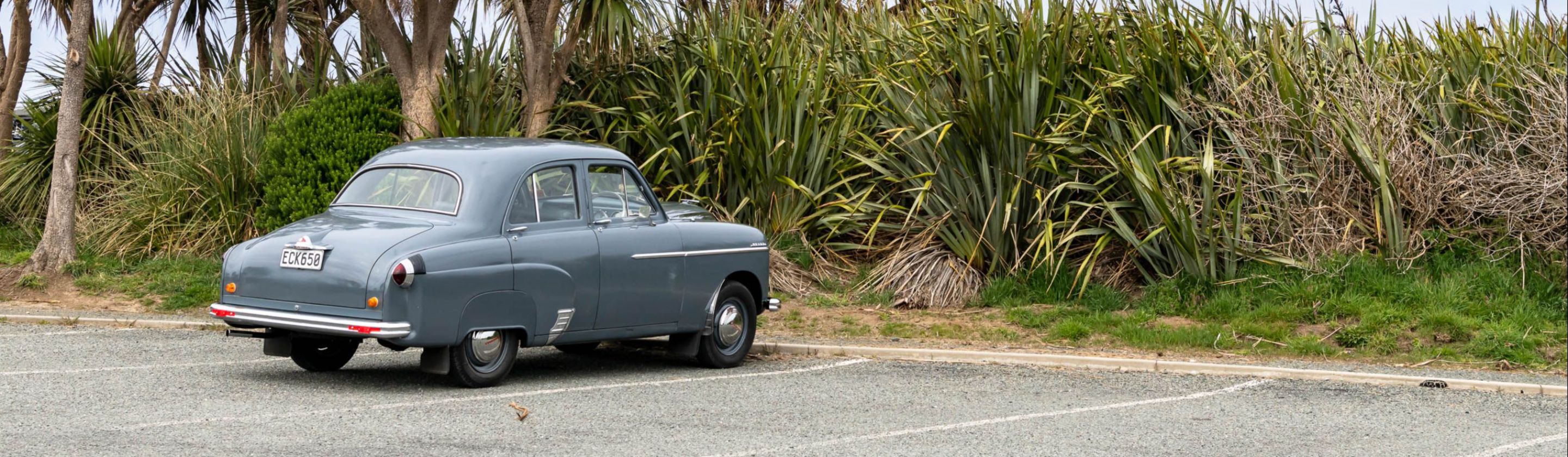
10. Vauxhall 25
Credit for the first British car with a heater and demister as standard goes to the Vauxhall 25. It had a 3.1-liter six-cylinder engine and could reach about 80 mph before production stopped in 1940. General Motors-Holden also built it in Australia.
Now, here's 10 that stayed close to home.
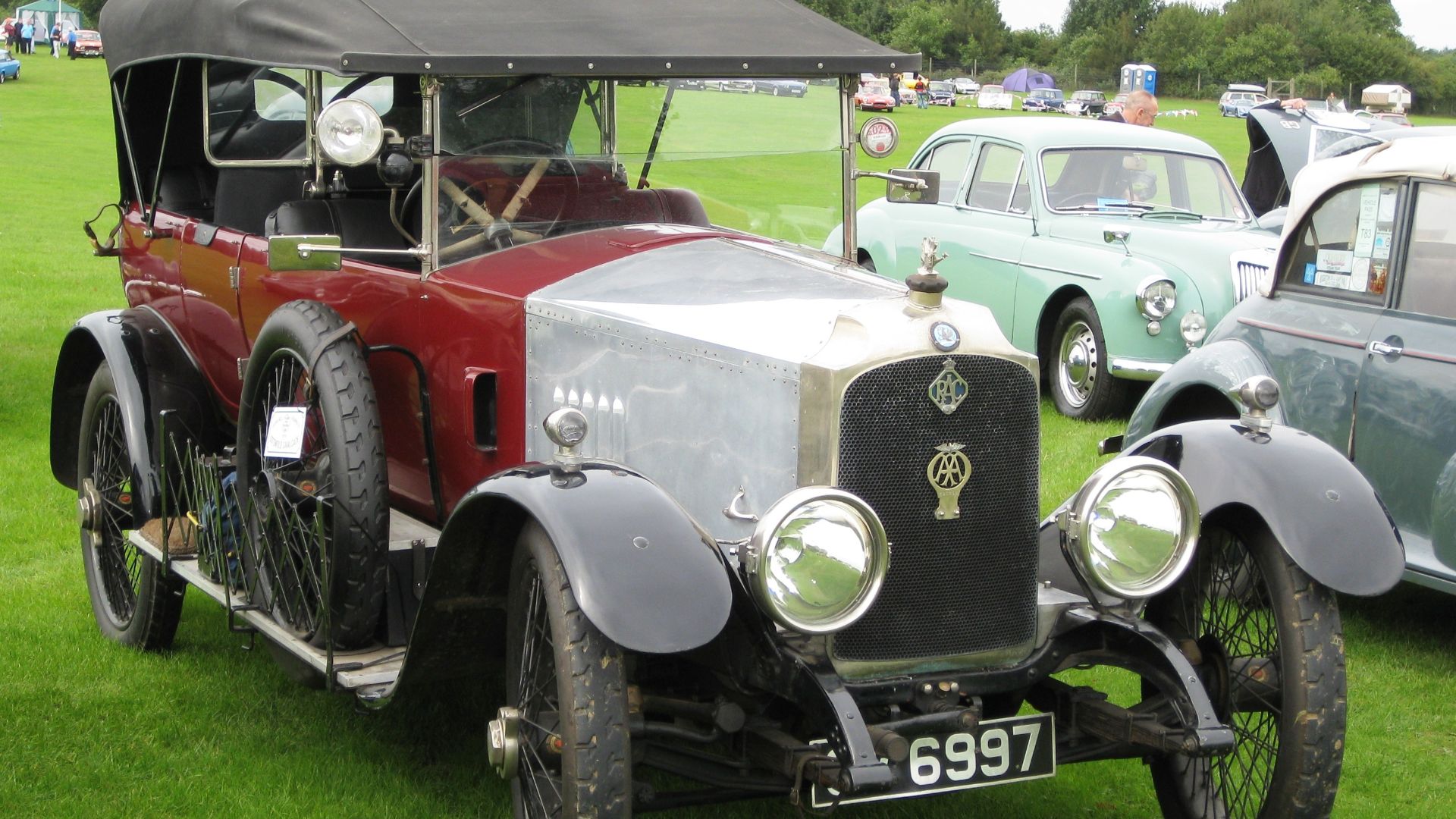
1. Cresta PC
The Cresta PC had a column-shift gearbox and very soft suspension, and it already felt old fashioned next to the big six-cylinder saloons of its day. Sales were weak, and Luton struggled with rust and build quality, so few survived once the fuel crisis hit used values and banger racers took over. By one estimate the survivors in Britain now number in single figures.
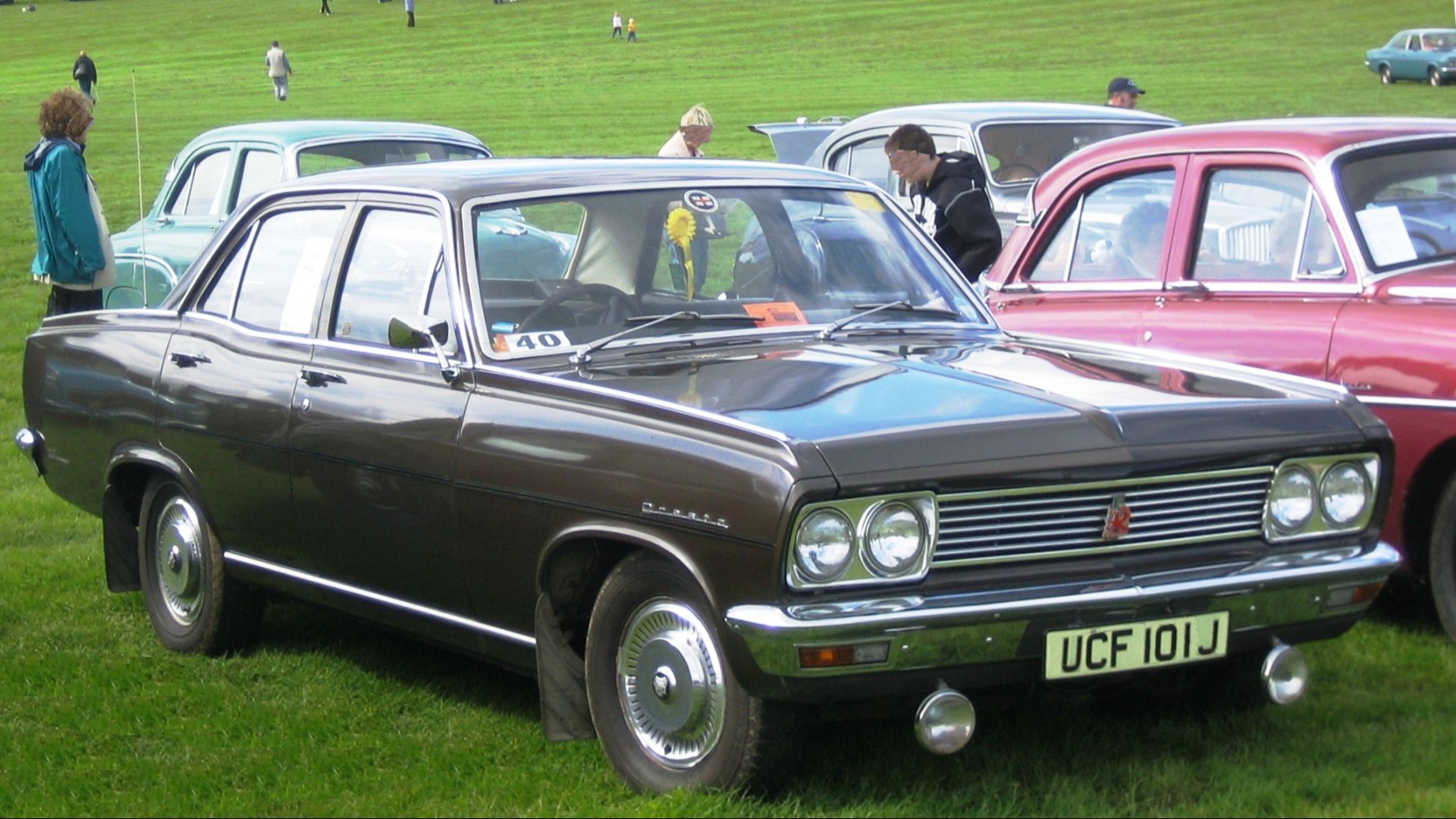
2. Ventora
Putting a 3.3-liter six from the big Cresta into the smaller Victor added roughly 200 pounds over the front wheels of the Ventora. That weight brought understeer and fuel economy that struggled to reach 20 mpg. Vauxhall sold about 25,000 over eight years and two generations, and the cheaper VX4/90 arguably made it close to redundant.
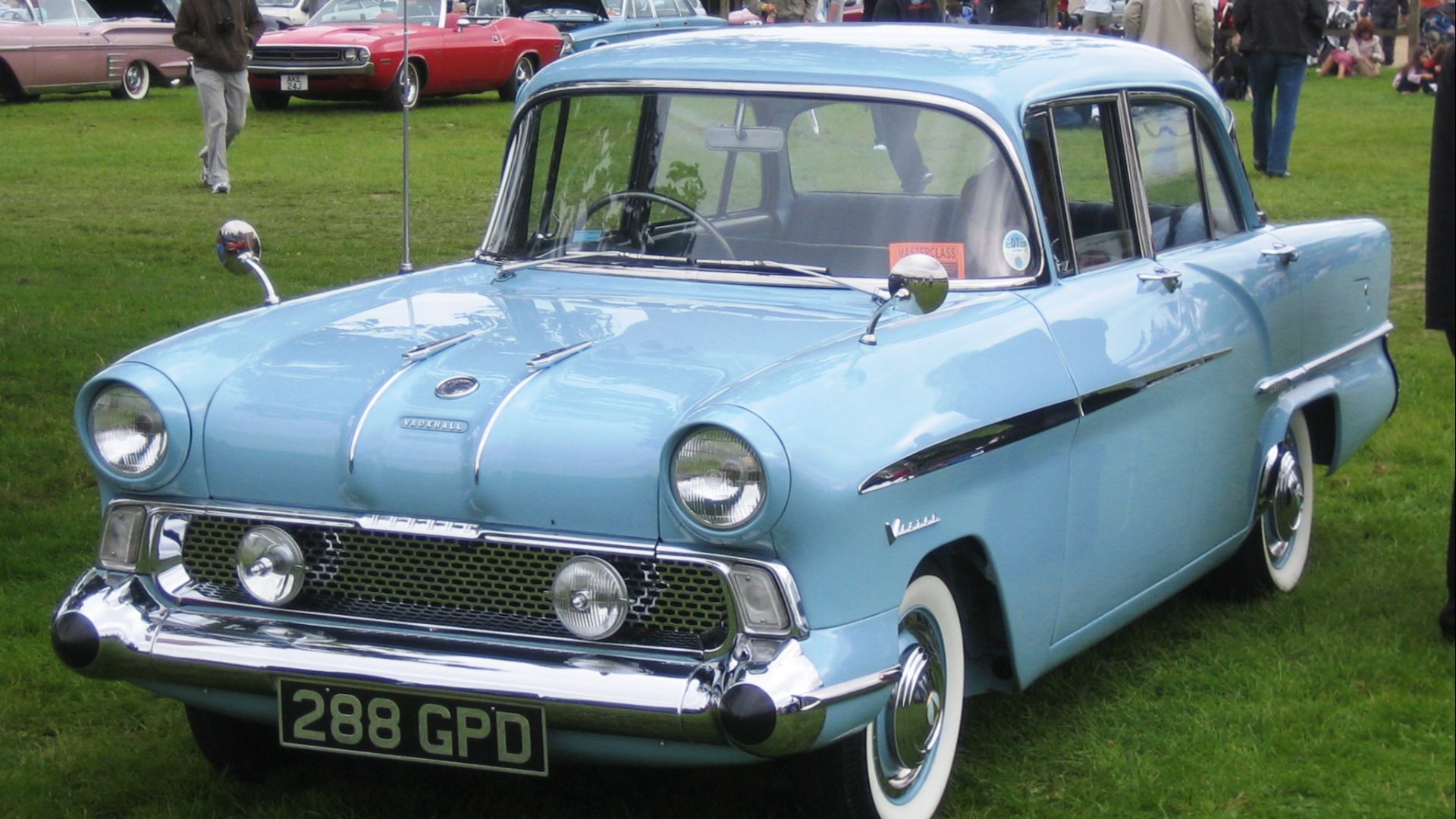
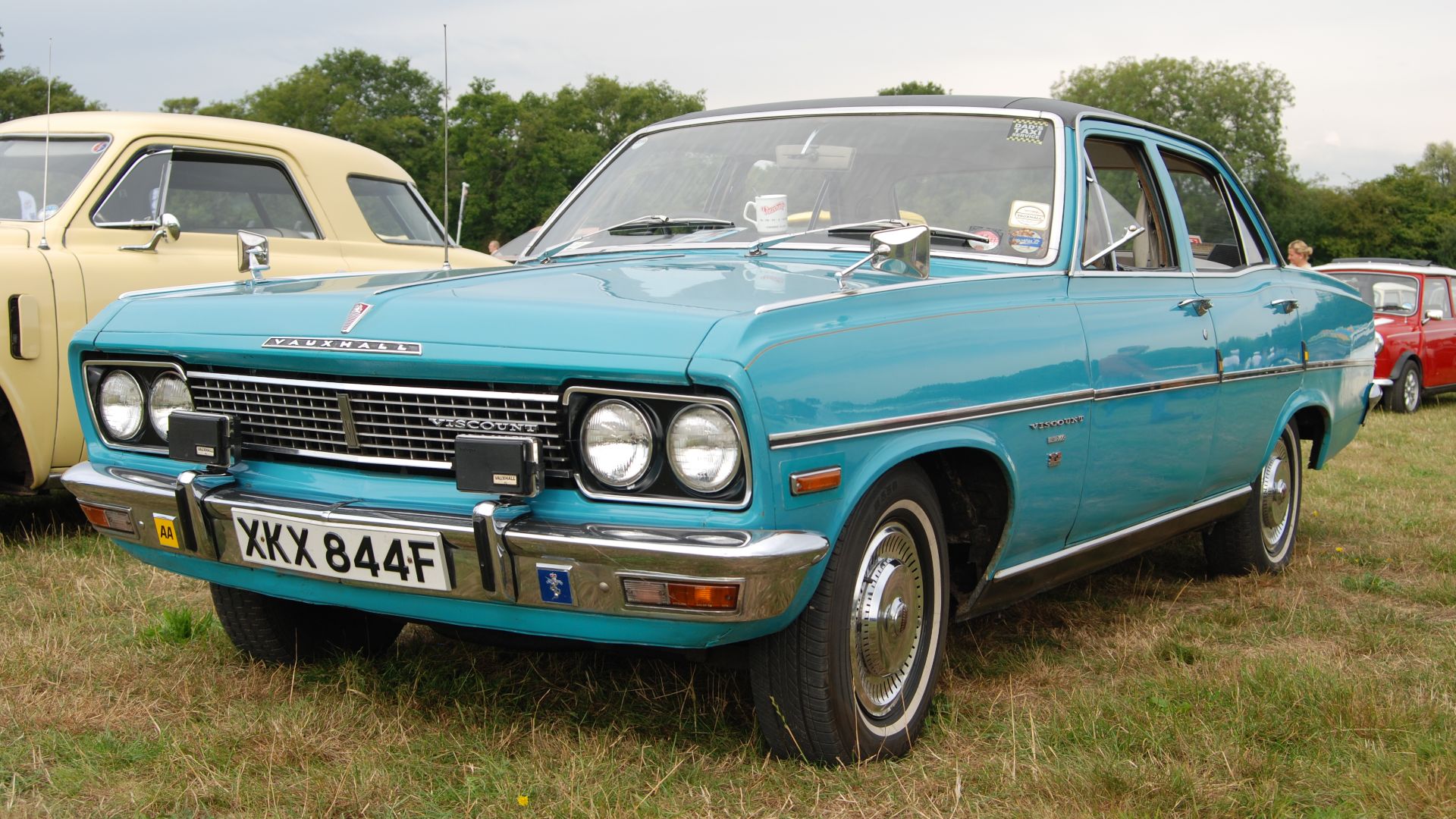
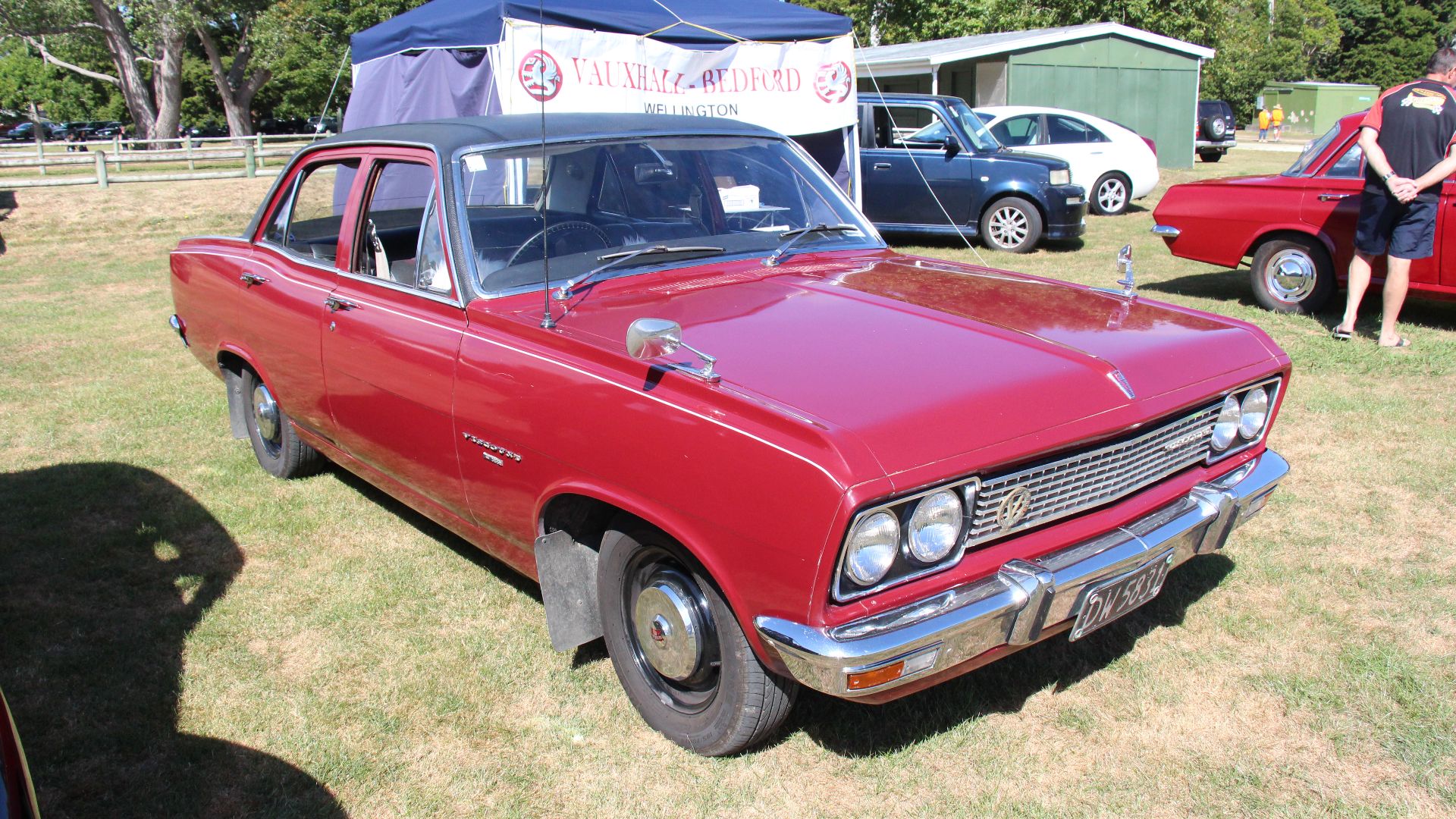
3. Viscount
Vauxhall built 7,025 Viscounts between 1966 and 1972, all of them the top version of the Cresta PC. It came with an automatic gearbox and electric windows as standard, and one writer believes it was the first British mass-production car to offer the windows that way. The same writer calls it the definitive British barge and says it was briefly the fastest-accelerating British family saloon.
4. Envoy
Built for Canada, the Envoy was a reworked Victor with its own grille and trim and a Canadian nameplate in place of Vauxhall's usual badge. Vauxhall sold it through Chevrolet and Oldsmobile dealers, who wanted a version of their own, and brochures called it the British car designed especially for Canadians. The later Epic became the best-selling British car there, but duties on Commonwealth products and an unreliable 1970 model led GM to announce the end of Vauxhall sales in Canada at the start of 1973.
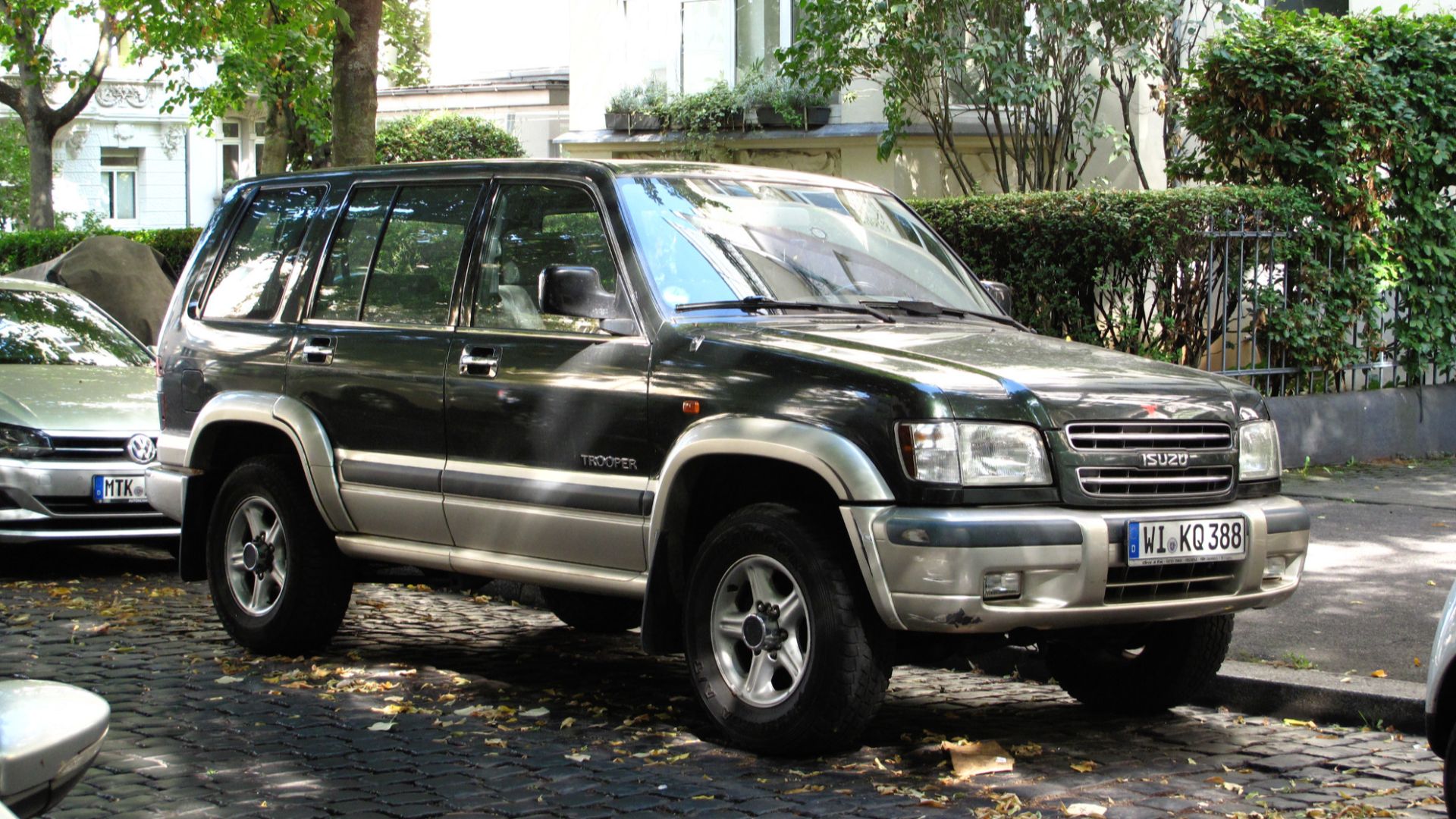
5. Monterey
A rebadged Isuzu Trooper, the Monterey was sold to executives who wanted a higher driving position, and the V6 cost about £23,500 in 1994. The same truck stayed in production in Australia under a Holden badge until 2003, long after it left the Vauxhall range in the late 1990s. Early reviews were largely positive, yet sales peaked at about 1,400 a year and little more than 4,000 found buyers in Britain.
 Rutger van der Maar on Wikimedia
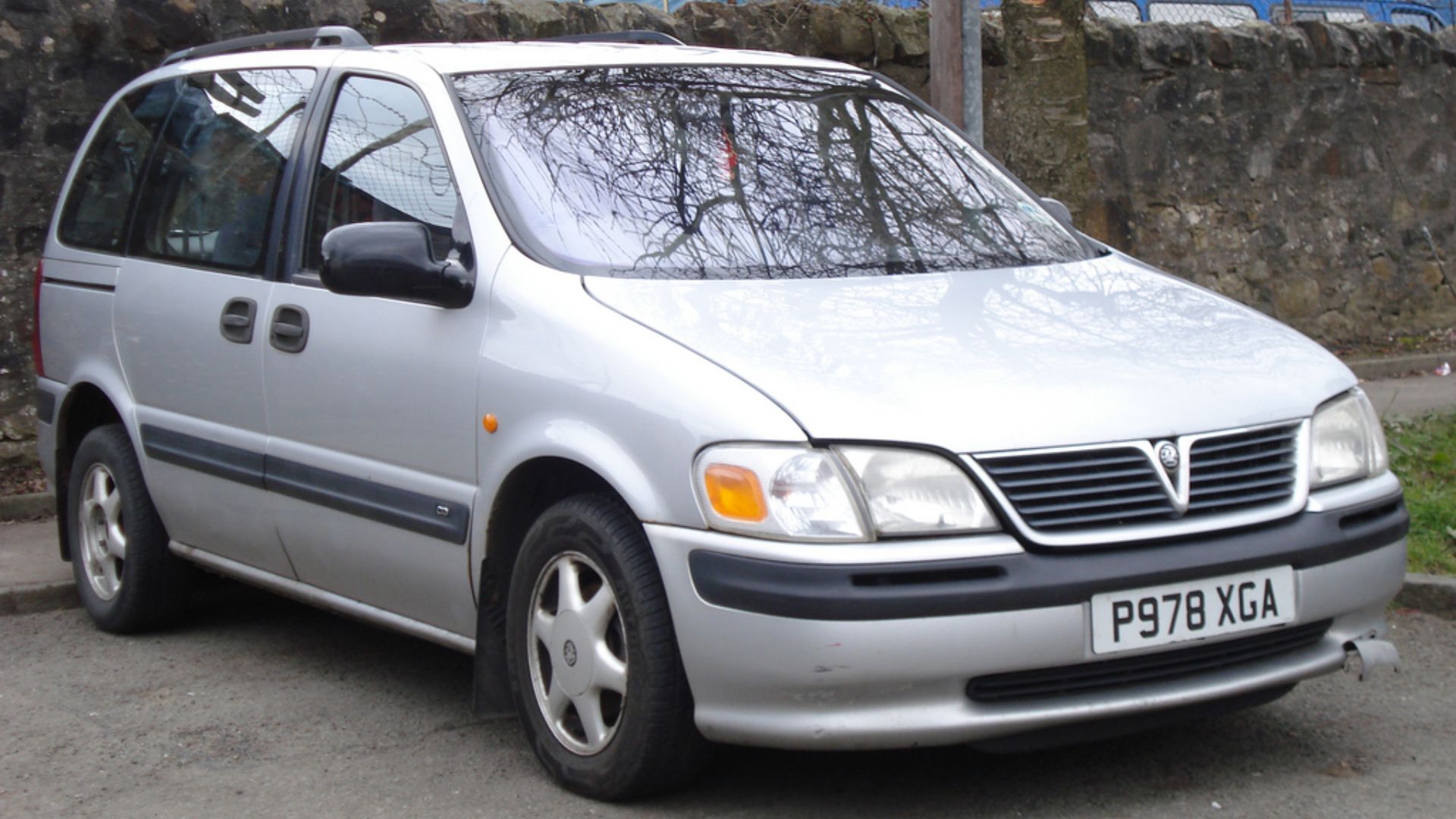
6. Sintra
Vauxhall's sales director said the company always had limited targets for the Sintra, a minivan assembled in Doraville, Georgia. Its 1999 crash test earned three stars with a strike-through marking a cause for concern, and it sat at the foot of the table. Vauxhall shifted its attention to the Zafira, partly because the Georgia plant was needed to meet strong demand in the United States.
7. Signum
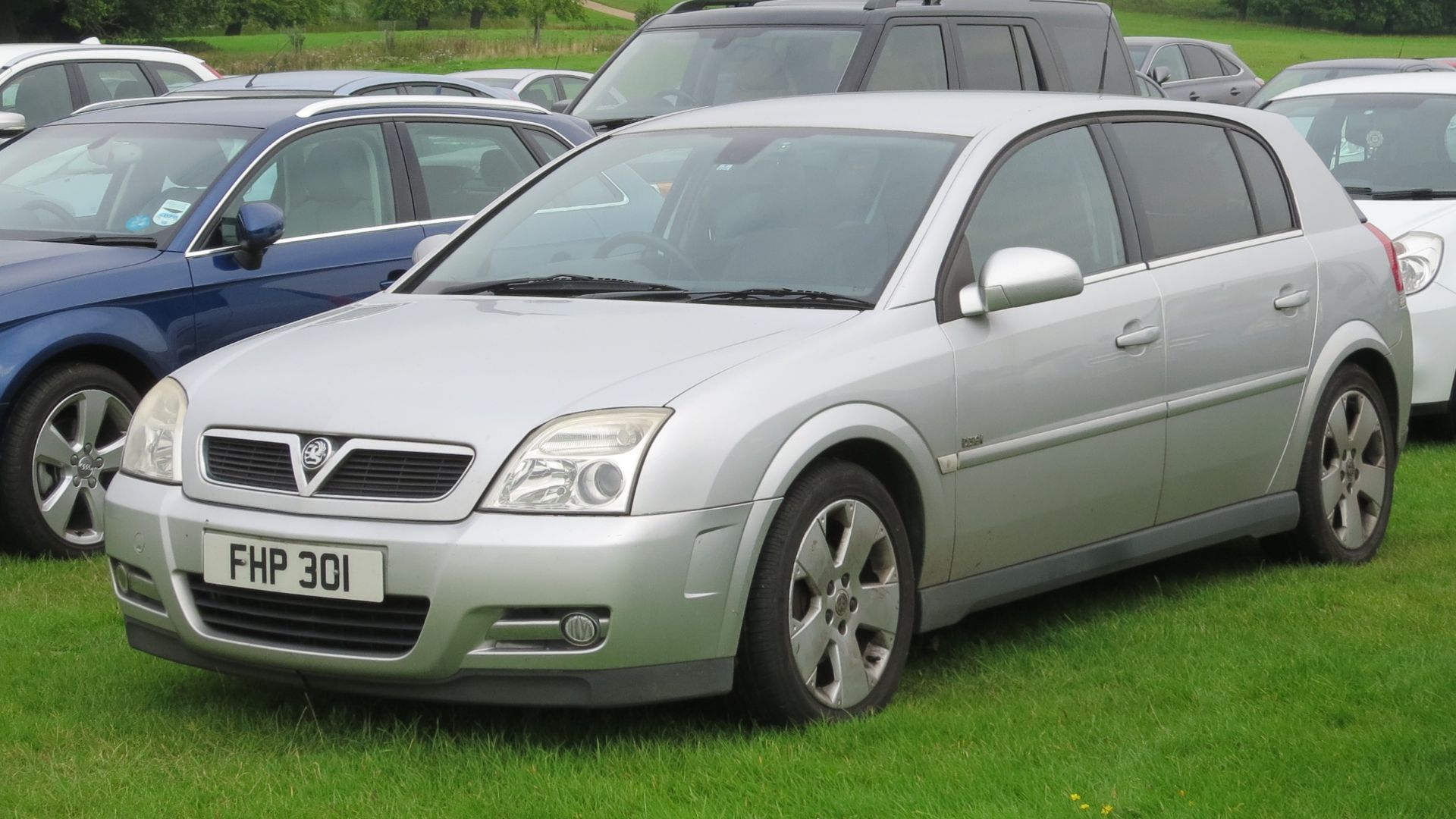
On a Vectra platform lengthened by 130 millimeters, the Signum was pitched as an executive hatchback. About 98,000 sold over five years, against more than 760,000 Vectras. It was discontinued in 2008 without a replacement, and one theory holds that Vectra buyers wanted the shape they already knew.
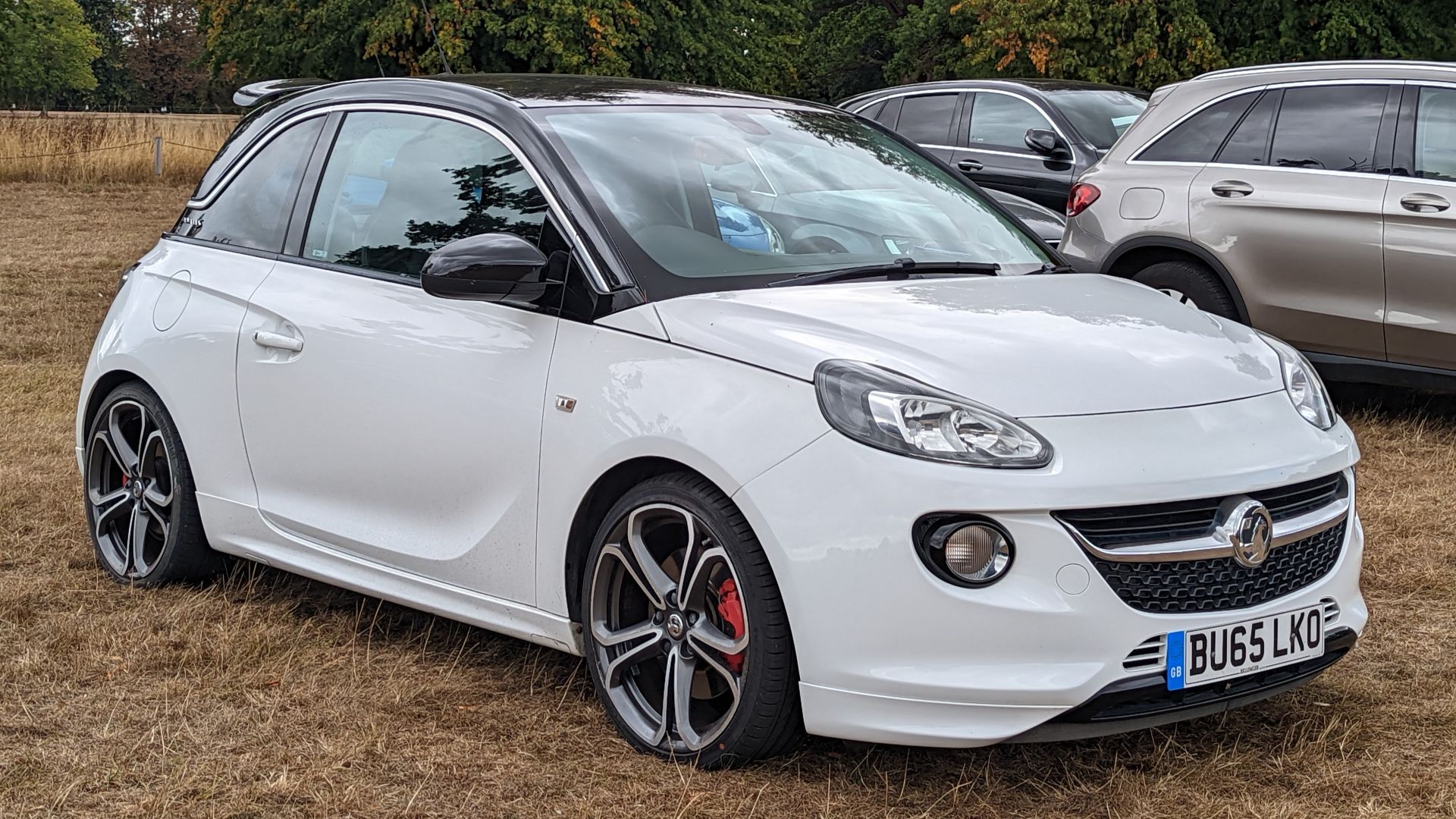
8. Adam Rocks
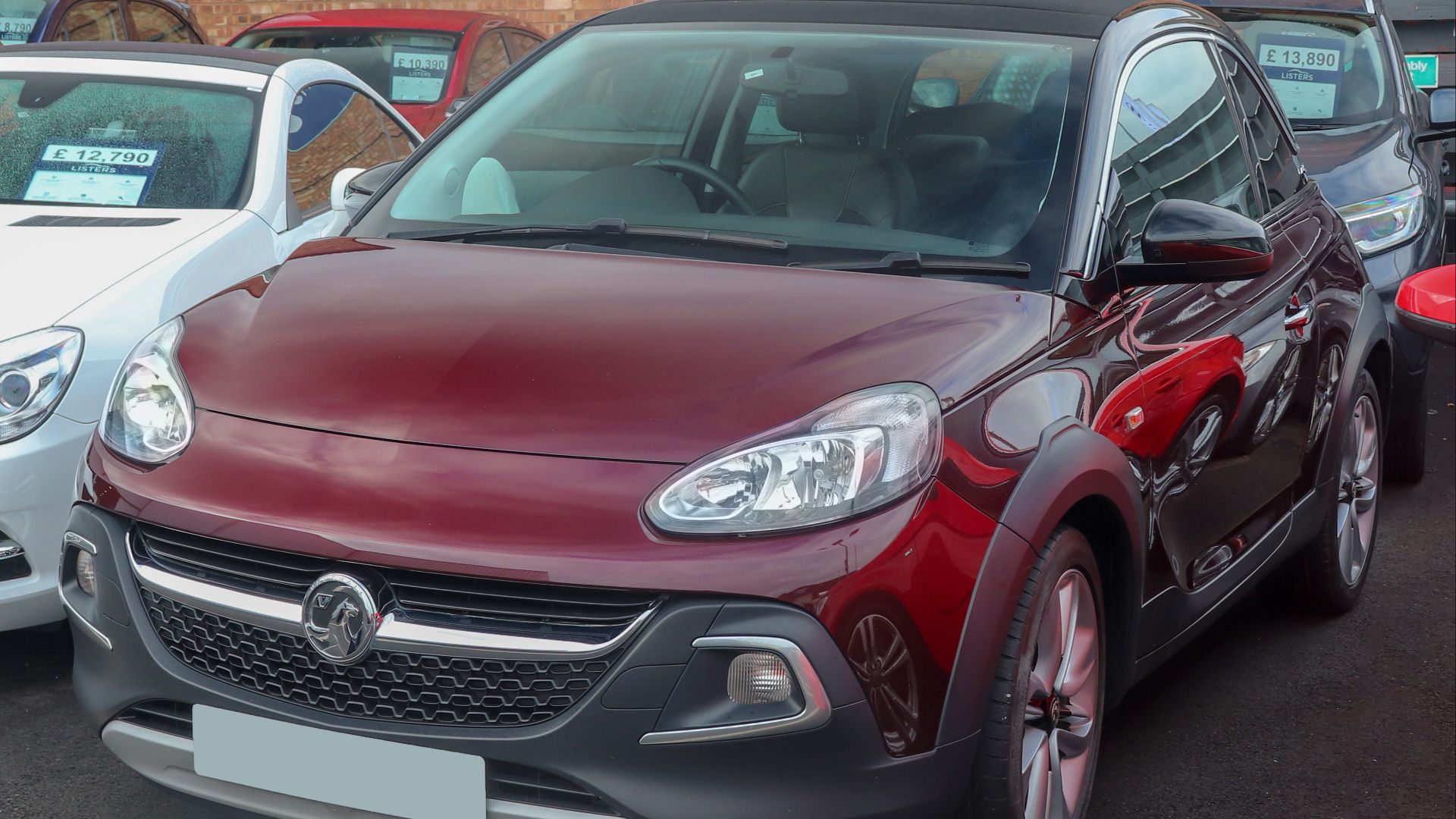
The Adam Rocks was an SUV-styled Adam that started at £17,065, or £6,015 more than an entry-level Corsa. Vauxhall sold 138 of them in 2017, roughly one in 55 Adams. The company dropped it in Britain to focus on the more popular Adam versions, though it stayed on sale in most of Europe as the Opel Adam Rocks.
9. Cascada
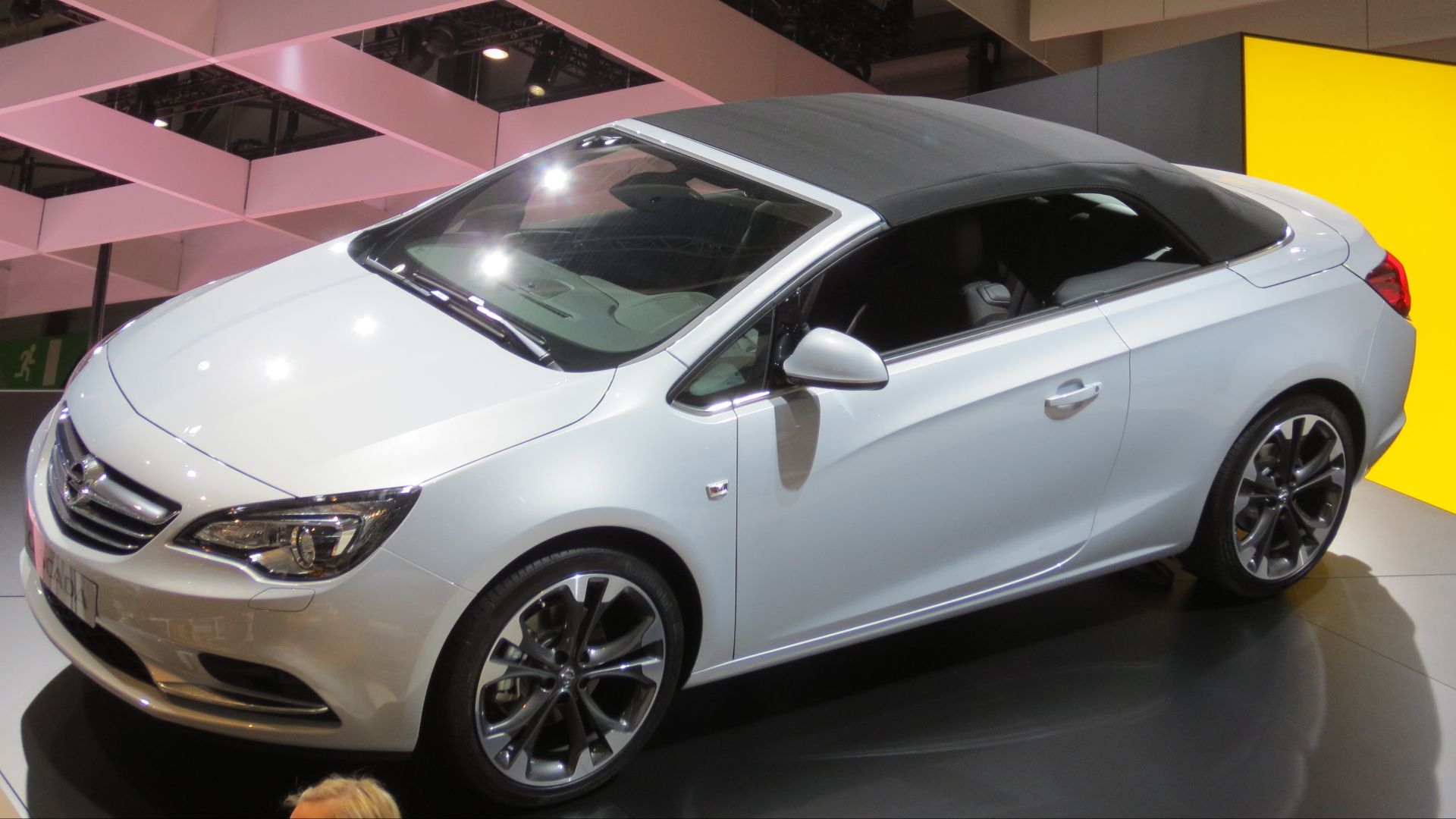
In its first full year after launch the Cascada convertible sold 850, its best, and by 2017 it found just 220 buyers. Poor sales and a renewed focus on SUVs then ended the model in Britain and Ireland.
10. Adam
Vauxhall meant the Adam to take on the Fiat 500 and the Mini. It later announced the end of the Adam and the Viva city car together, citing its fleet CO2 target and a sharper focus on high-volume segments. The Zafira Tourer and the Astra GTC had already been cut earlier that year.